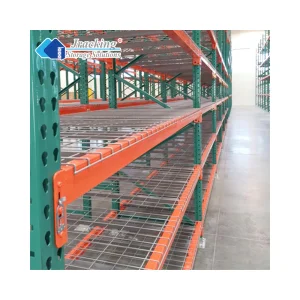
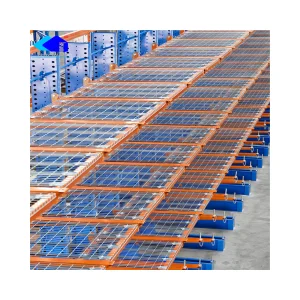
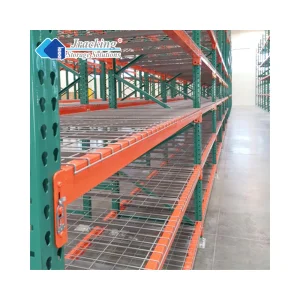
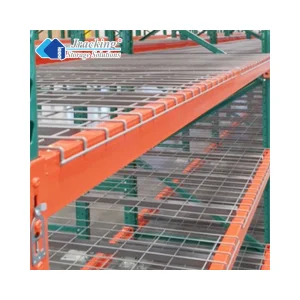
High-durability steel mesh profiles engineered to match selective pallet rack geometries with maximum load distribution capabilities.
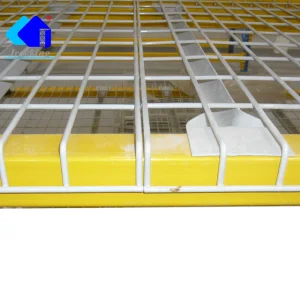
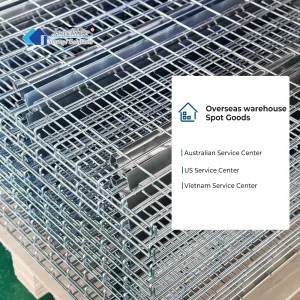
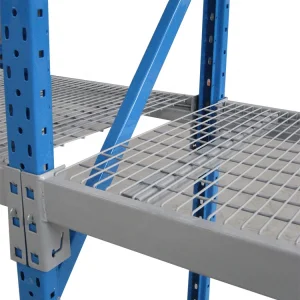
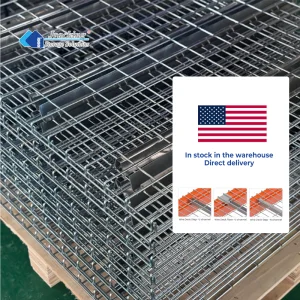
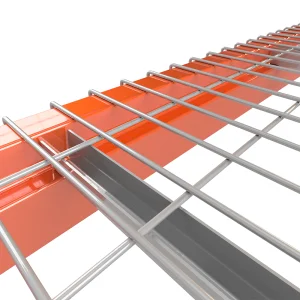
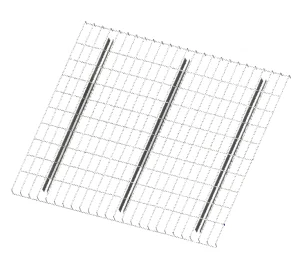
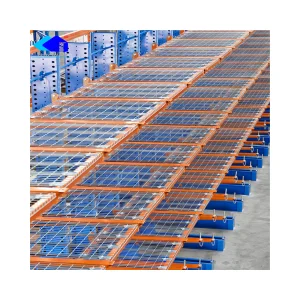
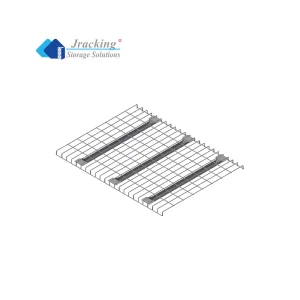
As international supply chains shift toward high-density automated fulfillment structures, industrial wire mesh decking has transitioned from a basic racking accessory into a critical component of warehouse safety, structural integrity, and regulatory compliance. Modern e-commerce giants, 3PL logistics corporations, and manufacturing hubs face stringent demands regarding inventory load capacities and fire prevention measures. Procuring mesh decking requires a detailed understanding of load-bearing dynamics, chemical safety profiles, and layout requirements.
Across the Americas, the European Union, and the Asia-Pacific region, safety associations enforce standards that heavily recommend or require wire mesh decking. Compared to solid wood or metal shelves, open wire mesh allows overhead sprinkler systems to penetrate easily in case of a fire, reducing insurance premiums and complying with standard local fire safety codes (such as NFPA regulations). Furthermore, wire decks eliminate the buildup of dust and debris, creating a clean environment essential for pharmaceuticals, food safety, and advanced manufacturing sectors.
High-capacity wire mesh decking is not a simple assembly of welded wire. Its engineering demands precision in structural steel gauges, reinforcing channel geometry, and zinc-plating or powder-coating thicknesses. When partnering with a global manufacturer, industrial buyers must evaluate the underlying components that determine mechanical performance:
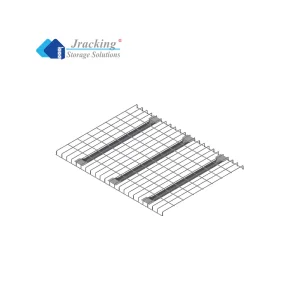
The reinforcement channel is the primary load-bearing element under the wire grid. There are three main profiles used by manufacturers:
Standard wire decking uses 2-gauge to 6-gauge steel wire configured in typical grid dimensions such as 2" x 4", 2.5" x 4.5", or 2" x 2". The wire intersection points are resistance-welded using computerized machinery to ensure high-strength joint structures. A thicker wire gauge combined with a smaller grid pattern increases the concentrated load capacity of the deck, minimizing sagging or localized deformation when loading specialized storage pallets.
A step-by-step visual roadmap of our state-of-the-art wire drawing, mechanical shaping, structural welding, and surface treatment capabilities.
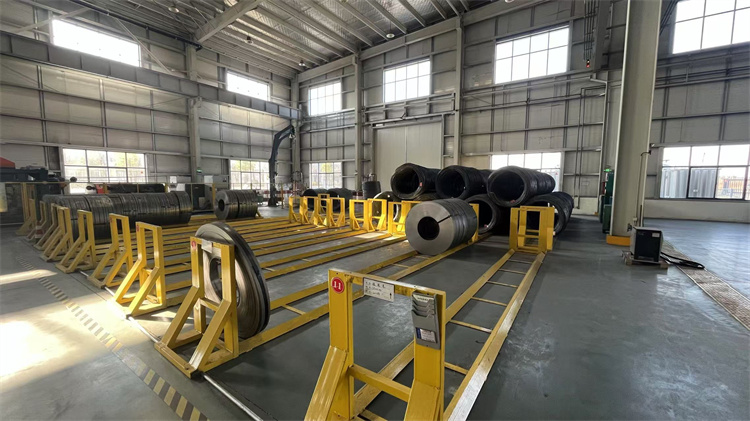
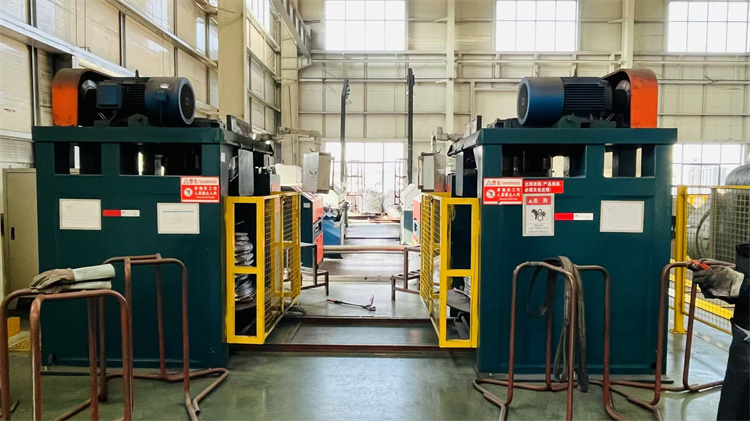
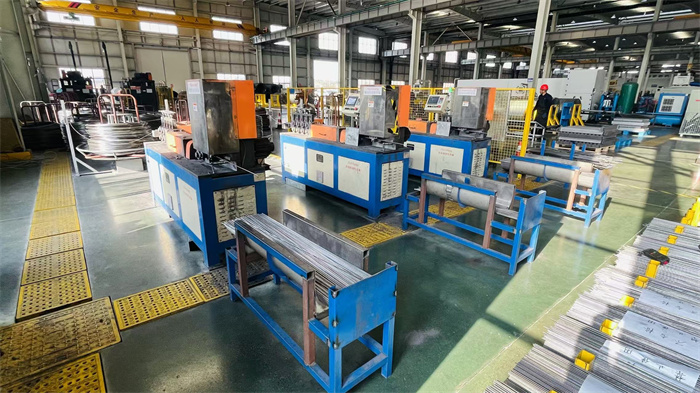
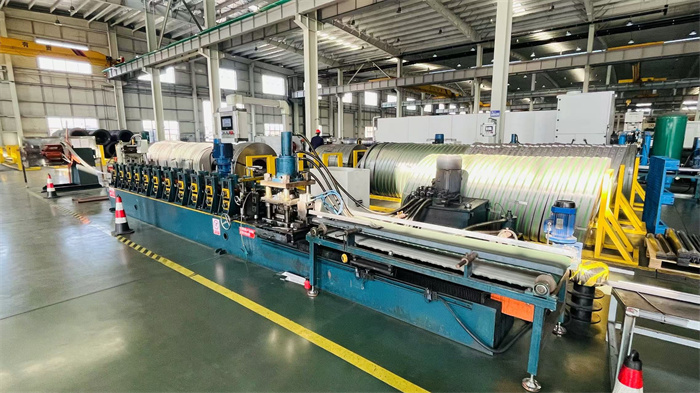
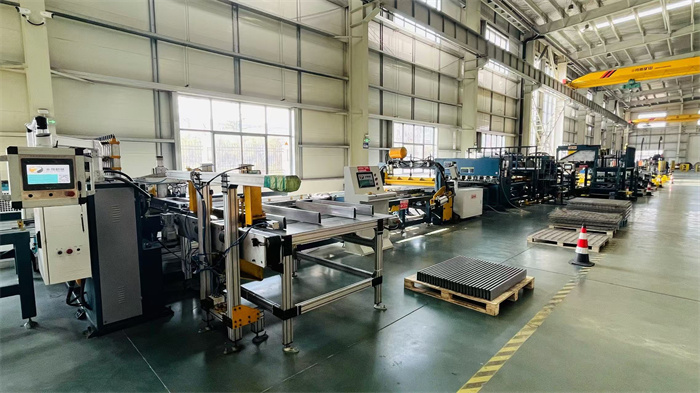
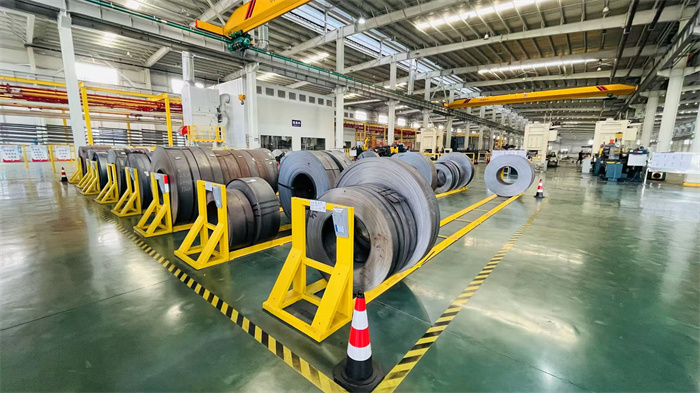
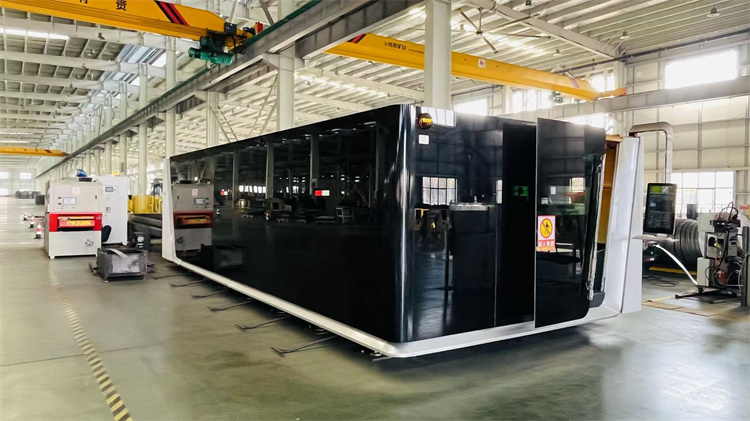
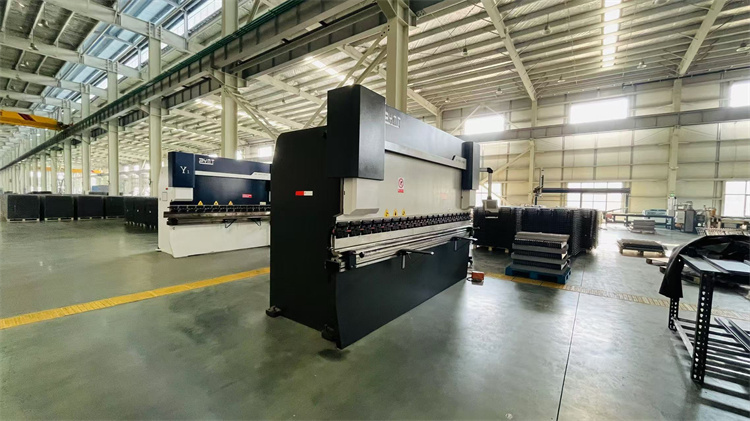
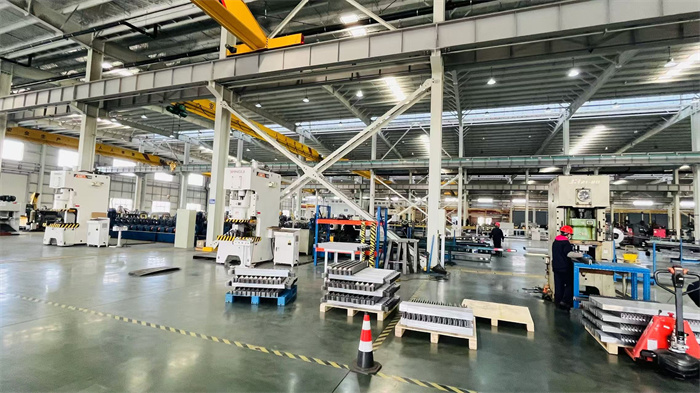
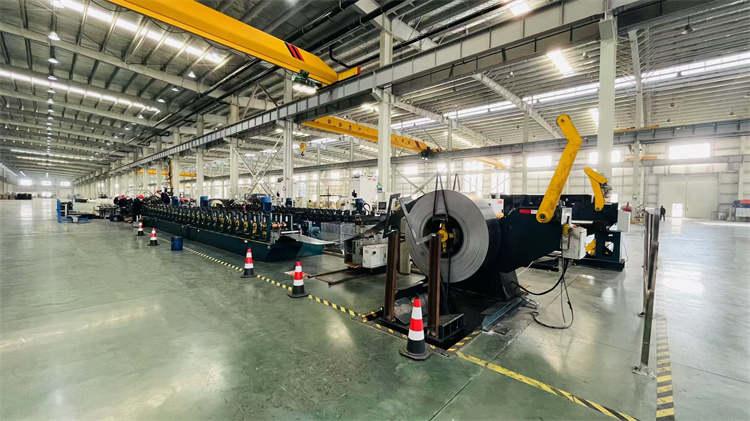
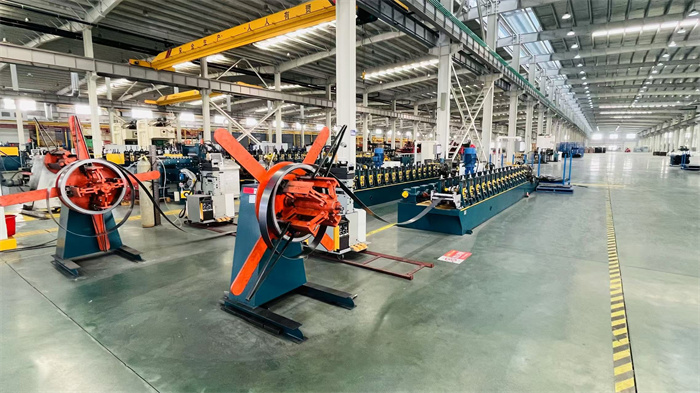
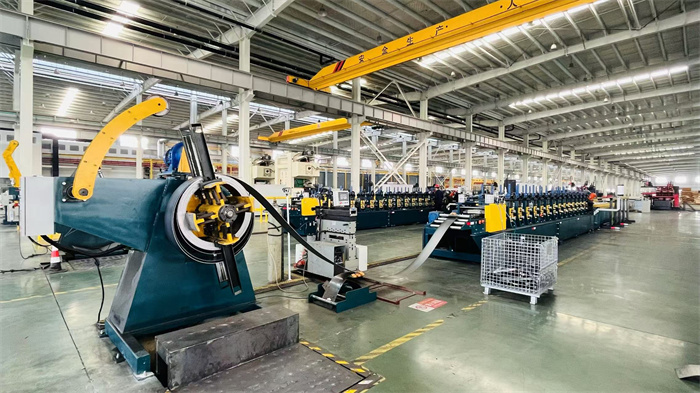
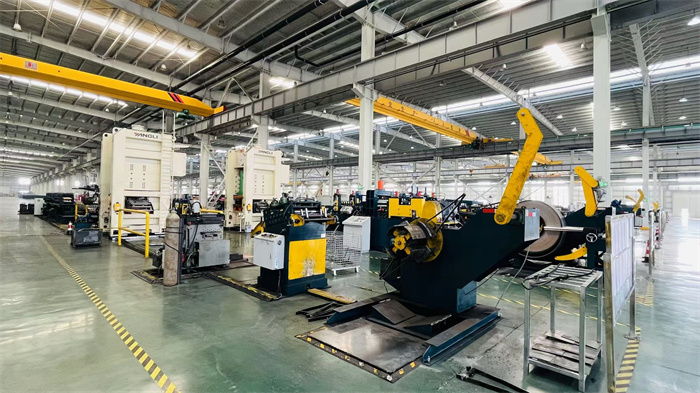
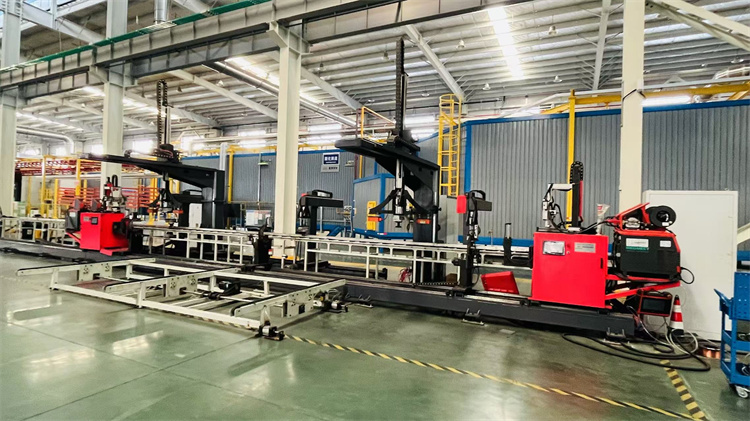
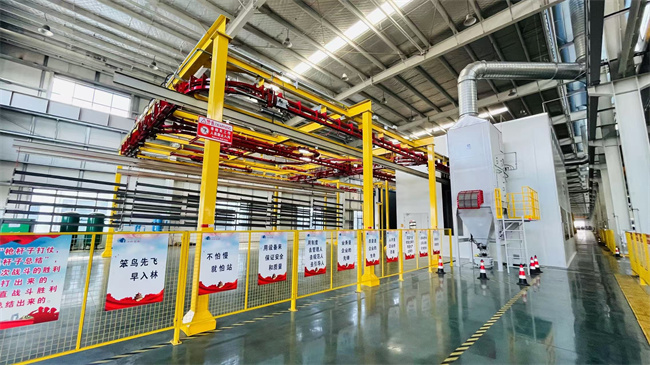
Our facility houses high-precision European-standard manufacturing machines designed to guarantee tight structural tolerances.
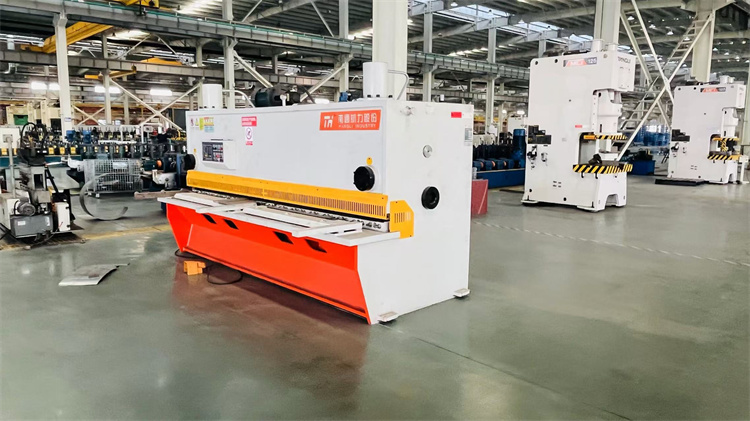
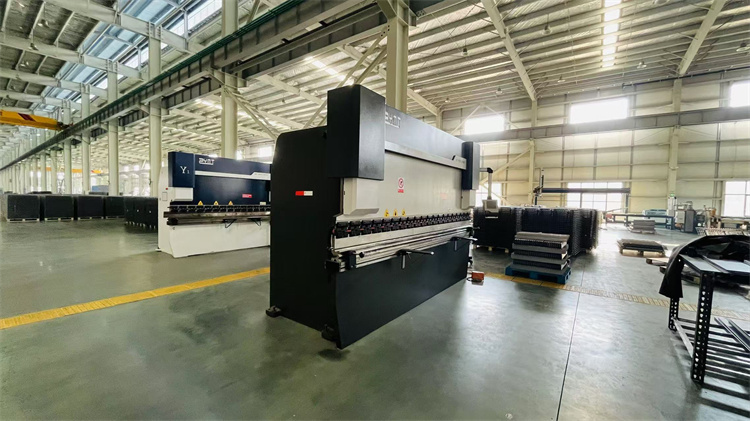
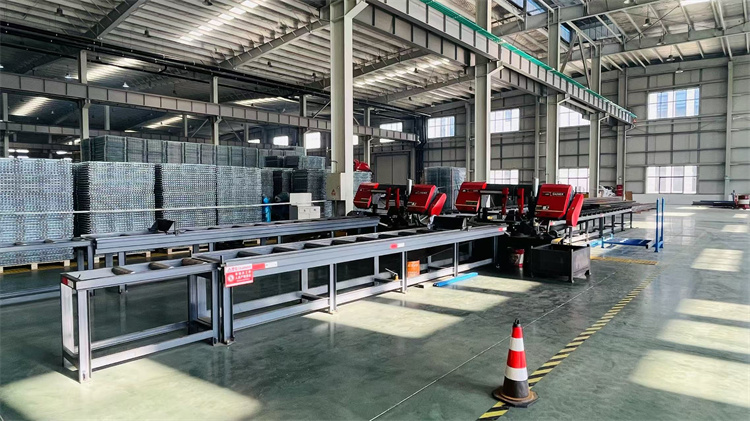
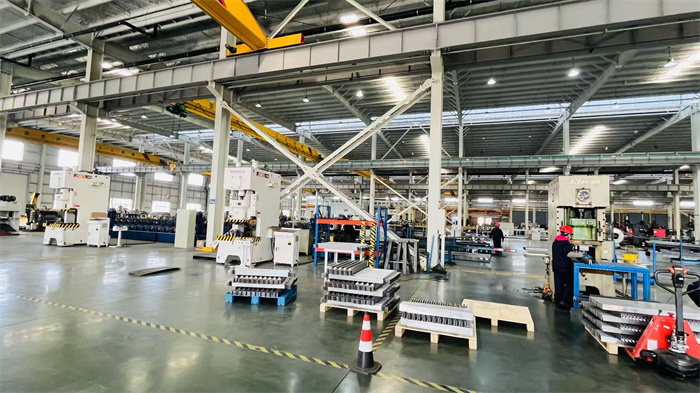
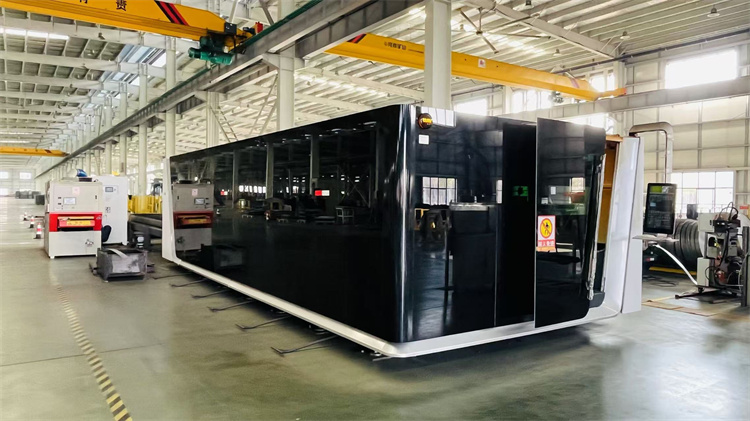
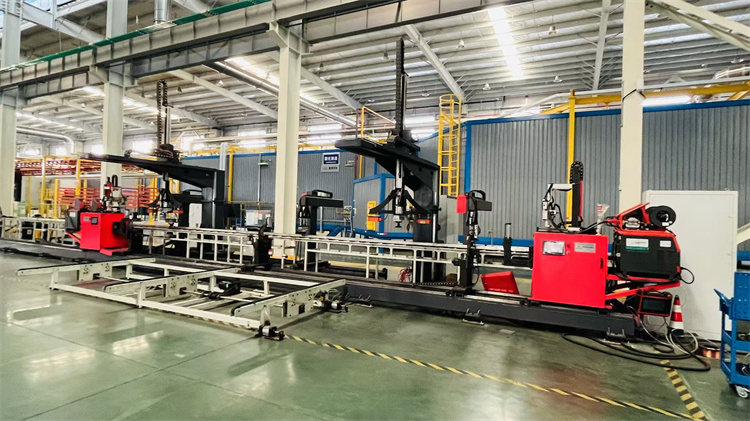
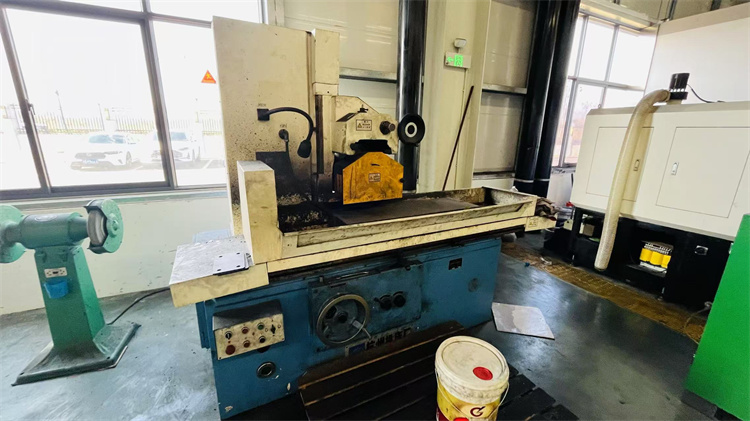
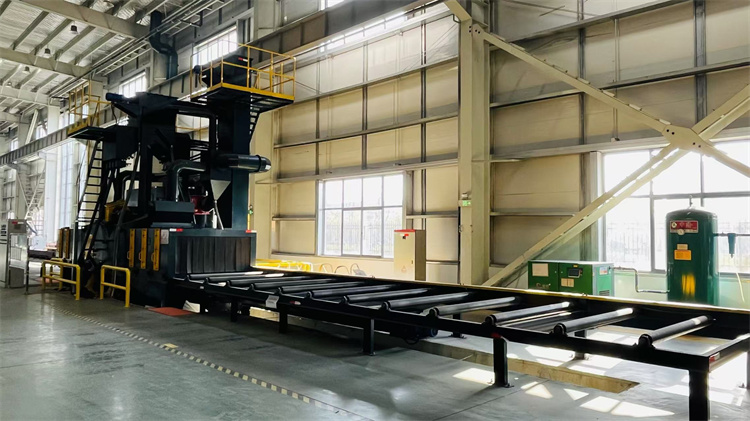
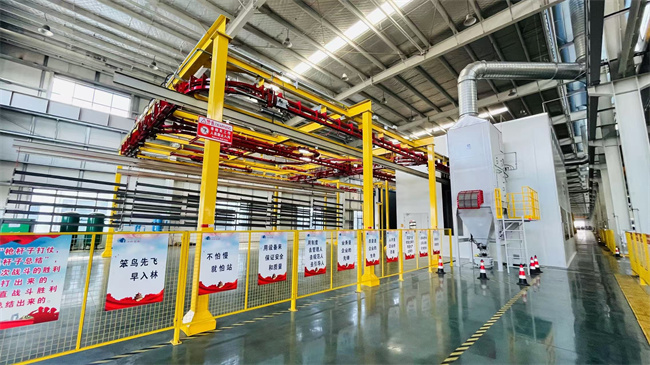
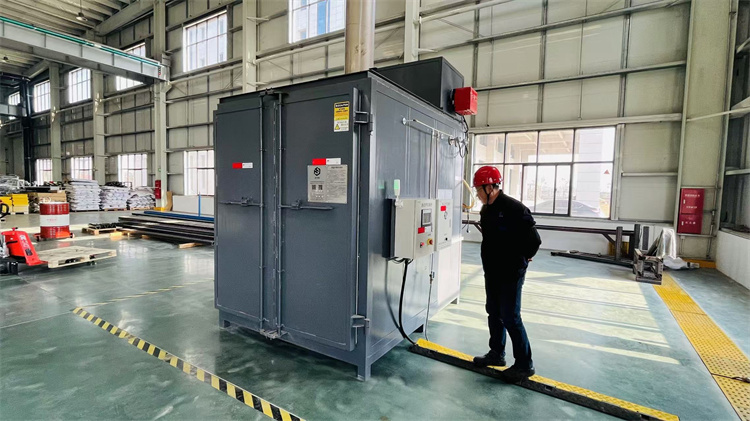
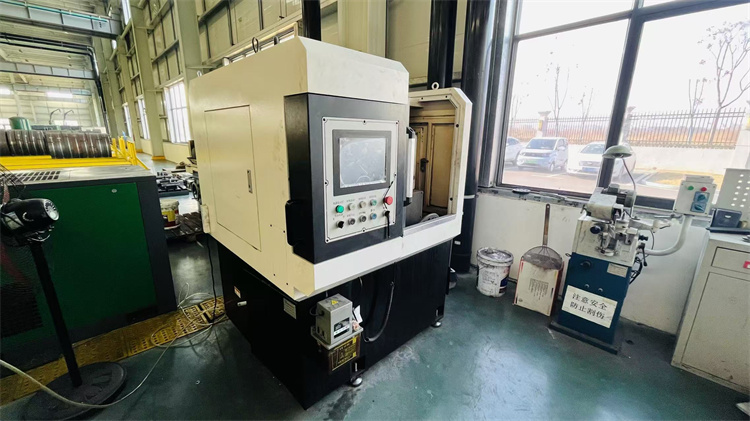
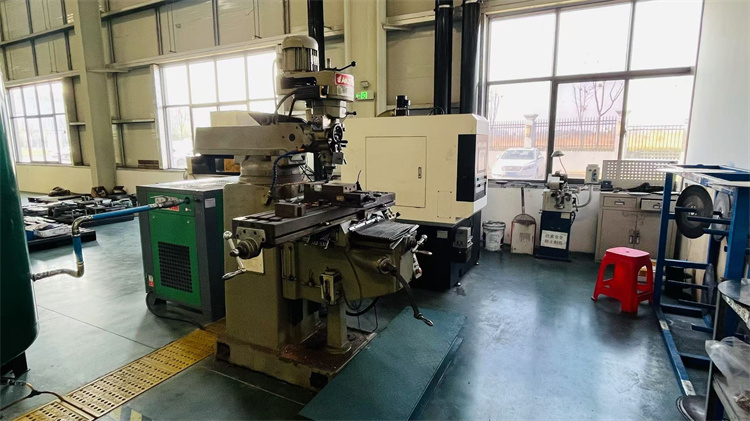
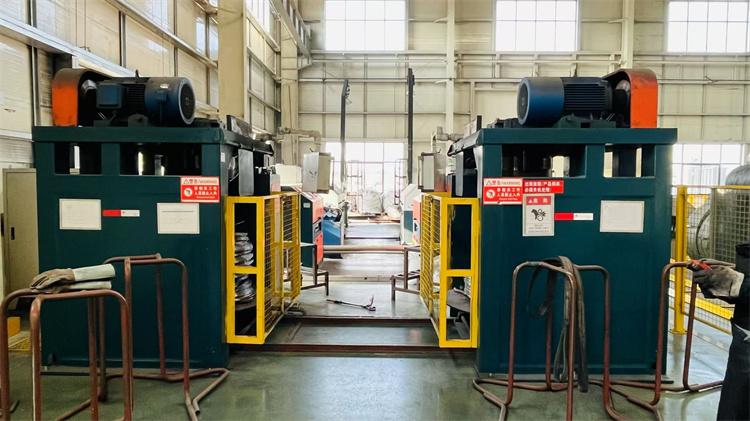
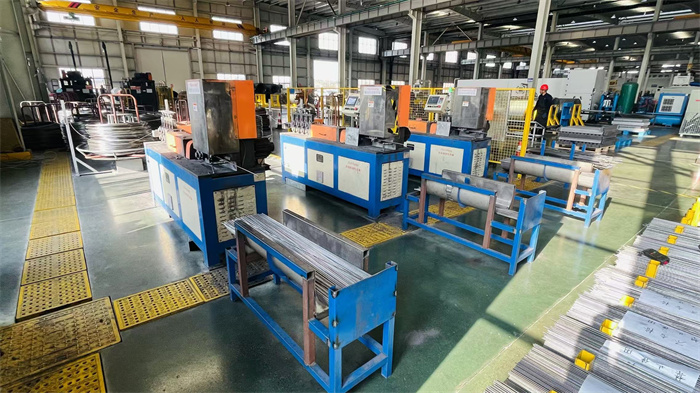
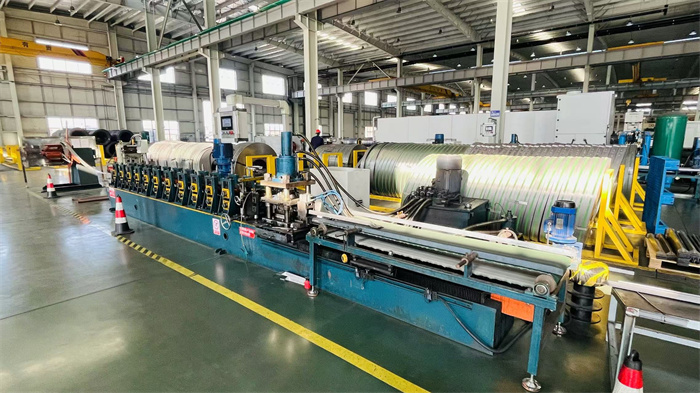
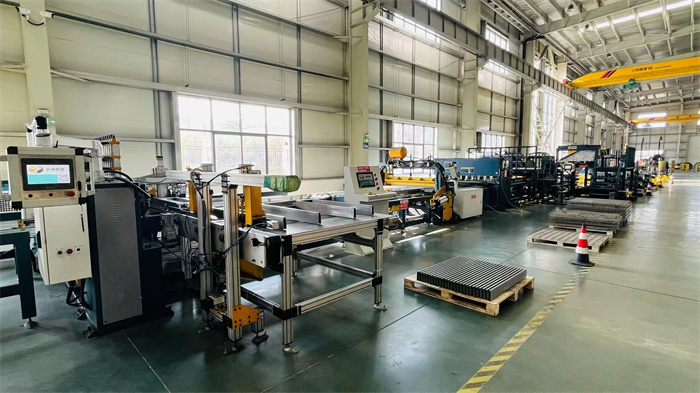
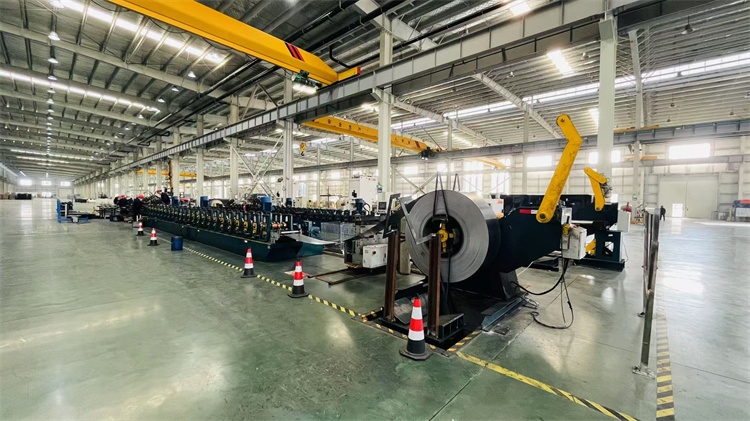
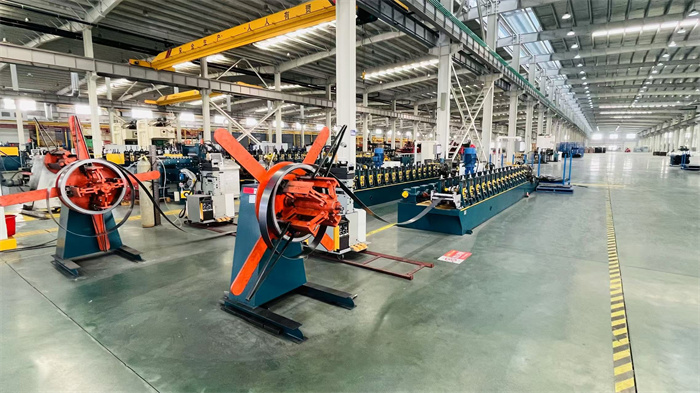
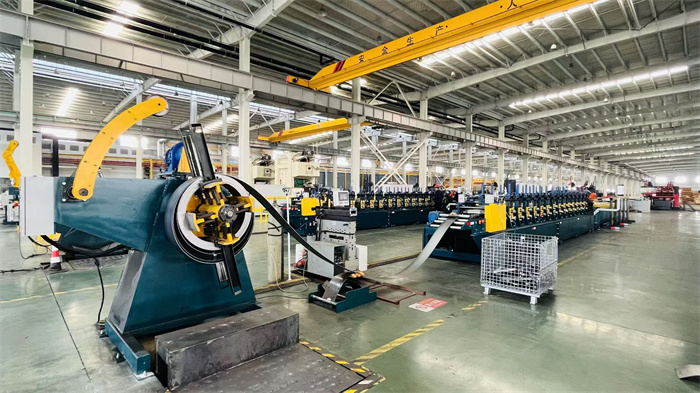
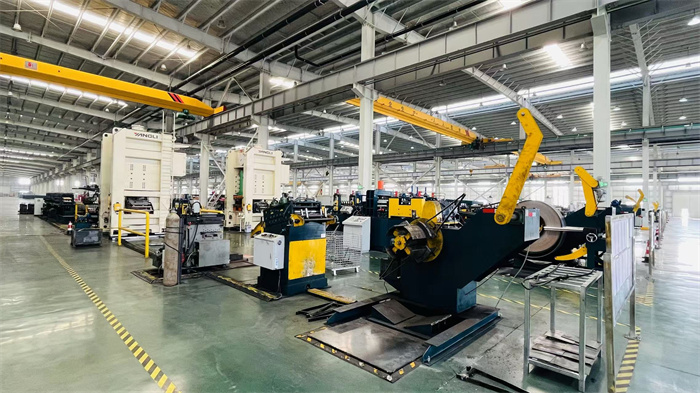
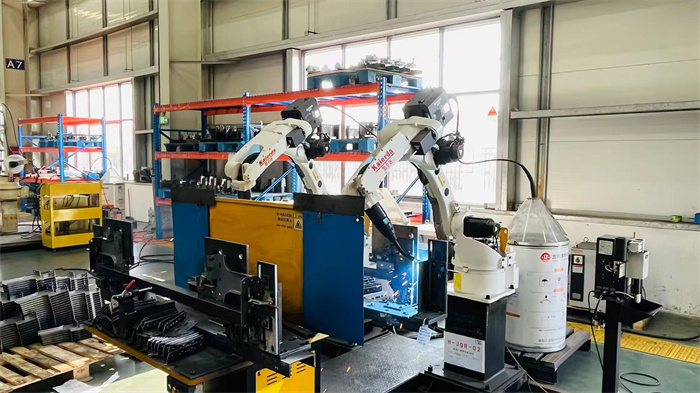
Established as a global benchmark in advanced warehouse storage manufacturing, Jracking (Guangdong) Storage Co., Ltd. specializes in industrial racking engineering, automated systems, and high-performance accessories. Operating out of a state-of-the-art 28,600 m² modern facility, Jracking integrates structural engineering, CNC automated rolling lines, robotic welding stations, and high-capacity powder coating systems to support distribution projects globally.
Since its foundation in 2016, the company has driven efficiency inside global logistics nodes, building on 12 years of industry expertise and 8 years of dedicated export experience. Today, Jracking manages an export network that stretches across North America, Europe, Australia, and Southeast Asia, generating an annual export revenue that exceeds USD 18 million. This global scale highlights Jracking's status as a reliable supplier in the international racking market.
Our engineering innovation is led by a dedicated R&D division containing 85 highly qualified design engineers. Over the past year, Jracking launched 156 new products, solving complex storage density challenges for logistics operators. As an OEM & ODM supplier, Jracking operates alongside 1,150 supply chain partners, guaranteeing reliable sourcing of premium high-tensile steel coils and prompt deliveries for large-scale industrial projects.
At Jracking, product safety is maintained through strict ISO-compliant quality control procedures. We employ 48 professional quality inspectors who monitor the entire production workflow, from incoming raw material testing to final product sizing. Our testing procedures include:
Industrial storage solutions must meet regional regulations to ensure workplace safety. When exporting wire mesh decking to international markets, compliance with local test standards is mandatory. Different regions enforce specific engineering certifications:
In the United States and Canada, wire mesh decking designs are guided by the Rack Manufacturers Institute (RMI) and testing standard ANSI/MH26.2. These standards regulate structural tolerances, testing methodologies, and safety margins for wire decks. Manufacturers must prove that a deck can support its rated uniform load limit with a design safety factor of at least 1.5, protecting operations against accidental overloads.
European installations demand compliance with EN 15512 (Steel static storage systems) and CE certifications under EN 1090 for structural steel structures. These guidelines mandate raw material traceability, structural testing under load, and eco-friendly surface treatments (restricting heavy metal contaminants in galvanized coatings).
Australian warehousing layouts require compliance with AS 4084 for steel storage racking. Wire mesh decking utilized in these systems must fit specific step-down beams, preventing any physical slip-offs or deflections that could compromise the safety of forklift operators and warehouse staff.
The warehouse of the future relies on automation. Automated Storage and Retrieval Systems (AS/RS), autonomous mobile robots (AMRs), and automated guided vehicles (AGVs) demand precise mechanical tolerances from storage racking and decking. Jracking is adapting to these industry shifts through continuous product improvements:
Our upcoming product generation focuses on manufacturing wire decking with high surface flatness, which is essential for smart sensor performance on robotic lifters. Additionally, we are testing localized RFID integrations embedded directly within the wire channels to support real-time digital inventory tracking in automated fulfillment centers.
In terms of environmental sustainability, Jracking is committed to reducing energy consumption across our production facilities. By using low-temperature curing powder coatings and expanding our closed-loop water treatment systems, we aim to meet global corporate ESG goals without compromising structural product strength.
In-depth answers to common structural engineering, procurement, and installation questions about wire mesh decking.
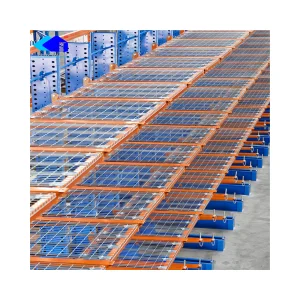
Discover our range of galvanized wire decks, cantilever accessories, and heavy-duty steel mesh pallets engineered for specific material handling configurations.
 Jracking