Engineered for maximum structural integrity, compliance, and optimized floor utilization.
An authoritative analysis on warehouse optimization, structural compliance, and modern steel manufacturing.
Globally, warehouse owners and industrial manufacturers are navigating a critical space crisis. Driven by the expansion of e-commerce, localized supply chain resilience strategies, and cold chain advancements, demand for modern industrial facilities has outpaced supply. The rising cost of commercial land has pushed operations vertical. High-density racking, rack-supported buildings, and Automated Storage and Retrieval Systems (AS/RS) are no longer luxury options; they are operational mandates.
According to logistics industry indices, the average global warehouse occupancy rate has remained above 93% over the past three years. This leaves facility managers with little margin for error. Space optimization requires systems that deliver high load capacity, rapid throughput, and unmatched safety profiles. The structural engineering of industrial racking must account not only for static loads but also for dynamic variables, seismic activity, and environmental corrosion.
Jracking (Guangdong) Storage Co., Ltd. is a leading manufacturer specializing in warehouse racking systems and industrial storage solutions. Since our establishment in 2016, we have committed to designing, manufacturing, and supplying high-quality storage equipment for global customers across diverse industries.
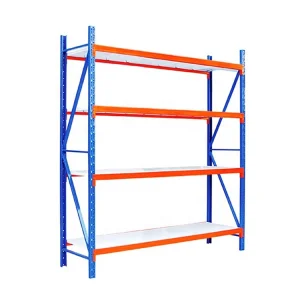
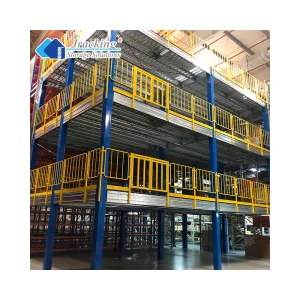
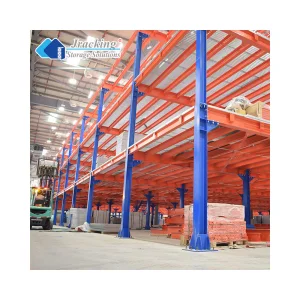
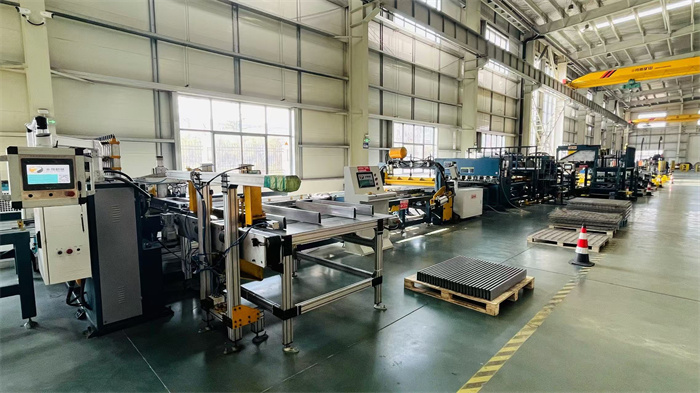
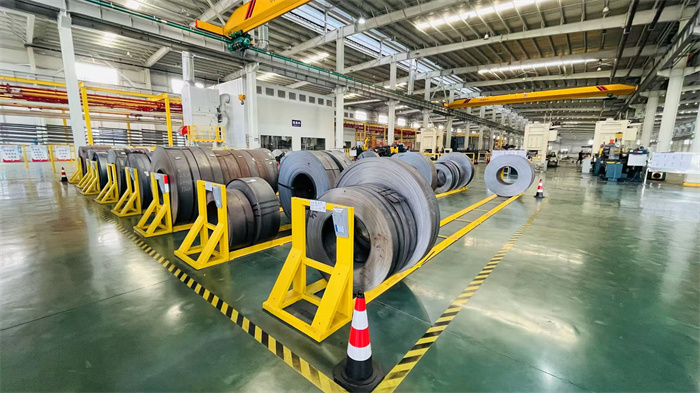
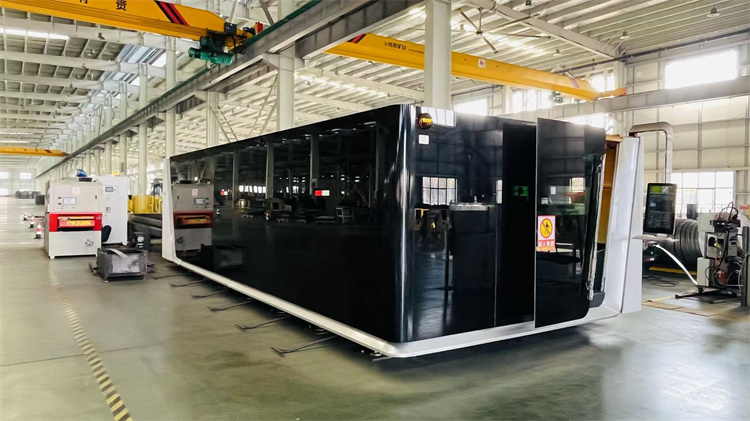
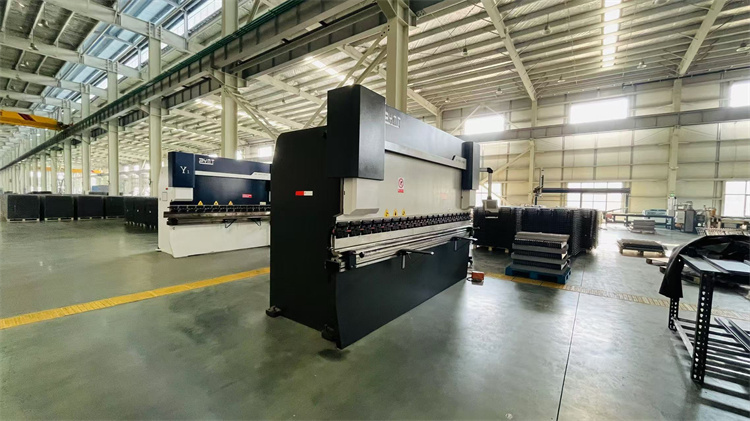
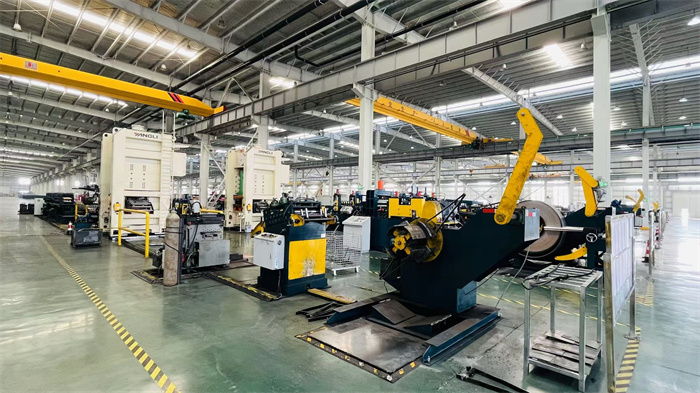
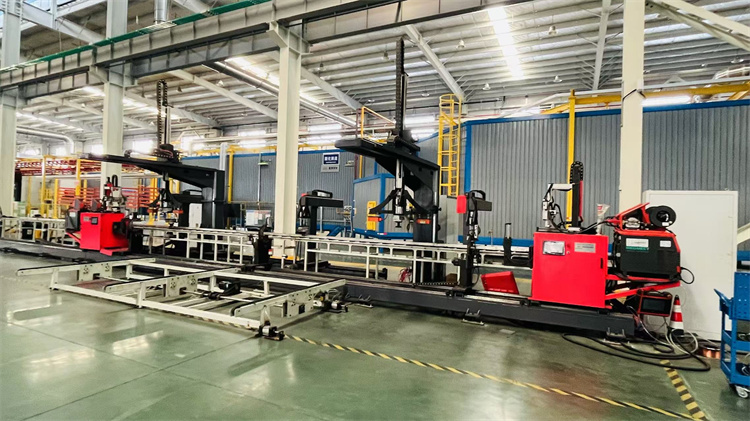
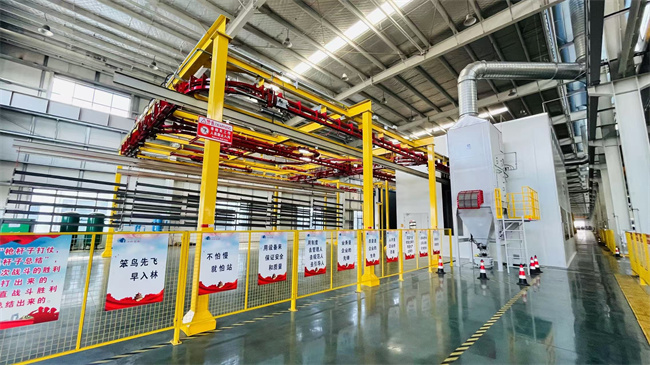
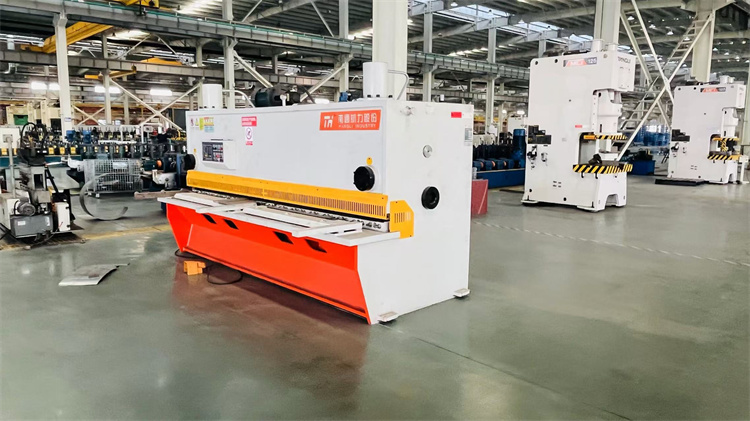
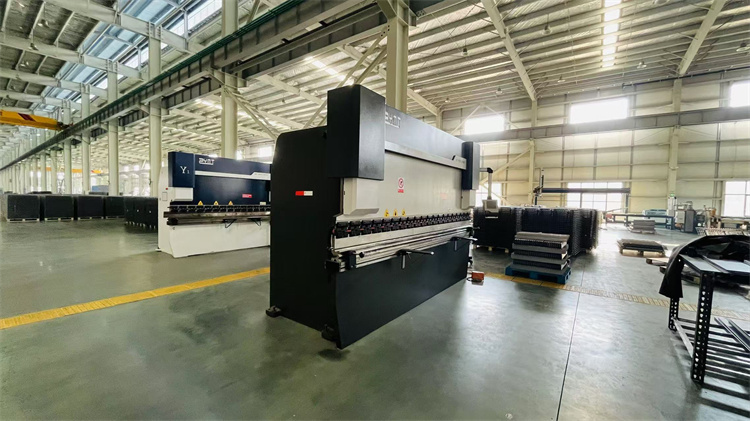
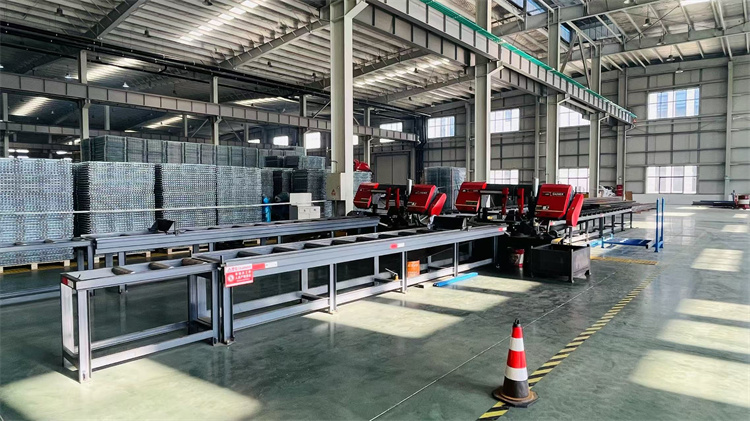
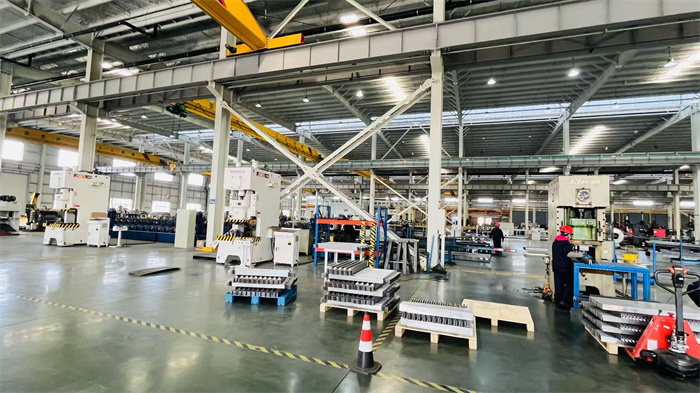
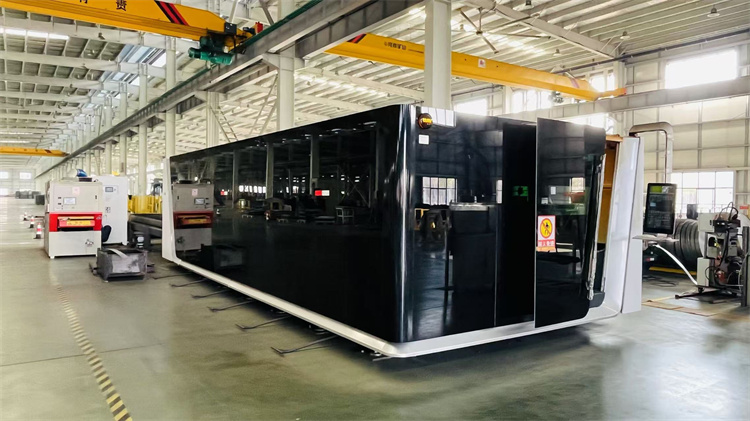
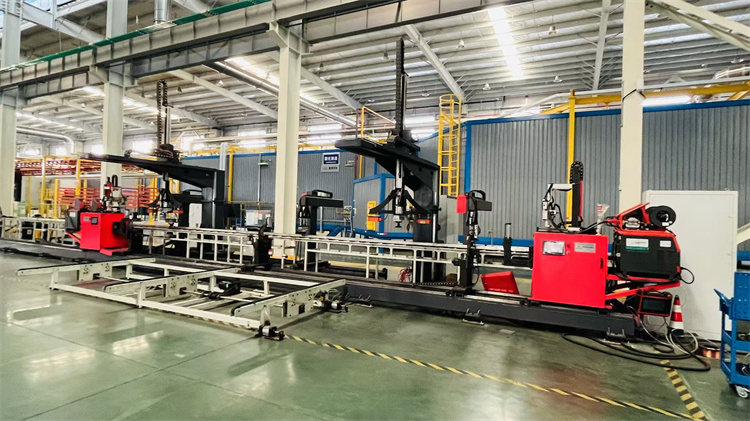
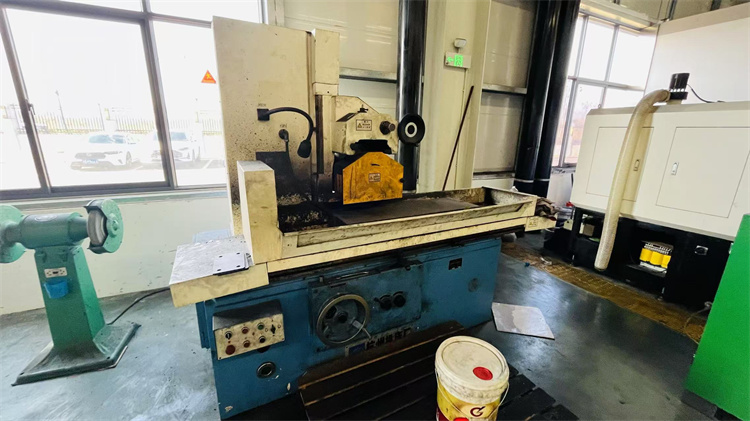
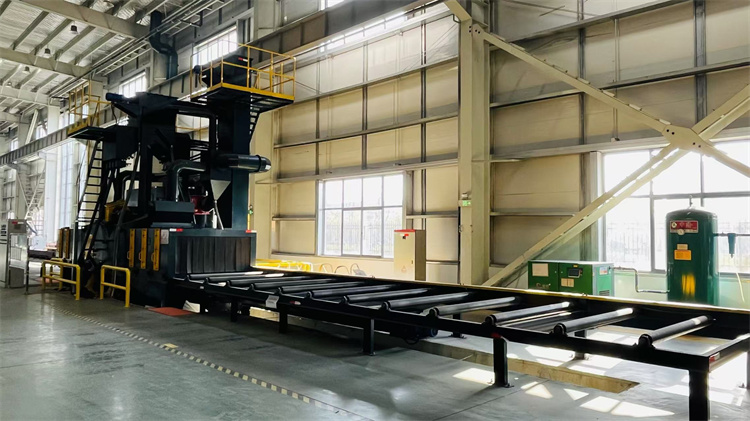
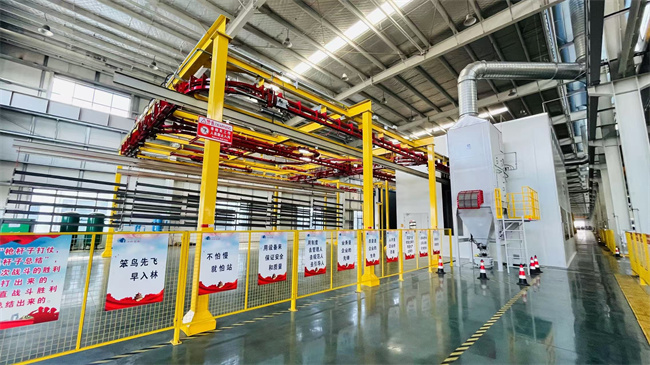
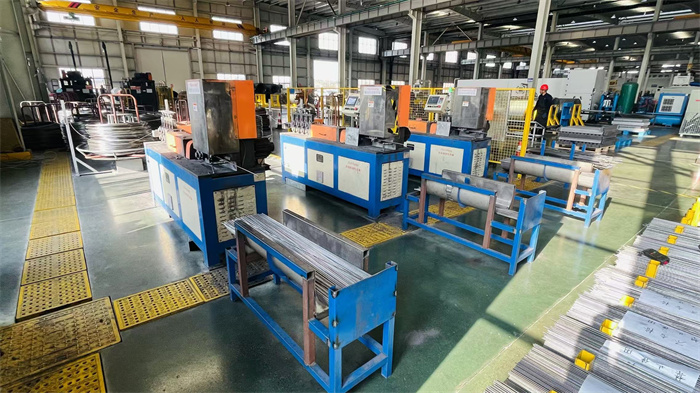
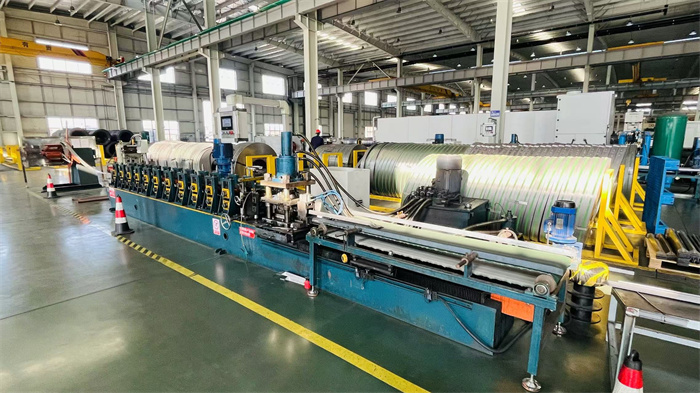
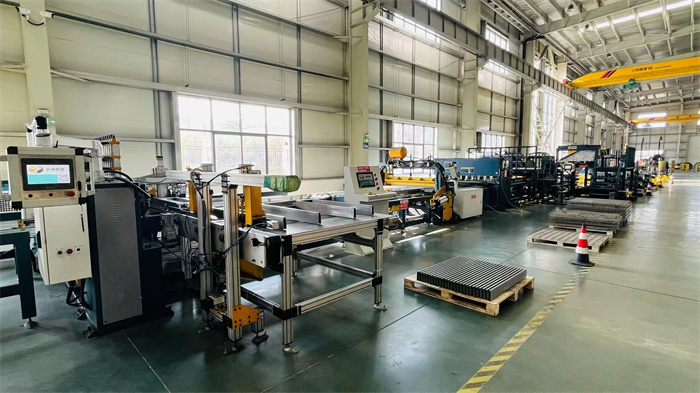
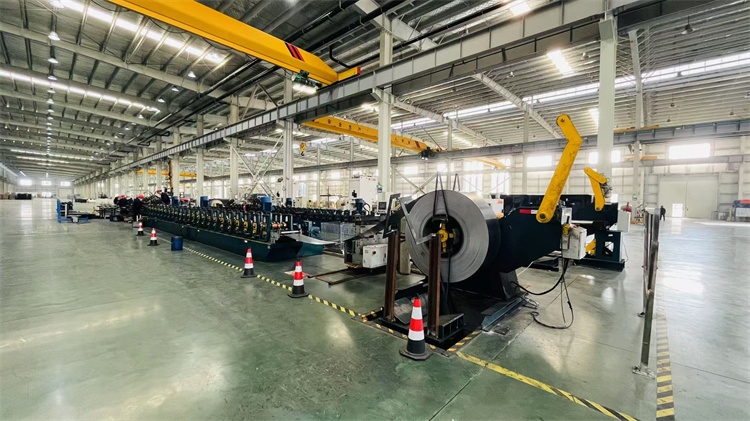
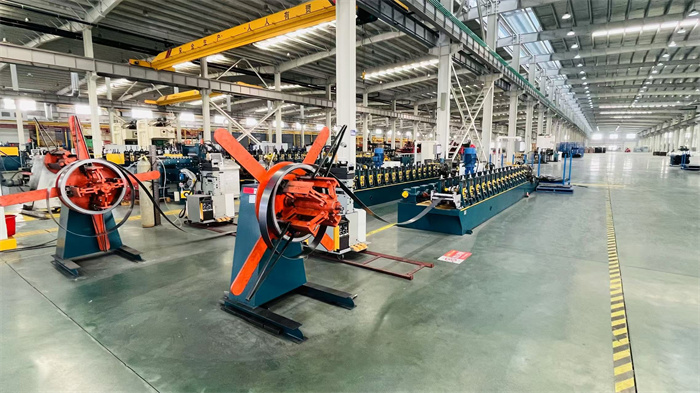
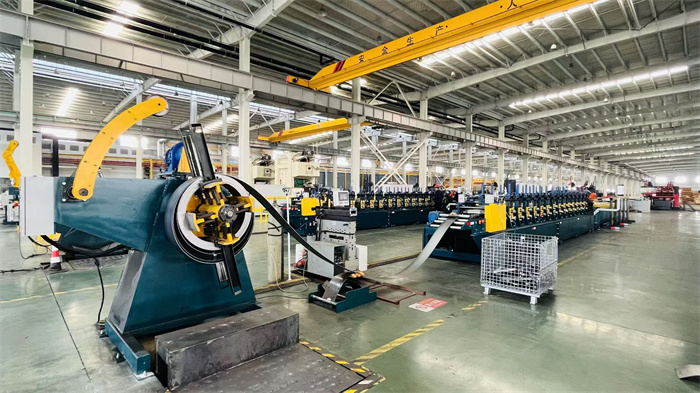
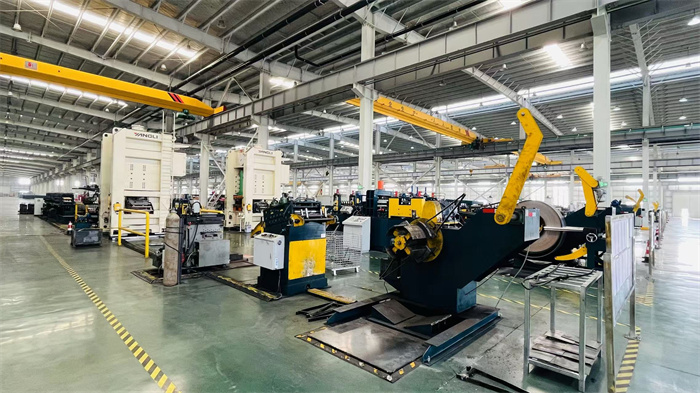
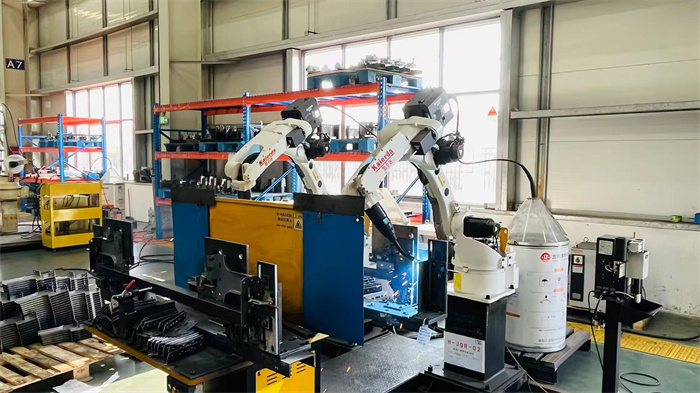
Operating from a modern 28,600 m² manufacturing facility, Jracking integrates advanced production machinery, rigorous quality control protocols, and experienced engineering teams to ensure consistent product performance. Our comprehensive product portfolio includes selective pallet racks, drive-in racking, cantilever racks, mezzanine systems, longspan shelving, steel platforms, and custom-designed warehouse configurations.
With over 8 years of export experience and 12 years of industry expertise, Jracking serves customers in North America, Europe, Southeast Asia, Australia, and the Middle East. Our annual export revenue exceeds USD 18 million, which reflects our strong position in the international industrial storage market.
Quality is the foundation of our manufacturing philosophy. Every production phase is monitored through ISO-compliant quality control procedures. Our products undergo load capacity testing, dimensional verification, welding inspection, coating thickness measurements, and pre-shipment assembly trials. We employ 48 dedicated quality inspectors to maintain strict control over our manufacturing output.
As an experienced OEM & ODM manufacturer, Jracking collaborates with more than 1,150 supply chain partners, enabling efficient raw material sourcing, flexible production scheduling, and prompt delivery for complex projects. Our primary customer base includes warehouse equipment distributors, importers, wholesalers, logistics operators, e-commerce fulfillment centers, and industrial contractors.
Innovation is driven by our R&D team of 85 engineers, who develop storage systems designed to meet changing market needs. We provide tailored solutions across dimensions, color schemes, load capacities, surface treatments, and layout designs. Over the past year, Jracking introduced 156 new products to our global clients.
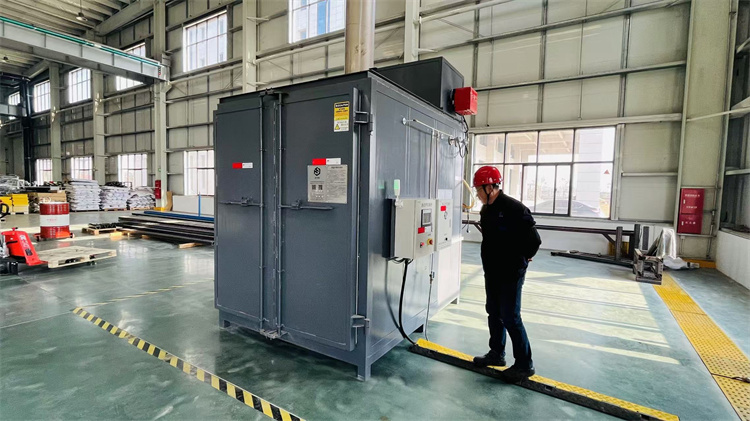
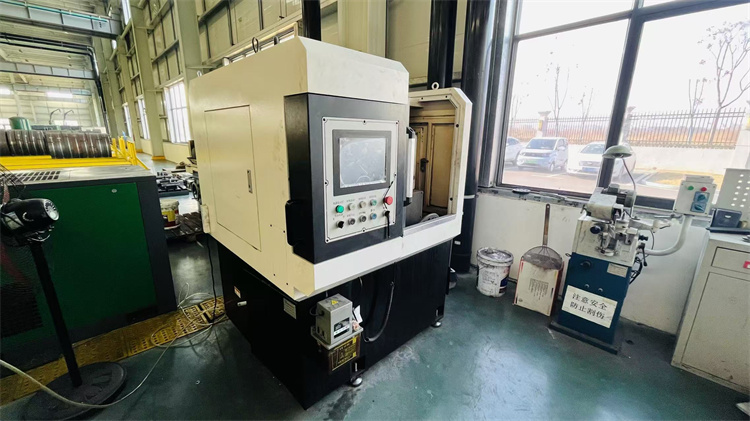
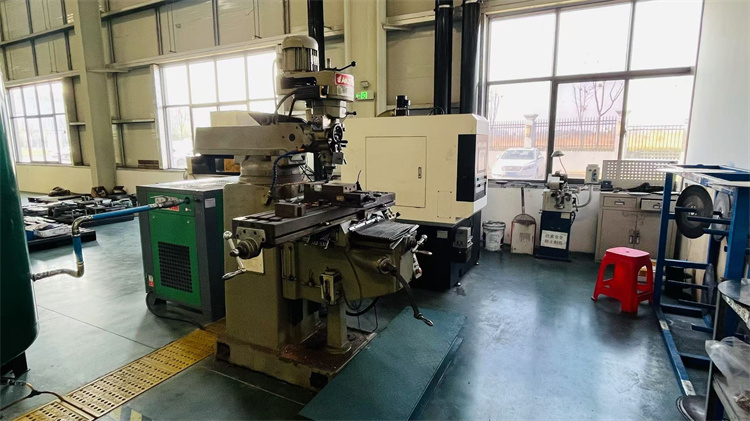
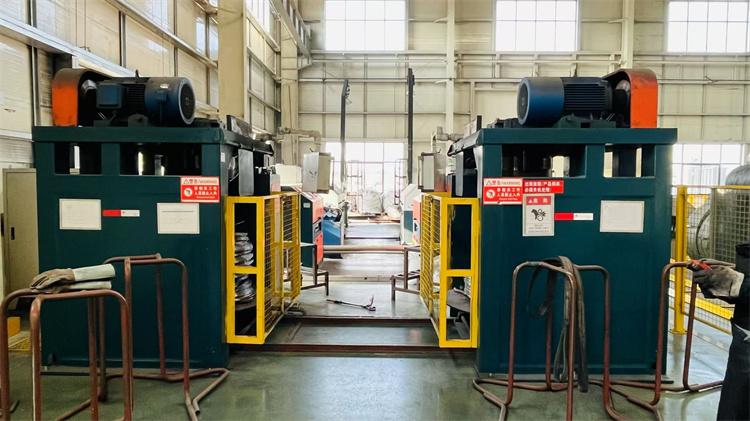
Step-by-step visual documentation of our automated steel profiling, welding, and surface treatment lines.
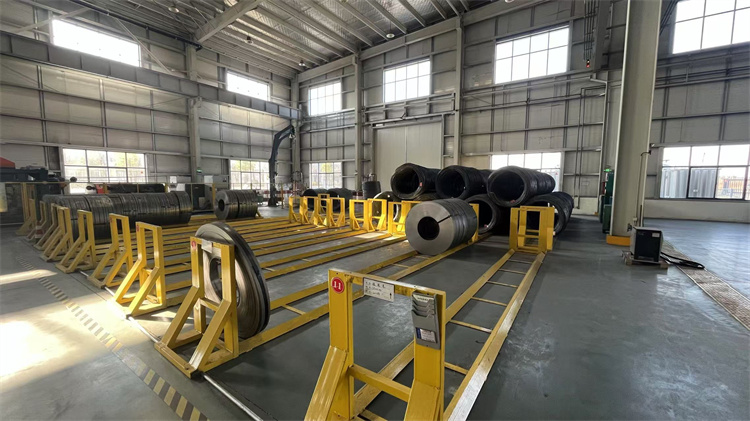
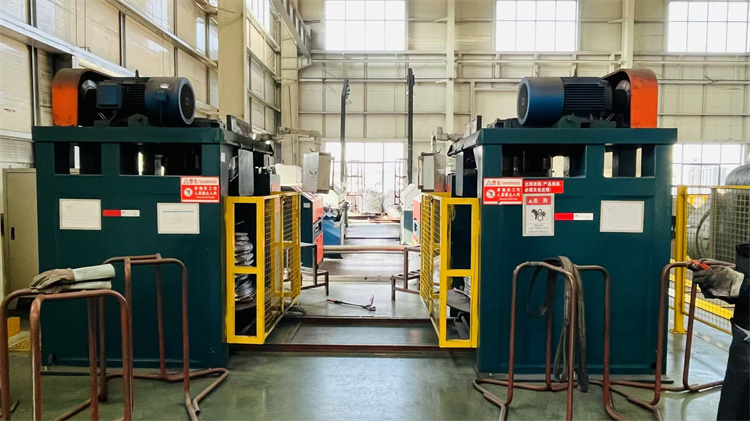
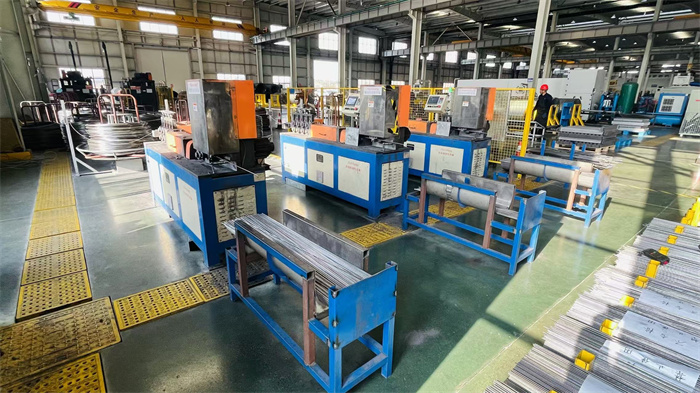
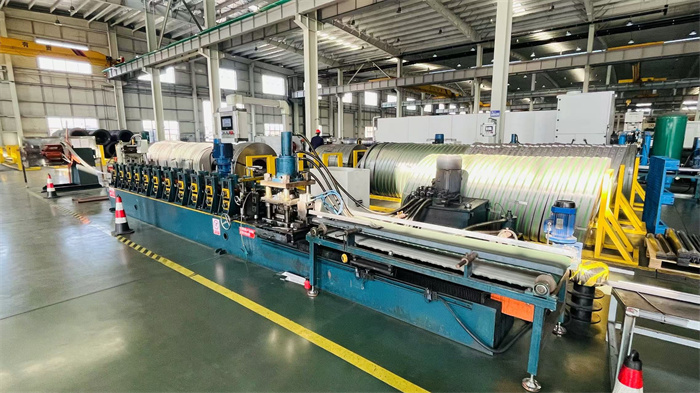
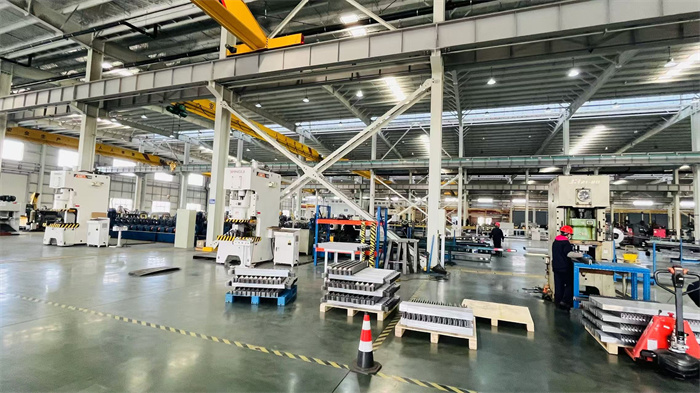
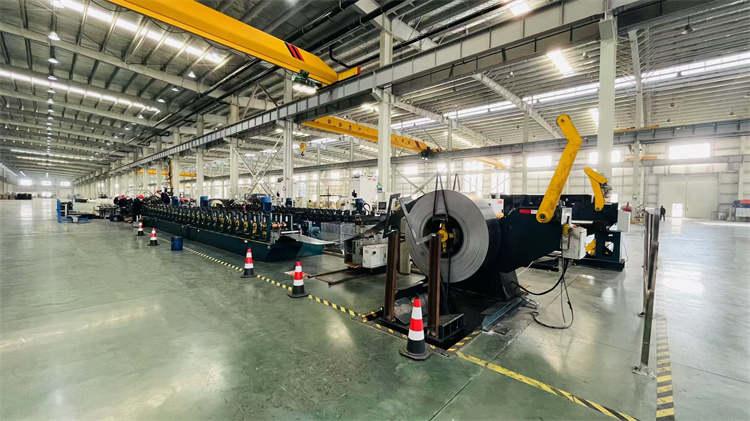
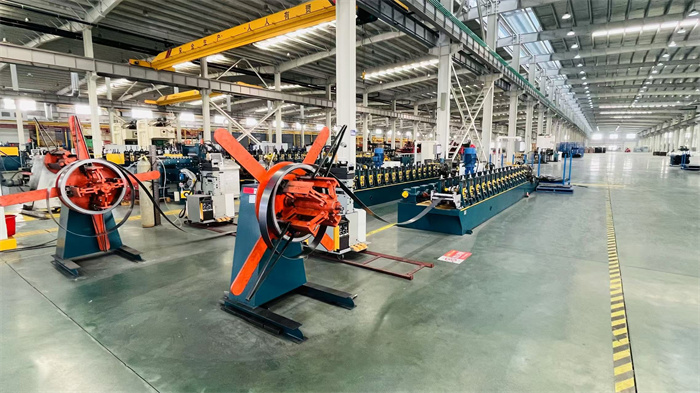
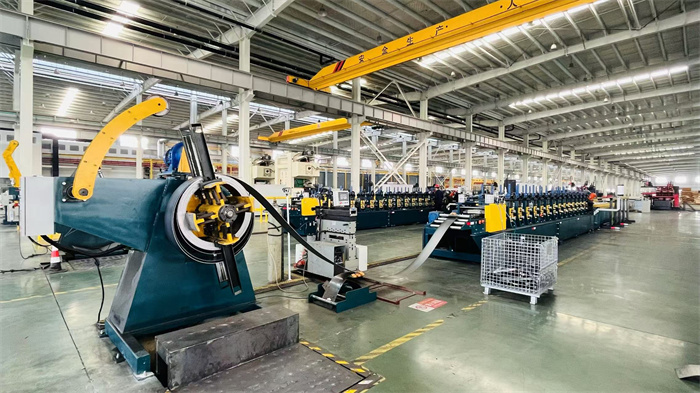
Industrial racking is not simple shelving; it is a structural frame designed to support thousands of kilograms of inventory overhead. To ensure safety, structural calculation models must conform to international standards such as the RMI (Rack Manufacturers Institute) Specifications in North America, and EN 15512 / FEM codes in Europe.
Key considerations in structural engineering for racking include:
Selecting the right storage layout is a trade-off between selectivity (direct access to each pallet) and density. Warehouse designers must match the storage system configuration with the operational profile of the inventory:
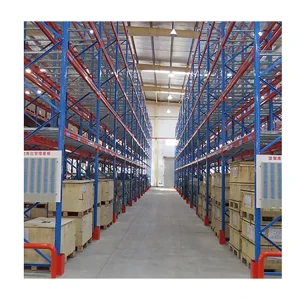
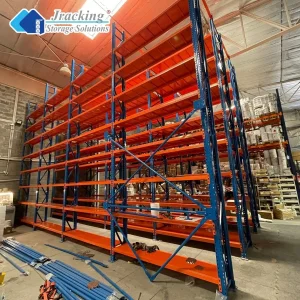
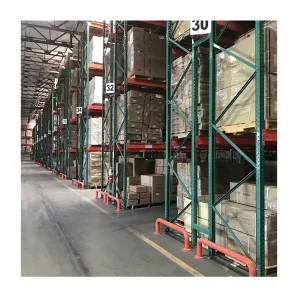
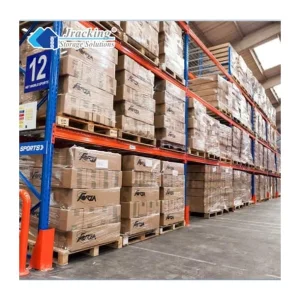
1. Selective Pallet Racking: Offers 100% selectivity but low density. Ideal for operations with many distinct Stock Keeping Units (SKUs) and high turnover rates.
2. Drive-In & Drive-Through Racking: High-density storage that minimizes operating aisles. Best suited for high-volume, low-SKU goods utilizing LIFO (Last-In, First-Out) or FIFO (First-In, First-Out) dispatch strategies.
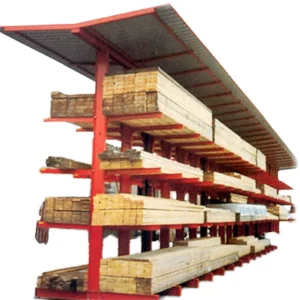
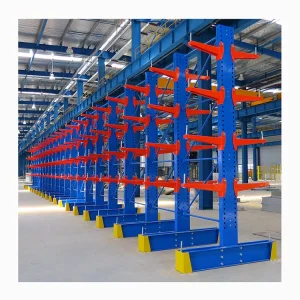
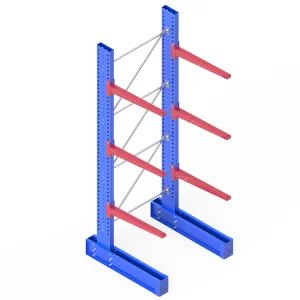
3. Cantilever Racking: Designed specifically for long, bulky, or irregular loads such as timber, steel pipes, and automotive chassis.
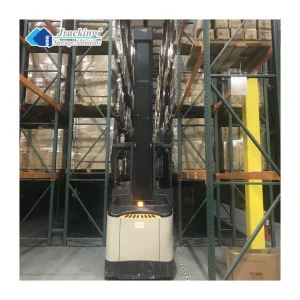
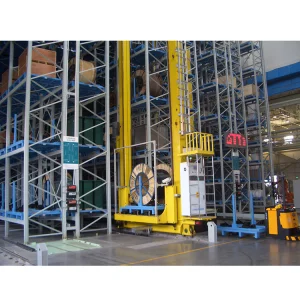
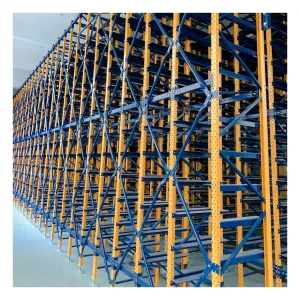
4. Automated Storage and Retrieval Systems (AS/RS): Integrated computer-controlled systems that automate product retrieval and placement. AS/RS configurations maximize vertical clearance and footprint efficiency while reducing labor requirements.
Supply chains operate on different standards depending on the region. In North America, the Teardrop Pallet Rack is the dominant configuration, utilizing standard punch-hole designs that allow interchangeability between different component manufacturers.
Conversely, European markets typically specify Euro Pallet Racking, which is characterized by metric sizing and profiles designed around standard Euro pallets (800mm x 1200mm). Selecting a manufacturer with deep design knowledge of both regulatory frameworks prevents compliance issues during local safety inspections.
Technical clarifications and engineering insights on industrial racking design and safety compliance.
Engineered configurations, high-capacity cantilever options, and integrated automated storage structures.
 Jracking