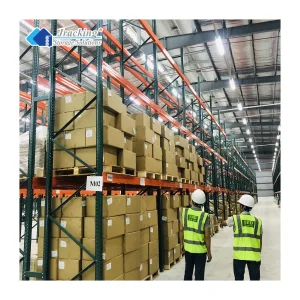
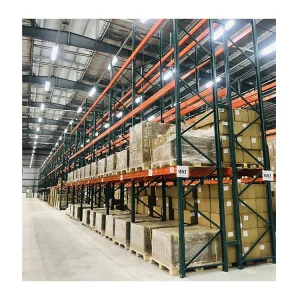
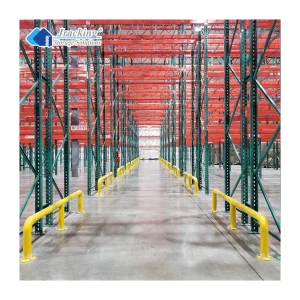
Explore our heavy-duty roll-formed selective teardrop systems certified for modern warehouses
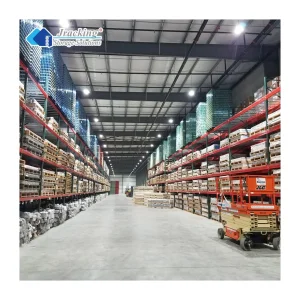
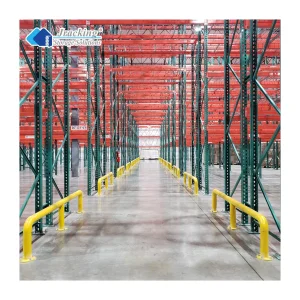
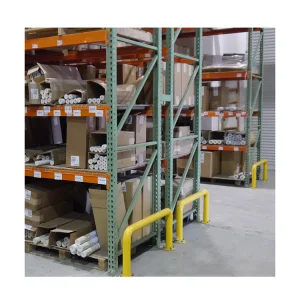
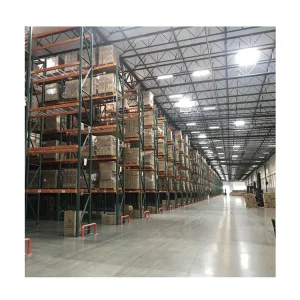
An in-depth analysis of architectural safety, manufacturing compliance, and supply chain logistics
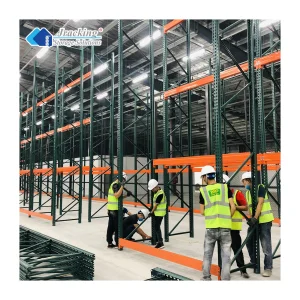
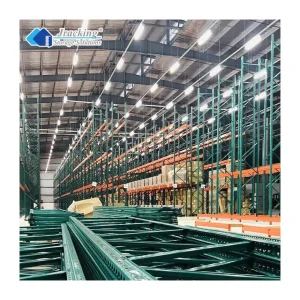
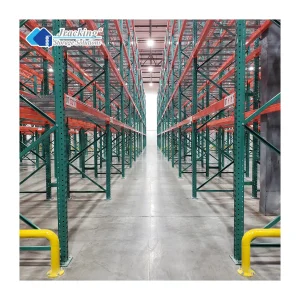
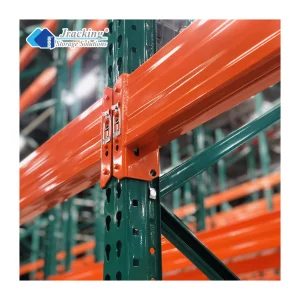
The teardrop configuration has emerged as the structural framework for warehouse operations across North America. Key to its global adoption is the toolless, dynamic connection interface. Standard teardrop frame holes are spaced on 2-inch vertical centers, providing variable adjustability to optimize storage space.
Unlike slotted or structural bolted systems, teardrop connectors utilize a tapered keyhole design. In this configuration, the gravity lock pin secures the beam end-piece against the column frame. This ensures high structural rigidity under load, while also simplifying installation and system reconfiguration.
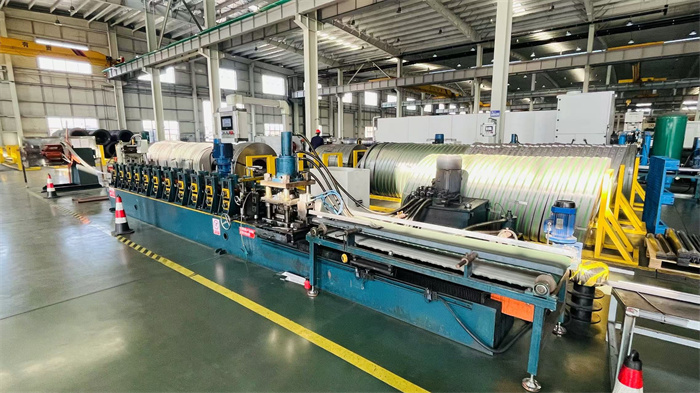
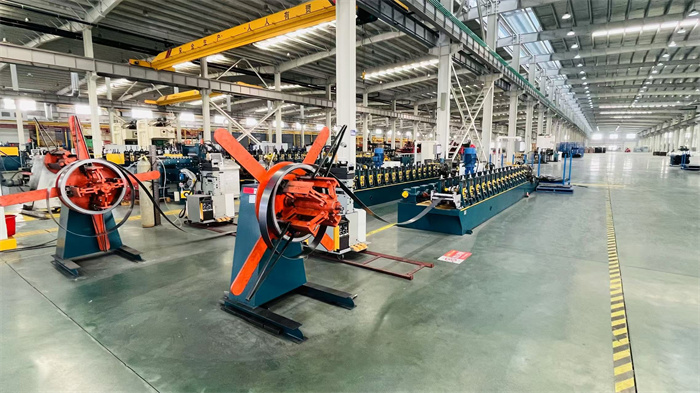
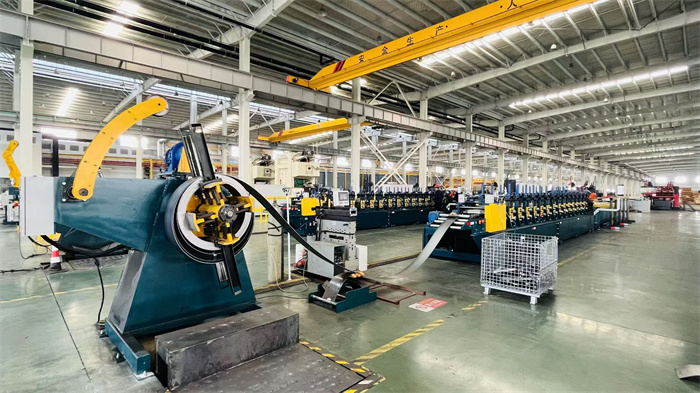
Modern industrial engineering demands strict compliance with steel yield and tensile strength limits. High-quality teardrop systems are manufactured from high-strength structural carbon steel, conforming to ASTM A1011 standards. Column designs are cold-roll-formed, optimizing the weight-to-capacity ratio.
Standard columns are available in configurations ranging from 3" x 3" to 4" x 3", with steel thicknesses from 15-gauge up to 11-gauge. The load capacity of the upright frames depends on the unsupported vertical beam spacing, which must be carefully engineered according to RMI specifications.
Operating racking systems globally requires compliance with regional safety frameworks. Standard teardrop storage systems manufactured for export are engineered to meet the RMI (Rack Manufacturers Institute) Specification ANSI MH16.1 in North America, as well as the EN 15512 standards in Europe.
At Jracking, physical manufacturing parameters are supported by strict engineering verification. In-house quality verification involves regular load-capacity testing, weld inspections, and coating thickness analyses. This rigorous approach ensures compliance and facilitates building permit approvals in seismic zones.
Leveraging deep industrial capacity and specialized material sourcing for high-efficiency production
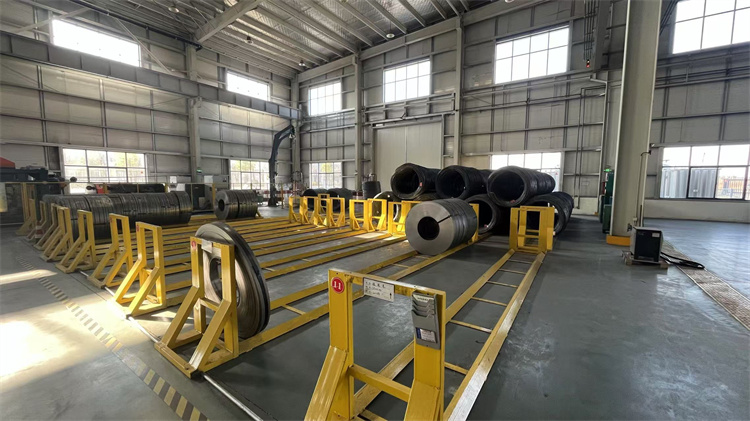
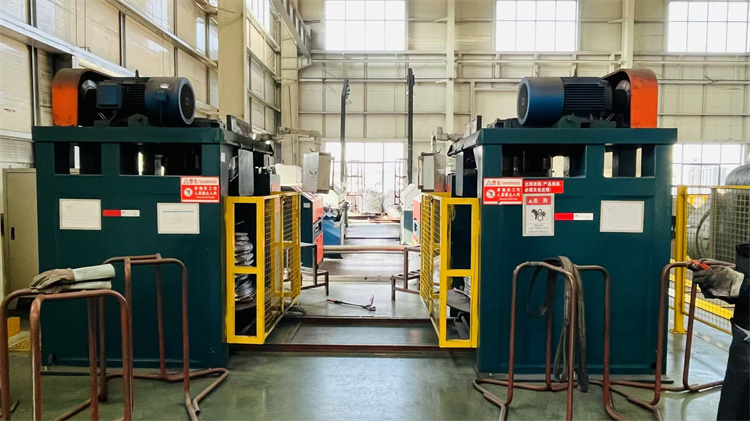
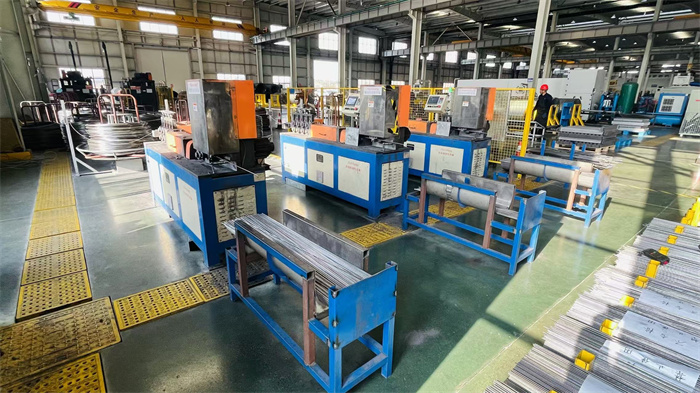
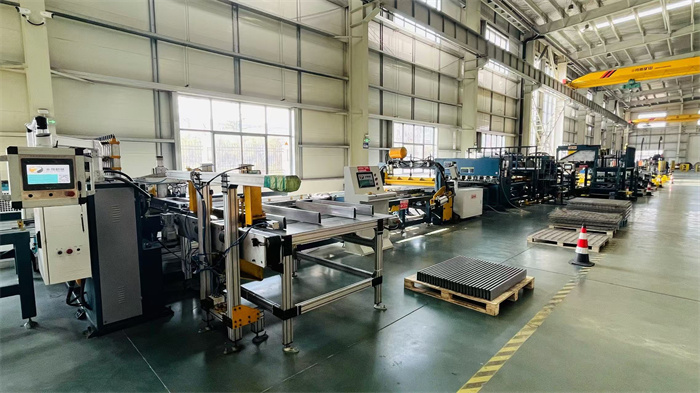
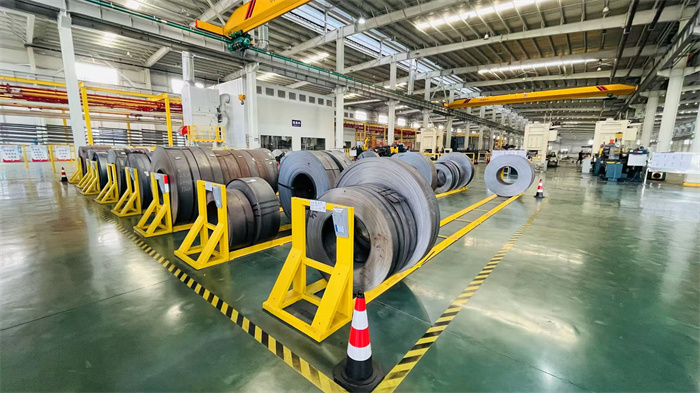
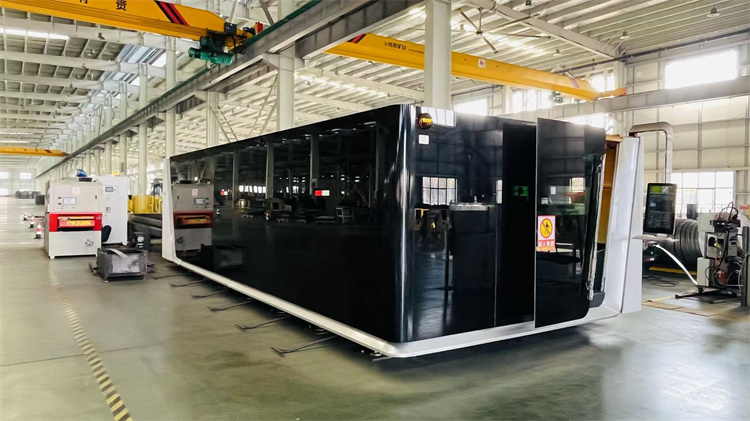
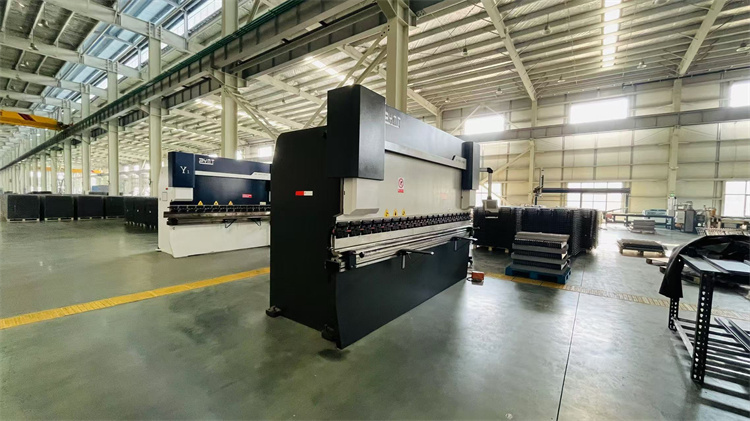
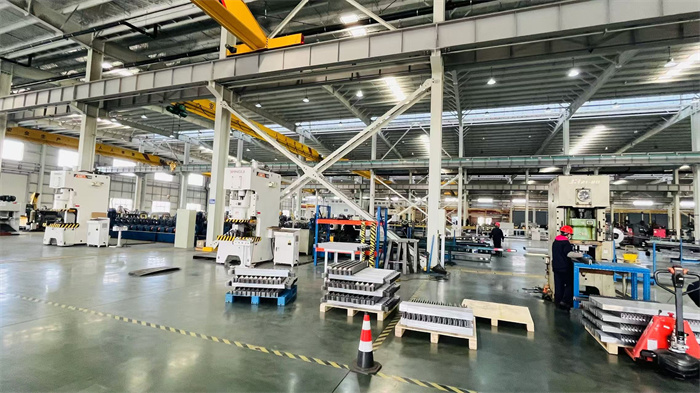
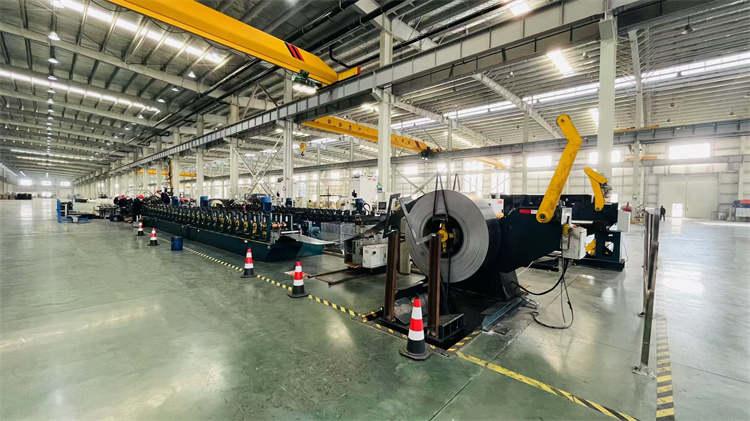
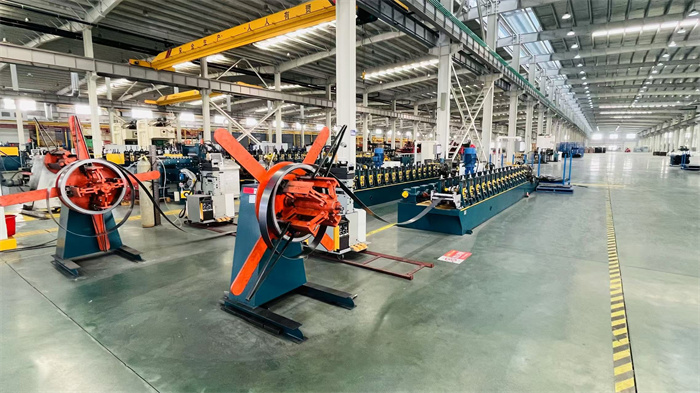
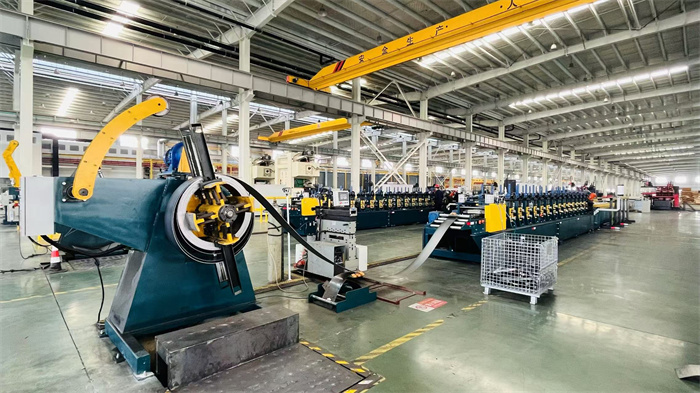
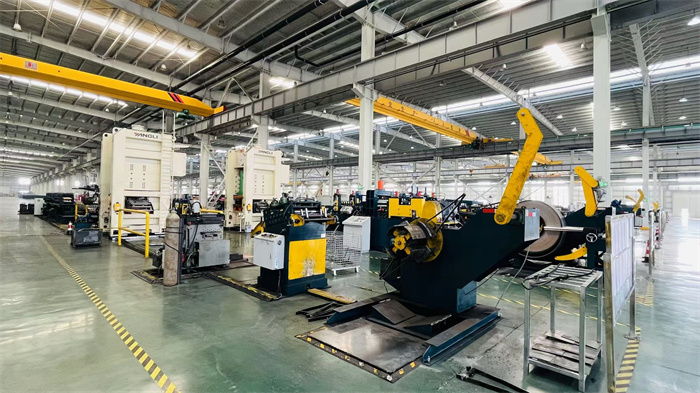
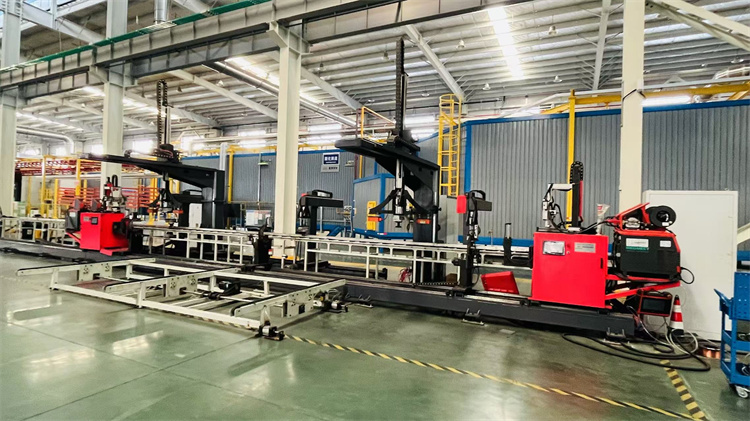
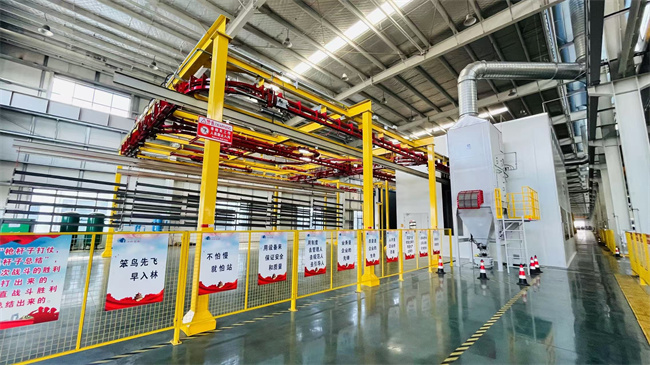
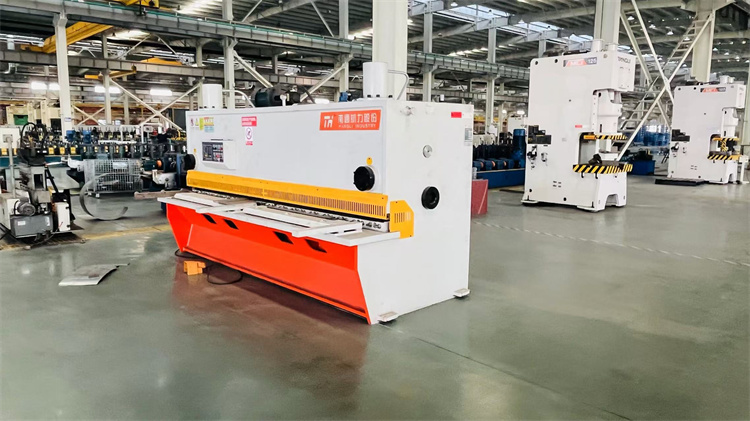
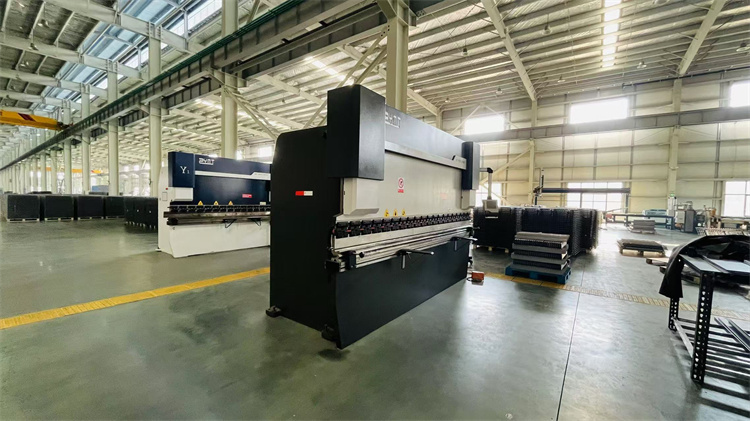
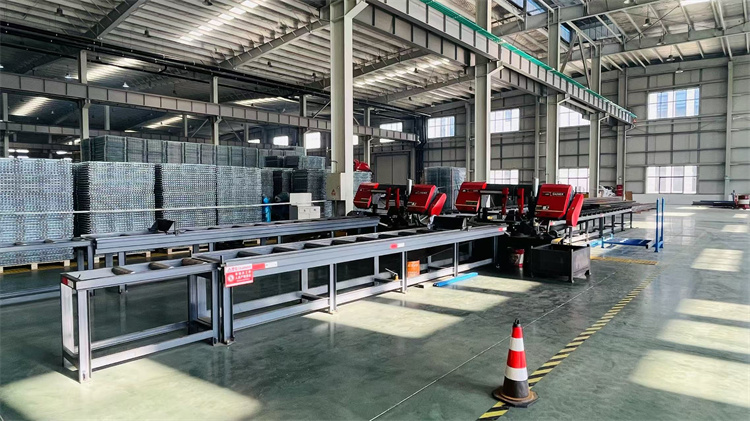
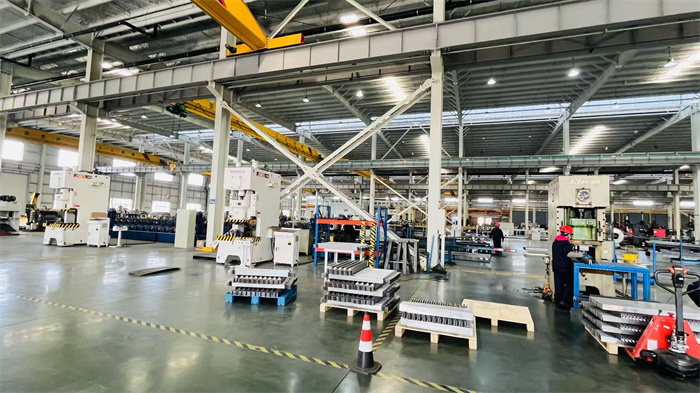
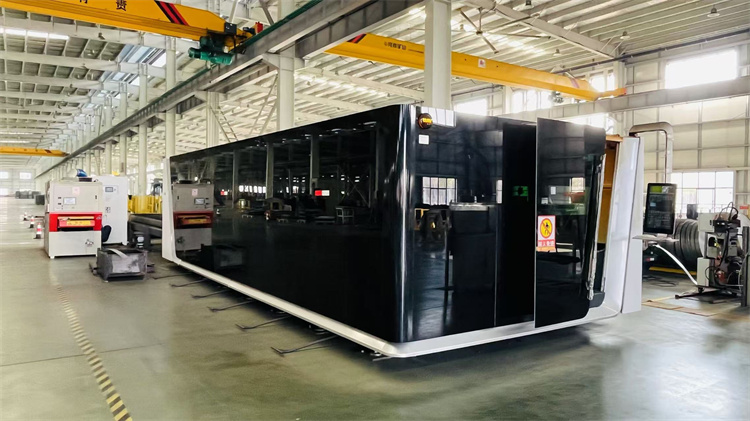
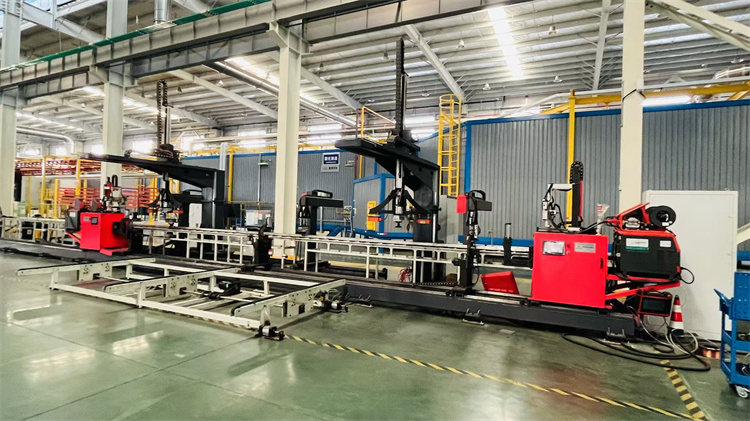
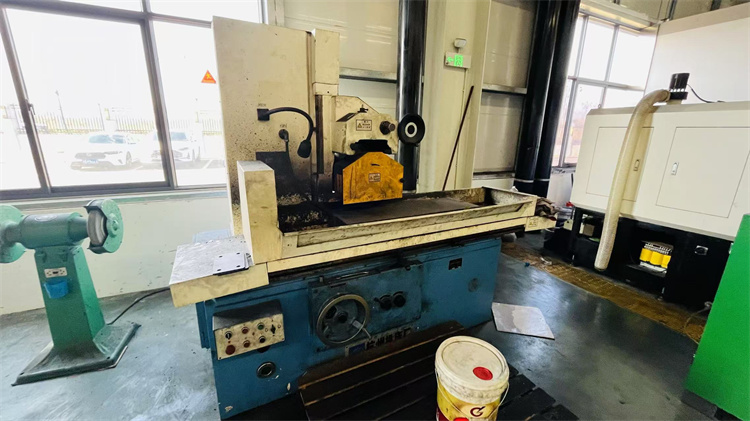
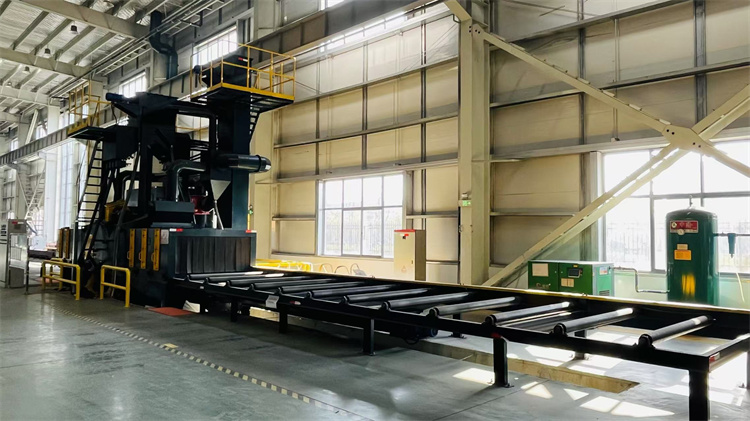
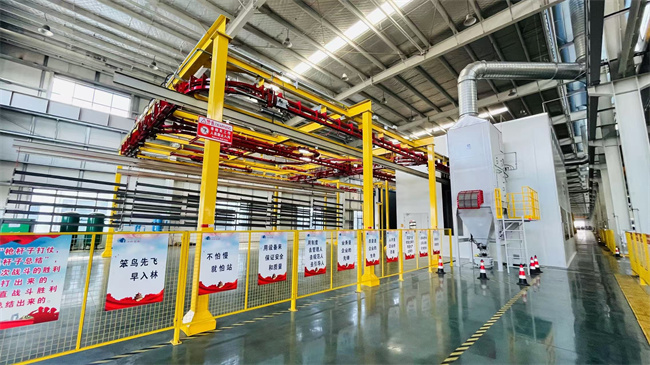
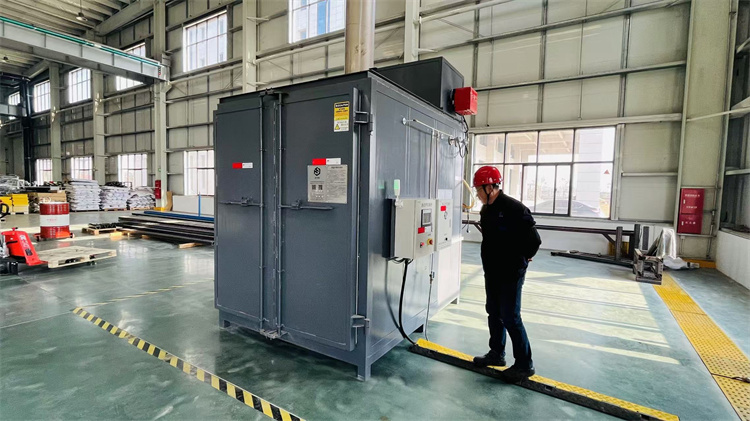
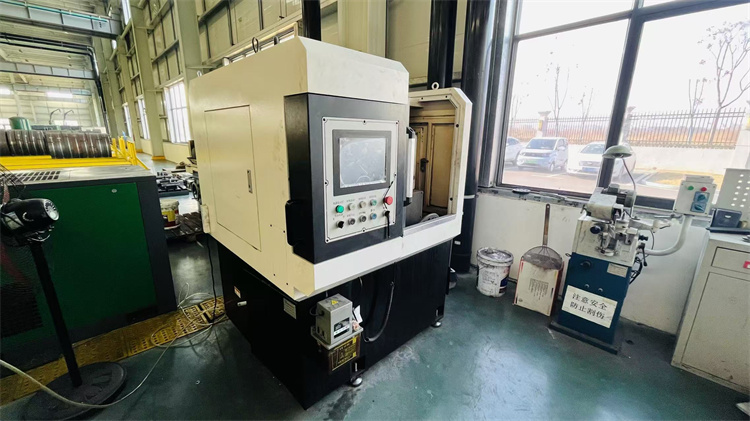
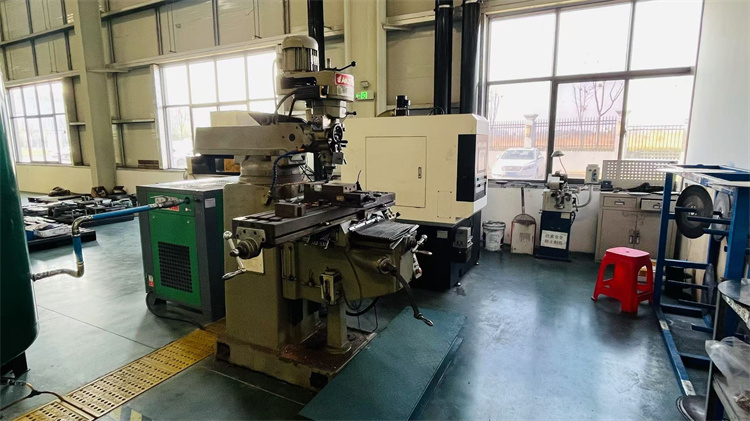
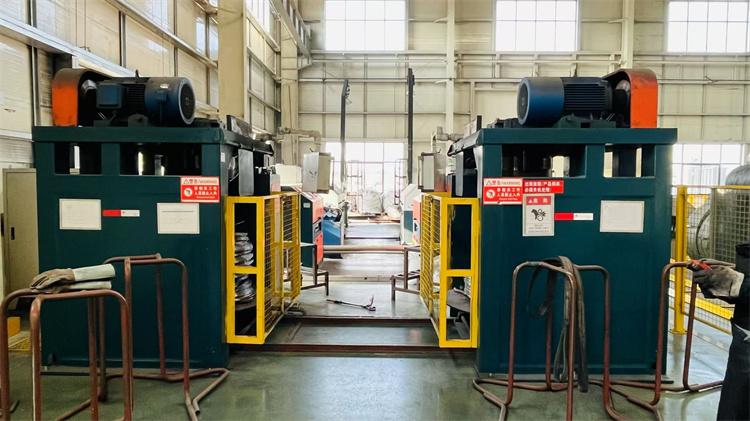
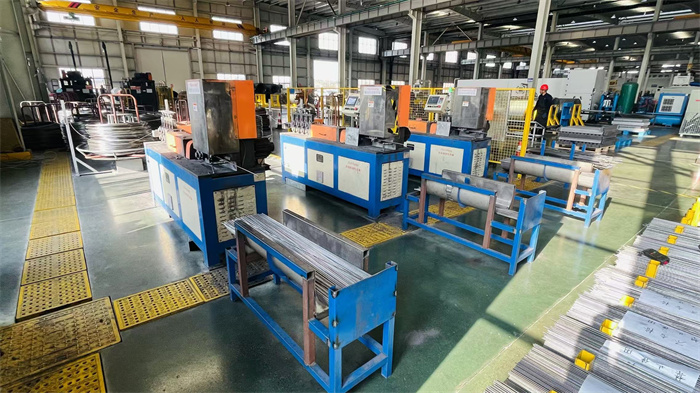
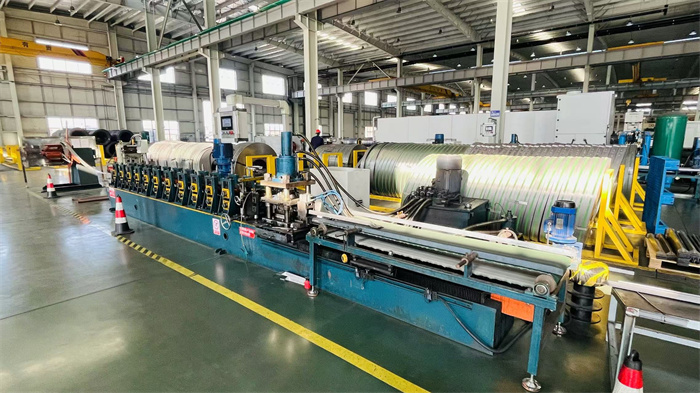
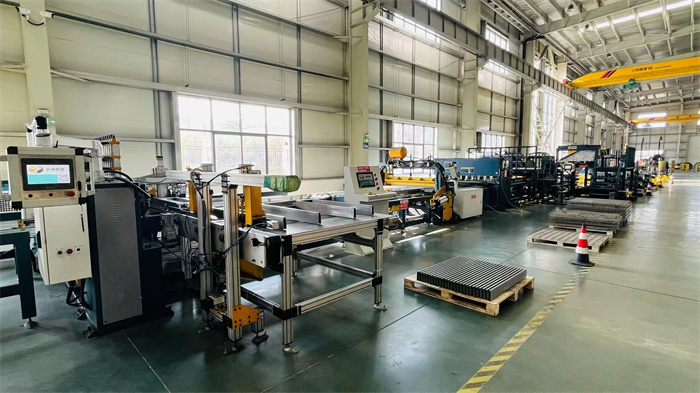
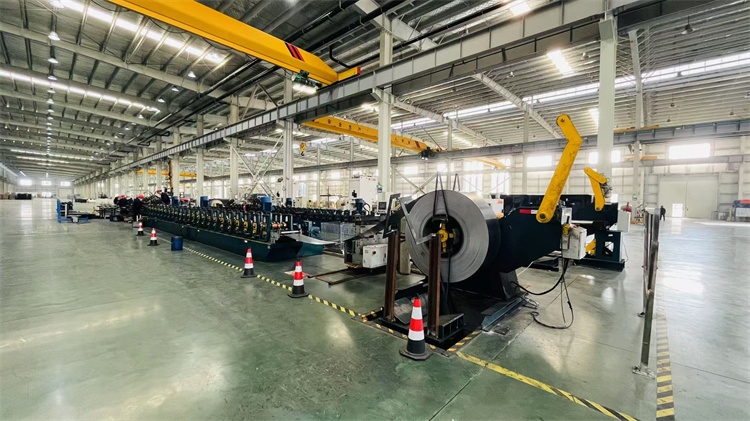
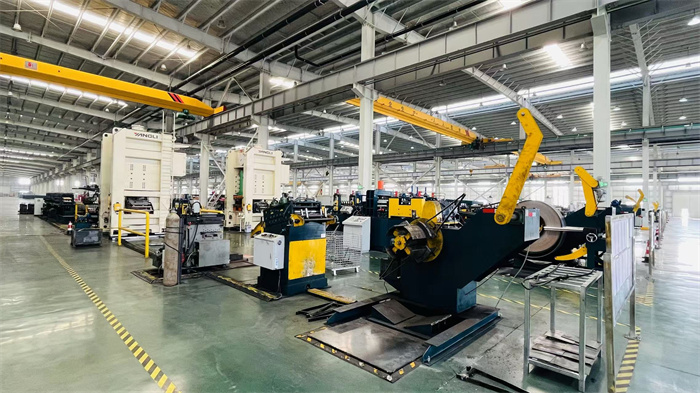
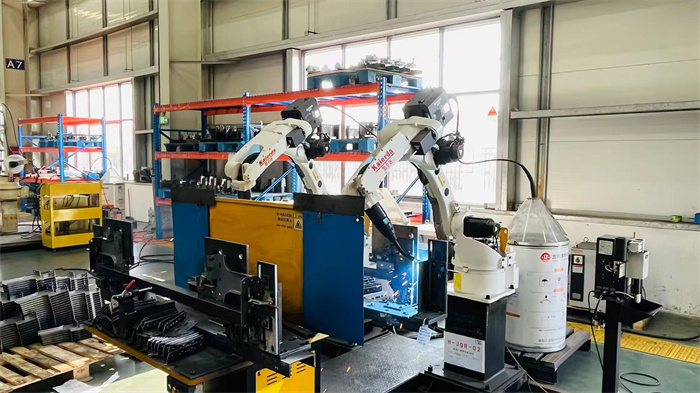
Manufacturing structural racking components at high volume requires advanced manufacturing facilities. Located in Guangdong, China, Jracking's modern facility covers 28,600 m². The factory integrates automated raw-material preprocessing with high-precision fabrication systems. This setup enables consistent tolerances during cold-roll forming and punching processes.
With an established network of over 1,150 supply chain partners, Jracking maintains ready access to certified steel coils. This supports stable lead times even during global supply line fluctuations. This supply chain integration underpins an annual export capacity exceeding USD 18 million, serving logistics networks across North America, Europe, Australia, and the Middle East.
From structural raw steel processing to precision coating and automated quality control checks
How standard selective teardrop racking adapts to diverse vertical logistics operations
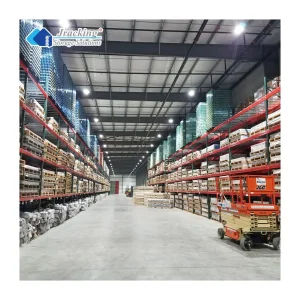
In high-throughput e-commerce centers, teardrop racking supports variable storage configurations. Its modular design allows warehouse operators to integrate wire decking, dynamic carton flow rails, and safety net enclosures to protect high-velocity inventory.
Operating in temperature-controlled spaces requires selecting structural materials that maintain steel ductility. Jracking's specialized powder-coated teardrop options, along with hot-dip galvanized finishes, protect structural frames against rust in low-temperature cold storage facilities.
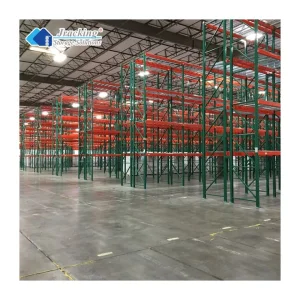
Heavy manufacturing warehouses require reliable racking layouts with high load capacities. Heavy-duty 3-inch and 4-inch columns can handle heavy pallet loads, supporting overhead storage while maximizing the use of vertical floor space.
The industrial storage sector is evolving toward increased automation, structural resilience, and integration with AS/RS (Automated Storage and Retrieval Systems). Standard teardrop racks are increasingly utilized as the base structure for semi-automated shuttle racking. This approach balances budget constraints with the need for modern automation.
Sustainability is also driving shifts in steel manufacturing. Advanced factories are reducing their carbon footprint by using high-recycled-content structural steel, upgrading to energy-efficient automated powder coating lines, and optimizing steel usage. This structural design philosophy aims to minimize steel weight while maintaining loading capacity.
Clear, direct technical answers regarding structural capacity, compliance standards, and installation
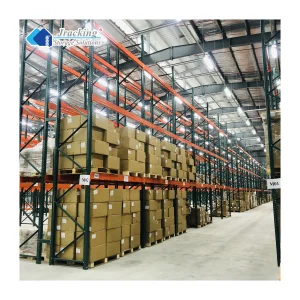
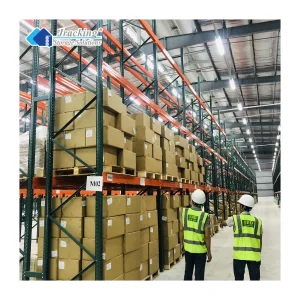
Premium selective racking configurations designed for distribution centers and automated operations
 Jracking