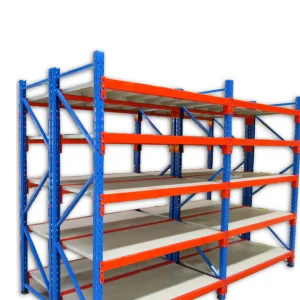
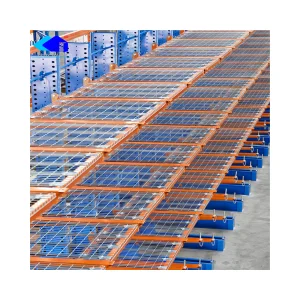
Explore our heavy-duty industrial storage racks certified for global regulatory compliance
A Comprehensive Industry White Paper on Structural Safety, Space Dynamics, and Global Sourcing Standards
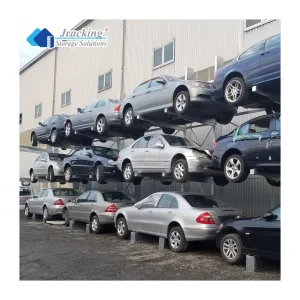
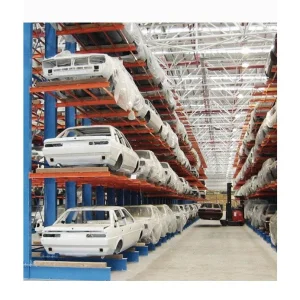
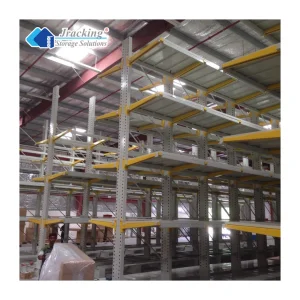
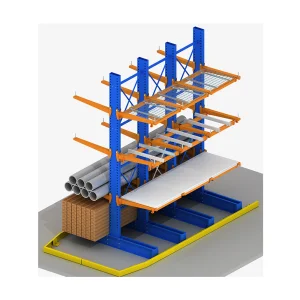
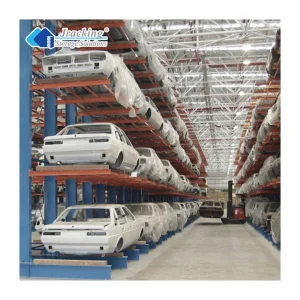
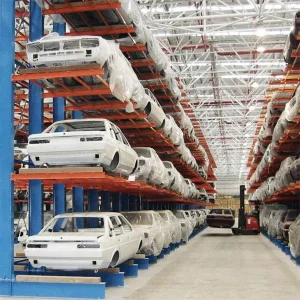
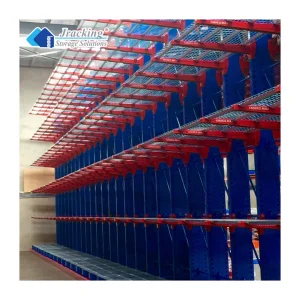
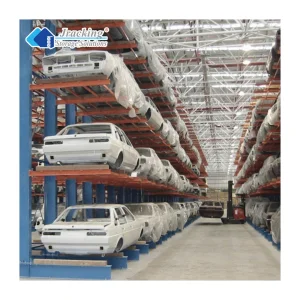
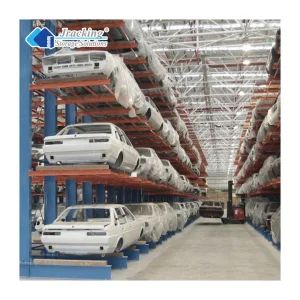
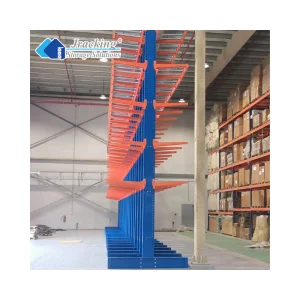
Cantilever car racking represents a specialized engineering solution designed to address the storage challenges of long, bulky, and heavy payloads, specifically vehicles, chassis, and heavy metal profiles. Unlike conventional pallet racking configurations that rely on vertical columns blocking frontal access, cantilever systems leverage a clear front design. The structure comprises vertical columns, horizontal bases, and protruding solid arms that extend outwards at specific inclined degrees to secure loads.
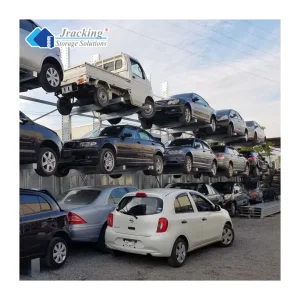
This structural mechanism is vital for auto salvage yards, automotive manufacturing lines, end-of-life vehicle (ELV) processing plants, and commercial garages. Standard automotive structures cannot be easily supported on standard pallet configurations. By utilizing a double-sided or single-sided cantilever column layout, facilities can vertically stack multiple vehicles, effectively tripling their storage capacity within the same square footage.
| Feature Spec | Roll-Formed Cantilever System | Structural I-Beam Cantilever System |
|---|---|---|
| Material Grade | Q235B Cold-Rolled Carbon Steel | Q355B Hot-Rolled Structural Steel |
| Load Capacity (Per Arm) | 500 kg to 1,500 kg | 1,500 kg to 5,000+ kg |
| Impact Resistance | Standard - suitable for standard warehouses | Extremely High - resilient against forklift collisions |
| Primary Target Application | Lightweight vehicles, piping, light machinery | Salvage cars, heavy machinery, raw metal slabs |
| Cost Efficiency | Highly cost-effective for indoor installations | Long-term investment for high durability & safety |
The manufacturing ecosystem in China, particularly within major industrial clusters like Guangdong, offers strategic advantages that cannot be replicated elsewhere. Sourcing from specialized Chinese OEM/ODM racking manufacturers such as Jracking (Guangdong) Storage Co., Ltd. provides specific cost, design, and supply-chain benefits:
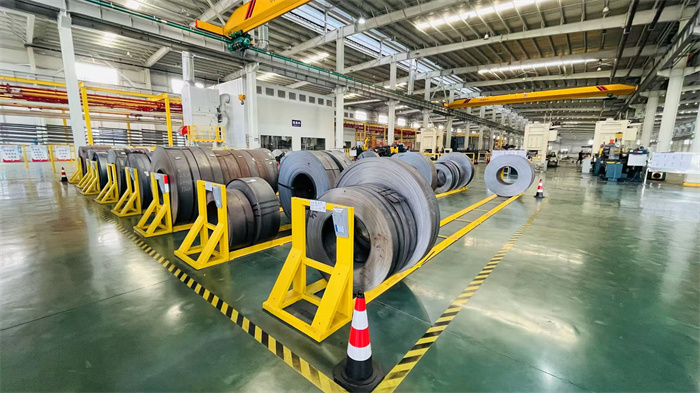
Chinese steel mills produce high-grade structural Q235B and Q355B steel, providing excellent tensile strength and load limits. High mechanical integrity allows structural designs to handle dynamic seismic loads in line with European and American specifications.
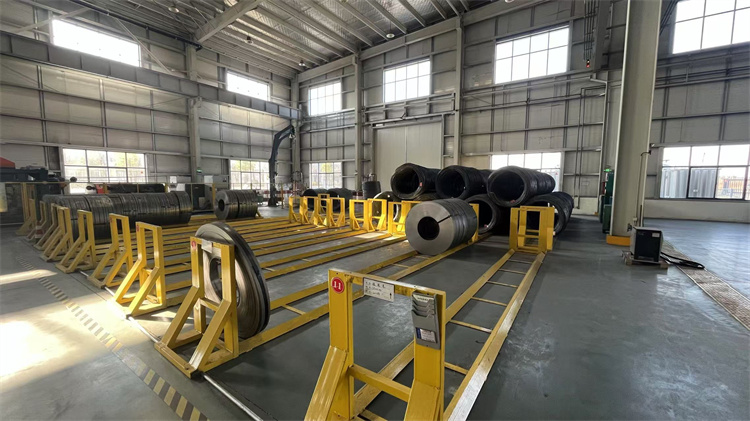
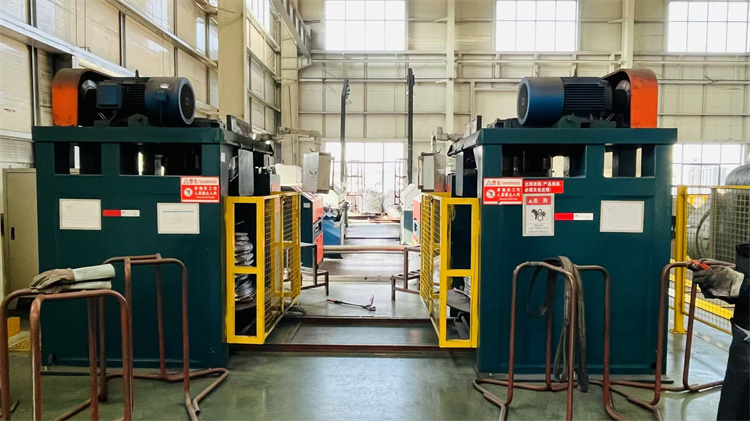
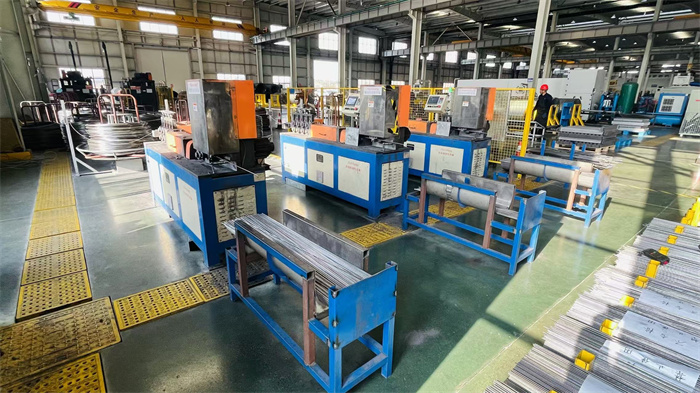
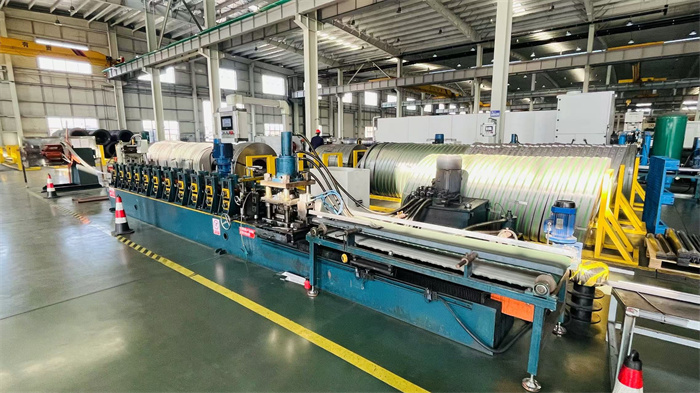
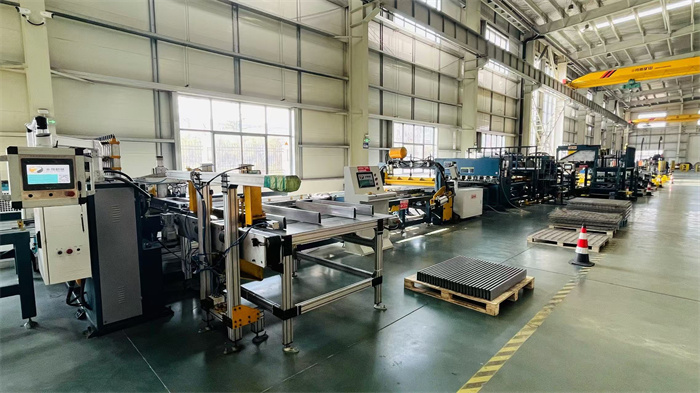
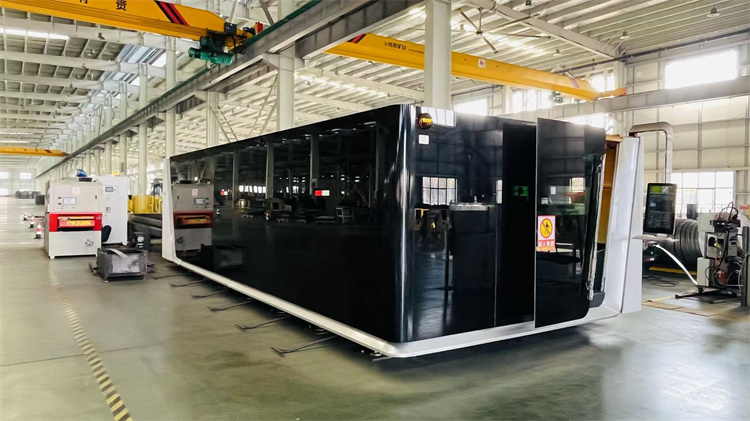
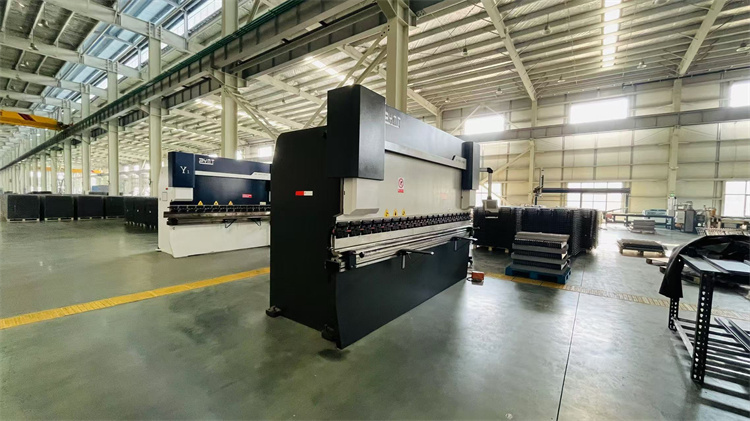
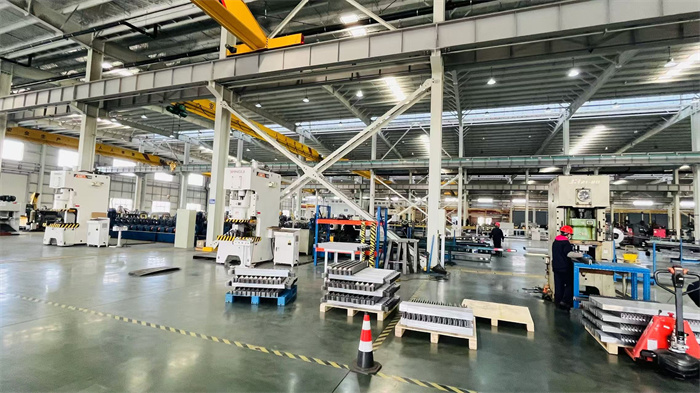
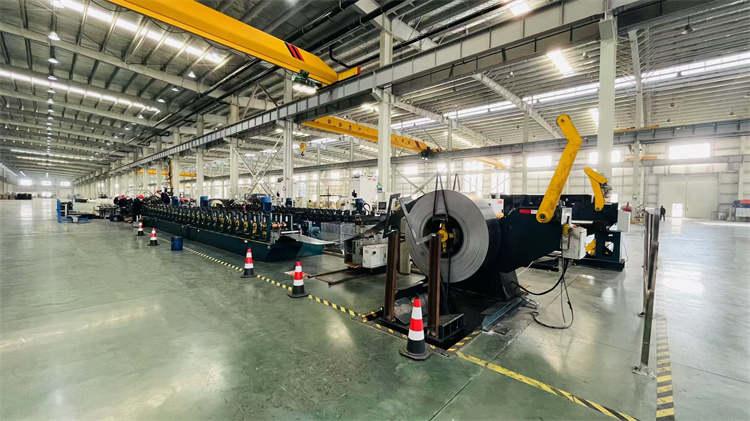
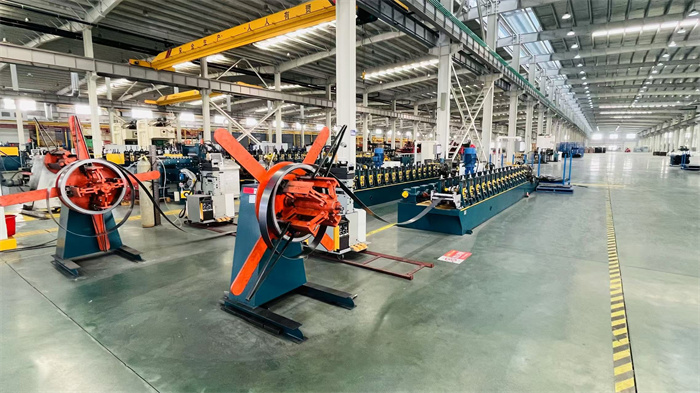
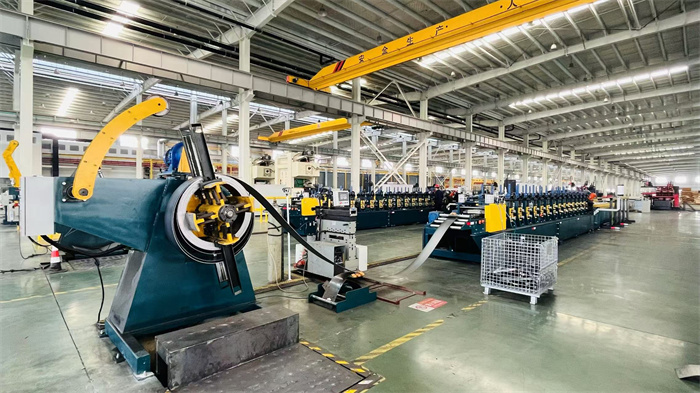
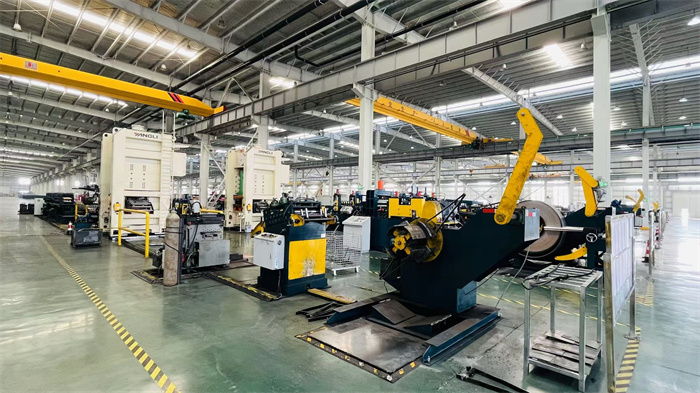
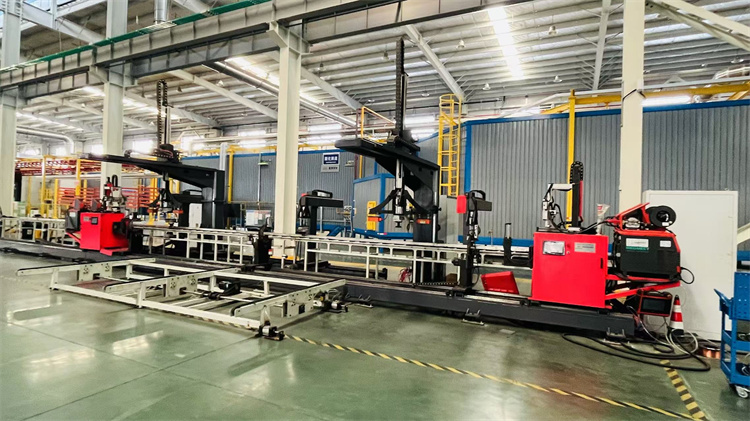
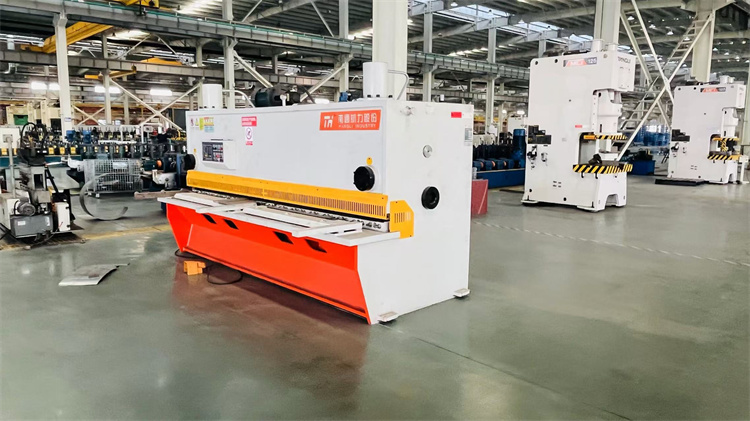
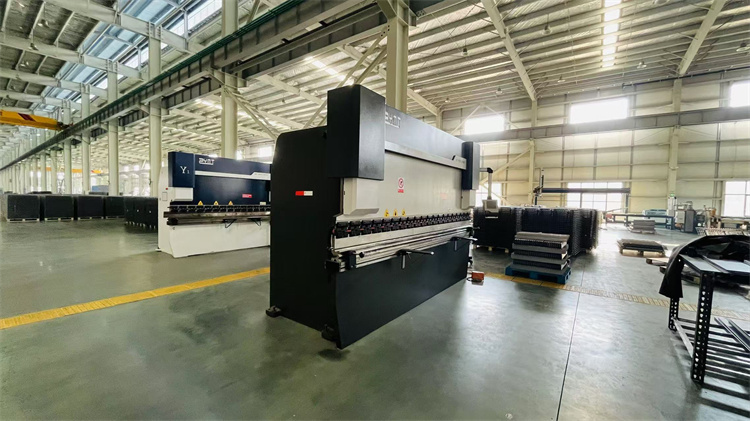
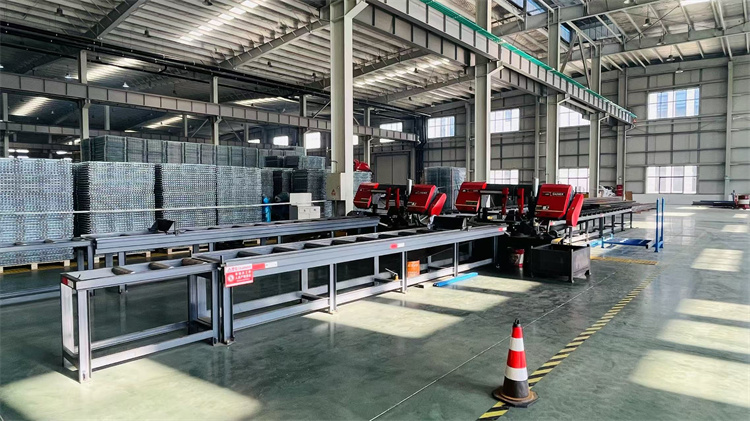
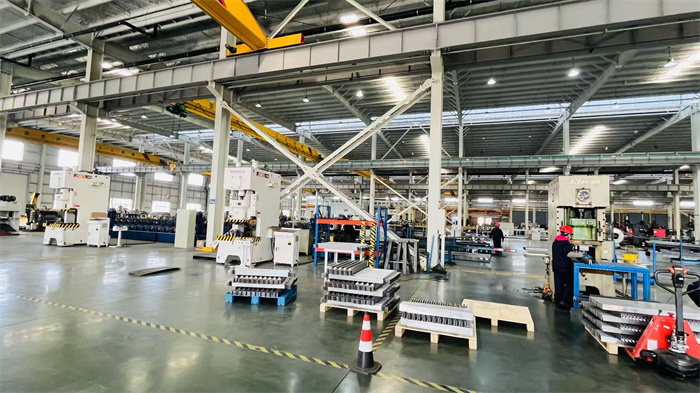
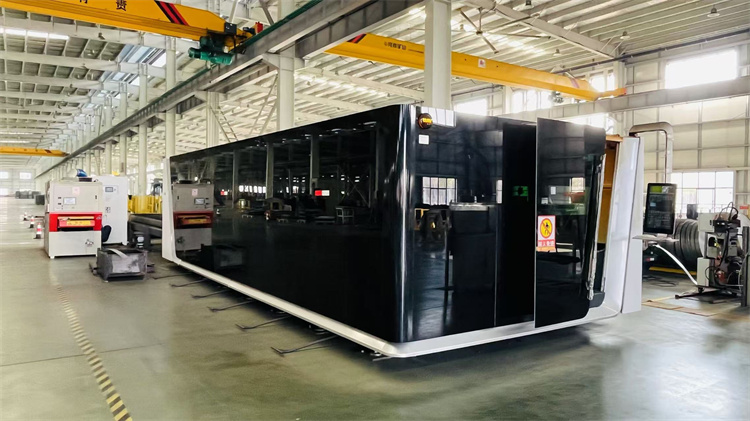
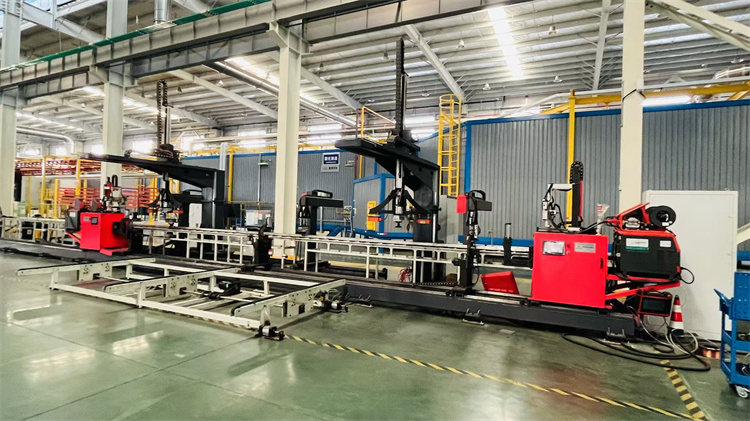
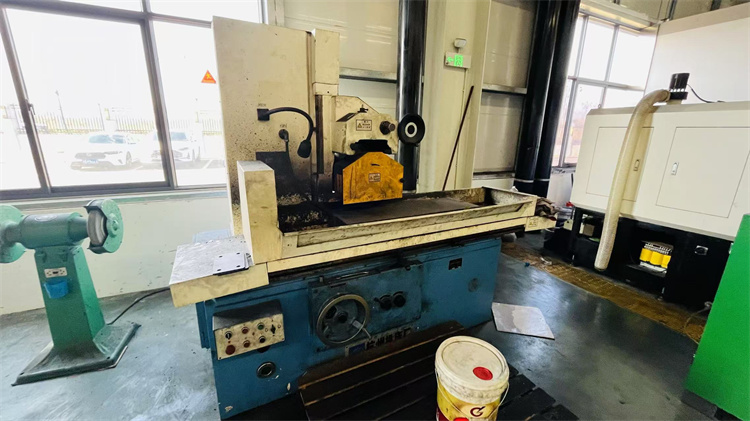
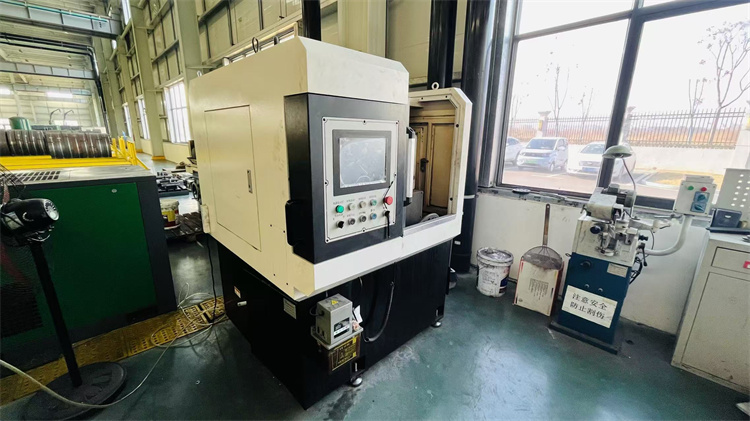
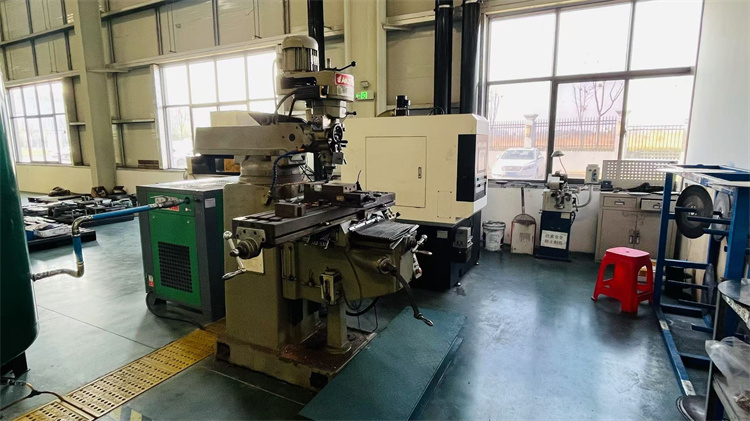
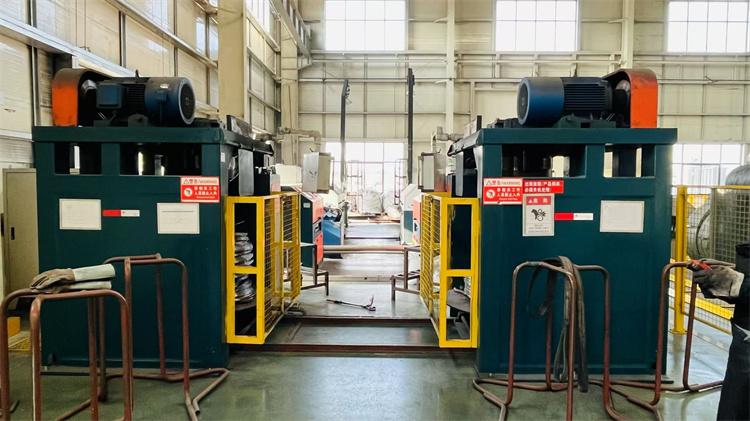
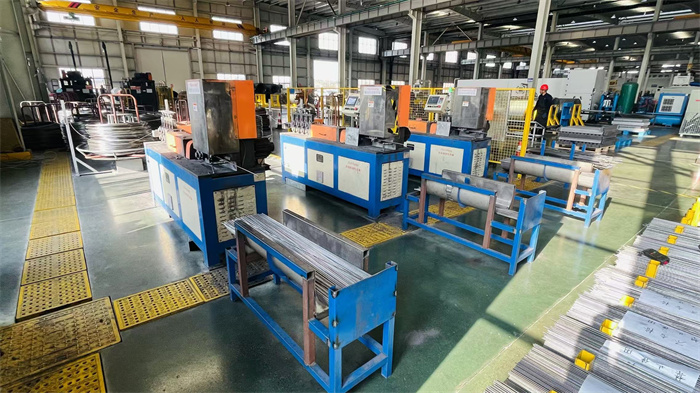
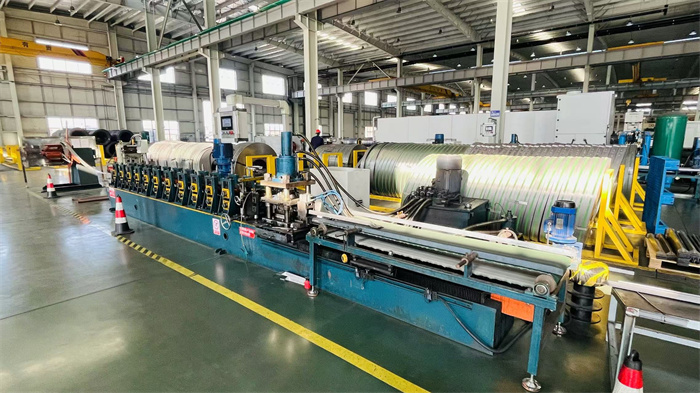
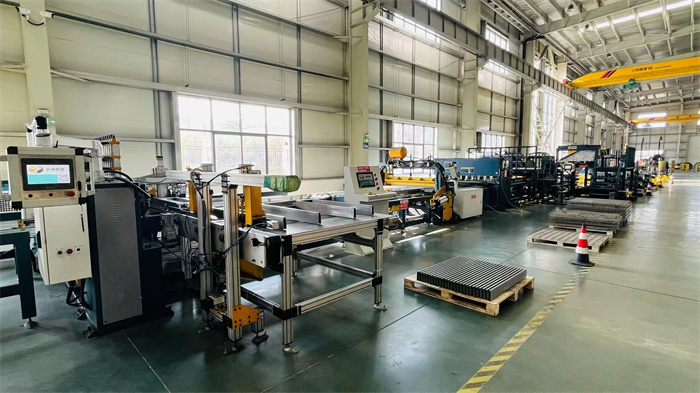
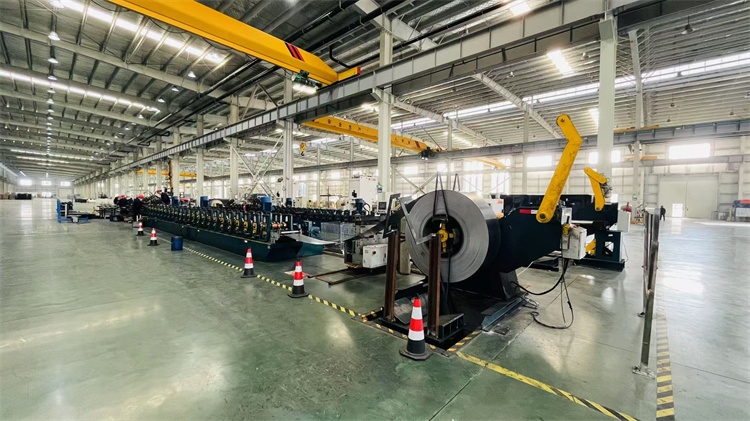
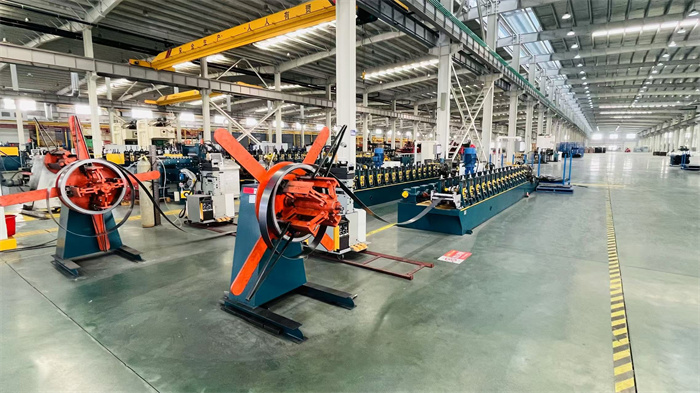
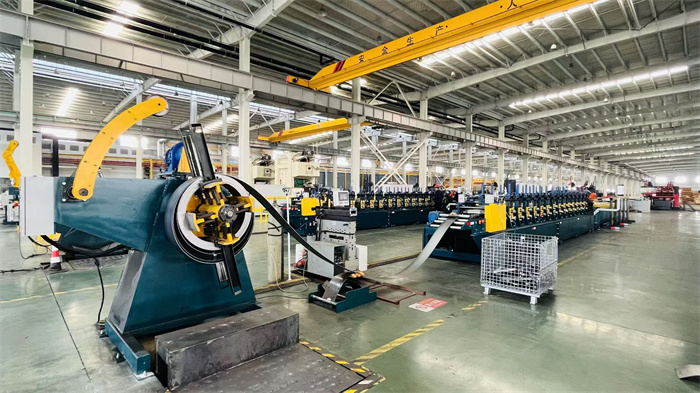
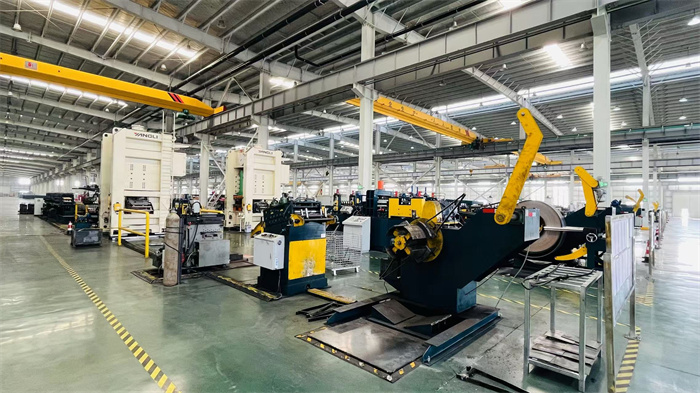
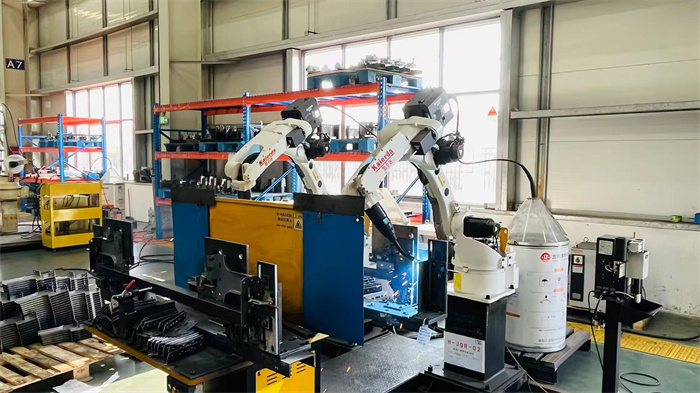
Utilizing high-end roll forming machines, automated CNC laser cutters, and advanced welding robots guarantees structural uniformity. Robotic welding reduces manual human error, yielding strong weld lines capable of carrying structural weight consistently.
By coordinating with over 1,150 supply chain partners, Chinese manufacturers can execute dynamic scheduling. This minimizes production downtime, ensuring large-scale custom project components are delivered on time.
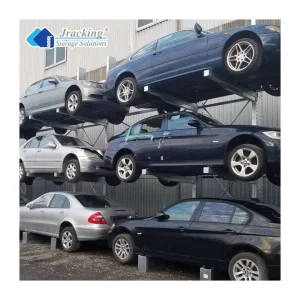
As global industrial spaces become increasingly expensive, optimizing vertical storage density is paramount. Modern industries are shifting from standard floor parking to automated vertical vehicle storage. Furthermore, environmental durability has taken precedence.
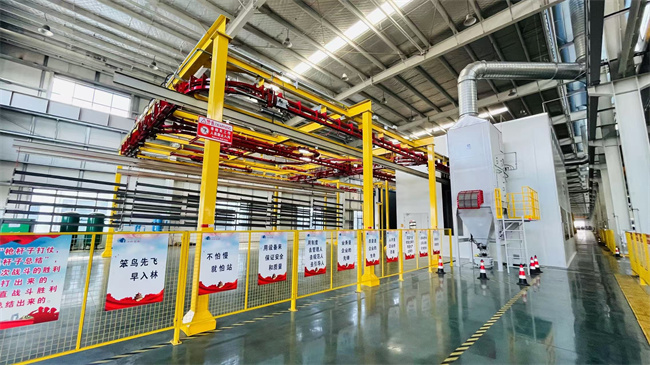
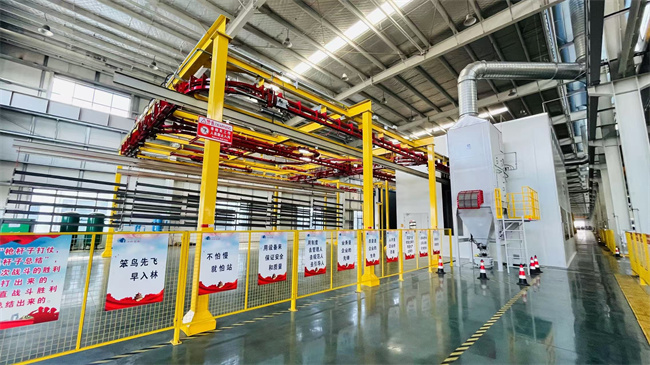
Hot-Dipped Galvanization (HDG) has emerged as the premier surface treatment for outdoor applications. Galvanized racks prevent oxidation, ensuring that cantilever systems placed in harsh environments (such as vehicle dismantling fields, coastal salvage yards, and industrial docks) remain structural sound for up to 30 years without paint peeling or rust decay.
Compliance with global regulatory frameworks is another key trend. Manufacturers must design structural systems to meet CE Certification, RMI standards (US), and AS4084-2012 (Australia). This guarantees that columns can withstand forklift impacts and that connection pins, safety locks, and bases can support heavy weight configurations without bending under stress.
Established in 2016, Jracking (Guangdong) Storage Co., Ltd. has established itself as an authoritative manufacturer specializing in heavy-duty warehouse racking systems and custom industrial car storage setups. With a state-of-the-art manufacturing plant covering 28,600 m², Jracking incorporates modern production technologies and stringent testing metrics to offer durable warehousing platforms globally.
Supported by 12 years of industry expertise and 8 years of dedicated export experience, Jracking exports storage products to North America, Europe, Australia, and the Middle East, generating an annual export turnover exceeding USD 18 million. Their rigorous quality control process is managed by 48 professional quality inspectors who perform detailed raw material, weld, load capacity, and alignment tests.
Innovation is driven by their engineering division of 85 R&D specialists. Through customizable designs (covering sizes, weight specifications, coating selections, and structural styles), the company introduced 156 new products to the international market in the past year alone. This strong developmental background establishes Jracking as a reliable partner for logistics managers, global warehouse distributors, and enterprise buyers.
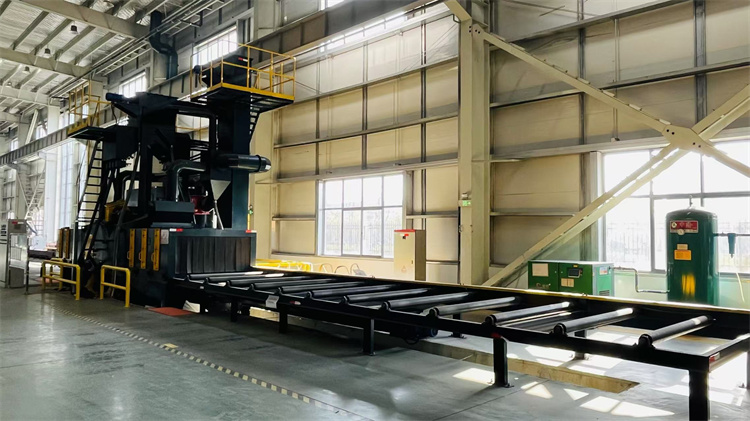
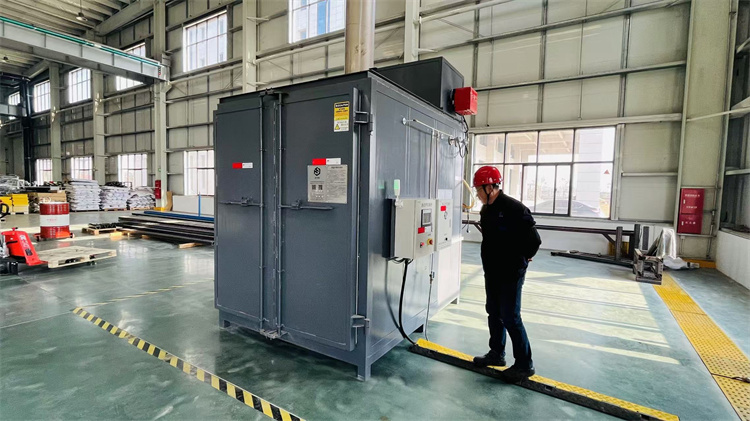
Step-by-step documentation of our quality-controlled engineering and structural fabrication processes
Frequently asked technical questions regarding load limits, custom designs, and safety compliance
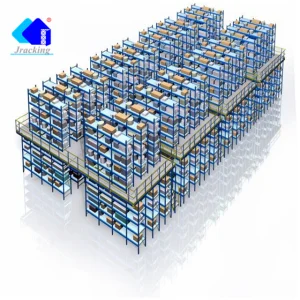
Explore specialized industrial structures and storage systems for global logistics
 Jracking