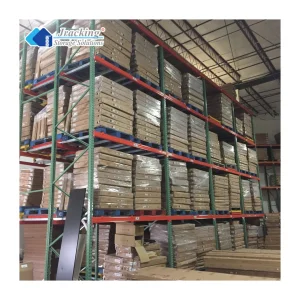
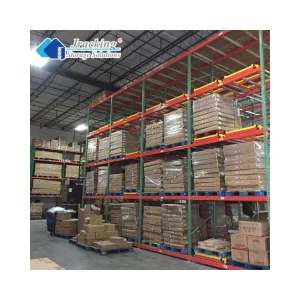
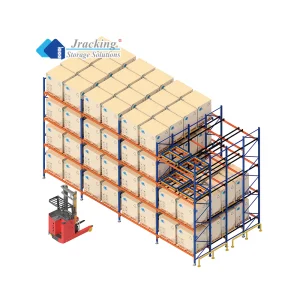
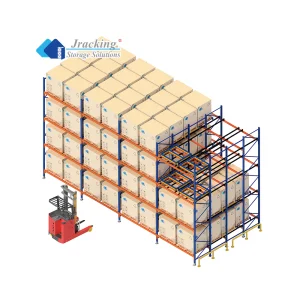
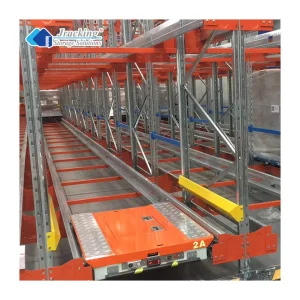
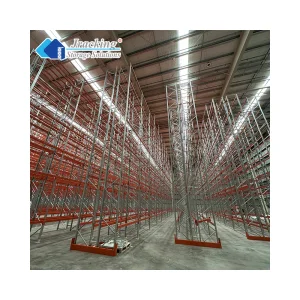
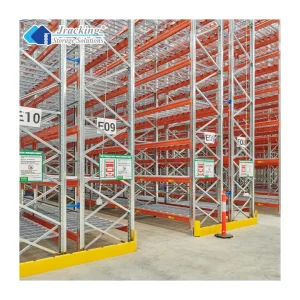
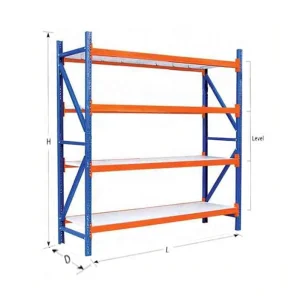
In the rapidly changing landscape of global supply chain management, industrial storage demands have progressed beyond simple shelving. Space constraints, skyrocketing industrial real estate valuations, and operational throughput speeds require high-efficiency solutions. This is where a professional push back racking supplier plays a critical role. A Push Back Pallet Rack System offers dynamic storage optimization, balancing high density with ease of access.
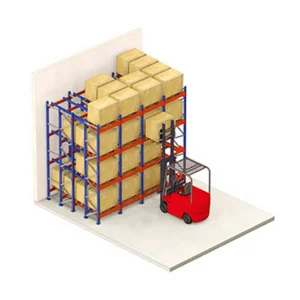
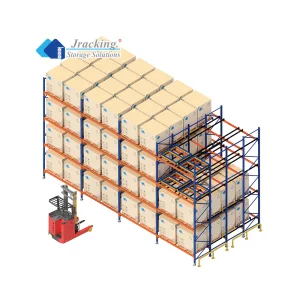
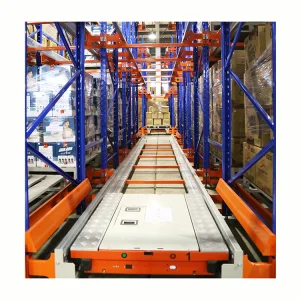
Unlike traditional selective racking, which requires numerous aisles, or drive-in racking, which limits accessibility, push back racking operates on a LIFO (Last-In, First-Out) inventory management principle. Utilizing nested carts rolling on inclined rails, the system uses gravity to automatically advance subsequent pallets to the picking face. This reduces forklift travel times, minimizes aisle space, and maximizes warehouse capacity.
Industrial storage layouts require careful balance. Push back systems allow warehouses to store pallets 2 to 6 deep, while maintaining immediate access to various SKUs at the aisle face. Every lane acts independently, ensuring that order pickers have a constant supply of materials without needing to drive forklifts deep into the racking structures. This limits damage to columns and structural elements, improving warehouse safety.
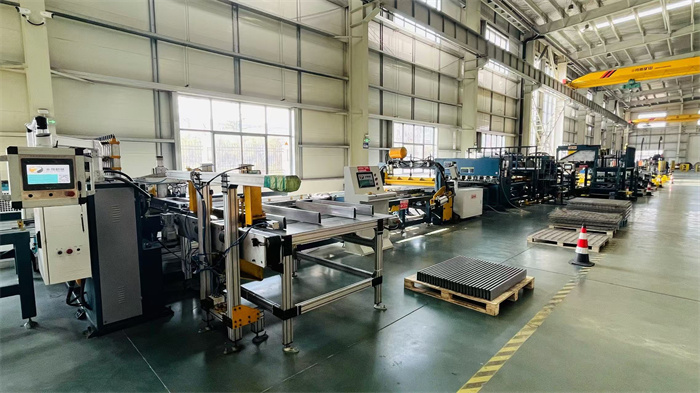
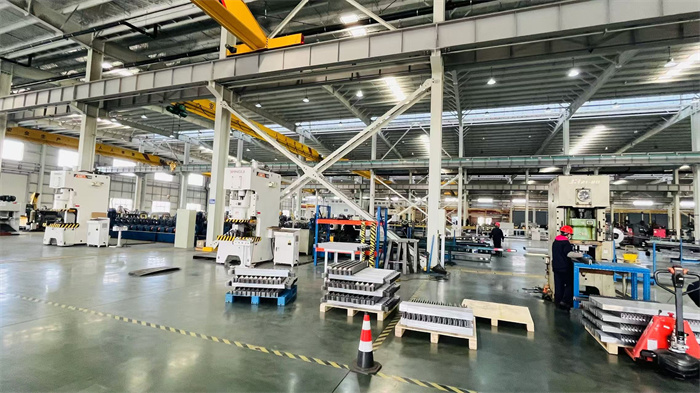
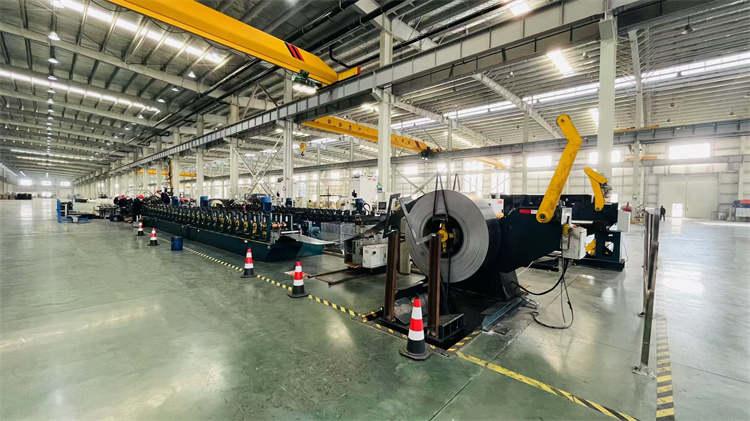
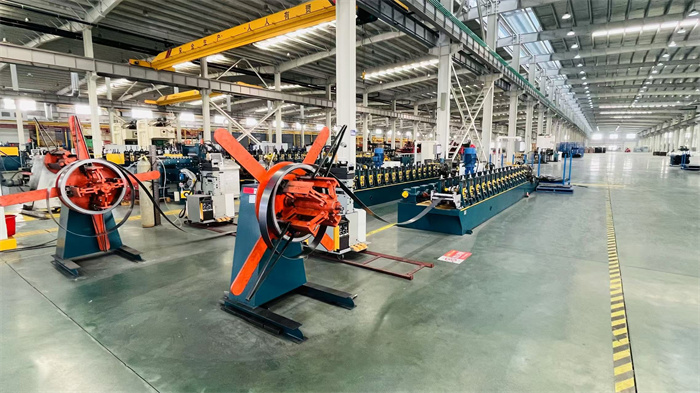
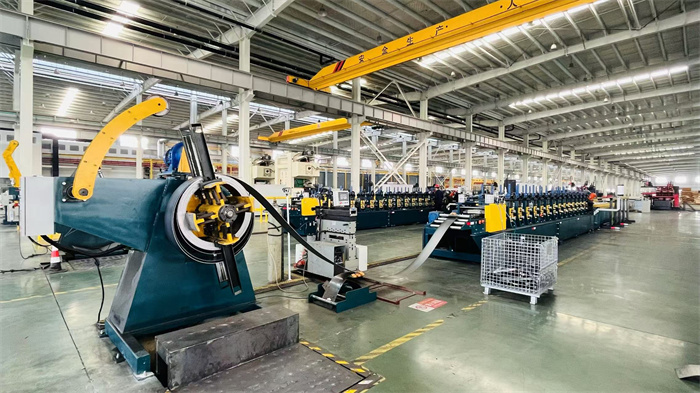
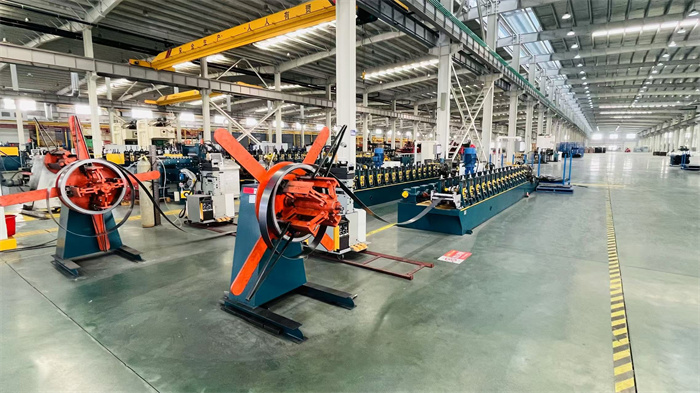
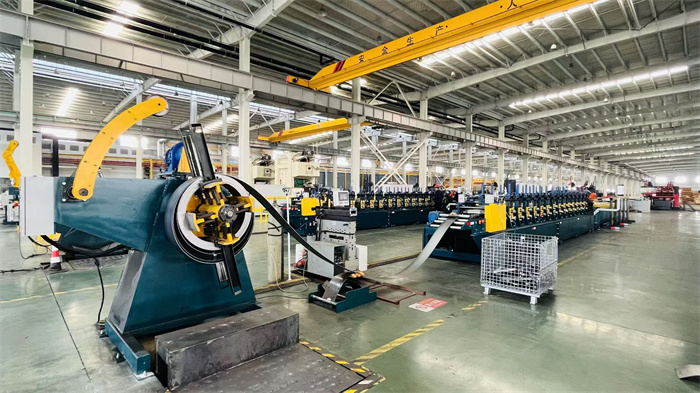
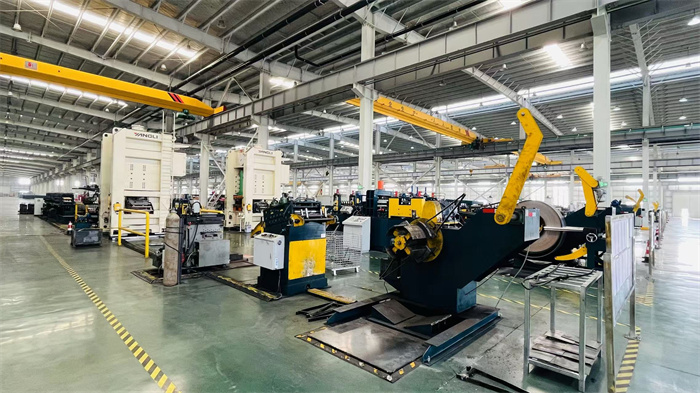
Established in 2016, Jracking (Guangdong) Storage Co., Ltd. is a leading manufacturer specializing in heavy-duty warehouse racking systems and industrial storage solutions in China. With a modern, highly automated manufacturing facility covering 28,600 m², we integrate advanced manufacturing technologies with strict quality control to deliver structural integrity and reliable storage solutions globally.
With over 8 years of dedicated export experience and 12 years of overall industry expertise, Jracking has become a trusted partner in North America, Europe, Southeast Asia, Australia, and the Middle East. Our annual export revenue exceeds USD 18 million, which reflects our strong position in the international industrial storage equipment sector.
Increases storage capacity by up to 75% compared to standard selective racking by reducing access aisles.
Our team of 85 professional R&D engineers designs custom cart systems and load limits to meet your needs.
48 quality inspectors monitor production in our ISO-compliant facility, ensuring CE and RMI certification compliance.
As an established OEM & ODM manufacturer, Jracking works with over 1,150 supply chain partners worldwide. This network supports reliable raw material supply, production scheduling, and efficient delivery. Our clients include global warehouse equipment distributors, logistics companies, cold storage operators, and industrial contractors.
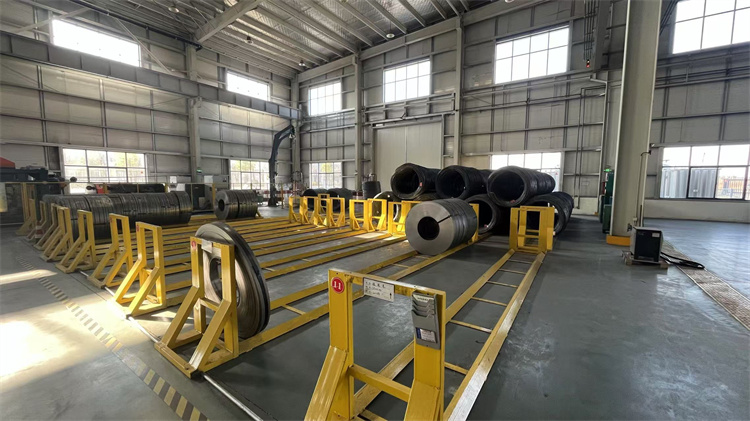
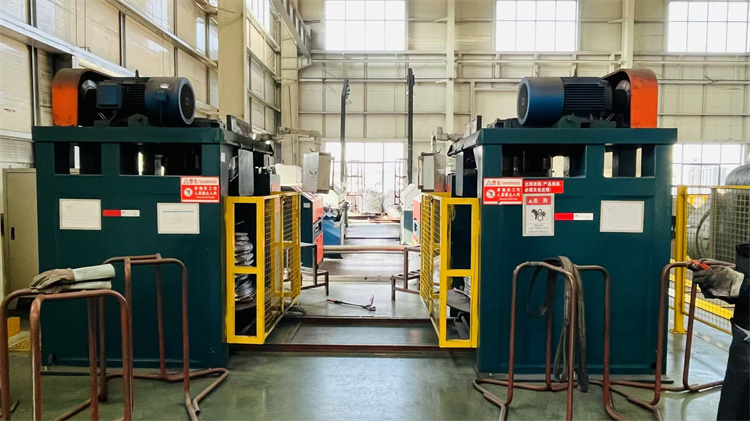
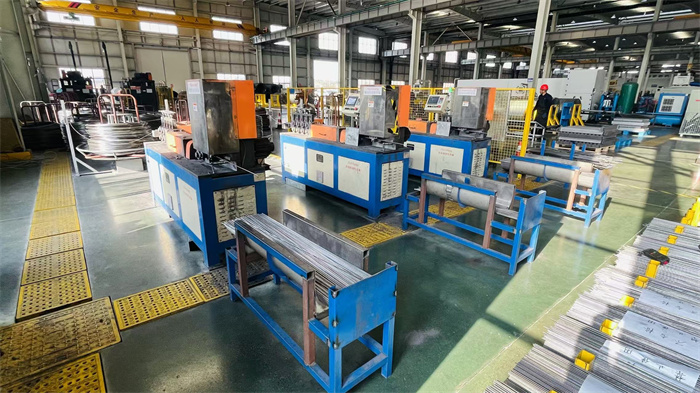
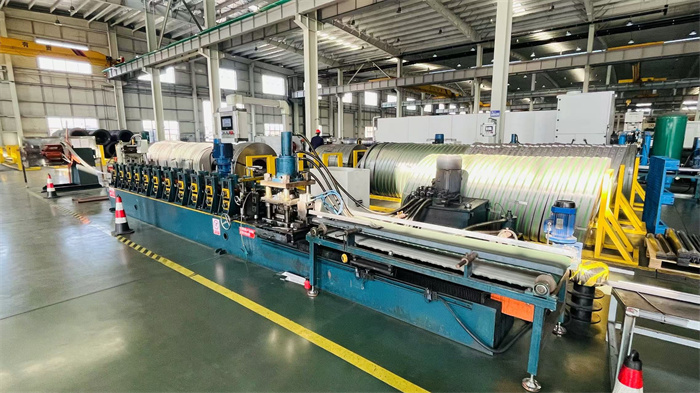
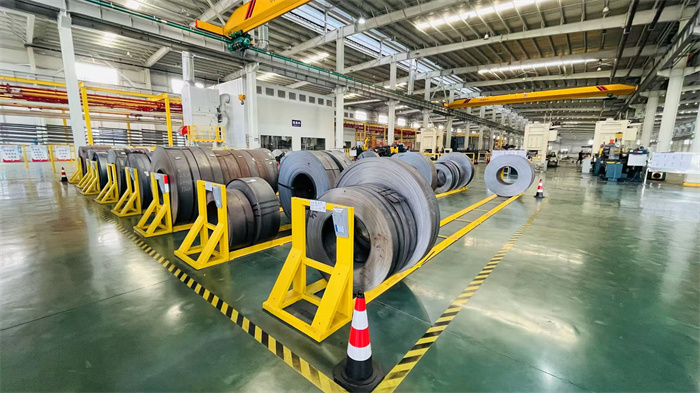
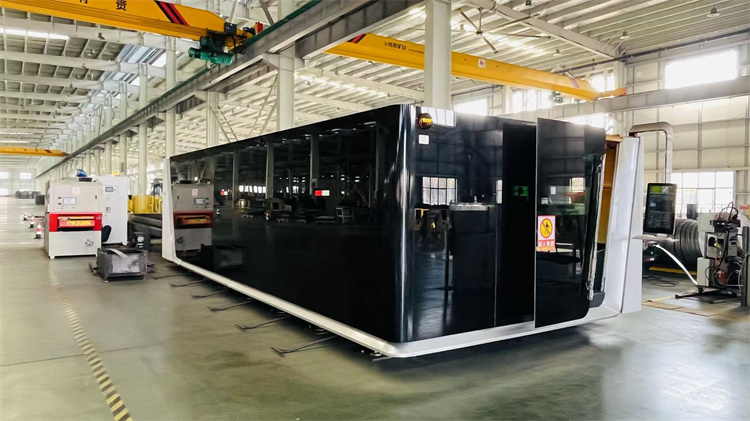
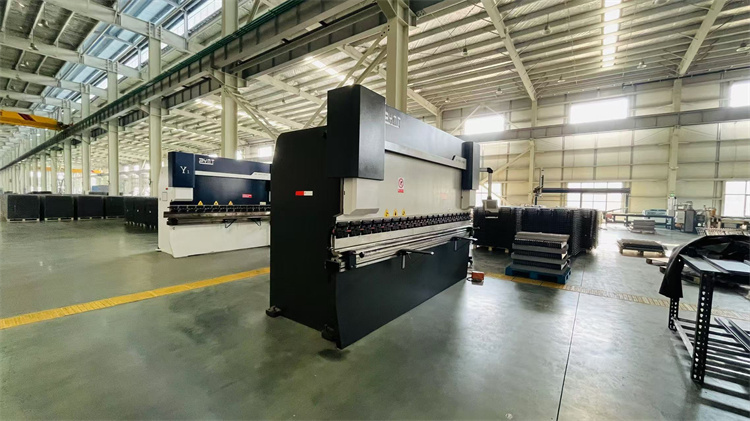
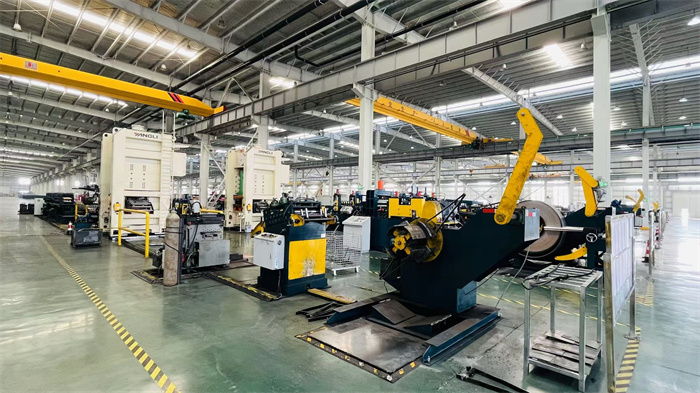
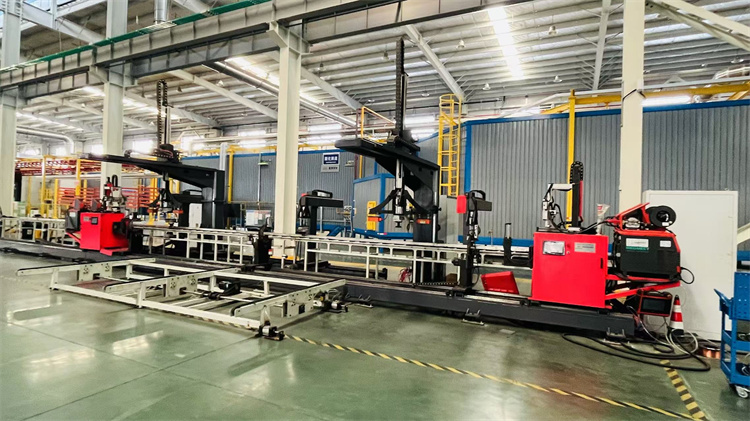
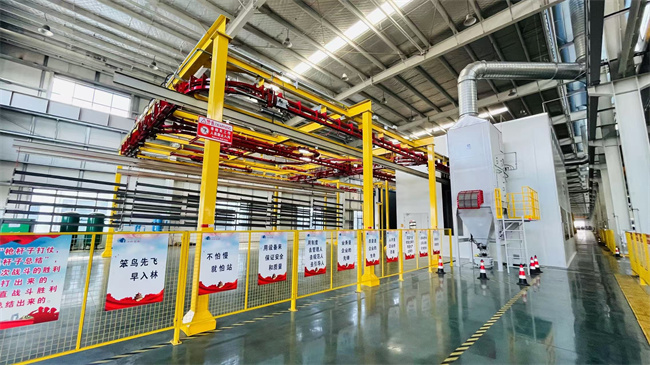
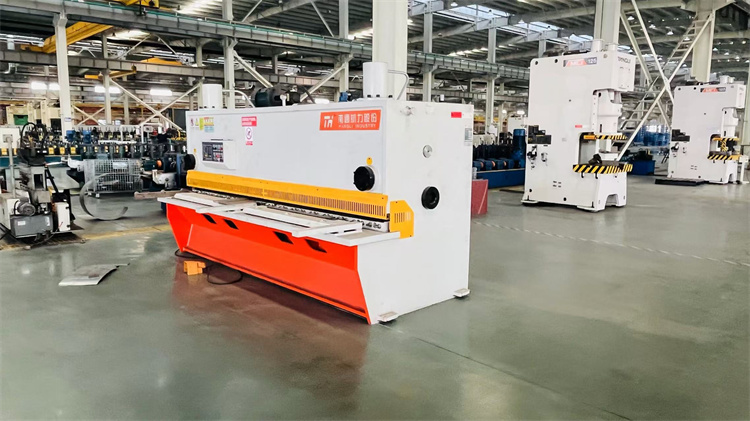
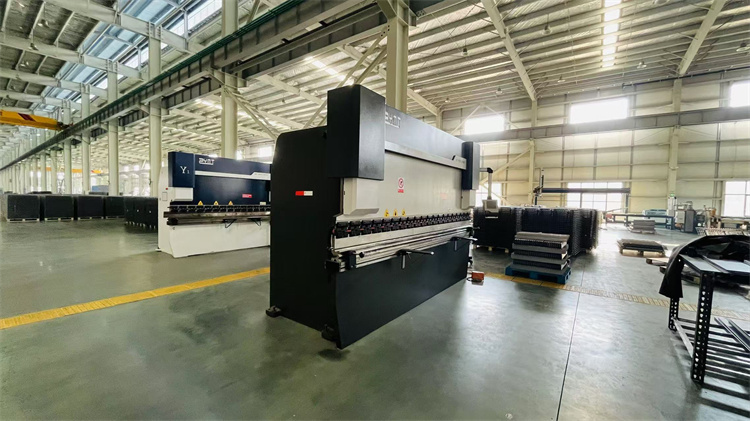
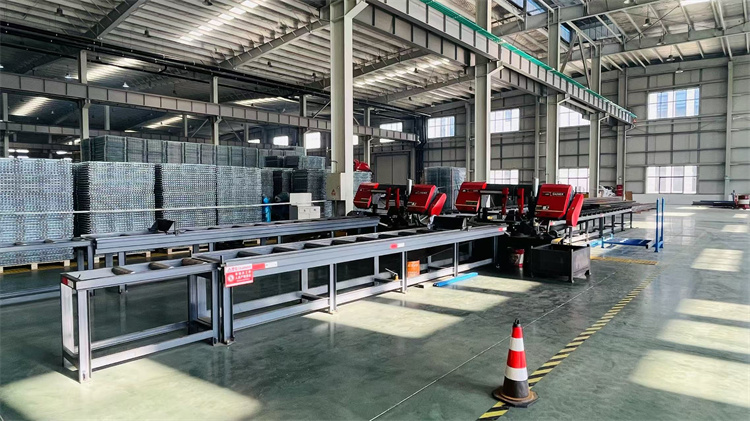
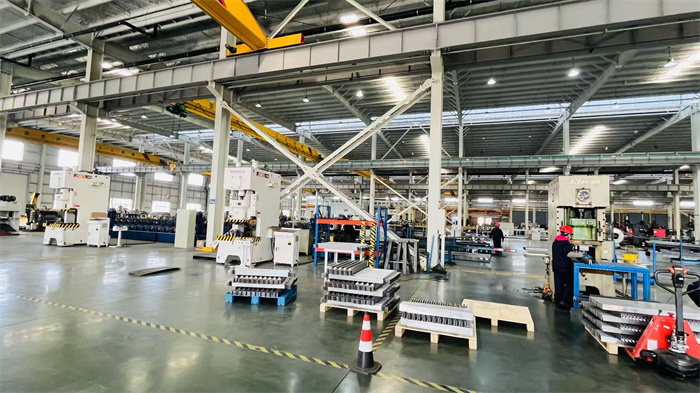
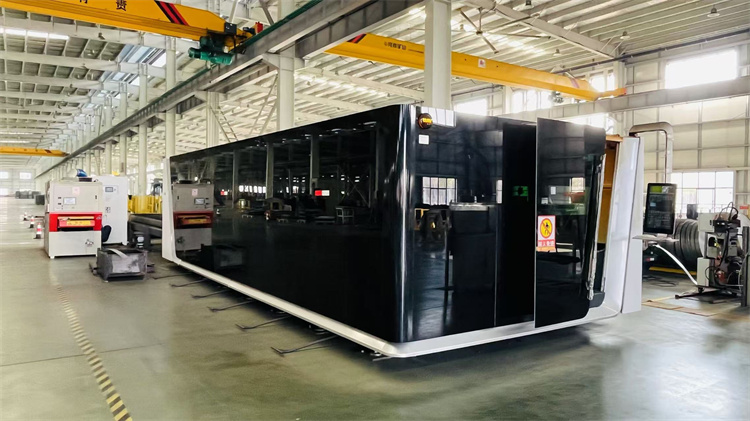
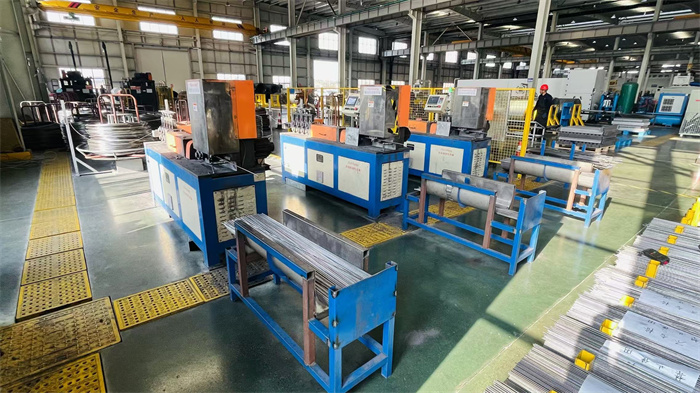
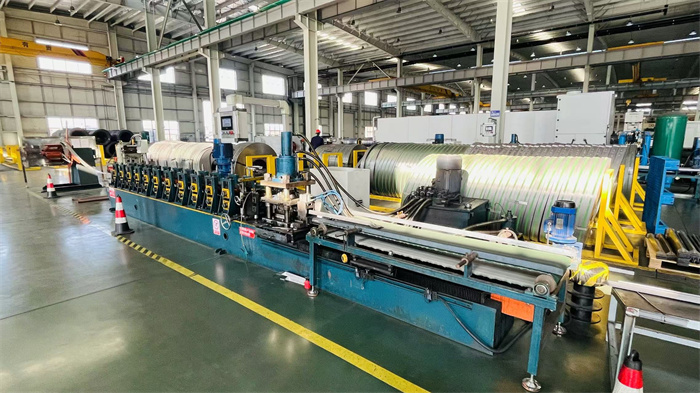
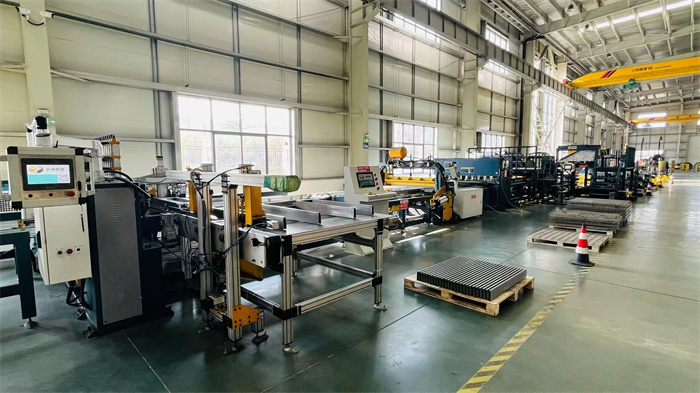
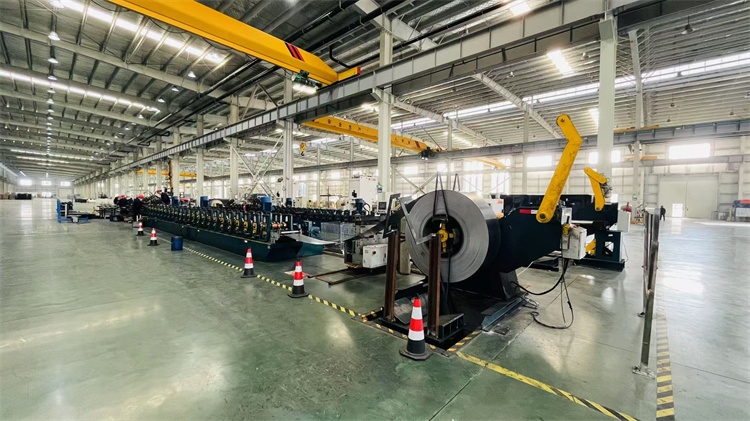
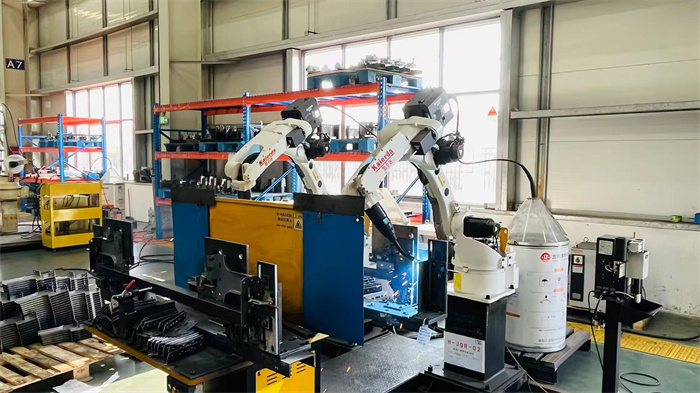
At Jracking, product quality is built directly into our manufacturing process. Raw steel coil undergoes a series of precise operations to become a structural racking component. We use advanced automated equipment—such as CNC milling machines, laser cutters, robotic welding stations, and an automated powder coating line—to ensure each piece meets exact dimensional tolerances.
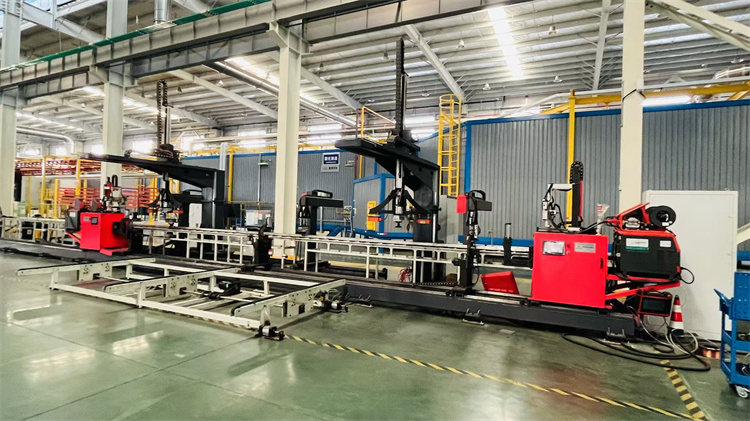
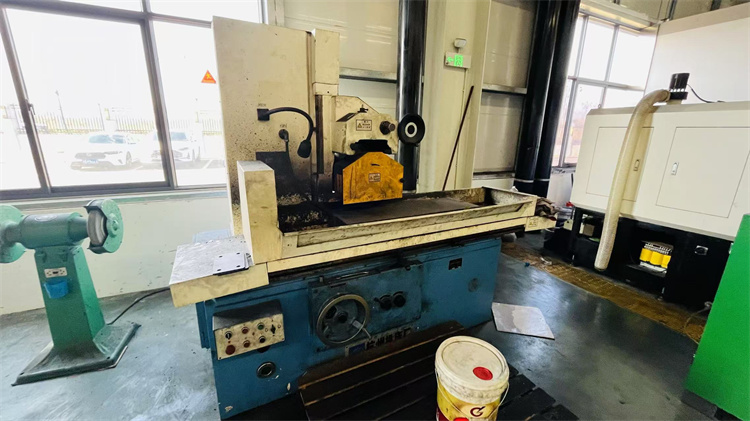
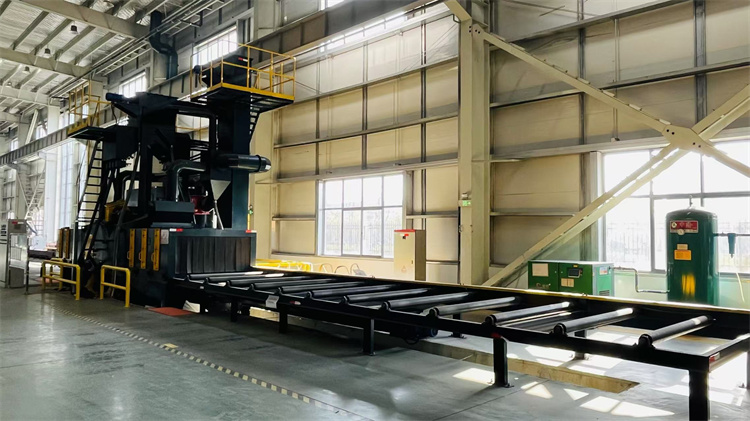
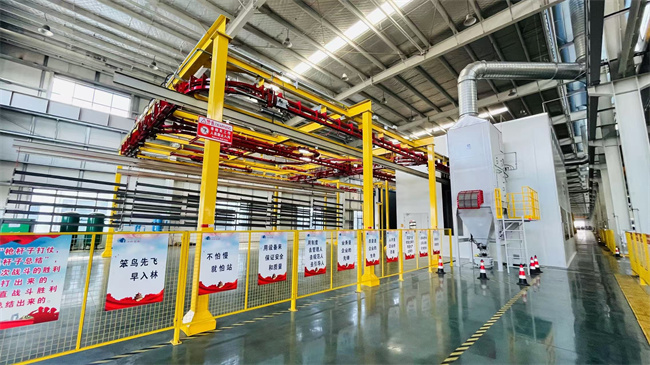
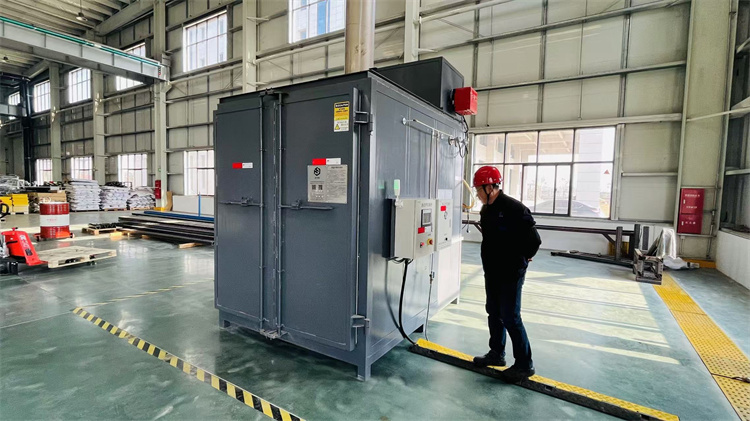
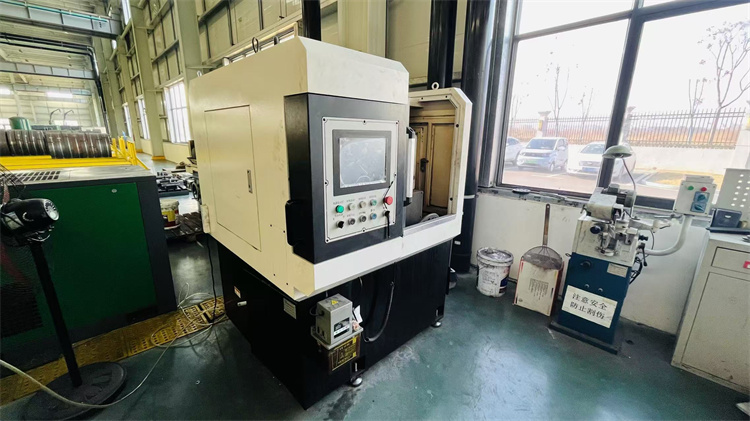
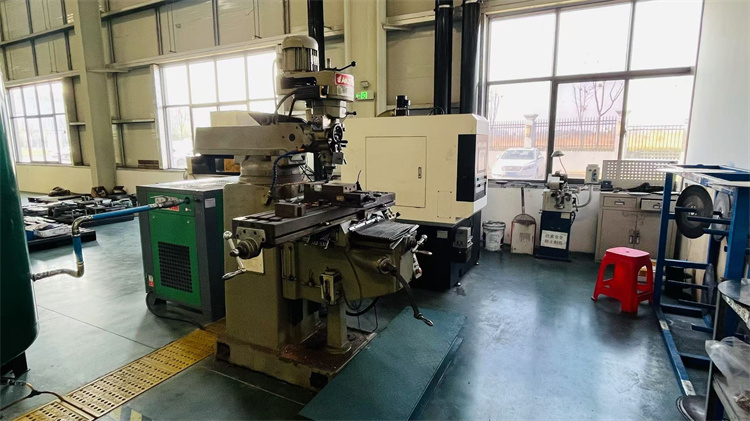
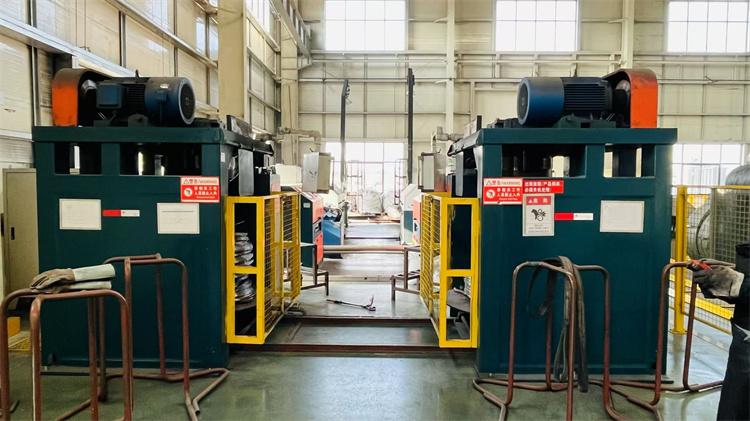
Procuring storage racking on a global scale involves evaluating system safety, supply chain reliability, and compliance with structural standards. Different sectors require specific engineering configurations to ensure safe and efficient operation:
Cold storage is one of the most capital-intensive warehouse profiles. Managing energy costs requires maximizing pallet density within a temperature-controlled envelope. Push back racking is a common choice here because it can store pallets 4- to 6-deep, maintaining high density and fast cycles without exposing forklift operators to prolonged freezing conditions. Jracking systems use structural steel and specialized powder coatings designed to remain ductile at sub-zero temperatures.
FMCG operations manage high inventory throughput and require organized product separation. While Drive-In systems can lead to "honeycombing" (empty pallet spaces that cannot be filled without removing other stock), a push back pallet system allows each level of a bay to store a different SKU. This increases the overall utilization rate of the warehouse.
Modern e-commerce requires fast order processing. Nested cart systems allow quick access at the pick face. Forklifts do not need to drive into the rack structure, reducing loading cycle times and reducing risk of rack damage.
Understanding the dynamics of dynamic racking systems is essential for long-term safety and reliability. A push back system relies on gravity, meaning engineering design determines performance. Here is how Jracking addresses these requirements:
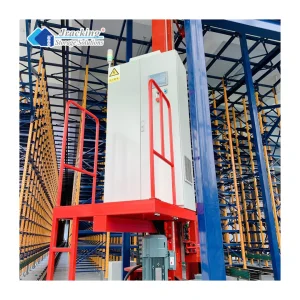
The future of material handling lies in automation. Jracking is developing hybrid configurations that pair push-back mechanisms with automated storage and retrieval systems (AS/RS). By replacing manual forklift operations with stacker cranes or shuttle systems, facilities can operate continuously with minimal manual intervention.
Industrial storage racking is a key load-bearing structure. Supplier selection must prioritize structural compliance and testing. Jracking follows strict quality control procedures to verify raw material properties, weld penetration, and loading capacities.
Our engineering designs and manufacturing processes comply with key international standards:
Our Quality Control team of 48 inspectors tests every production batch before shipment. This includes weld examinations, powder coat thickness verification, and structural load testing.
 Jracking