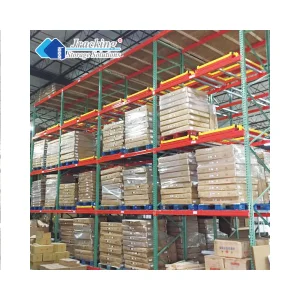
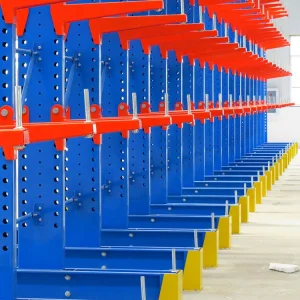
Explore our industry-proven structural engineering storage designs optimized for heavy tubes, profiles, lumber, and metal plates.
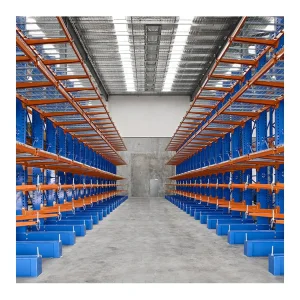
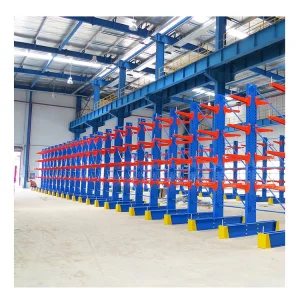
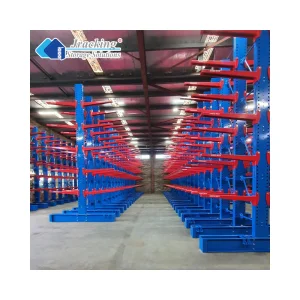
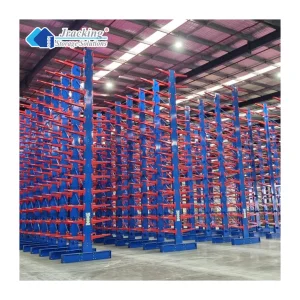
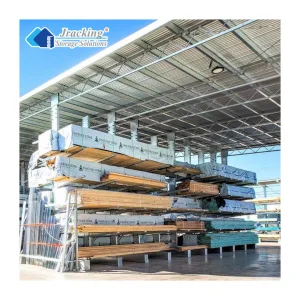
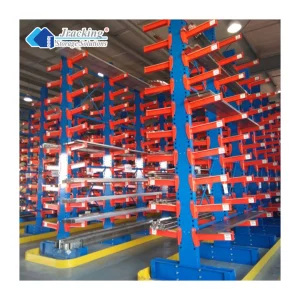
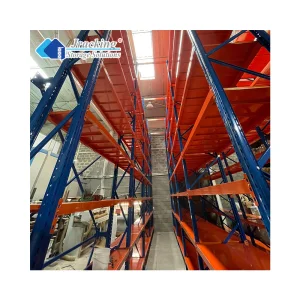
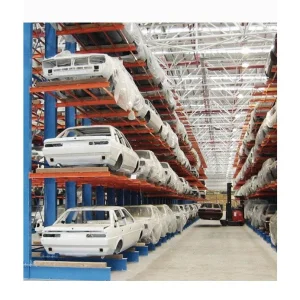
Cantilever racking constitutes the backbone of modern heavy-duty warehouses storing non-standard, long-span structural materials. Unlike traditional selective pallet racking, cantilever structures eliminate front upright columns, creating an uninterrupted storage lane. This structural geometry allows for unimpeded side-loading access by reach trucks, combilifts, and overhead cranes, making it the industry standard for handling pipes, steel tubing, aluminum profiles, timber, and heavy machinery parts.
We build our uprights and load arms with premium structural carbon steels such as Q355B (equivalent to S355JR under EN 10025), which presents elevated yield strengths (up to 355 MPa) and superior toughness. By utilizing heavy-duty hot-rolled steel H-beams (or cold-roll formed profiles), our designs withstand severe bending moments and shear stresses caused by heavy point loading.
Standard storage systems require arm calculations complying with RMI (Rack Manufacturers Institute) MH16.3 guidelines. Under loading conditions, the cantilever arms flex upwards slightly. The design must accommodate the "moment of force" where the arm joins the column. Standard load limits permit an arm deflection no greater than 1/180th of the arm length (L/180), ensuring stored pipes and timber do not slide off under load conditions.
As global supply chains transition toward rapid regional fulfillment and modular construction, storage spaces must maximize cubic efficiency. Structural heavy-duty pipe and lumber racks have experienced an unprecedented growth trajectory across major economic corridors including North America, Western Europe, and Asia-Pacific. Key industrial catalysts driving this shift include:
Driven by energy infrastructure developments and oil field operations, warehousing hubs in Texas, Alberta, and the Midwest demand heavy-duty, weather-resistant cantilever racks designed for oil pipelines, tubular steel, and construction grade timber. Seismic compliance under local building codes (IBC) is standard for all installations.
Automobile gigafactories and advanced machining facilities require flexible, modular storage. Our systems meet European CE standard EN 15635, allowing operators to store extruded aluminum parts and copper tubing with customizable height settings on 50mm and 75mm pitches.
With an emphasis on timber preservation and processing, Australian lumber yards deploy heavy-duty galvanized structural cantilever systems. Compliance with AS4084-2012 standards ensures structural safety and stability in coastal and heavy industrial zones.
| Racking Spec Type | Material Options | Common Applications | Design Standards Compliance |
|---|---|---|---|
| Roll-Formed Light/Medium Duty | Q235B Cold-Rolled Steel | Plywood, Plastic Pipes, Conduit | ISO 9001, CE Certification |
| Hot-Rolled Structural Heavy Duty | Q355B Hot-Rolled H-Beams | Steel Billets, Oil Pipes, Solid Bars | RMI MH16.3, EN 15635, AS4084 |
| Hot-Dip Galvanized Cantilever | Q355B Steel (Zinc Coated) | Outdoor Lumber Yards, Chemical Storage | ASTM A123 (Galvanizing standard) |
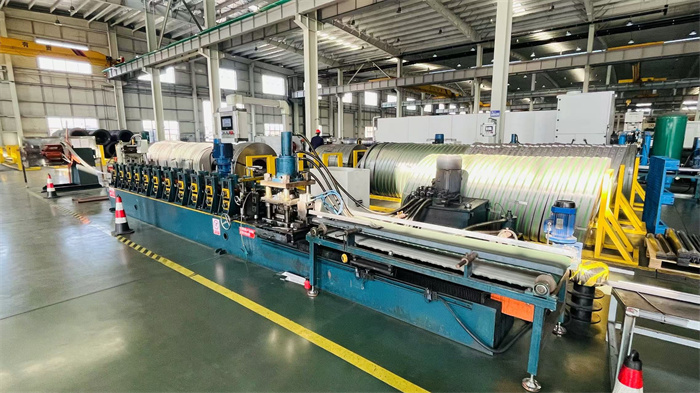
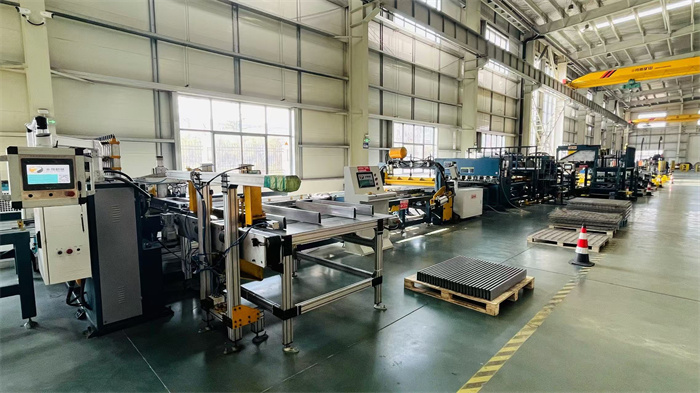
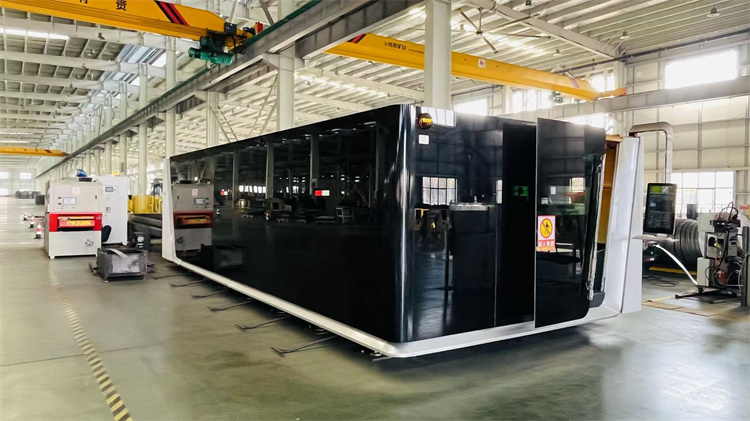
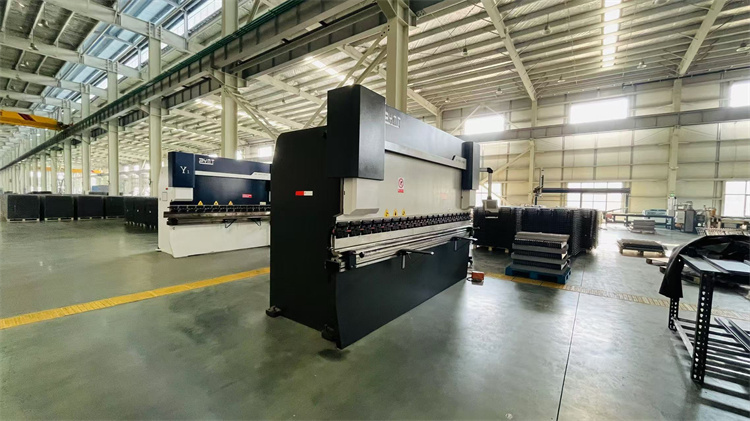
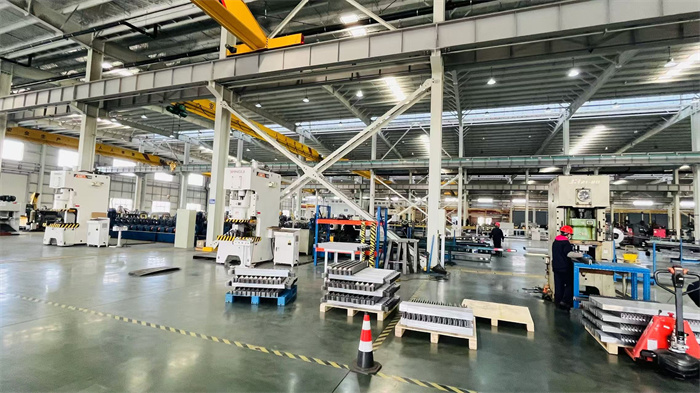
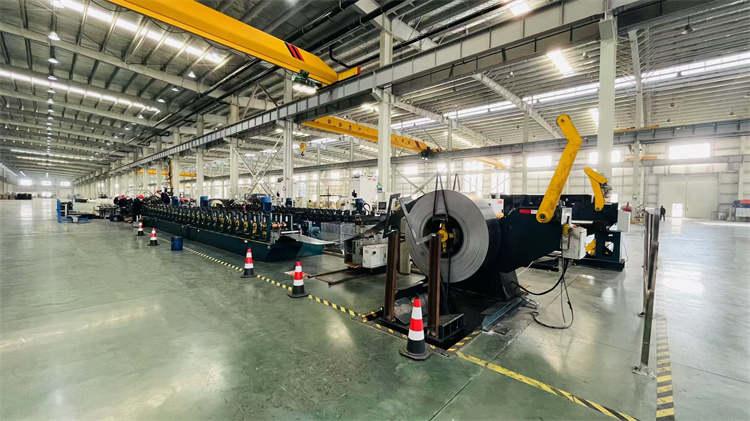
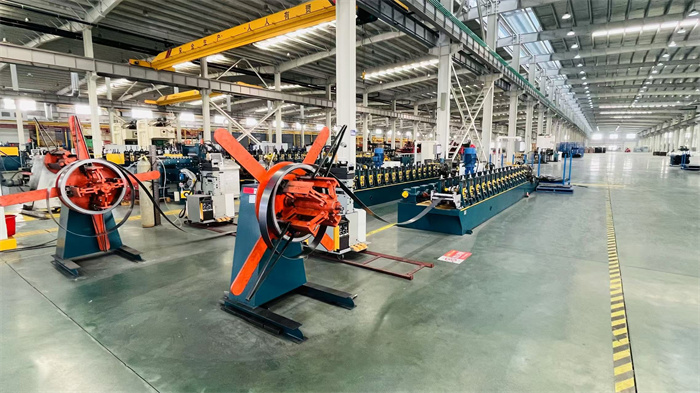
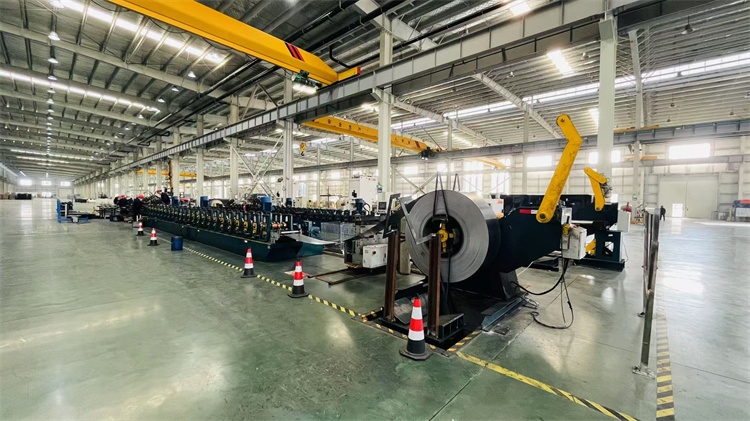
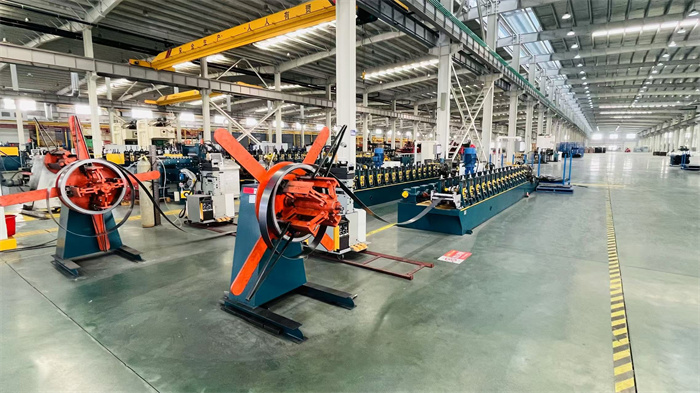
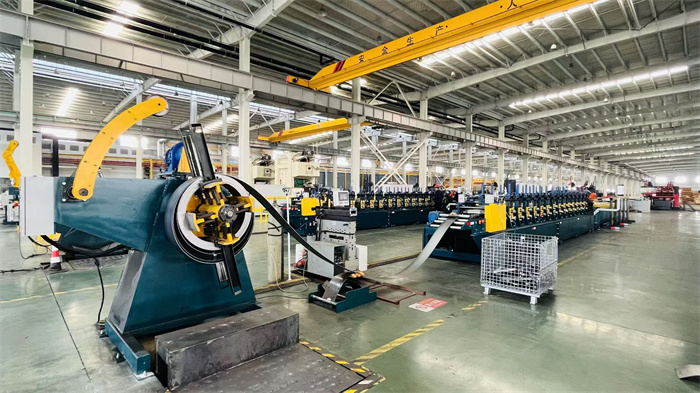
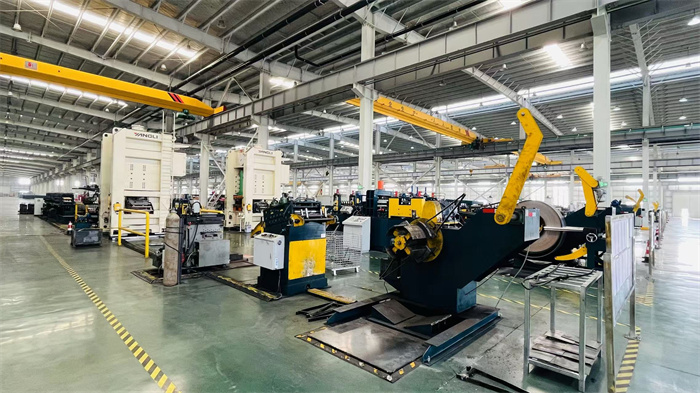
Jracking (Guangdong) Storage Co., Ltd. represents the standard of modern Chinese industrial production. Founded in 2016, our manufacturing facility spans over 28,600 m² of state-of-the-art production space. We combine raw material sourcing efficiencies with fully automated manufacturing technologies, offering competitive lead times and high quality for industrial buyers worldwide.
At Jracking, quality control is integrated into every stage of the manufacturing workflow. From raw material mill cert auditing to automated welding inspection, our 48 dedicated quality inspectors enforce ISO-compliant checks. Each batch of columns and load arms undergoes rigorous load testing, coating thickness testing, dimensional checking, and trial assembly before container loading.
Our OEM & ODM production model integrates with over 1,150 supply chain partners, ensuring stable pricing and raw material access during market fluctuations. We launched 156 new storage configurations last year alone to meet evolving logistical standards.
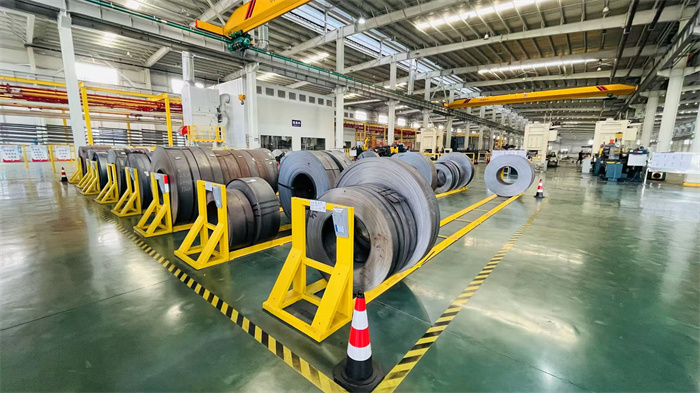
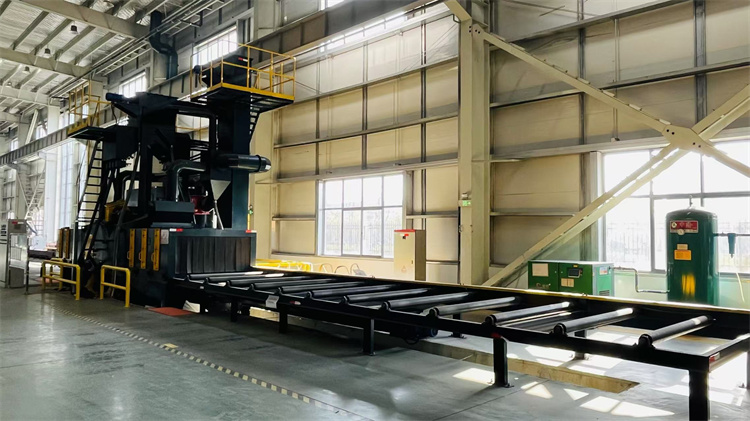
We source heavy-gauge structural steel from domestic state-owned mills. Advanced multi-stage surface treatments, including shot-blasting, chemical washing, and electrostatic powder coating, ensure our racks withstand high-traffic warehouse environments. For outdoor operations, our hot-dip galvanizing process deposits a zinc layer of 80+ microns to prevent rust and corrosion.
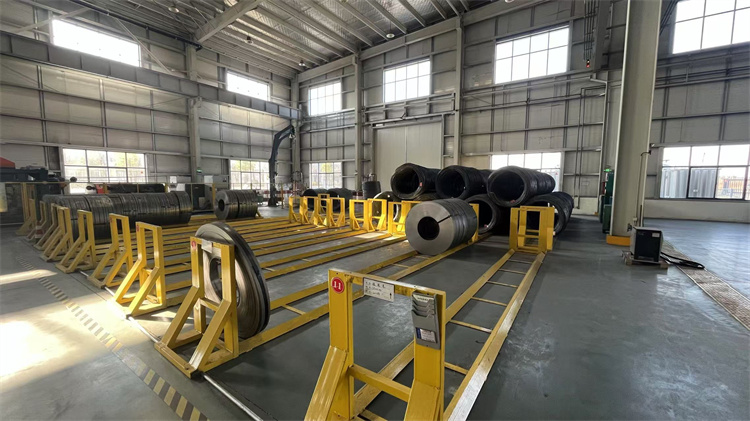
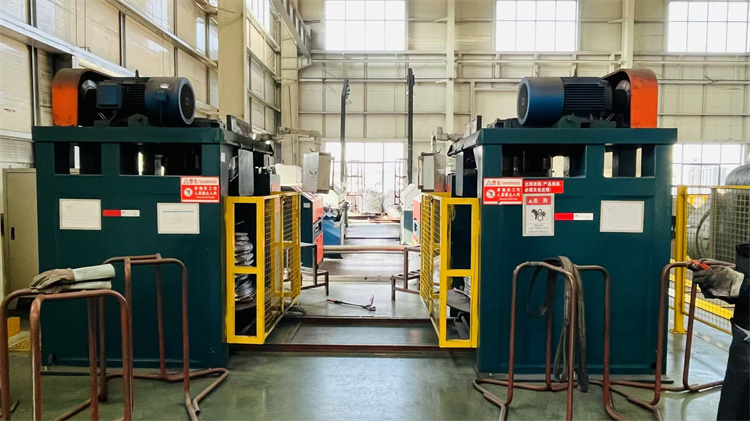
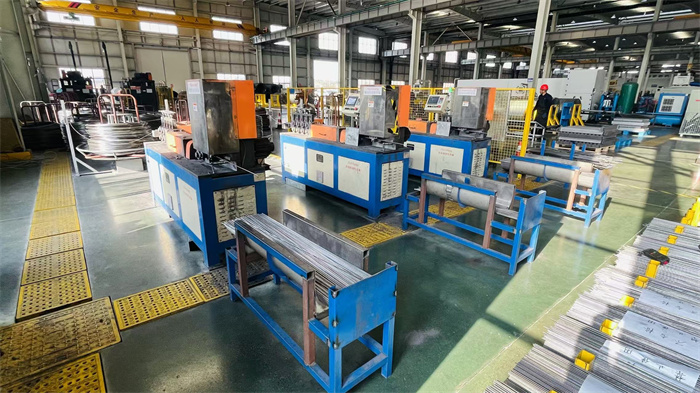
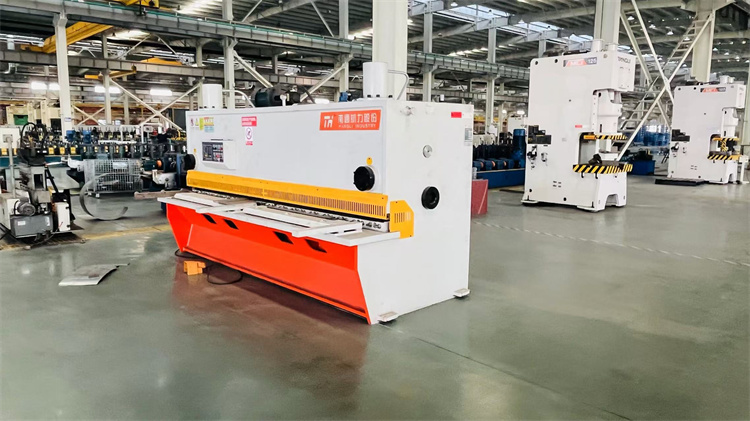
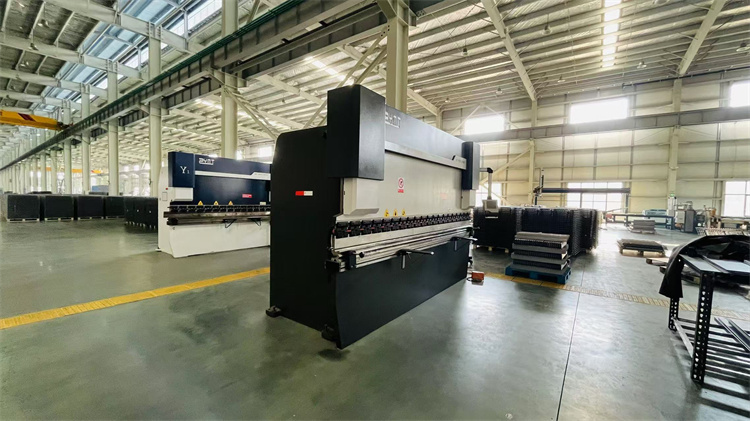
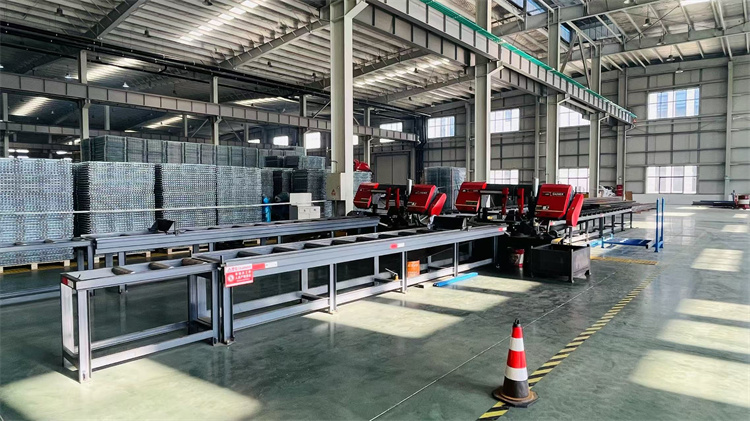
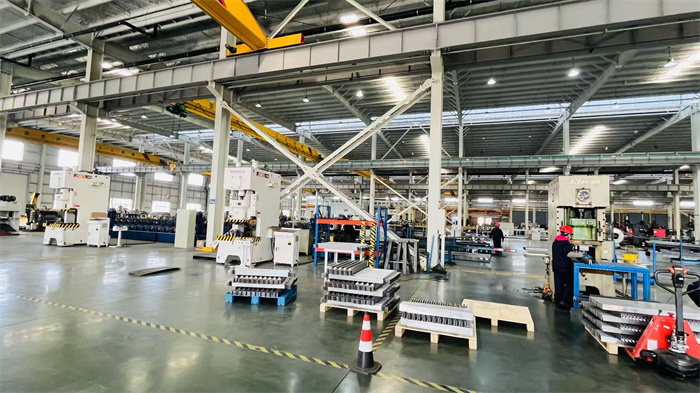
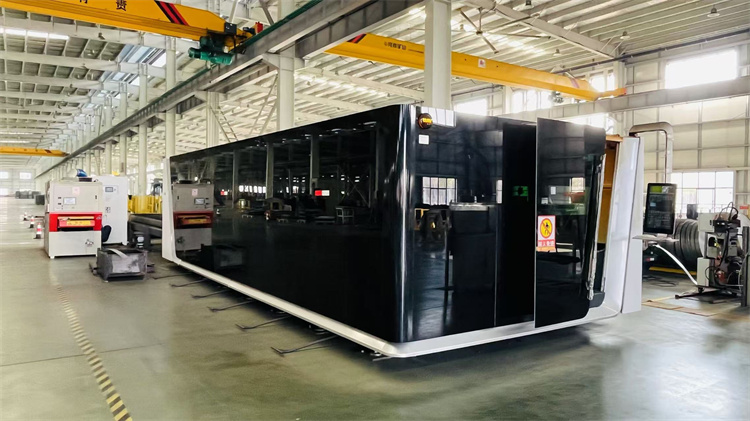
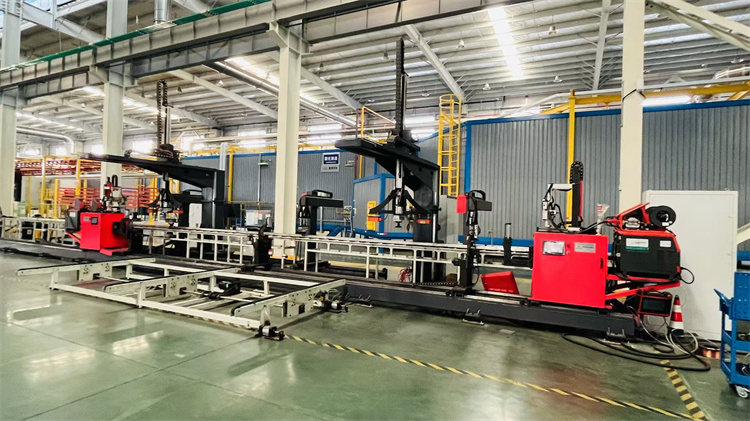
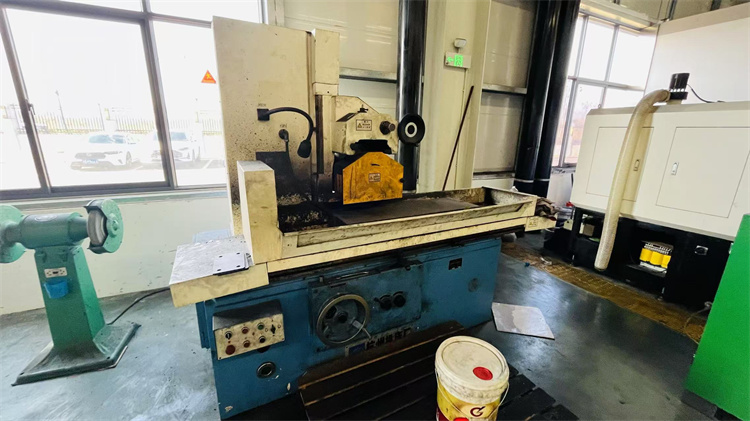
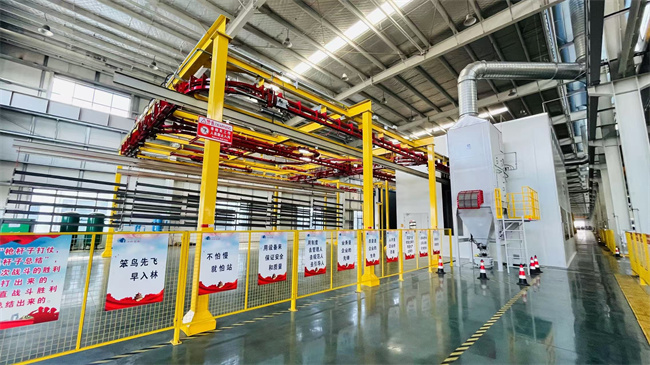
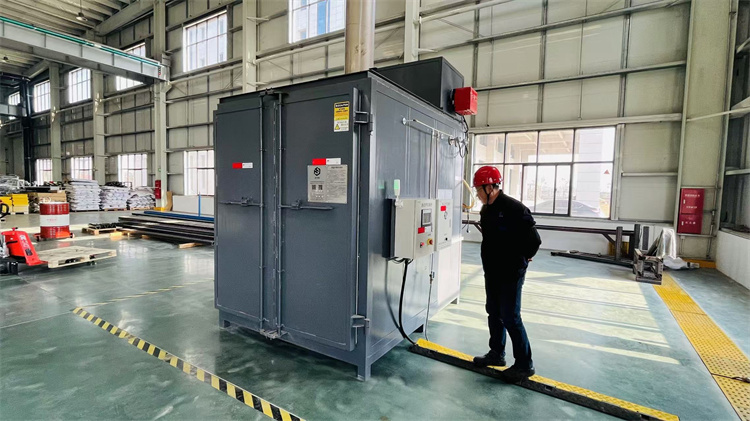
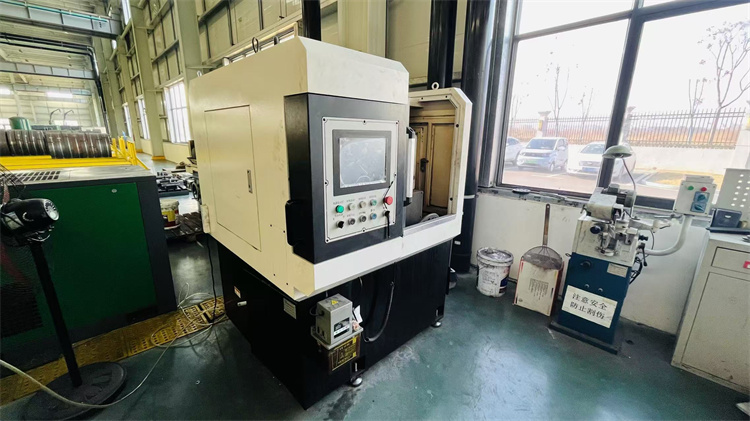
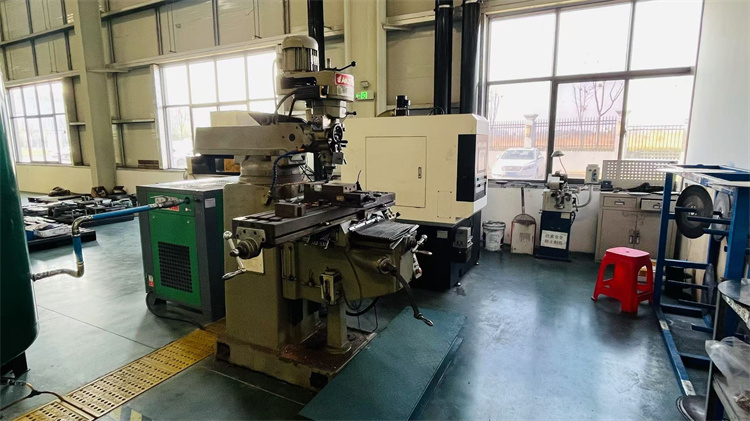
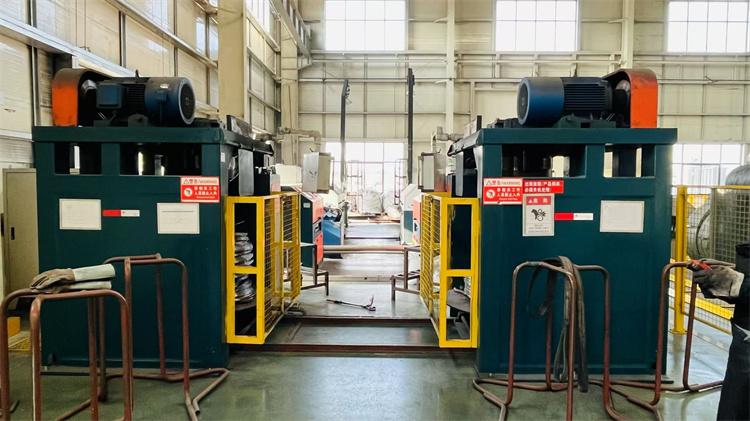
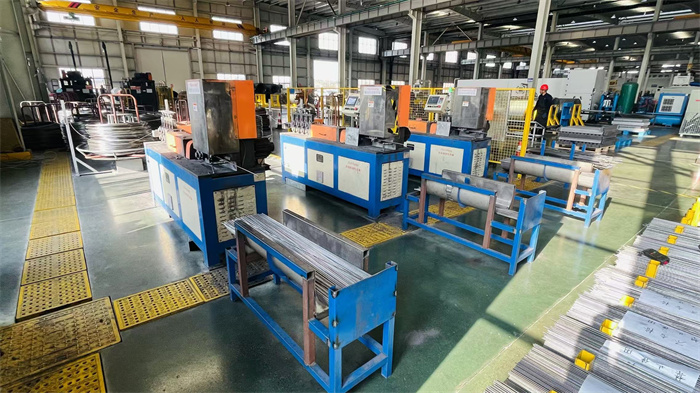
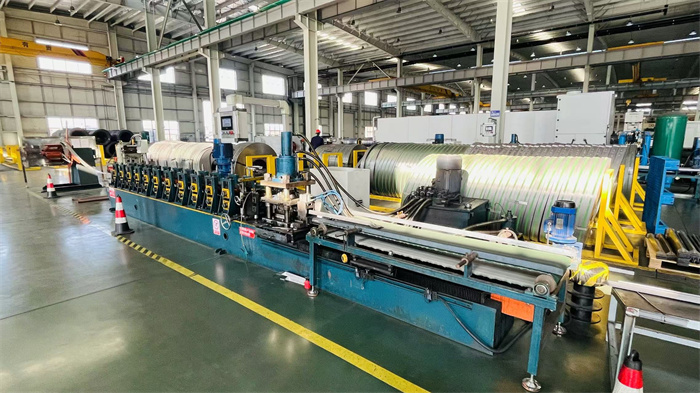
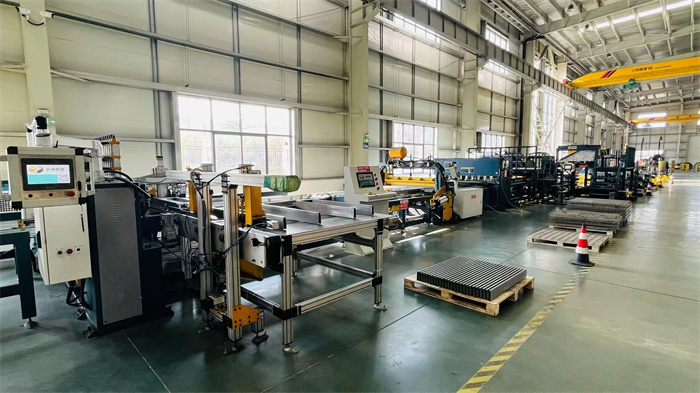
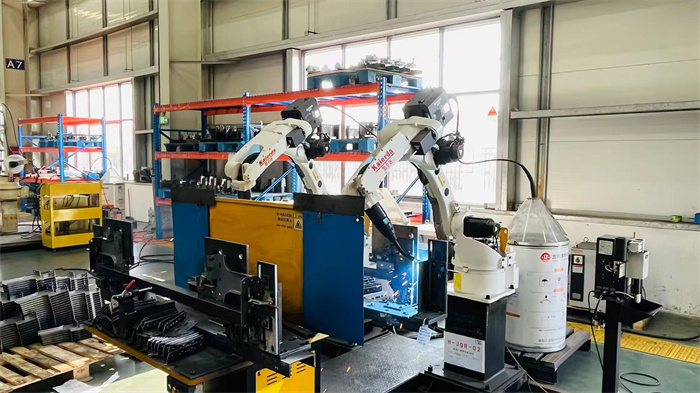
Take a virtual walkthrough of our 28,600 m² factory floor. Below is our end-to-end production ecosystem, from raw steel selection to robotic welding and automated powder coating.
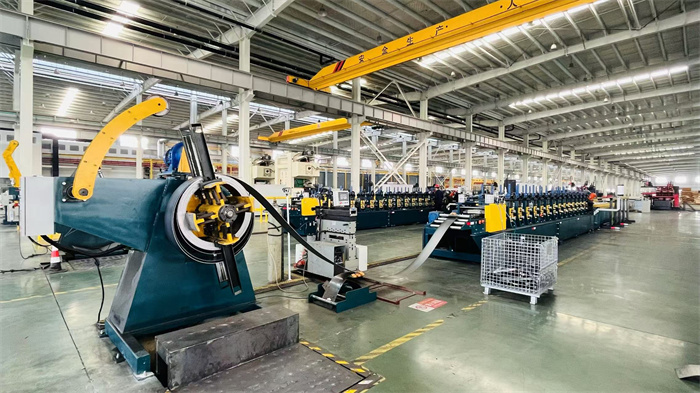
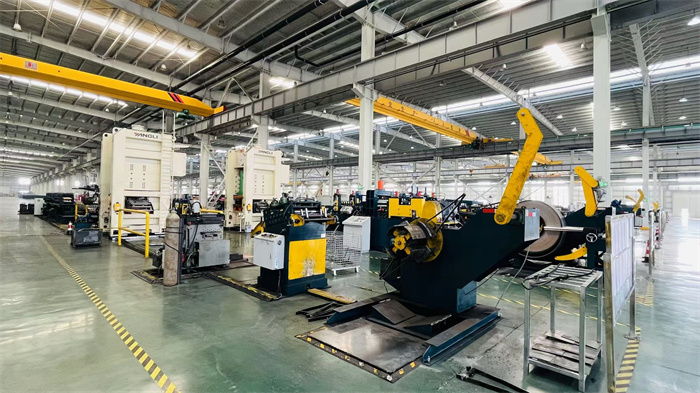
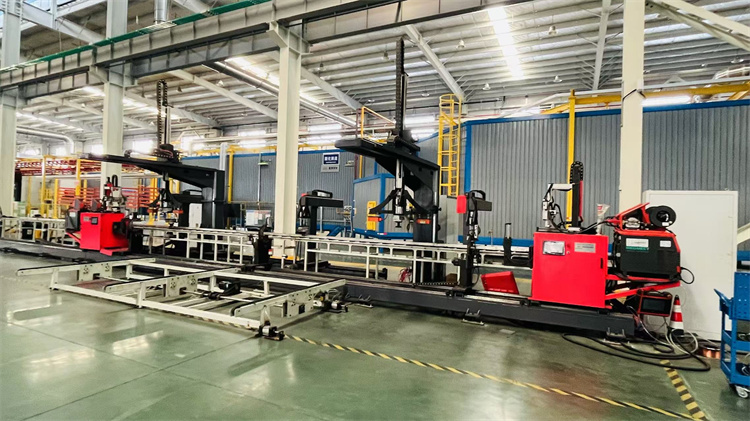
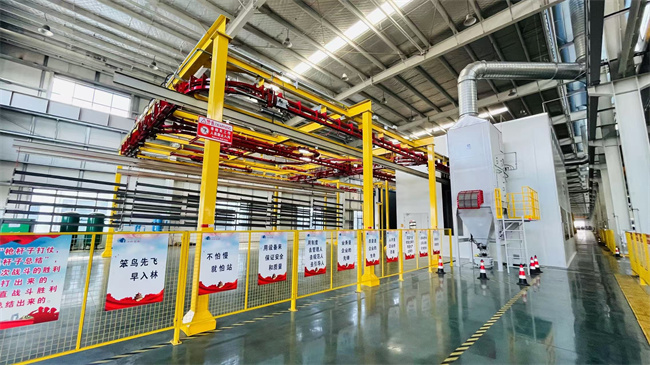
Cantilever racks are structurally distinct from standard warehouse racking because they are designed to manage lateral loads and asymmetrical weight distributions. Industrial applications are grouped by structural design parameters:
Single-sided cantilever configurations are designed for installation flush against walls, providing space-efficient linear storage. Double-sided racks feature load-bearing arms on both sides of a central vertical column, optimizing space utilization for warehouse aisles managed by heavy-duty forklifts.
For steel piping, copper tubing, or PVC conduits, arms are configured with end stops (welded or removable pins). This mechanical block prevents round loads from rolling off. Structural bases are engineered as load shelves for oversized pipe bundles.
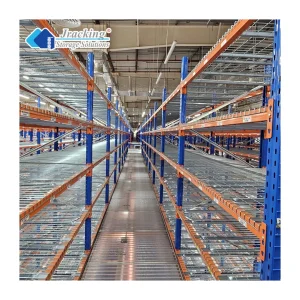
Lumber yards require wide, flat support surfaces. Cantilever arms can be connected with steel mesh decking or wood-supporting channels to prevent structural sagging in standard engineered wood products, timber, or drywall sheets.
Rather than utilizing standard bolt connections that weaken vertical columns under heavy stress, our designs employ adjustable arm configurations with high-shear pins. This configuration allows operators to adjust vertical arm heights in increments of 50mm (European standards) or 76.2mm (US standards) to adapt to changing inventory profiles.
Our heavy-duty cantilever racks feature custom-designed cross-bracing systems utilizing structural steel angles or rods. These brace panels connect vertical columns to resist longitudinal forces, seismic events, and wind loads in outdoor installations, ensuring structural stability.
Enterprise procurement teams must verify several compliance metrics when sourcing storage racks for heavy industrial applications. Substandard racking presents catastrophic risks to warehouse personnel and business operations. Ensure your supply chain aligns with these structural validation criteria:
Confirm the use of certified structural steel. High-capacity applications demand Q355B structural steel rather than standard Q235 carbon steel. Ensure Mill Test Certificates (MTC) are available for traceability from the raw steel mill to the finished rack component.
Check welding qualifications. Welded arm-to-column connectors must undergo regular visual and non-destructive testing (NDT) to prevent structural failure at critical joints. Look for factories using automated robotic welding lines for consistent joint quality.
Ensure structural designs comply with geographic standards. For North America, confirm RMI MH16.3 compliance. For Europe, verify compliance with EN 15635. For Australia and New Zealand, confirm certification to AS4084-2012 standards.
Technical answers to common engineering, layout, and safety design questions regarding structural cantilever racks.
Roll-formed cantilever racks are fabricated from cold-rolled steel coils, making them suitable for light to medium duty applications (typically up to 1,500 lbs per arm) due to their lower self-weight and lower cost. Structural steel cantilever racks are manufactured from hot-rolled H-beams and channel steels. They provide high load capacities (exceeding 6,000 lbs per arm) and superior resistance to forklift impacts, making them the standard choice for heavy pipes, steel coils, and lumber yards.
The arm load capacity is calculated based on uniformly distributed loads (UDL). If a bundle of pipes weighs 6,000 lbs and is supported by three arms, each arm must have a minimum rated capacity of 2,000 lbs. If the load is not evenly distributed, or if point loads are applied at the tips of the arms, the effective load capacity decreases because the bending moment on the column connection increases. Design calculations must account for this point loading.
For cylindrical materials such as metal pipes, PVC tubes, and cylindrical bars, gravity causes the items to roll laterally. Stop pins, which can be welded directly to the arm tip or inserted as removable pins, act as mechanical stops to prevent loads from rolling off. This configuration is standard for compliance with OSHA and international warehouse safety guidelines.
As inventory sizes change, warehouses must adjust their vertical storage layout to optimize space. Adjustable pitches (commonly at 50mm, 75mm, or 3-inch intervals) allow operators to move arms up or down without replacing upright columns or welding new brackets. This feature provides flexibility for multi-product fulfillment centers.
Yes, cantilever racks are commonly installed outdoors in timber yards and metal distribution centers. To prevent rust and environmental degradation, the steel must undergo hot-dip galvanization (HDG) per ASTM A123 standards. This process coats both internal and external steel surfaces with a durable zinc layer that protects the structure from moisture, rain, and industrial pollution.
In seismic zones, racking designs must include heavy-duty anchor bolts, oversized base plates, and robust cross-bracing. Structural engineers run finite element analysis (FEA) to verify that the upright column connections can withstand lateral seismic forces without experiencing structural failure. This verification is required under building regulations such as IBC (USA) or AS4084 (Australia).
The base is the foundation of the racking structure and is bolted directly to the warehouse floor. It serves two main purposes: stabilizing the upright column and acting as an extra storage level. Storing heavy loads on the base keeps the rack's center of gravity low, which enhances the overall stability of the system.
We combine premium Q355B steel, robotic welding systems, and ISO 9001 quality controls. Every production run is subjected to load testing and dimensional verification by our 48 quality control inspectors. Our designs are certified to European CE standards and comply with international industrial storage regulations.
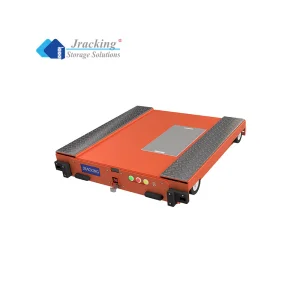
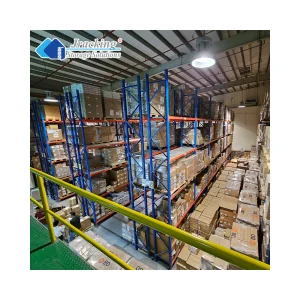
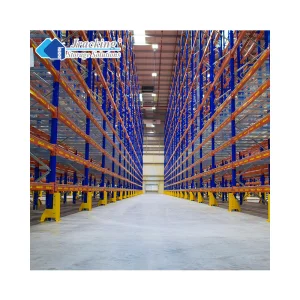
In addition to cantilever solutions, we offer heavy-duty selective pallet racking, automated shuttle systems, and light-duty shelving.
 Jracking