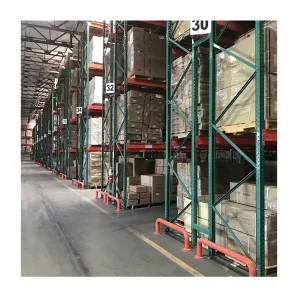
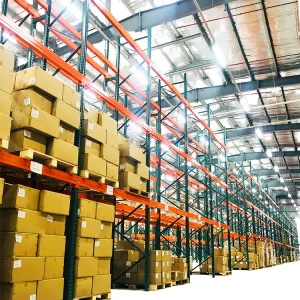
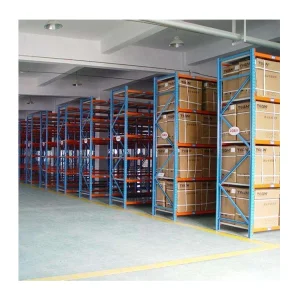
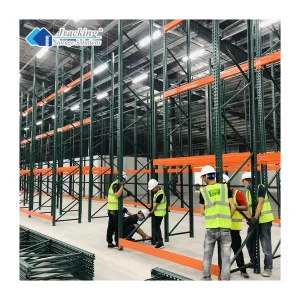
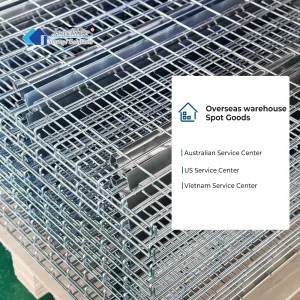
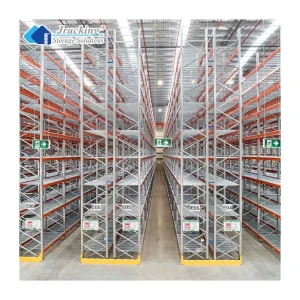
Engineered structural systems built to conform with global testing benchmarks including RMI, CE, and AS4084.
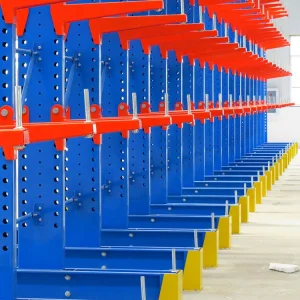
A strategic analysis of high-density warehousing systems, localization compliance, and structural engineering optimization.
Global supply chains are transitioning from "Just-in-Time" to "Just-in-Case" inventory strategies. This paradigm shift requires a massive expansion of warehouse capacity, requiring racking systems with high volumetric efficiency, rapid throughput configurations, and long-term mechanical reliability.
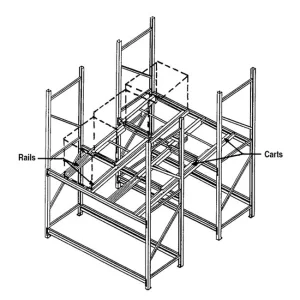
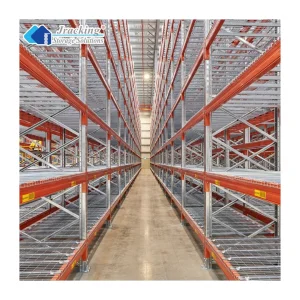
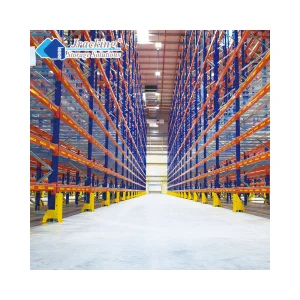
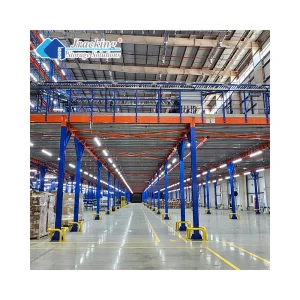
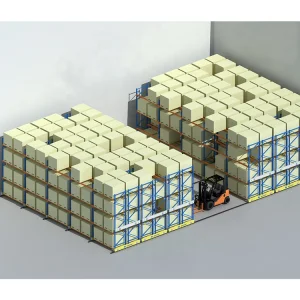
Maximizing spatial configurations through multi-tier mezzanines, narrow-aisle (VNA) selective designs, and semi-automated radio shuttle operations allows developers to reduce building footprint costs while increasing total SKU density up to 85% compared to traditional layout models.
Compliance with localized structural standards like the American RMI code, European EN norms, and Australian AS4084 is mandatory. Engineering design must account for dynamic fork-truck impact forces, seismic zone accelerations, and custom cold-storage load deflection limits.
Operating as a premier OEM/ODM racking system provider under strict ISO quality control protocols.
Established in 2016, Jracking (Guangdong) Storage Co., Ltd. has developed into an industry-leading manufacturer specializing in industrial warehouse storage solutions. Leveraging 12 years of industry expertise and 8 years of dedicated export operations, we serve a global network of logistics providers, e-commerce distributors, and steel racking wholesale buyers across North America, Europe, Southeast Asia, Australia, and the Middle East.
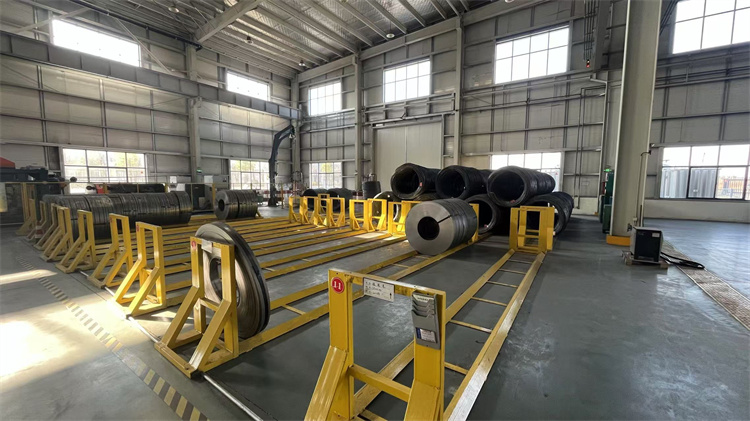
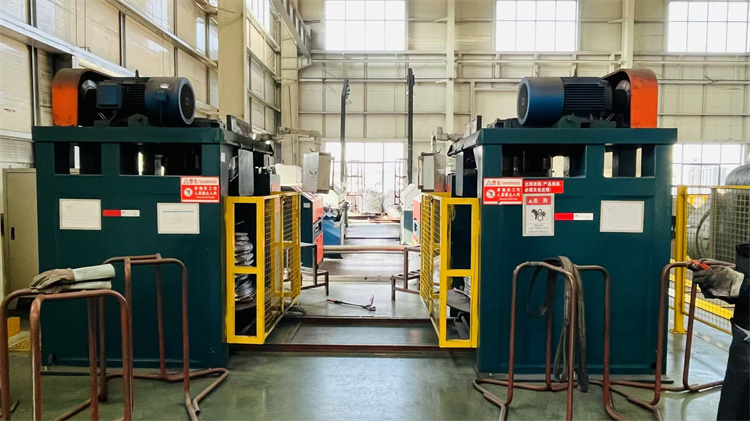
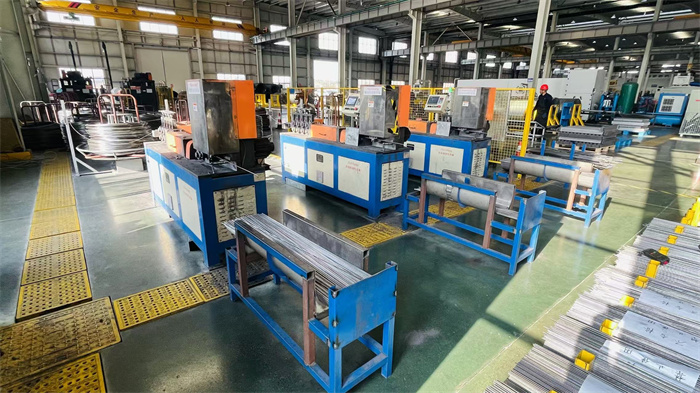
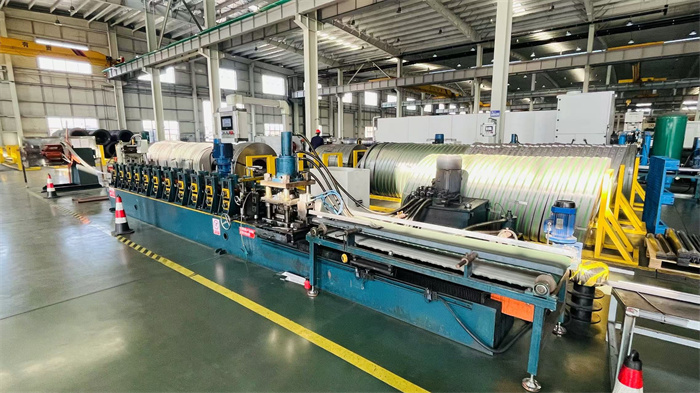
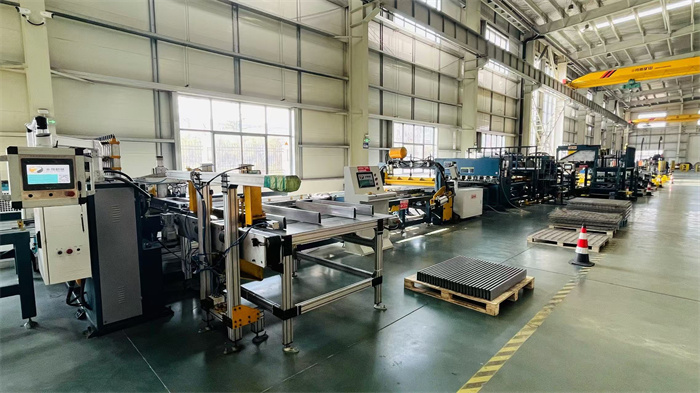
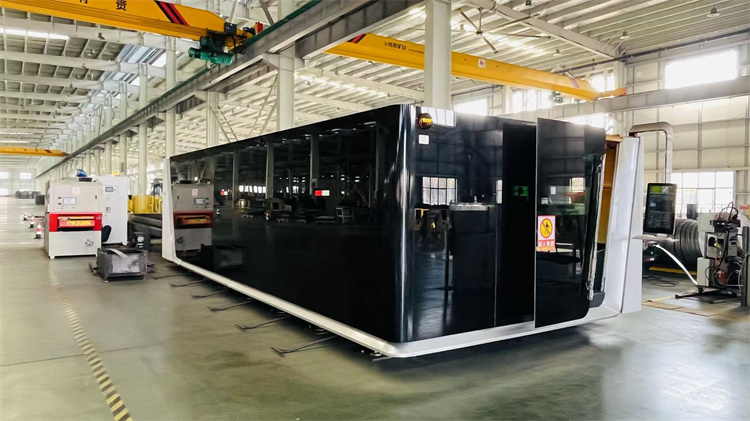
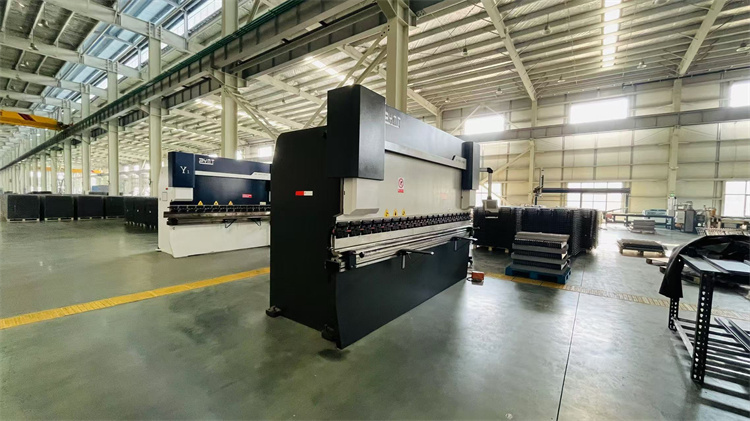
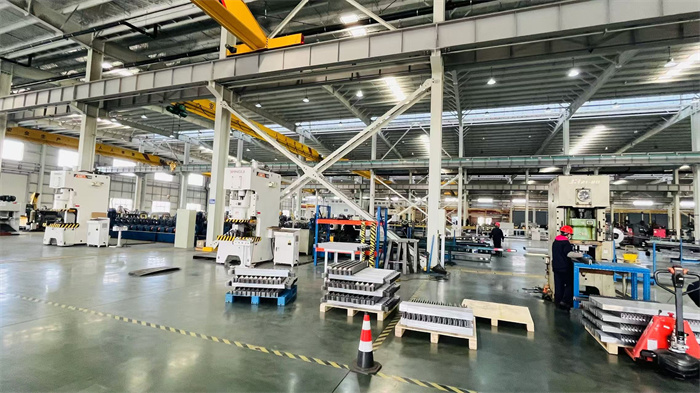
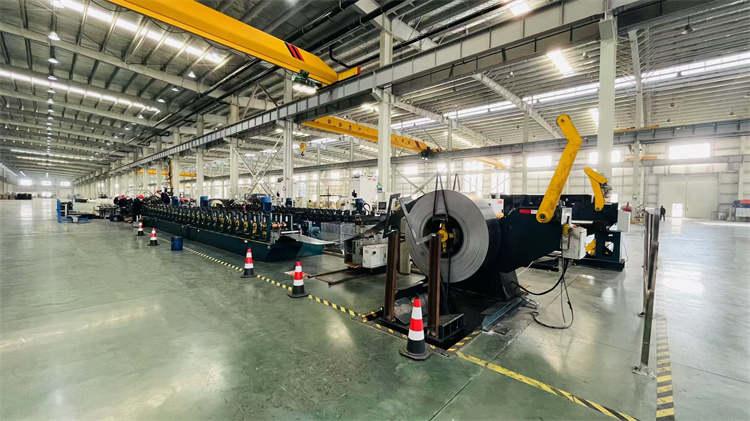
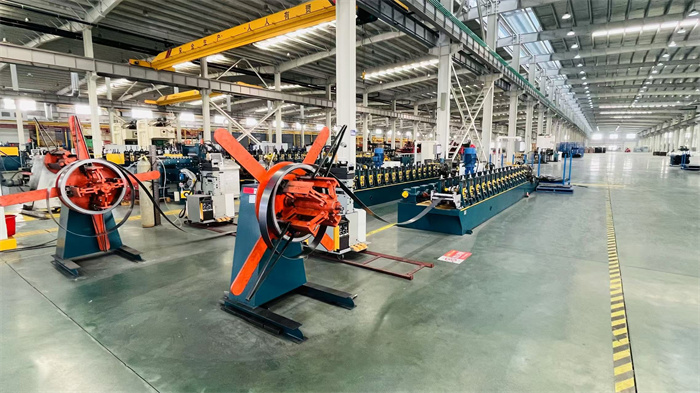
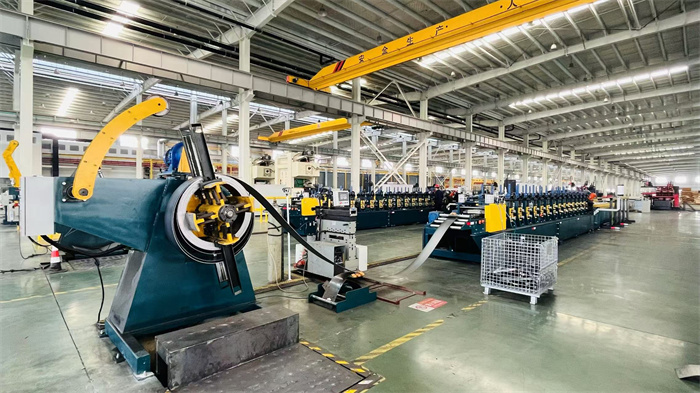
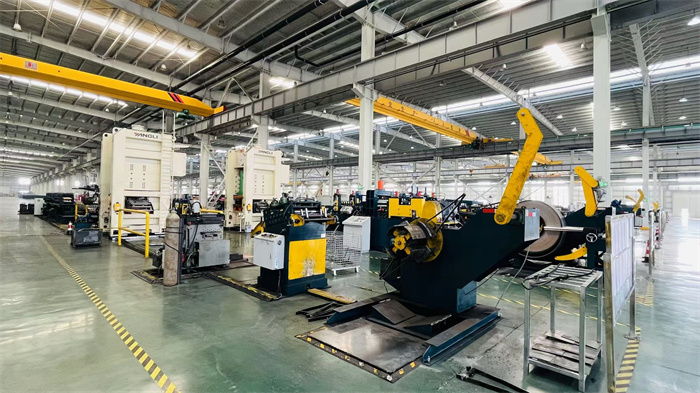
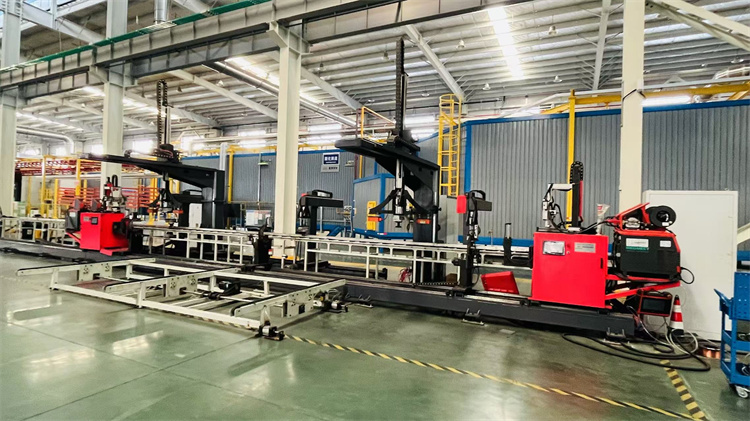
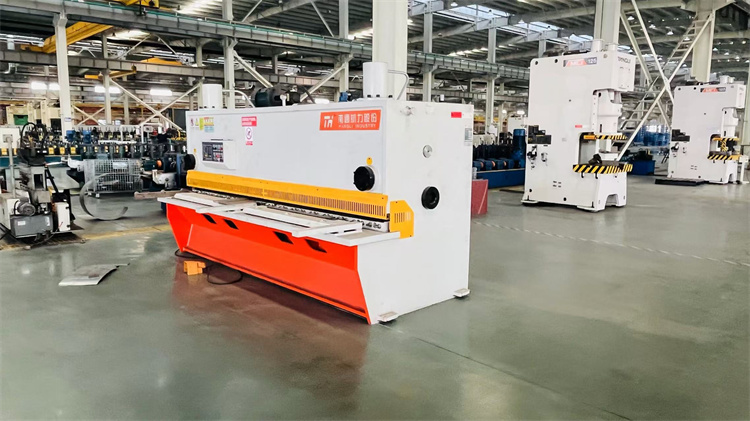
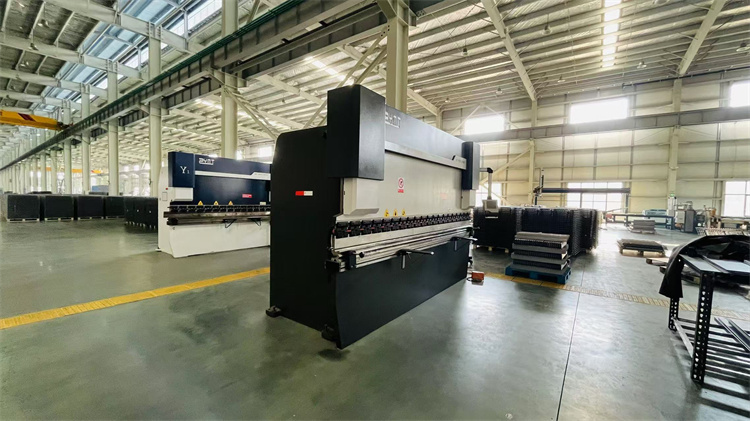
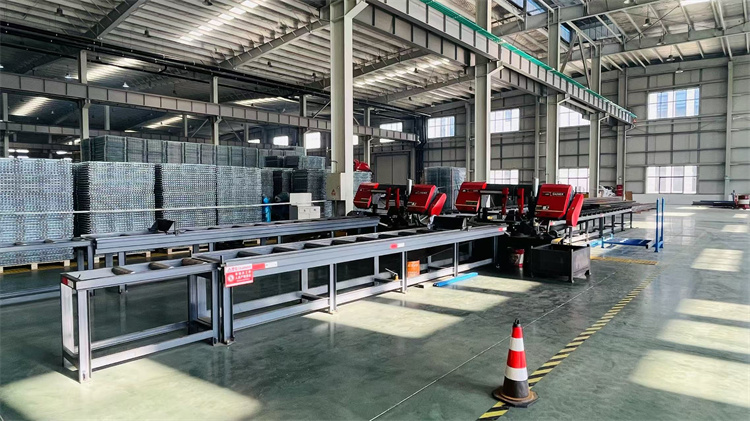
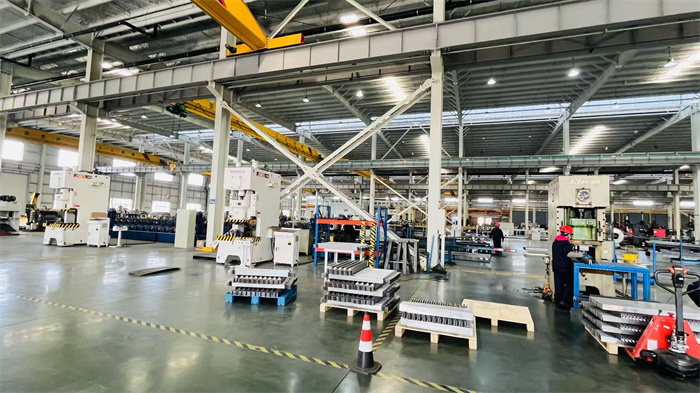
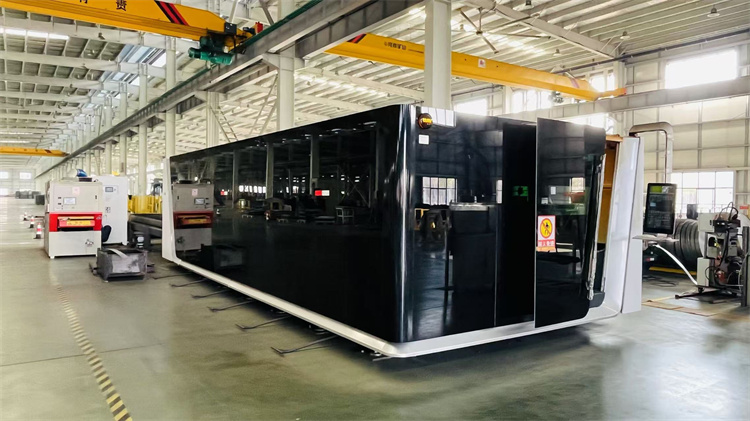
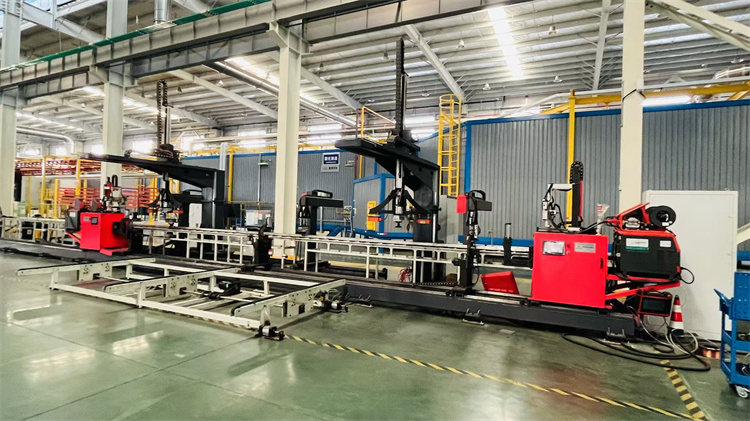
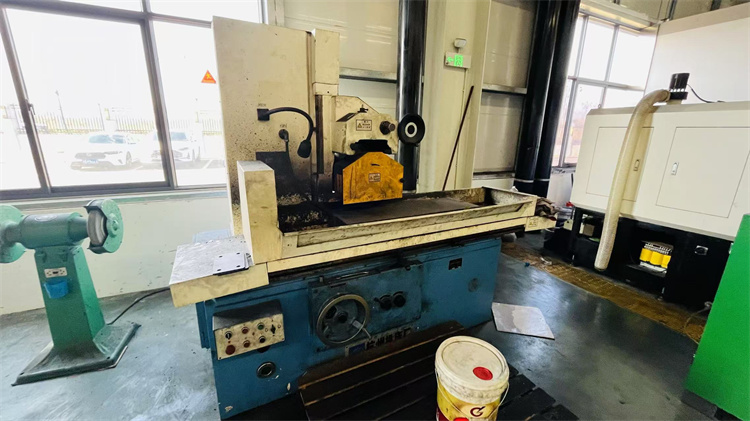
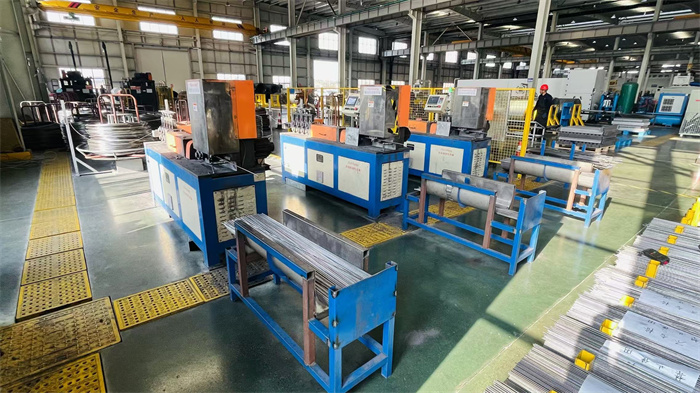
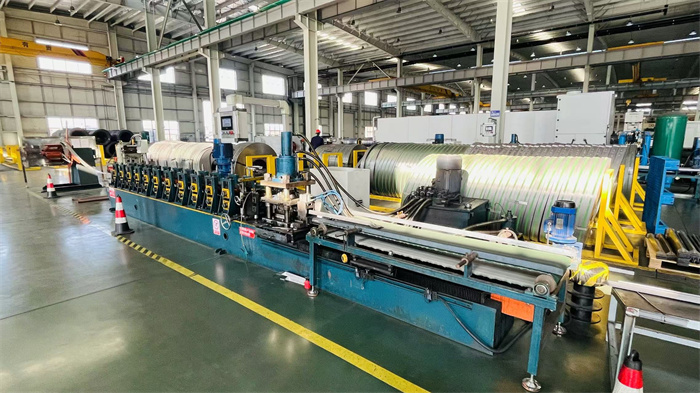
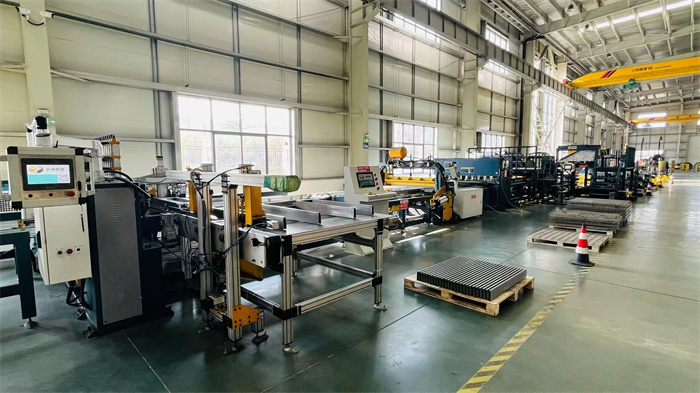
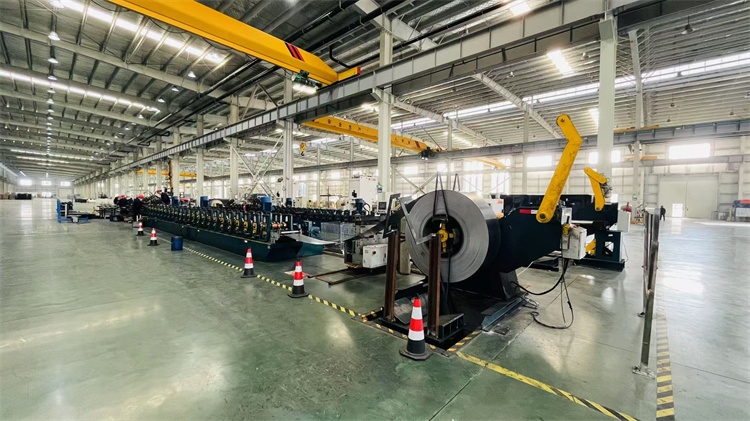
Operating out of a modern, automated 28,600 m² production facility, we utilize state-of-the-art machinery to process premium structural steel into heavy-duty storage configurations. We offer complete customizability (OEM & ODM) across size profiles, paint and powder-coat finishes, specific design loads, and seismic configurations. In the past financial year, our engineering teams successfully introduced 156 new product variations to help international warehouses maximize throughput.
Quality assurance is sustained by our dedicated team of 48 professional quality inspectors. Each batch of rolled profiles undergoes structural validation, load-capacity testing, and dimensional inspection to guarantee safety tolerances. Our distribution channels run through more than 1,150 strategic supply chain partners, enabling fast, predictable, and compliant delivery to any destination.
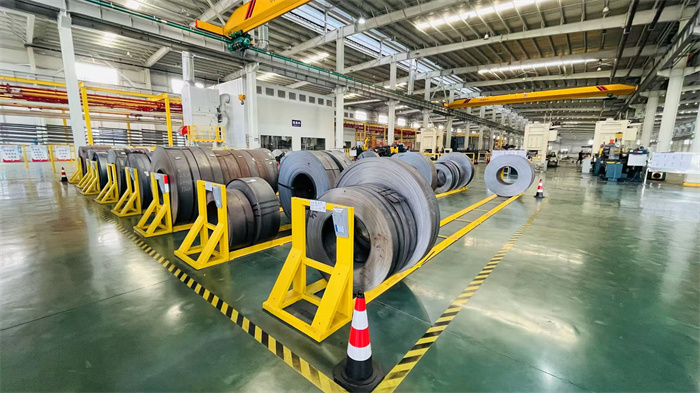
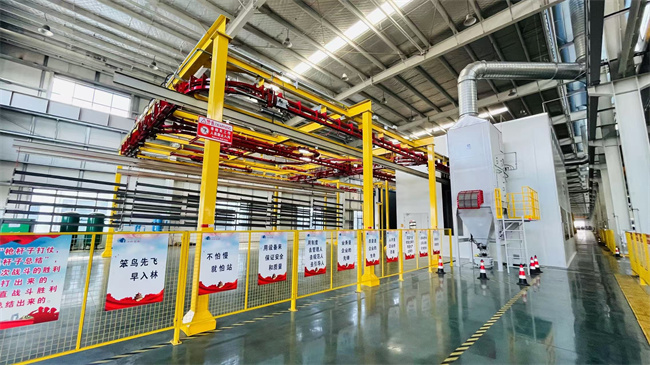
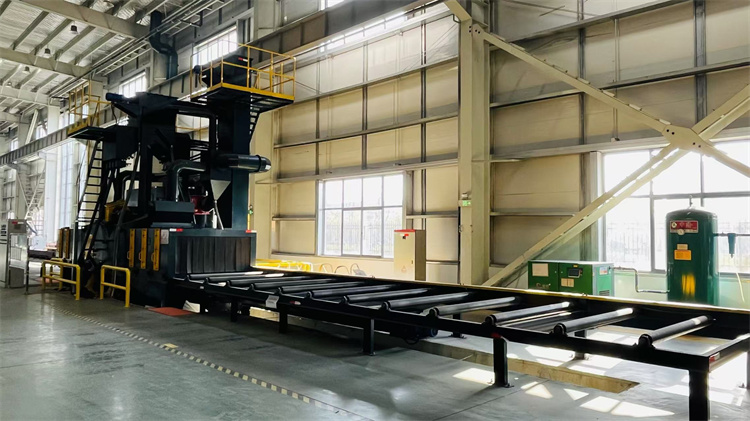
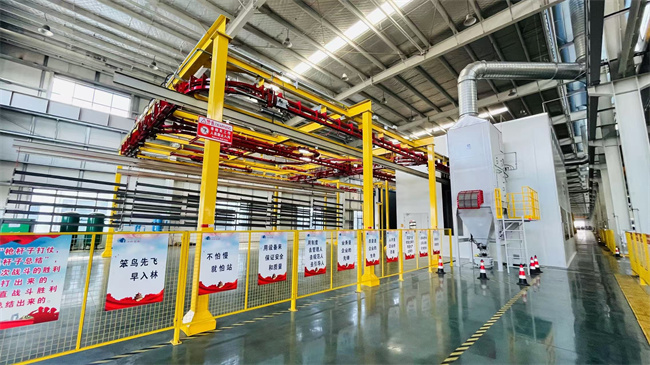
A transparent look at our production capacity, showcasing the machinery and processes that guarantee structural precision.
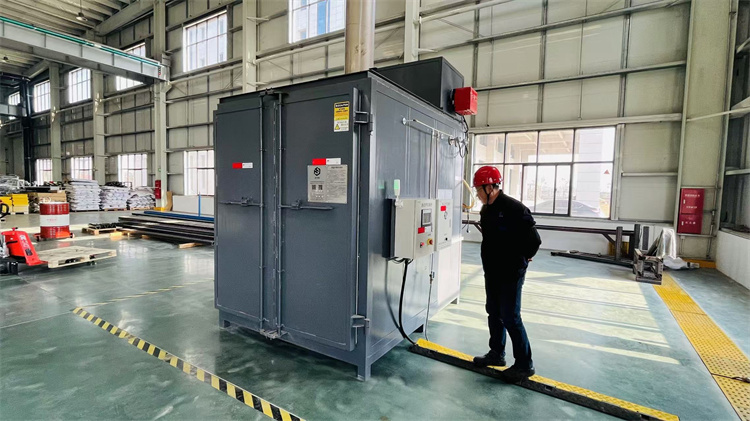
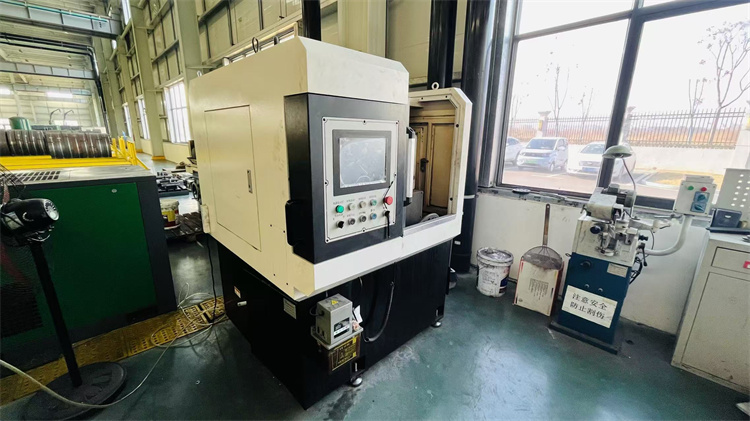
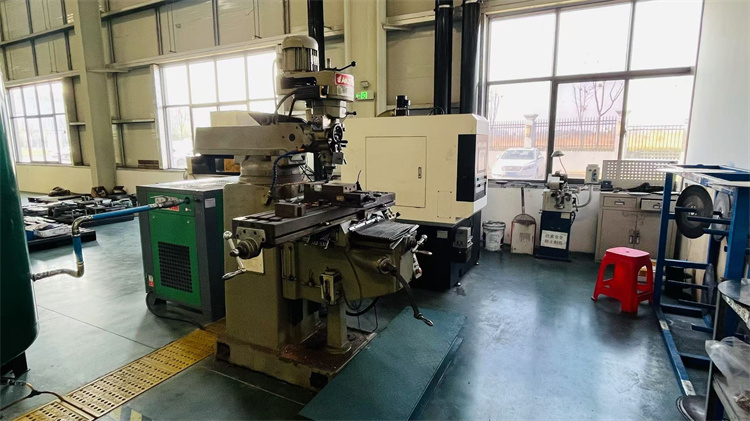
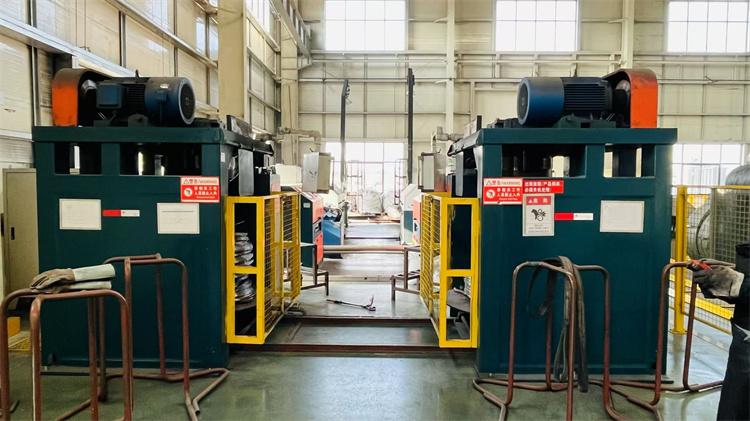
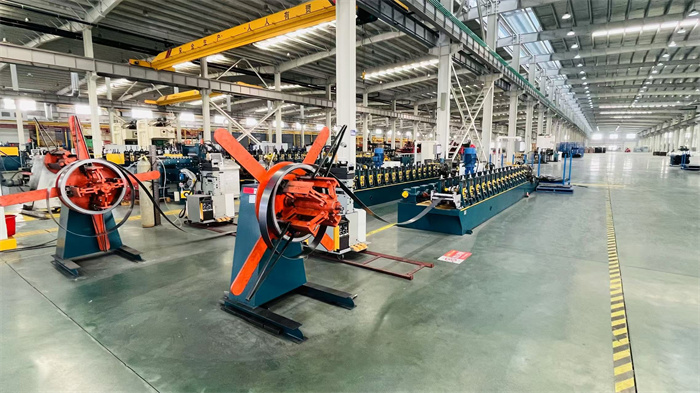
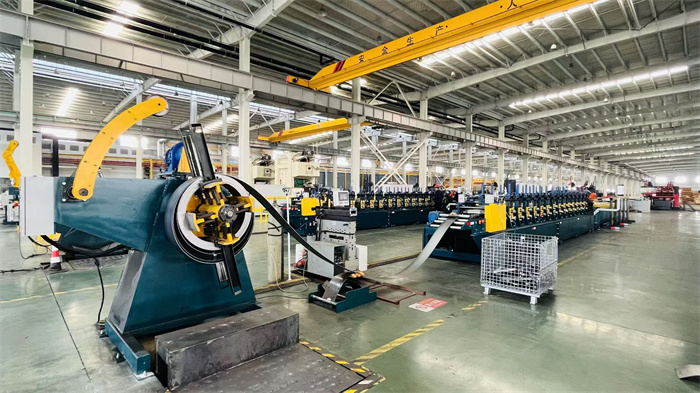
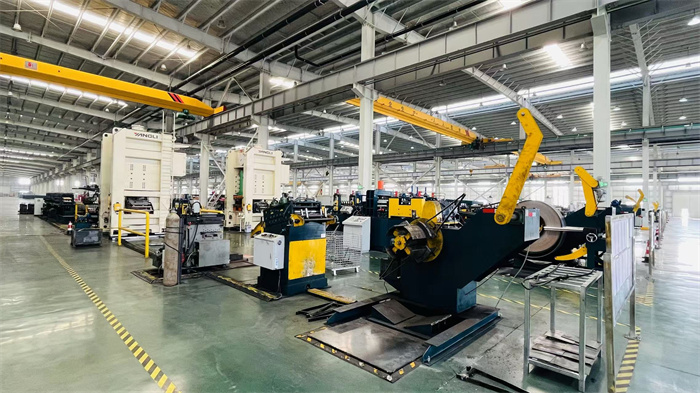
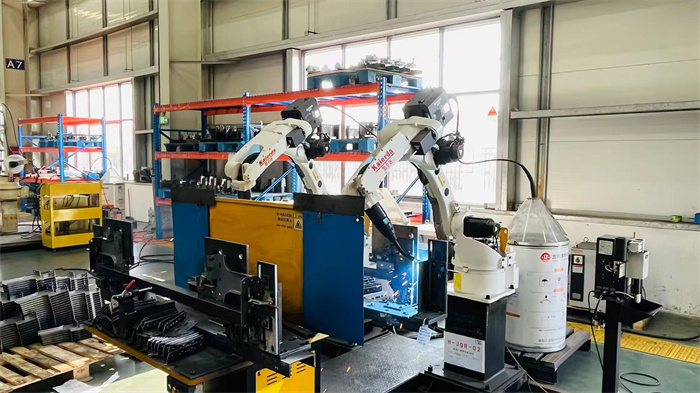
A rigorous review of structural calculations, raw materials, and cold-formed profile behavior under load.
To ensure stable performance across high-impact logistics settings, all storage configurations undergo Finite Element Analysis (FEA) simulating static load distribution, frame buckling limits, and dynamic shear forces from earthquakes. We calculate upright deflection based on the h/200 maximum threshold (where h represents the height between rack levels), keeping operations within safe structural limits.
Our roll-formed upright designs incorporate premium steel grades, typically Q235B (yield strength ≥ 235 MPa) or high-tensile Q355B (yield strength ≥ 355 MPa). These steel alloys provide the ductility needed to withstand dynamic forklift impact forces without immediate structural failure.
Surface preparation begins with automated shot blasting to remove scale and rust (cleaning grade Sa2.5). The substrates are then coated with TGIC-free polyester powder and heat-cured at 180°C to 200°C. This forms a cross-linked layer 60 to 80 microns thick that resists impact, abrasion, and chemicals.
For sub-zero food storage and outdoor operations, we use hot-dip galvanizing conforming to ASTM A123. Immersing structural elements in a 450°C molten zinc bath forms a metallurgical zinc-iron alloy barrier ≥ 85 μm thick, providing sacrificial galvanic protection against moisture and corrosive agents.
| Racking Sub-system | Primary Application Profile | Standard Steel Grade | Standard Coating Profile | Typical Safe Load Range per Level |
|---|---|---|---|---|
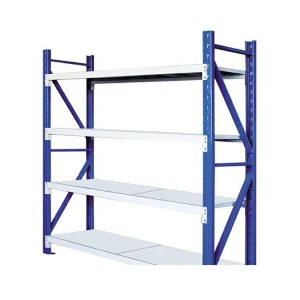
| Selective Pallet Racking | General warehouses requiring high SKU selectivity and quick access. | Q235B / Q355B | Epoxy Polyester Powder Coat | 1,000 to 4,000 kg (2,200 to 8,800 lbs) |
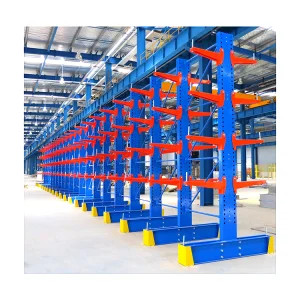
| Cantilever Storage Systems | Storage of long, bulky, or irregular items like pipes, tubing, and timber. | Q355B Structural | Hot-Dip Galvanized / Powder Coat | 500 to 2,000 kg per Arm |
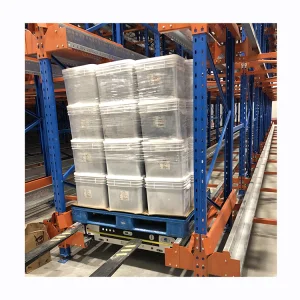
| Radio Shuttle Racking | High-density FIFO/LIFO storage in cold storage or food logistics. | Q355B High Tensile | Low-temperature powder formulation | 1,000 to 1,500 kg per pallet position |
| Mezzanines & Steel Platforms | Expanding vertical space for overhead storage, offices, or assembly. | Q235B / Q355B H-Beam | Heavy Industrial Powder Coat | 300 to 1,000 kg / m² |
A look at the multi-stage quality control checks that ensure each racking system operates safely.
We request mill test certificates (MTC) for all incoming hot-rolled steel coils. These verify the material's yield strength, chemical composition, and elongation parameters before it is fed into our roll-forming lines.
Laser micrometers measure column and beam profiles mid-run to verify dimensional tolerances. Maintaining straightness deviation to under 1.5mm per 1000mm prevents structural eccentricity issues during installation.
Critical load-bearing joints, such as beam-end connectors and baseplates, are welded by automated robotic systems. We perform regular non-destructive testing (NDT), ultrasonic tests, and visual weld inspections to prevent joint separation.
Our facility uses specialized laboratory equipment to perform regular load deflection tests on beam assemblies, cross-hatch adhesion tests on powder coatings, and salt spray testing (ASTM B117) to verify corrosion resistance. This ensures our products deliver predictable, safe performance throughout their service life.
Adapting industrial storage infrastructure to meet the demands of warehouse automation and industry 4.0.
Modern AS/RS automated storage and retrieval systems require tight manufacturing tolerances, with vertical deviations limited to ±1.5mm. We use specialized production lines to manufacture cold-formed components that interface reliably with automated cranes and shuttles.
We are developing racking systems configured to host IoT sensor networks. These sensors monitor load distribution, structural strain, and physical impacts, helping warehouse operators identify structural risks before they lead to failure.
We use eco-friendly powder formulations and energy-efficient roll-forming systems to support our sustainability goals. Additionally, optimizing steel profiles allows us to reduce raw material usage while maintaining structural capacity.
Technical guidance and purchasing specifications for industrial storage systems.
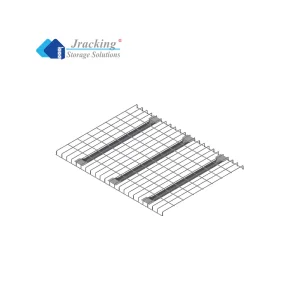
Complete structural components, frames, and decking systems designed to expand your warehouse capacity.
 Jracking