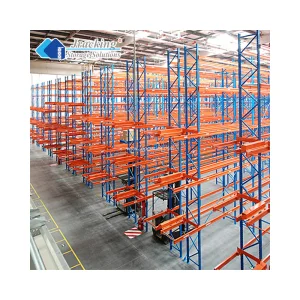
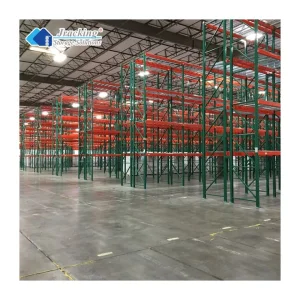
Explore our premium structural steel floor solutions designed for high-capacity warehouse efficiency, commercial integrations, and fire-safe operations.
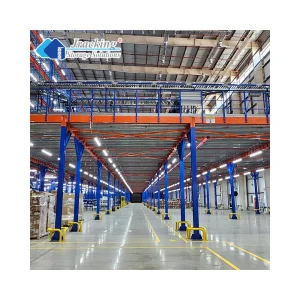
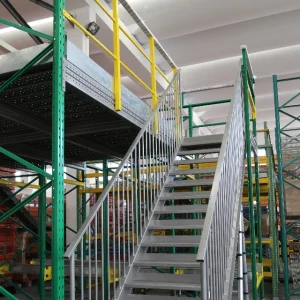
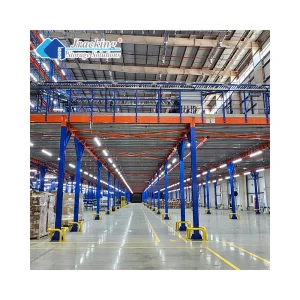
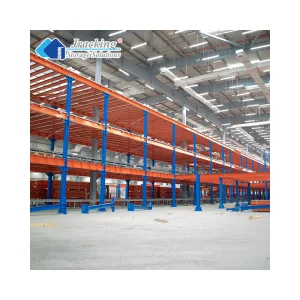
An in-depth analysis of vertical space optimization, structural engineering standards, and international steel platform supply chains.
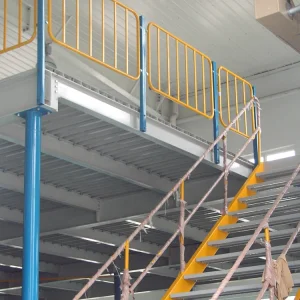
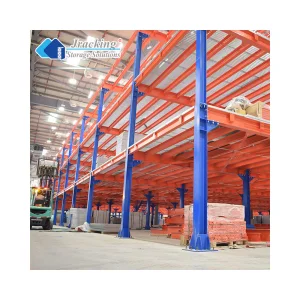
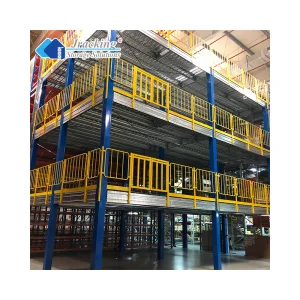
In the era of modern e-commerce, global logistics consolidation, and the expansion of smart manufacturing, urban land costs have soared exponentially. Industrial facility managers and third-party logistics (3PL) providers are no longer focusing solely on two-dimensional footprint utilization; instead, they are optimizing vertical volumetric capacity. Steel mezzanine floors and structural platforms represent the primary capital-efficient solution to double or triple usable floor areas without undergoing expensive physical facility extensions.
Furthermore, the rapid growth of Autonomous Mobile Robots (AMRs), Automated Guided Vehicles (AGVs), and Automated Storage and Retrieval Systems (ASRS) has transformed the structural load requirements of industrial floors. Platforms must now be engineered to handle dynamic wheel loads, localized point forces, and continuous vibrations from mechanical sorters, necessitating highly specialized, high-grade steel layouts.
By installing structural platforms close to urban centers, distribution operations cut transit times, satisfy rapid delivery demands, and lower overall transit emissions.
Modern multi-tier platforms support heavy conveyor loops, goods-to-person picking levels, and elevated shuttle routes with rigid frame designs.
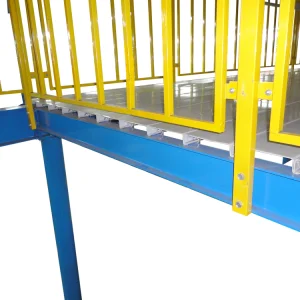
Industrial structural steel platforms are classified as temporary or permanent structures. They utilize a system of primary beams, secondary beams (purlins), columns, and decking materials. The engineering methodology follows rigorous limit state design (LSD) or Allowable Strength Design (ASD) principles.
| Steel Grade Standard | Yield Strength (Fy) | Tensile Strength (Fu) | Typical Application |
|---|---|---|---|
| GB/T 700 Q235B | 235 MPa | 370 - 500 MPa | Standard columns, bracing, and cold-formed platform accessories. |
| GB/T 1591 Q355B | 355 MPa | 470 - 630 MPa | Heavy-duty primary main beams and large-span support structures. |
| ASTM A36 | 250 MPa | 400 - 550 MPa | North American standard structural channels and heavy plate fittings. |
| EN 10025 S355JR | 355 MPa | 470 - 630 MPa | European certified heavy main frames and industrial mezzanine structural elements. |
The structural integrity of a platform is heavily dependent on dynamic deflection limits under load. The typical maximum allowable deflection for primary structural steel framing members under live load is calculated as L/360, where L is the span length between columns. For platforms housing automated picking robots or delicate high-tech conveyors, the requirements are often restricted to L/500 or L/750 to minimize vibration and prevent sensor calibration errors.
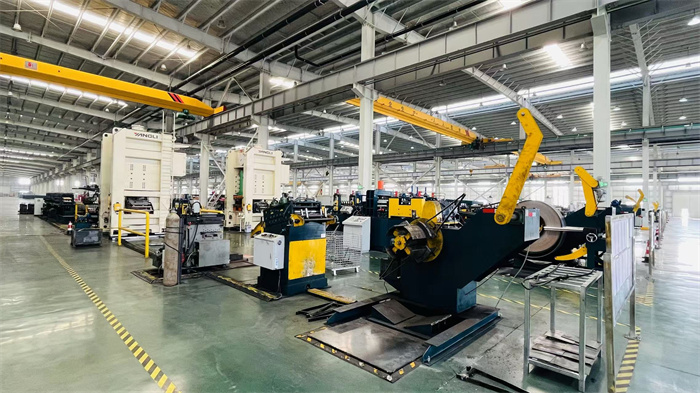
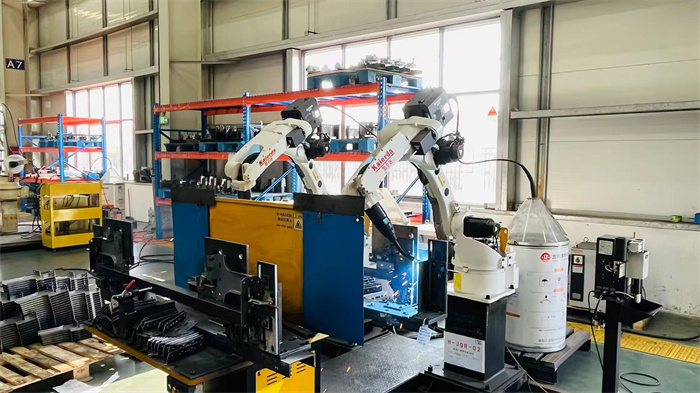
Combining world-class engineering, specialized metallurgy, and robotic assembly for global logistics infrastructure projects.
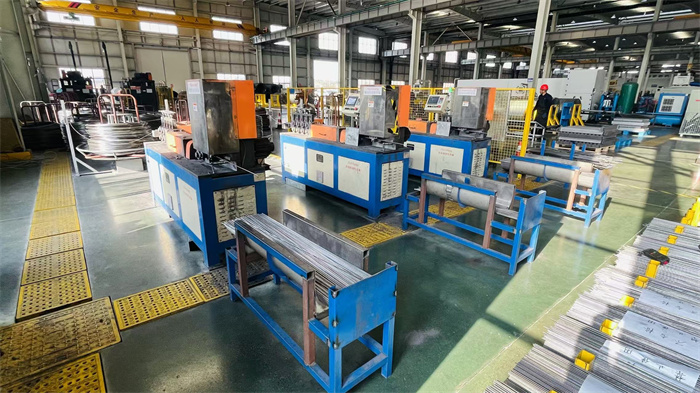
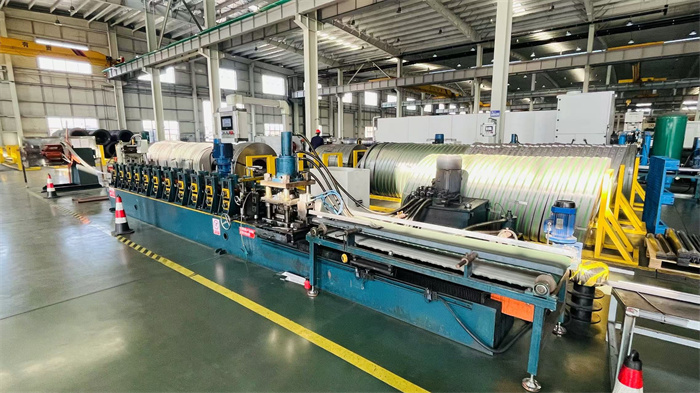
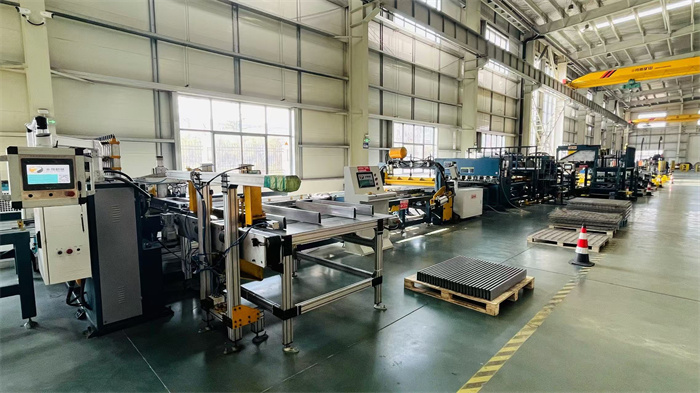
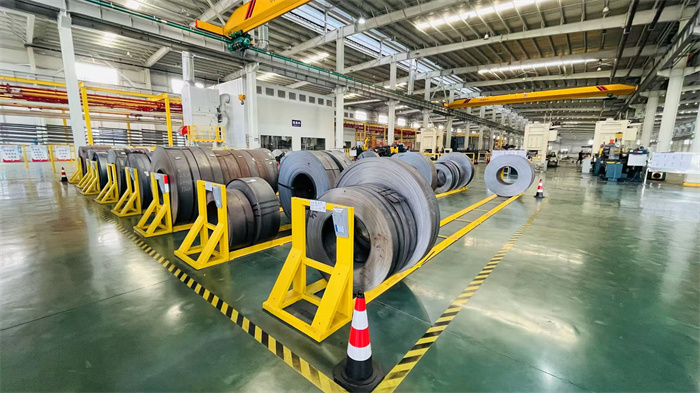
Jracking (Guangdong) Storage Co., Ltd. is a professional manufacturer specializing in warehouse racking systems and industrial storage solutions in China. Since its establishment in 2016, the company has been dedicated to designing, manufacturing, and supplying high-quality storage equipment for global customers across various industries.
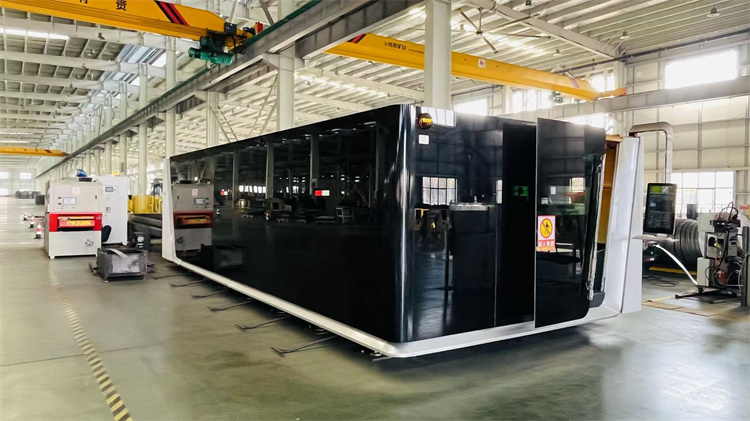
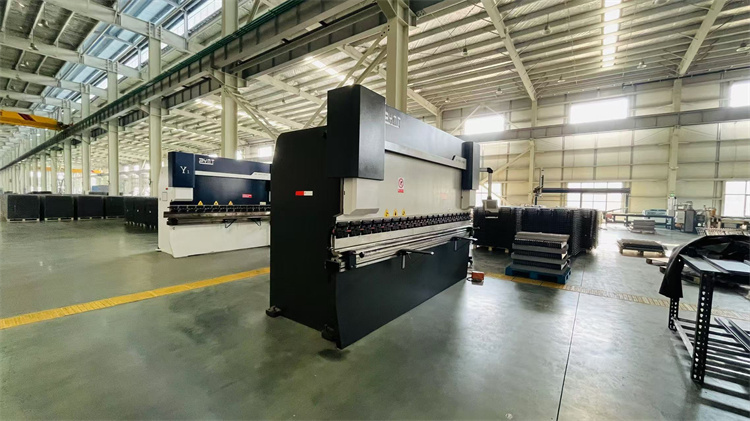
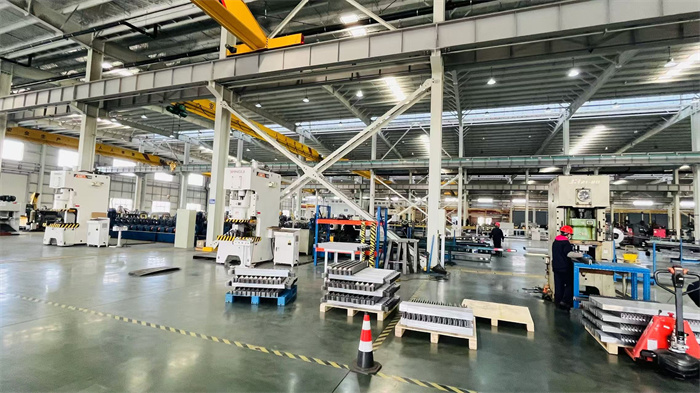
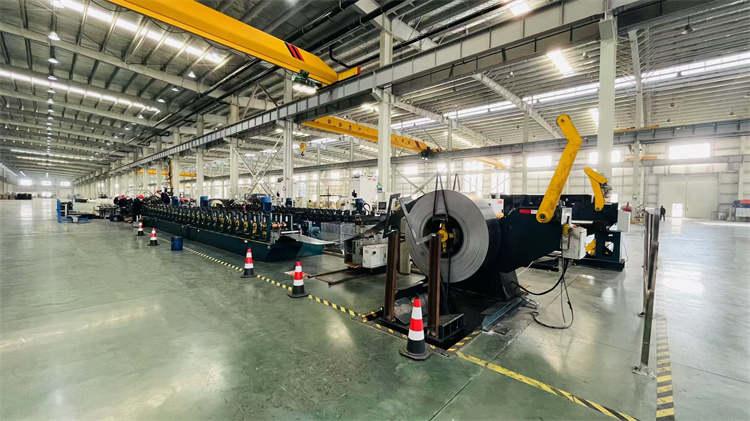
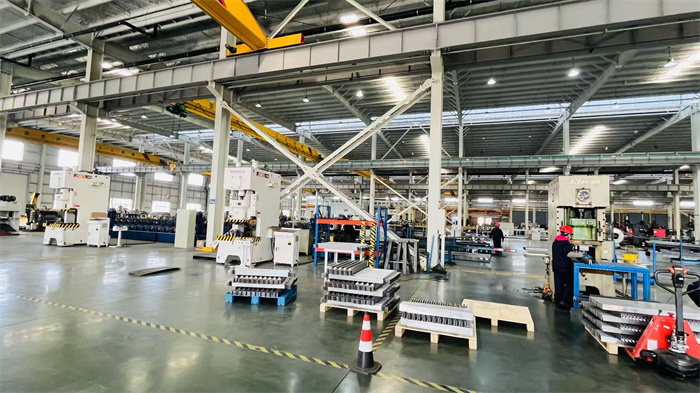
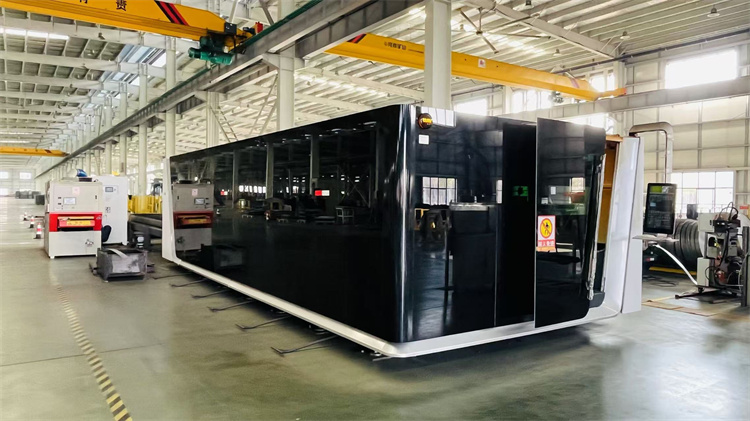
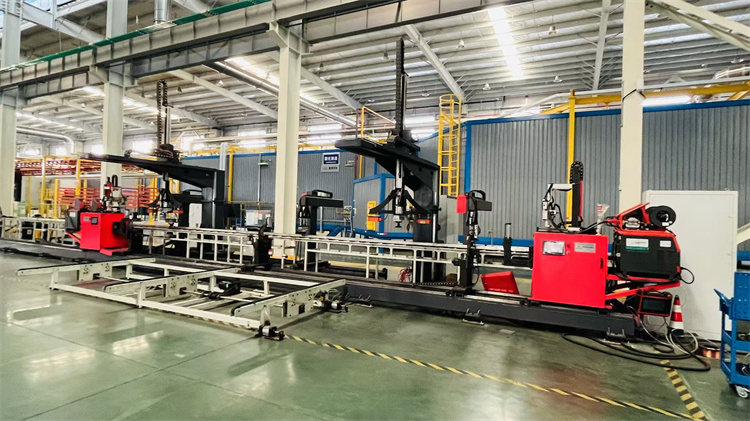
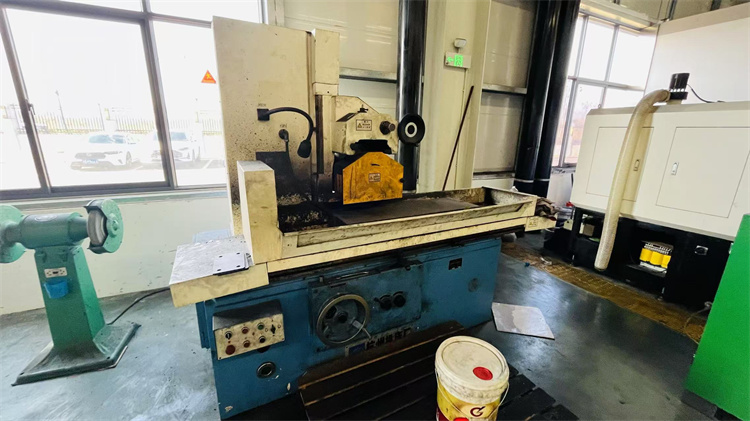
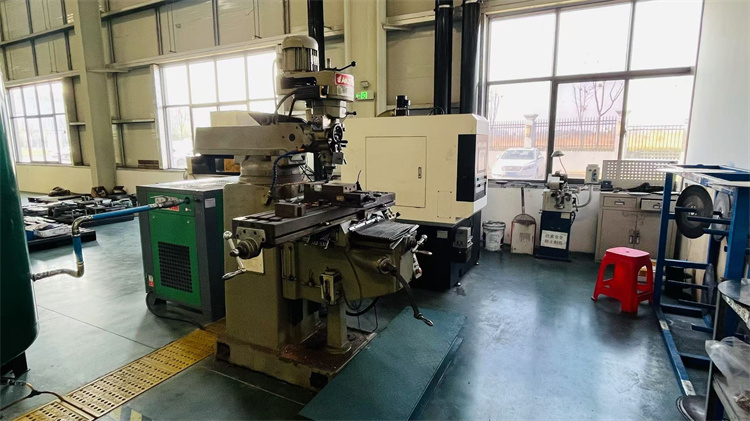
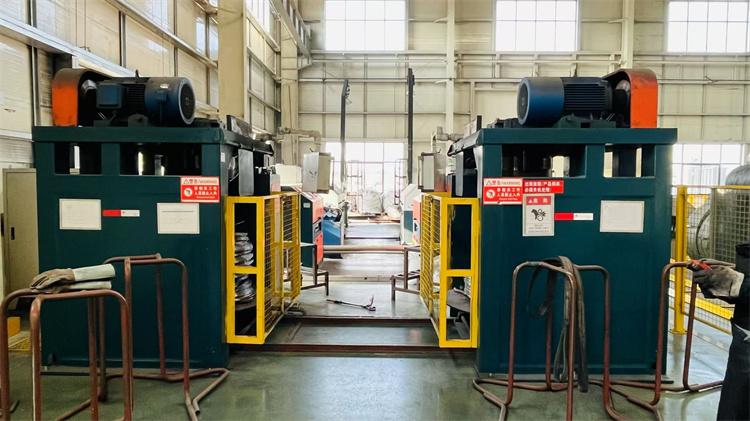
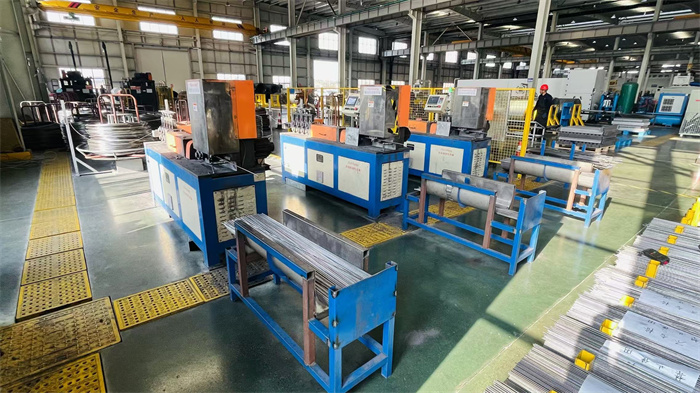
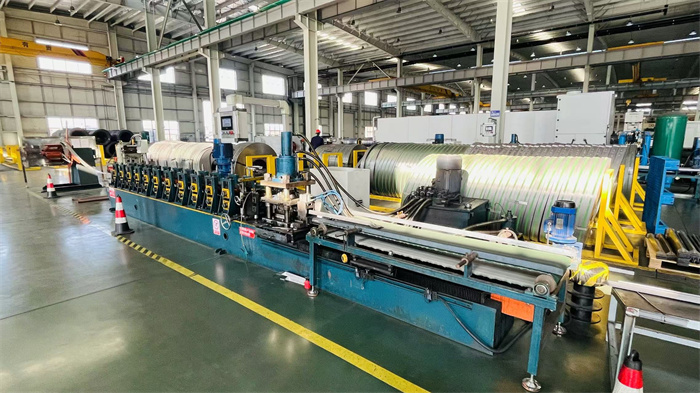
With a modern manufacturing facility covering 28,600 m², Jracking integrates advanced production equipment, strict quality management systems, and experienced engineering teams to ensure reliable product performance and consistent manufacturing standards. The company offers a comprehensive range of storage products including selective pallet racks, drive-in racking, cantilever racks, mezzanine systems, longspan shelving, steel platforms, and customized warehouse storage solutions.
Backed by over 8 years of export experience and 12 years of industry expertise, Jracking has successfully served customers in North America, Europe, Southeast Asia, Australia, and the Middle East. The company's annual export revenue exceeds USD 18 million, reflecting its strong competitiveness in the international storage equipment market.
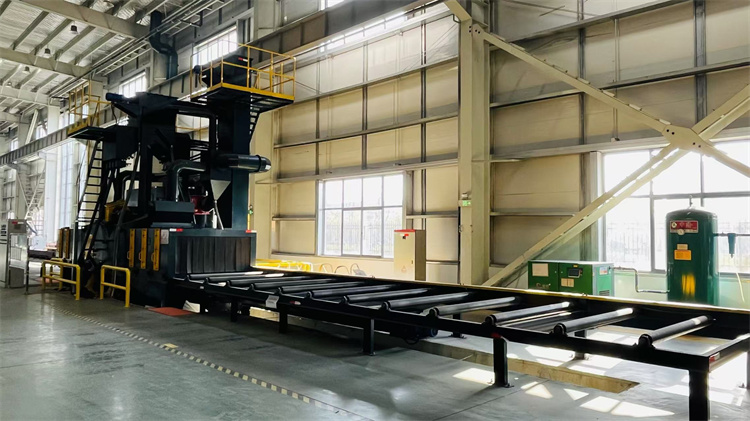
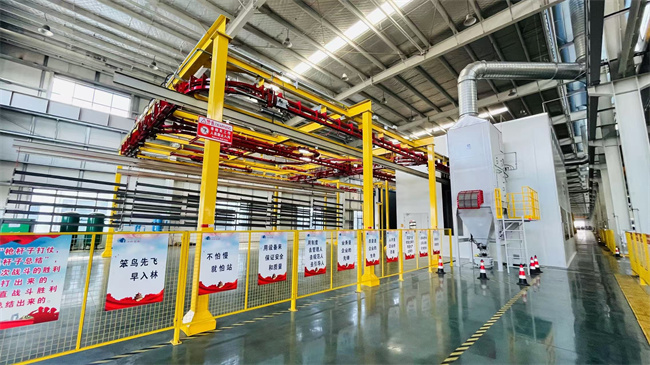
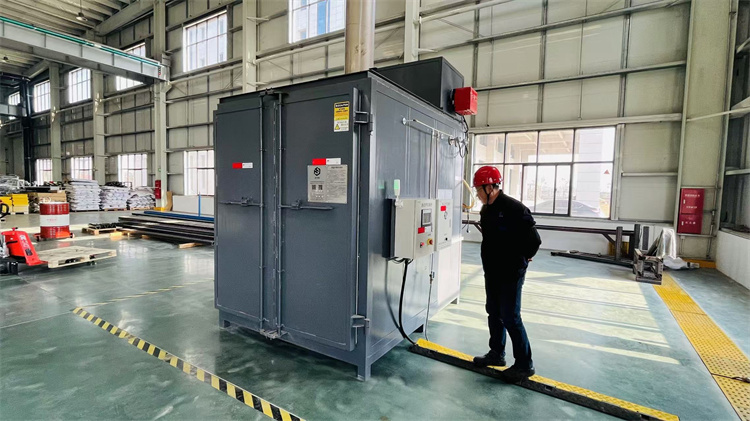
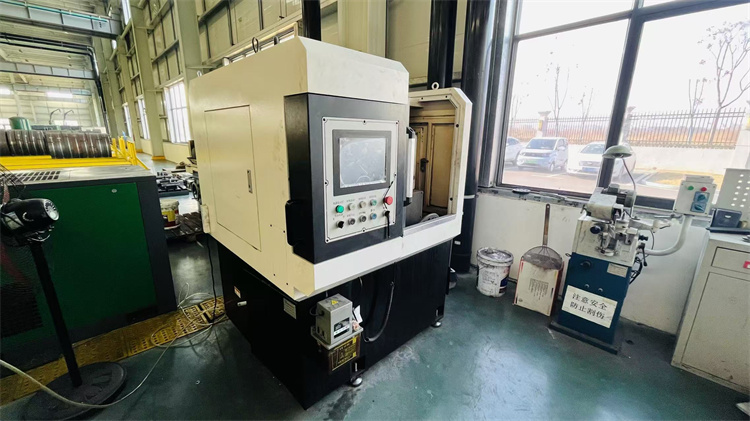
Quality remains the core of Jracking's manufacturing philosophy. Every production process is strictly monitored through ISO-compliant quality control procedures, while products undergo load capacity testing, dimensional inspection, welding inspection, coating thickness testing, and final assembly inspection before shipment. The company employs 48 professional quality inspectors to maintain stable product quality and customer satisfaction.
As an OEM & ODM manufacturer, Jracking collaborates with more than 1,150 supply chain partners, enabling efficient sourcing, flexible production scheduling, and fast delivery for global projects. Its primary customers include warehouse equipment distributors, importers, wholesalers, logistics companies, e-commerce fulfillment centers, and industrial project contractors.
Innovation is driven by a dedicated R&D team consisting of 85 experienced engineers, who continuously develop new storage solutions to meet evolving market demands. The company supports customized design, size, color, loading capacity, surface treatment, and warehouse layout solutions according to customer requirements. In the past year alone, Jracking successfully introduced 156 new products to the global market.
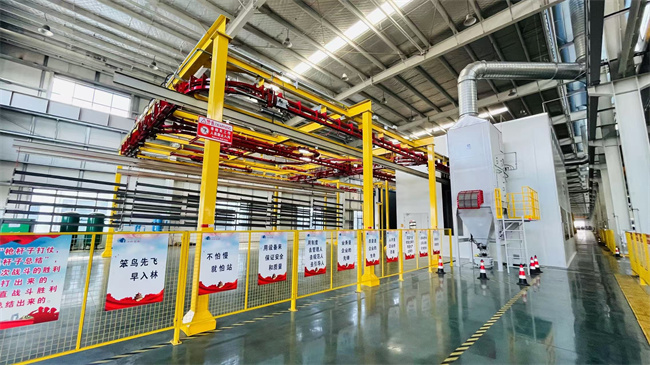
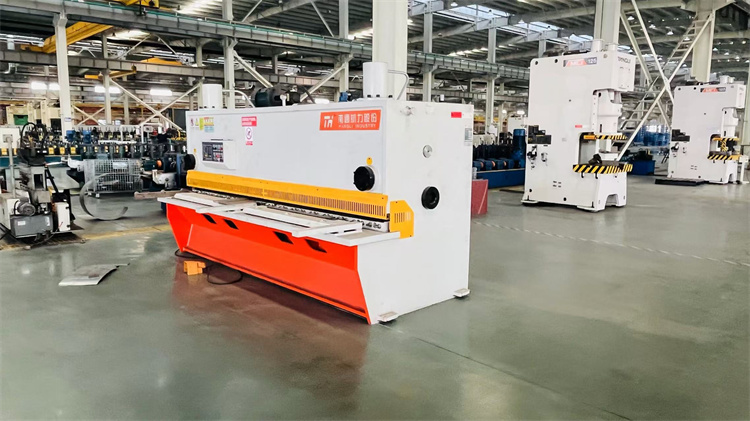
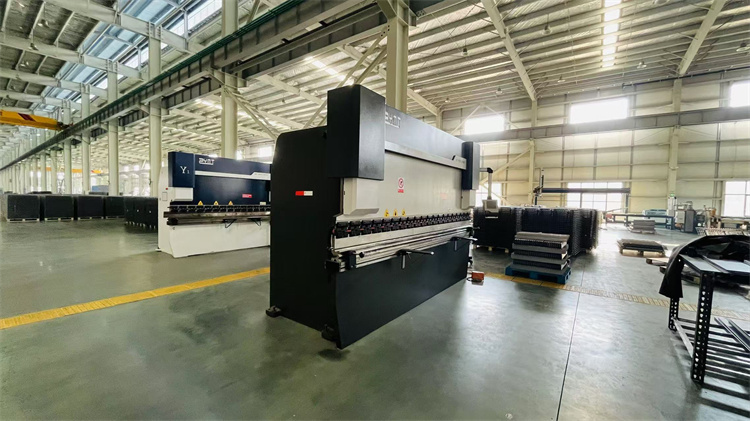
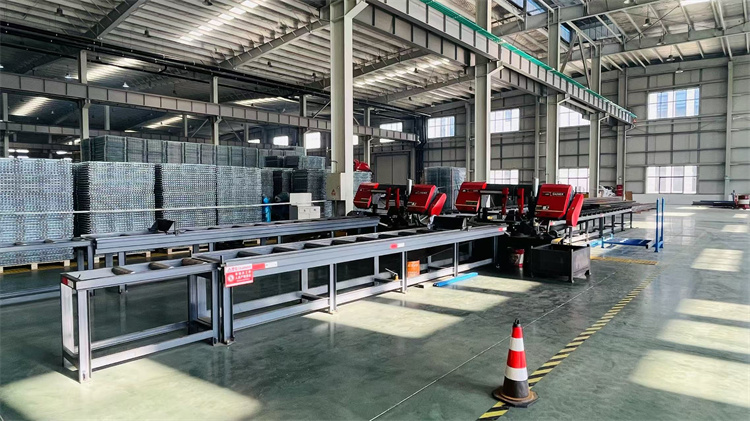
Our comprehensive production flow balances automated mechanical operations with rigorous human inspection to generate platforms that meet global structural norms:
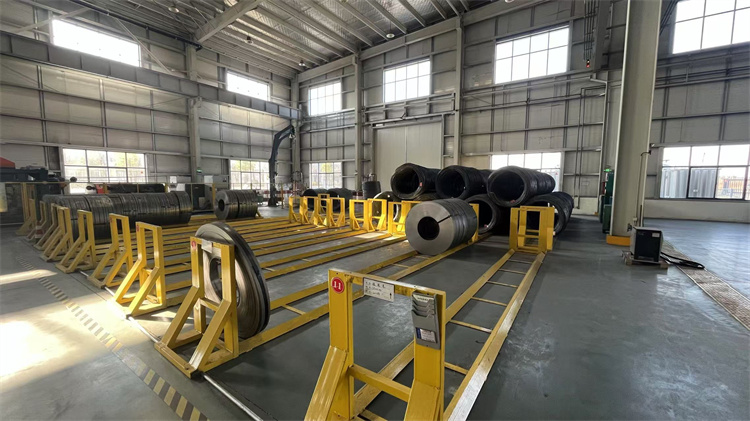
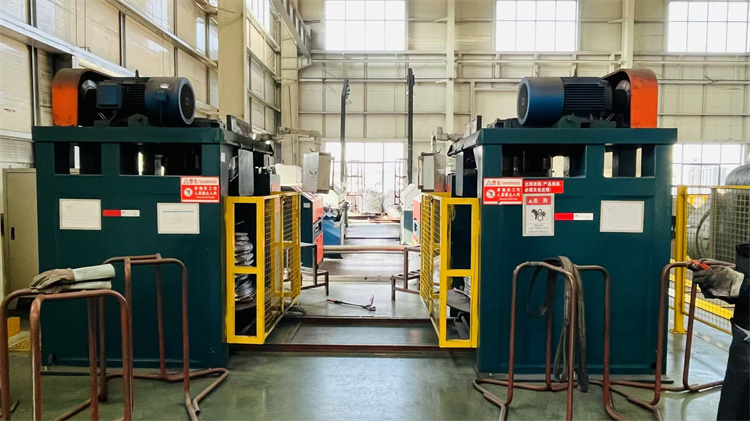
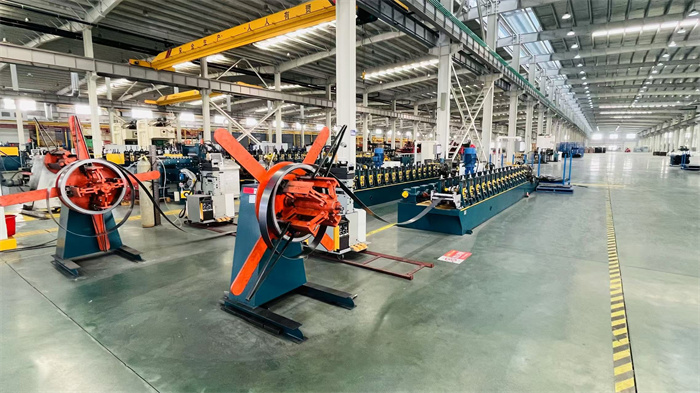
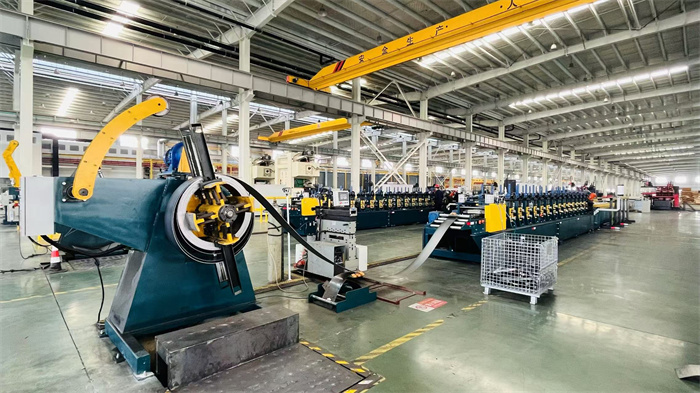
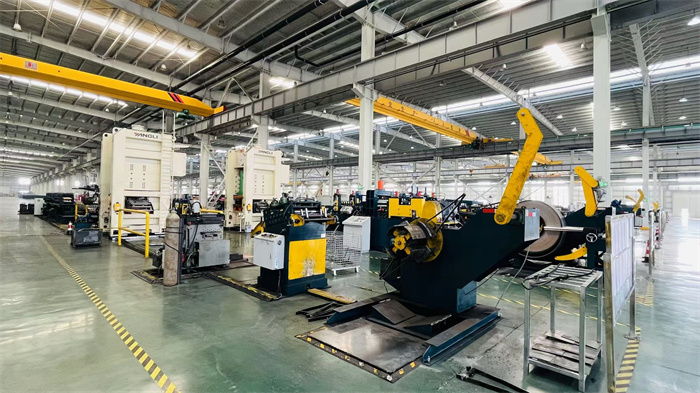
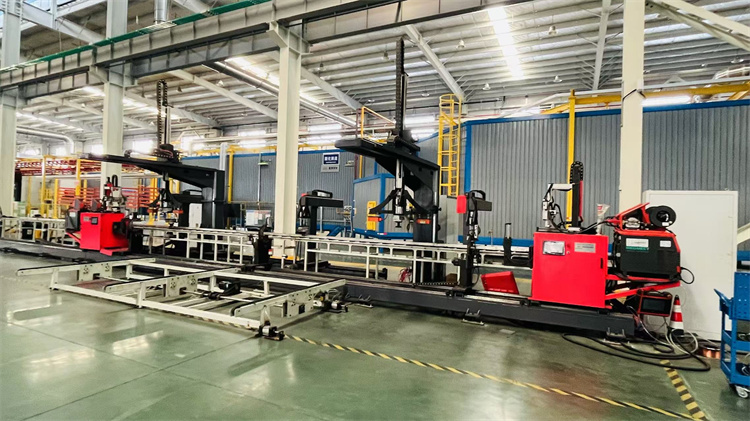
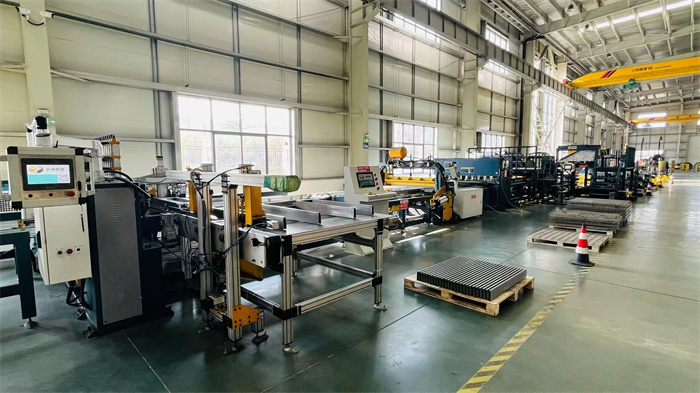
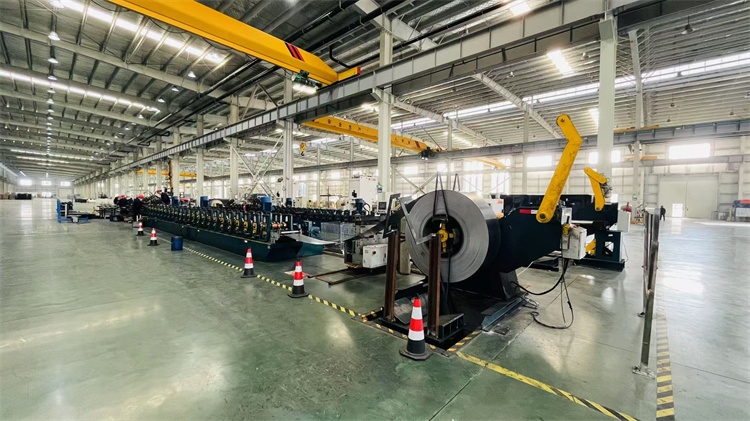
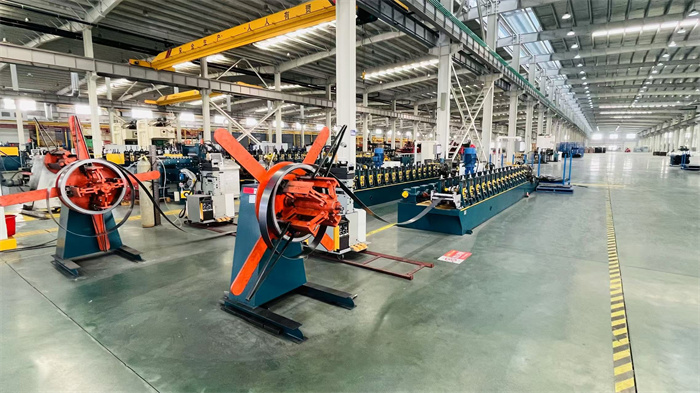
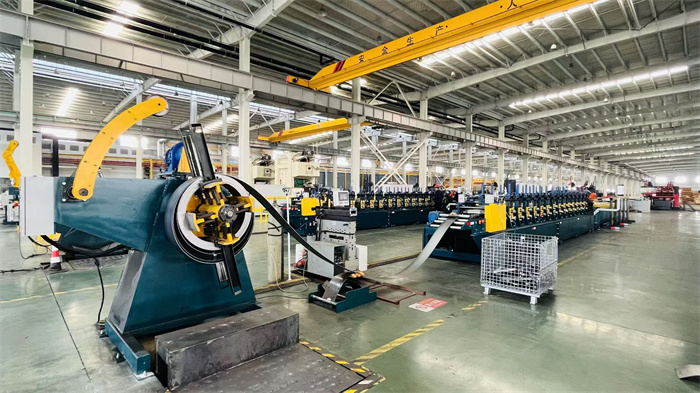
Procuring structural equipment globally requires strict adherence to localized construction codes. In the United States, structural platforms must comply with the International Building Code (IBC) and the Rack Manufacturers Institute (RMI) standards, specifically MH16.1. In Europe, designs must strictly align with EN 15512 and the CE marking directives. Meanwhile, installations in Australia and New Zealand are governed by AS 4084-2012.
Key areas of audit during compliance assessment include:
The next generation of steel structural platforms will integrate smart materials and sensor arrays. We are actively researching the incorporation of strain gauge sensors in critical structural junctions to enable real-time weight tracking and overload alarm indicators.
Additionally, to satisfy global environmental standards, structural manufacturers are shifting toward low-VOC electrostatic powder coatings and sourcing structural steel containing up to 80% recycled content. This dedication decreases total product carbon footprints, aligning with the supply chain targets of major multinational enterprises.
Expert engineering insights regarding industrial structural steel platforms and warehouse mezzanine design.
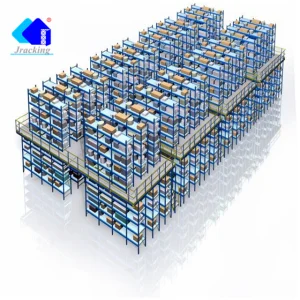
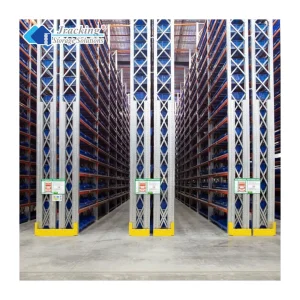
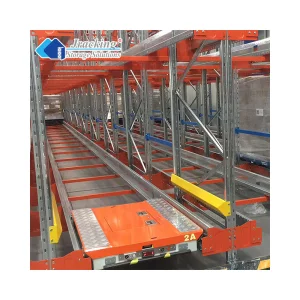
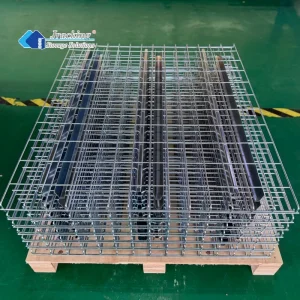
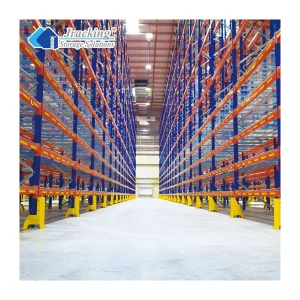
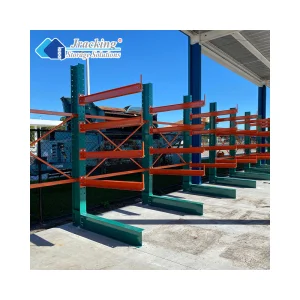
Explore our integrated storage systems designed to maximize vertical volume in industrial warehouses and automated distribution centers.
 Jracking