Explore our premium range of industrial warehouse racking systems, manufactured to rigorous international standards for maximum durability and load bearing reliability.
Understanding the critical shift toward ultra-high density warehouse configurations in modern supply chain management.
Industrial real estate values have scaled aggressively worldwide over the past decade. Distribution hubs, third-party logistics (3PL) centers, and cold chain distribution grids are facing severe square-footage constraints. In major transit hubs in Europe, North America, and the Asia-Pacific region, purchasing or leasing warehouse acreage has become one of the largest capital expenditures for logistics operations. Consequently, maximizing volumetric capacity is no longer an optional strategy—it is a baseline requirement for structural business survival.
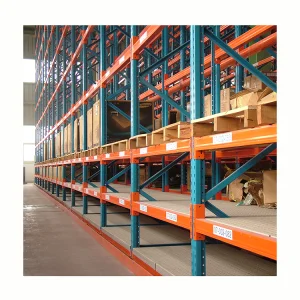
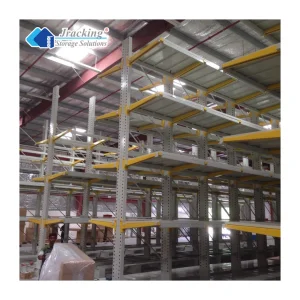
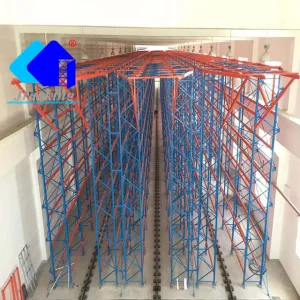
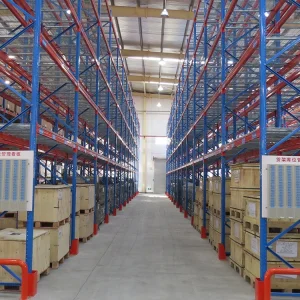
Very Narrow Aisle (VNA) racking systems represent the ultimate threshold of mechanical warehousing optimization. By shrinking standard aisle widths from approximately 3.2 to 4.5 meters down to a tight 1.5 to 1.8 meters, VNA configurations reclaim up to 45% of wasted floor layout. This architectural approach shifts storage orientation vertically, extending racking structures to structural limits of up to 18 meters or more, which utilizes full warehouse clearance space.
The expansion of global e-commerce logistics centers calls for real-time inventory accessibility alongside massive storage volumes. VNA systems support 100% selectivity, meaning every pallet position is immediately accessible without relocating surrounding inventory. This is a critical operational advantage over dense, non-selective systems like Drive-in racking.
In cold storage industries, refrigeration overhead demands optimal spatial efficiency. Cold chambers are expensive to build and operate; minimizing horizontal corridor space with VNA racking systems ensures maximum volume is chilled per cubic meter, translating to huge reductions in long-term facility energy consumption.
Modern Manufacturing Area
Industry Expertise
Professional Quality Inspectors
Annual Export Value
Combining world-class production infrastructure, stringent testing protocols, and complete customization capabilities.
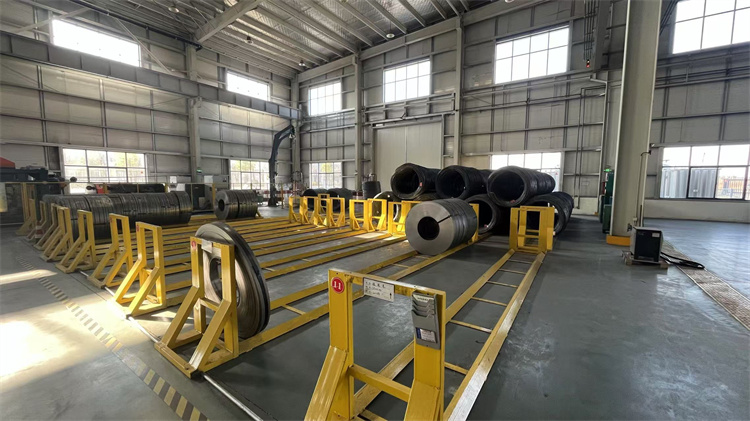
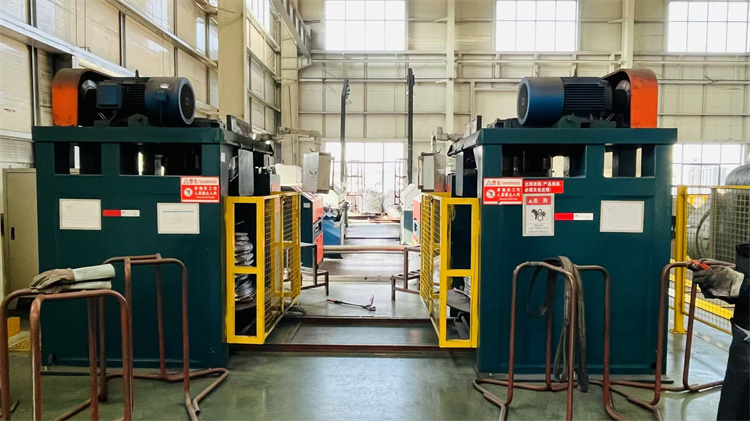
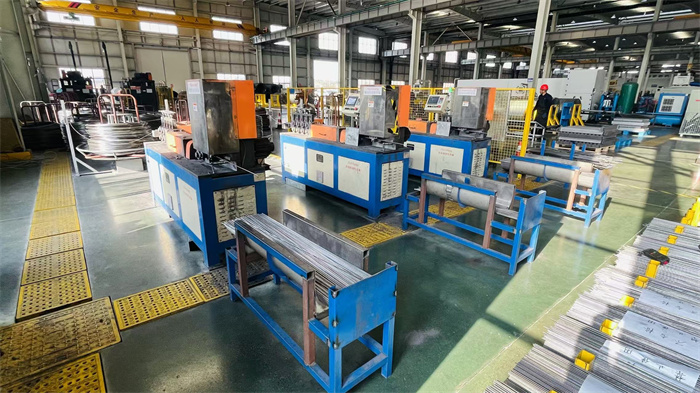
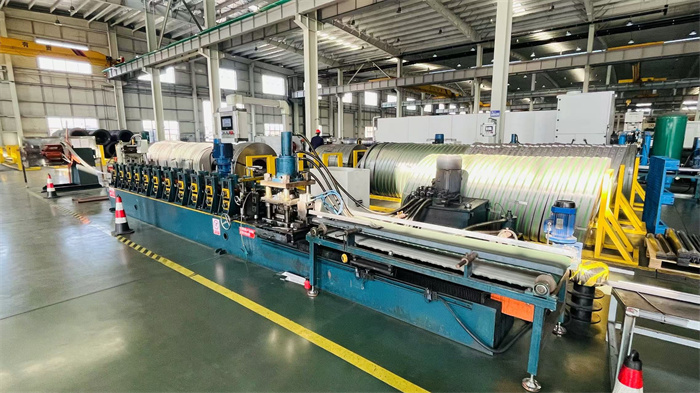
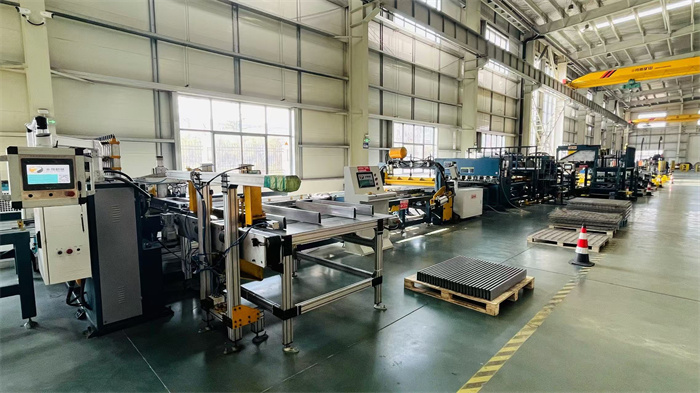
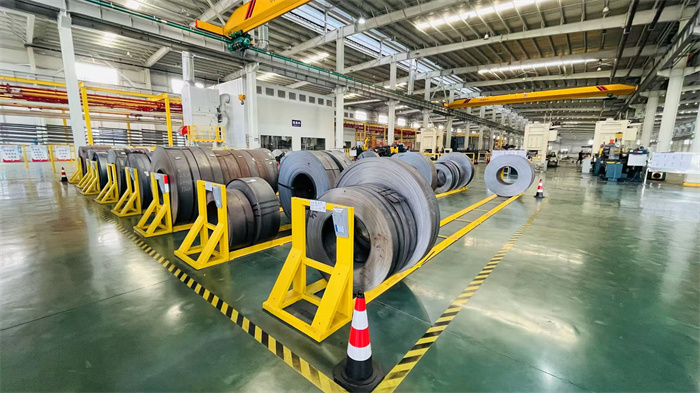
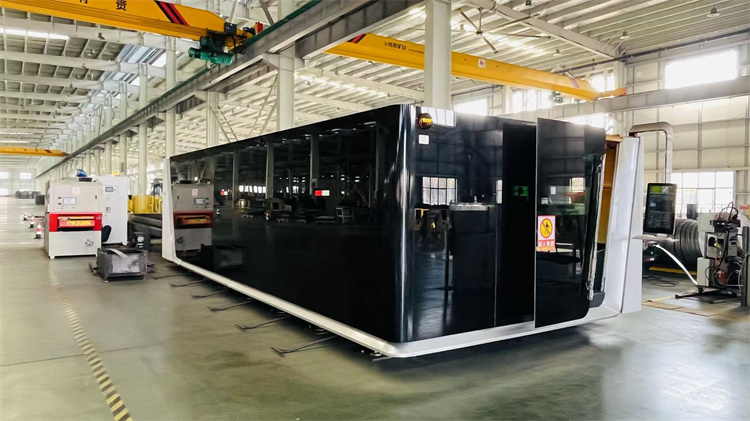
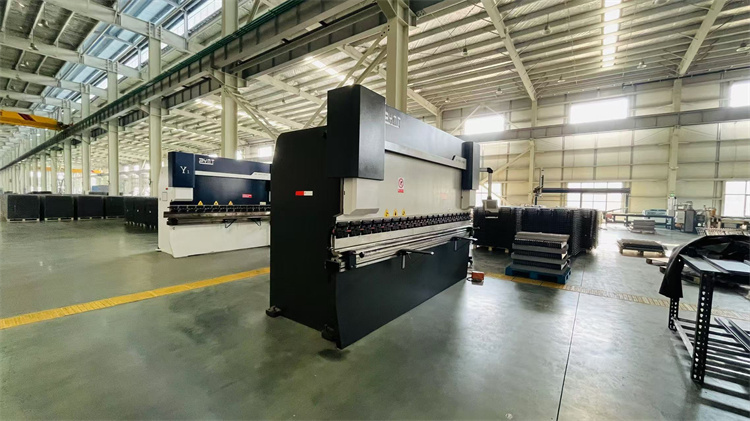
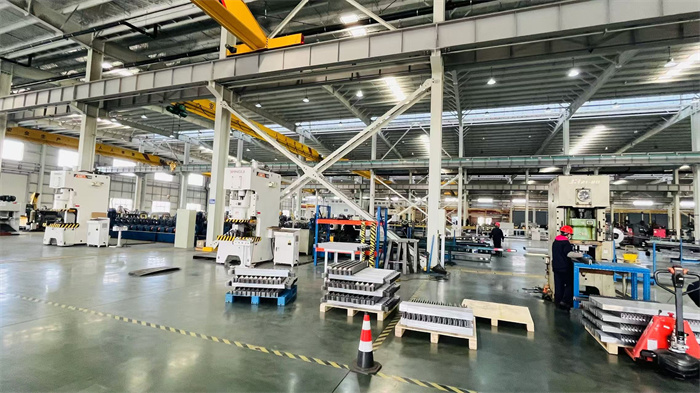
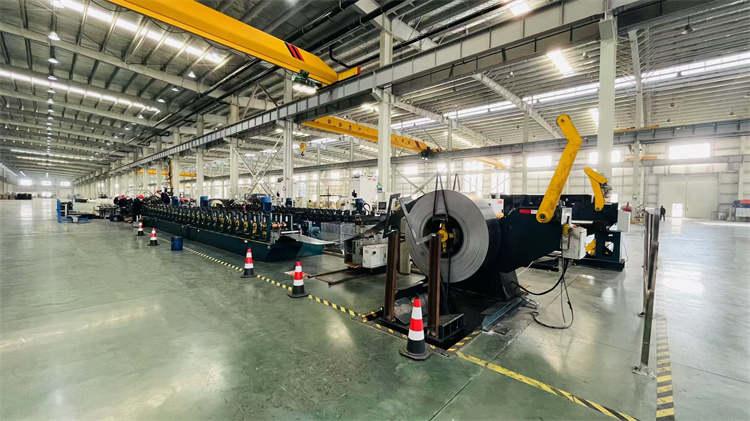
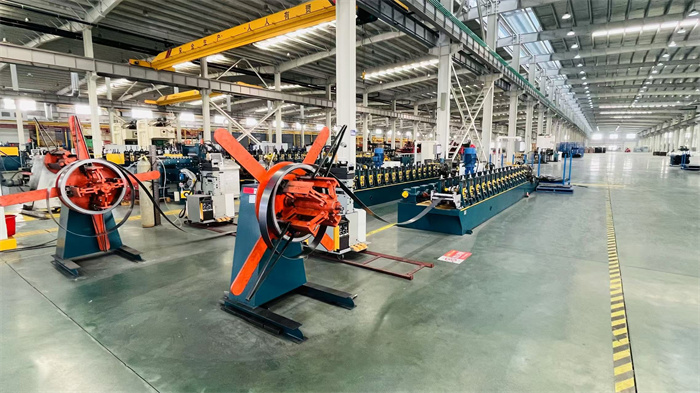
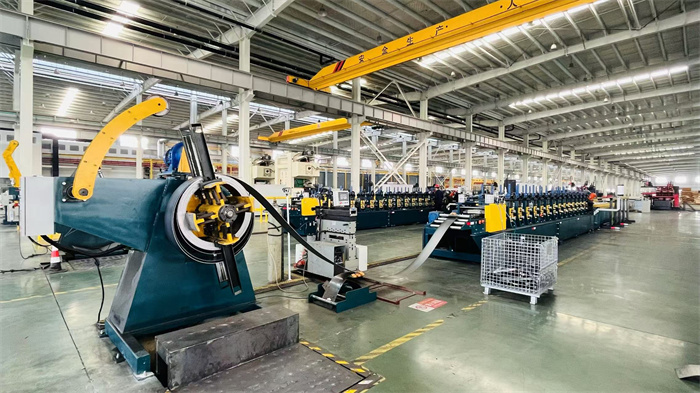
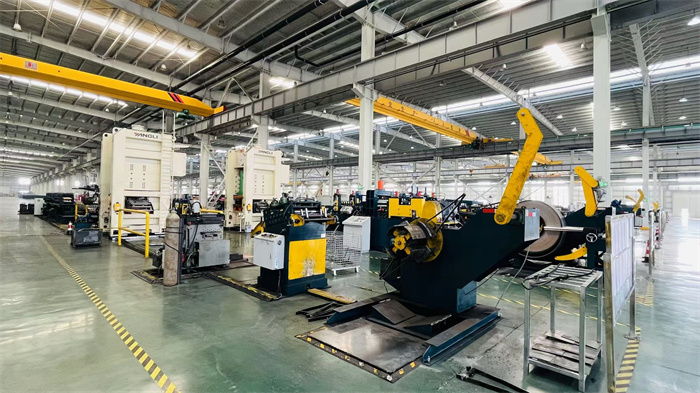
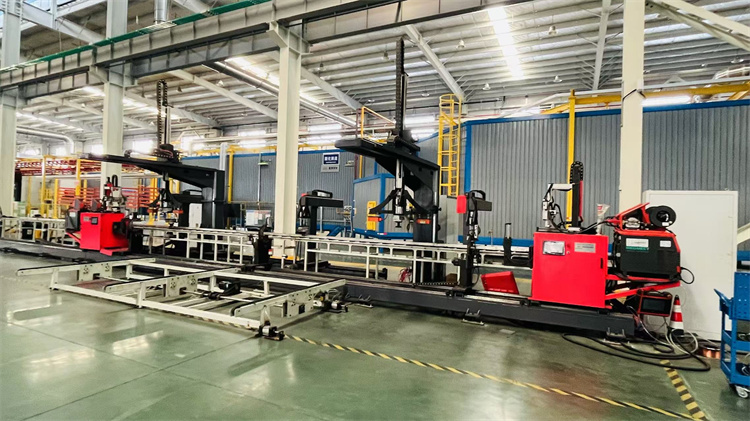
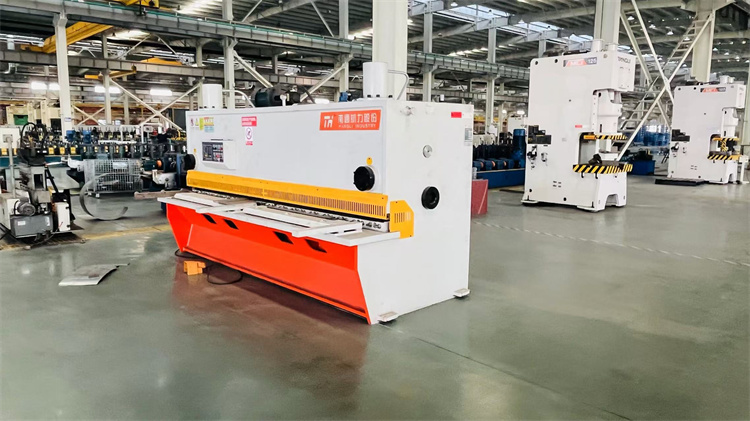
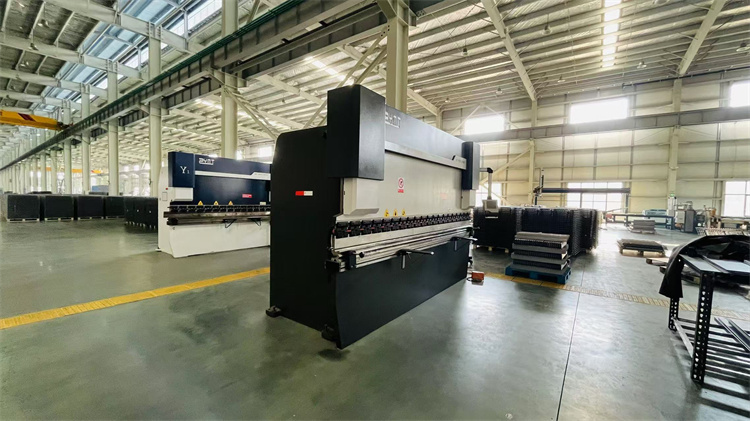
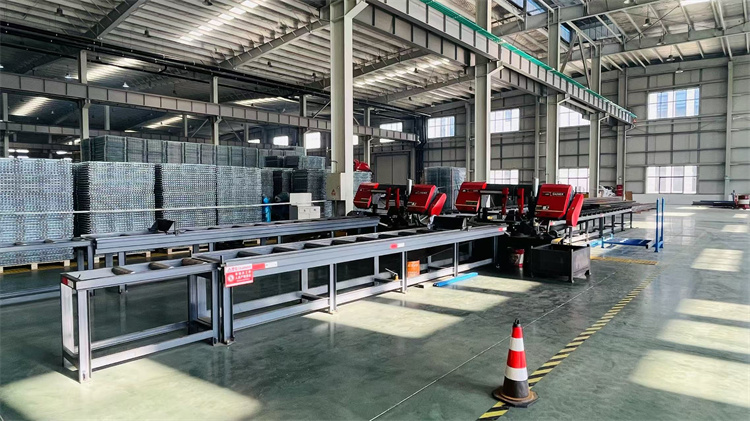
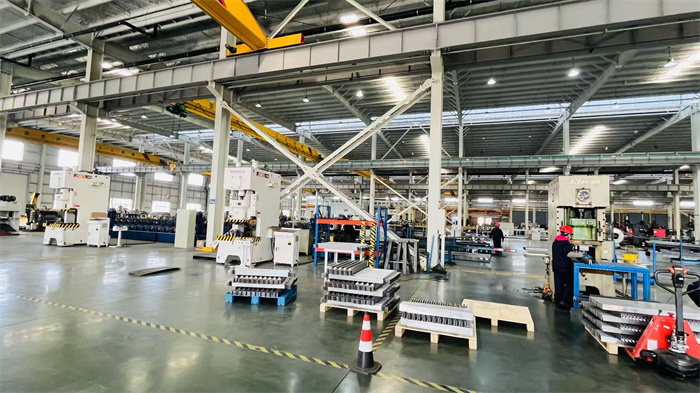
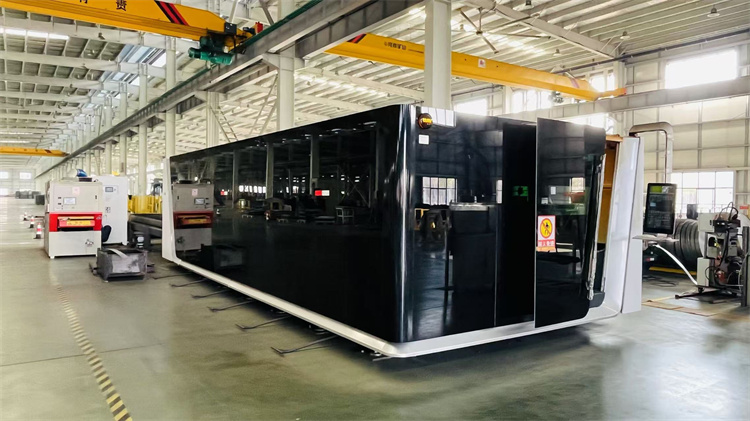
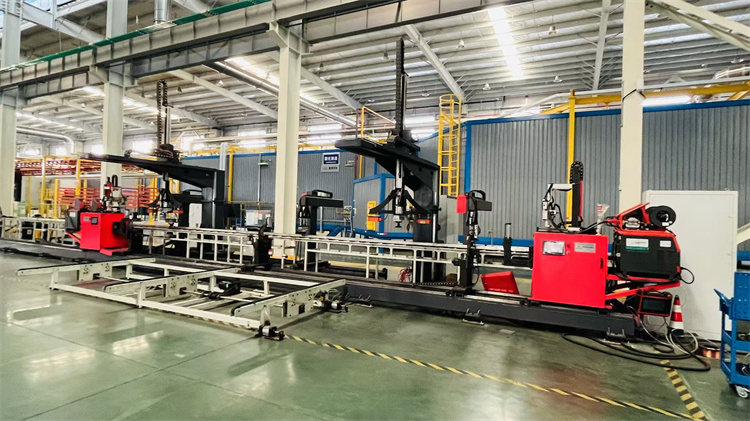
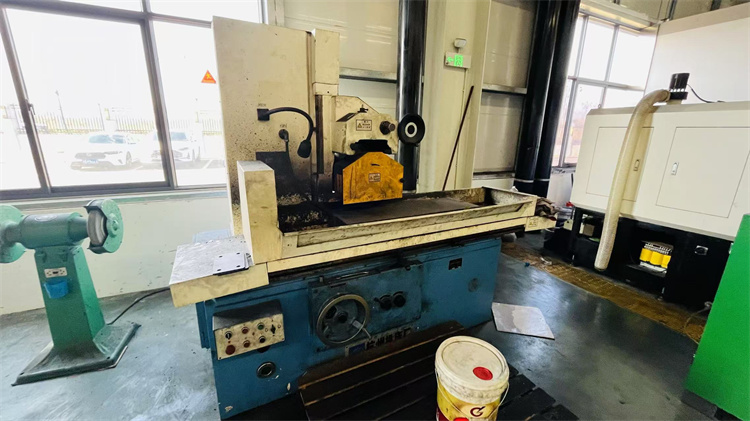
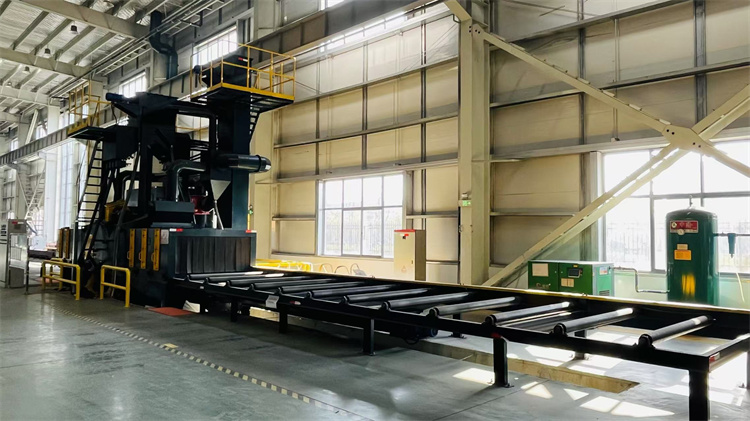
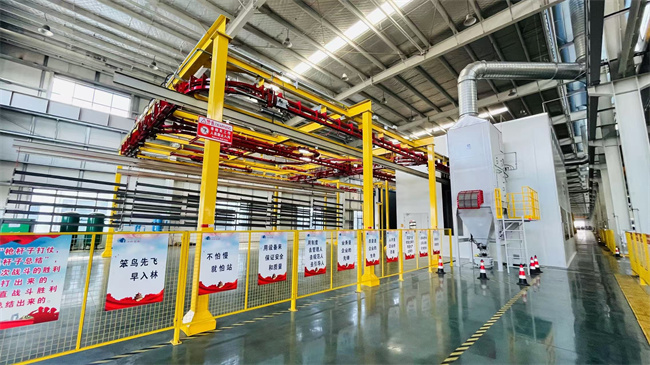
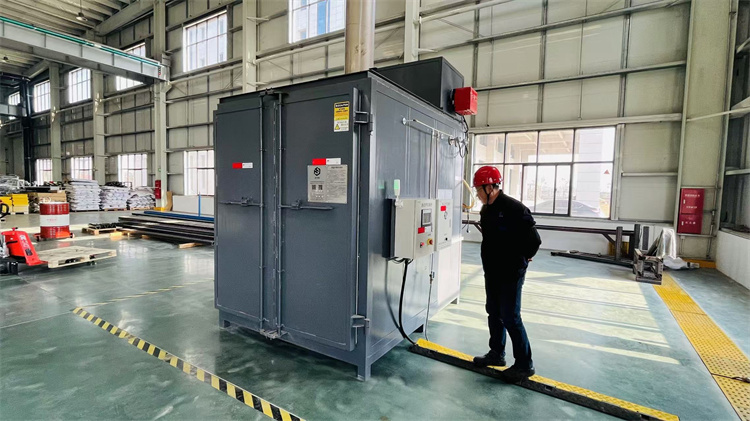
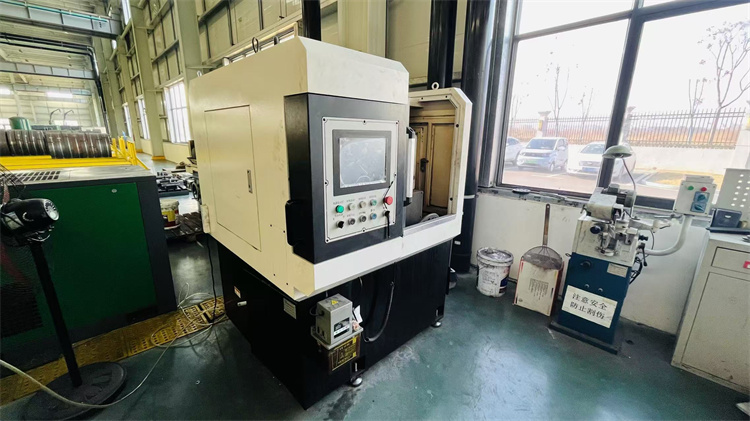
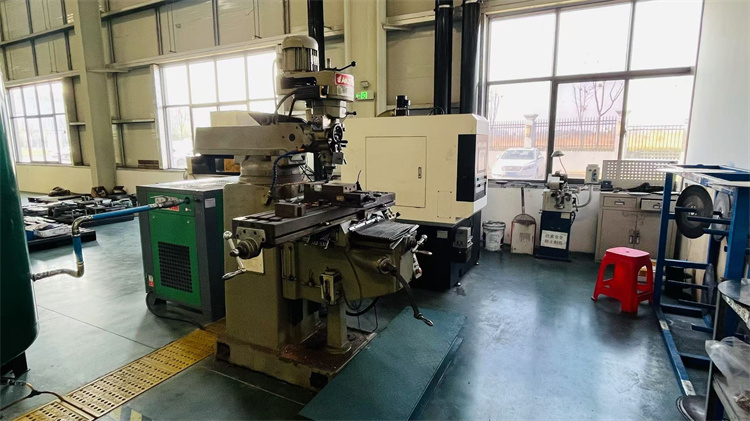
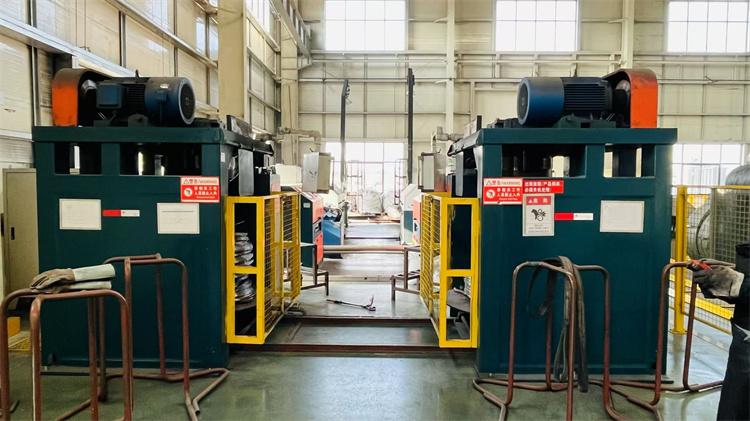
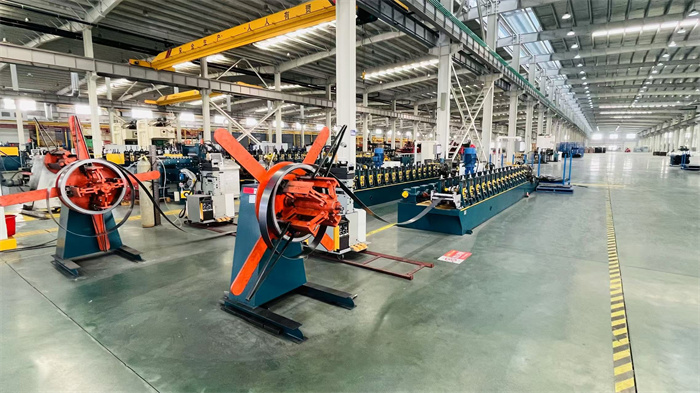
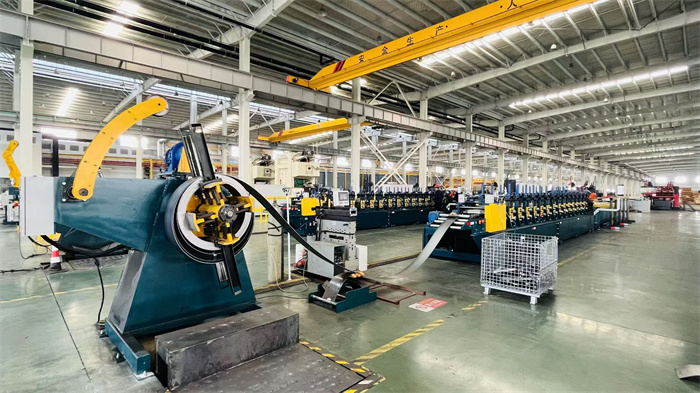
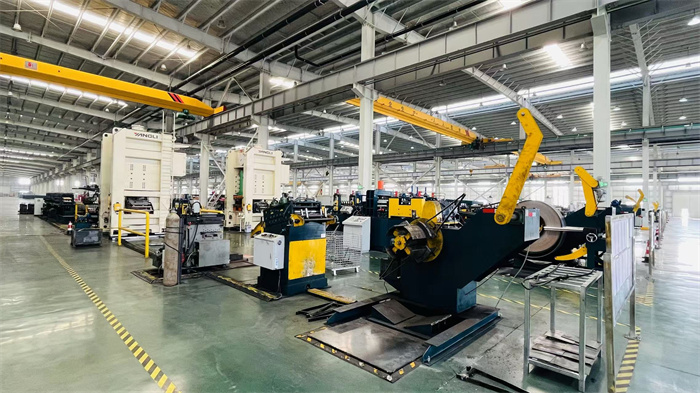
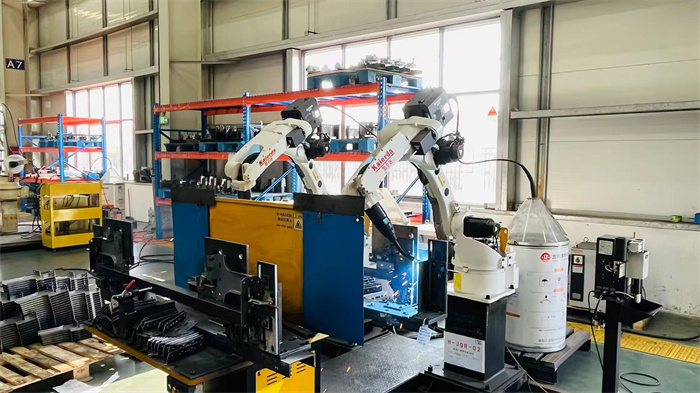
Jracking (Guangdong) Storage Co., Ltd. operates a flagship 28,600 m² factory equipped with advanced production equipment. Our facilities are designed to supply high-strength cold-formed profile steel racking solutions globally. Our structural engineering division utilizes advanced finite element analysis (FEA) methods to simulate stress loads, seismic conditions, and fatigue cycles. This ensures that every racking design delivers reliable performance under demanding loads.
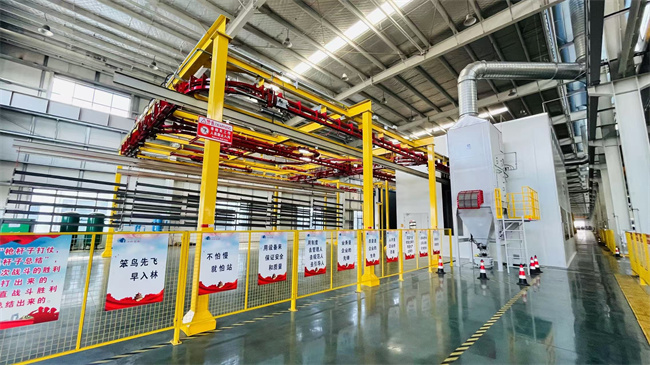
Operating out of China enables Jracking to utilize a robust domestic steel supply chain, sourcing high-grade Q235B and Q345 steel. Combined with high-efficiency automated rolling lines and advanced robotic welding systems, we offer a strong structural capacity-to-cost ratio, fast lead times, and rigorous production quality. We employ 48 dedicated quality inspectors who oversee every phase of fabrication, from coil verification to final powder-coating finish thickness inspections.
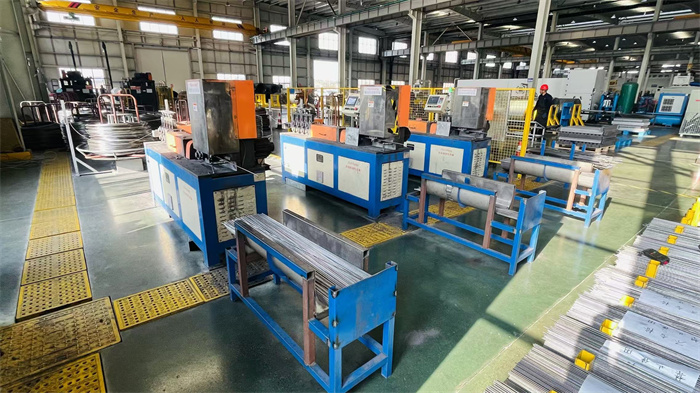
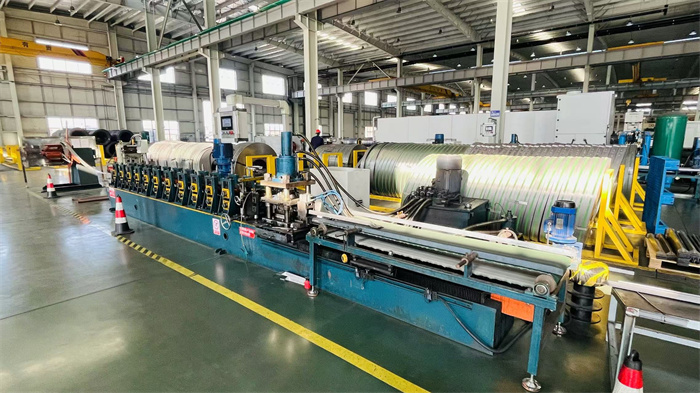
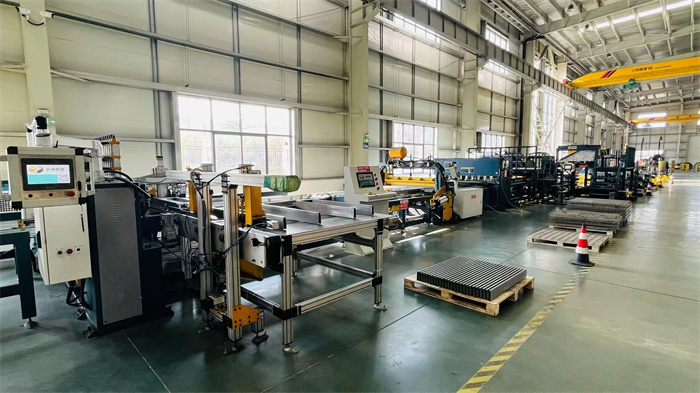
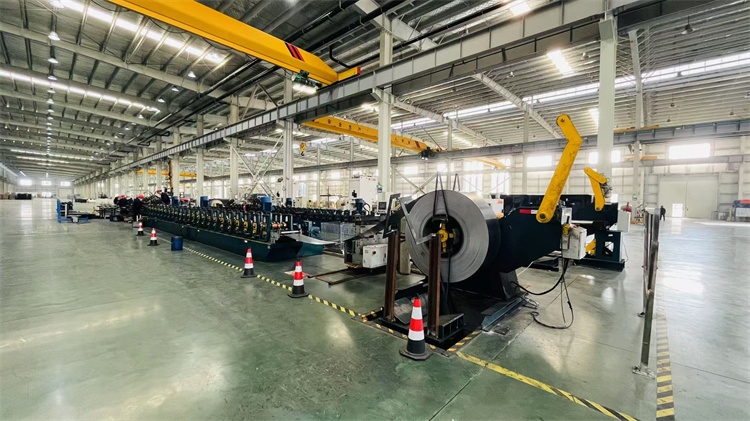
High-altitude racking operations demand absolute compliance with structural engineering limits to ensure plant safety.
Constructed using high-yield cold-formed steel profiles (Q235B and Q345 grades). Designed in conformity with RMI (ANSI MH16.1), EN 15512, and FEM 10.2.02 codes for stability under high static and dynamic seismic loads.
Compatible with mechanical steel guide rails or electronic wire guidance systems (inductively guided). Requires floor specs aligning to TR34 standards (FM1/FM2 classification) to eliminate mast oscillation at elevations.
Optimized for use with specialized swing-reach trucks (VNA Turret Trucks) or Man-up order pickers. Supports concurrent stocking and replenishment cycles, boosting handling speeds for high-volume units.
VNA systems are custom-engineered to meet specific spatial regulations, warehouse layouts, and distribution workflows across different regions.
In highly regulated logistics zones like California, Chicago, and Ontario, warehousing costs demand space maximization. Local fire prevention codes, such as NFPA 13, require rack designs to integrate in-rack sprinkler lines within VNA structures. Our engineers design these spaces to support in-rack pipe routing, ensuring quick regulatory approval and optimal safety.
US distribution operations also require heavy-duty impact protection. Racking uprights are outfitted with post protectors, heavy aisle-end guardrails, and guidance angles to shield structural steel from accidental forklift impact.
European designs must satisfy strict EN standards and seismic verification (Eurocode 3). Across seismically active zones in southern Europe, VNA racking systems must be engineered with heavy diagonal bracing and high-capacity baseplates to absorb and distribute lateral seismic forces.
Additionally, high-density operations in Western Europe often combine VNA racking systems with automated or semi-automated guided vehicles (AGVs), requiring precise manufacturing tolerances during frame assembly and rail placement.
The boundary between traditional narrow aisle racks and fully automated systems is shifting toward hybrid storage solutions.
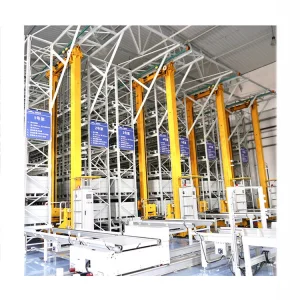
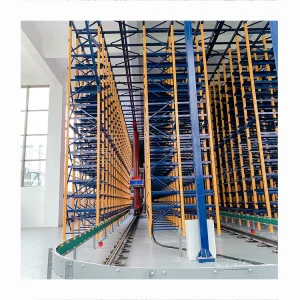
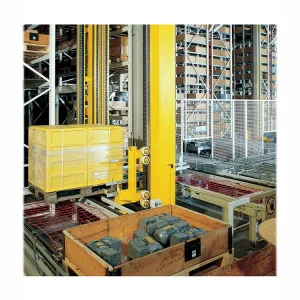
Modern warehouses are upgrading VNA setups to Automated Storage and Retrieval Systems (ASRS). This transition replaces manual turret trucks with automated stacker cranes, allowing for taller configurations and continuous 24/7 operating cycles.
By compacting the floor footprint, VNA reduces the facility's total energy footprint. Heating, cooling, and lighting operations are concentrated in a smaller structural volume, helping companies meet ESG and sustainability targets.
Modern buyers require adaptive structures. Our modular frame systems allow beam adjustments in 50mm or 75mm increments, making it easy to reconfigure the layout if unit load profiles or pallet dimensions change.
A strategic checklist for supply chain executives and engineering directors sourcing industrial racking systems.
When purchasing industrial racking on an international scale, buyers must evaluate criteria beyond unit price to avoid long-term structural liabilities:
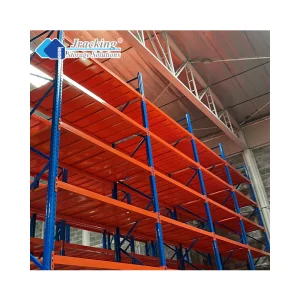
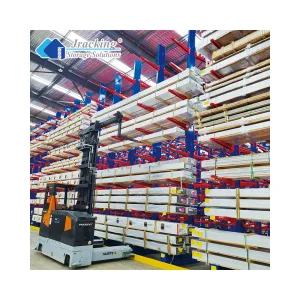
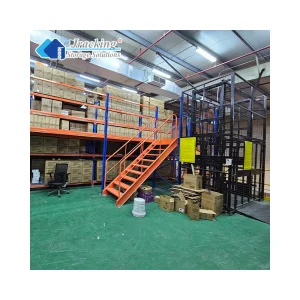
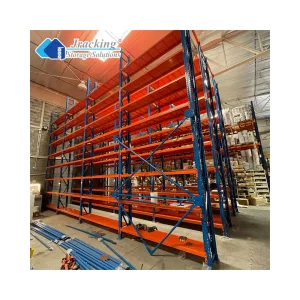
Heavy-duty, European-standard compliant warehouse systems designed to optimize payload carrying capacity and operational safety.
Technical guidance and answers to common engineering, installation, and procurement questions.
 Jracking