High-capacity structural layouts custom engineered for irregular, long, and heavy materials
Navigating the evolution of structural high-capacity steel storage systems
Modern distribution centers are rapidly coupling cantilever frames with automated storage and retrieval systems (AS/RS). Dynamic mechanical guide rails are integrated directly into structural base components to enable AGVs and specialized reach trucks to safely load and extract heavy piping at heights exceeding 10 meters.
Racking structural safety guidelines are tightening globally. Using state-of-the-art software, cantilever systems are pre-stressed and simulated under dynamic load tests and regional seismic parameters (such as RMI/AS4084 guidelines) prior to raw material extrusion.
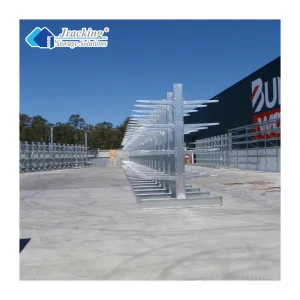
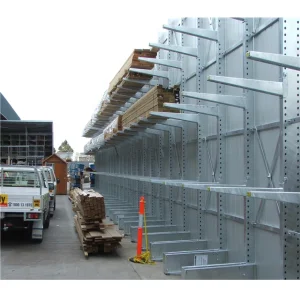
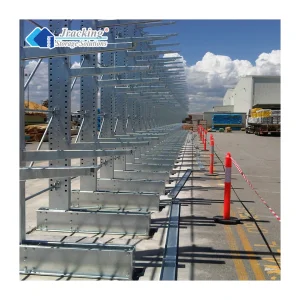
Weather resistance and durability are critical. The global industrial storage market is transitioning heavily to Hot-Dip Galvanized (HDG) steel components and advanced polyurethane powder coatings. This guarantees over 20 years of rust-free operations in extreme outdoor conditions, chemical storage yards, and unheated dock spaces.
Under international safety standards, the transition from low-grade carbon steel to verified Q235 and high-yield Q355 carbon steel represents a fundamental shift. Higher yield strength allows thinner profiles to carry heavier loads safely, reducing deadweight in transport while providing unmatched stability under maximum dynamic load stress.
B2B procurement professionals from commercial supply chains, heavy machinery plants, and construction supply depots face recurring headaches in cantilever procurement. Key pain points include shipping dimensional limits, structural safety certification mismatches, and poor design layout adaptation.
Total Cost of Ownership (TCO) Optimization: Beyond the initial purchase price, import duties, installation costs, and modular adjustment possibilities determine long-term ROI. By partnering with a vertically integrated OEM & ODM manufacturer, buyers secure directly certified storage configurations designed to minimize freight volumes and assembly labor.
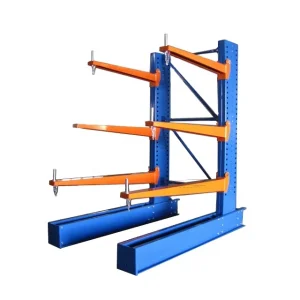
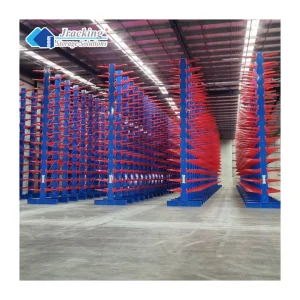
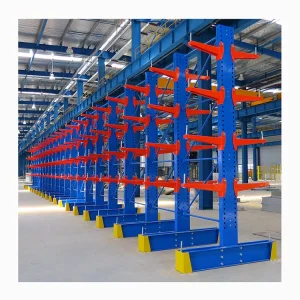
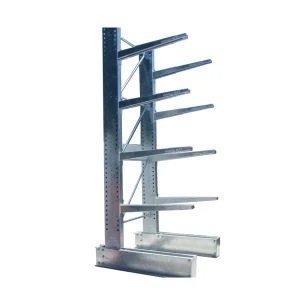
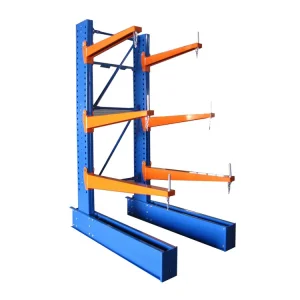
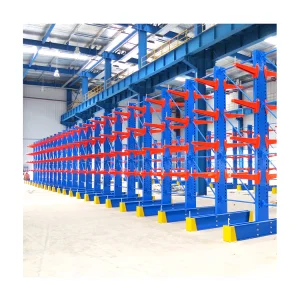
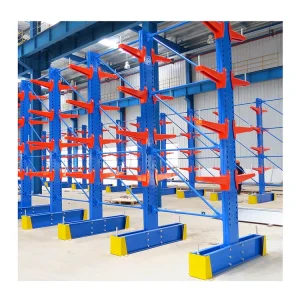
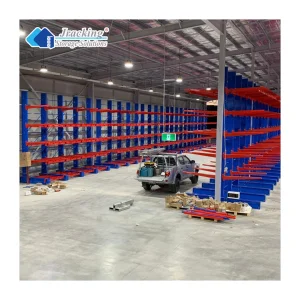
Whether you require single-sided configurations to run along walls, or double-sided units to optimize aisle access, precise structural calculations ensure your floor space is utilized up to its structural limit without sacrificing operator safety.
| Procurement Factor | Standard Risk Case | Jracking Optimized Strategy |
|---|---|---|
| Freight Volume | High shipping container waste | Dismountable base & modular arms |
| Compliance Validation | Fails local structural audits | CE certified & ISO-compliant testing |
| Load Matching | Over-designed or system failure | Exact weight-bracket engineering |
| Corrosion resistance | Rapid oxidation under moisture | HDG (Hot-Dip Galvanized) & Q235 Steel |
Configured profiles tailored to high-density operational needs
Long cylindrical components risk rolling off standard shelves. Jracking cantilever arms feature end-stop pins and containment retainers, ensuring that cylindrical PVC, copper, and structural steel pipes remain securely seated on the arms during high-frequency reach truck maneuvers.
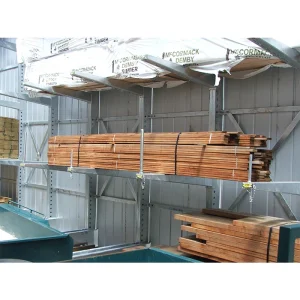
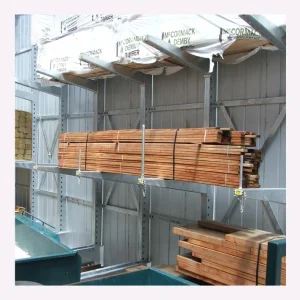
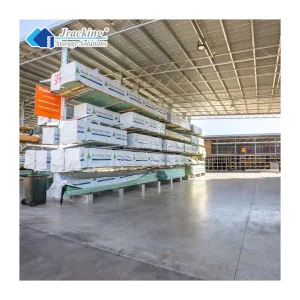
Lumber bundles are prone to flexing and sagging if poorly supported. Our multi-arm structural spacing is calculated based on wood grade densities and package sizes, distributing heavy loads evenly to prevent raw material warping and surface damage.
With optional wire mesh decking or steel shelf support structures, cantilever arms transform into wide-access platforms. This configuration provides forklift operators unobstructed entry to load flat steel sheets and industrial coils without column interference.
A professional manufacturer specializing in warehouse racking systems and industrial storage solutions in China
Established in 2016, Jracking (Guangdong) Storage Co., Ltd. has dedicated itself to the engineering, manufacturing, and global supplying of heavy-duty warehouse racking equipment. Backed by 8 years of export experience and 12 years of industry expertise, our high-performance structural systems serve customers across North America, Europe, Southeast Asia, Australia, and the Middle East.
As a leading OEM & ODM manufacturer, Jracking coordinates dynamic supply paths with over 1,150 supply chain partners. This robust integration facilitates fast material acquisition, agile manufacturing schedules, and on-time international delivery. Our core client base spans across warehouse distributors, heavy logistics centers, import agencies, and large industrial contracting groups.
Innovation is at our core, powered by an engineering team of 85 R&D specialists. We provide extensive customizations on size, arm configuration, steel grade, and powder-coating colors. In the past year alone, Jracking successfully launched 156 new storage products globally.
Our quality management workflow conforms to strict ISO-compliant procedures. Before packing and shipping, our structural components undergo thorough quality testing, including:
This comprehensive checklist guarantees that every upright, base, arm, and brace is safely configured and matches structural specifications before arriving at your facility.
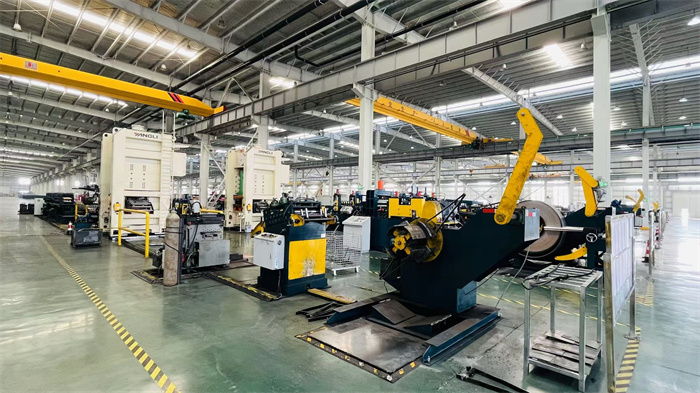
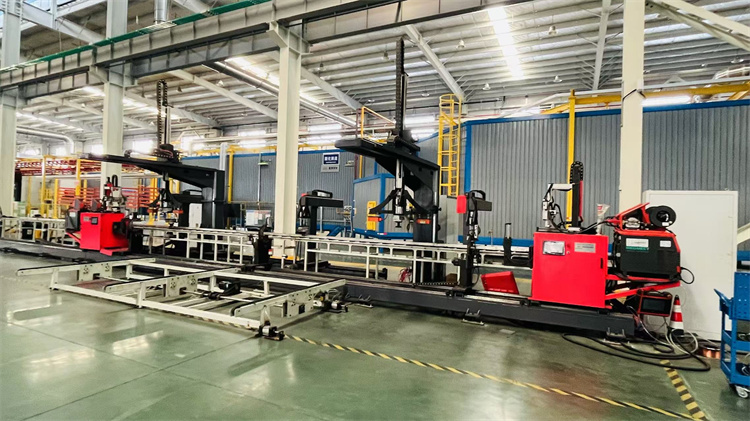
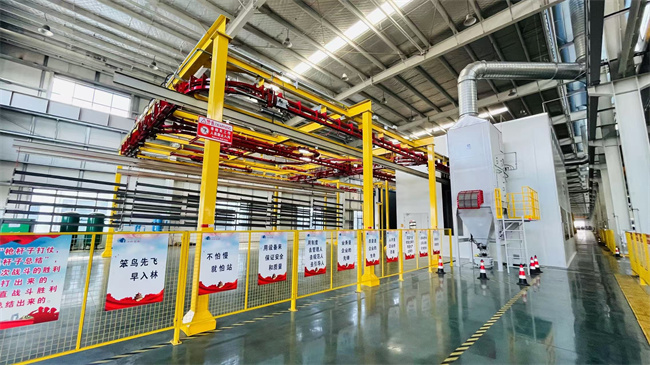
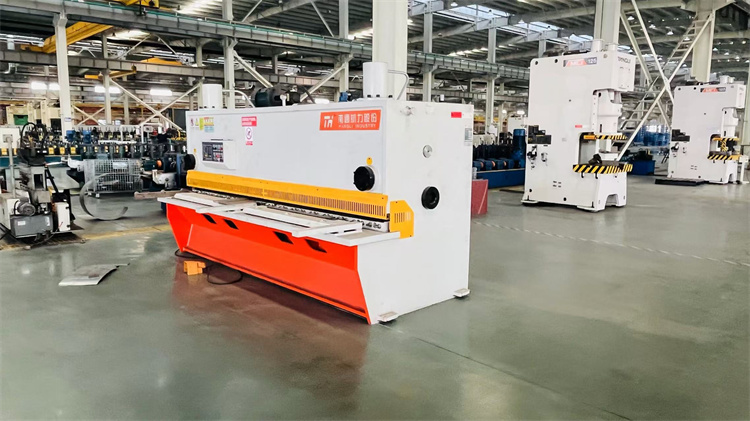
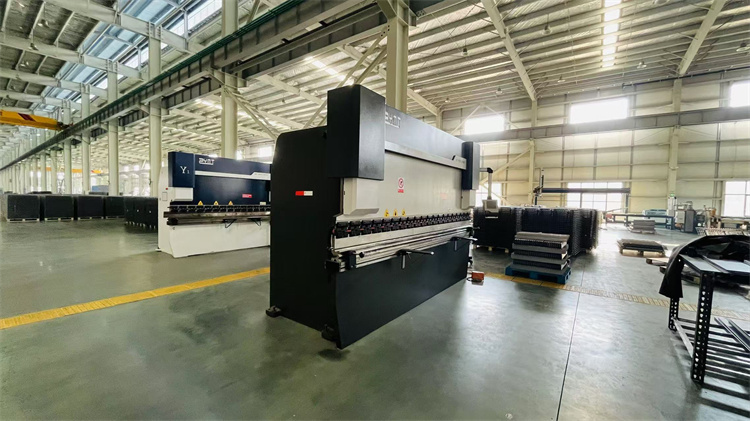
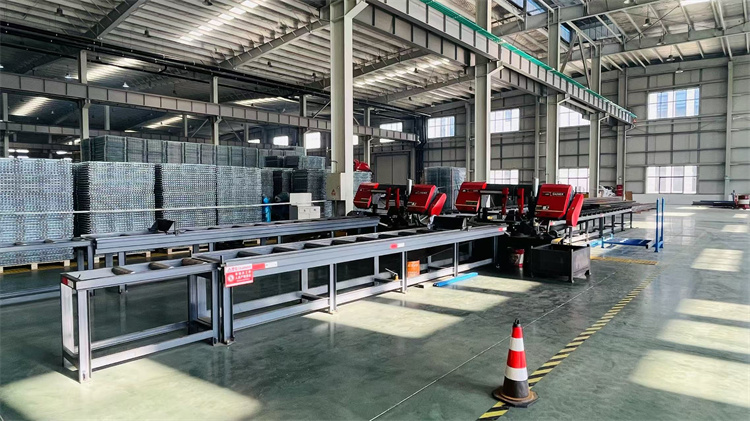
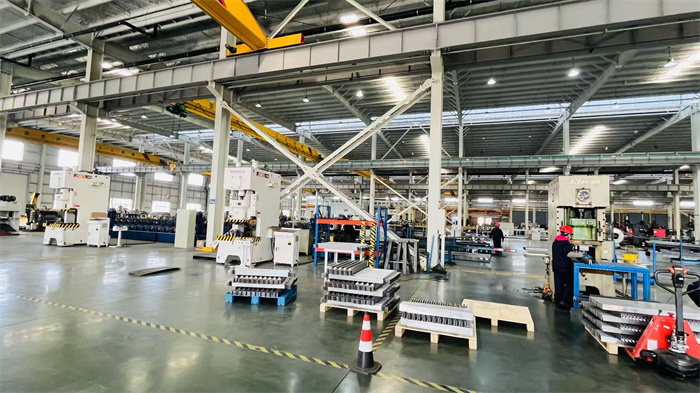
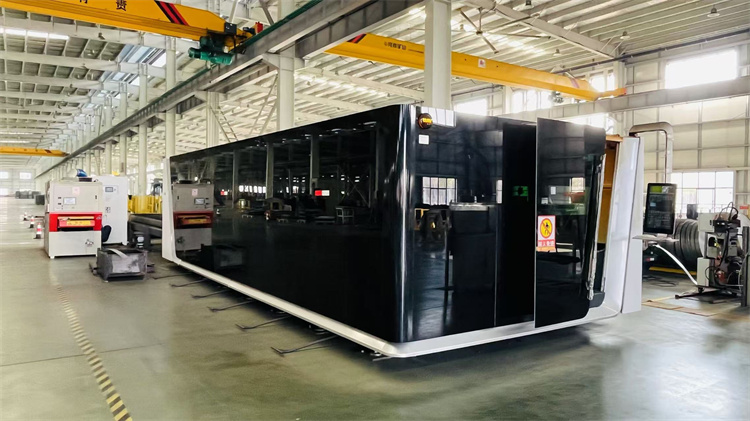
Visual breakdown of our step-by-step raw material transformation
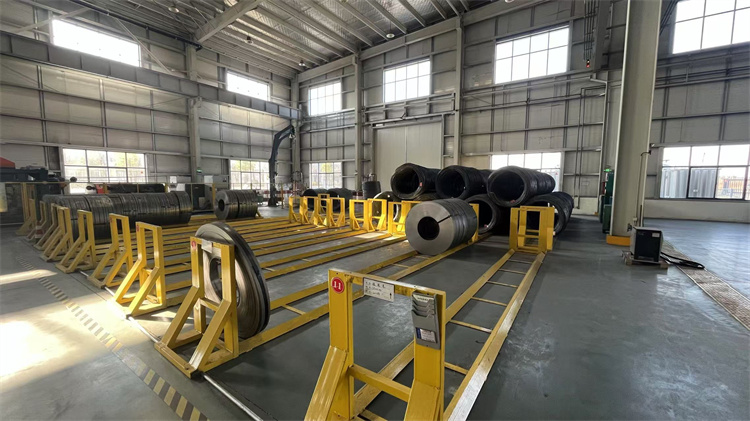
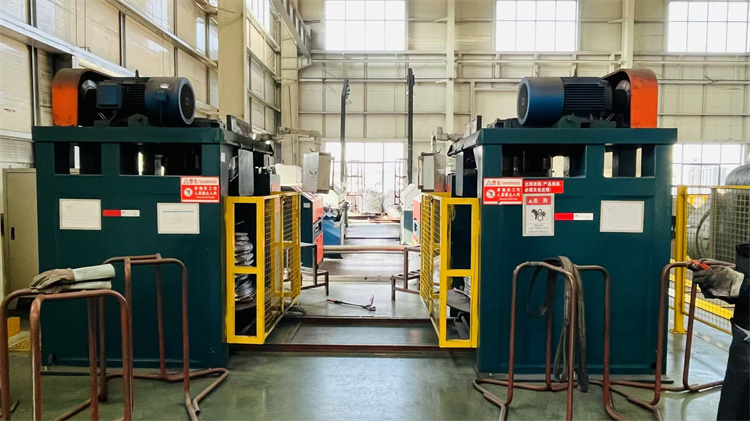
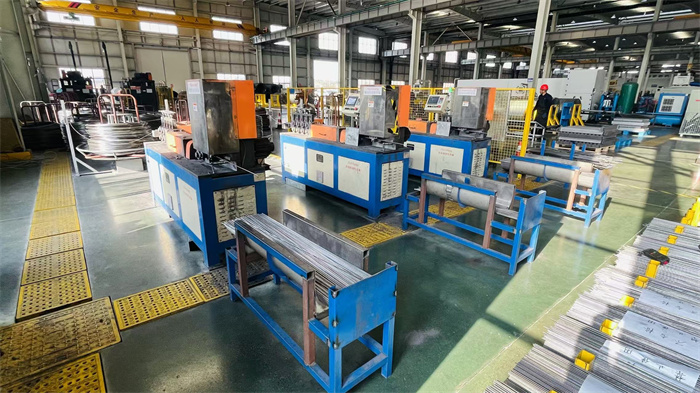
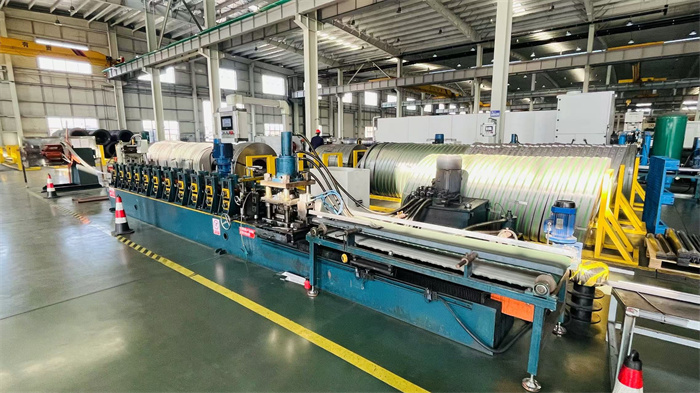
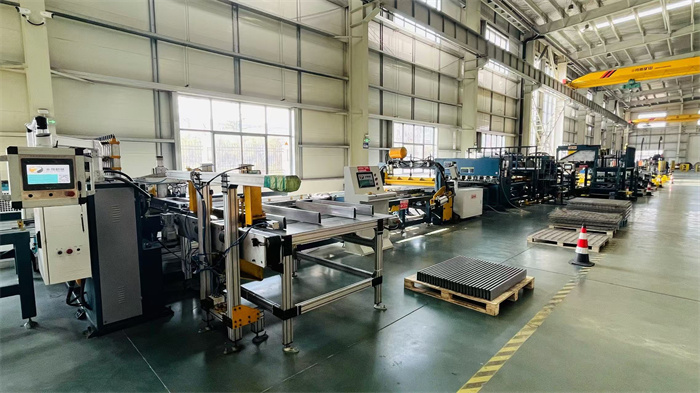
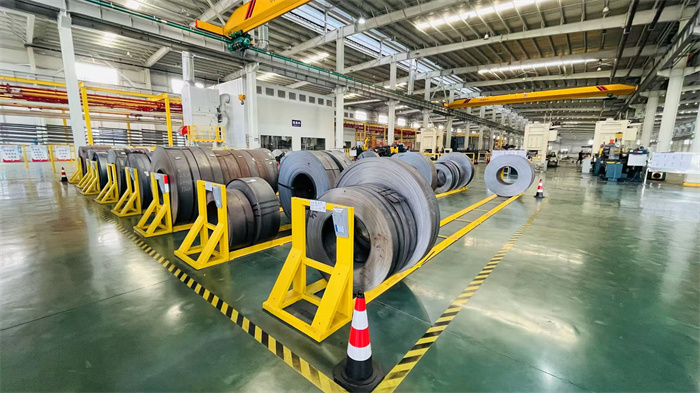
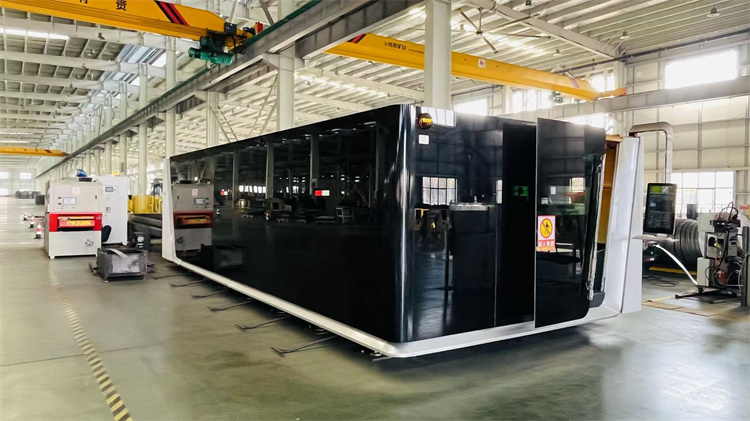
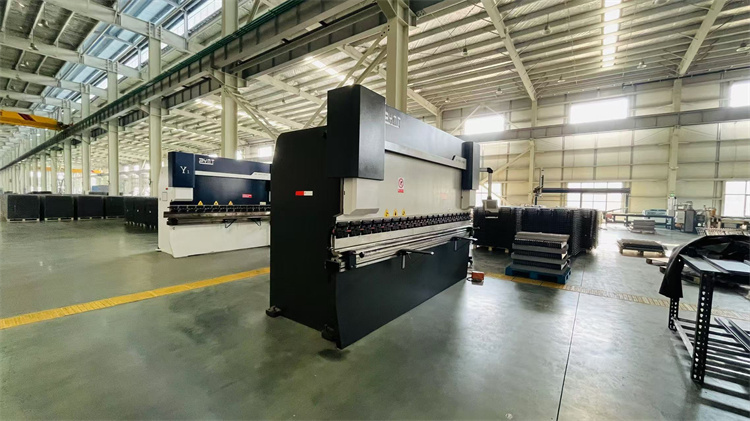
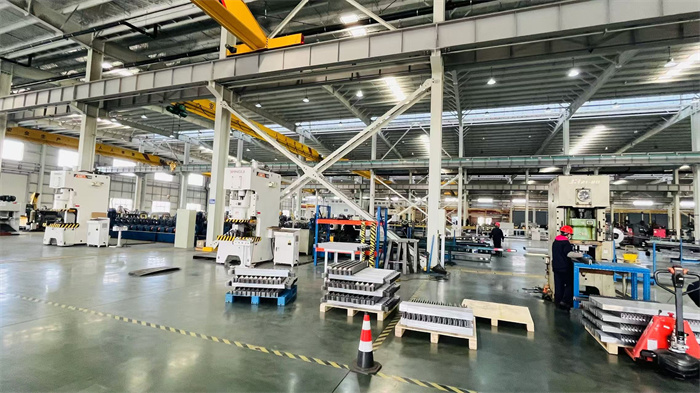
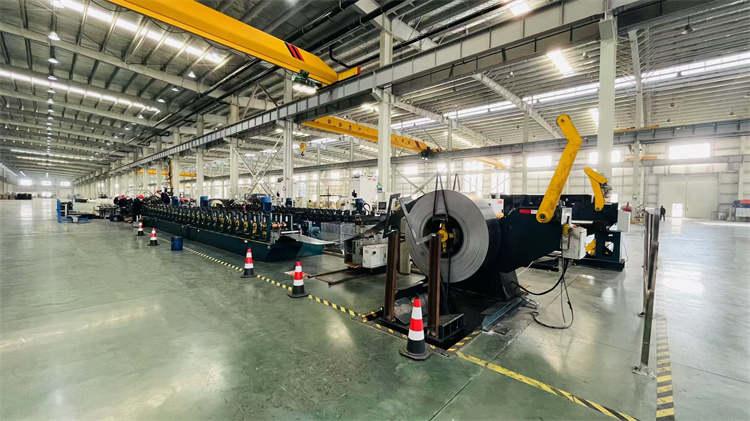
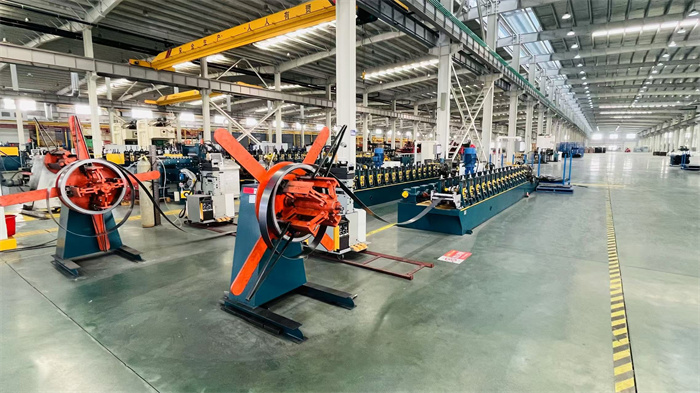
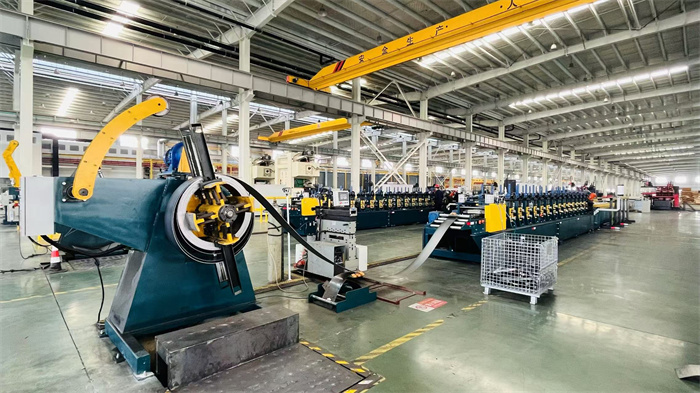
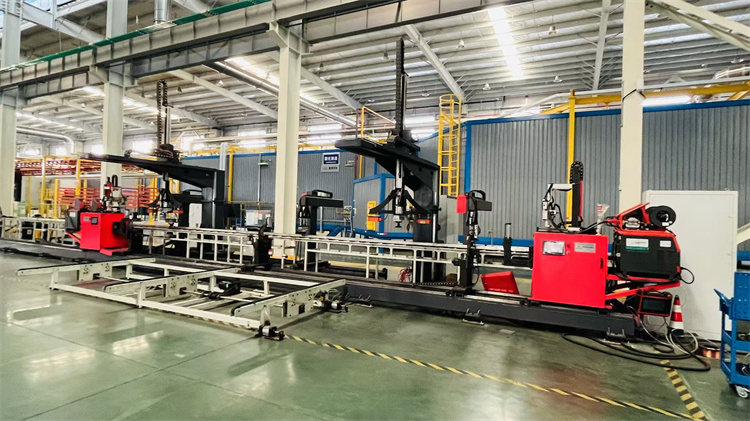
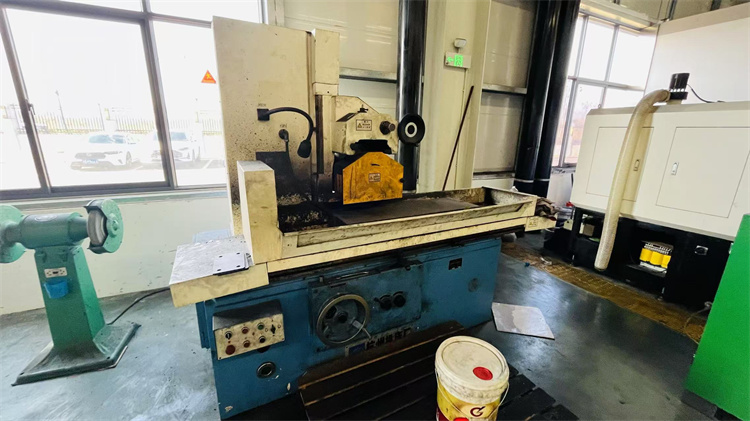
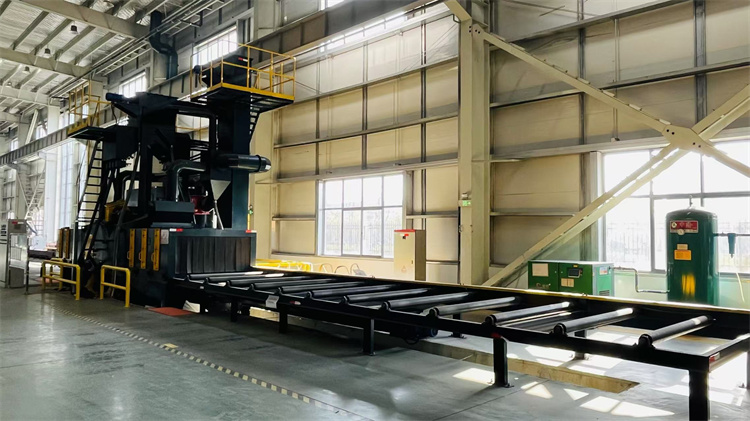
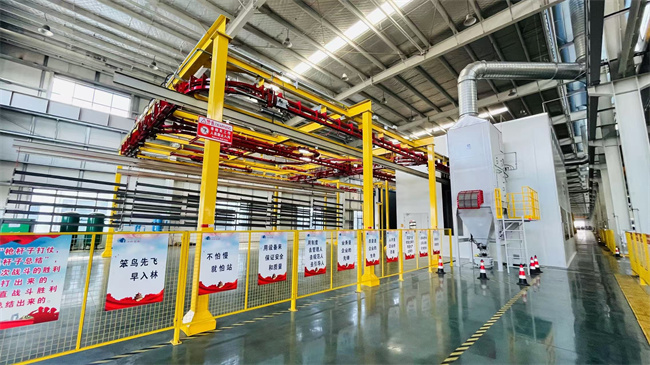
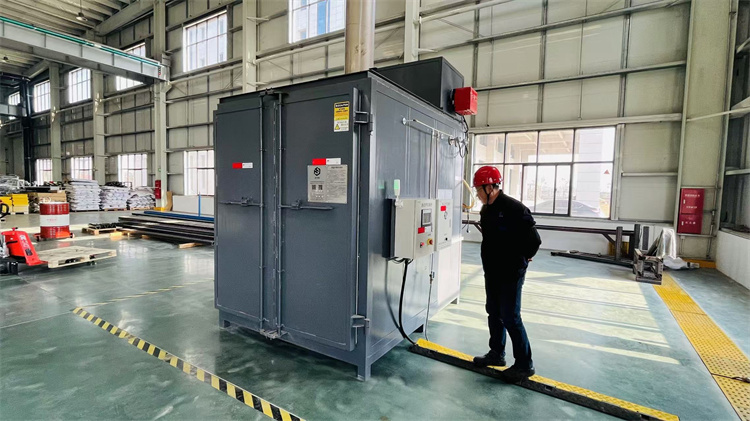
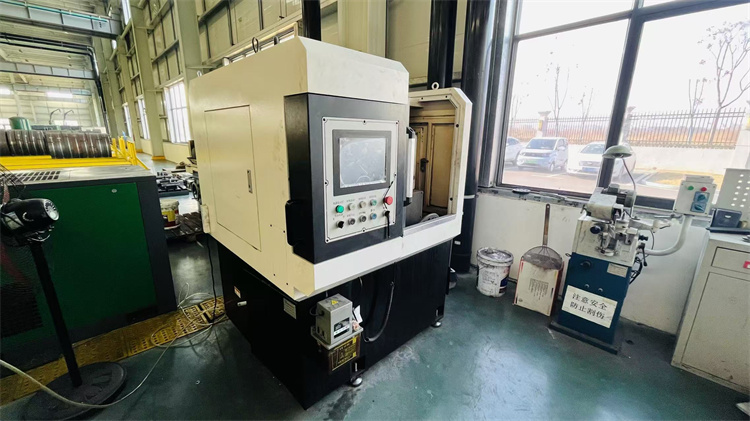
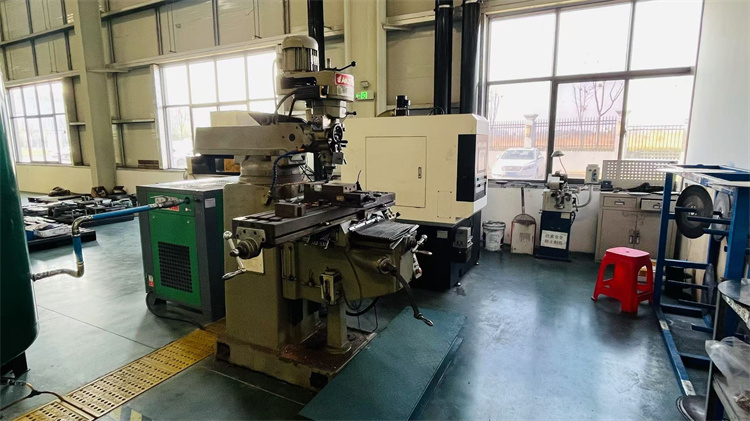
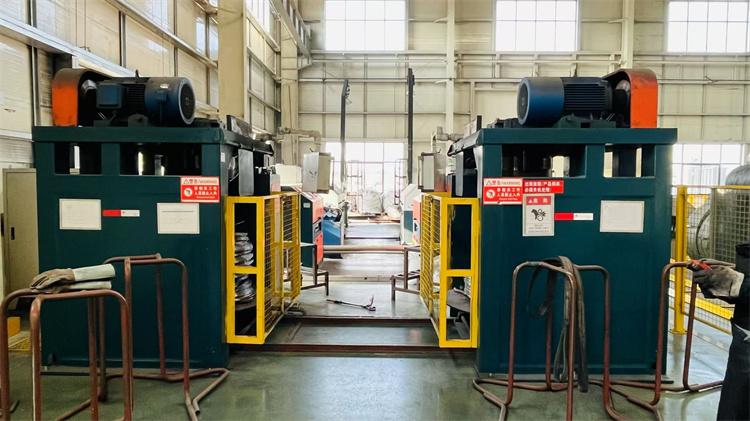
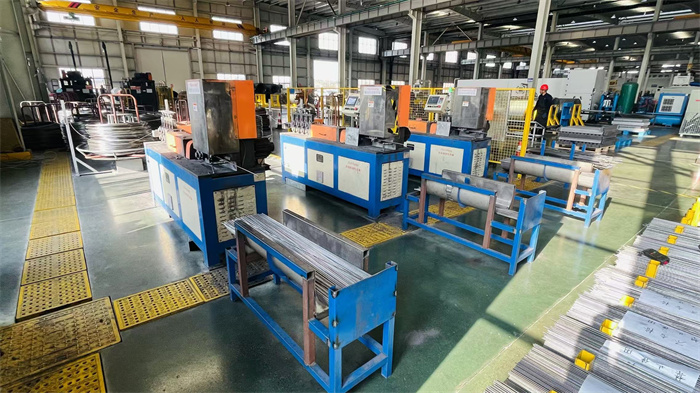
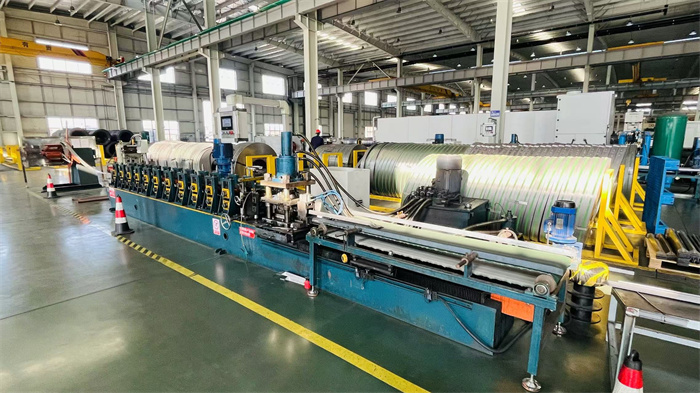
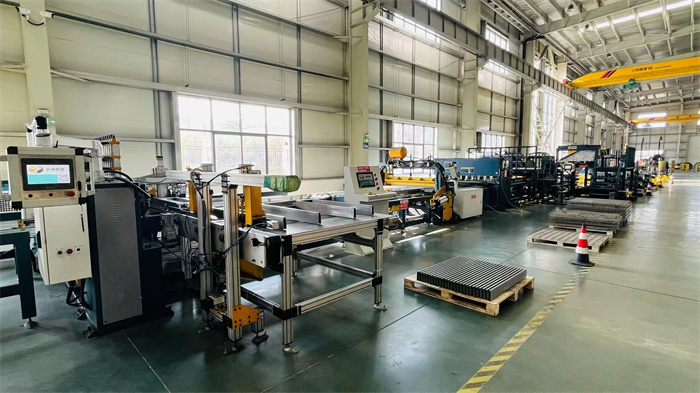
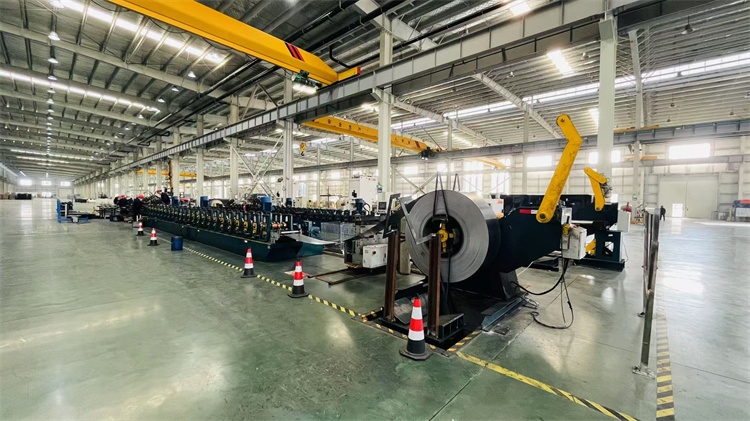
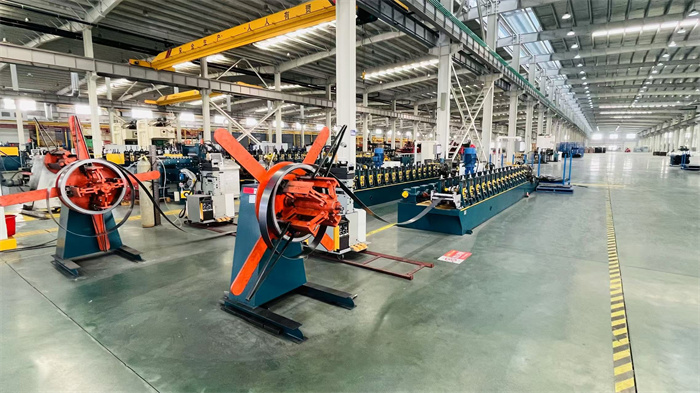
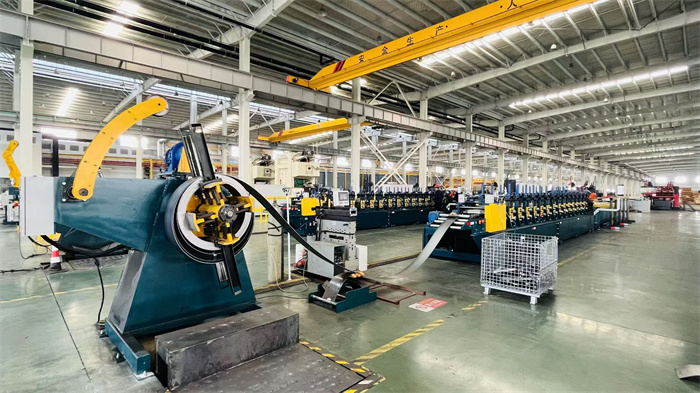
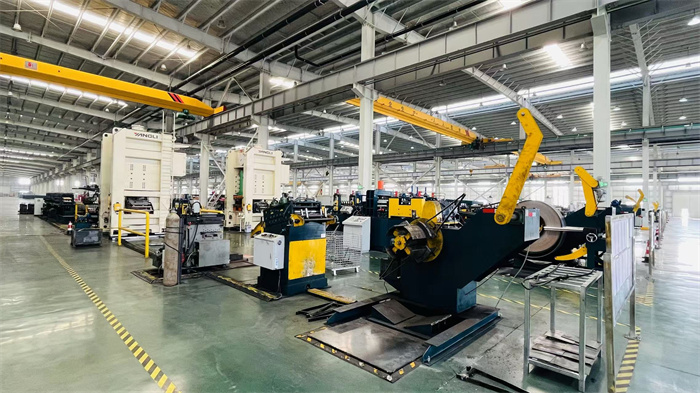
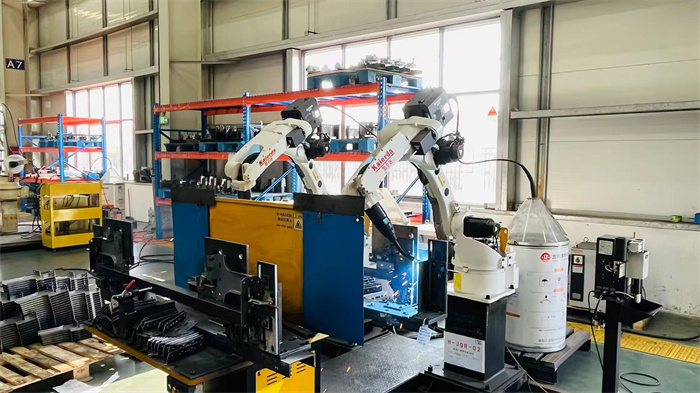
Certified engineering that meets rigorous local building and safety codes worldwide
Our heavy-duty cantilever lines are engineered to meet RMI (Rack Manufacturers Institute) and AISC specifications. We construct columns with precision punching patterns to accommodate standard US accessories, seismic baseplates, and local building permit requirements.
For European buyers, Jracking delivers configurations compliant with FEM 10.2.09 (design guidelines for cantilever racking) and CE marking parameters. Every vertical column and arm link is calculated under multi-load bending stress parameters.
Our structures comply with the rigorous AS4084-2012 / AS4084-2023 steel storage rack guidelines, requiring rigorous physical test sequences on structural steel columns under eccentric load alignments to ensure safe operation in Australian warehouse facilities.
Future-proofing industrial warehouse spaces through structural innovation
We are piloting micro-sensor integration within cantilever arm pivots. These sensors communicate over a secure mesh network to alert warehouse managers of dynamic deflection and overload risks before structural warping occurs.
By blending cold-rolled sections with high-yield structural steel members, we aim to reduce product deadweight by 15% while increasing load capacity limits. This will lower shipping costs and make installation easier.
We are developing an AI-driven, cloud-based design tool. This system allows international distributors to input building dimensions and material profiles, instantly generating structural drawings, FEA stress analyses, and localized code compliance validations.
Answers to common technical, design, and purchasing questions about cantilever racking systems
Engineered for durability, modular expansion, and high performance
 Jracking