Direct supply-chain systems engineered specifically for warehouse owners and operators across Pakistan’s major commercial hubs.
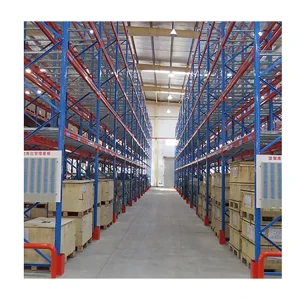
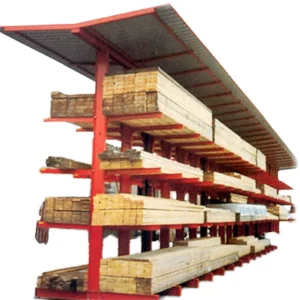
The industrial landscape in Pakistan is undergoing a major paradigm shift. Propelled by the development of the China-Pakistan Economic Corridor (CPEC), critical logistics nodes like the port city of Karachi, the economic centers of Lahore and Faisalabad, and the emerging deep-sea hub of Gwadar are seeing unprecedented demand for modern logistics spaces. Traditional vertical warehouses are rapidly converting into high-density, structured racking facilities.
For warehouse owners in Pakistan, the challenges are multi-faceted. Operating cost structures, volatile energy rates, and floor space constraints require optimal utilization of cubic footprint. Storage density must be maximized without compromising structural safety or speed of access. With the rise of domestic manufacturing, textile exports, and international e-commerce channels entering Pakistan, warehousing has shifted from simple flat storage layouts to complex engineering architectures.
Jracking (Guangdong) Storage Co., Ltd. addresses this transition directly. By acting as a premium supplier and exporter to the Pakistan market, we bring precision-engineered, ISO-compliant manufacturing capabilities to help warehousing operators streamline logistics flow, improve safety compliance, and maximize throughput efficiency.
Pakistan exhibits distinct geographical seismic classifications. Northern regions, including parts of Khyber Pakhtunkhwa and areas surrounding Quetta and the Chaman Fault, are classified as high seismic zones. When designing warehouse structures in these areas, racking configurations cannot be generic. Failure to calculate proper seismic acceleration forces can result in catastrophic rack collapses.
At Jracking, our structural engineers utilize advanced finite element analysis (FEA) software to simulate local stress, bending moments, and load displacements under seismic conditions. We conform to international design standards including the European Standard FEM 10.2.02, American RMI standards, and Australian Standard AS4084. Our structural steel members are fabricated from high-grade raw steel (Q235B and Q355B), offering optimal yield strength and ductility to absorb kinetic energy during seismic shifts.
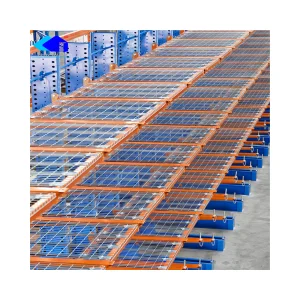
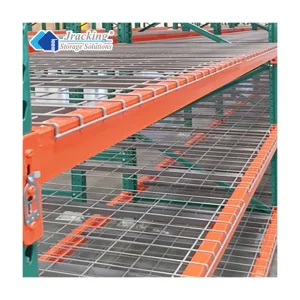
Additionally, coastal operations in Karachi present severe corrosive environments due to high humidity and marine salt exposure. Standard powder coating will degrade quickly. We recommend our specialized galvanized wire-mesh decking or hot-dip galvanized racking components to resist rust, ensuring a system lifecycle exceeding 15 years.
| Parameters | Standard Configurations |
|---|---|
| Yield Strength | Q235B & Q355B Carbon Structural Steel |
| Seismic Compliance | AS4084 / FEM 10.2.02 / RMI Specifications |
| Corrosion Protection | Electrostatic Epoxy Powder / Hot-Dip Galvanization |
| Safety Coefficients | 1.5 to 1.8 structurally designed safety margins |
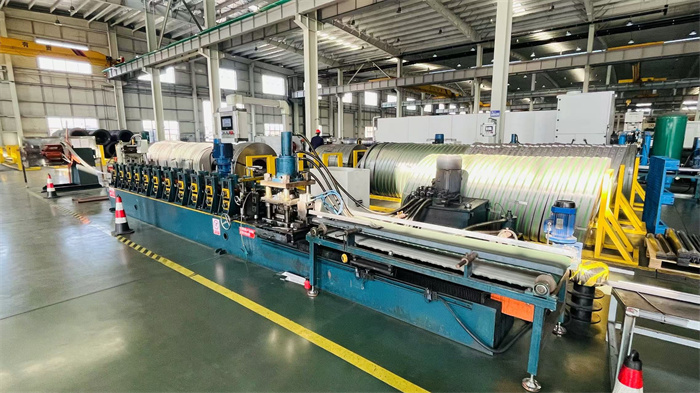
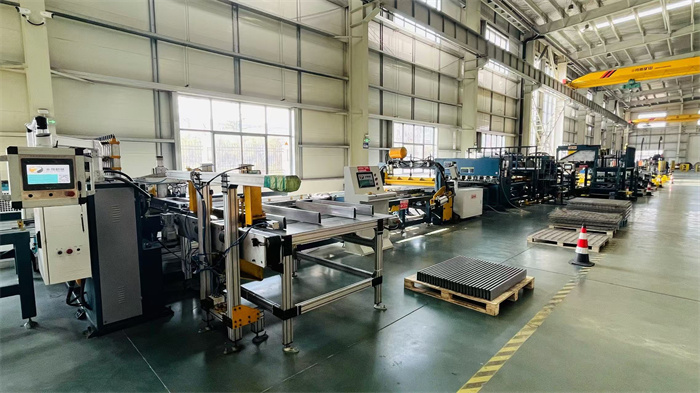
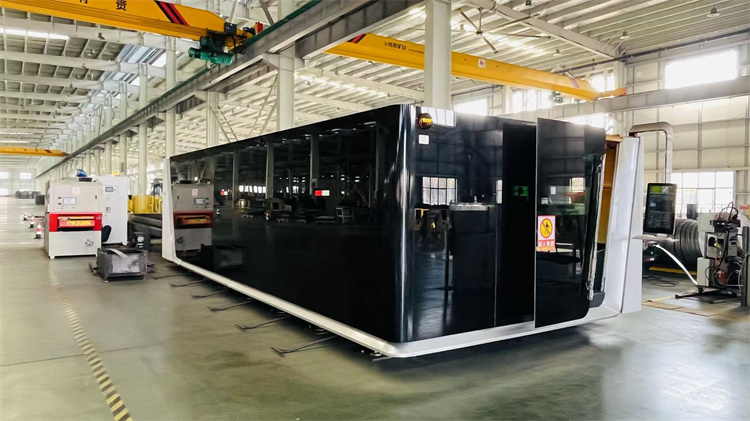
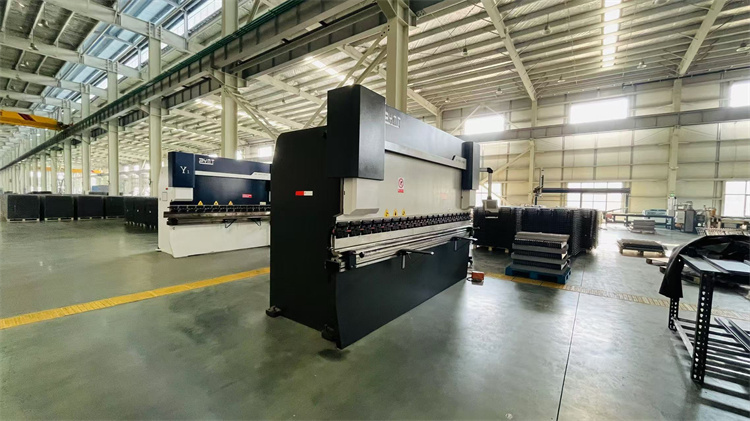
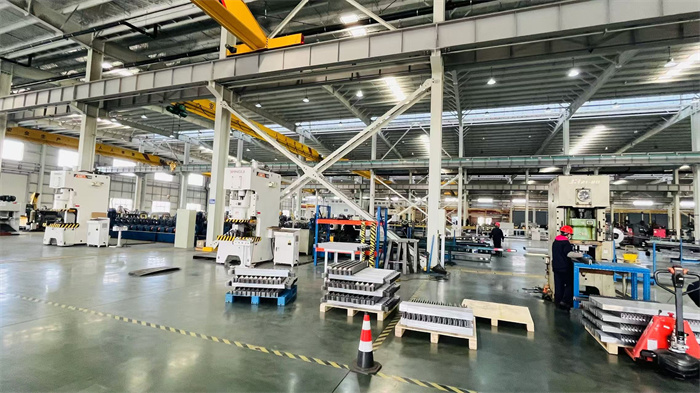
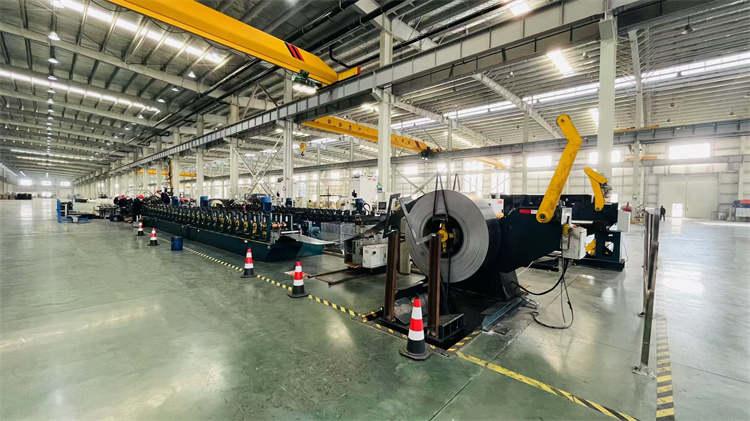
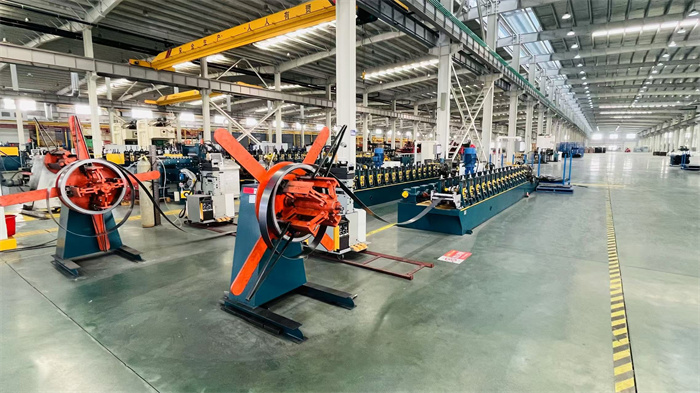
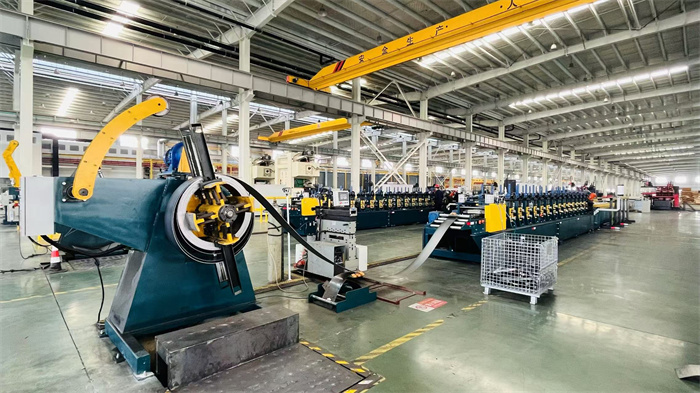
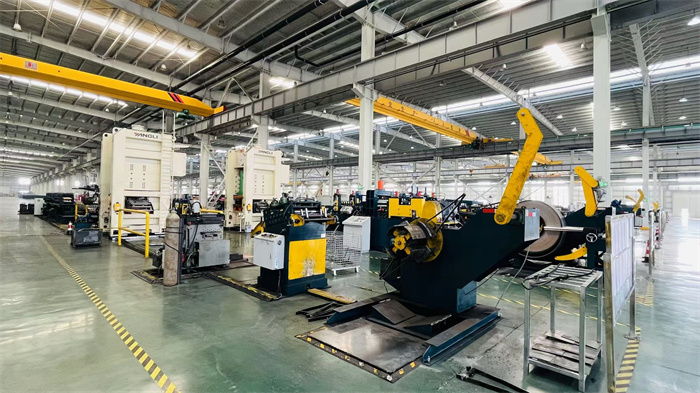
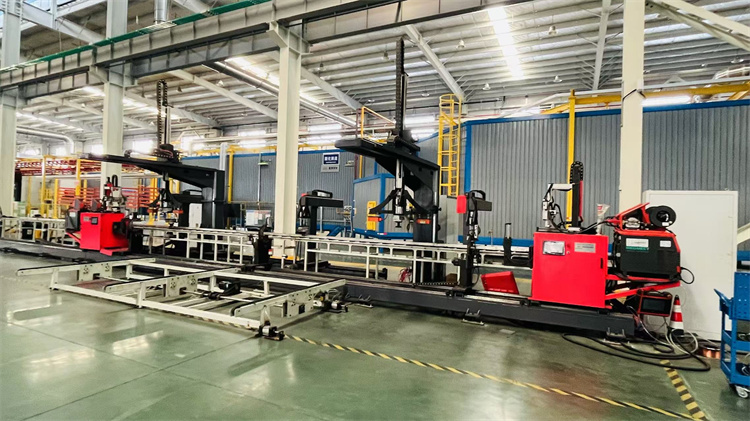
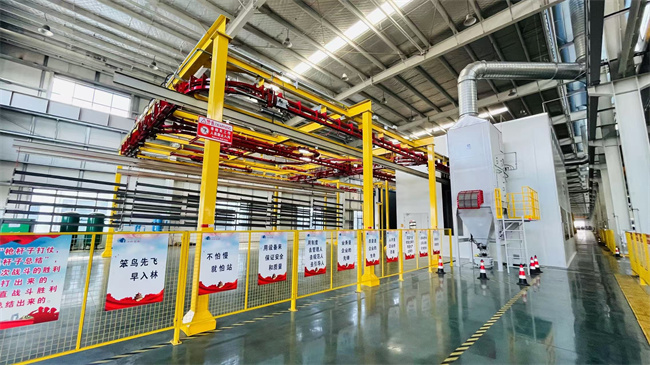
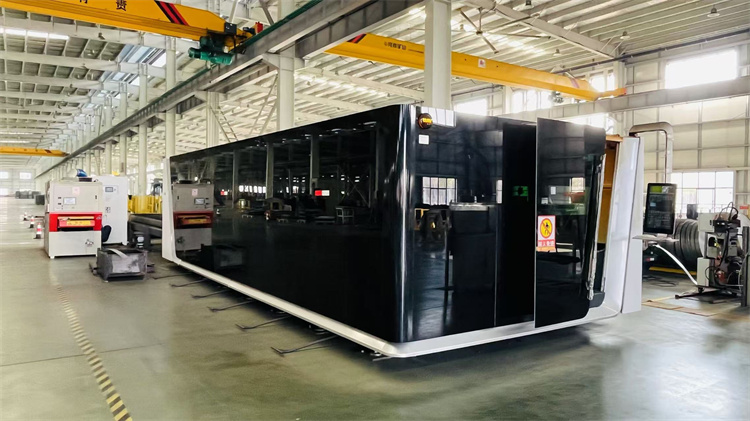
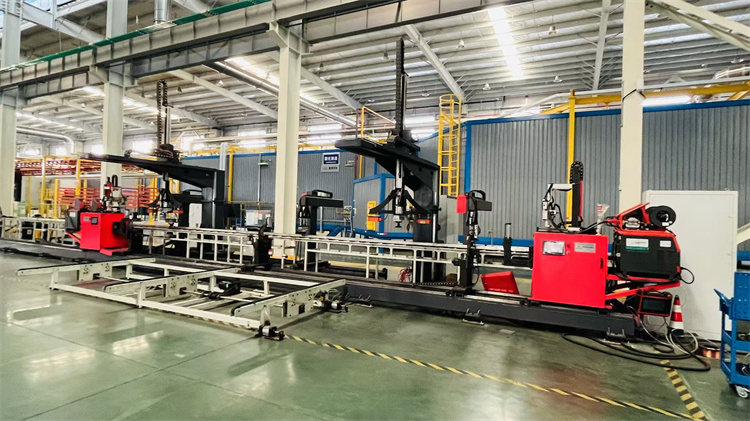
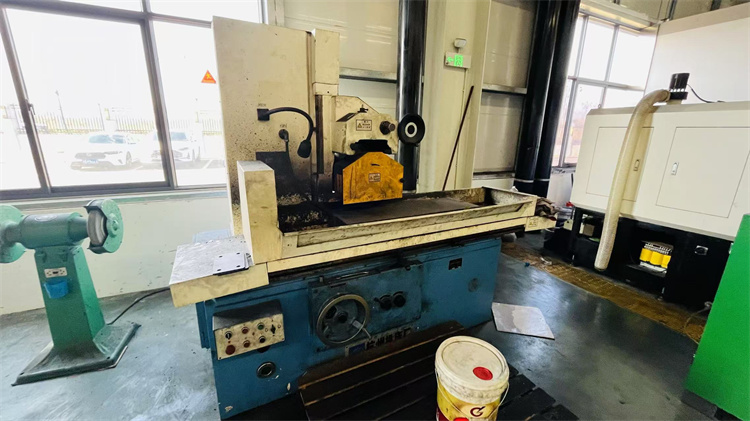
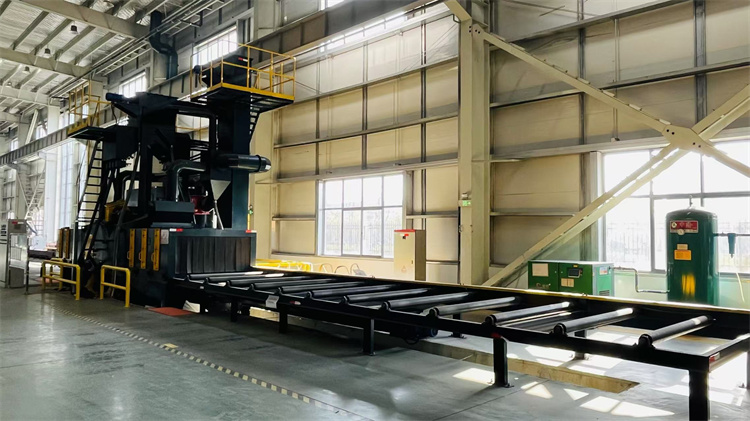
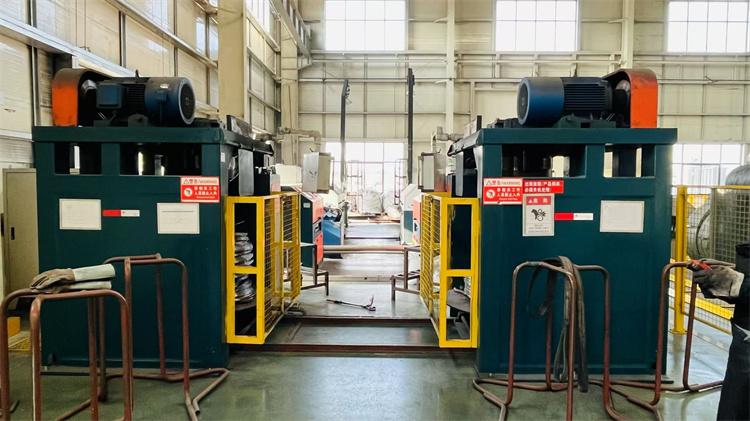
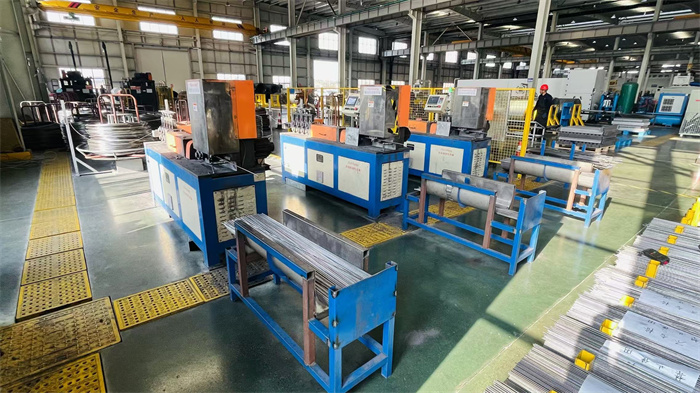
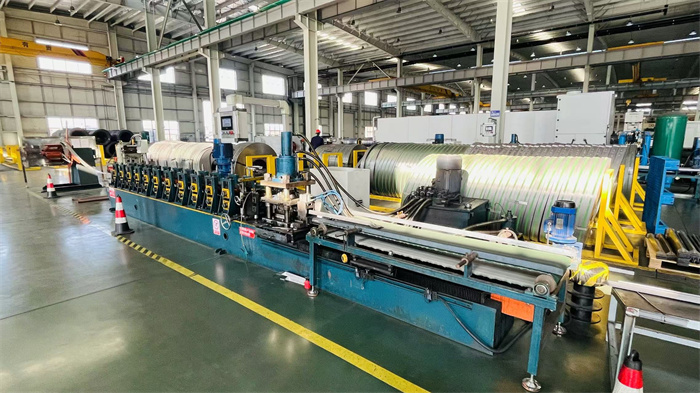
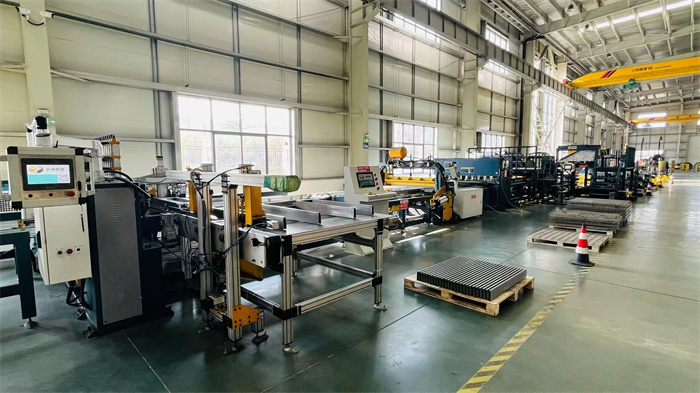
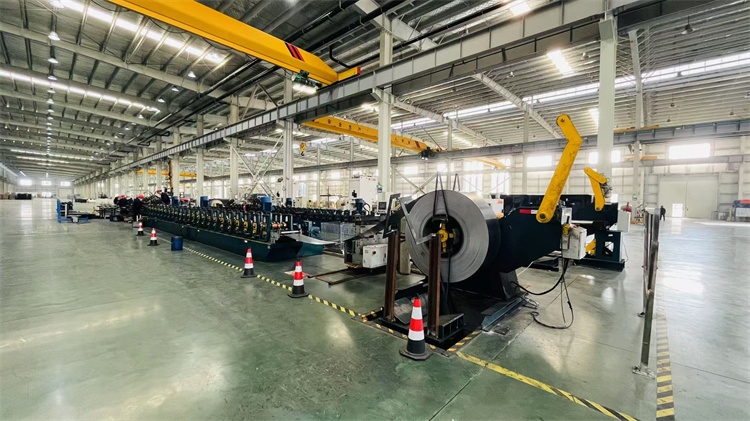
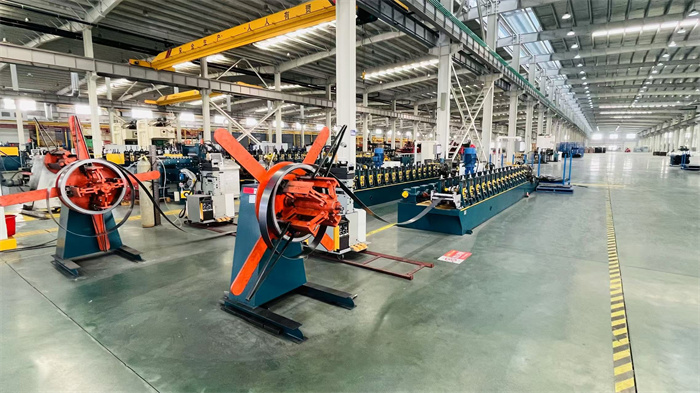
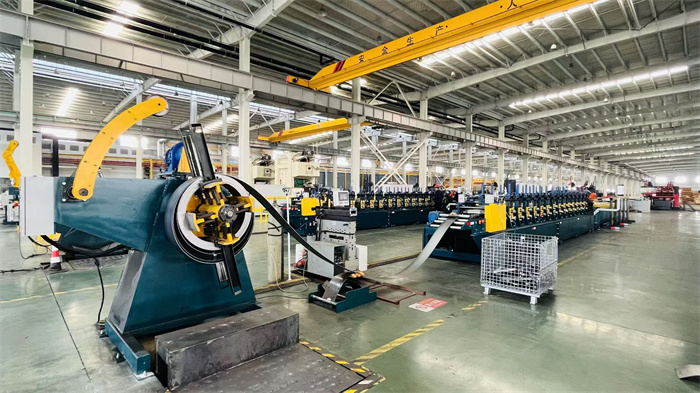
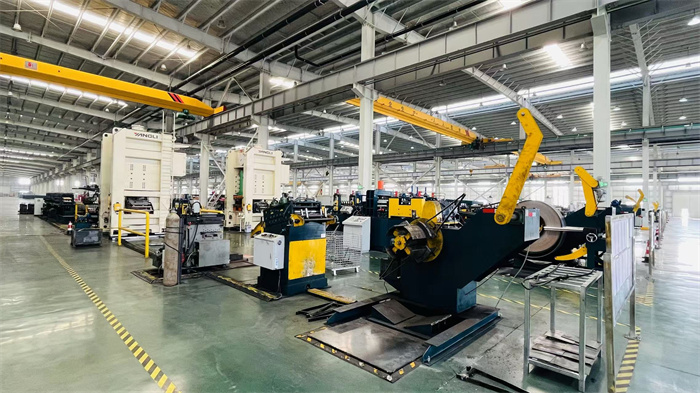
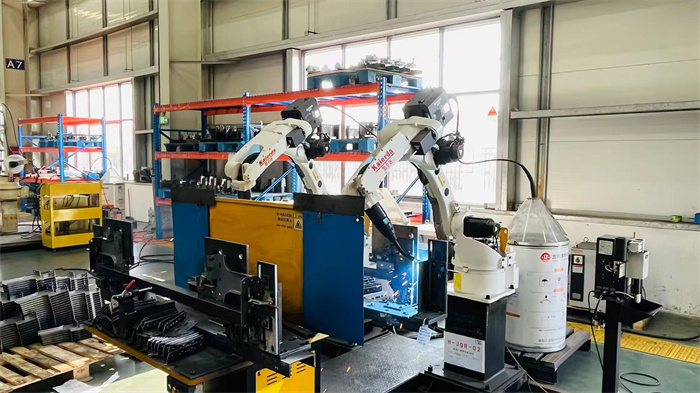
How Jracking leverages state-of-the-art automated manufacturing to guarantee structural reliability and prompt delivery times to Karachi Ports.
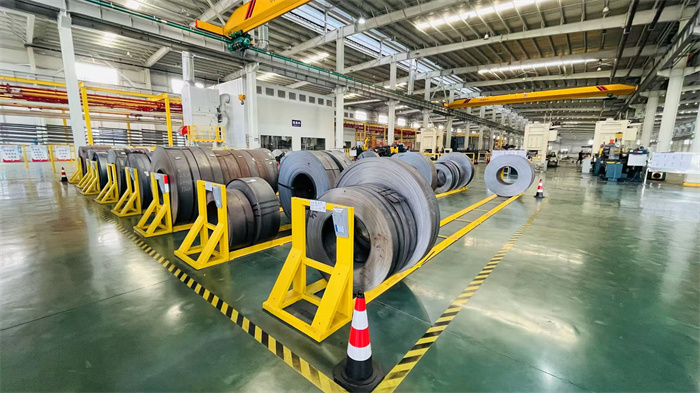
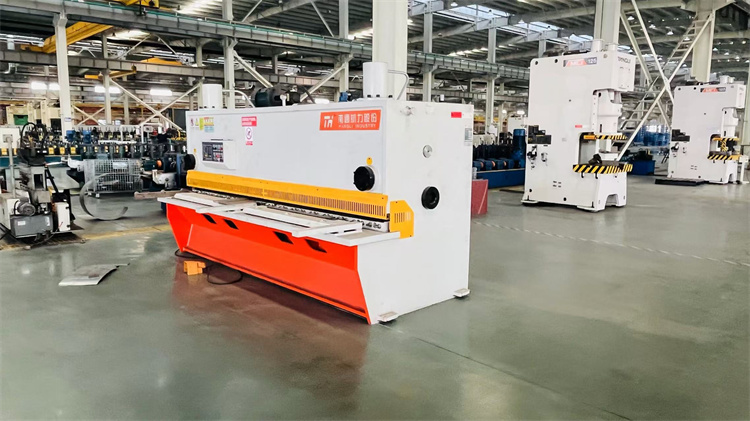
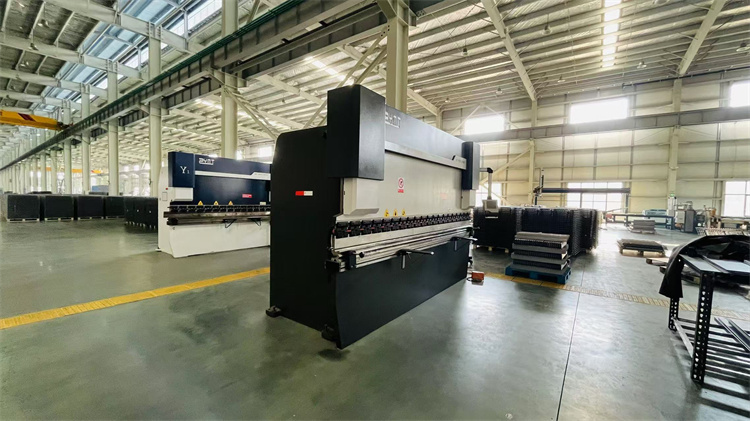
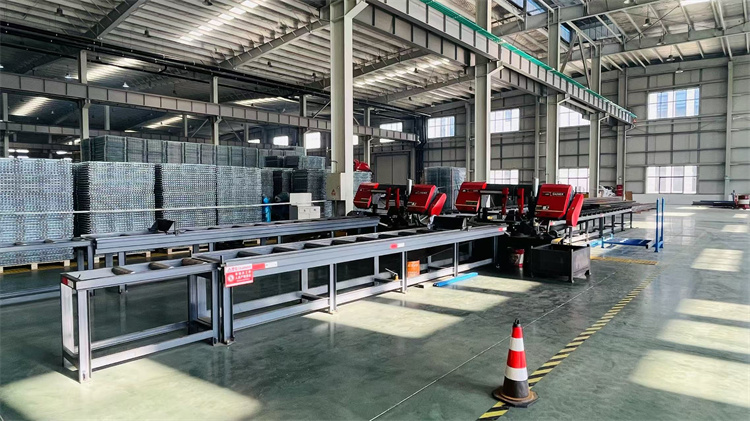
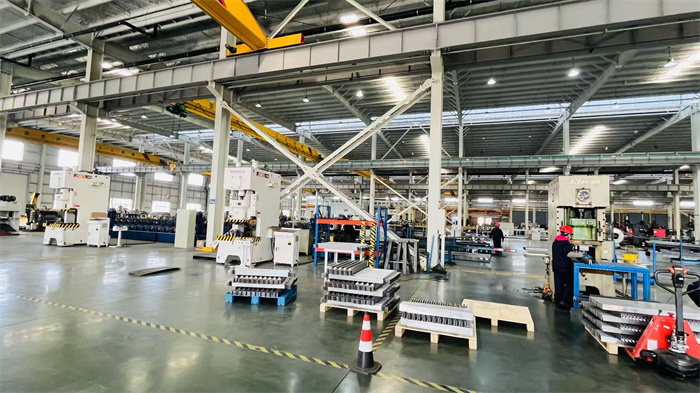
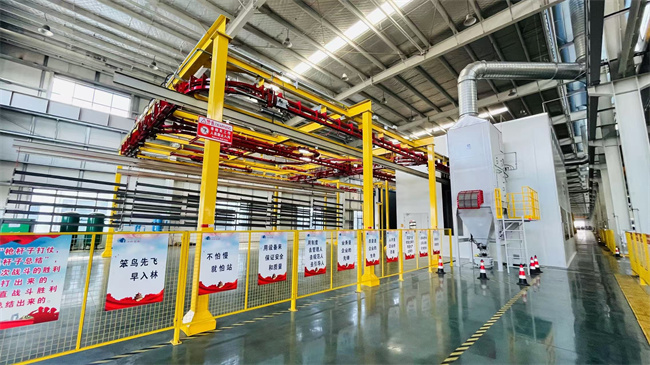
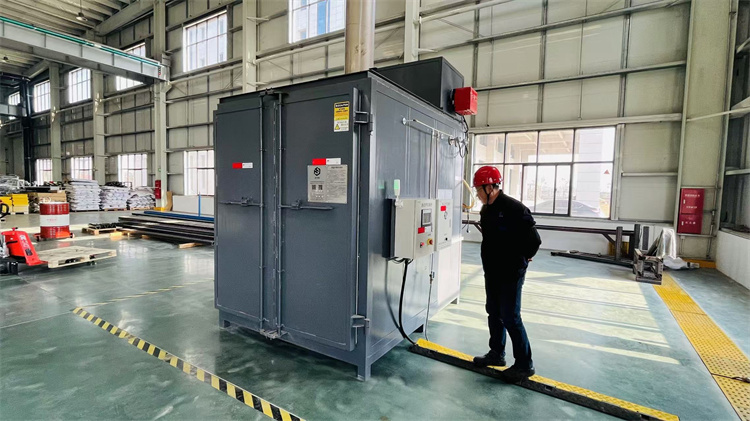
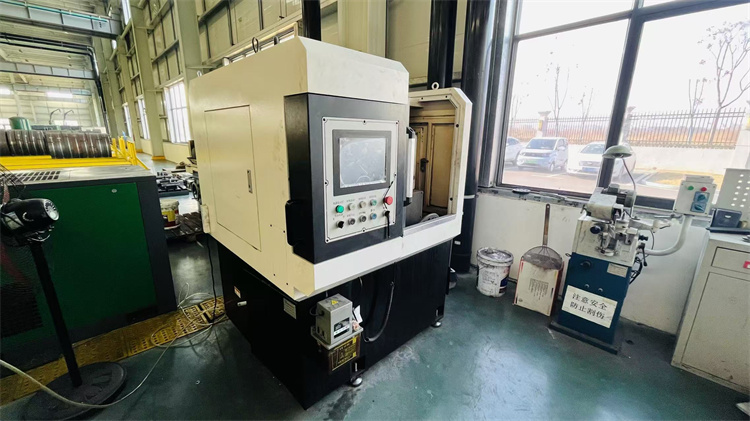
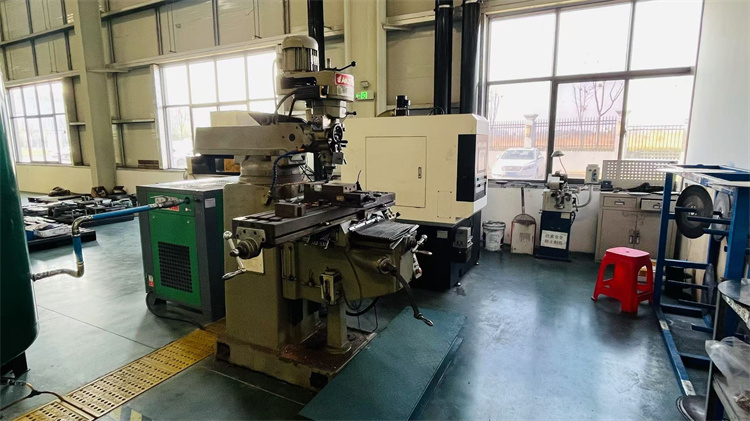
Operational efficiency is deeply tied to reliable product quality. Jracking's modern manufacturing facility in Guangdong spans 28,600 m², featuring automated roll-forming lines, advanced robotic welding stations, and an integrated electrostatic powder coating plant. Over 48 professional quality inspectors verify critical performance indicators throughout production, including raw material chemical testing, welding penetration depth, and powder coating thickness.
By bypassing brokers and sourcing direct from Jracking, Pakistan warehouse owners secure high-tier OEM and ODM pricing structures, removing regional supplier margins. We offer transparent scheduling from raw material coil sourcing to sea-freight booking, keeping your local expansion timelines on track.
Our direct export process supports customized design, color scheme mapping, specified loading capacity configurations, and localized layout drawings. Whether upgrading an active textile distribution warehouse in Faisalabad or configuring a new cold storage warehouse in Multan, we provide custom drawings and installation guidelines to ensure efficient, safe site construction.
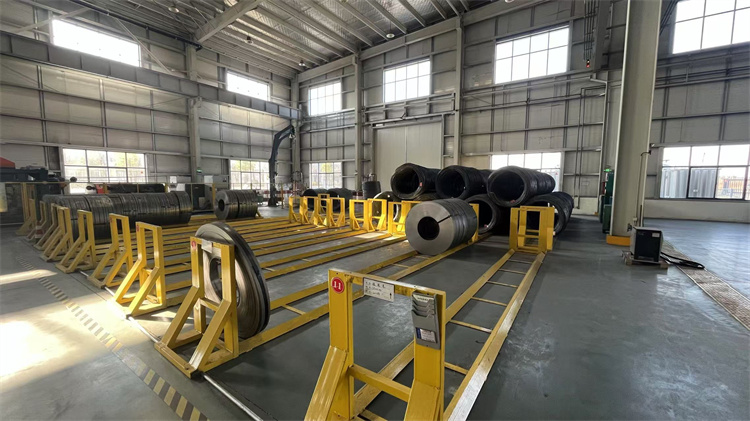
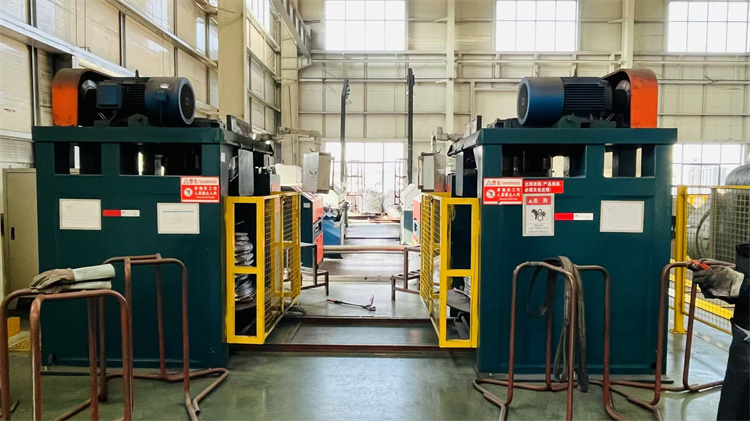
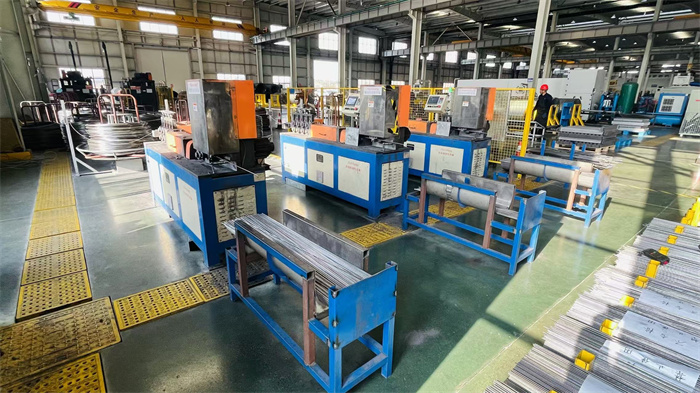
The next five years will define the shift toward industrial automation in South Asia's distribution networks. Traditional logistics hubs are facing challenges from rising land costs near urban areas like Karachi and Lahore. The logical evolutionary step is vertical expansion.
By implementing Automated Storage and Retrieval Systems (AS/RS), warehouses can double their vertical profile, expanding storage height to 30 meters. This vertical shift minimizes footprint while automating pallet inventory movements. This transition reduces physical labor costs, mitigates product damage, and interfaces with local warehouse management software (WMS).
Furthermore, cold storage modernization remains critical for Pakistan's agricultural export trade. Traditional cold storage structures experience thermal loss due to slow forklift movement. Integrating automated cold-room push-back racking and high-density shuttle systems minimizes door-opening cycles, maintaining temperature consistency while protecting high-value crops, seafood, and pharmaceutical inventories.
To remain competitive under CPEC expansion, developers should transition from standard floor pallet positioning to dynamic vertical storage:
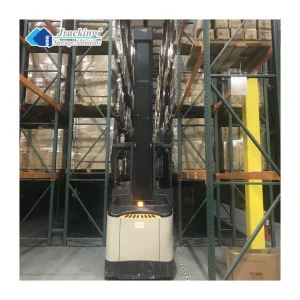
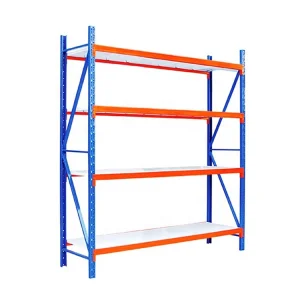
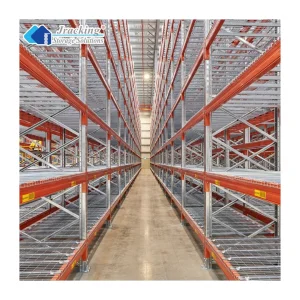
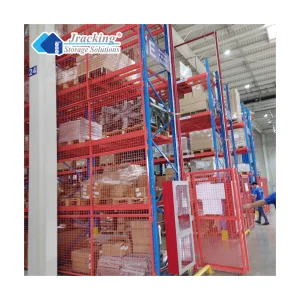
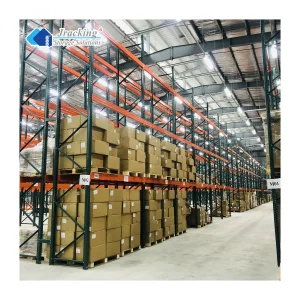
A comprehensive range of certified high-density racking configurations exported to commercial distribution centers across Pakistan.
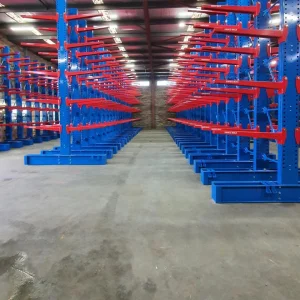
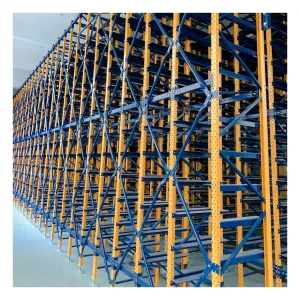
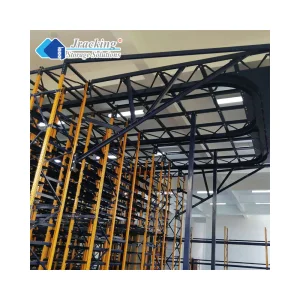
Exporting structural racking systems into Pakistan requires strict adherence to regulatory standards. Import customs verification at Karachi Port requires transparent trade documentation, steel testing compliance certificates, and clear country-of-origin billing. Jracking has exported industrial storage systems for over 8 years, establishing clean logistics procedures to manage import requirements.
Each shipment includes detailed layout design schematics, node connection details, load bearing verification plaques, and step-by-step assembly guides. We also provide remote engineering consultation and layout design to help local installation teams align racks precisely, ensuring safety and compliance with international standards.
Our raw materials and manufacturing processes are verified by international testing bodies to ensure long-term stability:
Technical guidance for warehouse owners, operations managers, and logistics planners in Pakistan.
Partner with China's leading warehouse racking exporter to implement heavy-duty, certified storage systems for your projects in Karachi, Lahore, Faisalabad, or Gwadar.
Send Inquiry Now ➜ Jracking