Heavy-duty structural storage configurations customized for cold climates, high weight limits, and optimal spatial efficiency in Finland warehouses.
An analysis of storage systems optimization under high energy cost constraints and Nordic weather conditions.
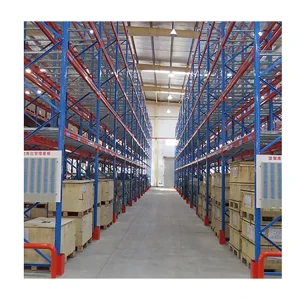
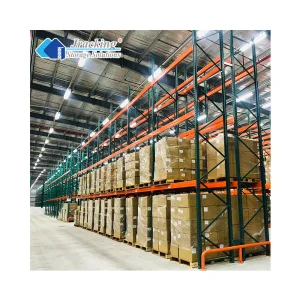
Finland represents one of the most advanced logistics environments in Northern Europe. Functioning as a major corridor between the Nordic countries, the Baltic nations, and broader European trade channels, its industrial sectors demand highly robust storage architectures. Because warehousing costs are dictated by extreme winter temperatures and high heating and cooling expenditures, Finnish warehouse operators prioritize optimal volumetric utilization. High-density racking systems, automated shuttles, and insulated storage structural frames are standard configurations designed to minimize thermal footprint while maximizing pallet capacity.
To design steel racking systems for the Finnish market, engineers must account for specific physical phenomena. Cold-induced brittleness in steel represents a primary concern for cold-chain facilities operating in Helsinki, Tampere, and Oulu. Standard Q235 steel grades can experience structural failure if subjected to dynamic impact in deep-freeze environments. High-quality manufacturers like Jracking utilize low-temperature tested hot-rolled and cold-formed S355 steel variants. The structures must conform to local building laws (Maankäyttö- ja rakennuslaki) and European structural designs standard EN 15512 and EN 15635 to withstand structural loads and minor tectonic vibrations in northern shield zones.
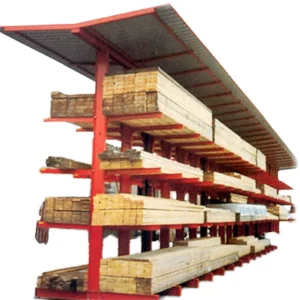
Finland's dominant timber, pulp, and paper industries require specialized outdoor and indoor storage designs. Heavy-duty cantilever racking structures are deployed for structural timber packs, plywood crates, and heavy industrial machinery parts. These outdoor cantilever structures must be engineered to withstand high wind profiles and heavy snow accumulation. A critical calculation component is the snow load index, requiring heavy-duty roof cladding over outdoor racking to guarantee raw materials remain dry and stable throughout the winter months.
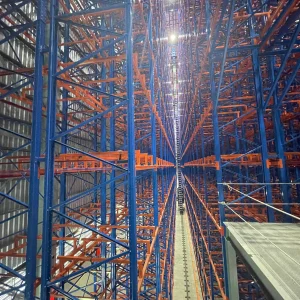
The shift towards semi-automated AS/RS and Radio Shuttle storage systems in Nordic logistics corridors.
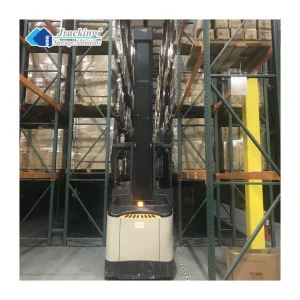
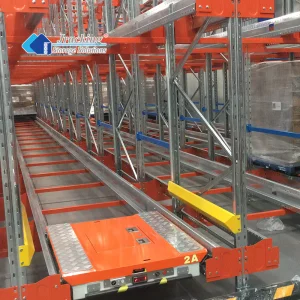
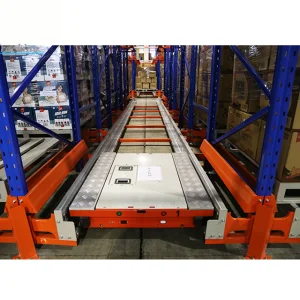
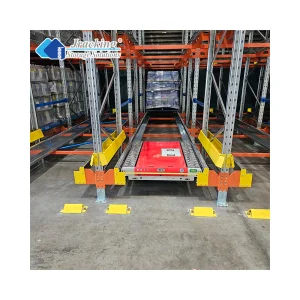
Modern warehouse logistics in Finland are shifting from manual selective pallet racking to hybrid automated systems. In response to rising labor costs, logistics operators are utilizing automation to improve throughput speed and pallet density. Two-way and four-way radio shuttle racking systems have become popular choices. These systems enable semi-automated pallet movements within high-density storage tunnels, reducing the operational footprint required for forklift travel lanes.
Modern automated radio shuttles are integrated with advanced warehouse management systems (WMS) that track storage configurations in real time. For deep-freeze environments (-25°C), the radio shuttle operates as the physical core, allowing warehouse staff to manage inventory without exposing material handling equipment to constant temperature swings. Jracking's cold-chain radio shuttle racks utilize high-torque electric motors, low-temperature batteries, and specialized anti-condensation electronics to ensure uninterrupted warehouse operations in cold storage hubs.
Advanced production facilities and global delivery networks serving European and international standards.
Jracking (Guangdong) Storage Co., Ltd. is a professional manufacturer specializing in warehouse racking systems and industrial storage solutions in China. Since its establishment in 2016, the company has been dedicated to designing, manufacturing, and supplying high-quality storage equipment for global customers across various industries.
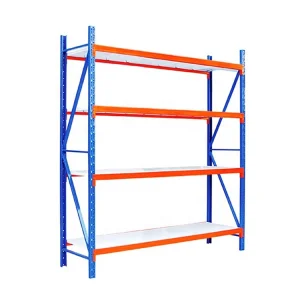
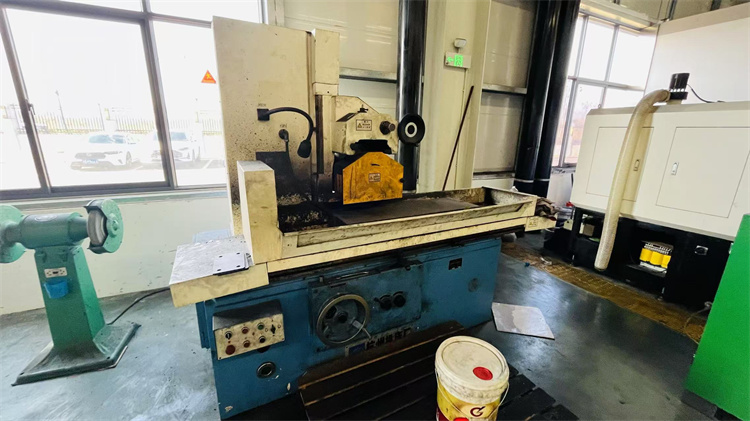
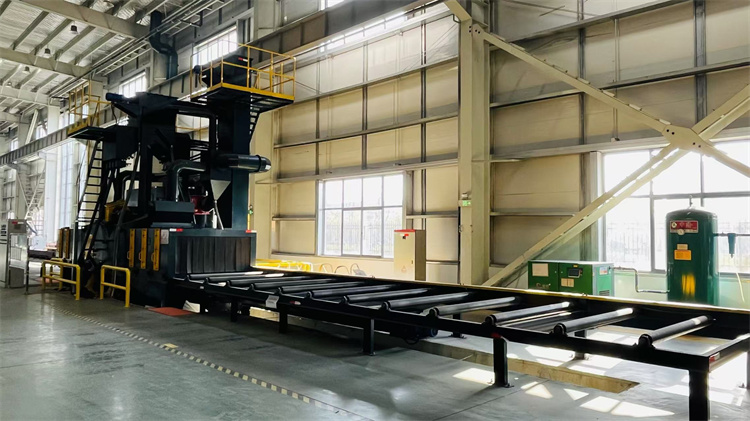
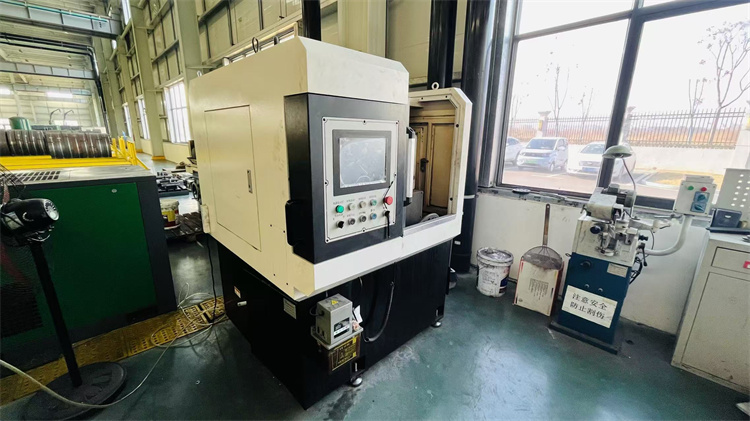
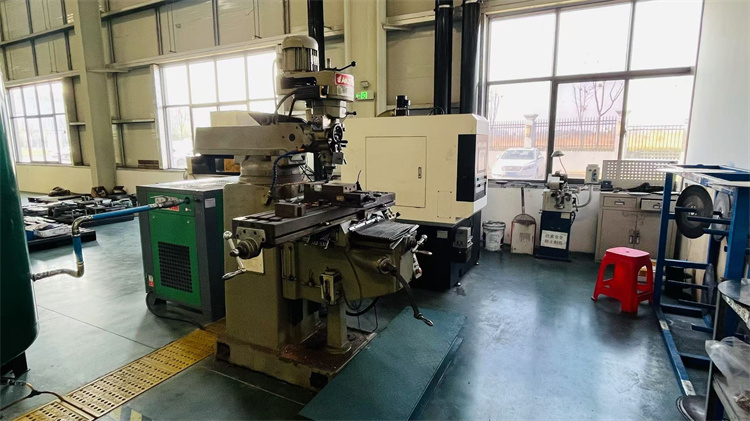
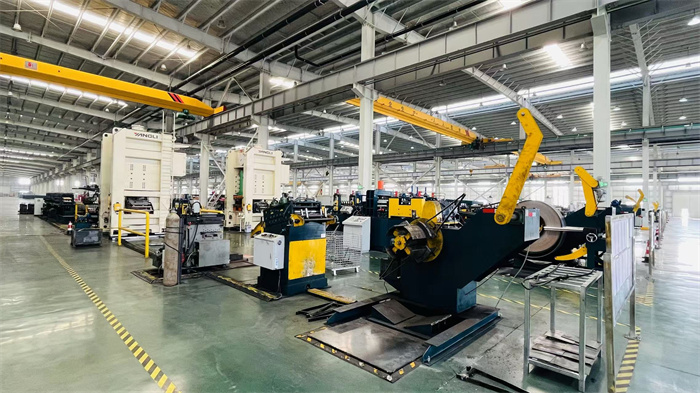
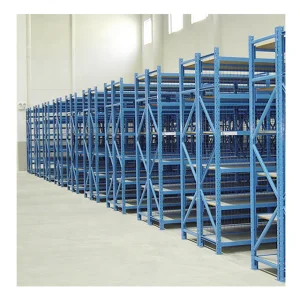
With a modern manufacturing facility covering 28,600 m², Jracking integrates advanced production equipment, strict quality management systems, and experienced engineering teams to ensure reliable product performance and consistent manufacturing standards. The company offers a comprehensive range of storage products including selective pallet racks, drive-in racking, cantilever racks, mezzanine systems, longspan shelving, steel platforms, and customized warehouse storage solutions.
Backed by over 8 years of export experience and 12 years of industry expertise, Jracking has successfully served customers in North America, Europe, Southeast Asia, Australia, and the Middle East. The company's annual export revenue exceeds USD 18 million, reflecting its strong competitiveness in the international storage equipment market.
Quality remains the core of Jracking's manufacturing philosophy. Every production process is strictly monitored through ISO-compliant quality control procedures, while products undergo load capacity testing, dimensional inspection, welding inspection, coating thickness testing, and final assembly inspection before shipment. The company employs 48 professional quality inspectors to maintain stable product quality and customer satisfaction.
As an OEM & ODM manufacturer, Jracking collaborates with more than 1,150 supply chain partners, enabling efficient sourcing, flexible production scheduling, and fast delivery for global projects. Its primary customers include warehouse equipment distributors, importers, wholesalers, logistics companies, e-commerce fulfillment centers, and industrial project contractors.
Innovation is driven by a dedicated R&d team consisting of 85 experienced engineers, who continuously develop new storage solutions to meet evolving market demands. The company supports customized design, size, color, loading capacity, surface treatment, and warehouse layout solutions according to customer requirements. In the past year alone, Jracking successfully introduced 156 new products to the global market.
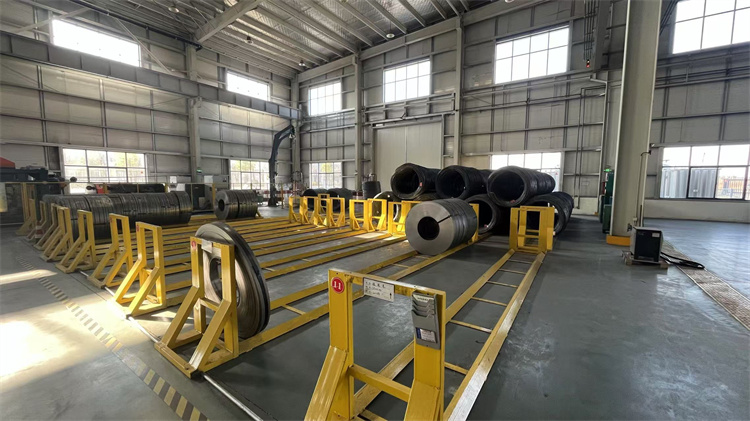
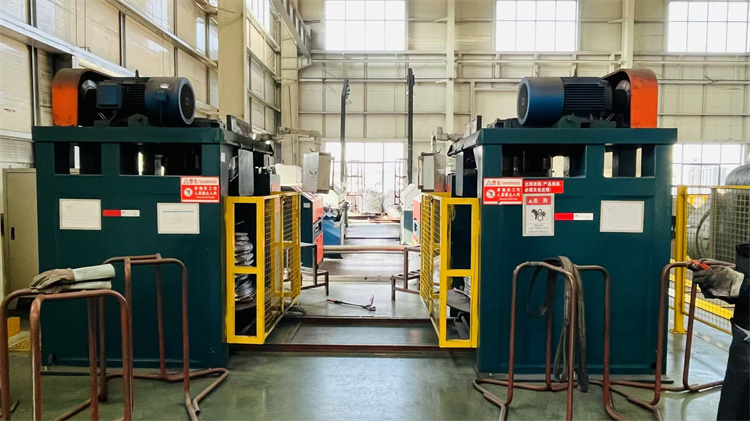
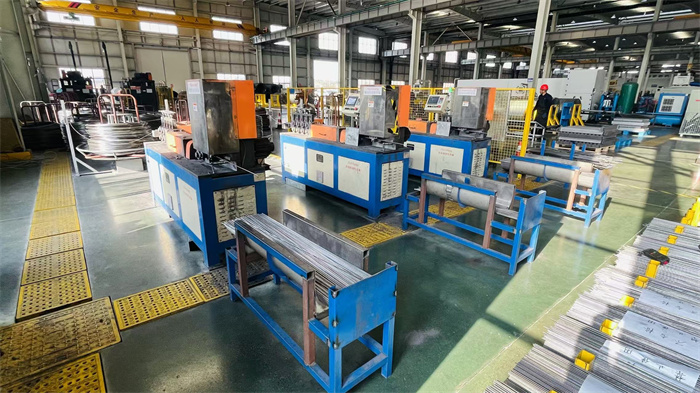
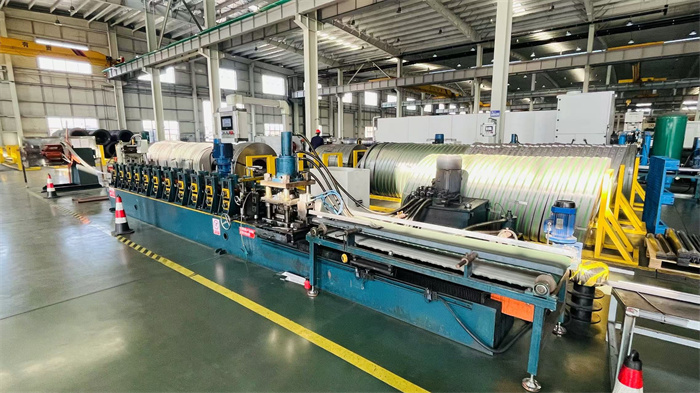
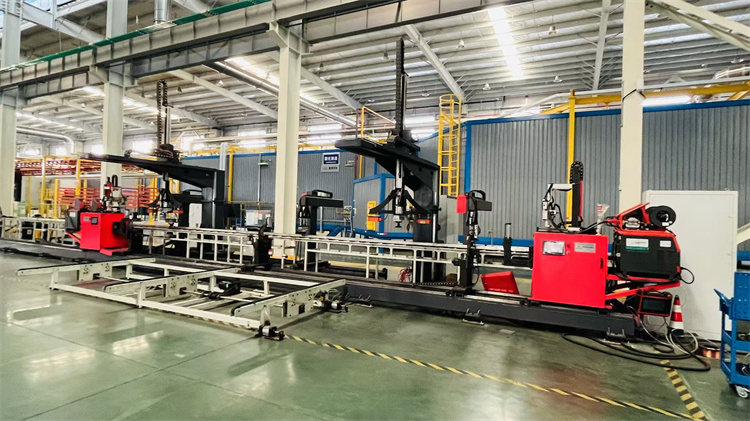
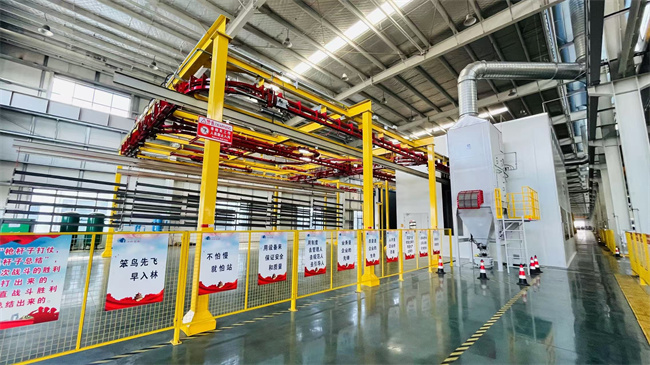
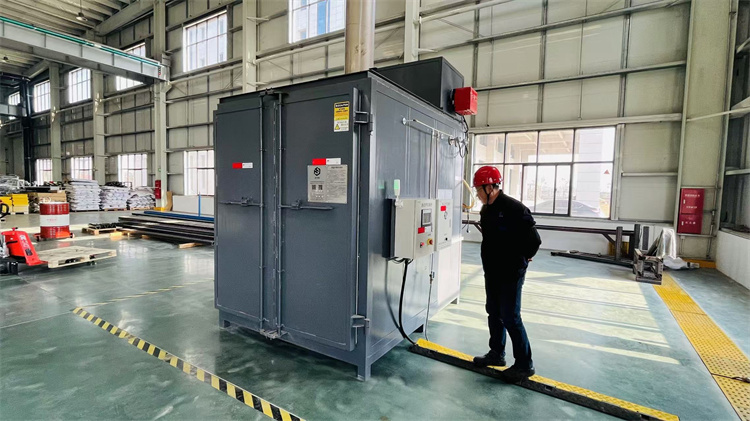
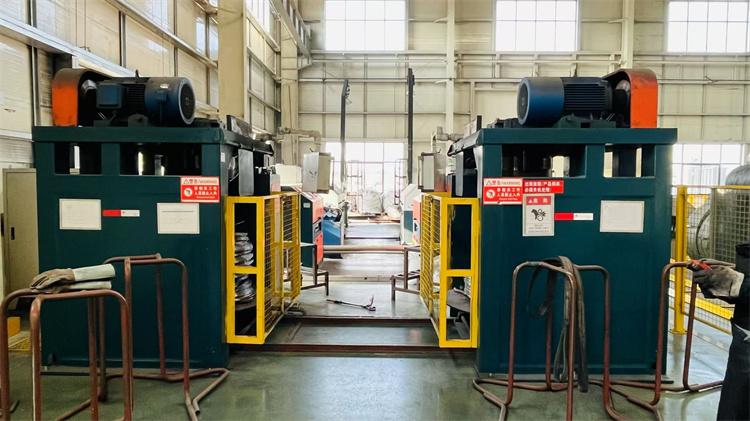
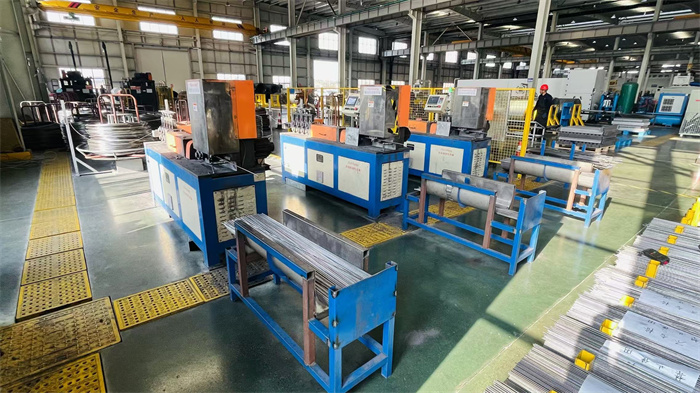
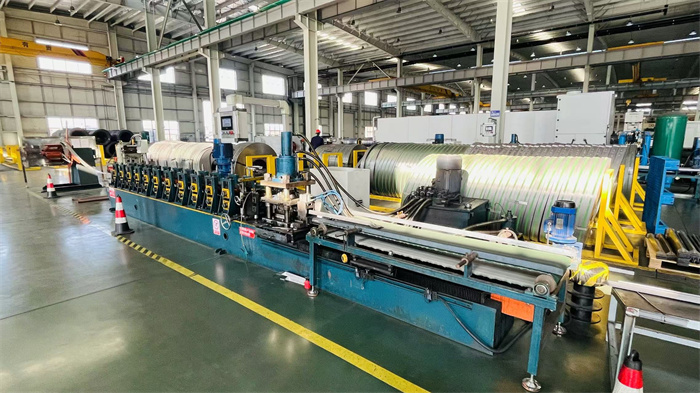
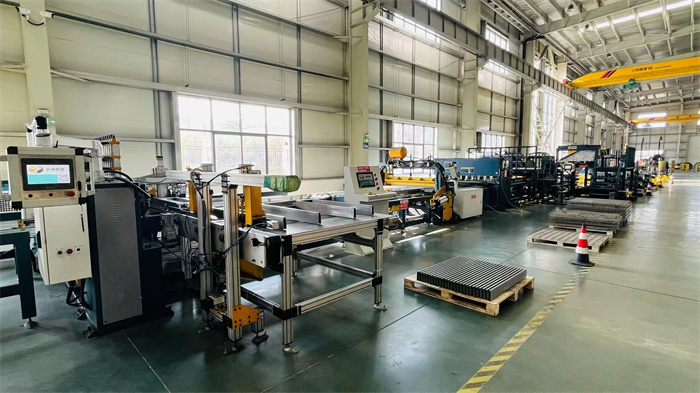
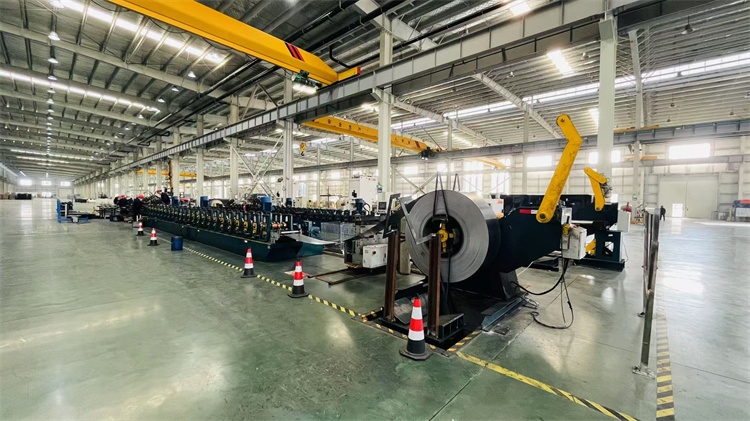
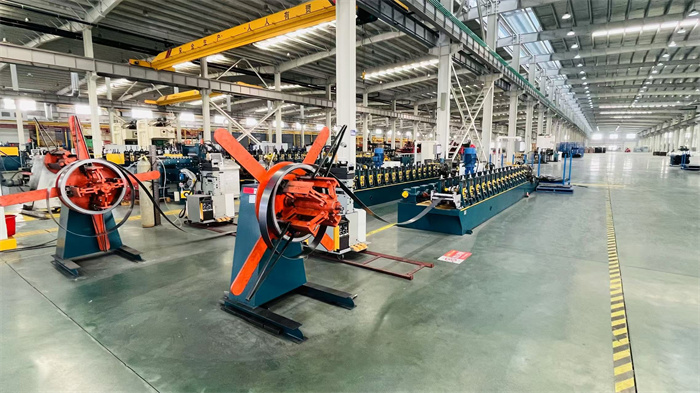
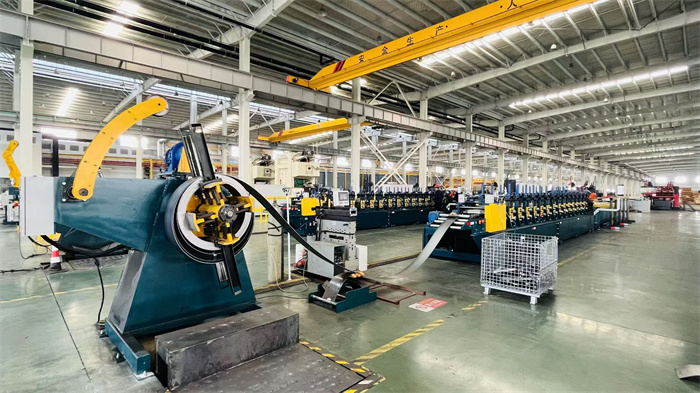
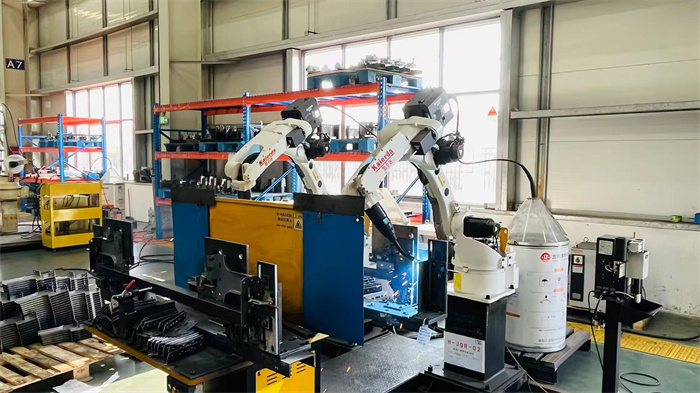
Visualizing the step-by-step production flow from raw steel processing to final robotic welding and powder coating.
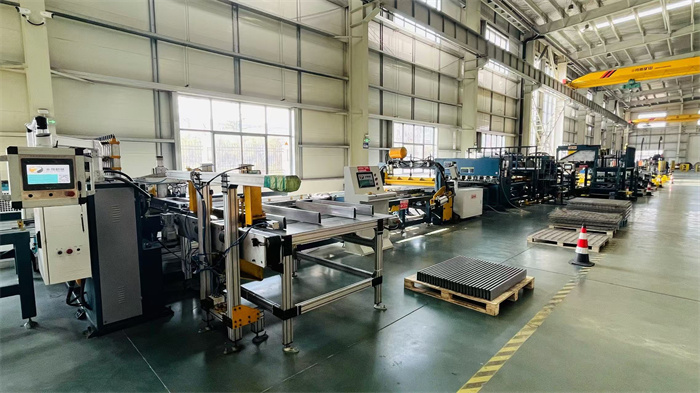
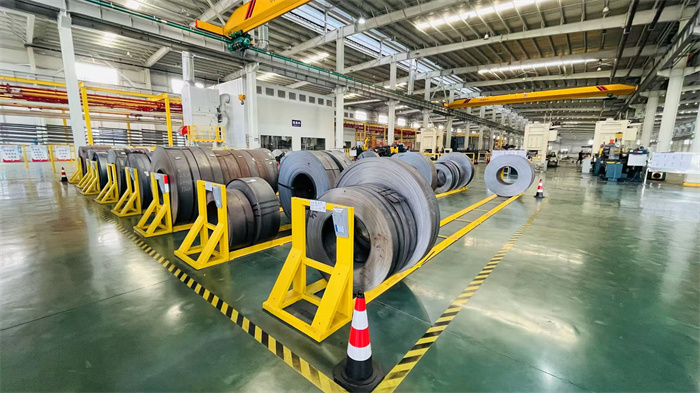
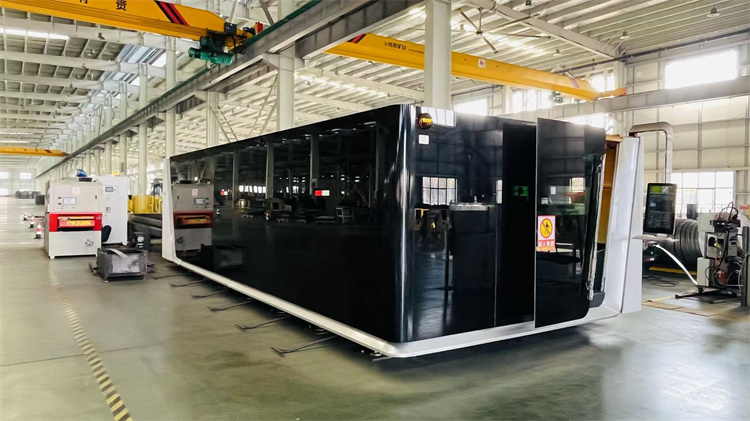
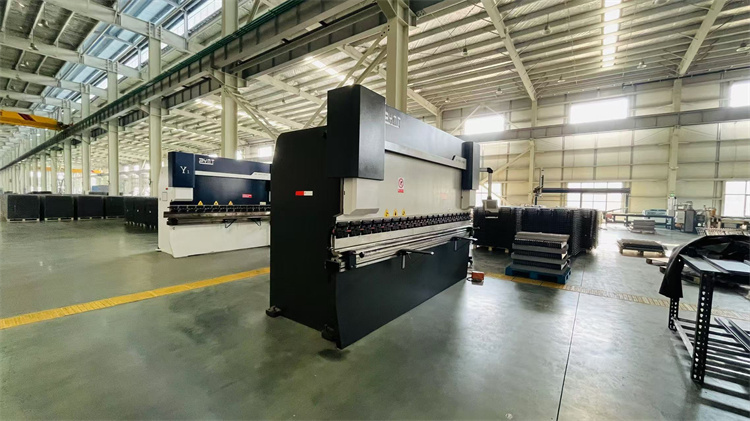
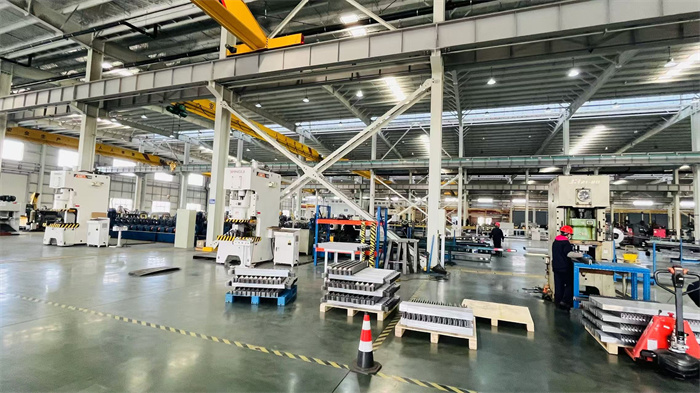
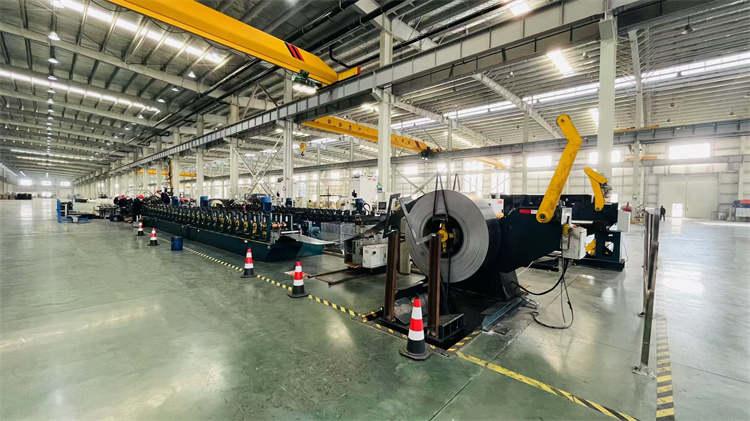
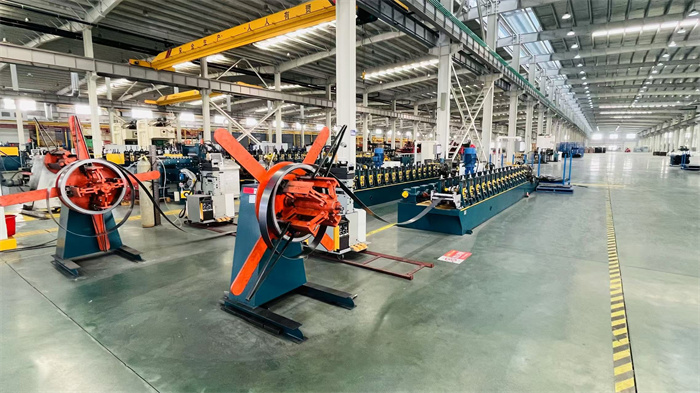
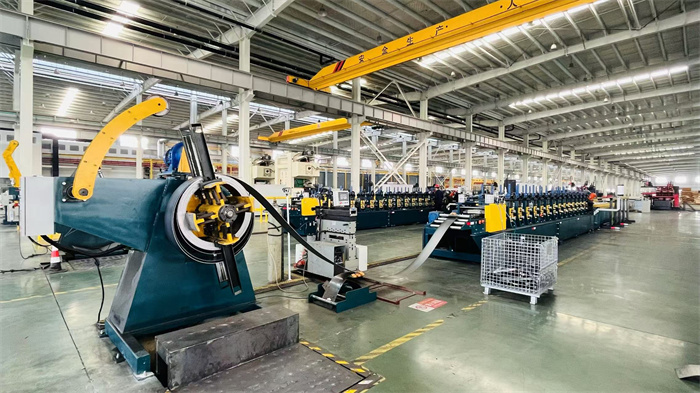
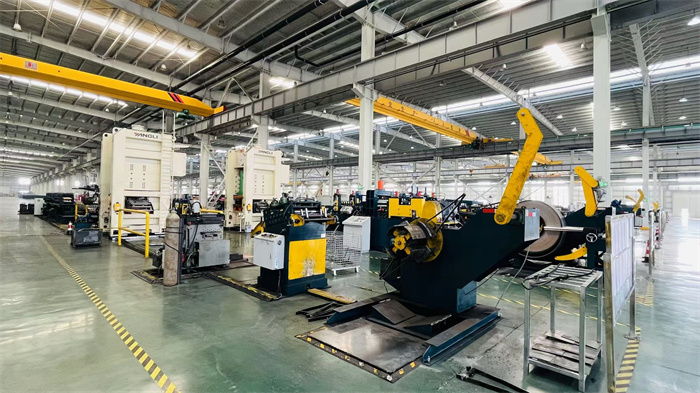
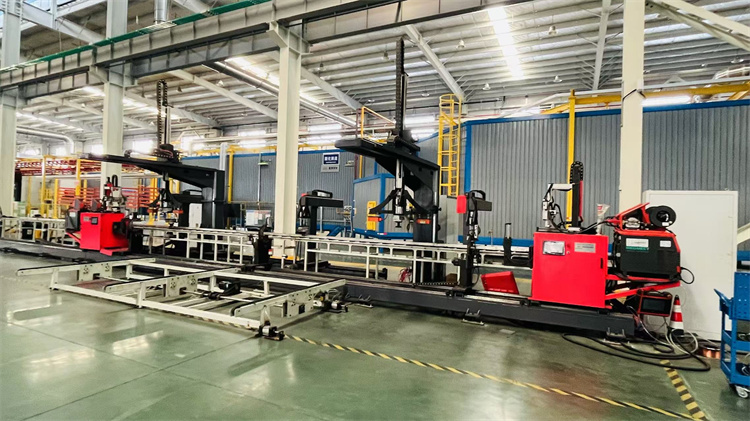
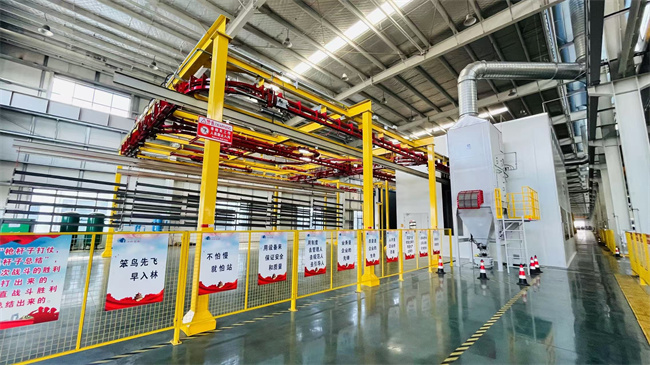
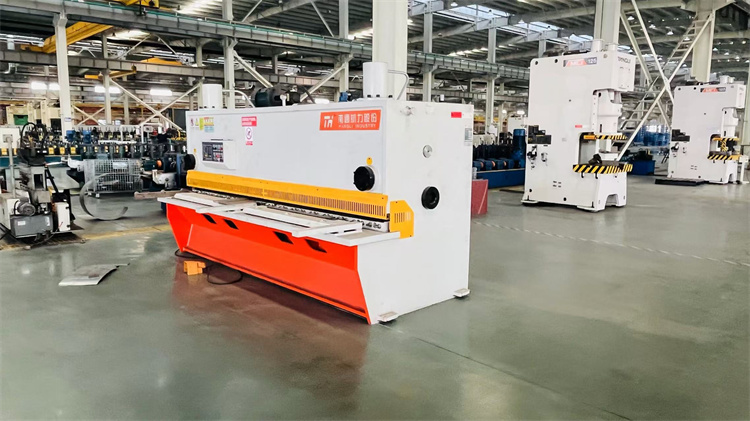
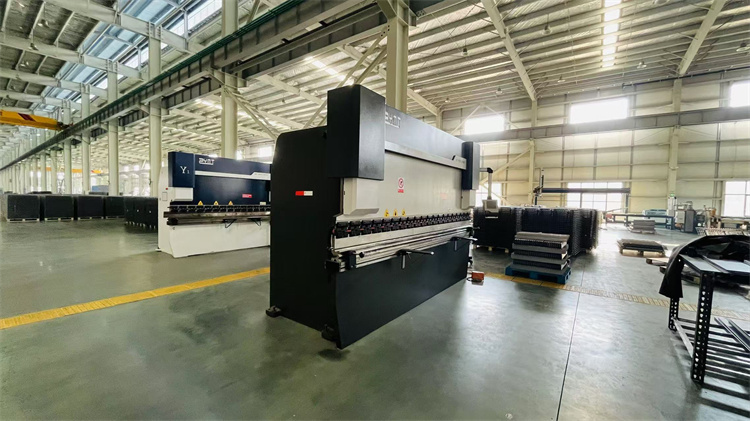
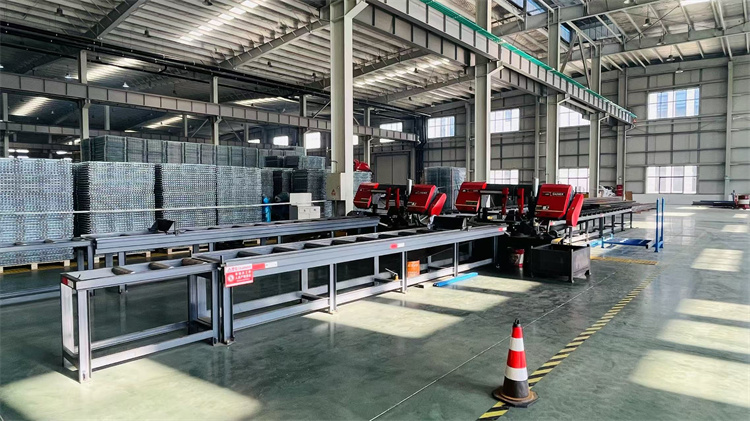
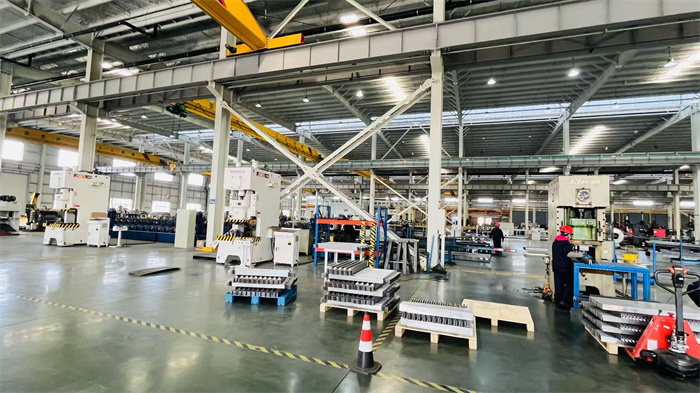
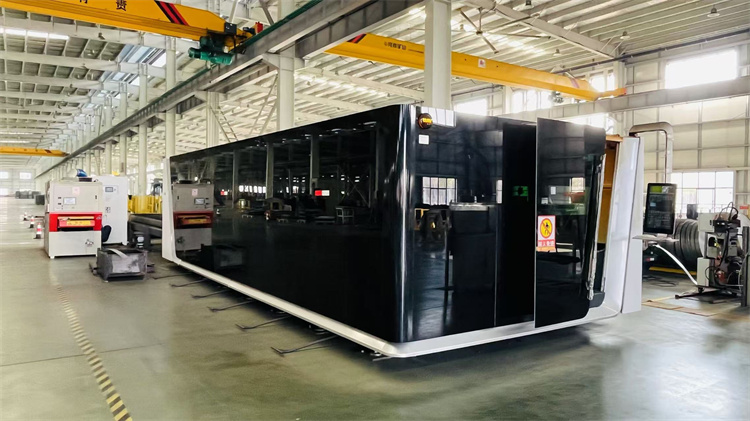
How Jracking leverages vertical manufacturing integration to optimize procurement economics for Finnish distributors.
Procuring warehouse racking from Jracking's advanced China 4.0 production facilities gives European buyers a structural cost advantage without compromising design quality. Key to this strategy is Jracking's raw material sourcing capability. By purchasing bulk structural steel and operating in-house rolling and drawing mills, Jracking limits supplier volatility. This vertical control ensures consistent dimensional tolerance across upright frame profiles, beam connectors, and diagonal bracing assemblies.
Automation plays a vital role in our factories. Robotic welding systems produce consistent weld profiles along load-bearing components like beam connectors and baseplates. Consistent weld penetration minimizes the risk of structural failure under load, a critical parameter verified through ultrasonic weld testing. An automated powder-coating line applies a uniform polyester resin barrier, protecting the steel against corrosion in high-humidity or sub-zero environments.
Ensuring local engineering certifications, safe load rating compliance, and comprehensive structural planning.
Operating structural pallet racking in Finland requires compliance with European safety regulations, notably EN 15635 (Steel static storage systems – Application and maintenance of storage equipment). Under Finnish occupational safety regulations, warehouse operators must perform annual inspections of steel structures to verify stability and load ratings. Jracking designs and delivers racking systems with detailed load-rating plaques for every bay configuration, documenting maximum pallet weight thresholds and beam deflection limits.
Our engineering division develops spatial layouts using custom structural modeling software to analyze static and dynamic loads. We calculate variables like dynamic impact allowances, forklift aisle tolerances, and wind/seismic actions for outdoor cantilever platforms. We provide Finnish partners with detailed CAD schematics, spatial layout configurations, and structural calculation reports to assist with local building permit processes.
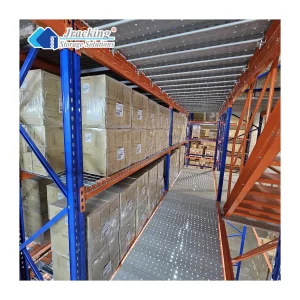
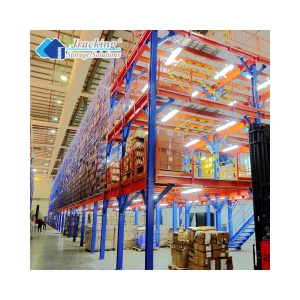
Complete structural profiles, specialized cold storage units, and mezzanine configurations for international logistics centers.
Deep engineering answers regarding standards, load-bearing capacities, installation support, and cold-chain compliance.
 Jracking