Engineered to comply with local seismic codes (Eurocode 8), these advanced storage units maximize space utilization while safeguarding inventory across key Greek supply chain hubs.
Decoding the structural dynamics of Greece's logistics corridor—from the Port of Piraeus to the industrial parks of Thessaloniki.
Greece has strategically positioned itself as the primary southern gateway for trade entering the European Union. Anchored by the rapid expansion of the Port of Piraeus, which stands as one of the busiest container terminals in the Mediterranean, the demand for sophisticated, heavy-duty warehouse infrastructure has surged. Third-party logistics (3PL) providers, maritime cargo handlers, and distribution centers in key regions like Aspropyrgos, Oinofyta, and the Sindos Industrial Zone in Thessaloniki require state-of-the-art storage facilities to manage massive cargo flows.
However, importing industrial equipment into Greece presents distinct engineering challenges. As part of a highly active seismic zone in Southern Europe, all structural developments in Greece must adhere strictly to Eurocode 8 (EN 1998). Standard warehouse racking systems configured for non-seismic areas are highly vulnerable to failure during tectonic activities. This demands specialized racking systems designed with dynamic finite element analysis (FEA), reinforced upright profiles, robust baseplates, and advanced anchoring mechanisms to guarantee structural integrity and protect warehouse personnel.
Every racking system we design for the Greek market is engineered to withstand localized peak ground acceleration (PGA) values, preventing catastrophic structural collapse.
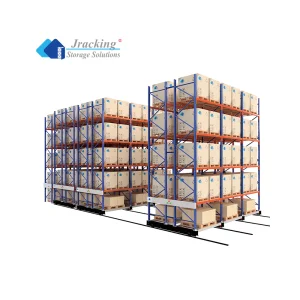
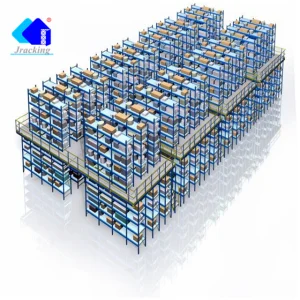
Greece’s premium industrial land prices demand high-density solutions. Our mobile racking and mezzanine systems double storage capacity without expanding the physical footprint.
Given the coastal environment of major Greek ports, our structures feature advanced hot-dip galvanized finishes and marine-grade powder coatings to prevent oxidation.
Aligning supply chain operations with international efficiency metrics and rigorous safety certifications.
The global warehousing industry is undergoing a structural transition toward automation, high-density storage, and structural resilience. The rapid growth of global e-commerce and cold chain logistics has made traditional, low-density selective pallet racking systems financially inefficient. Modern logistics operators are investing in Automated Storage and Retrieval Systems (AS/RS), Radio Shuttle Racking, and Electric Mobile Racking to optimize volume usage and reduce operational energy costs.
Alongside automation, safety compliance has become a non-negotiable metric for global multi-national corporations. In the European Union, standard racking systems must adhere to EN 15512 (steel static storage systems), EN 15620, and EN 15635. These standards dictate precise manufacturing tolerances, deflection limits, and regular structural safety audits. When choosing a manufacturing partner, leading companies require full traceability of raw materials (from mill certificates to final testing), verified weld quality (EN ISO 3834 compliance), and eco-friendly surface treatment processes that resist wear and degradation.
Discover the technological capabilities of Jracking (Guangdong) Storage Co., Ltd. - your reliable global OEM/ODM manufacturer.
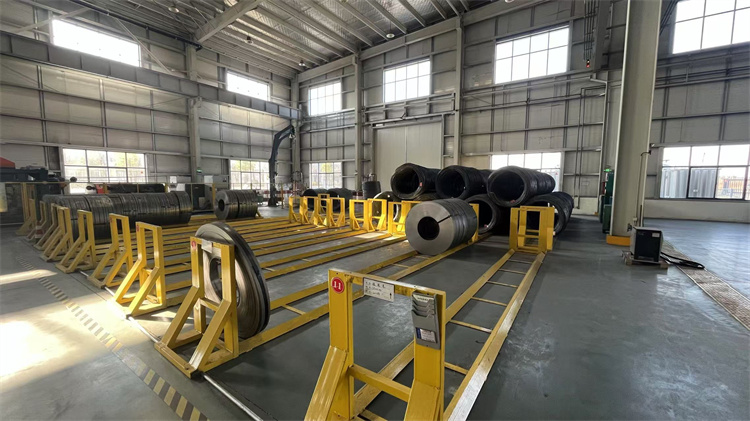
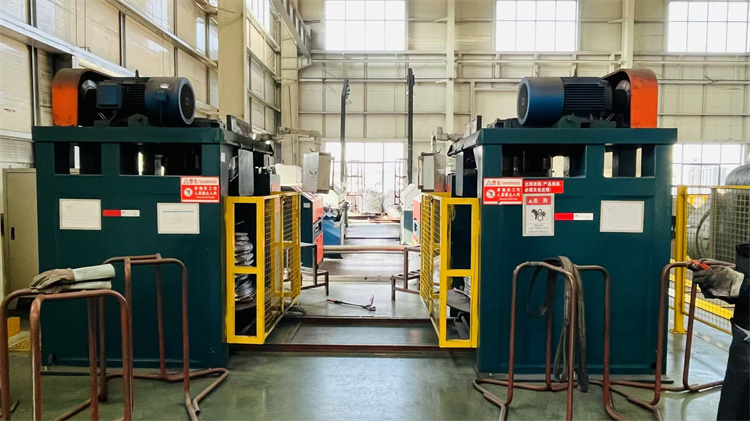
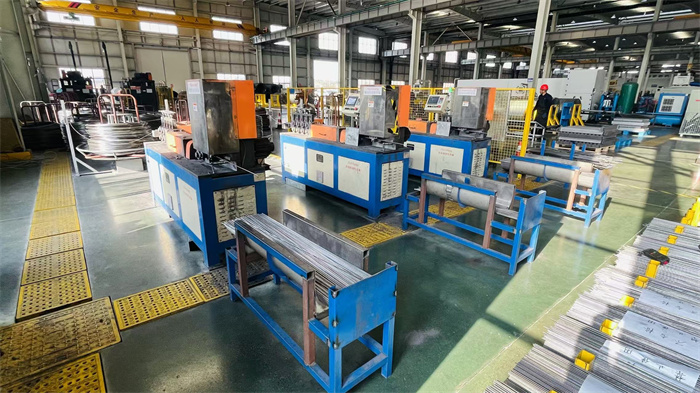
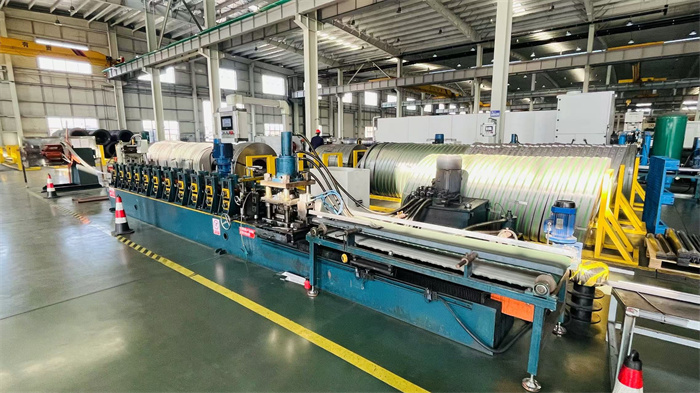
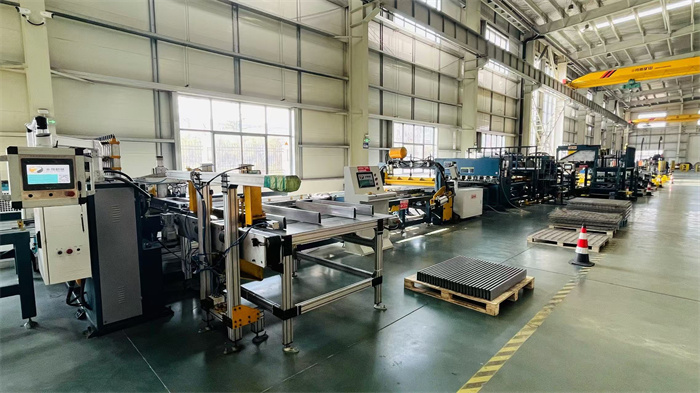
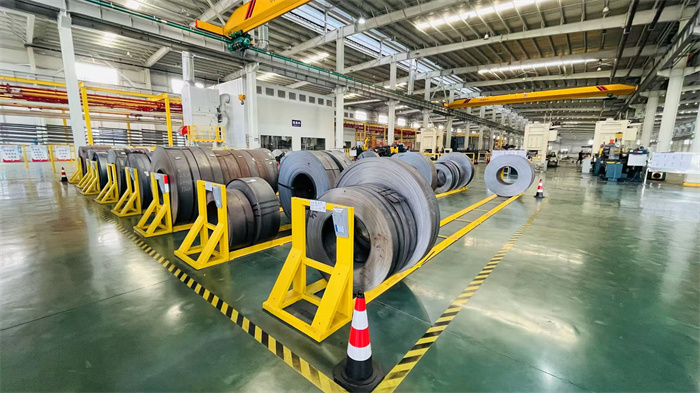
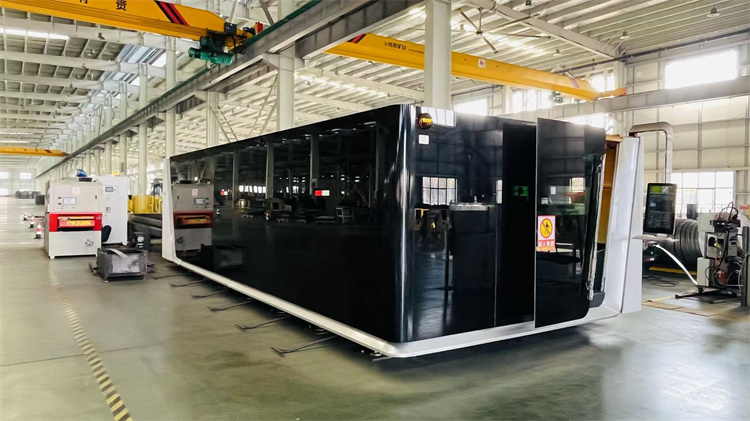
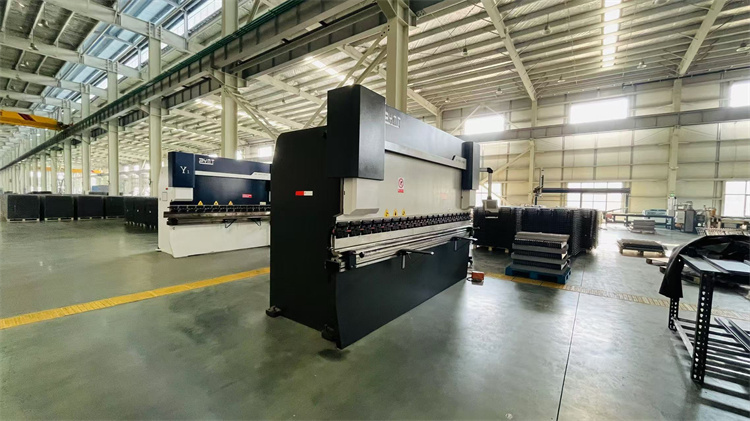
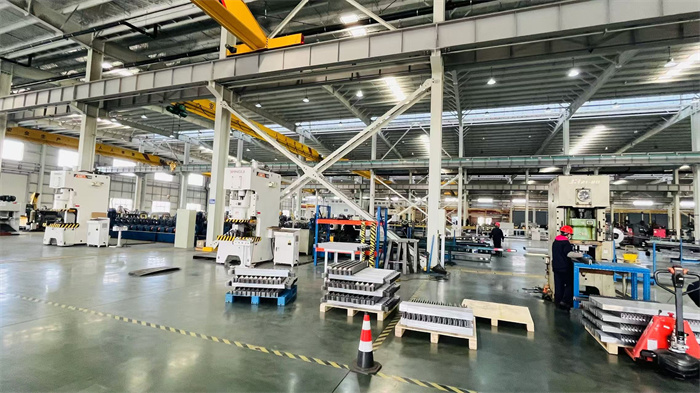
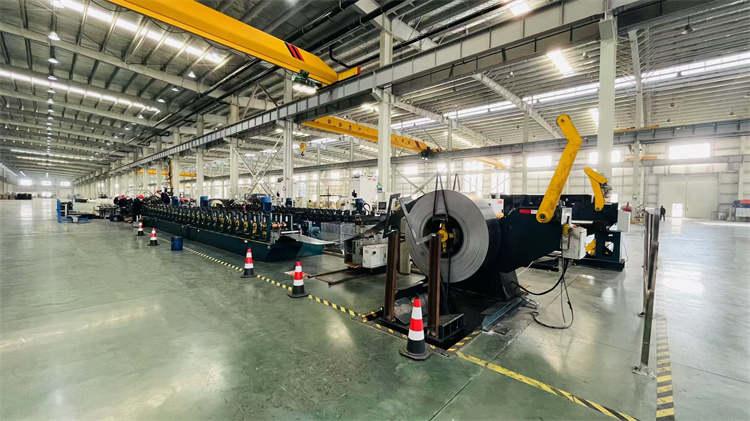
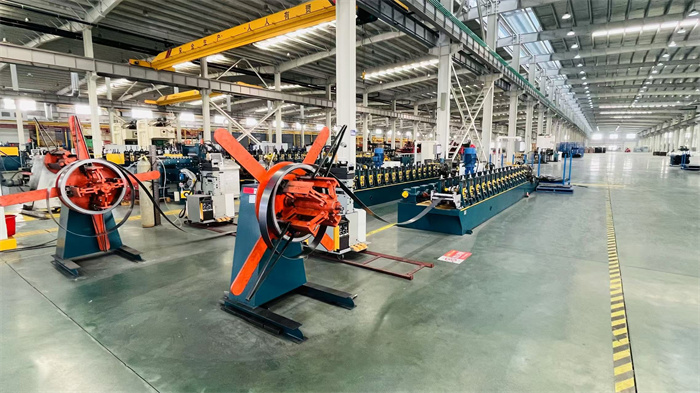
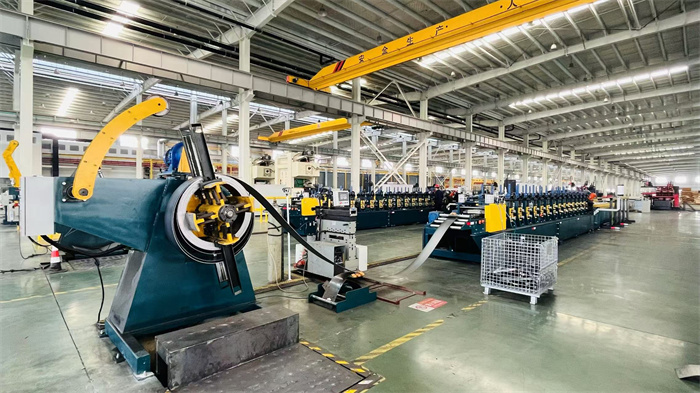
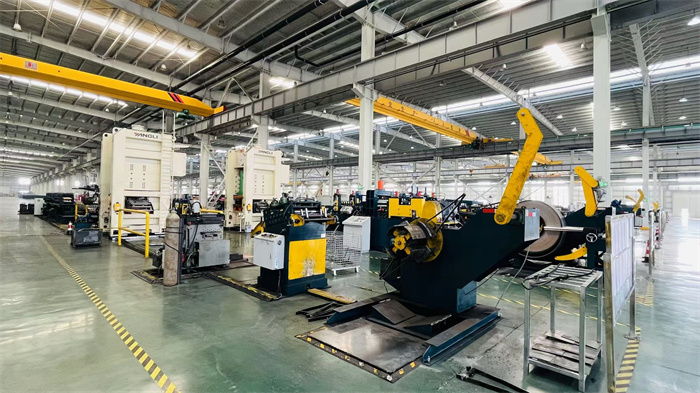
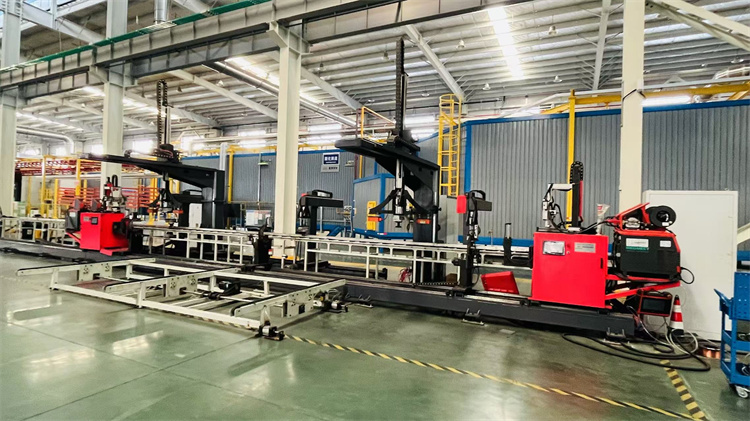
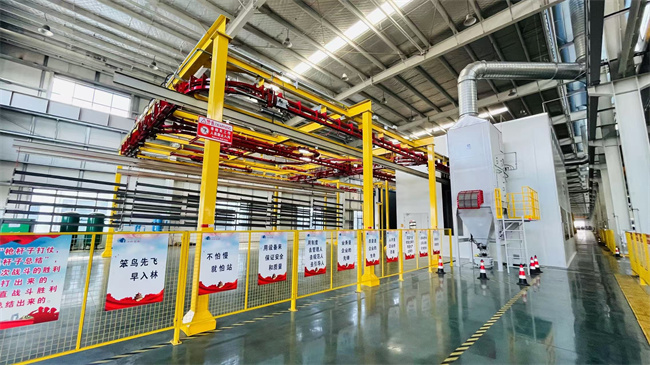
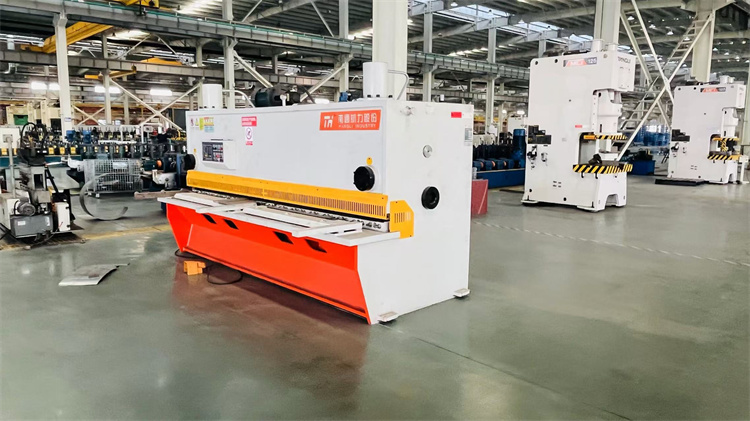
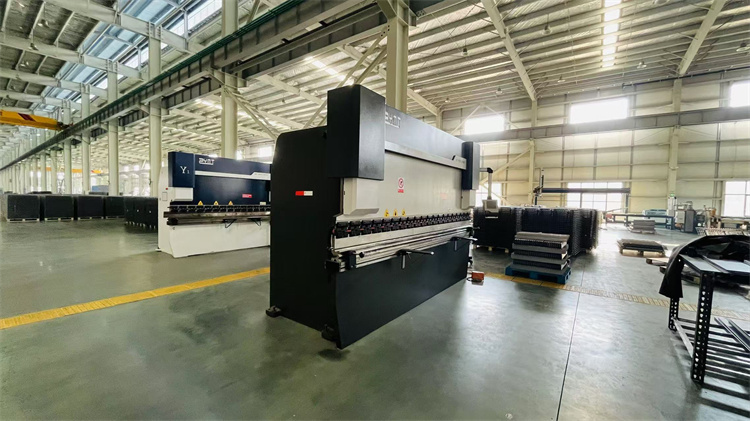
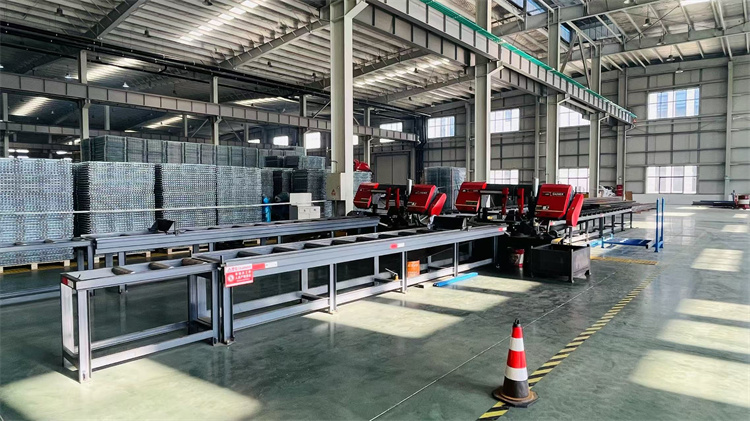
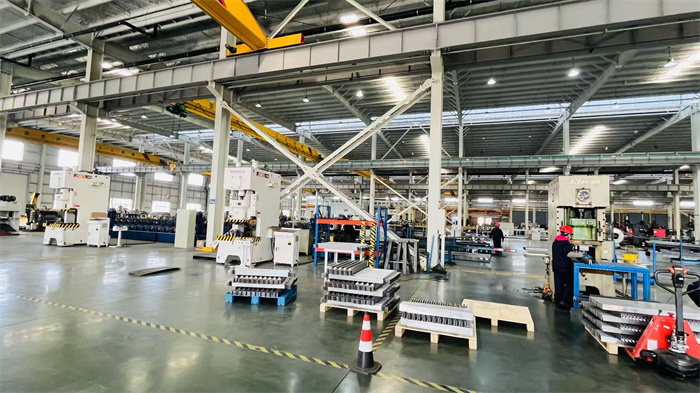
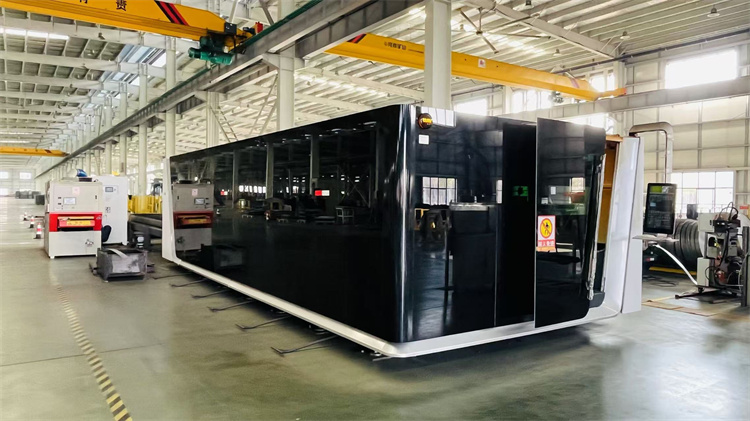
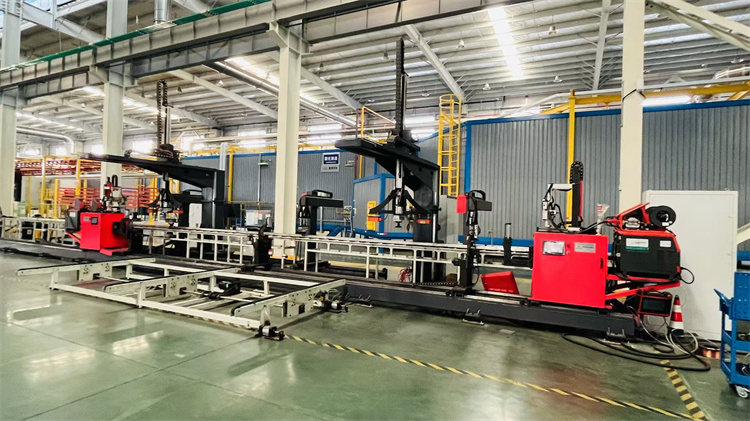
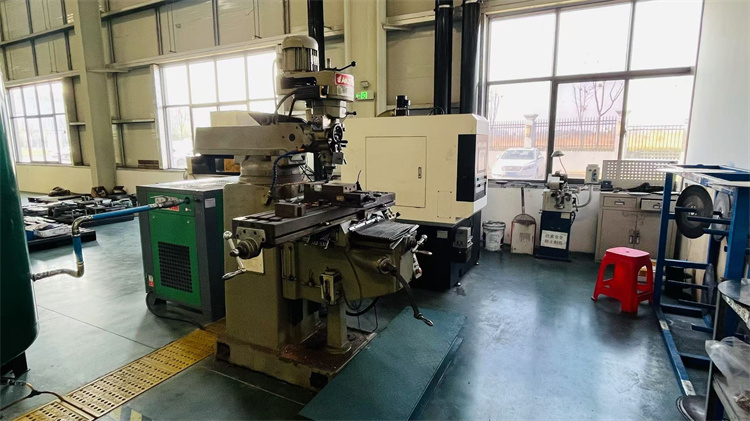
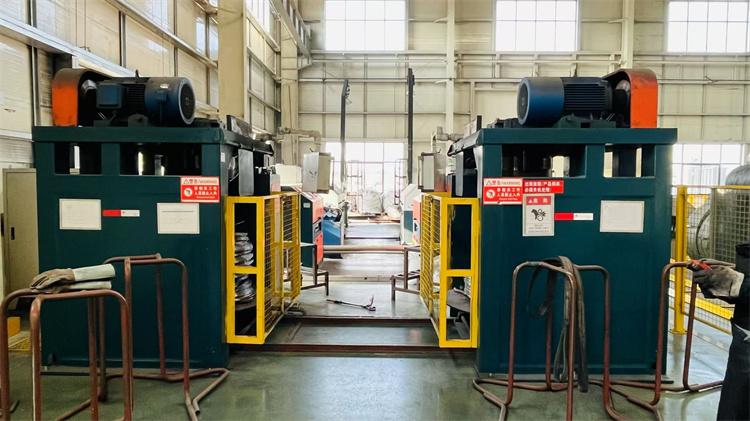
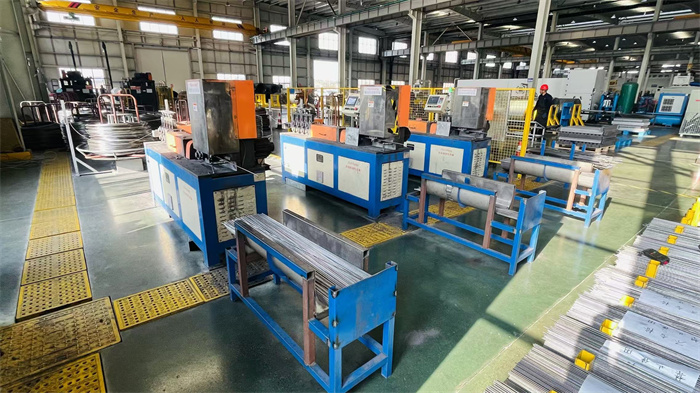
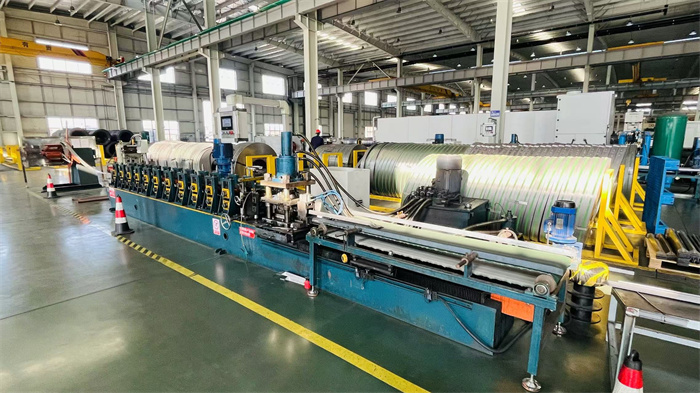
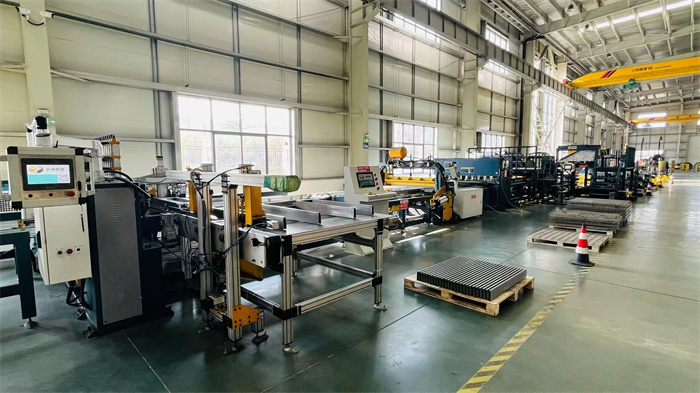
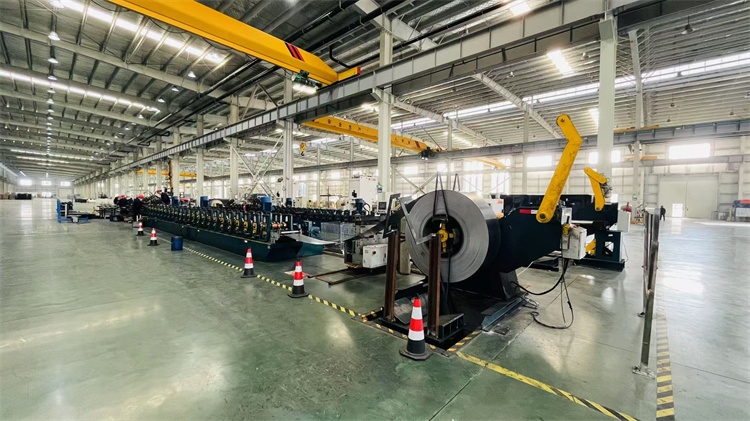
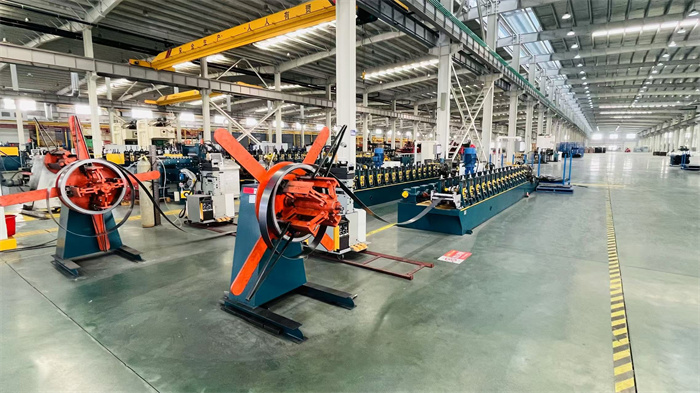
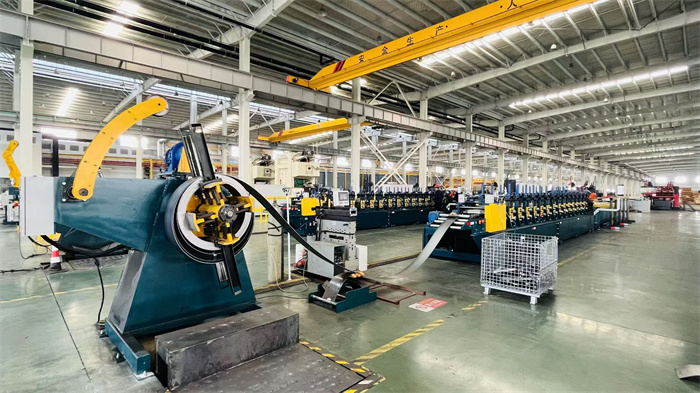
Jracking (Guangdong) Storage Co., Ltd. is a leading manufacturer specializing in warehouse racking systems and industrial storage solutions in China. Since our establishment in 2016, we have committed to designing, engineering, and exporting high-tier storage configurations that meet and exceed international structural standards. With a state-of-the-art manufacturing facility spanning 28,600 m², we integrate advanced high-precision roll-forming lines, automated laser cutters, and robotic welding stations to deliver highly reliable, high-load products.
Our strong supply chain infrastructure is supported by over 1,150 partners, allowing us to source premium Q235B and Q355B structural steel at competitive rates and maintain flexible production timelines. Our staff includes 48 dedicated quality inspectors and 85 structural R&D engineers, ensuring that every rack system satisfies dynamic load requirements and structural specifications. Over the past year alone, we introduced 156 new products to meet changing demands in automation, high-density storage, and cold chain distribution.
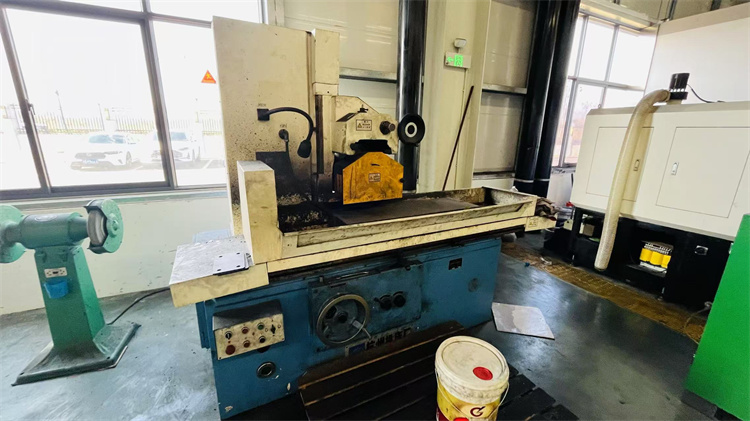
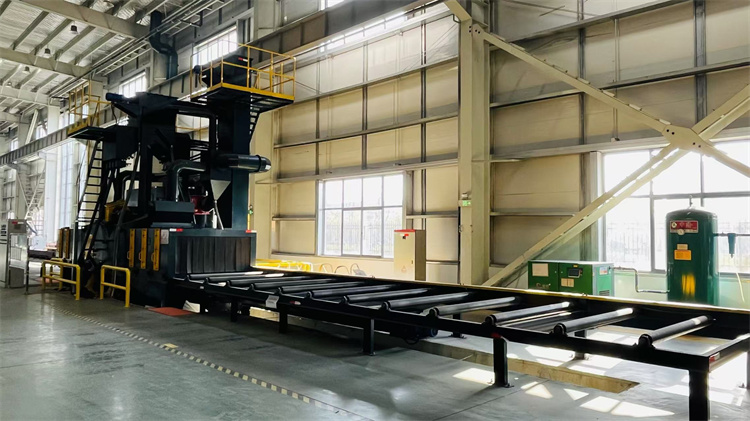
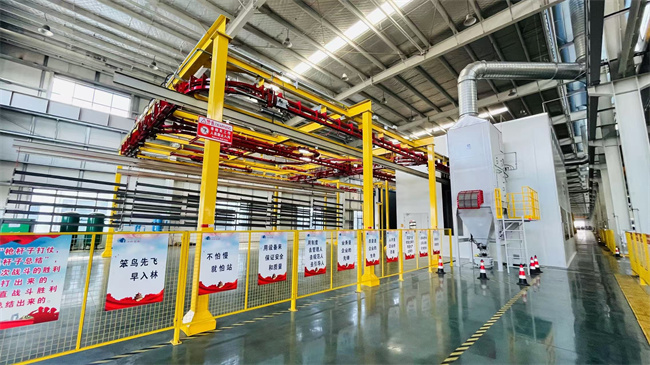
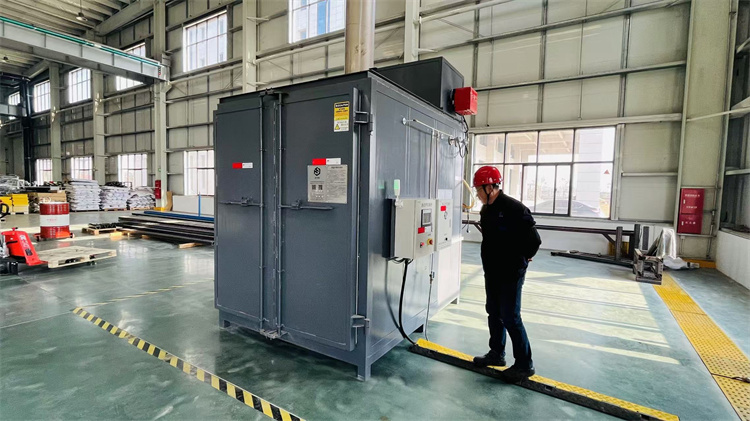
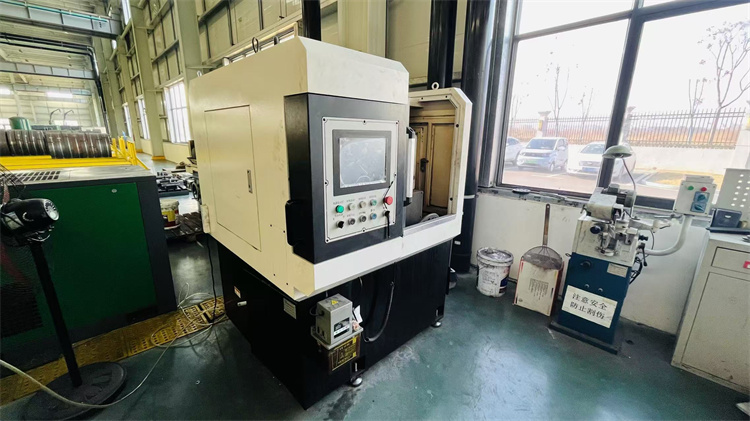
From raw material selection to automated welding and powder spraying, we ensure structural integrity at every stage of the manufacturing process.
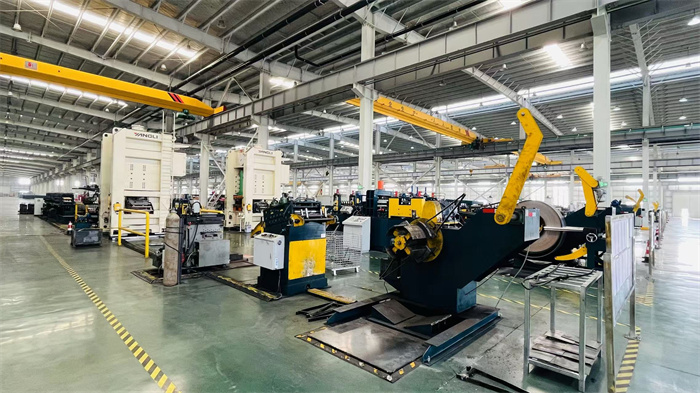
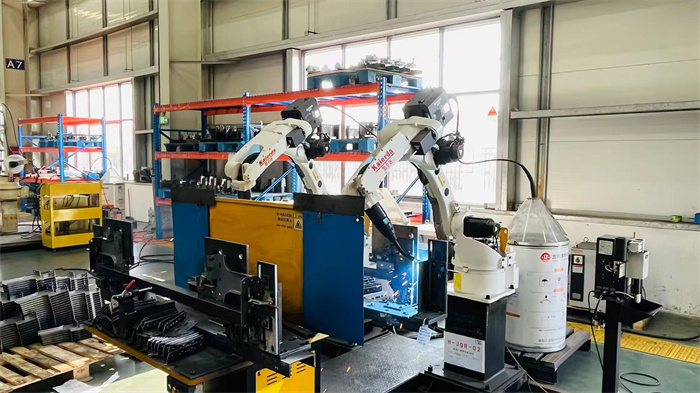
Tailored industrial storage solutions designed for specific Greek sectors and regional climates.
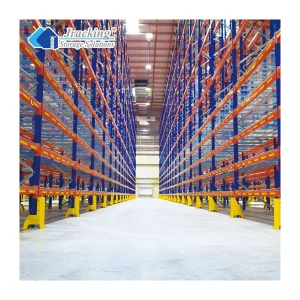
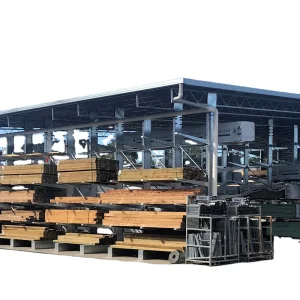
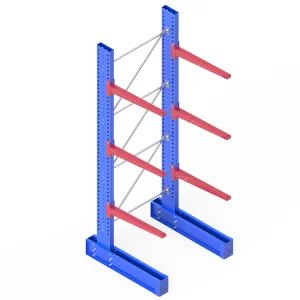
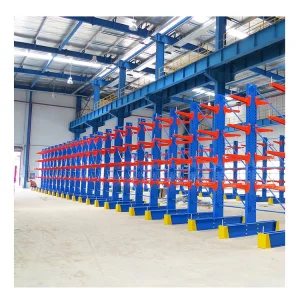
Ideal for Piraeus and Patras shipping complexes. Heavy-duty cantilever and drive-in racks maximize maritime container throughput and organize long structural cargos.
Specifically configured for agricultural exports and frozen food storage in central Greece and Macedonia. Our cold room pallet racks operate down to -30°C.
Multi-tier platform mezzanines and selective rack arrays to support the high pick-rate requirements of rapid e-commerce hubs around Athens.
Explore our structural pallet systems, cantilever configurations, and dense modular platforms engineered for durability.
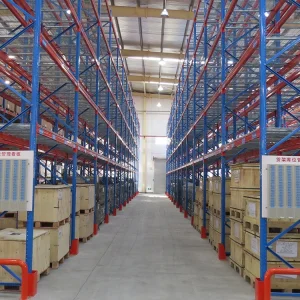
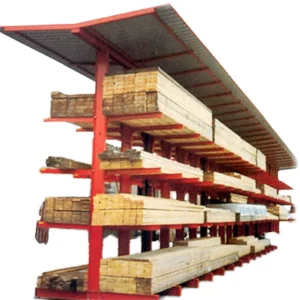
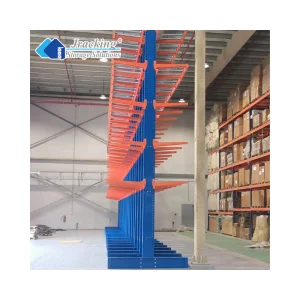
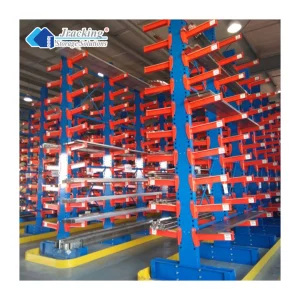
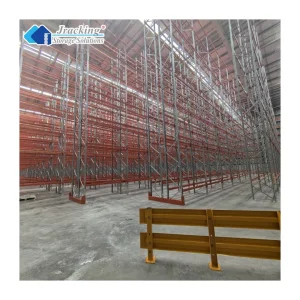
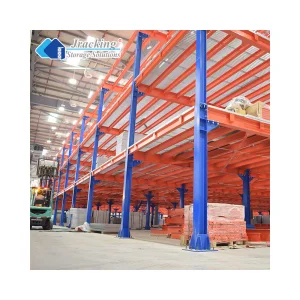
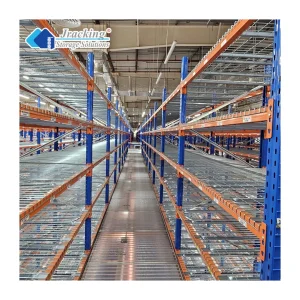
High-strength structures engineered for specific logistical configurations and high-density warehouse automation.
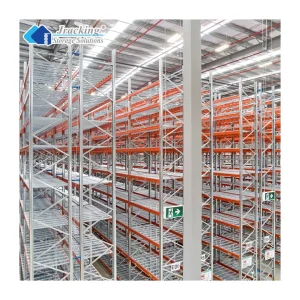
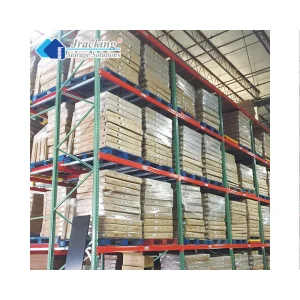
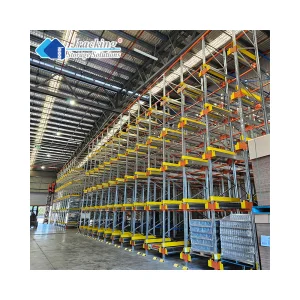
Understanding safety classifications and quality controls when procuring heavy duty storage hardware.
Procuring warehouse racking on a global scale requires strict compliance with regional safety certificates. When shipping to EU member states like Greece, systems must bear the CE Mark, showing conformity with health, safety, and environmental protection standards. Furthermore, structures are designed and tested according to FEM 10.2.02 (European Federation of Materials Handling design guidelines) and AS4084 (Australian Steel Storage Racking standards) to ensure structural safety under full load conditions.
Beyond design compliance, raw material traceability is essential. Reliable industrial racks are manufactured from high-strength structural steel grades (such as Q235B and Q355B in Chinese standards, corresponding to S235JR and S355JR in European standards). Buyers should request mill test certificates (MTC) specifying chemical composition and mechanical properties. Surface treatment quality is also critical, especially for cold room or outdoor applications; hot-dip galvanization must conform to ISO 1461 standards, ensuring a minimum zinc coating thickness to prevent oxidation and extend structural life.
Get answers to the most common questions regarding engineering, structural standards, and shipping requirements.
 Jracking