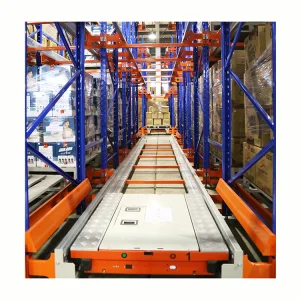
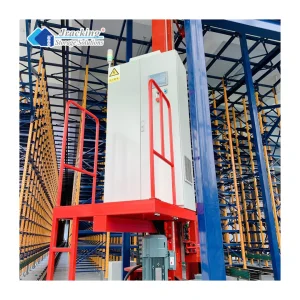
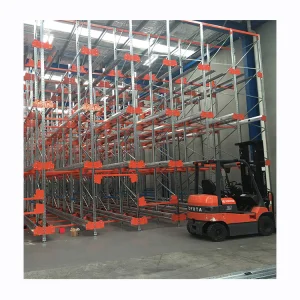
Engineered to meet strict structural and high-throughput requirements across logistics networks in Japan.
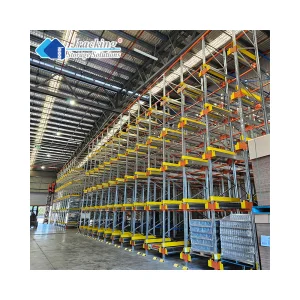
Japan's industrial storage landscape is navigating a historic transition. Dubbed the "2024 Logistics Crisis" (2024年問題), strict government regulations capping truck driver overtime hours have forced a rapid optimization of the national distribution network. Supply chains must run faster, load operations must be automated, and warehouses cannot afford staging bottlenecks. At the same time, Japan’s real estate is among the most expensive globally, restricting expansion outwards. The only viable path is expanding upwards and automating key storage corridors.
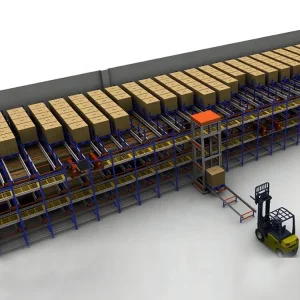
Coupled with the persistent challenges of an aging workforce and shrinking labor pool, manual warehouse handling (using traditional forklift-in-aisle methods) has become too costly and inefficient. Companies operating in Tokyo, Osaka, Nagoya, and Fukuoka are actively replacing traditional static racking with semi-automated pallet shuttle systems. By automating the pallet retrieval and storage processes inside the racking channels, companies reduce forklift operations by up to 60%, mitigating labor dependency while maximizing vertical cube space.
Under the constant threat of earthquakes, Japanese industrial installations must strictly comply with structural safety mandates. Traditional racking systems fail to offer the rigidity and dampening requirements necessary to survive intense ground motion without spilling palletized inventory.
Across Europe, North America, and advanced Asian economies, logistics managers are phasing out traditional Drive-In and Selective Pallet Racking in favor of Radio Shuttle systems. The comparison below illustrates the immense operational advantages that the Radio Shuttle Racking System holds over legacy structures:
| Key Metrics | Selective Racking | Drive-in Racking | Radio Shuttle Racking |
|---|---|---|---|
| Space Utilization | Approx. 35% - 40% | Approx. 55% - 60% | Up to 75% - 80% |
| Selectivity (SKU Access) | 100% Individual Access | LIFO Only (Poor) | FIFO or FILO (Flexible per lane) |
| Forklift Damage Risk | Medium | Extremely High (Forks enter rack) | Minimal (Forks stay outside) |
| Throughput Rate | Medium (Aisle congestion) | Low (Slow driving inside channels) | High (Independent Shuttle Runs) |
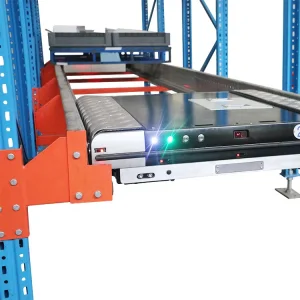
Global enterprise procurement teams focus heavily on total cost of ownership (TCO) and return on investment (ROI). In logistics centers, the initial investment premium of a radio shuttle cart and custom dynamic rails is amortized within 18 to 24 months through reduced utility bills (especially in temperature-controlled warehouses), diminished inventory damage rates, and reduced forklift fleet requirements.
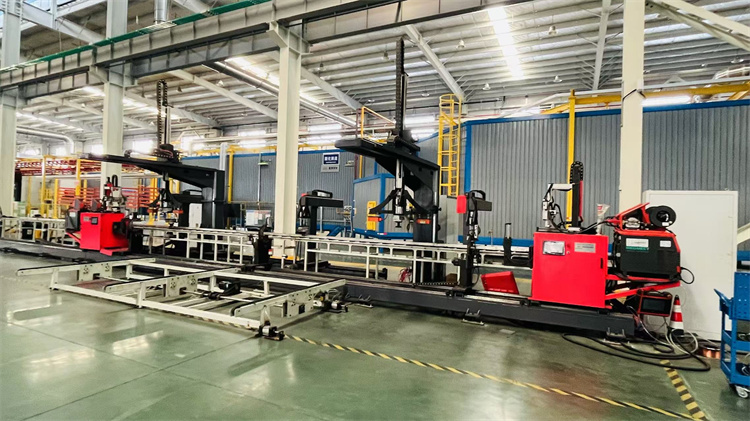
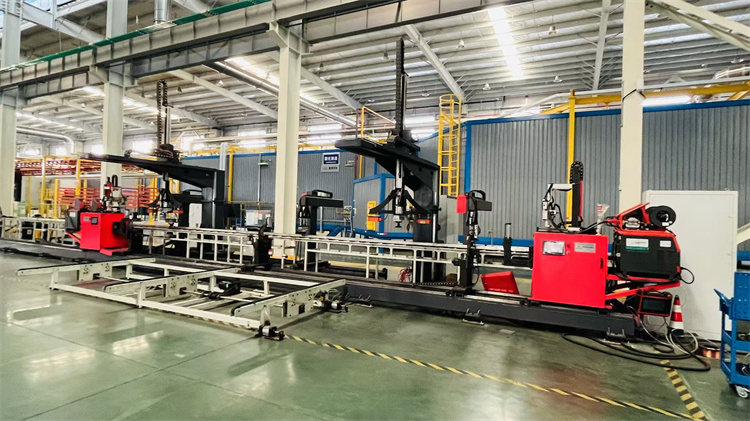
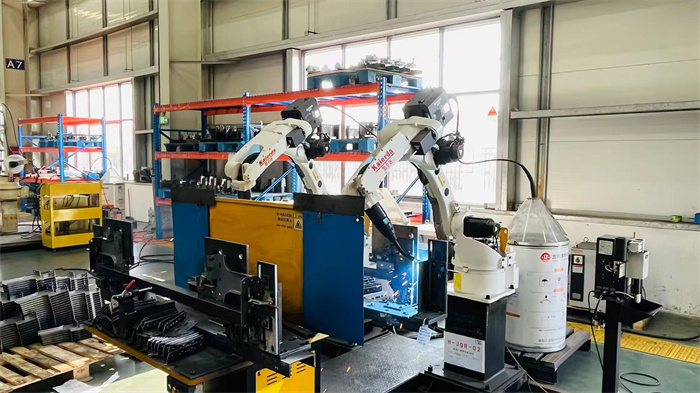
Working with a premier manufacturer like Jracking (Guangdong) Storage Co., Ltd. offers unparalleled supply-chain efficiencies. While Japanese local manufacturers have high structural engineering premiums, Chinese production lines scale up raw material procurement and automated welding processes to provide competitive rates without compromising structural integrity.
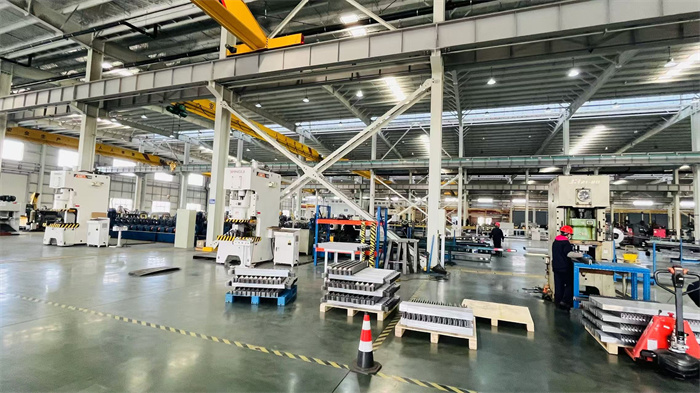
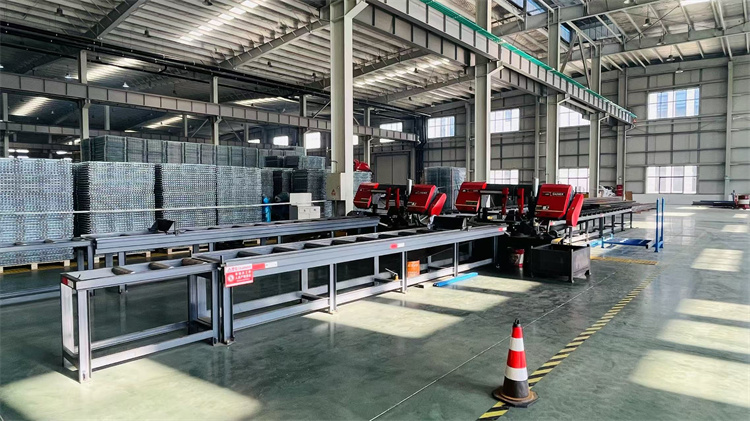
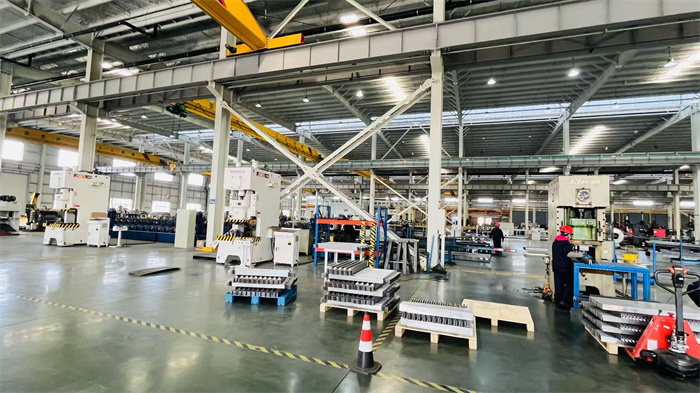
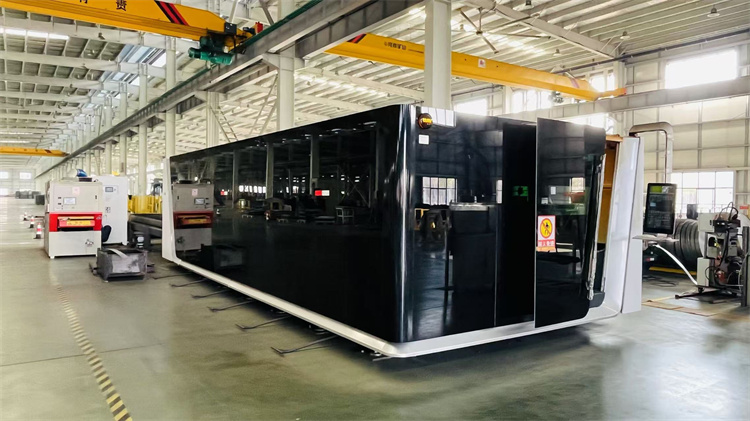
Jracking utilizes a modern 28,600 m² production center, backed by 12 years of industry experience and a dedicated team of 85 design and structural engineers. We maintain over 1,150 strategic supplier relationships, allowing us to source premium structural carbon steel and electronic components efficiently. Every production batch undergoes comprehensive quality control testing conducted by our 48 on-site quality inspectors. This ensures our systems comfortably exceed the standards required by international building regulations, including RMI, CE, and ISO.
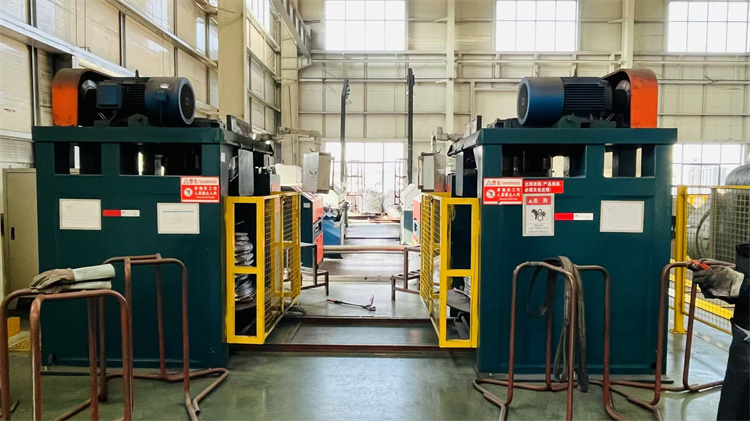
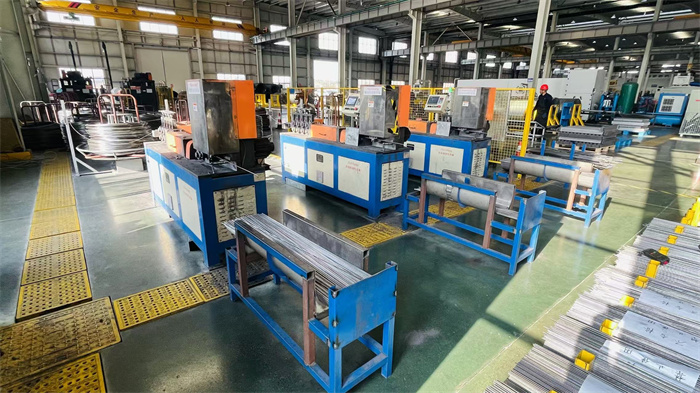
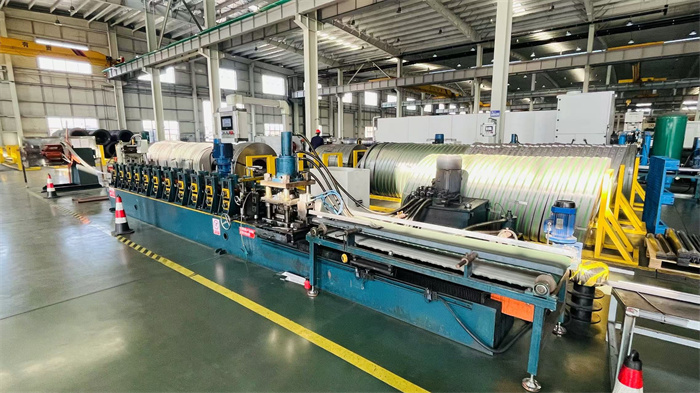
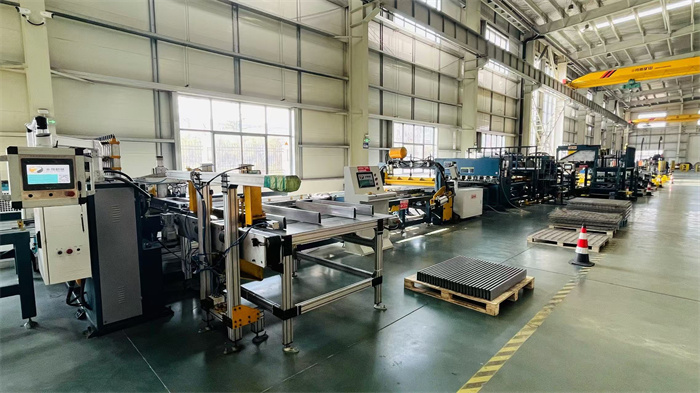
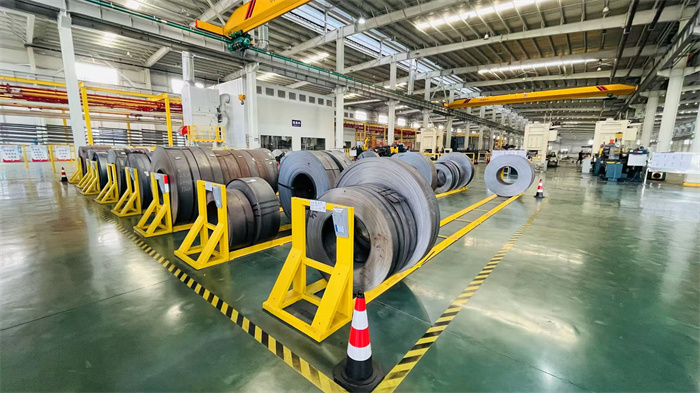
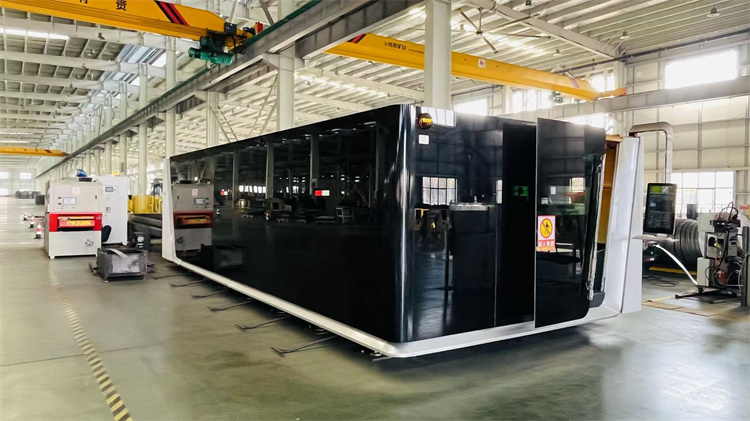
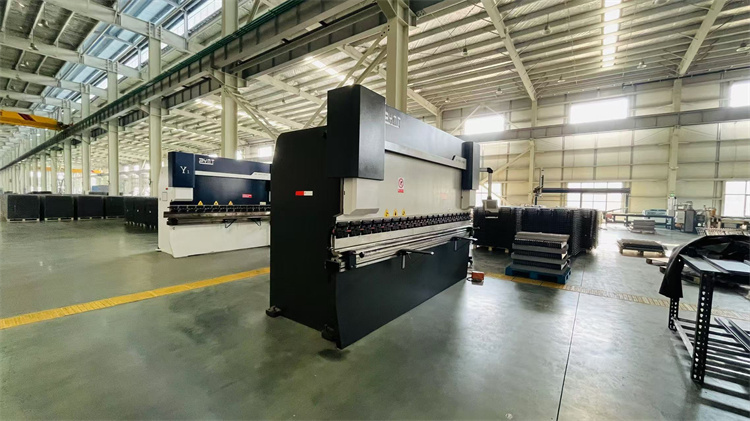
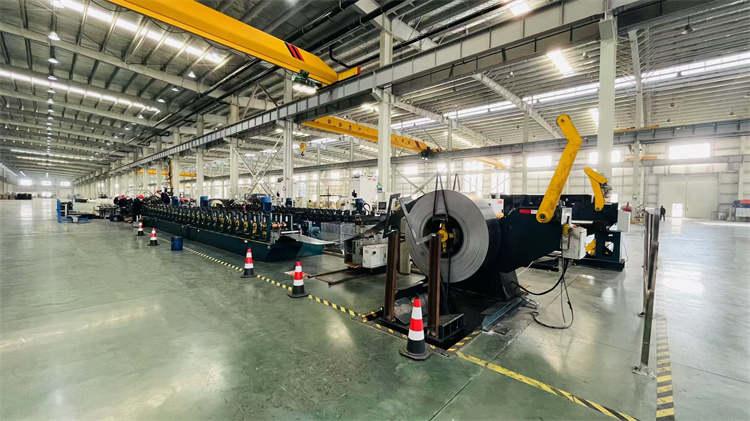
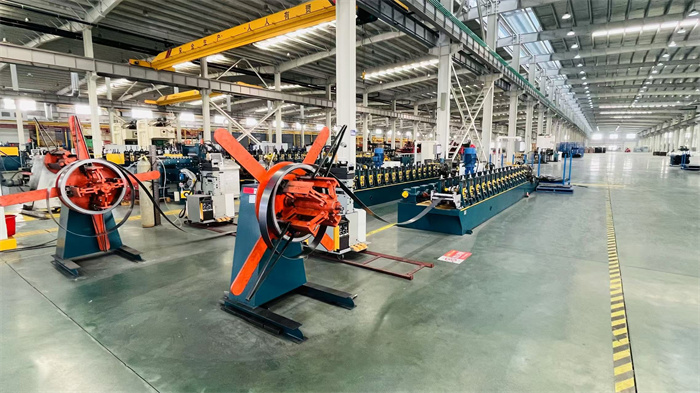
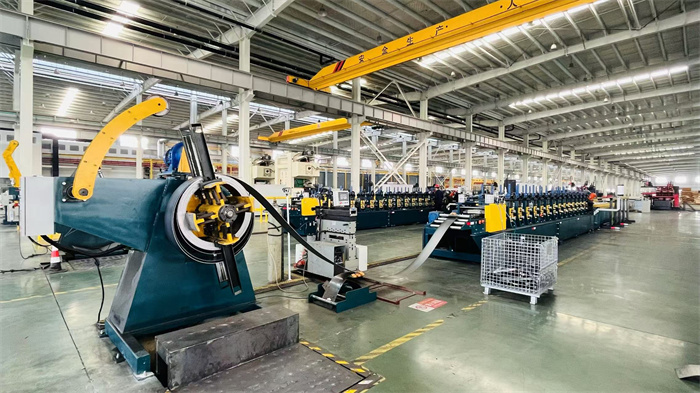
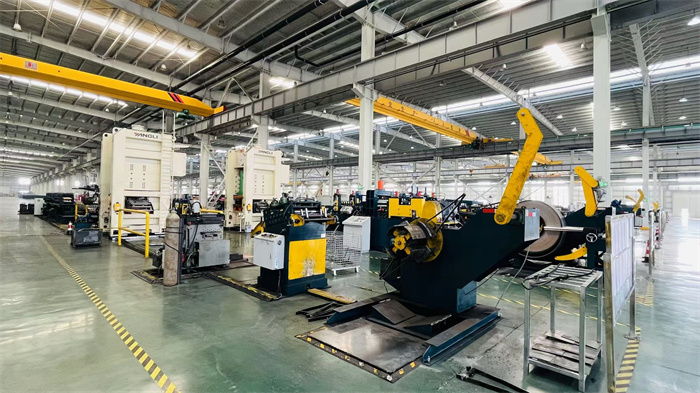
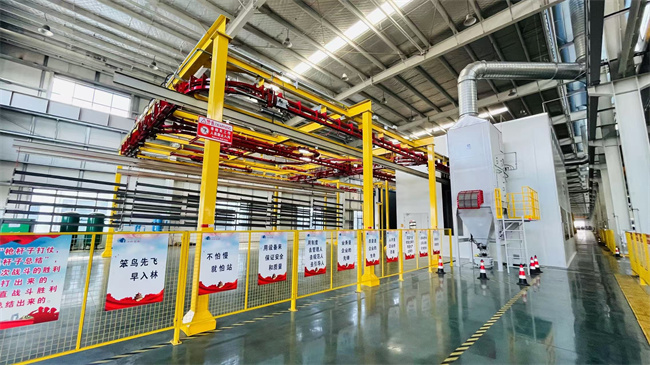
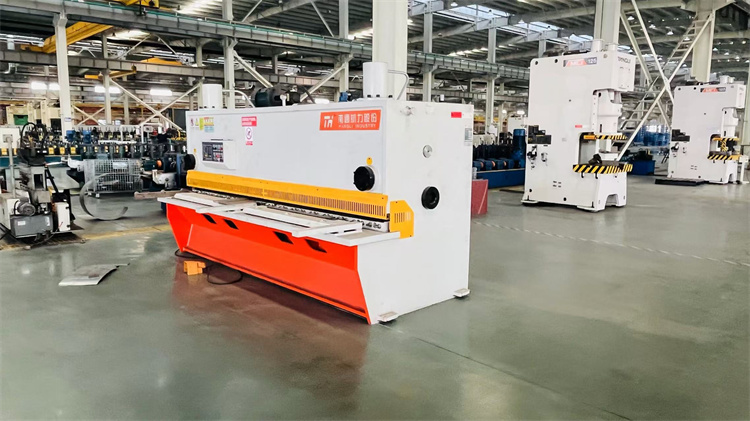
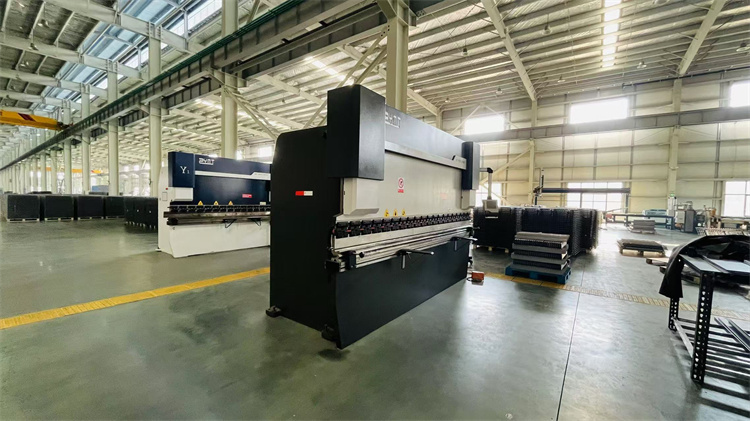
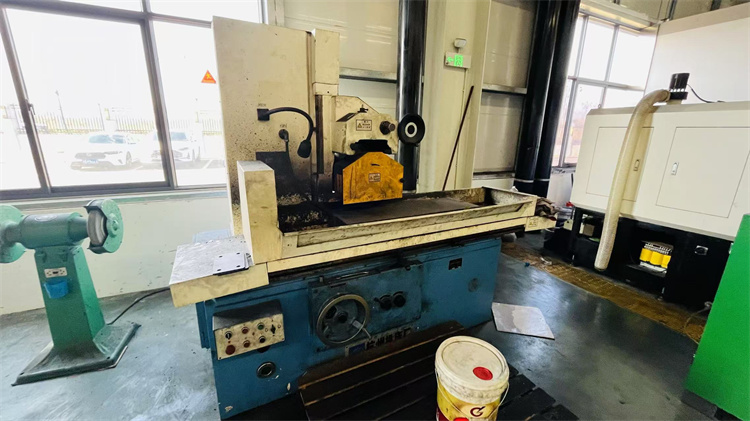
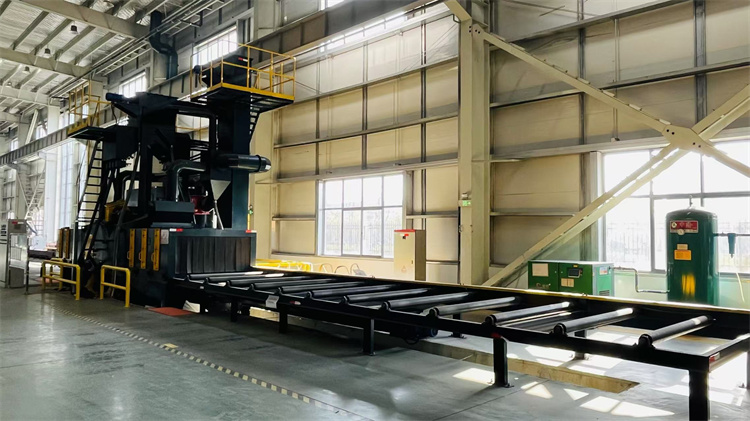
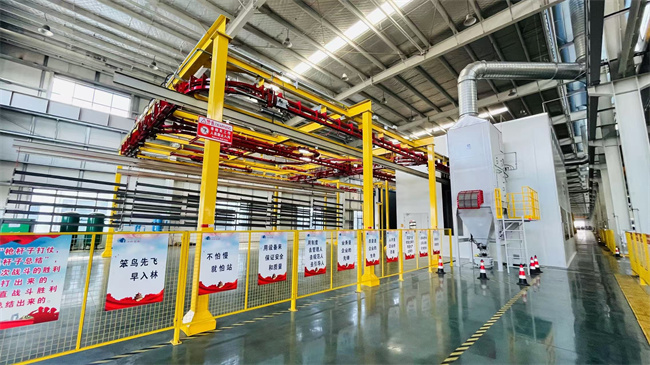
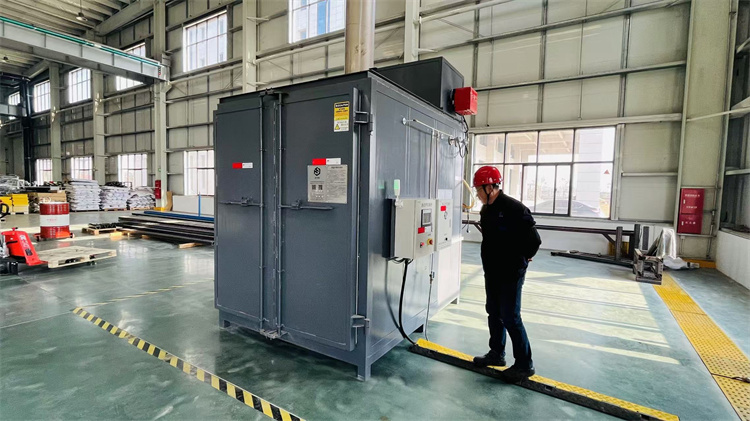
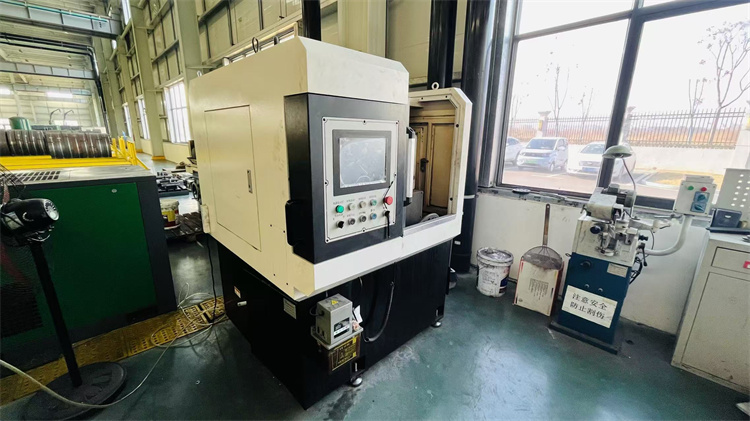
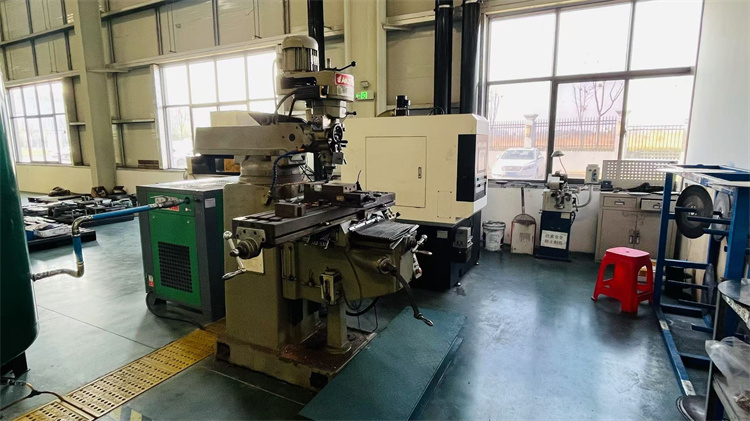
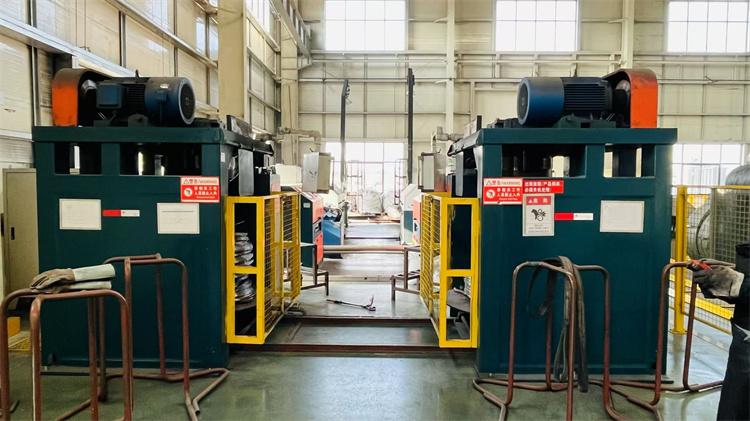
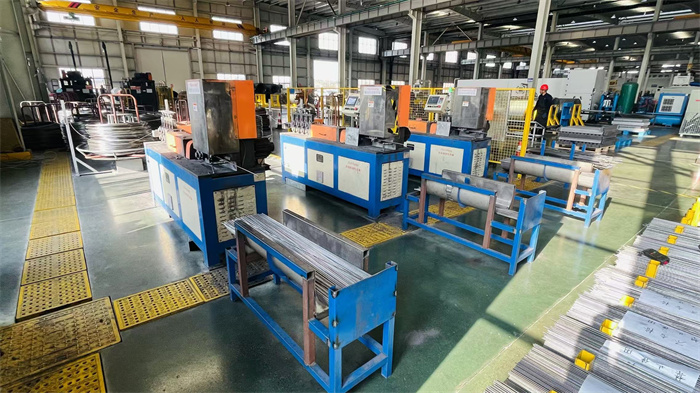
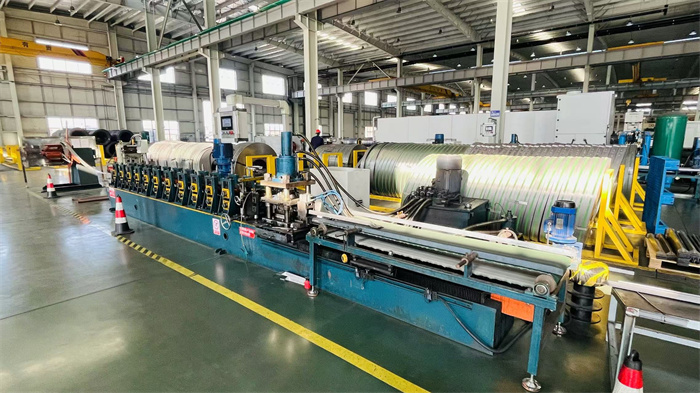
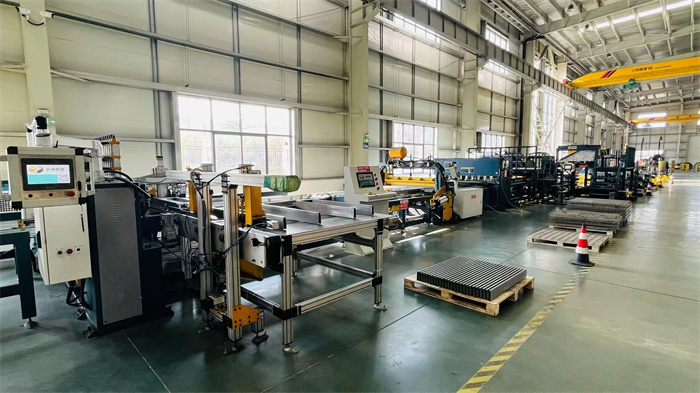
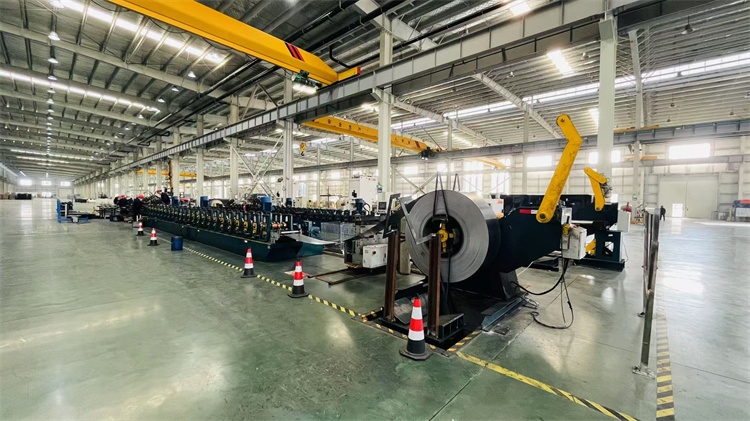
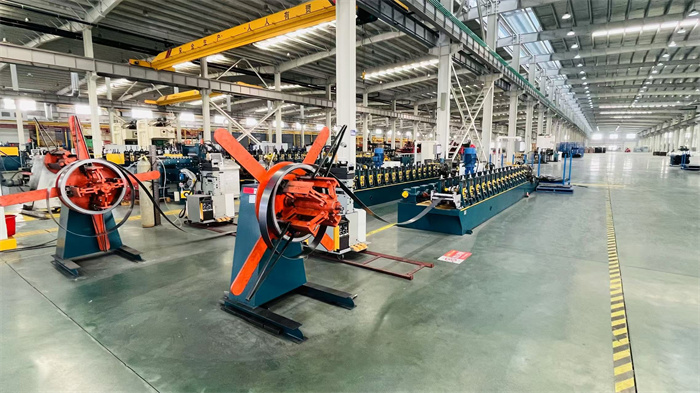
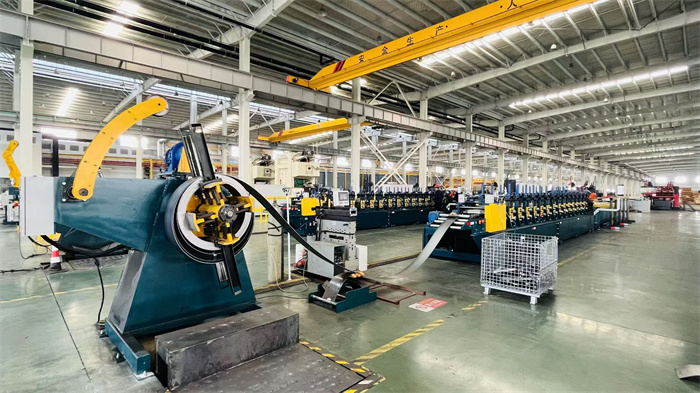
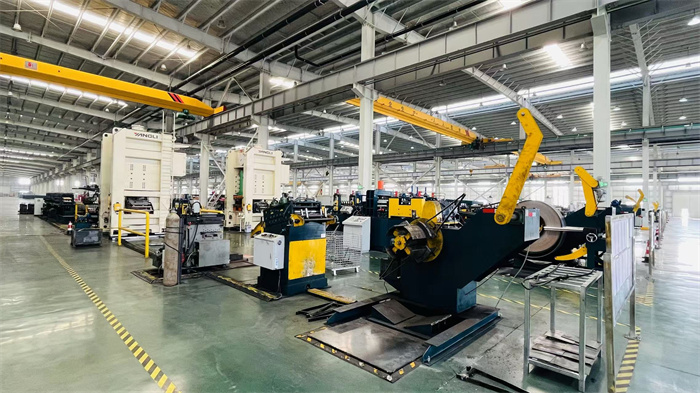
Transparency in our engineering process is key to maintaining our E-E-A-T values. Take a look at how we convert premium steel coils into high-tolerance radio shuttle racking systems in our automated production line:
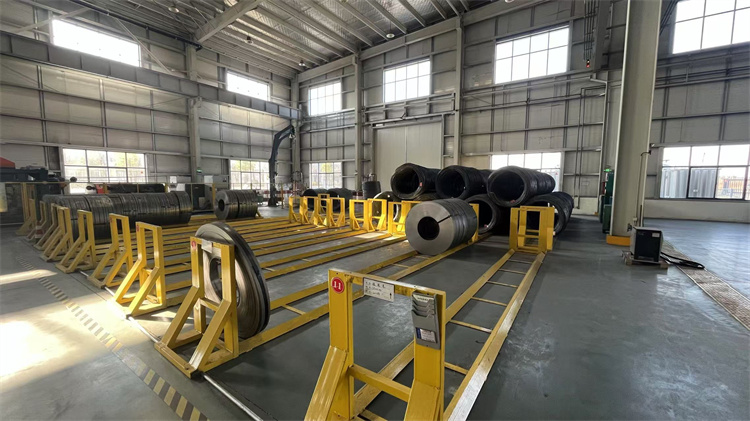
Our systems are carefully modified for Japan's high-tech, highly regulated vertical markets:
Cold storage facilities near key ports (Tokyo Bay, Kobe, Osaka) require extreme thermal efficiency. Operating forklifts inside freezing zones wastes cooled air and drains labor energy. Jracking's cold-chain radio shuttle system utilizes low-temperature batteries and condensation-resistant control boards to deliver smooth semi-automated FIFO/FILO operations at temperatures down to -25°C.
Serving the automotive clusters in Aichi and Kanagawa prefectures, components must be dispatched in rapid succession to production assembly lines. Our systems utilize high-speed shuttle carts, running at up to 1.2 m/s under full load, to ensure rapid vehicle dispatching and zero-congestion buffer lines.
As Japanese consumer patterns shift to online retailers, metropolitan fulfillment centers operate under immense pressure to store highly diverse SKUs. Radio shuttles serve as highly efficient dense buffers, consolidating inventory and reducing forklift traffic in packing pathways.
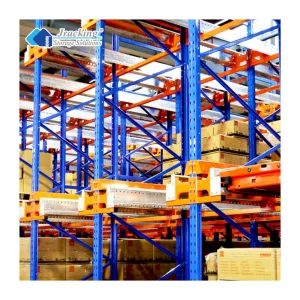
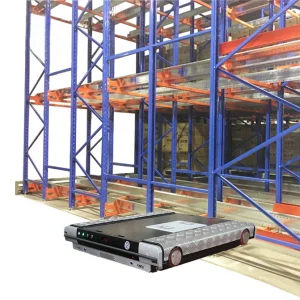
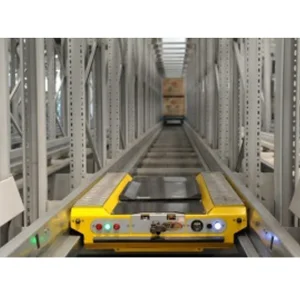
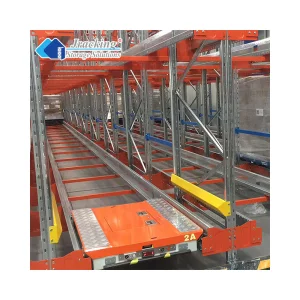
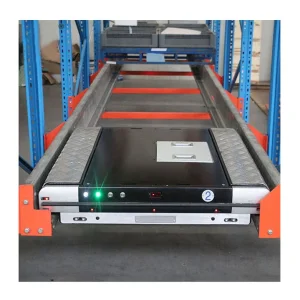
Discover our full range of automated storage racking and remote-controlled shuttle platforms designed for global export:
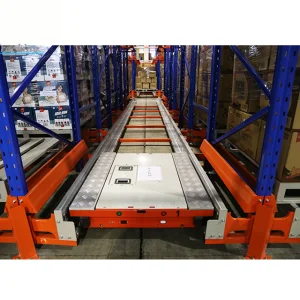
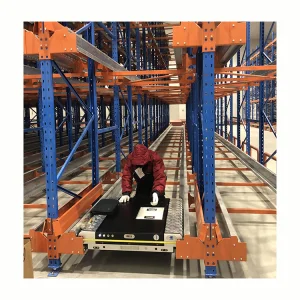
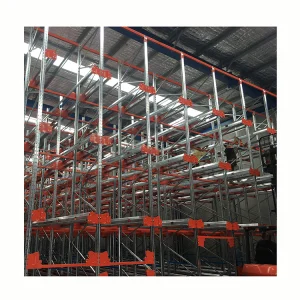
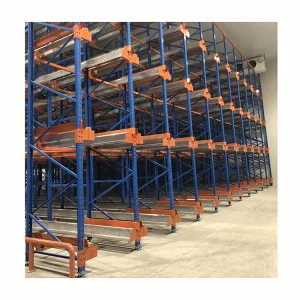
When designing shuttle racking installations for Japan's high-density facilities, key electrical and mechanical specifications must match local grid, forklift, and environmental configurations:
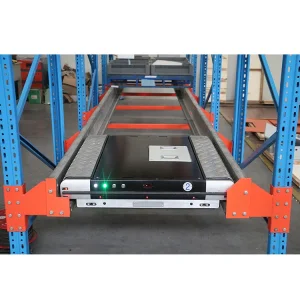
Our shuttle devices support load capacities up to 1,500kg. Standard travel speed is 1.0 m/s (loaded) and up to 1.2 m/s (empty). High-capacity LiFePO4 batteries deliver up to 8–10 hours of continuous operation with rapid 2-hour charging capabilities.
Our systems utilize automated profile rolling lines that maintain frame tolerances down to +/-1.5mm. Consistent vertical rail alignments are crucial to prevent shuttle vibration and safety shut-offs.
Equipped with high-performance PLCs, our system communicates via industrial 2.4 GHz wireless networks. Carts interface directly with modern Warehouse Management Systems (WMS) for seamless inventory tracking.
Consult our design engineers for a custom layout plan and quote designed for your facility's requirements.
 Jracking