Engineered to comply with rigorous Japanese safety standards, our elite range of structural storage racks provides optimal volumetric density for Osaka's tight urban logistics grids.
As the historic commercial center of Japan and the primary logistics gateway to western Japan, the Osaka metropolitan area (including the Port of Osaka, Sakai-Senzoku, and Kobe) operates under unique spatial and geological challenges. The region's industrial sector is pivoting heavily toward next-generation automated warehousing to mitigate critical issues: acute labor shortages, sky-rocketing land prices in urban centers, and the imperative need for compliance with the strictest seismic codes globally.
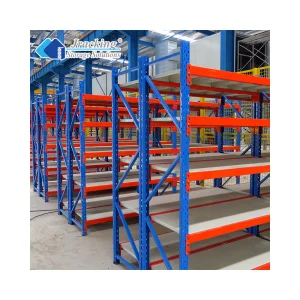
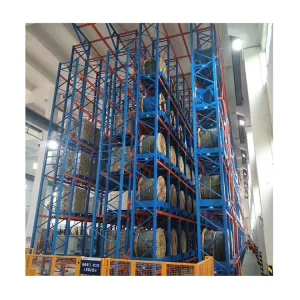
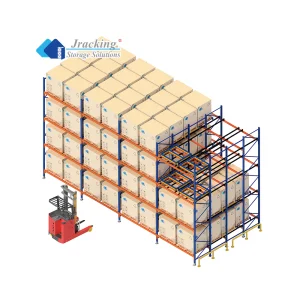
Standard storage equipment imported into Osaka must be engineered with heavy-duty profiles that optimize vertical heights (cube utilization). Standard specifications are no longer sufficient; engineering designs must factor in the Nankai Trough earthquake preparedness guidelines, requiring customized structural calculations, augmented dynamic load resistance, and high-ductility steel alloys. Jracking's heavy-duty selective pallet racks and automated systems are built using premium structural steel grades (equivalent to JIS SS400 or higher) with advanced weld profiles specifically optimized for high-seismic zones.
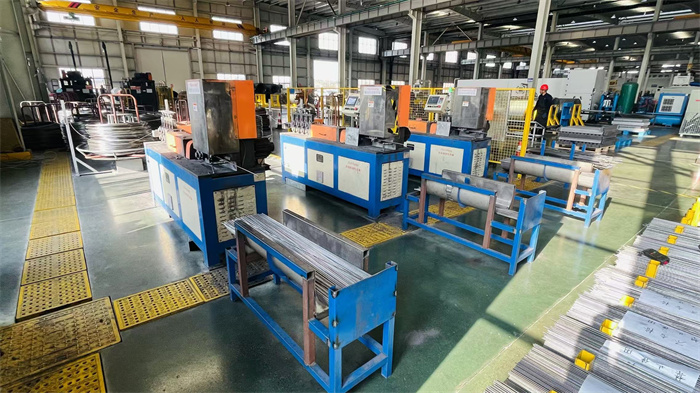
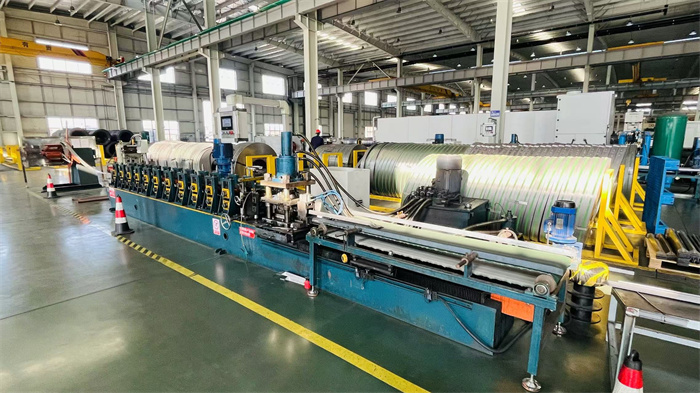
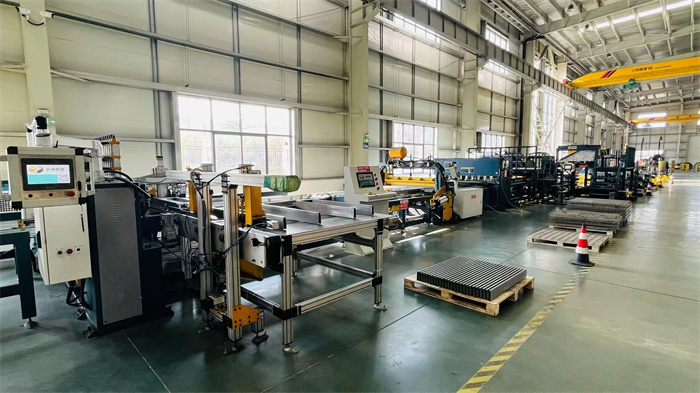
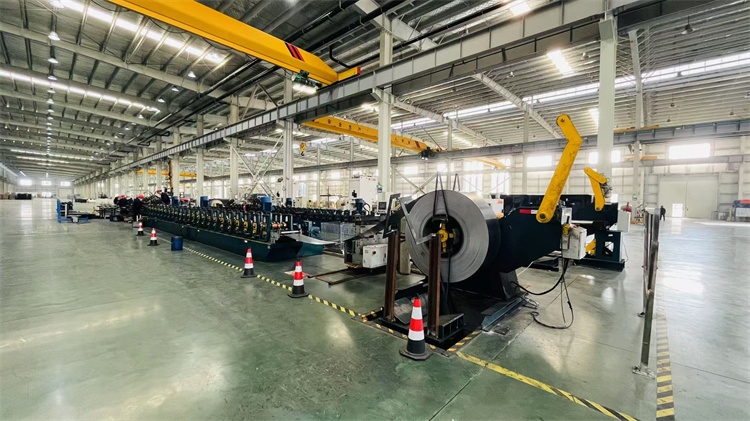
Explore our state-of-the-art production workflow. Every stage, from raw material treatment to automated welding and powder spraying, is monitored under ISO-compliant QC processes by 48 certified inspectors.
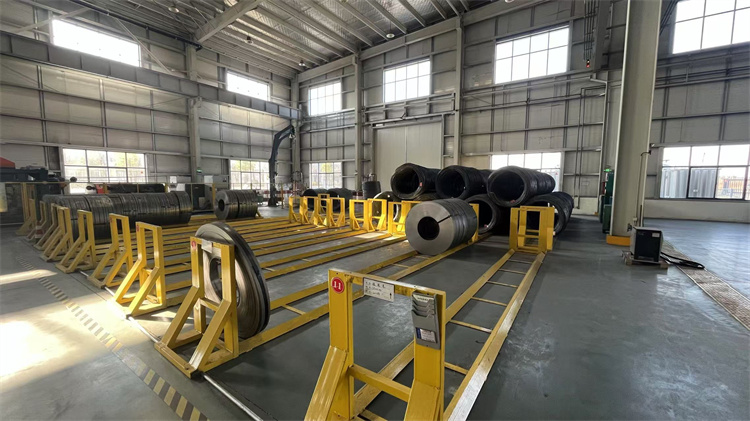
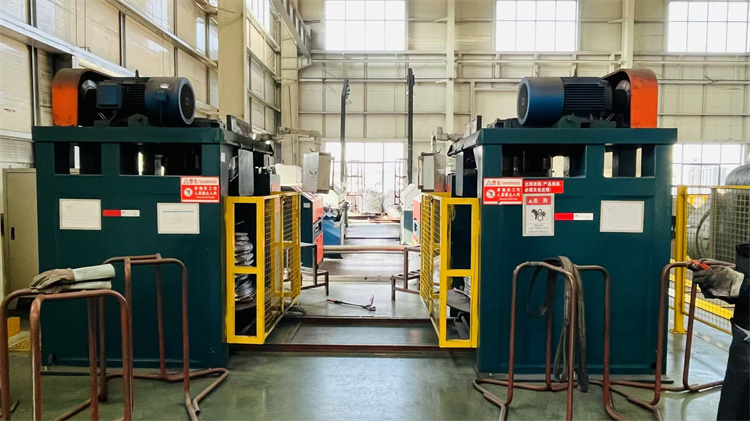
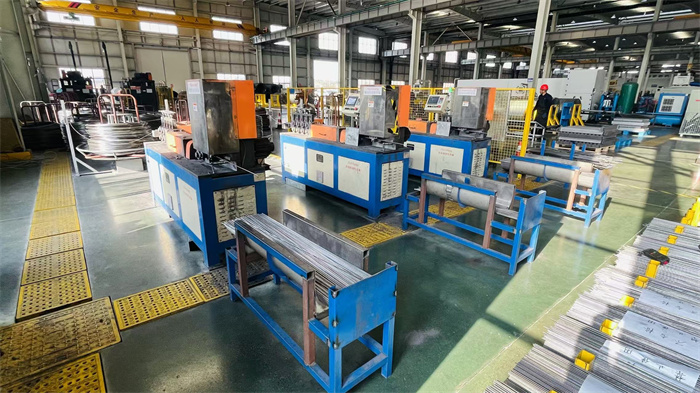
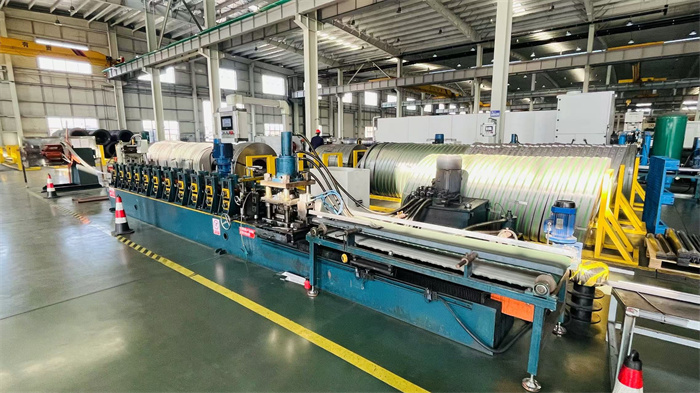
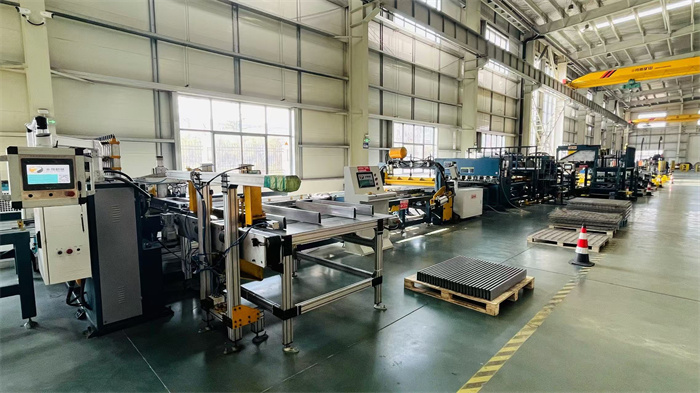
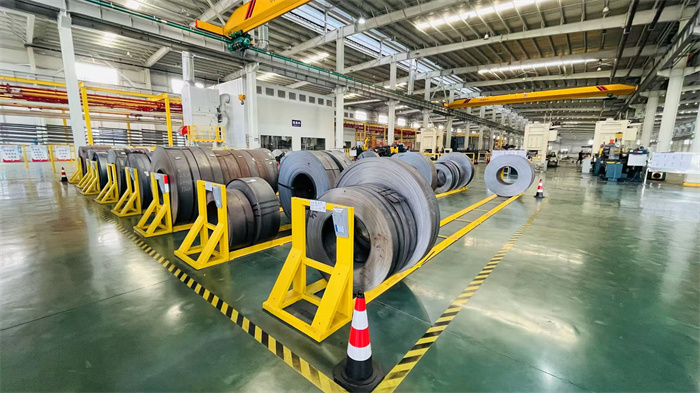
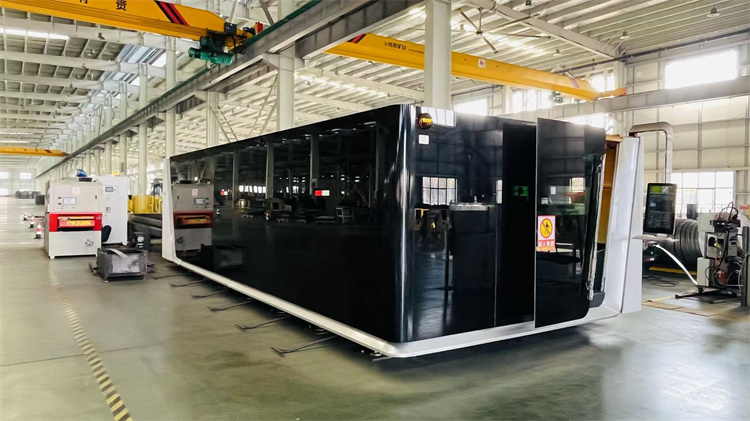
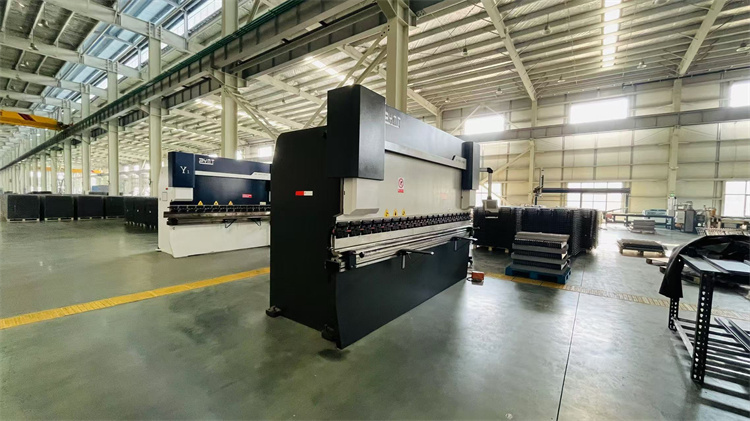
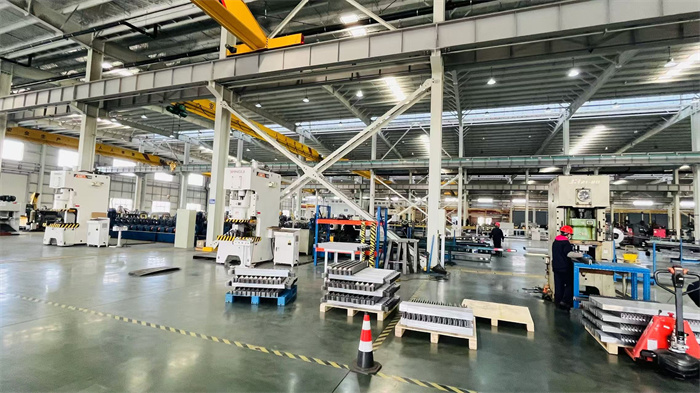
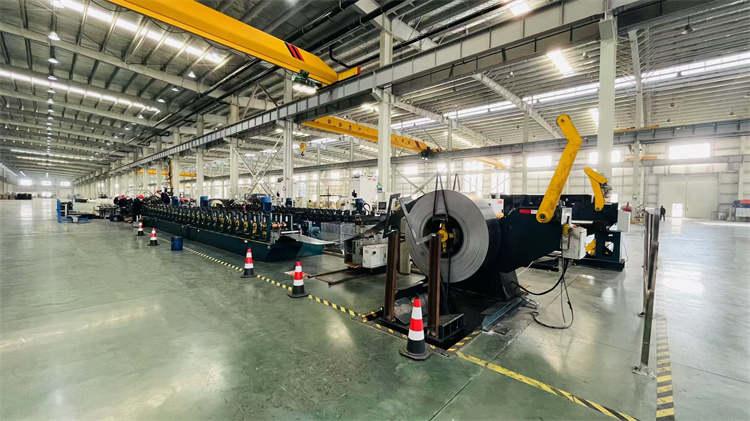
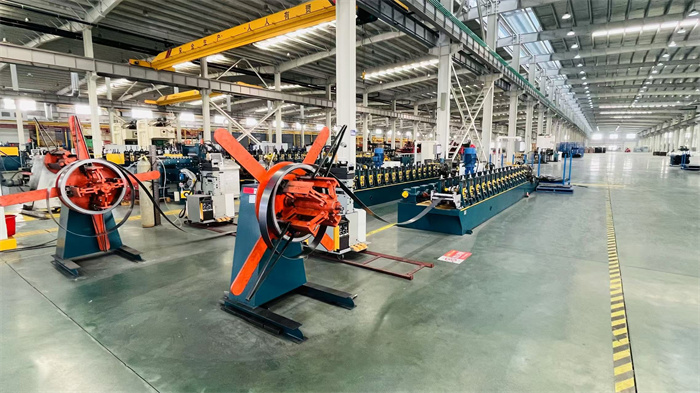
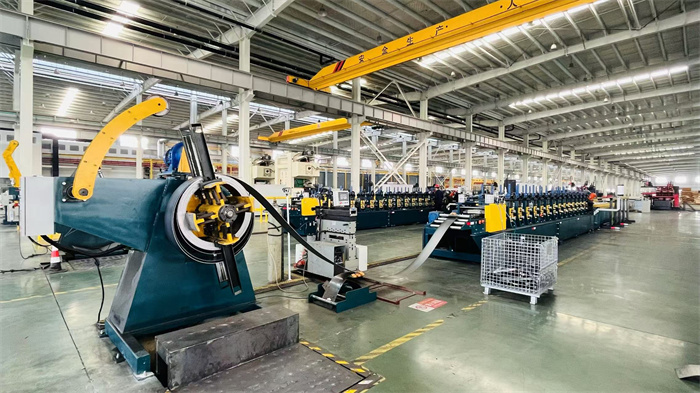
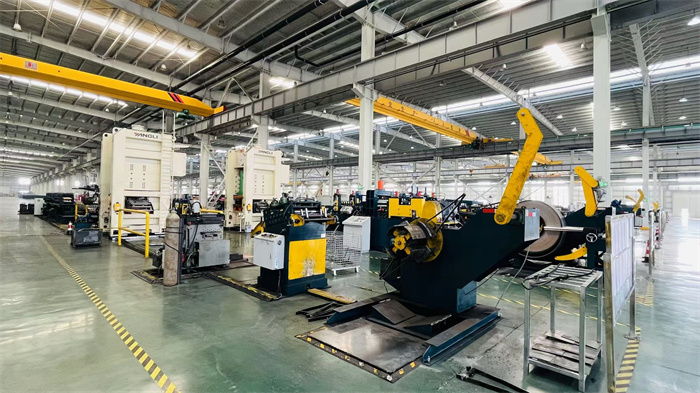
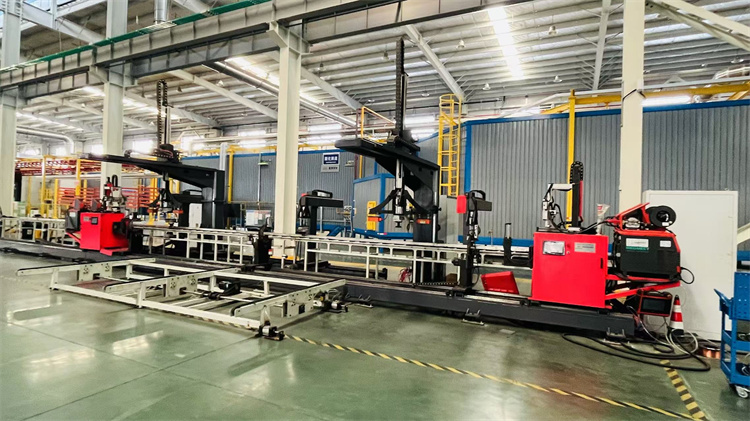
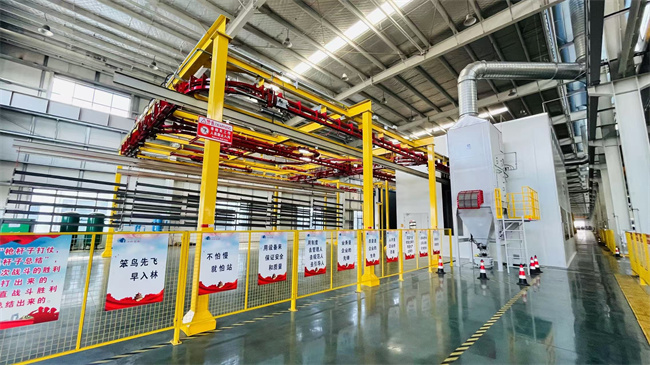
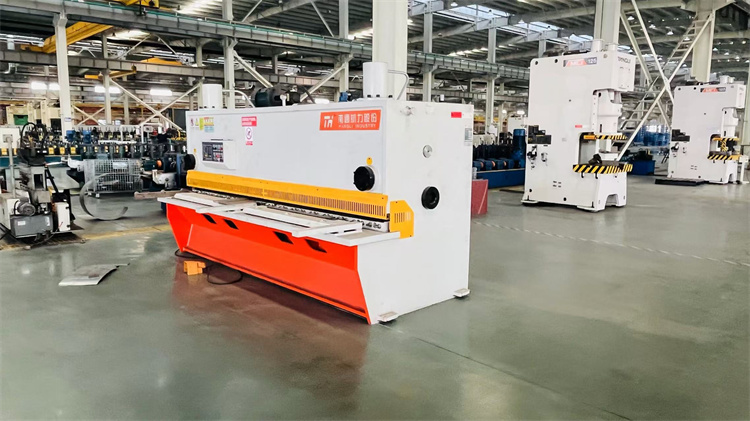
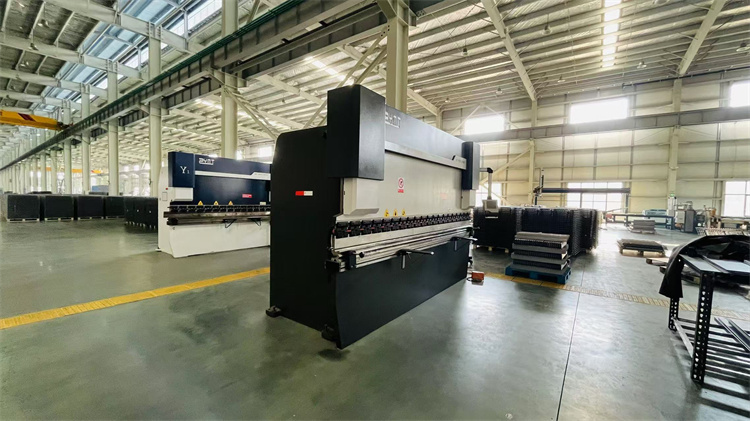
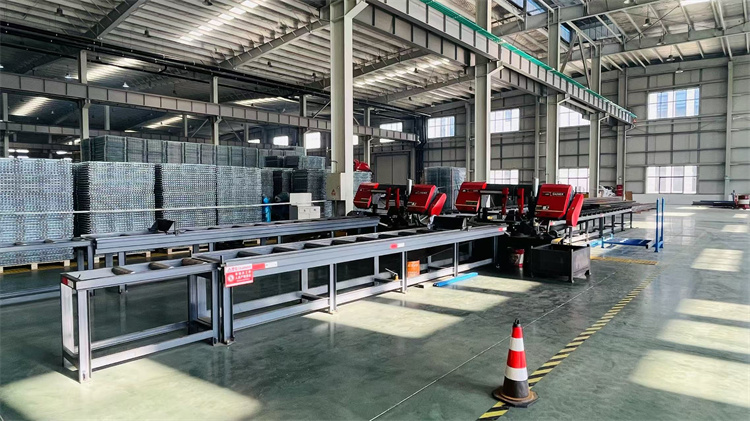
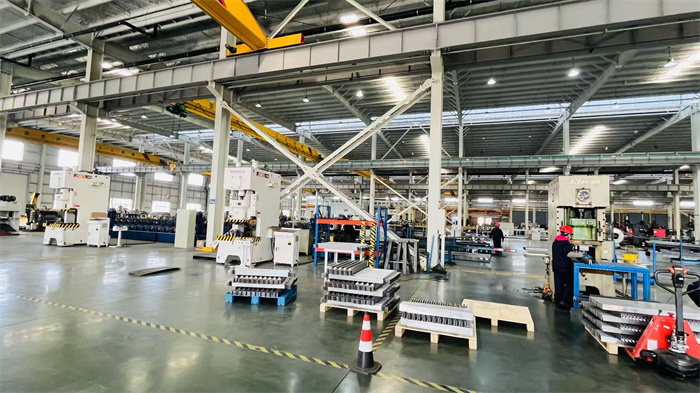
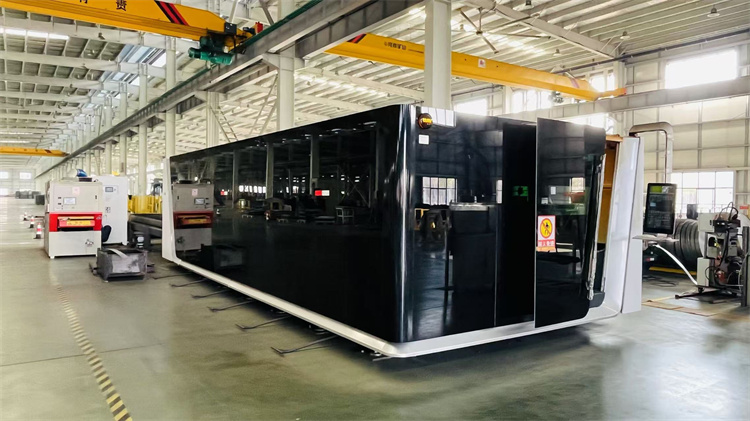
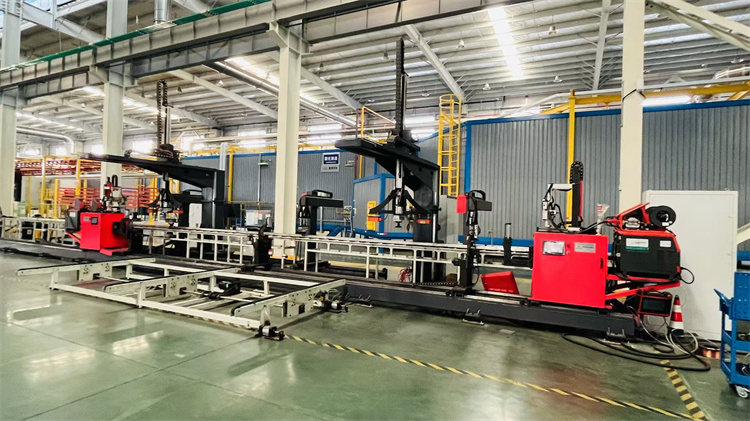
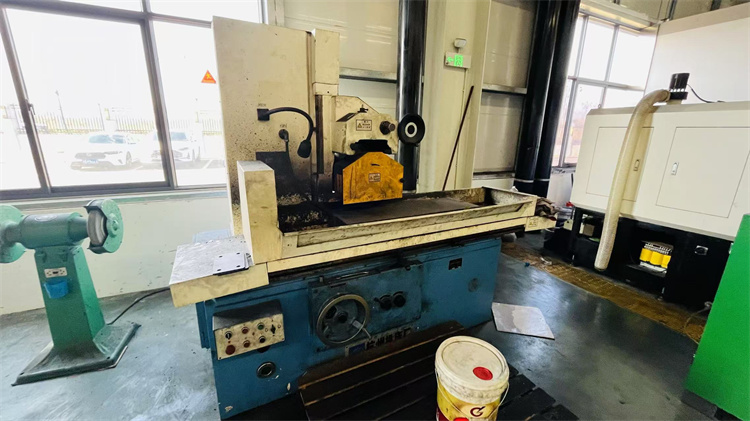
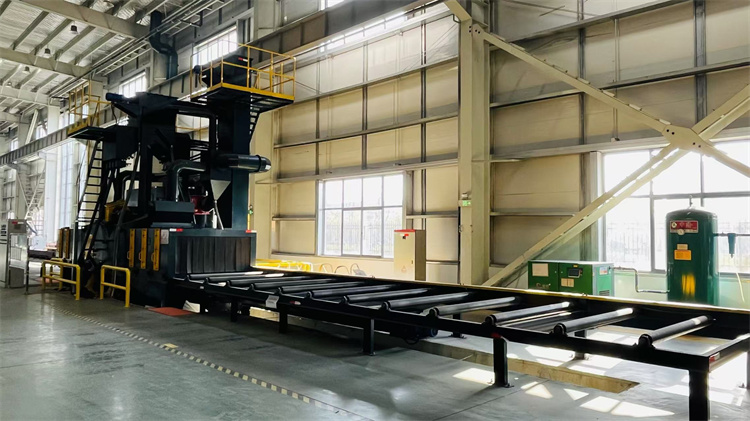
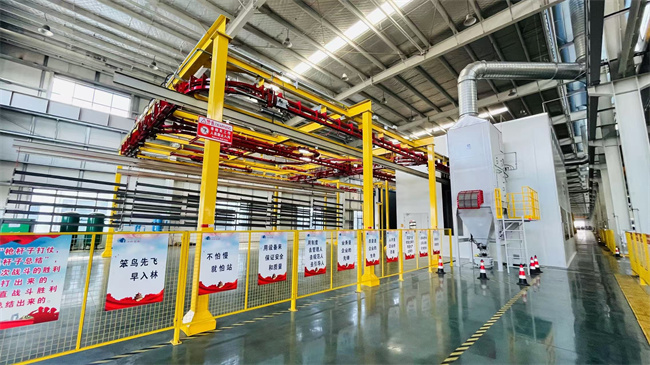
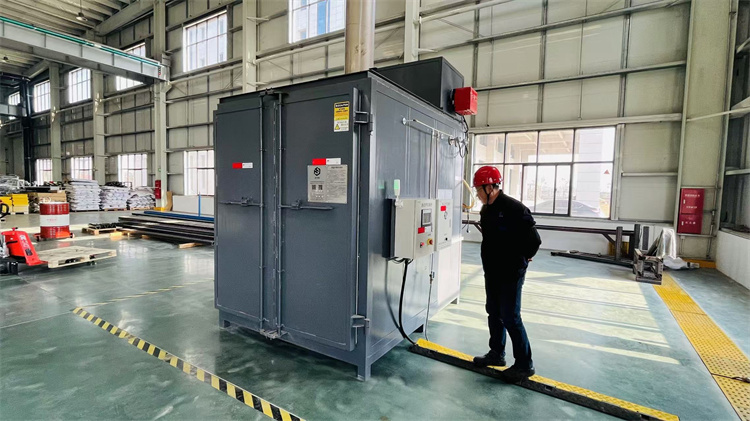
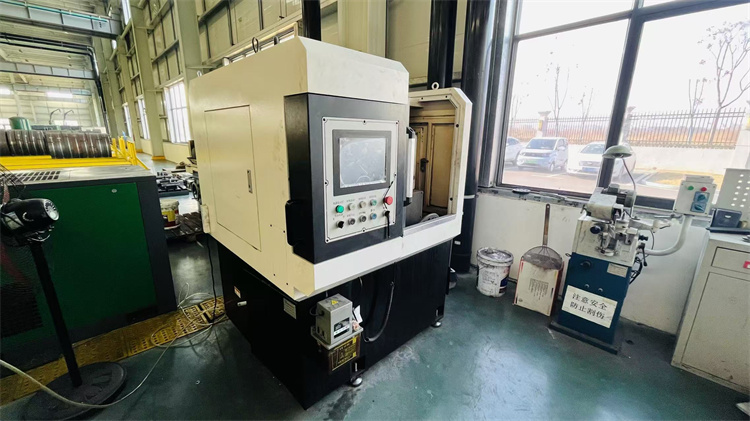
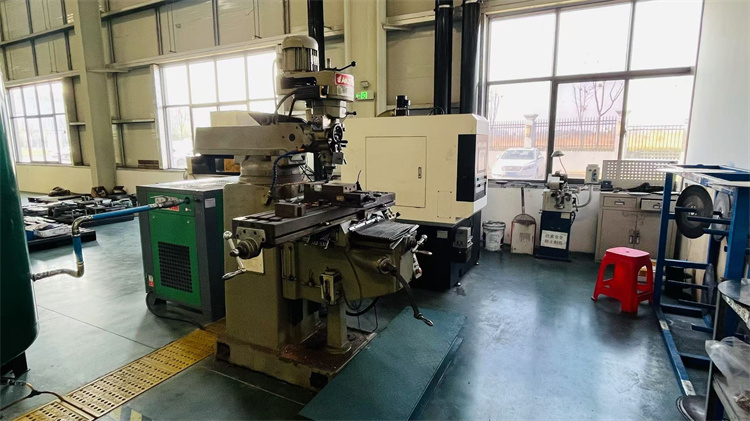
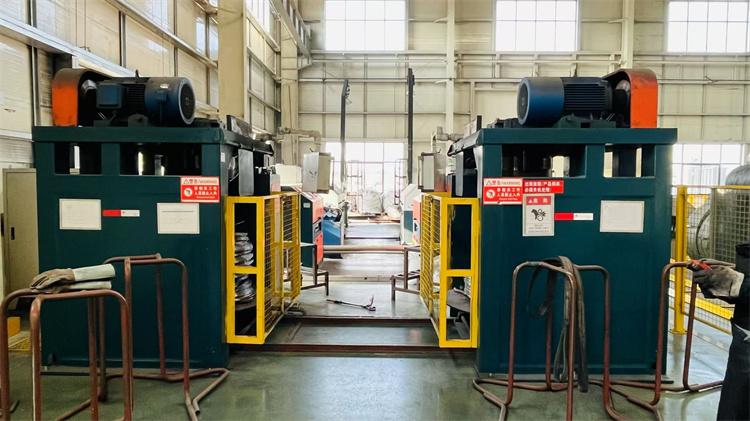
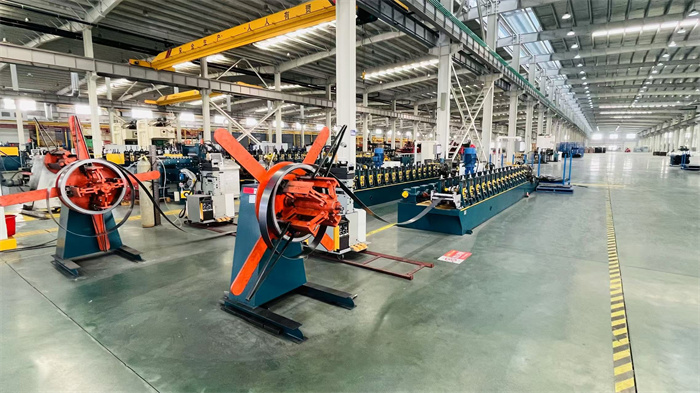
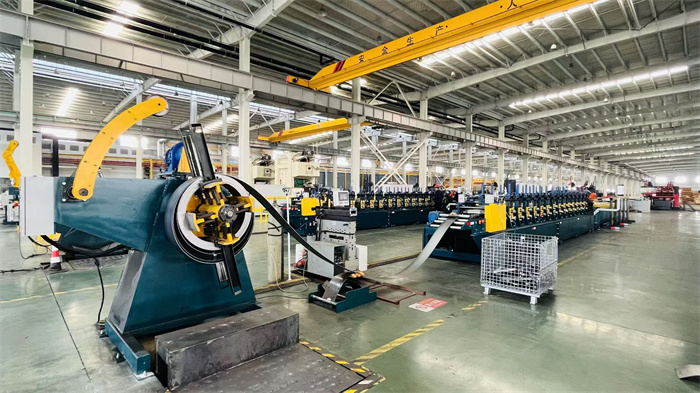
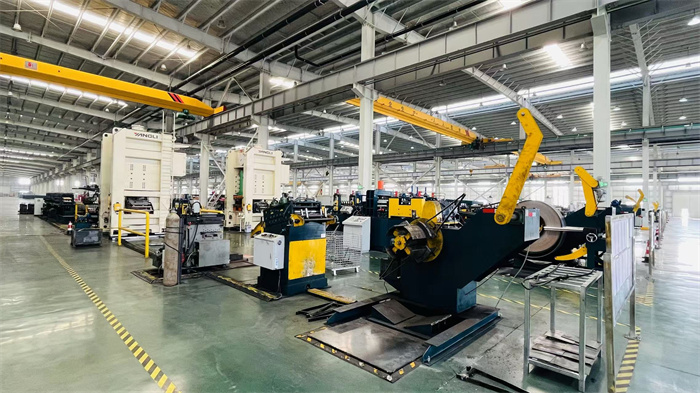
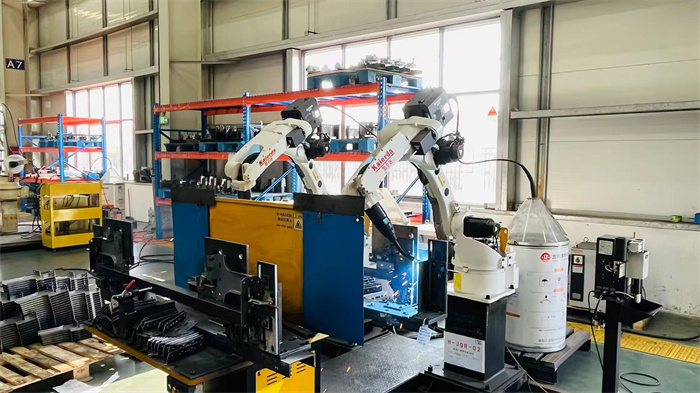
Global supply chain volatility demands partner reliability. From our primary manufacturing facility in China, Jracking (Guangdong) Storage Co., Ltd. offers Osaka and Kansai-based importers unmatched logistical control and manufacturing speed. By anchoring our steel sourcing directly to China's leading mills, we guarantee material supply stability regardless of global raw commodity fluctuations.
Furthermore, our geographic position in Guangdong is a major competitive advantage for the Japanese market. We utilize rapid shipping routes to the Port of Osaka and Port of Kobe, providing typical door-to-port transit times of under 5 days. This ensures that customized projects or phased warehouse installations are executed on schedule, significantly reducing warehousing demurrage and onsite storage overheads.
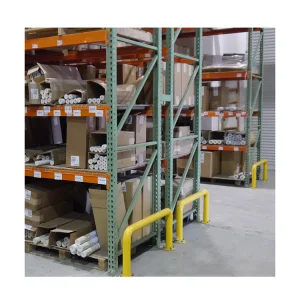
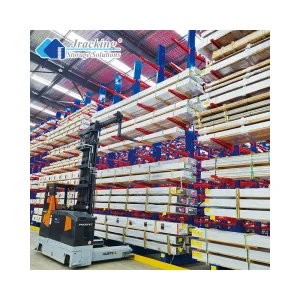
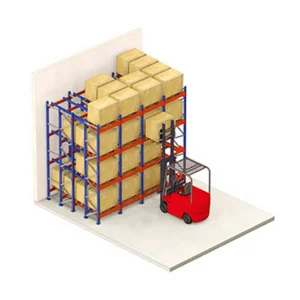
Explore specialized storage equipment that maximizes vertical and structural limits in dense logistics centers.
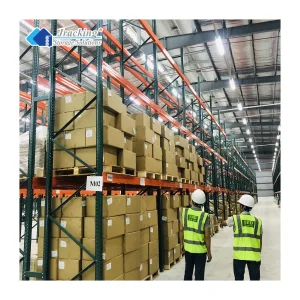
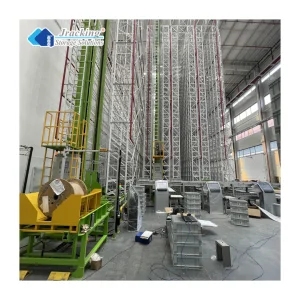
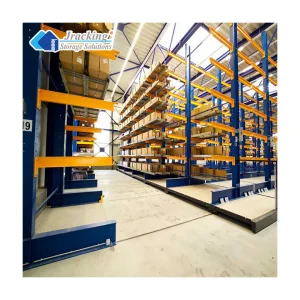
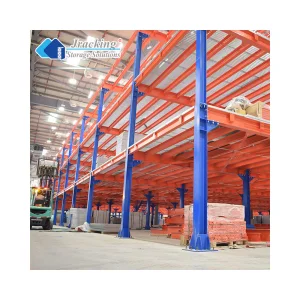
As logistics complexes scale up, traditional static racking is evolving. Industry 4.0 integration demands that storage equipment act as a dynamic, intelligent module in the automation chain. Jracking's design roadmap is closely aligned with these developments:
By investing in automated precision roll-forming lines, laser cutting centers, and robotic welding, Jracking ensures every batch delivers consistent physical characteristics. This structural stability is essential when integrating automation technologies like shuttle cars and AGVs (Automated Guided Vehicles).
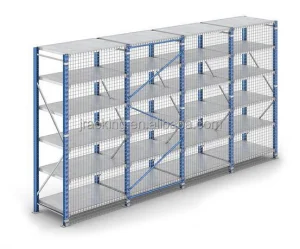
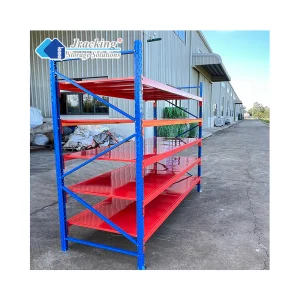
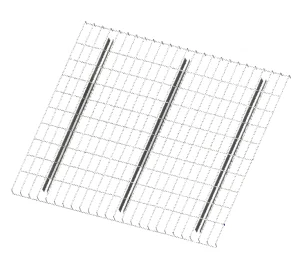
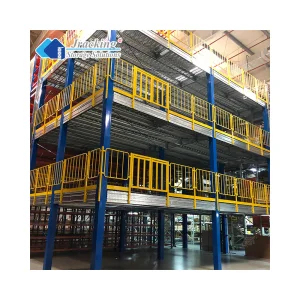
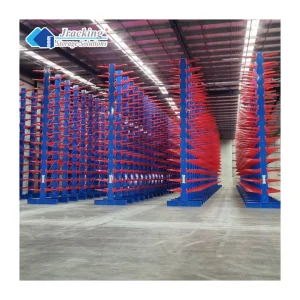
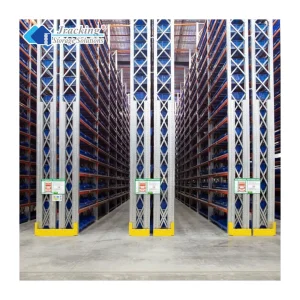
Discover our comprehensive range of certified warehouse racks, wire mesh decks, and heavy-duty structural platforms designed for Kansai manufacturing and import operations.
Importing storage structures into Japan requires strict compliance with local building codes. Storage platforms and racking over certain heights must satisfy the requirements of the Japanese Building Standards Act (建築基準法). Jracking works closely with engineering partners to provide complete stress-strain analysis, structural calculations, and seismic load reports tailored to local ground motion factors in Osaka.
Every product undergoes dynamic validation testing, weld penetration checks, and coating thickness verification (measured in microns) to guarantee durability. Our 48 QC inspectors manage raw materials and finished components to maintain structural compliance, ensuring seamless approval processes for major logistics developments across Japan.
Technical information to assist your warehouse engineering and import logistics teams.
 Jracking