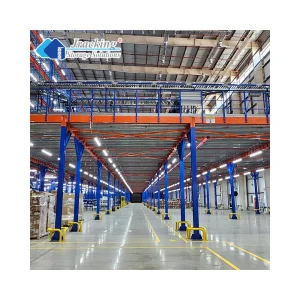
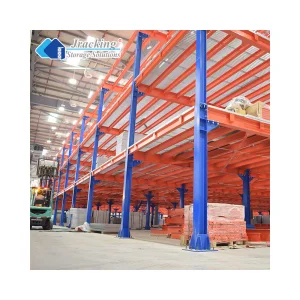
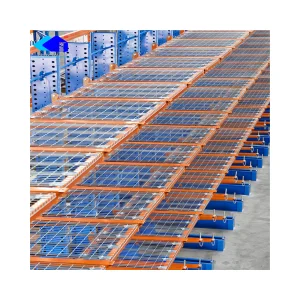
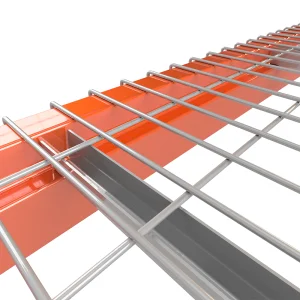
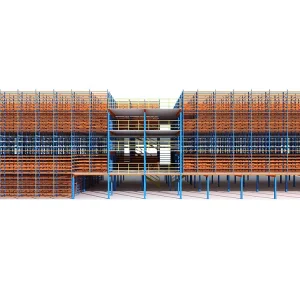
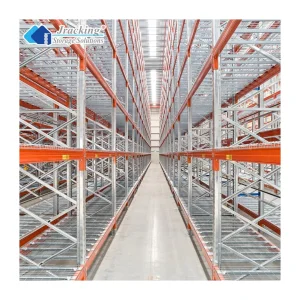
Engineered to maximize vertical footprint and comply with structural load demands of modern Brazilian distribution hubs.
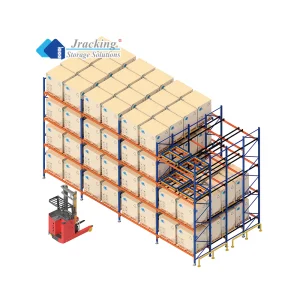
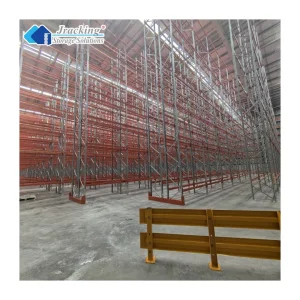
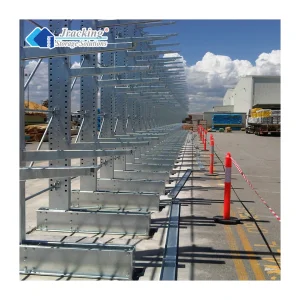
A deep dive into structural design, local regulatory environments, cost metrics, and sourcing methodologies for South America's largest economy.
Brazil's logistics infrastructure is undergoing a radical spatial transition. In major industrial metropolitan corridors such as the Grande São Paulo (including Guarulhos, Campinas, and Bernardo do Campo) and Rio de Janeiro, warehousing leasing rates have surged significantly. Driven by the expansion of cross-border e-commerce (such as Mercado Livre, Shopee, and Amazon Brasil), alongside traditional retail consolidation and modern food distribution, prime logistics warehouses (Class A+) command premium rents.
This rapid rise in land prices has made horizontal warehouse expansion financially unviable for many medium-to-large operations. Consequently, optimizing vertical spatial volume (cubic meter exploitation) has become the core strategic target for supply chain directors. Structural steel mezzanines and multi-level rack-supported platforms provide a direct ROI driver, effectively doubling or tripling usable square footage without altering the external building footprint.
“In logistics parks located within 50km of São Paulo’s central business districts, utilizing vertical volume via multi-tier mezzanine floors decreases the average real estate cost per pallet position by up to 45% compared to migrating to newer, larger greenfield sites.”
Designing and deploying steel platforms and heavy-duty racking systems in the Brazilian market requires strict compliance with local engineering codes. Standard structural metrics are overseen by the Associação Brasileira de Normas Técnicas (ABNT). Key standards governing industrial storage configurations include:
For global engineering managers, ignoring these parameters presents severe operational and legal risks. Professional designers must calculate dynamic loads, deflection limits (often restricted to L/200 or L/300 depending on structural sensitivity), and seismic-like baseplate load distributions to ensure safe operation under heavy material handling equipment (MHE) stress.
Sourcing industrial structural mezzanines directly from specialized Chinese manufacturers like Jracking (Guangdong) Storage Co., Ltd. offers significant economic and technological advantages over local regional fabrication shops in South America.
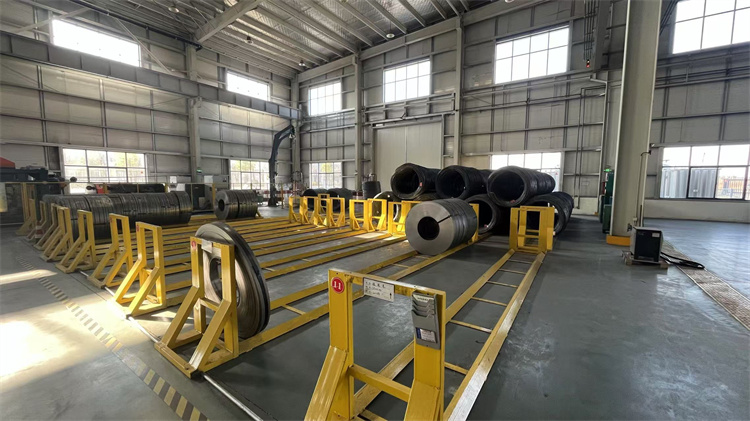
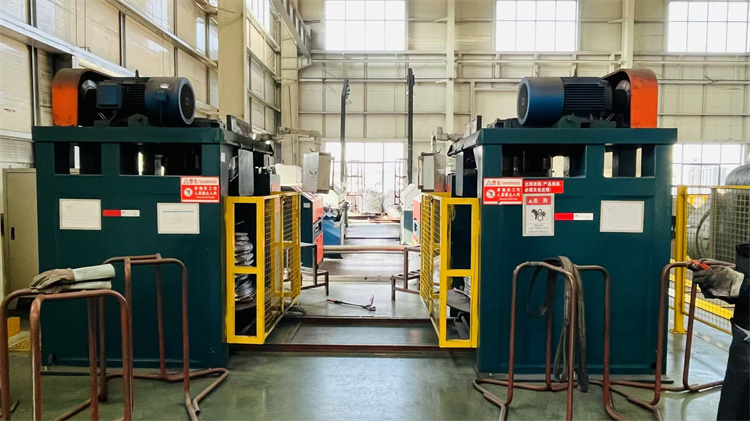
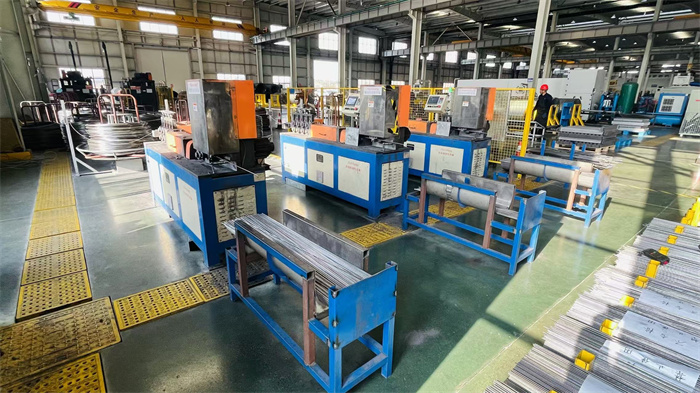
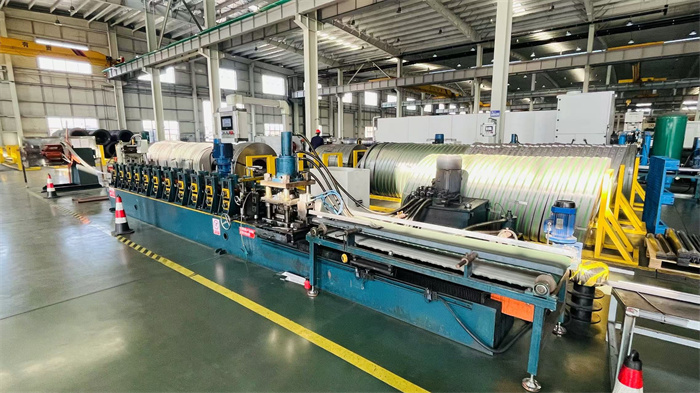
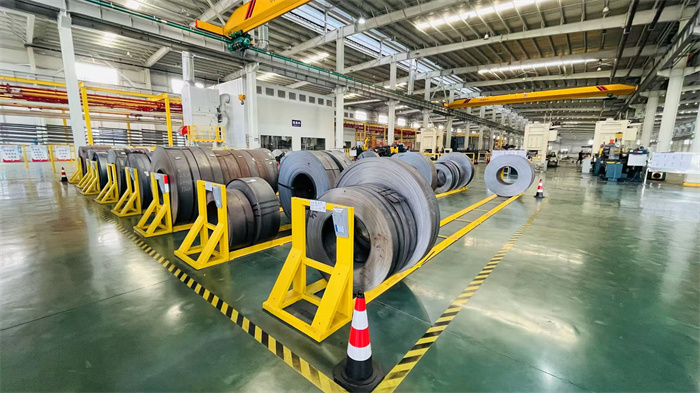
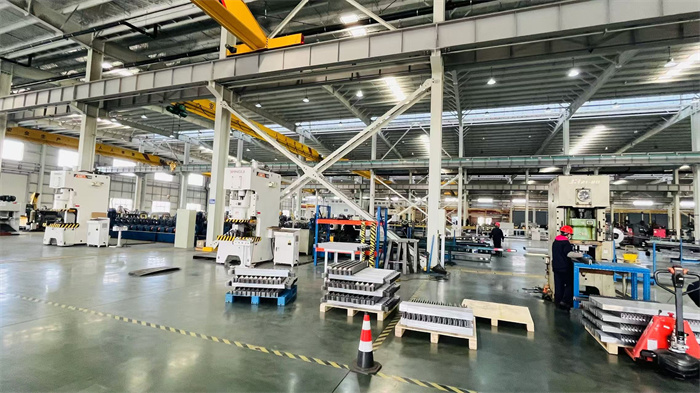
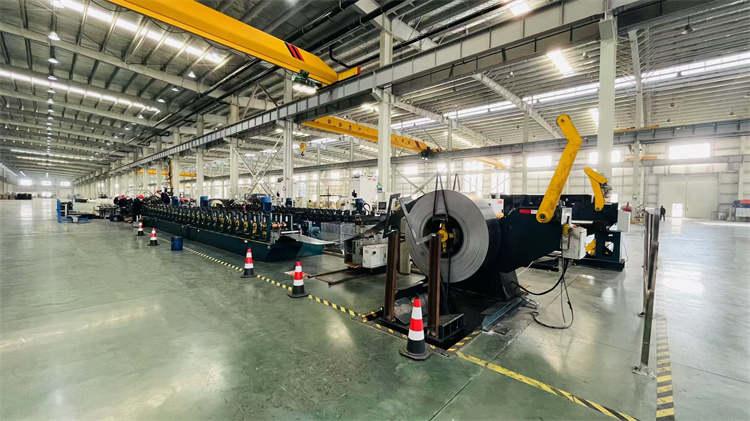
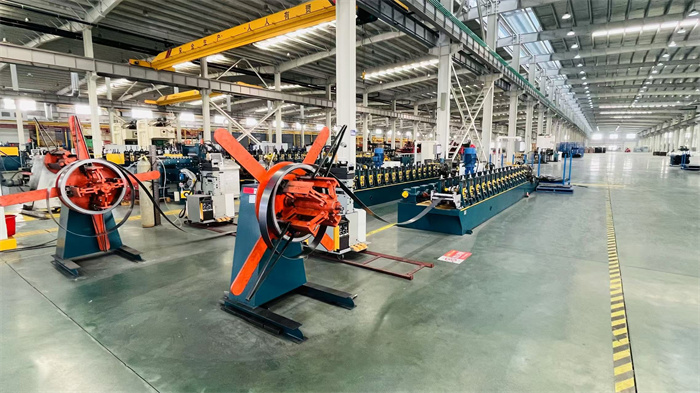
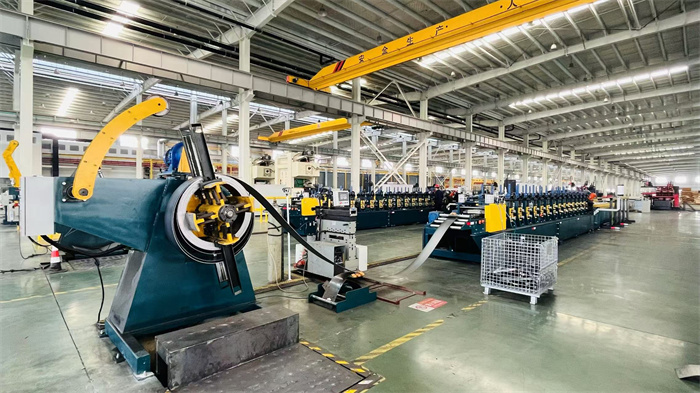
By utilizing high-grade structural steels (primarily Q235B and high-yield strength Q355B), Chinese factories ensure thinner, stronger, and more resilient cold-rolled profiles compared to generic hot-rolled channels often utilized locally. Jracking’s advanced structural engineering capabilities, supported by a specialized R&D department featuring 85 experienced engineers, enable rapid production of modular, bolted steel platforms. These modular designs eliminate the need for on-site welding, significantly reducing installation time and hazard profiles at the Brazilian jobsite.
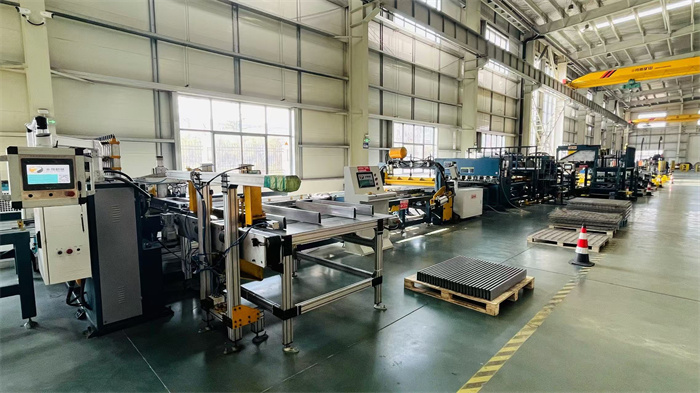
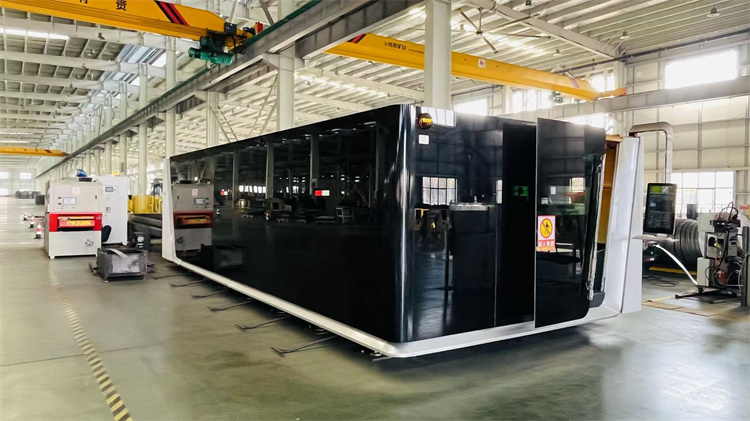
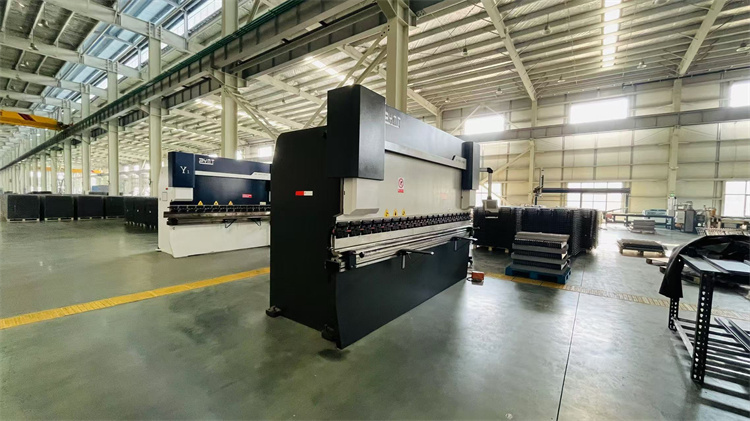
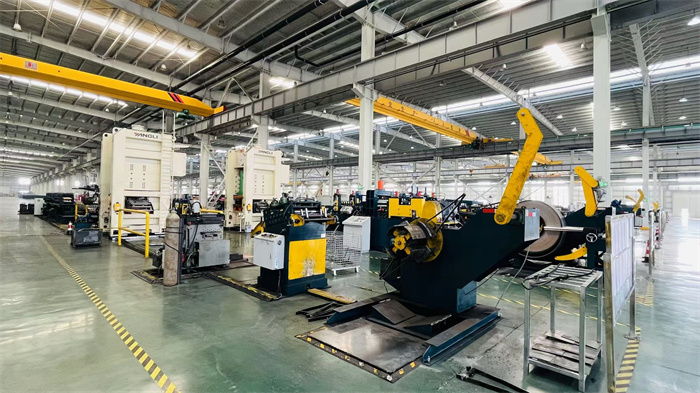
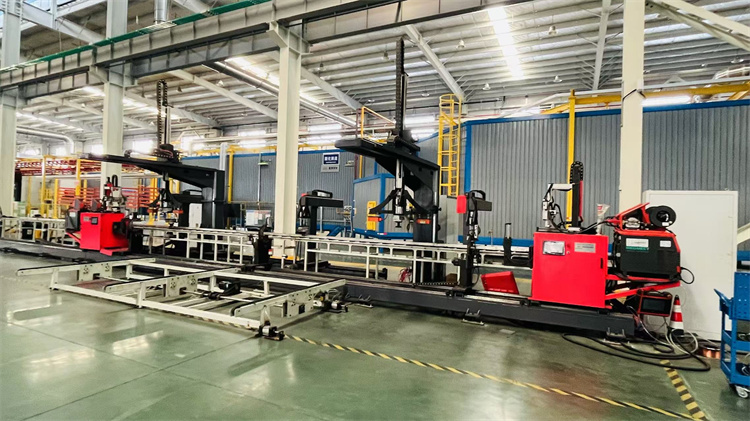
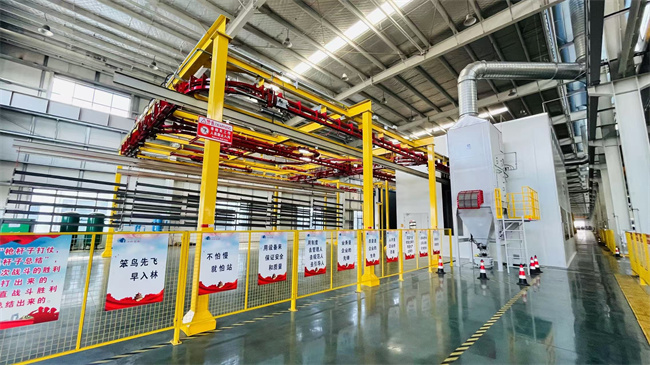
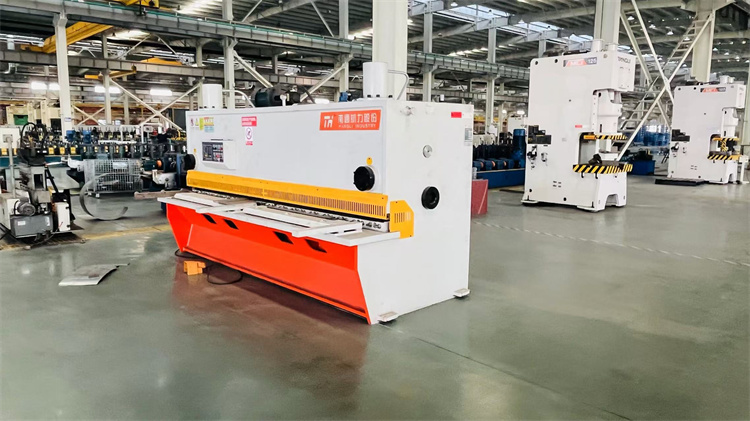
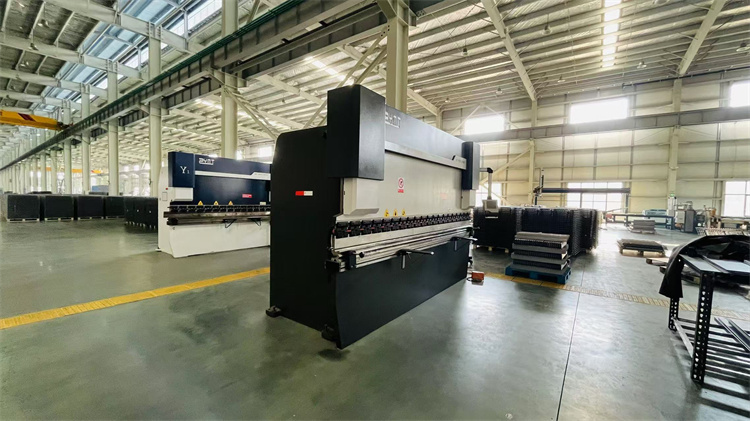
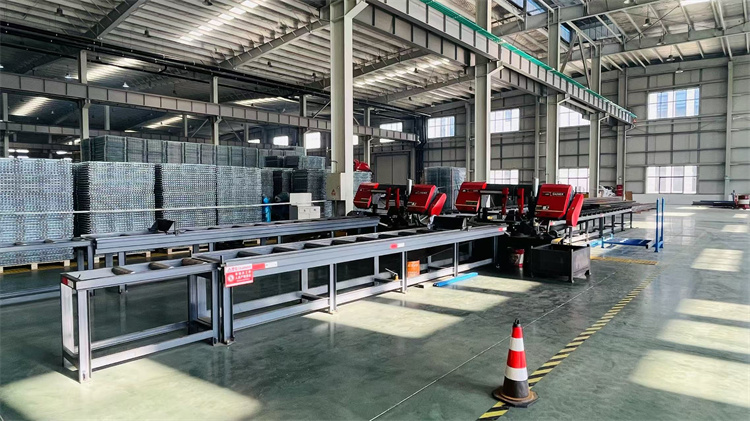
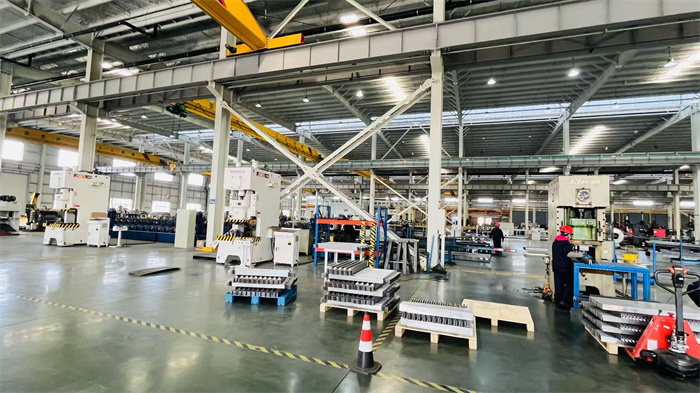
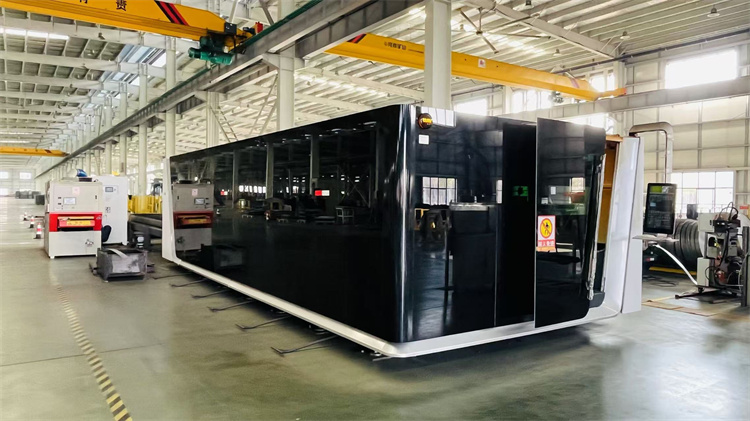
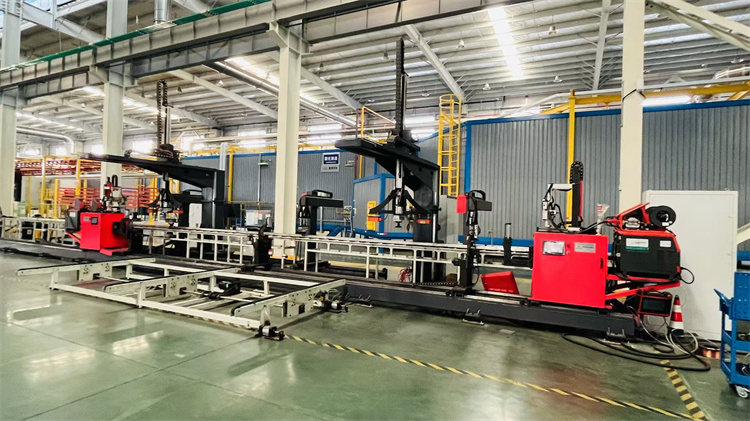
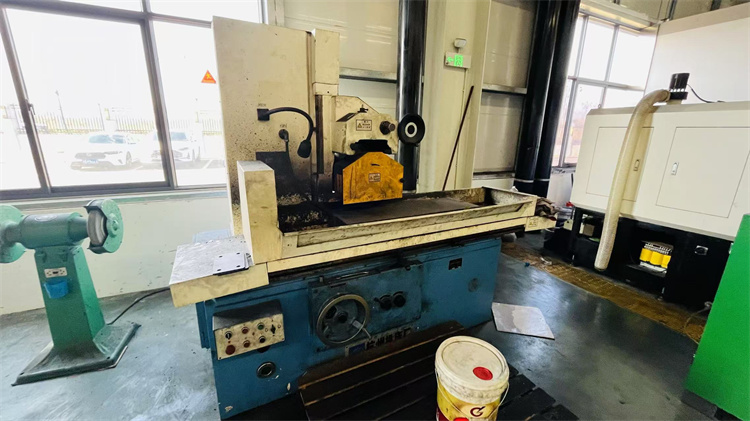
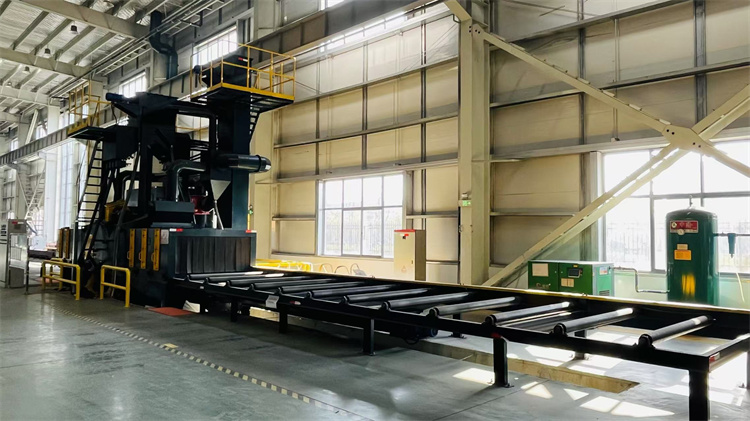
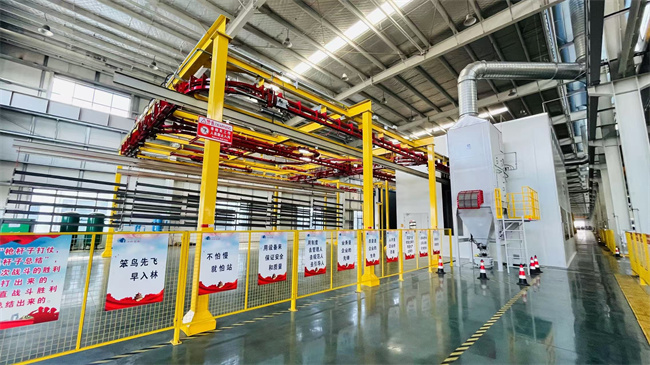
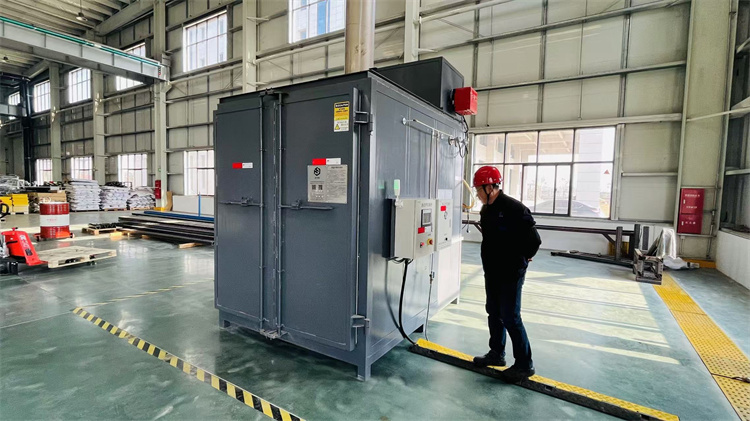
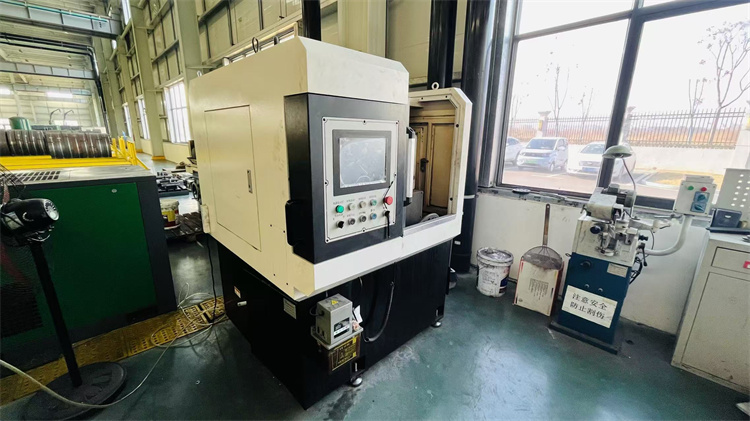
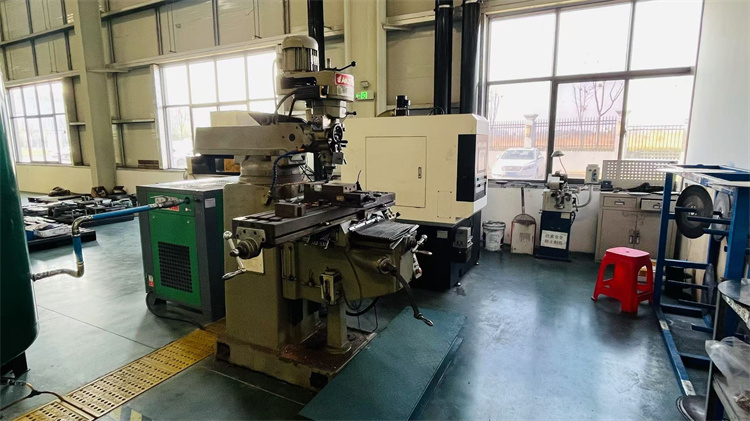
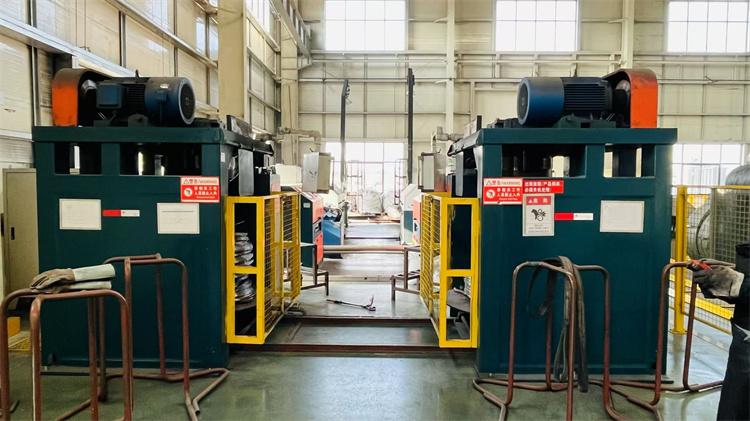
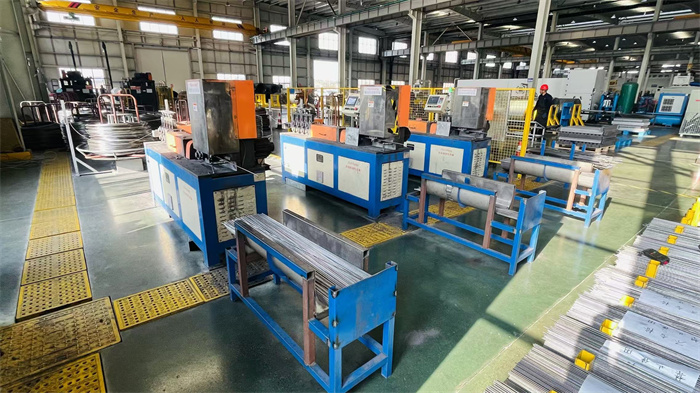
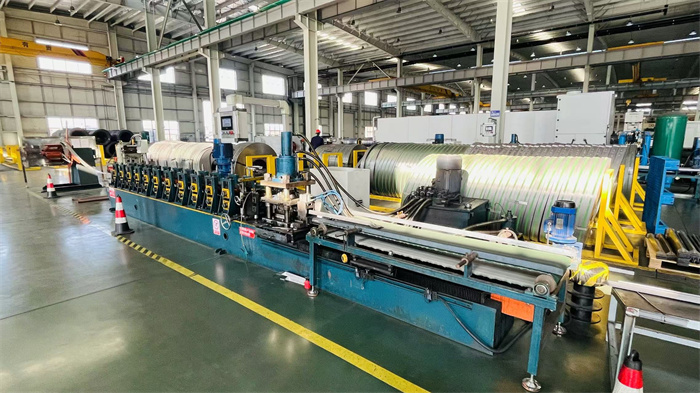
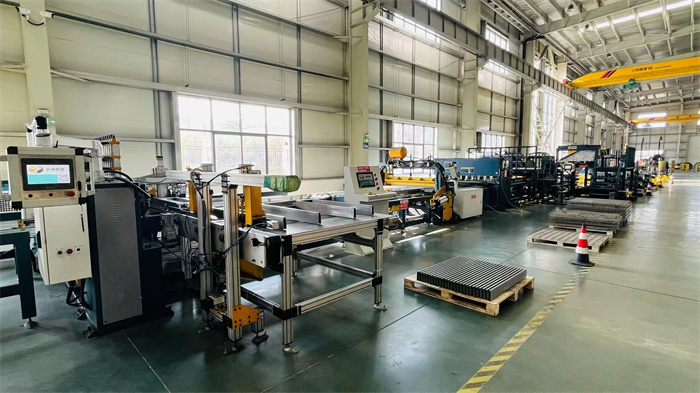
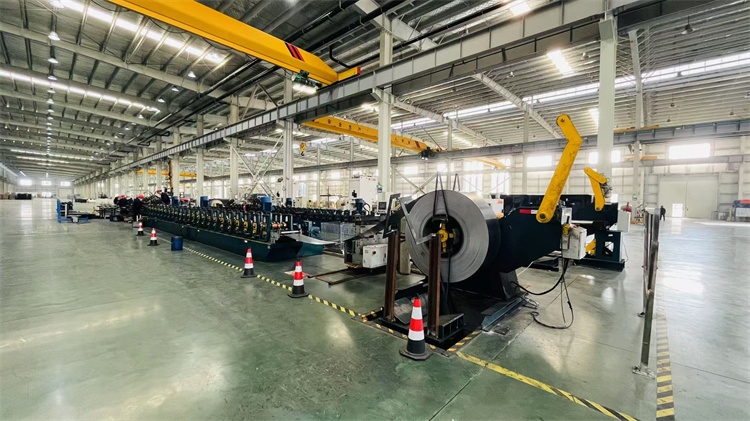
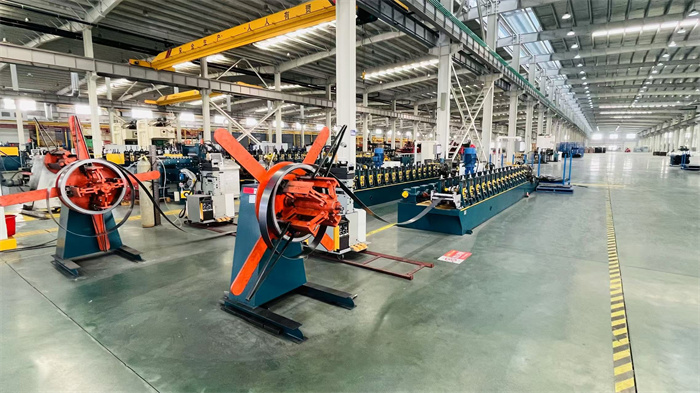
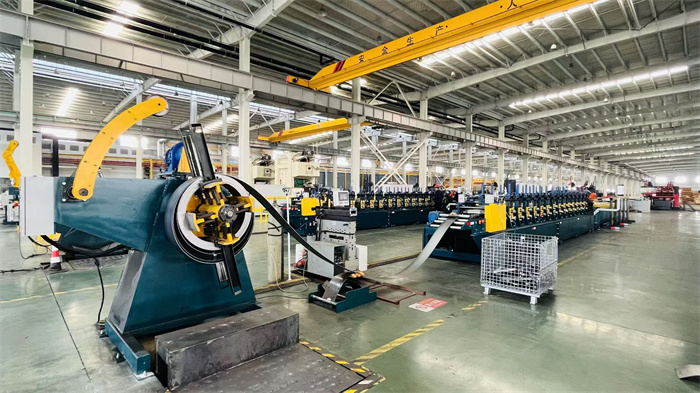
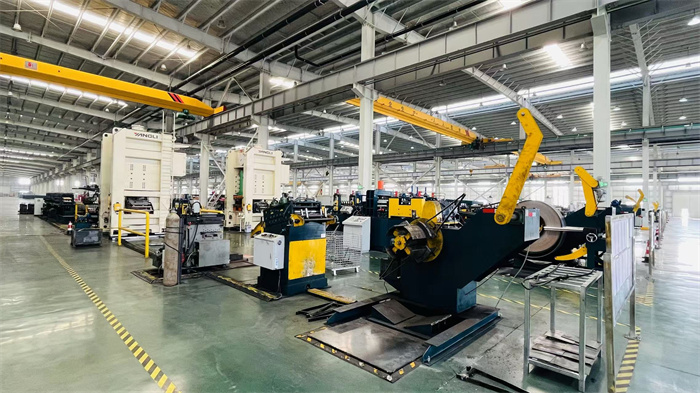
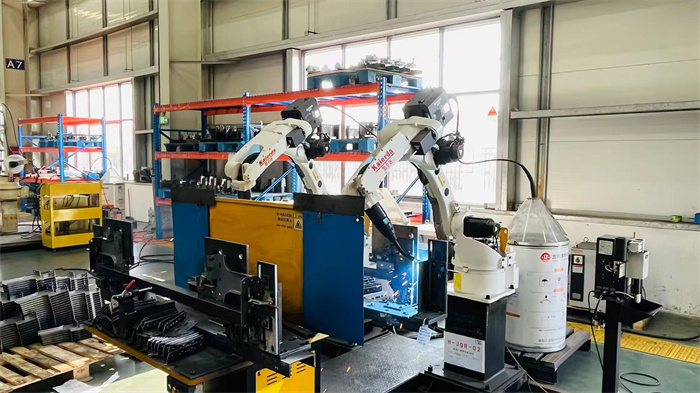
Furthermore, state-of-the-art automated manufacturing processes—including robotic welding stations, laser precision profile cutting, and automated continuous powder-coating lines—allow Jracking to provide competitive pricing and consistent structural quality. Even when factoring in oceanic shipping costs to ports like Santos, Paranaguá, or Pecém, the total cost of ownership (TCO) remains highly competitive, backed by international quality marks such as CE and AS4084 compliance.
Undergoing rigorous ISO-compliant manufacturing steps to guarantee structural safety and premium surface treatments.
Procuring capital equipment into Brazil involves navigating a complex import tax landscape. The baseline import duty (Imposto de Importação - II) and industrialized products tax (IPI) can elevate standard pricing if not managed with dynamic trade instruments.
To optimize this, global companies leverage the "Ex-Tarifário" regime. Under this Brazilian policy, import taxes on capital goods (BK) and computer/telecommunication goods (BIT) can be temporarily reduced (often to 0%) if no equivalent local production exists in the country. Jracking works closely with importers and local brokers, providing precise customs-compliant technical documentation, HS codes (Harmonized System codes, typically under Chapter 73 for steel structures), and FEA (Finite Element Analysis) reports to support Ex-Tarifário applications.
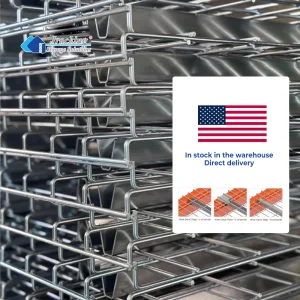
Additionally, sea freight route optimization is crucial. By packaging racks in compact, nested bundles with protective wrapping and robust steel bands, Jracking maximizes container utilization rates (cube optimization within 40ft High Cube containers), mitigating oceanic freight volatility from Chinese ports to Brazil.
Large enterprise procurement directors require partners who provide more than just raw steel fabrication. High-end procurement relies on robust end-to-end services:
Critical engineering and logistics questions answered by our technical department.
Industrial platforms, structural configurations, and accessories optimized for Latin American industrial hubs.
Get in touch with Jracking’s engineering experts to receive a customized 3D CAD design layout and pricing quotation optimized for your Brazil-based operations.
Send Inquiry Now Jracking