High-specification industrial flooring solutions optimized for structural integrity and seismic resistance in Greater Tokyo warehouses.
An in-depth analysis of warehousing structural design requirements under strict Japanese building standard laws.
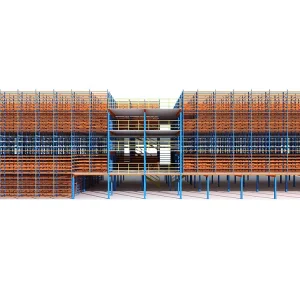
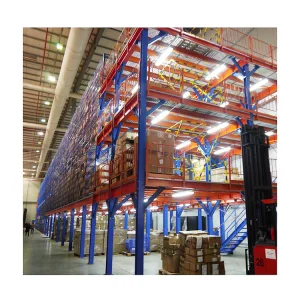
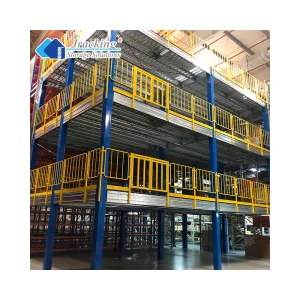
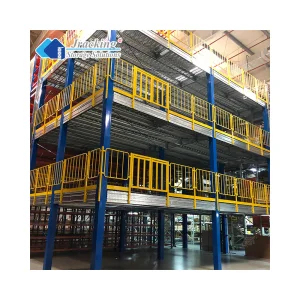
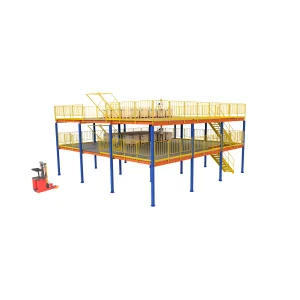
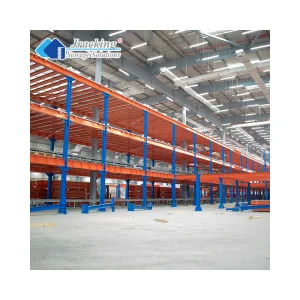
The Greater Tokyo Area, including key logistics nodes like Koto-ku, Ota-ku, Shinagawa, and Yokohama Port, presents some of the most expensive commercial real estate on earth. Horizontal warehouse expansions are cost-prohibitive. Businesses must leverage their vertical clearances up to 10-12 meters by engineering structural mezzanines, effectively doubling or tripling functional floor area without escalating land lease liabilities.
Japan resides in one of the most active tectonic zones globally. According to the Building Standard Act of Japan (Kenchi-Kijun-hō), any storage platform or mezzanine structure must be engineered to withstand lateral seismic acceleration forces. Our structural designs utilize high-strength friction-grip bolted joints, rigid column-to-beam bracing, and thickened base plates to anchor systems securely to concrete slabs.
Tokyo's logistics facilities are rapidly transforming into automated fulfillment centers. Mezzanines must support dynamic loads from conveyor loops, sorting machinery, goods lifts, and lightweight Autonomous Mobile Robots (AMRs). We engineer composite floor deckings, integrating structural steel sheeting with high-density fiberboards or metal gratings to damp vibrations and provide smooth pathways for automated fleets.
Modern Manufacturing Facility
Experienced R&D Engineers
Annual Global Export Revenue
Racking Industry Expertise
How Jracking balances world-class fabrication economics with absolute compliance for Japanese industrial installations.
Procuring structural steel platforms and racking systems directly from China offers significant competitive advantages, provided the manufacturer understands local Japanese standards. Jracking (Guangdong) Storage Co., Ltd. bridges this gap by integrating advanced robotic manufacturing processes with strict compliance with Japanese Industrial Standards (JIS G3101 SS400/SS490 equivalent steel grades).
Industrial platforms require exact dimensional tolerances to facilitate swift site assembly in Tokyo, where labor costs are exceptionally high. Our automated laser cutters, structural bending mills, and robotic welding lines ensure that prepunched bolt holes align down to the millimeter. This precision cuts down on-site erection times by up to 35%, drastically saving local labor expenses.
Whether dealing with the high-humidity coastal zones of Tokyo Bay or sub-zero food distribution centers (cold chain logistics) in Kawasaki, surface treatment dictates the system's operational lifespan. We apply premium thermo-setting epoxy polyester powder coating finishes, providing a highly scratch-resistant barrier. Salt spray testing and coating thickness checks are standardized, ensuring rust prevention and cleanroom compatibility.
Our proximity to South/East China major ports (Guangzhou, Shenzhen, Ningbo) enables optimized ocean shipping schedules. Transits to Tokyo Port or Yokohama Port typically take just 5 to 7 days. All structural columns, beams, floor decks, and accessories are modularly packed into shipping containers with reinforced protective framing to avoid transport deformation.
Undergoing ISO-compliant quality control procedures and rigorous load capacity testing from raw material to final assembly.
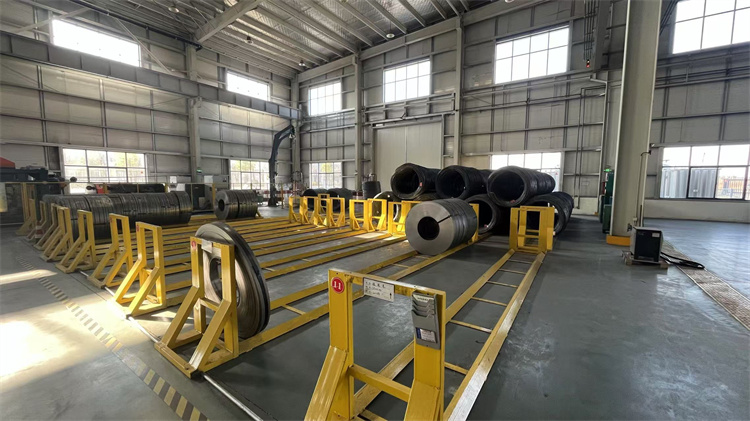
Raw Materials
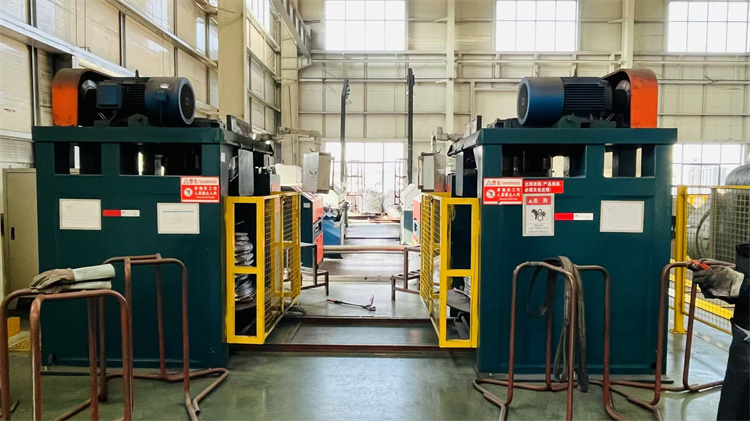
Wiredrawing
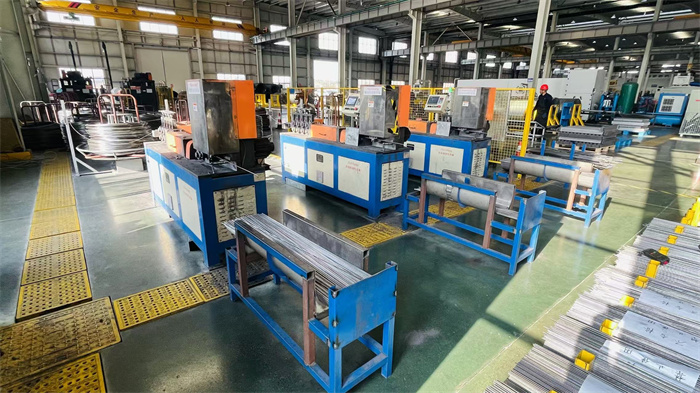
Strengthening
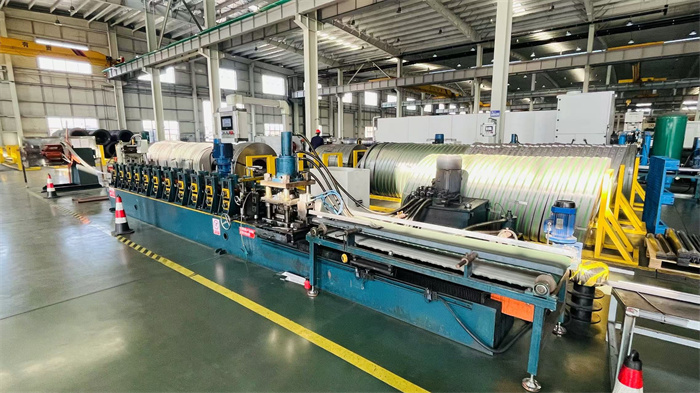
Strengthening Rib
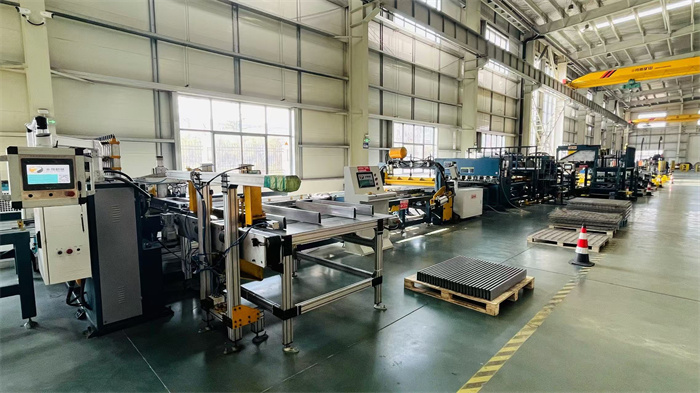
Metal Mesh Prod
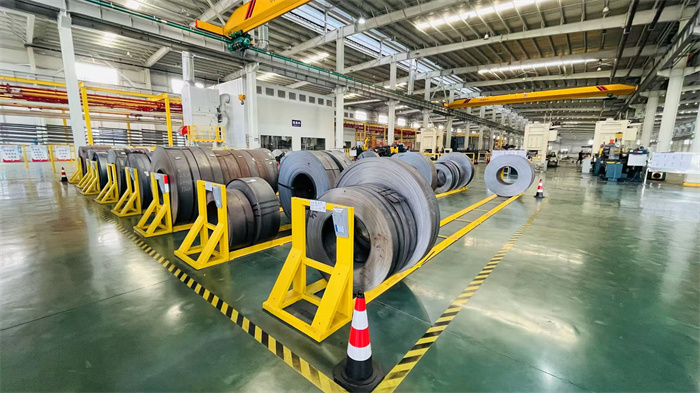
Raw Materials
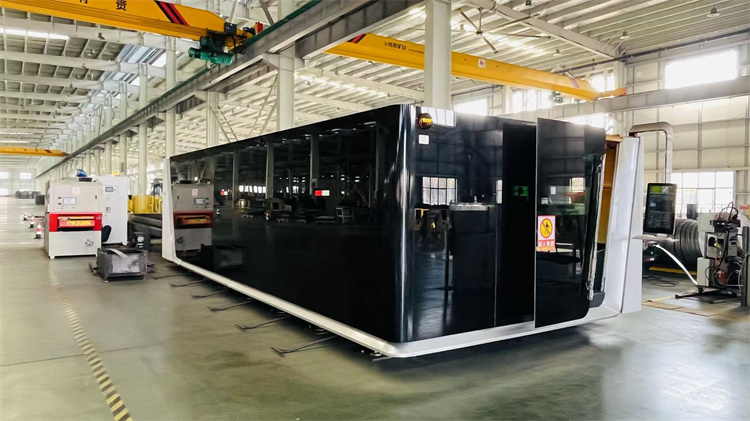
Cutting
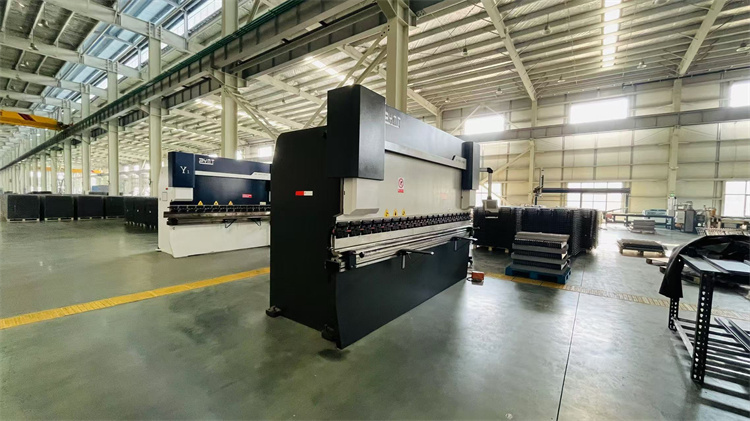
Bending
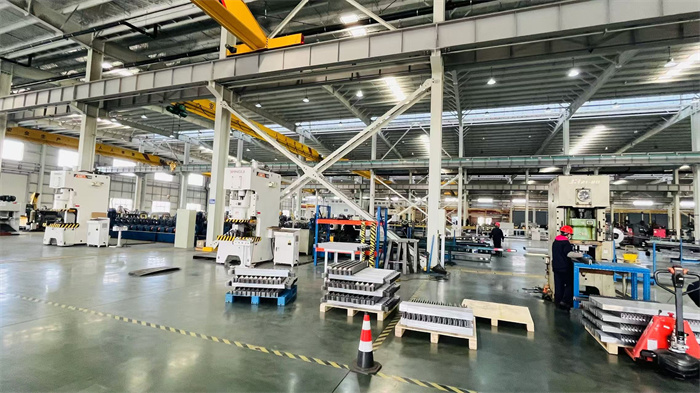
Punching
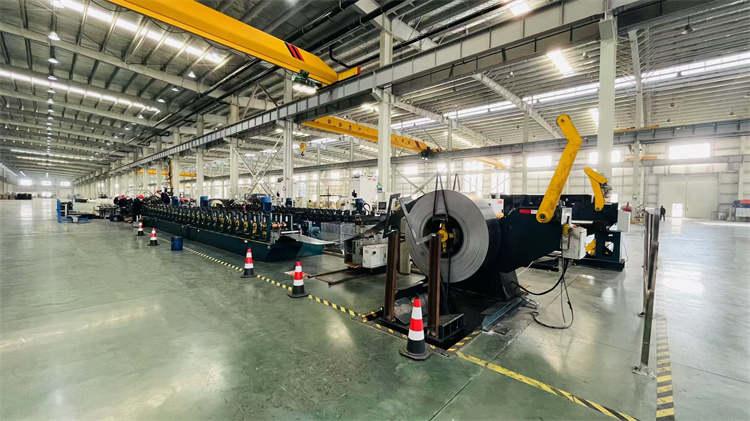
P-Beam Rolling
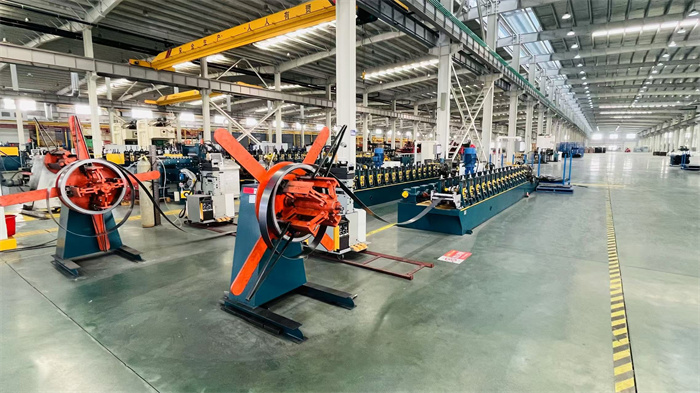
Brace Rolling
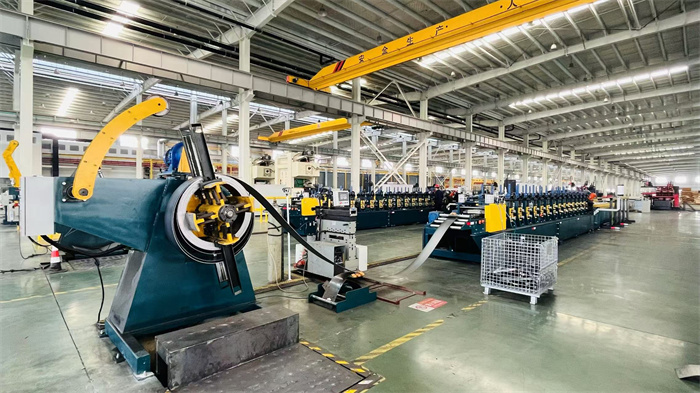
Occluding Beam
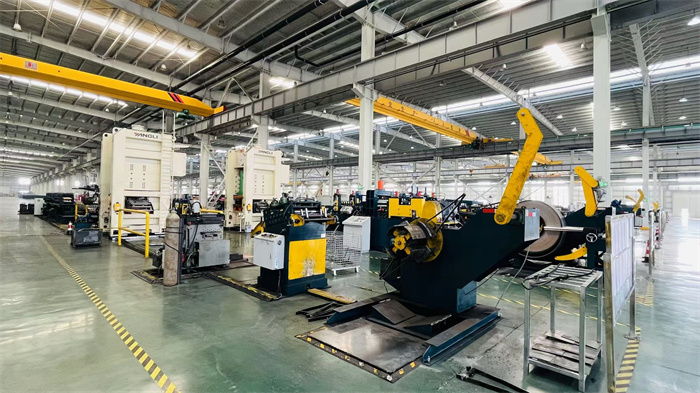
Column Production
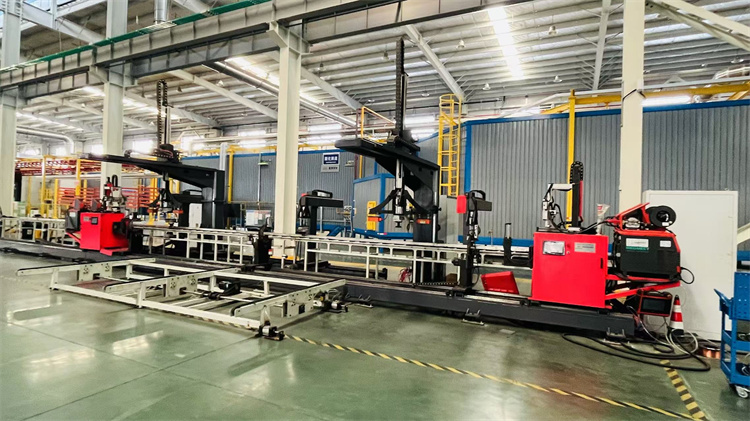
Automatic Welding
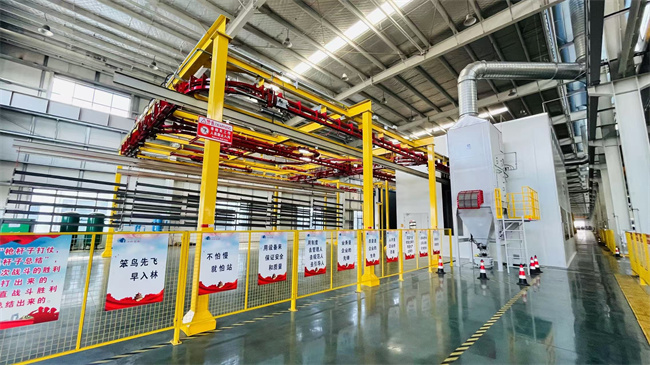
Powder Spraying
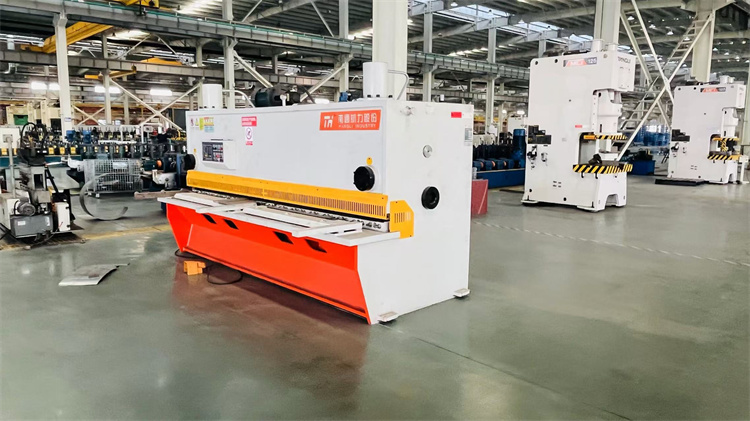
Plate Shearing
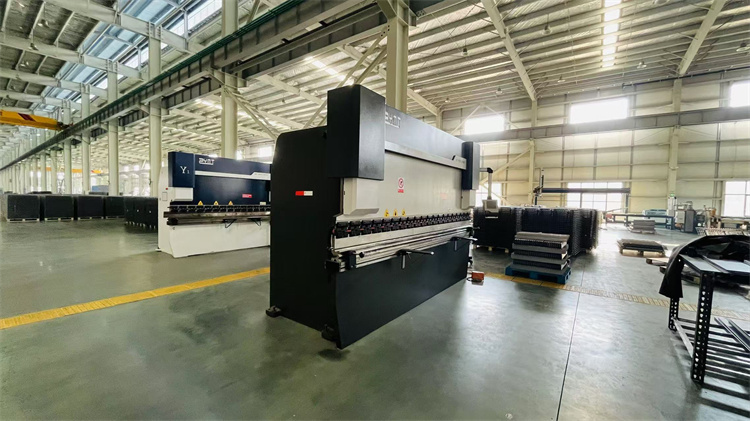
Plate Bending
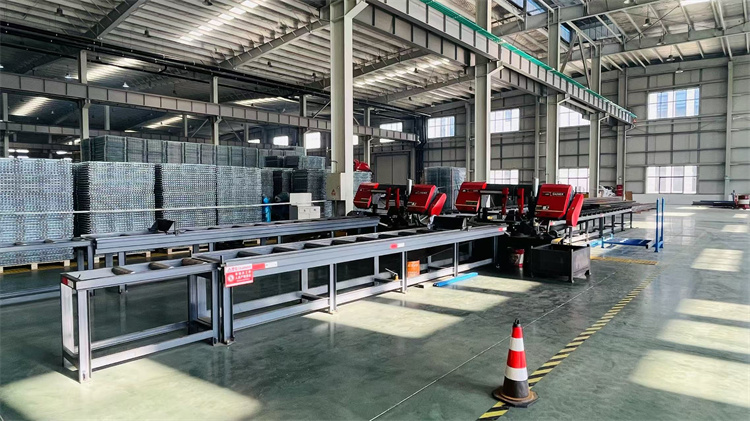
Sawing Machine
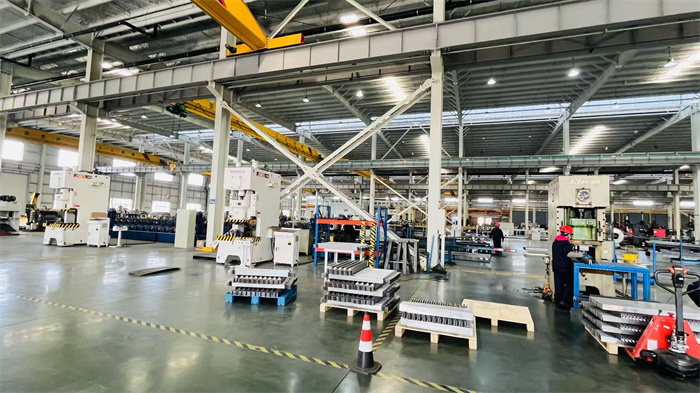
Punching Machine
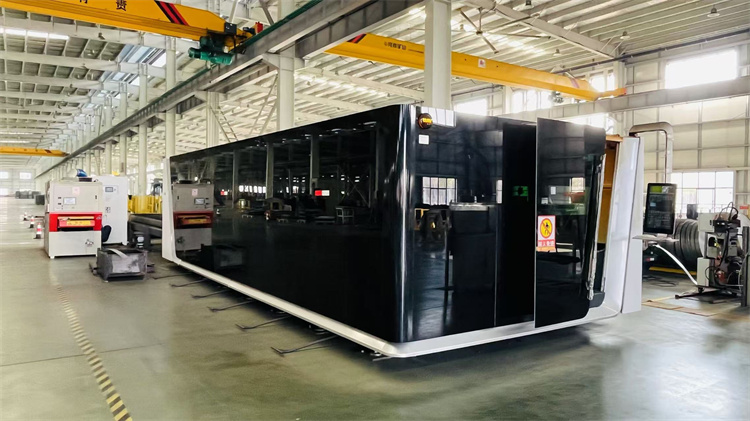
Laser Cutting
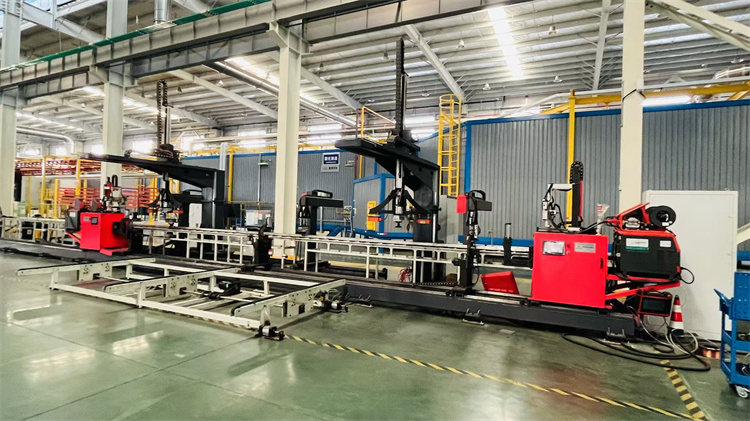
Auto Welding
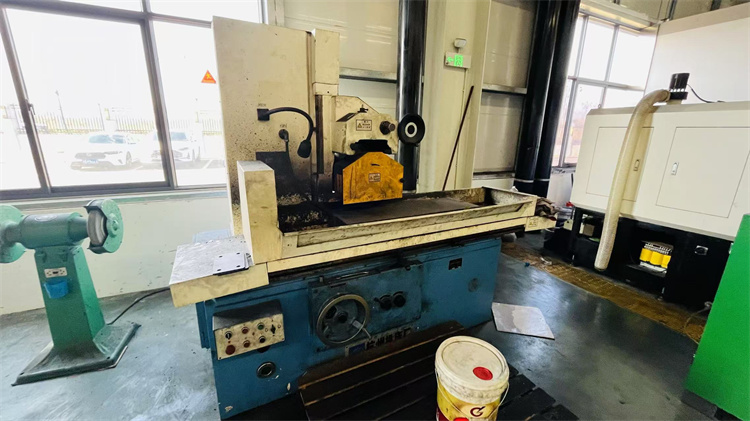
Grinding Machine
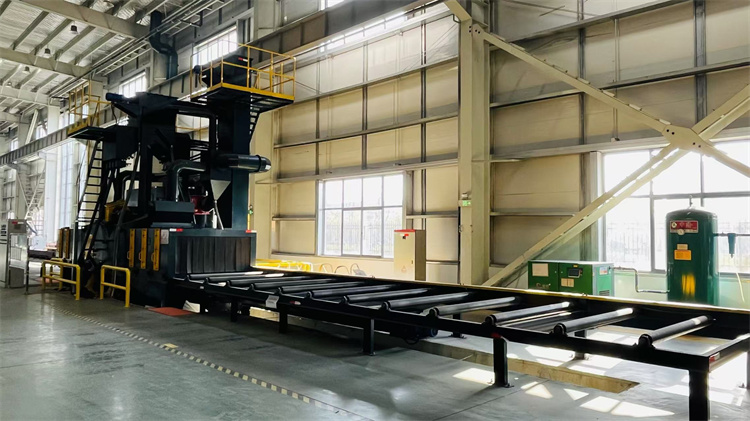
Shot Blasting
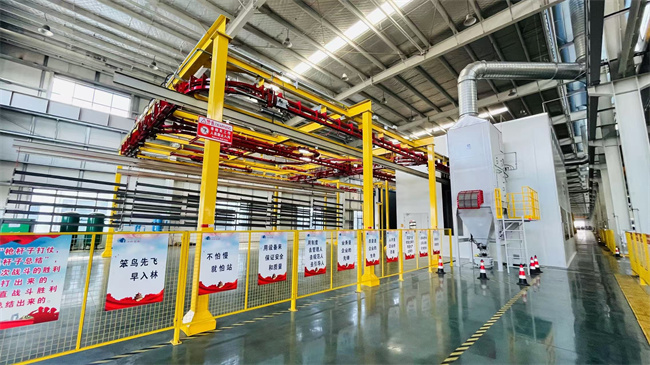
Spraying Line
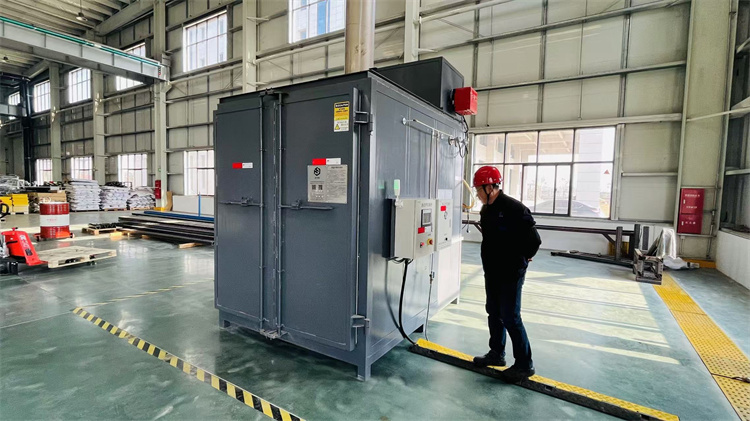
Hot Furnace
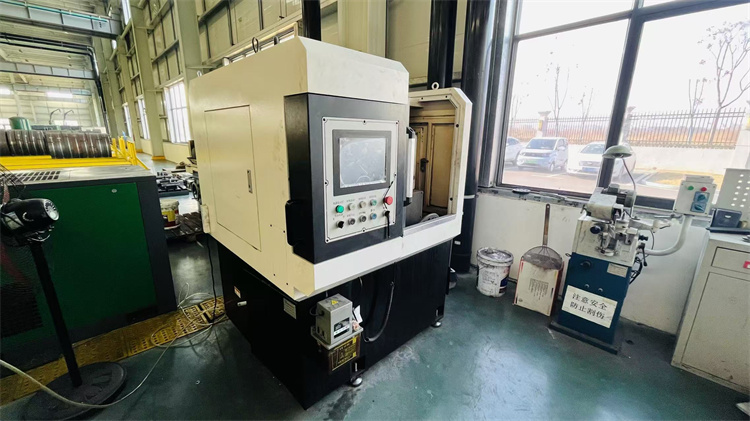
Gear Grinding
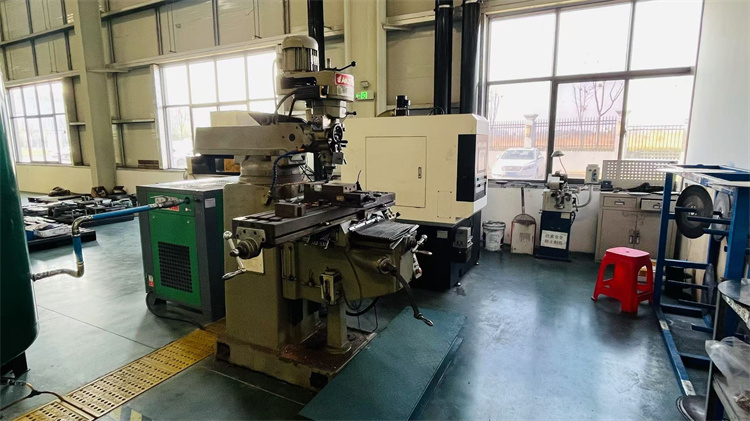
Milling Machine
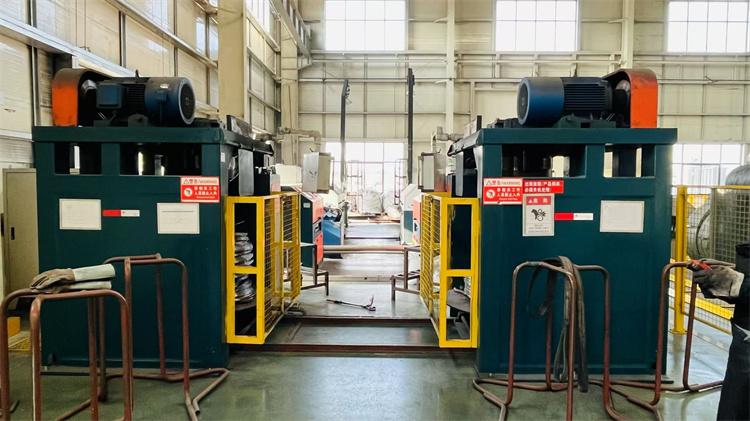
Wiredrawing
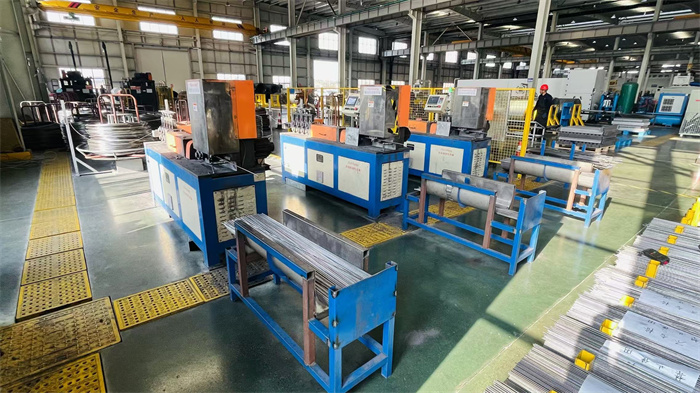
Strengthening
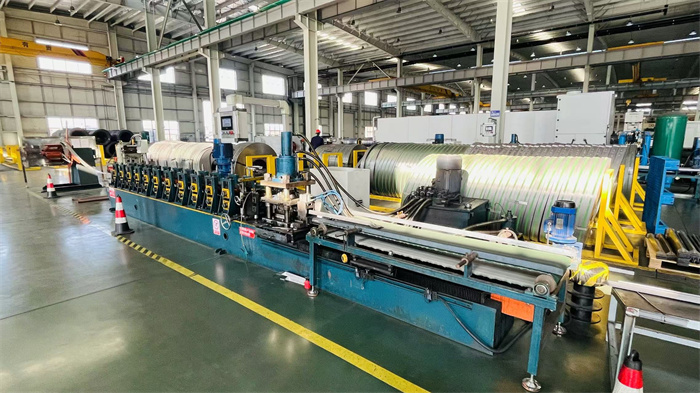
Rib Machine
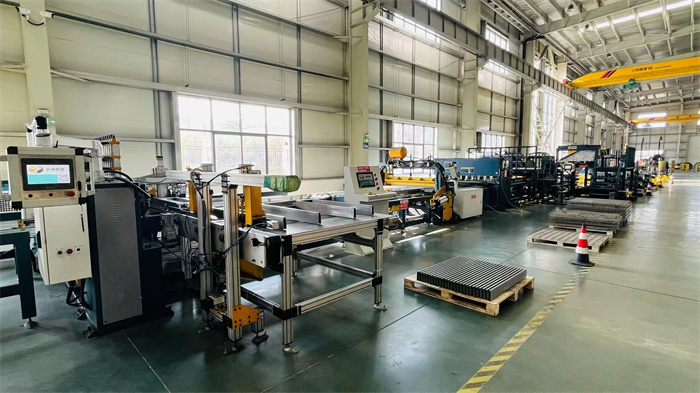
Mesh Line
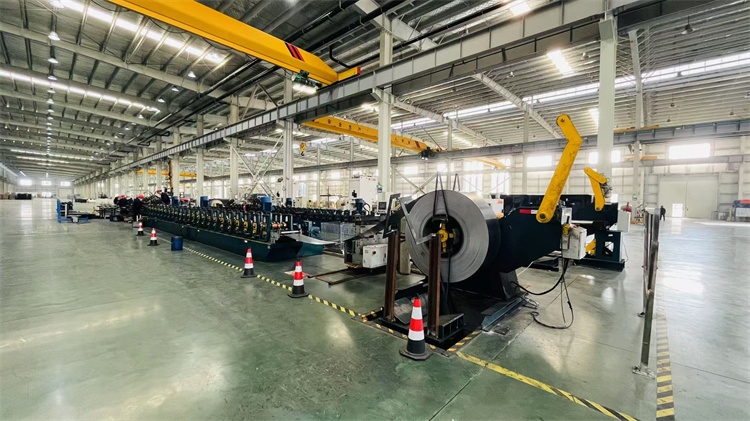
P-Beam Mill
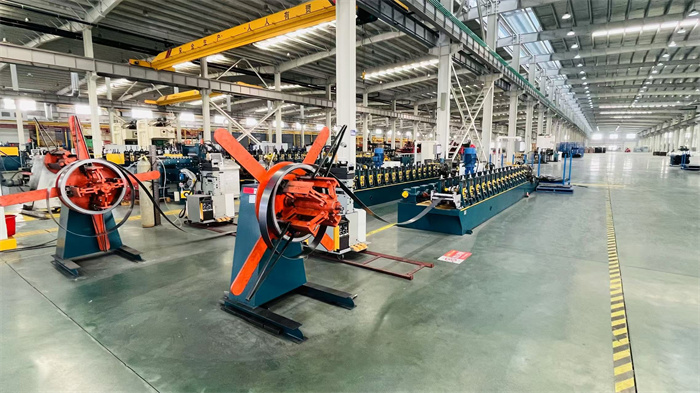
Brace Mill
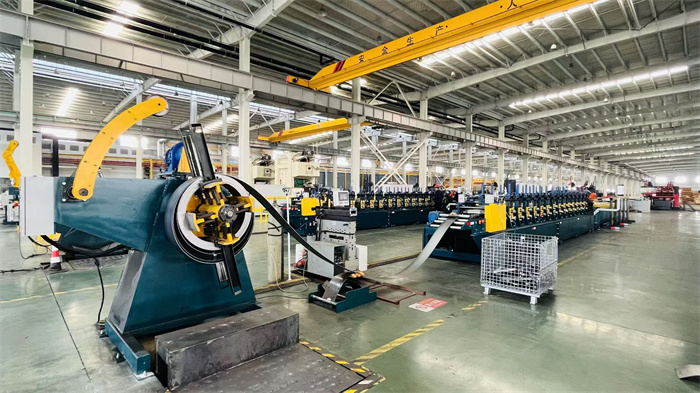
Occluding Mill
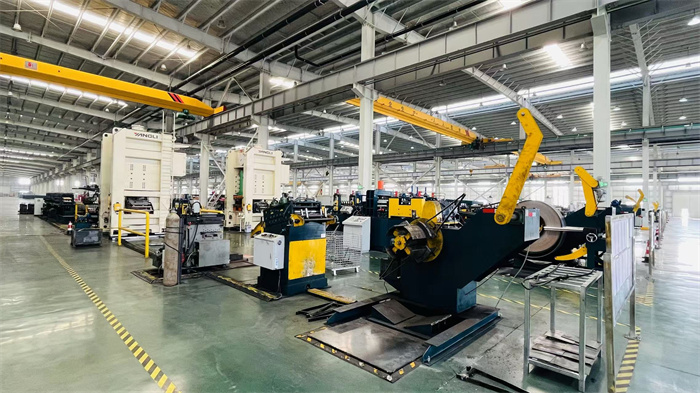
Column Line
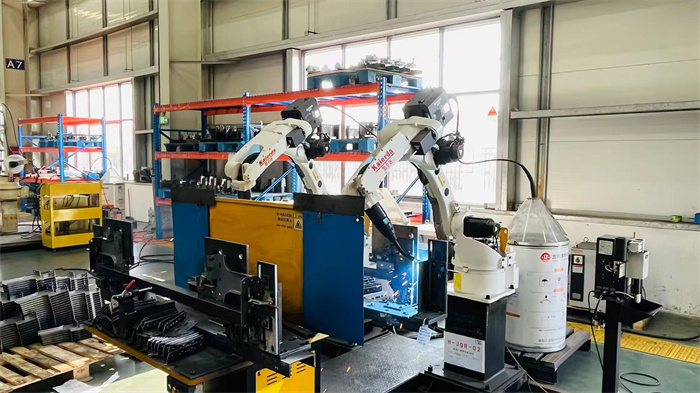
Welding Robot
A technical guide to choosing the correct architectural layout based on payload density, egress paths, and workflow automation.
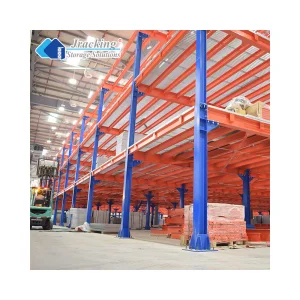
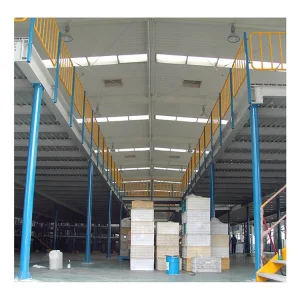
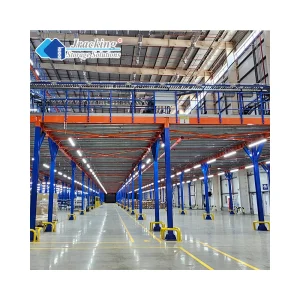
Unlike rack-supported systems, structural platforms utilize wide-flange H-beams and heavy structural hollow sections (SHS) for columns, creating wide open column grids below. This design offers absolute flexibility for ground-level traffic.
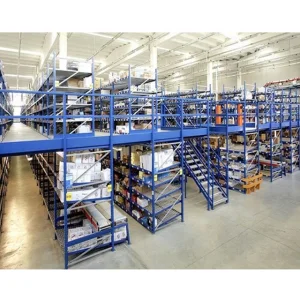
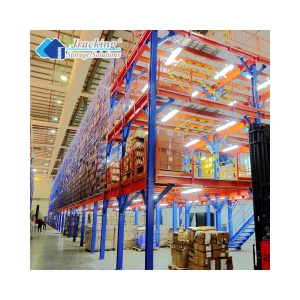
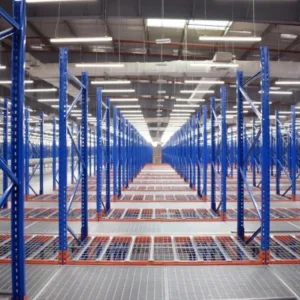
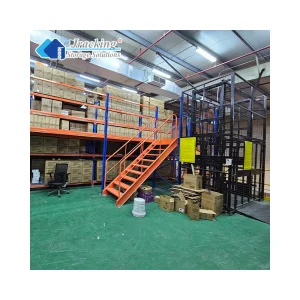
These systems utilize storage rack frames (uprights) as the vertical load-bearing structure for the floor beams. They are a cost-effective solution for manually handled carton picker spaces or light e-commerce fulfillment hubs.
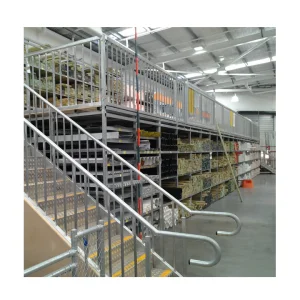
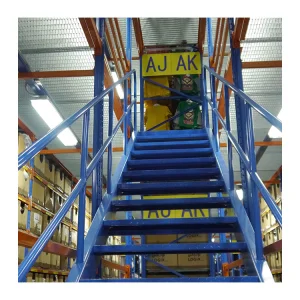
Installing industrial mezzanines in Tokyo requires strict adherence to local building codes. In many jurisdictions, a mezzanine floor exceeding a specific size must be equipped with dedicated sprinkler loops beneath the decking. The structural layout must also guarantee clear egress paths (maximum travel distance to exit staircases) and include integrated pallet safety gates (such as pivoting or sliding gates) at drop zones to eliminate fall risks during loading.
Jracking's engineering team designs with these requirements in mind, preparing detailed CAD layouts that assist local structural engineers during the building permit application process.
Important answers to help project managers and procurement officers navigate mezzanine installations in the Japanese market.
Yes. Every mezzanine designed for Japan undergoes rigorous engineering calculation checks. We calculate dead loads, live loads, and horizontal seismic acceleration profiles (based on the Japanese building standards). This structural data is shared with the client's local architects or structural engineers to ensure seamless approvals.
Yes. Automated warehouses require floor flatnesses and stiffness characteristics that prevent excessive structural deflection under robot wheels. We design specific rack-supported or structural platforms with thicker composite deck plate configurations and rigid horizontal framing members to support AGV wheels and minimize vibrational frequencies.
We primarily utilize high-strength structural carbon steels, including Q235B and Q355B. These structural steel profiles possess chemical composition and mechanical properties equivalent to Japanese standard steel grades JIS SS400 and SM490, respectively. Mill certificates are provided with every shipping consignment.
In Tokyo, any structure creating a second tier requires coordination with the local fire prevention office. Depending on the size of the floor area, you may need perforated steel gratings to ensure sprinkler water penetrates below, or you may need to install sprinkler pipe loops under the platform floor. Our systems can be custom-fabricated to support pre-drilled brackets for direct pipe layout.
Once manufacturing is complete (typically 3 to 4 weeks depending on the order size), the maritime shipping transit time from Guangzhou or Shenzhen ports to Tokyo or Yokohama is approximately 5 to 7 days. This allows for fast project execution, minimizing overall supply chain lead times.
Yes, all our platforms are designed as fully bolted structures, rather than welded-in-place configurations. Should you decide to relocate your logistics center or change the warehouse footprint in Tokyo, the entire steel mezzanine can be systematically unbolted, packed, and reassembled at a new facility.
Find the right industrial steel flooring platform configuration designed for your warehouse payload requirements.
Jracking (Guangdong) Storage Co., Ltd. is a professional manufacturer specializing in warehouse racking systems and industrial storage solutions in China. Since its establishment in 2016, the company has been dedicated to designing, manufacturing, and supplying high-quality storage equipment for global customers across various industries.
With a modern manufacturing facility covering 28,600 m², Jracking integrates advanced production equipment, strict quality management systems, and experienced engineering teams to ensure reliable product performance and consistent manufacturing standards. The company offers a comprehensive range of storage products including selective pallet racks, drive-in racking, cantilever racks, mezzanine systems, longspan shelving, steel platforms, and customized warehouse storage solutions.
Backed by over 8 years of export experience and 12 years of industry expertise, Jracking has successfully served customers in North America, Europe, Southeast Asia, Australia, and the Middle East. The company's annual export revenue exceeds USD 18 million, reflecting its strong competitiveness in the international storage equipment market.
Quality remains the core of Jracking's manufacturing philosophy. Every production process is strictly monitored through ISO-compliant quality control procedures, while products undergo load capacity testing, dimensional inspection, welding inspection, coating thickness testing, and final assembly inspection before shipment. The company employs 48 professional quality inspectors to maintain stable product quality and customer satisfaction.
As an OEM & ODM manufacturer, Jracking collaborates with more than 1,150 supply chain partners, enabling efficient sourcing, flexible production scheduling, and fast delivery for global projects. Its primary customers include warehouse equipment distributors, importers, wholesalers, logistics companies, e-commerce fulfillment centers, and industrial project contractors.
Innovation is driven by a dedicated R&D team consisting of 85 experienced engineers, who continuously develop new storage solutions to meet evolving market demands. The company supports customized design, size, color, loading capacity, surface treatment, and warehouse layout solutions according to customer requirements. In the past year alone, Jracking successfully introduced 156 new products to the global market. Committed to quality, innovation, and customer-focused service, Jracking continues to provide reliable warehouse racking systems and efficient storage solutions that help customers maximize warehouse space, improve operational efficiency, and achieve long-term business success.
 Jracking