Pre-engineered for extreme stability and seamless automation alignment under strict European health and safety regulations.
Germany stands as the logistics backbone of Europe, strategically positioned with hubs like Frankfurt, Hamburg, and Munich directing the flow of goods across the continent. However, the German industrial real estate sector faces persistent constraints. Prime logistics land prices have surged by over 45% in key logistics hubs over the past five years, prompting logistics directors and warehouse planners to look upward.
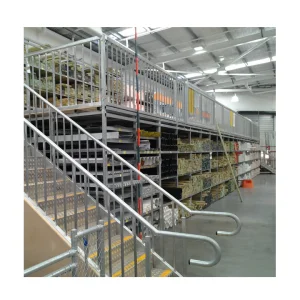
Instead of executing capital-intensive horizontal building expansions, which trigger prolonged local permitting procedures (Bauordnungsrecht), modern German industrial operations are using free vertical clearance. Utilizing custom structural mezzanines can double or triple usable square meters within the existing building envelope without altering the exterior footprint.
This approach supports Germany's Industrie 4.0 initiatives, where maximum storage density, dynamic automation, and fast conveyor operations are integrated into single, highly organized logistics layouts.
Consider a standard warehouse layout in Nordrhein-Westfalen (NRW):
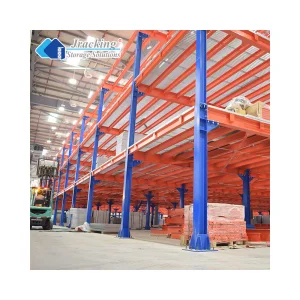
Implementing a heavy-duty steel mezzanine system from Jracking converts underutilized vertical space into immediate, high-load carrying real estate.
Navigating Eurocodes, DIN standards, and local safety requirements for steel structures.
All load-bearing steel components are designed and calculated under Eurocode 3 standards. This guarantees accurate structural calculations for limit state designs, lateral stability, and structural reliability under dynamic stresses.
Specifies structural tolerances, deflection limits, and safety margins for steel static storage. Our manufacturing processes respect these thresholds, ensuring systems pass annual inspections conducted by safety officers under DGUV standards.
Governs permanent access designs to industrial machines and platforms. Our stairways, handrails, safety gates, and guard rails comply with these parameters to ensure worker safety at high levels.
In Germany, safety regulations for racking systems and steel structures are supervised by the DGUV (Deutsche Gesetzliche Unfallversicherung) under Rule 108-007. Any industrial platform or mezzanine must feature calculated load capacities prominently displayed on load plates (Belastungswarnhinweise). Jracking structural calculations are conducted using finite element analysis (FEA) software. We support your local engineers in drafting structural verification documents (Statische Berechnung) to secure municipal building permit approvals.
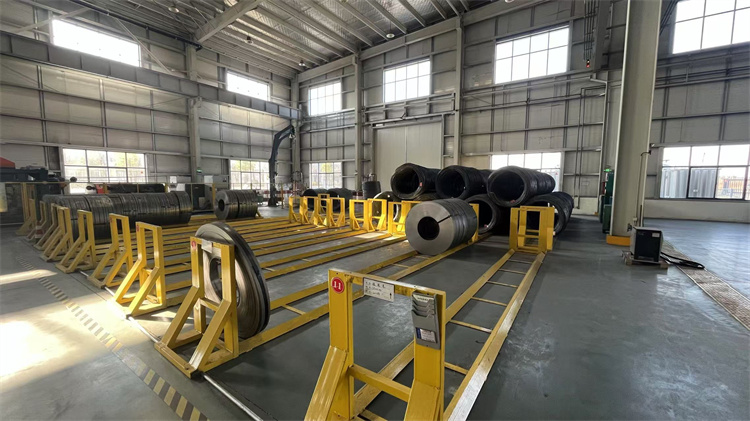
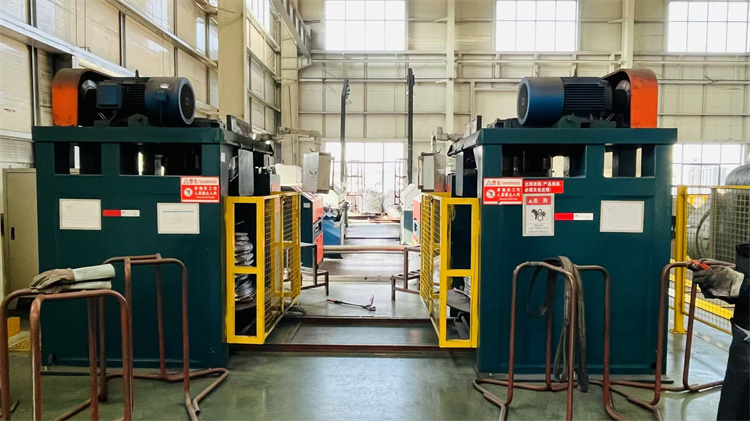
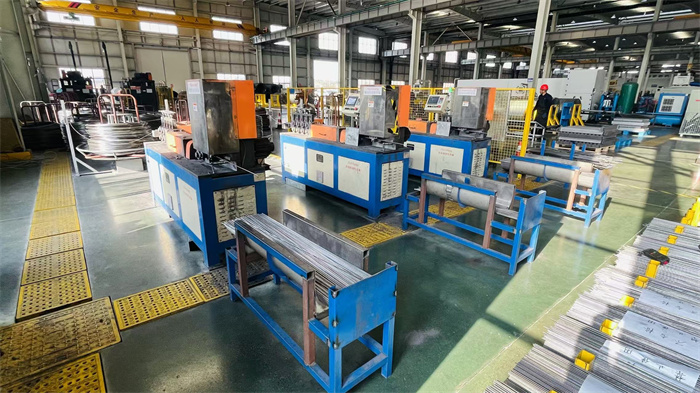
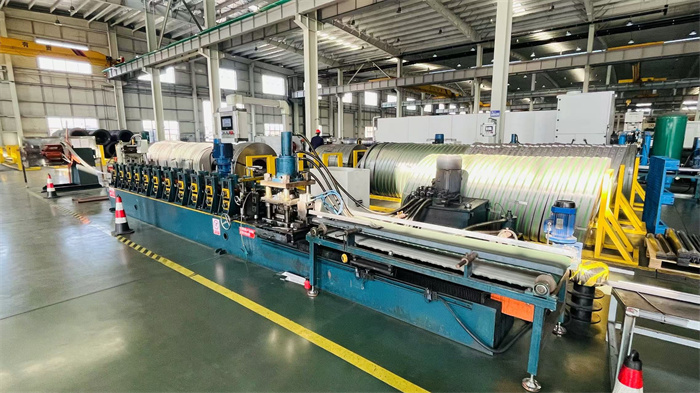
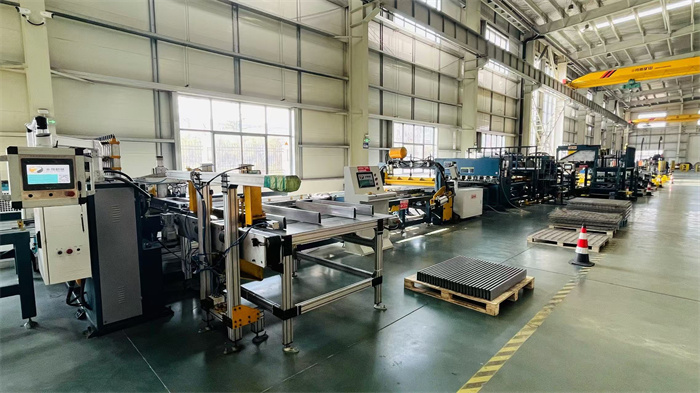
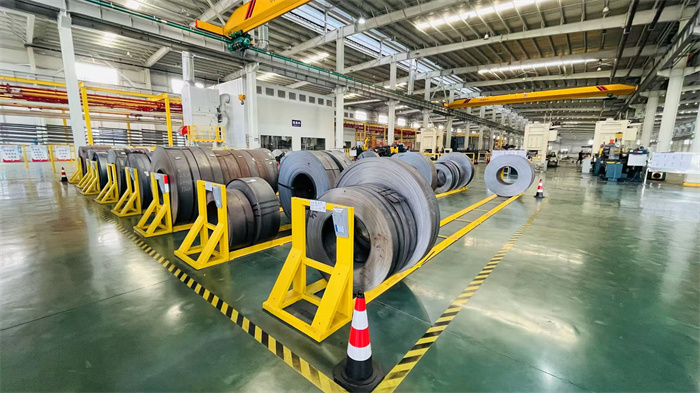
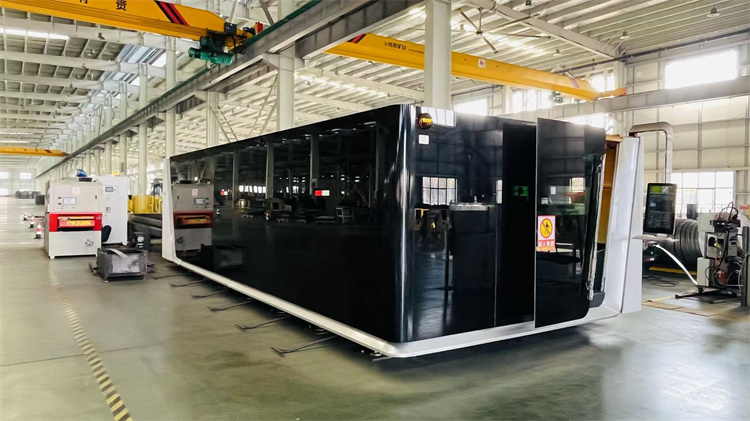
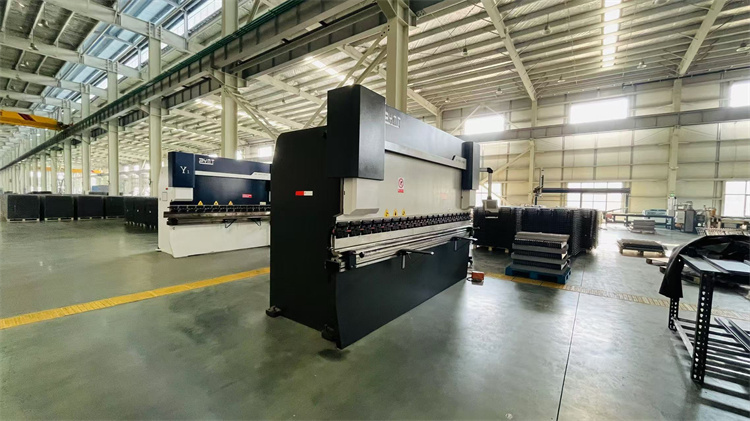
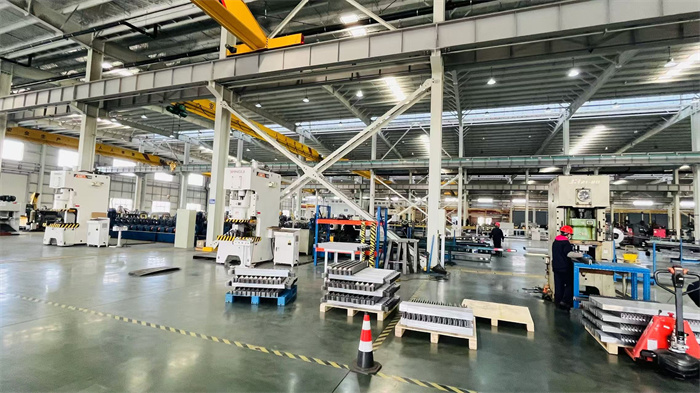
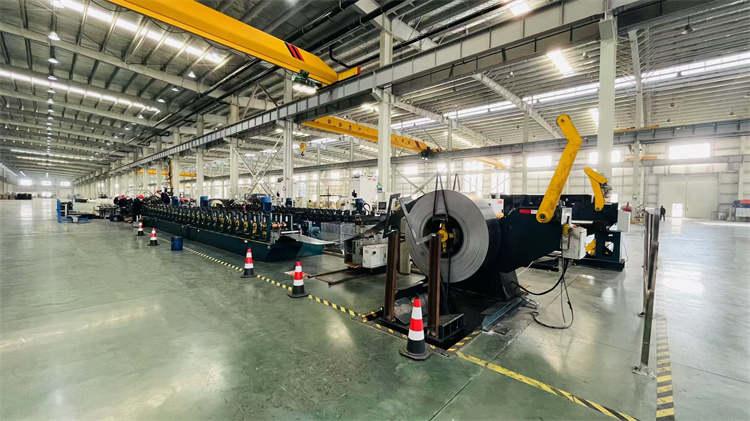
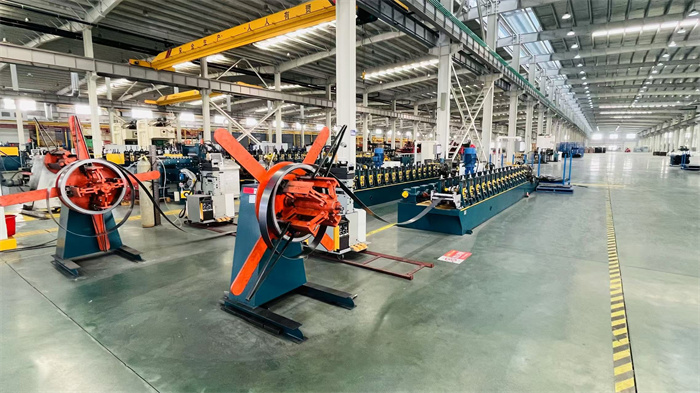
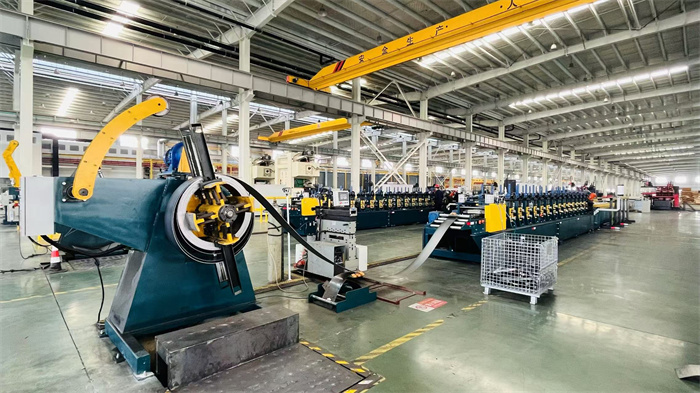
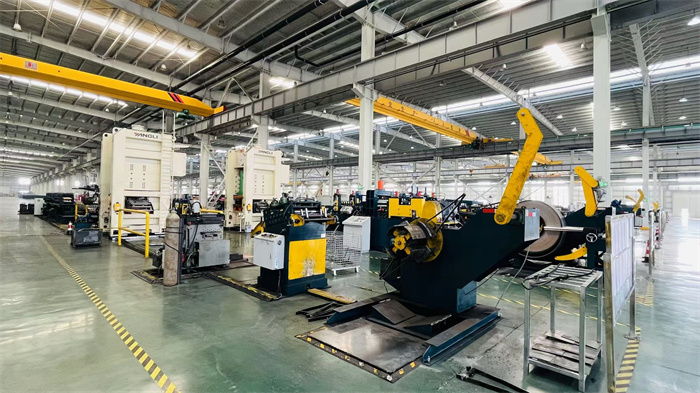
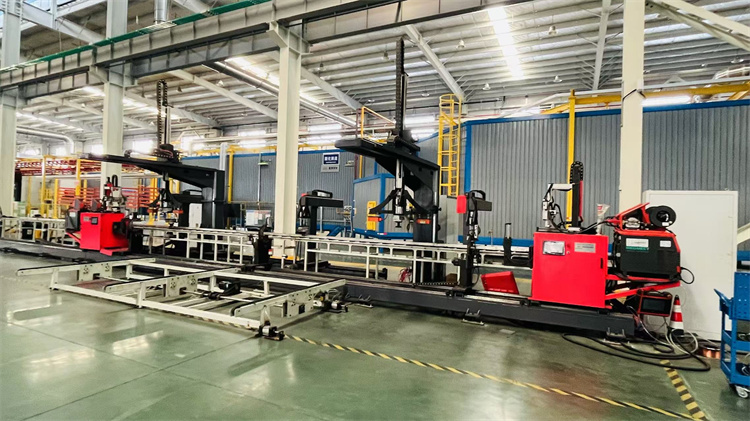
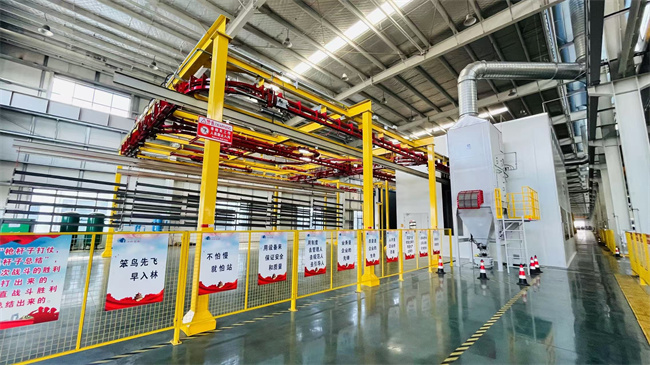
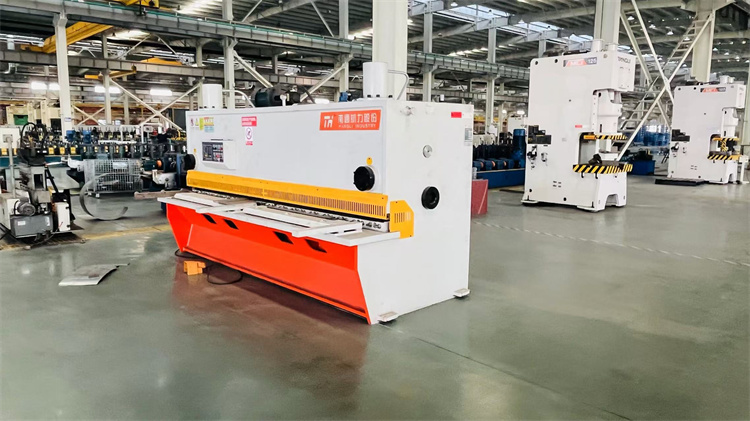
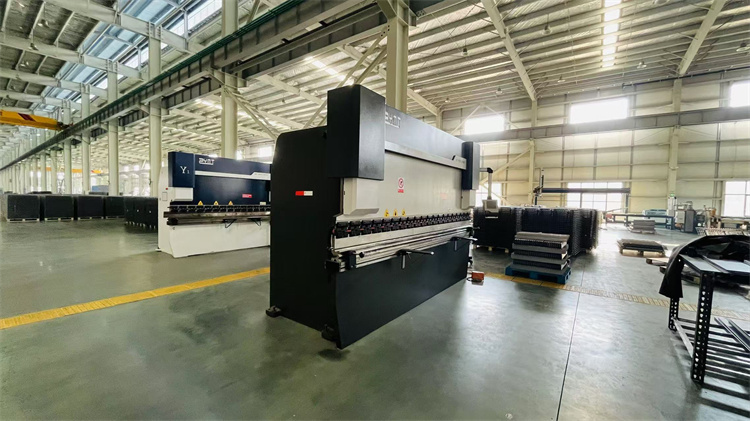
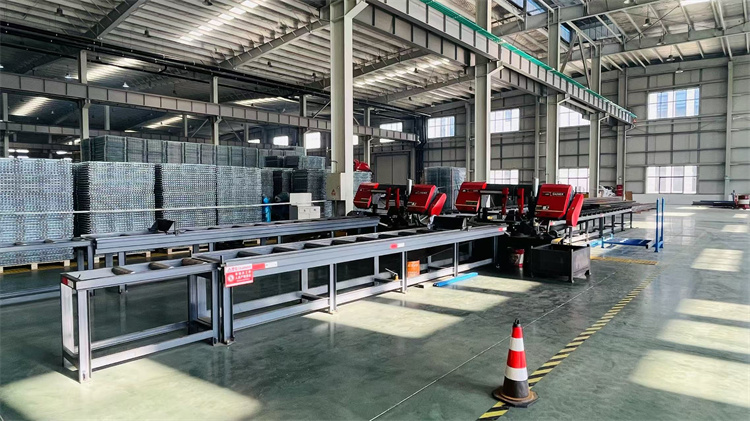
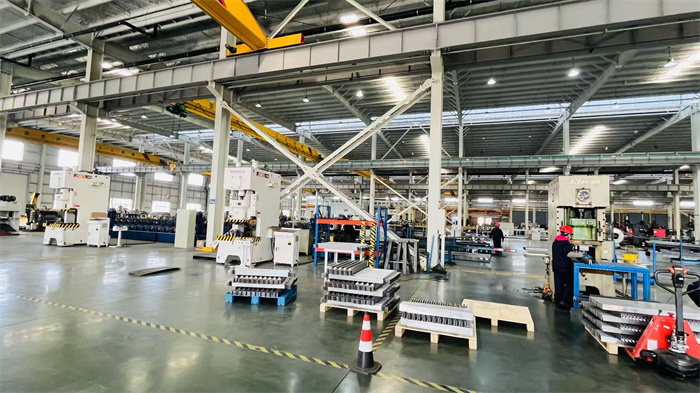
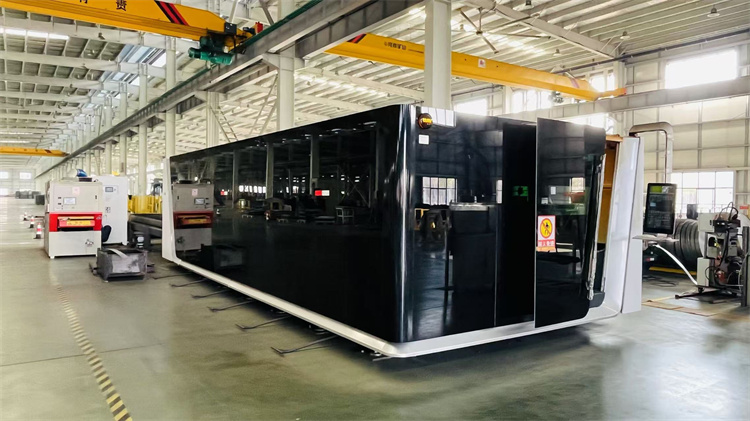
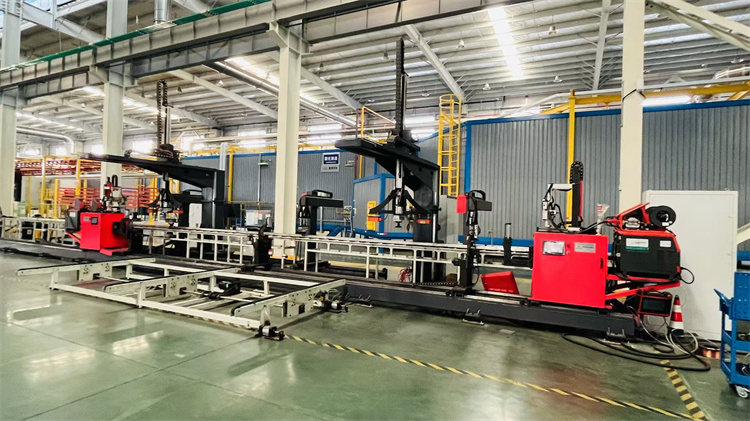
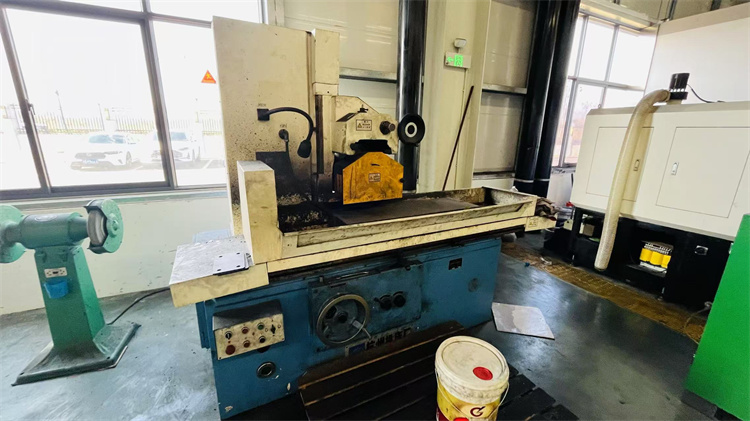
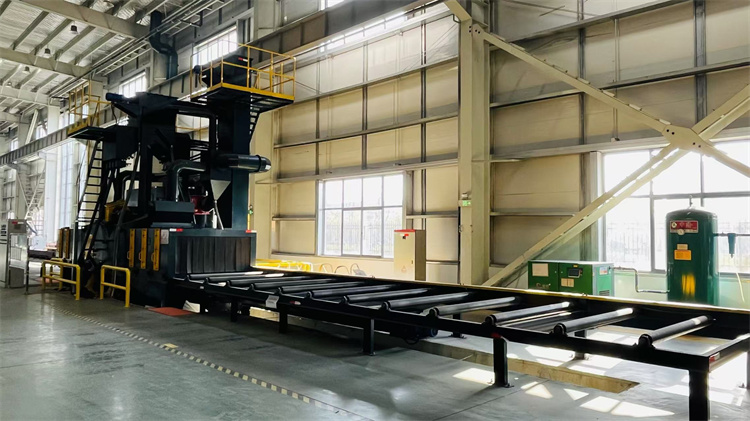
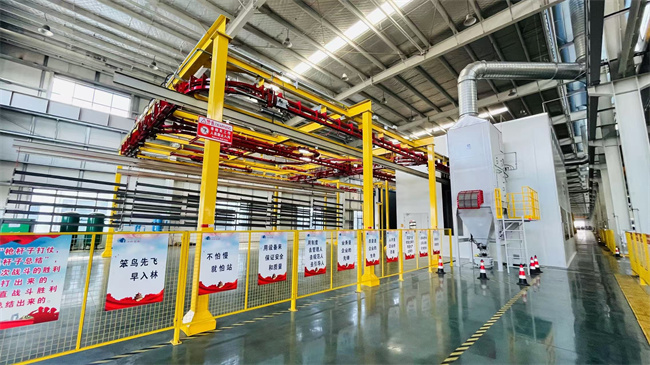
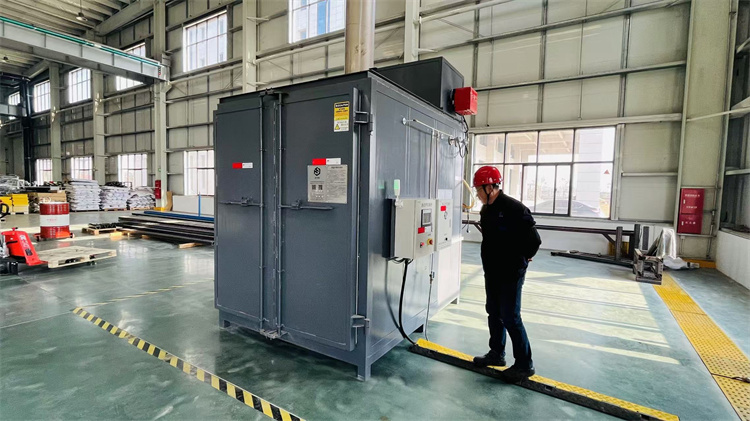
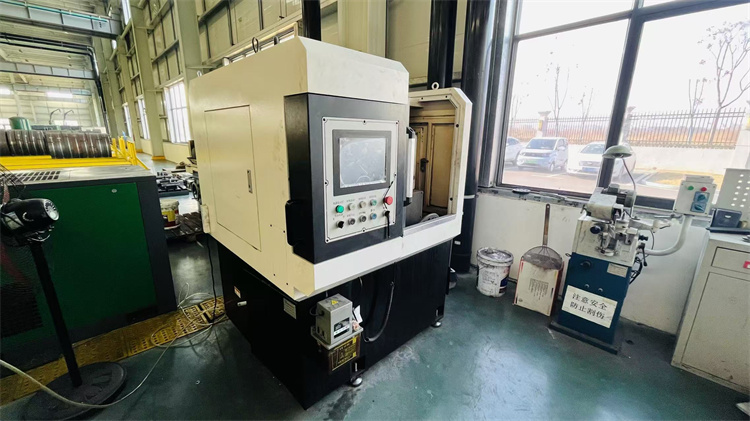
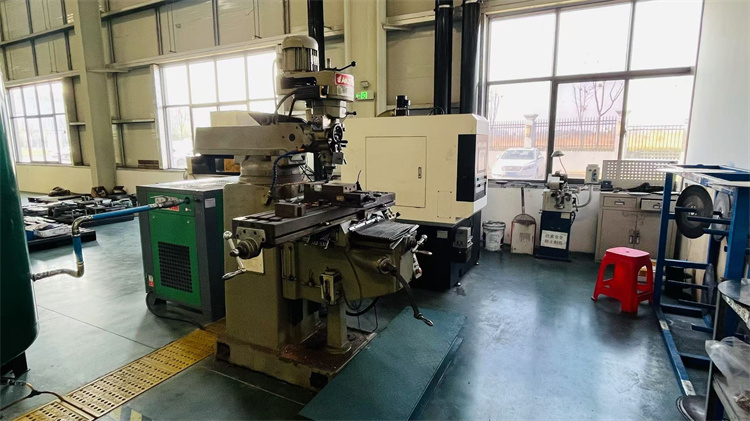
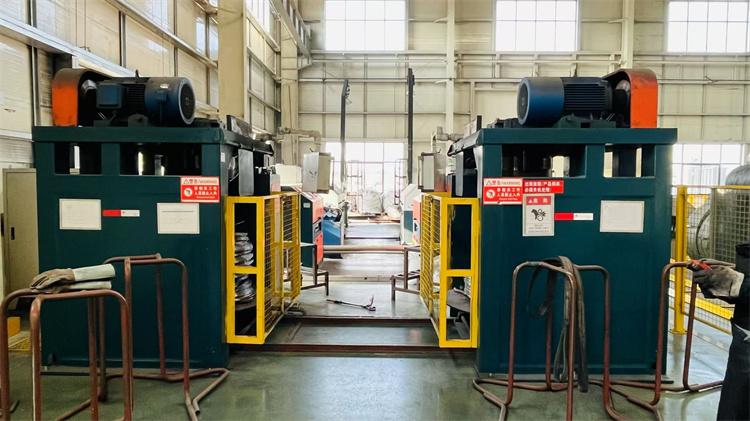
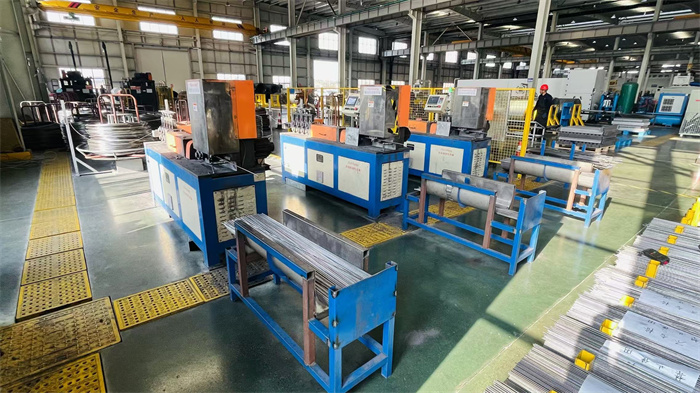
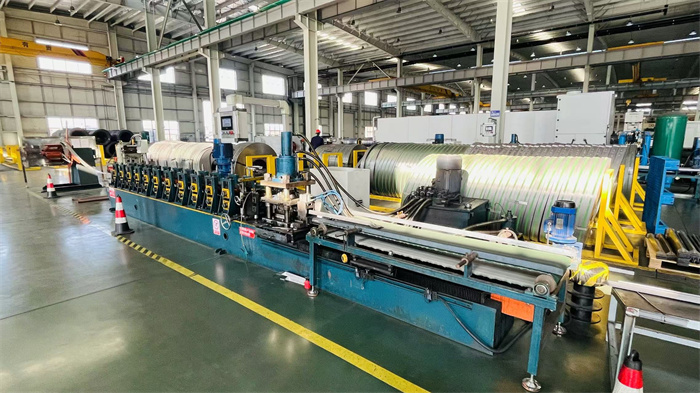
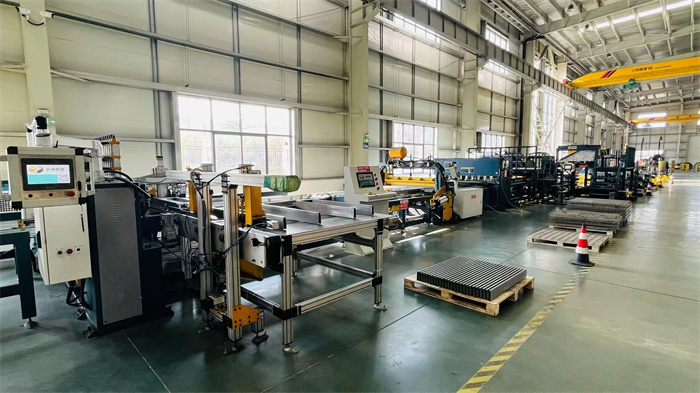
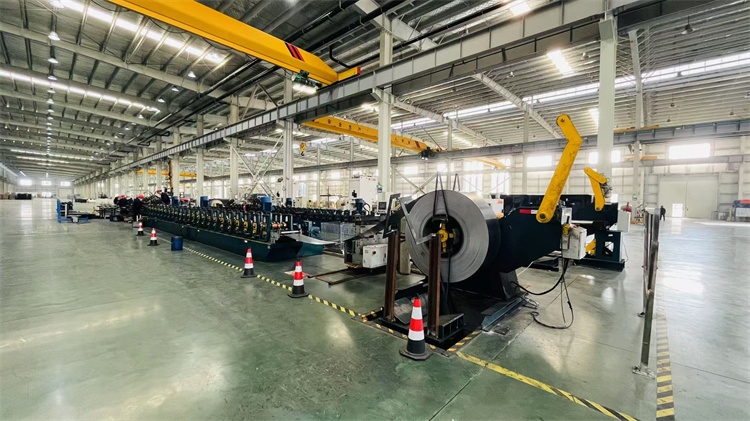
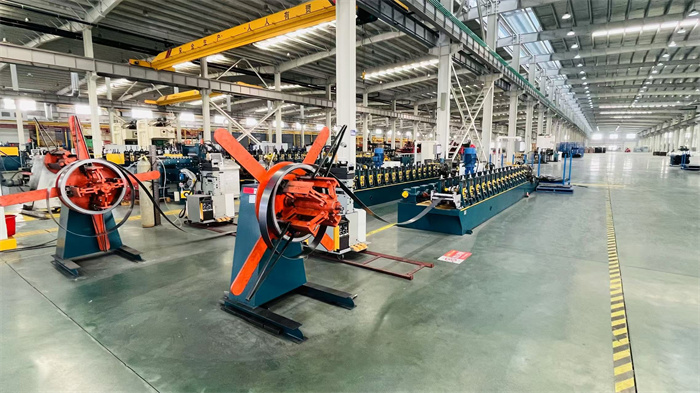
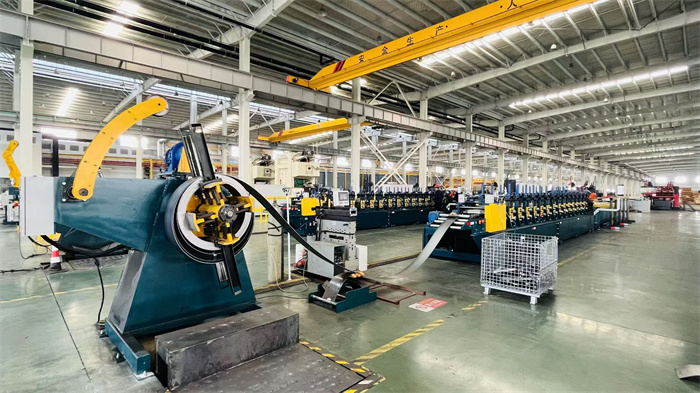
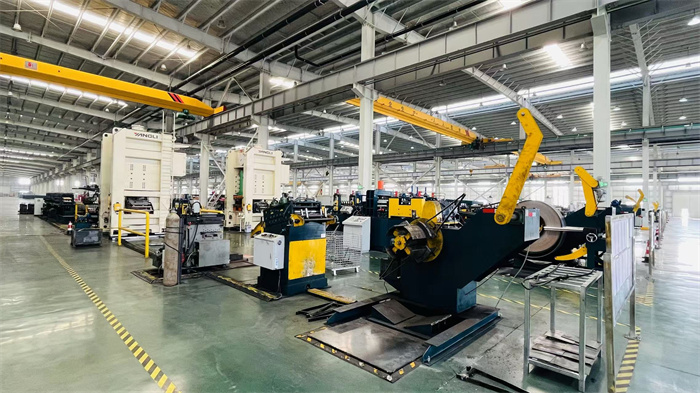
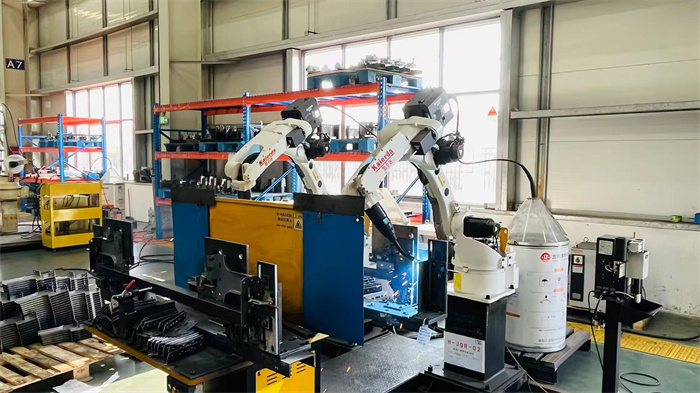
Combining high-capacity automated production with strict quality control to guarantee international delivery reliability.
Jracking (Guangdong) Storage Co., Ltd. is a professional manufacturer specializing in warehouse racking systems and industrial storage solutions in China. Since its establishment in 2016, the company has been dedicated to designing, manufacturing, and supplying high-quality storage equipment for global customers across various industries.
With a modern manufacturing facility covering 28,600 m², Jracking integrates advanced production equipment, strict quality management systems, and experienced engineering teams to ensure reliable product performance and consistent manufacturing standards. The company offers a comprehensive range of storage products including selective pallet racks, drive-in racking, cantilever racks, mezzanine systems, longspan shelving, steel platforms, and customized warehouse storage solutions.
Backed by over 8 years of export experience and 12 years of industry expertise, Jracking has successfully served customers in North America, Europe, Southeast Asia, Australia, and the Middle East. The company's annual export revenue exceeds USD 18 million, reflecting its strong competitiveness in the international storage equipment market.
Quality remains the core of Jracking's manufacturing philosophy. Every production process is strictly monitored through ISO-compliant quality control procedures, while products undergo load capacity testing, dimensional inspection, welding inspection, coating thickness testing, and final assembly inspection before shipment. The company employs 48 professional quality inspectors to maintain stable product quality and customer satisfaction.
As an OEM & ODM manufacturer, Jracking collaborates with more than 1,150 supply chain partners, enabling efficient sourcing, flexible production scheduling, and fast delivery for global projects. Its primary customers include warehouse equipment distributors, importers, wholesalers, logistics companies, e-commerce fulfillment centers, and industrial project contractors.
Innovation is driven by a dedicated R&D team consisting of 85 experienced engineers, who continuously develop new storage solutions to meet evolving market demands. The company supports customized design, size, color, loading capacity, surface treatment, and warehouse layout solutions according to customer requirements. In the past year alone, Jracking successfully introduced 156 new products to the global market.
How structural steel engineering is integrating with automated intralogistics ecosystems.
Modern platforms are engineered to minimize vibration and deflection, creating stable flat-surface pathways required for Autonomous Mobile Robots (AMRs) and Automated Guided Vehicles (AGVs) operating on elevated mezzanine levels.
We use high-tensile steel grades (equivalent to S355 JR) to reduce total deadweight while preserving structure capacity. Powder coatings are applied via eco-friendly electrostatic lines, emitting zero VOCs.
Moving away from welded assemblies, our structures utilize high-tensile bolted connections (Class 8.8 or 10.9). This simplifies installation and allows the system to be dismantled, extended, or relocated as layout needs evolve.
Tailored industrial mezzanine designs that address the specific processing requirements of core German business sectors.
E-Commerce & 3PL Fulfillment: Multilevel picking galleries built with open steel gratings to maximize natural light and air circulation, satisfying work environment guidelines (Arbeitsstättenrichtlinie).
Automotive Supply Chain: Heavy-duty platforms designed for load limits exceeding 1,500 kg/m² to support heavy die tooling components, spare parts storage, and assembly workstations.
Food & Pharmaceutical Cold Chain: Corrosion-resistant powder-coated steel configurations designed to withstand temperatures down to -30°C without undergoing low-temperature steel embrittlement.
Successful mezzanine installation in Germany depends on detailed planning across several stages:
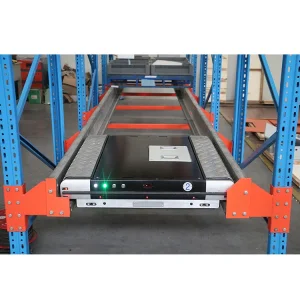
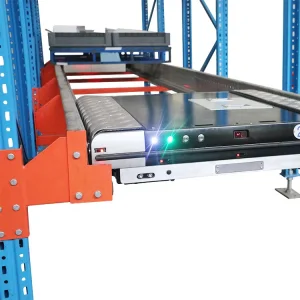
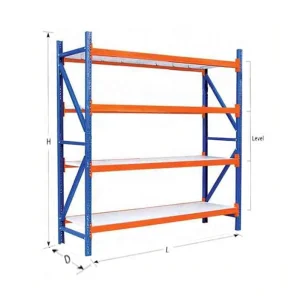
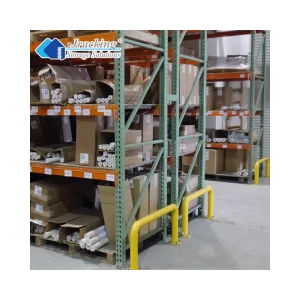
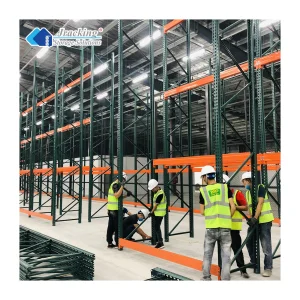
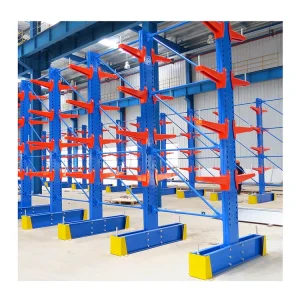
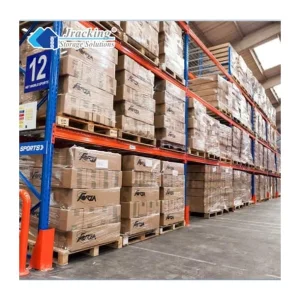
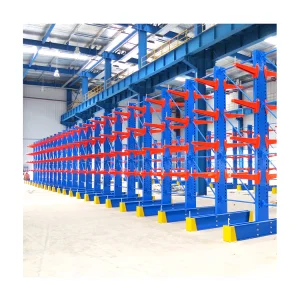
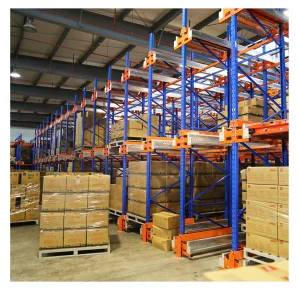
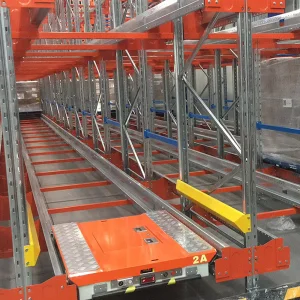
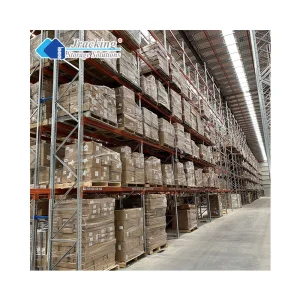
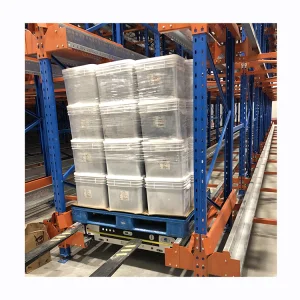
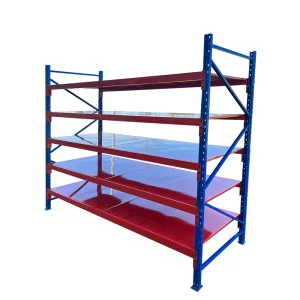
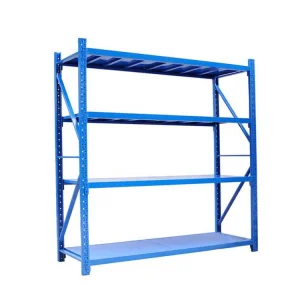
Optimize your footprint using industrial-grade selective, cantilever, and automated shuttle systems.
Achieving cost-efficiency while managing direct ocean transport to German logistics sites.
Sourcing directly from Jracking’s 28,600 m² factory allows warehouse operators to reduce supplier markups. Many domestic European racking distributors act as middlemen, rebranding imported components at premium prices. Partnering directly with Jracking helps bypass these markups while maintaining engineering standards.
Our engineering team works closely with local German project managers, structural engineers, and third-party inspectors. We supply CAD layouts, load capacity calculations, and factory test certifications to help streamline local installation approvals.
Mezzanine columns and long-span components are packaged to withstand maritime transit. We bundle heavy-gauge steel profiles using high-tensile strapping, protective corners, and thick plastic wraps to prevent moisture exposure and transit damage.
We regularly ship to major European ports, including Hamburg, Rotterdam, and Antwerp, with optimized container loading that helps lower ocean freight costs per structural unit.
Answers to common structural engineering, permitting, and logistics questions for the German market.
Submit your warehouse dimensions and load-bearing requirements. Our engineering team will prepare a CAD layout plan and project quotation.
Send Inquiry Now Jracking