Optimized industrial storage racking and automation designs specifically engineered to address spatial constraints and strict building mandates in Oslo, Bergen, Stavanger, and northern maritime ports.
Norway is globally recognized for its robust economy, driven by the offshore oil and gas industry, maritime commerce, aquaculture, and a rapidly expanding e-commerce sector. However, the unique geography of Norway—characterized by steep fjords, rugged mountainous terrain, and restricted flatland areas—presents a persistent challenge for industrial development: the high cost and limited availability of prime logistics land. Consequently, maximizing the volume and efficiency of existing indoor footprints is not just a priority, but a strategic necessity for Norwegian companies.
In hubs like Oslo, Bergen, Stavanger, and Trondheim, warehousing rental fees continue to rise. Companies cannot easily expand their buildings horizontally due to environmental regulations, strict municipal zoning laws, and geographical limitations. This is where structural steel mezzanine systems act as a critical enabler. By converting empty vertical space into usable production, storage, or office floors, mezzanines double the operational area of a facility without requiring costly and time-consuming civil building expansions.
When purchasing mezzanine systems and structural warehouse racking, Norwegian procurement managers and engineering contractors navigate a complex balancing act between economic viability and strict regulatory compliance. While local European fabricators offer proximity, their structural steel fabrication costs are among the highest in the world, largely driven by local labor rates and energy costs. Consequently, importing high-quality structural steel platforms from specialized global manufacturers has become the standard procurement pathway.
To successfully export to Norway, global manufacturers must demonstrate a deep understanding of Nordic construction norms, environmental standards, and quality frameworks. The selection of a mezzanine supplier is not merely based on price-per-kilogram; it relies heavily on technical capability, design flexibility, and regulatory compliance. Norwegian buyers look for partners who can supply comprehensive calculations, custom designs, and raw materials that withstand the harsh Scandinavian winters and maritime environments.
Modern industrial mezzanines are far more than simple platforms; they are highly engineered structural systems integrated into the logistics workflow of a facility. Depending on the operational requirements, these solutions are classified into two main types: column-supported structural steel platforms and rack-supported mezzanine systems.
Structural Steel Platforms: Engineered using hot-rolled steel columns (such as H-beams) and cold-formed secondary beams (Sigma, C, or Z sections), these systems offer wide spans with minimal column interference. This leaves the floor space beneath completely open for manufacturing, assembly lines, or forklift navigation. The flooring can consist of steel grating (ideal for ventilation and sprinkler penetration), high-density chipboard with wear-resistant coatings, or steel plate overlay.
Rack-Supported Mezzanines: This cost-effective design utilizes the uprights of heavy-duty pallet racking or longspan shelving as the primary structural supports for the overhead floor walkways. This dual-purpose system provides high-density product storage on multiple levels while establishing stable walkways for manual picking operations. It is commonly deployed in e-commerce fulfillment centers where hand-picked SKU inventory is vast and varied.
Jracking (Guangdong) Storage Co., Ltd. is a professional manufacturer specializing in warehouse racking systems and industrial storage solutions in China. Since its establishment in 2016, the company has been dedicated to designing, manufacturing, and supplying high-quality storage equipment for global customers across various industries.
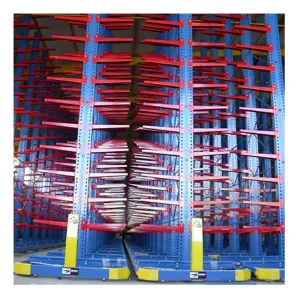
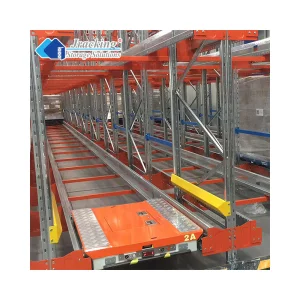
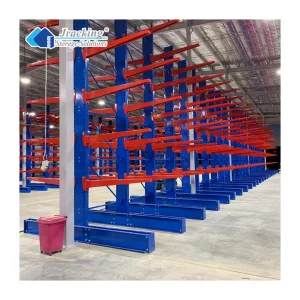
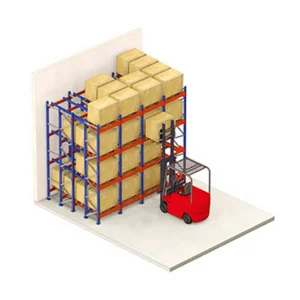
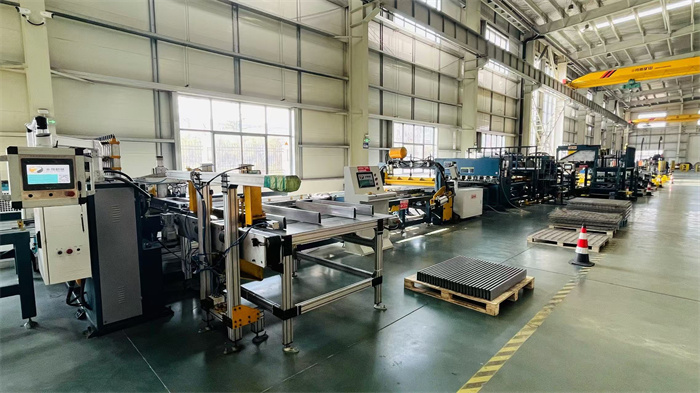
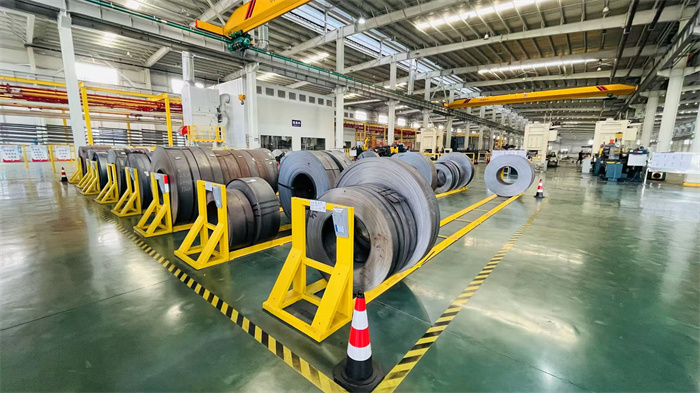
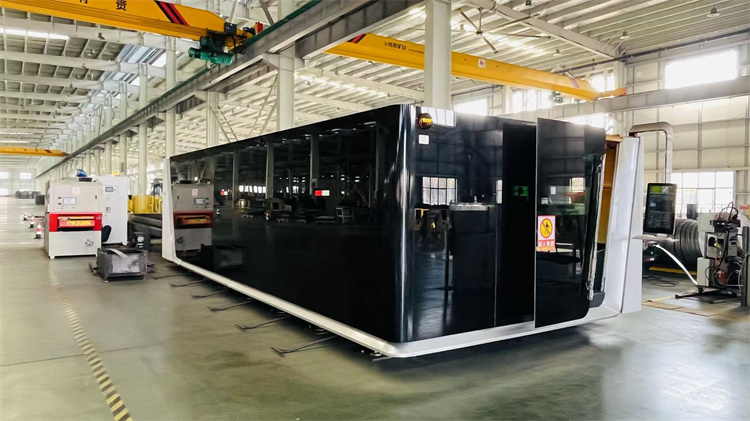
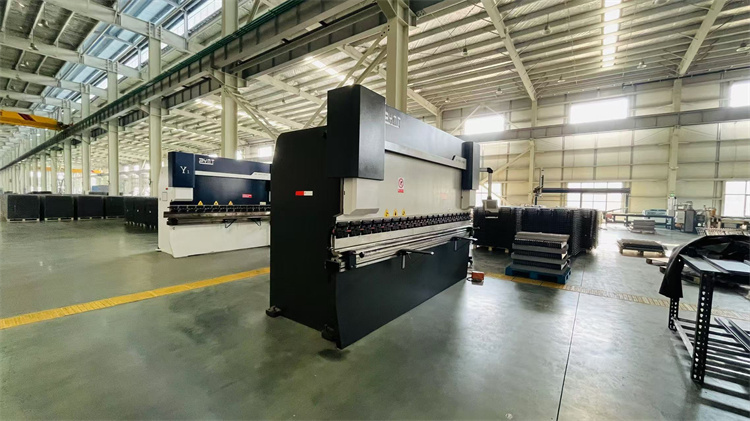
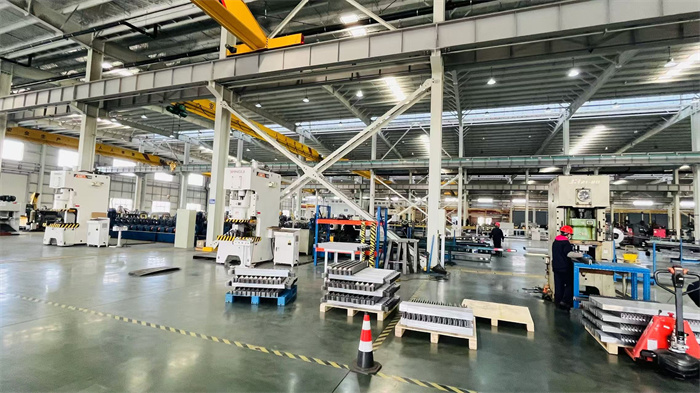
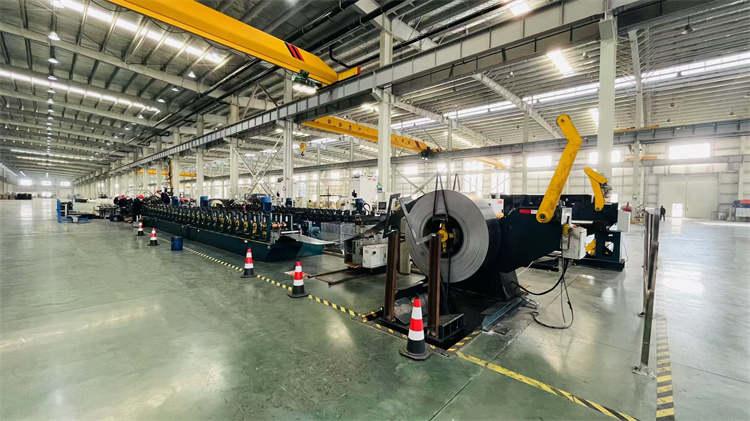
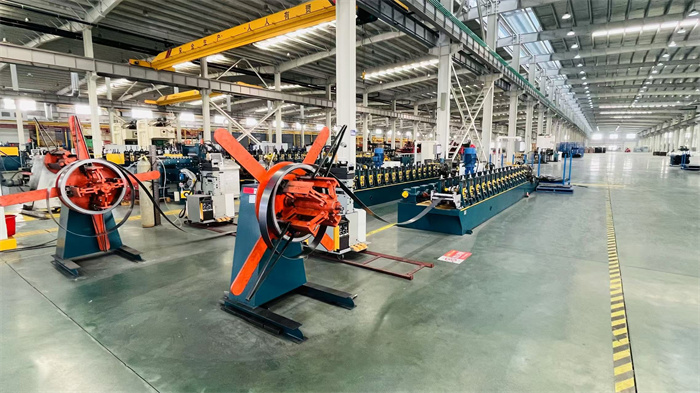
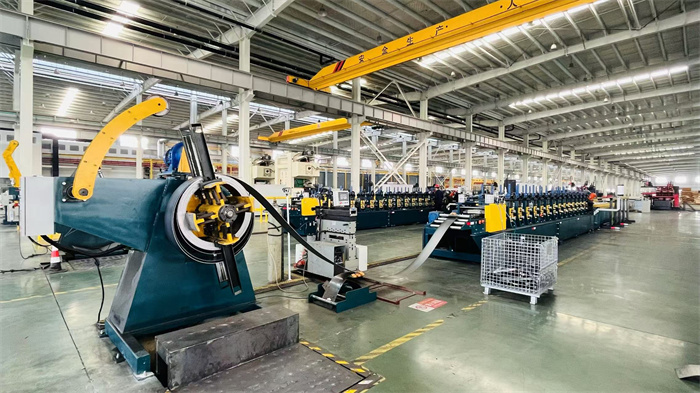
With a modern manufacturing facility covering 28,600 m², Jracking integrates advanced production equipment, strict quality management systems, and experienced engineering teams to ensure reliable product performance and consistent manufacturing standards. The company offers a comprehensive range of storage products including selective pallet racks, drive-in racking, cantilever racks, mezzanine systems, longspan shelving, steel platforms, and customized warehouse storage solutions.
Backed by over 8 years of export experience and 12 years of industry expertise, Jracking has successfully served customers in North America, Europe, Southeast Asia, Australia, and the Middle East. The company's annual export revenue exceeds USD 18 million, reflecting its strong competitiveness in the international storage equipment market.
Quality remains the core of Jracking's manufacturing philosophy. Every production process is strictly monitored through ISO-compliant quality control procedures, while products undergo load capacity testing, dimensional inspection, welding inspection, coating thickness testing, and final assembly inspection before shipment. The company employs 48 professional quality inspectors to maintain stable product quality and customer satisfaction.
As an OEM & ODM manufacturer, Jracking collaborates with more than 1,150 supply chain partners, enabling efficient sourcing, flexible production scheduling, and fast delivery for global projects. Its primary customers include warehouse equipment distributors, importers, wholesalers, logistics companies, e-commerce fulfillment centers, and industrial project contractors.
Innovation is driven by a dedicated R&D team consisting of 85 experienced engineers, who continuously develop new storage solutions to meet evolving market demands. The company supports customized design, size, color, loading capacity, surface treatment, and warehouse layout solutions according to customer requirements. In the past year alone, Jracking successfully introduced 156 new products to the global market.
A visual walkthrough of our end-to-end production capabilities, demonstrating strict engineering precision from raw steel inspection to automated final finishing.
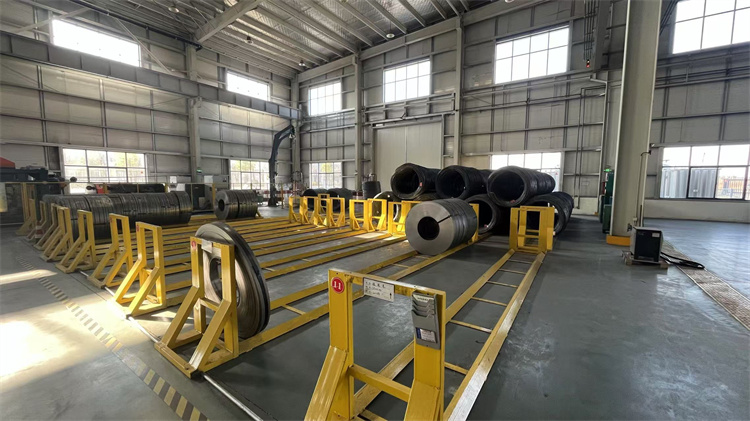
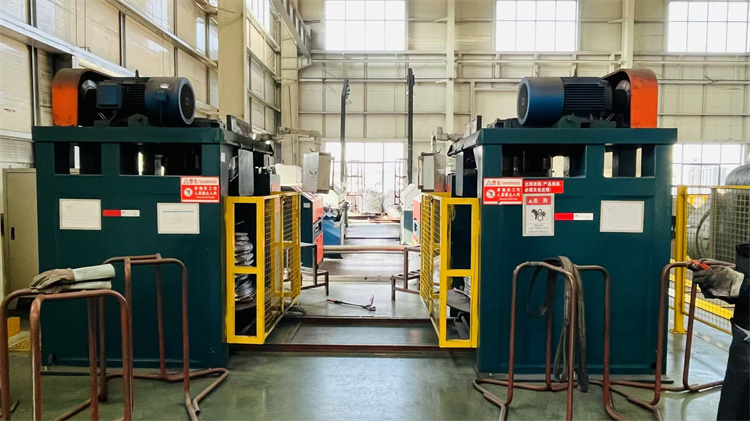
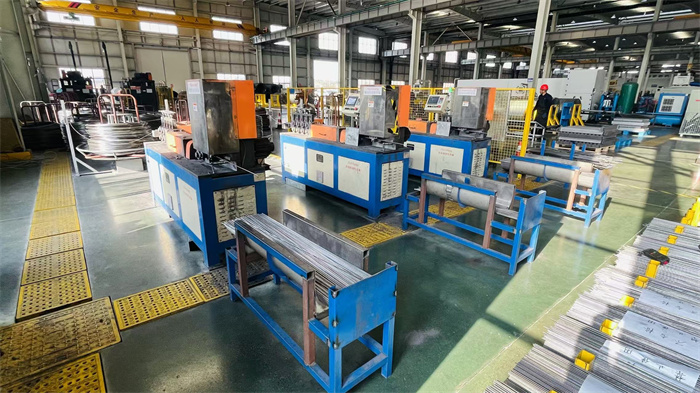
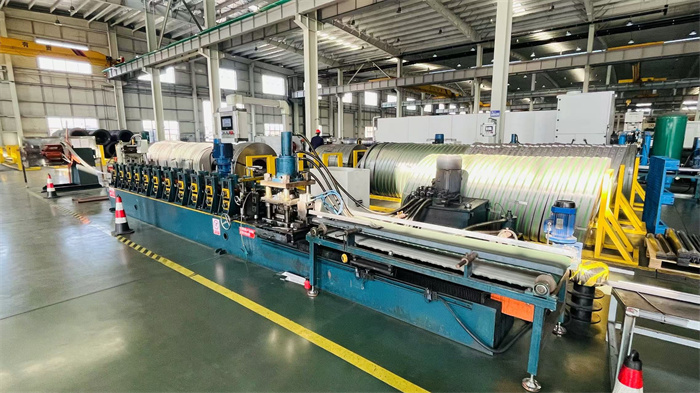
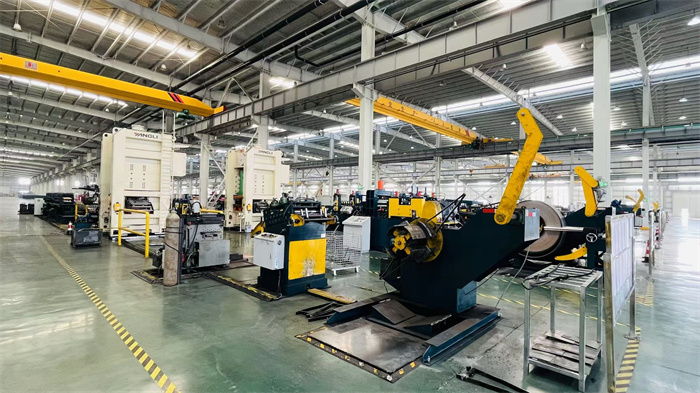
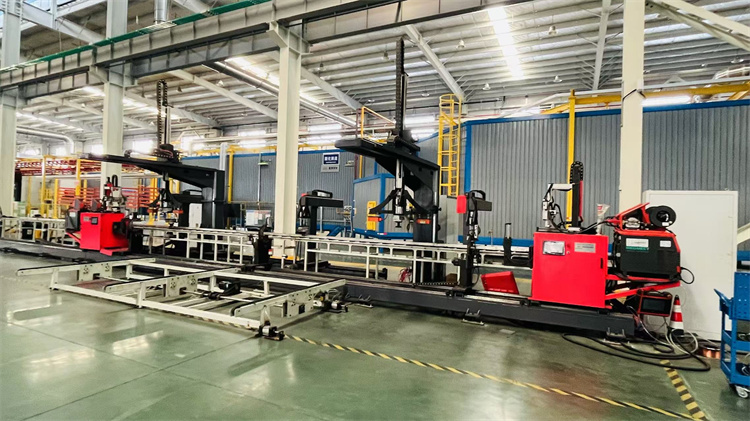
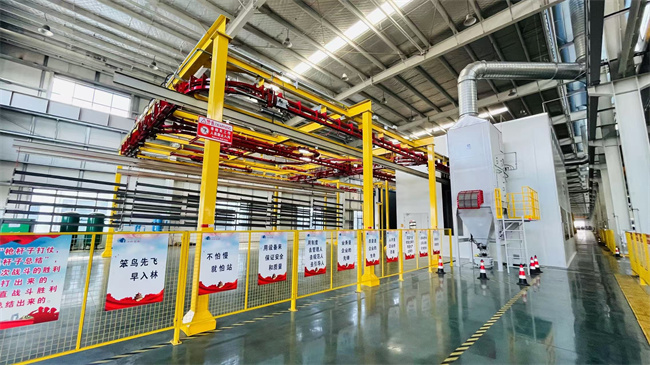


The industrial landscape in Norway is changing rapidly, driven by the integration of automation and a strong national commitment to carbon neutrality. As a result, the engineering requirements for industrial mezzanines are evolving. Structural designs must now anticipate future upgrades, allowing standard static platforms to adapt to semi-automated or fully automated workflows.
Robotic System Integration: The weight, acceleration, and deceleration forces of automated mobile robots (AMRs) require stiffer structures to reduce deflection and vibration. In response, engineering models now utilize finite element analysis (FEA) to simulate dynamic wheel loads, ensuring that floor decks remain level and stable during high-speed robotic operations.
Modular and Sustainable Designs: Sustainability is a key priority for Norwegian companies under European Green Deal directives. Future projects will focus on modular, bolted steel designs that eliminate the need for on-site welding. This not only reduces installation times in high-labor-cost markets like Norway, but also ensures that the entire structure can be dismantled, expanded, or recycled, minimizing its lifetime carbon footprint.
Exporting structural steel systems to Norway requires strict adherence to local building regulations and technical guidelines. The primary framework governing these installations is TEK17 (the Norwegian Regulations on Technical Requirements for Building Works). This regulation mandates strict standards for structural integrity, fire safety, environmental impact, and workplace safety.
To ensure compliance, all imported structural steel must be CE marked and manufactured under a certified factory production control system (EN 1090). This certification provides Norwegian building inspectors and insurers with verified documentation that the steel's chemistry, yield strength, and weld quality meet European standards. In addition, projects along Norway's long coastline must factor in local wind loads and seismic actions, requiring custom engineering calculations verified by structural analysis software like STAAD.Pro or RFEM.
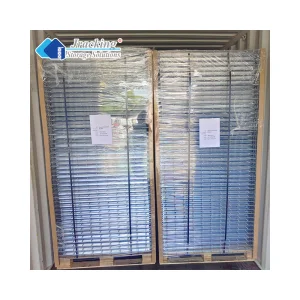
Our logistical approach is optimized for the Norwegian market. We consolidate shipments in heavy-duty ocean containers, utilizing seaworthy packaging and anti-humidity treatments to protect steel surfaces during the maritime transit to ports such as Oslo or Bergen. Upon arrival, we provide full support with customs clearance documentation, detailing commodity codes and structural certifications to ensure a smooth import process.
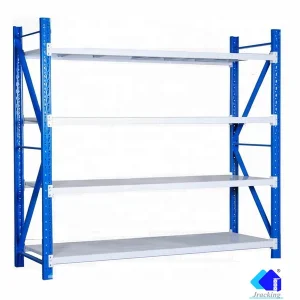
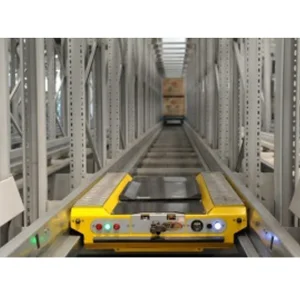
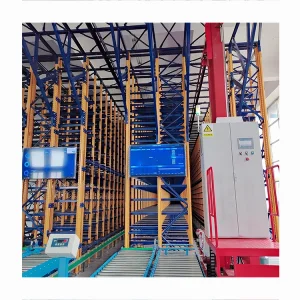
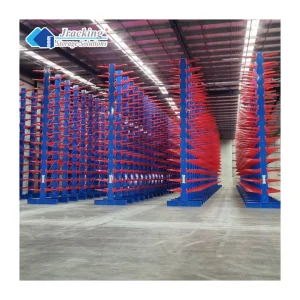
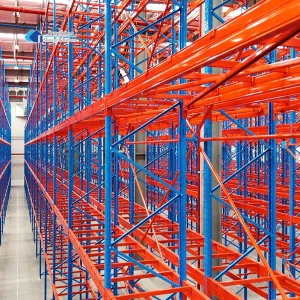
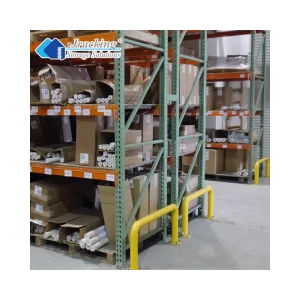
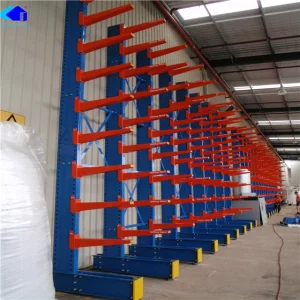
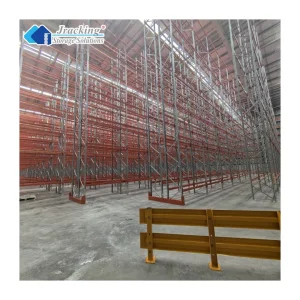
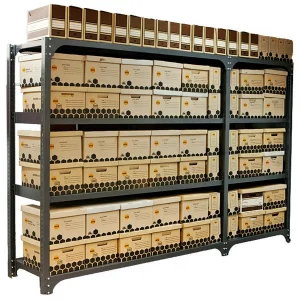
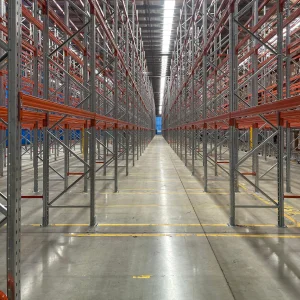
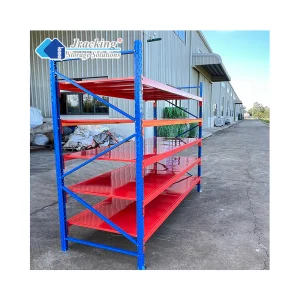
A complete selection of industrial storage systems engineered to meet international safety and load-bearing requirements, serving warehousing operations across Norway.
Answers to common structural engineering, logistics, and compliance queries from Norwegian procurement officers and facility engineers.
 Jracking