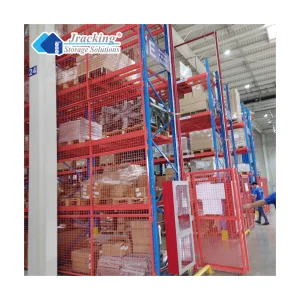
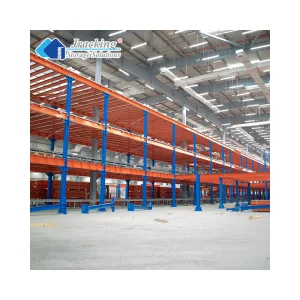
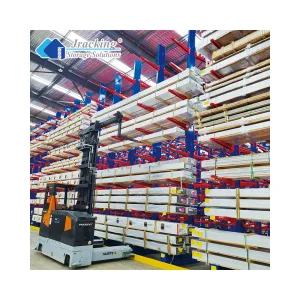
Pre-engineered configurations optimized for high density and rapid accessibility in constrained footprints.
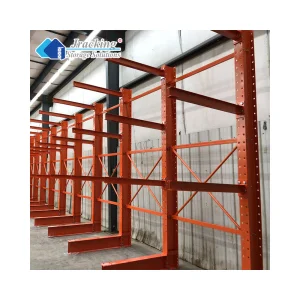
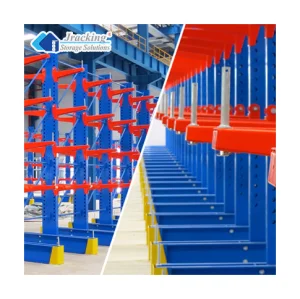
The Greater Boston area presents a unique set of industrial challenges. High real estate costs across Middlesex, Suffolk, and Essex counties have caused warehouse space to shrink, forcing manufacturing hubs in Route 128 and Interstate 495 industrial corridors to aggressively scale vertically.
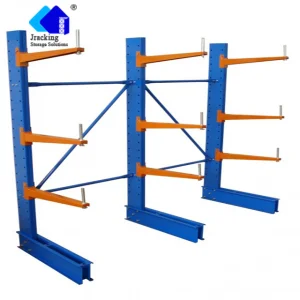
Whether storing clinical tubes for biopharmaceutical developers in Cambridge, copper conduits for urban development projects in downtown Boston, or lumber at construction suppliers along the Mystic River, traditional racking falls short. Standard pallet racking features front columns that obstruct elongated items. That is where light duty cantilever racking becomes essential. By removing front-end columns, light duty cantilever systems present an unobstructed horizontal shelf interface, ideal for manual picking and rapid mechanical access.
A deep look at the structural integrity, safe operating parameters, and design logic of modern racking arrays.
Unlike vertical frame configurations, a cantilever rack acts as a series of structural beams anchored to a vertical post. When designing light-duty setups (typically under 1,500 lbs capacity per arm level), calculating load distribution and deflection parameters is essential. Overloading can lead to arm deflection, which threatens inventory and personnel safety.
Our manufacturing engineering guarantees that every light duty system adheres strictly to RMI (Rack Manufacturers Institute) standard guidelines. Standard upright columns are constructed using high-yield roll-formed steel, while custom structural options are available for higher capacity requirements.
| Profile Specification | Material Standard | Typical Loading (per Arm) | Optimized Storage Application |
|---|---|---|---|
| Roll-Formed Light Arm | Q235B Carbon Steel | 500 - 800 lbs (226 - 362 kg) | Light PVC pipes, conduit arrays, molding |
| Reinforced Pivot Arm | Q235B High-Grade Steel | 800 - 1,200 lbs (362 - 544 kg) | Industrial tubing, light metal extrusions |
| Structural I-Beam Light Series | Q355B Low-Alloy Steel | Up to 1,500 lbs (680 kg) | Machined shafts, auto body parts, metal sheets |
Over a decade of engineering excellence, automated manufacturing lines, and strict quality control.
Jracking (Guangdong) Storage Co., Ltd. is a leading manufacturer specializing in warehouse racking systems and industrial storage solutions in China. Since our establishment in 2016, we have committed to designing, manufacturing, and supplying high-quality storage equipment for global customers across various industries.
With a modern manufacturing facility covering 28,600 m², Jracking integrates advanced production lines, strict quality management, and experienced engineering teams to ensure reliable product performance. We offer a comprehensive product catalog including selective pallet racks, drive-in racking, cantilever systems, steel mezzanine structures, longspan shelving, and automated warehouse solutions.
Backed by over 8 years of export experience and 12 years of industry expertise, Jracking serves customers in North America, Europe, Southeast Asia, Australia, and the Middle East. Our annual export revenue exceeds USD 18 million, highlighting our competitiveness in international supply chains.
Quality remains the core of our manufacturing philosophy. Every production step is monitored through ISO-compliant quality control procedures. Products undergo strict load testing, weld inspection, coating thickness measurements, and pre-shipment assembly tests. We employ 48 professional quality inspectors to maintain high product quality.
As an OEM & ODM manufacturer, Jracking partners with over 1,150 supply chain clients to ensure efficient sourcing and fast production scheduling. Our R&D team features 85 experienced engineers who develop custom solutions for unique layouts. Last year alone, we introduced 156 new products globally.
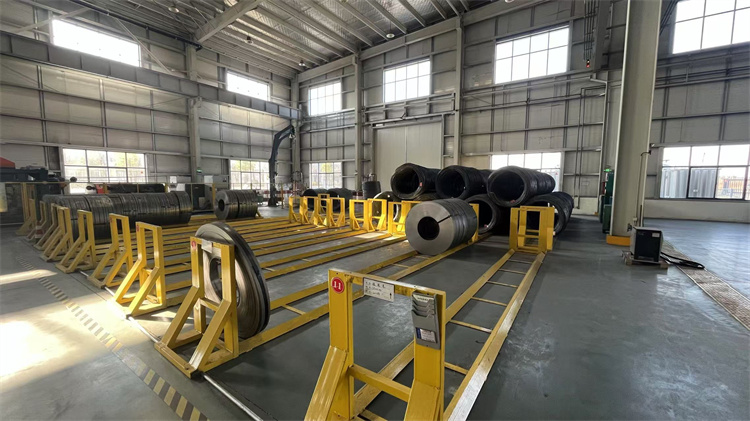 Raw Materials Inspection
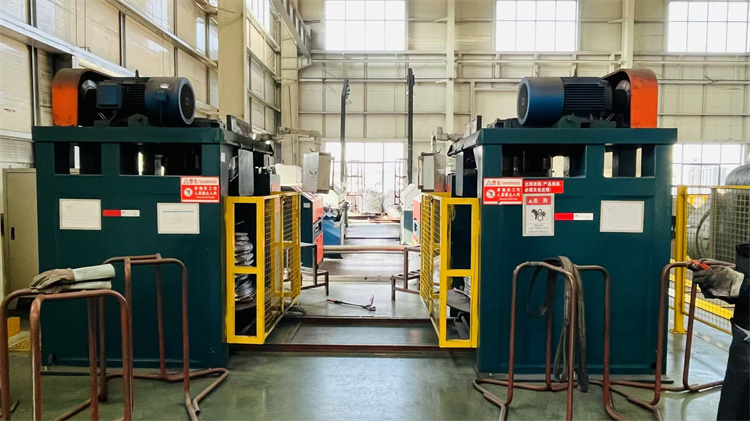 Wiredrawing Processing
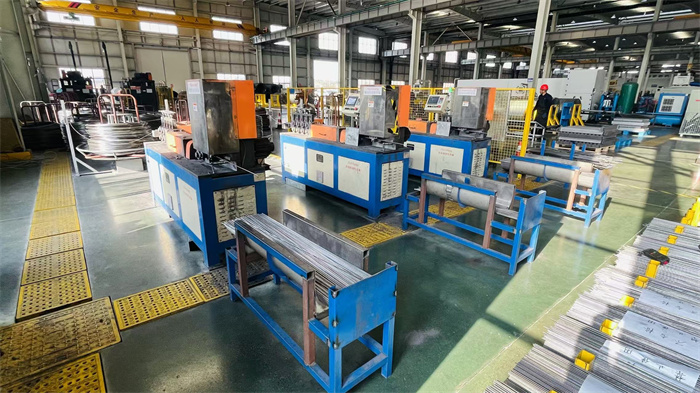 Cold Strengthening Steel
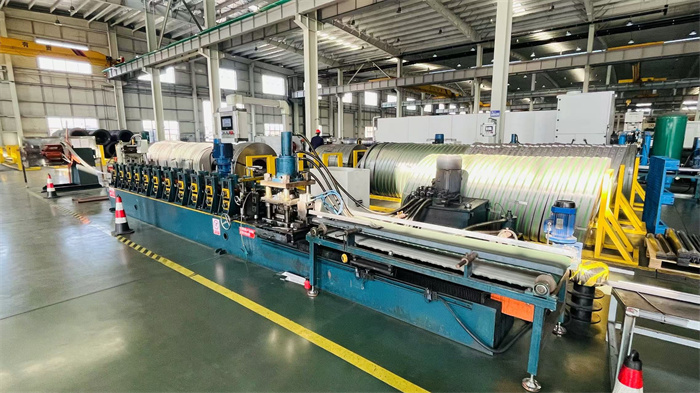 Strengthening Rib Forming
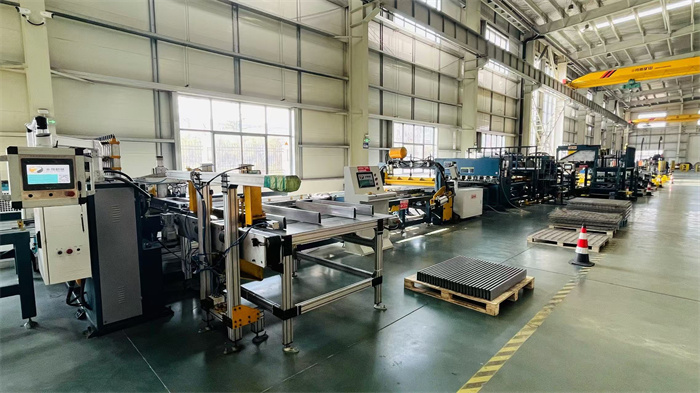 Metal Mesh Production
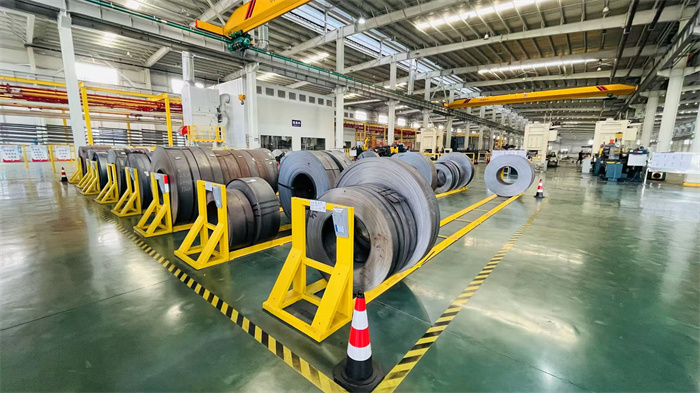 Structural Steel Prep
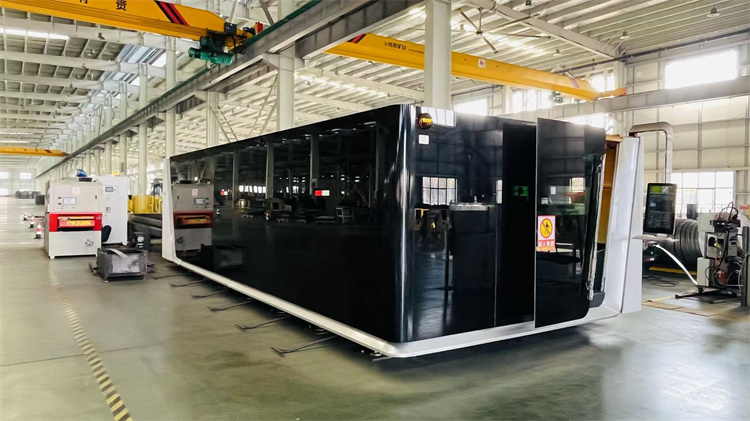 Precision Sheet Cutting
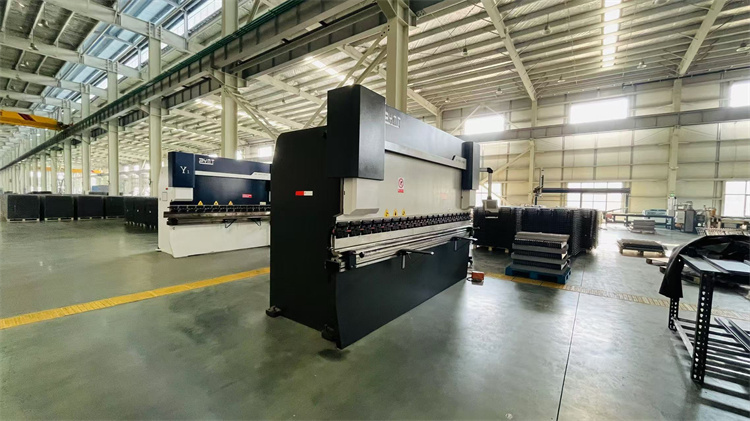 CNC Hydraulic Bending
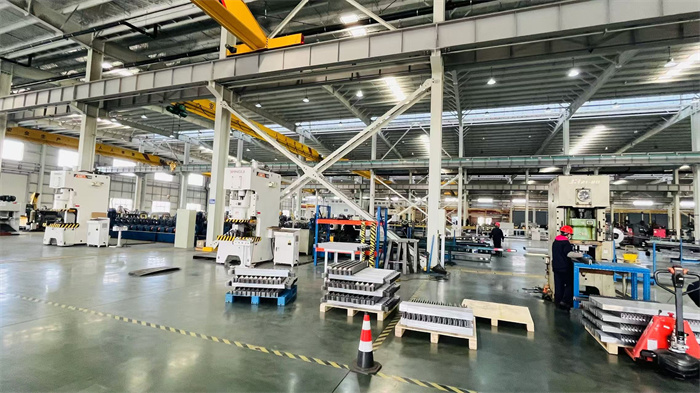 Automated Hole Punching
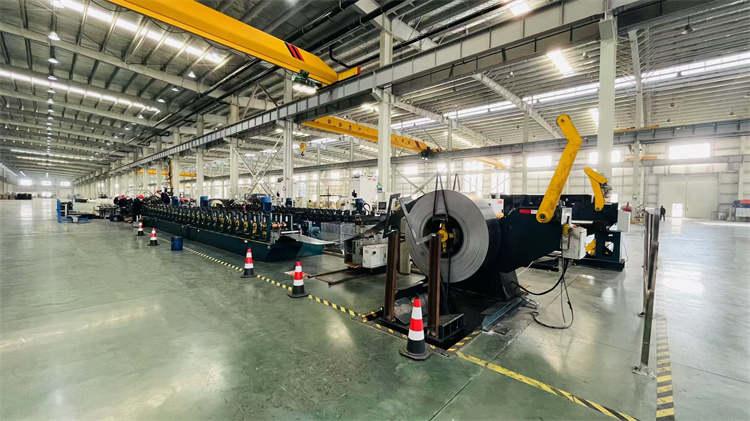 P-Beam Roll Forming
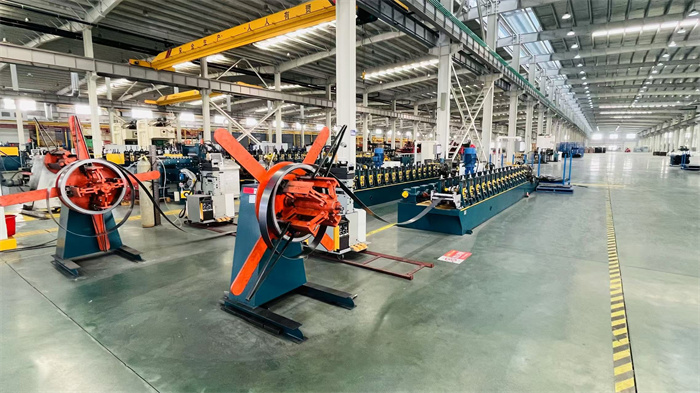 Diagonal Brace Rolling
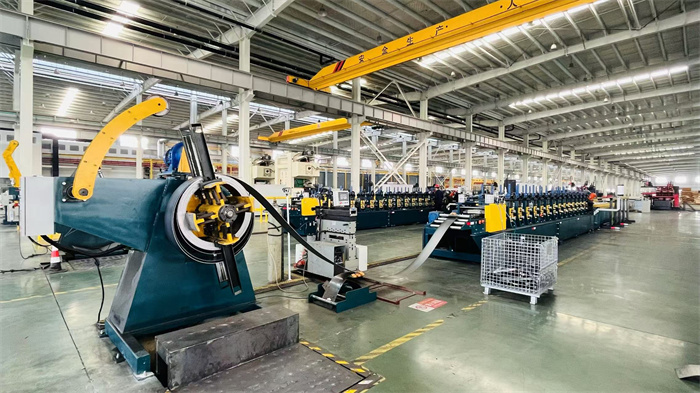 Occluding Beam Rolling
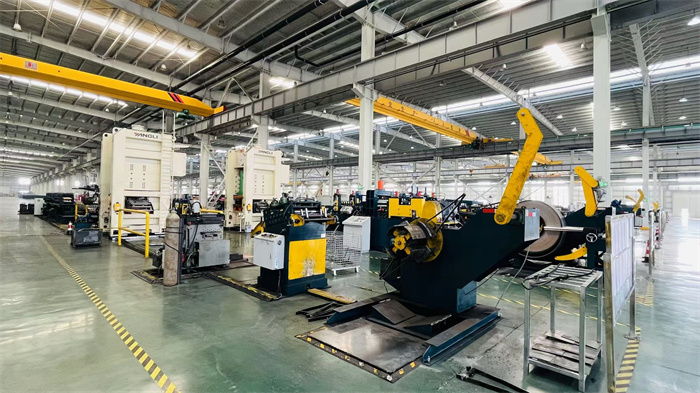 Upright Column Production
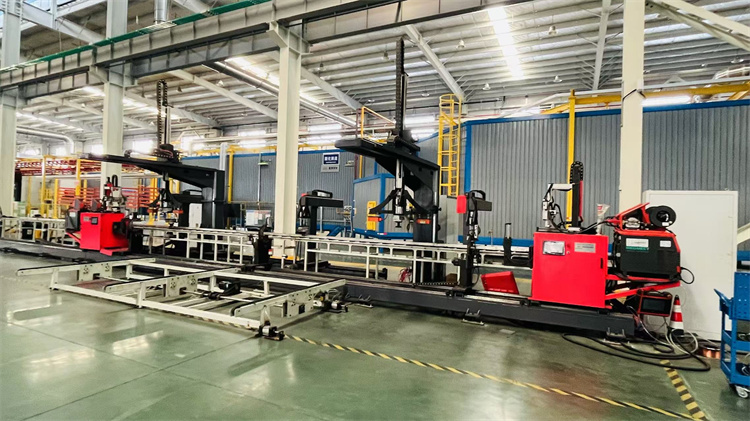 Robot-Controlled Welding
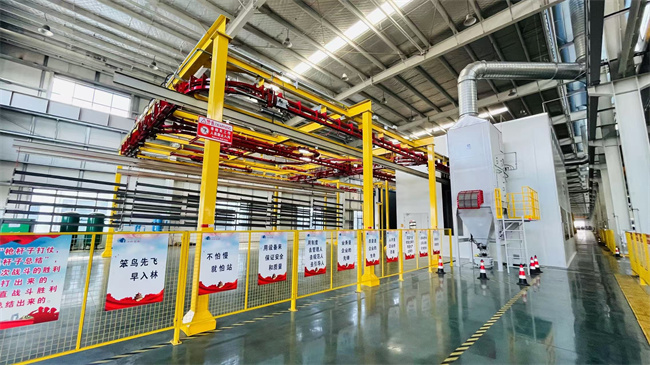 Powder Coating Application
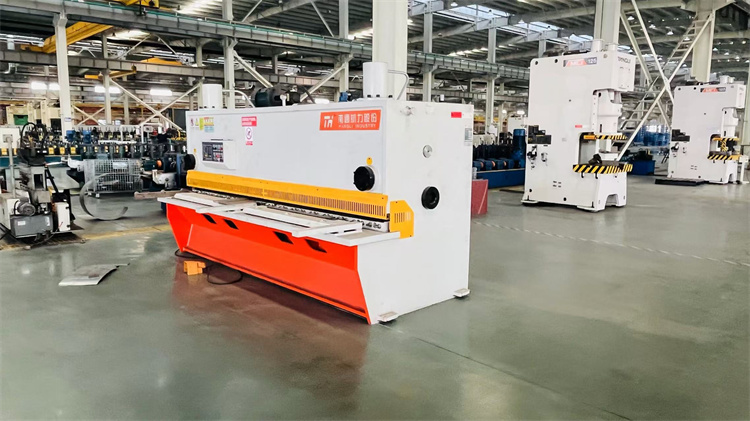 Plate Shearing Machine
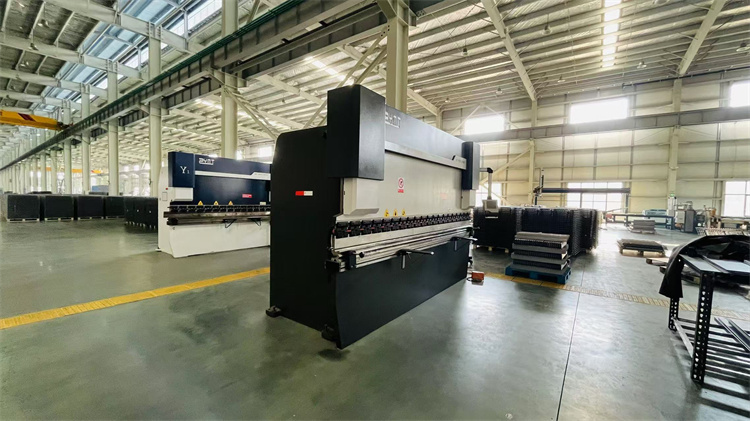 Plate Bending Machine
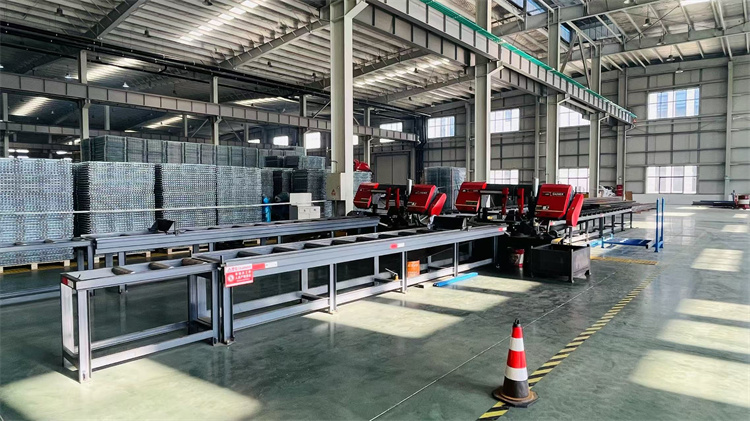 Semi-Auto Sawing Machine
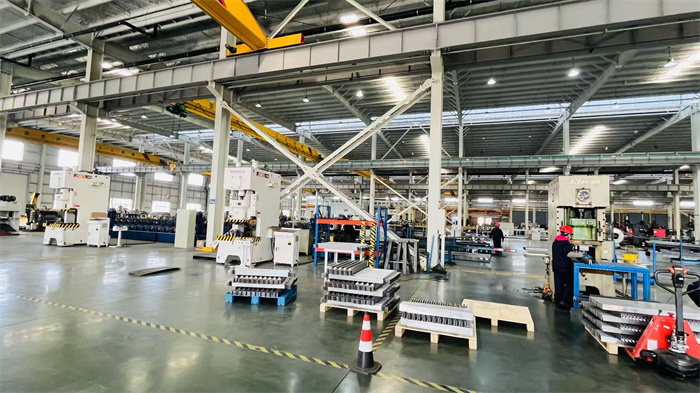 High-Speed Punching Press
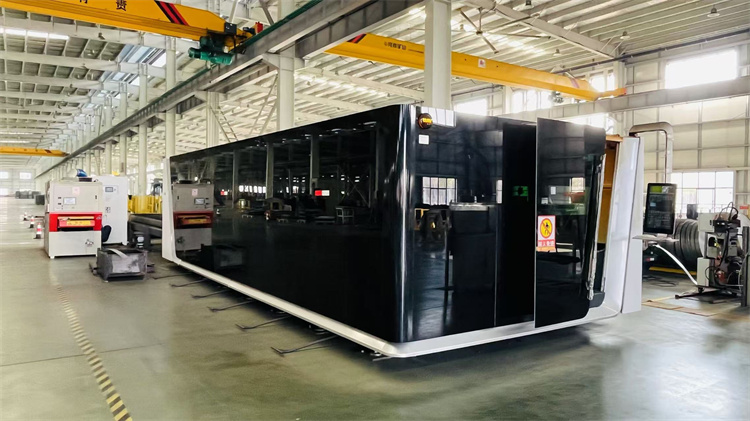 Fibre Laser Cutting CNC
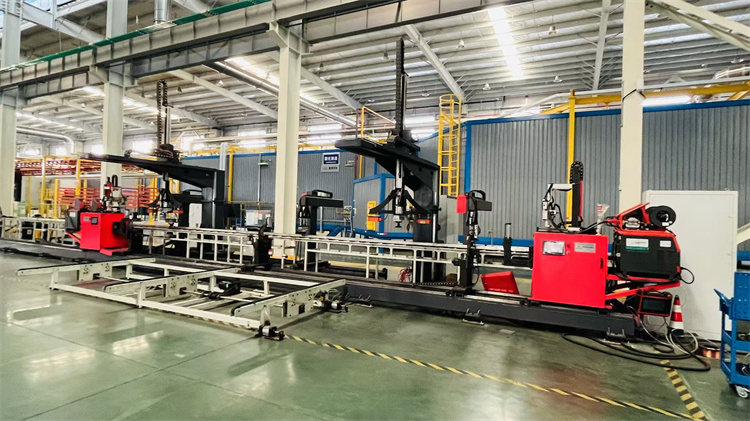 Auto Structural Welding
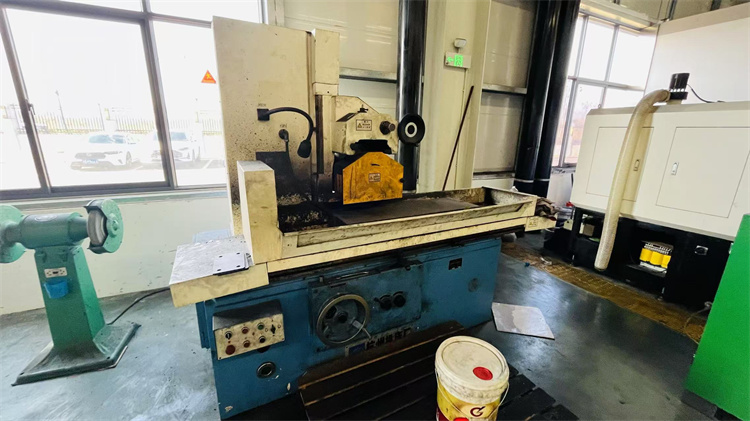 Precision Grinding Machine
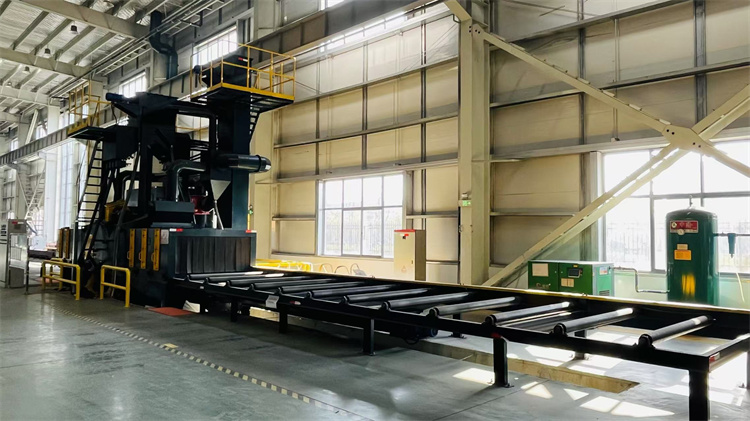 Shot Blasting Derusting
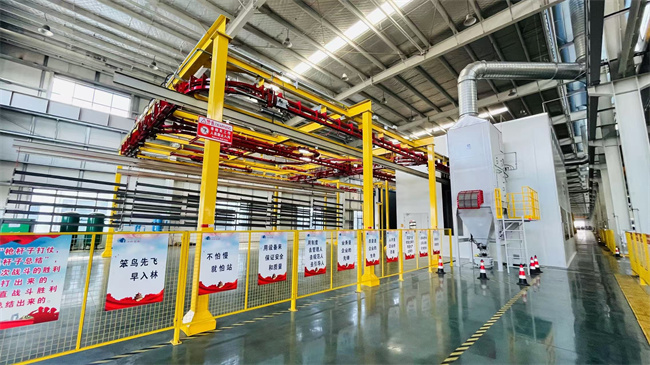 Electrostatic Spraying Line
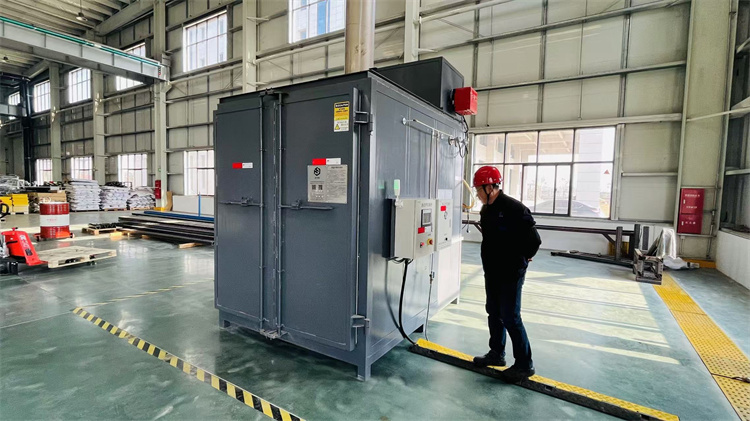 High-Temp Baking Oven
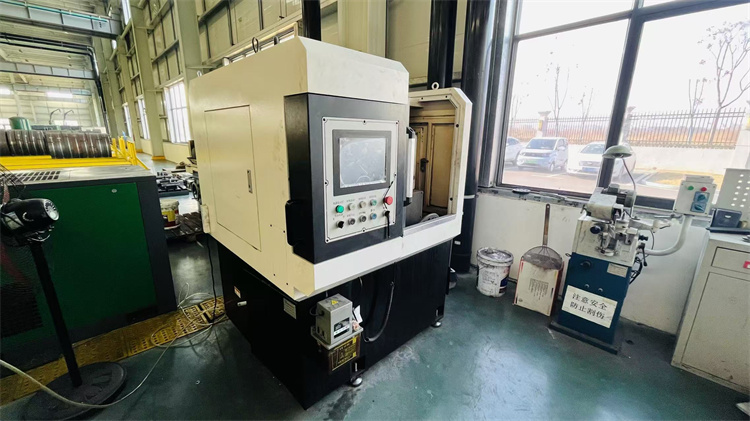 CNC Curve Gear Grinder
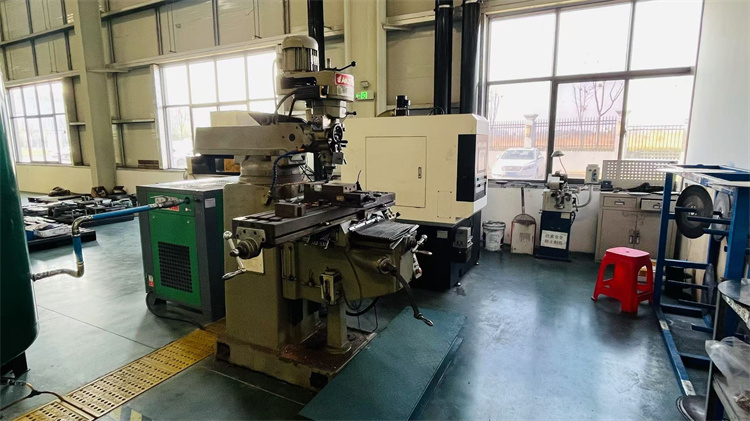 Vertical Milling Unit
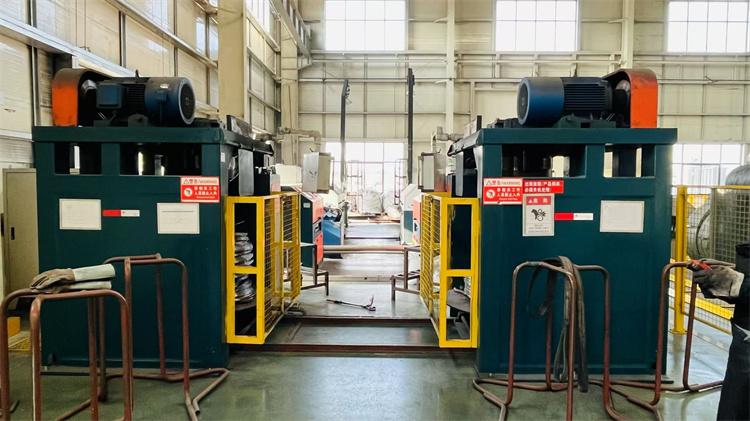 Precision Wiredrawing Line
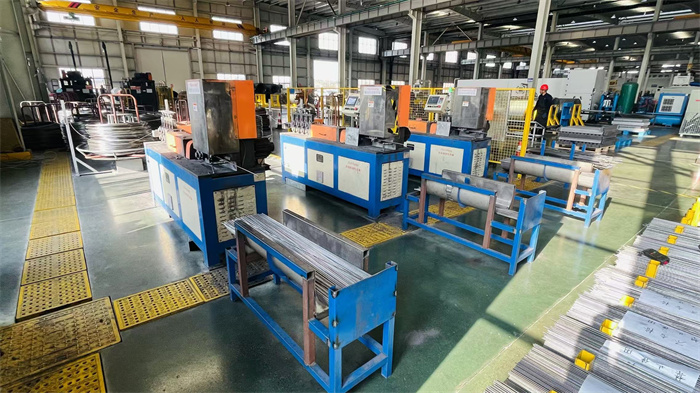 Automatic Alignment Unit
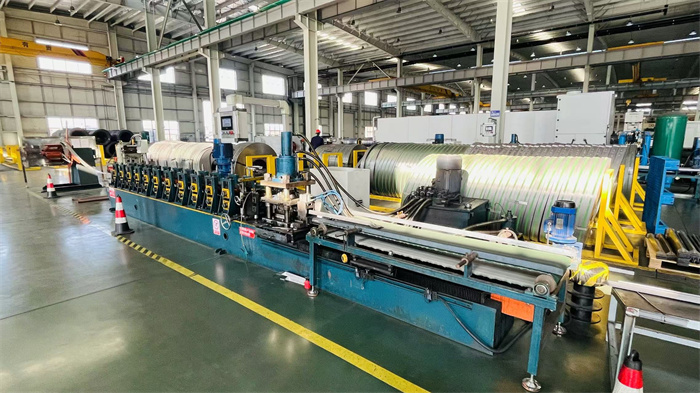 Rib Cold-Forming Machine
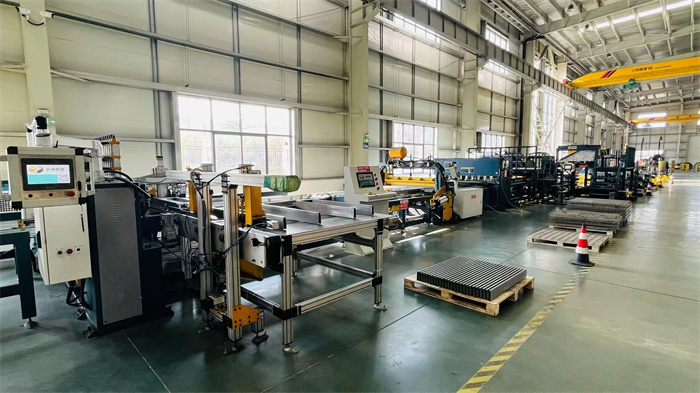 Automated Mesh Welding
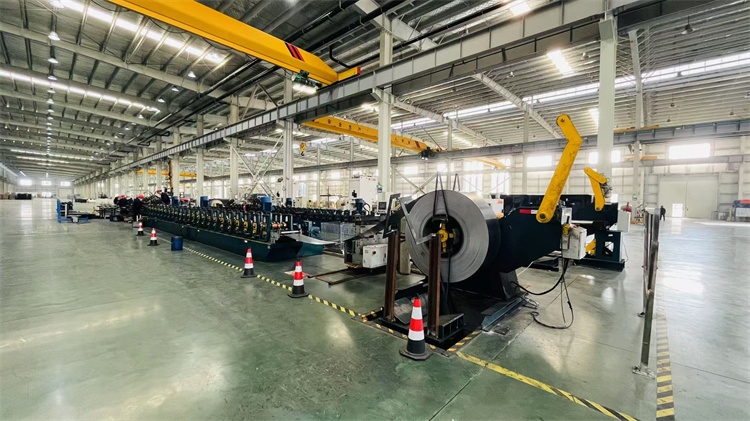 Continuous Beam Roll Mill
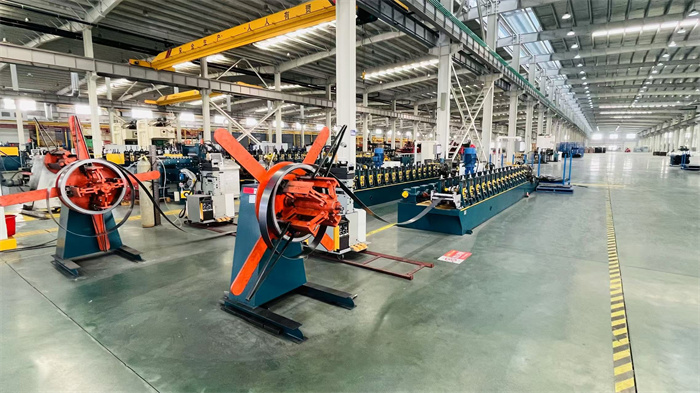 Brace Section Rolling Mill
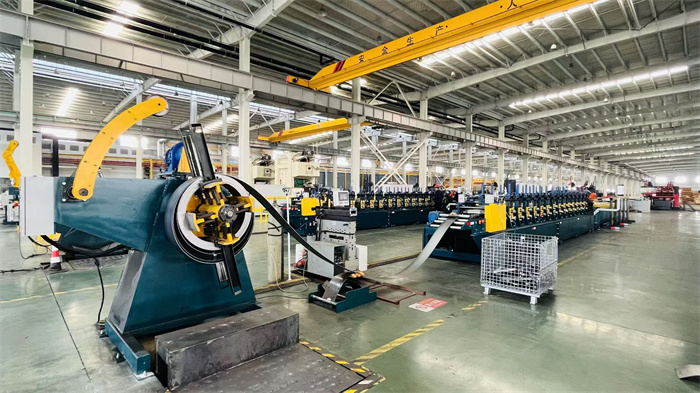 Interlocking Beam Rolling Mill
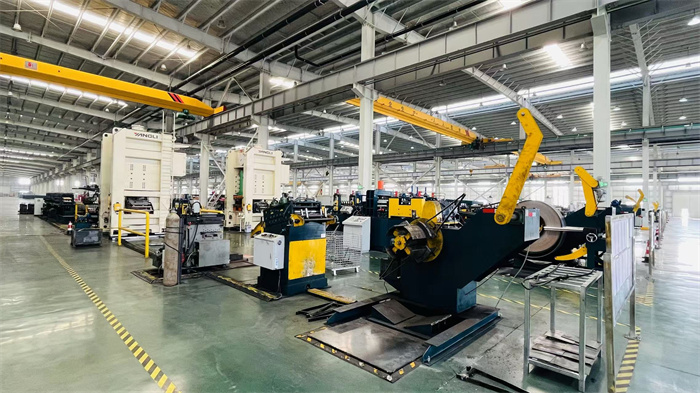 Auto Column Profiling Line
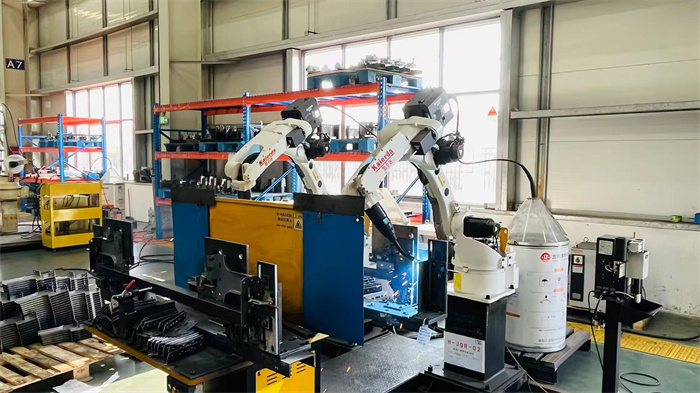 6-Axis Robotic Welding Station
Aligning structural warehouse equipment with future logistics trends and dynamic automation frameworks.
Industrial storage is evolving beyond simple steel frame setups. Smart storage integration utilizes IoT sensors placed on cantilever arms to monitor deflection, structural load distribution, and ambient temperatures in real-time. This helps operators identify structural stress before failures occur.
For Greater Boston logistics networks managing temperature-controlled items, combining IoT tracking with cold-room cantilever structures helps maintain stable operations. In addition, digital twins allow teams to plan and test warehouse configurations before modifying the physical layout.
Sustainability is increasingly important for modern enterprises. Our manufacturing process uses eco-friendly, zero-VOC powder coatings and recycled steel profiles, helping buyers meet LEED environmental goals. Durable finishes also extend the service life of our racking, reducing long-term lifecycle and replacement costs.
Engineered storage solutions, ranging from light-duty cantilever frameworks to automated logistics systems.
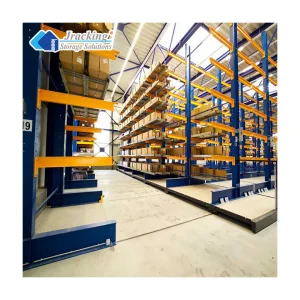
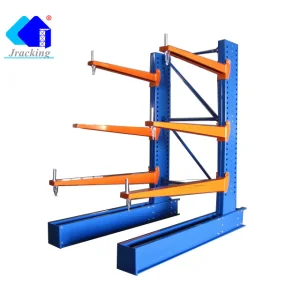
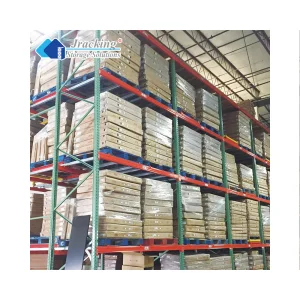
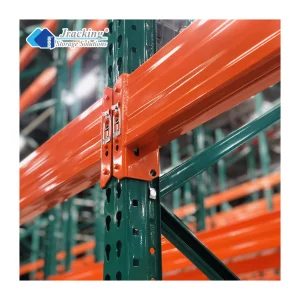
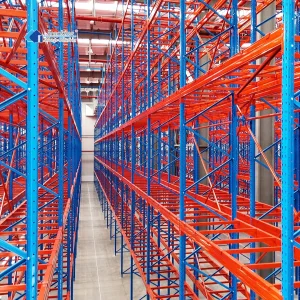
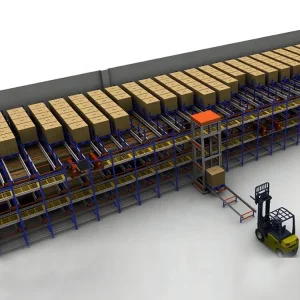
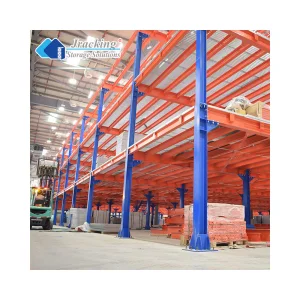
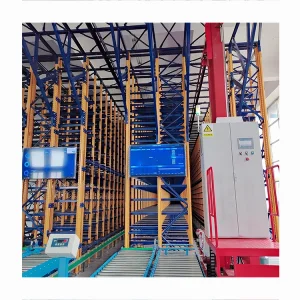
Specialized heavy-duty systems designed for smart logistics integration and cold chain applications.
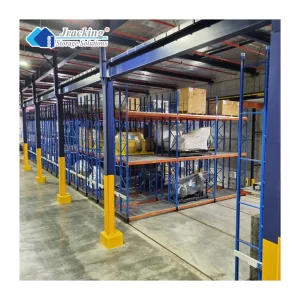
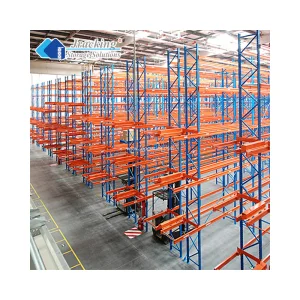
Technical guidance and answers for warehouse design engineers and facility operators.
Contact our engineering specialists for warehouse layout planning, structural load capacity calculations, and custom quotes.
Send Inquiry Now Jracking