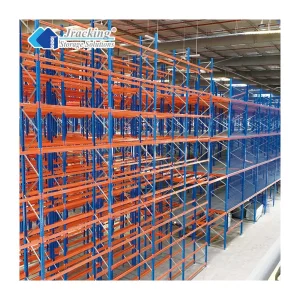
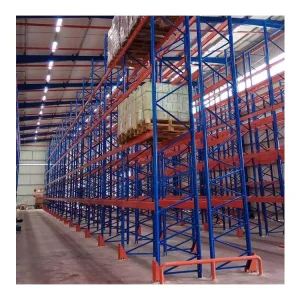
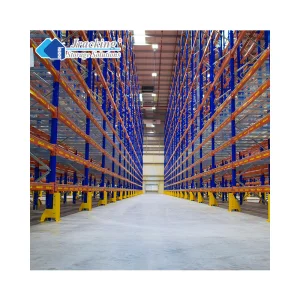
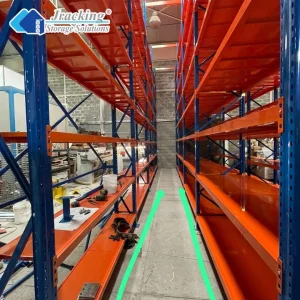
Standardized heavy-duty systems certified to European and international warehouse guidelines, designed specifically for rapid logistics turnaround in demanding island environments.
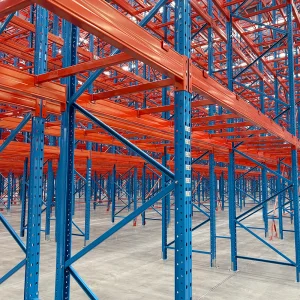
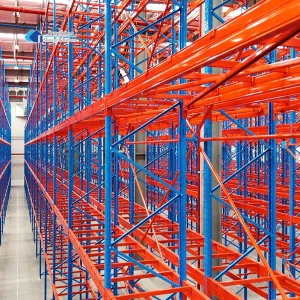
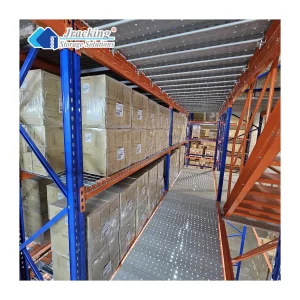
Kiribati, an archipelagic nation in the central Pacific, presents highly specialized supply chain dynamics. As the maritime logistics hub in South Tarawa (specifically Betio Port) experiences structural modernization, the demand for structured high-density warehousing has accelerated. Efficient palletization is key to managing cargo flows of consumer staples, construction imports, and marine exports.
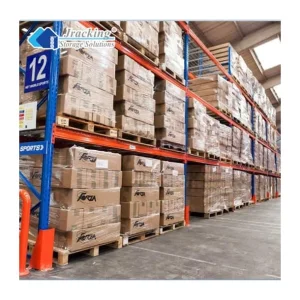
Establishing storage systems in Kiribati requires strict adherence to durability metrics. The local economy relies heavily on imports, meaning port-adjacent warehouses must operate with maximal spatial efficiency. Standardized EURO pallet racking systems provide the perfect layout architecture to scale up vertical capacity without requiring expanding real estate footprints on narrow atolls.
Additionally, warehouses in regions like the Line Islands (Kiritimati) and the Gilbert group are subject to distinct shipping cadences. Strong racking infrastructures are essential to maintain safety during long supply cycles between vessel arrivals.
The primary hazard facing metal structures in Kiribati is the coastal saline atmosphere. Classed under the high-corrosivity category, the combination of high relative humidity, constant marine salt spray, and tropical temperatures accelerates rust on low-quality steels within months.
Hot-Dip Galvanization (HDG) conforming to ISO 1461 ensures a sacrificial zinc barrier protecting steel racks from aggressive chloride penetration.
Multi-layered electrostatic thermosetting polyester powder coatings provide outstanding resistance to UV degradation and moisture seepage.
High-yield structural engineering meets standardized compliance. Our configurations strictly conform to the European Racking Code EN 15512 and FEM standards.
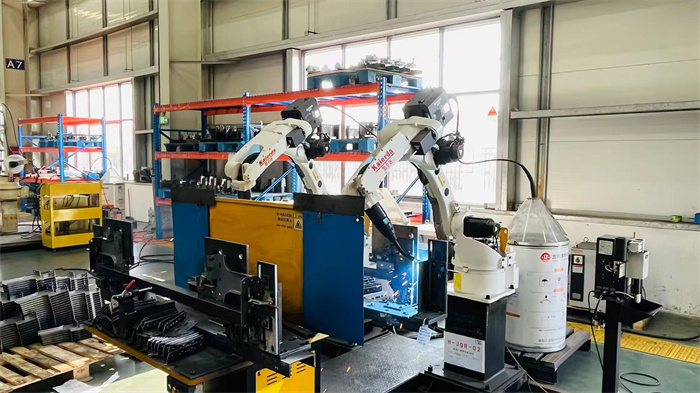
Our uprights utilize cold-rolled omega (Ω) profiles with multiple structural folds. This enhances the section modulus and buckling resistance. Beams are manufactured utilizing dual-C-profile interlocking box structures, welded robotically to high-strength end-connectors with 3 or 4-claw locking arrays.
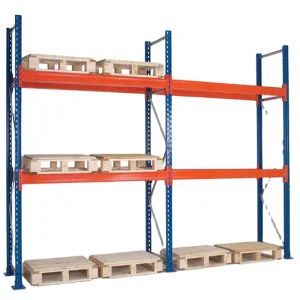
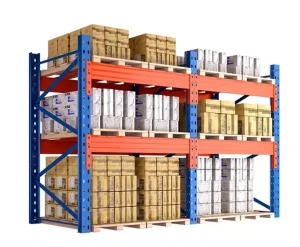
Custom engineered to handle standard EURO pallets (EUR-1: 800x1200mm, EUR-2: 1200x1000mm) with load capacities ranging from 500kg to 2500kg per level. Built with a safety factor of 1.5 based on ultimate yield strength of Q235B and Q355B structural steel.
Given the sandy sub-grades common in Pacific atolls, we supply oversized, load-distributing baseplates with heavy-duty chemical expansion anchors to guarantee uniform weight distribution across concrete floor slabs.
| Racking Spec / Dimension Type | EUR-1 Pallet Compatibility | EUR-2 Pallet Compatibility | Heavy-Duty Industrial Application |
|---|---|---|---|
| Pallet Size (mm) | 800 x 1200 | 1200 x 1000 | Custom Large Pallets |
| Standard Bay Load Capacity | Up to 3,000 kg | Up to 4,000 kg | Up to 6,000 kg |
| Corrosion Defense Options | Powder Coating (indoor dry) | Epoxy-Polyester Dual Finish | Hot-Dip Galvanized (ASTM A123) |
| Structural Code Approvals | EN 15512, FEM 10.2.02 | FEM 10.2.02, RMI Standards | AS 4084-2012 / EN 15620 |
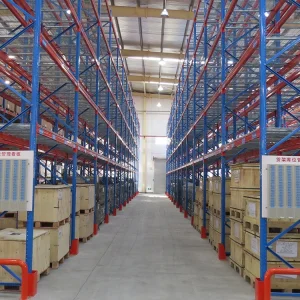
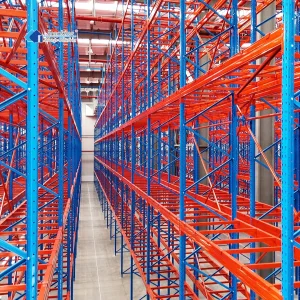
Optimized pallet racks manufactured using advanced stress-distribution profiles to prevent racking collapse under seismic load cycles or shipping collisions.
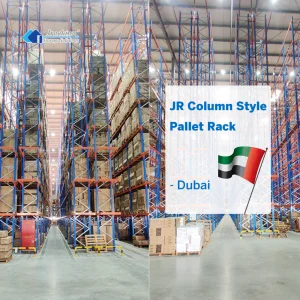
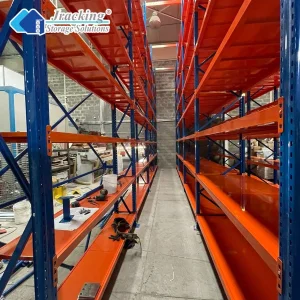
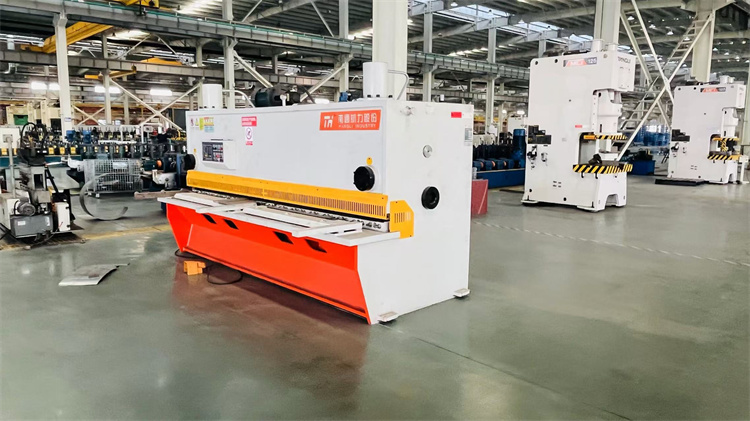
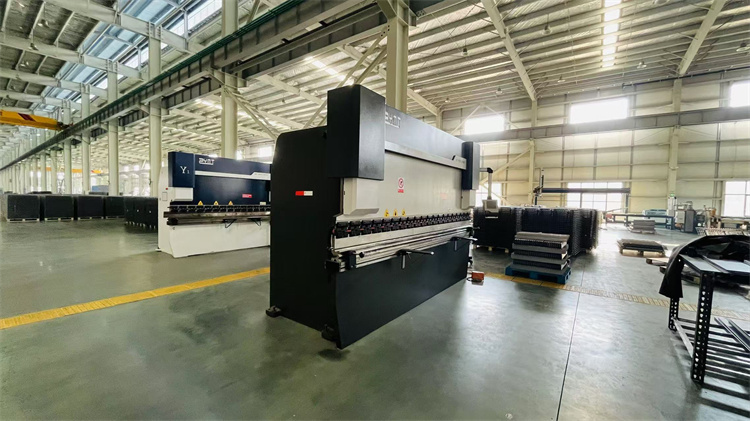
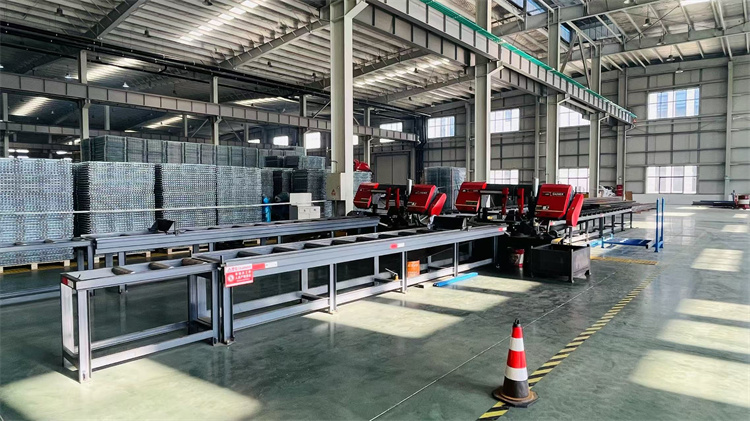
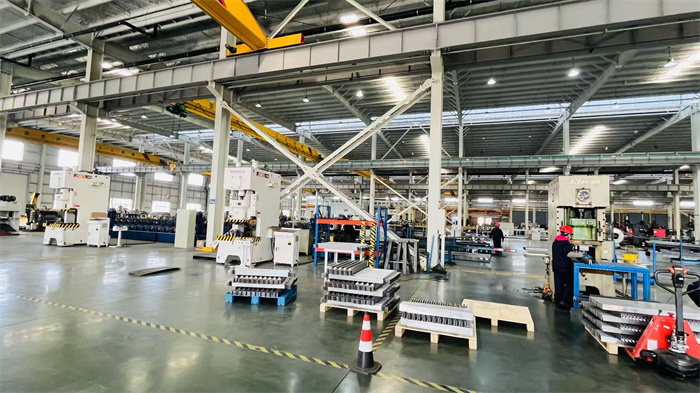
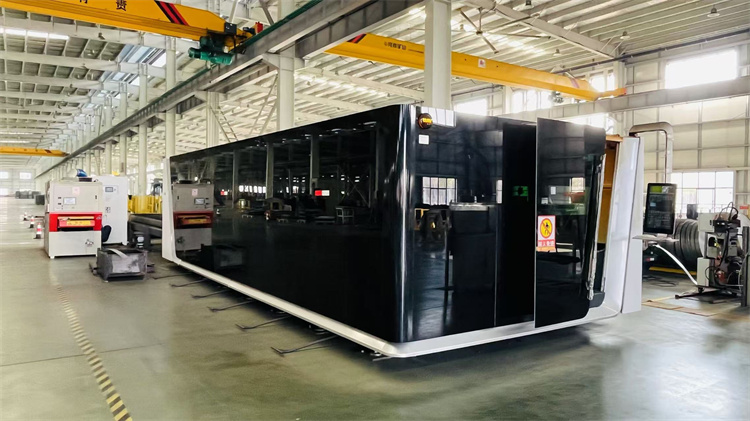
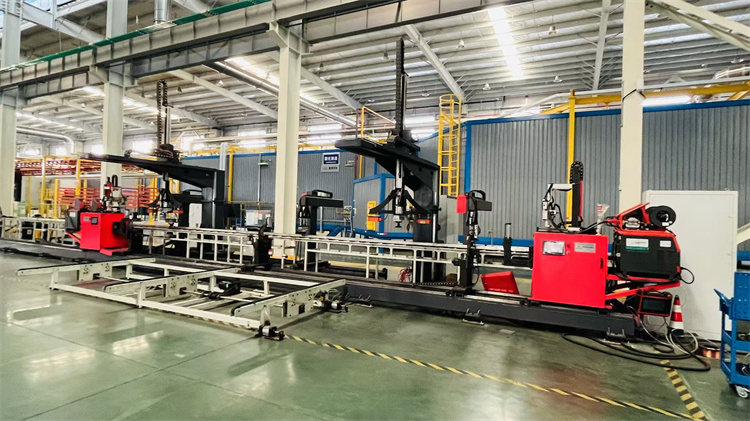
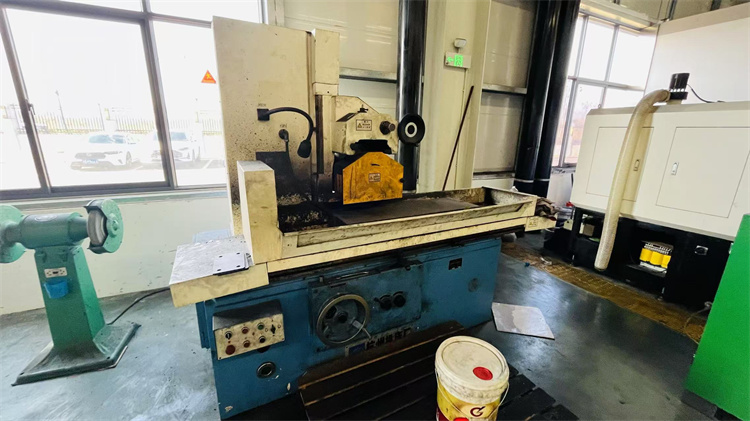
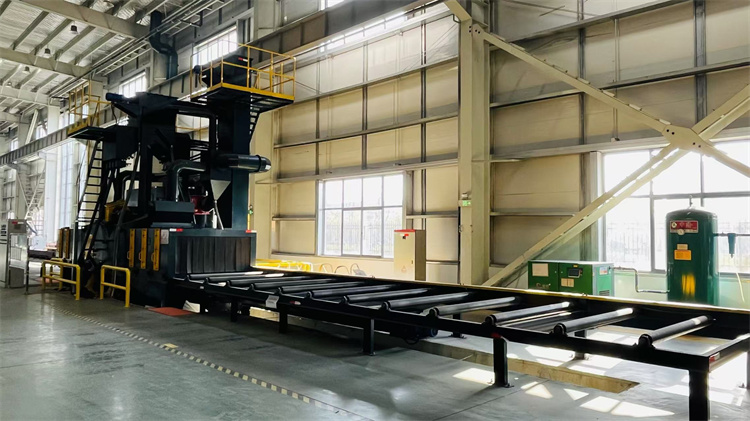
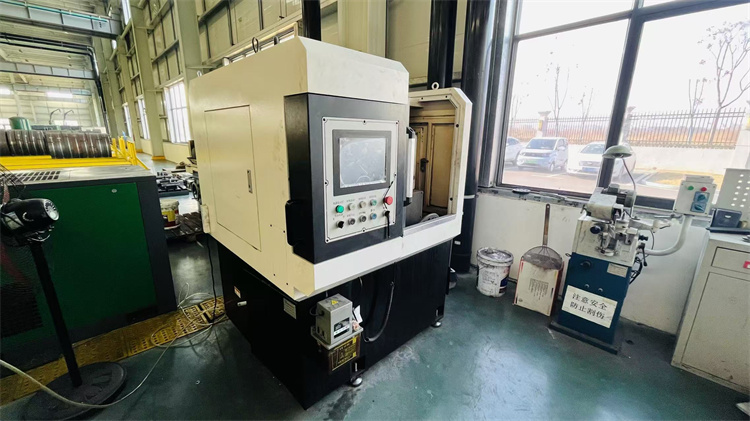
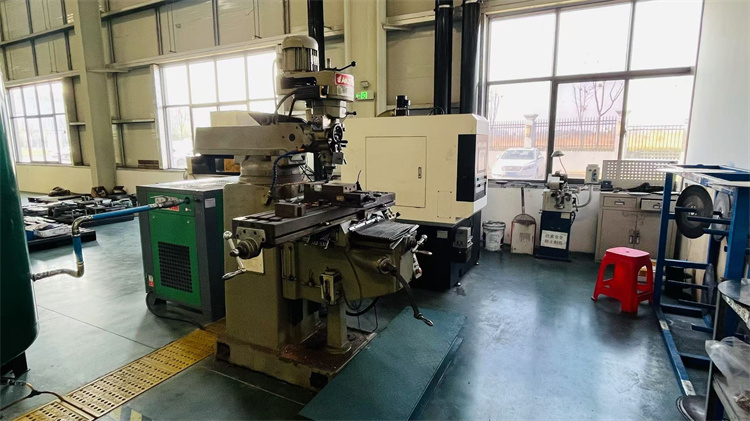
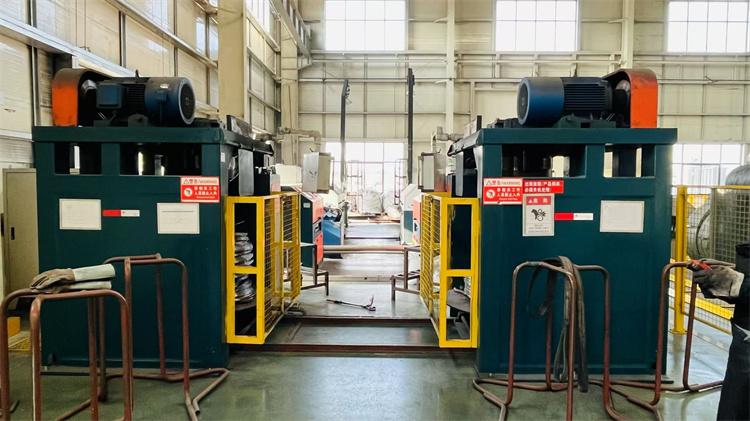
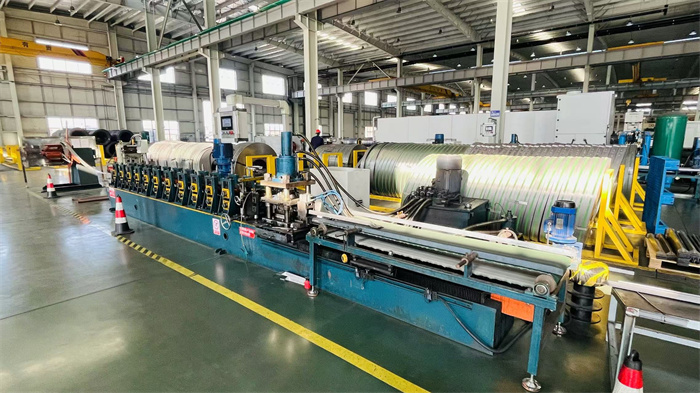
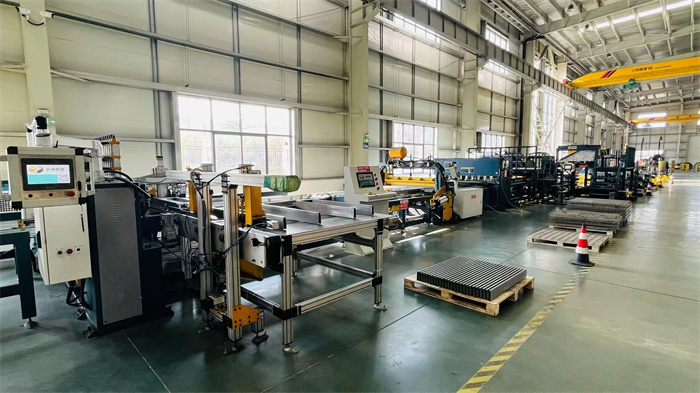
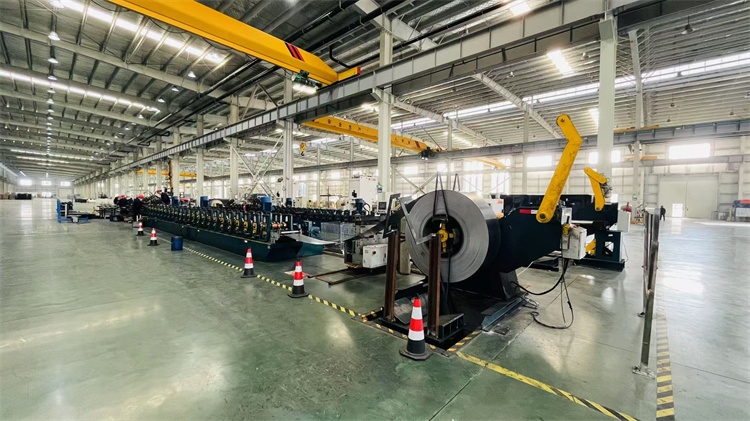
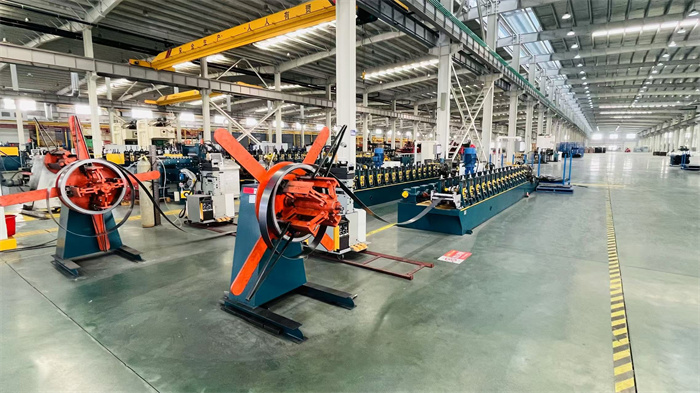
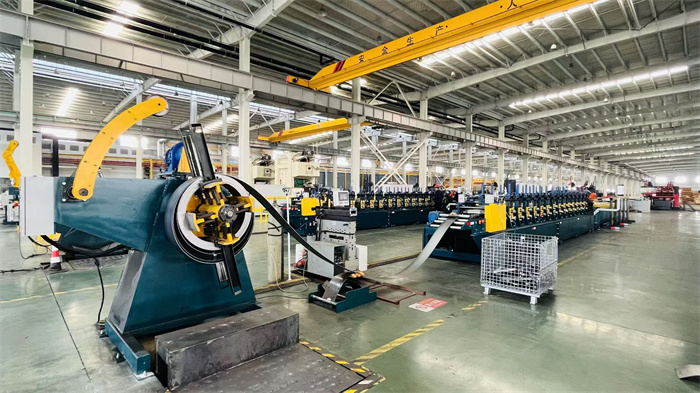
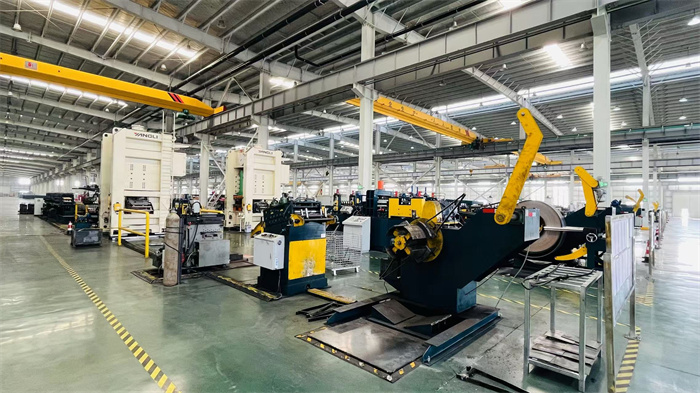
Manufactured by Jracking (Guangdong) Storage Co., Ltd. at our modern 28,600 m² factory facility in China, our systems embody production precision. Combining automated processes with strict quality management allows us to export high-performance equipment that meets global standards.
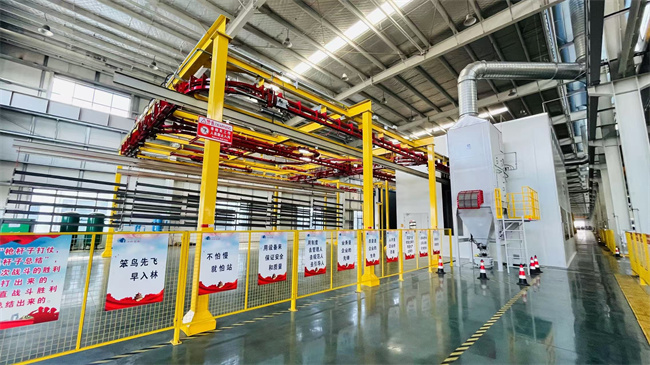
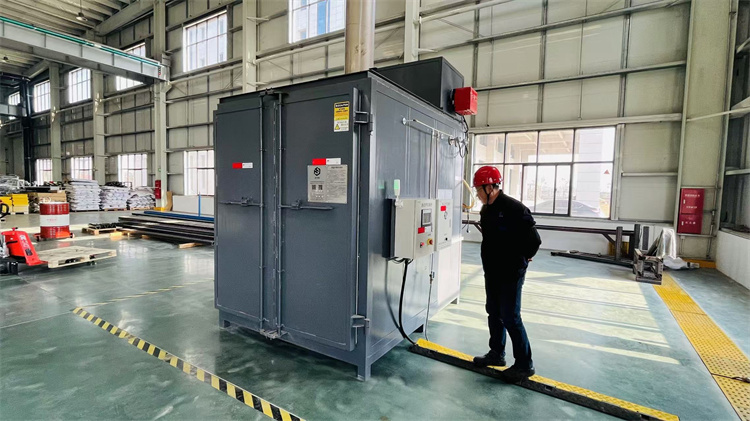
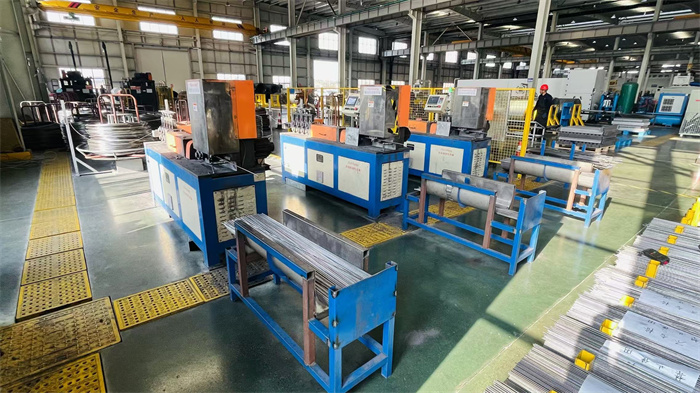
From initial raw materials receiving to the final automatic powder spraying and welding robot sequences, each step is optimized. With over 8 years of export experience, 12 years of core industry expertise, and over USD 18 million in annual export volume, we maintain complete control over raw steel quality, dimensions, welding penetration, and coating thickness.
Our automated production processes reduce manual variances to near zero, assuring structural performance. With 48 professional quality inspectors, ISO-compliant procedures, and 85 R&D engineers, we are equipped to manufacture OEM & ODM solutions built specifically for challenging Pacific environments.
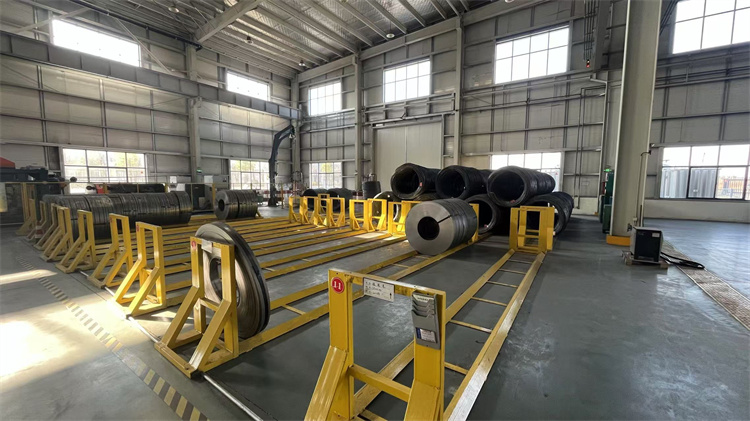
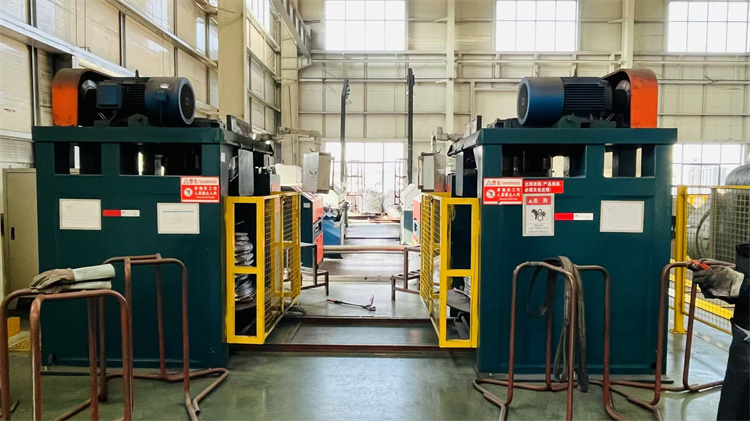
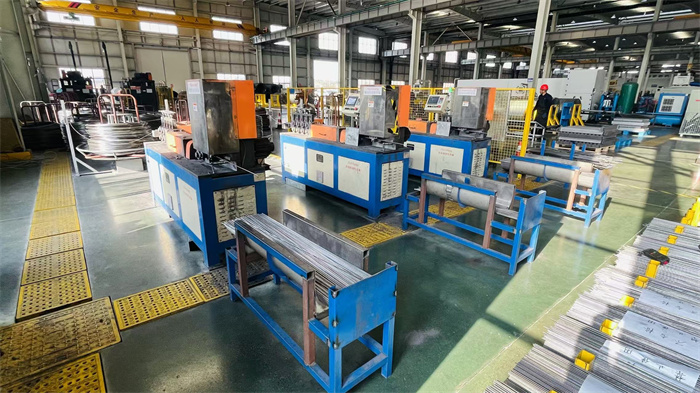
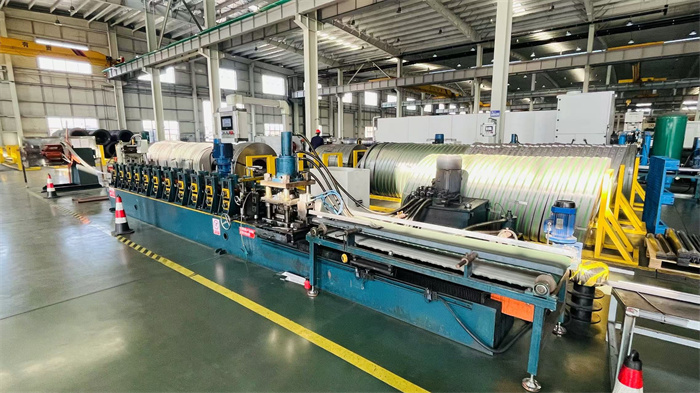
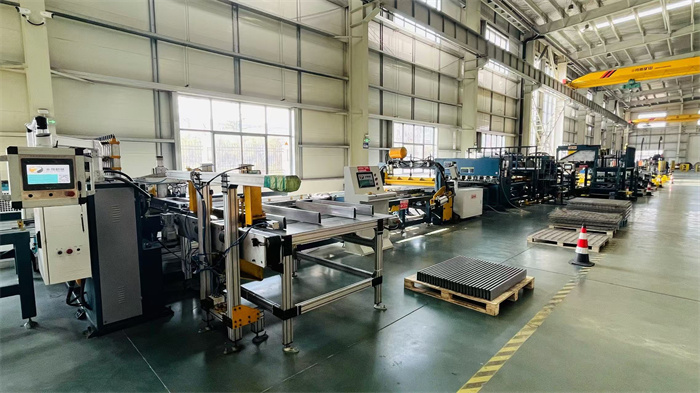
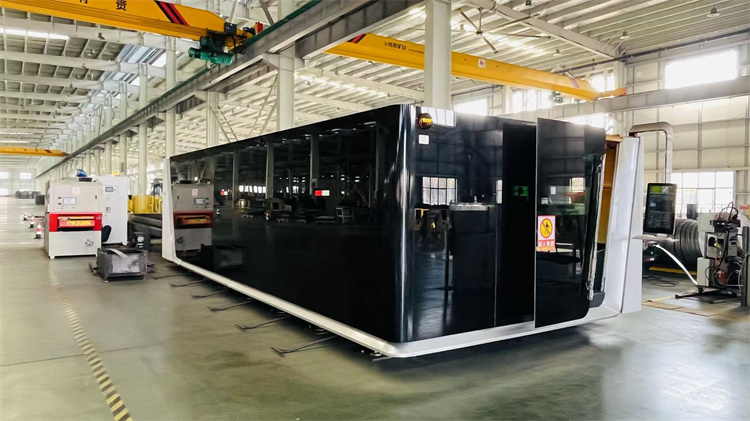
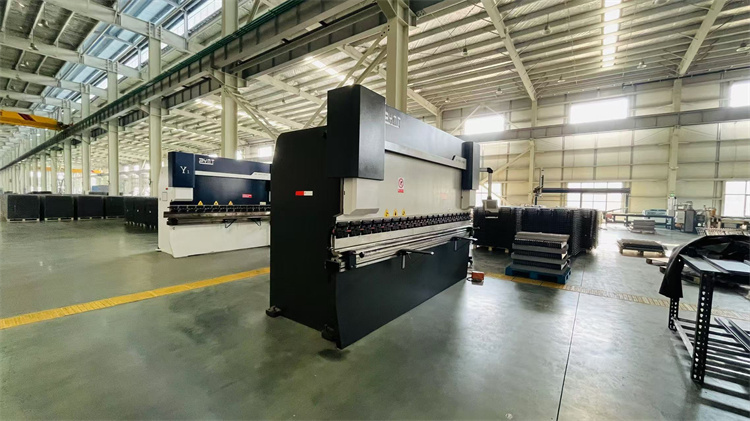
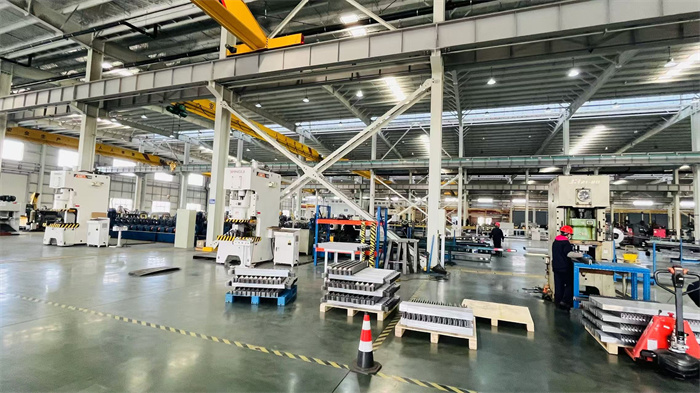
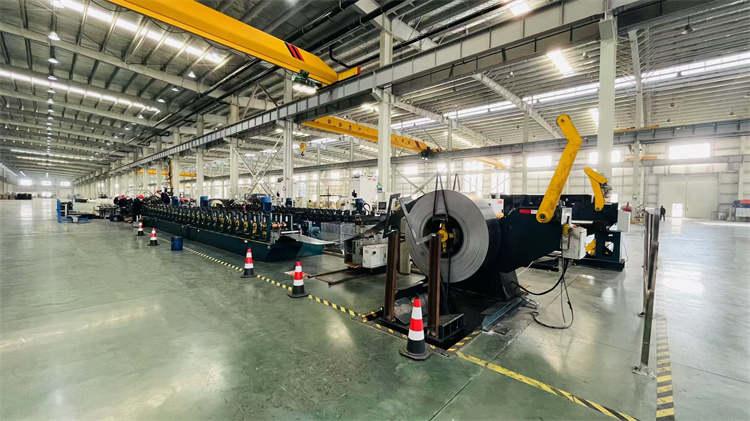
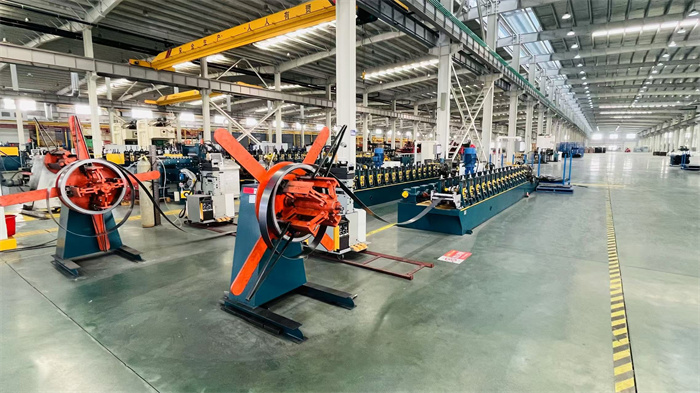
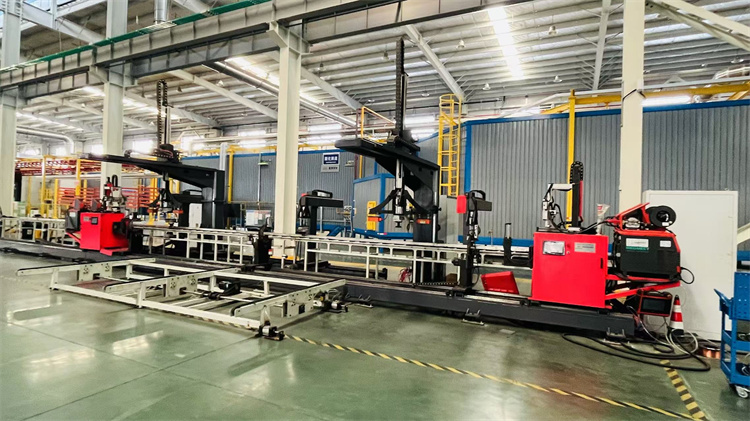
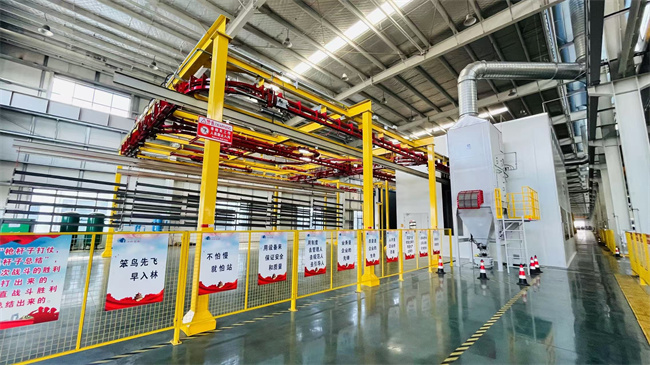
Under the control of our engineering department, our production machinery ensures high dimensional consistency and welding reliability across all racking components.
Our racking solutions match the demands of distinct business types, optimizing space and accelerating operations.
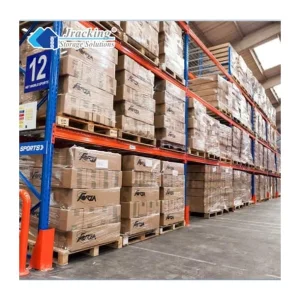
Selective pallet configuration optimized to track stock rotations (FIFO) for dry food supplies and commercial goods.
Highly condensed dynamic layouts that withstand temperatures down to -30°C, built specifically to store seafood catch.
Heavy-gauge galvanized shelving configurations built to manage bulk marine cargo and incoming ocean freight.
Navigating the long ocean routes to South Tarawa demands strategic freight management. From our facility in Guangdong, we pack cargo to maximize container utilization (using 20ft and 40ft high-cube ocean containers). Racking frames are flat-packed securely with protective composite wrapping, preventing abrasion or physical damage during sea voyages.
We work directly with major Pacific ocean carriers. This enables us to schedule transit routes from Guangzhou or Shenzhen ports directly to Betio Port, ensuring consistent freight schedules and minimizing shipping delays.
To facilitate construction on-site, we provide detailed 3D installation CAD schematics, load charts, and step-by-step videos. Racking configurations are designed for straightforward mechanical assembly, allowing local crews to build the systems using standard hand tools and anchoring drills.
Our engineering division remains available for real-time video consults. This guarantees alignment check inspections and proper leveling adjustments prior to commissioning the warehouse racks.
Detailed answers addressing the primary design, compliance, and corrosion protection questions regarding Pacific island warehouse installations.
Standardized components built to integrate seamlessly into diverse warehouse operations, with corrosion resistance and heavy load capacities.
Contact our engineering team to request a customized CAD layout proposal, wind-load capacity calculations, or a direct factory quotation.
 Jracking