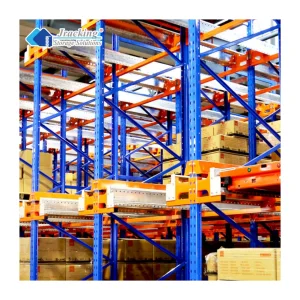
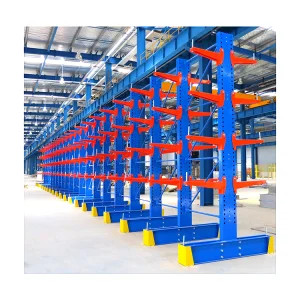
Advanced high-density systems optimized for Sweden's demanding warehouse environments, combining robust mechanical engineering with automated control logic.
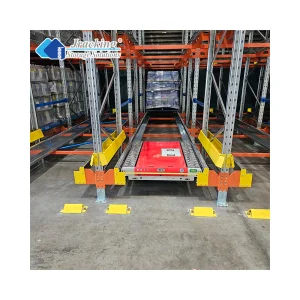
Sweden represents one of the most technologically advanced and environmentally conscious industrial sectors in Europe. Spurred on by high domestic labor rates, strict occupational safety directives (Arbetsmiljöverket), and ambitious national goals to achieve climate neutrality by 2045, Swedish warehouse operators, third-party logistics (3PL) providers, and manufacturing enterprises are rapidly upgrading from static rack infrastructure to automated, high-density storage solutions.
Major Swedish logistical corridors, stretching from Gothenburg (the largest port in Scandinavia) through Jönköping's logistics epicenter up to Stockholm and Malmö, face high land acquisition costs and strict environmental protection zones. Erecting massive static storage facilities is no longer economically or ecologically viable. Industry players are seeking solutions that double capacity within existing building footprints. This is where electric mobile racking systems emerge as the ultimate architectural and logistical remedy, shrinking warehouse access aisles down to a single mobile aisle, liberating up to 85% more space, and slash heating and refrigeration energy bills in Sweden's cold winter months.
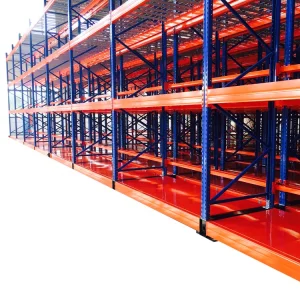
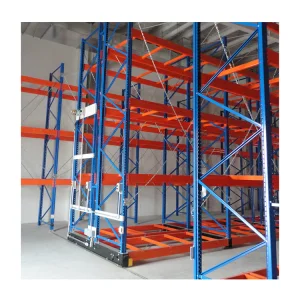
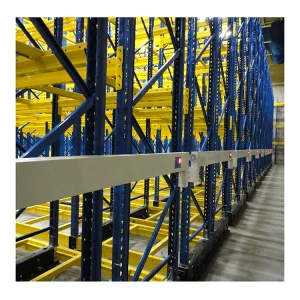
Globally, the automated storage and retrieval system (ASRS) market is shifting dynamic load platforms into the mainstream. Electric mobile racking systems utilize high-strength steel arrays mounted on motorized structural bases that run along precision-guided tracks flush with the concrete floor. Through central PLC coordination, forklift operators open only the specific aisle required, eliminating empty static spaces that occupy premium warehouse volume.
As international supply chains shift from "Just-in-Time" to "Just-in-Case" to mitigate supply shocks, inventory capacities have swelled. Industries worldwide require safe, high-load capacities (frequently up to 24,000kg per double-sided bay) that do not compromise picking speed. The integration of electric mobile racking with Warehouse Management Systems (WMS) and RF control mechanisms enables rapid response times, making it a staple in automotive component storage, chemical hubs, raw material buffers, and food distribution networks.
While European firms demand strict engineering rigor, sourcing high-density structural racks directly from Jracking (Guangdong) Storage Co., Ltd. offers a profound competitive advantage. Established in 2016 and leveraging over 12 years of industry engineering experience, Jracking operates a modern 28,600 m² production base capable of handling complex customized projects. How do we deliver world-class infrastructure at highly optimized cost structures?
We deploy 48 professional quality inspectors supervising ISO-compliant testing procedures. This includes steel yield strength validation, paint thickness inspection, welding ultrasonic testing, and full component load checks to ensure absolute safety.
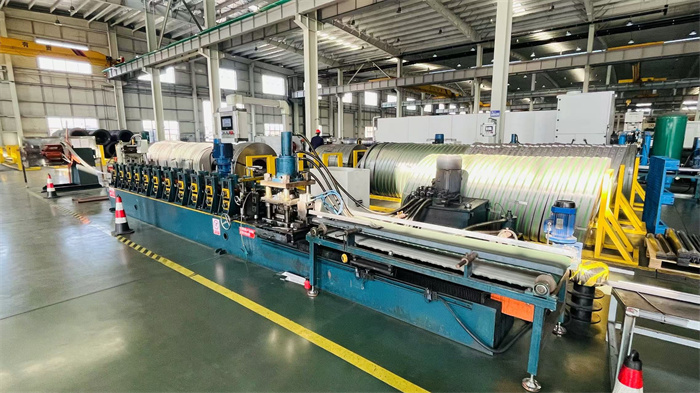
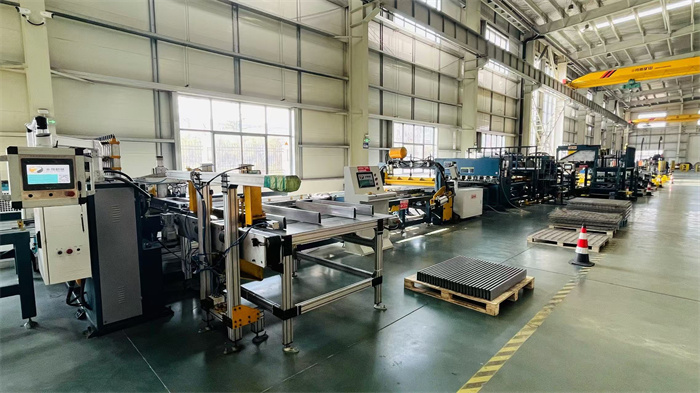
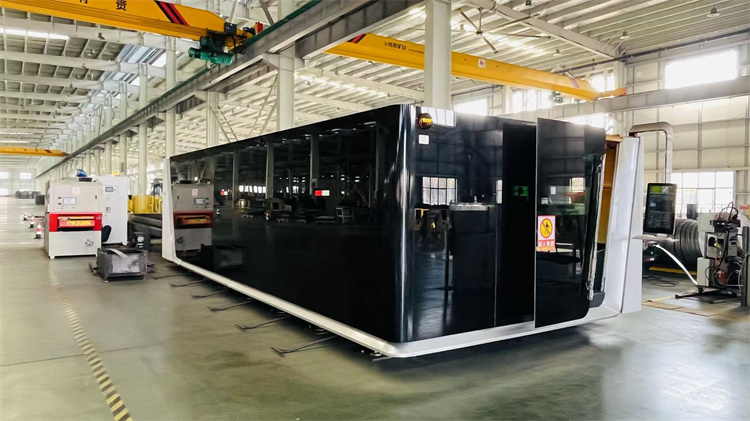
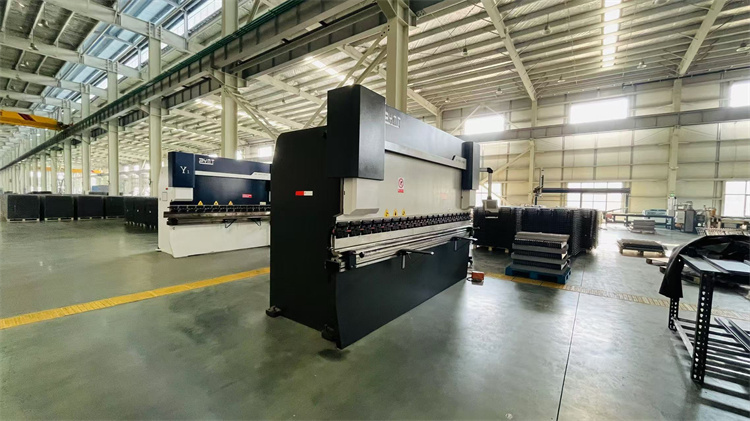
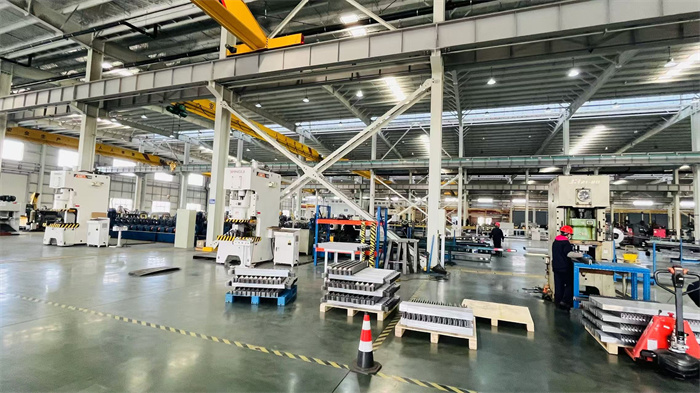
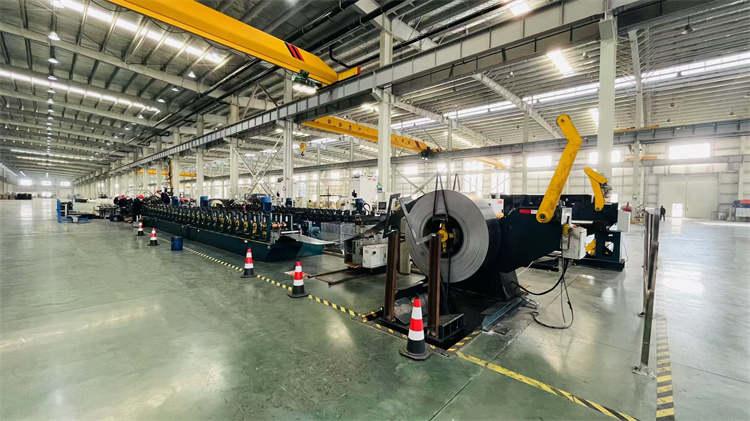
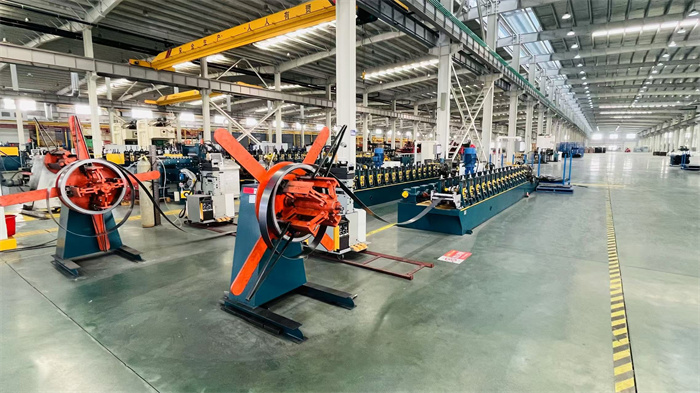
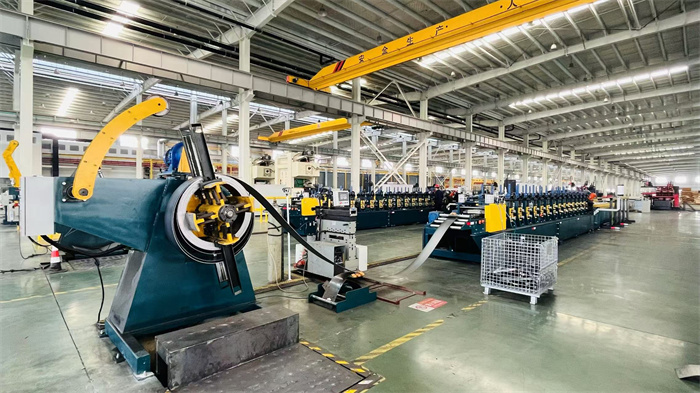
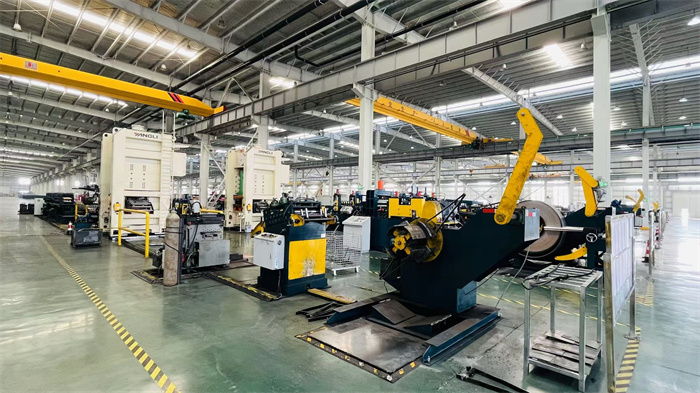
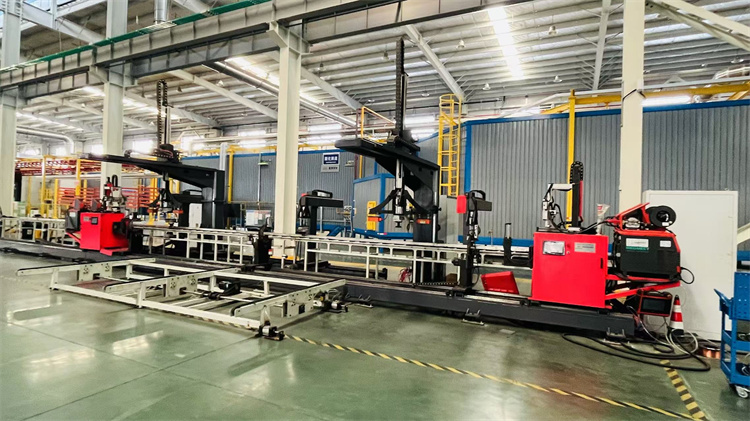
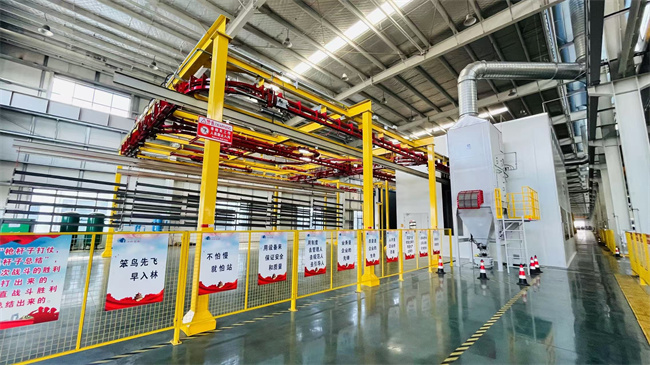
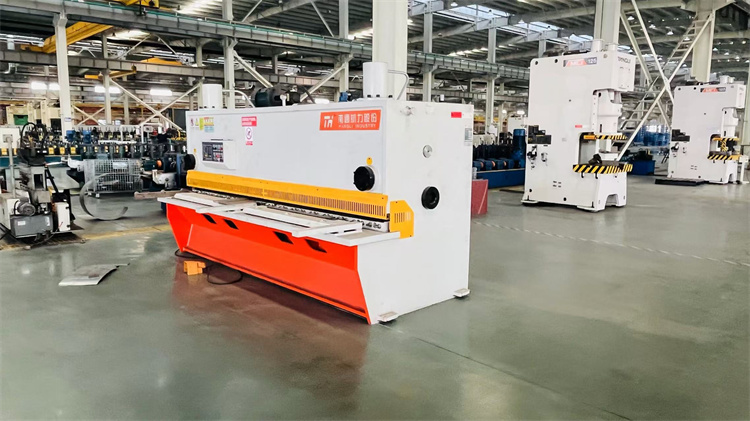
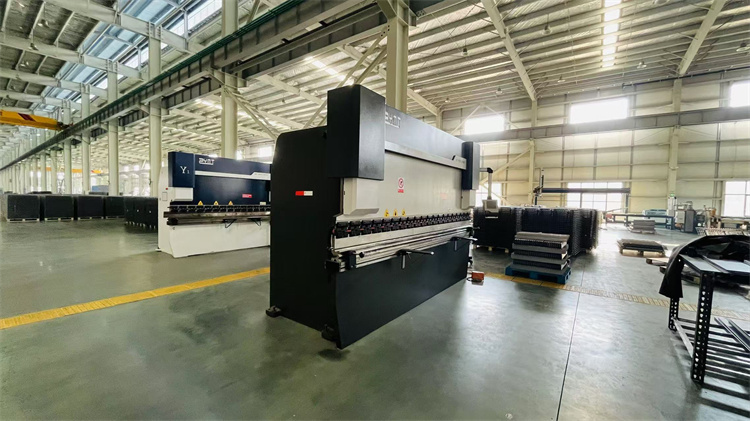
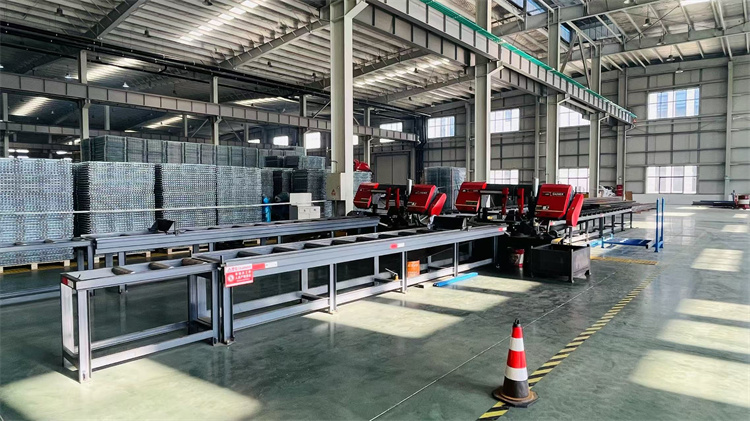
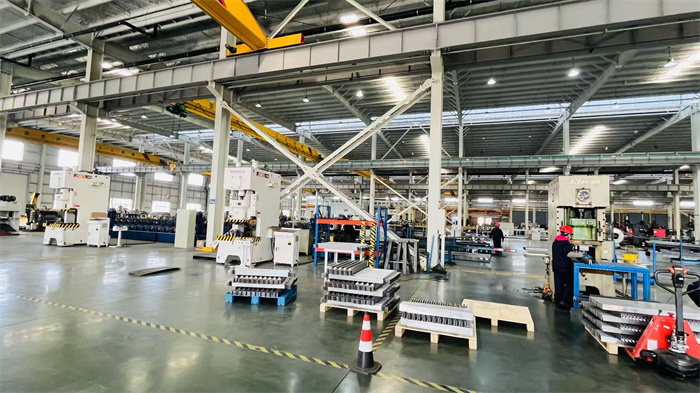
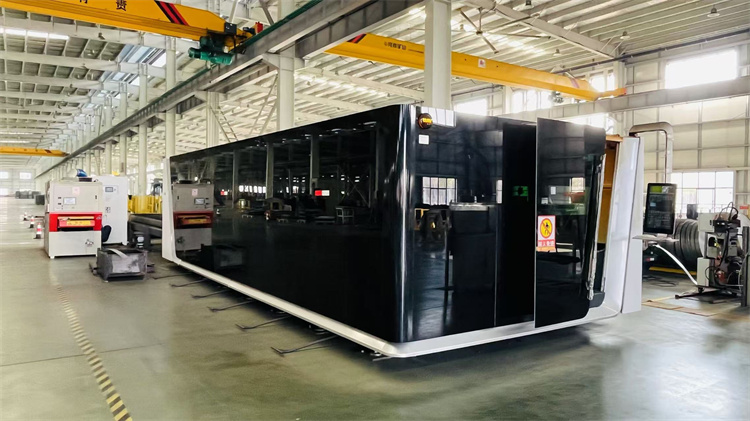
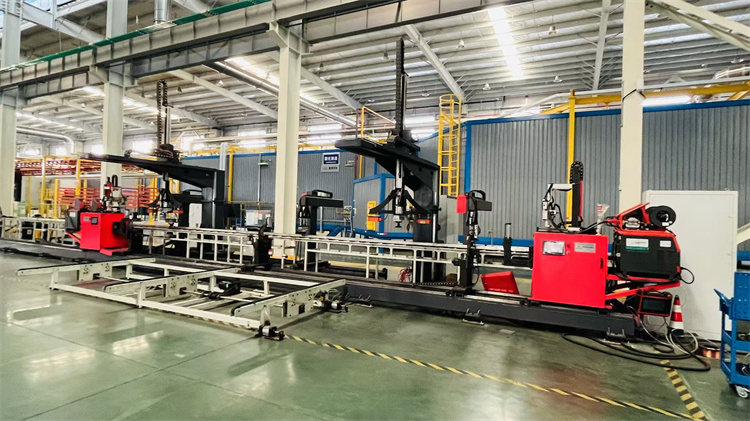
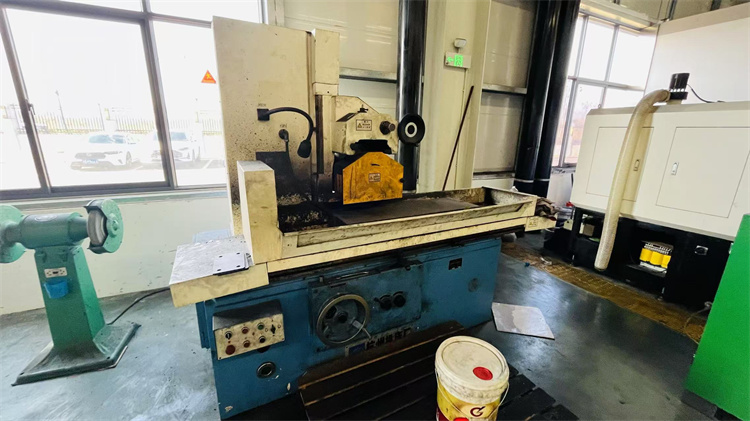
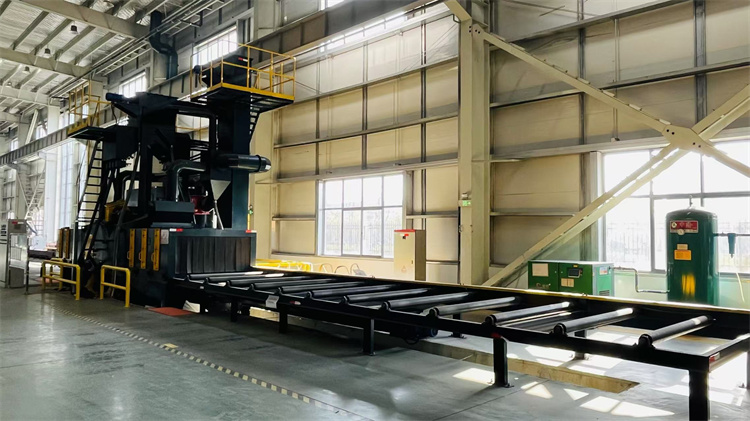
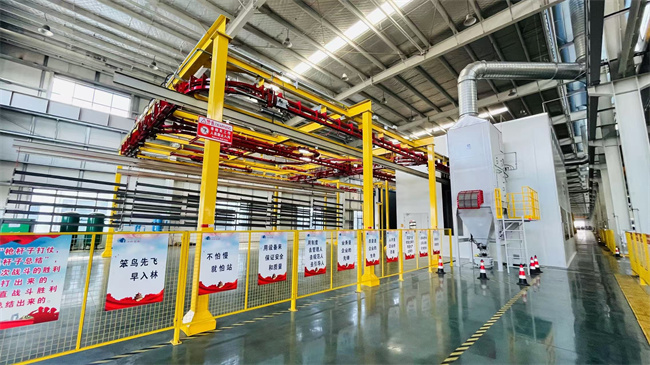
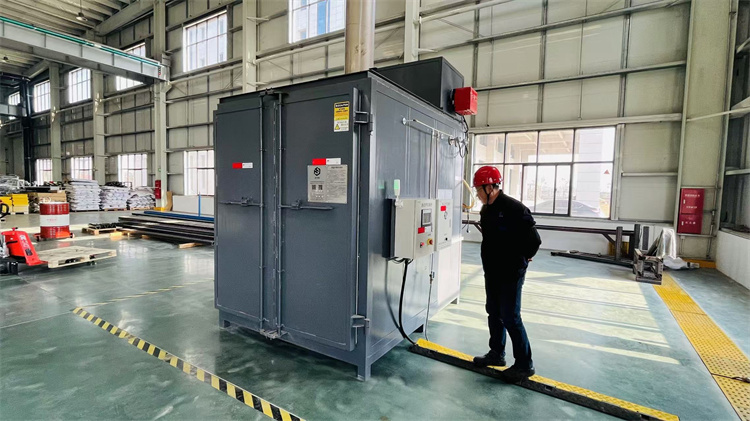
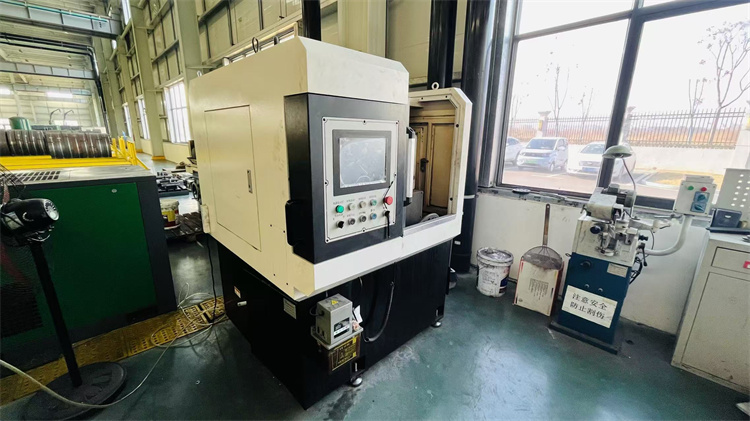
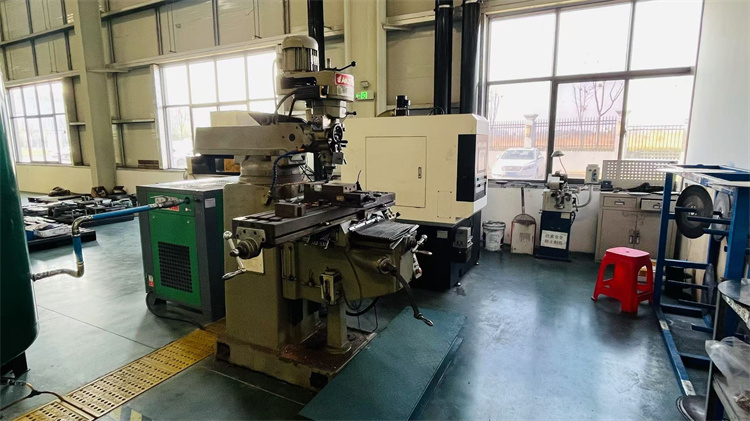
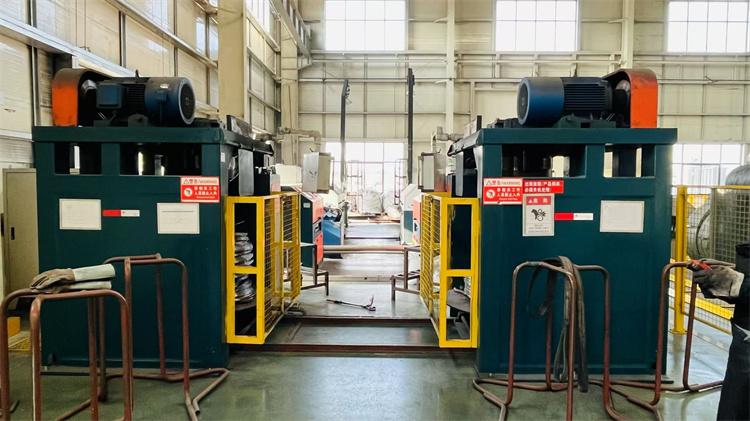
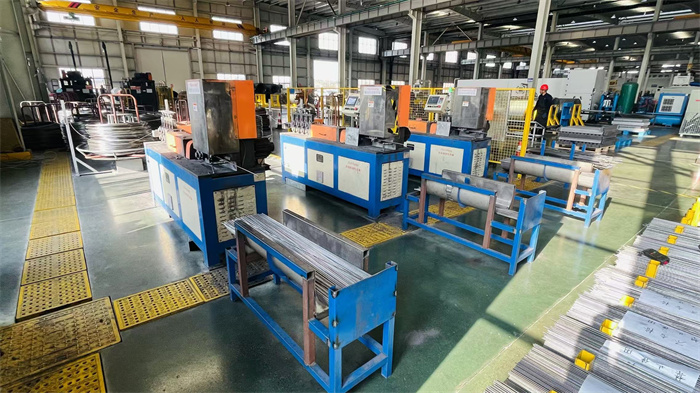
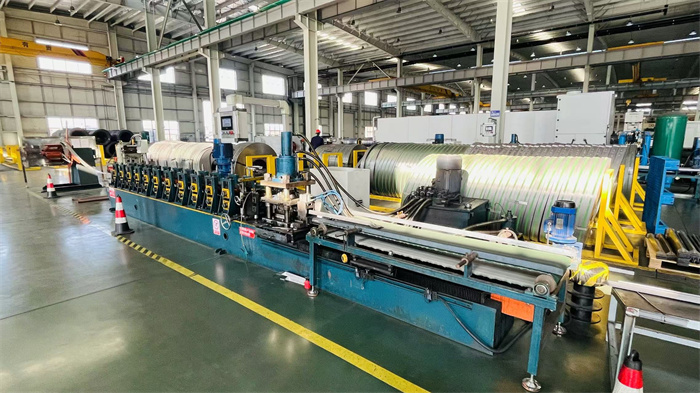
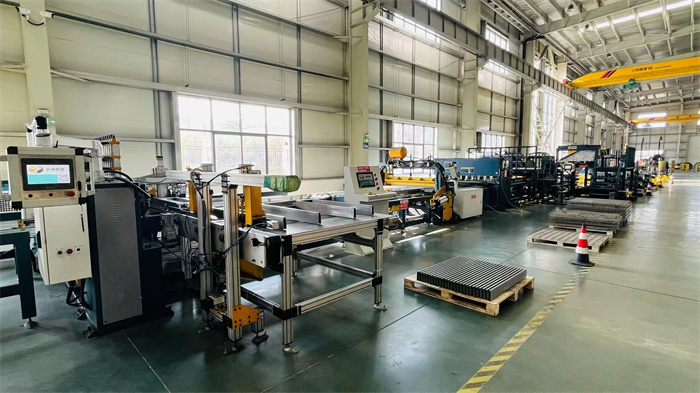
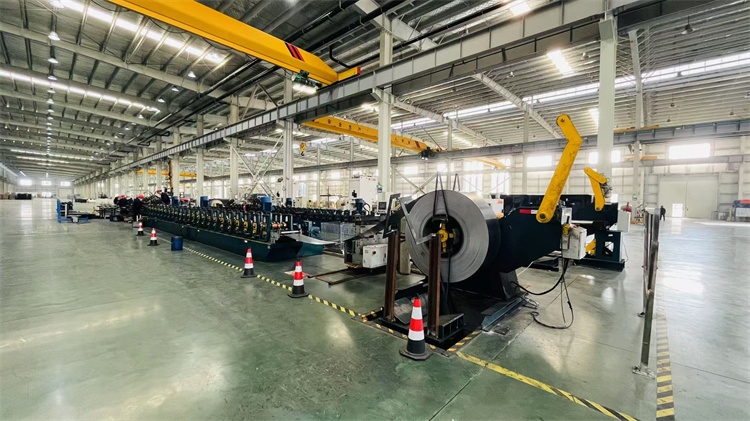
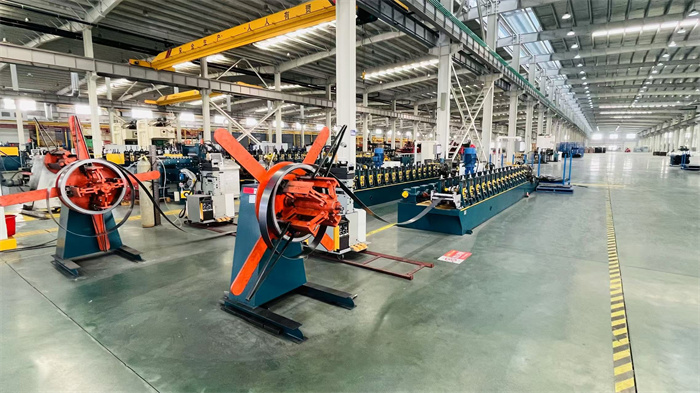
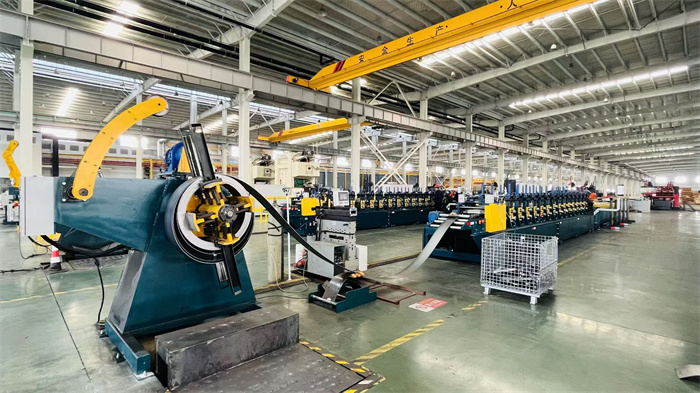
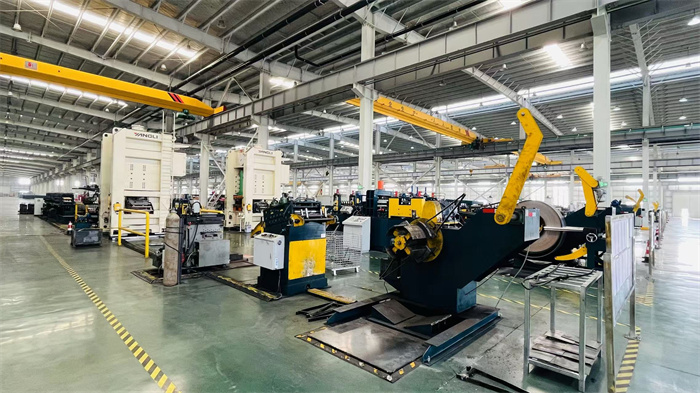
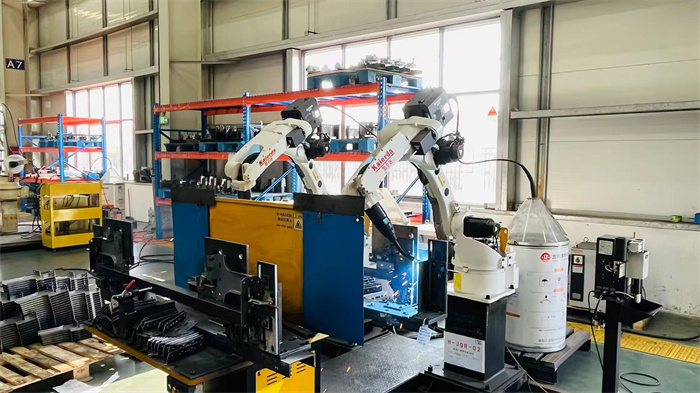
Our facility houses high-precision CNC curve gear grinding machines, automated laser cutting systems, diagnostic welding robots, and fully integrated electrostatic powder coating lines that guarantee uniform corrosion protection.
Collaborating with more than 1,150 trusted supply chain partners in China, we manage raw material fluctuations smoothly. We ship over USD 18 million annually, guaranteeing prompt fulfillment timelines for massive logistics projects.
For Swedish clients, this means procurement costs can be reduced by 25-40% compared to local European racking fabricators, while completely matching or exceeding structural standards such as EN 15512 (for steel pallet racking static design) and EN 15095 (harmonized European safety standard for power-operated mobile racking).
Implementing electric mobile racking systems requires localized adaptation. Sweden's industrial sectors demand specialized structural executions:
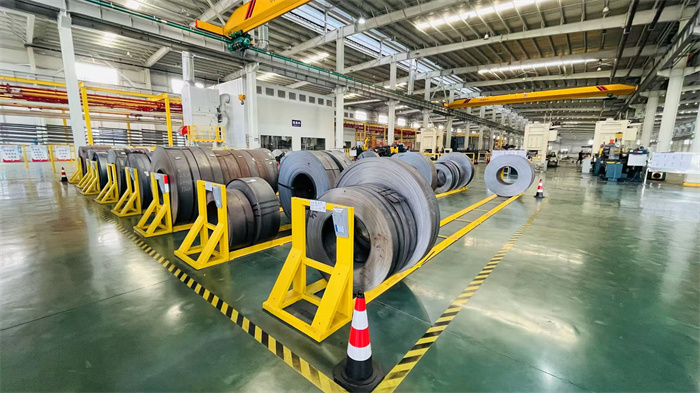
Take a virtual step into Jracking's high-tech production line. Each stage, from raw steel selection to robotic welding and powder coating, complies with rigorous global engineering criteria.
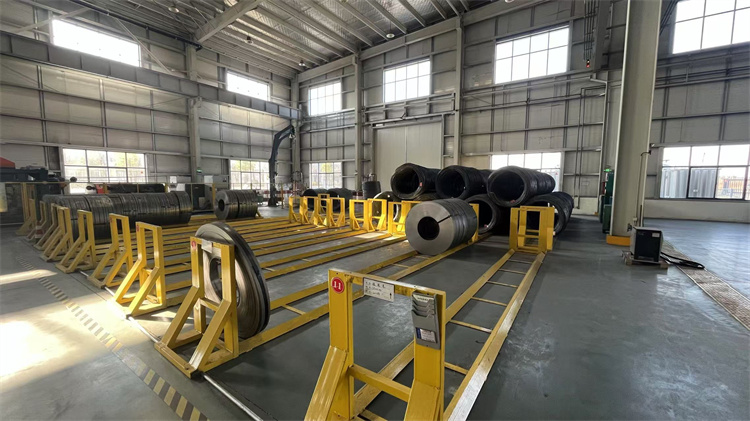
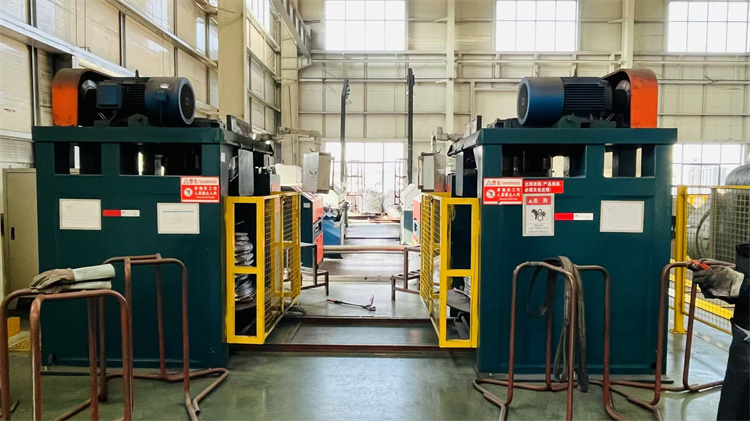
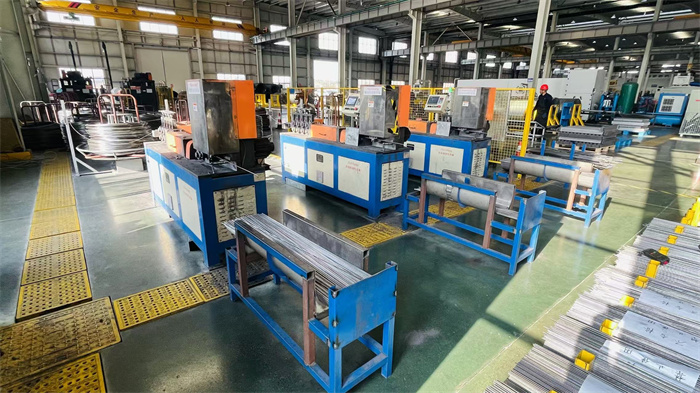
When selecting an electric mobile racking supplier for high-latitude applications, procurement managers must evaluate several technical dimensions beyond basic steel sizing. Below is the decision framework utilized by leading European project managers:
Sub-zero environments require structural steel with verified impact toughness at low temperatures (e.g., Q355D or European equivalent S355JR). Standard carbon steels become brittle below 0°C, increasing the risk of structural failure under dynamic forklift loading.
Every mobile frame must be equipped with active and passive safety features: multi-point photoelectric barriers, emergency stop circuits integrated with a centralized safety PLC, safety light curtains spanning the operating aisle, and acoustic warnings before motion.
Modern warehouses integrate racking directly with their ERP and WMS. Our electrical cabinets run on Siemens or Mitsubishi PLCs, enabling seamless API communication for automated aisle opening, inventory positioning, and remote diagnosis.
Looking to the future of warehousing in Sweden, we anticipate three critical developments that will dictate structural racking specifications:
Crucial answers to help warehouse operators, structural engineers, and logistics buyers make informed decisions.
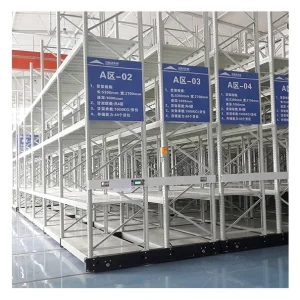
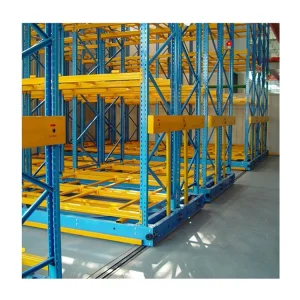
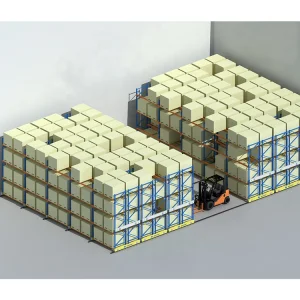
Explore our broader automated and heavy-duty storage portfolio, engineered to satisfy diverse industrial requirements.
 Jracking