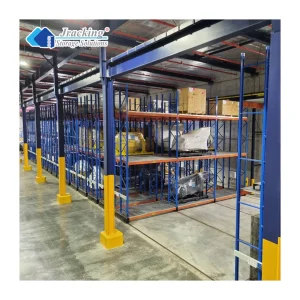
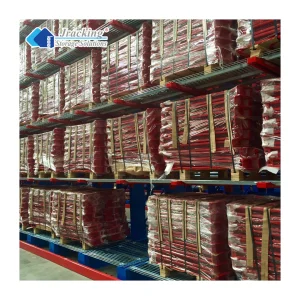
High-integrity high-density storage configurations custom-engineered to meet structural design safety requirements across Victorian cold chains, food logistics, and general distribution hubs.
Melbourne's commercial logistics precincts—spanning from the Western Industrial Core (Truganina, Derrimut, Laverton North) to the expanding South-Eastern industrial corridor (Dandenong South, Pakenham)—are confronting unprecedented spatial demand. Key factors driving this trend include:
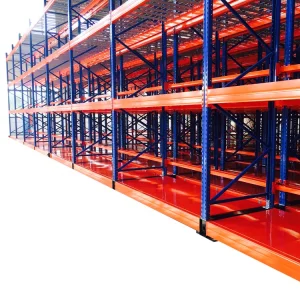
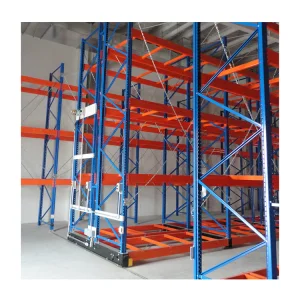
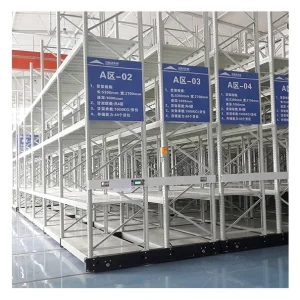
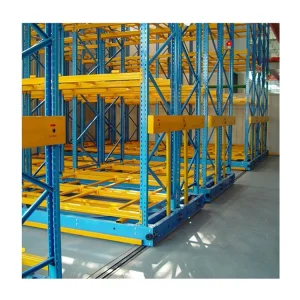
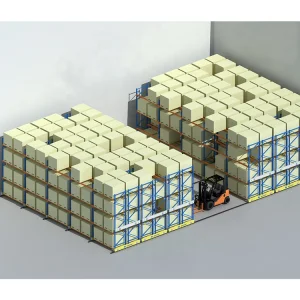
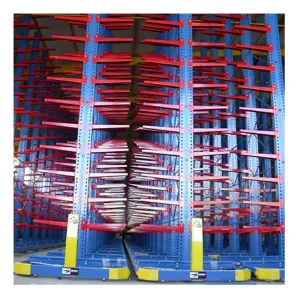
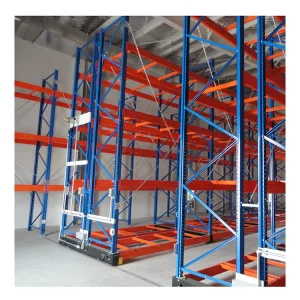
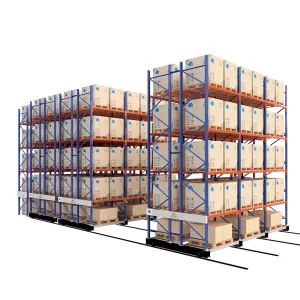
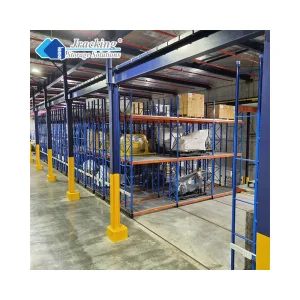
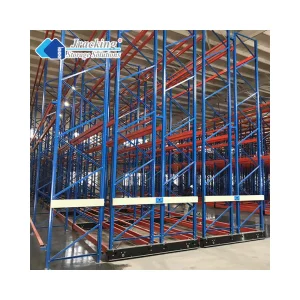
Electric mobile racking systems address these demands by converting conventional fixed access aisles into productive, high-density storage space. By utilizing motor-driven mobile chassis mounted on precision floor-guided rails, this architecture leaves only one functional aisle open at any time, unlocking up to 80% to 85% space efficiency improvements without compromising 100% direct access to every single pallet.
Enquire About Spatial Planning ModelsUnlike traditional static double-deep or drive-in systems, electric mobile racking eliminates the trade-off between high density and high selectivity. Every pallet remains fully reachable via standard forklifts, avoiding complex stock-shuffling maneuvers.
This efficiency is vital for specialized industries like cold storage warehouses near the Port of Melbourne. Because cooling down open aisles consumes enormous amounts of electricity, reducing the physical footprint of cold chambers via mobile racks delivers direct operational cost savings.
Electric mobile racking systems require rigorous mechanical and structural design. Standard steel frames must be configured to withstand the dynamic forces generated by moving structures.
Every racking configuration is engineered to conform to the Australian Standard AS4084:2023 for Steel Storage Racking. Structural calculations are calibrated to account for both static and dynamic load distributions, ensuring complete workplace safety.
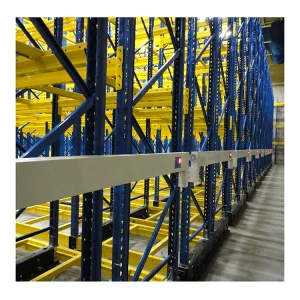
Equipped with photoelectric safety barriers (light curtains) and floor-level safety sweeps. If an obstruction—whether a forklift, pedestrian, or fallen carton—is detected within an open aisle, the system immediately locks movement to prevent accidents.
Our drive units are governed by reliable Siemens PLC and variable frequency control modules. This ensures smooth start-up and deceleration curves, preventing tipping or load shifts during structural movement.
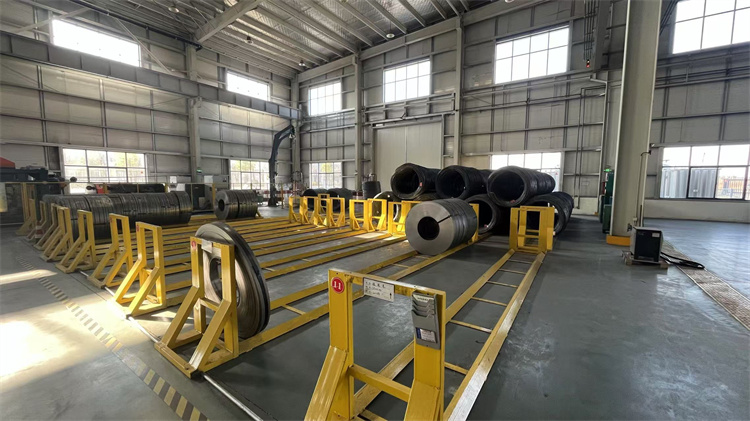
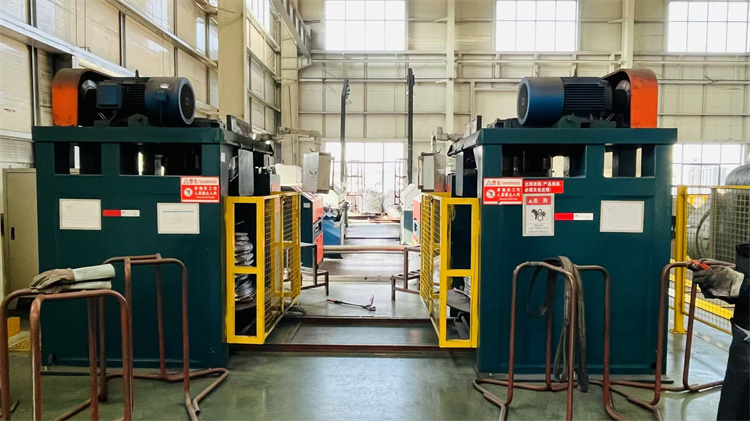
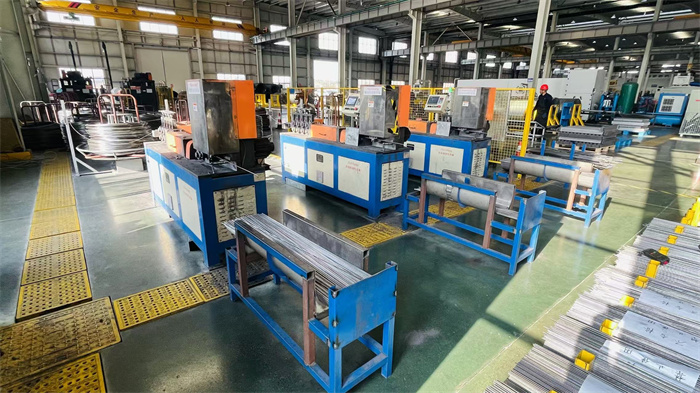
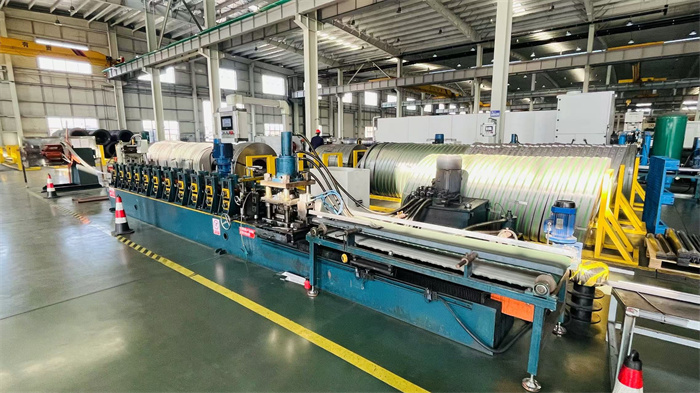
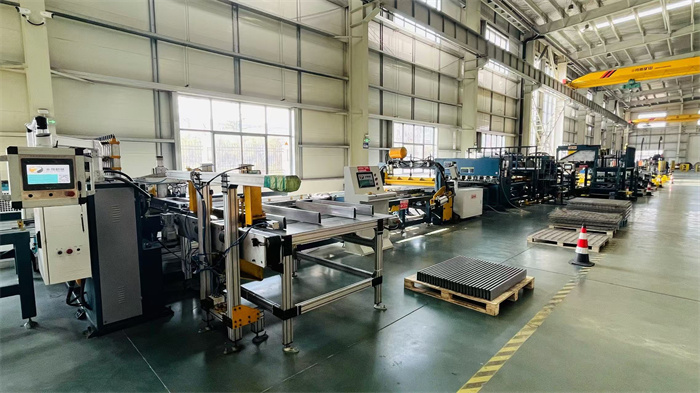
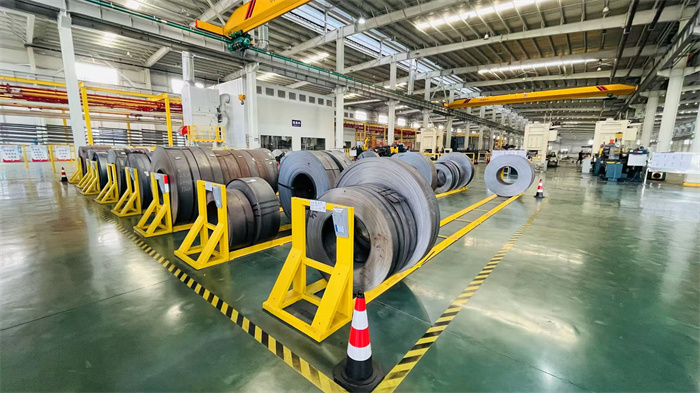
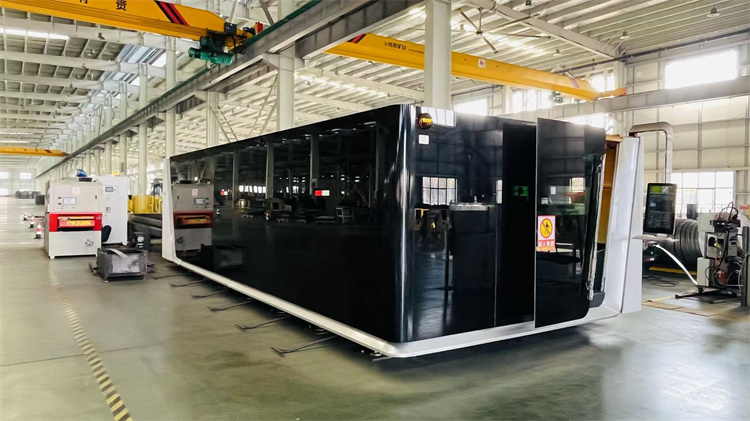
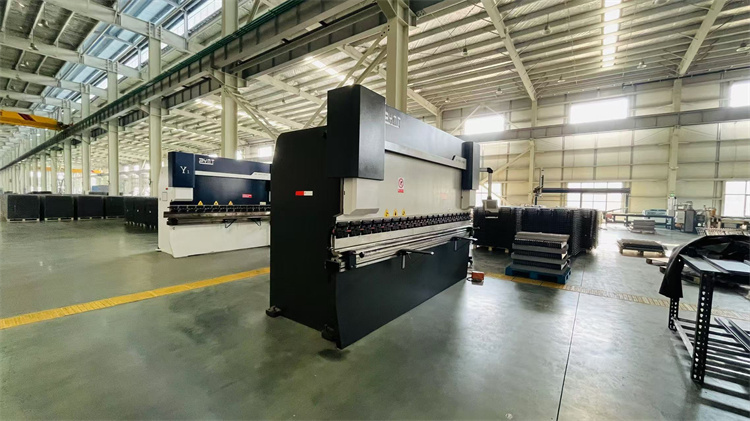
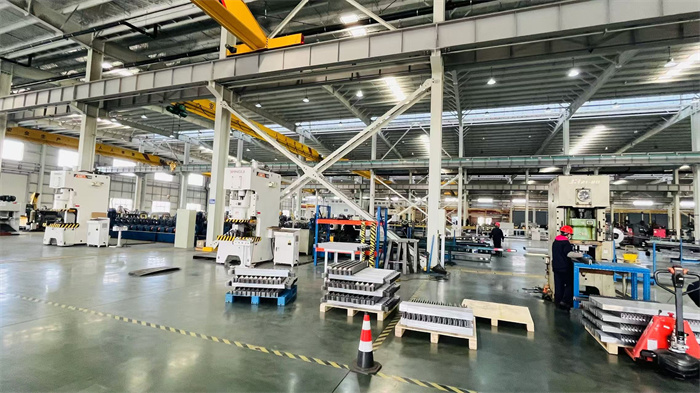
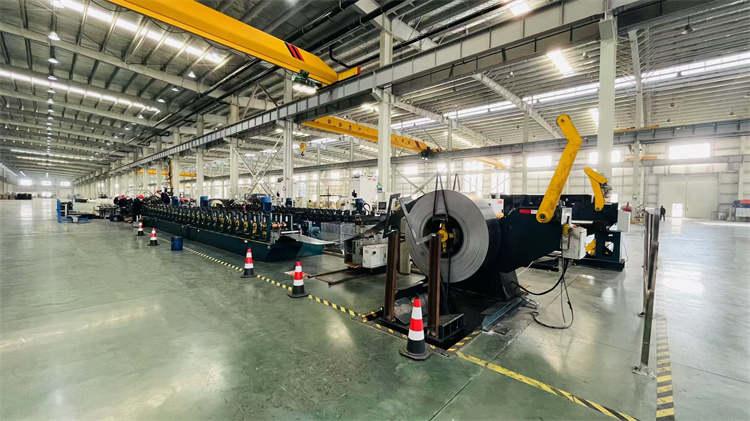
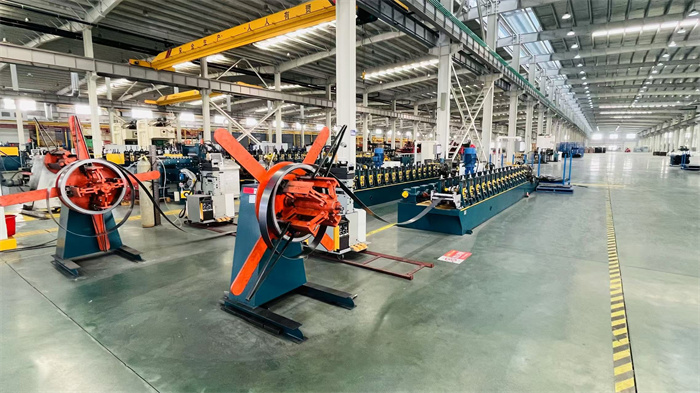
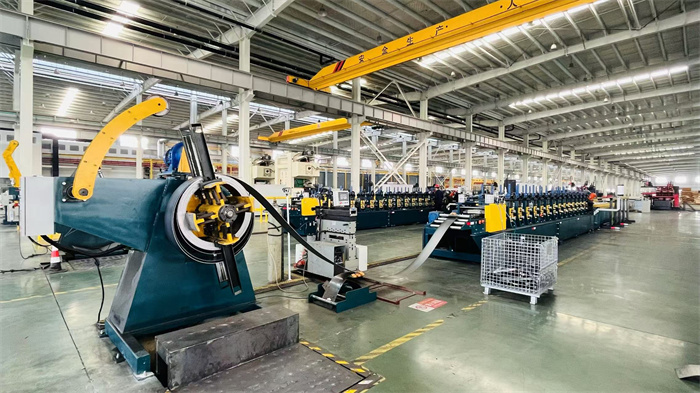
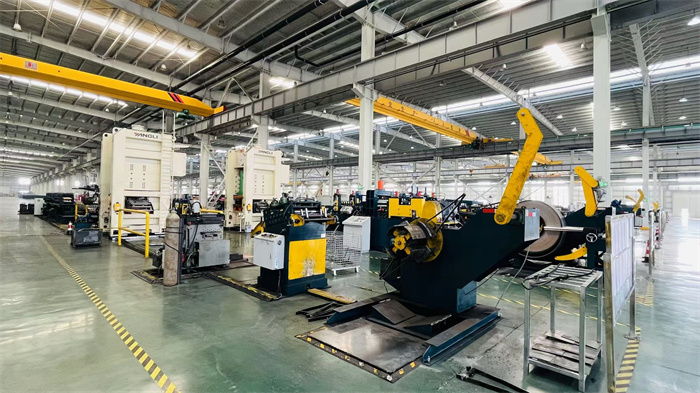
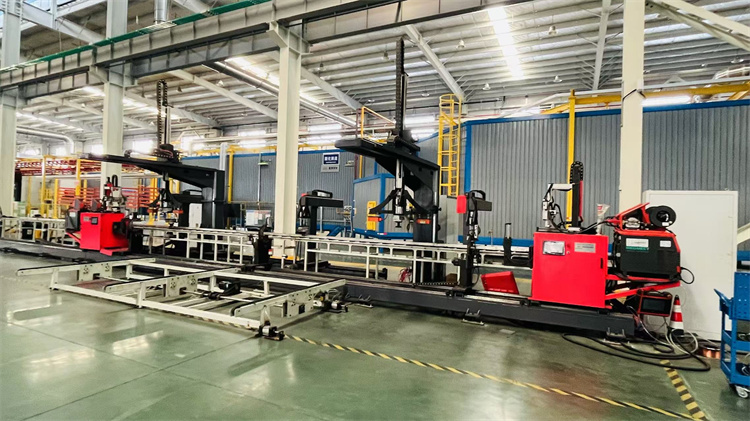
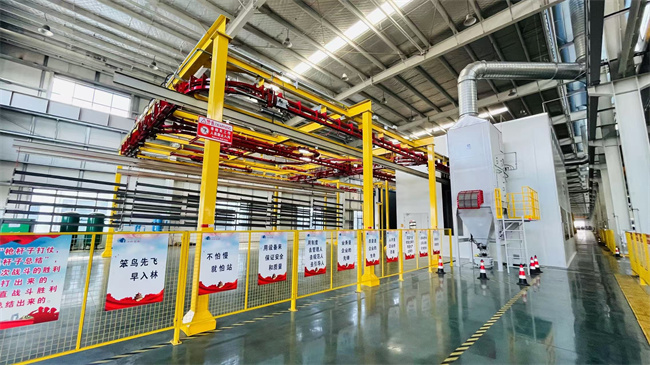
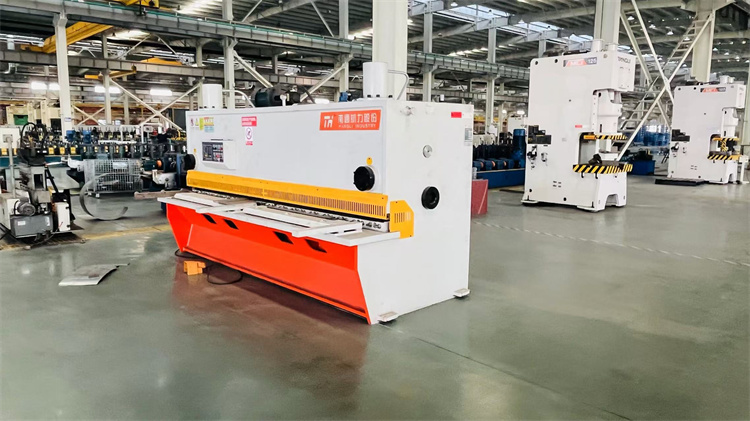
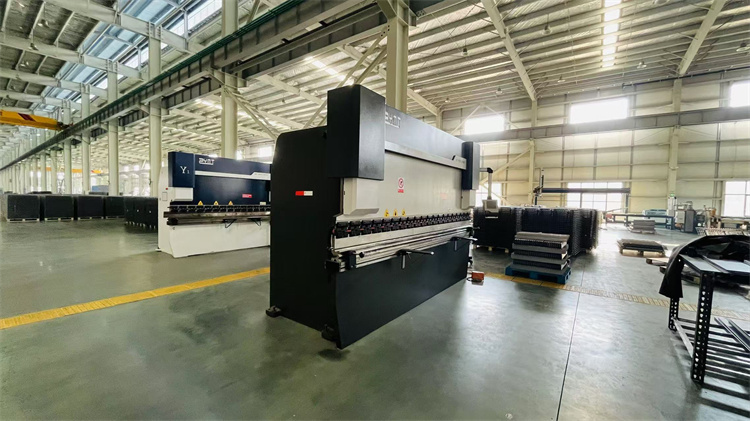
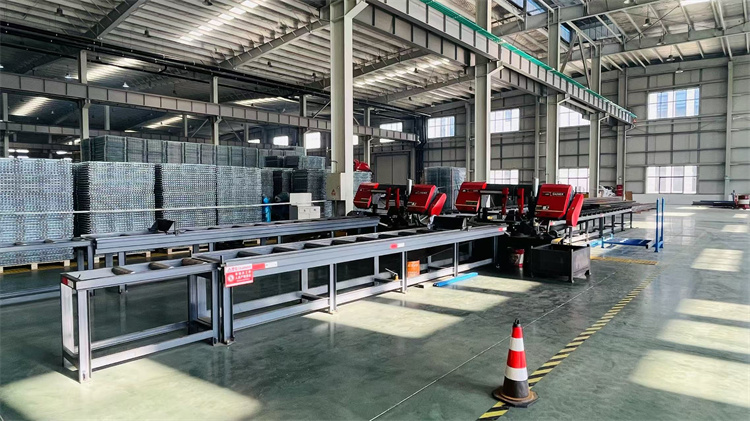
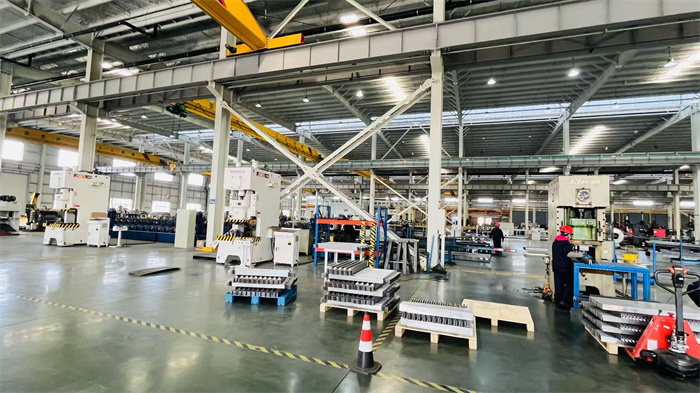
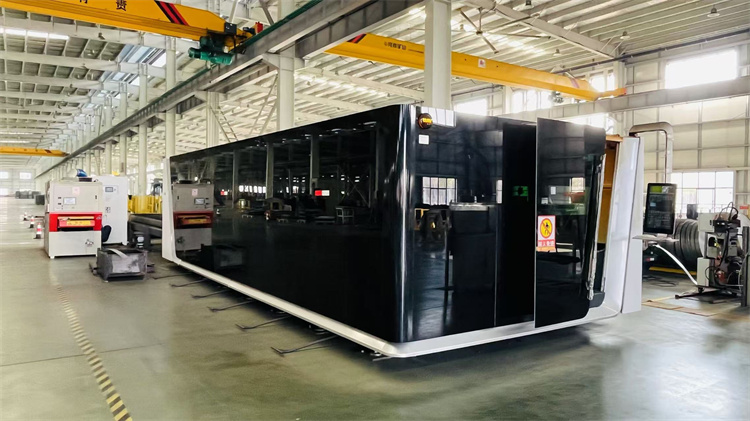
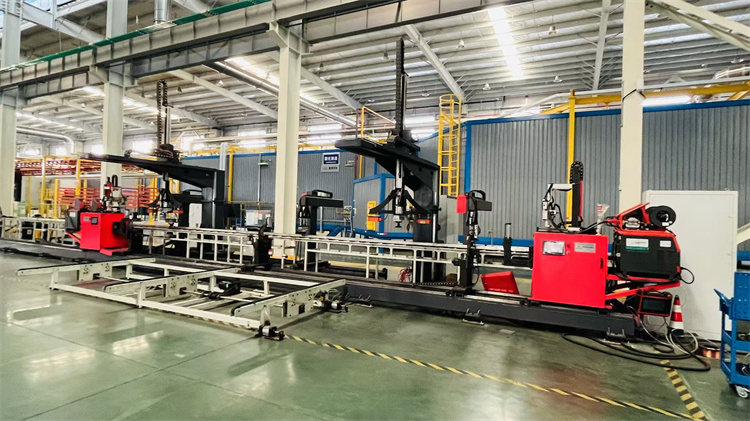
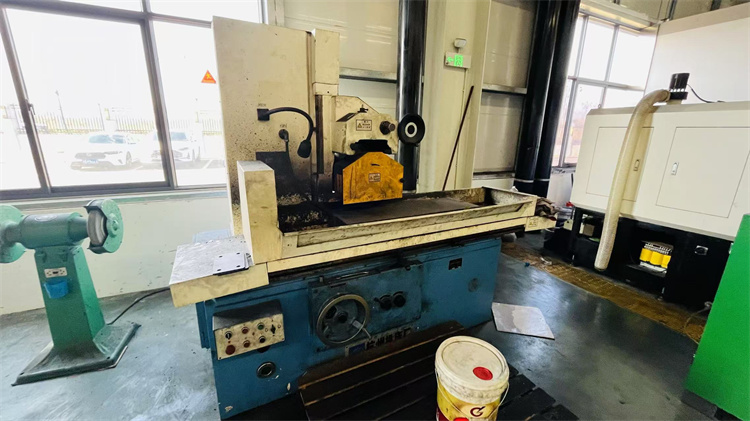
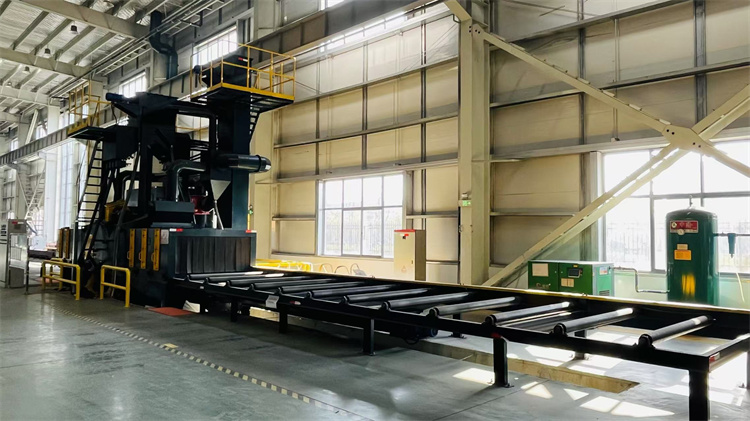
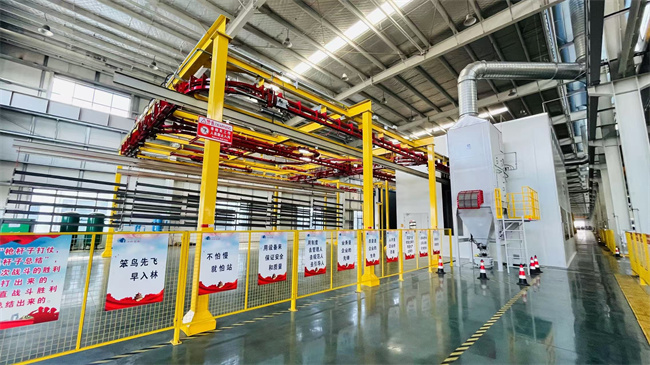
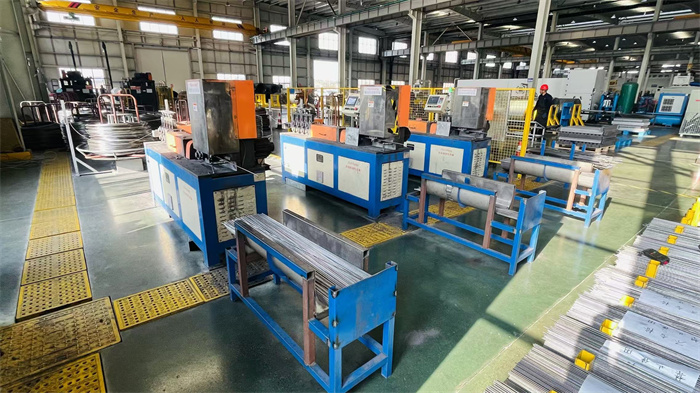
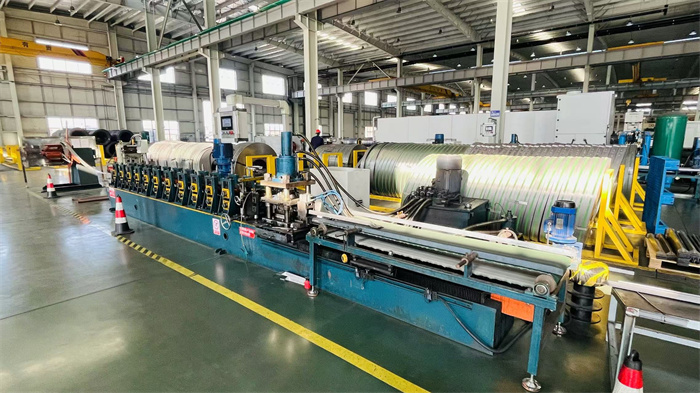
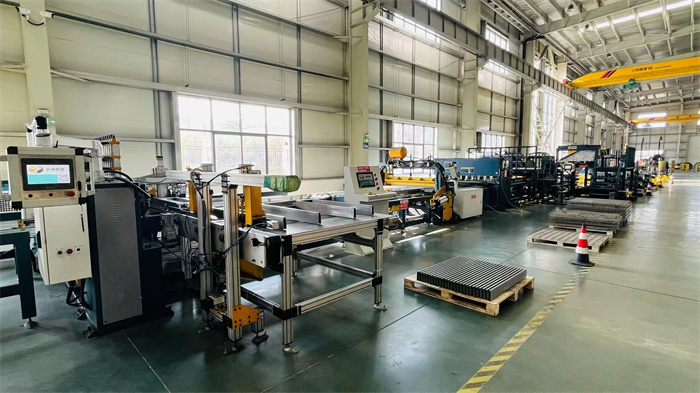
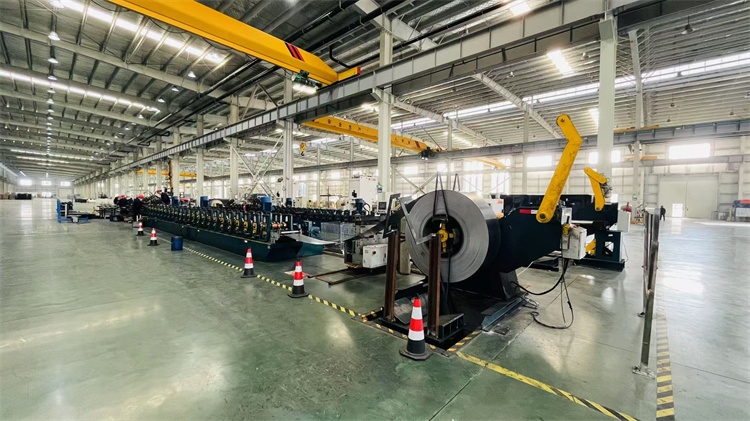
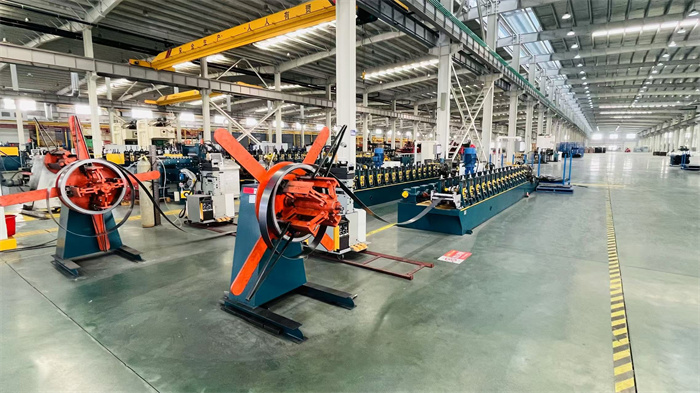
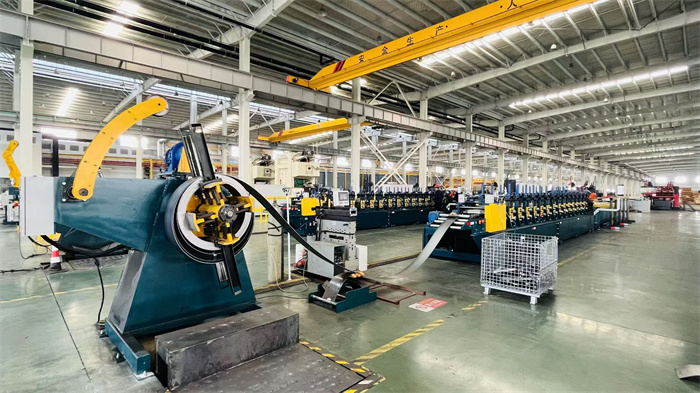
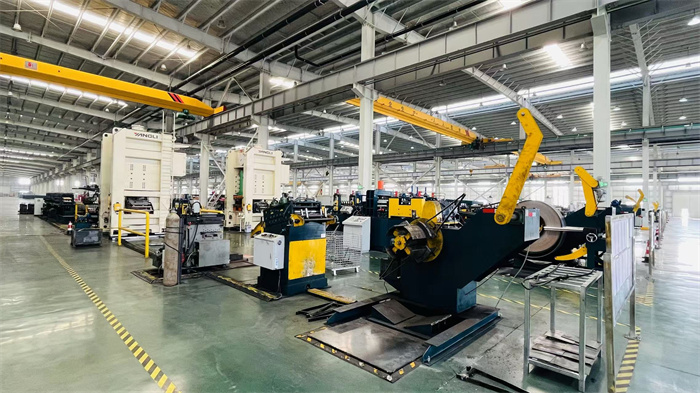
From raw structural coils to automated powder-coating lines, our ISO-compliant production workflow guarantees that every beam, upright frame, and mobile chassis component meets global standards.
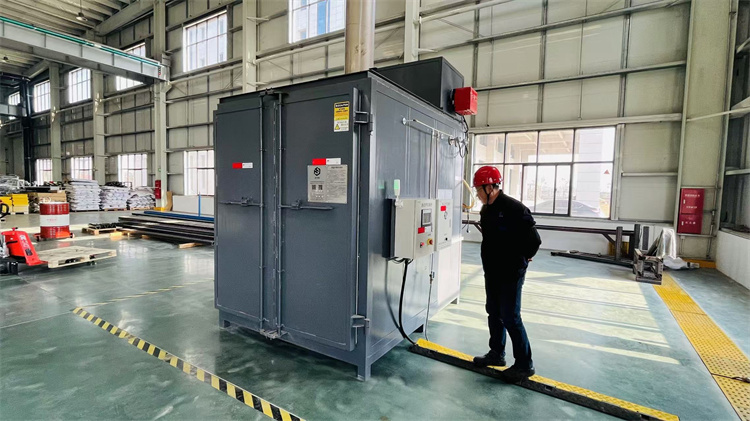
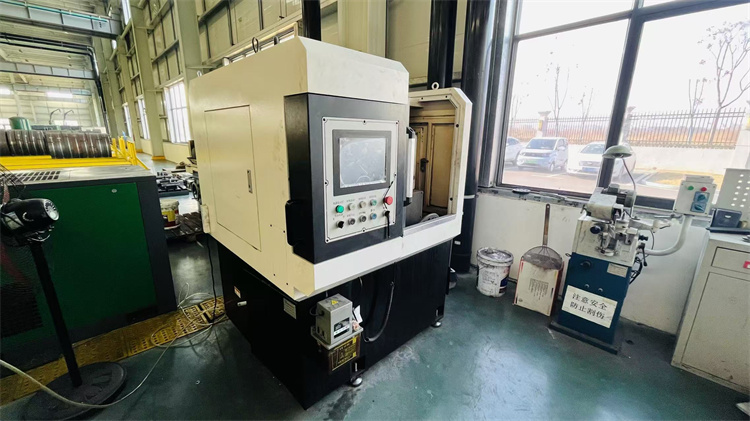
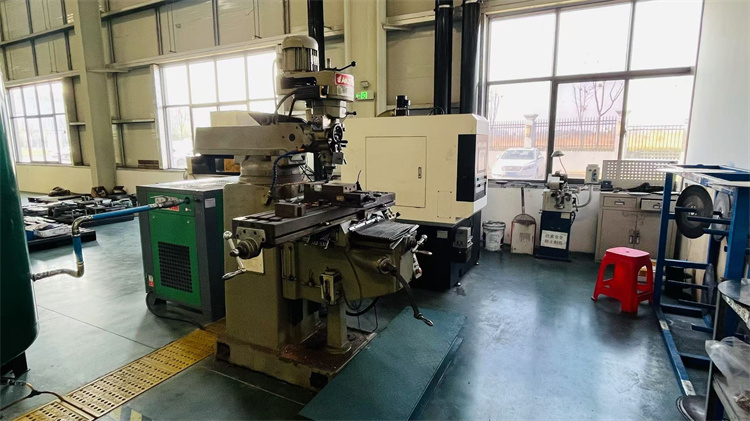
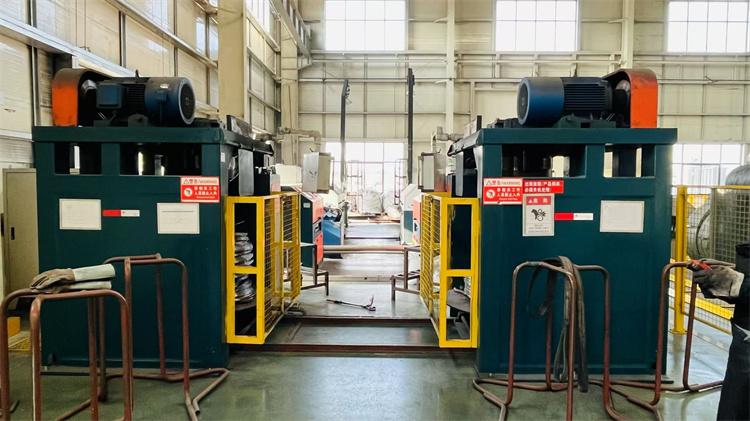
Tailored configurations engineered for specific vertical applications in the Australian logistics and processing sectors.
When Melbourne engineering and procurement executives evaluate automated storage infrastructure, initial pricing is only one component of the decision. Long-term reliability, maintenance cycles, and engineering certification are equally critical.
By leveraging Chinese manufacturing precision alongside Australian engineering standards, Jracking delivers high-performance racking components at a highly competitive Total Cost of Ownership (TCO).
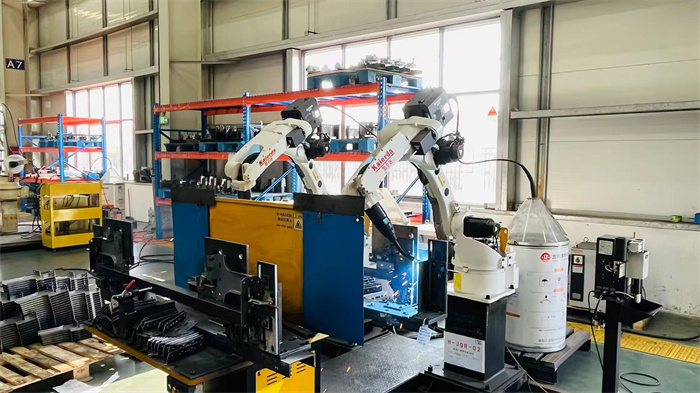
Our raw structural steel is sourced from major domestic mills and conforms to AS3500 structural steel specifications. Components are then precision-machined using fully automated CNC robotic processes to guarantee dimensional accuracy and structural integrity.
Choosing an overseas manufacturer requires confidence in logistics, quality control, and compliance. Jracking provides complete transparency through every phase of the project lifecycle:
Each shipment is delivered with comprehensive assembly drawings, safety loading charts, and material certification reports. This ensures seamless onsite installation and simplifies regulatory approval processes.
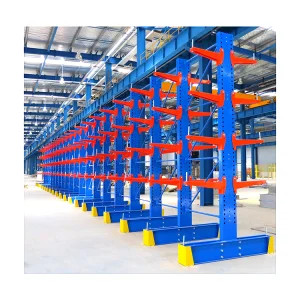
Request Engineering Computations DatasheetBrowse our complete range of heavy-duty mobile, cantilever, and automated vertical racking systems designed for industrial environments.
Addressing common engineering, structural, and regulatory questions from operations managers and logistics planners.
Every racking configuration is engineered to comply with AS4084:2023. This includes validating all frame load capacities under dynamic movement conditions, conducting detailed slab-on-ground stiffness checks, and providing local engineering verification to ensure structural safety.
Rail-guided mobile racking systems require floor rail tolerances that generally comply with DIN 18202 standards. The concrete slab must have sufficient load-bearing capacity to support the concentrated loads of the wheel assemblies, and the floor level must be verified prior to embedding the guide tracks.
Yes. Our mobile racking systems can be configured with specialized low-temperature packages designed to operate down to -30°C. This includes anti-condensation heaters within the control cabinets, low-temperature gear lubricants, and IP65-rated drive motors.
The manufacturing lead time is typically 4 to 6 weeks from technical drawing sign-off. Shipping to the Port of Melbourne generally takes an additional 2 to 3 weeks. We handle all logistics, customs clearance documentation, and coordination with your installation contractor.
Contact our engineering team to receive a customized floor space optimization layout and load capacity calculation conforming to AS4084 standards.
Send Inquiry Now Jracking