Advanced high-capacity warehouse racks engineered to increase storage density, maximize safety, and optimize operations in Vaughan, Mississauga, and the surrounding Toronto logistics hubs.
Analyzing the intersection of rising real estate costs, supply chain bottlenecks, and the structural engineering necessity of high-capacity drawer racking systems in Ontario.
The Greater Toronto Area (GTA) remains one of North America's tightest industrial real estate markets. With industrial vacancy rates lingering near historic lows and land acquisition costs soaring in regions like Mississauga, Brampton, Vaughan, and Markham, manufacturing plants and logistics hubs face intense pressure to maximize spatial efficiency. Standard shelving cannot safely handle the high-density storage requirements of molds, heavy dies, motor components, and critical industrial tools.
Heavy-duty drawer racking (often referred to as mold or die storage racking) addresses this spatial bottleneck by utilizing vertical air rights without sacrificing operator access. By installing roll-out drawer systems, maintenance facilities and precision manufacturers can house heavy loads up to 2,000 kg per drawer, operating within a compact footprint. This dynamic structural format eliminates wide aisle requirements associated with traditional cantilever setups, reclaiming up to 60% of floor space.
Engineering drawer racking requires specialized focus on mechanical safety margins, rail guiding systems, and weight distribution. Standard roll-out racking systems consist of robust structural steel frames and heavy-duty slide rails featuring ball bearings or high-strength steel rollers. When a drawer is fully extended, the center of gravity shifts forward, generating significant moment forces on the rack frames.
Our heavy-duty drawer racking incorporates positive locking safety mechanisms. This design ensures that only one drawer can be extended at a time, preventing structural tipping. These configurations are highly sought after by Toronto automotive stamping facilities, aerospace workshops, and industrial mold manufacturers. Here, tooling changes must occur rapidly with overhead crane access.
Industrial procurement teams in Canada increasingly demand factory-direct sourcing with local engineering verification. Global supply chain shifts have underscored the risks of depending on uncertified storage solutions. Procurement directors are looking beyond low prices, prioritizing suppliers that offer fully documented material origins, raw steel testing, and design certifications like CE and ISO 9001.
By bypassing multiple broker channels, industrial users in Ontario can work directly with a manufacturer to build custom configurations. This direct dynamic allows engineering parameters—such as drawer widths, load clearances, and floor anchoring plans—to be designed precisely around the specific geometry of heavy dies, motors, or turbine parts.
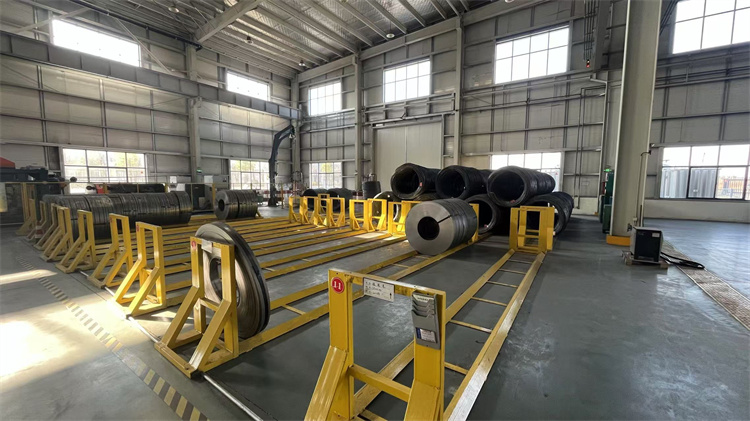
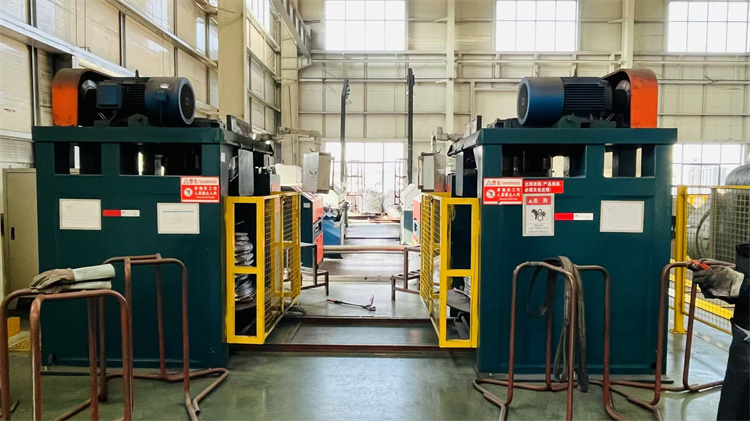
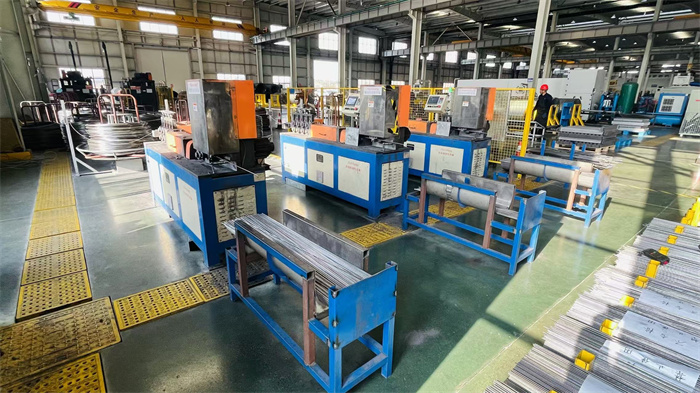
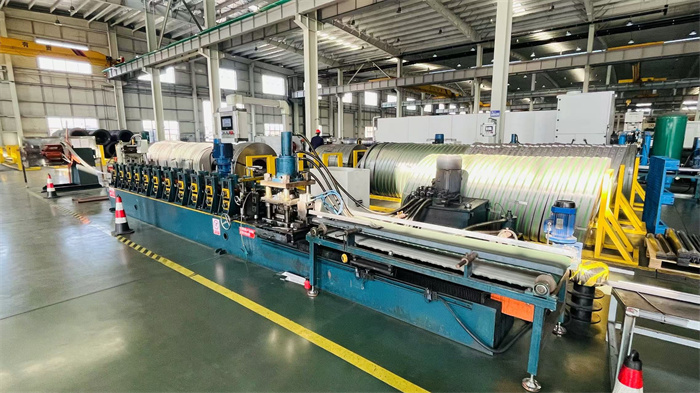
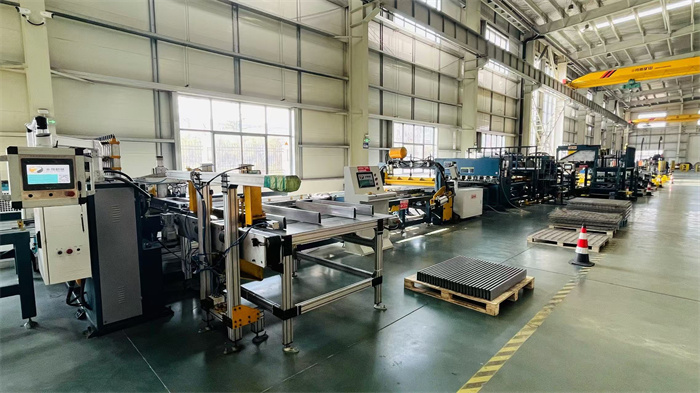
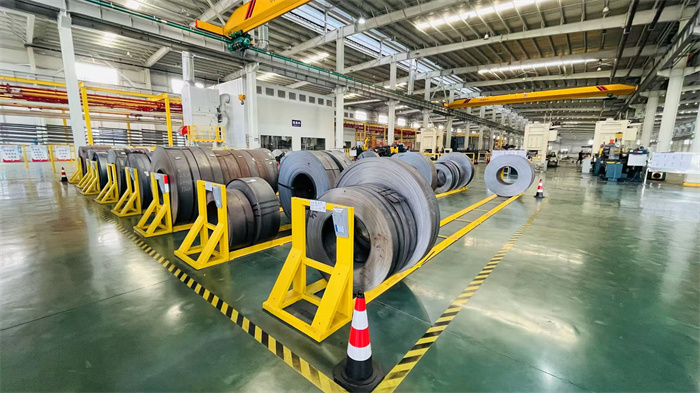
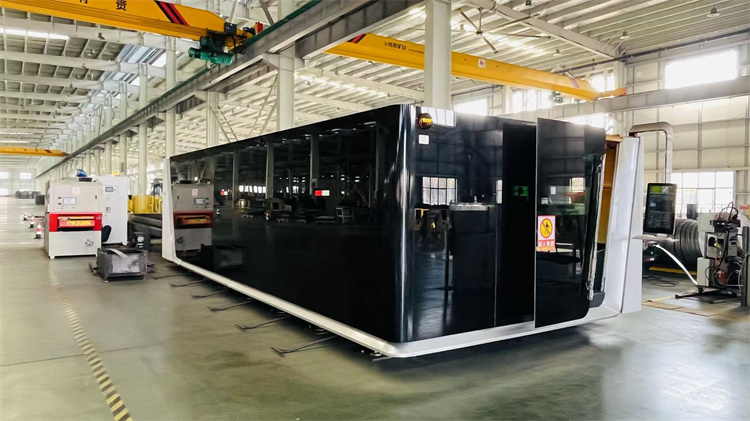
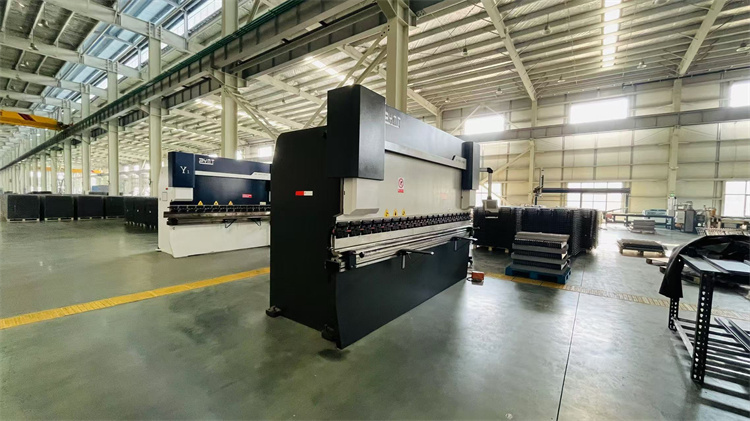
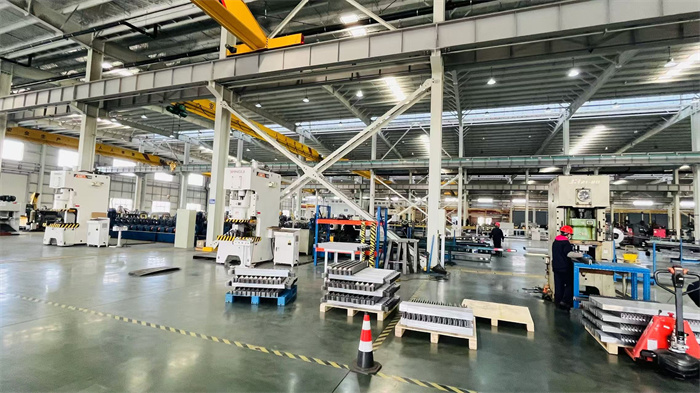
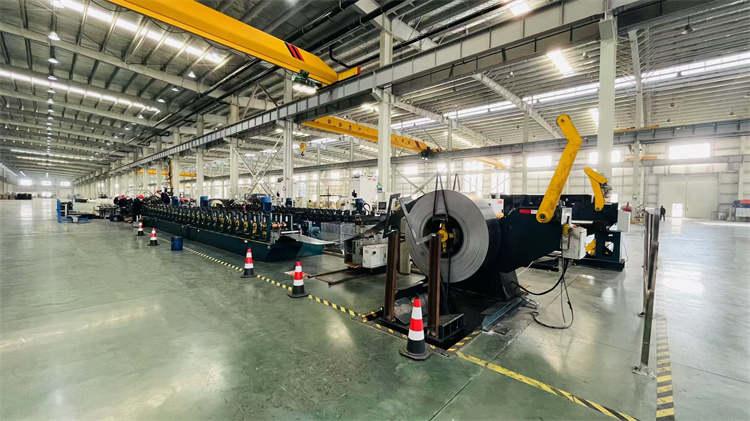
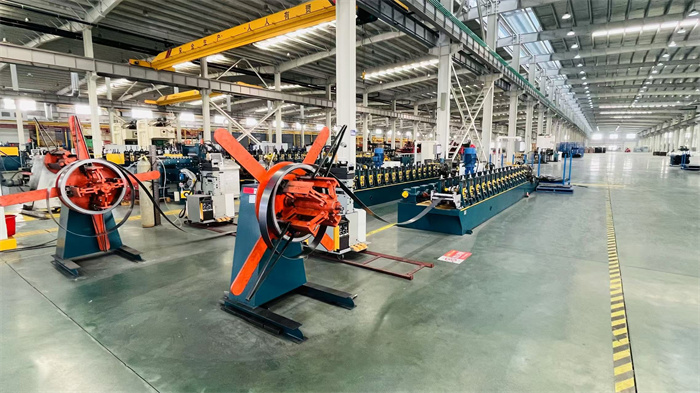
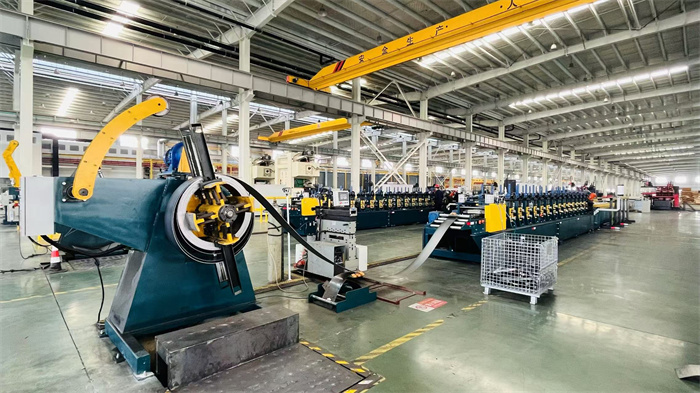
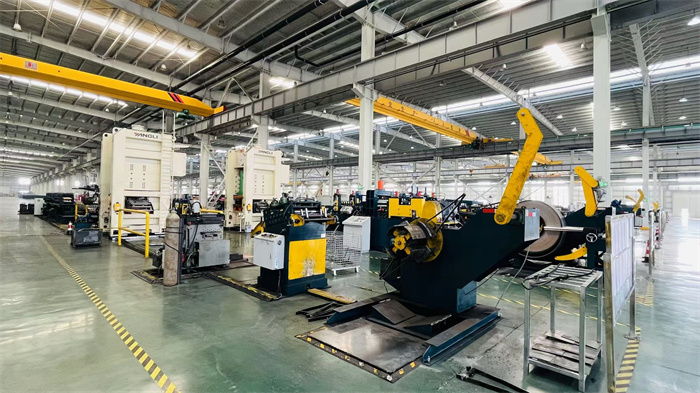
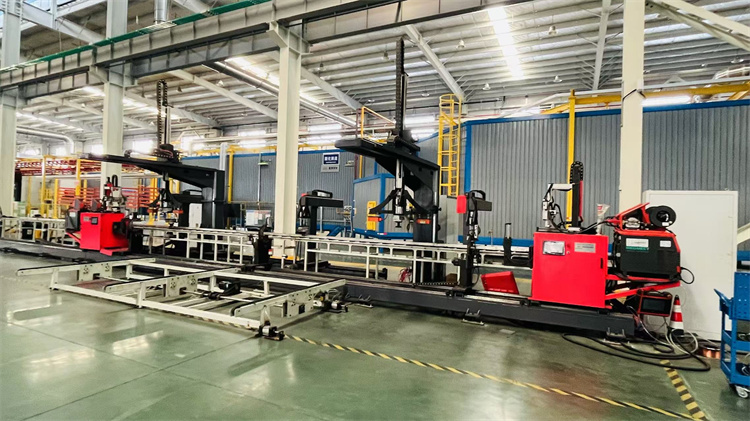
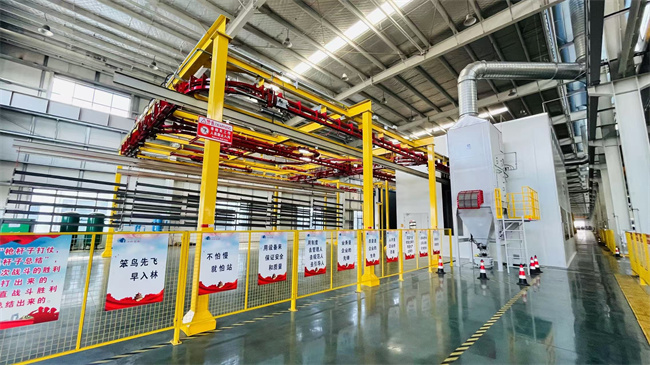
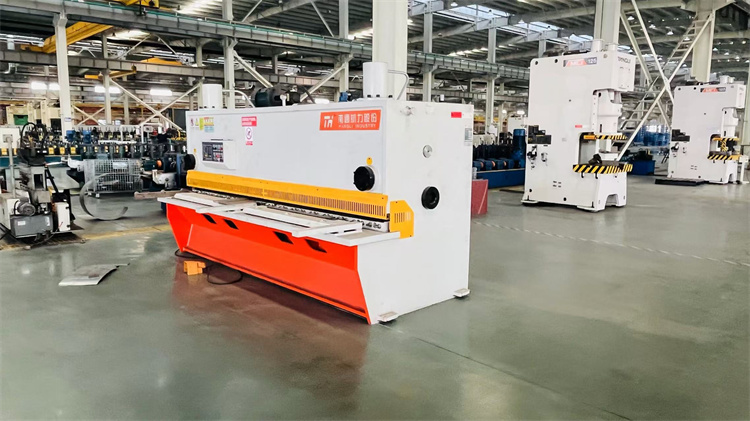
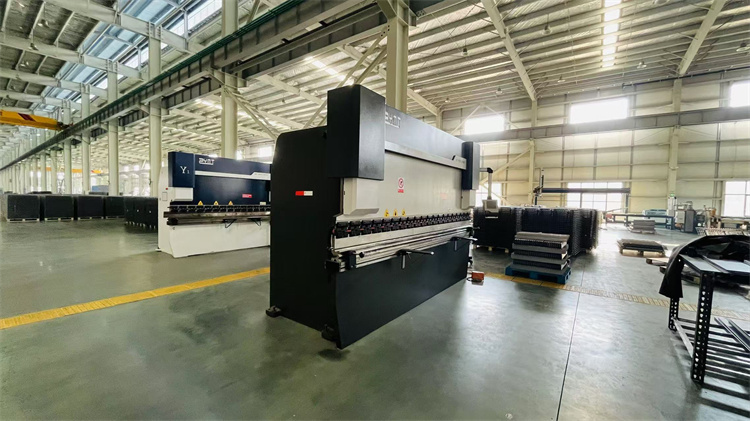
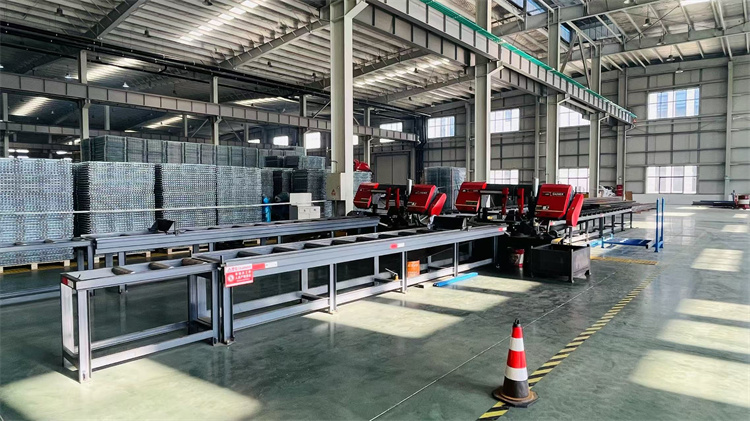
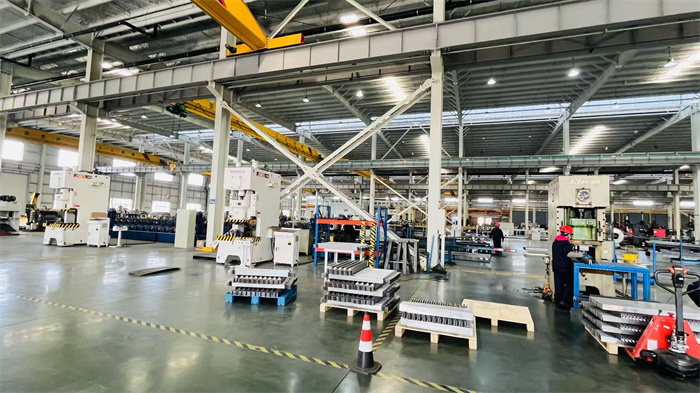
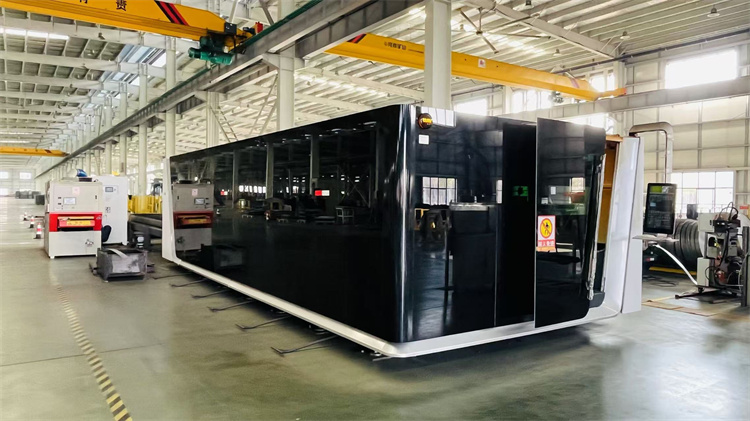
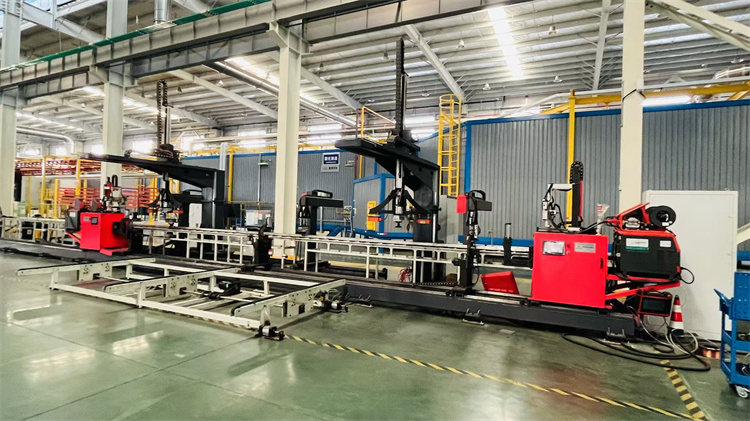
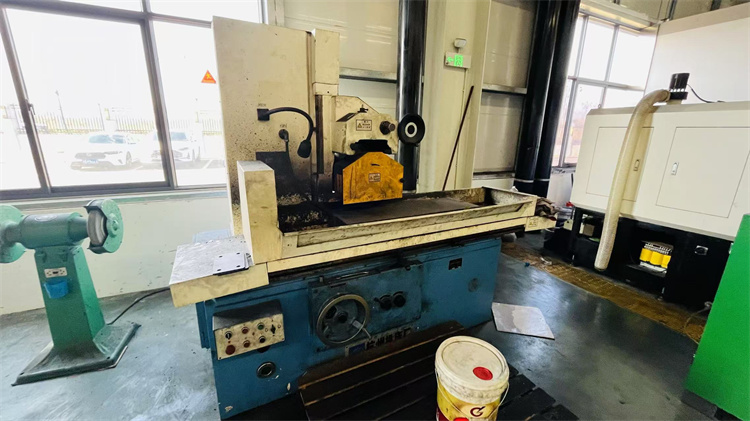
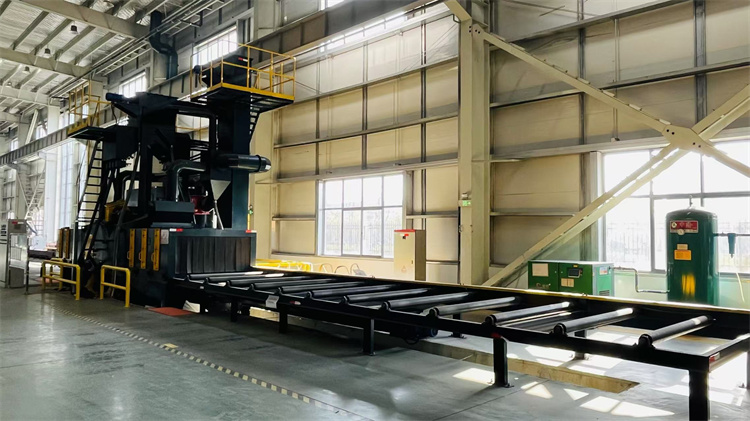
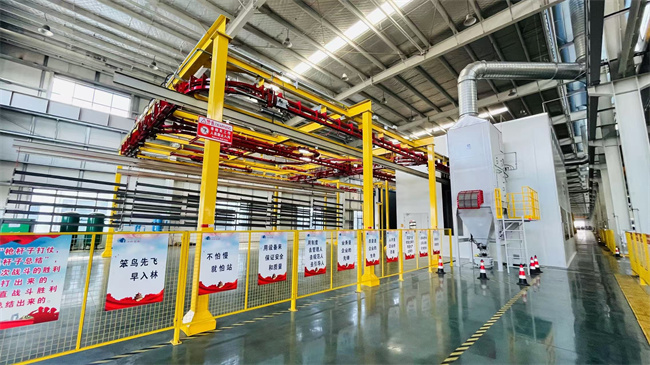
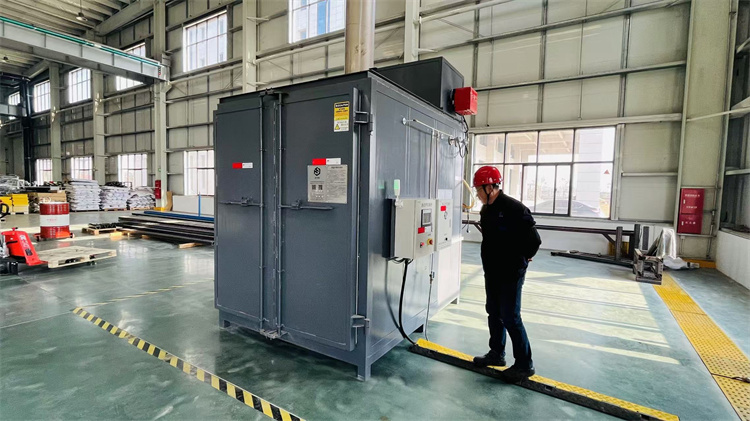
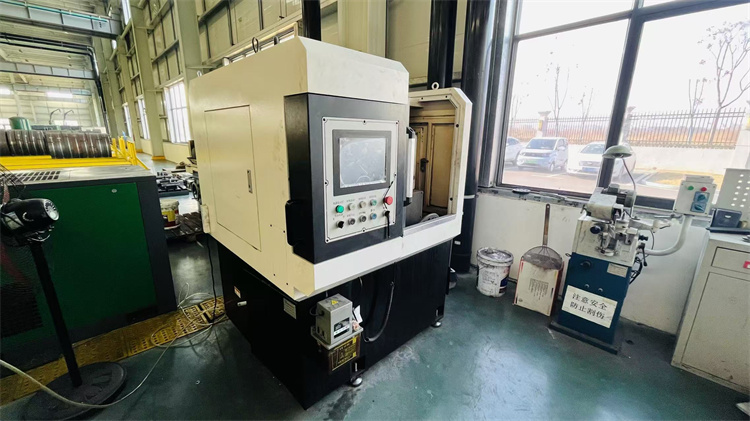
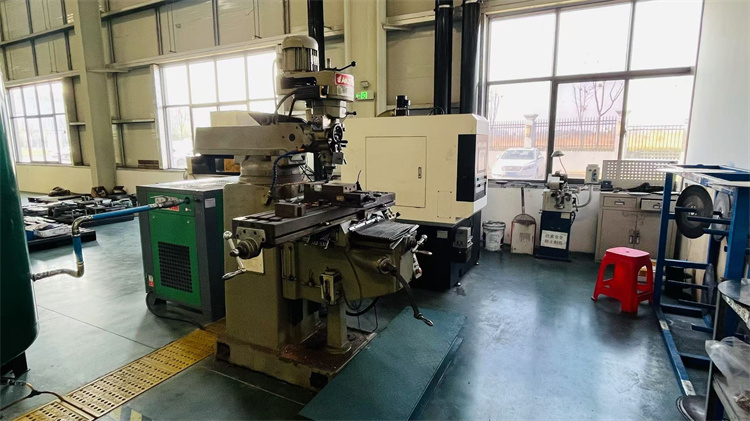
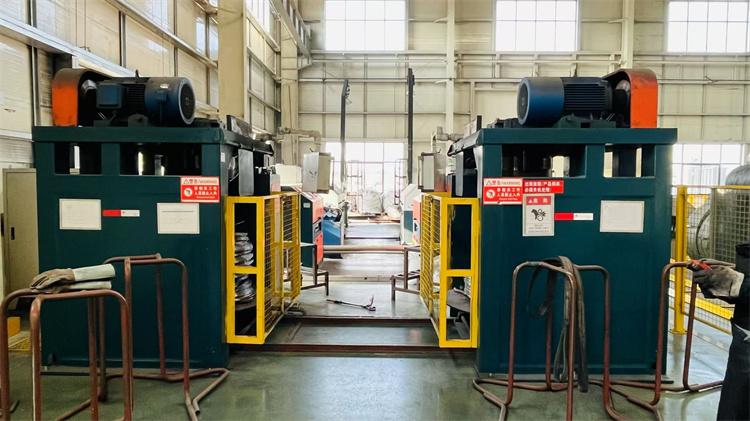
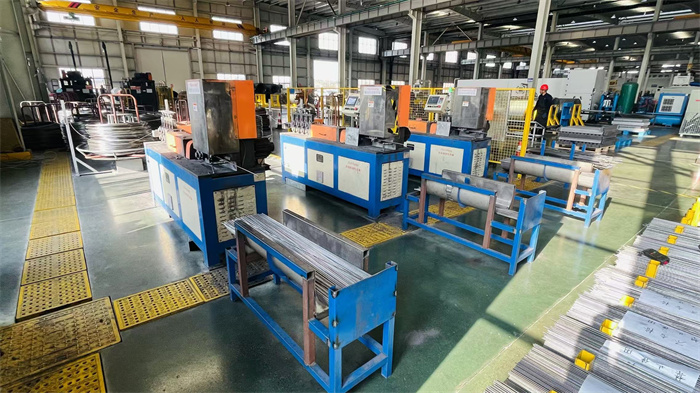
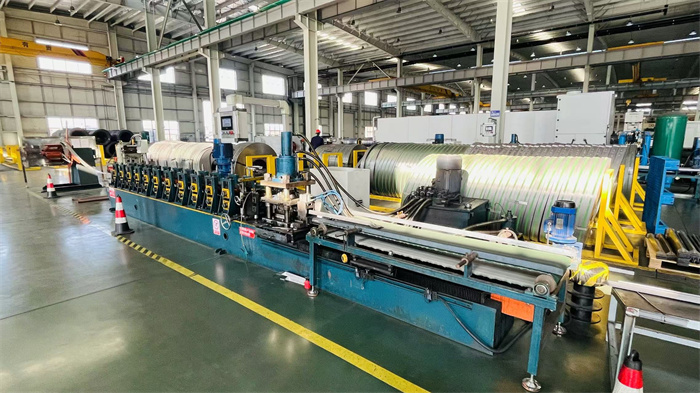
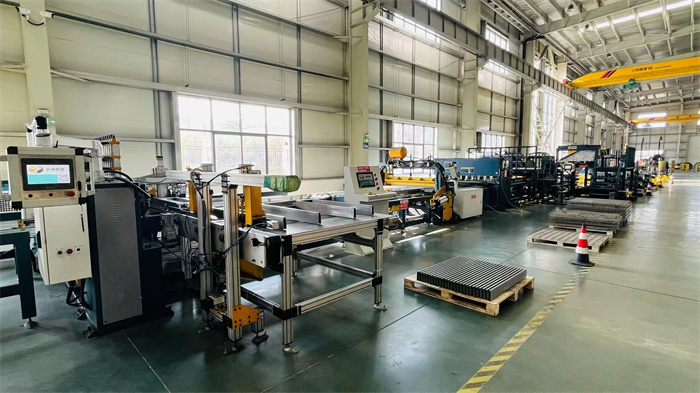
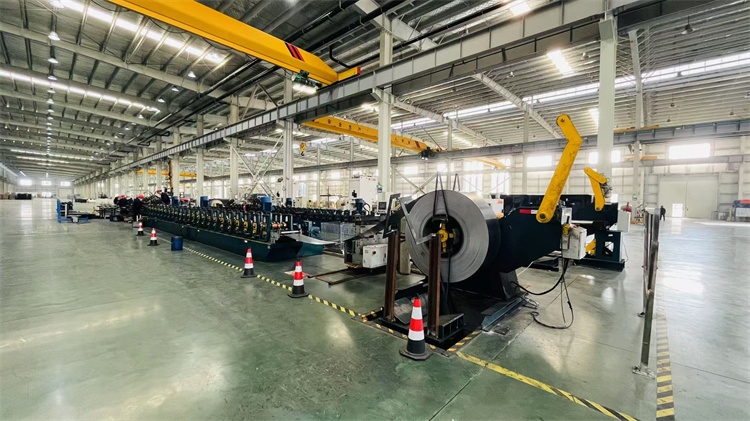
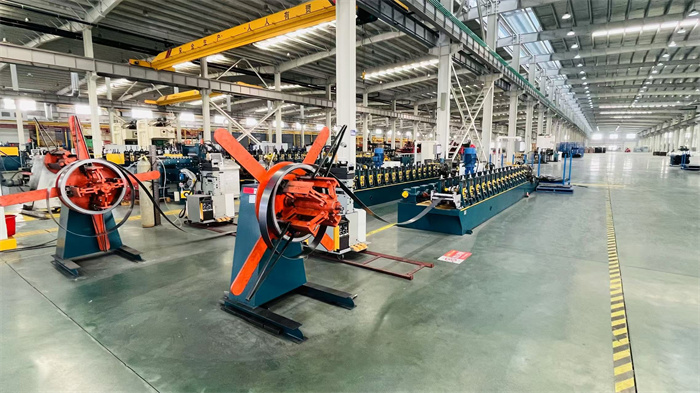
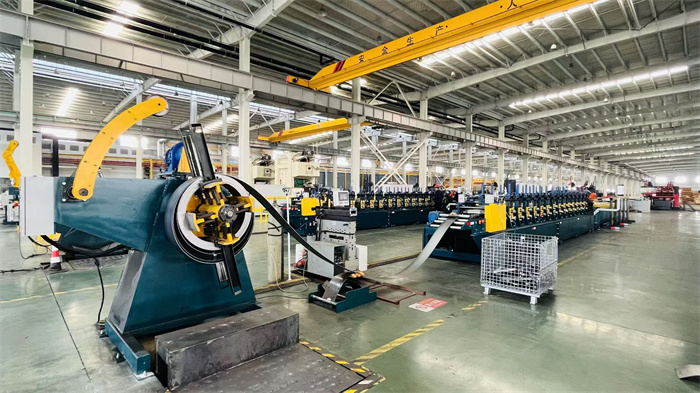
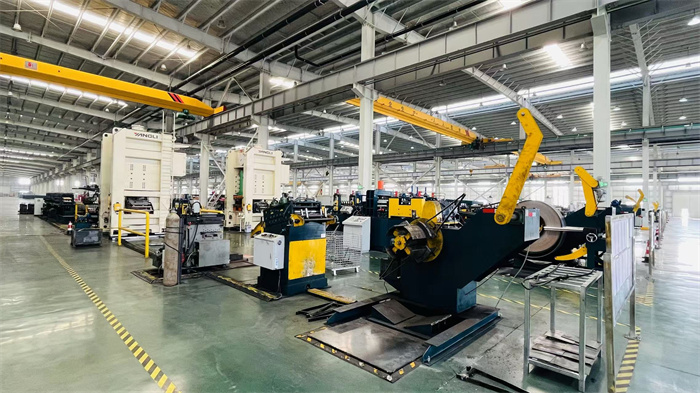
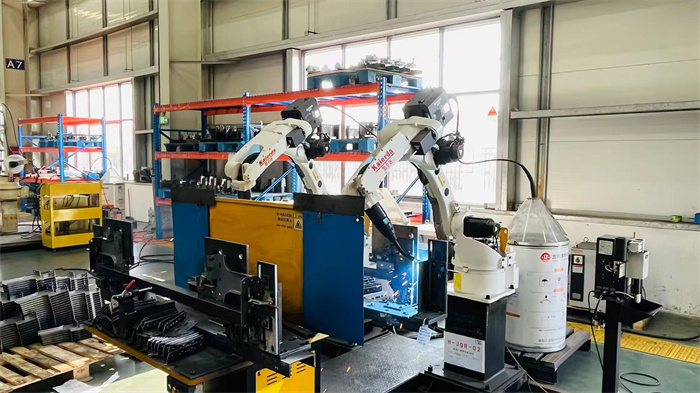
Inside Jracking's state-of-the-art production facility, where structural raw steel is transformed into globally certified, heavy-duty warehousing systems.
Jracking (Guangdong) Storage Co., Ltd. is a professional manufacturer specializing in warehouse racking systems and industrial storage solutions in China. Since its establishment in 2016, the company has been dedicated to designing, manufacturing, and supplying high-quality storage equipment for global customers across various industries.
With a modern manufacturing facility covering 28,600 m², Jracking integrates advanced production equipment, strict quality management systems, and experienced engineering teams to ensure reliable product performance and consistent manufacturing standards. The company offers a comprehensive range of storage products including selective pallet racks, drive-in racking, cantilever racks, mezzanine systems, longspan shelving, steel platforms, and customized warehouse storage solutions.
Backed by over 8 years of export experience and 12 years of industry expertise, Jracking has successfully served customers in North America, Europe, Southeast Asia, Australia, and the Middle East. The company's annual export revenue exceeds USD 18 million, reflecting its strong competitiveness in the international storage equipment market.
Quality remains the core of Jracking's manufacturing philosophy. Every production process is strictly monitored through ISO-compliant quality control procedures, while products undergo load capacity testing, dimensional inspection, welding inspection, coating thickness testing, and final assembly inspection before shipment. The company employs 48 professional quality inspectors to maintain stable product quality and customer satisfaction.
As an OEM & ODM manufacturer, Jracking collaborates with more than 1,150 supply chain partners, enabling efficient sourcing, flexible production scheduling, and fast delivery for global projects. Its primary customers include warehouse equipment distributors, importers, wholesalers, logistics companies, e-commerce fulfillment centers, and industrial project contractors. Innovation is driven by a dedicated R&D team consisting of 85 experienced engineers, who continuously develop new storage solutions to meet evolving market demands. In the past year alone, Jracking successfully introduced 156 new products to the global market.
Important details for facilities operating within Ontario under Ministry of Labour guidelines.
In Ontario, warehouse racking structures must comply with the CSA Standard A344 (User Guide for Steel Storage Racks) and the Ontario Building Code (OBC). Industrial storage racking, especially units carrying heavy tooling and dies, is classified as a building structure under safety regulations. Therefore, installations in cities like Mississauga, Brampton, and Vaughan require localized structural engineering validation.
Our engineering support services ensure that the drawer racking structures we manufacture conform to local seismic requirements and dynamic loading calculations. When implementing high-capacity storage, design calculations must account for concrete slab thickness, anchor pull-out ratings, and local seismic zone coefficients.
Under Section 7 of Ontario's Regulation 851 (Industrial Establishments), warehouses and factories must undergo a Pre-Start Health and Safety Review (PSR) conducted by a licensed Professional Engineer (P.Eng.) before putting new racking structures into service. A PSR is mandatory if structural racking is loaded using mechanical equipment (like forklifts or overhead cranes) or holds heavy dynamic loads.
We work directly with certified Canadian structural engineers to provide the necessary material specification sheets, mill certificates, and structural capacity data. This ensures your drawer racking installations pass Ministry of Labour audits and function smoothly and safely from day one.
How IoT integrations, automated sensors, and guided storage technologies are changing high-density industrial warehousing.
As Toronto's advanced manufacturing sector transitions to Industry 4.0, structural racking systems are evolving from static iron frames to integrated physical-digital systems. The development of drawer racking systems incorporates several key technological directions:
Answers to common structural engineering, local compliance, and procurement questions for Canadian operations.
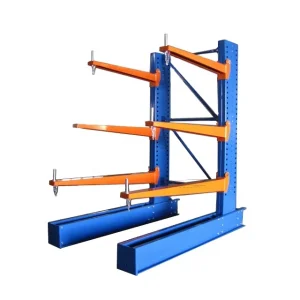
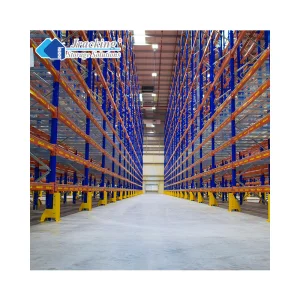
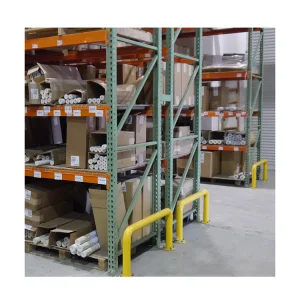
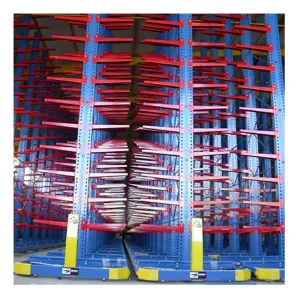
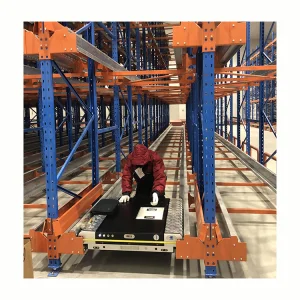
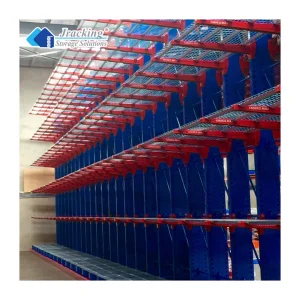
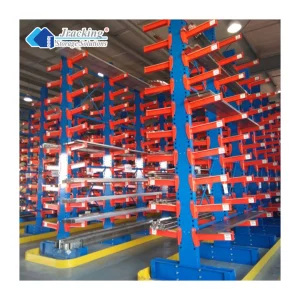
Explore our complete range of certified structural steel pallet racks, cantilever arms, and automated radio shuttles for heavy industrial applications across Toronto.
Get in touch with our design engineers for customized configurations, structural weight calculations, and quotes tailored for your warehouse facility.
Request Engineering Assistance Now Jracking