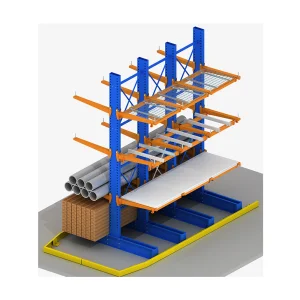
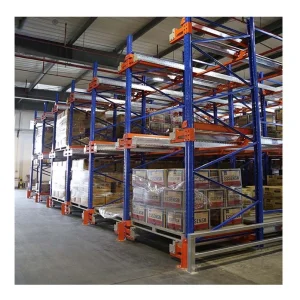
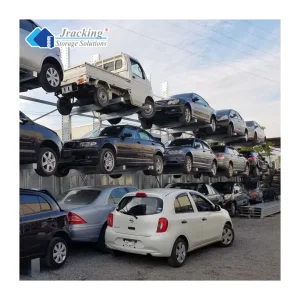
Engineered heavy-duty cantilever systems specifically designed for Auckland, Christchurch, and regional New Zealand automotive yards, car storage facilities, and vehicle dismantling plants.
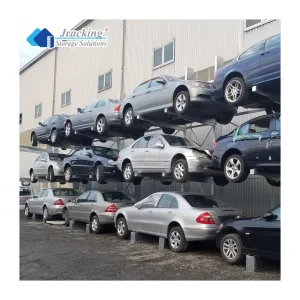
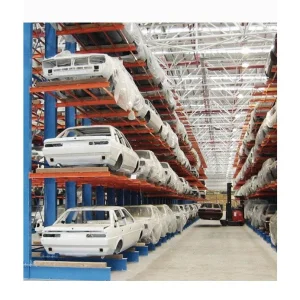
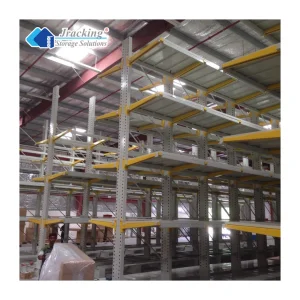
How structural engineering and environmental demands are reshaping cantilever racking selection for New Zealand importers, dismantlers, and industrial logistics centers.
New Zealand is geologically active, requiring all industrial warehouse storage installations to conform to the strict requirements of NZS 1170.5 (Structural Design Actions - Earthquake Actions - New Zealand). Unlike standard warehouse shelving, cantilever car racking must support heavy, dynamic loads—often stacked three to five tiers high—with a high center of gravity. Our heavy-duty cantilever columns and arms are designed, modeled, and manufactured to withstand seismic movements without structural failure, protecting both personnel and valuable automotive inventory.
For New Zealand operators applying for building consents (Producer Statements such as PS1), Jracking supplies complete engineering calculations, material certification details, and FEA (Finite Element Analysis) structural reports. We ensure that our column sizes (up to 305mm and larger structural steel sections) and arm connections provide the necessary ductile response and overload capacity required by local councils from Auckland to Christchurch.
With major commercial and industrial hubs situated in coastal regions like Auckland, Tauranga, and Napier, atmospheric salinity presents a severe corrosion risk to steel structures. Standard powder coatings can deteriorate rapidly, leading to rust, weakened structural integrity, and safety hazards.
To counter this, Jracking provides Hot-Dip Galvanized (HDG) cantilever car racking systems. The HDG process applies a thick, metallurgically bonded zinc-iron alloy coating in accordance with AS/NZS 4680 standards. This ensures decades of maintenance-free service in outdoor vehicle storage yards, salvage facilities, and port transition zones, easily handling New Zealand's high UV index and saline air.
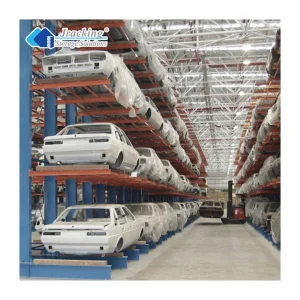
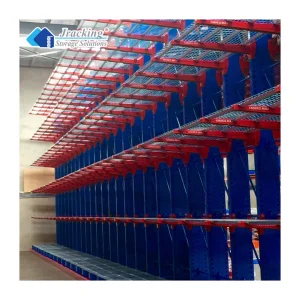
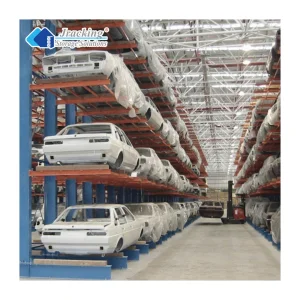
Unlike standard pallet racking, which relies on front upright vertical posts that obstruct wide and irregular loads, cantilever racking features an open-front configuration. This design provides unobstructed horizontal access for forklifts carrying vehicles of varying wheelbases, salvage chassis, and heavy steel pipes. Without front columns, logistics teams can stack cars and machinery rapidly and safely, minimizing handling damage and maximizing vertical space utilization by up to 150%.
Partnering with Jracking (Guangdong) Storage Co., Ltd. brings the capacity of a world-class manufacturing facility directly to your Kiwi enterprise.
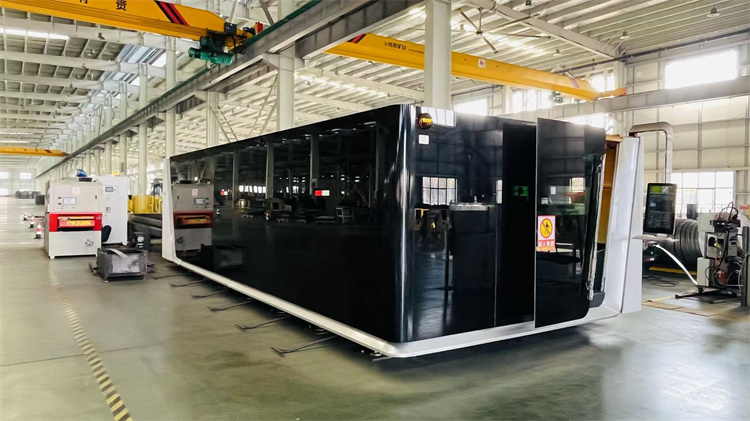
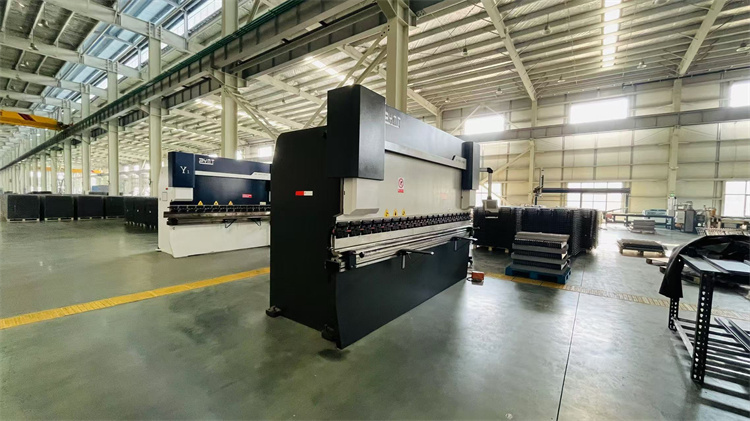
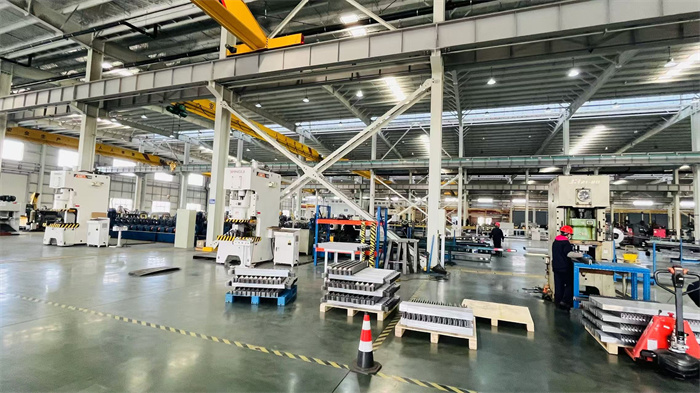
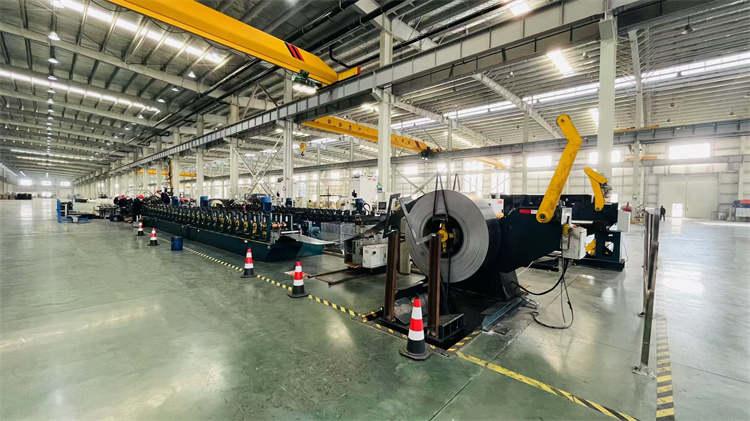
Established in 2016, Jracking (Guangdong) Storage Co., Ltd. has grown into a leading designer, manufacturer, and global exporter of heavy-duty industrial storage equipment. With more than 12 years of industry expertise and 8+ years of dedicated export experience, we support critical supply chains across North America, Europe, Australia, and New Zealand. Our manufacturing philosophy is anchored on structural integrity, strict quality assurance, and modular designs that allow our customers to optimize their operations as their businesses scale.
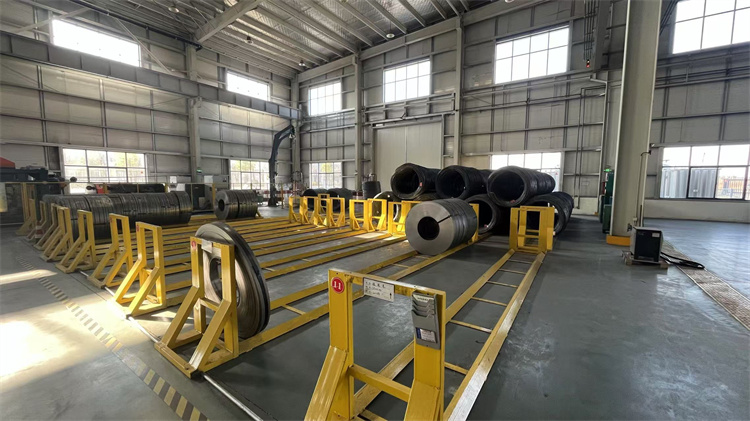
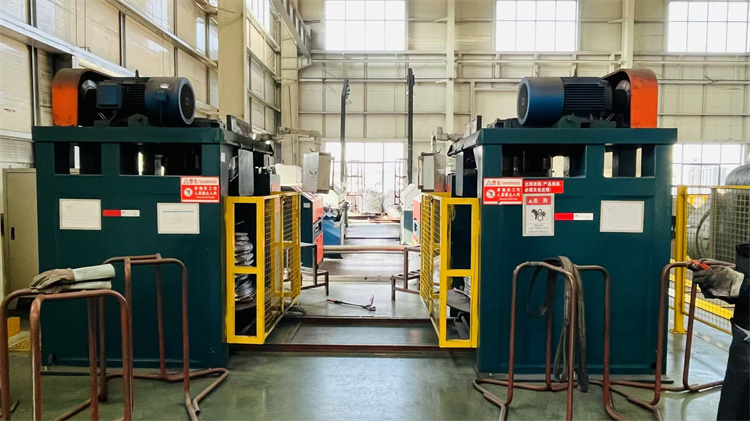
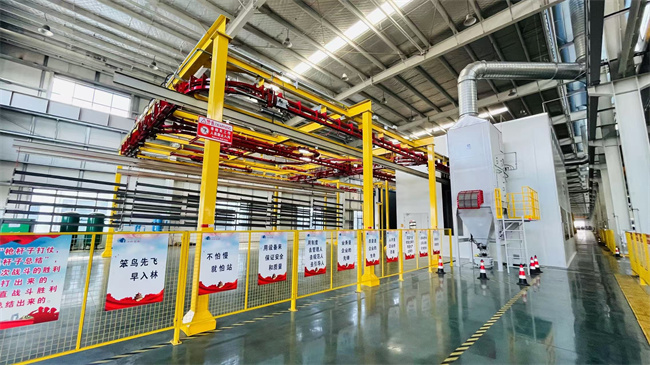
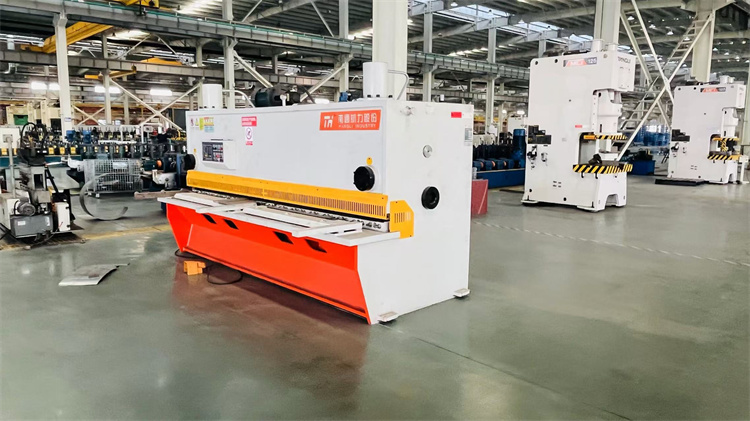
Take an inside look at our advanced production lines. From premium raw materials to automated robotic welding, we guarantee compliance and durability at every stage.
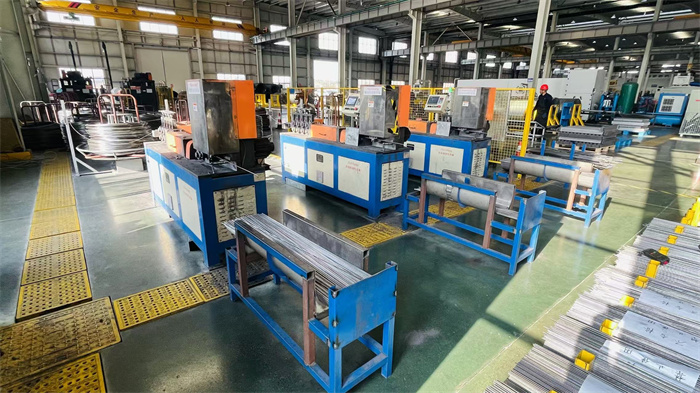
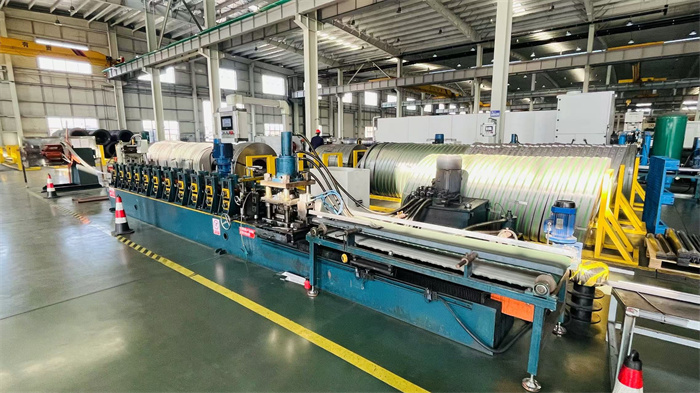
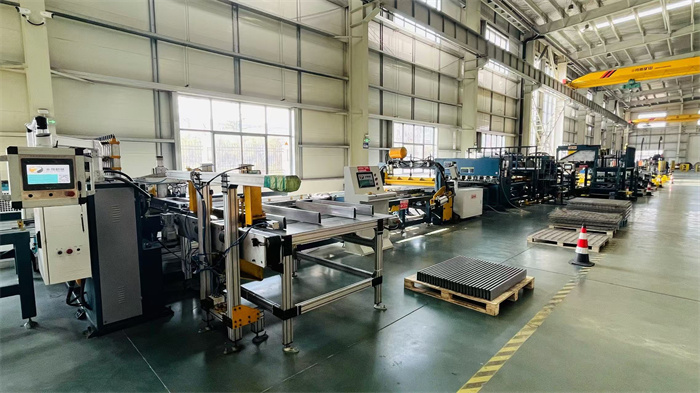
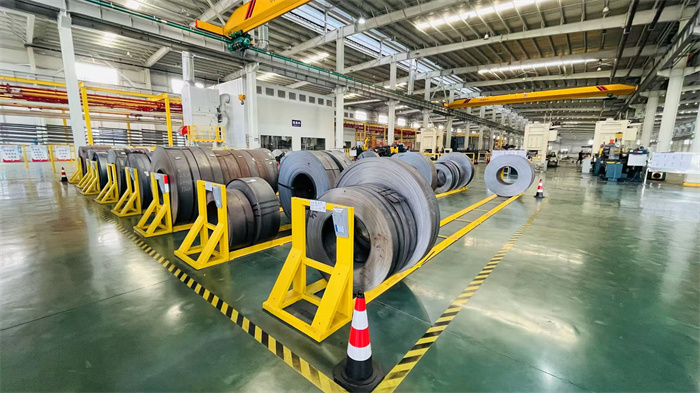
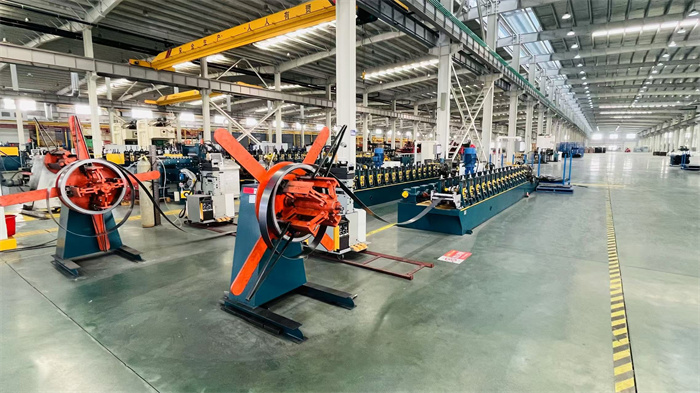
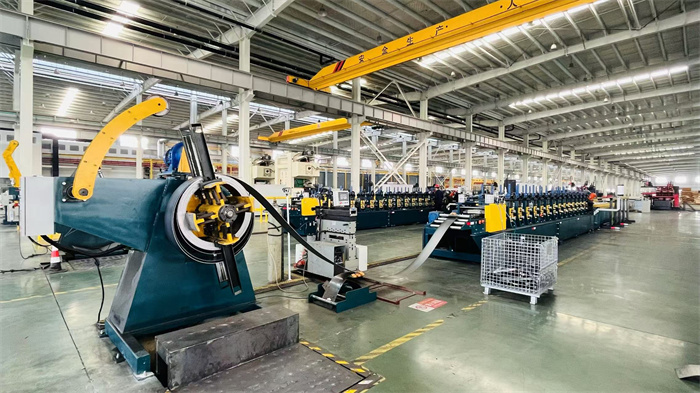
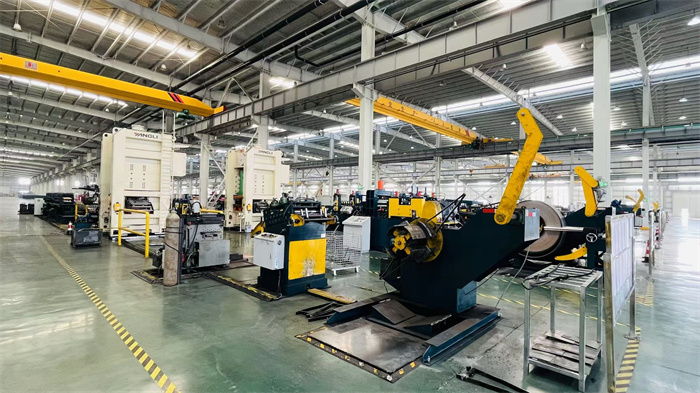
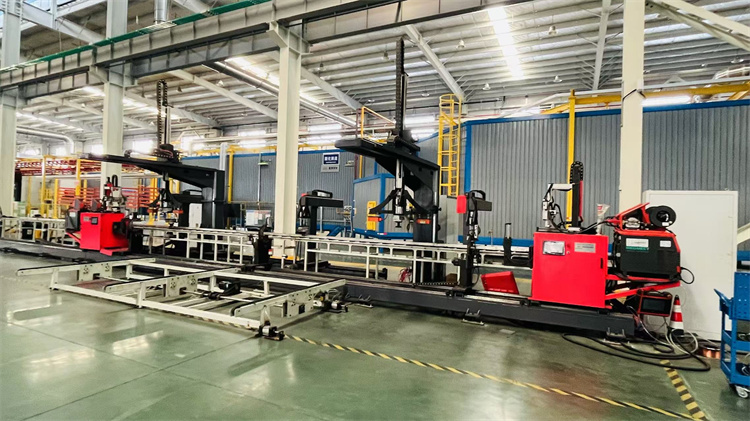
An in-depth look at load-bearing dynamics, arm deflections, and connection methodologies for automotive yard environments.
The foundation of any safe cantilever car racking system lies in its base engineering. Given the massive weight of multi-tier vehicle storage (where each vehicle can range from 1,500kg to over 3,000kg for large SUVs and commercial vehicles), the overturning moment at the base is substantial. Our columns are manufactured using cold-rolled or structural H-beams, anchored directly to reinforced concrete slabs with heavy-duty mechanical or chemical expansion bolts. The concrete slab specification in New Zealand must be structurally verified by local engineers to ensure it can support the concentrated point loads transmitted through the base plates.
Cantilever arms are designed to support load configurations without permanent deformation. We engineer our arms with a slight upward pitch (typically 1 to 2 degrees) to compensate for natural deflection under load. Under full load conditions, the deflection limit is restricted to L/180 (where L is the arm length), maintaining a safe margin. Arms are secured to the upright columns via high-strength pin connectors or bolt configurations that prevent accidental dislodgement when forklifts load or unload vehicles.
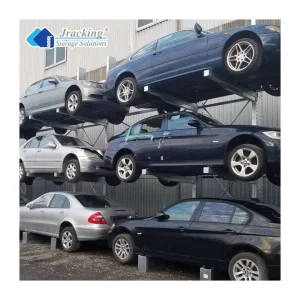
A vehicle recycling yard based in Christchurch restructured their outdoor storage by replacing standard ground-level parking with Jracking Double-Sided Hot-Dip Galvanized Cantilever Racks. Stacking vehicles 4-tiers high reduced the required yard space for vehicle chassis from 4,200m² to just 1,100m². The salvaged footprint allowed the company to construct a new indoor sorting and dismantling shop, increasing throughput by 64% and yielding a full payback on the racking capital expenditure within 14 months.
Explore our extended range of heavy-duty pallet racking, outdoor cantilever systems, and automated warehouse solutions, all certified to global structural standards.
How technology, AS/RS integration, and eco-conscious engineering are driving changes in high-density automotive logistics.
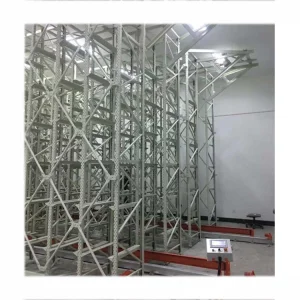
The global storage sector is shifting toward automated warehouse management. In vehicle distribution hubs and logistics terminals, standard manual loading is being replaced by Automated Storage and Retrieval Systems (AS/RS). By pairing heavy-duty cantilever structures with precision rails, automated shuttle carts can retrieve and transport vehicles to processing bays without manual forklift operations.
This automated approach minimizes yard accidents, limits human exposure in high-risk heavy-lifting zones, and integrates with warehouse management software (WMS) to track each vehicle by VIN, model, and weight class in real time. Our engineering R&D division focuses on building high-tolerance structural profiles designed to support the precision rail systems required by modern automated shuttles.
Industrial operations in New Zealand face growing environmental regulations, with a strong focus on limiting chemical runoff and carbon footprints. At Jracking, we are updating our surface treatment lines to lower environmental impacts.
Our powder-coating processes use solvent-free, non-toxic formulations that emit zero volatile organic compounds (VOCs). Any powder overspray is reclaimed and recycled within a closed-loop system, minimizing waste. For hot-dip galvanizing, we work with certified facilities that run low-emission furnaces and clean acid-pickling recycling, helping clients meet environmental compliance targets for local council assessments.
Shipping large, structural steel racking components requires careful packing and logistics management to prevent damage during transit. Our export team uses customized steel framing, structural timber supports, and heavy-duty strapping to secure components inside sea containers. This protects the galvanized surfaces and powder coatings from scratching or denting during the journey from our factory in China to ports across New Zealand, ensuring your racking arrives ready for installation.
Technical information, local compliance, and structural performance questions answered by our engineering team.
 Jracking