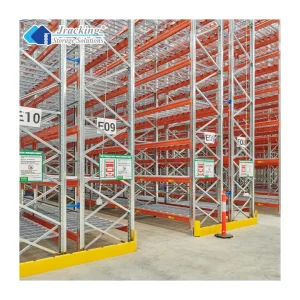
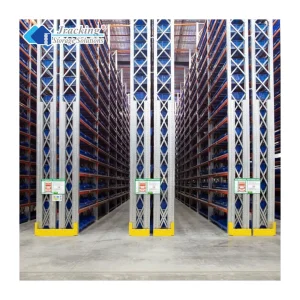
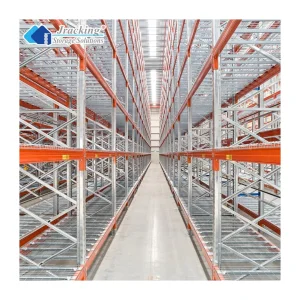
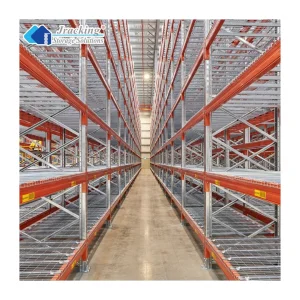
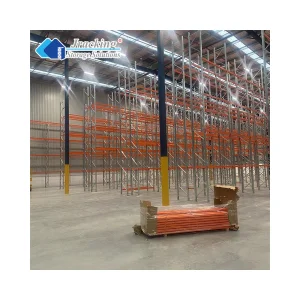
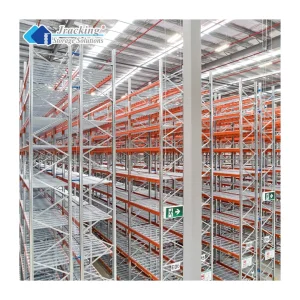
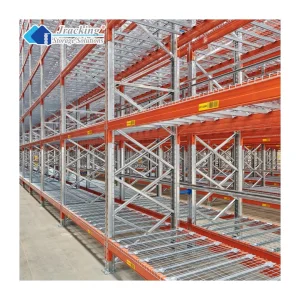
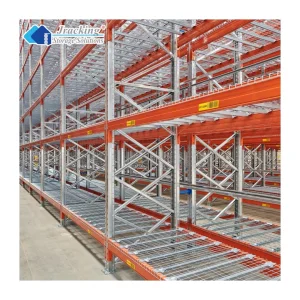
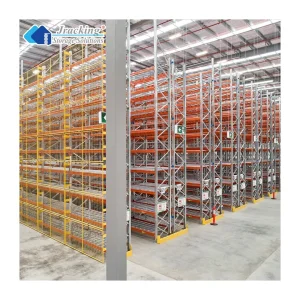
Designed to comply with AS 4084:2012 / AS 4084.1:2023 specifications while matching domestic logistic standardizations.
Bridging the gap between Australian Engineering standards (AS 4084) and the hyper-dense, seismically active warehousing ecosystems of the Korean Peninsula.
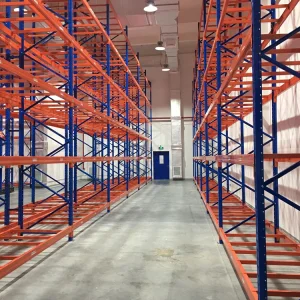
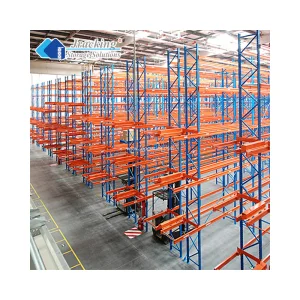
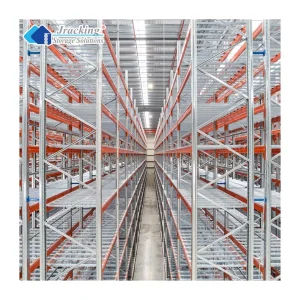
South Korea stands as one of the most advanced digital economies in the world. Driven by giant e-commerce logistics setups from networks like Coupang (Rocket Delivery), Market Kurly, and CJ Logistics, there has been a drastic shift toward modern, multi-story fulfillment centers. Warehouses are no longer simple single-story depots; they are mega-facilities requiring high-bay selective pallet racking, structural mezzanines, and complex automated retrieval structures.
In this high-velocity throughput landscape, structural downtime is not an option. Multi-national developers and logistics integrators entering the Korean market frequently demand structural safety protocols that meet or exceed global benchmarks. Introducing AU standard (AS 4084) racking configurations offers a crucial mechanical advantage. Known for their robust safety factors, precise beam tolerances, and strict seismic considerations, AU standard specifications align exceptionally well with the extreme performance metrics required by modern Korean fulfillment networks.
South Korea enforces strict seismic guidelines under Korean Design Standard 41 (KDS 41) for industrial buildings. Standard warehouse racking systems cannot simply be imported without rigorous check calculations for seismic zones (Zone 1 and 2, which cover regions like Gyeonggi-do, Busan, and Incheon).
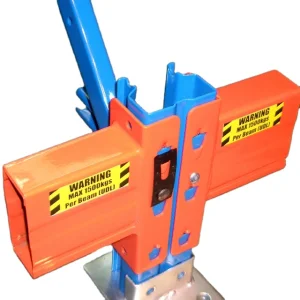
Because Australian racking frameworks (AS 4084) are inherently structured to handle high wind shear and moderate-to-severe seismic stresses defined under AS/NZS 1170.4, engineering compliance conversions become significantly streamlined. Working with an OEM/ODM supplier like Jracking ensures that the cross-bracing ratios, frame post profiles, and baseplate anchors accommodate both systems smoothly.
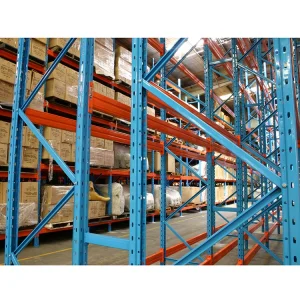
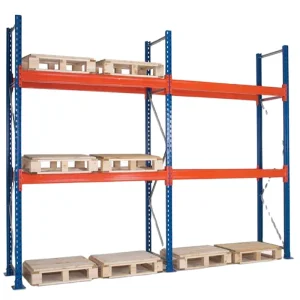
The primary advantage of Australian Standard (AS 4084) selective racking is its precise load capacity limits and structural redundancy. Unlike generic steel shelving, the AU configuration features:
Global manufacturing precision, serving heavy industrial, third-party logistics, and cold chain projects in South Korea.
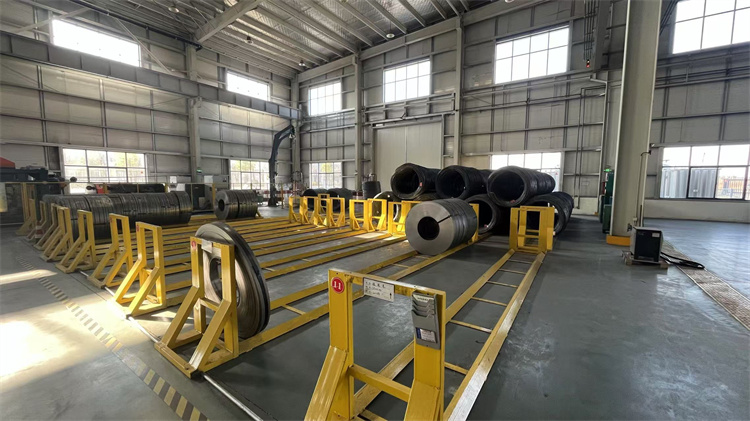
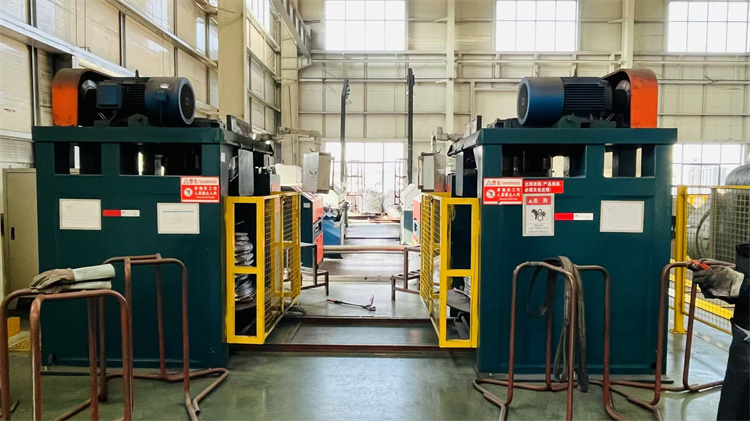
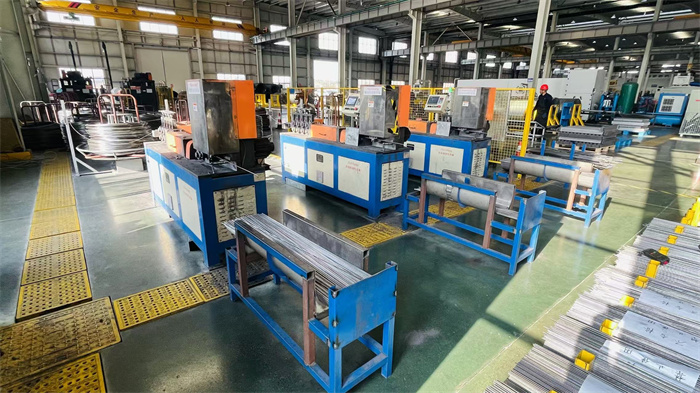
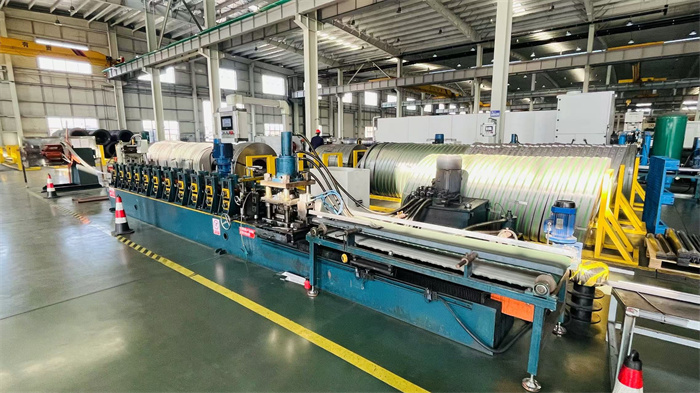
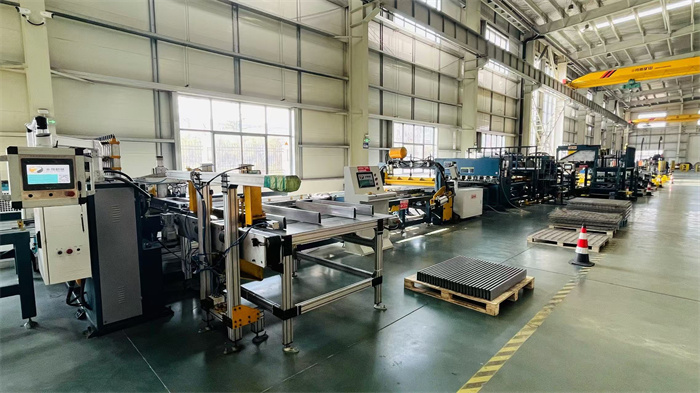
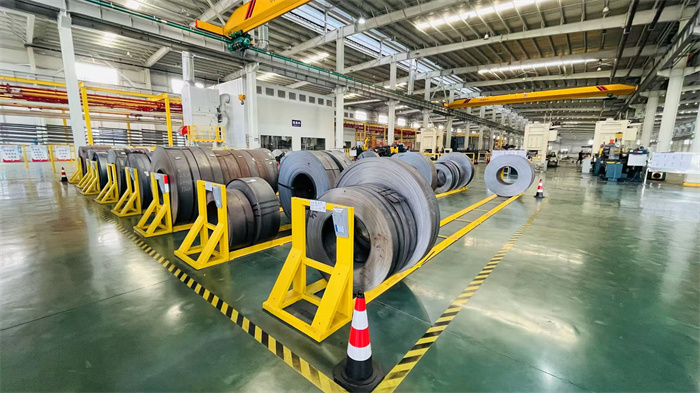
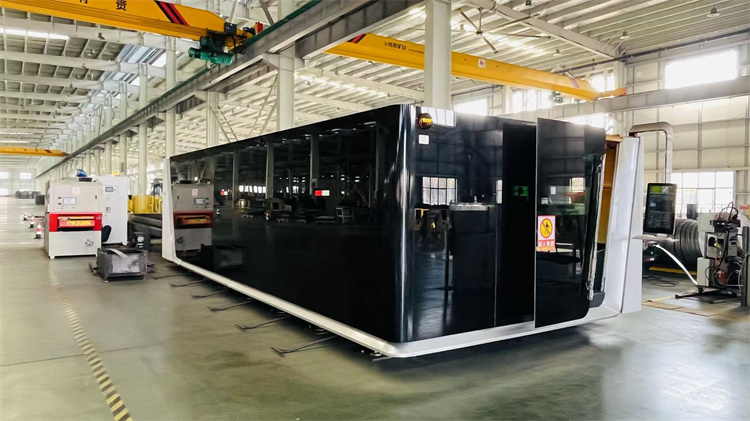
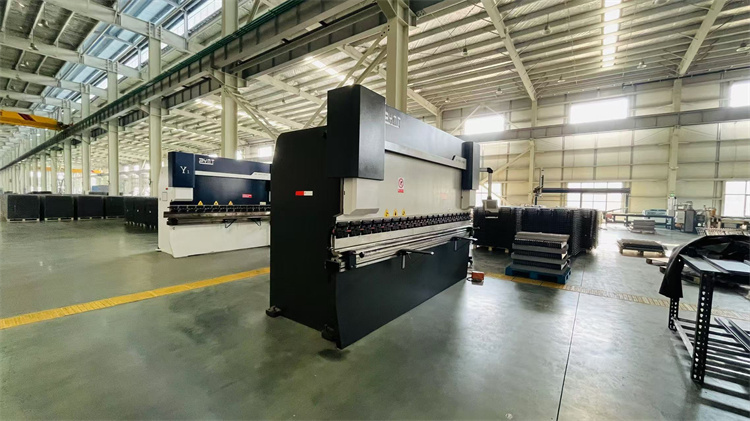
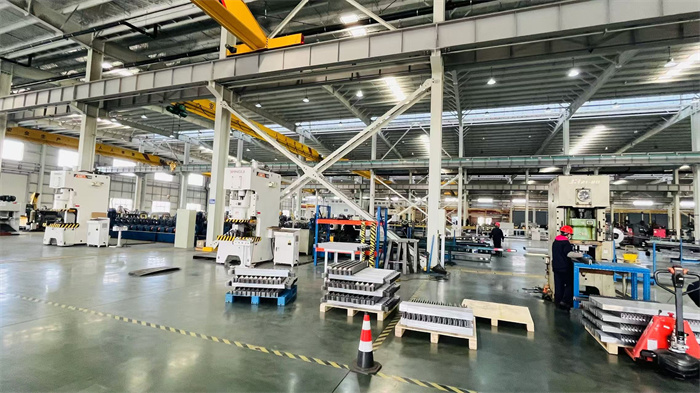
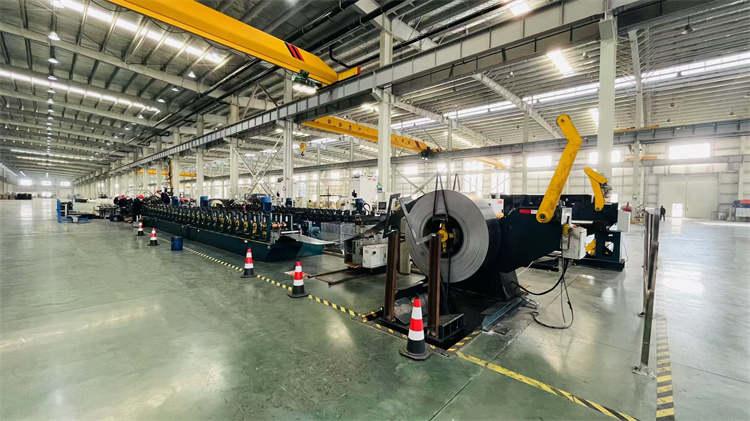
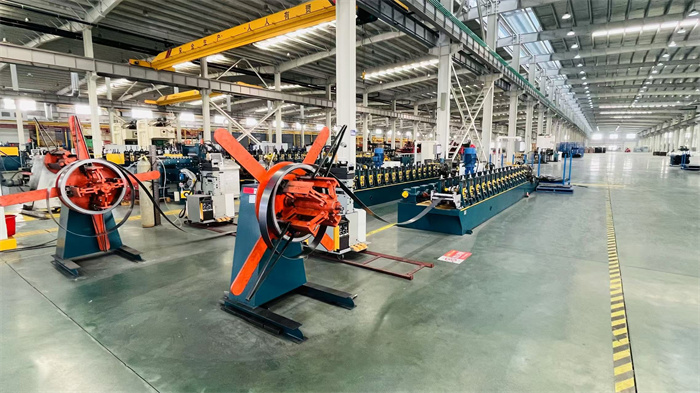
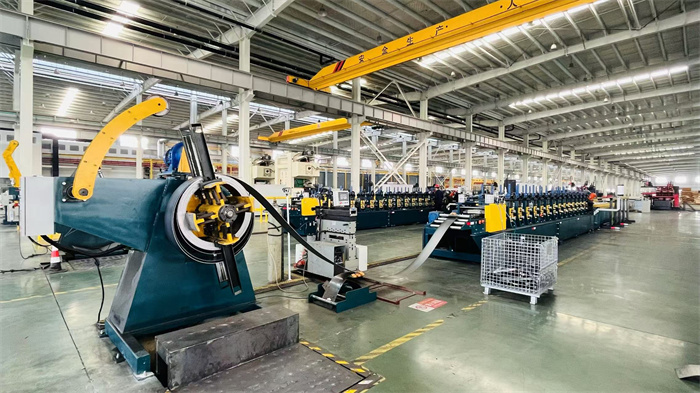
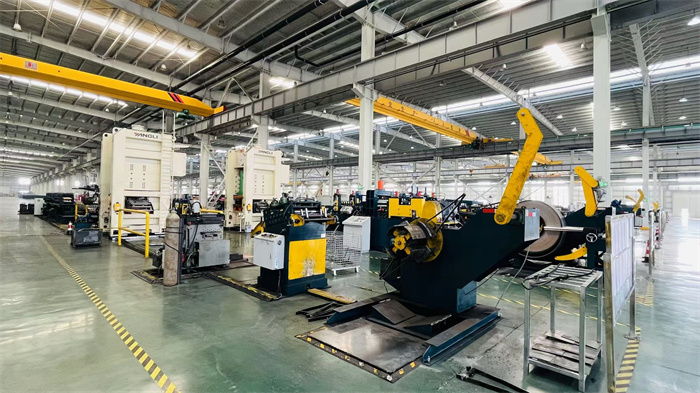
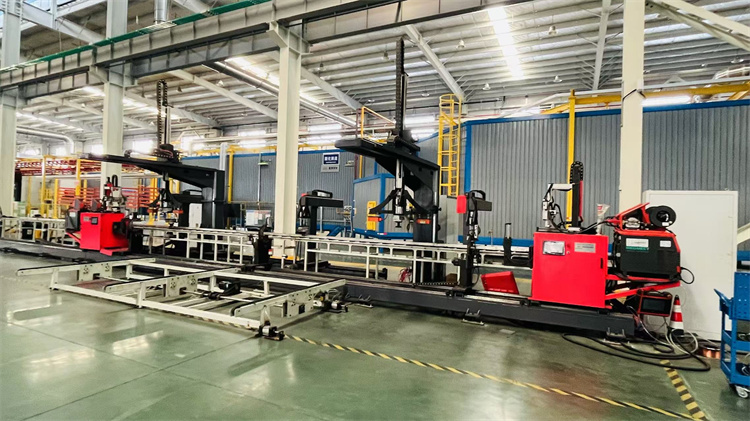
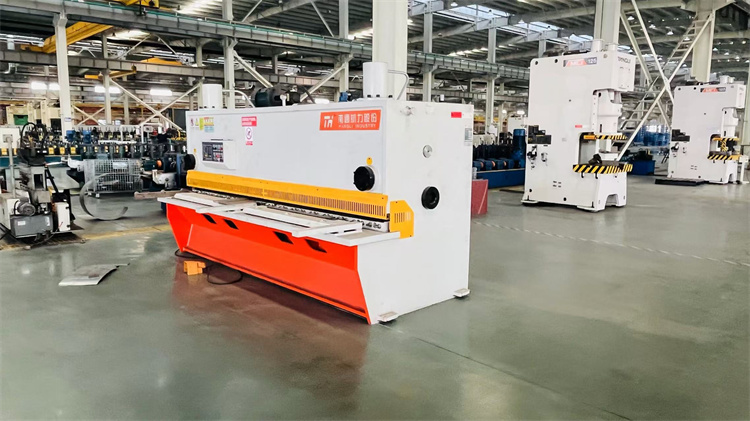
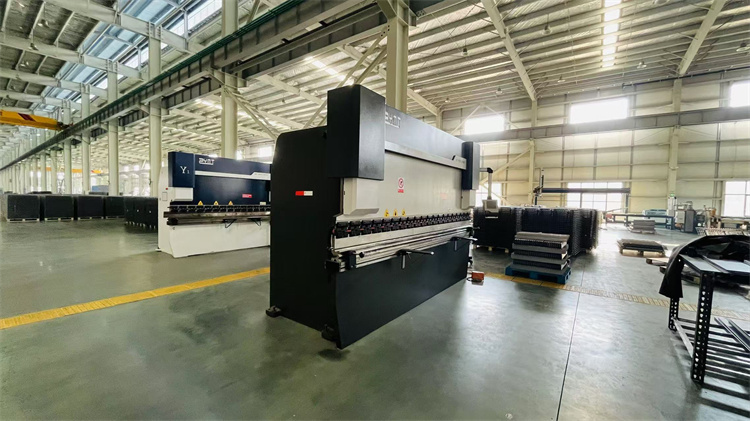
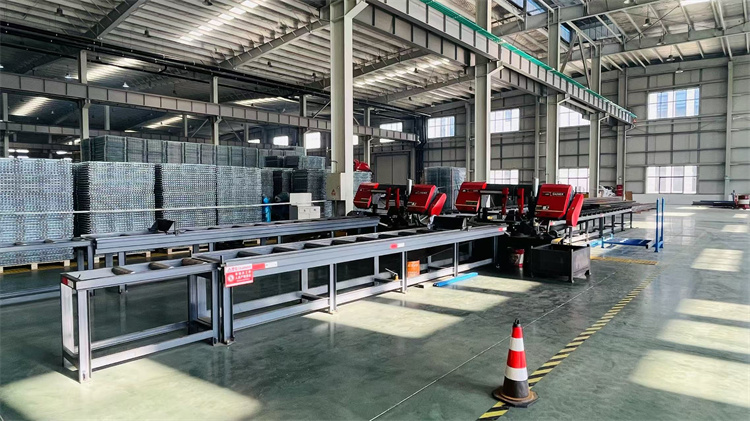
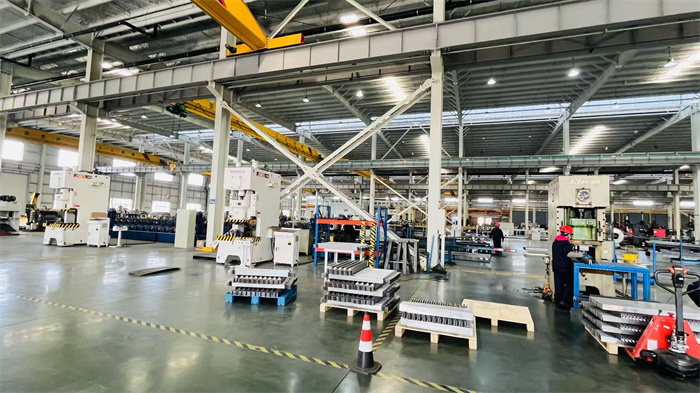
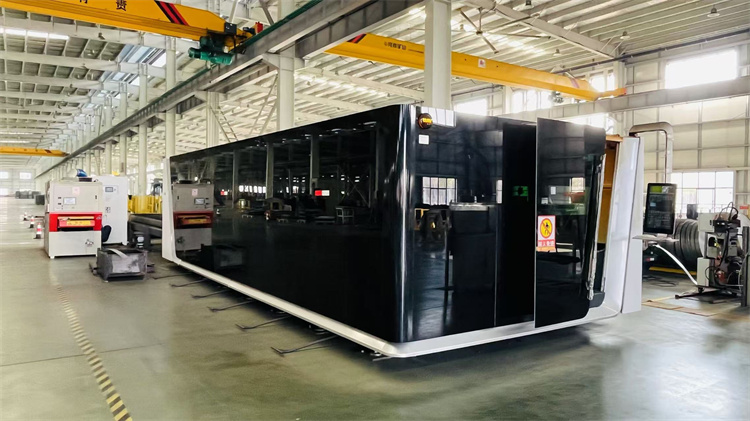
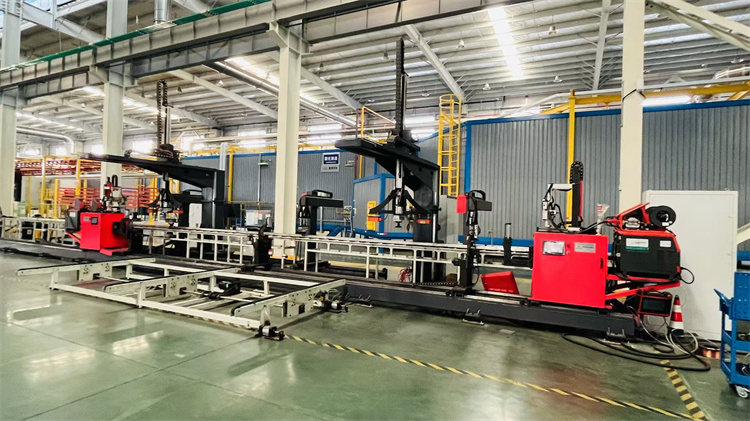
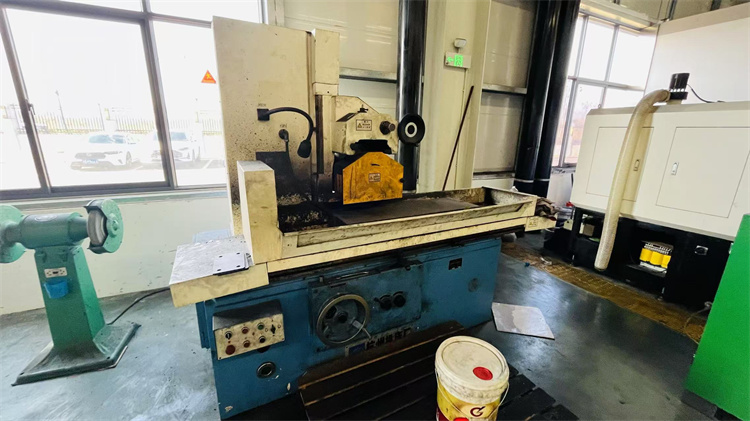
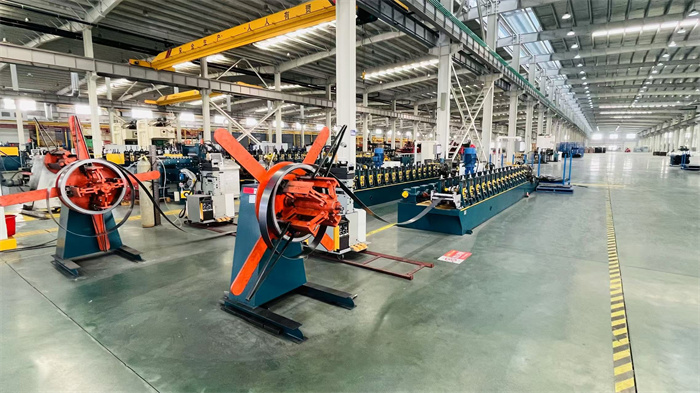
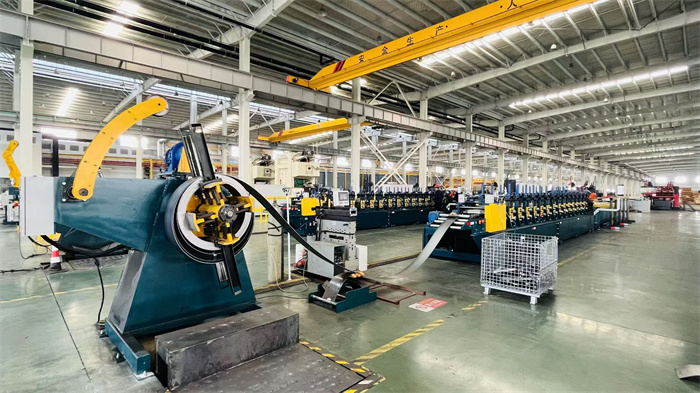
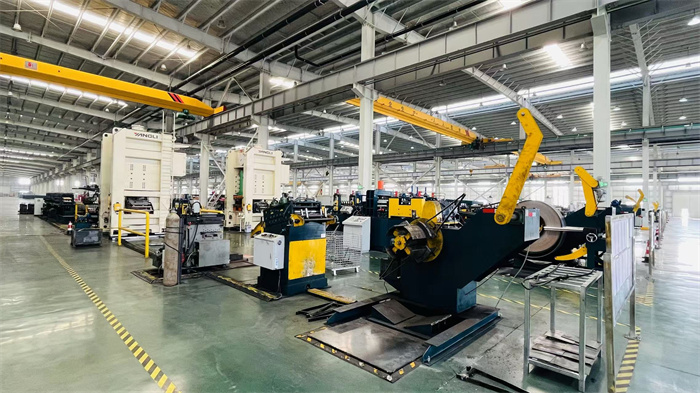
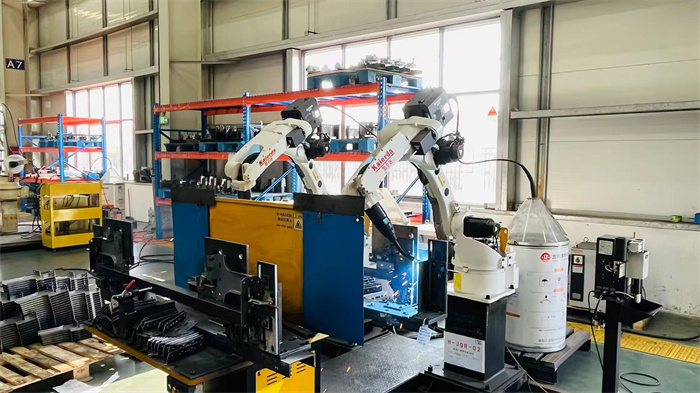
Operating a specialized facility with comprehensive quality controls, Jracking ensures that every column and beam leaving the line adheres strictly to international regulations. By executing continuous tensile load capacity testing, checking dimensional consistency, and validating automatic robotic welding tolerances, our systems operate without dynamic failure under maximum loads.
For our Korean partners, we provide comprehensive OEM/ODM engineering support. Our R&D team works closely with local Korean engineering agencies to translate drawing documents, verify load distribution calculations, and ensure that structures bypass initial safety inspection audits smoothly.
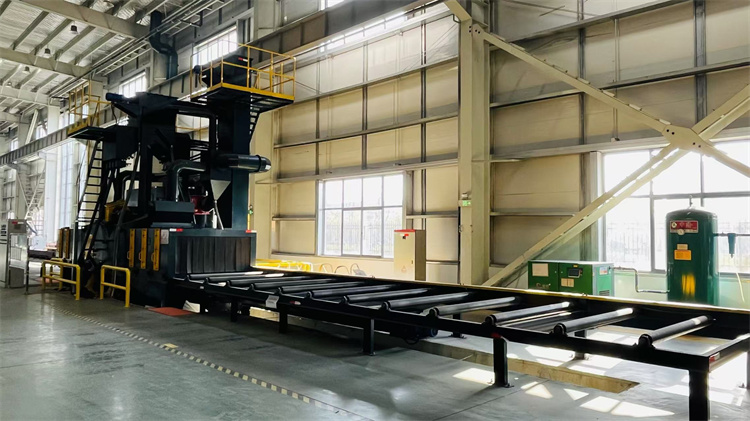
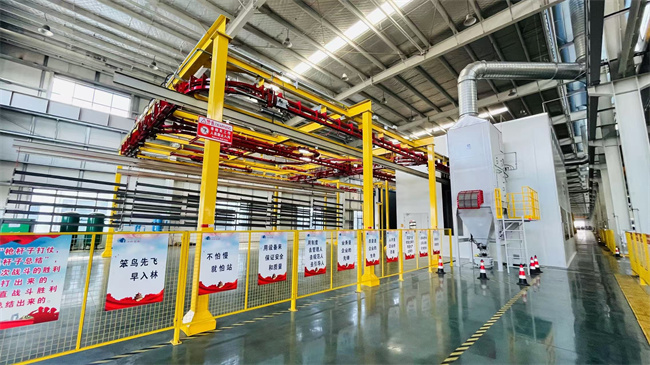
From Premium Raw Material Sourcing to Automated Robotic Structural Profiling and Coating.
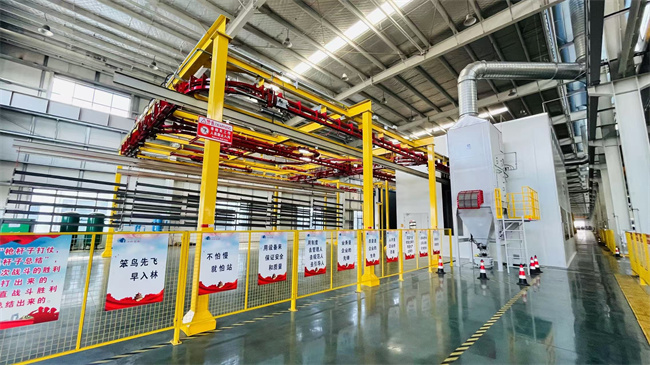
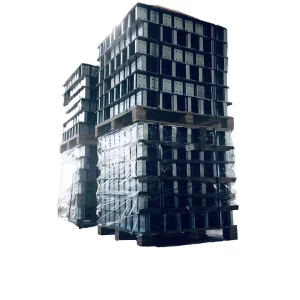
Transporting storage structures overseas requires robust structural packaging to eliminate dynamic deformation risks during shipping. Jracking employs customized steel strapping, heavy protective shrink wraps, and timber dunnage blocks inside sea containers. Additionally, all galvanized and powder-coated columns undergo salt spray, cross-hatch adhesion, and dry film thickness testing to verify corrosion resistance in marine and cold storage environments.
Detailed mechanical parameters comparing AS 4084 engineering standards with domestic logistics expectations in Korea.
| Feature Parameter | AU Standard (AS 4084 / AS 4084.1) | Common Korean Logistics Standards | Engineered Advantage for Developers |
|---|---|---|---|
| Steel Grade & Yield | Q345 / Q355 / Structural Grade 450 MPa | SS400 / SM490 (POSCO equivalents) | Higher yield limits allow slimmer frame weights with optimized load safety. |
| Standard Vertical Pitch | 76.2mm (Dexion Style pitch) | 50mm / 75mm standard pitches | Ideal for global modular integration; standard compatible with international pallets. |
| Safety Factor Ratios | 1.5 to 1.8 depending on load configurations | 1.4 to 1.6 general factor limit | Additional structural buffer; crucial for multi-level systems under seismic activity. |
| Seismic Anchoring | Dual chemical anchor bolts + heavy footplates | Standard mechanical anchors | Reduces lateral displacement under KDS 41 seismic guidelines for Incheon/Busan. |
| Cold Storage Application | Low-temp high toughness structural steel | Standard general purpose carbon steel | Prevents low-temperature embrittlement down to -30°C in food hubs. |
Select from our range of structural racking systems. Click on any item below to explore detailed drawings and options.
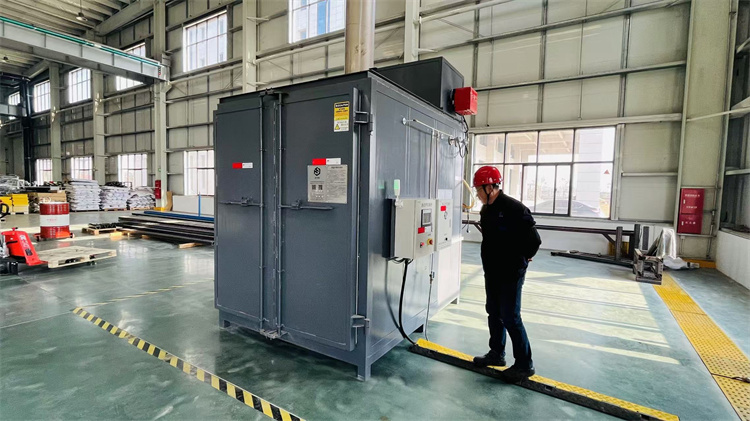
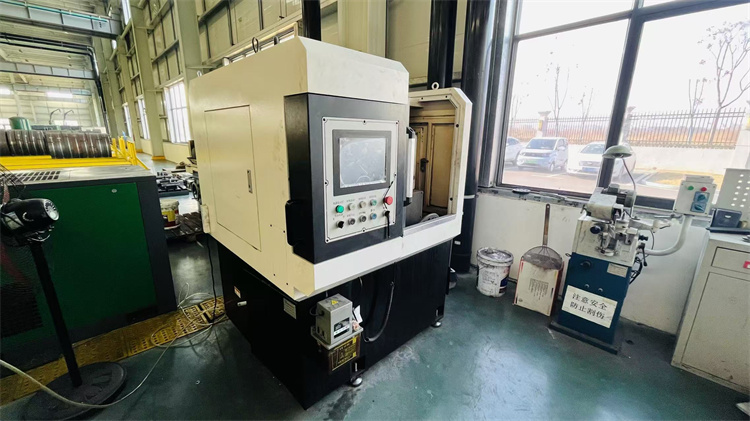
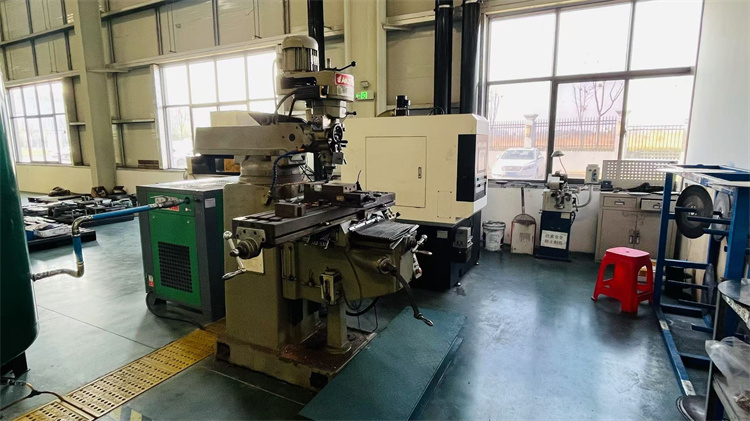
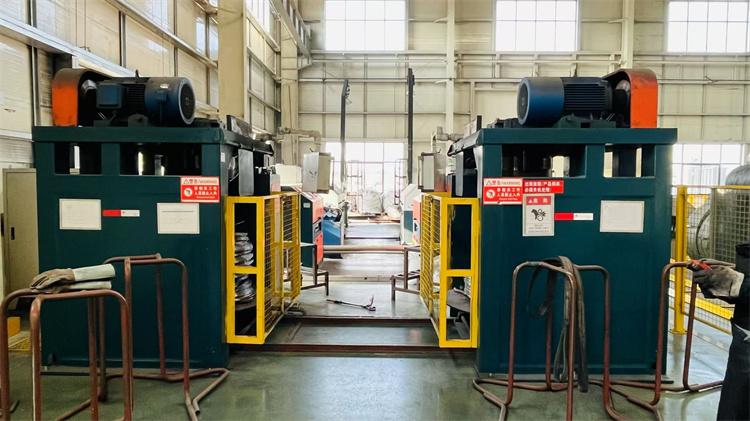
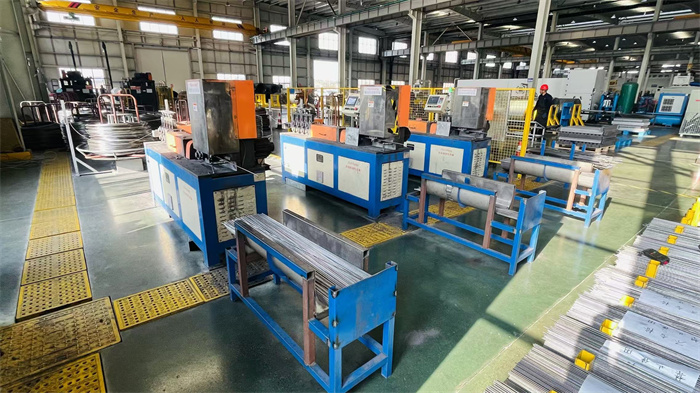
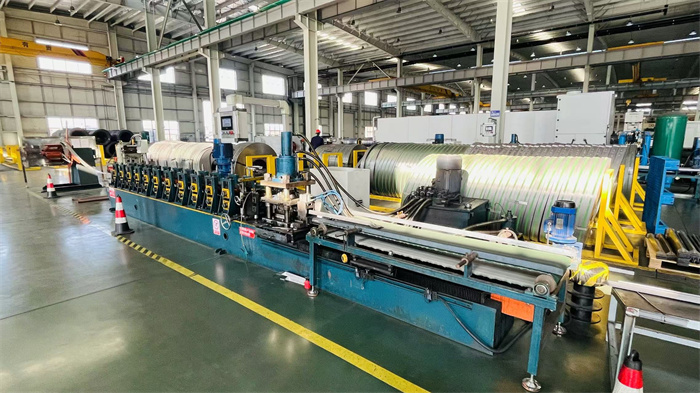
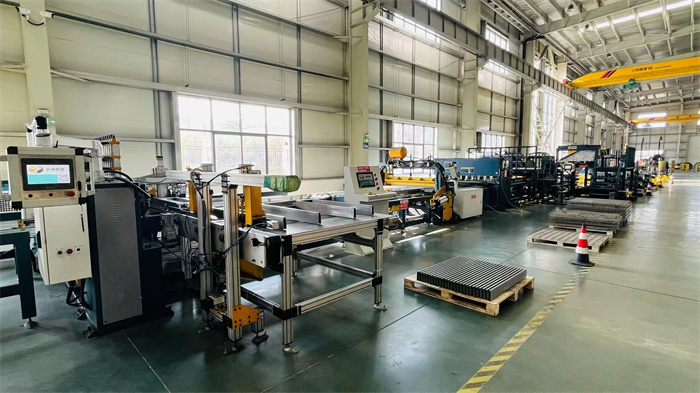
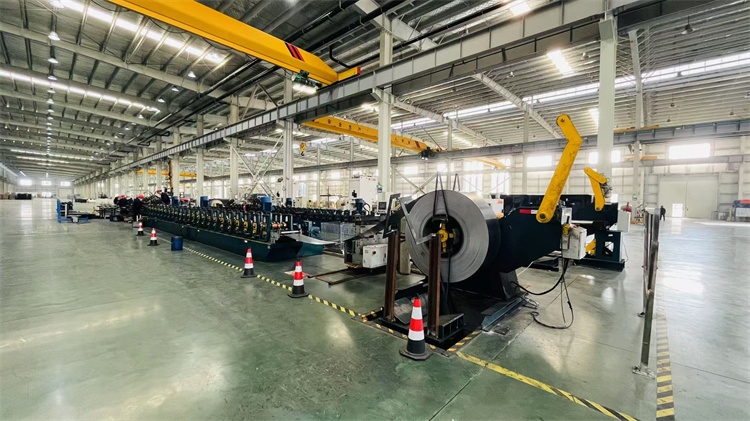
State-of-the-art heavy machinery ensuring micron-level rolling tolerance for structural parts.
Critical engineering and trade answers regarding importing AU Standard racking systems to South Korea.
Get in touch with our team of engineers to design a layout, verify AS 4084 code compliance, and get a highly competitive manufacturing quote delivered directly to your desk.
 Jracking