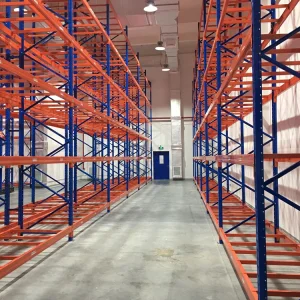
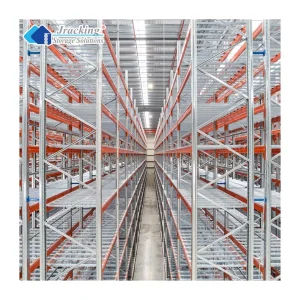
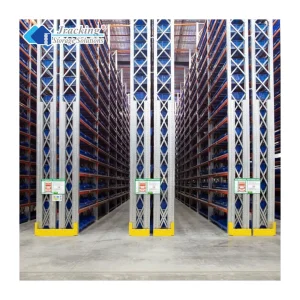
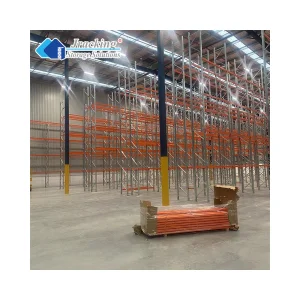
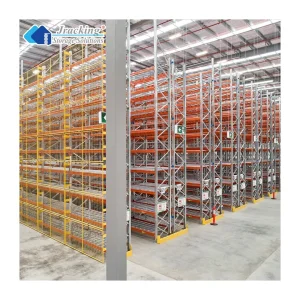
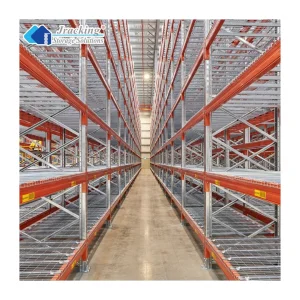
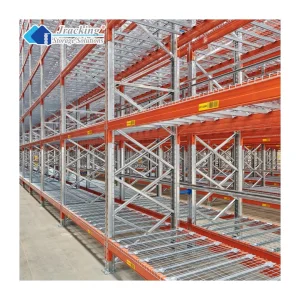
Engineered structural racking built from high-yield Q345/Q355 grade steel, ensuring dynamic performance and extreme weight load reliability.
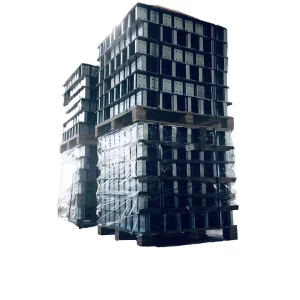
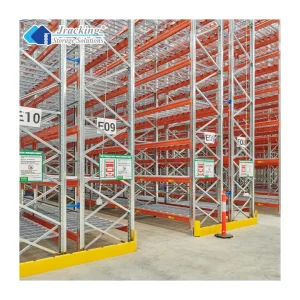
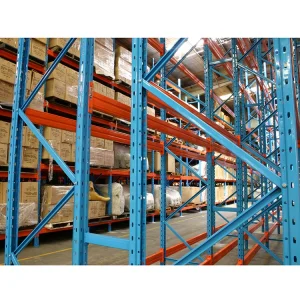
Uzbekistan, positioned at the geopolitical heart of Central Asia, is rapidly transforming into the primary logistics and dry-port corridor connecting Europe, China, and South Asia. Driven by national economic directives such as the "New Uzbekistan Development Strategy," regions like Tashkent, Samarkand, and the Navoi Free Economic Zone (FEZ) are experiencing an unprecedented boom in industrial manufacturing, cross-border e-commerce, pharmaceutical stockpiling, and cold-chain agricultural distribution.
This industrial expansion demands a structural shift from low-density, unmonitored storage layouts to safe, high-capacity, engineered racking configurations. Operating within a region prone to significant seismic activity (specifically the Pamir-Alay and Tien Shan seismic zones surrounding Tashkent), regional warehouse developers and logistics managers can no longer rely on substandard, uncertified structures. Under these critical conditions, the adoption of the Australian Standard AS 4084 has emerged as a premium solution, offering unmatched structural calculations, rigorous design parameters, and seismic stability guarantees that far exceed standard non-regulated racking.
Globally, supply chain organizations are consolidating spatial layouts to maximize volumetric utilization. In Uzbekistan, this optimization manifests as a demand for taller storage heights, narrower aisles, and increased beam load capacities. Because the Australian Standard AS 4084 specifies rigorous structural limits for structural deflection, steel grade integrity, and dynamic impacts, importing AU standard compliant systems ensures international-grade risk mitigation. Large multinational logistics operators establishing fulfillment centers within Uzbekistan actively mandate AS 4084 or EN 15512 structures to meet global corporate compliance and insurance risk frameworks.
Racking systems compliant with the Australian standard (AS 4084-2012 / AS 4084.1:2023) are recognized worldwide for structural robustness. Compared to generic structural steel configurations, AU standard racking uses strict tolerances and high-tensile structural steel profiles. It is specifically designed to perform under dynamic mechanical conditions, protecting facilities from structural degradation caused by forklifts, loading impacts, and seismic vibrations.
Constructed primarily from Q345B and Q355 structural steel, our products are engineered to support maximum load capacities. High structural yield points mean beams and upright frames resist permanent deformation even during constant full-capacity cycling.
Designed to comply with high safety requirements, our structures are tested for horizontal deflection and shear stresses, reducing failure risks in highly active seismic areas like the Tashkent region.
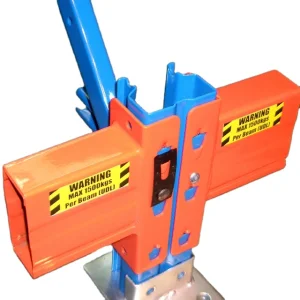
Featuring a 76.2mm (3-inch) Dexion-style pitch, our upright columns offer flexible, millimeter-precise vertical height adjustment, helping operations optimize their overhead storage volume.
Standard storage systems are often built using thin-gauge steel and lack structural checks under full load capacity. In contrast, AS 4084 certified racking undergoes rigorous testing regimens, including structural component testing, portal frame test validation, and continuous quality audits. The load limits of our frames are calculated using structural analysis software specifically set to prevent shear failure, vertical deflection, and progressive structural collapse under sudden force. This makes it an ideal capital asset for large industrial centers in Uzbekistan prioritizing workspace safety, insurance compliance, and long operational lifespans.
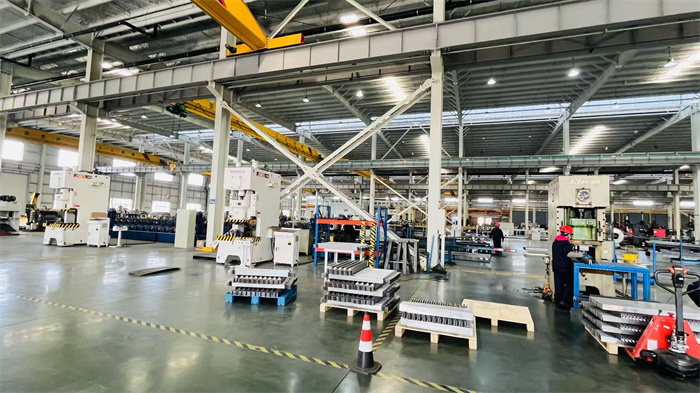
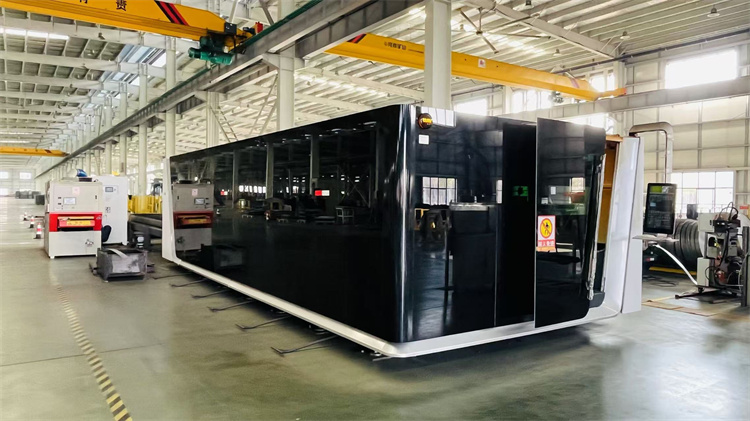
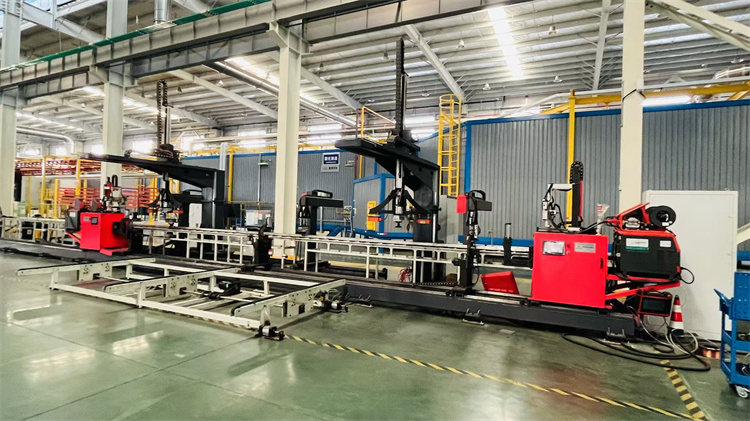
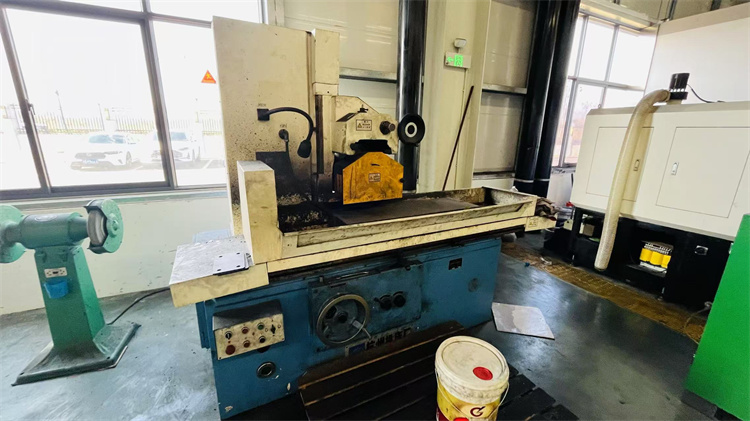
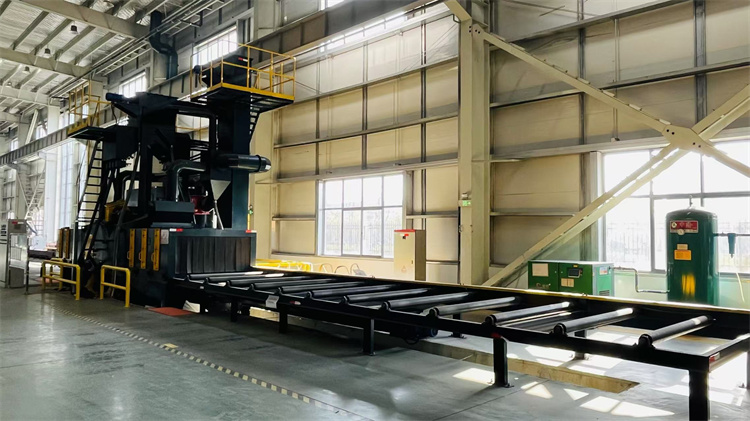
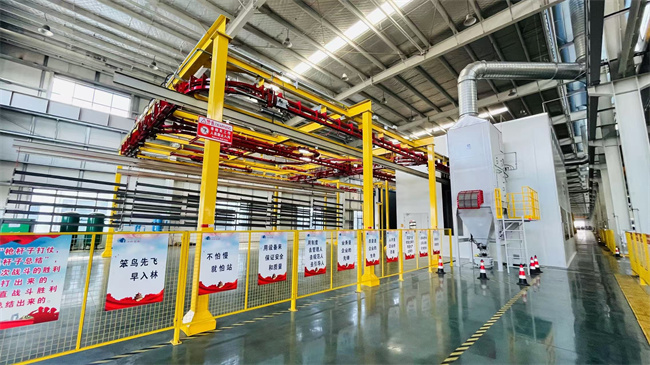
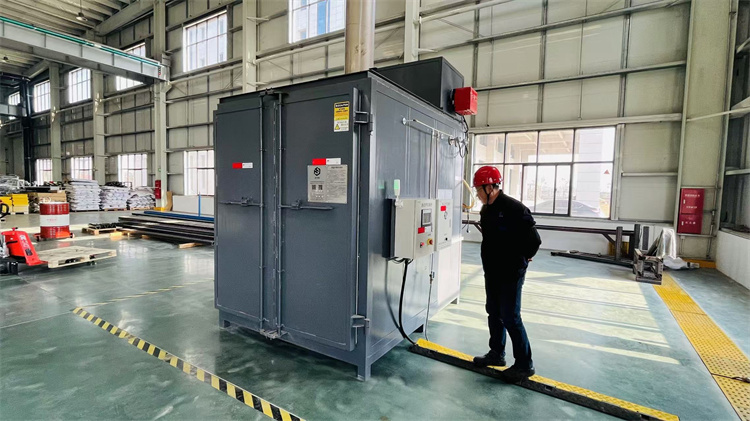
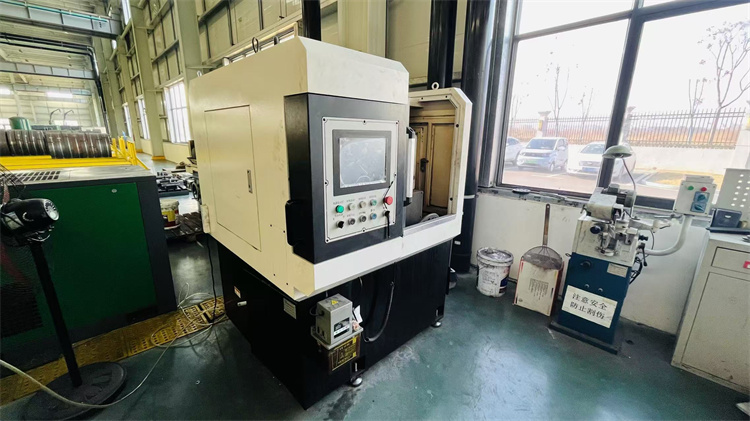
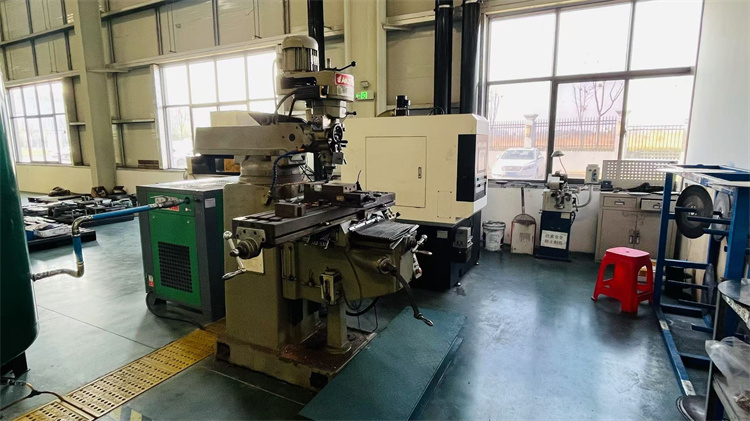
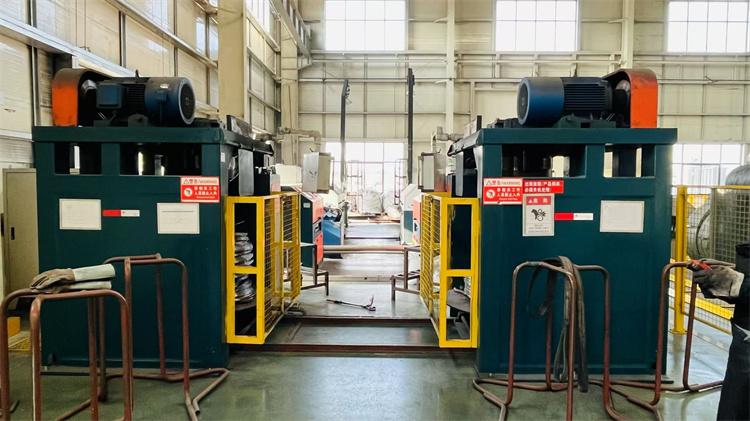
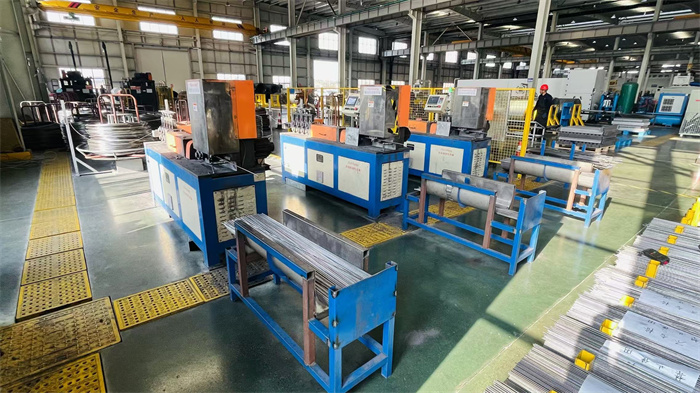
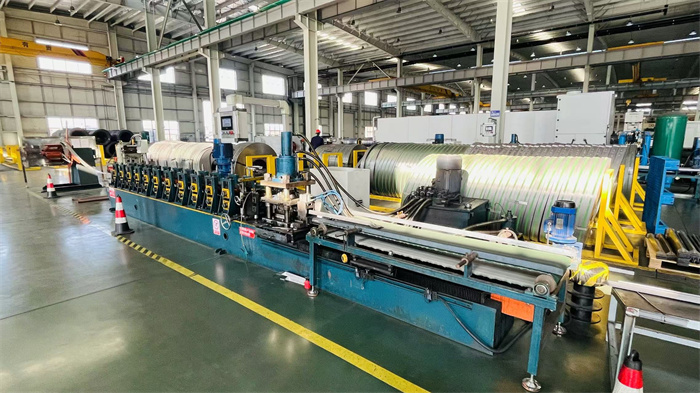
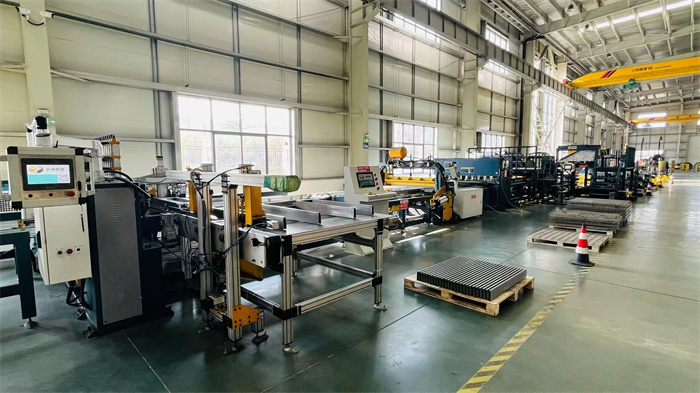
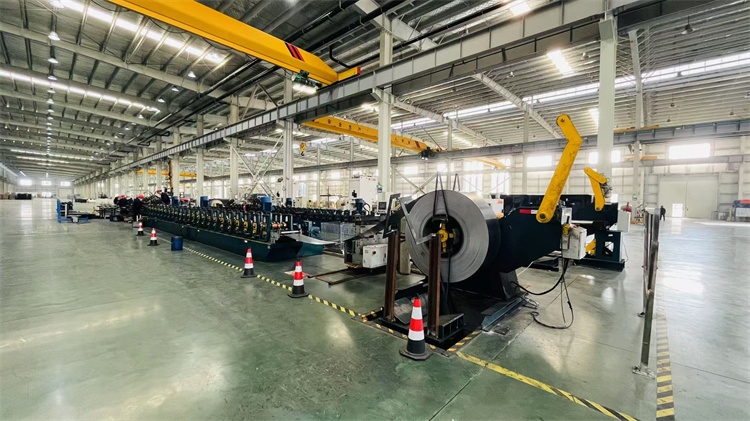
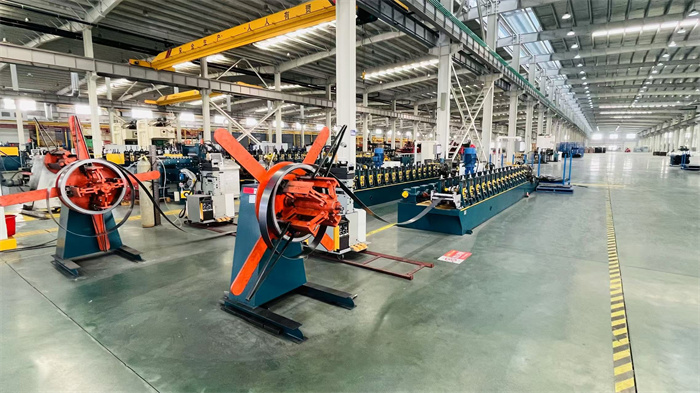
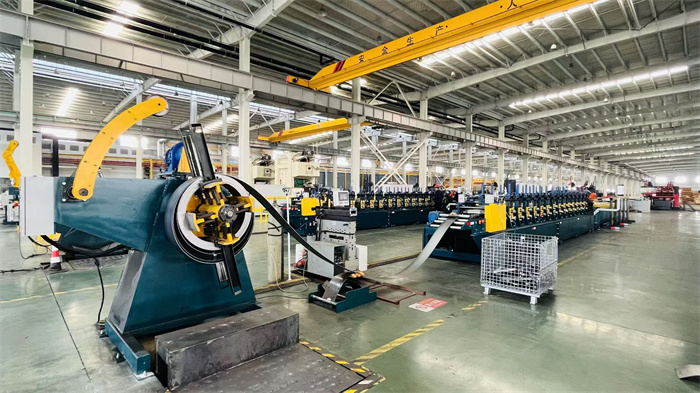
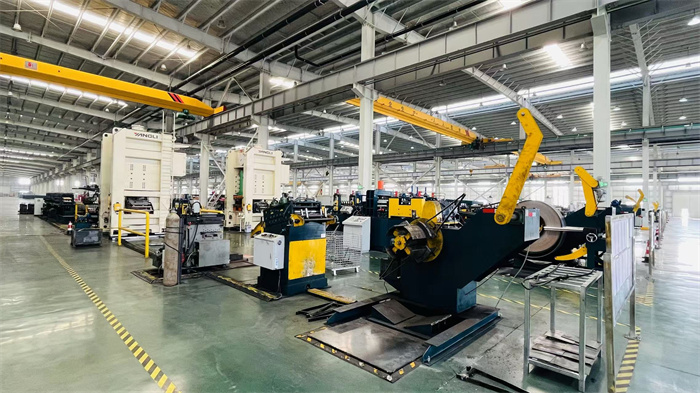
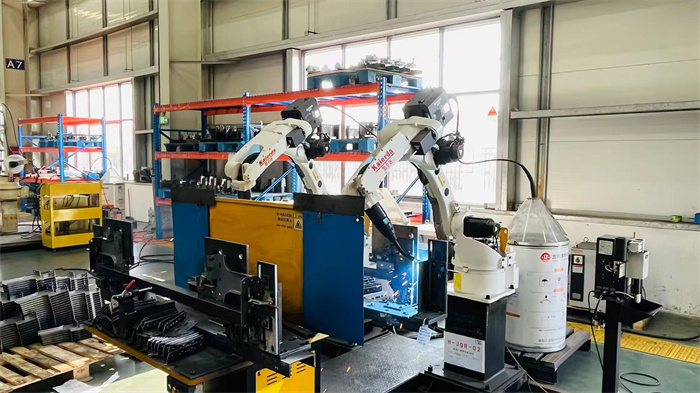
Learn more about the automated production lines, welding technology, and quality control systems deployed at Jracking's modern facility.
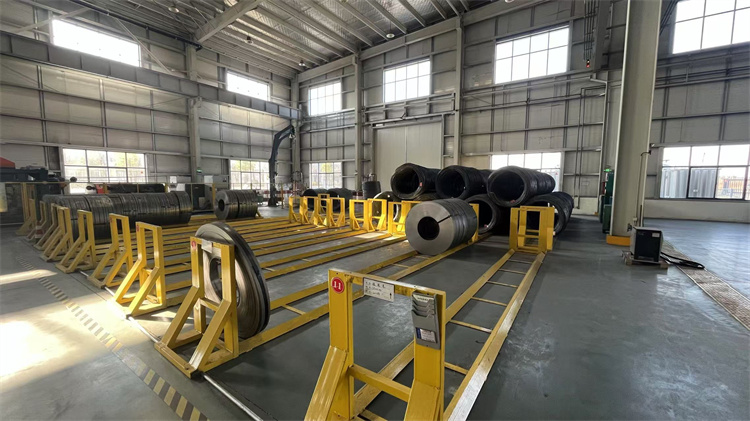
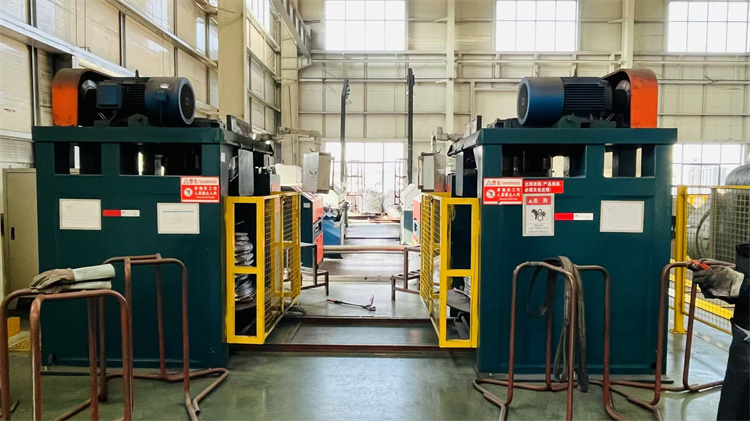
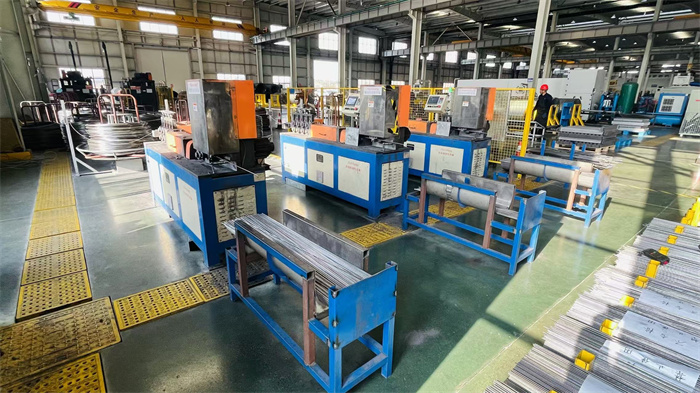
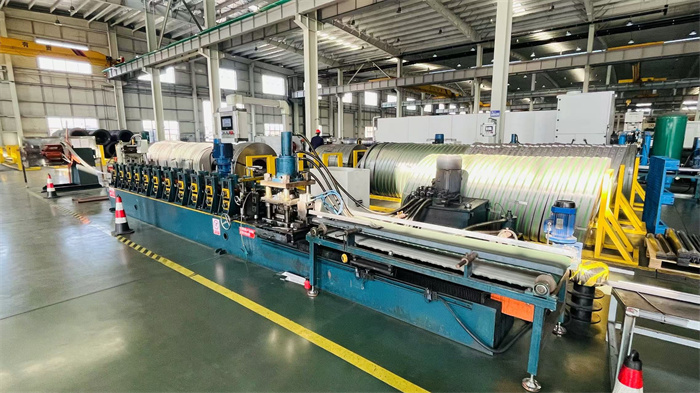
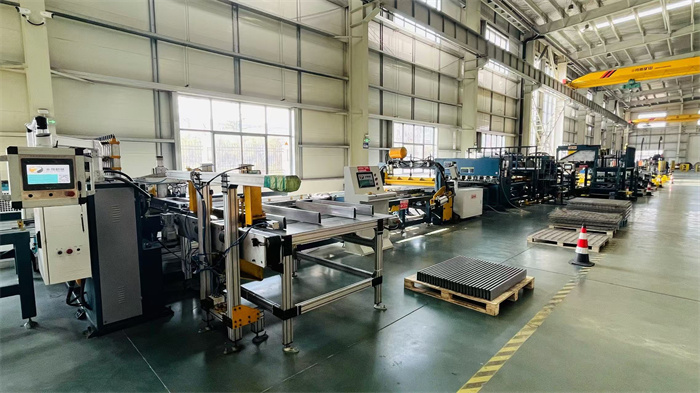
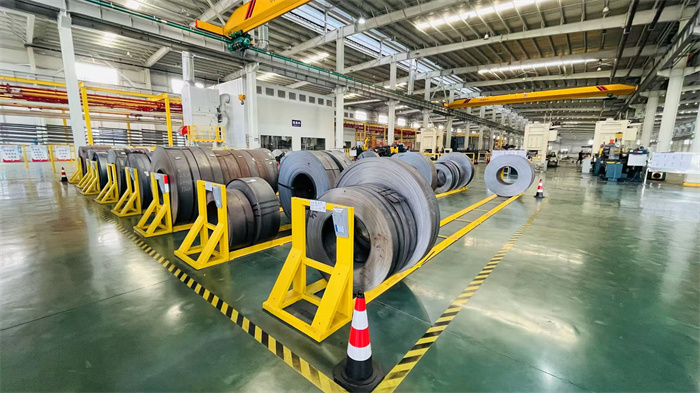
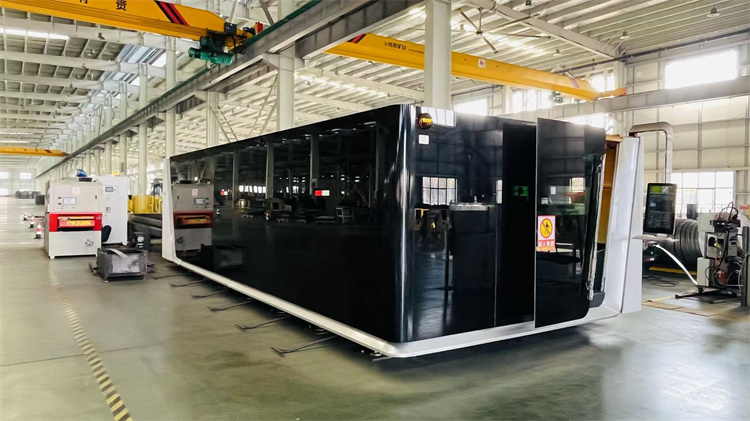
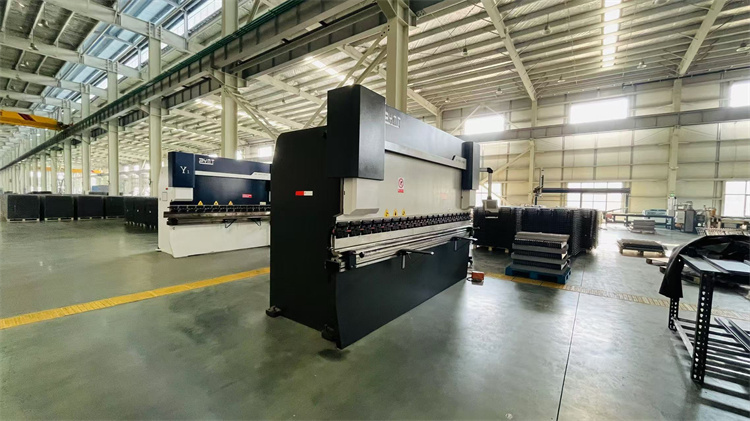
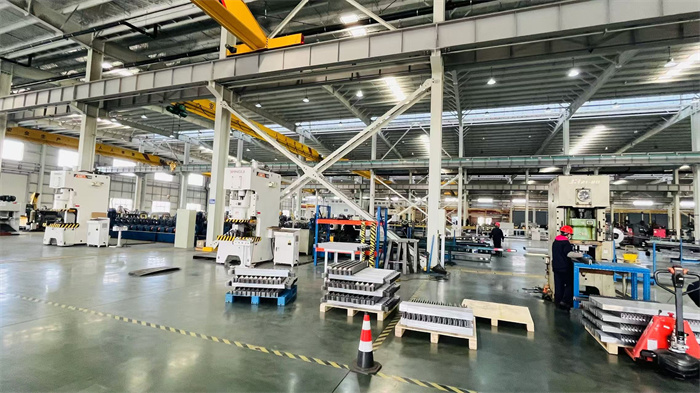
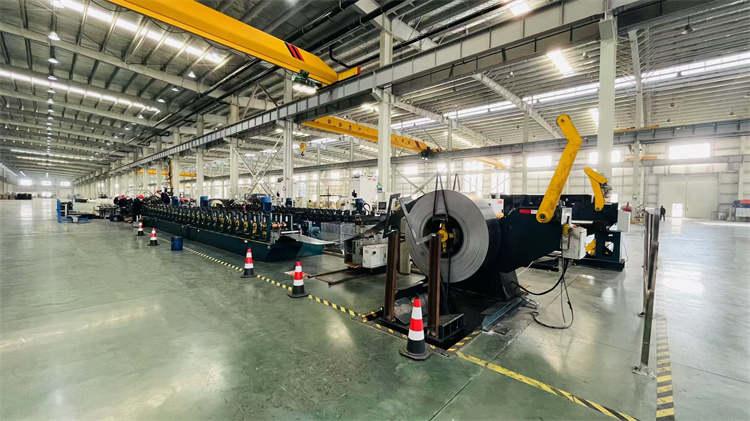
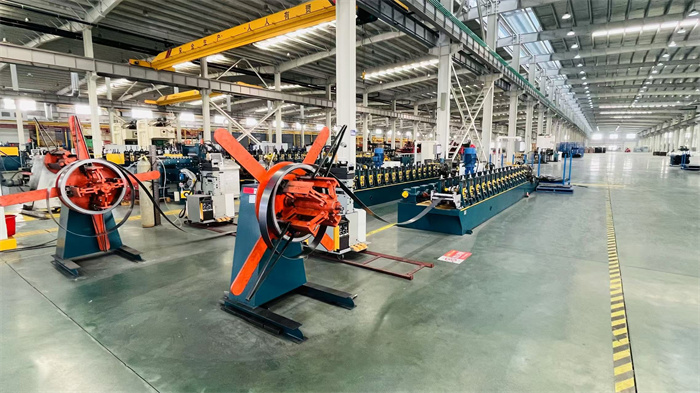
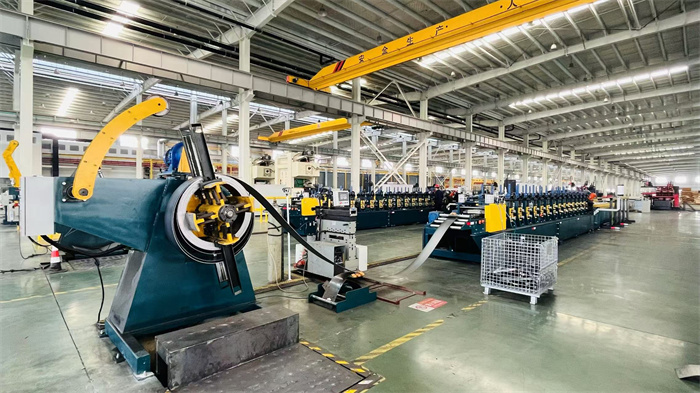
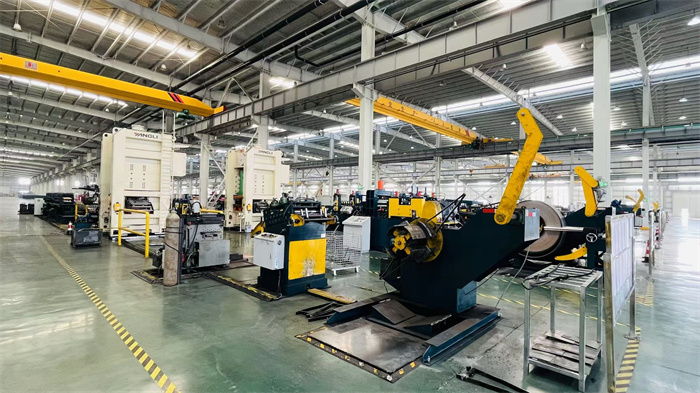
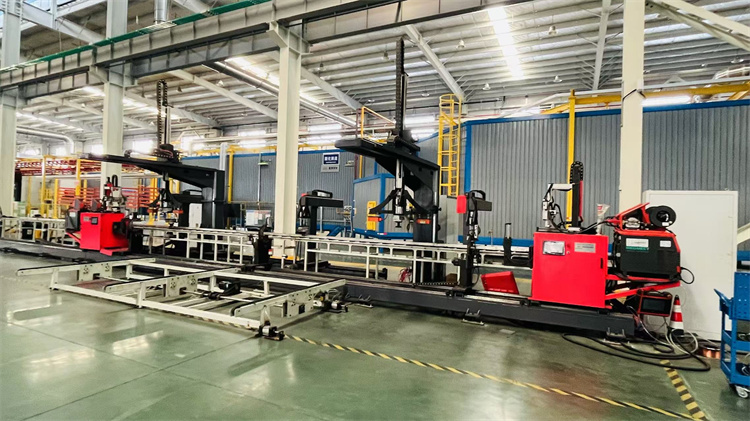
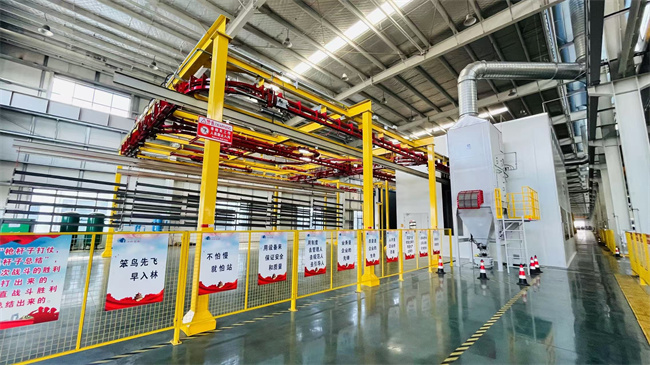
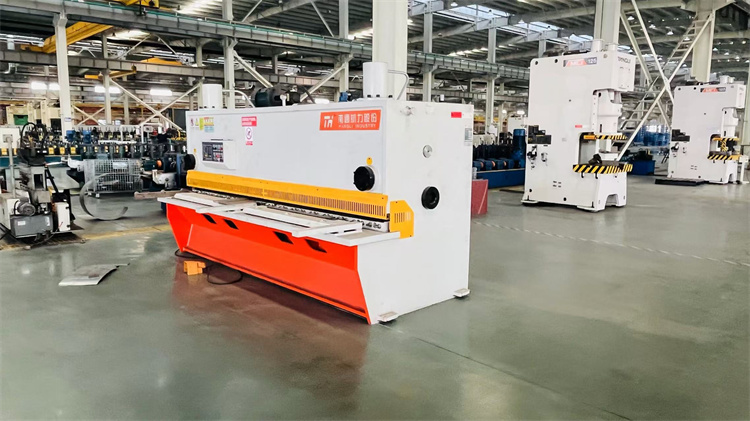
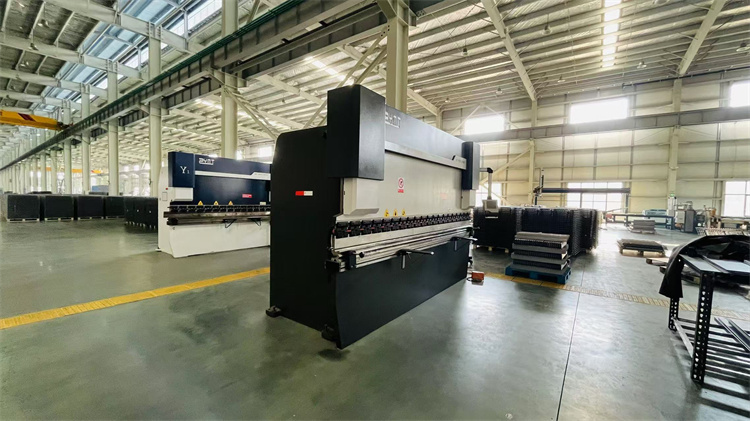
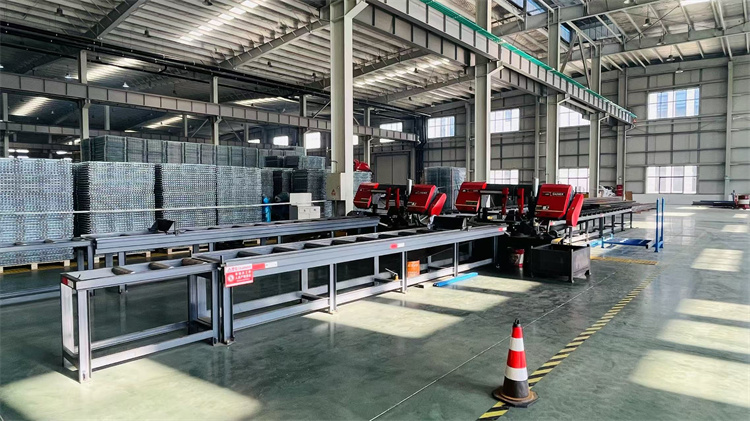
Since our establishment in 2016, Jracking has focused on developing high-reliability warehouse racking systems. With a modern 28,600 m² manufacturing facility, we integrate raw material analysis, precise structural forming, robotic welding, and automated powder coating processes to deliver durable storage products.
Our quality control program is managed by 48 professional quality inspectors who monitor our ISO-compliant operations. Prior to dispatch, each production batch undergoes load capacity testing, dimensional inspections, welding quality assessments, and powder coat thickness verification. This rigorous quality management ensures our structures maintain reliable performance throughout their lifecycle.
Driven by an engineering team of 85 R&D professionals, Jracking designs storage configurations tailored to project-specific requirements, including loading capacities, seismic conditions, and layout requirements. Over the past year, we introduced 156 new products to support the evolving logistics needs of our global distribution partners and industrial clients.
Industrial warehousing in Central Asia demands localized design adjustments. Our engineering team customizes each AS 4084 pallet racking project to align with local requirements:
Uzbekistan's construction standards (KMK/SNiP) mandate seismic safety designs. Our structural engineers perform finite element analysis (FEA) on uprights, bracing joints, and baseplates. This step ensures our racking configurations withstand the mechanical demands of seismic zones up to magnitude 9, common in the Tashkent region.
Uzbekistan's agricultural sector relies on modern cold chain facilities to preserve produce for export. Under sub-zero conditions, typical carbon steel can become brittle. We use Q355D steel grades combined with impact-resistant powder coatings to prevent stress corrosion and cracking in temperatures as low as -30°C.
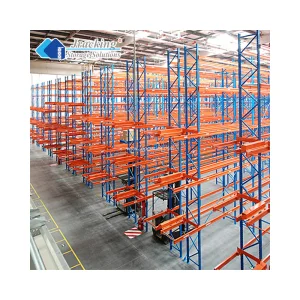
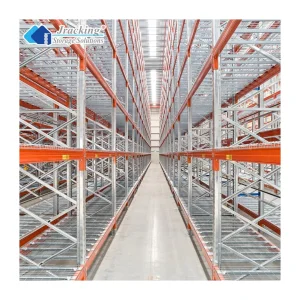
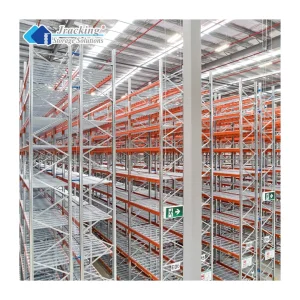
The rapid expansion of e-commerce across Central Asia requires storage solutions that support high SKU counts and high picking frequencies. Our multi-level selective and narrow-aisle (VNA) racking designs maximize vertical space and accessibility, integrating smoothly with automated conveyor systems and pick-to-light setups.
As warehouse properties in Central Asia face increasing space constraints and rising land costs, operators are transitioning toward automated storage and retrieval systems (ASRS). Standard AU pallet racking forms the physical foundation for these advanced systems. Our manufacturing processes utilize tight tolerances to ensure our racking integrates reliably with high-speed automated shuttles, crane retrievers, and automated guided vehicles (AGVs).
Our research and development program focuses on:
• Smart sensor integration to monitor load limits and frame deflection in real time.
• Environmentally conscious powder coating processes that eliminate volatile organic compounds (VOCs).
• High-durability hot-dip galvanized finishes for demanding industrial environments.
Find technical answers regarding imports, engineering standards, and customization for Uzbekistan projects.
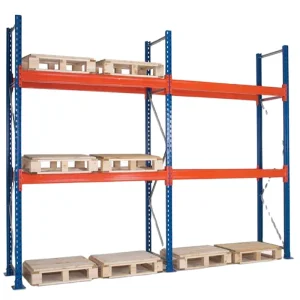
Select from our range of structural racking systems, adjustable beam systems, and selective configurations designed for heavy-duty warehousing applications.
 Jracking