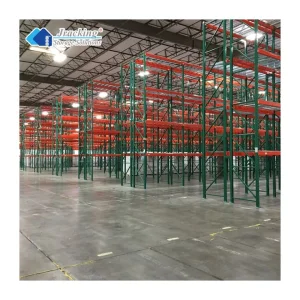
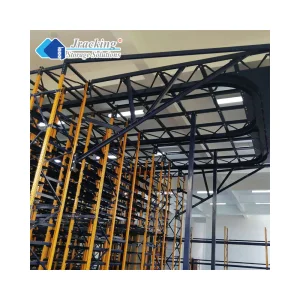
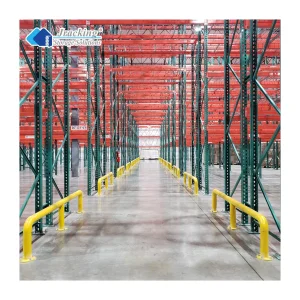
Heavy-duty structural storage configurations custom-tailored to satisfy Washington State structural rules and optimized for high throughput.
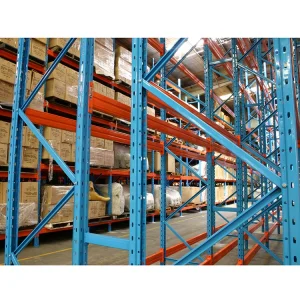
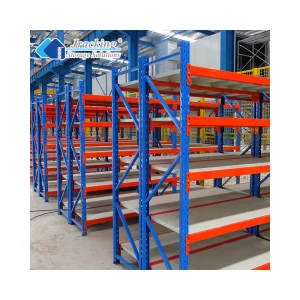
The Greater Seattle Area—encompassing critical supply chain corridors like Kent Valley, Renton, Tacoma, and Everett—stands as a premier gateway for international trade and domestic distribution in the Pacific Northwest. Driven by the explosive growth of tech-centric retail, cold-chain operations processing North Pacific seafood, and aerospace sub-assembly hubs, industrial floor space has reached peak valuations. Storage optimization is no longer just about organization; it is a critical driver of regional competitive advantage.
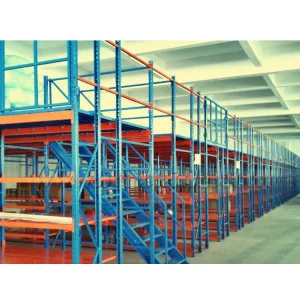
Operating in Seattle means dealing with strict limitations on expansion. Hemmed in by Puget Sound to the west and Lake Washington to the east, logistics hubs must expand vertically rather than horizontally. Heavy-duty structural systems, engineered mezzanine platforms, and multi-tier systems are critical tools used to reclaim overhead vertical space and multiply floor areas without undertaking costly building additions.
Understanding IBC, RMI, and Washington State structural engineering mandates for warehouse racking systems.
In Seattle and the surrounding King County areas, warehouse storage racks with load heights exceeding 8 feet are classified as structures. This requires permits from the Seattle Department of Construction & Inspections (SDCI). Because of local seismic risks (Seismic Design Category D through E), standard configurations are insufficient. Permitting requires structural calculations stamped by a licensed Washington State Structural Engineer (S.E.).
Key factors in seismic engineering include:
Determines structural response to ground motion. High SDS values in Seattle require heavy-duty baseplates, dynamic calculations, and strong anchor bolts.
Requires heavy-duty bracing patterns and high-strength weld connections to handle lateral seismic loads without collapsing.
Standard plates are replaced by oversized 5"x8" or 8"x8" seismic plates with dual anchor points for load redistribution.
Jracking (Guangdong) Storage Co., Ltd. is a leading manufacturer specializing in warehouse racking systems and industrial storage solutions. Since our establishment in 2016, we have designed, manufactured, and supplied high-performance storage equipment to support global logistics networks, industrial warehouses, and material handling systems.
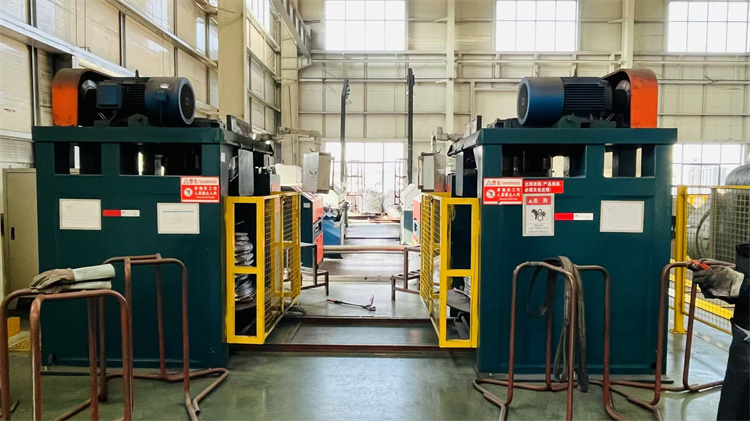
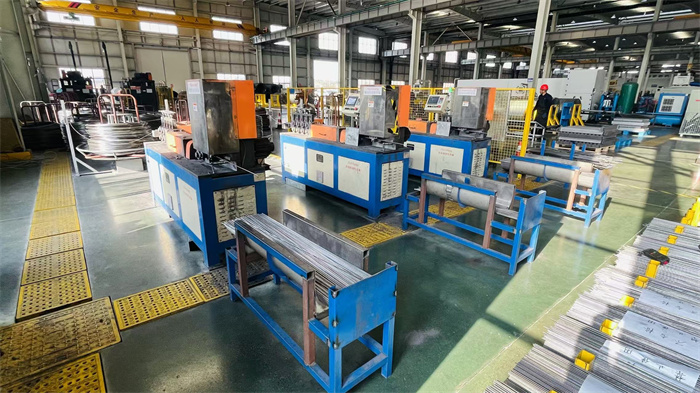
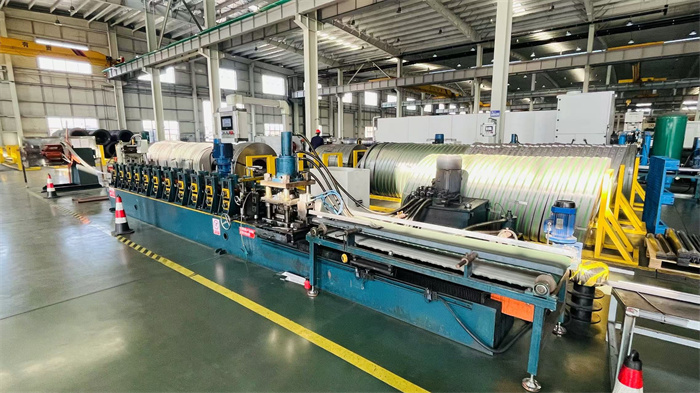
Our advanced manufacturing facility integrates automated production machinery, strict quality management programs, and experienced engineering teams to ensure structural reliability and consistent manufacturing standards. We offer a comprehensive product catalog, including selective pallet racks, drive-in systems, cantilever racks, mezzanine systems, longspan shelving, and customized warehouse solutions.
With over 8 years of export experience and 12 years of industry history, Jracking serves distribution centers and industrial projects across North America, Europe, Southeast Asia, Australia, and the Middle East. Our annual export revenue exceeds USD 18 million, showing our strong position in the international material handling market.
Our QA process is based on ISO-compliant quality control procedures. Every production run undergoes rigorous checking, including load capacity tests, dimensional inspection, welding verification, powder coating thickness checks, and final assembly testing before shipping.
To keep quality reliable, we work with a dedicated team of 48 professional quality inspectors. As a flexible OEM & ODM manufacturer, Jracking coordinates with over 1,150 supply chain partners, enabling efficient material sourcing, flexible production scheduling, and on-time delivery for complex industrial projects.
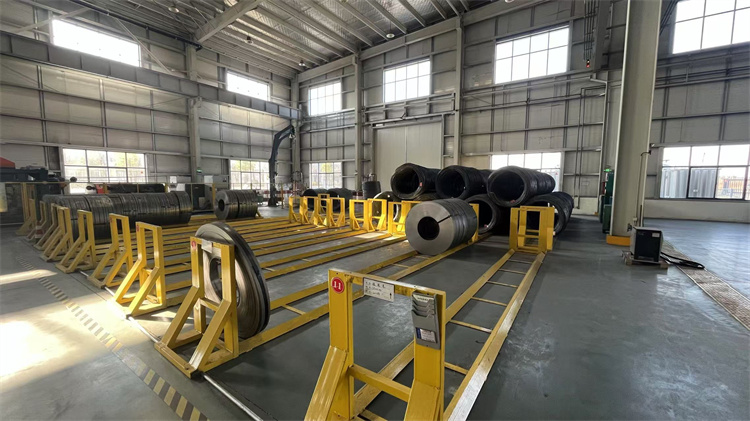
From raw steel coils to precision powder-coated racking components, our facility maintains complete control over the fabrication process.


Optimizing throughput and space utilization for large-scale operations in Seattle's competitive landscape.
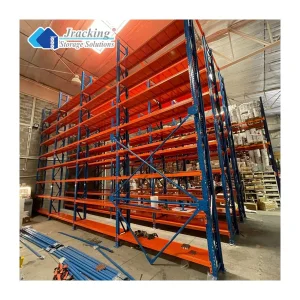
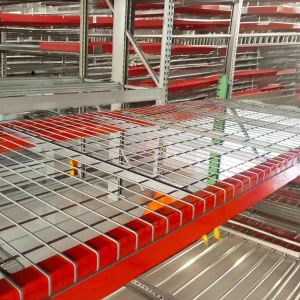
As space constraints increase, businesses must transition from low-density storage to dynamic, high-density setups. This shift involves using high-strength wire mesh decks instead of wood shelves, introducing column protectors to reduce forklift damage, and installing seismic base anchoring to secure upright columns under heavy loads.
Integrating global manufacturing capabilities with local engineering standards helps manage logistics costs. Jracking partners with engineering teams across North America and Europe to verify that every dynamic component meets local structural standards.
Our advanced manufacturing processes utilize precision roll-forming and robotic welding. This delivers uniform, interchange-compatible structural parts designed for long-term industrial service in demanding applications.
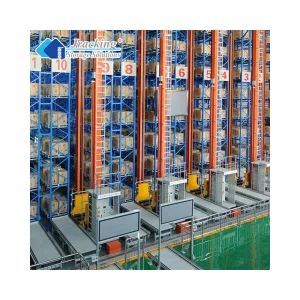
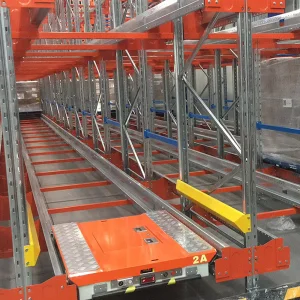
High-performance systems designed to automate inventory flow and lower labor costs in regional distribution centers.
A practical guide for facilities seeking compliance and efficient installation in King County.
Measure concrete slab depth, floor levelness, and structural strength (PSI). Racks storing heavy loads must sit on concrete slabs capable of supporting high localized point pressures.
Select target load ratings and upright sizes. Ensure engineers compute local seismic factors to verify upright selection, connector design, and anchor specifications.
If load heights exceed 12 feet, submit high-piled combustible storage reports detailing egress paths, sprinkler plans, and structural calculations to local authorities.
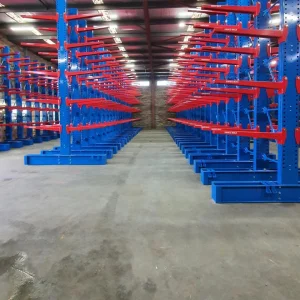
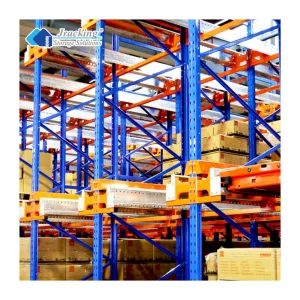
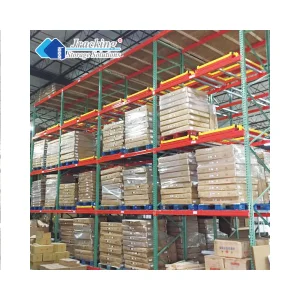
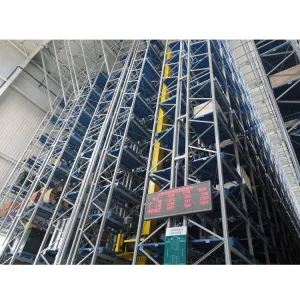
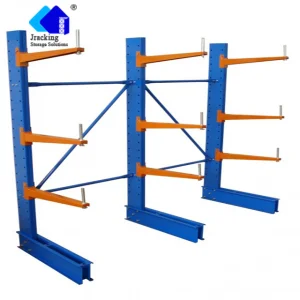
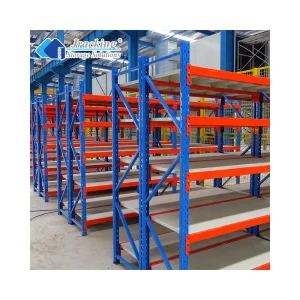
Explore our full line of industrial structural racks, longspan shelves, and accessories designed for Seattle logistics hubs.
Technical answers to frequent permitting, compliance, and material specifications questions.
Yes. Under Section 106.1 of the Seattle Building Code (SBC), structural permitting is required for pallet racks with load heights exceeding 8 feet. The application must include structural design calculations stamped by a Washington State licensed Structural Engineer (S.E.).
Greater Seattle falls into Seismic Design Categories D and E. This classification requires dynamic engineering calculations. Frame columns must use larger seismic baseplates (typically 5"x8" or larger) with heavy-duty anchors to redistribute lateral forces and prevent floor failure during seismic events.
Seattle Fire Department regulations require flue spaces to remain clear so overhead sprinklers can suppress fires. Wire mesh decking is preferred over solid shelves because its open pattern allows water to flow through the racking levels.
Manufacturing takes 3-5 weeks depending on custom features, engineering, and powder coat options. Shipping, customs clearance, and delivery to Pacific Northwest ports adds 3-4 weeks. Total project timelines typically run 8 to 12 weeks from finalized CAD layouts to installation.
Work with our senior design engineers to build a custom, seismic-compliant rack system for your facility. Contact us for custom layouts, load analyses, and pricing.
Send Inquiry Now Jracking