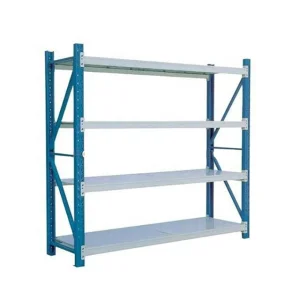
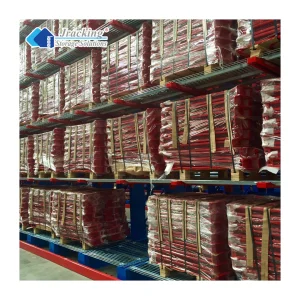
Heavy-duty, scalable, and optimized storage configurations designed specifically to support material handling workflows in US warehouses and distribution centers.
An authoritative deep dive into technical specifications, seismic safety, and localized supply chain strategies for North American logistics facilities.
The United States warehouse infrastructure ecosystem requires rigorous compliance with local building codes and design standardizations. In contrast to European EN regulations, structural steel rack designs in the United States must strictly adhere to the Rack Manufacturers Institute (RMI) specification ANSI MH16.1 (Specification for the Design, Testing, and Utilization of Industrial Steel Storage Racks).
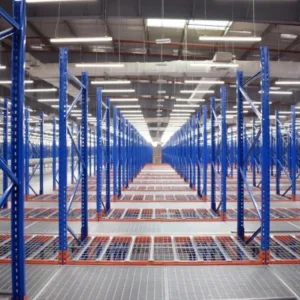
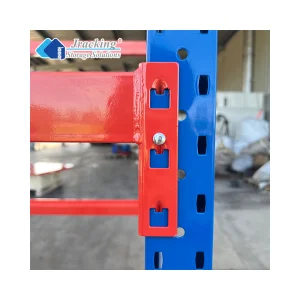
Particularly in Western distribution complexes (such as California's Inland Empire, Seattle, and parts of Oregon) and seismically active zones along the East Coast, rack configuration requires precise structural calculation of seismic load designs. Calculations utilize the Seismic Design Category (SDC A through F) defined by the International Building Code (IBC). Our engineered teardrop and structural pallet racking systems undergo strict Finite Element Analysis (FEA) to confirm safety compliance, preventing structural collapses under catastrophic seismic forces.
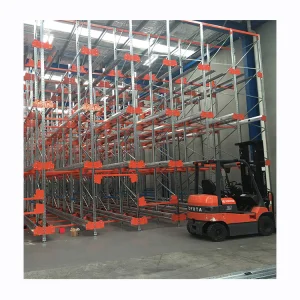
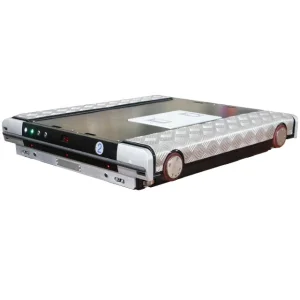
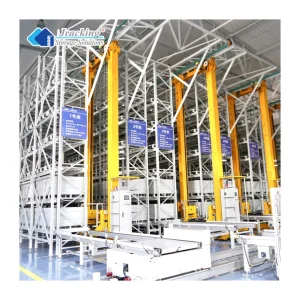
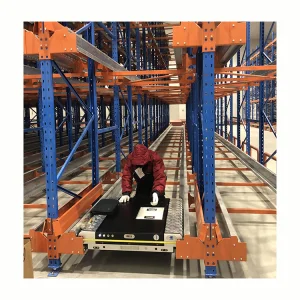
In response to persistent labor shortages, rising land values, and the rapid growth of e-commerce across regional logistics lanes, US operators are shifting from standard low-density storage to automated systems. The integration of four-way radio shuttle racking systems and automated storage and retrieval systems (AS/RS) is growing rapidly.
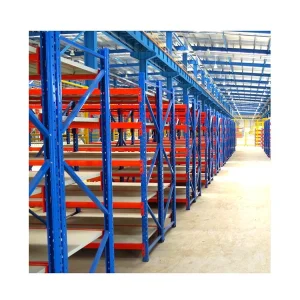
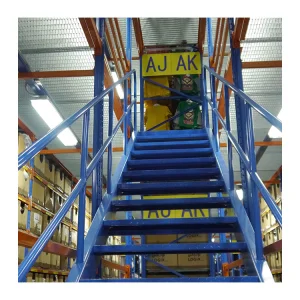
This structural shift increases the demand for specialized rack accessories, including precise column protectors, guide rails, row spacers, and wire decking. Heavy-duty manufacturing platforms, modular mezzanine structures, and structural cantilever designs are critical components of contemporary logistics hubs. These systems help distribution centers achieve maximum throughput while maintaining OSHA compliance.
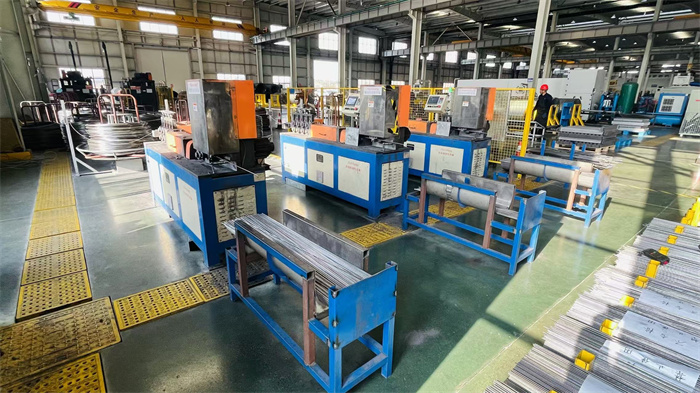
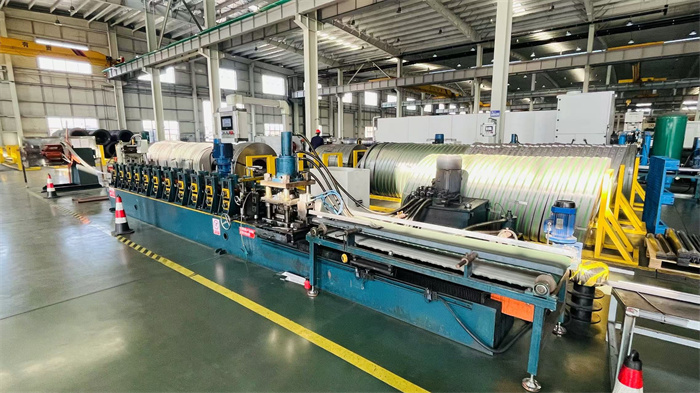
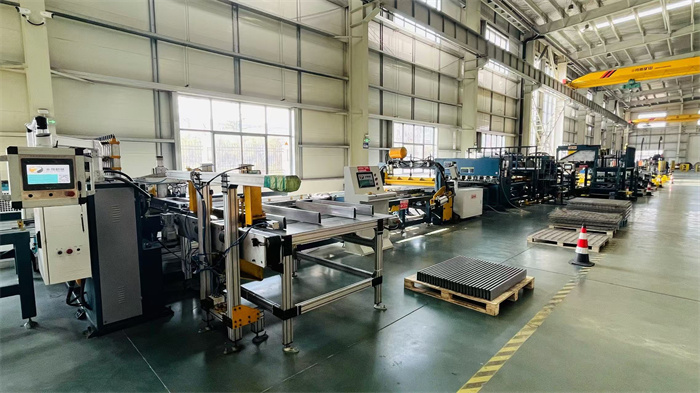
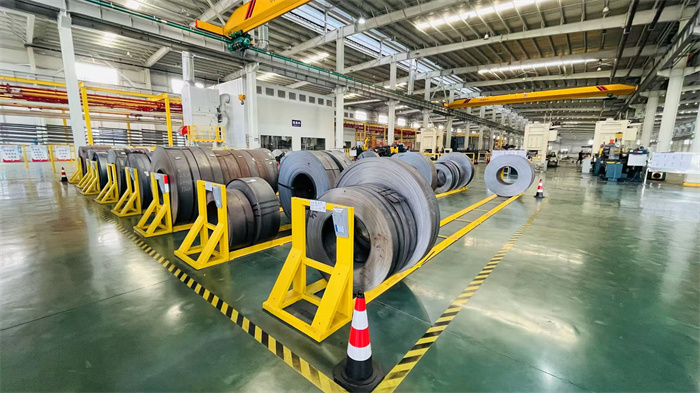
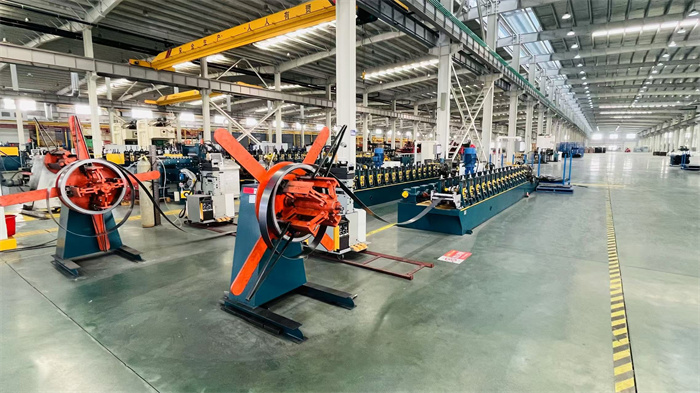
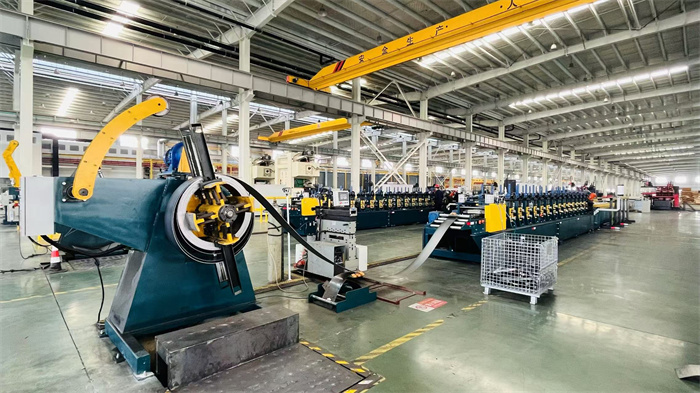
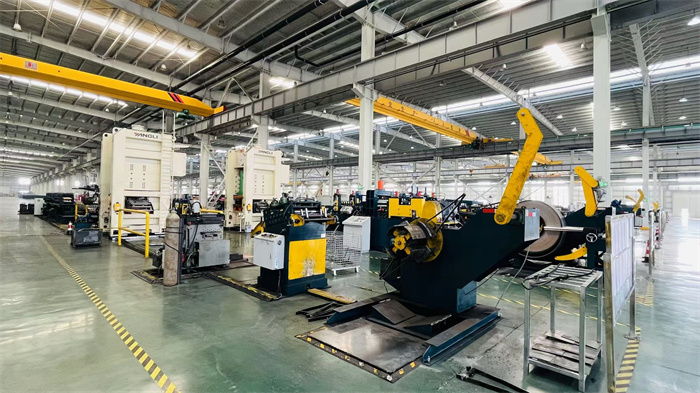
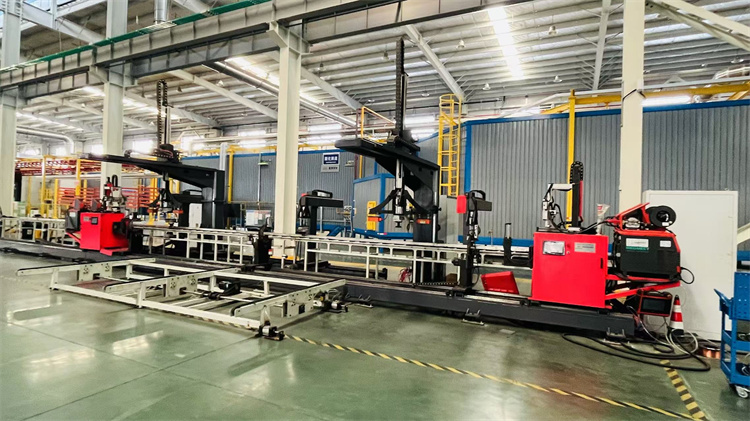
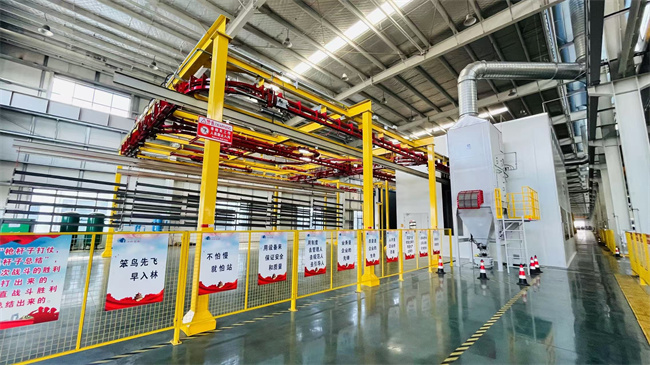
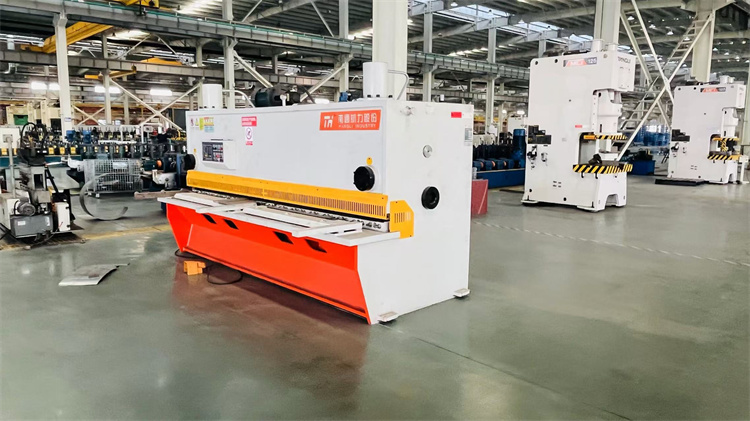
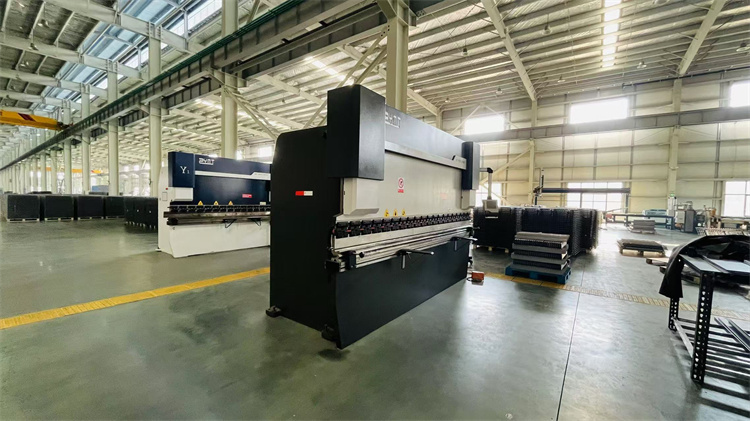
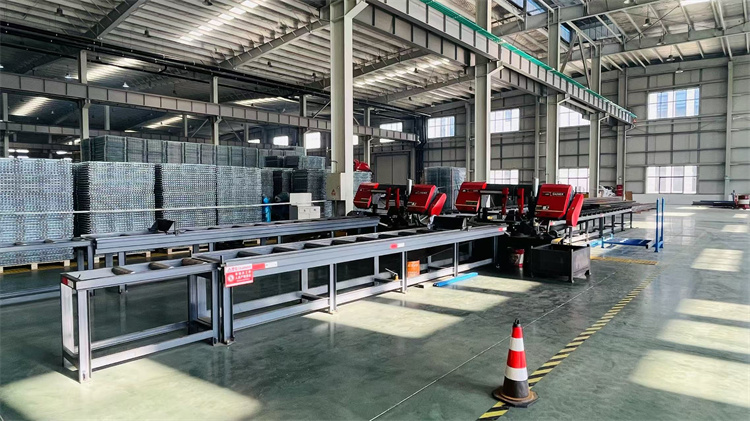
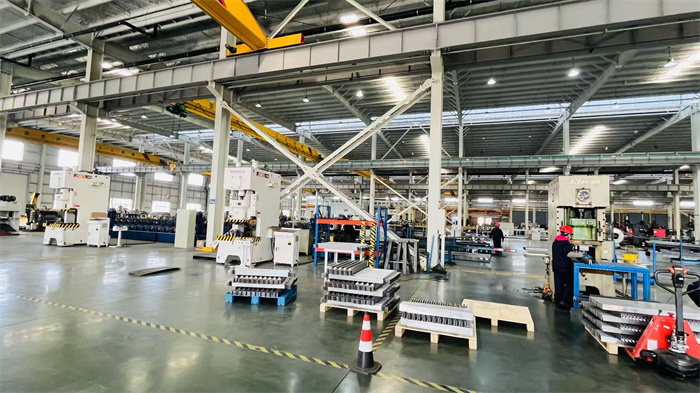
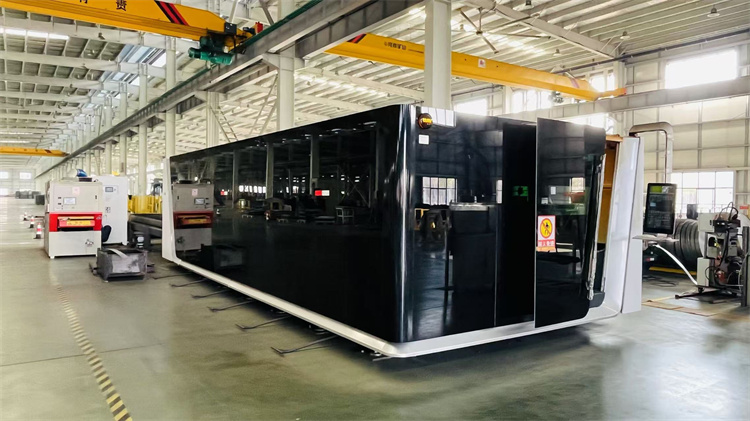
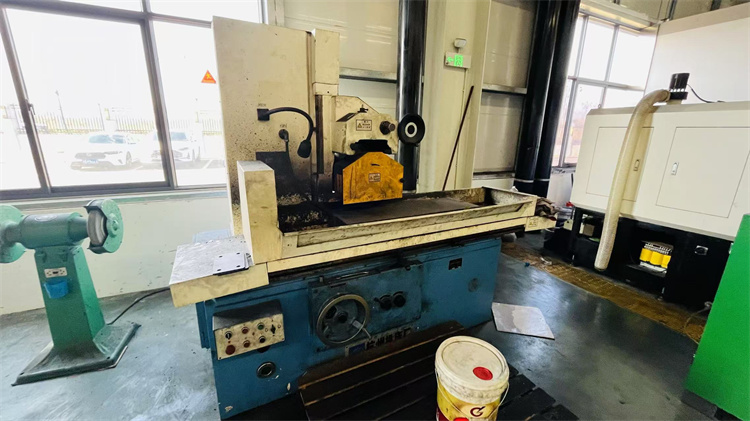
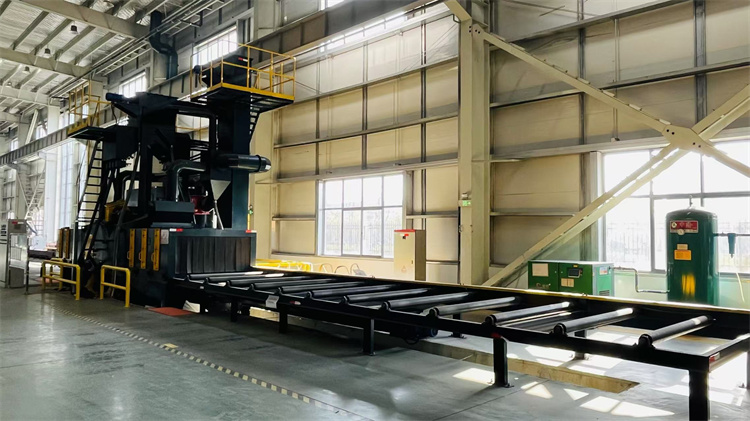
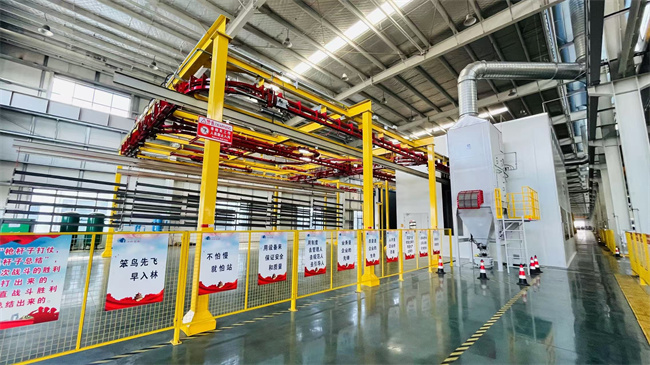
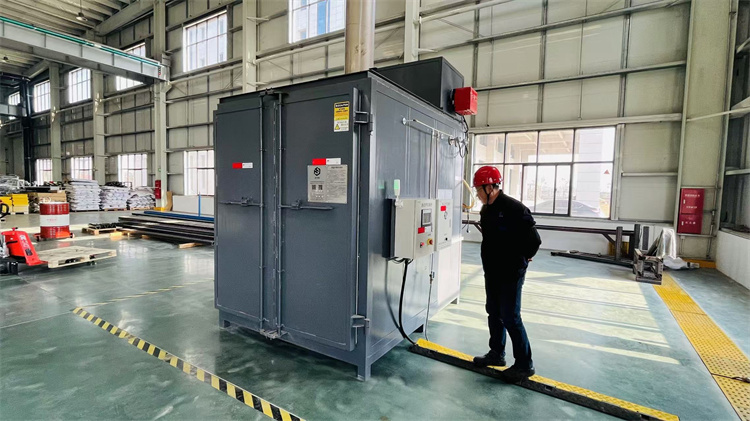
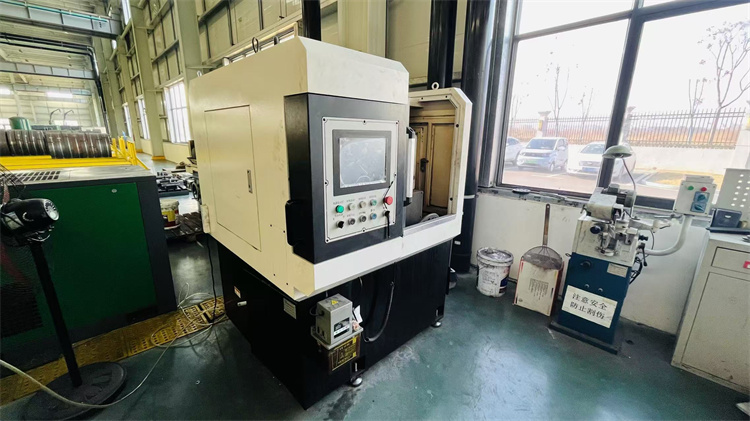
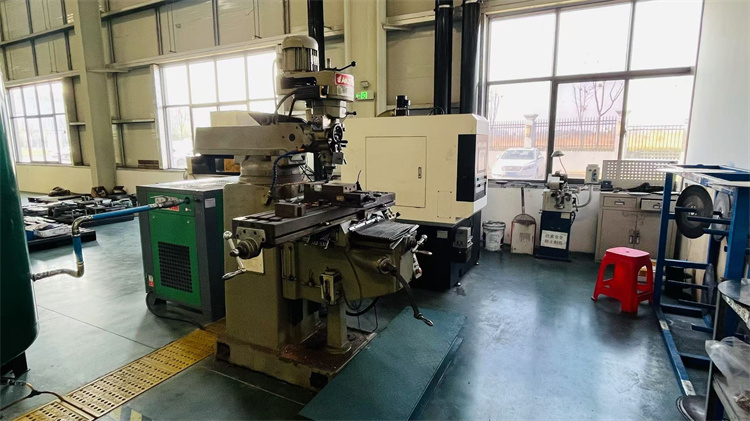
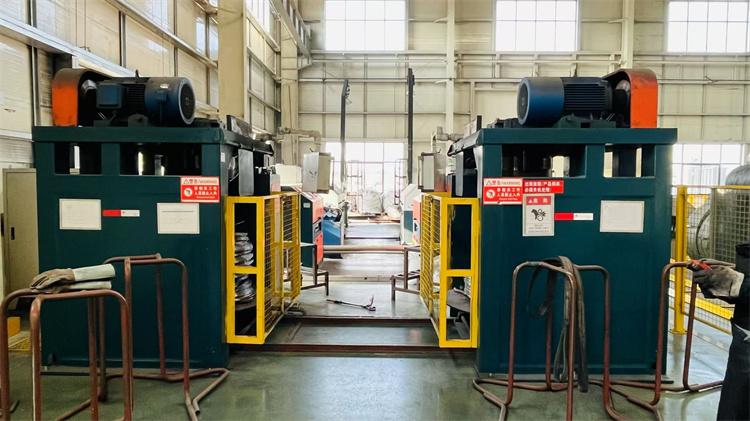
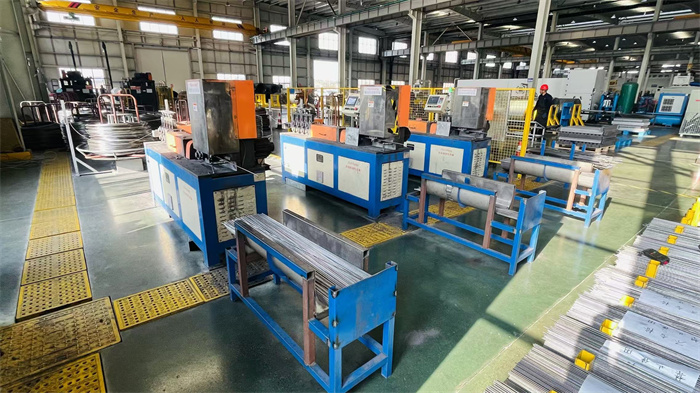
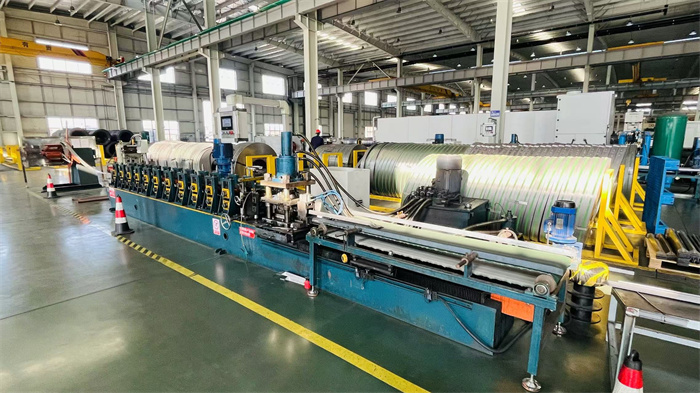
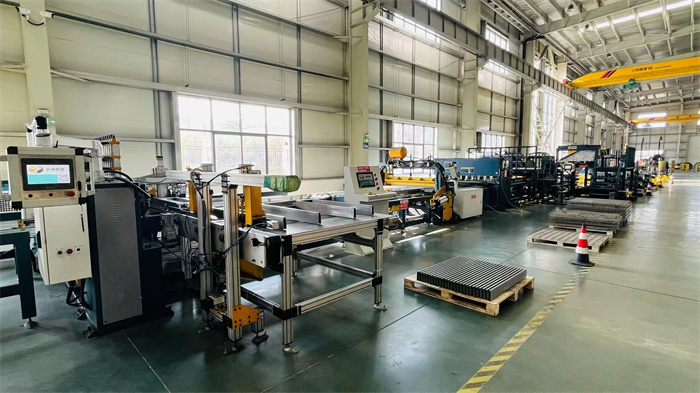
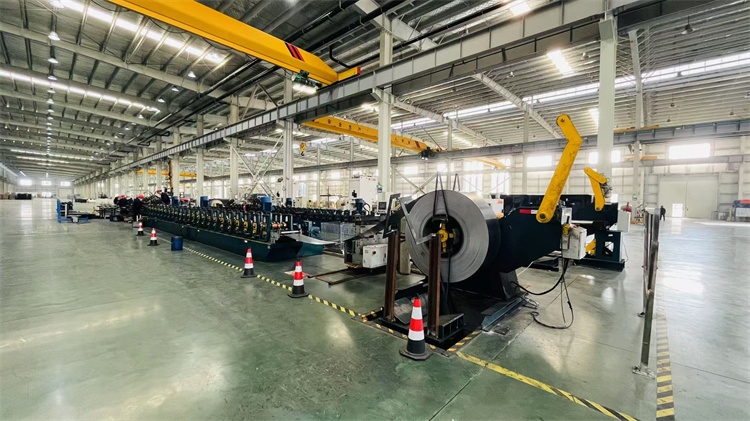
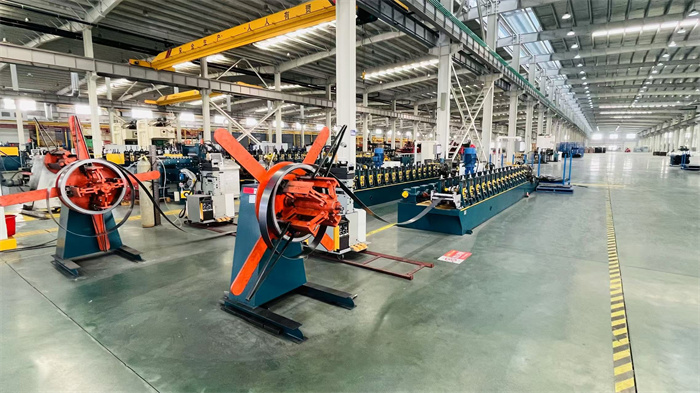
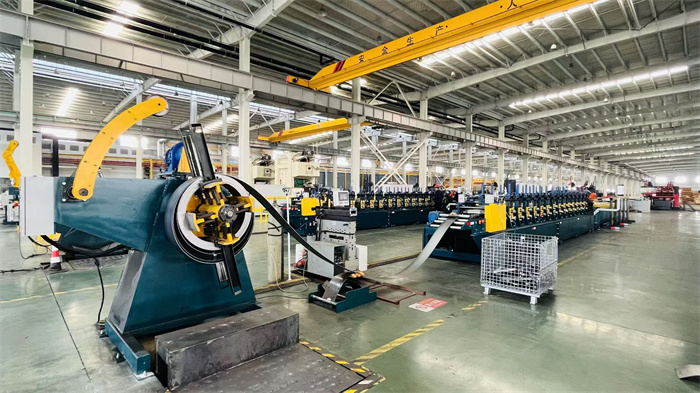
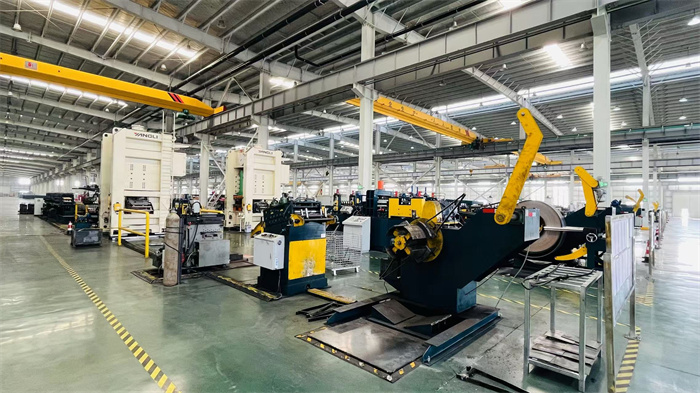
Quality is the foundation of Jracking's manufacturing operations. Every production stage is monitored through ISO-compliant quality control procedures. Our manufacturing facility covers 28,600 m² and is staffed by 48 professional quality inspectors.
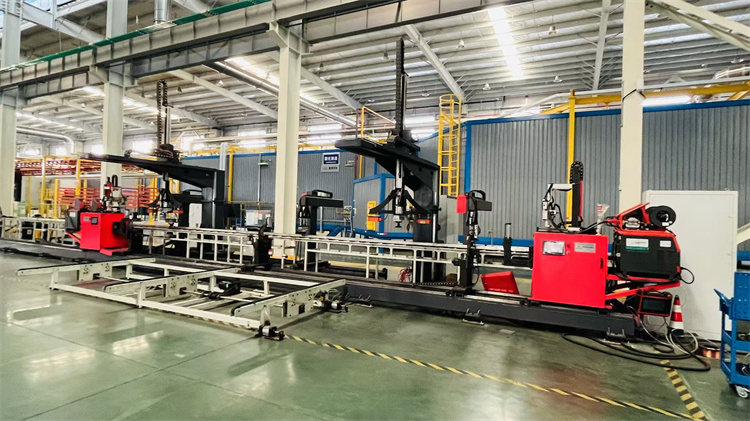
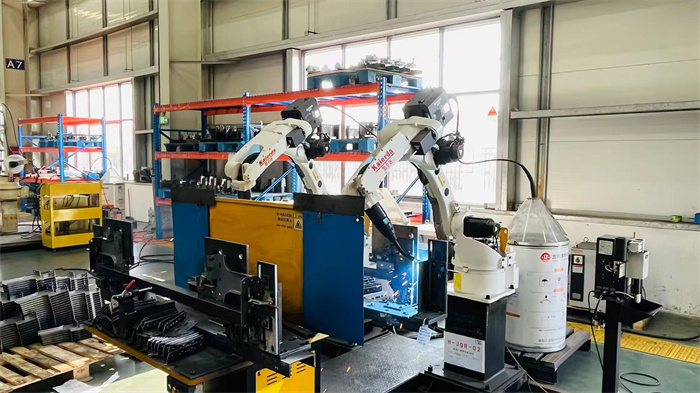
Our manufacturing line processes raw structural steel through high-precision roll-forming and robotic welding machines. Racks are finished with an electrostatically applied powder coating that resists corrosion, chipping, and chemical exposure. This finish is tested for adhesion (ASTM D3359 cross-hatch) and impact resistance to ensure long-term durability in demanding industrial environments.
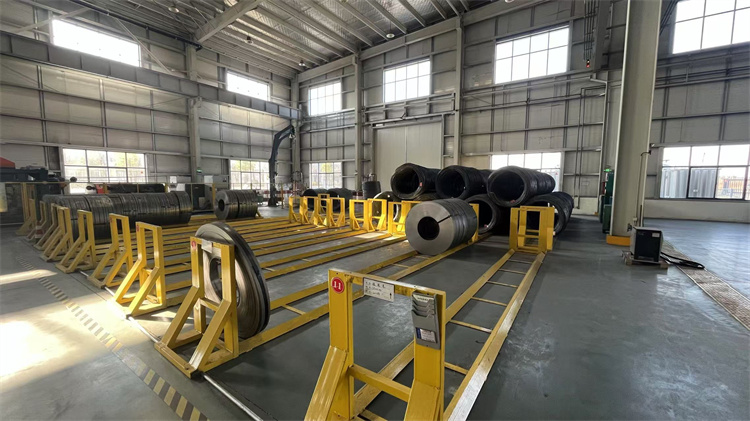
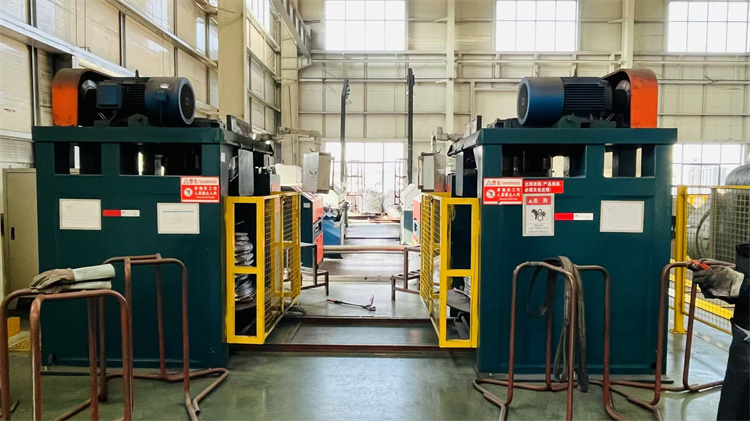
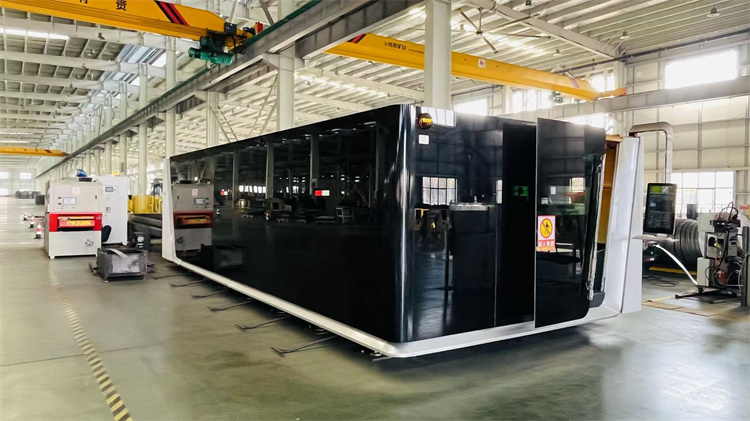
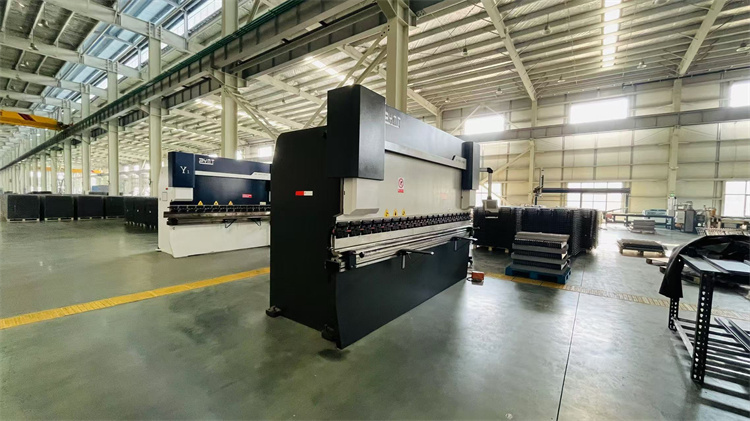
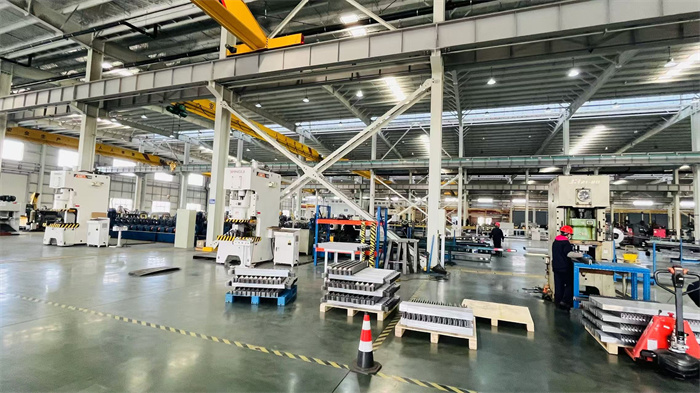
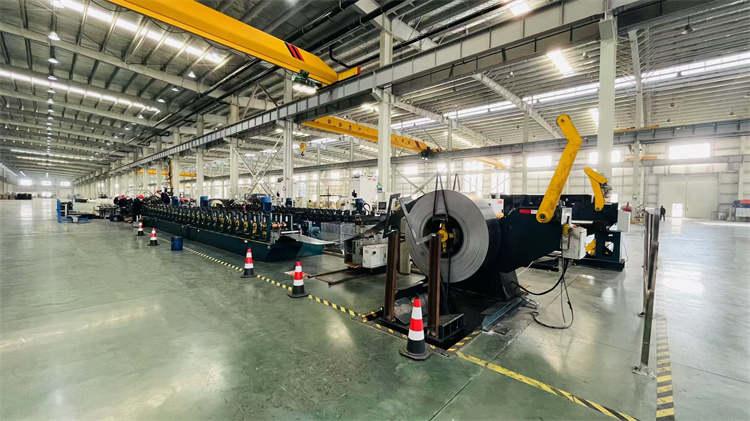
Providing specialized systems designed for typical commercial configurations and workflows in American supply chain nodes.
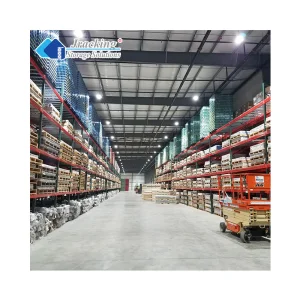
Engineered systems designed to optimize vertical space and dynamic slotting. Utilizes teardrop frame configurations, wire mesh decking, and pallet flow lanes to support high-velocity SKU picking.
High-density storage solutions optimized for cold environments. Drive-in/drive-through systems and semi-automated four-way shuttle racks help minimize thermal loss by maximizing storage density.
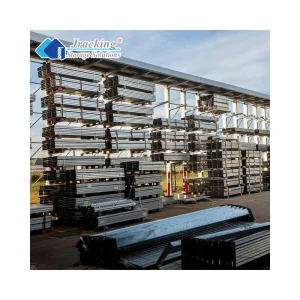
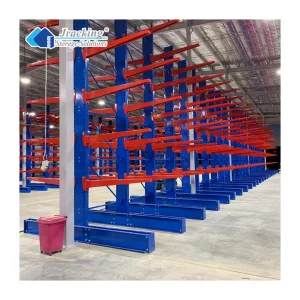
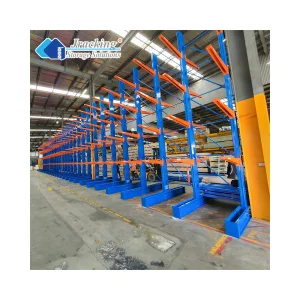
Heavy-duty cantilever systems engineered for long, bulky, or irregularly shaped loads. Ideal for steel tubing, lumber, drywall, and structural pipes in building material distribution facilities.
Engineered structures designed to maximize vertical warehouse capacity and accommodate non-standard loads.
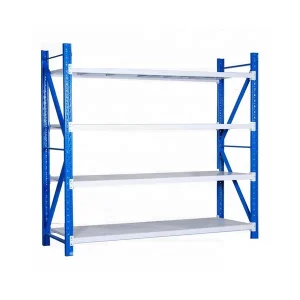
How Jracking supports the evolution of automated and high-density warehouse systems.
Browse our selection of heavy-duty, medium-duty, and automated storage solutions engineered to meet demanding industrial warehouse standards.
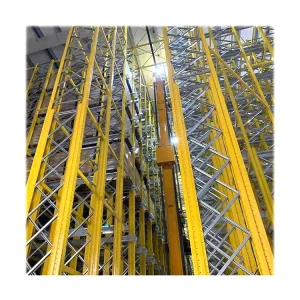
Frequently asked questions regarding standards, customized design, load capacity, and logistical operations for the US market.
Get in touch with our engineering team to receive layout designs, load calculations, and structural quotation estimates for your upcoming project.
Send Inquiry Now Jracking