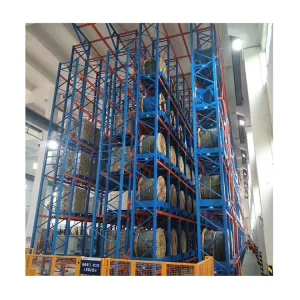
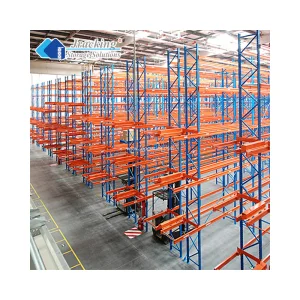
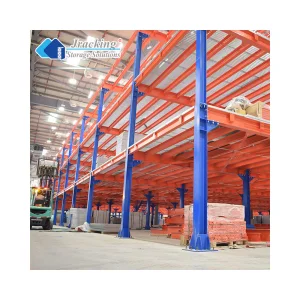
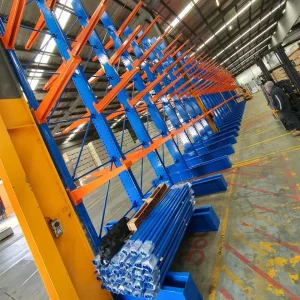
Top Trusted Warehouse Layouts Supplier & Exporters

Precision Engineering, Intelligent Space Utilization, & Global Standards Compliant Industrial Racking Solutions

Global Logistics Infrastructure Partner

Jracking (Guangdong) Storage Co., Ltd.

Established in 2016, Jracking (Guangdong) Storage Co., Ltd. has developed into a preeminent manufacturer and structural engineering pioneer specializing in heavy-duty warehouse racking systems and custom industrial storage solutions. Headquartered in the manufacturing core of China, our footprint spans across the globe, delivering high-density racking configurations tailored for modern logistics systems.

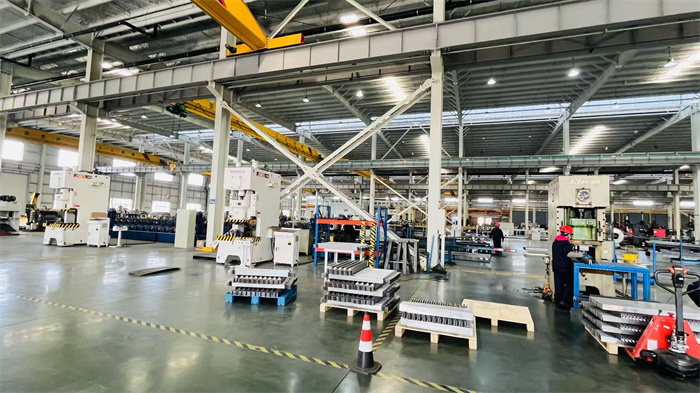
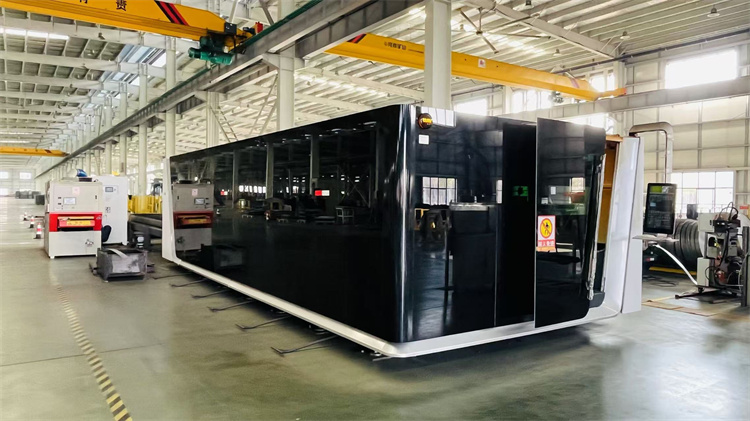
With a massive modern facility covering 28,600 m², we implement rigorous, ISO-compliant quality control procedures across our manufacturing lines. We combine advanced machinery, comprehensive design engineering, and logistics planning to optimize warehouse footprints, dramatically lowering cost-per-pallet space for international logistics networks.

  • Over 8 years of dedicated global export experience and 12 years of specialized storage industry expertise.
  • Collaborates with a robust network of over 1,150 strategic supply chain partners worldwide.
  • Maintains an active engineering R&D team of 85 technical professionals developing customized logistics interfaces.
  • Stringent inspection routines carried out by 48 certified professional quality inspectors.

Engineered to Excel

Our annual export revenue exceeds USD 18 million, affirming our market penetration in North America, Europe, Southeast Asia, Australia, and the Middle East.

ISO 9001:2015 & CE Certified Production
28.6K+
Factory Floor Sq. Meters
$18M+
Annual Export Revenue
85+
Professional Engineers
1,150+
Global Partners

Global Warehouse Layout Standards & Industry Whitepaper

Strategic spatial optimization is no longer just about storage; it is the ultimate determinant of modern supply chain throughput, safety compliance, and financial efficiency.

1. The Macro Industrial & Logistics Reality

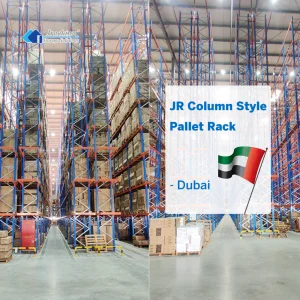
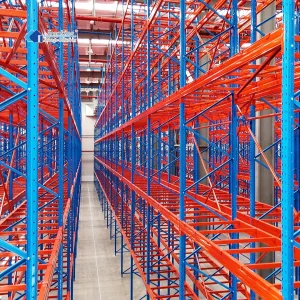
In an era characterized by dynamic global trade shifts, e-commerce acceleration, and cold-chain scaling, traditional static warehousing is insufficient. Modern facility layouts require dynamic structural modularity. High warehouse real estate costs push developers to design upward rather than outward, driving the demand for tall, heavy-duty racking systems.

As industrial processes adapt to automation, layouts must accommodate both human labor (manual pick lines) and robotic logistics interfaces (such as Autonomous Mobile Robots, Automated Guided Vehicles, and heavy-duty stacker cranes). Designing the ideal footprint requires a balance of floor space utilization, structural load capacities, safety clearances, and compliance with national engineering codes.

Information Gain: Operational Throughput Formula

An efficient warehouse layout minimizes the Total Travel Distance ($D_T$) of material handling equipment:
$D_T = \sum (F_i \times C_i)$
Where $F_i$ represents the frequency of access to storage zone $i$, and $C_i$ represents the distance from the loading dock to zone $i$. Our engineering team optimizes this metric by integrating selective, cantilever, and automated storage solutions tailored to product turnover frequencies (ABC analysis).

2. Regional Storage Standards & Structural Conformity

Exporting industrial racking systems globally requires deep compliance with regional building and seismic standards. A layout designed for North America cannot simply be duplicated in the European Union without adjusting for structural calculation profiles and safety factor assumptions:

  • The North American Standard (RMI/ANSI MH16.1): Relies heavily on Teardrop style connections. Heavy-duty cold-formed steel frames utilize physical safety pins to lock beams under shear loading conditions. Seismic design factors (SDC) dictate thickness and baseplate dimension changes.
  • The European Standard (EN 15512 & CE certification): Requires strict design calculation validation, focusing heavily on limit state structural design, load distributions, and lateral stability margins under Eurocode guidelines.
  • Australian Standards (AS 4084-2012): Demands precise safety configurations for steel storage racking, mandating regular load limit testing and structural inspections.

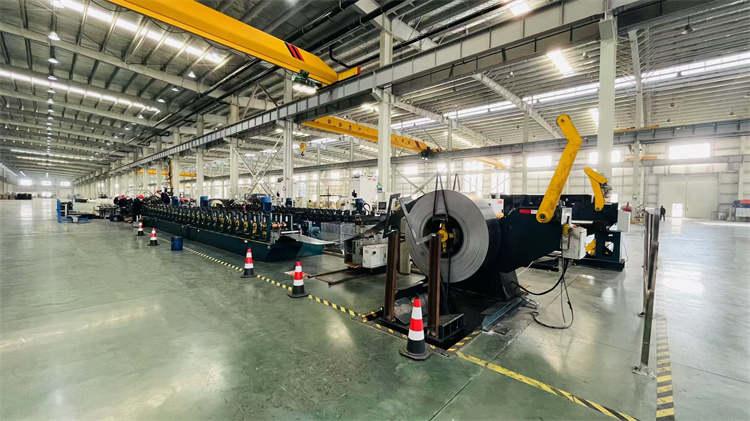
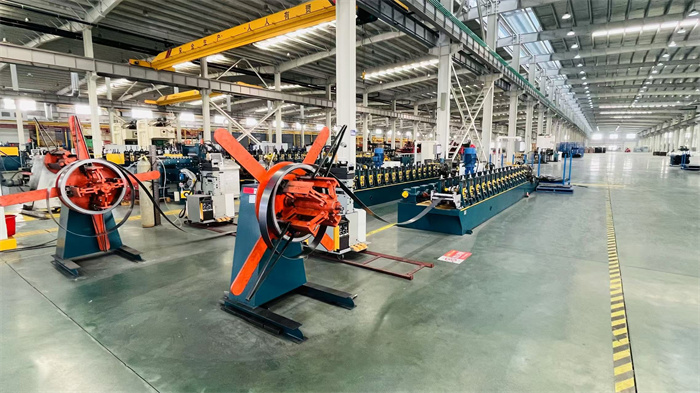
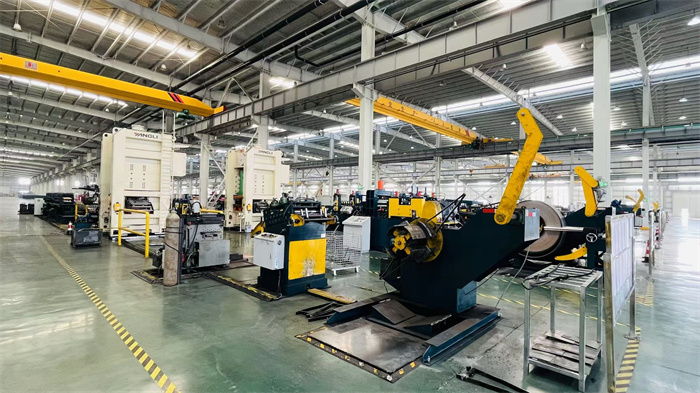
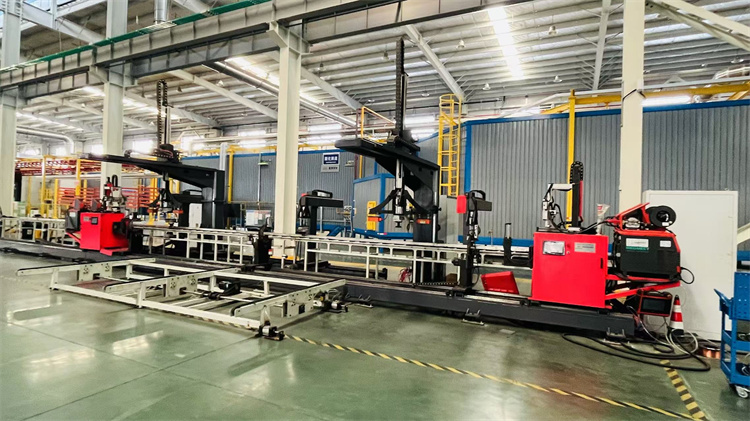
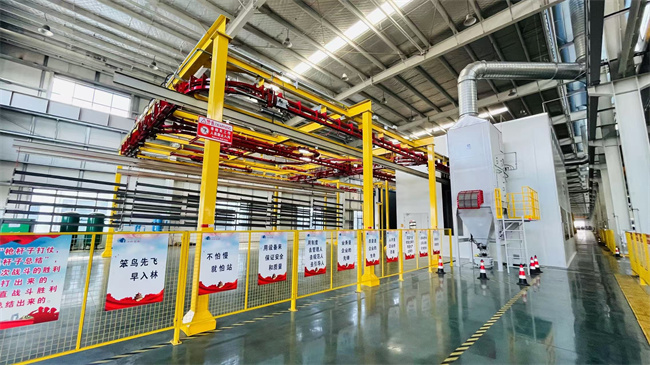
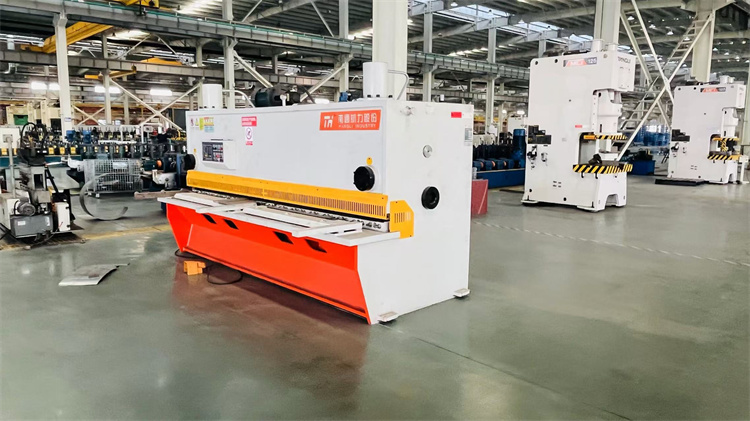
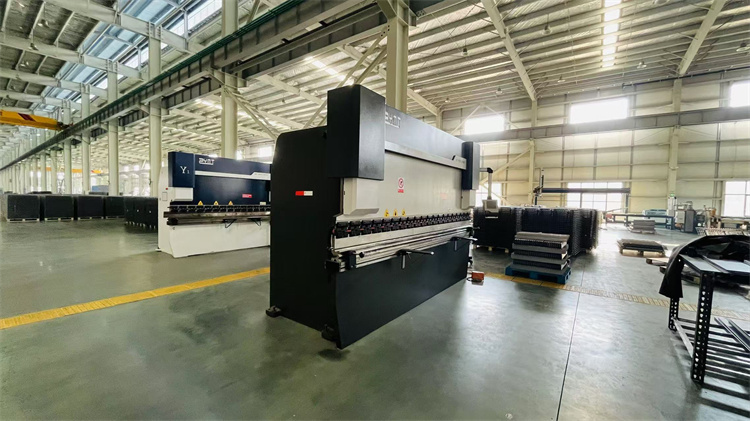
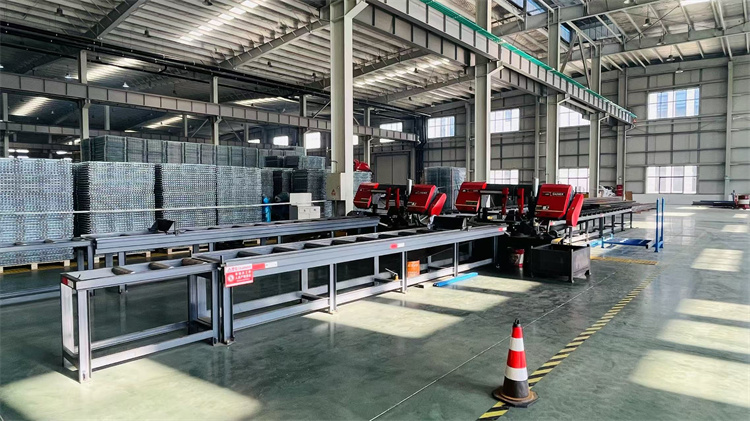
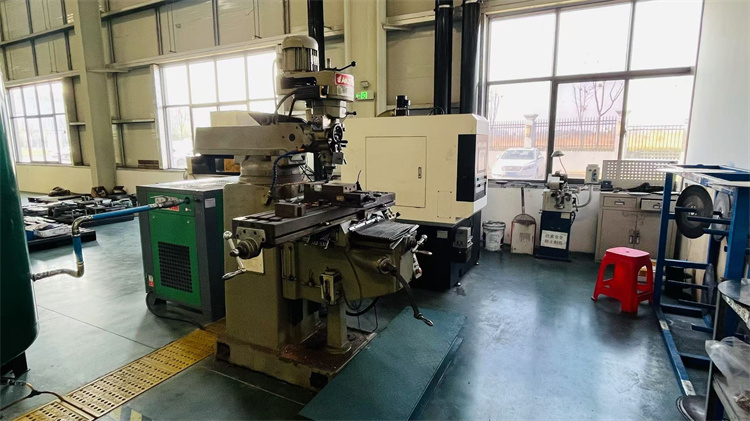
Advanced Production Line & Equipment Ecosystem

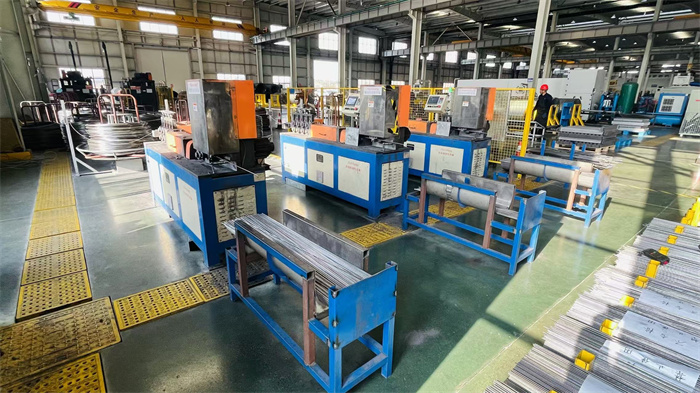
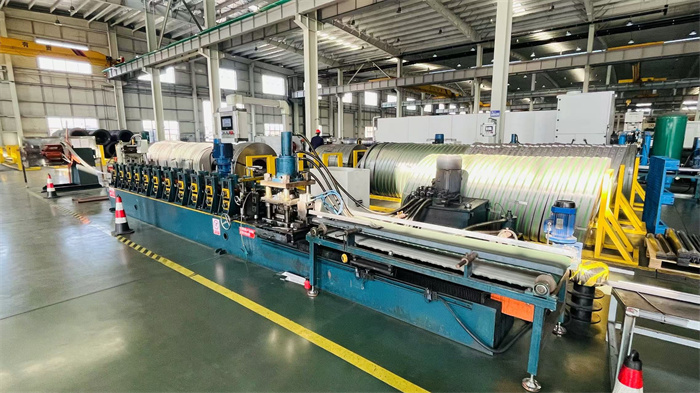
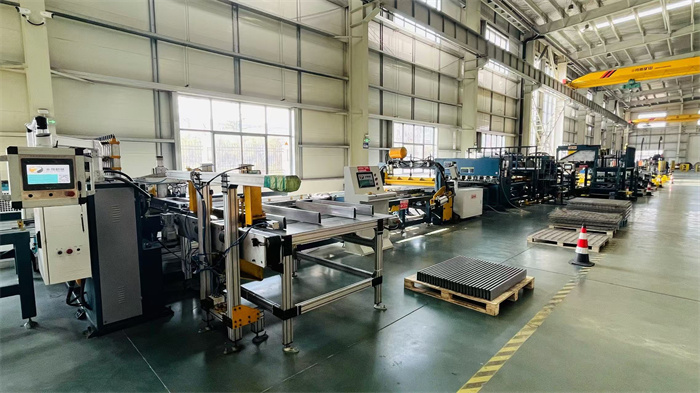
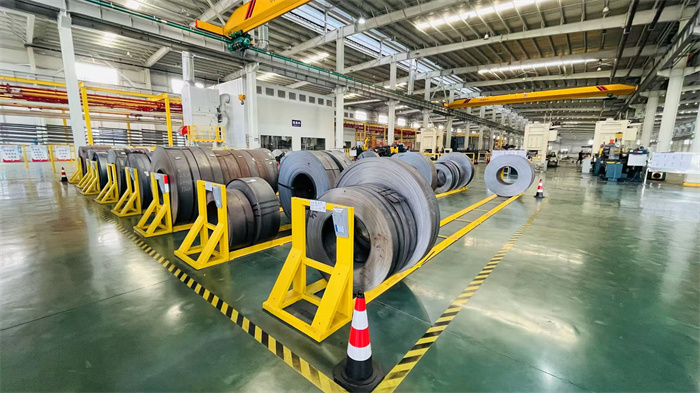
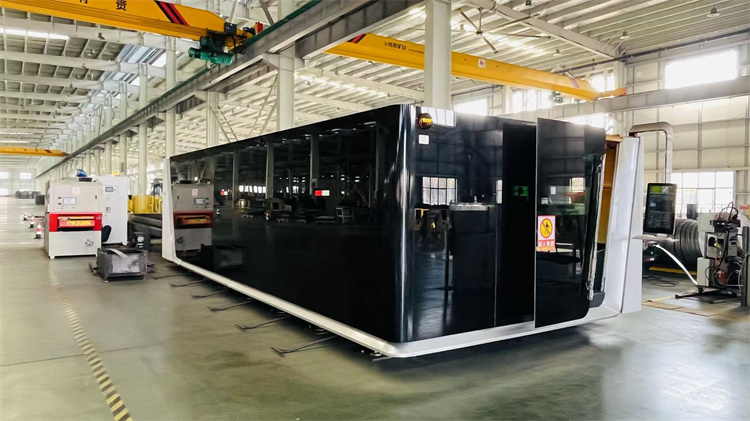
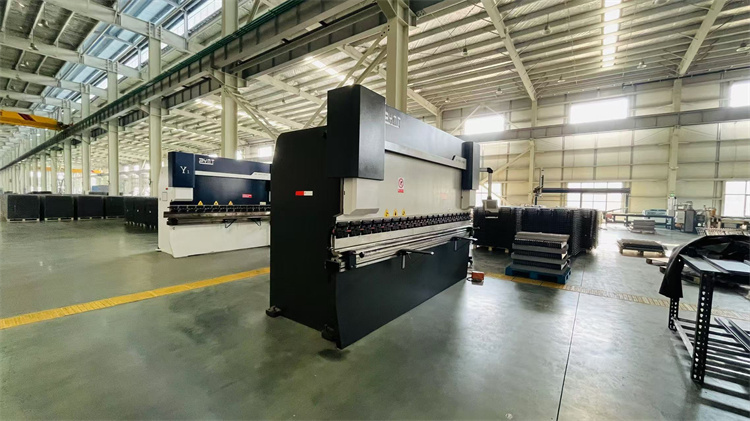
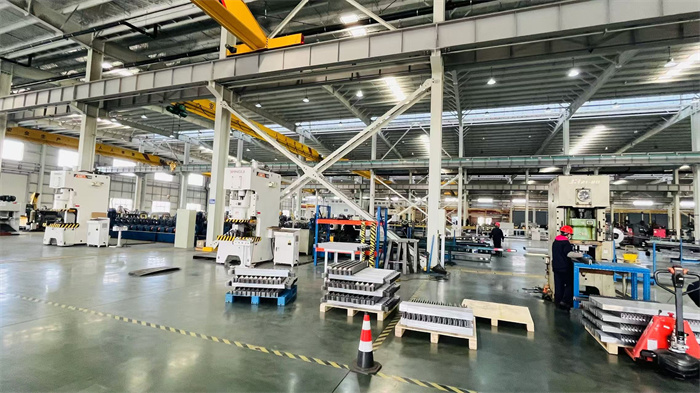
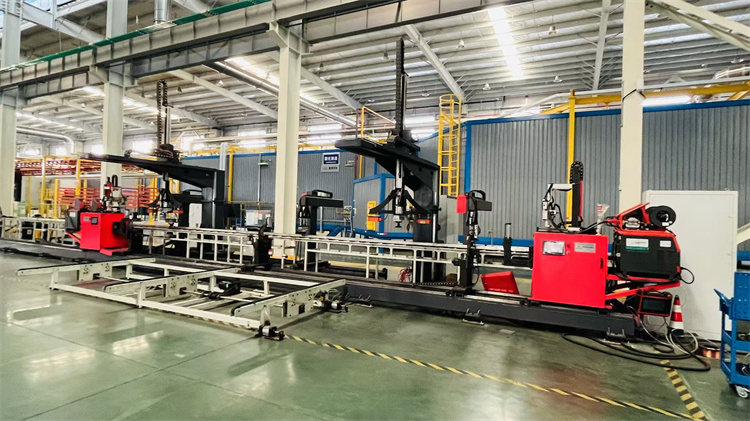
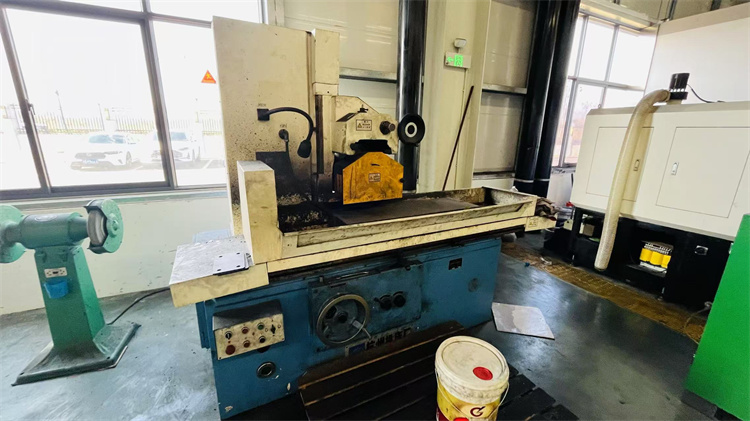
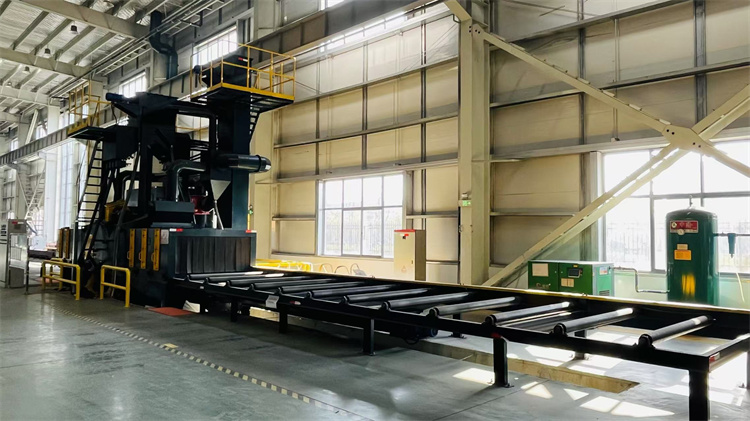
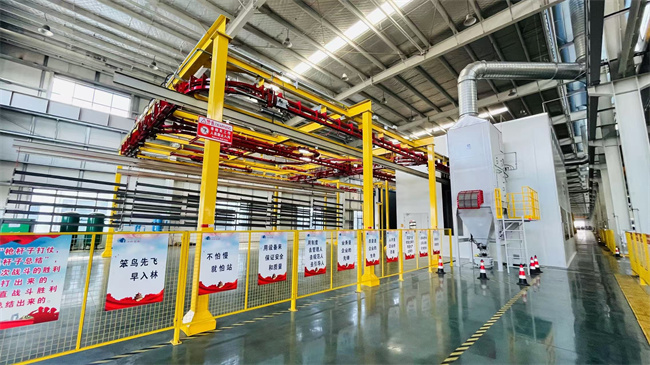
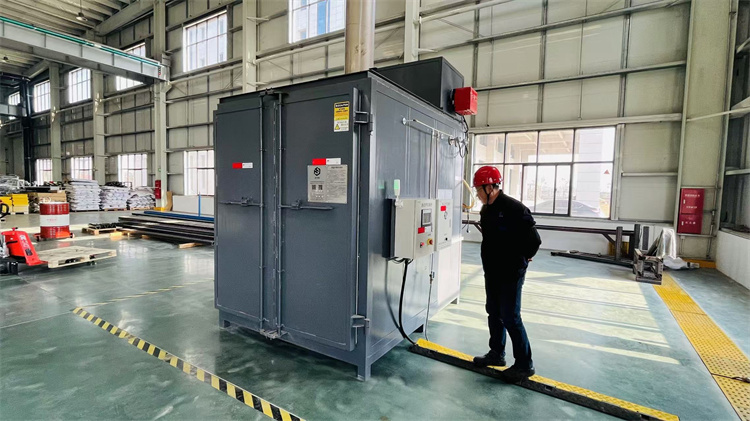
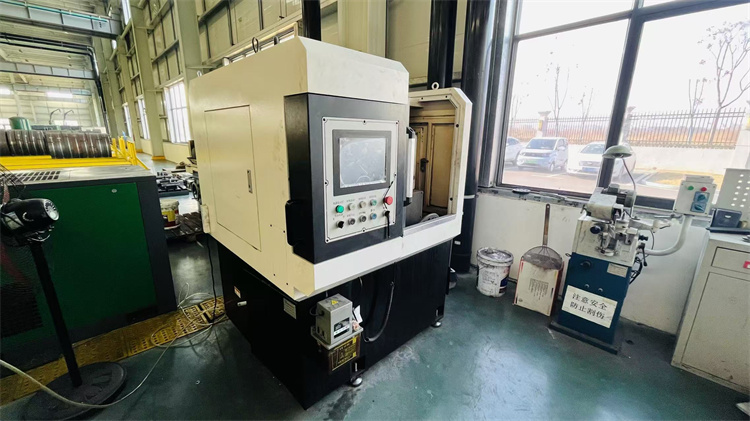
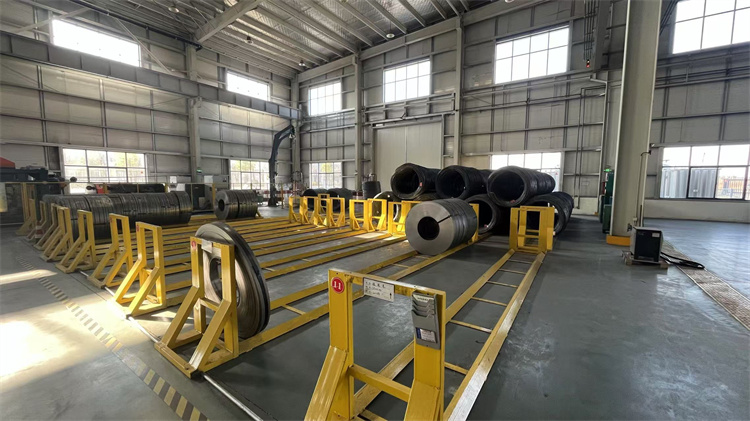
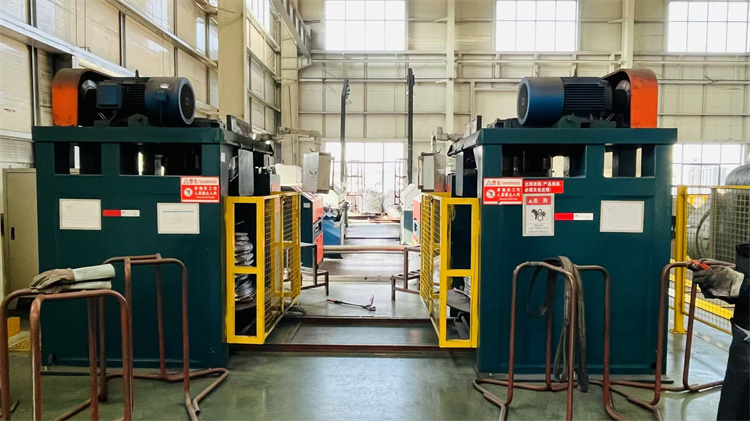
We maintain end-to-end control of our manufacturing processes. From selecting high-grade raw materials to cold-forming profiles and automated robotic welding, we guarantee structural integrity at every step.
Localized Application Scenarios

Our systems adapt seamlessly to diverse storage environments:

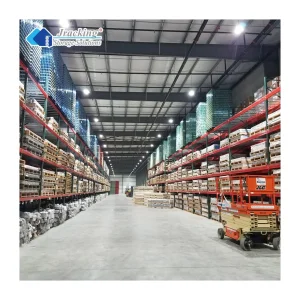
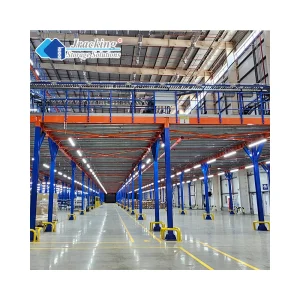
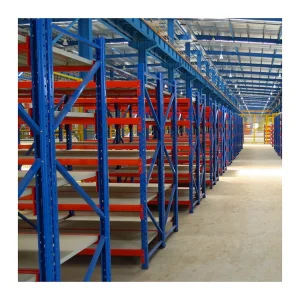
  • E-commerce Fulfillment Centers: High-density selective racks paired with mezzanine levels for rapid SKU access and high picking volume.
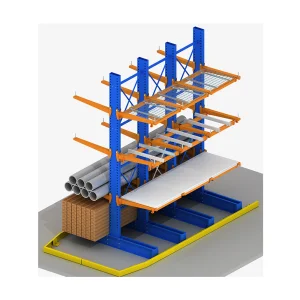
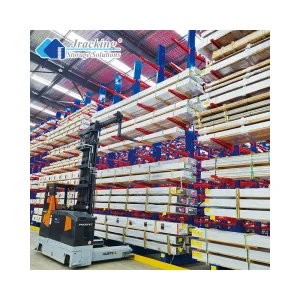
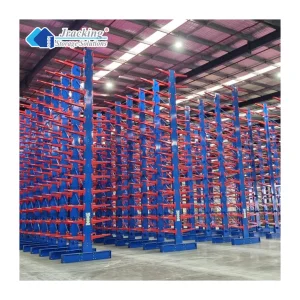
  • Timber & Steel Distribution: Heavy-duty arm cantilever racks configured for safe outdoor storage (HDG) and extra-long load balancing.
  • Automated cold chains: Density-optimized ASRS configurations operating flawlessly down to -30°C temperatures.

Strict Quality Protocols

Safety is built directly into our manufacturing sequence:

  • Yield strength testing: Validating raw steel grades before profiling to guarantee rated capacities.
  • Precision thickness checks: Measuring powder coating depth to prevent corrosion in harsh industrial settings.
  • Full-scale test assemblies: Pre-assembling key connections to verify tight tolerances and perfect fitment on-site.

Smart Racking Roadmap

Transitioning storage spaces into Industry 4.0 centers:

  • IoT Load Cells: Integrating real-time structural health monitoring on dynamic racks.
  • Autonomous Mobile Robots (AMR): Designing low-profile floor rails and guide channels.
  • Laser-Guided Alignment: Implementing reflective target matrices for automated stackers.

Expert Engineering FAQ

Providing definitive technical answers on warehouse layouts, mechanical tolerances, and international specifications.

What determines the choice between US Teardrop racking and European Style Selective racks?
The decision is primarily driven by compatibility with existing local material handling equipment and regional compliance requirements. US Teardrop racking features a slide-and-lock keyhole connection that doesn't require bolts, making it highly standard in North and South America for quick assembly. European systems, often featuring different pitch setups like Dexion (76.2mm pitch), use hooked connectors that align with Eurocode engineering standards and load profile definitions common in continental supply lines.
How does Jracking design layout schemes for high-seismic zones?
For seismic areas, our design engineers run detailed Finite Element Analysis (FEA) simulations. We calculate structural response based on local Seismic Design Categories (SDC). This usually requires using wider and thicker baseplates, heavy-duty floor anchor bolts, and increased bracing thickness, along with specialized grade-selection steel to absorb kinetic energy without structural failure.
Why are Hot-Dip Galvanized (HDG) cantilever racks crucial for vehicle and timber storage?
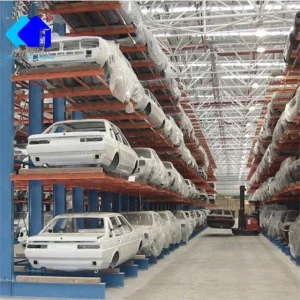
Timber, steel profiles, and salvage cars are often stored outdoors where they are exposed to moisture, UV rays, and temperature changes. Hot-Dip Galvanizing bonds a zinc coating directly to the steel, protecting it from corrosion. This finish provides far superior protection compared to standard powder coatings, preventing rust and preserving structural integrity for decades in harsh outdoor environments.
What safety tolerances does Jracking enforce during upright column cold roll-forming?
We follow strict dimensional guidelines where upright deviation must not exceed 1/1000 of the total height. Our 48 quality inspectors continuously verify structural thickness and profile accuracy during roll-forming to ensure uniform load distribution across all connections.