As logistics hubs and distribution centers scale globally, the demand for high-capacity, code-compliant storage systems is at an all-time high. Jracking (Guangdong) Storage Co., Ltd. stands as a premier OEM & ODM manufacturer specializing in structural steel warehouse racking, modular mezzanines, and smart automated retrieval frameworks. Established in 2016 with manufacturing roots spanning back 12 years, we design and distribute systems built to optimize vertical volume, ensure occupational safety, and withstand high dynamic loads.
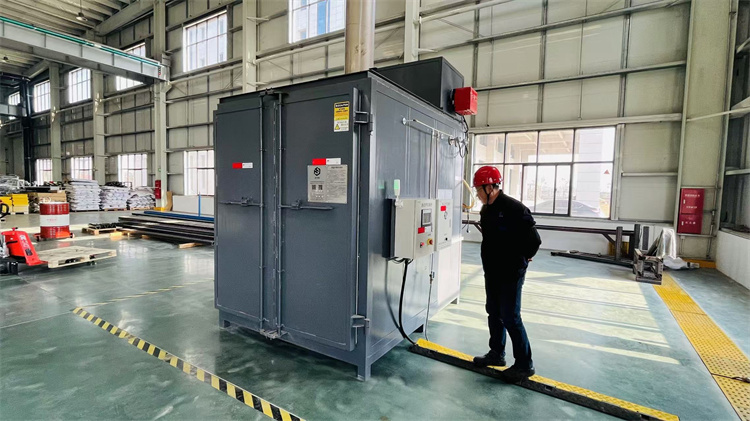
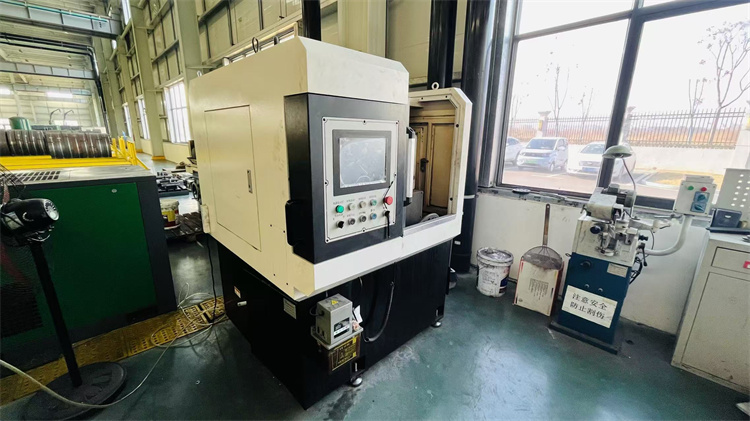
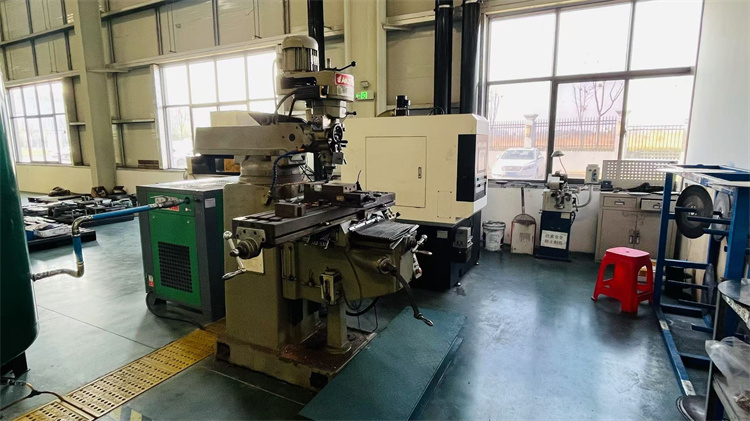
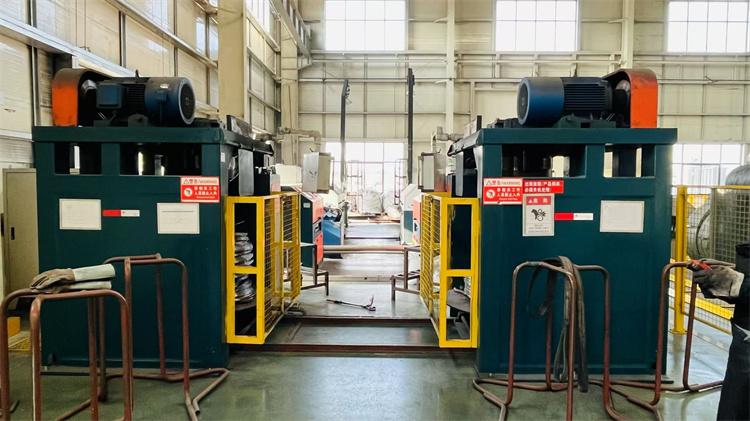
Operating a modernized 28,600 m² production plant, Jracking leverages state-of-the-art automated roll-forming machines, robotic laser welders, and eco-friendly electrostatic powder-coating lines to meet rigorous international standards, including RMI, FEM, and AS4084. Whether configuring teardrop profiles for the US market or bolted pallet systems for Europe, we deliver absolute reliability.
Explore our top industrial-grade solutions engineered for distribution, manufacturing, and temperature-controlled logistics environments.
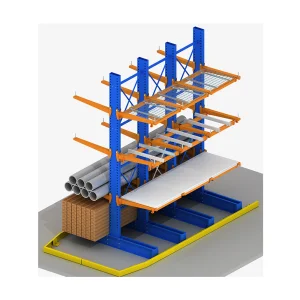
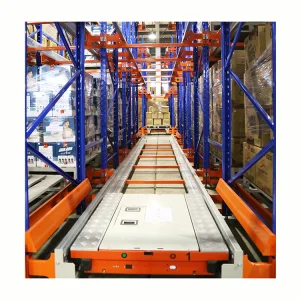
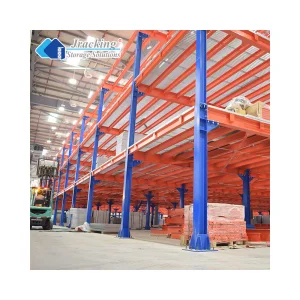
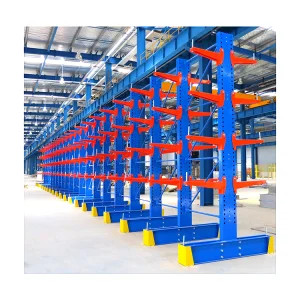
Analyzing the global paradigm shift in storage engineering, supply chain resilience, and density optimization.
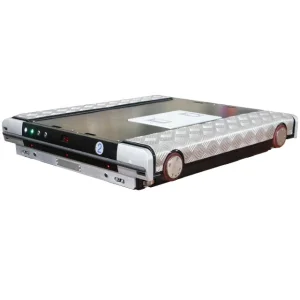
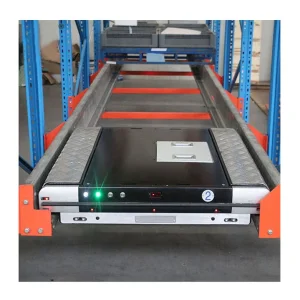
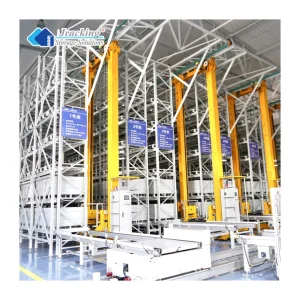
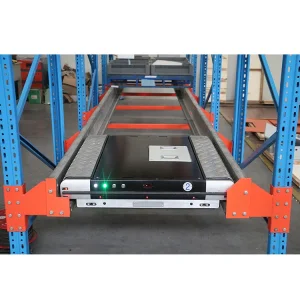
Modern distribution complexes are transitioning from manual forklift-reliant layouts to fully automated retrieval ecosystems. Integrated automated storage and retrieval systems (ASRS) and 4-way radio shuttles dramatically minimize spatial footprints, reduce labor costs, and achieve nearly 99.9% inventory tracking accuracy when configured with advanced WMS software.
Global steel price volatility and material shortages demand structured supply networks. Operating with over 1,150 local steel and hardware manufacturing partners, we secure high-grade carbon steel (such as Q235 and Q355 structural grades) even during volatile market cycles, ensuring predictable pricing and lead times for large-scale enterprise rollouts.
Warehouse structures must meet regional regulatory frameworks to satisfy zoning laws and insurance conditions. From RMI standards in the Americas to FEM standards in Europe and AS4084 in Australia, engineering shelving systems requires precise calibration for local seismic activity, dynamic forklift impact factors, and soil load-bearing capacities.
"The ROI of warehouse automation and structural density is no longer evaluated merely by floor space utilization. True cost efficiency lies in dynamic load throughput, structural integrity under high fatigue cycles, and thermal compliance in specialized environments such as cold-chain facilities." – Jracking Structural R&D Division
Take a look inside Jracking's high-tech fabrication ecosystem, where automated systems ensure structural precision across every profile.
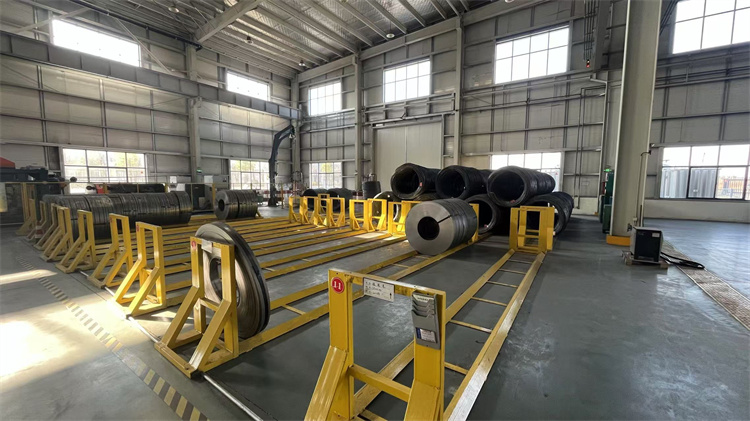
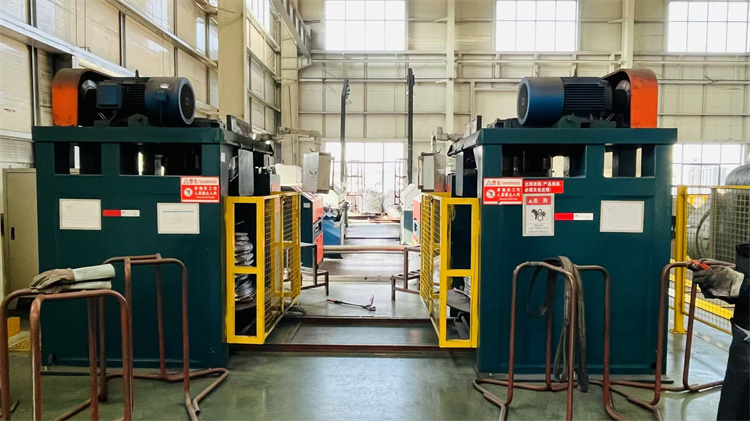
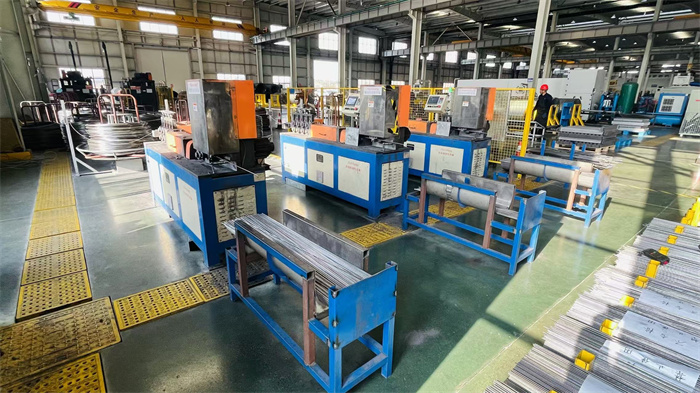
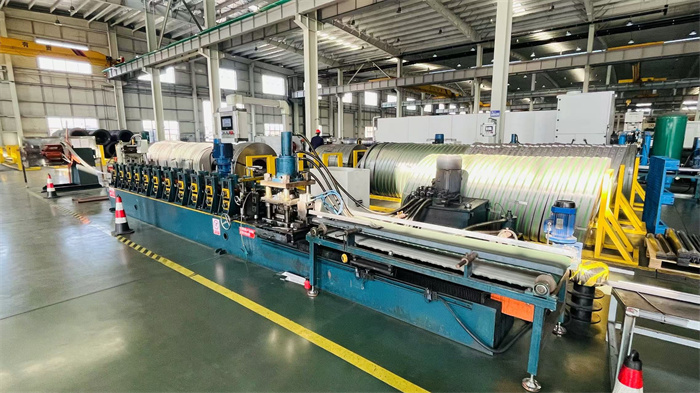
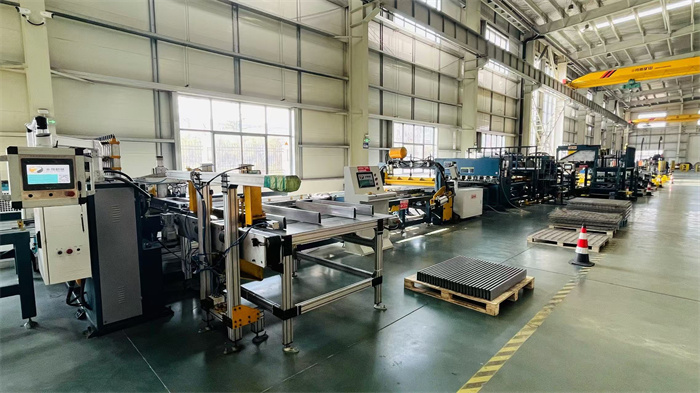
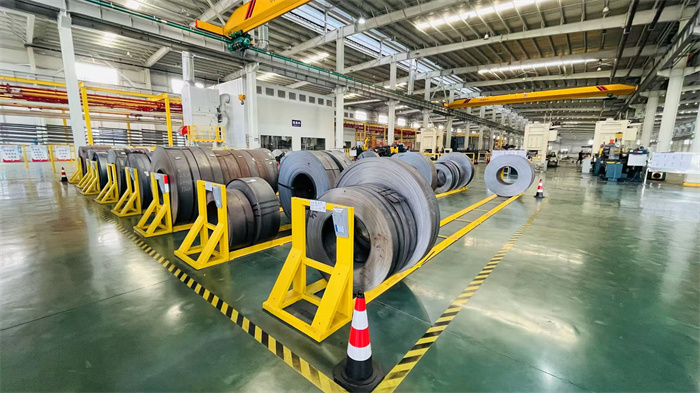
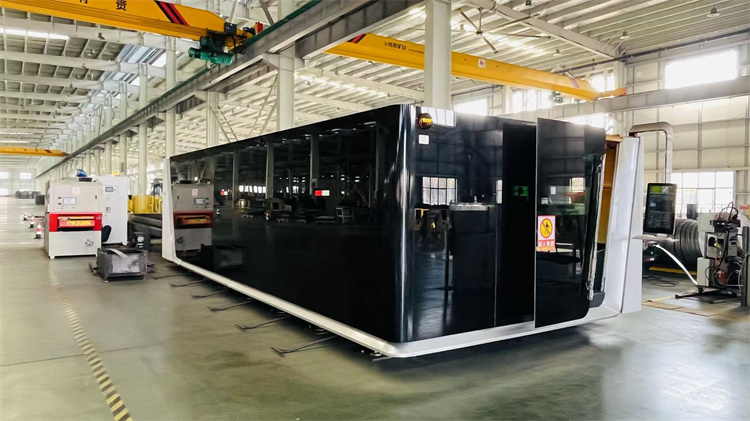
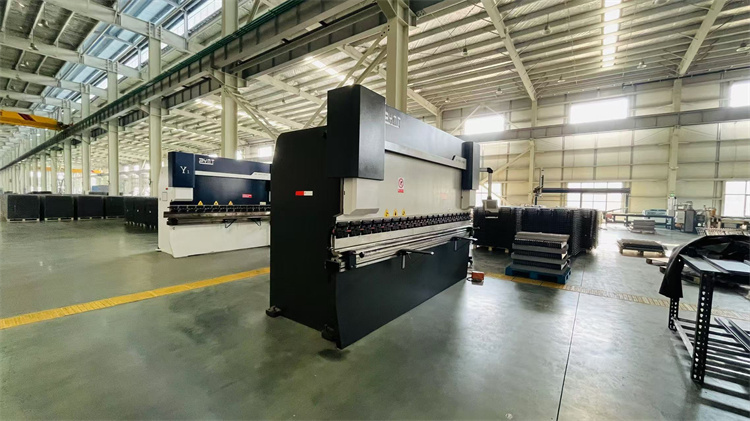
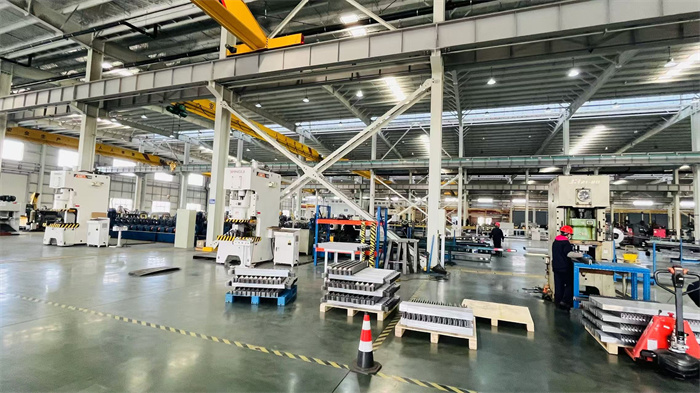
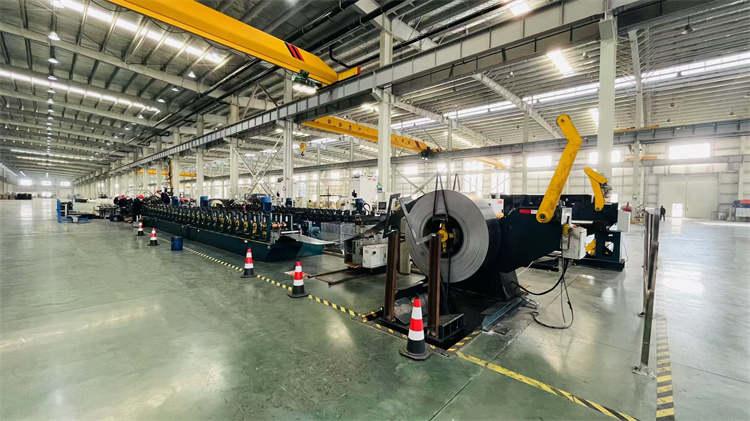
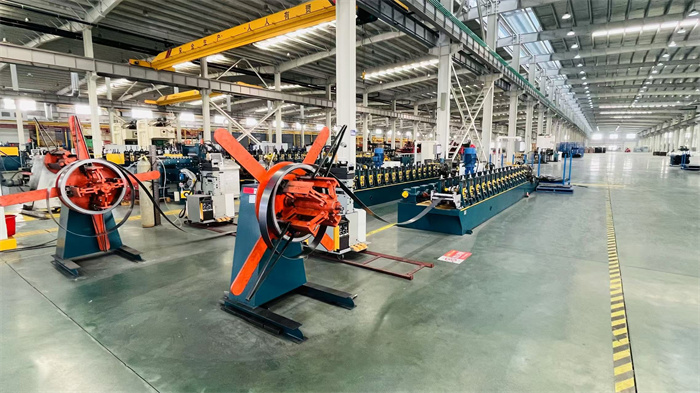
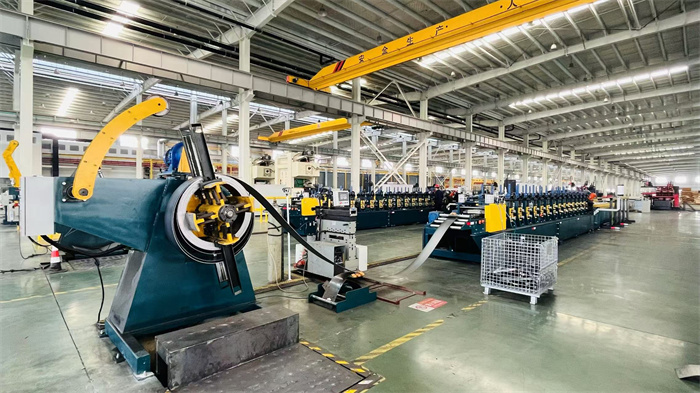
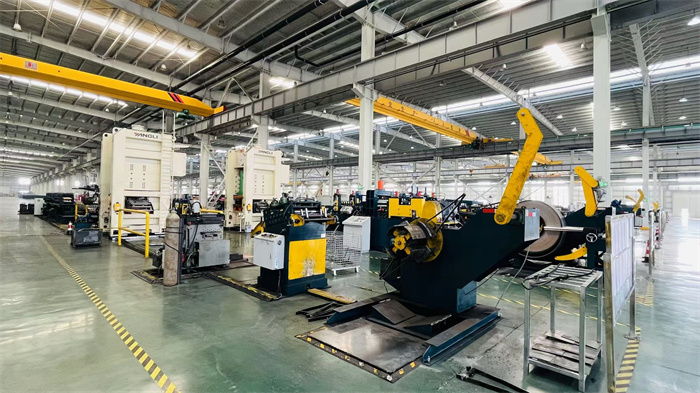
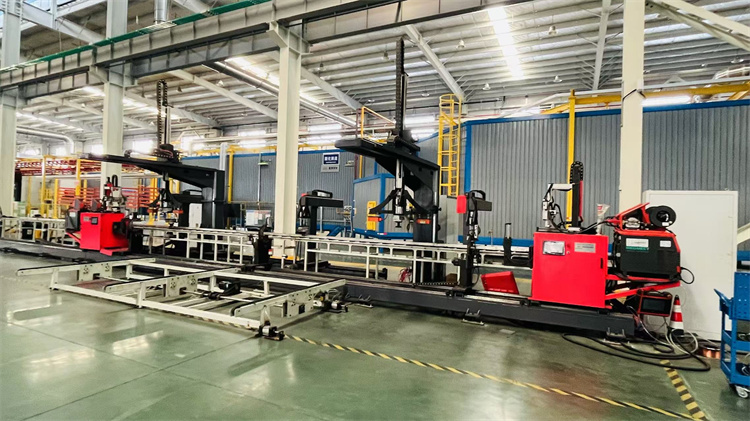
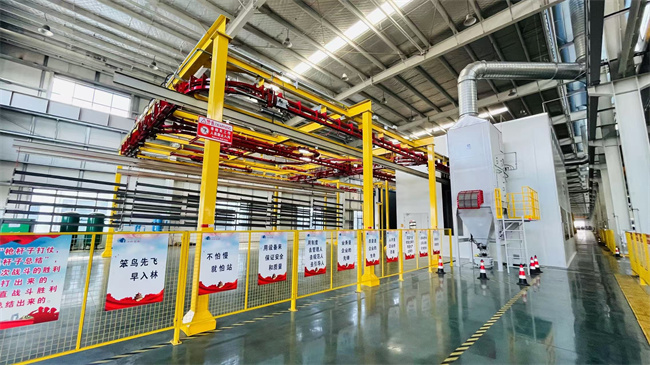
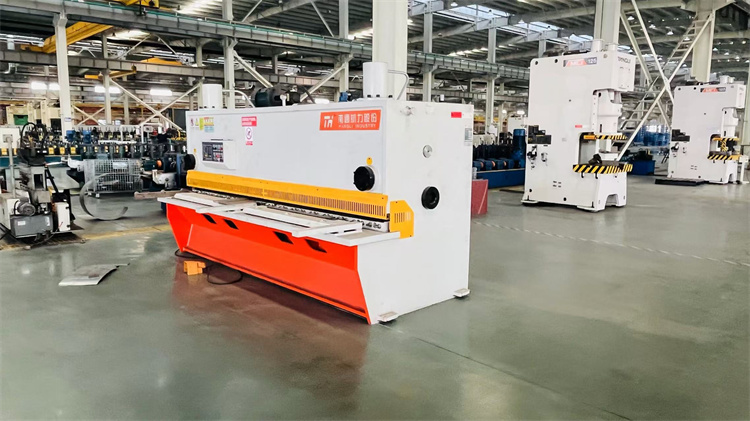
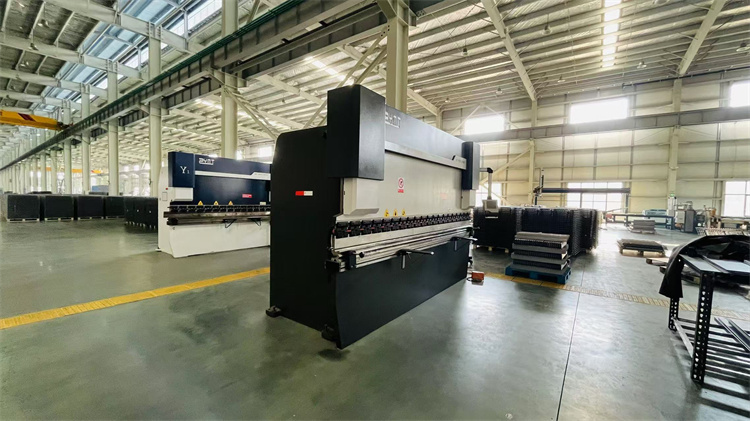
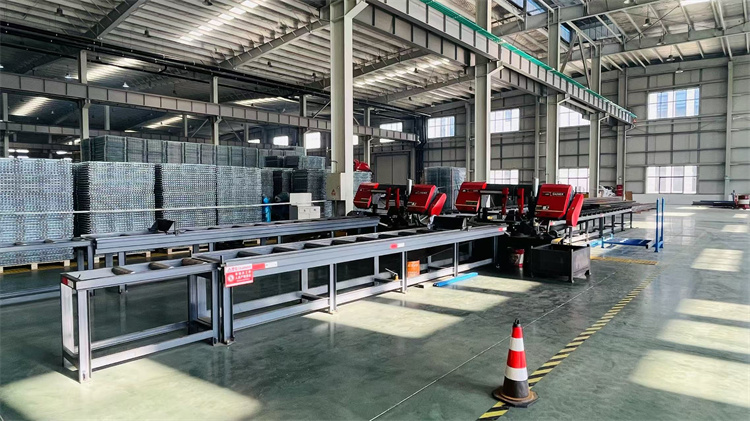
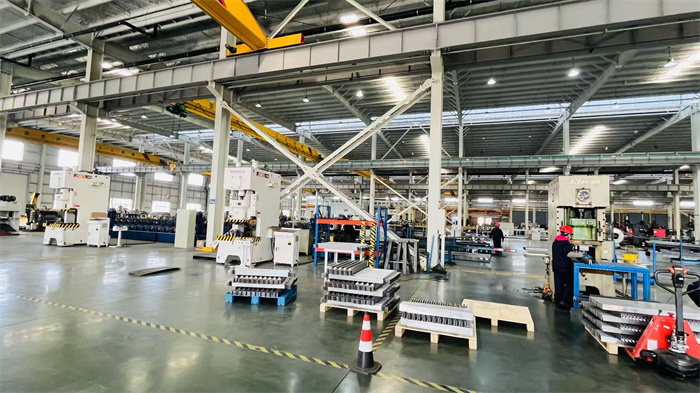
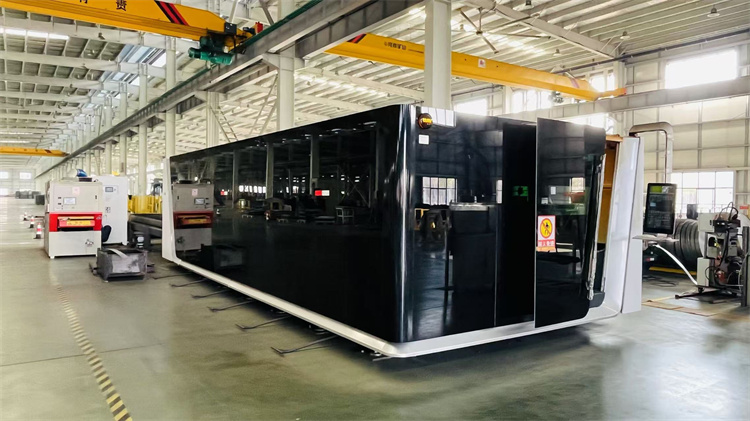
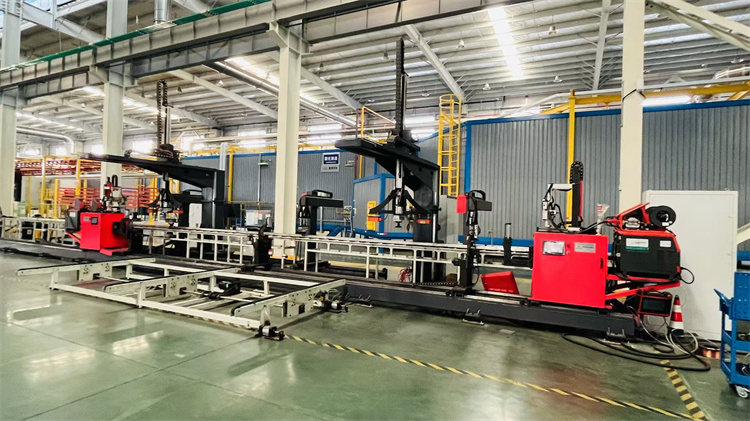
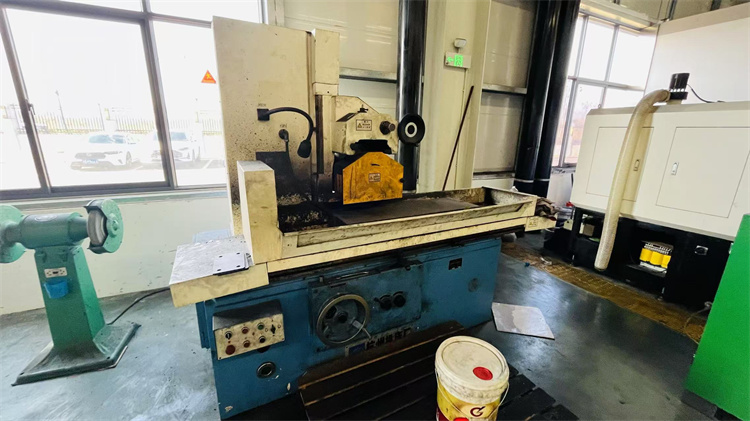
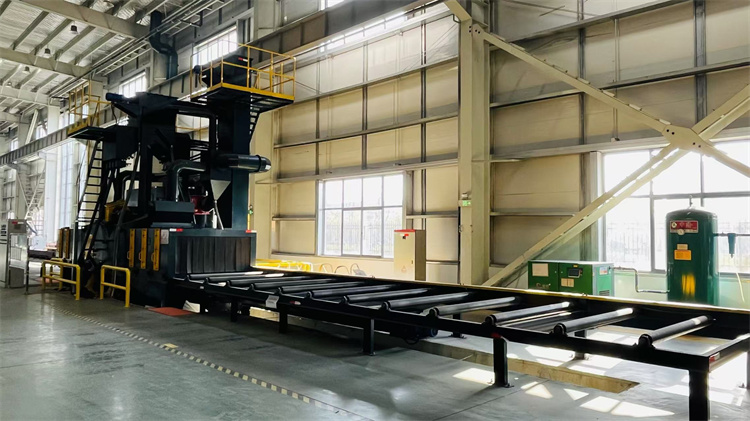
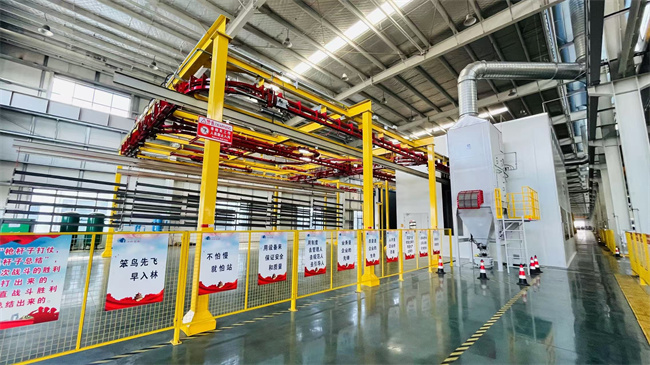
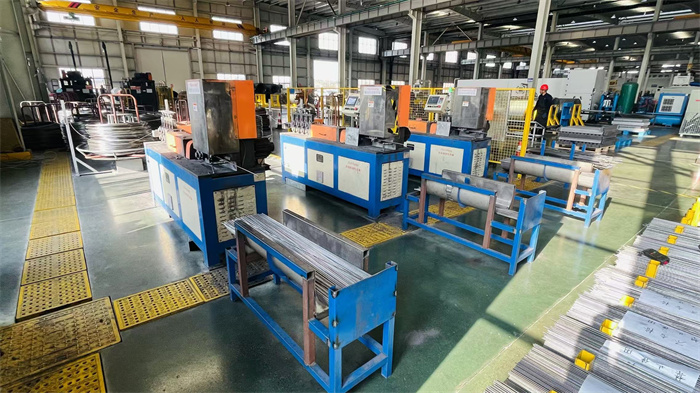
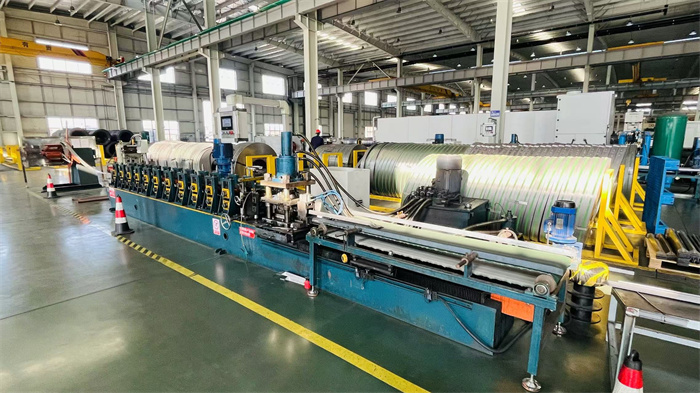
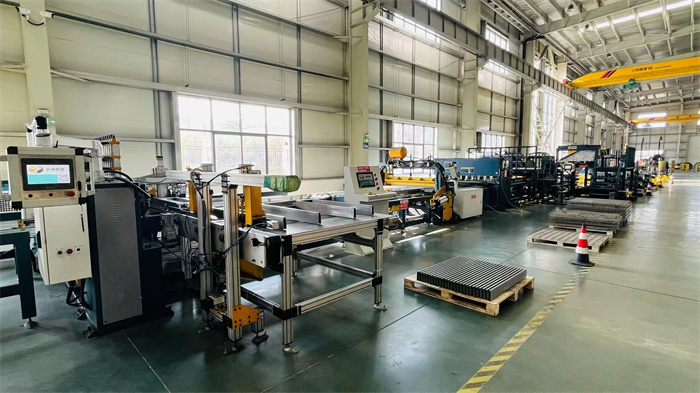
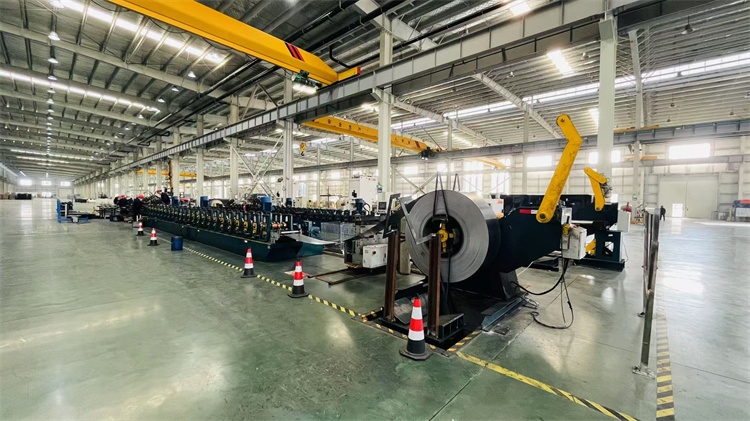
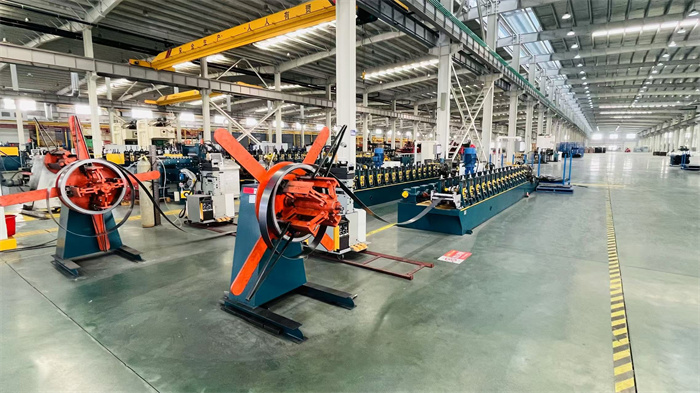
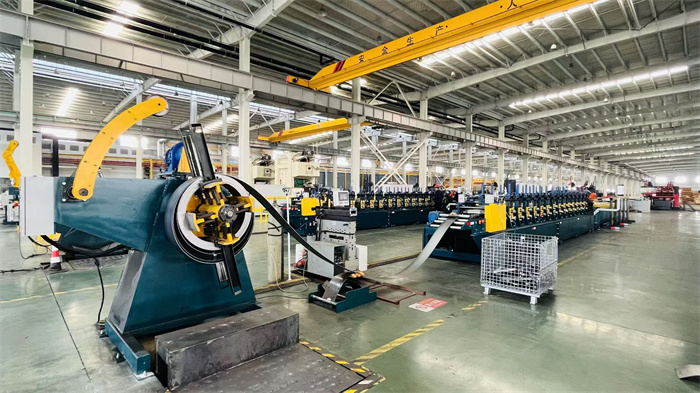
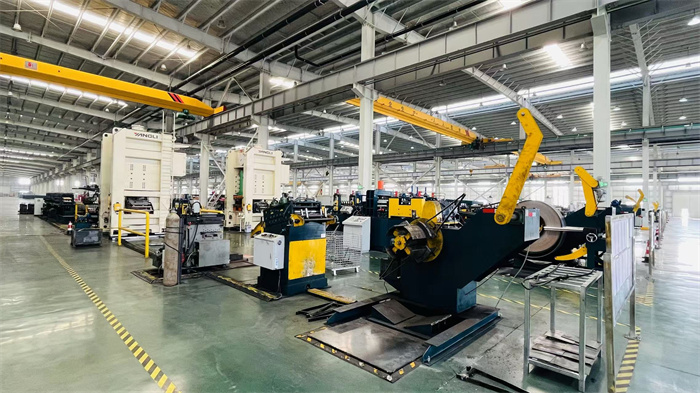
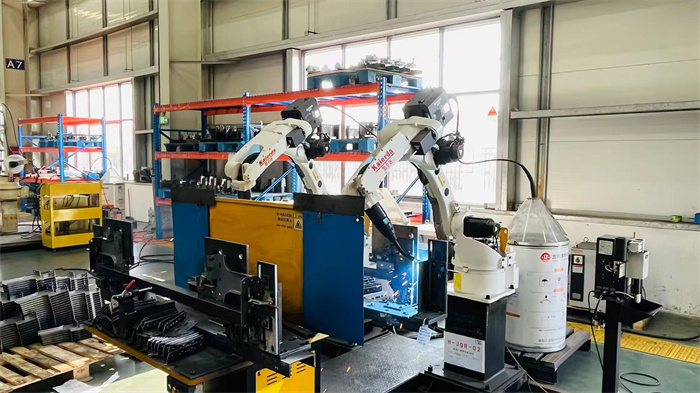
How Jracking designs storage infrastructure to comply with specific regional codes, climate environments, and logistics workflows.
For operations in the United States and Canada, teardrop pallet racking remains the default configuration. This design features boltless, slide-in beam-to-frame connections that allow quick installation and simple vertical level configuration. Jracking engineers design teardrop upright profiles to meet RMI (Rack Manufacturers Institute) guidelines. This includes accounting for weld-integrity metrics and structural tolerance thresholds under dynamic conditions, ensuring safety and compliance across distribution networks.
In Europe, pallet systems must comply with EN 15512 and FEM 10.2.02 regulations. This requires rigorous limit-state analysis, testing of connections, and specific structural deflection margins. Our selective systems use specialized metric pitches (typically 50mm or 75mm) to accommodate standard Euro-pallets, ensuring compliance with European logistics frameworks.
Cold-storage environments demand high spatial density due to the massive energy costs required to maintain sub-zero temperatures (-25°C to -30°C). Conventional mild carbon steel can become brittle at these temperatures. Jracking solves this by specifying impact-tested alloy steels combined with low-temperature powder coatings or hot-dip galvanized finishes. These configurations prevent structural deterioration, flaking, or rust, ensuring long-term reliability in temperature-controlled spaces.
In seismic regions, racking systems are engineered to withstand horizontal ground accelerations. Jracking utilizes finite element analysis (FEA) to calculate seismic forces and modify system geometry accordingly. Structural adjustments include:
Advancing structural efficiency through automated manufacturing, lightweight alloys, and IoT-enabled monitoring.
Integrating load-cell strain gauges and deflection sensors directly into beam profiles. These sensors stream structural status data to central warehouse management software, triggering alerts if overloading or impact deformation occurs.
Partnering with local suppliers to source structural steel produced via electric arc furnaces (EAF) powered by renewable energy. This reduces the embodied carbon footprint of the racking system by up to 40%.
Deploying high-speed cameras on our robotic welding lines to identify micro-defects in real time. This ensures consistent weld quality before components proceed to the powder-coating phase.
Detailed technical answers to common queries from structural engineers, facility managers, and procurement leads.
Explore our smart ASRS components, high-density shuttle designs, and heavy-duty structural steel platforms.
 Jracking