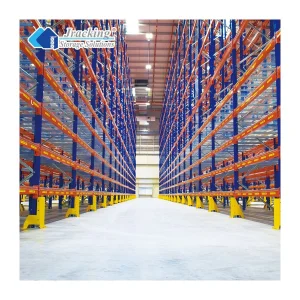
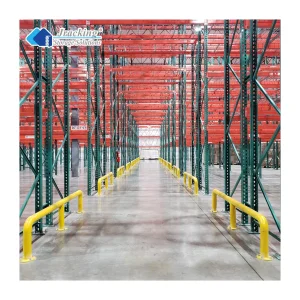
Explore our flagship heavy-duty pallet racking systems and automated storage technologies designed to optimize workspace cubic volume.
Modern supply chains demand highly flexible, space-efficient, and structurally robust modular shelving systems. As global retail, third-party logistics (3PL), e-commerce, and cold storage facilities scale, standard warehouse storage is transitioning into smart, adaptive configurations. Modular shelving systems represent the structural backbone of this transition, bridging traditional selective racking systems with high-density automated recovery paradigms.
Understanding structural load capacities, local regulatory compliance (such as RMI in North America, EN standards in Europe, and AS4084 in Australia), and material characteristics is critical for warehouse planners. Selecting the right manufacturer ensures long-term operational safety, minimum footprint consumption, and scalability to accommodate dynamic inventory changes.
Delivering high-caliber structural engineering and manufacturing excellence for global warehouse operations.
Jracking (Guangdong) Storage Co., Ltd. is a professional manufacturer specializing in warehouse racking systems and industrial storage solutions in China. Since its establishment in 2016, the company has been dedicated to designing, manufacturing, and supplying high-quality storage equipment for global customers across various industries.
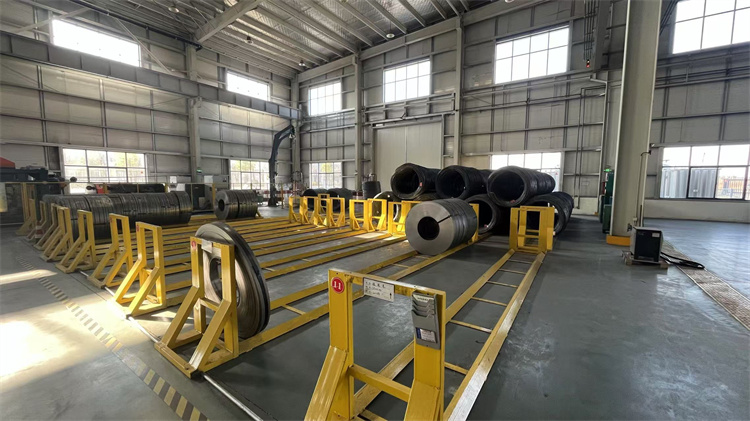
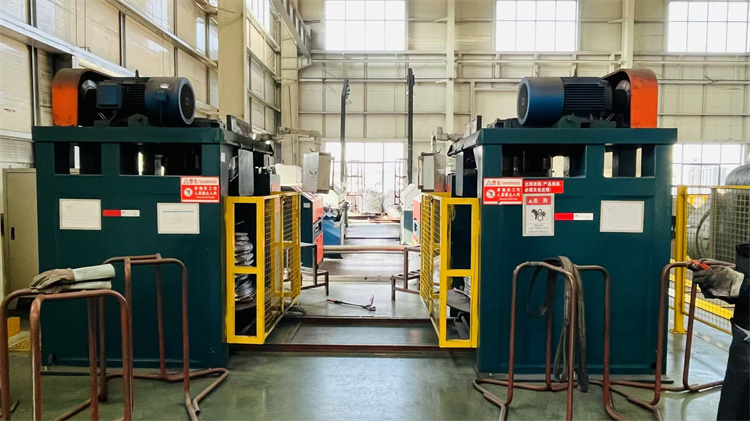
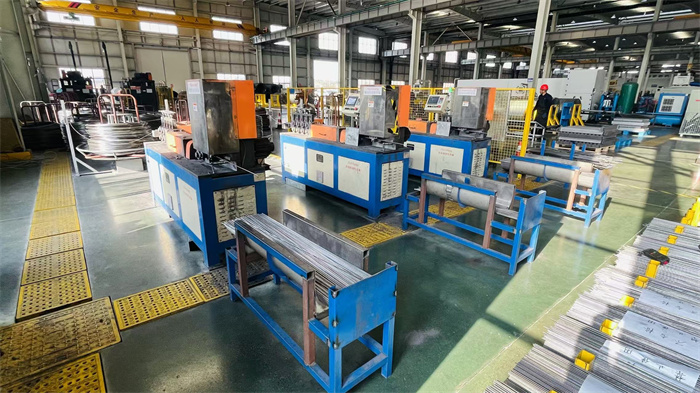
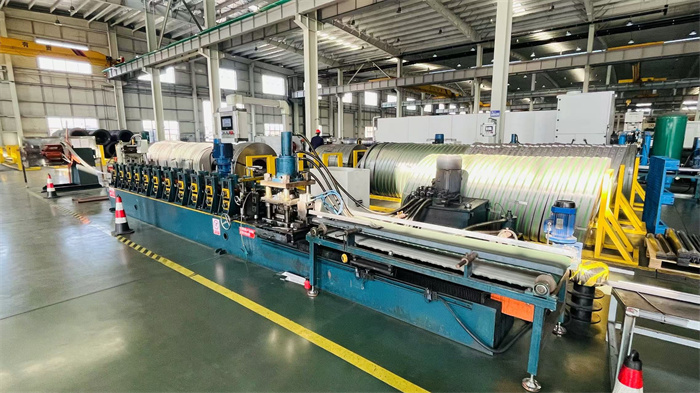
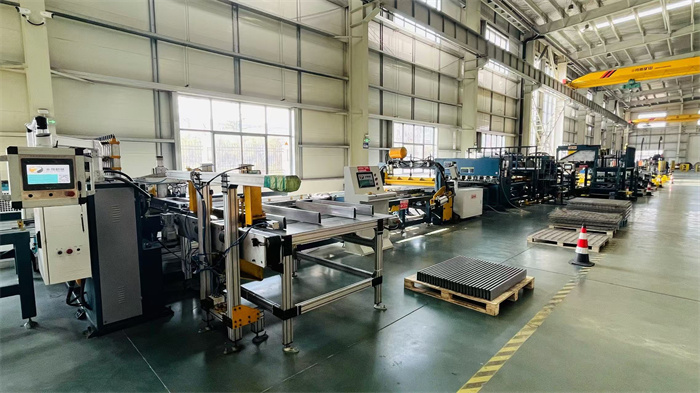
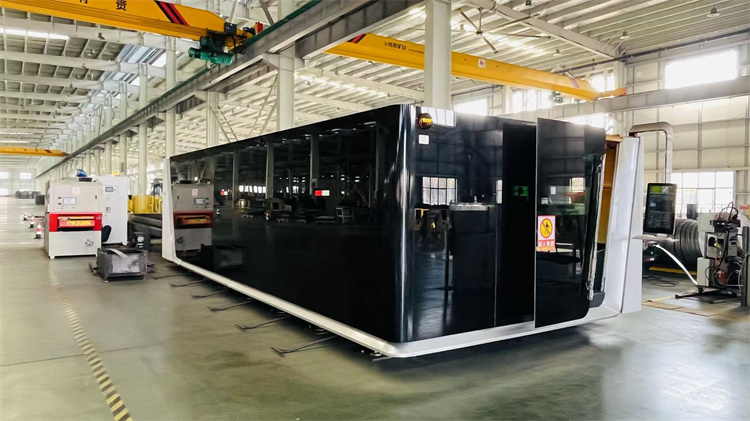
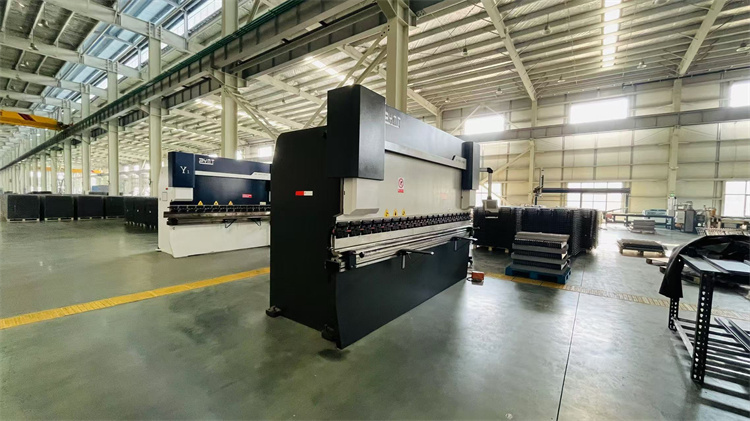
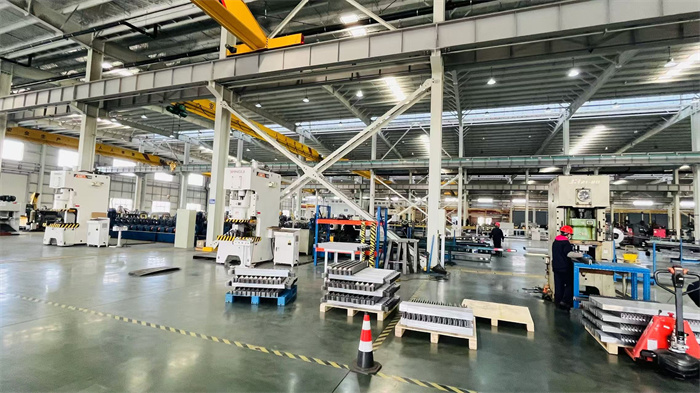
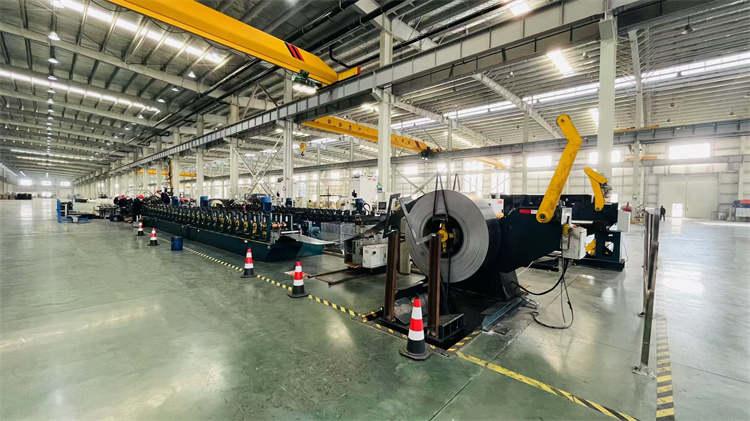
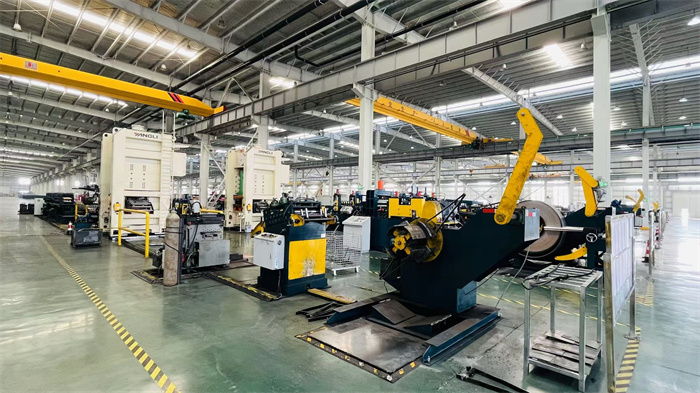
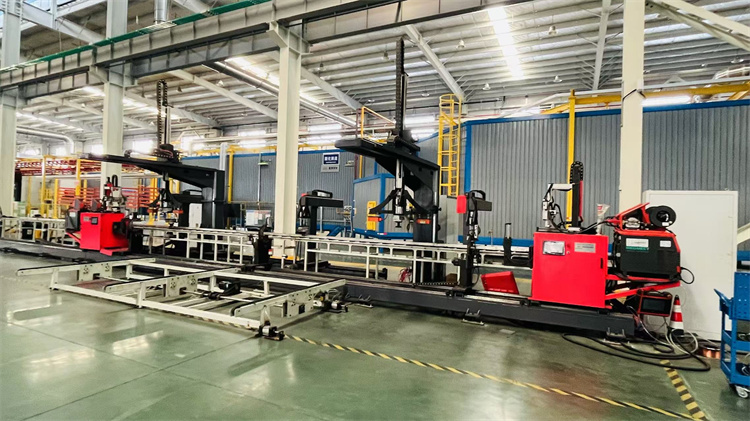
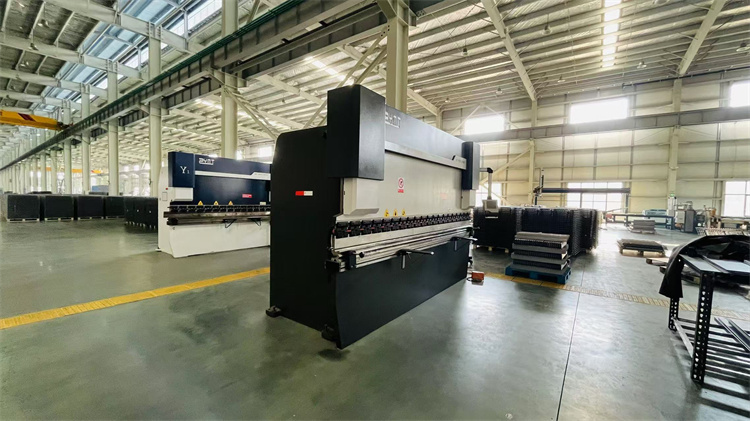
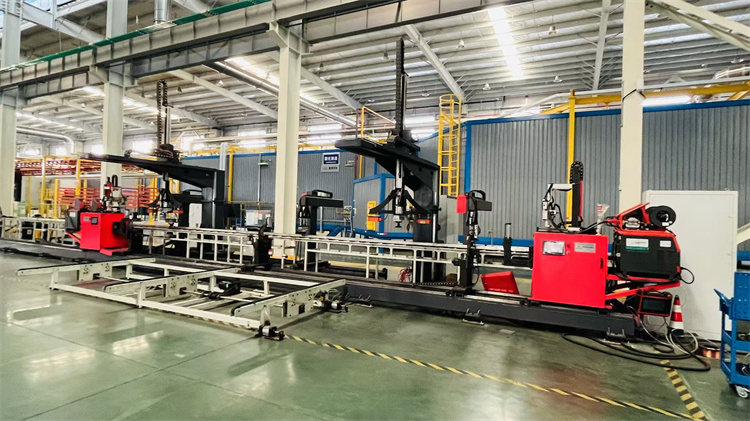
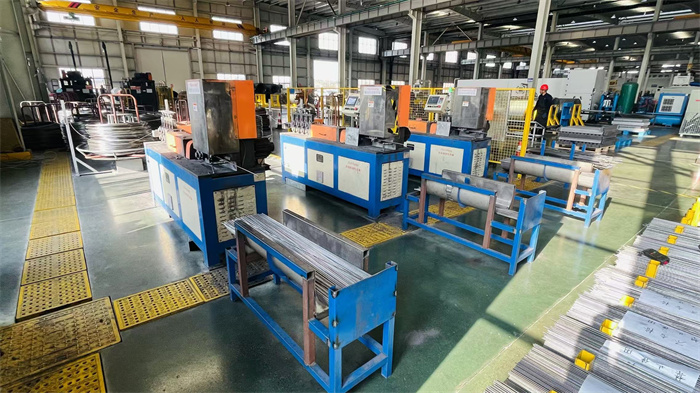
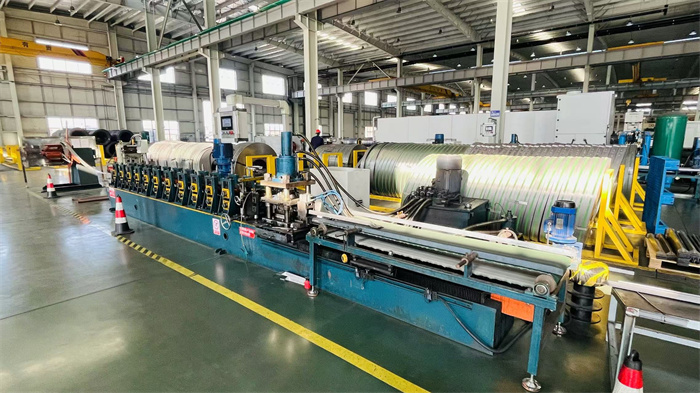
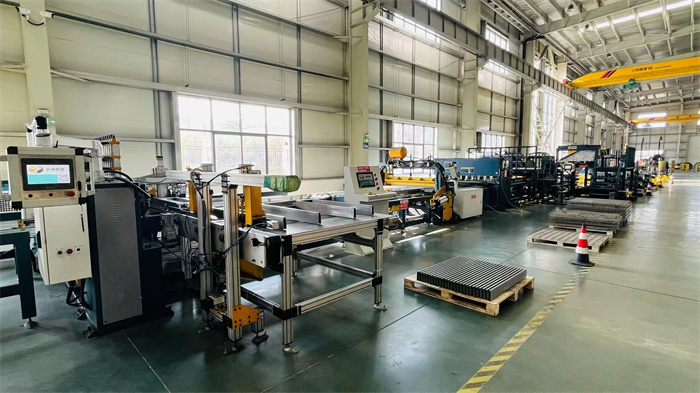
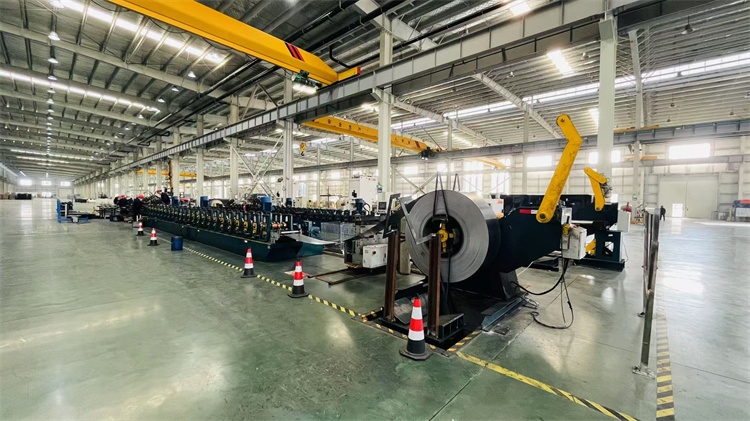
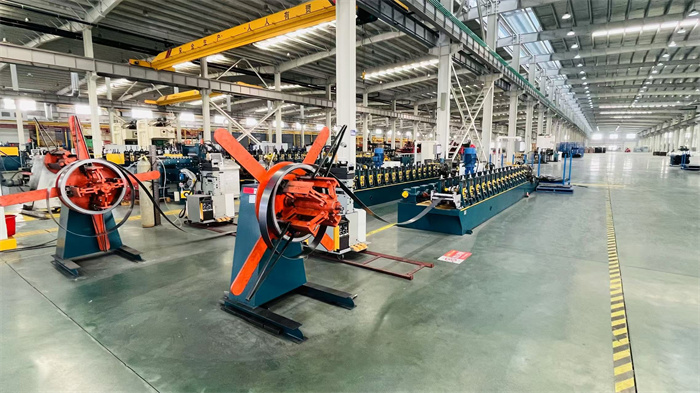
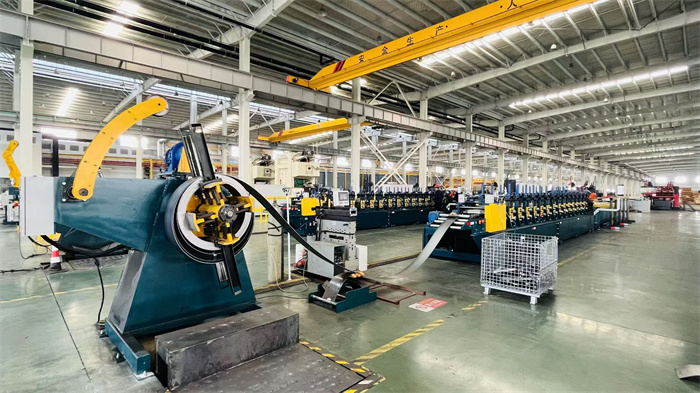
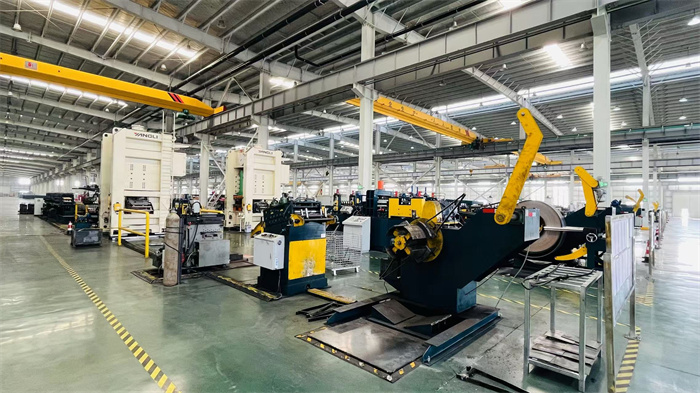
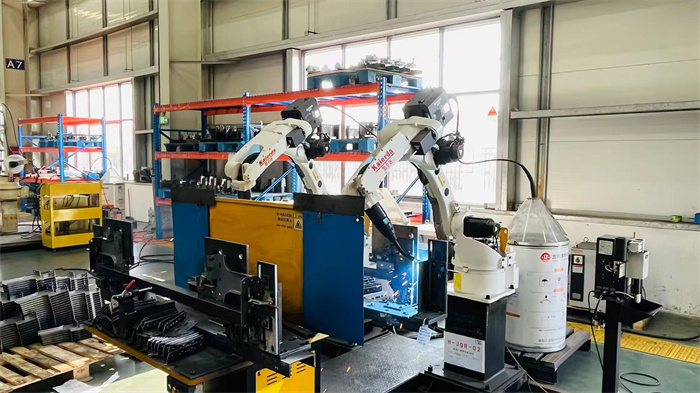
Integrating state-of-the-art production lines, rolling mills, and automated welding cells to maintain micro-millimeter precision tolerances across every upright frame and beam production sequence.
Backed by over 8 years of export experience and 12 years of core industry expertise, Jracking has successfully served customers in North America, Europe, Southeast Asia, Australia, and the Middle East.
A trusted supplier to global supply chain managers, warehouse equipment distributors, importers, wholesalers, logistics agencies, and industrial engineering contractors.
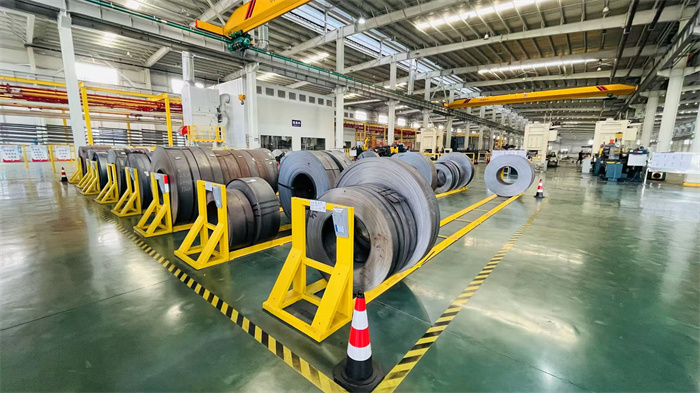
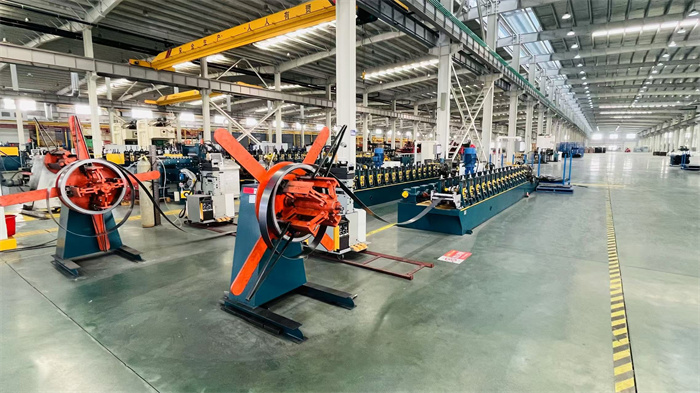
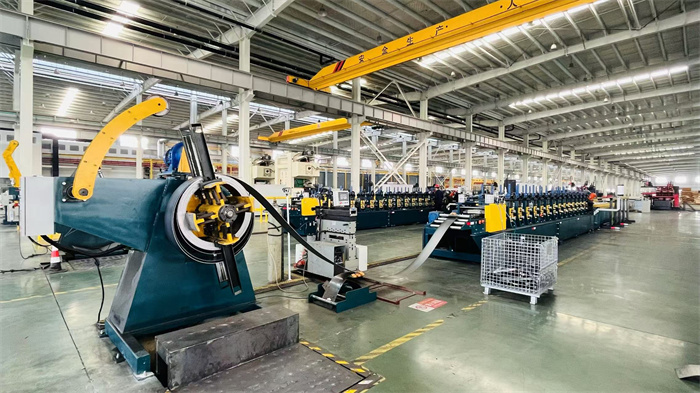
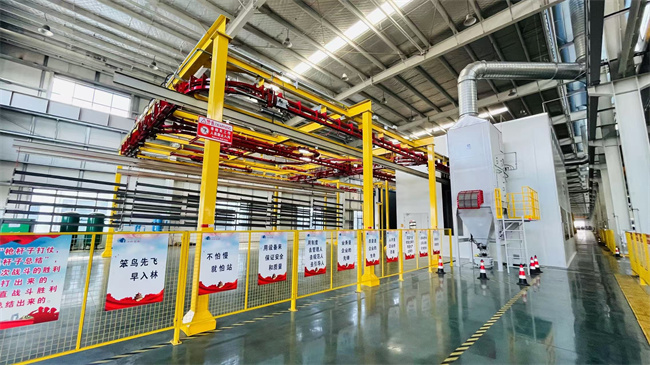
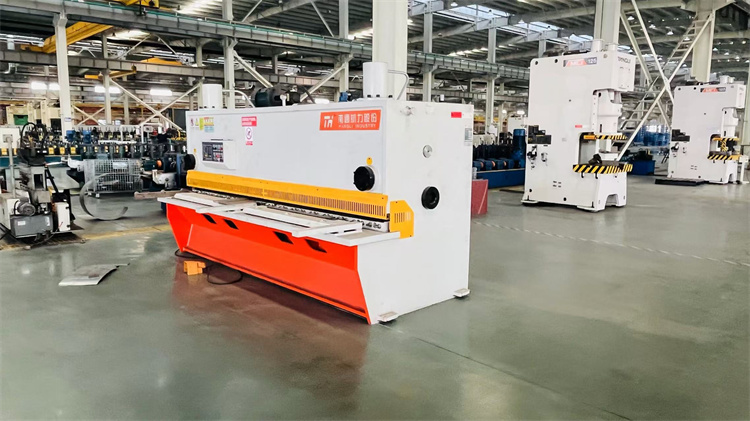
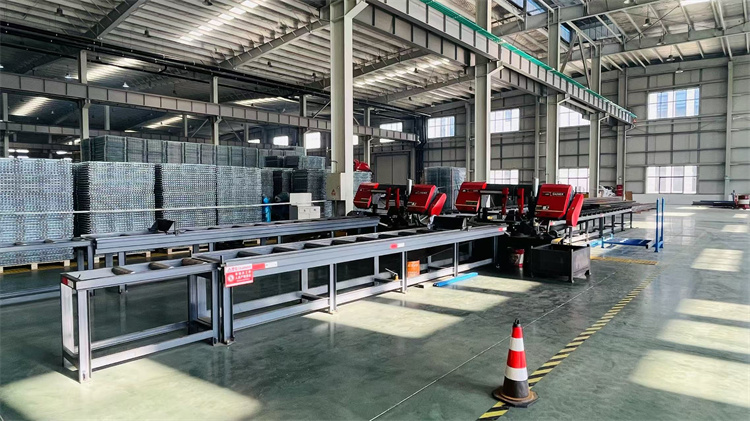
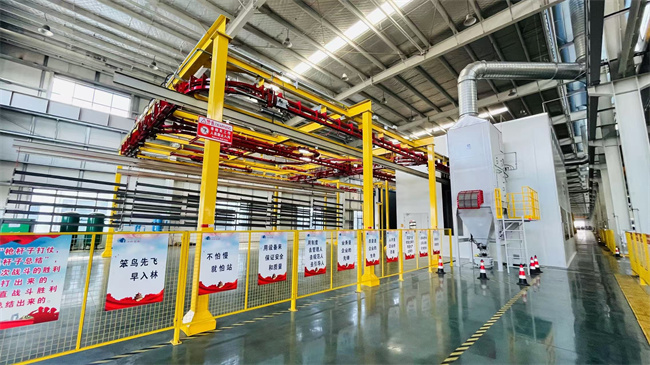
Every phase of our production pipeline conforms to rigid ISO-compliant quality control procedures. From initial roll-forming of high-strength steel coils to automatic robotic welding and electrostatic powder coating, we ensure maximum structural integrity.
Innovation is driven by our R&D group, continuously creating state-of-the-art configurations that adapt to localized environments (including high seismic zones). We support a wide scope of customization options:
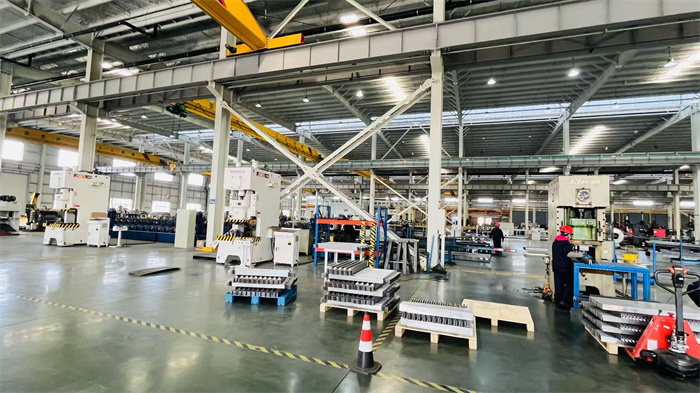
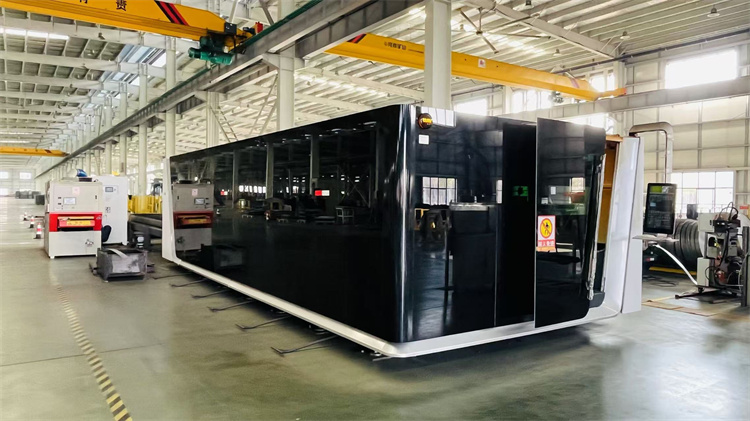
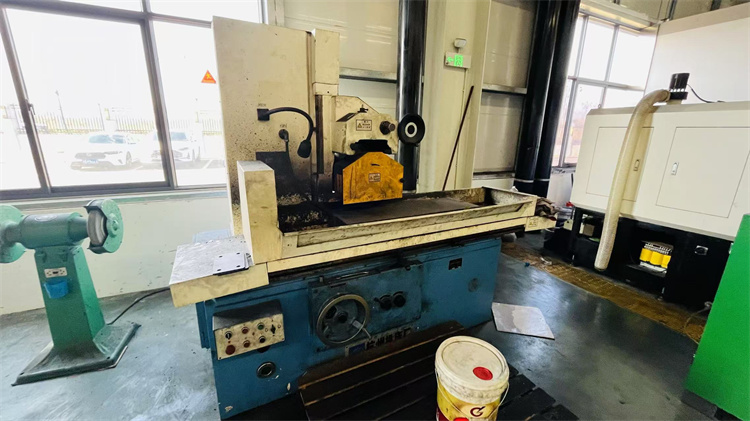
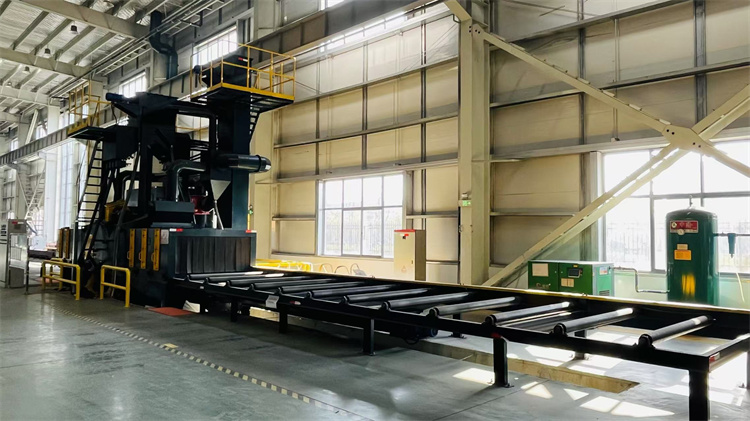
A comprehensive view inside our precision-driven Chinese manufacturing facility, showcasing the transformation of raw steel into certified modular racking systems.
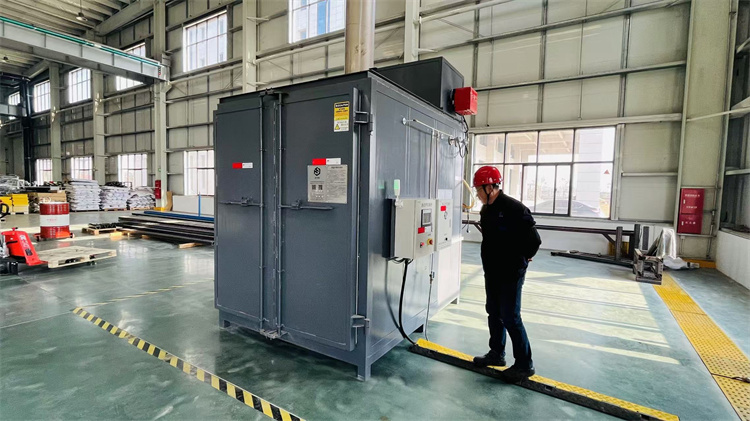
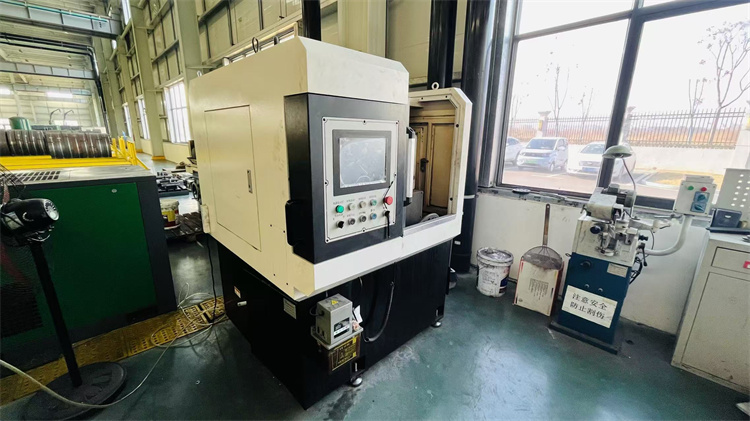
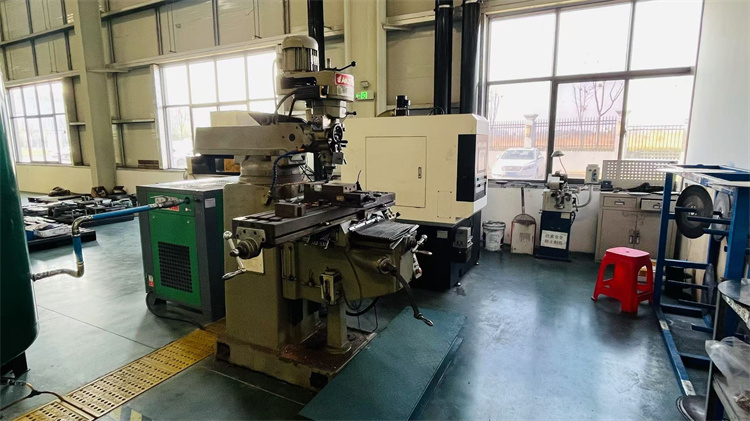
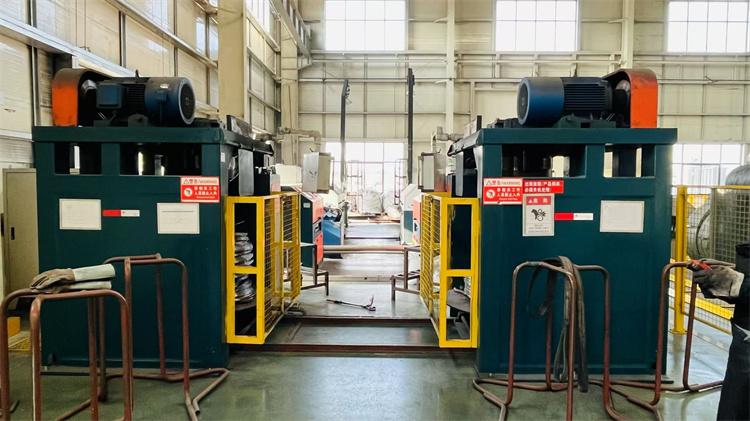
Analyzing localized demands, safety certifications, and performance criteria across key global regions.
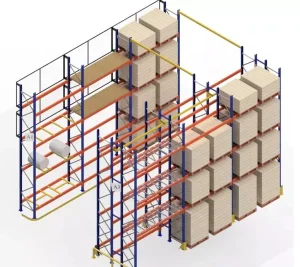
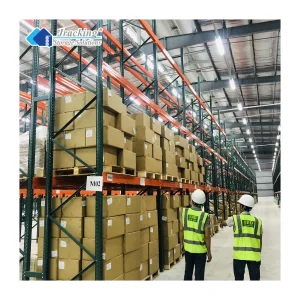
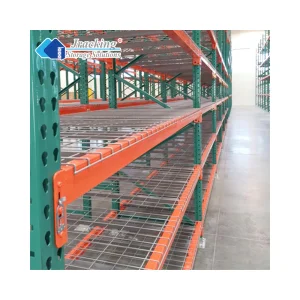
Operating in North America requires conformity with the Rack Manufacturers Institute (RMI) standards. Our heavy-duty teardrop pallet racking systems feature 2-inch adjustability increments, robust locking pins, and structural structural components computed to withstand dynamic forklift impacts. Designed with cold-formed steel and optimized thickness, these modules satisfy local municipal construction codes.
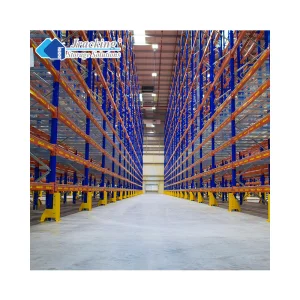
Within the EU, standard compliance mandates adherence to EN 15512, EN 15620, and CE directives. Our European-grade selective storage systems utilize precise 50mm-pitch configurations, adapting to standard Euro-pallets. We implement rigorous finite element analyses (FEA) to verify material resilience under extreme load conditions, ensuring safe working parameters inside high-density multi-tiered layouts.
To address the safety guidelines of AS4084, our AU-standard steel racking systems are engineered with high-strength grade steel (such as Q355B). Testing procedures cover shear, compressive, and structural twist capabilities. These systems provide optimal corrosion immunity via outdoor powder coat technologies or hot-dip galvanization, catering to major logistics centers across Australia.
The structural safety of modular shelving configurations rests on strict metallurgical properties and manufacturing tolerances. At Jracking, our QA pipeline starts with high-strength carbon steel coils (Q235B and Q355B). In order to prevent deformation and premature shearing, we conduct destructive load capacity testing, detailed dimensional inspections, professional ultrasonic weld testing, and magnetic powder testing.
Our in-house QC laboratory, staffed by 48 certified inspectors, measures plating and coating thickness with digital instruments, ensuring corrosion protection across all outdoor components (e.g., hot-dip galvanized cantilever designs). This comprehensive quality control process guarantees that each upright frame, load-bearing beam, and wire mesh deck operates reliably within its specified safe working load limit (SWL).
| Test Parameter | Standard Goal |
|---|---|
| Yield Strength (Q355B) | ≥ 355 MPa |
| Coating Thickness (Powder) | 60 - 80 μm |
| Galvanization Thickness | ≥ 85 μm (Outdoors) |
| Pitch Precision Tolerance | ± 0.5 mm |
How modular shelving scales into automated storage retrieval systems (AS/RS) and smart warehouses.
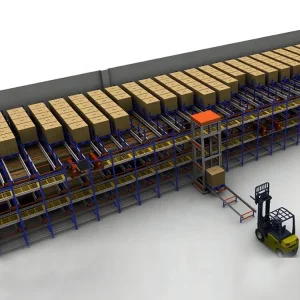
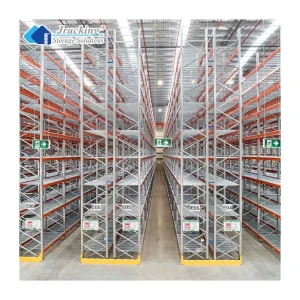
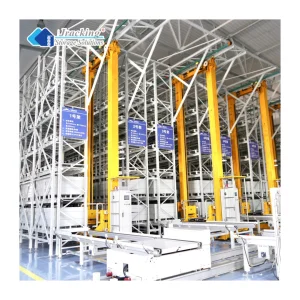
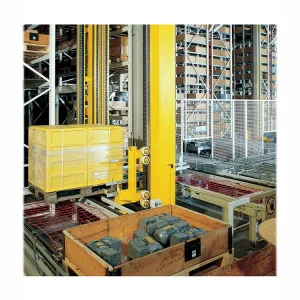
As logistics operations migrate toward automation, standard pallet racking is engineered to accept Automated Storage and Retrieval Systems (AS/RS). Our high-tolerance vertical racking channels permit stacker cranes and vertical shuttles to traverse pathways smoothly at high speeds.
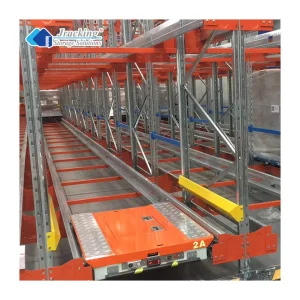
Integrating radio shuttle systems within our heavy-duty structures maximizes dense storage volumes. Shuttle cars navigate autonomously within the racking tracks, eliminating forklift transit lanes and increasing high-density aisle safety.
Future designs focus on eco-friendly, zero-emission powder coatings and alloy compositions. Advancements in structural steel allow for lighter component weights without sacrificing structural load ratings, resulting in decreased logistics freight footprints.
Explore our highly integrated automation racks, vertical ASRS solutions, and heavy-duty components for demanding warehouses.
In-depth responses to critical design, testing, standard compliance, and logistic deployment questions.
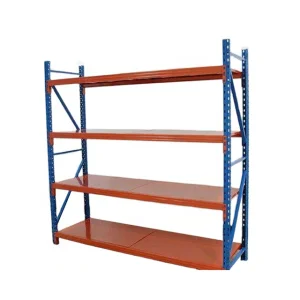
Q235B and Q355B represent distinct structural carbon steel grades utilized under international standards. Q235B steel offers a minimum yield strength of 235 MPa, ideal for light to medium-duty racking systems, wire decks, and general-purpose storage platforms.
Q355B steel features a higher minimum yield point of 355 MPa. The increased load threshold of Q355B makes it the industry standard for high-density heavy-duty configurations, AS/RS structures, and deep selective layouts where high structural load limits (exceeding 2000kg per level) are required.
Our design engineering group utilizes finite element analysis (FEA) software to perform structural calculations based on local wind loads, building codes, and seismic accelerations.
For North America, calculations align with ANSI/RMI MH16.1. For Oceania, projects conform to AS4084:2012 structural requirements, including baseplate calculations, concrete anchoring depth, and overhead bracing patterns, ensuring compliance with local construction laws.
The choice of finish depends on the operating environment. Electrostatic powder coating provides an aesthetic, corrosion-resistant surface finish ideal for indoor temperature-controlled warehouses, retail locations, and light industrial plants.
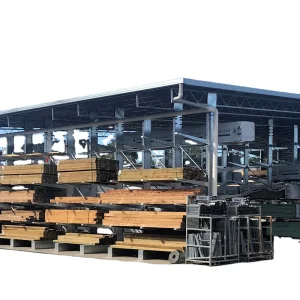
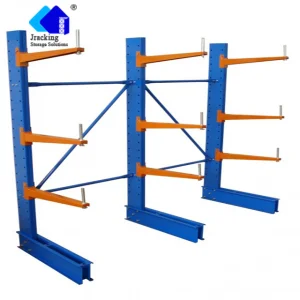
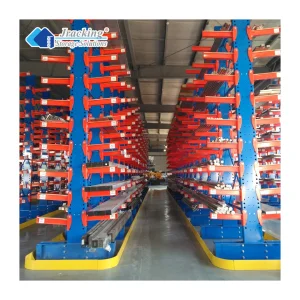
Hot-dip galvanizing involves coating the steel in molten zinc, creating a metallurgical bond. This provides robust rust protection, making it ideal for outdoor cantilever storage yards and high-moisture cold storage installations.
Yes, our engineering department provides comprehensive CAD layout design services based on warehouse dimensions and pallet profiles.
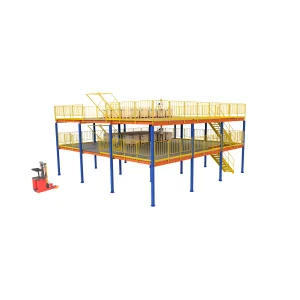
We design and manufacture hybrid systems that integrate heavy-duty selective pallet racks, multi-level mezzanine decks, and long cantilever arms within a single facility layout.
Each production run undergoes structural quality checks, including incoming raw coil testing, dimensional accuracy measurements, welding cross-section inspections, powder coat thickness verification, and final assembly fit tests.
Test results are logged and kept for manufacturing traceability. Additionally, we welcome third-party inspections (e.g., SGS, TUV) prior to container loading at our factory.
With over 8 years of export experience, we have developed packaging protocols for long-distance ocean shipping. Upright posts, columns, and structural beams are nested, bound with high-tensile steel strapping, and wrapped in heavy-duty protective film.
Cardboard separation blocks and corner protectors prevent metal-on-metal friction. High-density components, like base plates and connection clips, are packed in heavy-duty wooden crates or steel containers, ensuring the shipment arrives in pristine condition.
 Jracking