Engineered for extreme loading capacities, safety compliance, and maximum space utilization across global supply chains.
Analysis of structural demands, engineering dynamics, and standard compliances driving the logistics industry.
In the modern industrial sector, the safe and efficient storage of high-tonnage goods is a fundamental component of structural logistics. Rapid shifts in manufacturing, raw materials supply, and aerospace fabrication have created a rising demand for specialized Heavy Equipment Storage systems. These storage frameworks must bear load profiles far exceeding those of consumer goods or standard retail pallets. They are designed to hold steel coils, heavy machinery molds, construction vehicle components, and critical infrastructure piping.
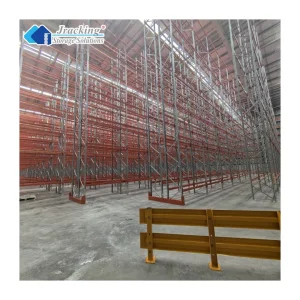
Historically, heavy machinery and oversized components were kept directly on the warehouse floor. This practice consumed valuable square footage, created severe safety hazards, and limited operational access. Modern industrial standards now require high-density vertical configurations. Today’s industrial storage designs incorporate seismic load analysis, structural deflection limits, and robust floor anchorings. The focus has shifted toward building high-performance vertical spaces that can safely hold loads from 1,000 kg up to 5,000 kg per level, maintaining structural stability under complex loads.
From a global supply chain perspective, heavy storage solutions must comply with different regional codes and standards. For example, systems built for the North American market must meet the strict guidelines of the Rack Manufacturers Institute (RMI), which define design tolerances and welding processes. In the Asia-Pacific region, structures must align with Australian Standard AS4084-2012, which details how pallet racks are designed, installed, and inspected. European operations require compliance with FEM 10.2.02 guidelines, which focus on structural safety and load performance.
Adapting to these standards requires advanced metal-forming and structural engineering. As companies look to maximize storage footprint efficiency, they must also factor in regional safety requirements, making qualified engineering design the foundation of modern high-capacity logistics.
How advanced production facilities deliver unmatched customization, structural reliability, and cost-efficiency.
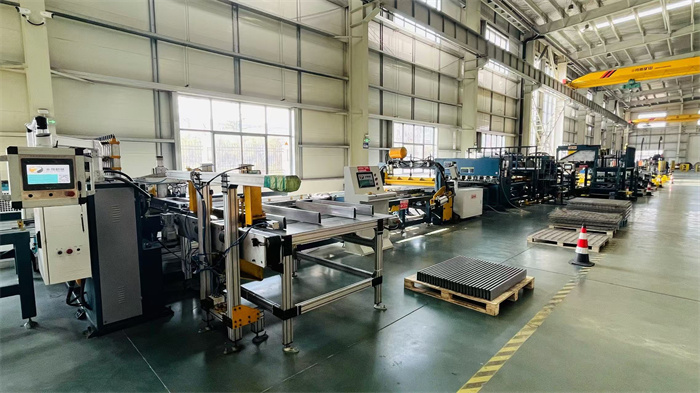
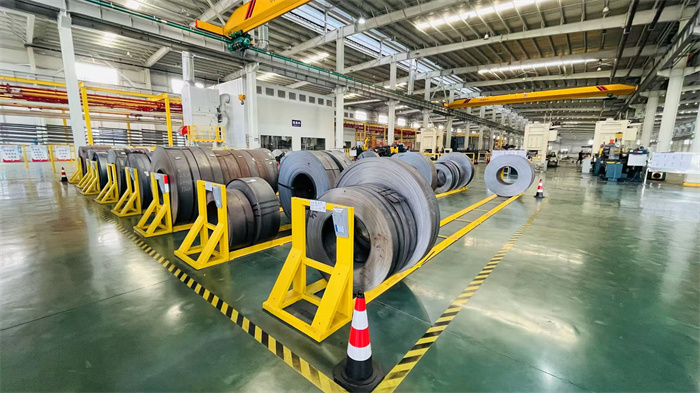
China’s industrial hubs have established an integrated supply chain that delivers a strong balance of production speed, quality control, and cost-efficiency. Jracking (Guangdong) Storage Co., Ltd. operates a modern 28,600 m² manufacturing facility that illustrates these advantages. Established in 2016 and backed by over 12 years of industry expertise, Jracking manages the entire production cycle in-house. This comprehensive control ranges from sourcing certified raw Q235 and Q355 structural steel to advanced automated fabrication, high-durability powder coating, and strict load testing.
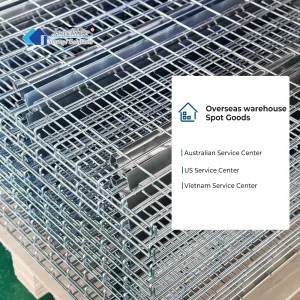
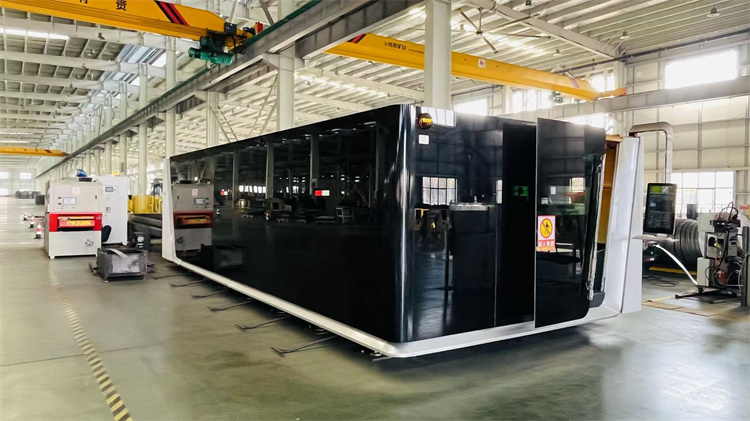
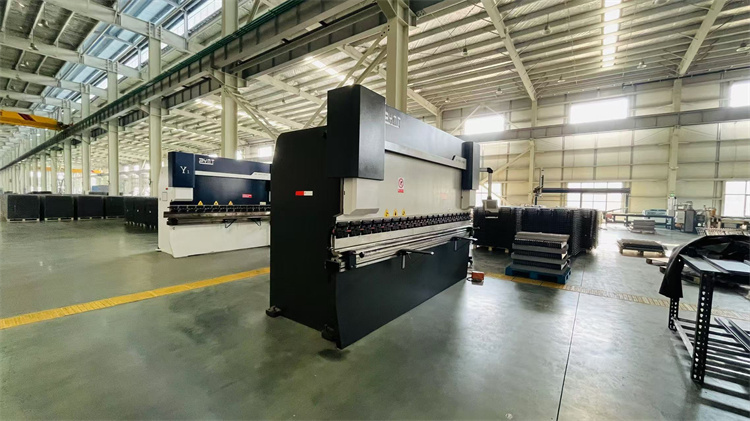
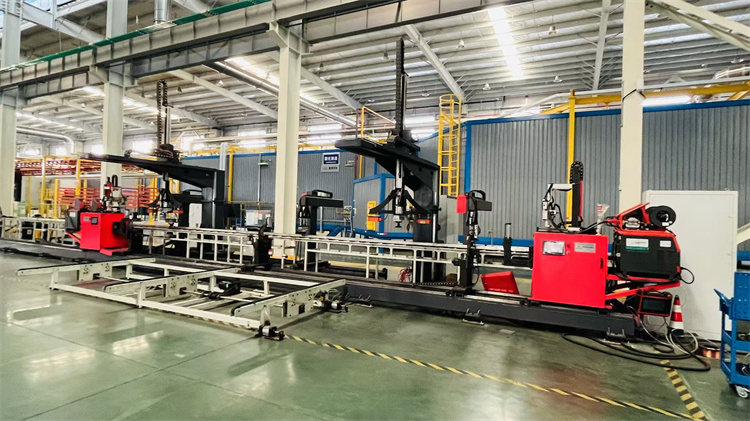
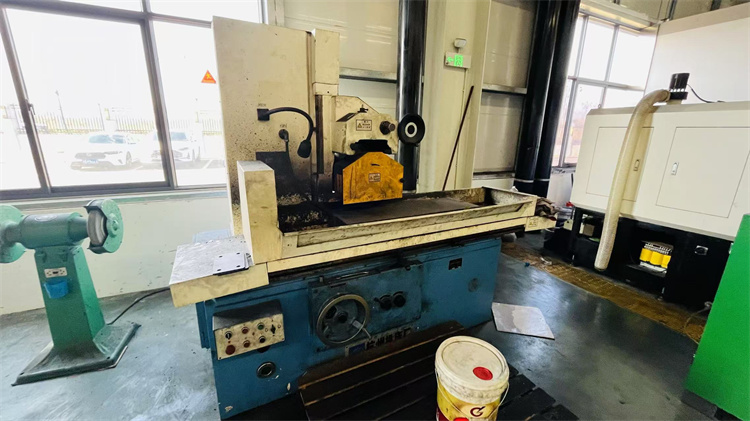
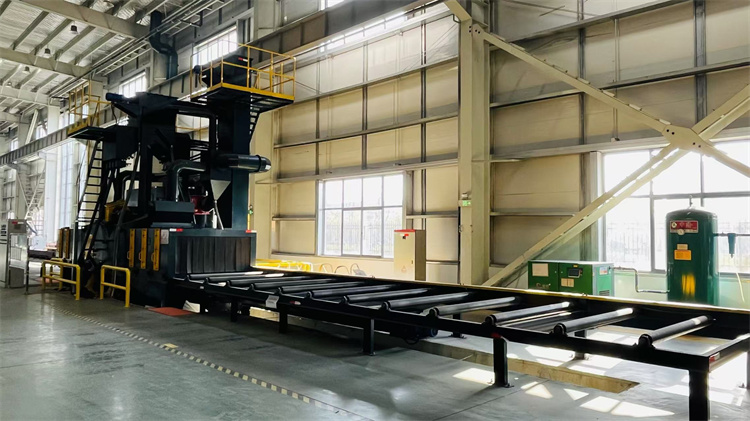
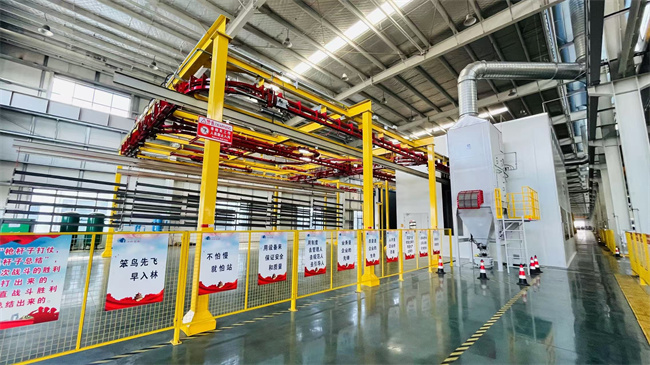
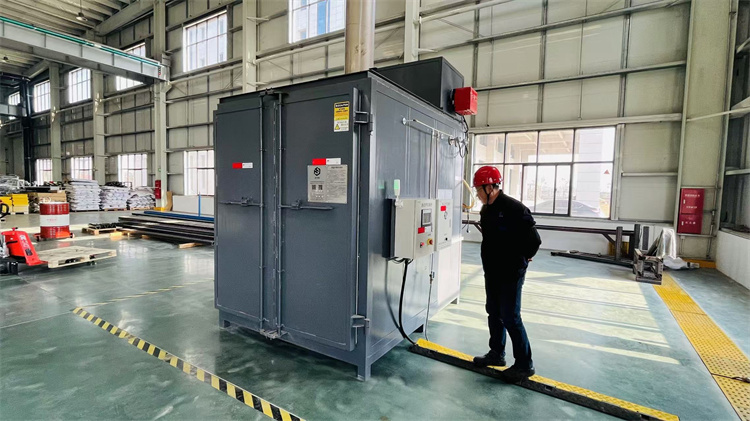
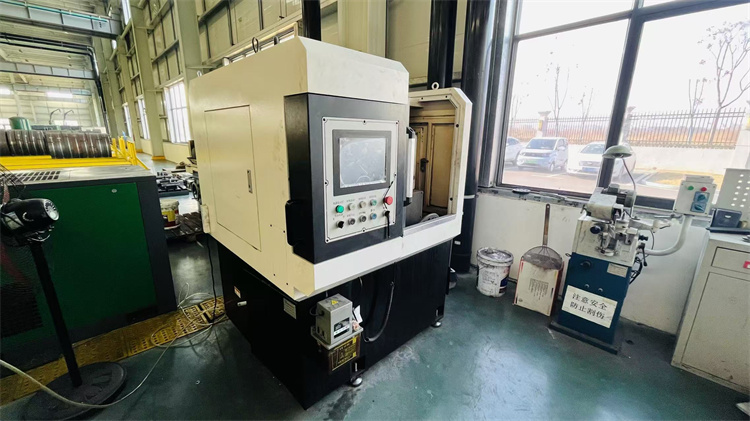
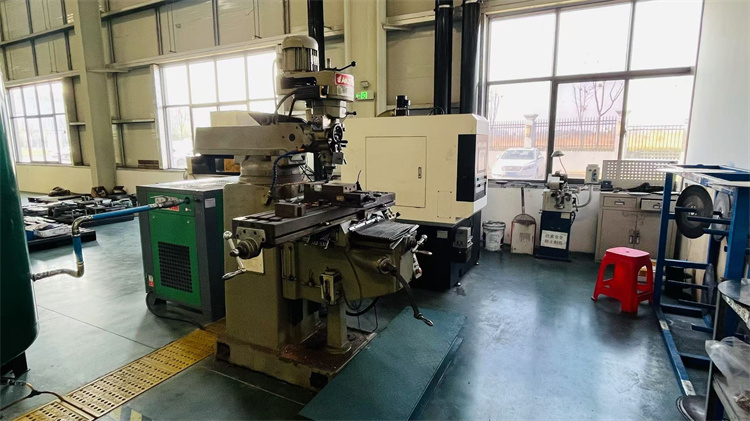
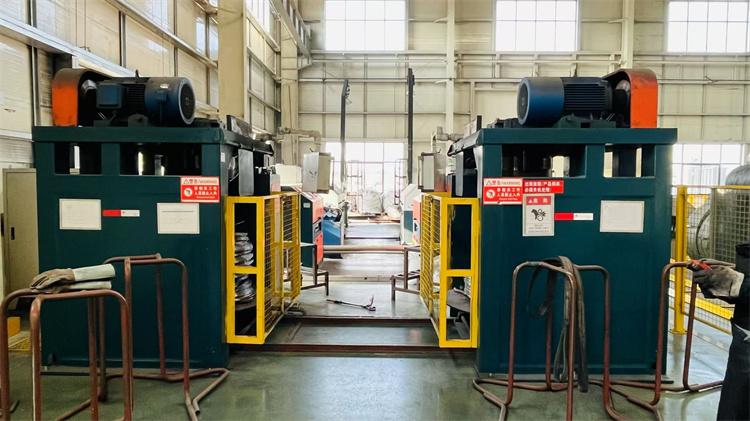
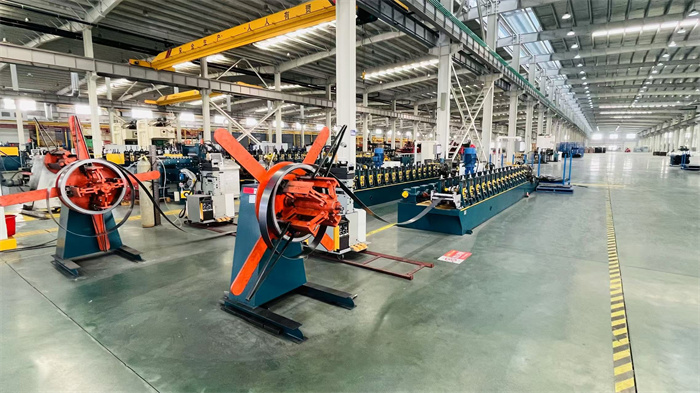
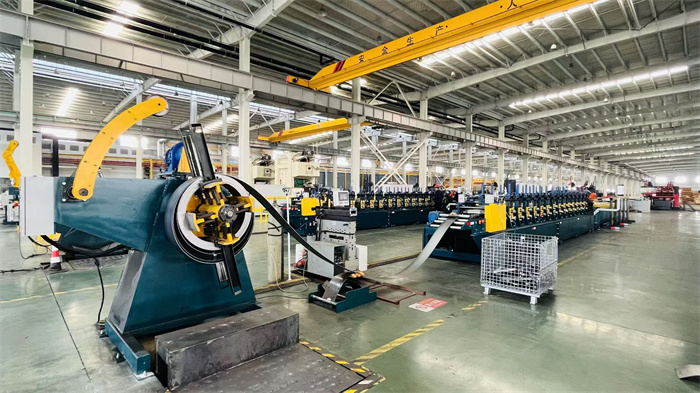
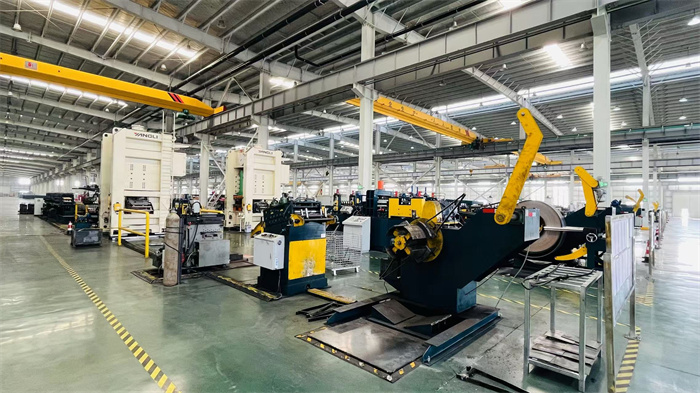
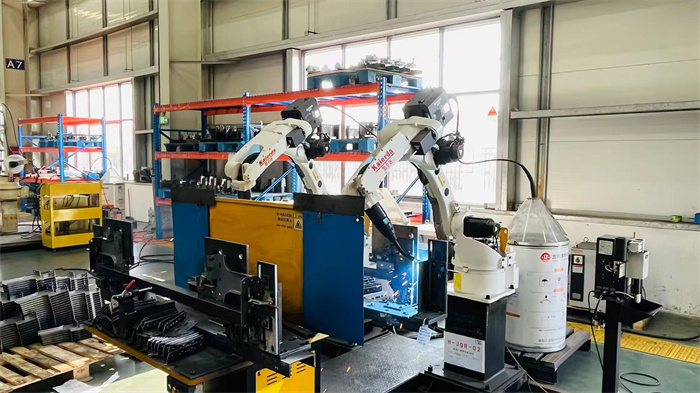
The efficiency of our factory relies on specialized, automated production equipment. Our automated manufacturing line features precision laser cutters, structural welding robots, multi-station roll-forming mills, and clean-air powder spraying booths. This setup ensures that every upright frame, beam, and wire deck meets tight dimensional tolerances. By using automated robotic welding rather than manual processes, we achieve uniform weld penetration and reduce heat distortion. This precision maintains structural integrity, which is essential for heavy equipment racks that support thousands of kilograms under dynamic loads.
Our team of 48 professional quality inspectors oversees testing procedures, including chemical steel analysis, weld ultrasonic testing, load capacity checks, and coating thickness measurements.
With 85 experienced R&D engineers, we customize rack structures, sizing, load limits, and protective coatings to match project requirements and warehouse layouts.
Our heavy equipment storage structures are designed and tested to meet international standards, including CE certifications, AU AS4084, and US RMI guidelines.
Inside our ISO-compliant facility: Step-by-step production of industrial storage systems.
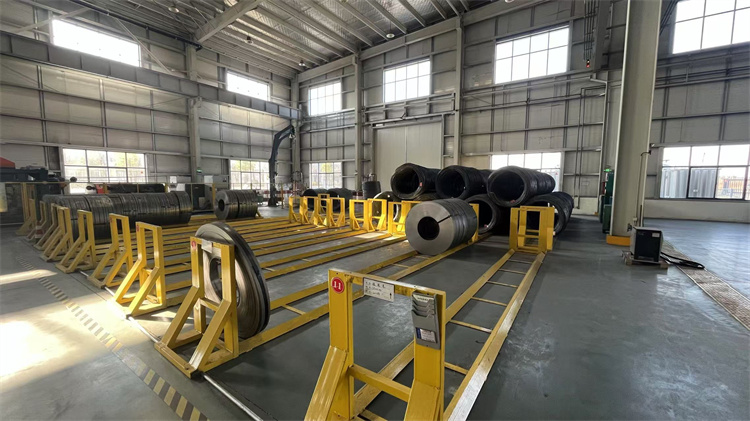
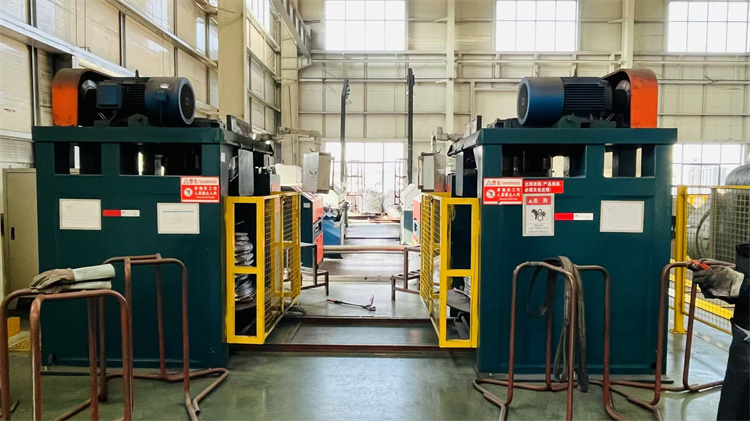
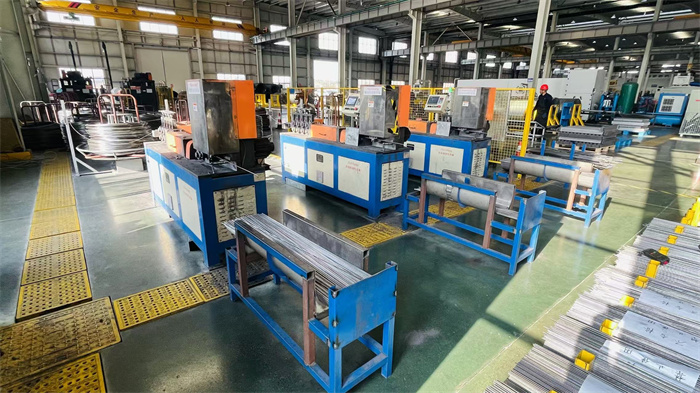
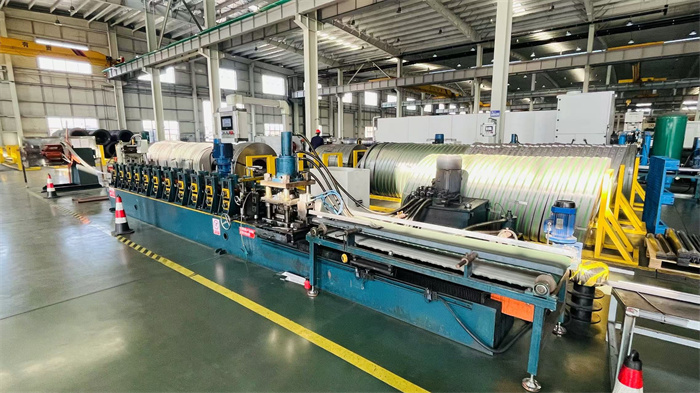
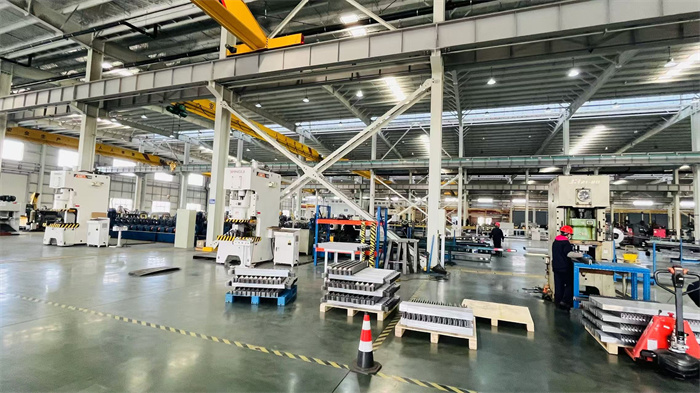
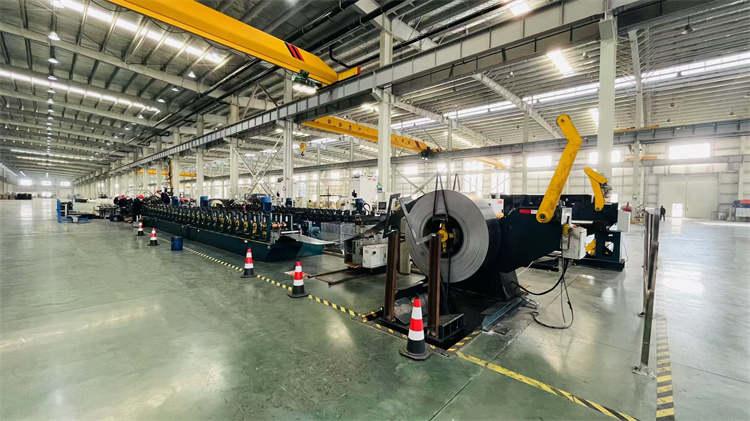
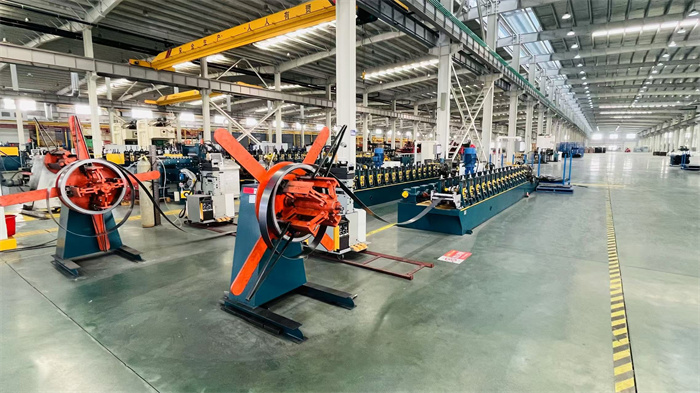
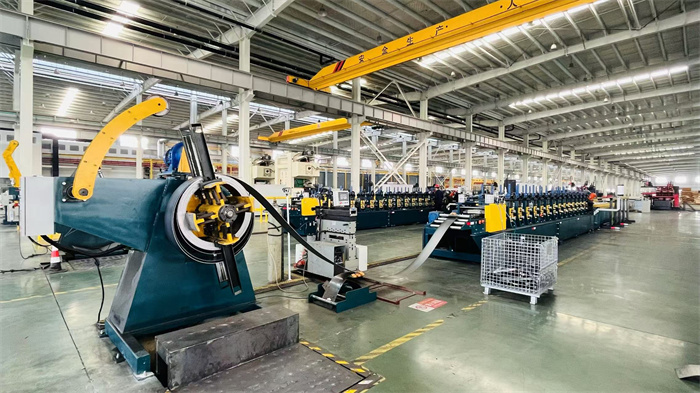
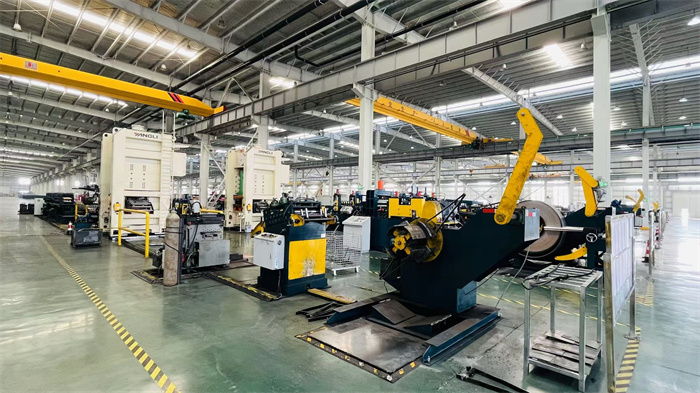
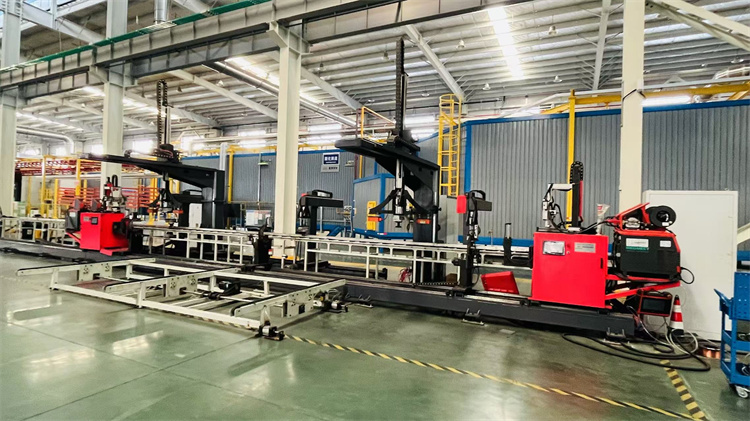
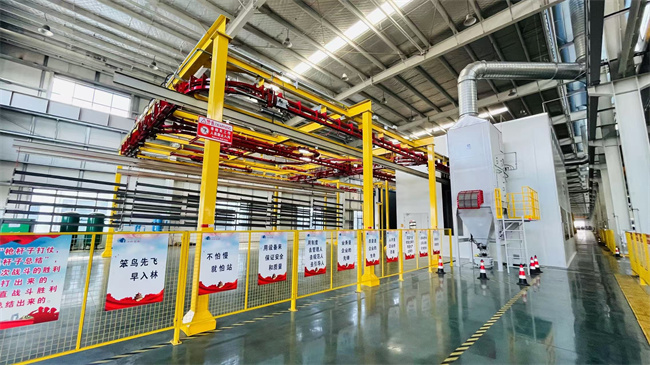
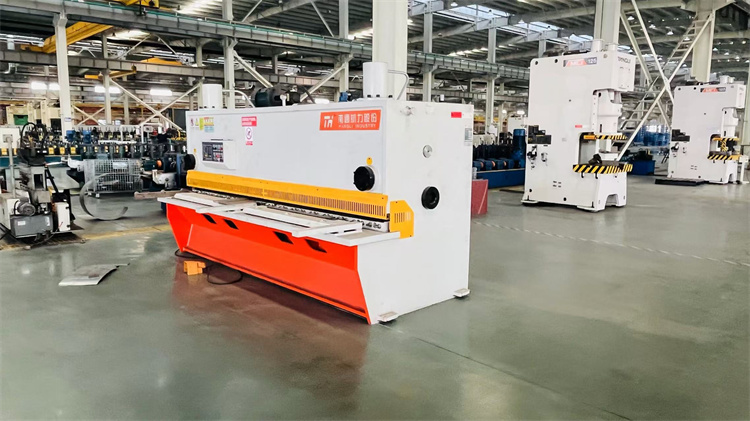
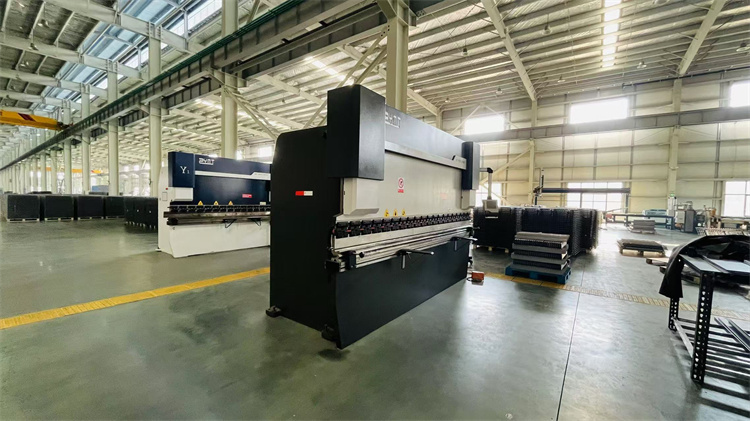
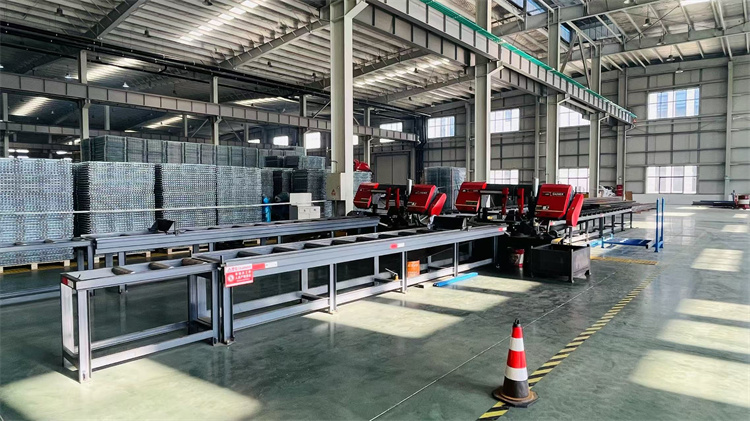
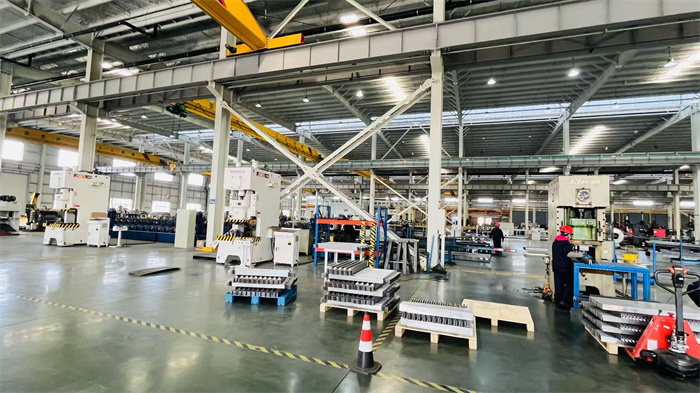
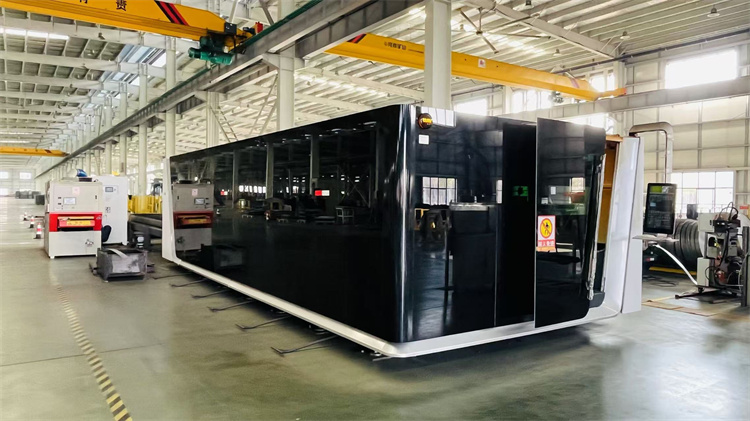
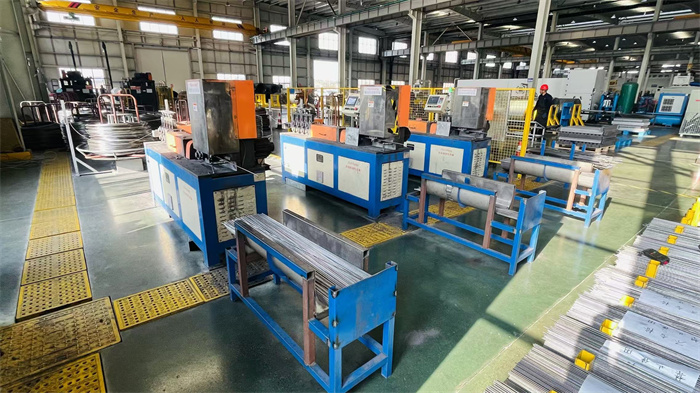
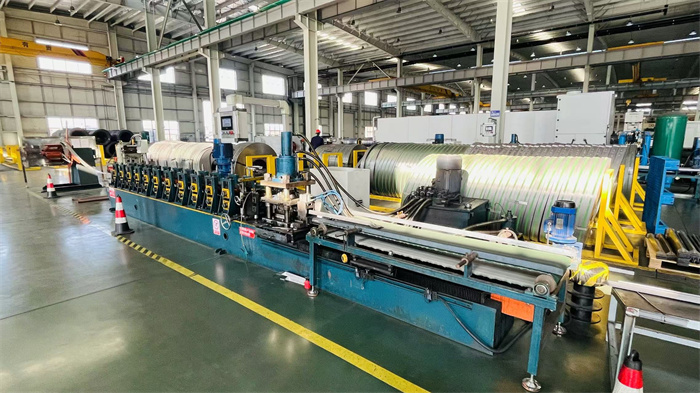
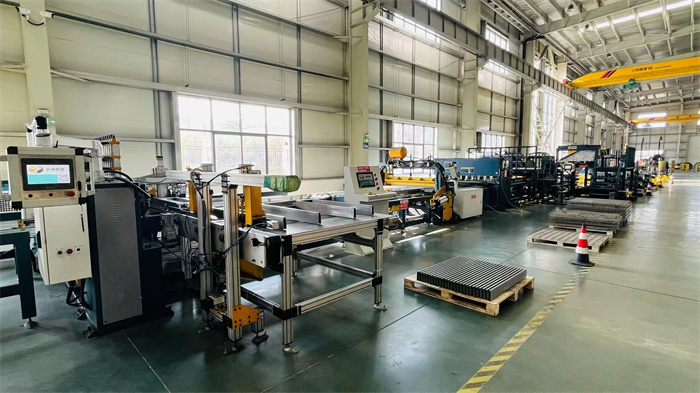
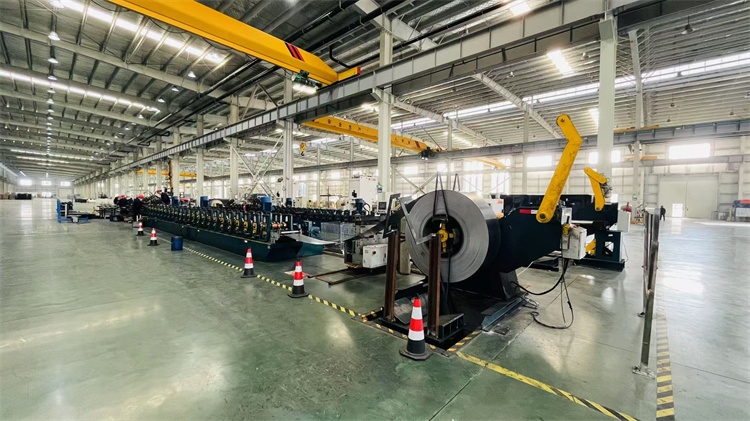
Real-world usage profiles of our rack systems across diverse commercial landscapes.
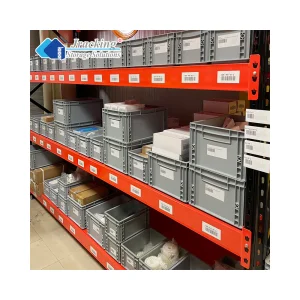
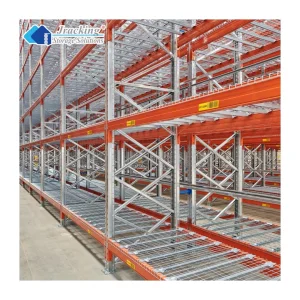
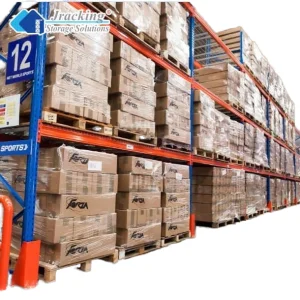
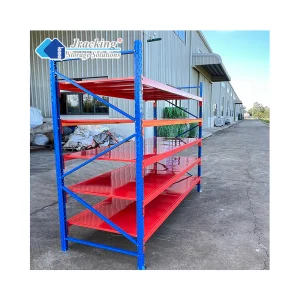
In automotive and industrial assembly plants, components like engine blocks, cast iron casings, and metal tooling dies must remain accessible while stored safely. Jracking’s Heavy Duty Industrial Storage Shelves Systems provide a robust solution. Using thick-gauge hot-rolled beams and reinforced connections, these racks support concentrated loads without deflecting beyond acceptable limits. This helps logistics operators prevent damage and optimize workflows.
Low-temperature warehouses require steel structures that resist low-temperature embrittlement. Standard steel can become brittle and lose impact strength at sub-zero temperatures. Jracking uses specialized structural steel (such as Q355 steel with tested low-temperature properties) and a high-durability powder finish to protect our Selective Pallet Racks in Cold Storage. This structural protection ensures durability in demanding, temperature-controlled facilities.
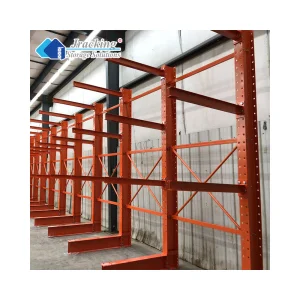
Storing long, heavy materials like plastic conduits, steel tubes, and structural timber requires specialized layouts. Standard front-post pallet racks restrict access and make storing long items difficult. Our custom-engineered Warehouse Cantilever Racks feature open structural arms that simplify forklift access. They are engineered to prevent bowing or warping over time, ensuring long-term structural reliability.
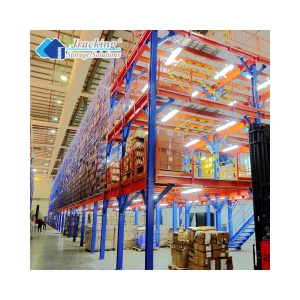
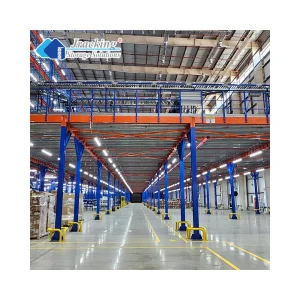
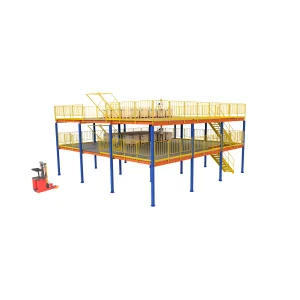
For logistics hubs focused on high volume and fast turnover, maximizing vertical space is a key priority. Our multi-tier Prefabricated Steel Warehouse Mezzanines double or triple usable floor area without requiring building modifications. These mezzanine systems feature modular columns and high-load decking, integrating with automated transport systems to support high-throughput shipping workflows.
The integration of automation, digital twinning, and sustainability in high-capacity storage design.
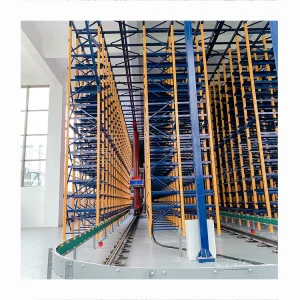
The industrial storage sector is shifting toward automated warehouse management. Traditional manual warehousing is transitioning to semi-automated and fully automated systems. The adoption of Automated Storage and Retrieval Systems (ASRS) and intelligent radio shuttle carts is growing rapidly. These technologies maximize spatial density and reduce forklift transport times inside the warehouse. The modern storage framework is now a dynamic grid designed to work with high-speed automated cranes and shuttle vehicles.
Environmental sustainability is also shaping manufacturing processes. Modern powder-coating operations are moving away from traditional solvent-based processes to electrostatically applied epoxy powders. This method produces zero volatile organic compound (VOC) emissions and provides a durable, corrosion-resistant finish. Using sustainable materials and manufacturing practices helps logistics and storage companies meet environmental benchmarks, while maintaining durable, long-lasting storage infrastructure.
Addressing key engineering, safety, and logistical questions about heavy equipment storage.
Jracking primarily uses high-tensile Q235 and Q355 structural carbon steel. Q235 steel is preferred for general load profiles due to its ductility and reliable welding performance. Q355 steel, containing low-alloy elements, is used for higher load capacities and low-temperature applications, such as cold-storage warehouses, where higher yield strength (up to 355 MPa) is required.
Our R&D team of 85 engineers designs structures to meet regional seismic criteria (such as US IBC or Australian AS4084 guidelines). We use structural software to calculate dynamic forces and adjust upright profiles, baseplate dimensions, and anchor patterns. This design approach ensures stability and helps prevent collapse under seismic loads.
Roll-formed steel is manufactured by feeding cold sheet steel through bending rolls to create specific profiles. This process yields lightweight, adjustable, and cost-effective racking. In contrast, structural steel racking is made from hot-rolled channel steel, which offers higher impact resistance. This makes structural steel suitable for busy warehouses and heavy manufacturing sites subject to frequent forklift use.
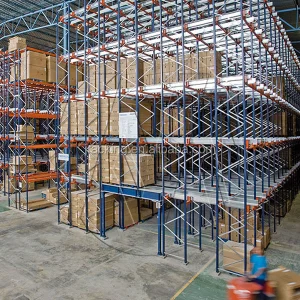
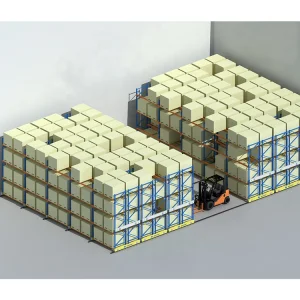
A Radio Shuttle Racking system uses automated, low-profile shuttle carts to move pallets through deep storage lanes. Since forklifts do not need to enter the racking lanes, aisles are minimized, allowing for dense storage configurations. This setup increases storage capacity while protecting structural components from forklift damage.
We provide two primary surface treatments: electrostatic powder coating and hot-dip galvanizing. Our standard powder-coating process includes a multi-stage pre-treatment wash and oven curing, resulting in a durable, scratch-resistant finish. For high-humidity, outdoor, or chemical storage areas, hot-dip galvanizing is recommended. This process coats the steel in molten zinc, providing excellent corrosion protection.
Yes. As an OEM and ODM manufacturer, Jracking designs storage systems to match regional requirements. We provide documentation and calculations showing compliance with standards such as the European CE mark, Australian AS4084-2012, and North American RMI guidelines, helping your projects pass local safety and engineering inspections.
Exhaustive range of light, medium, and heavy-duty industrial storage racks and mezzanine systems.
 Jracking