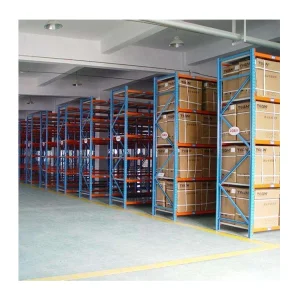
Precision-engineered, heavy-load warehouse storage solutions deployed globally for maximum volume optimization and structural safety.
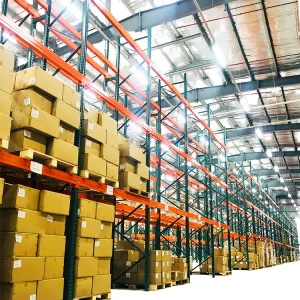
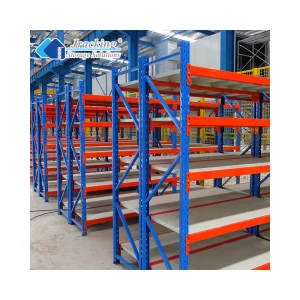
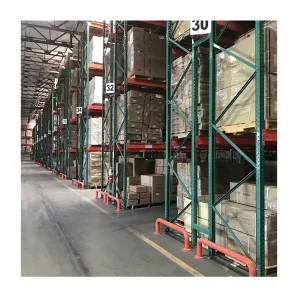
In an era defined by rapid e-commerce expansion, cold-chain logistics transformation, and localized manufacturing resilience, modern warehouse infrastructure faces unprecedented load demands. High-density storage is no longer merely a space-saving option; it is a critical driver of supply chain velocity, operational security, and capital efficiency. Industrial enterprises globally require heavy-duty racking systems designed to withstand dynamic structural stress, optimize vertical volume, and integrate seamlessly with automated retrieval workflows.
Whether deploying in seismic zones across Western North America, high-throughput fulfillment hubs in Northern Europe, or temperature-controlled facilities in Southeast Asia, industrial racking must conform to strict localized building codes and load capacity limits. This requires partnership with manufacturers capable of advanced metallurgical testing, structural engineering analysis, and high-fidelity customization.
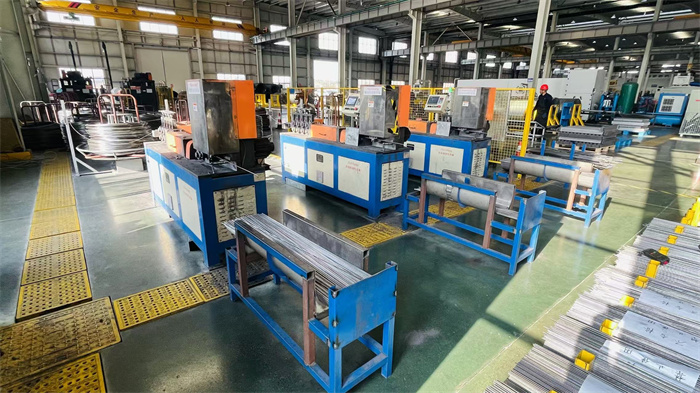
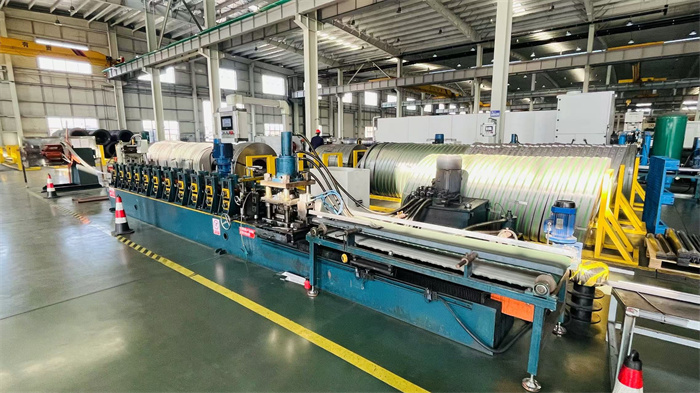
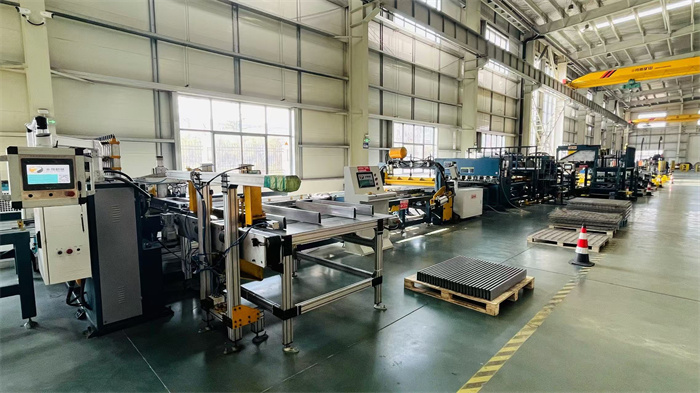
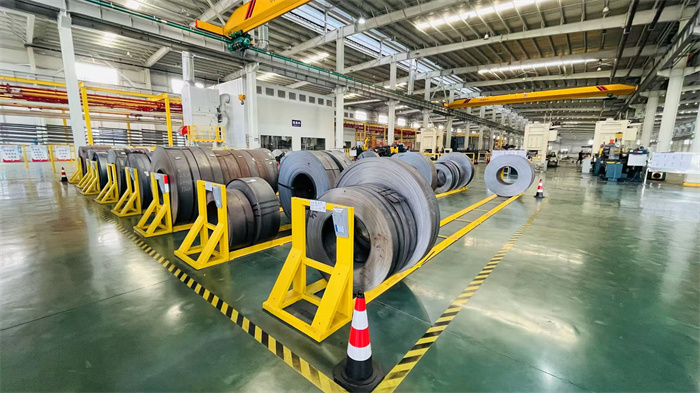
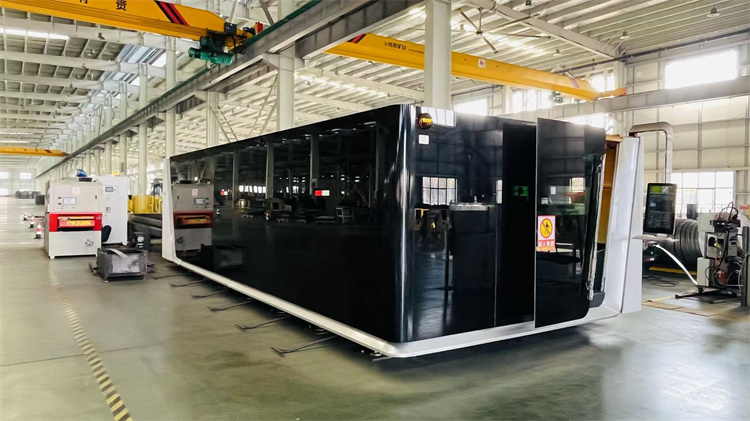
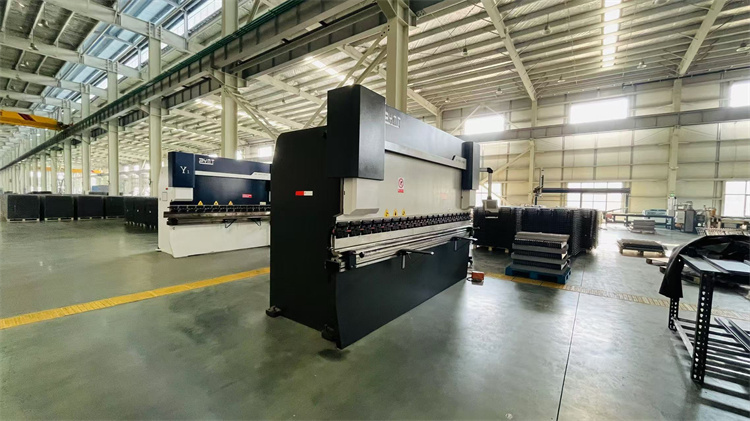
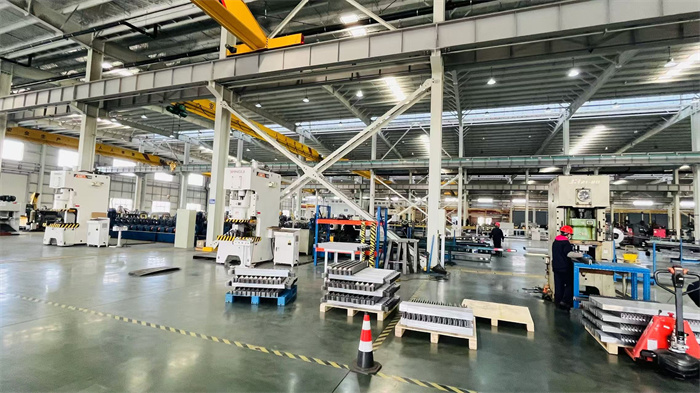
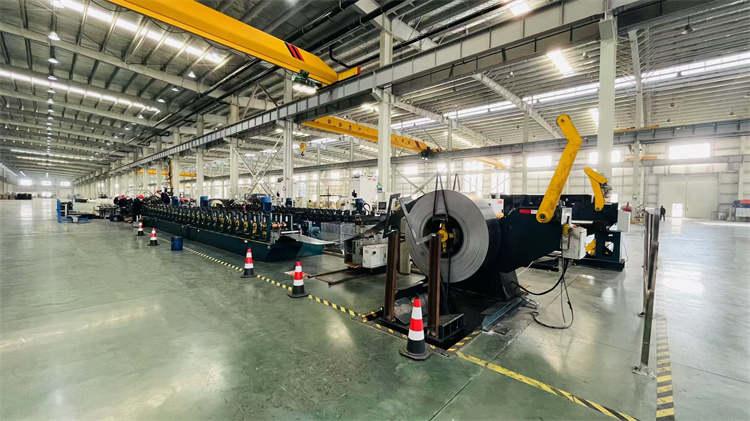
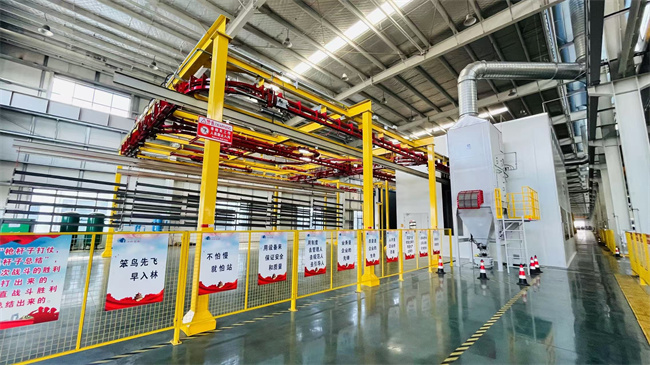
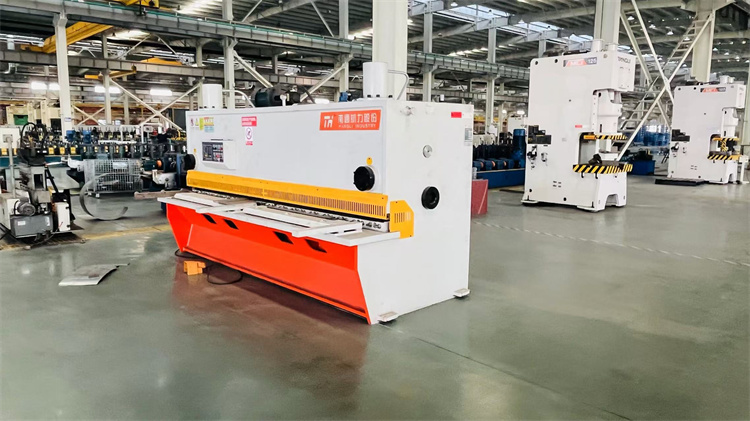
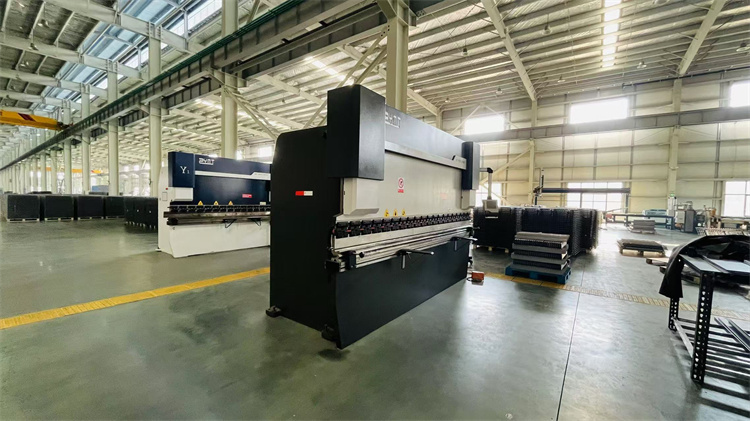
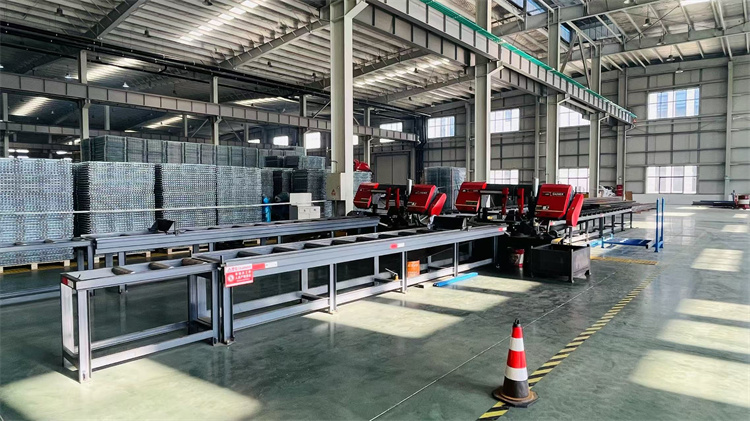
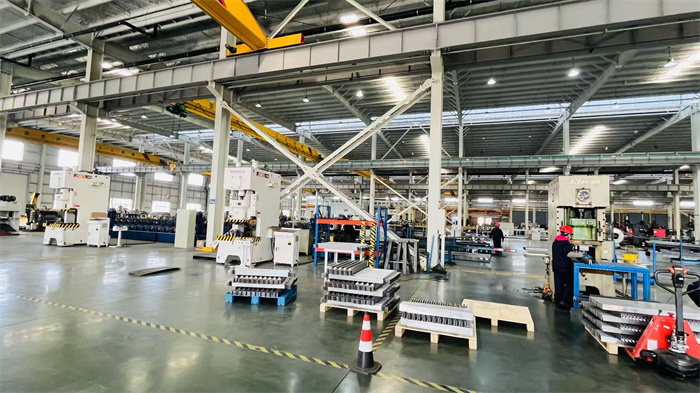
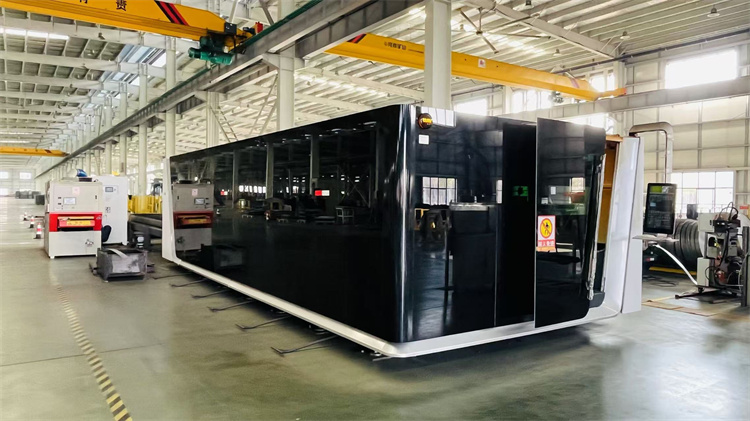
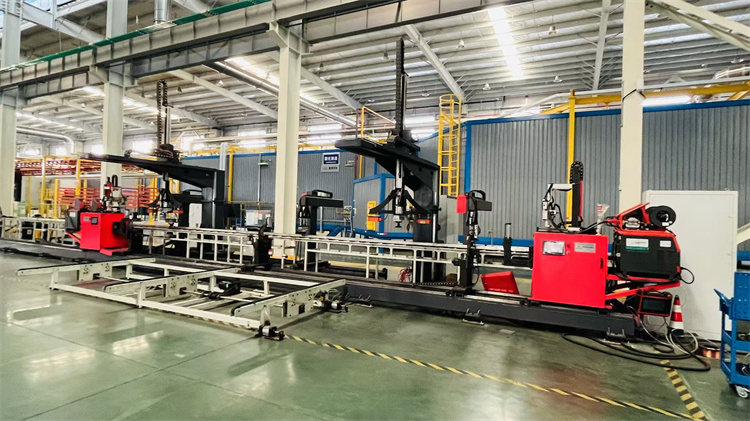
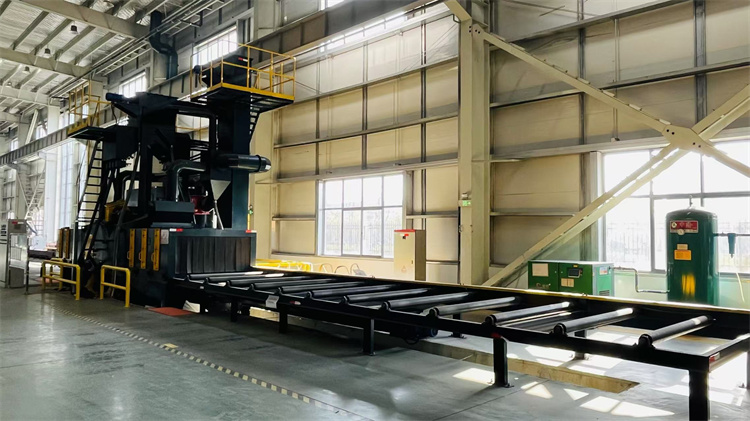
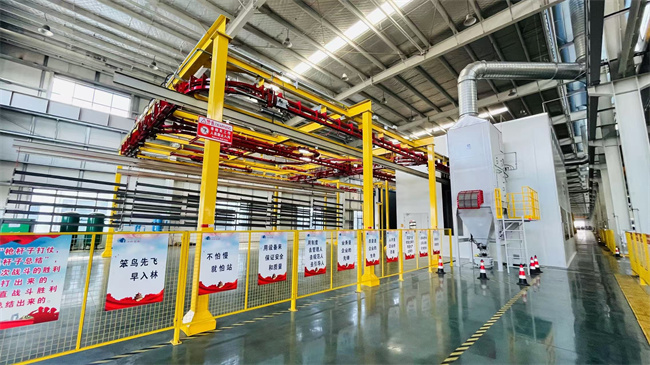
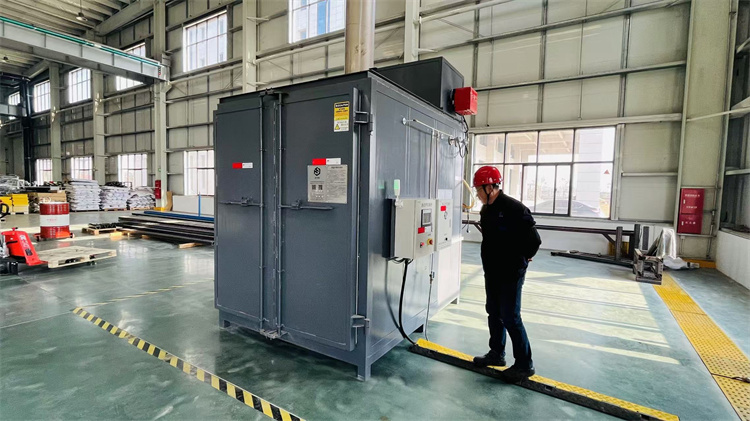
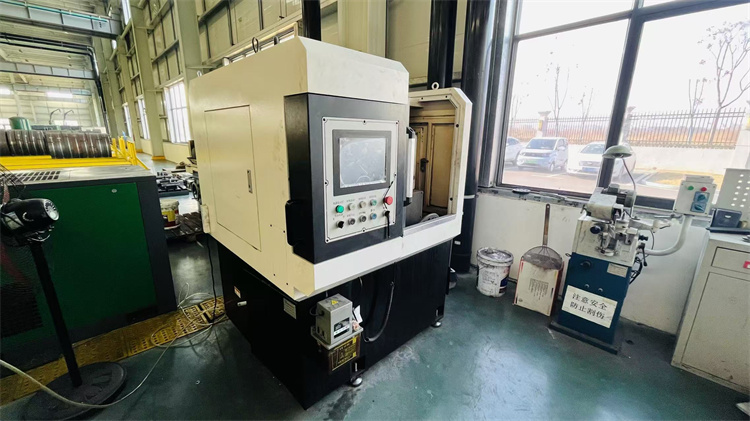
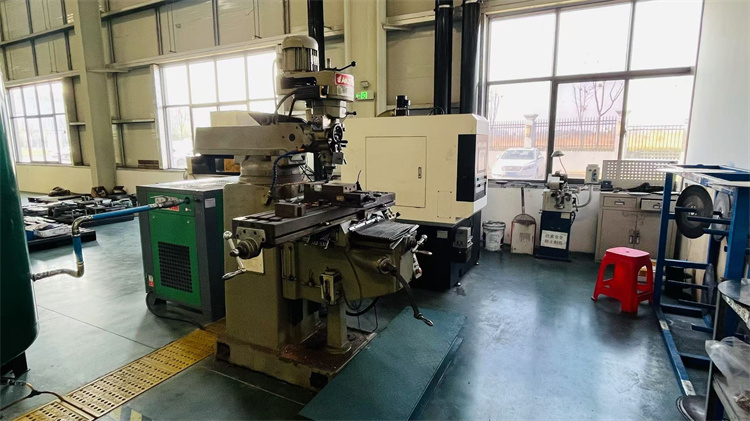
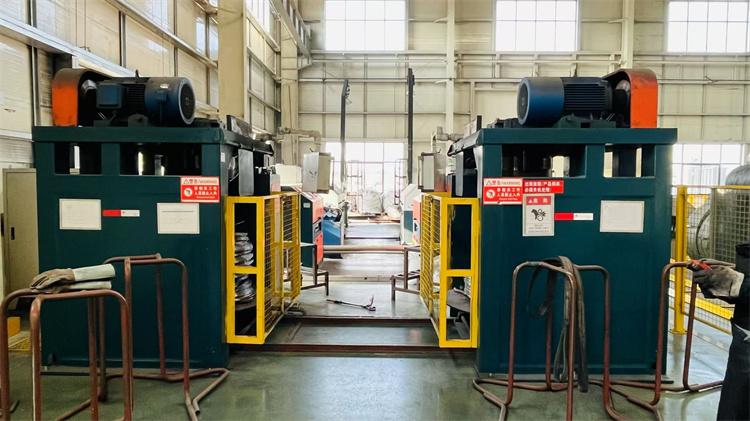
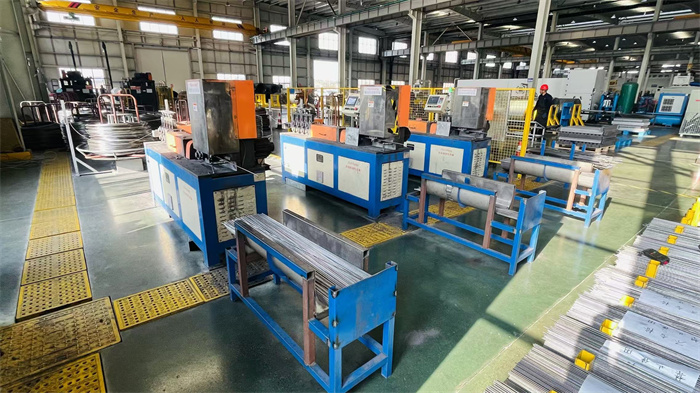
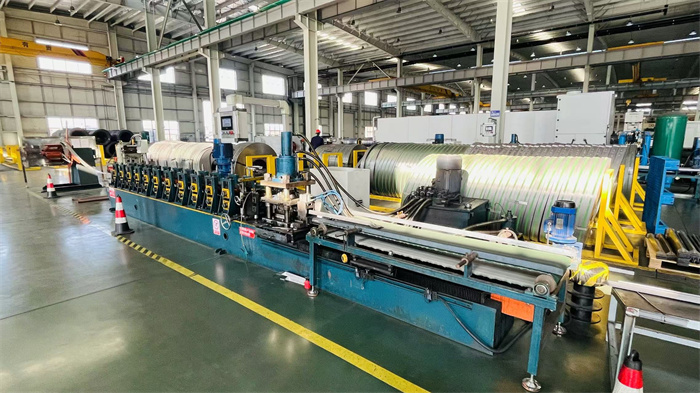
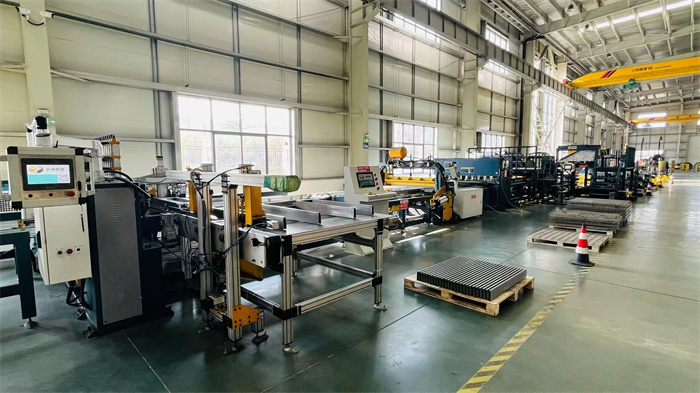
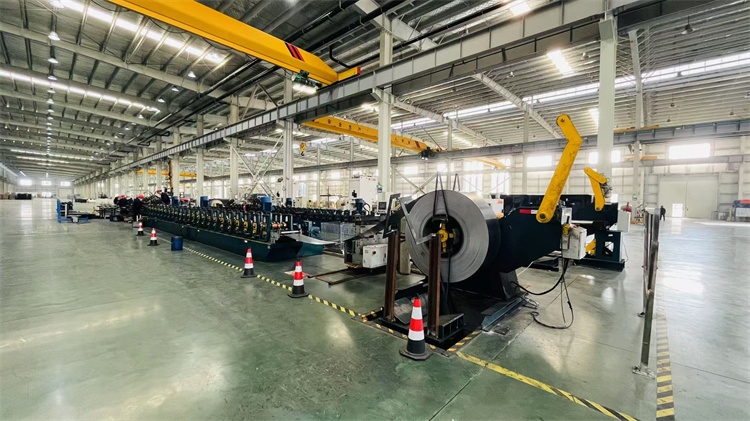
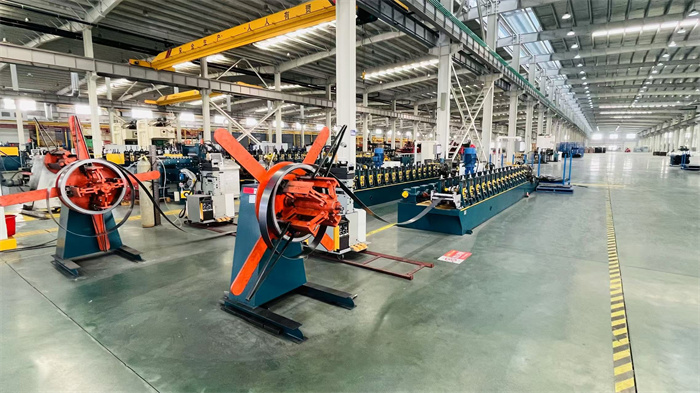
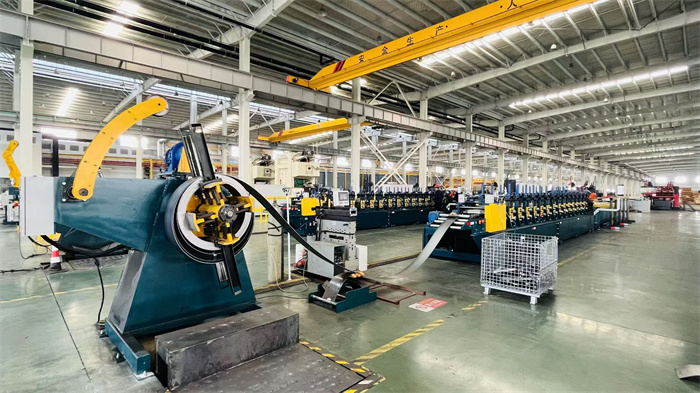
Jracking (Guangdong) Storage Co., Ltd. is a professional manufacturer specializing in warehouse racking systems and industrial storage solutions in China. Since its establishment in 2016, the company has been dedicated to designing, manufacturing, and supplying high-quality storage equipment for global customers across various industries.
Backed by over 8 years of export experience and 12 years of industry expertise, Jracking has successfully served customers in North America, Europe, Southeast Asia, Australia, and the Middle East. The company's annual export revenue exceeds USD 18 million, reflecting its strong competitiveness in the international storage equipment market.
"Our dedication to global engineering standards ensures that every beam, upright, and brace fabricated in our facility delivers structural reliability under maximum load limits. By working closely with logistics hubs, cold chain operators, and system integrators, we turn space optimization into structural stability."
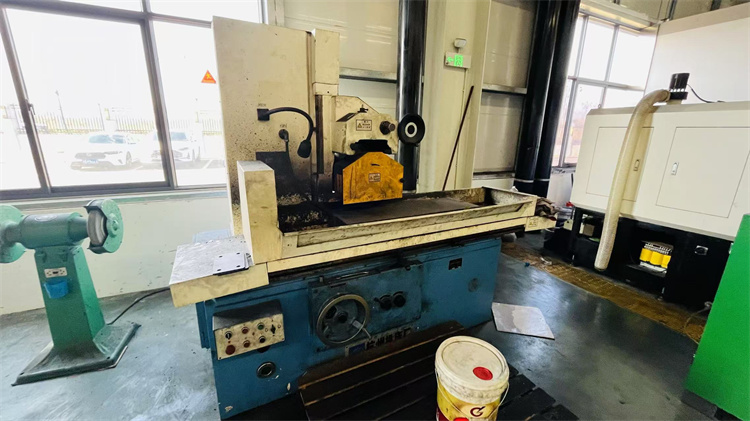
Quality remains the core of Jracking's manufacturing philosophy. Every production process is strictly monitored through ISO-compliant quality control procedures, while products undergo load capacity testing, dimensional inspection, welding inspection, coating thickness testing, and final assembly inspection before shipment. The company employs 48 professional quality inspectors to maintain stable product quality and customer satisfaction.
As an OEM & ODM manufacturer, Jracking collaborates with more than 1,150 supply chain partners, enabling efficient sourcing, flexible production scheduling, and fast delivery for global projects. Its primary customers include warehouse equipment distributors, importers, wholesalers, logistics companies, e-commerce fulfillment centers, and industrial project contractors.
Innovation is driven by a dedicated R&D team consisting of 85 experienced engineers, who continuously develop new storage solutions to meet evolving market demands. The company supports customized design, size, color, loading capacity, surface treatment, and warehouse layout solutions according to customer requirements. In the past year alone, Jracking successfully introduced 156 new products to the global market.
Procuring heavy industrial racks requires a meticulous balancing of safety factors, engineering specifications, and economic feasibility. Buyers must look beyond price-per-position and evaluate deep technical parameters:
Racking systems in active seismic areas must utilize specific baseplate sizes, anchoring depths, and grade-matched steel (e.g., Q355B structural grade) designed to absorb seismic energy without collapse.
Insist on structural integrity certifications. Certified steel provides consistent elastic modulus and yield strengths, ensuring load ratings are not compromised under maximum weight configurations.
For chemical stability, cold-chain condensation, and high humidity, ensure electrostatic powder coatings are fully cross-linked or specify hot-dip galvanization for long-lasting corrosion resistance.
Every vertical industry possesses distinct load dynamics and storage constraints. Our customized engineering accommodates these specific demands:
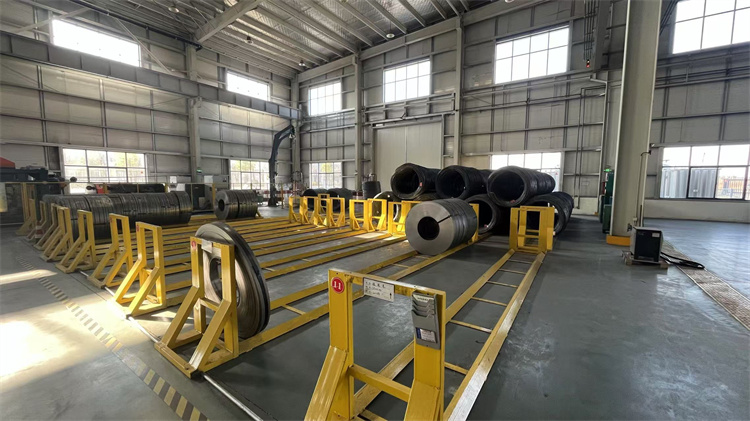
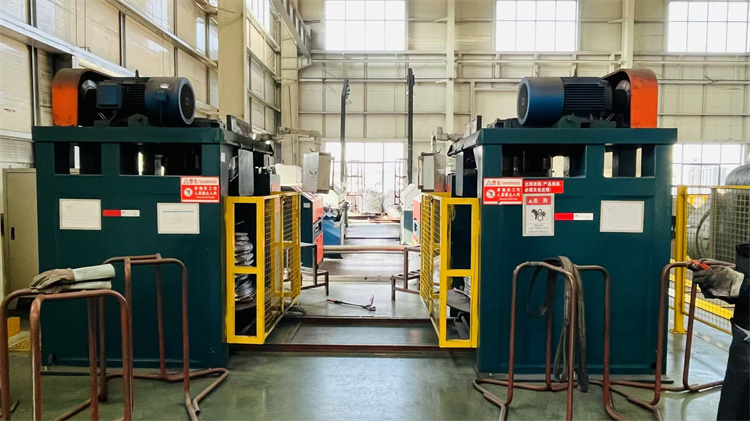
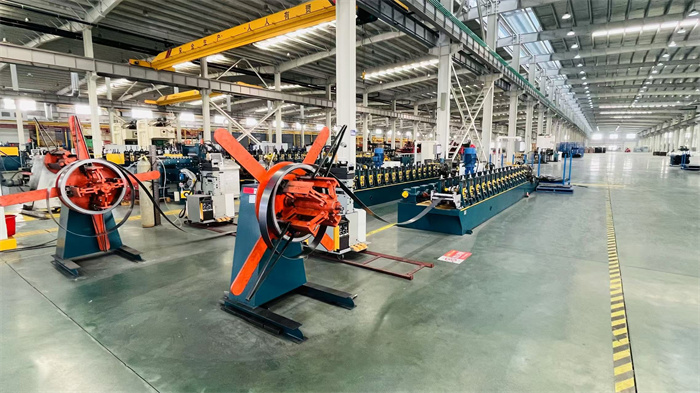
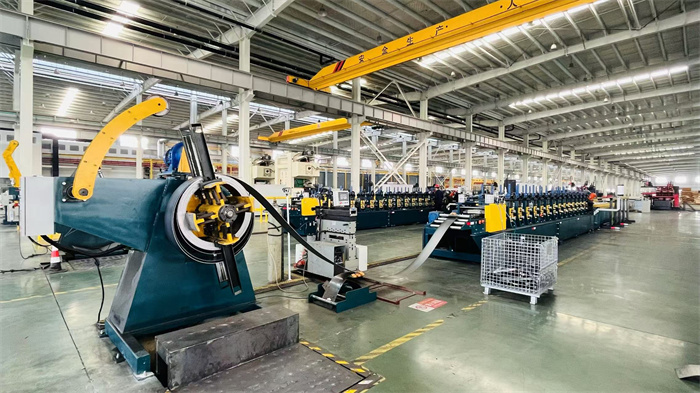
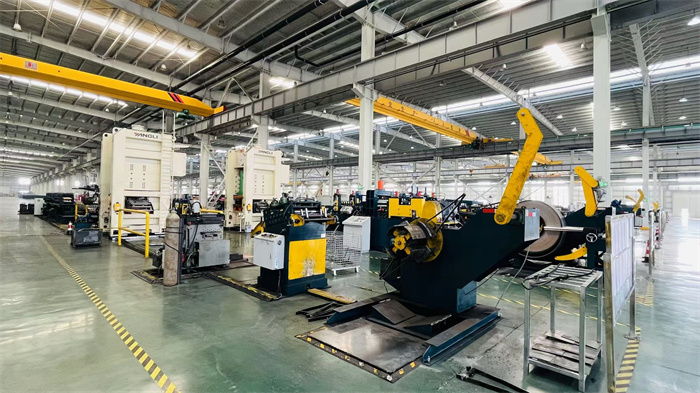
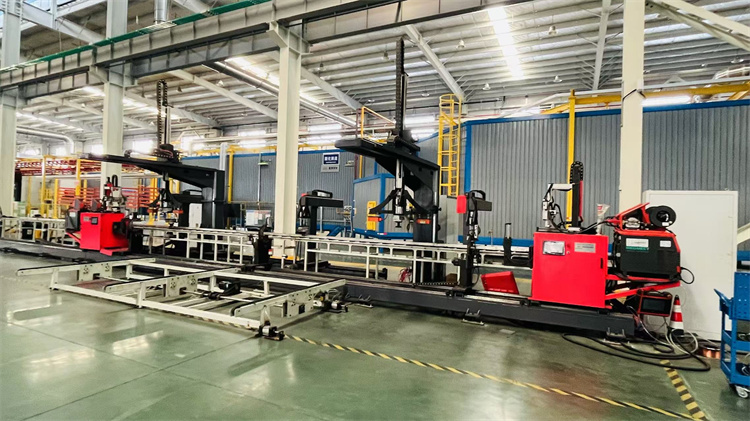
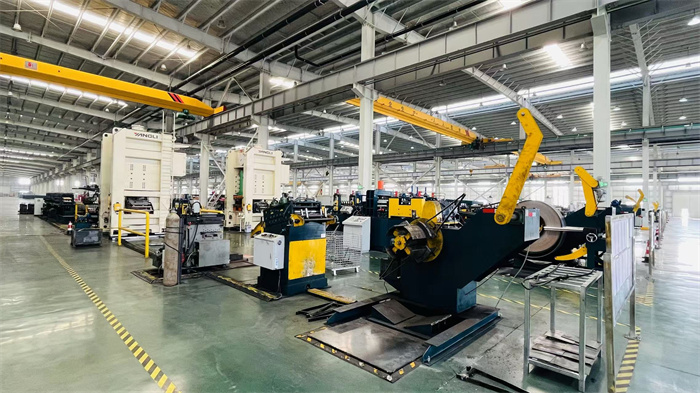
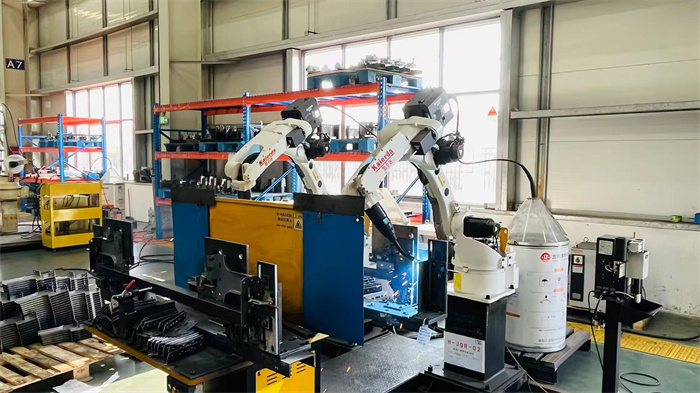
The manufacturing of heavy load racking is undergoing a rapid technological evolution. As a leading manufacturer, Jracking continues to integrate smart, resilient components to safeguard cargo and personnel. Key initiatives on our design roadmap include:
Building a global racking network requires compliance with regional safety codes. Jracking ensures peace of mind through a global network of partners, local structural engineering reviews, and certification compatibility.
Our design processes incorporate regional testing protocols, including the American RMI standards, Australian AS4084 guidelines, and European FEM standards. By aligning early design models with localized wind, seismic, and floor loading criteria, we ensure swift planning permissions and low-risk operational sign-offs.
A: Roll-formed racking is fabricated from cold-rolled sheet steel and is highly cost-effective for standard loads (up to 1,500-2,000kg per level). Structural steel racking is manufactured from hot-rolled structural shapes and offers significantly higher impact resistance and load capacity (often exceeding 3,000kg per level), making it ideal for food warehousing, heavy industrial use, and seismic-active regions.
A: We utilize advanced Finite Element Analysis (FEA) software during the product design phase. This allows us to simulate loading conditions, structural stress, and seismic forces under real-world scenarios before fabrication. In addition, our QA inspectors perform physical load testing on component configurations to verify elastic limits and ultimate capacity ratings.
A: Jracking designs and manufactures components to comply with international regulatory codes. This includes the American Rack Manufacturers Institute (RMI) standards, the European FEM 10.2.02 design codes, and the Australian Standard AS4084 for steel storage racking, ensuring compliant installations globally.
A: For sub-zero and humid facilities, we recommend hot-dip galvanized steel or specialized outdoor-grade electrostatic powder coating. Hot-dip galvanization coats the inner and outer surfaces of the profiles with a robust zinc layer, providing self-healing protection against scratching and surface oxidation.
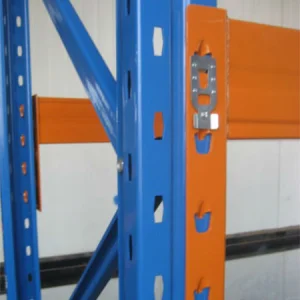
A: Yes, teardrop and slotted profiles can coexist in the same facility, but they should not be mixed within the same structural bay. Upright frames and beams should match in connection style (e.g., teardrop connectors on teardrop uprights) to ensure full safety engagements. Always consult our engineering team before planning to interface different profile shapes.
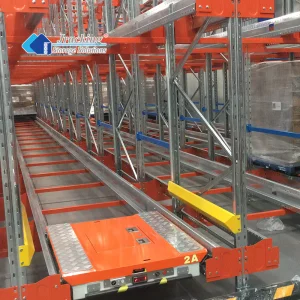
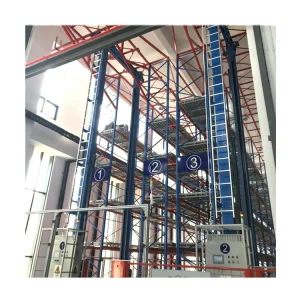
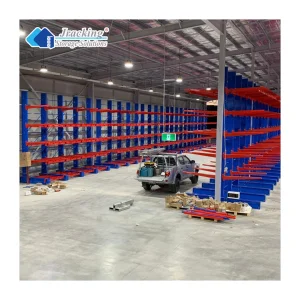
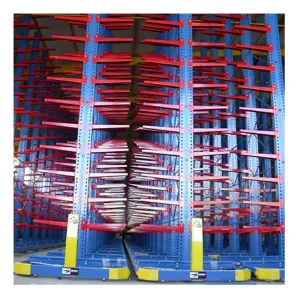
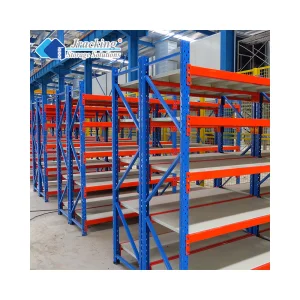
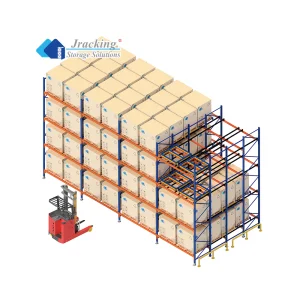
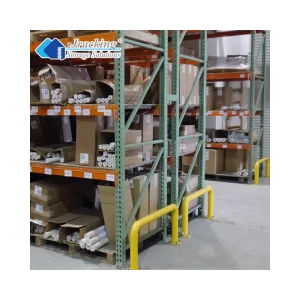
Discover our specialized shelving, automated shuttle setups, and highly customized heavy stacking options engineered for challenging industrial footprints.
 Jracking