The global logistics landscape is undergoing a monumental transition. Traditional, manually operated warehouse configurations are no longer sufficient to sustain the soaring throughput demands of e-commerce, globalized manufacturing, and cold-chain supply operations. Urban land scarcity has exponentially inflated industrial real estate costs, forcing warehouse managers to pivot from horizontal expansion to vertical utilization. This strategic imperative is the catalyst driving the global adoption of Automated Shelving and Automated Storage and Retrieval Systems (ASRS).
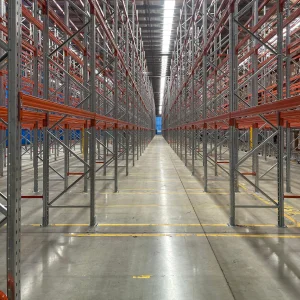
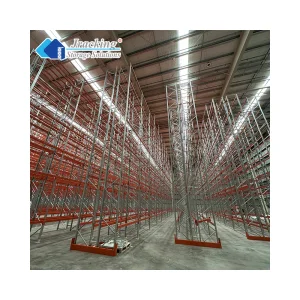
By replacing wide aisles required for traditional forklifts with tight, crane-guided tracks or autonomous robotic shuttles, automated shelving enables facilities to utilize up to 85% more of their physical footprint. Leading industrial nations across North America, Europe, and the Asia-Pacific region are accelerating this adoption, deploying structures exceeding 30 meters in height. Structural reliability, precision roll-formed profiling, and strict adherence to structural standards (such as RMI, FEM 10.2.02, and AS4084) are the fundamental baselines required to guarantee operating safety at these extreme vertical heights.
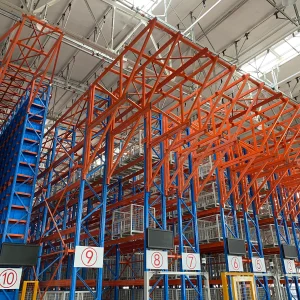
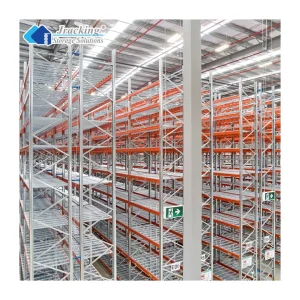
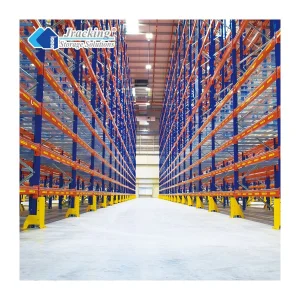
Automated shelving is not a single, static product; it is a highly integrated ecosystem of heavy-duty steel profiles, precision guideways, robotic shuttles, and systemic software interfaces. Industrial logistics networks require various classifications of automation, tailored specifically to cargo mass, footprint geometries, and dispatch dynamics:
Designed for palletized payloads weighing between 500kg and 1,500kg. These structures use automated cranes running on floor-mounted guide rails, operating at travel speeds of up to 240 m/min. Ideal for large distribution centers and deep-freeze logistics applications.
Engineered for smaller, high-frequency operations, carrying parts bins, totes, or cardboard packaging (loads of 5kg to 100kg). Highly deployed in pharmaceutical distributions, automated automotive assembly buffers, and e-commerce picking lines.
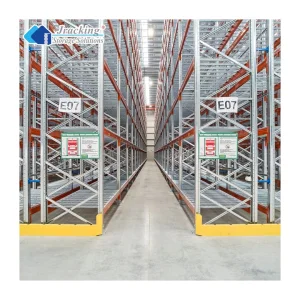
Incorporates self-powered radio shuttle carts that run on custom racking tracks to deposit or retrieve pallets. By separating the vertical movement (cabs/lifts) from the horizontal travel (shuttles), high throughput and deep-lane storage capacity are realized.
Jracking (Guangdong) Storage Co., Ltd. is a leading manufacturer specializing in warehouse racking systems and industrial storage solutions in China. Since its establishment in 2016, the company has been dedicated to designing, manufacturing, and supplying high-quality storage equipment for global customers across various industries.
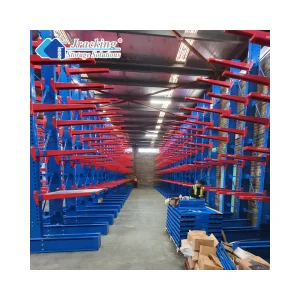
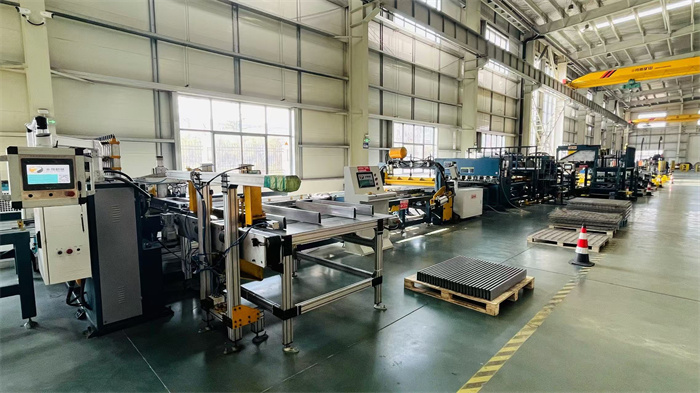
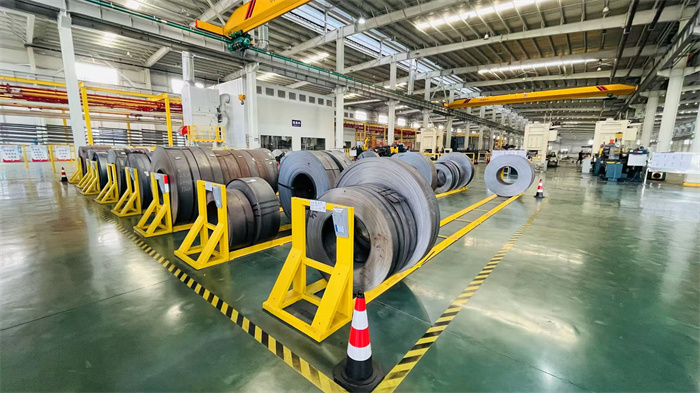
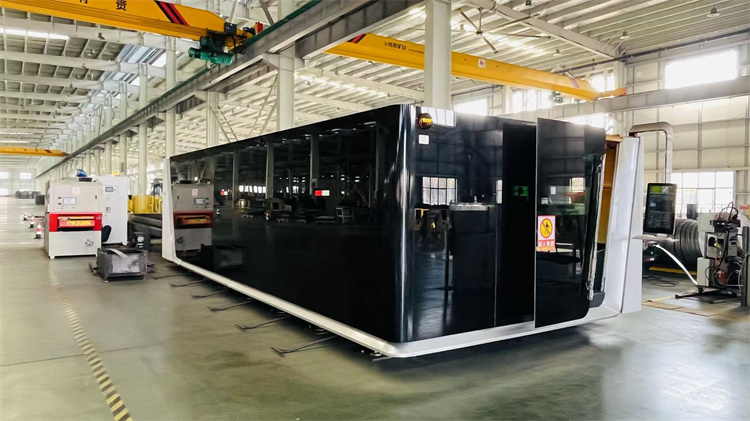
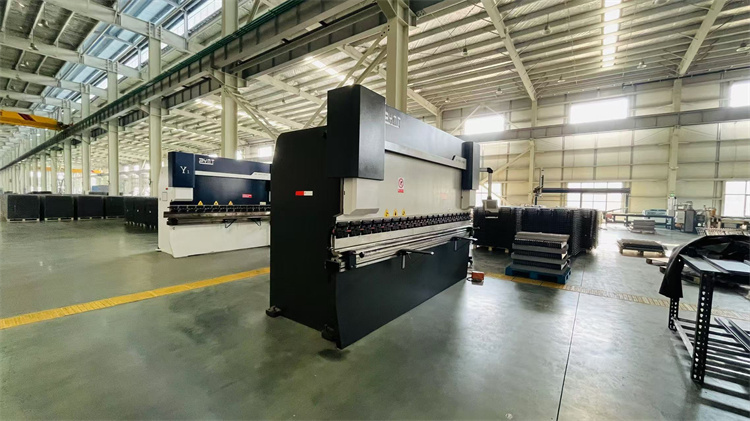
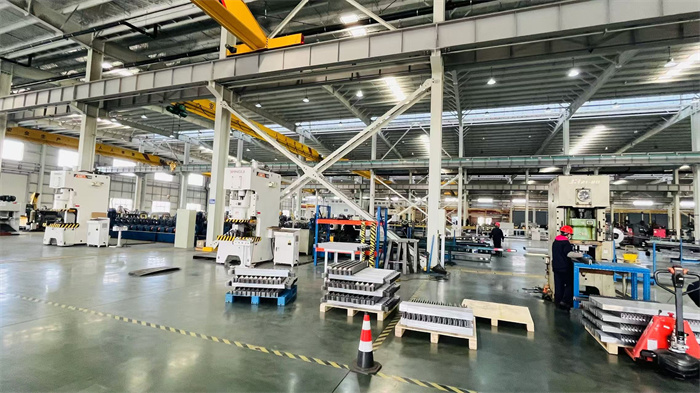
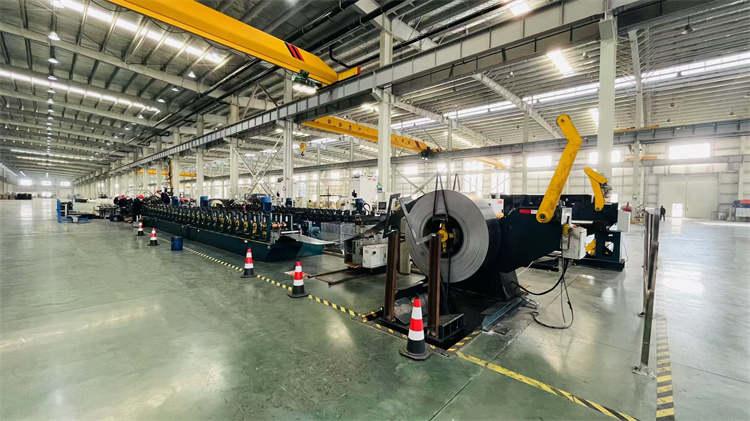
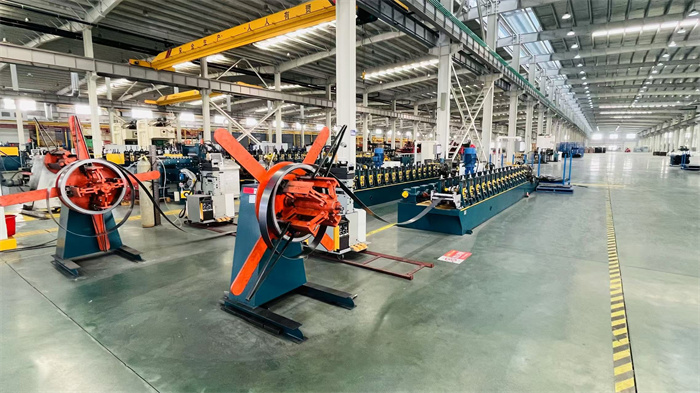
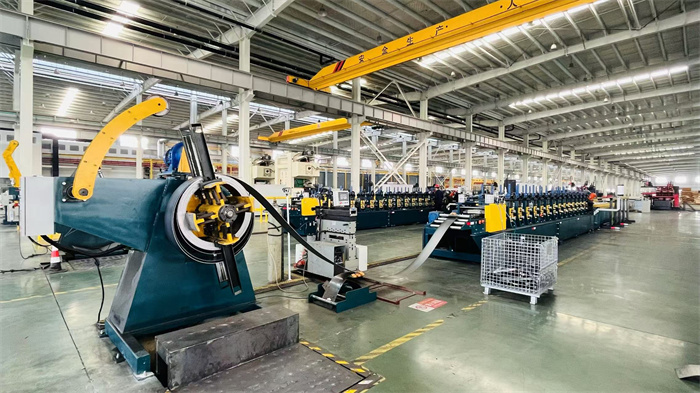
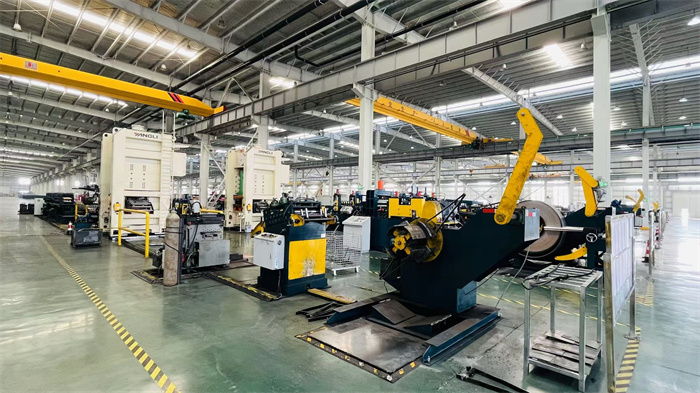
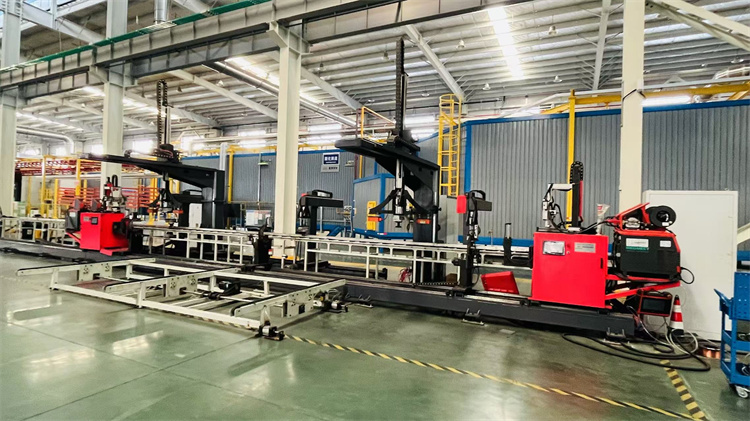
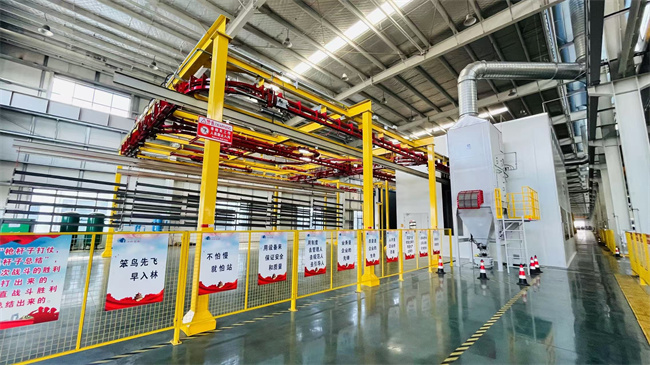
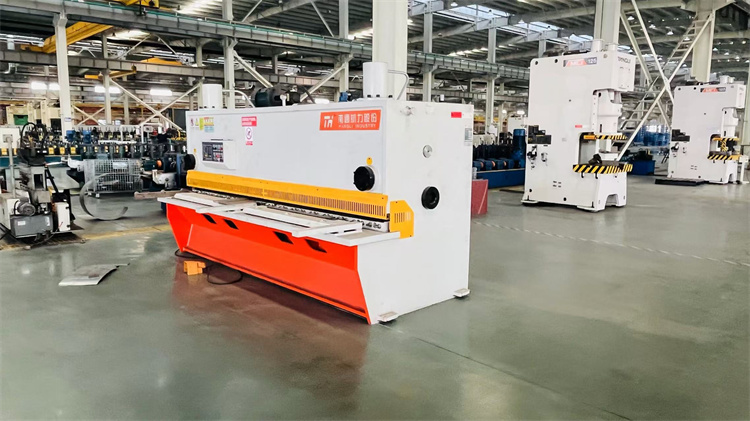
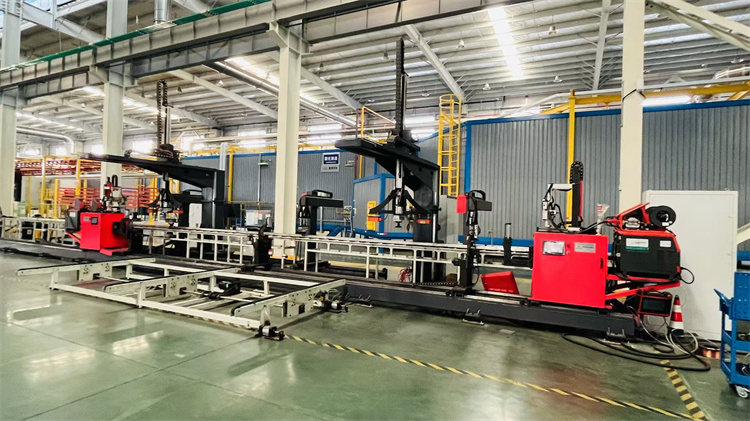
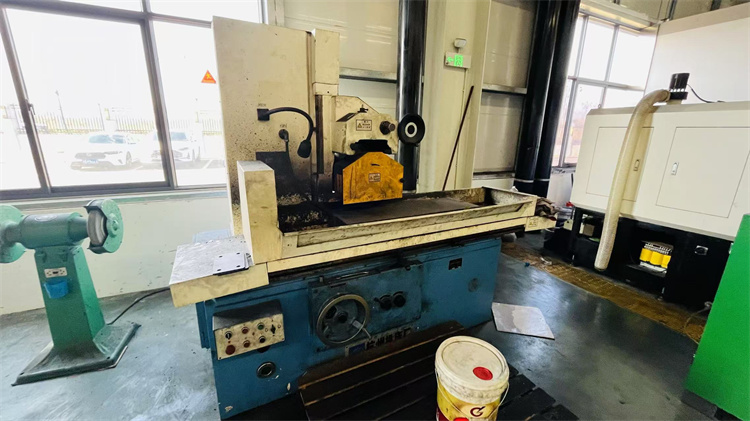
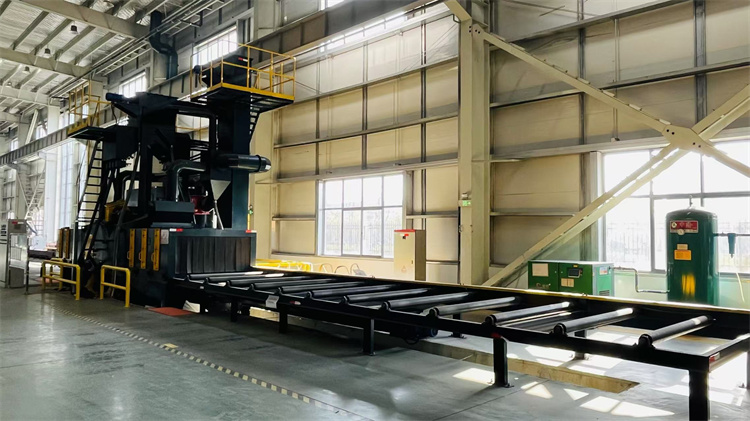
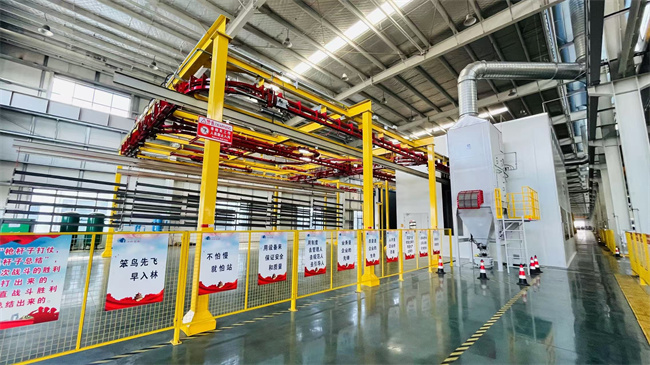
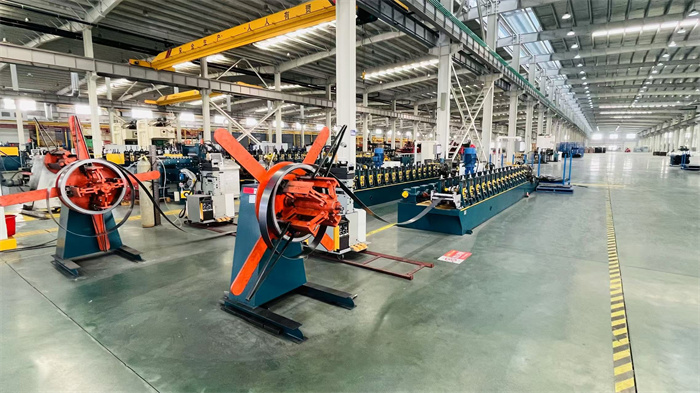
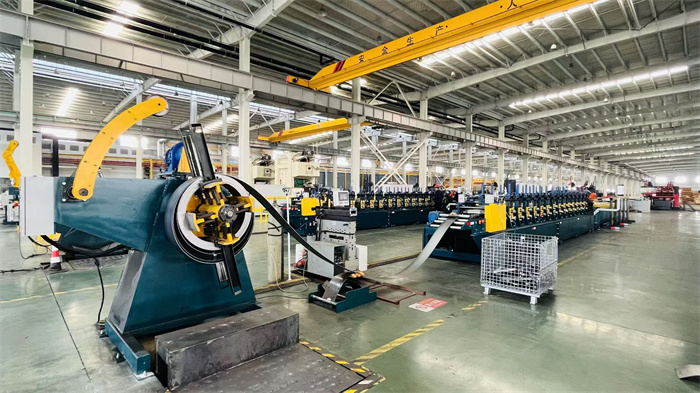
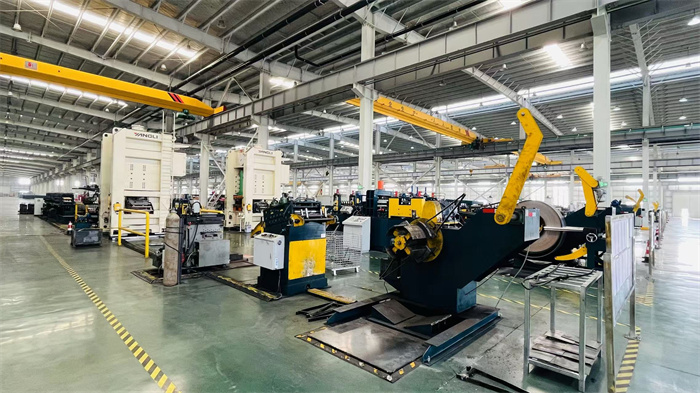
With a modern manufacturing facility covering 28,600 m², Jracking integrates advanced production equipment, strict quality management systems, and experienced engineering teams to ensure reliable product performance and consistent manufacturing standards. The company offers a comprehensive range of storage products including selective pallet racks, drive-in racking, cantilever racks, mezzanine systems, longspan shelving, steel platforms, and customized warehouse storage solutions.
Backed by over 8 years of export experience and 12 years of industry expertise, Jracking has successfully served customers in North America, Europe, Southeast Asia, Australia, and the Middle East. The company's annual export revenue exceeds USD 18 million, reflecting its strong competitiveness in the international storage equipment market.
Quality remains the core of Jracking's manufacturing philosophy. Every production process is strictly monitored through ISO-compliant quality control procedures, while products undergo load capacity testing, dimensional inspection, welding inspection, coating thickness testing, and final assembly inspection before shipment. The company employs 48 professional quality inspectors to maintain stable product quality and customer satisfaction.
As an OEM & ODM manufacturer, Jracking collaborates with more than 1,150 supply chain partners, enabling efficient sourcing, flexible production scheduling, and fast delivery for global projects. Its primary customers include warehouse equipment distributors, importers, wholesalers, logistics companies, e-commerce fulfillment centers, and industrial project contractors.
Innovation is driven by a dedicated R&D team consisting of 85 experienced engineers, who continuously develop new storage solutions to meet evolving market demands. The company supports customized design, size, color, loading capacity, surface treatment, and warehouse layout solutions according to customer requirements. In the past year alone, Jracking successfully introduced 156 new products to the global market.
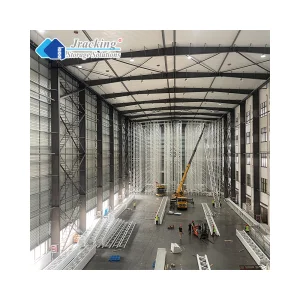
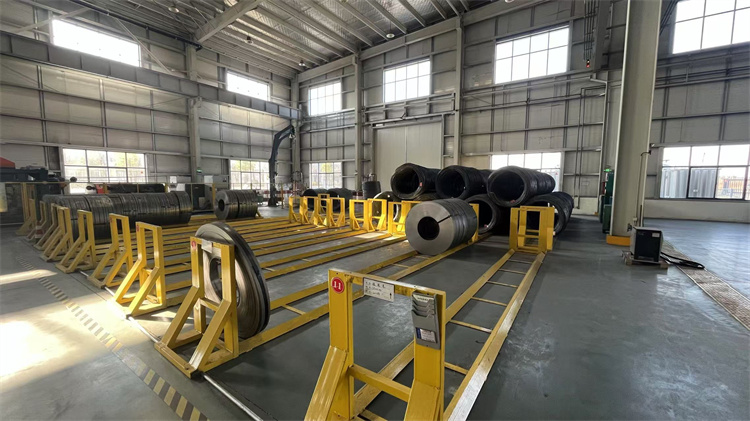
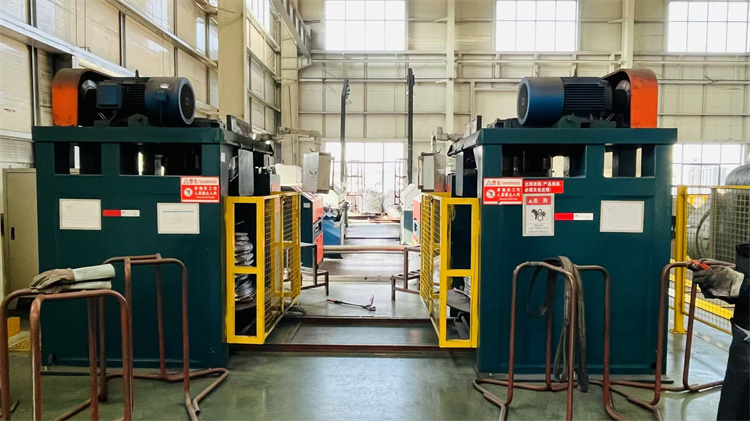
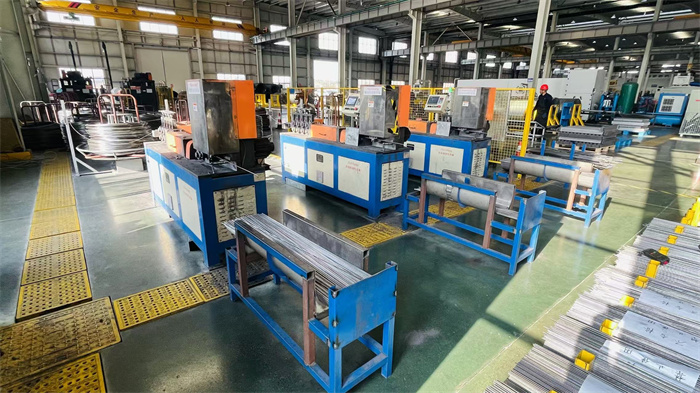
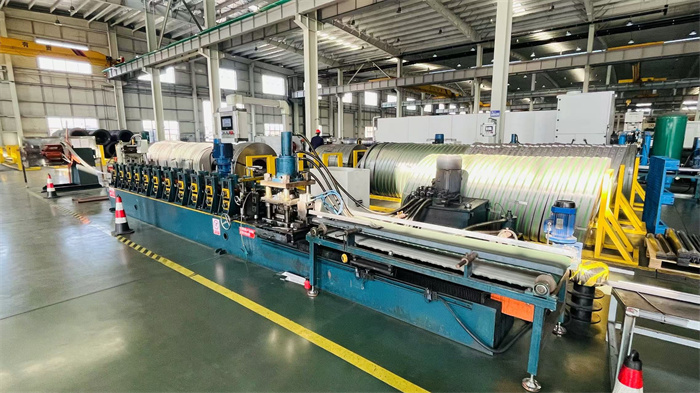
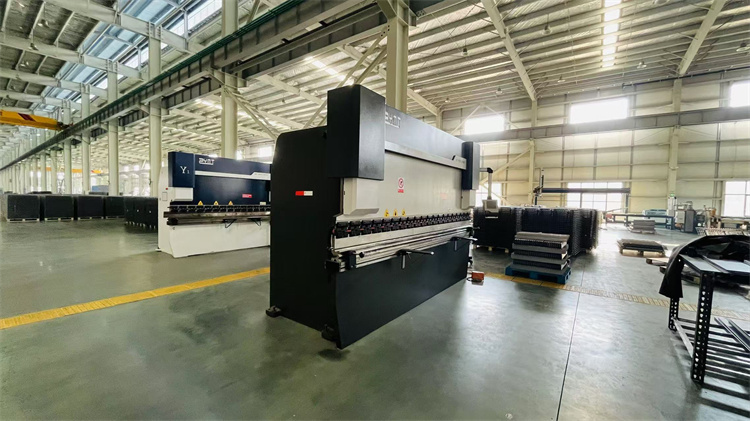
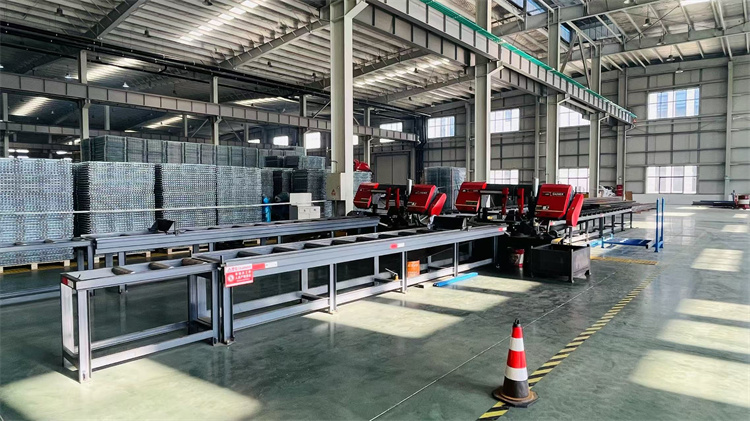
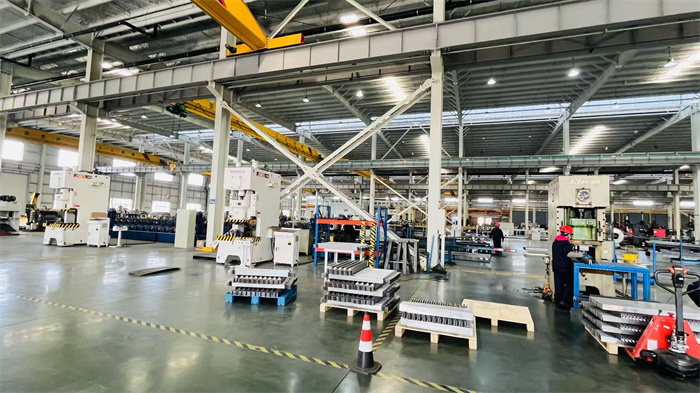
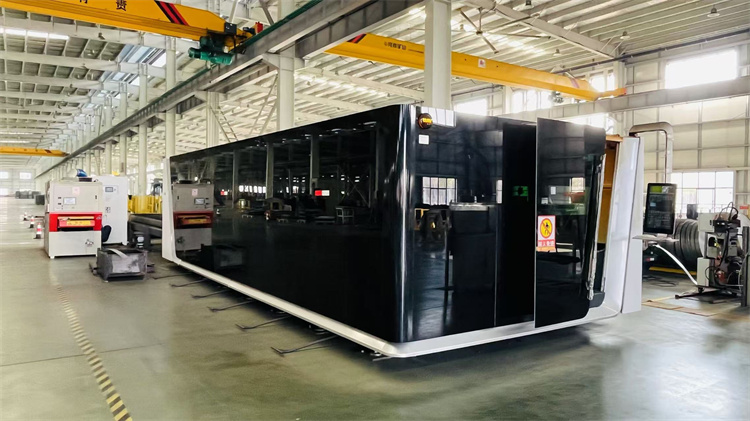
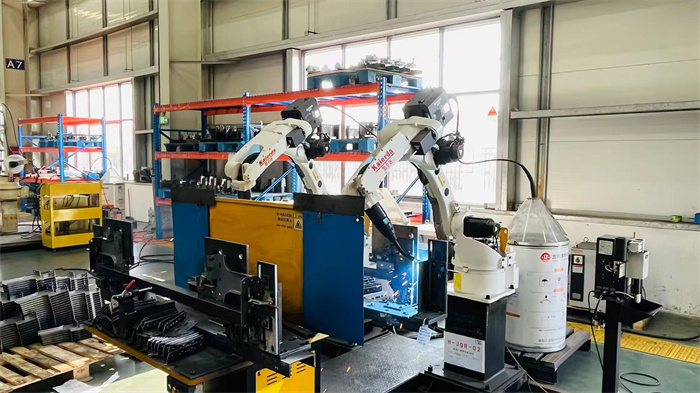
A systematic breakdown of Jracking's modern production floor, showcasing high-tolerance machining, automated welding, and state-of-the-art metal treatment lines.
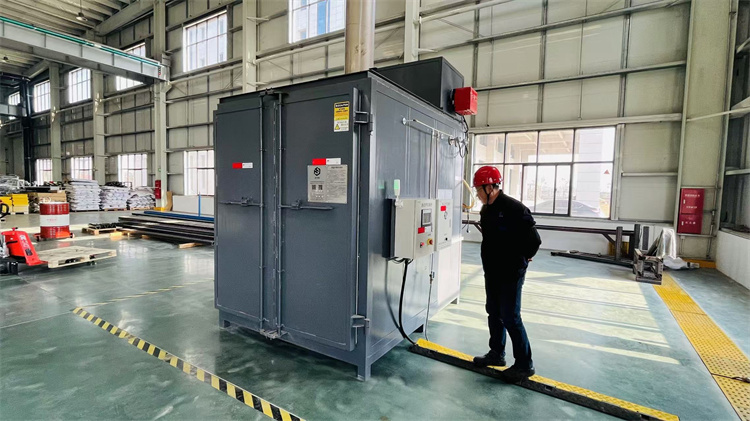
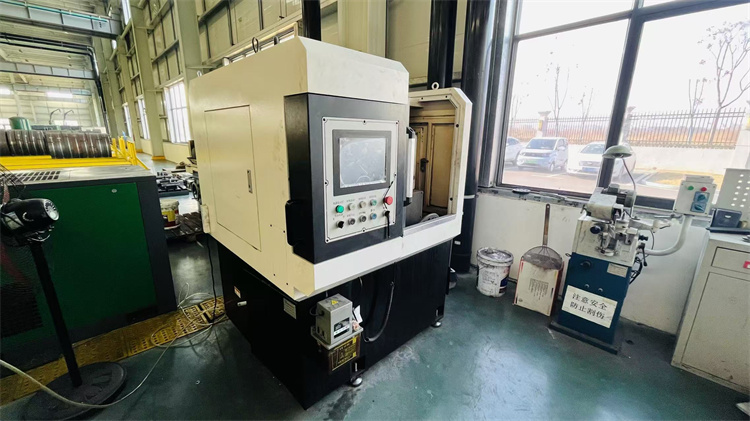
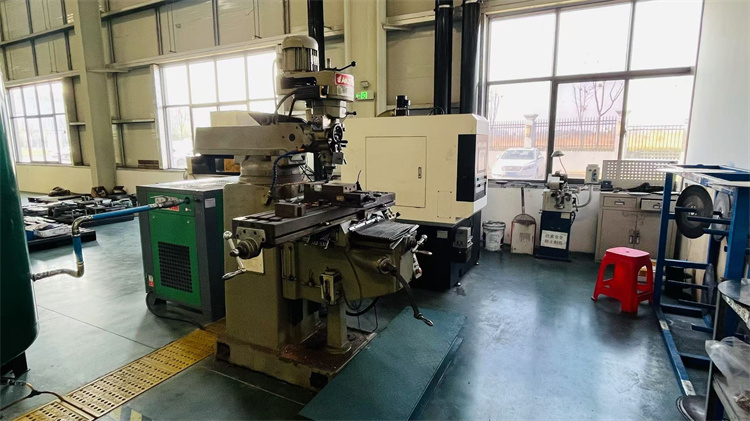
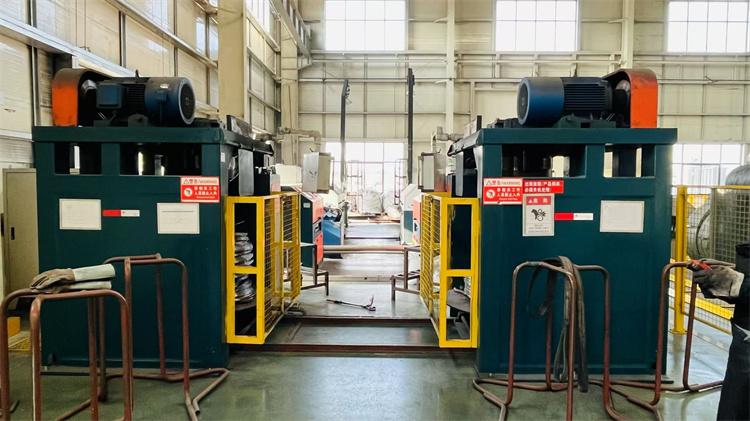
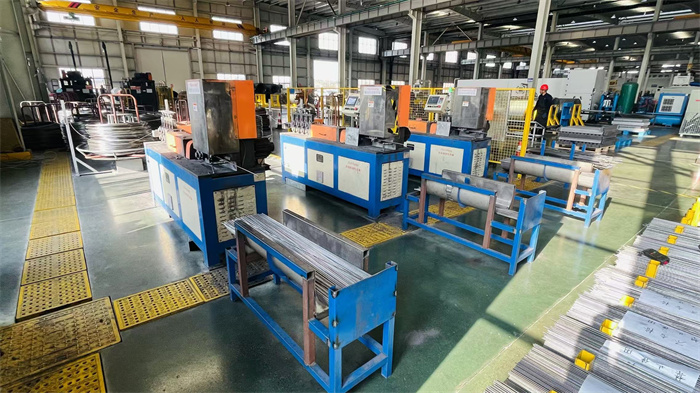
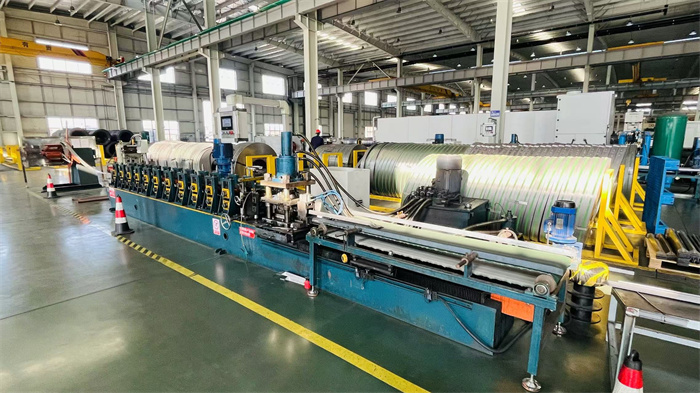
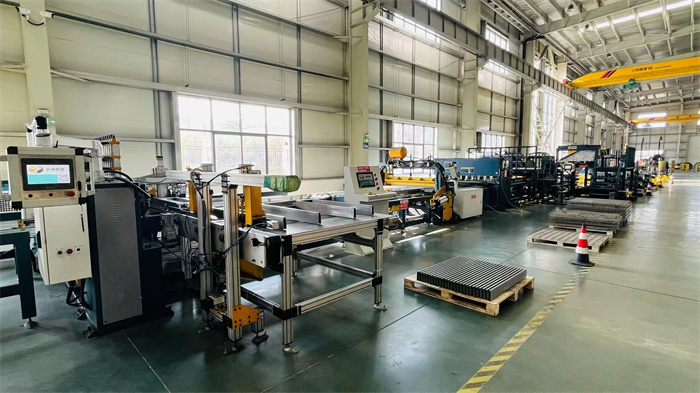
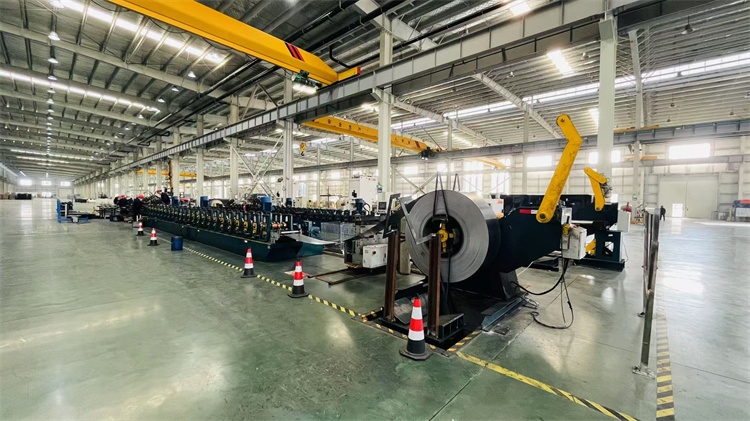
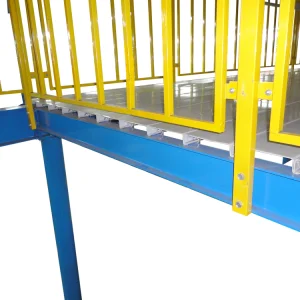
E-commerce fulfillment requires incredibly rapid processing and handling of single-item picks. Jracking's high-efficiency ASRS and multi-level mezzanine systems create structured, dense storage structures. Integrating these racking platforms with pick-to-light indicators, multi-tier transport conveyors, and autonomous mobile robots minimizes travel times, allowing distribution centers to maintain lightning-fast cycle times.
Temperature-controlled storage is highly energy-intensive. Maintaining ambient settings below freezing demands deep-lane configurations that prevent heat transfer and thermal loss. Jracking's drive-in racking and high-density automated shuttle systems allow cold storage operators to eliminate access aisles, packing cold-room volumes tightly to conserve refrigeration costs while keeping automated access fluid.
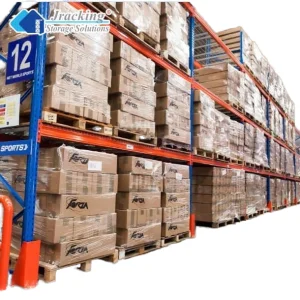
Just-In-Time (JIT) parts delivery relies on real-time inventory management. Heavy-duty adjustable pallet racking and structural mezzanine platforms accommodate raw steel coils, engine housings, and component bins. Heavy components are kept organized, clean, and easily retrievable by automated overhead cranes or guided industrial vehicles, ensuring assembly operations never stall.
Exporting to markets across North America, Europe, and Australia requires certified structural engineering. Jracking manufactures system components in strict compliance with AS4084 steel storage standards (Australia), CE guidelines (Europe), and RMI guidelines (USA). This technical diligence guarantees structural safety under seismic loading, minimizing risk profiles for logistics developers worldwide.
Automated shelving structures are moving away from passive steel storage frames towards active hardware integration. Modern facilities rely on automated communication interfaces linking physical racks to Warehouse Management Systems (WMS) and Warehouse Control Systems (WCS). These systems control robotic shuttles and stacker cranes through IoT endpoints, managing inventory paths, stock rotation, and real-time space reassignment dynamically.
Hardware and software design are converging. The industry is moving from standard 2D radio shuttles to agile 3D / 4-way multi-directional shuttles. These intelligent carts can navigate both vertical lift shafts and horizontal storage channels, allowing the vehicles to move seamlessly across all storage locations. This flexibility cuts down on the mechanical crane count per aisle, significantly lowering initial project costs and reducing single points of system failure.
 Jracking