Engineered for extreme loading capacities, seismic durability, and optimized warehouse space efficiency
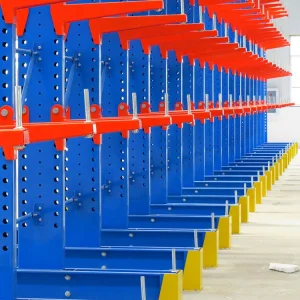
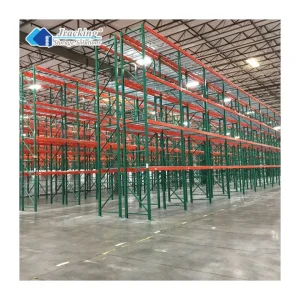
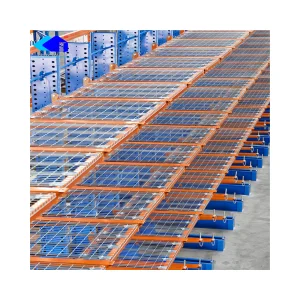
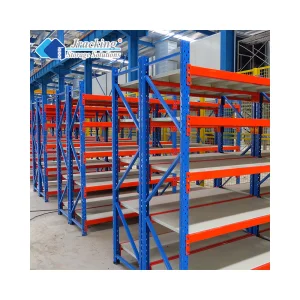
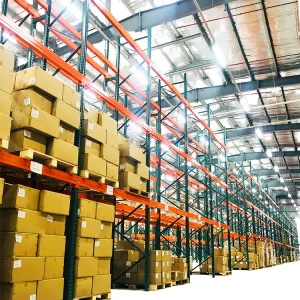
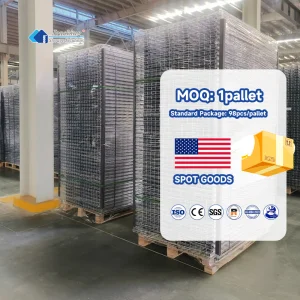
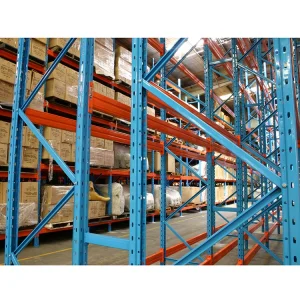
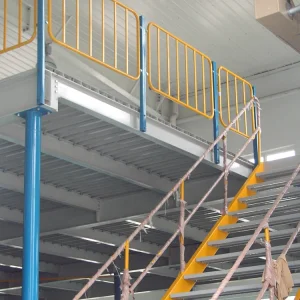
A comparative analysis of spatial economy, safety paradigms, and high-density material handling in smart intralogistics.
The global warehousing landscape is undergoing a structural transition driven by rising industrial land costs and the expansion of automated micro-fulfillment facilities. Among high-density configurations, retractable racks—including roll-out cantilever structures, telescoping drawer racks, and automatic retrieval vertical frames—have emerged as crucial elements. Unlike static shelving, retractable architectures enable crane and forklift operators to extract rack tiers horizontally. This eliminates wide access aisles and optimizes floor space utilization by up to 75%.
From an engineering perspective, retractable designs address critical intralogistics challenges: handling heavy, long, or irregularly shaped components (such as metal sheets, extrusion dies, lumber, and aerospace jigs). By utilizing telescoping crank mechanisms, these systems allow crane systems to execute direct vertical lifts. This eliminates the risk of product damage associated with sliding loads out of traditional deep-pocket configurations.
Key technical criteria for evaluating global suppliers of high-density storage and steel racking systems
Leading manufacturers utilize premium Q235B and Q355B structural steel, processed through cold-roll mills to ensure high yield strength and load integrity under continuous operational wear.
Tolerances for linear slide rails and gear racks must be kept below 0.5mm per linear meter to ensure smooth movement under maximum loading.
Suppliers must possess certifications demonstrating compliance with region-specific structural codes, including RMI standards for the United States, AS 4084 for Australia, and CE certification for European industrial applications.
| Evaluation Parameter | Tier 1 Industrial Spec | Standard Commercial Spec | Impact on Operations |
|---|---|---|---|
| Steel Grade Selection | ASTM A1011 / Q355B High-Yield Alloy | Commercial Q235B Carbon Steel | Prevents permanent deflection under static load. |
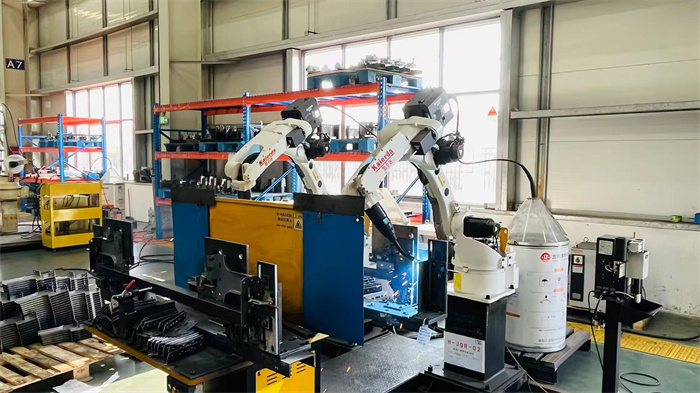
| Welding Quality Standard | AWS D1.1 & EN ISO 3834 robotic welding | Manual arc welding | Ensures load safety margins and eliminates stress fracturing. |
| Telescoping Extension | 100% full structural extension | 50% - 70% partial extension | Enables complete overhead crane access for heavy materials. |
| Corrosion Protection | Electrostatic powder coat (80-120μm) / Hot-dip galvanized | Standard industrial painting (30-50μm) | Ensures wear resistance in outdoor, chemical, and cold environments. |
Why Chinese racking manufacturers provide unmatched lead times, structural precision, and cost advantages.
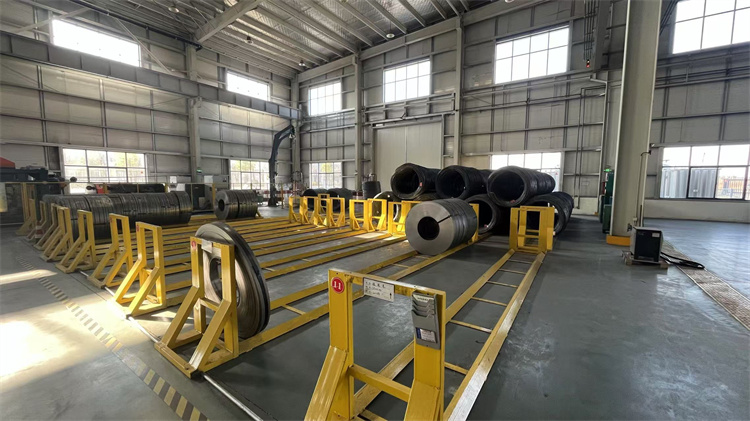
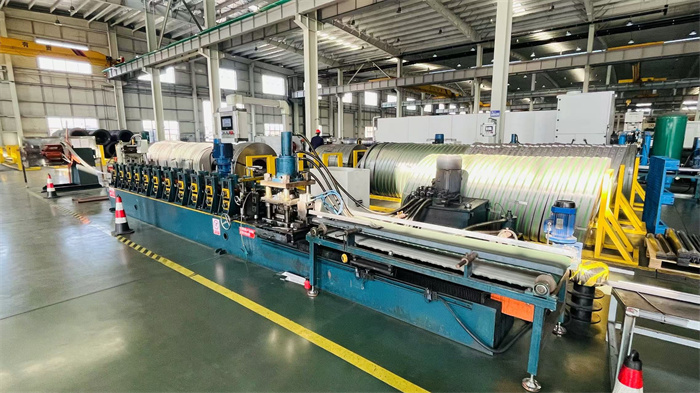
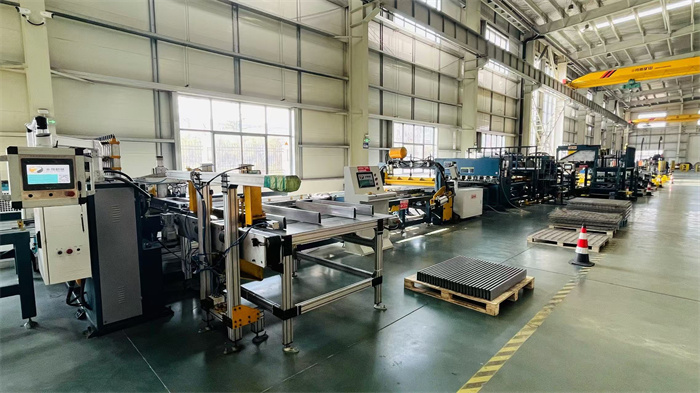
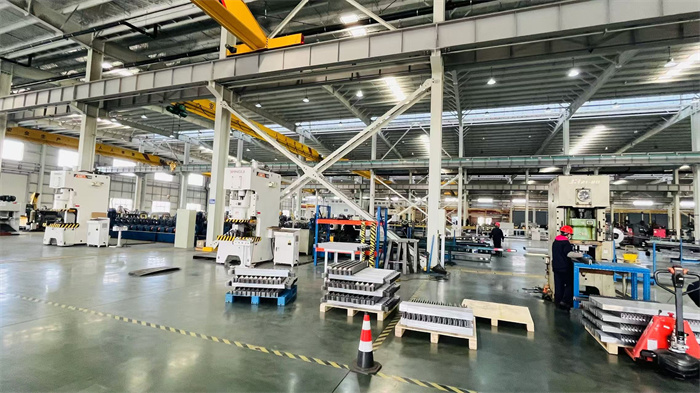
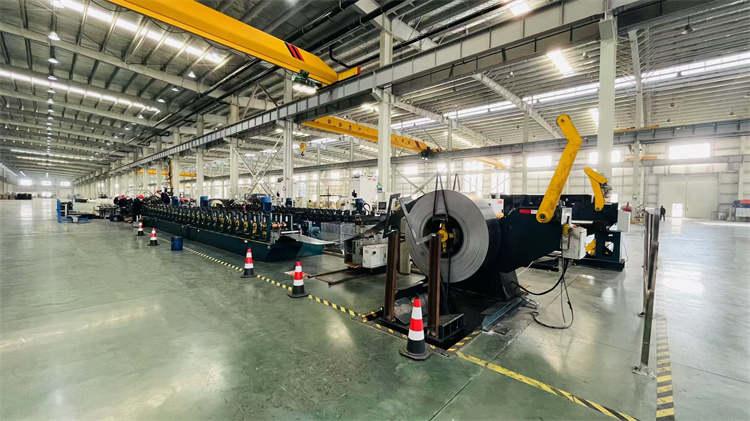
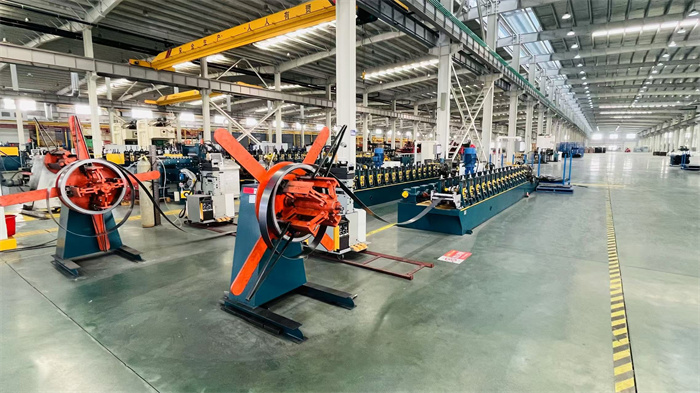
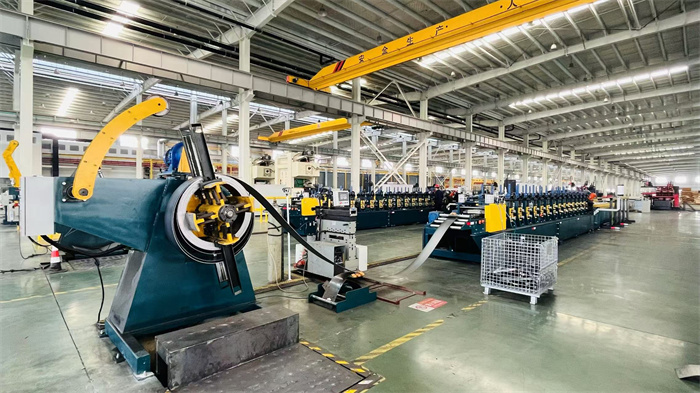
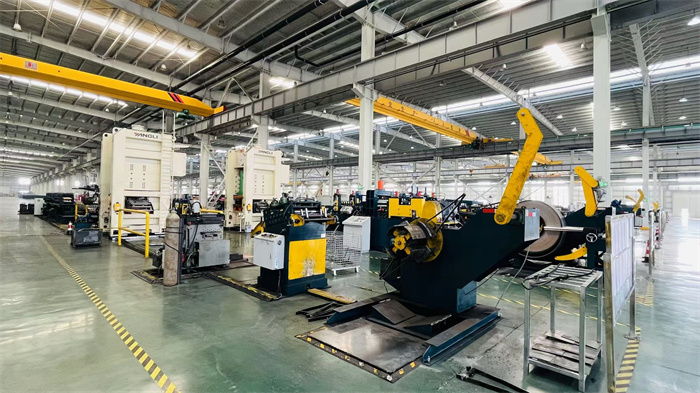
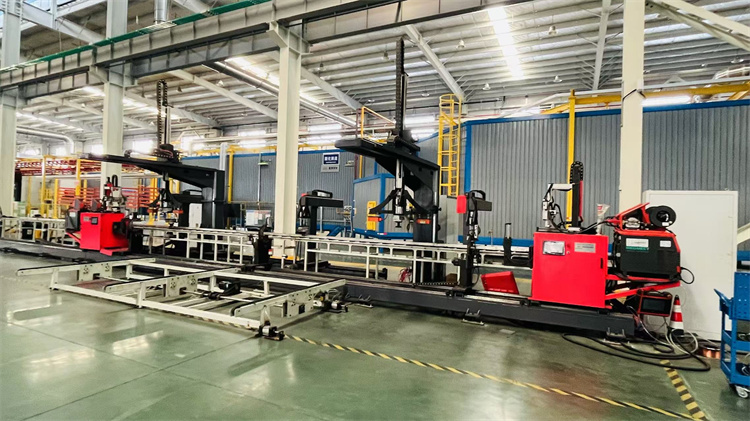
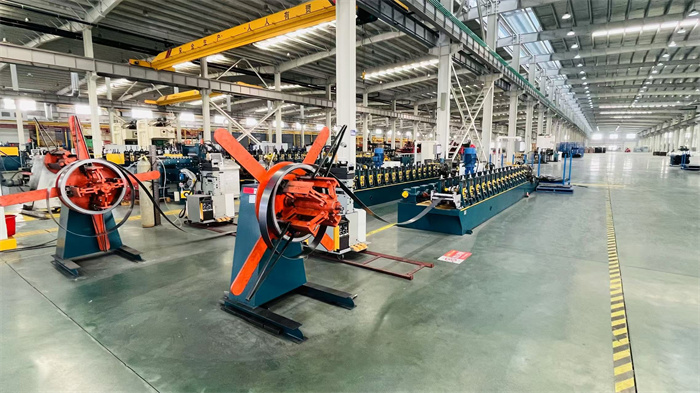
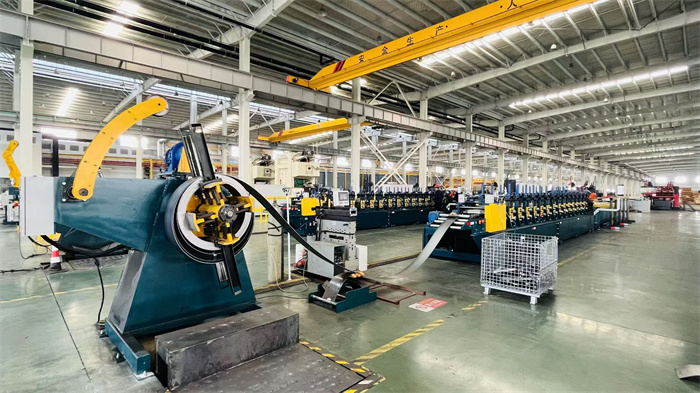
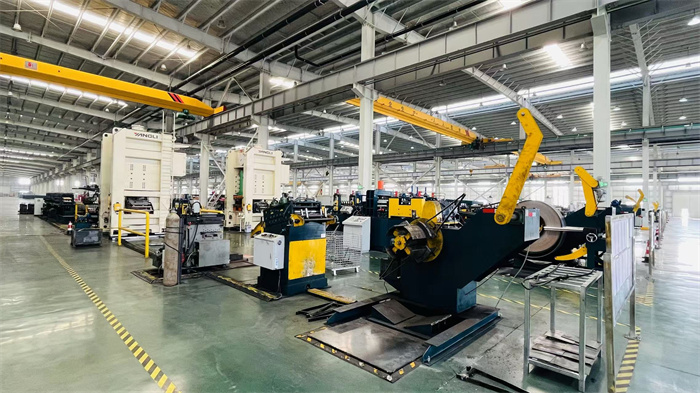
China's industrial racking supply chain has evolved from basic steel processing into an advanced manufacturing ecosystem. High-capacity facilities like Jracking (Guangdong) Storage Co., Ltd. leverage deep integration with regional steel mills, automatic roll-forming lines, and robotic welding clusters to optimize production. This integration allows for rapid project turnaround, compressing design-to-shipment cycles to 14-21 days, whereas Western manufacturers often require 8-12 weeks.
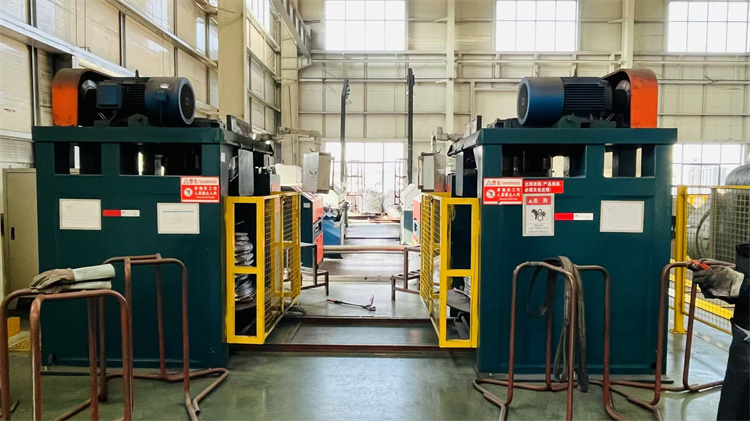
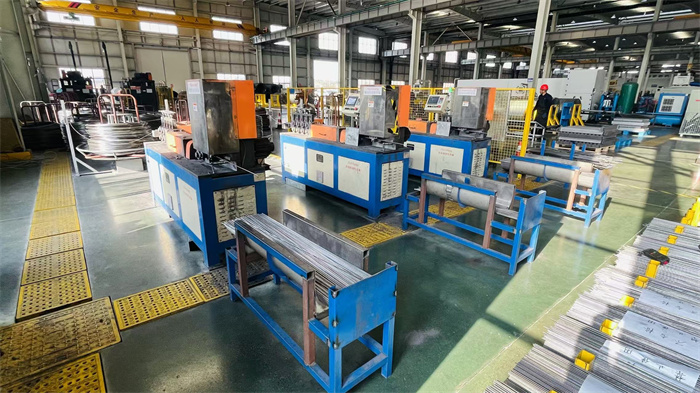
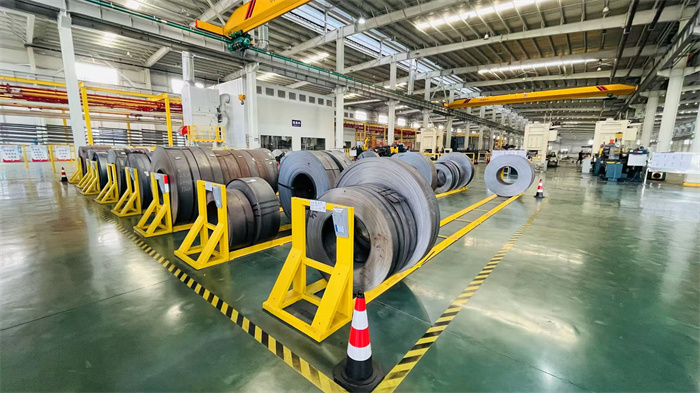
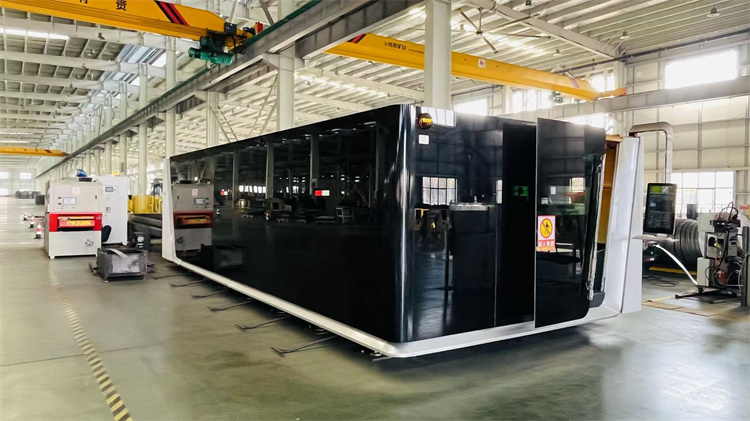
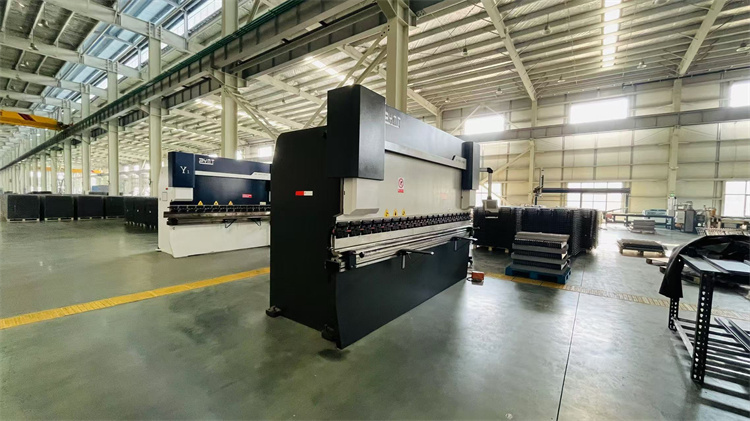
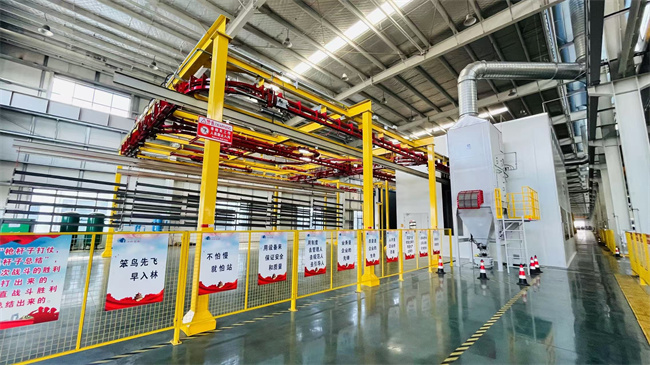
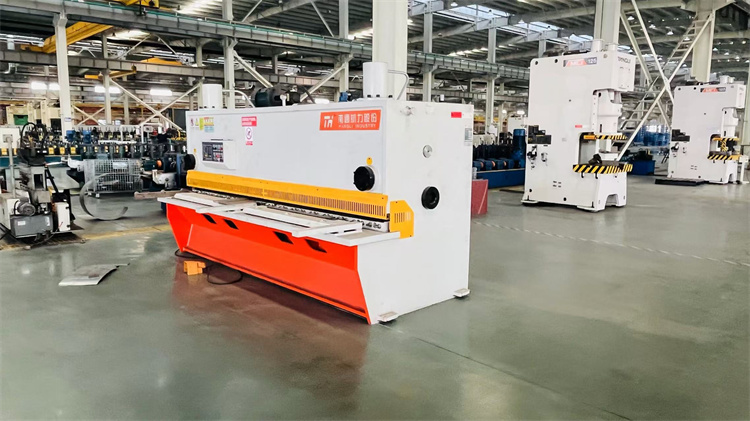
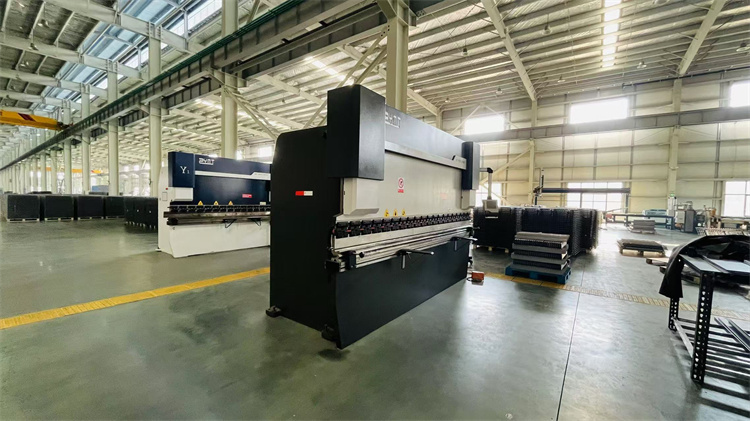
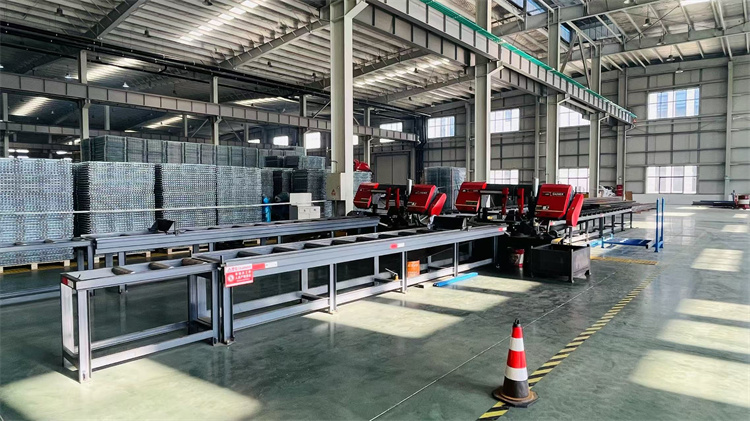
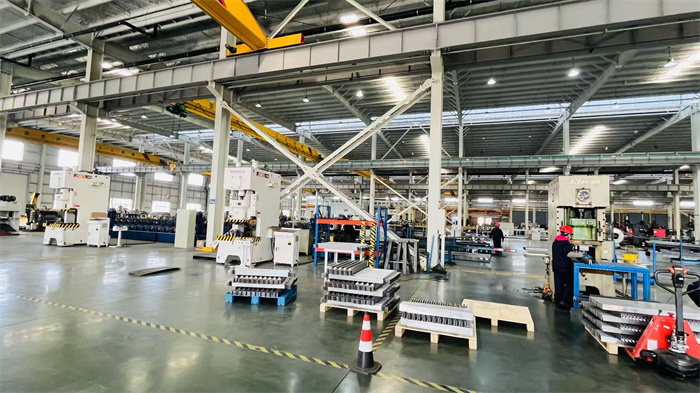
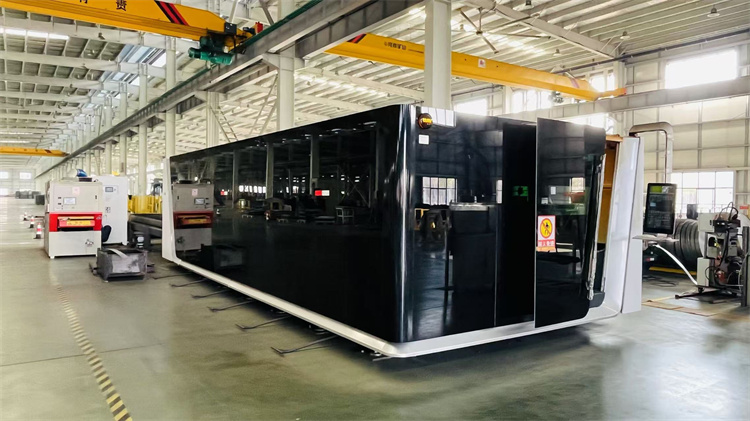
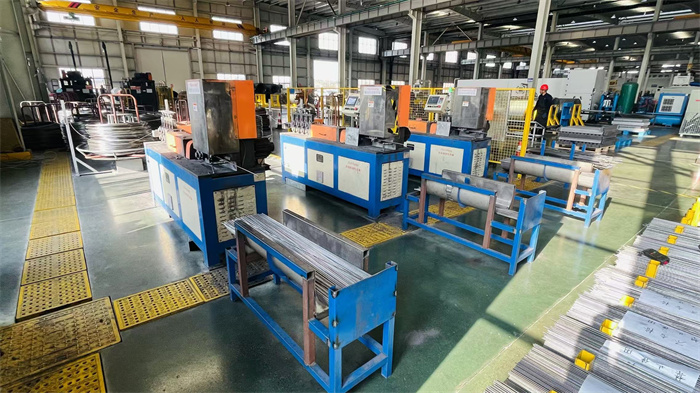
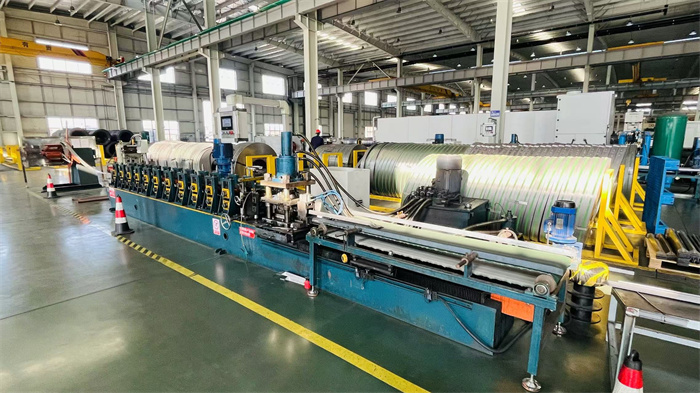
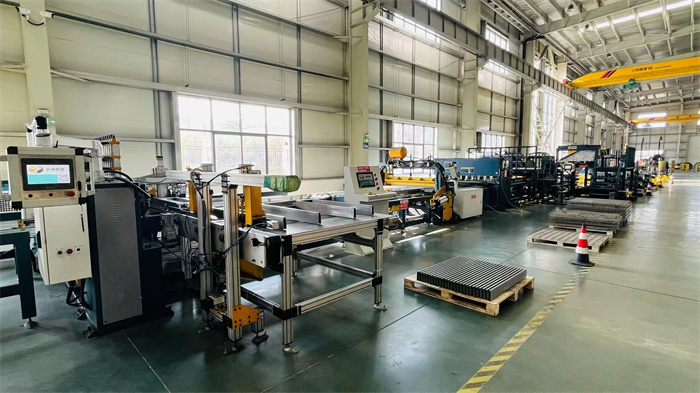
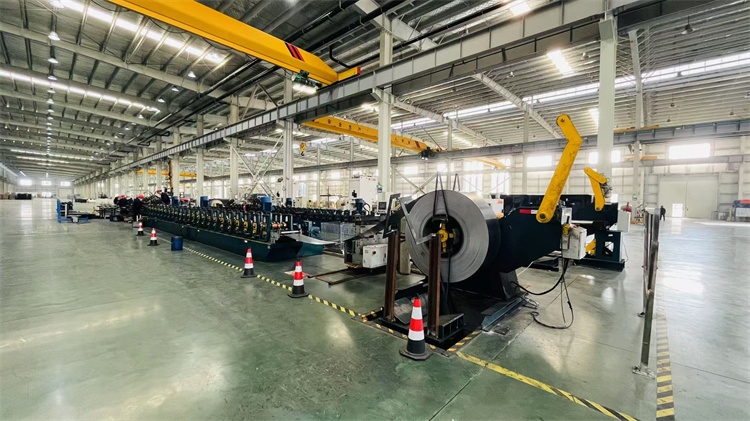
Raw materials are sourced directly from state-owned steel conglomerates with mill test certificates (MTC) verifying carbon content, tensile strength, and chemical composition. By controlling production in-house—from wire drawing and metal mesh manufacturing to automatic CNC bending and electrostatic powder coating—vertical integration ensures consistent quality control and mitigates external supply chain disruptions.
Furthermore, China's extensive logistics network facilitates efficient multimodal transport. Racking systems are flat-packed with protective timber and steel banding to maximize shipping container space, reducing ocean freight costs per metric ton. This logistics efficiency, combined with structural engineering expertise, enables Chinese exporters to deliver cost-effective, high-density storage solutions to global distribution hubs.
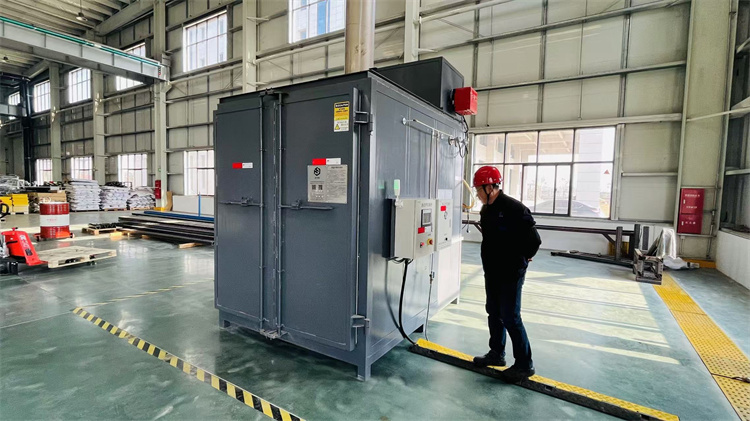
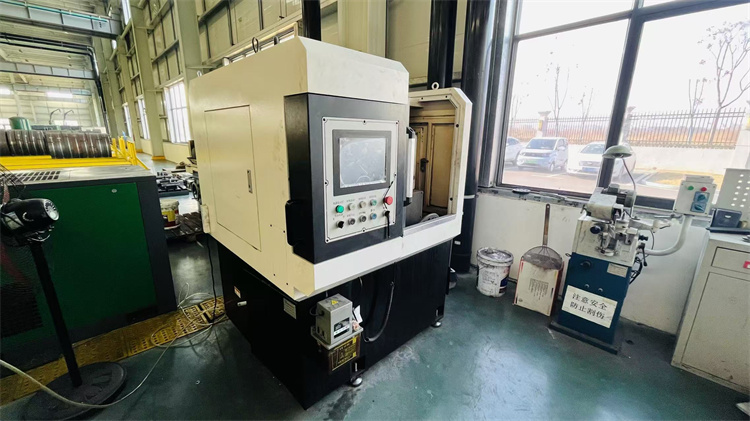
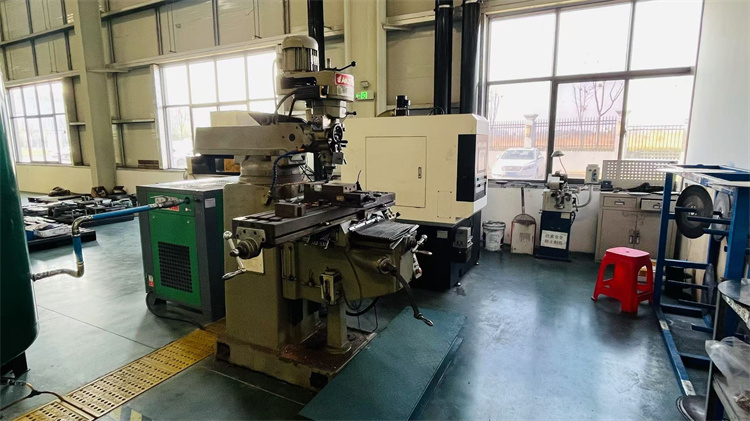
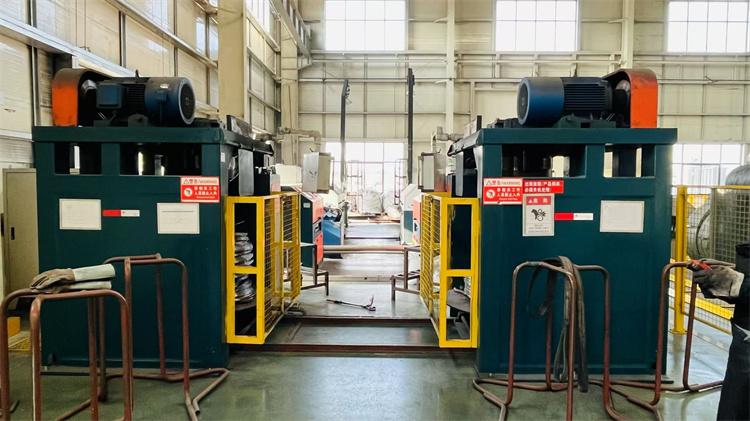
Our vertically integrated manufacturing process at Jracking (Guangdong) Storage facility, showcasing advanced machinery and rigorous quality control steps
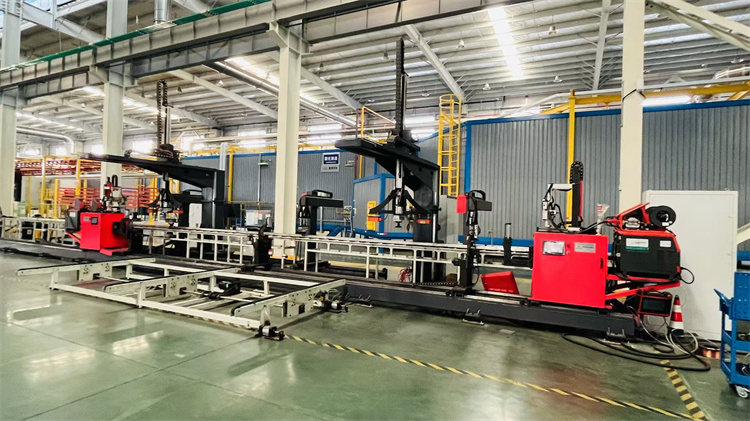
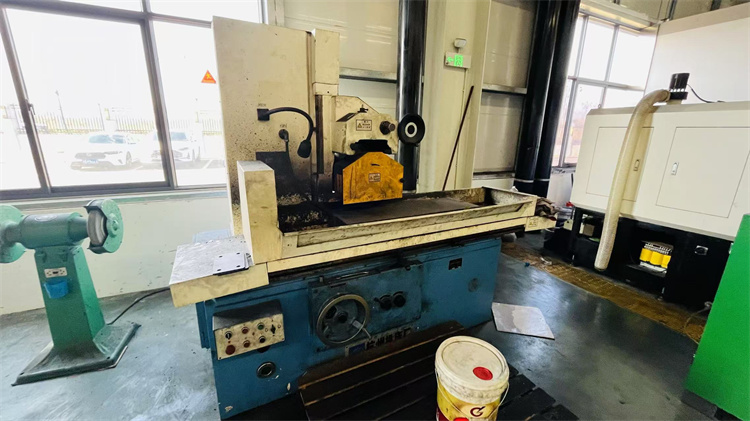
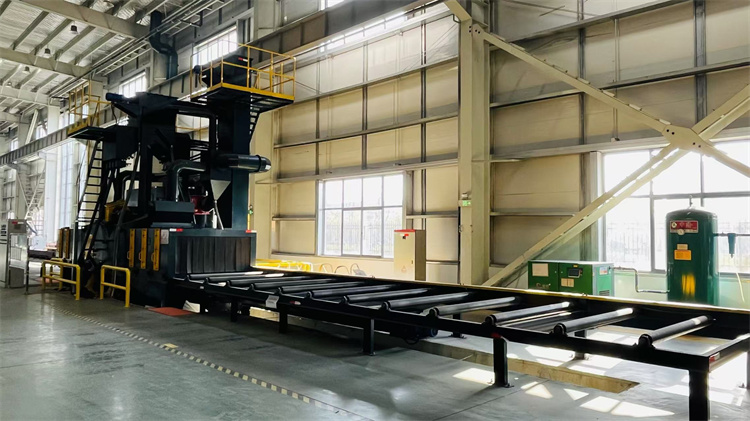
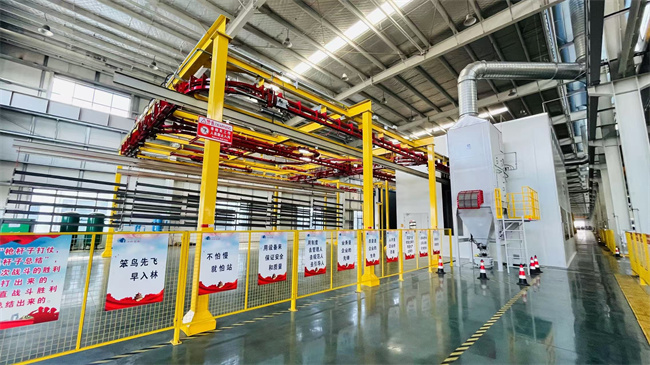
How engineering requirements differ across major regional jurisdictions.
Scenario: Low-temperature logistics facilities requiring optimal volumetric utilization to minimize refrigeration costs.
Engineering Response: Utilization of American Standard teardrop systems with structural steel frames. Hot-dip galvanization is prioritized over standard powder coating to prevent moisture corrosion and paint peeling at sub-zero temperatures (down to -30°C).
Scenario: Compact high-capacity storage for heavy stamping molds and engine casting dies within manufacturing cells.
Engineering Response: Installation of heavy-duty retractable drawer racks featuring dual-locking mechanisms and integrated rollers, allowing overhead cranes to safely perform vertical die extraction in tight spaces.
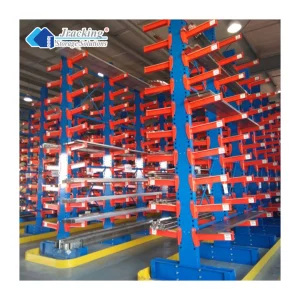
Scenario: Outdoor or semi-sheltered lumber, structural tube, and pipe storage subjected to dynamic environmental conditions.
Engineering Response: Implementation of structural steel cantilever racks compliant with AS 4084-2012, featuring specialized run-out stops and adjustable arm connections to mitigate side-load stresses.
The evolution of industrial storage from static steel profiles to sensor-enabled dynamic infrastructure
Emphasis on high-yield structural steel alloys (e.g., Q355B), standardized seismic baseplates, and durable electrostatic powder coatings. Systems are configured for manual or semi-automated mechanical crank operations.
Integration of electric drives into retractable systems, allowing interface with warehouse control software. Piezoelectric strain gauges installed at critical structural nodes will provide real-time weight and deflection alerts to prevent overloading.
Retractable racks will serve as specialized picking terminals within larger Automated Storage and Retrieval Systems (AS/RS). Dynamic rack adjustments will be coordinated by AI-driven inventory managers to optimize throughput.
Ensuring international safety certifications, dynamic load capacities, and structural compliance
Industrial storage systems must comply with region-specific structural codes to ensure warehouse safety. In North America, structural integrity is governed by the Rack Manufacturers Institute (RMI) standard ANSI MH16.1, which mandates strict calculations for dynamic forces and seismic load distribution.
For European installations, compliance with EN 15512 and the CE mark is required, verifying weld quality and structural safety factors. In Australia and New Zealand, systems must conform to the updated AS 4084-2012 standard. Reliable global exporters provide structural calculation reports validated by FEA (Finite Element Analysis) models to confirm load safety limits under dynamic operational conditions.
Addressing technical inquiries regarding load limits, customized engineering, and procurement logistics
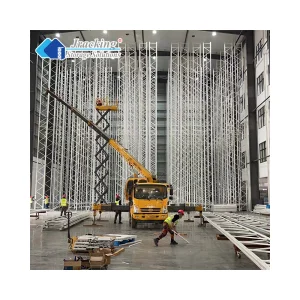
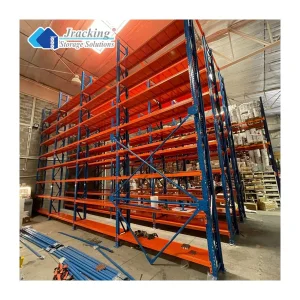
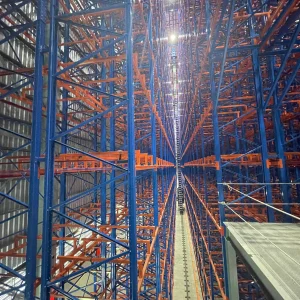
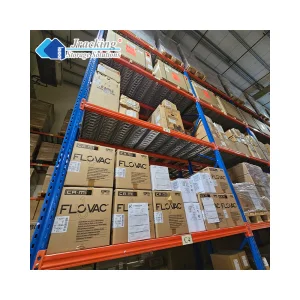
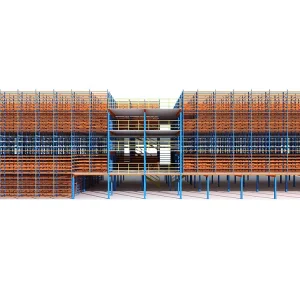
High-capacity vertical storage systems engineered for logistics centers and automated distribution hubs
 Jracking