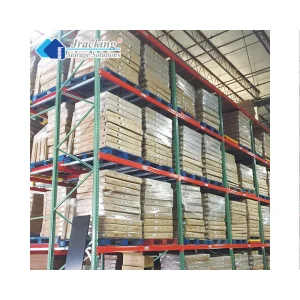
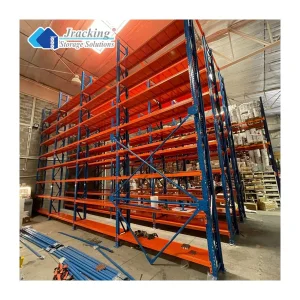
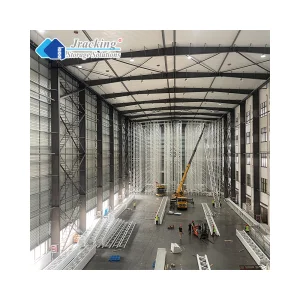
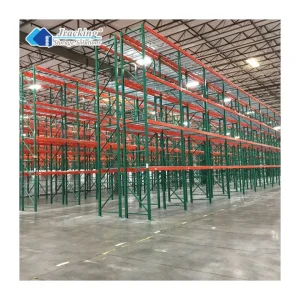
In the era of skyrocketing industrial real estate costs, supply chain optimization has shifted from a competitive advantage to a fundamental operational necessity. Global logistics hubs, cold storage facilities, and distribution centers are under immense pressure to maximize volumetric utilization within their existing footprints. This macro-economic shift has elevated Push-Back Storage Systems to a critical role.
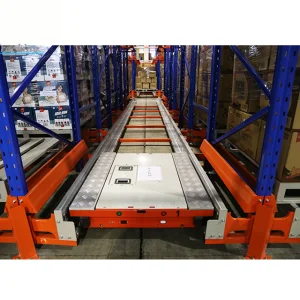
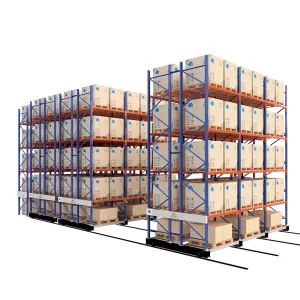
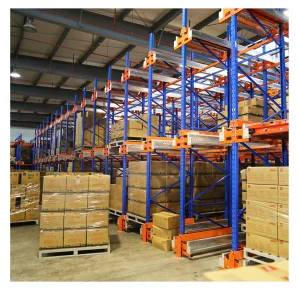
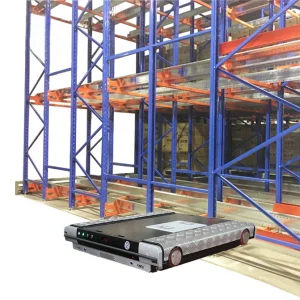
Unlike traditional selective racking systems which require extensive aisle space for forklift navigation, push-back storage implements a dynamic nesting cart design on inclined rails. By utilizing a Last-In, First-Out (LIFO) inventory methodology, warehouses can stack pallets from 2 to 6 deep. This eliminates multiple service aisles, translating directly into a 75% to 90% increase in storage capacity compared to conventional selective configurations.
Additionally, push-back racking offers superior selectivity compared to drive-in racking. Because each lane operates independently, forklift operators do not need to drive physical machinery inside the rack structure. This dramatically reduces material handling damage, increases operational safety profiles, and accelerates loading cycle speeds—factors critical for industries dealing with fast-moving consumer goods (FMCG), pharmaceuticals, and temperature-controlled food distribution.
Maximizes floor space and overhead volume by nesting carts up to 6 deep, dramatically limiting horizontal aisle waste.
Each level and lane remains independently accessible, facilitating multiple SKUs without compromising density.
No forklift penetration into the rack eliminates structural impacts, protecting both labor assets and inventory investment.
Jracking (Guangdong) Storage Co., Ltd. is a professional, world-class manufacturer specializing in warehouse racking systems and comprehensive industrial storage solutions in China. Since our establishment in 2016, we have committed ourselves to the design, custom fabrication, and global export of high-grade storage equipment engineered to survive the most demanding industrial environments.
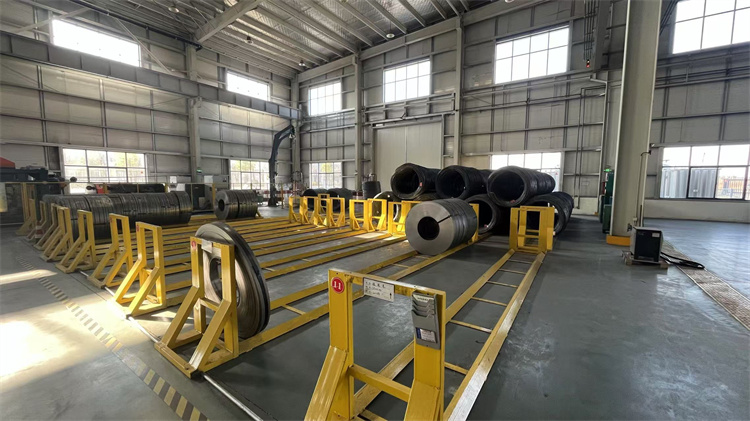
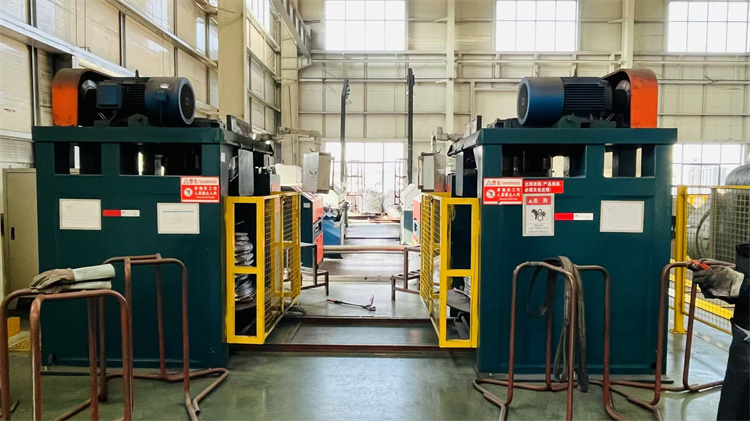
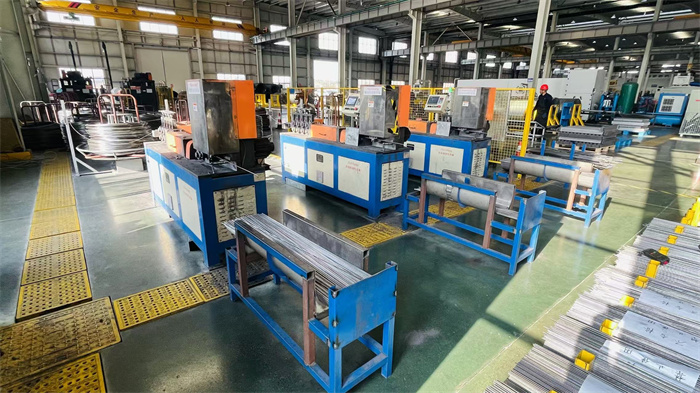
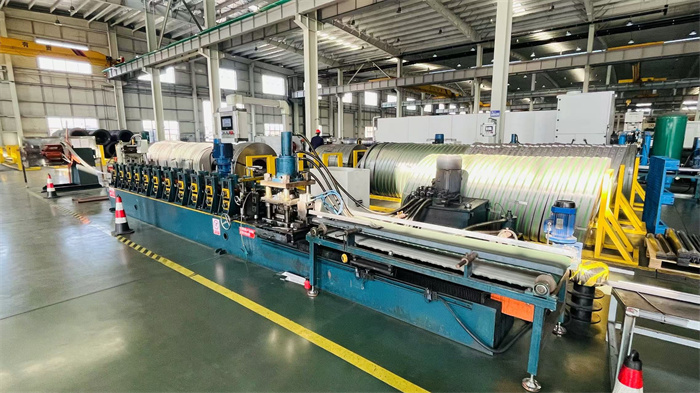
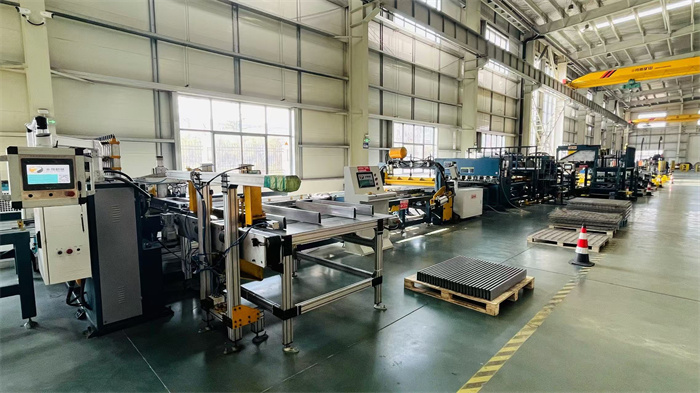
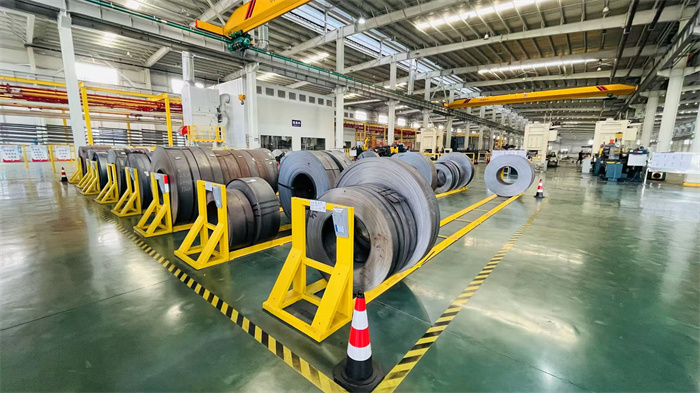
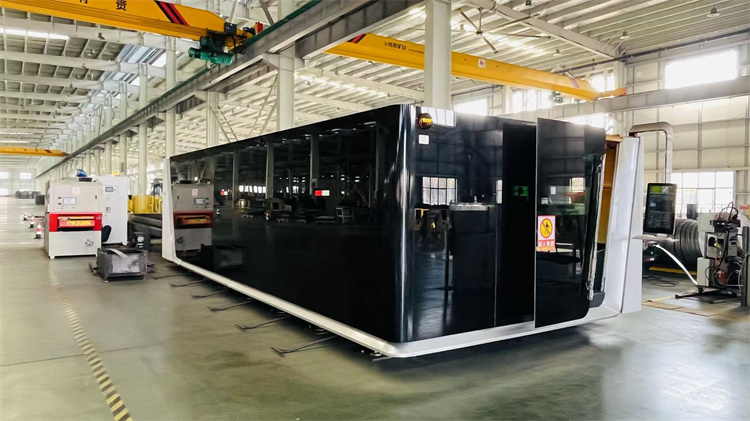
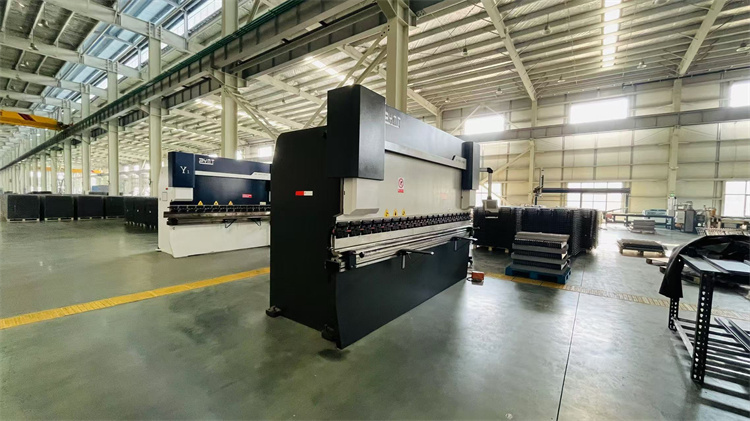
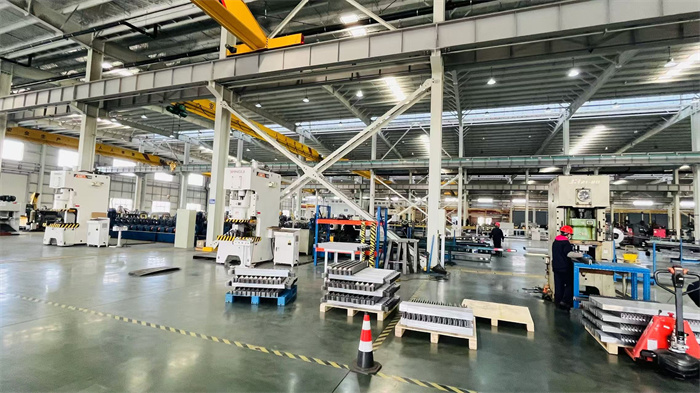
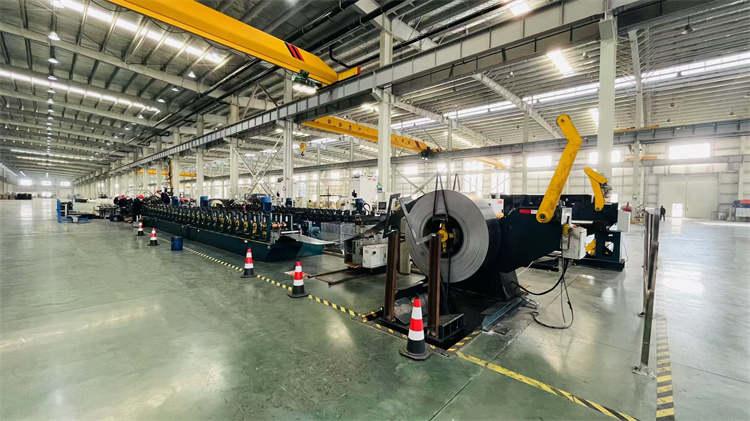
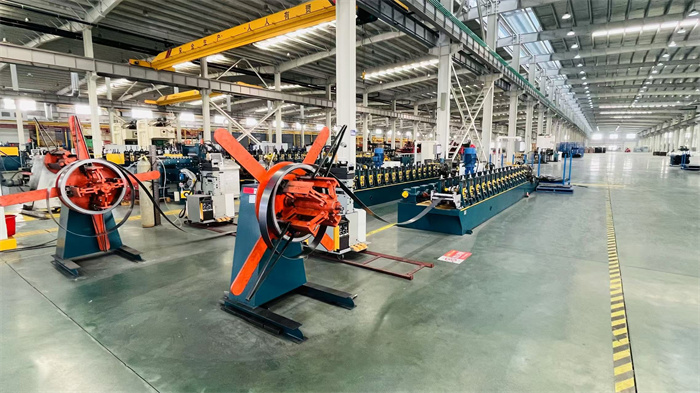
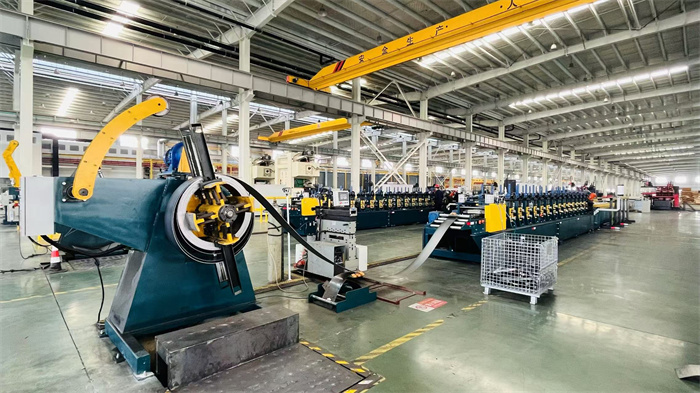
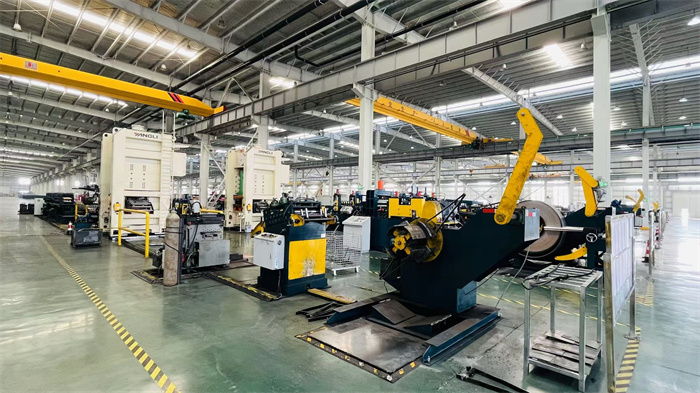
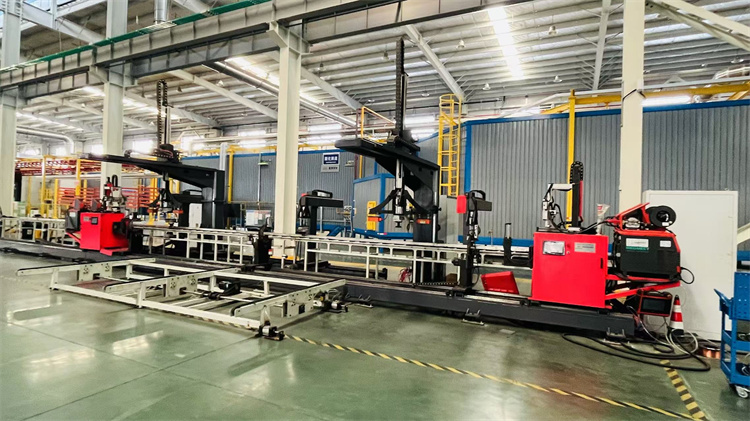
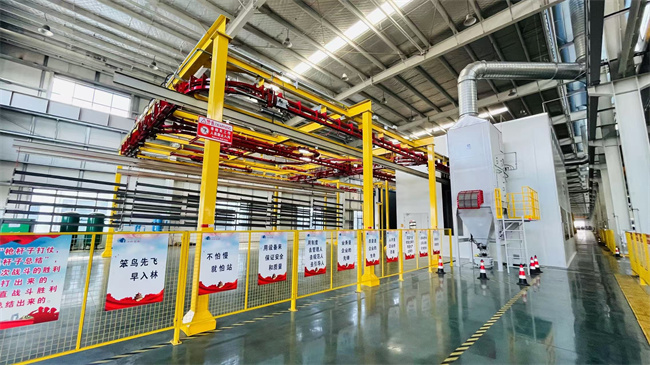
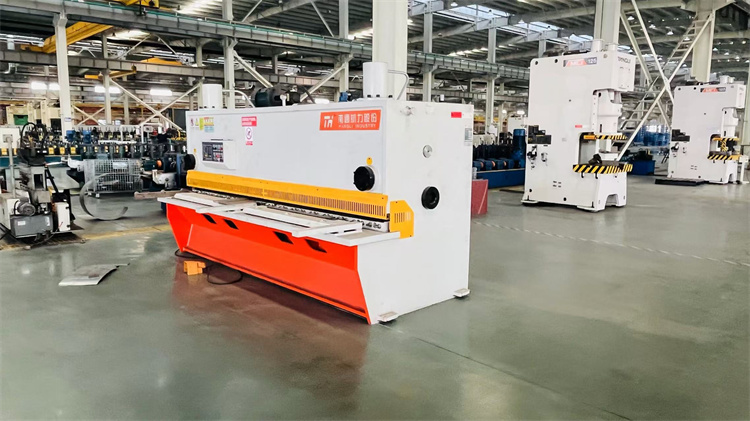
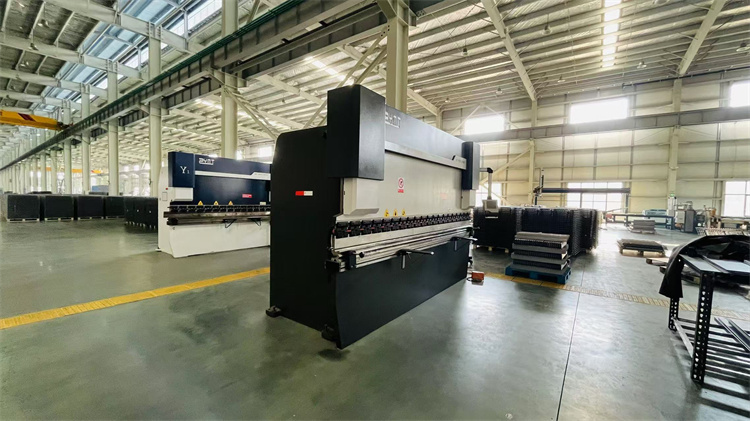
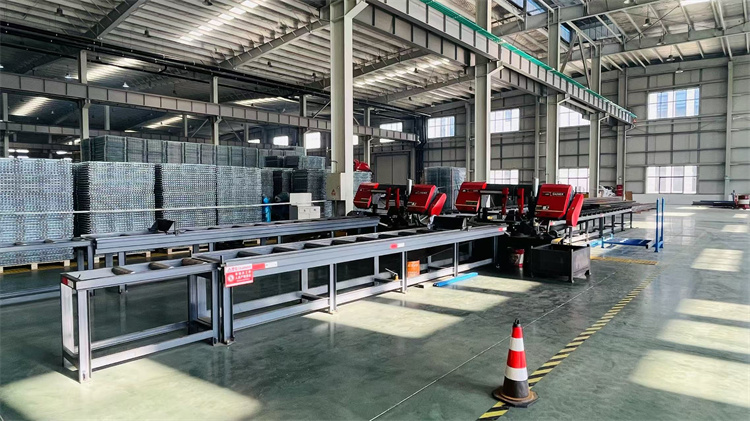
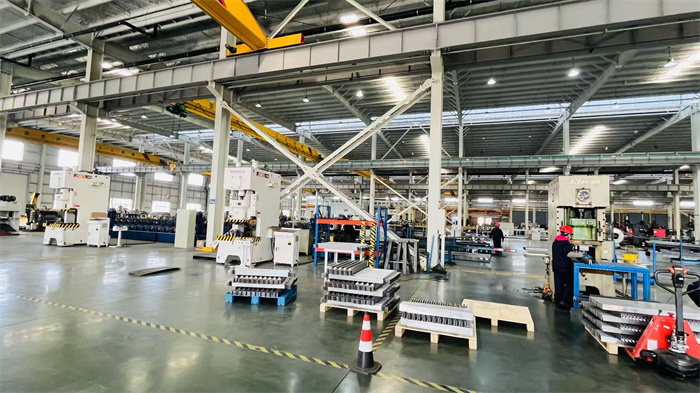
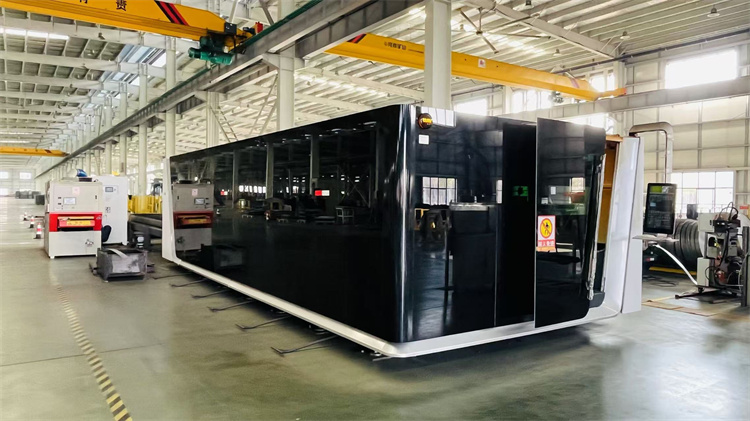
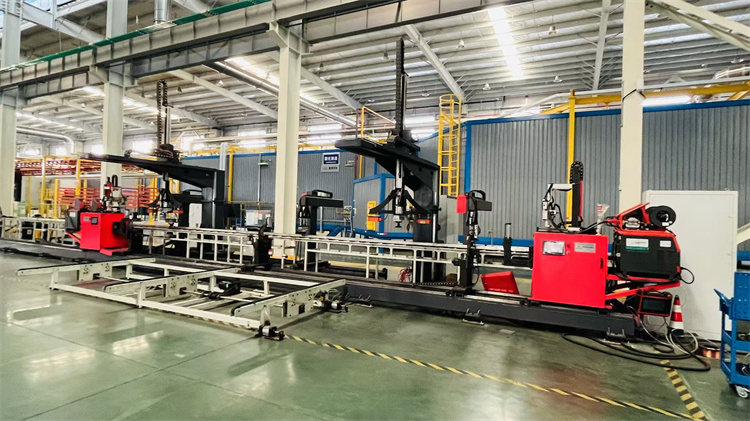
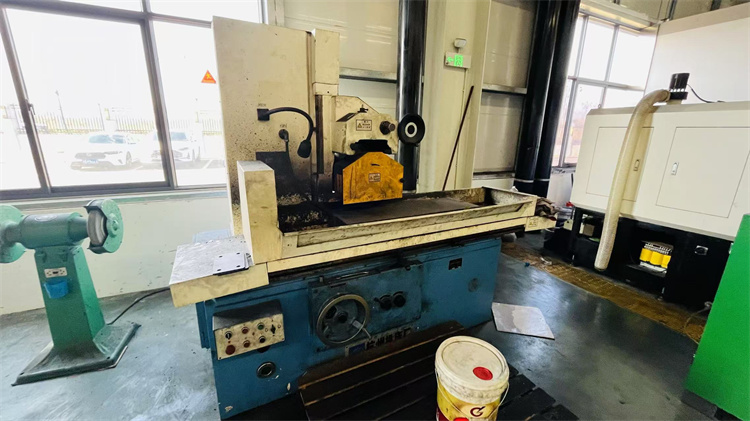
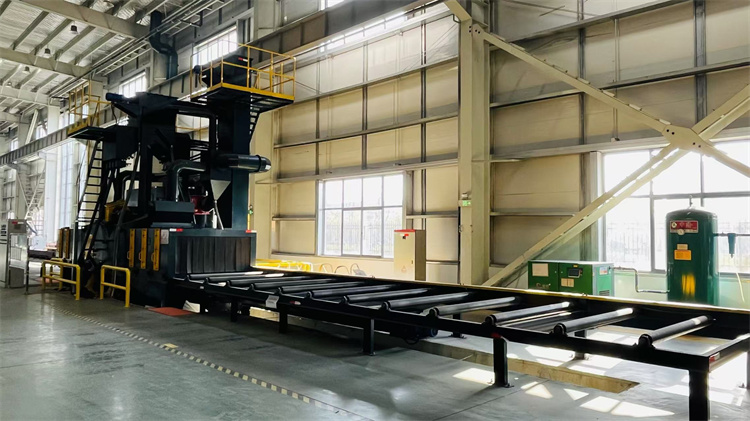
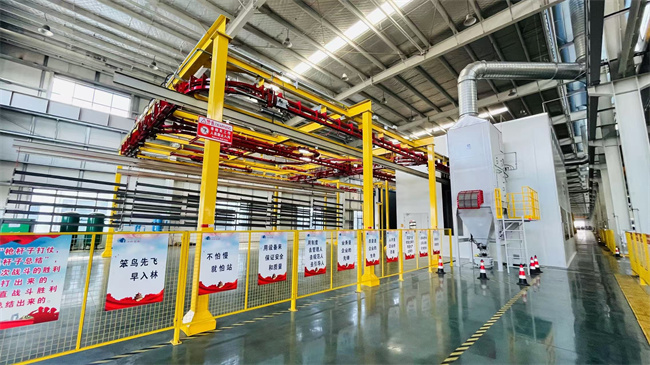
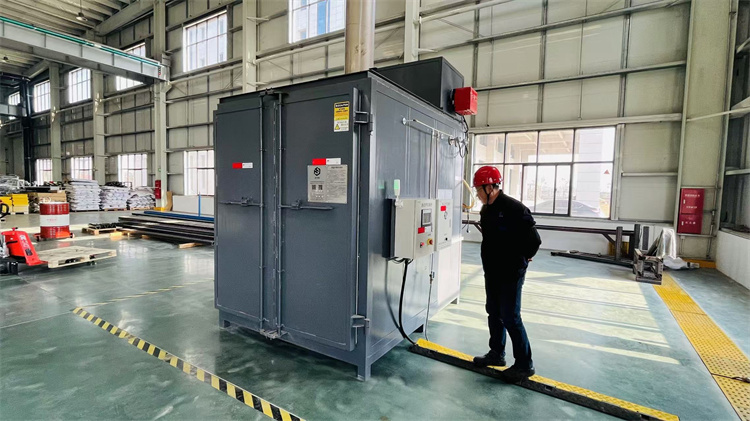
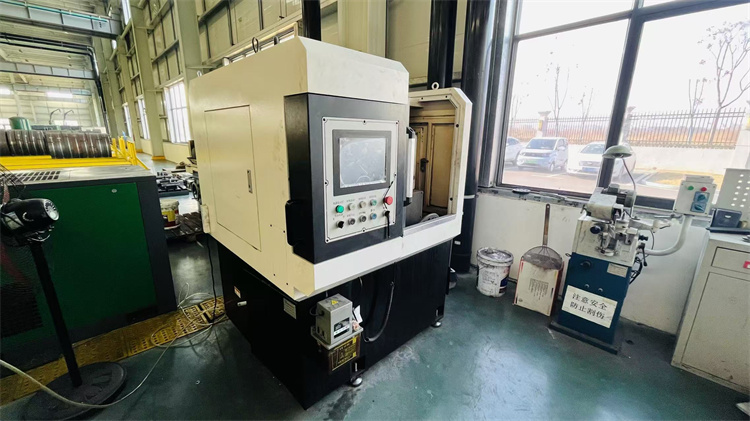
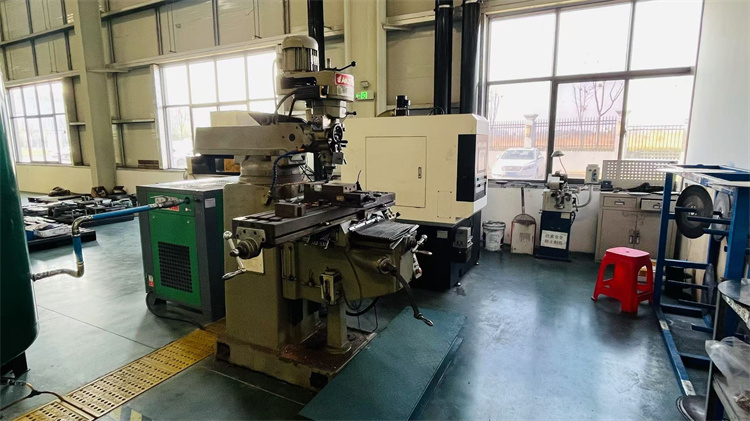
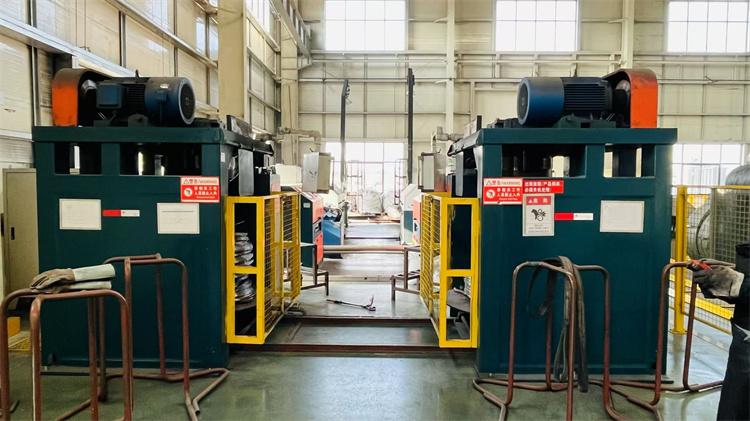
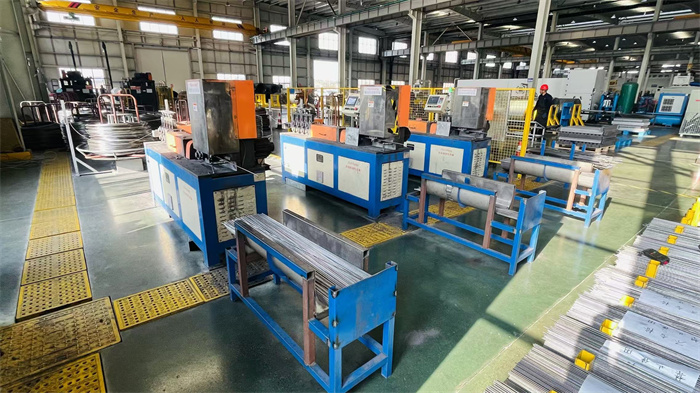
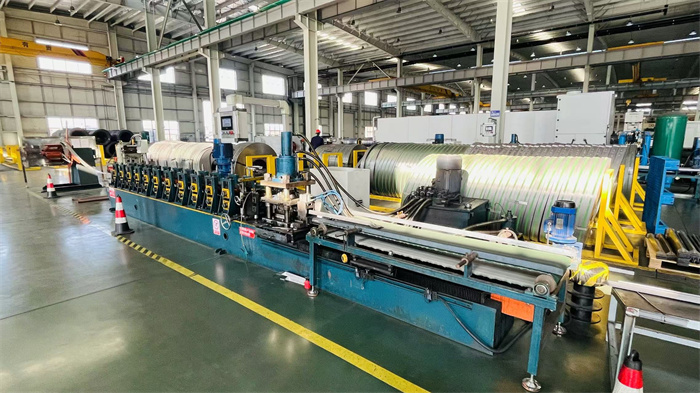
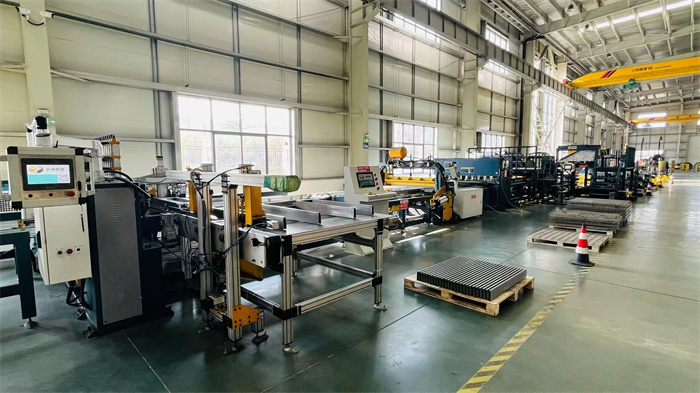
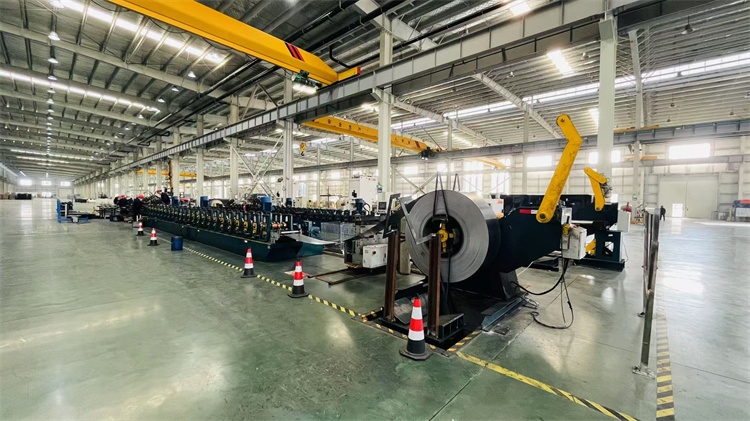
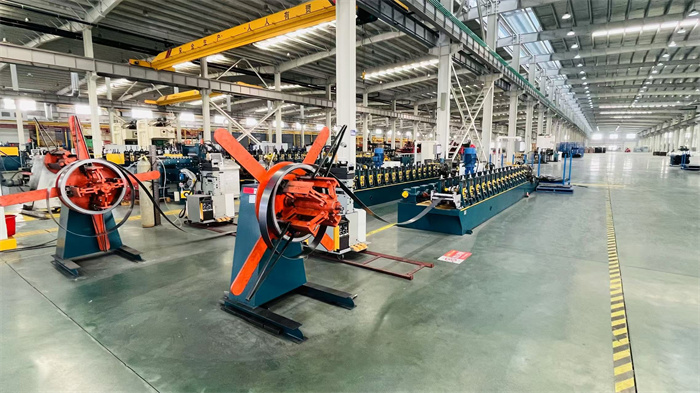
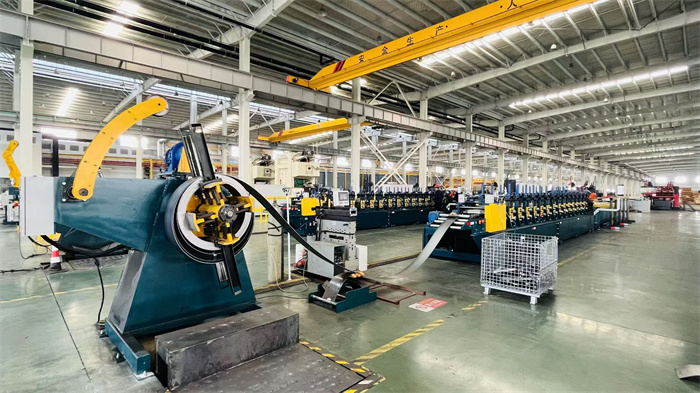
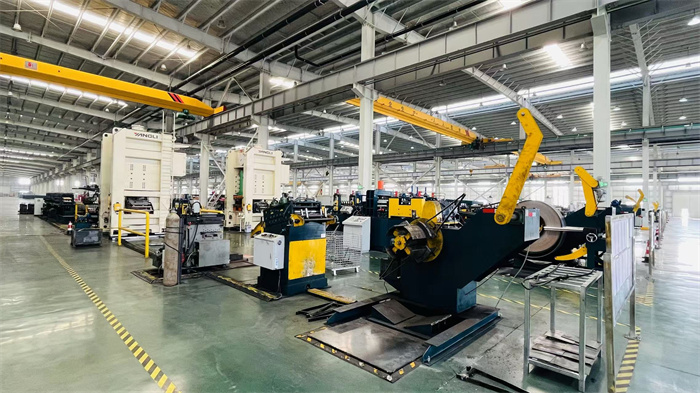
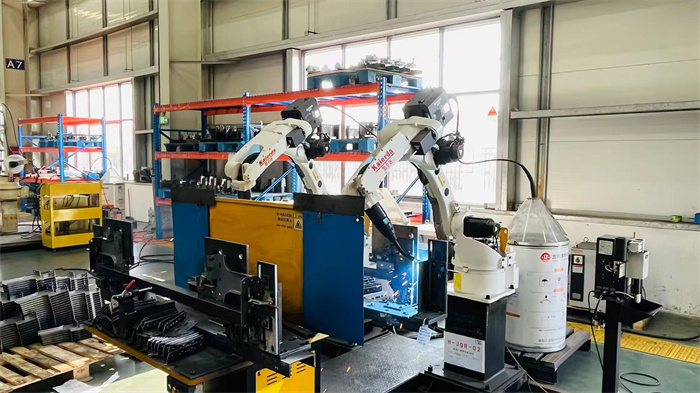
Our manufacturing facility operates with state-of-the-art cold roll forming lines, automated robot welding cells, and comprehensive electrostatic powder-coating finishing systems. Backed by 8 years of dedicated export experience, Jracking has built a solid distribution footprint across North America, Europe, Southeast Asia, Australia, and the Middle East. We act as a critical OEM & ODM hub, collaborating with over 1,150 supply chain partners worldwide to deliver standard configurations and customized storage equipment alike.
Quality control is embedded within each stage of our manufacturing. From raw steel selection to final surface treatment, our processes conform to strict ISO-compliant quality standards. The steps below illustrate our vertically integrated manufacturing flow, designed to ensure unmatched loading capacity, structural reliability, and long-term durability.
Industrial storage environments vary widely by geography, necessitating dynamic compliance capabilities. For instance, the North American market relies heavily on the RMI (Rack Manufacturers Institute) standards and teardrop configurations, prioritizing rapid modular updates and high inter-compatibility. In contrast, European supply chain designs require strict adherence to EN 15512 and FEM regulations, which often feature structural profiles and bolted connections optimized for seismic resilience.
Furthermore, cold storage and frozen-food sectors are experiencing rapid expansion globally. In these environments, operating costs are measured by the cubic meter per second. Racking layouts must minimize ambient airspace while maximizing thermal circulation. Push-Back racking systems serve this market efficiently by facilitating high density without compromising SKU access. Because forklifts operate outside the rack, operators don't waste energy heating or cooling wide forklift pathways.
Our engineers design system structures with high-tensile hot-rolled steel, specialized low-temperature powder coatings, and heavy-duty polyurethane cart wheels. These components prevent metal fatigue and bearing failure at temperatures down to -30°C.
As warehouse automation continues to advance, the boundaries between static racking and dynamic automation are blurring. Jracking's future product roadmap is centered around smart warehouse integrations. This includes incorporating low-profile IoT load sensors inside push-back carts, allowing warehouse management systems (WMS) to monitor lane capacity, cart status, and product weight in real time.
Our engineering team leverages advanced Finite Element Analysis (FEA) software to model structural loads under simulated seismic forces. This ensures compliance with structural design codes globally, including Australia's AS4084-2012, RMI in the US, and FEM codes across Europe.
By running stress tests on upright sections, safety locks, and nested cart wheels under extreme loading scenarios, we guarantee that every system leaving our factory is built for longevity and safety.
The key differentiator lies in the inventory rotation model and loading positions. Push-Back racking utilizes a Last-In, First-Out (LIFO) model, where forklifts load and unload products from the same front aisle using a nested cart system. Pallet Flow racking runs on a First-In, First-Out (FIFO) model, using gravity rollers where pallets are loaded at the rear entry aisle and retrieved from the opposite front aisle. Push-back systems require less aisle space overall because only one access aisle is needed.
Push-back rails are set at a slight incline (typically 2% to 3% grade) toward the front aisle. This slope uses gravity to slide the nested carts forward to the aisle face when the front pallet is retrieved. The incline is engineered to control cart speed and ensure safe, consistent flow without requiring motorized control.
Standard counterbalance and reach forklifts are fully compatible with push-back systems. Forklift operators do not need to drive inside the racking matrix, so specialized narrow-aisle models or custom masts are not required. The forklift simply pushes the existing pallets back with the pallet being loaded.
Our push-back systems incorporate multiple mechanical safety overrides. These include positive safety stops at the end of the rails to prevent carts from exiting the lane, anti-lift devices that keep carts aligned on the track, and rubber bumper guards to cushion cart contact during loading and unloading.
 Jracking