Engineered to optimize structural safety, height utilization, and inventory selectivity for dynamic warehousing environments.
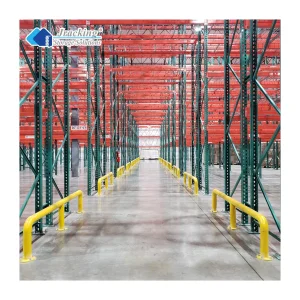
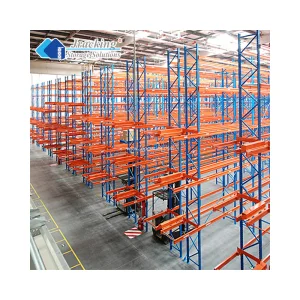
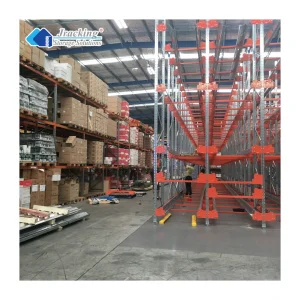
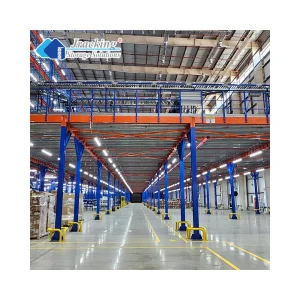
Modern global logistics demands unprecedented density and structural versatility. Multi-tier storage structures, notably rack-supported mezzanines and high-level industrial systems, represent a critical paradigm shift from traditional horizontal storage to optimized vertical volume extraction. This document outlines structural requirements, export compliance metrics, and technical benchmarks defined by industry-leading manufacturing bodies.
By deploying multi-tier systems, global enterprises can maximize foot-print productivity by up to 300%. Integrating advanced cold-chain adaptations, robotics, and safety ratings ensures these heavy-duty assemblies satisfy the most stringent commercial and structural safety standards globally.
Jracking (Guangdong) Storage Co., Ltd. stands as a professional manufacturer specializing in high-grade warehouse racking systems and industrial storage solutions in China. Since its establishment in 2016, the company has dedicated itself to the layout design, mechanical modeling, precise fabrication, and international distribution of advanced storage equipment.
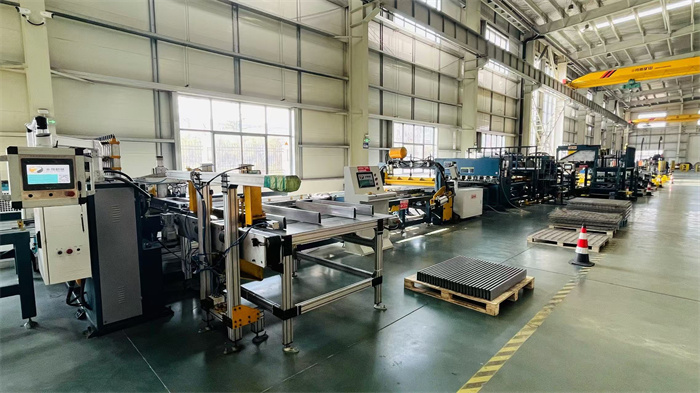
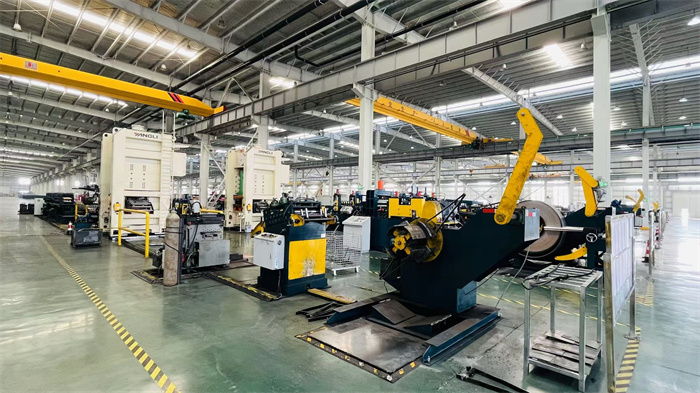
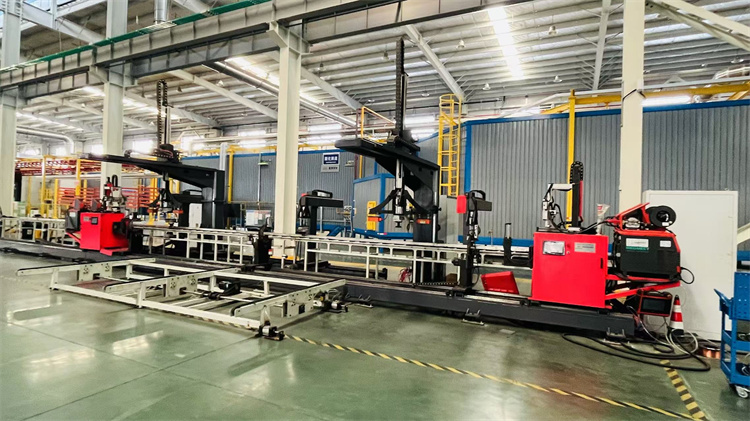
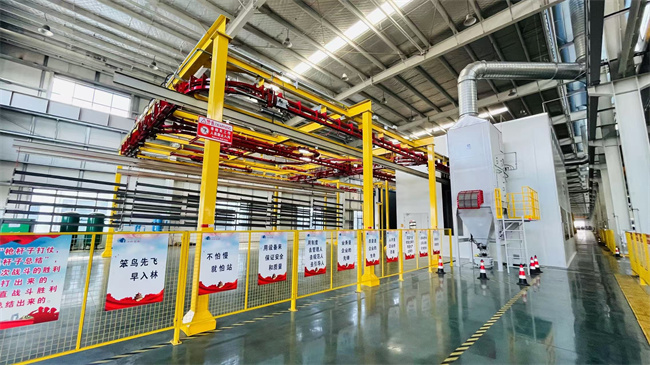
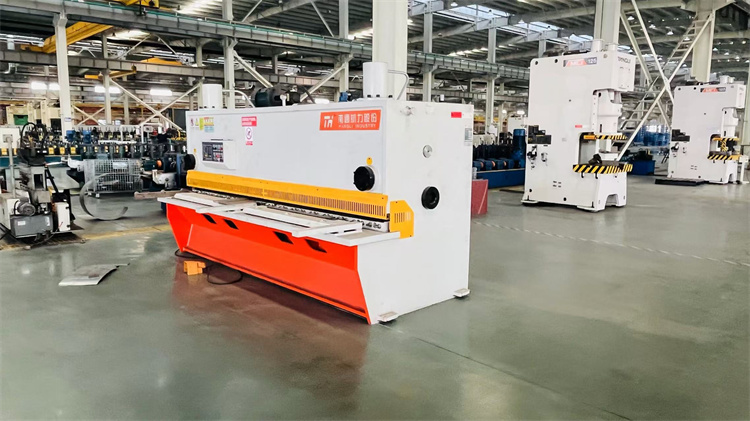
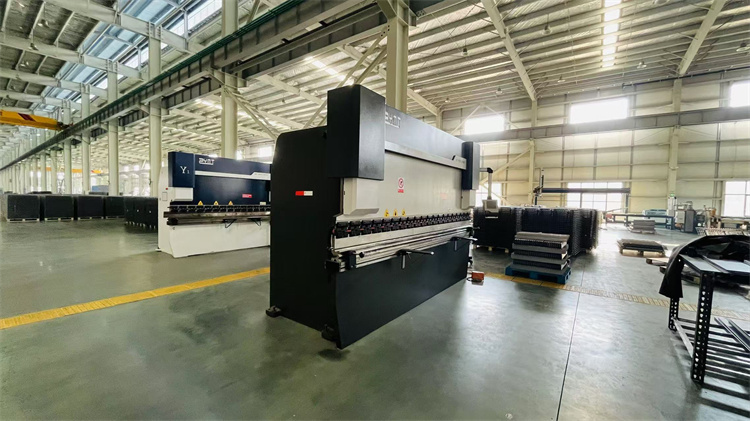
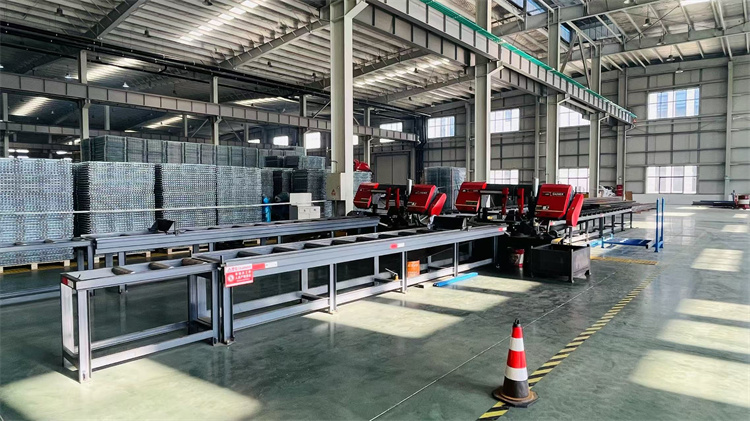
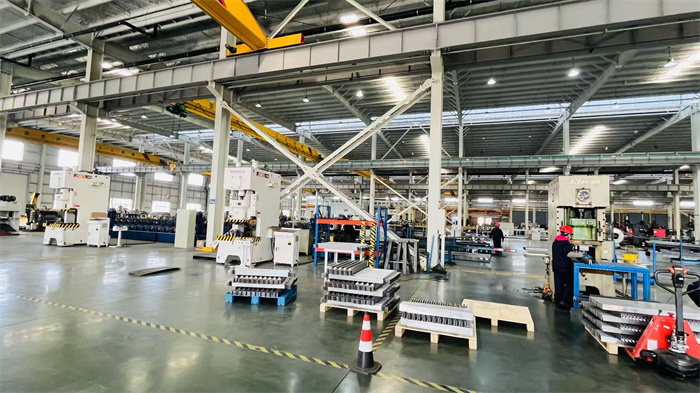
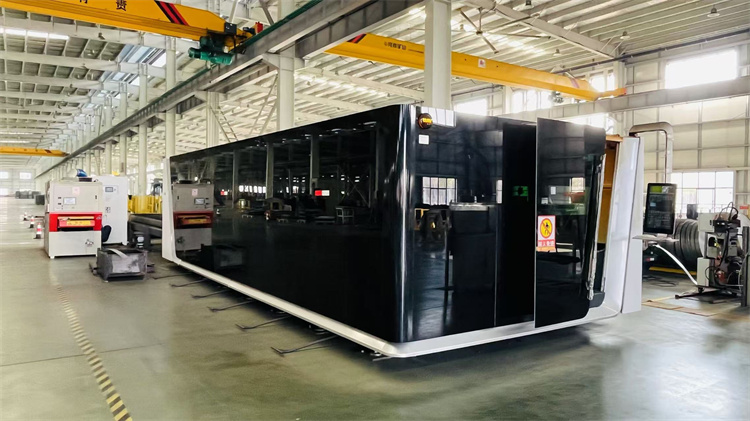
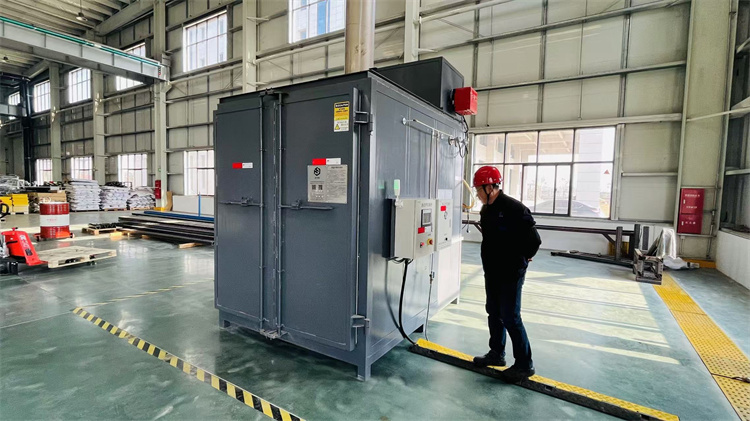
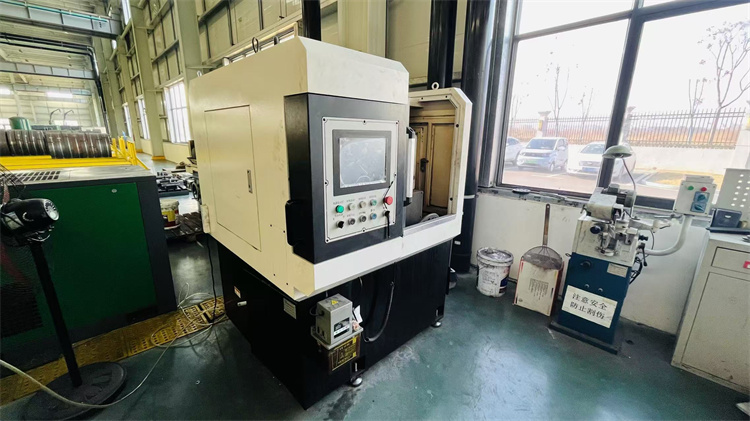
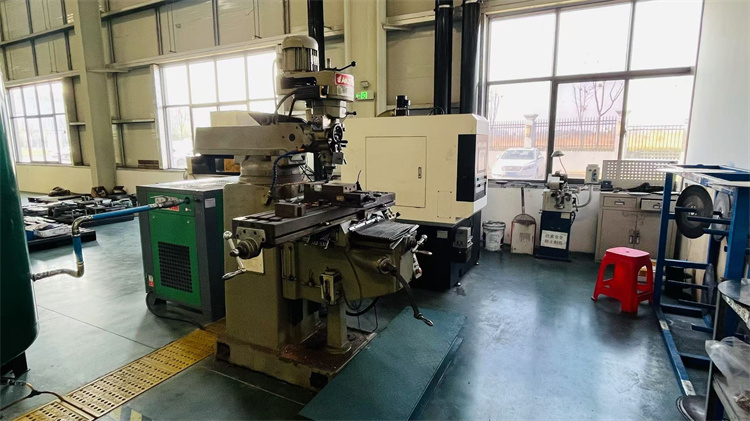
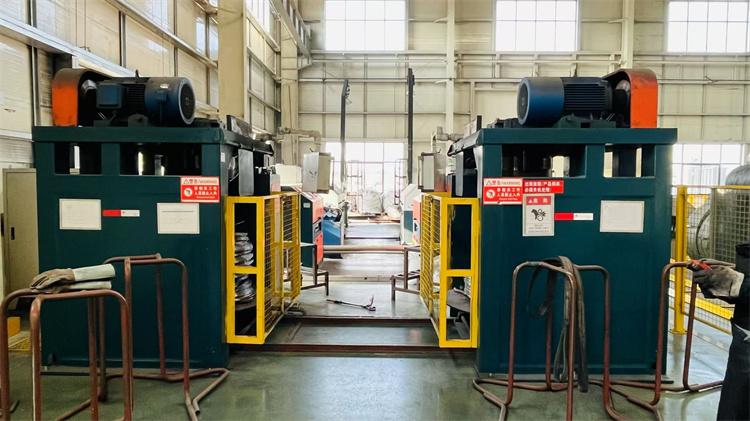
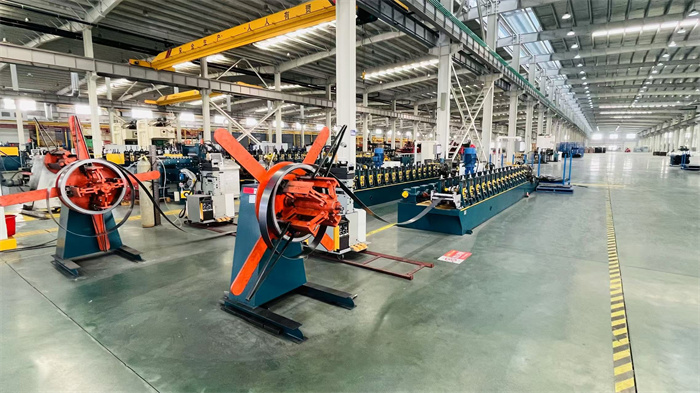
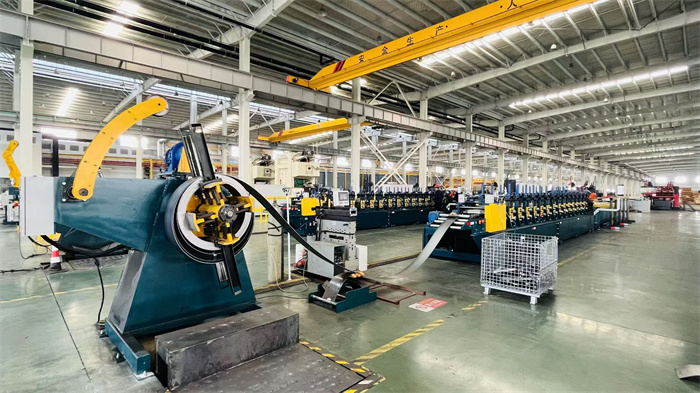
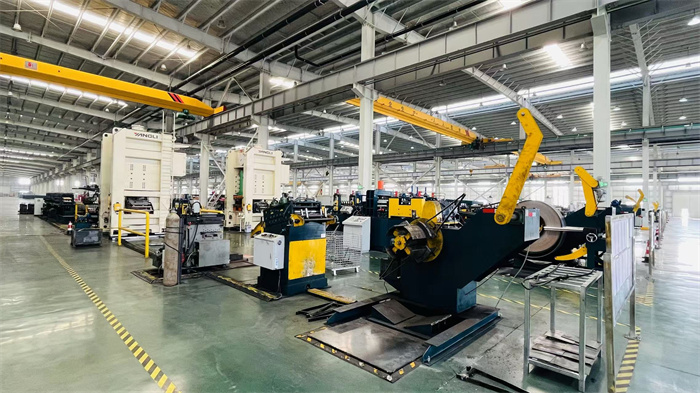
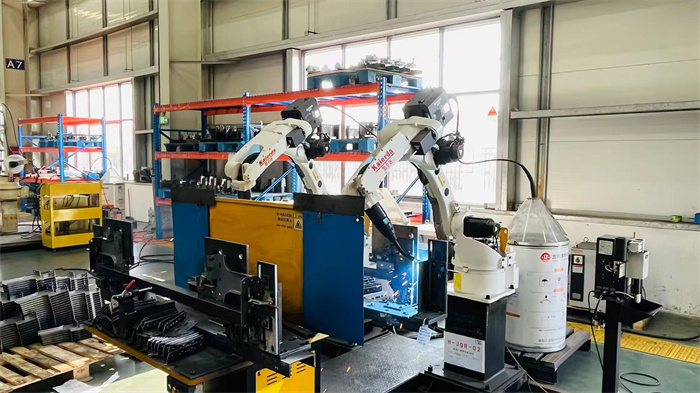
Utilizing a modern manufacturing facility covering 28,600 m², the facility integrates automatic roll-forming mills, advanced welding robotics, and highly controlled electrostatic powder-coating lines. This infrastructure ensures the output conforms strictly to rigorous global safety codes and capacity metrics across varied load envelopes.
Backed by over 8 years of export experience and 12 years of industry expertise, Jracking's international footprint covers North America, Europe, Southeast Asia, Australia, and the Middle East. With an annual export revenue exceeding USD 18 million, our structural products are designed to withstand challenging static and dynamic seismic loads.
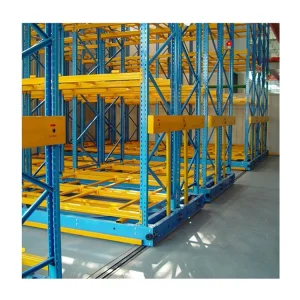
Engineering compliance forms the baseline of our physical architecture. Every batch of cold-rolled steel profiles undergoes thorough compliance checks matching regional requirements. The product portfolio ranges from standard teardrop and selective pallet racks to sophisticated semi-automated multi-tier radio-shuttle integrations.
An in-depth analysis of structural integrity, engineering regulations, and geopolitical cost optimization in global procurement.
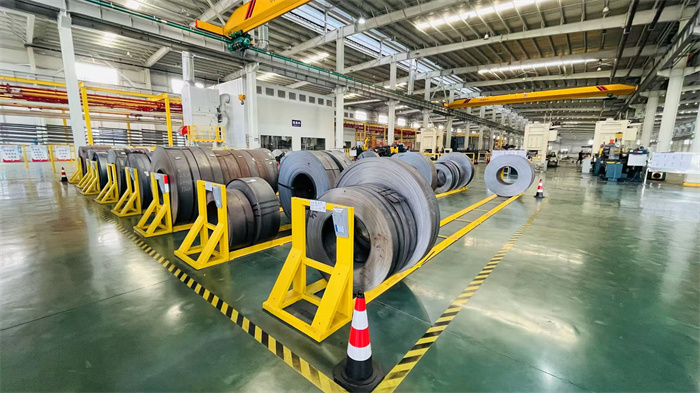
The concentration of raw material refinement, automated machinery clusters, and structural fabrication logistics within China provides distinct cost and capability advantages. Jracking leverages high-grade raw steel (Q235B and Q355B structural steel profiles) sourced directly from state-owned mills, guaranteeing consistent yield strength and chemical properties.
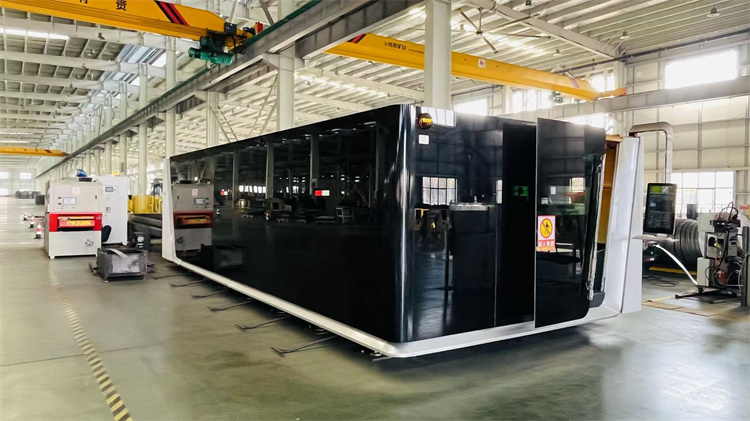
By collaborating with more than 1,150 supply chain partners, we ensure uninterrupted raw material pipelines and stable price forecasts even during global raw-metal market fluctuations. The integration of high-speed automatic rolling mills, robotic laser-cutting cells, and custom punching dies enables high throughput with low dimensional variance.
Deploying warehouse steelwork requires compliance with regional safety codes to secure occupancy permits and structural liability clearances. Jracking designs and fabricates its systems to align with international regulatory frameworks:
Additionally, our engineering department simulates site-specific seismic conditions (using finite element analysis - FEA) to compute baseplate sizing, anchoring depths, and bracing configurations for earthquake-prone zones worldwide.
Global procurement specialists seek supply lines that mitigate lead-time risks, guarantee structural traceability, and offer customization capability. Procurement vectors focus on OEM & ODM flexibility to interface with existing layouts. Jracking supports complete customization across dimensions, profile thicknesses, structural capacities, and surface finish regimes (e.g., specific RAL epoxy powder coatings or hot-dip galvanization for outdoor environments).
With an annual introduction of over 156 new products, we continuously expand our technical solutions, helping logistics centers, e-commerce networks, and distributors build resilient facilities.
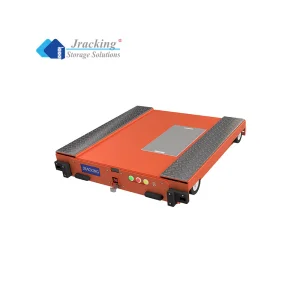
The industrial storage industry is shifting from purely static steel layouts to dynamic, high-density, automated systems. This evolution is driven by rising warehouse land values and the demand for fast, accurate order fulfillment. Multi-tier racking platforms and structural mezzanines now regularly integrate with Four-Way Radio Shuttle Systems, Autonomous Mobile Robots (AMRs), and Vertical Lift Modules (VLMs).
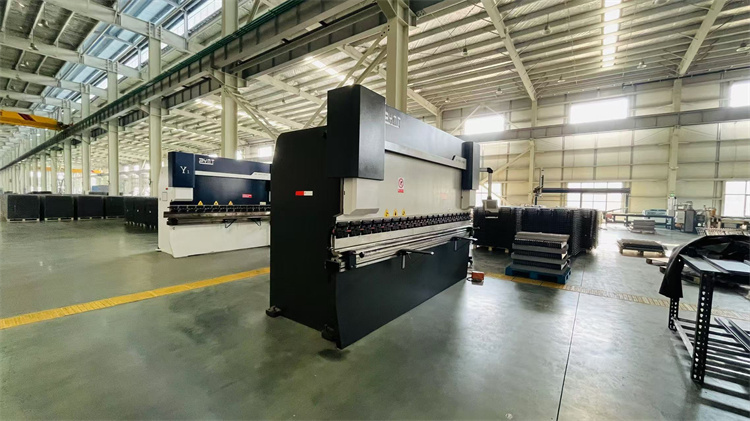
This integration requires tighter manufacturing tolerances. A variation of even 1.5mm in structural beam levelness can disrupt automated shuttle operations. Jracking addresses this by utilizing precise roll-forming mills and laser-monitored punching lines, ensuring vertical stability and consistent frame dimensions over long spans.
Moreover, the growth of the cold-chain sector presents specific metallurgical challenges. Steel deployed in sub-zero environments (-25°C to -30°C) is susceptible to low-temperature embrittlement. Jracking uses custom low-temperature structural steels and specialized powder-coatings to prevent micro-fracturing and maintain load-bearing safety margins over years of continuous use.
Safety remains the core of Jracking's manufacturing philosophy. Our production process is managed through ISO-compliant quality control procedures, executing detailed checks at every stage of production:
To support this QA regime, Jracking employs 48 professional quality inspectors, ensuring stable product quality and high customer satisfaction on every export order.
Visualizing our 28,600 m² modern manufacturing plant, advanced CNC machinery, automation robotic lines, and surface treatment capabilities.
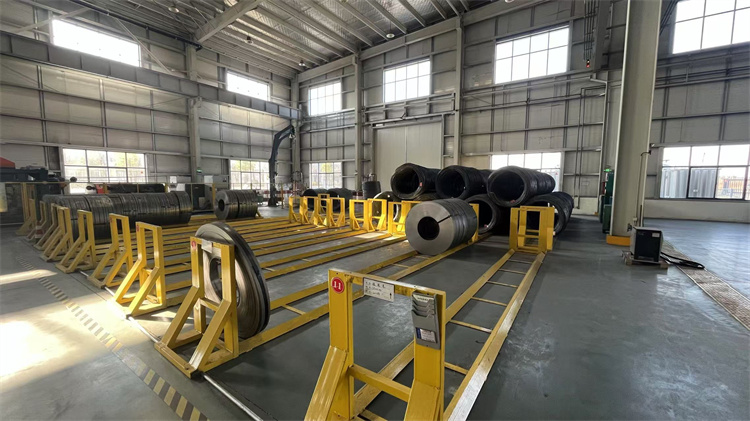
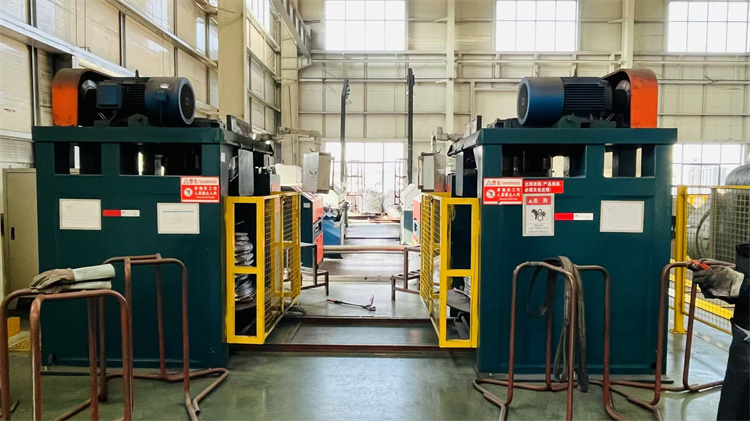
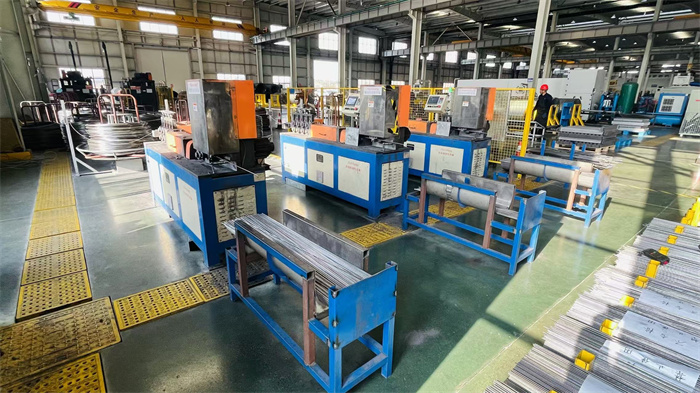
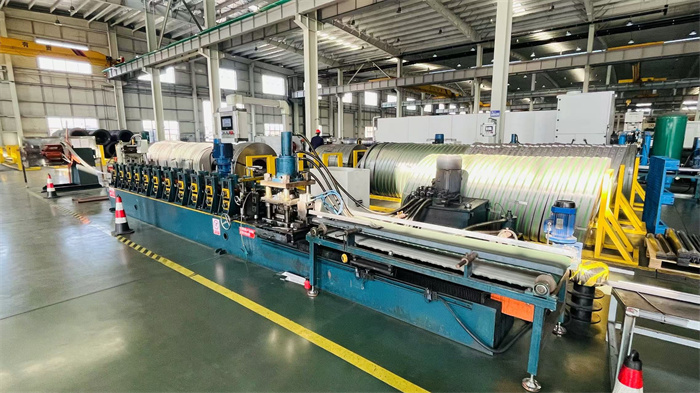
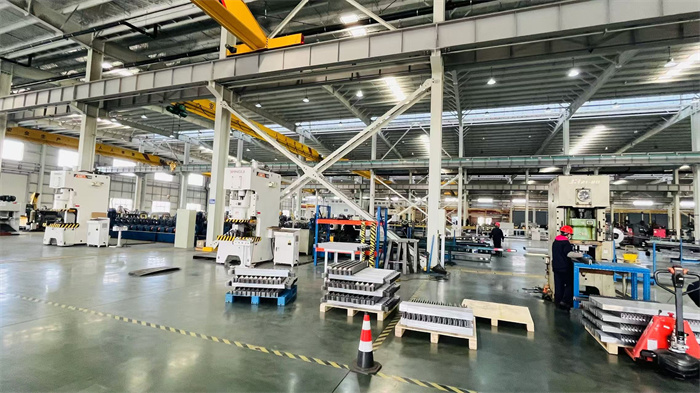
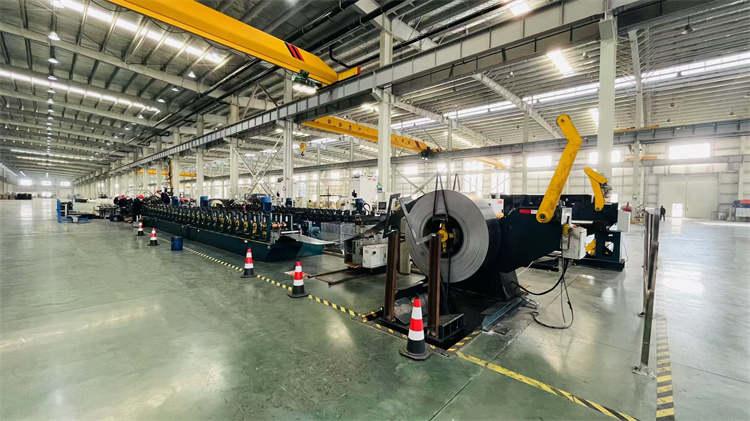
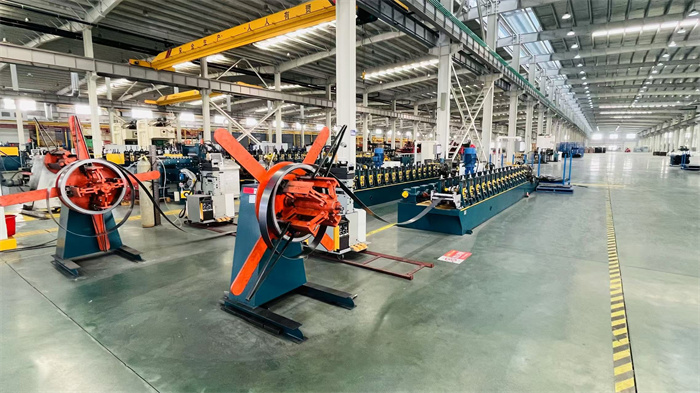
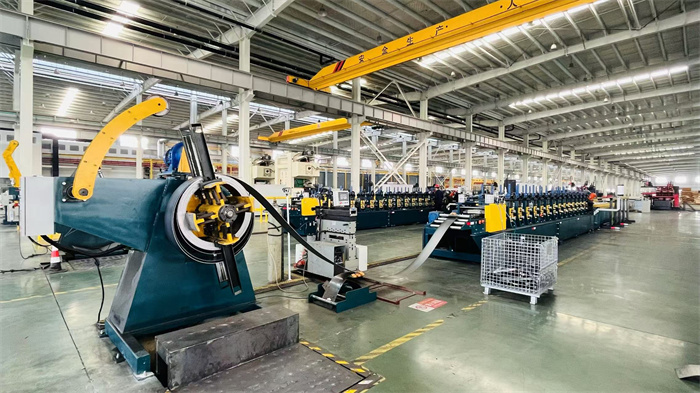
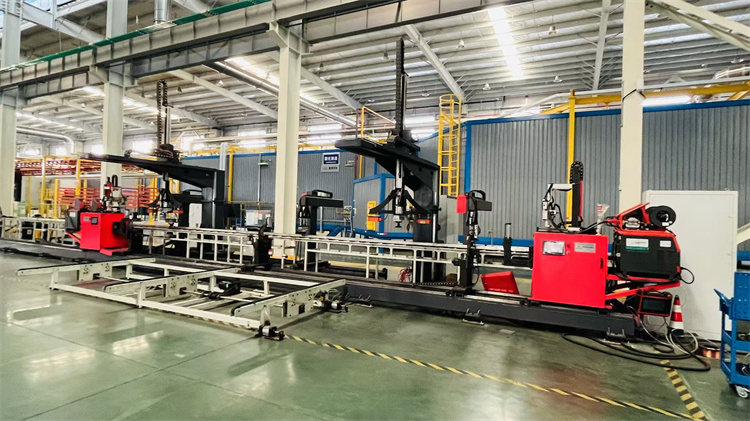
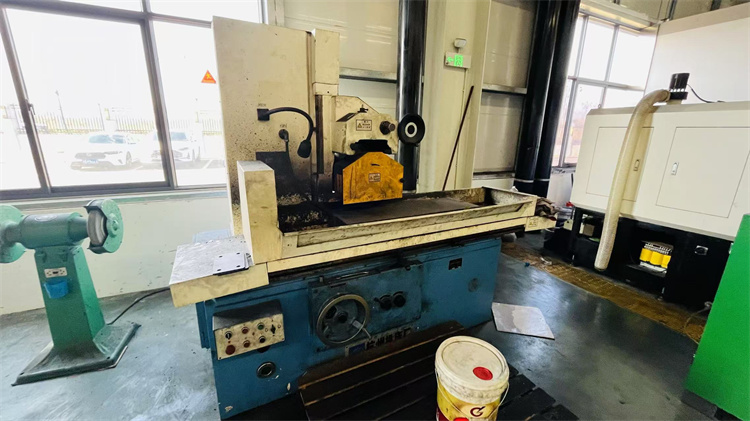
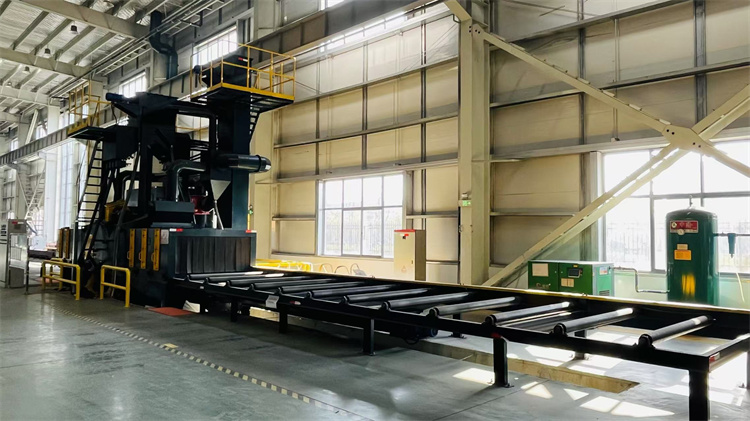
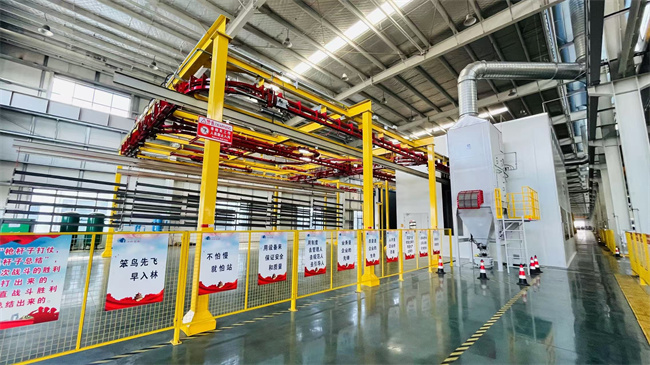
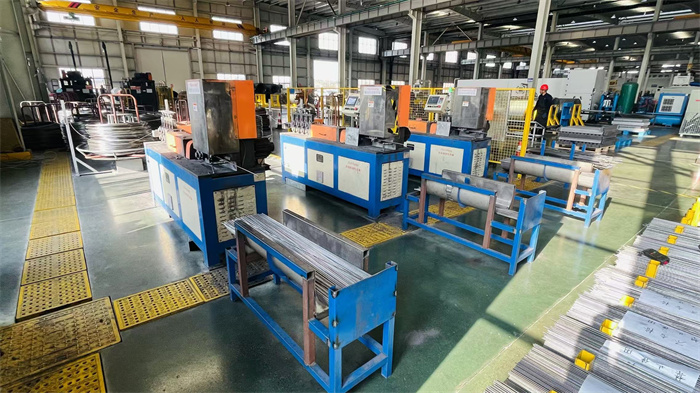
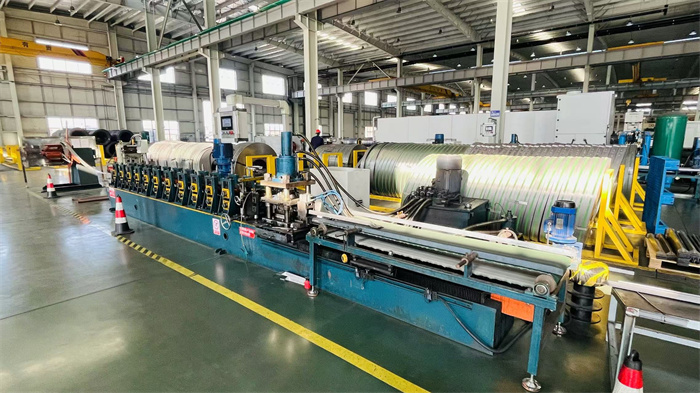
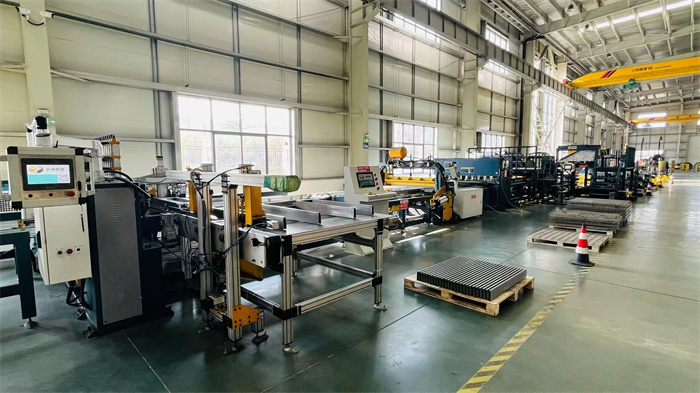
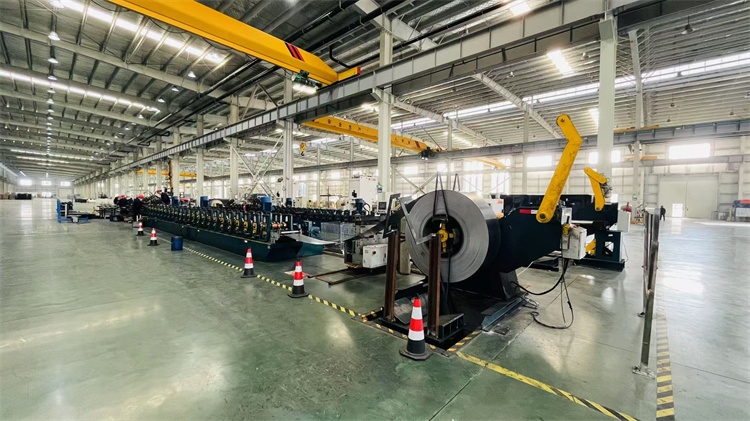
How multi-tier industrial racking systems translate architectural demands into spatial efficiency across global trade sectors.
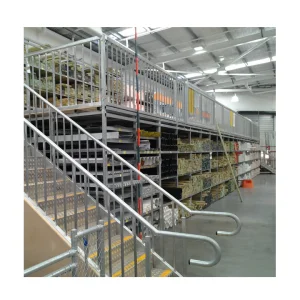
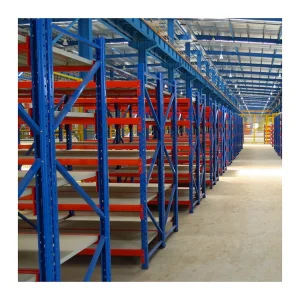
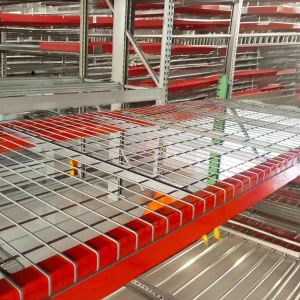
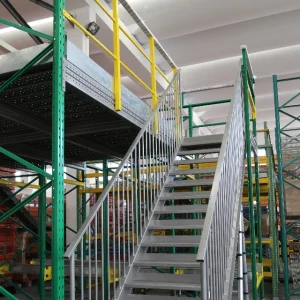
E-commerce hubs require dense storage alongside high-speed manual picking access. Implementing a multi-tier shelf structure allows the conversion of overhead space into multiple inventory levels. Heavy steel decks, wire mesh shelves, and integrated picking aisles create safe, independent levels for staff, increasing daily order-processing capacity without expanding the warehouse footprint.
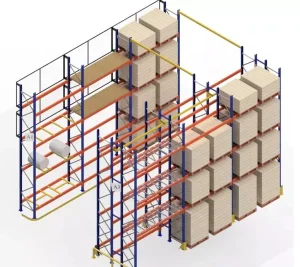
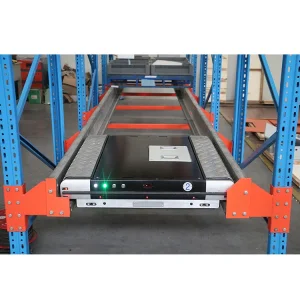
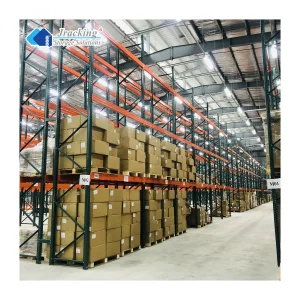
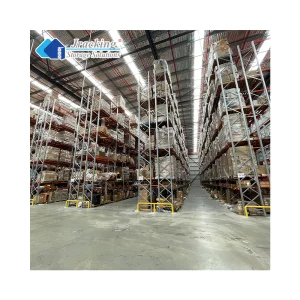
Cold-storage facilities face high operational costs, making density optimization critical. High-density radio shuttle racking and multi-tier pallet systems maximize volume utilization. Combined with low-temperature powder coatings and specialized steel, these systems deliver reliable performance in sub-zero environments.
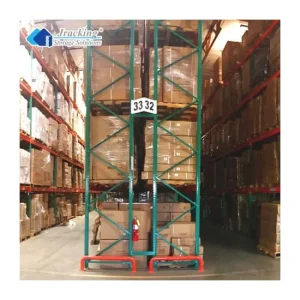
Manufacturing sites require organized storage for heavy raw materials, intermediate components, and varying-sized tooling. Sturdy steel platforms and adjustable modular teardrop racks support high loads. They provide clear forklift access and flexible configurations to adapt to changing industrial production demands.
Direct technical answers addressing mechanical calculations, engineering specifications, and sourcing parameters.
Innovative designs configured for semi-automated logistics, cold-chain environments, and global standard warehouse layouts.
 Jracking