Engineered to maximize volumetric efficiency, optimize FIFO rotation, and sustain high-capacity industrial throughput.
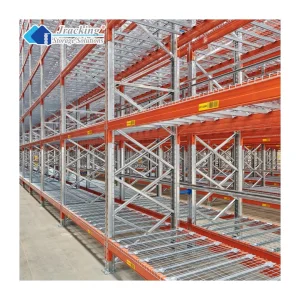
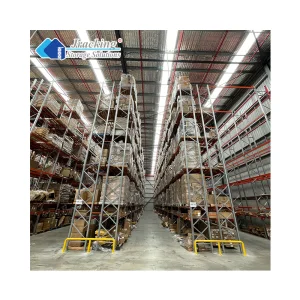
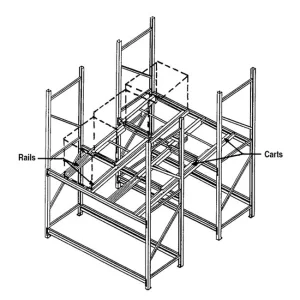
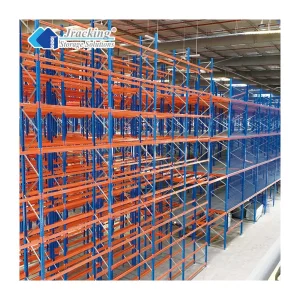
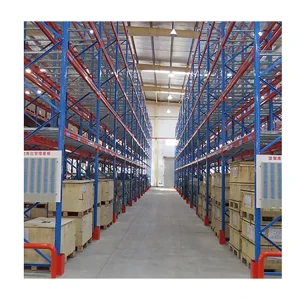
The modern logistics and warehouse management landscape is undergoing a massive structural shift toward automation and dynamic density. Live storage racks, also known as gravity flow or FIFO (First-In, First-Out) racking systems, represent the absolute zenith of non-powered high-density storage solutions. By utilizing inclined roller tracks, gravity acts as the motive force, allowing pallets to roll smoothly from the loading aisle to the picking face.
This structural arrangement eliminates unnecessary internal transport times, enforces flawless stock rotation, and reduces warehouse forklift travel distance by up to 40%. Industrially mature markets across Europe, North America, and the Asia-Pacific region are rapidly adopting these systems to counter rising real estate costs and operational labor shortages.
Request Engineering ConsultationA comprehensive whitepaper for supply chain directors, industrial engineers, and procurement officers.
Large-scale supply chains demand more than just cold-formed steel profiles; they require validated, risk-mitigated structural solutions. In the current macroeconomic landscape, key buyers—ranging from multinational third-party logistics (3PL) providers to high-velocity e-commerce fulfillment centers—prioritize storage systems that directly contribute to reducing cost-per-pallet-stored. Dynamic storage solutions solve the primary space constraint of traditional selective racking by converting aisle space into high-density storage lanes.
Corporate procurement teams now evaluate racking vendors on three core criteria:
When engineering global warehouse projects, classifying and auditing suppliers is crucial. The table below highlights the comparative evaluation matrix utilized by enterprise procurement departments to rank the top live storage and gravity flow racking manufacturers globally:
| Evaluation Parameter | Standard Suppliers | Tier 1 Manufacturers (e.g., Jracking) | Impact on Facility ROI |
|---|---|---|---|
| Steel Sourcing & Grade | Non-certified domestic steel, variable gauge thicknesses | High-strength Q235B & Q355B structural steel with mill certs | Ensures system durability under maximum dynamic loads; prevents frame failure. |
| Braking & Speed Control | Generic uncalibrated rollers, manual safety blocks | Self-regulated dynamic brake rollers calibrated to weight range | Prevents runaway pallet hazards; ensures safe, controlled picking speeds. |
| Surface Treatment | Basic liquid spray paint, uneven coating thickness | Electrostatic powder coating (average thickness > 80 microns) | High impact resistance, preventing rust in humid/refrigerated environments. |
| Engineering Competence | Standard CAD draftsman templates | Full 3D FEA simulation & dynamic warehouse integration (ASRS) | Optimizes space utilization; matches exact forklift clearance requirements. |
The physics of live storage (gravity flow) racking requires precise structural balance. If the incline angle is too shallow, pallets fail to restart after sitting stationary (dynamic friction threshold). If the angle is too steep, pallets accelerate too fast, threatening structural integrity at the picking face and endangering operators. Leading manufacturers design systems with a precise 3% to 4% incline and integrate direct-drive speed controllers at calculated intervals (typically every pallet position after the second lane position).
An in-depth look inside Jracking (Guangdong) Storage Co., Ltd. - Manufacturing Excellence Since 2016.
Jracking (Guangdong) Storage Co., Ltd. is a leading manufacturer specializing in heavy-duty warehouse racking systems and custom industrial storage solutions. Since establishing our modern manufacturing headquarters in 2016, we have been dedicated to designing, manufacturing, and supplying premier storage equipment for global industrial enterprises.
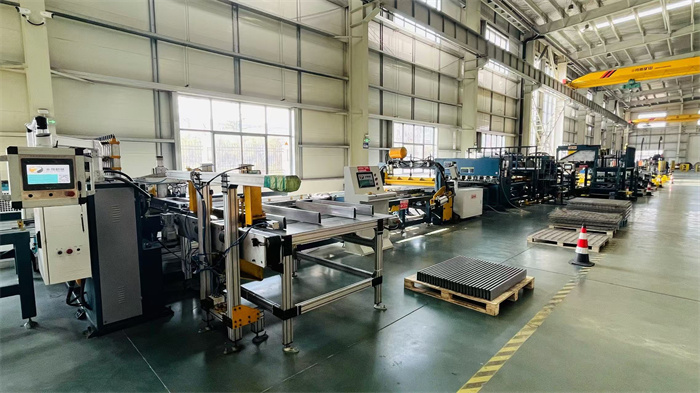
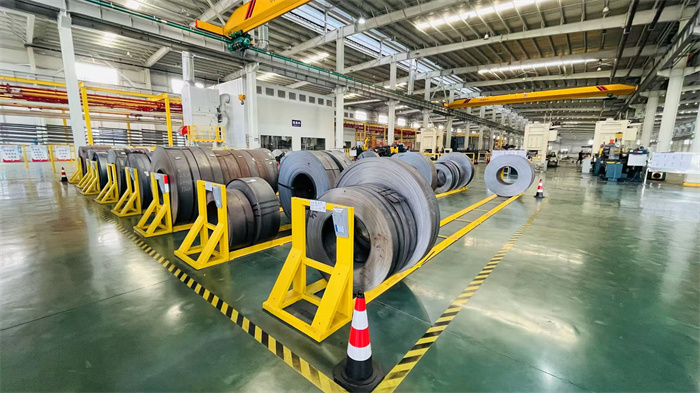
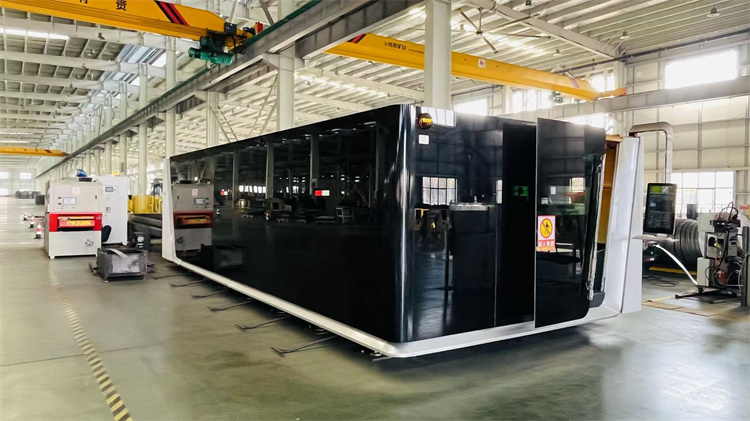
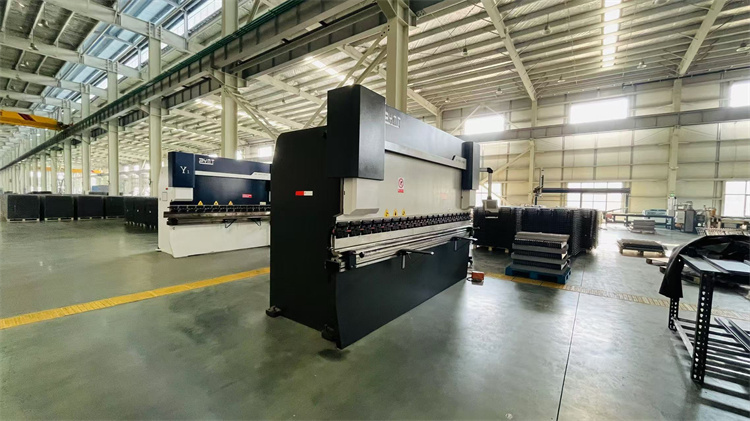
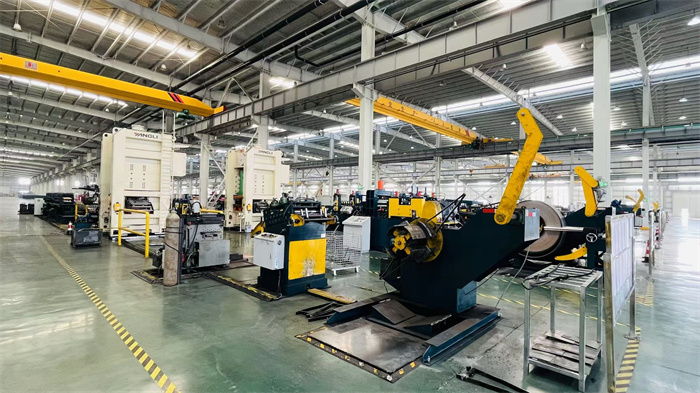
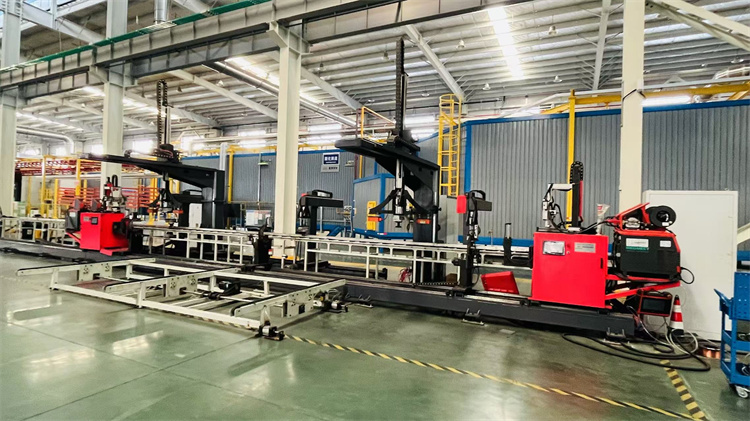
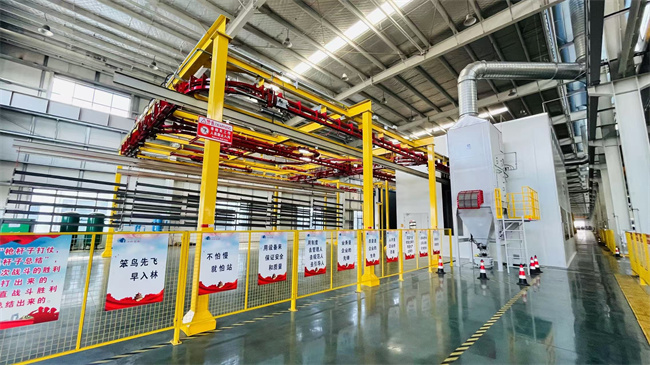
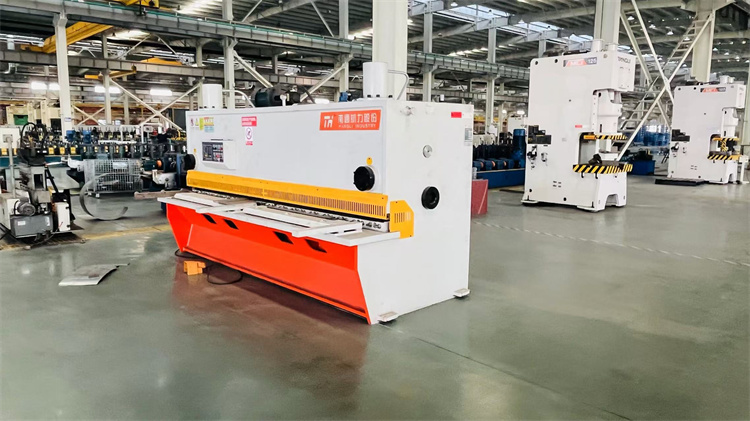
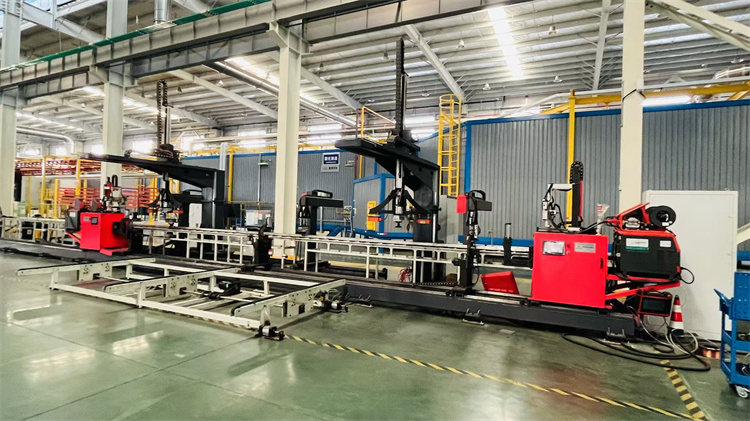
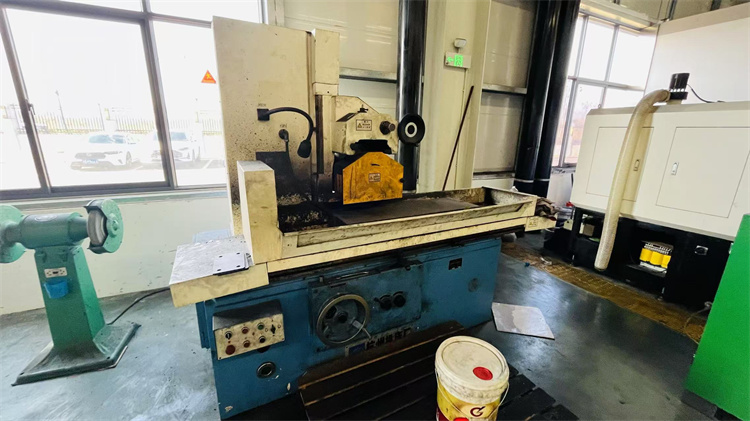
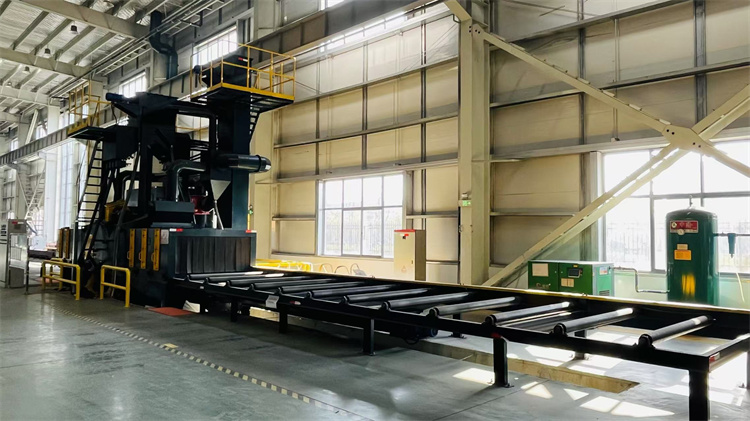
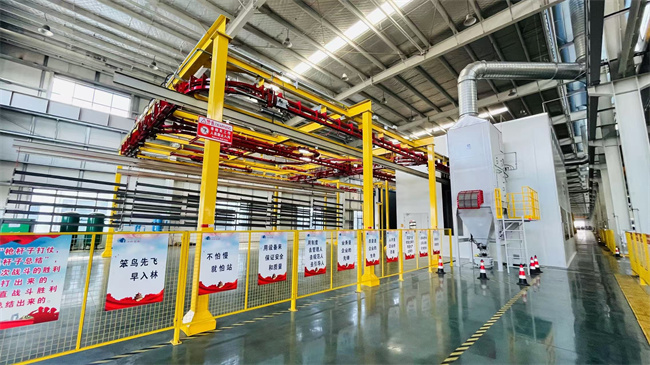
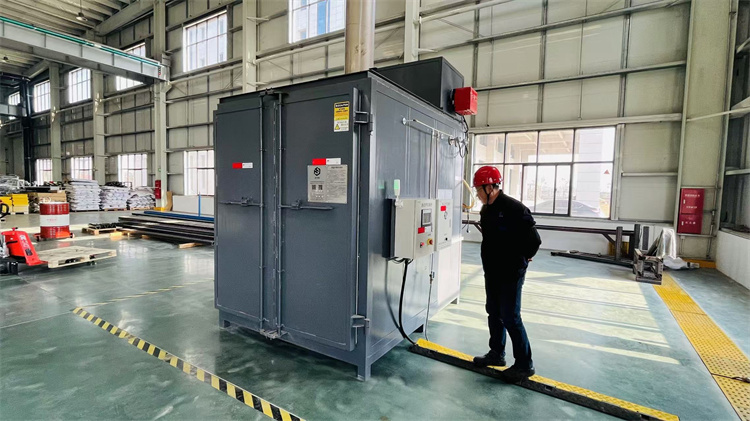
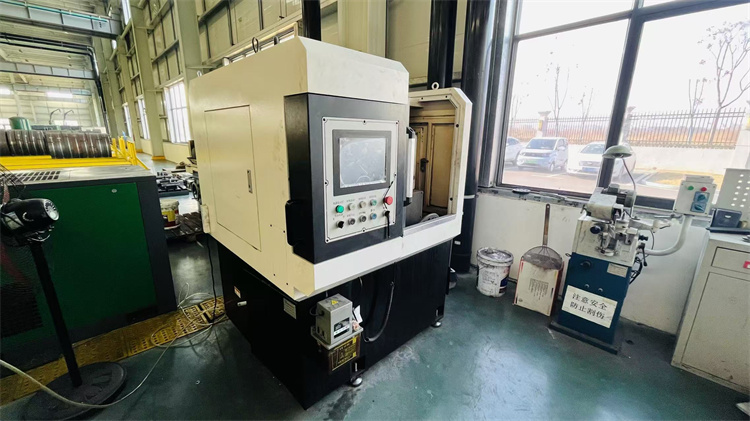
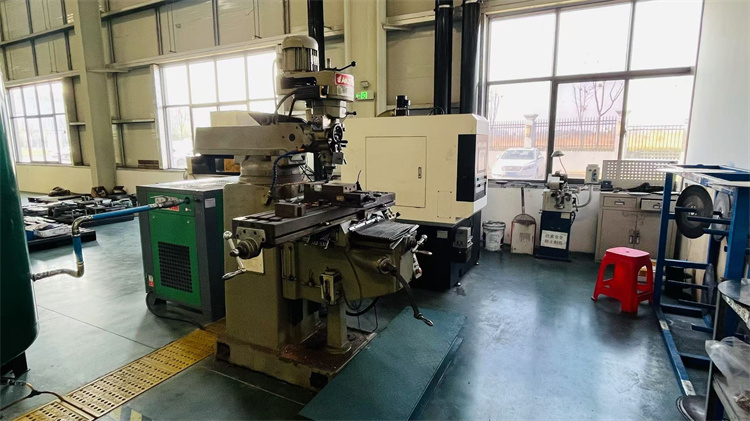
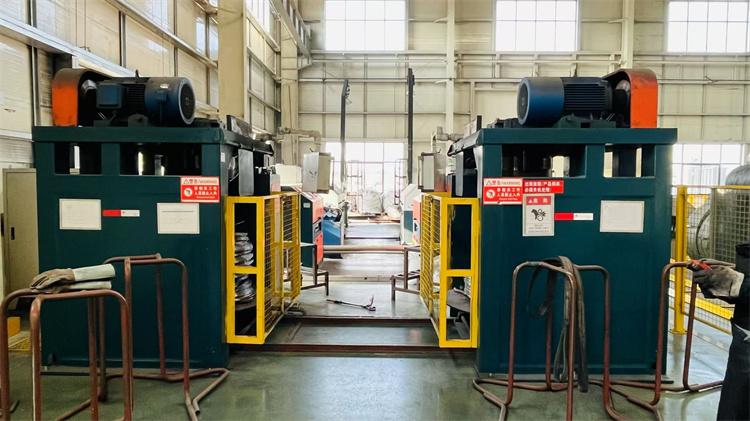
Operating a modernized, highly automated production plant spanning 28,600 square meters, we integrate advanced roll-forming machinery, robotic welding cells, and eco-friendly powder coating lines to achieve consistent high-tolerance manufacturing. Our structural systems comply with globally recognized standards, including CE, ISO, RMI, and FEM. Backed by 8 years of export experience and 12 years of core industry expertise, Jracking's international footprint covers North America, Europe, Australia, Southeast Asia, and the Middle East, with annual export revenues exceeding USD 18 million.
We deploy 48 professional quality inspectors to execute systematic inspections, including steel chemical testing, load capacity checks, coating thickness tests, and dimensional tolerance validation.
Supported by a design division containing 85 experienced engineers, we engineered and launched 156 new products this past year, fulfilling unique design specifications, sizing, and load ratings.
Our solutions conform to international regulatory environments, ensuring seamless compliance with OSHA, RMI, CE, and AS4084 guidelines for global multi-site industrial rollouts.
Examine the complete technological process of raw steel conversion, roll forming, robotized welding, and high-durability surface finishing.
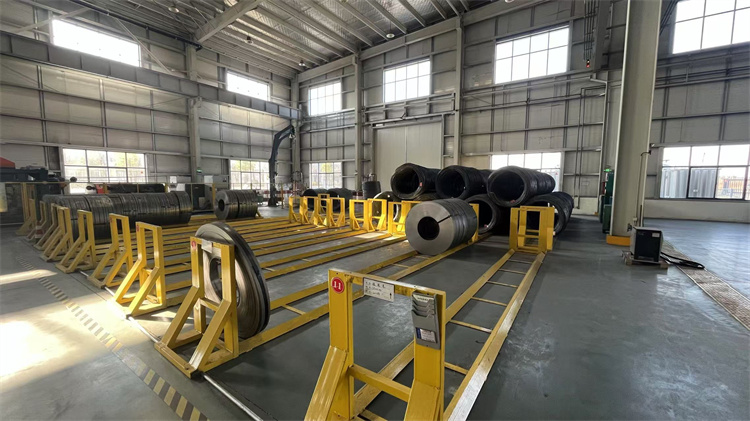
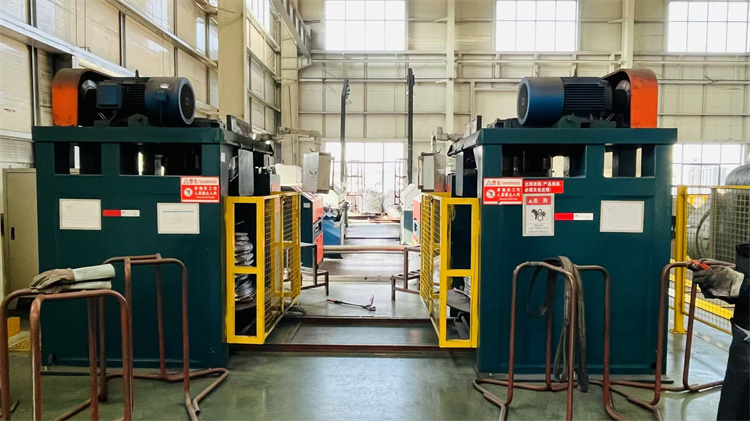
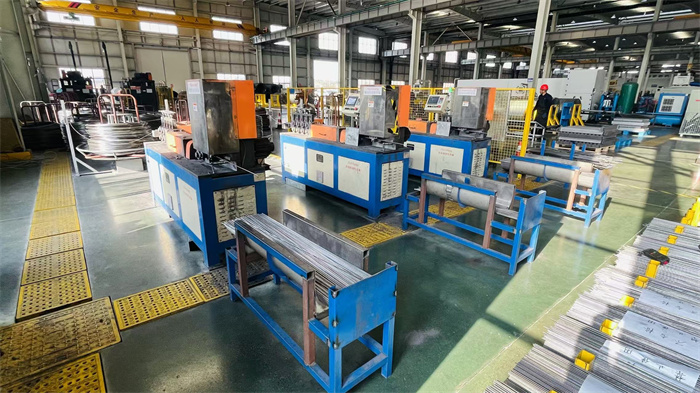
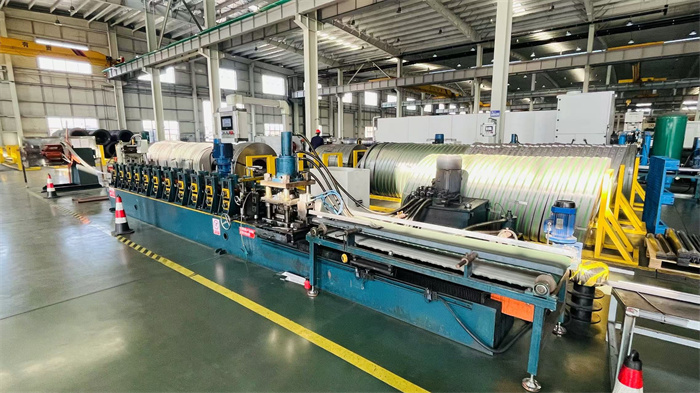
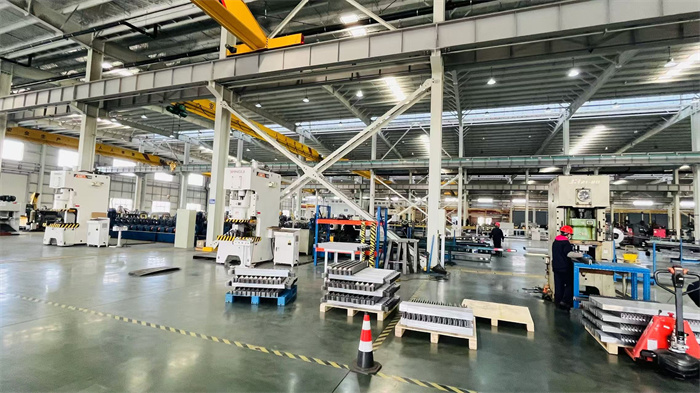
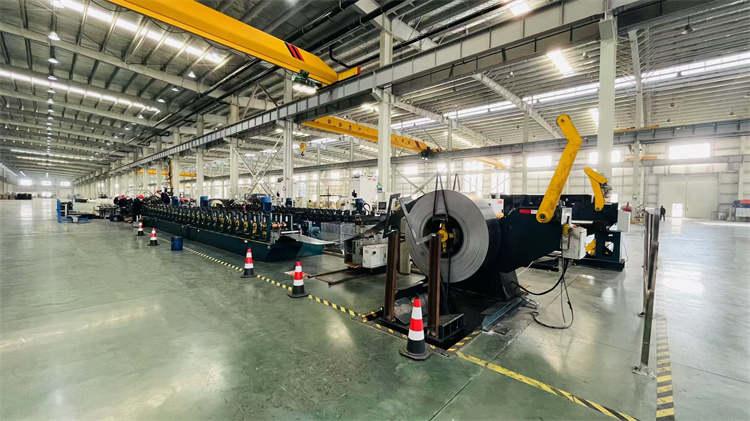
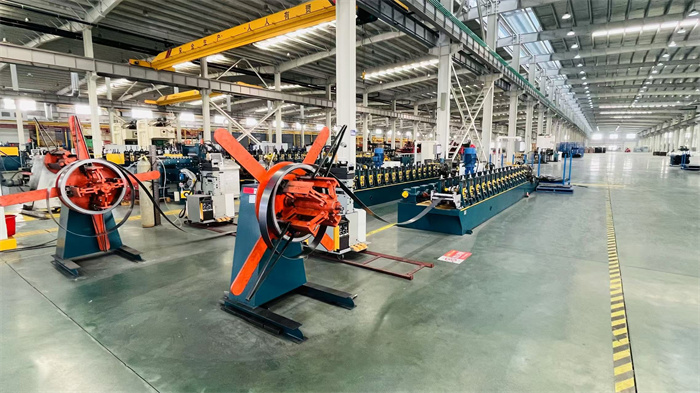
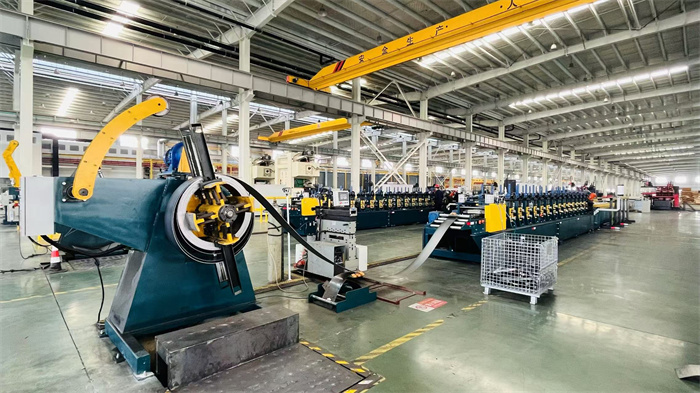
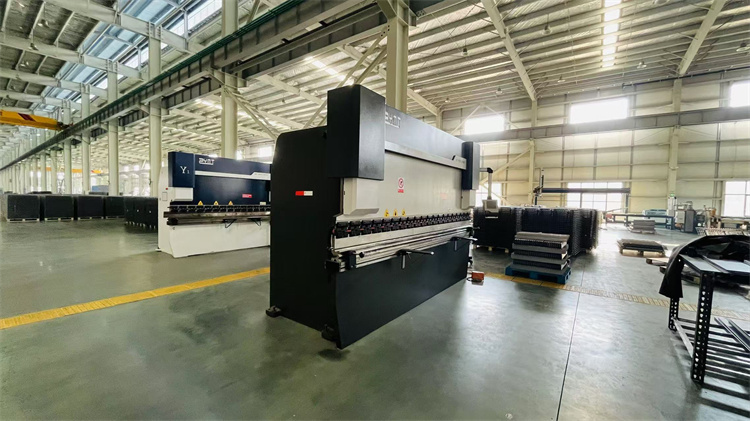
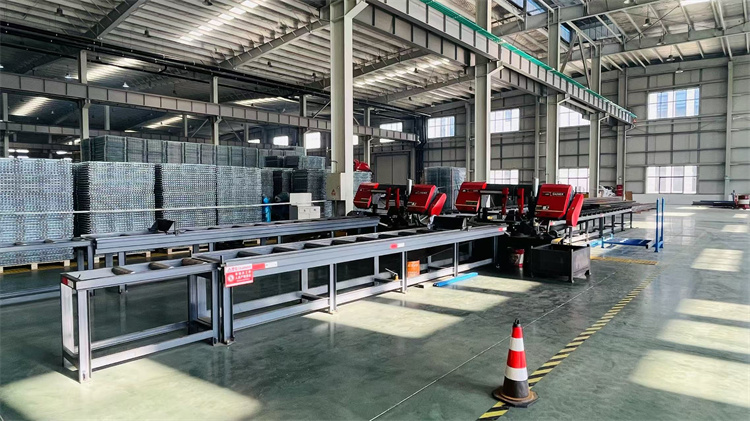
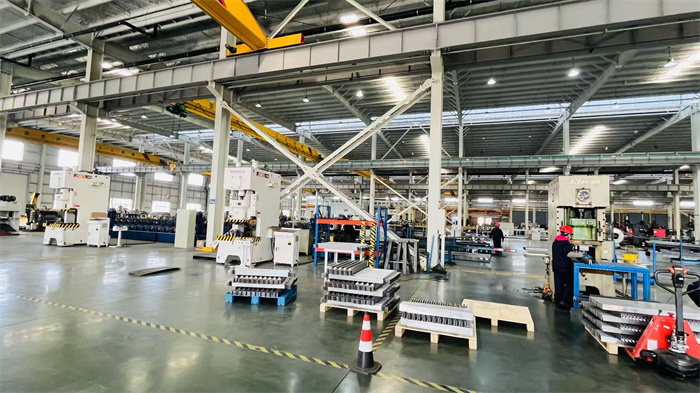
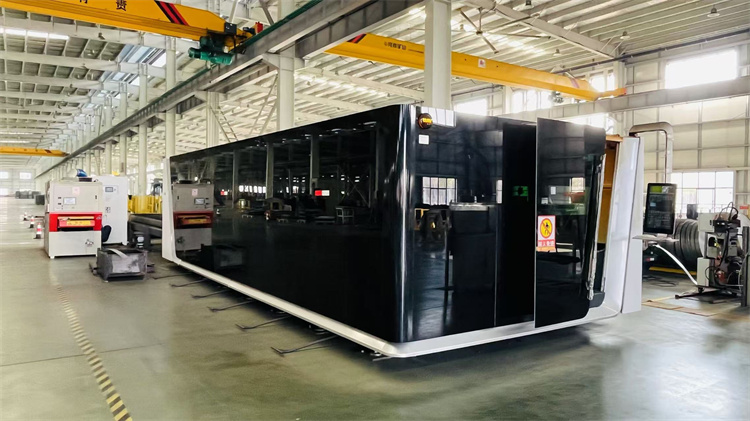
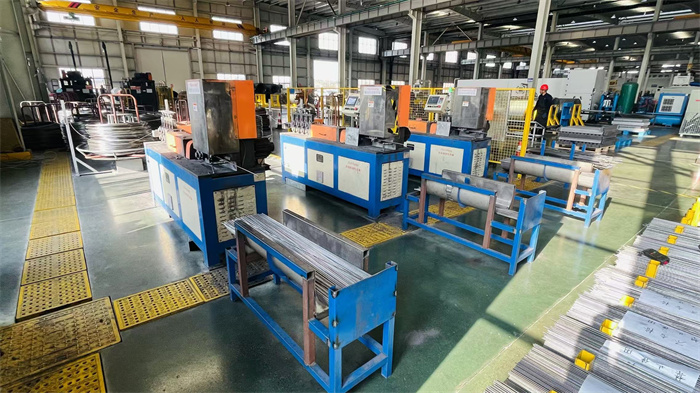
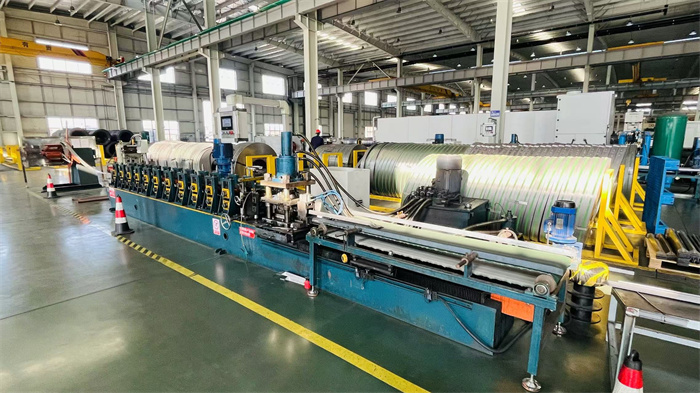
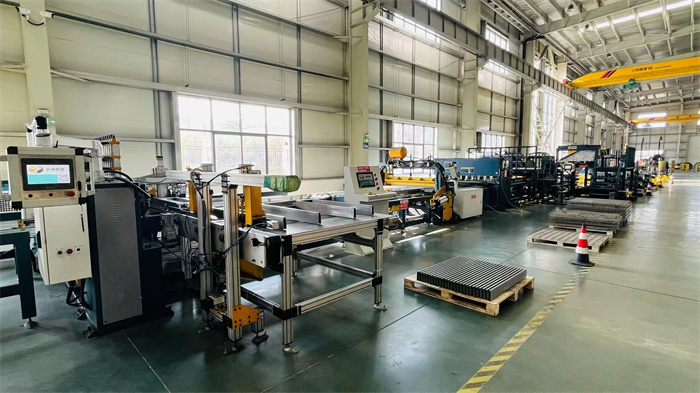
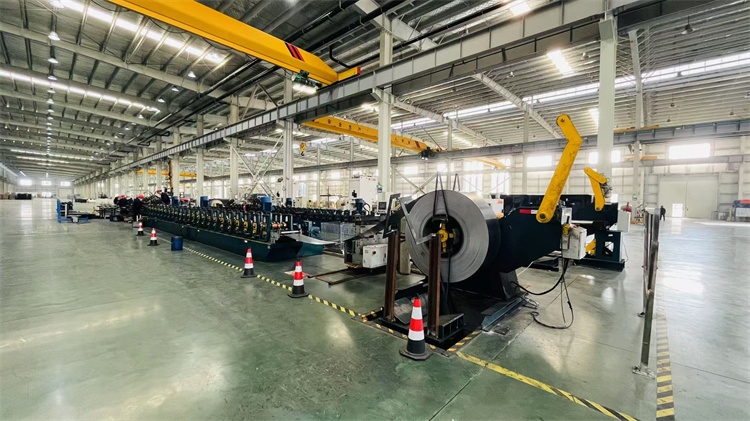
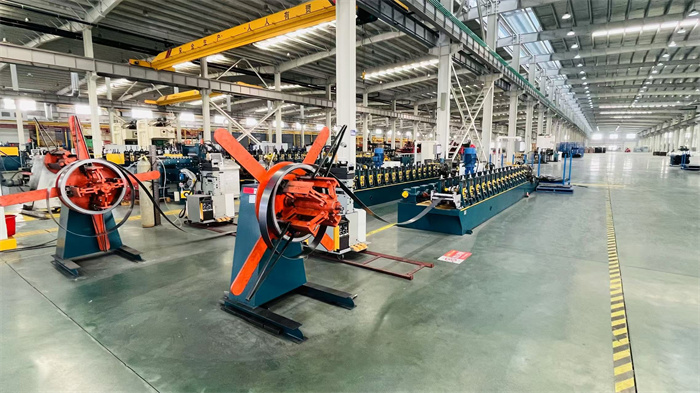
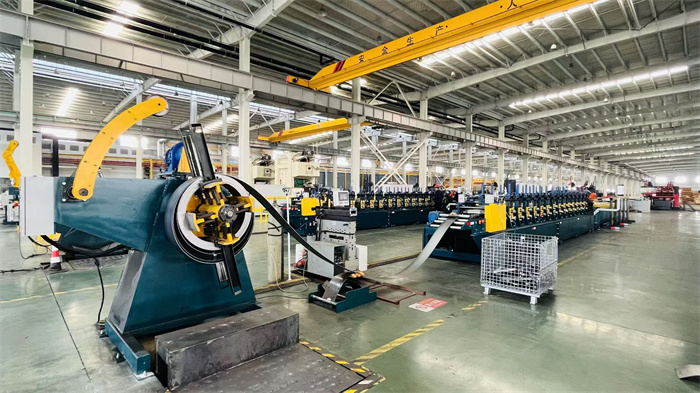
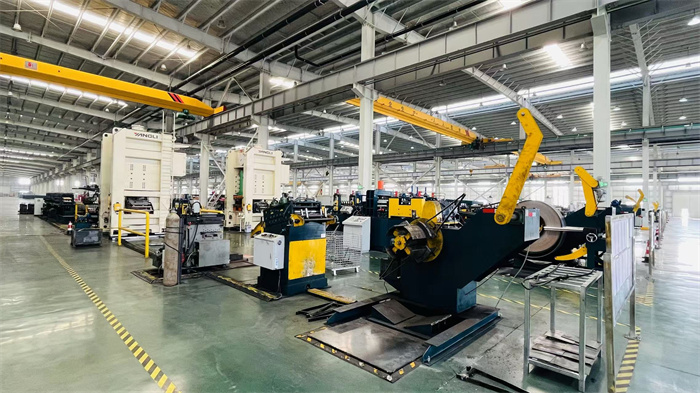
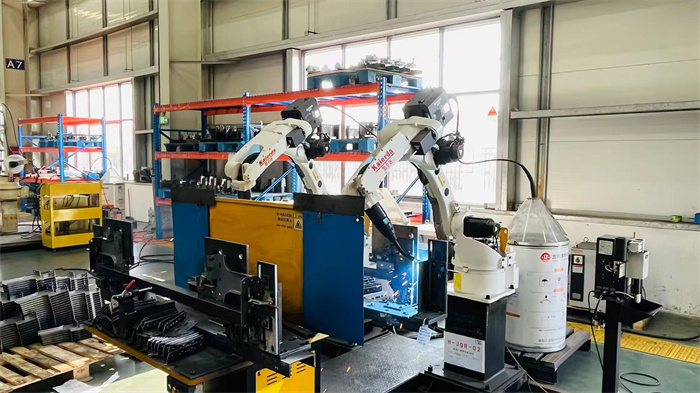
In structural storage engineering, safety margins are critical. Warehouse rack failures caused by poor manufacturing tolerances, structural steel defects, or inadequate engineering can disrupt supply chains and lead to severe regulatory fines. Jracking engineers design all structural systems in strict accordance with the following international structural building codes:
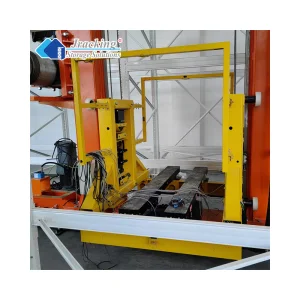
The convergence of dynamic physical storage and automation represents the future of warehouse logistics. Future technology roadmaps focus on integrating gravity live storage with automated storage and retrieval systems (ASRS) and autonomous mobile robots (AMRs). For example, automated stacker cranes can pick directly from the output face of gravity flow systems, forming an optimized, self-replenishing inventory cycle.
Furthermore, digital twins and IoT sensor integration on brake rollers allow logistics managers to monitor lane speed, track wear-and-tear, and receive alerts before a dynamic roller failure causes a lane backup. Choosing Jracking as your supply chain partner provides your facilities with systems designed to integrate seamlessly with automated material handling equipment (MHE) and warehouse management systems (WMS).
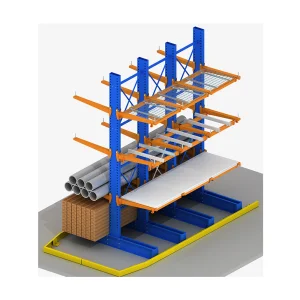
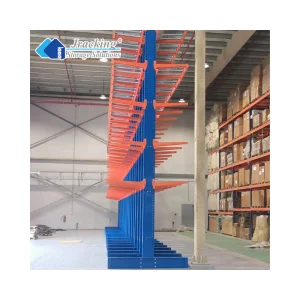
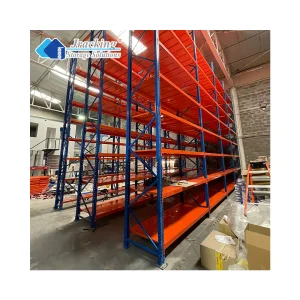
Explore high-density automated, cantilever, and medium-to-heavy-duty shelving units engineered for industrial efficiency.
Answers to critical structural engineering, configuration, and procurement questions.
 Jracking