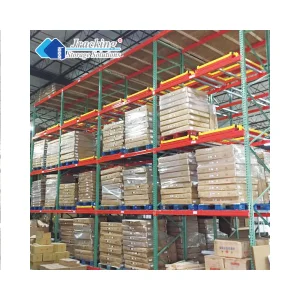
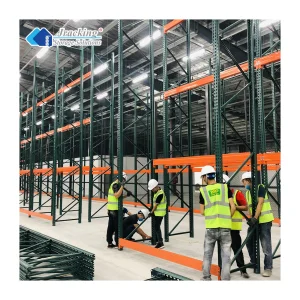
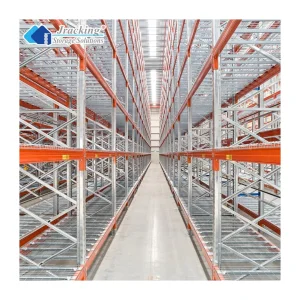
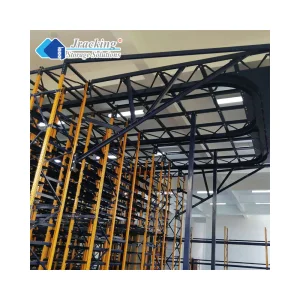
In the context of contemporary supply chains, the search for the best composite racks supplier involves evaluating more than just basic steel profiles. Today's industrial warehousing requires composite design methodologies—systems that integrate cold-formed structural steel, fiber-reinforced polymer coatings, multi-material decks, and automated components to optimize strength-to-weight ratios and chemical resistance.
This whitepaper details the engineering principles, manufacturing quality checks, and supply chain logistics that global enterprises must consider when sourcing high-capacity industrial shelving and racking. We look beyond raw material cost to analyze the total cost of ownership (TCO), seismic performance compliance, and the structural safety margins defined by worldwide regulatory bodies like the RMI (Rack Manufacturers Institute) and FEM (Fédération Européenne de la Manutention).
Jracking (Guangdong) Storage Co., Ltd. is a professional manufacturer specializing in warehouse racking systems and industrial storage solutions in China. Since its establishment in 2016, the company has been dedicated to designing, manufacturing, and supplying high-quality storage equipment for global customers across various industries.
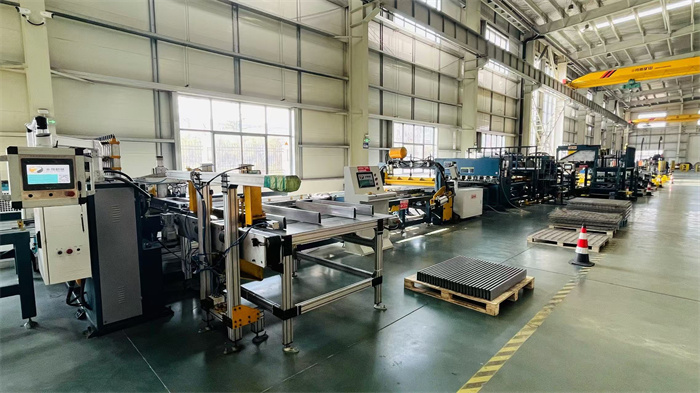
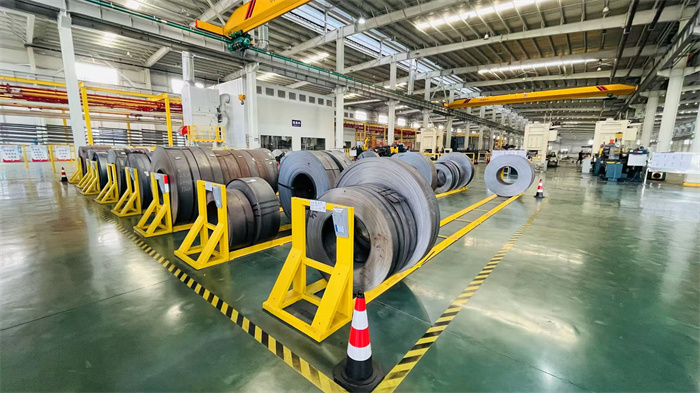
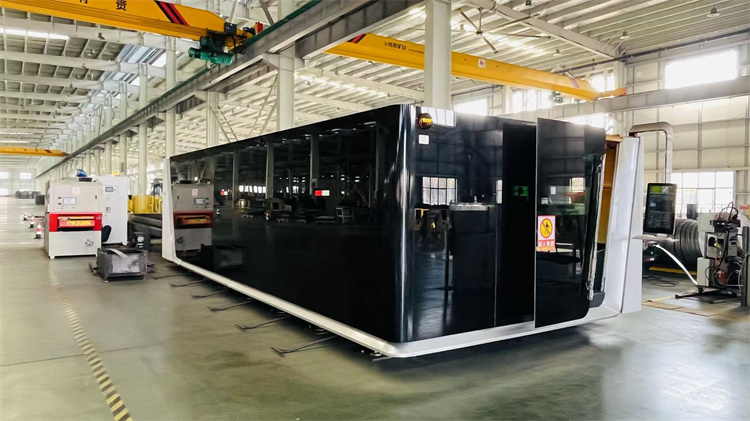
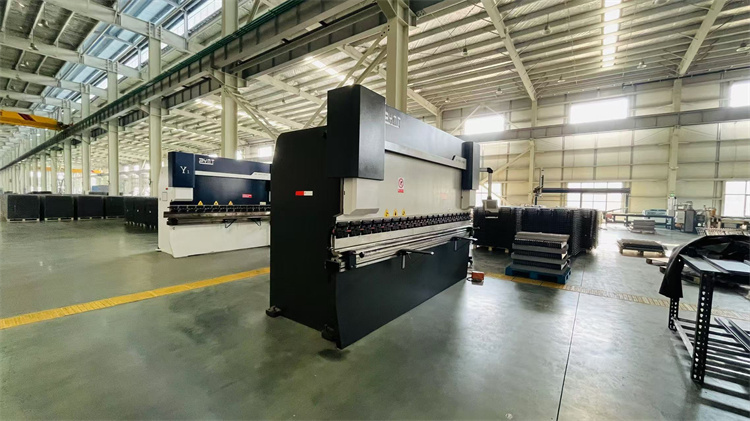
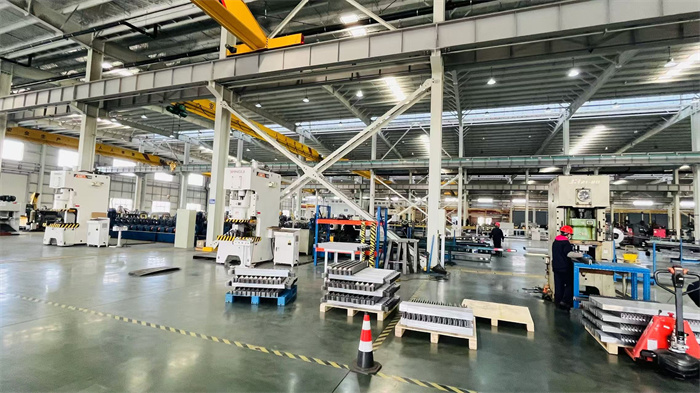
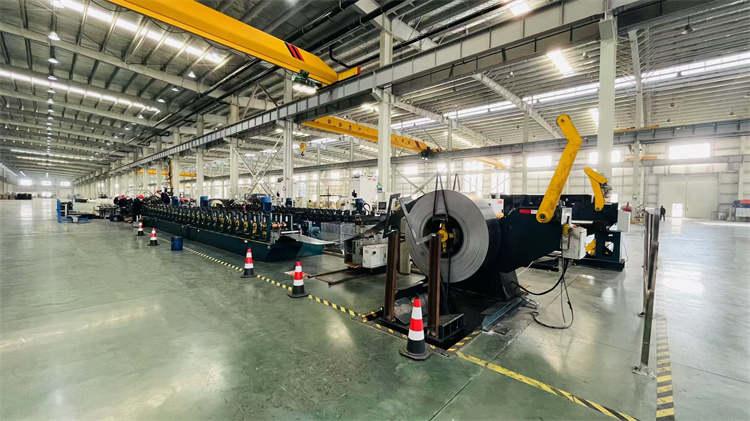
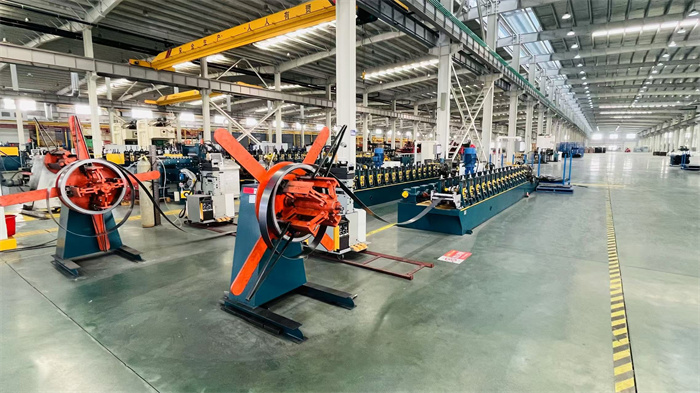
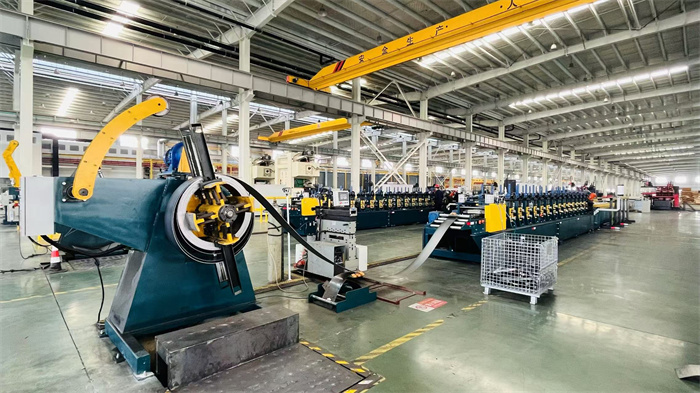
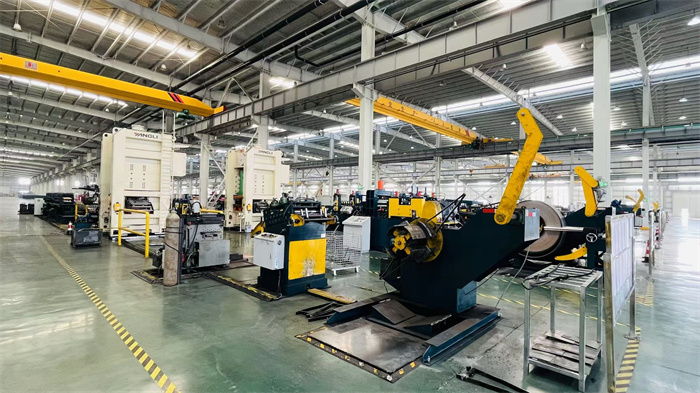
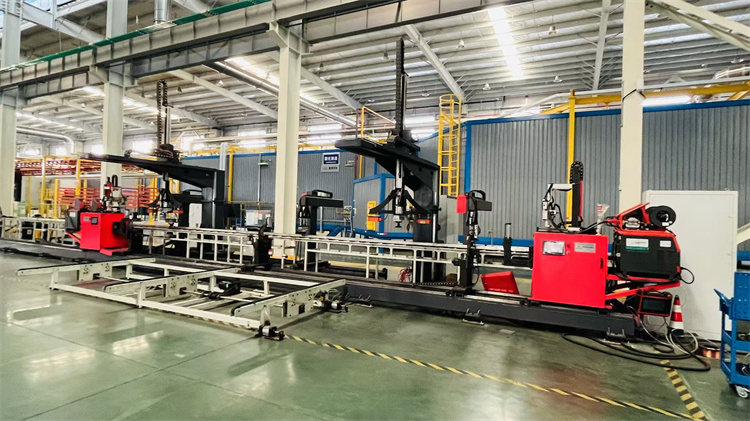
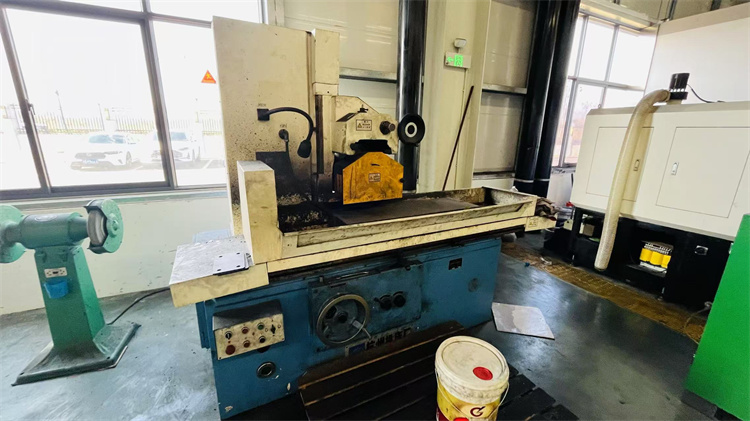
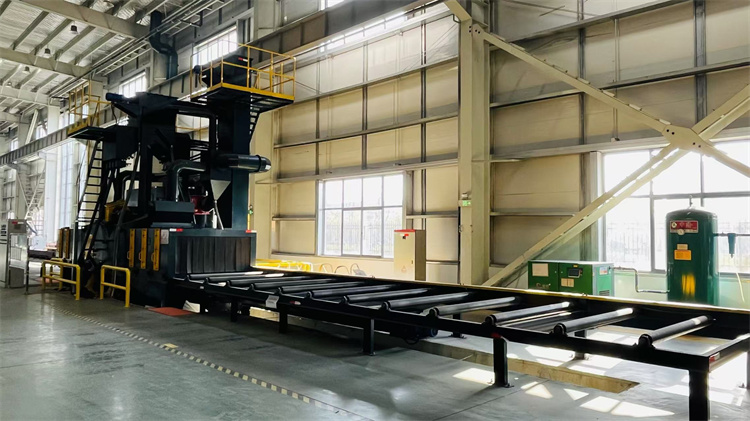
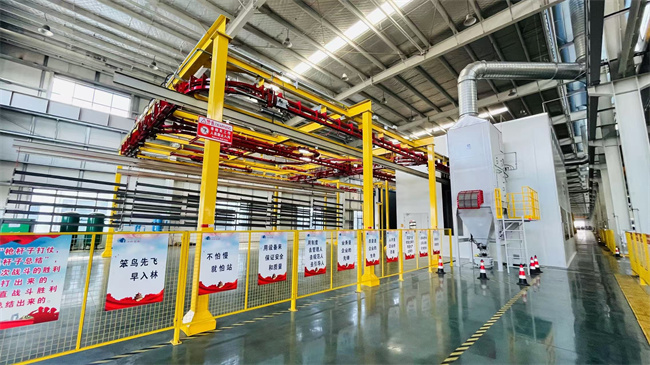
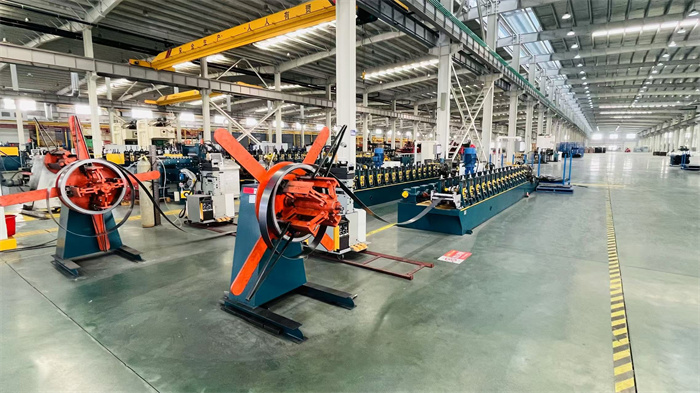
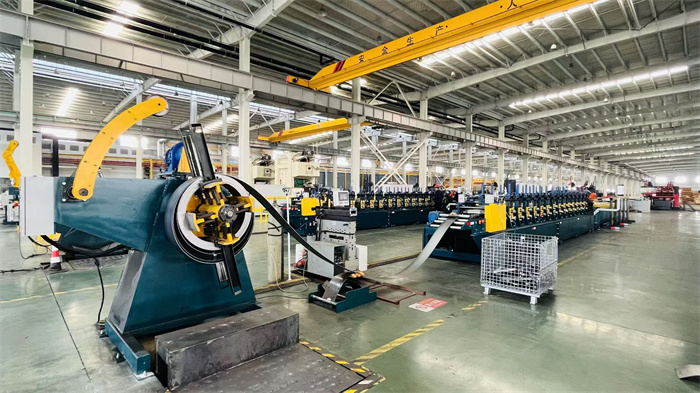
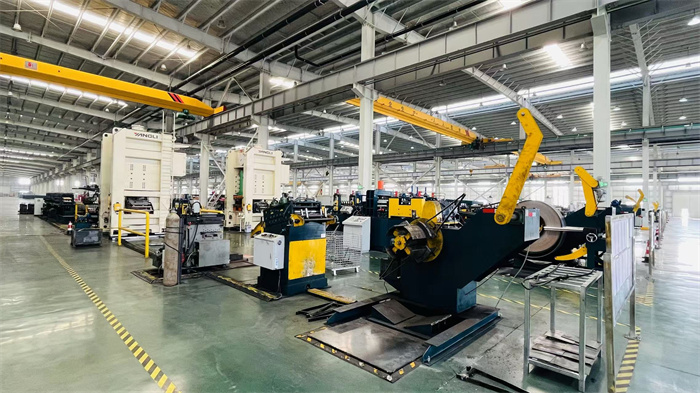
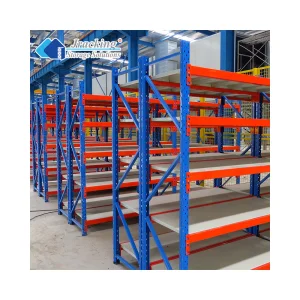
With a modern manufacturing facility covering 28,600 m², Jracking integrates advanced production equipment, strict quality management systems, and experienced engineering teams to ensure reliable product performance and consistent manufacturing standards. The company offers a comprehensive range of storage products including selective pallet racks, drive-in racking, cantilever racks, mezzanine systems, longspan shelving, steel platforms, and customized warehouse storage solutions.
Backed by over 8 years of export experience and 12 years of industry expertise, Jracking has successfully served customers in North America, Europe, Southeast Asia, Australia, and the Middle East. The company's annual export revenue exceeds USD 18 million, reflecting its competitiveness in the international storage equipment market.
Quality remains the core of Jracking's manufacturing philosophy. Every production process is strictly monitored through ISO-compliant quality control procedures, while products undergo load capacity testing, dimensional inspection, welding inspection, coating thickness testing, and final assembly inspection before shipment. The company employs 48 professional quality inspectors to maintain stable product quality and customer satisfaction.
As an OEM & ODM manufacturer, Jracking collaborates with more than 1,150 supply chain partners, enabling efficient sourcing, flexible production scheduling, and fast delivery for global projects. Its primary customers include warehouse equipment distributors, importers, wholesalers, logistics companies, e-commerce fulfillment centers, and industrial project contractors.
Innovation is driven by a dedicated R&D team consisting of 85 experienced engineers, who continuously develop new storage solutions to meet evolving market demands. The company supports customized design, size, color, loading capacity, surface treatment, and warehouse layout solutions according to customer requirements. In the past year alone, Jracking successfully introduced 156 new products to the global market.
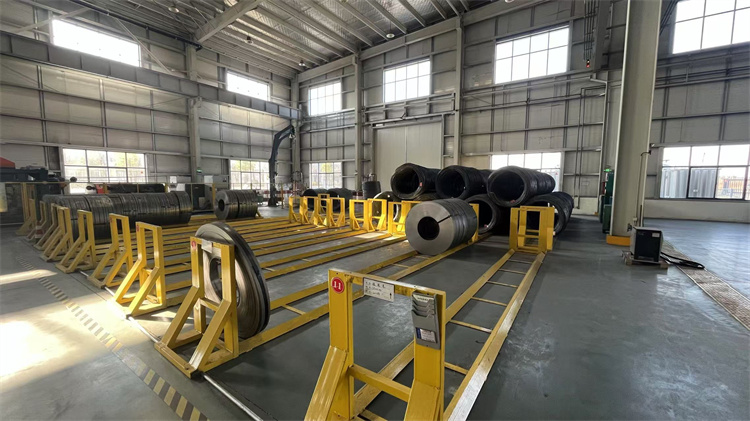
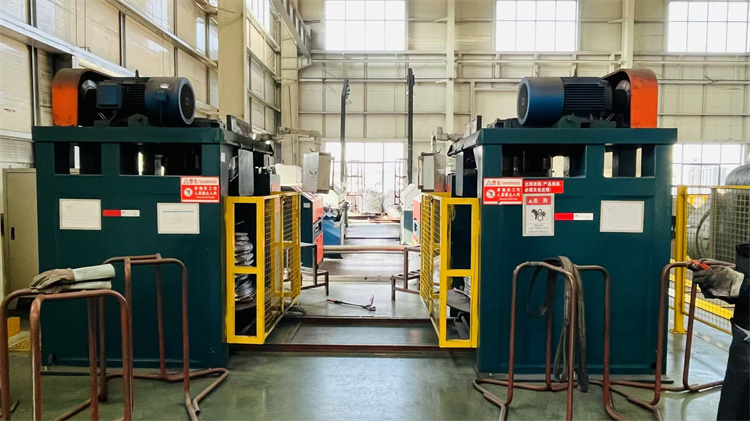
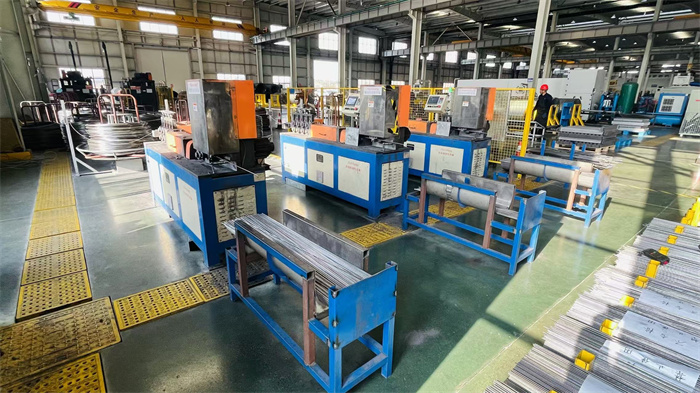
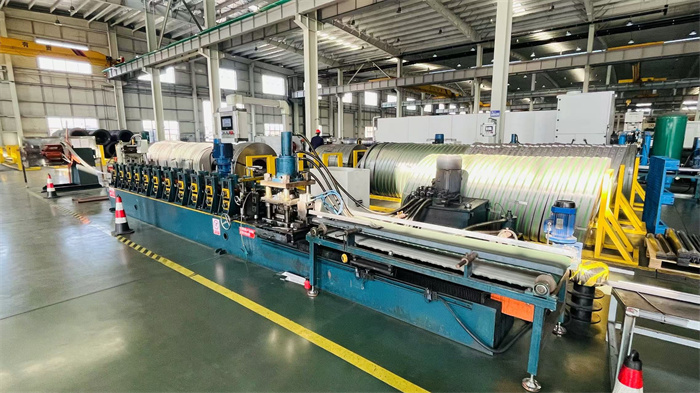
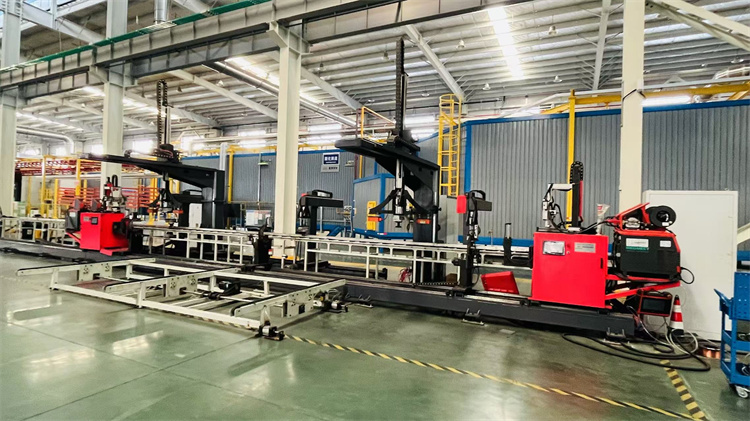
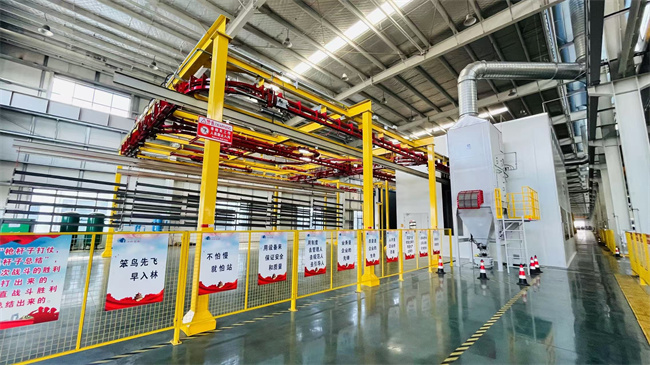
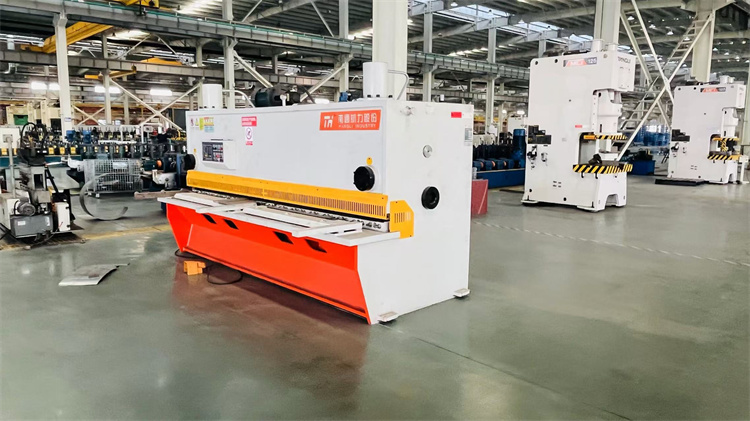
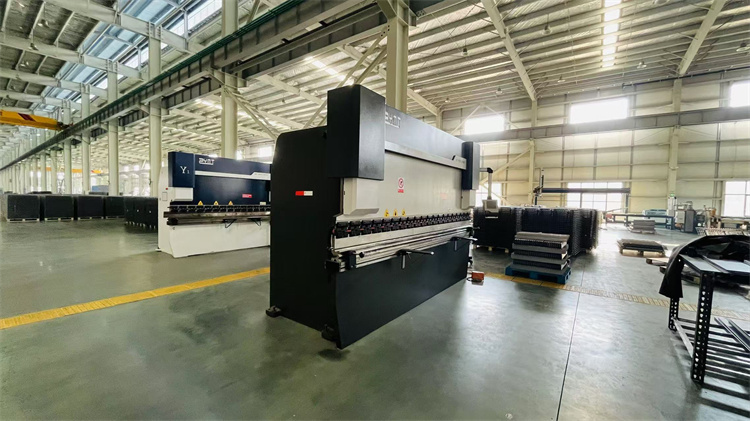
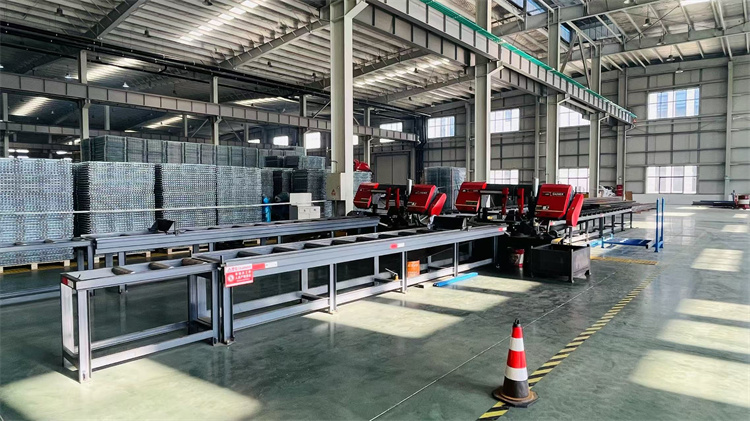
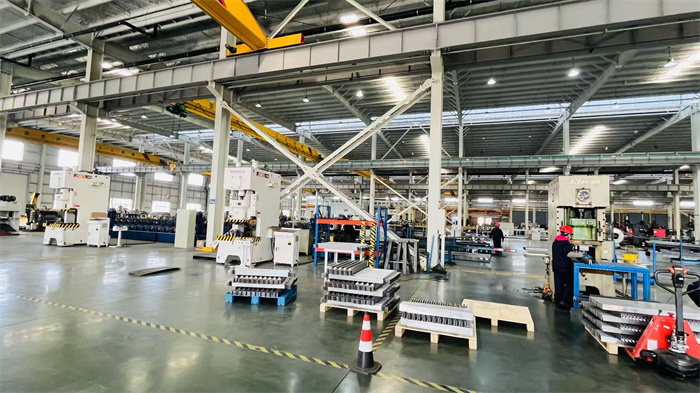
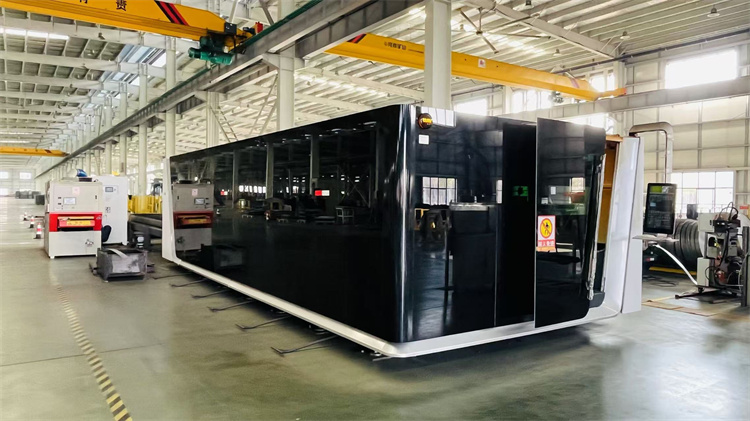
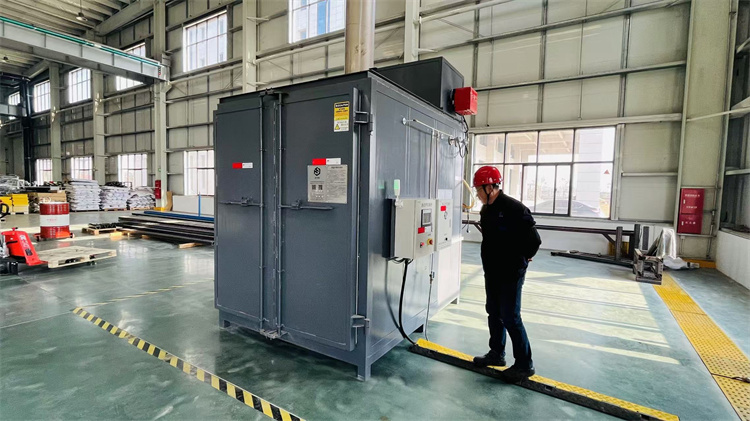
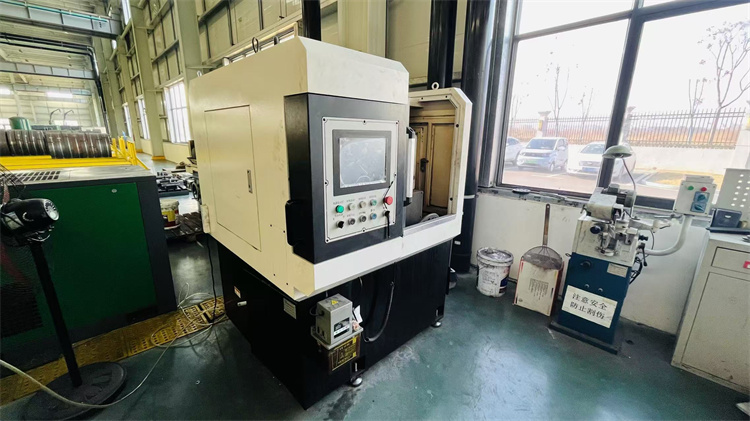
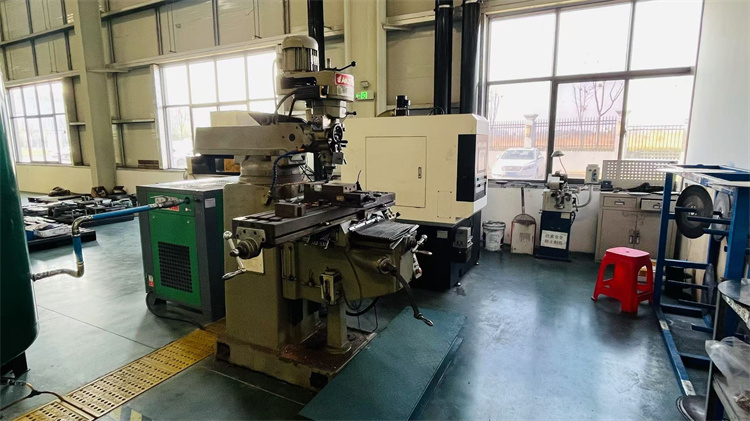
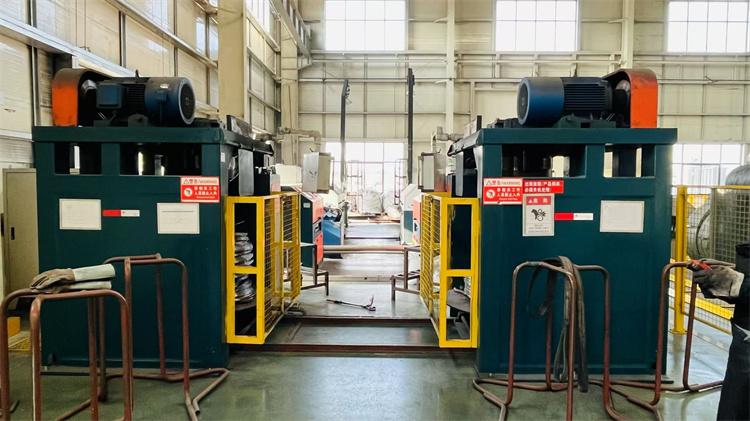
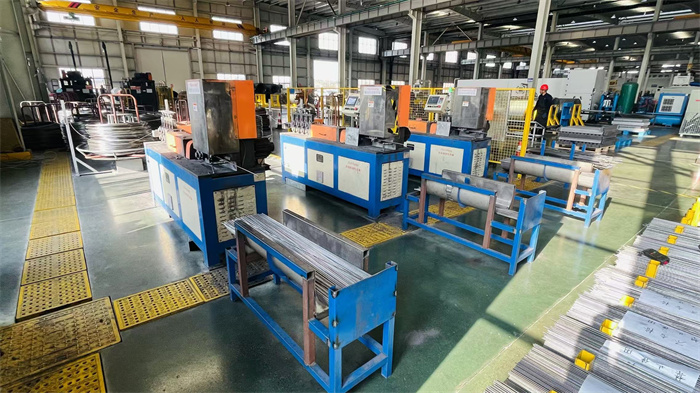
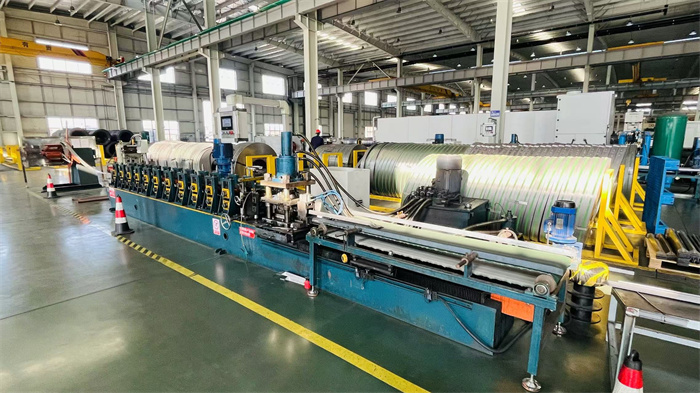
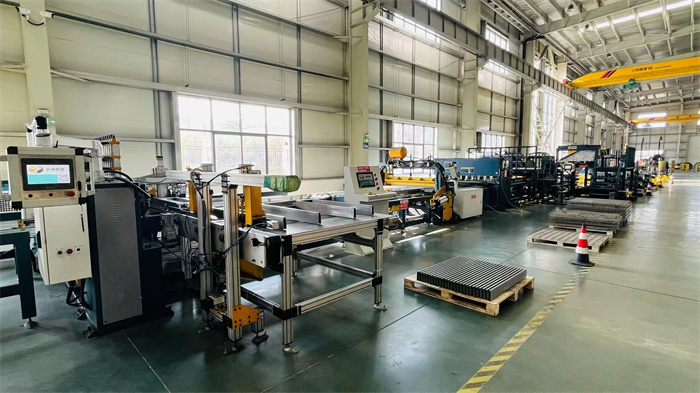
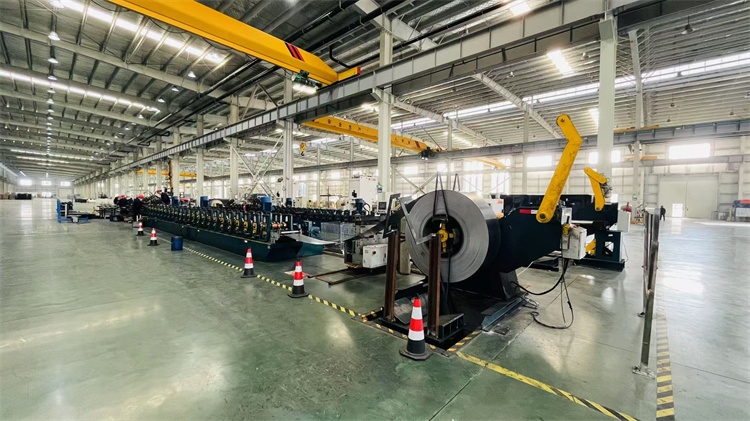
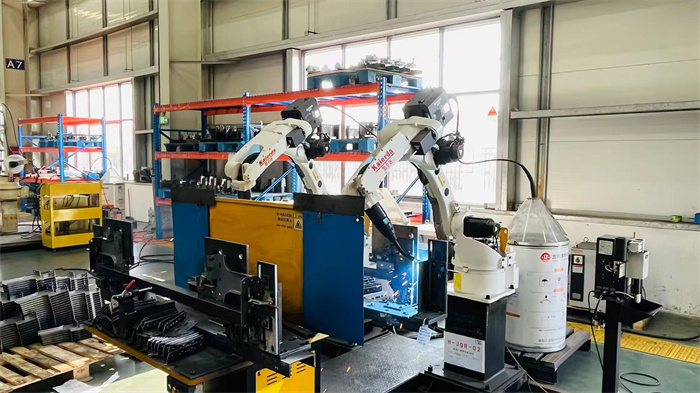
Take a look inside our manufacturing processes. From raw materials to robot welding, each step is optimized for structural integrity and high yield rates.
Every industry has specific footprint requirements. We design solutions for various operational demands.
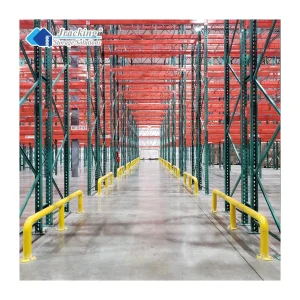
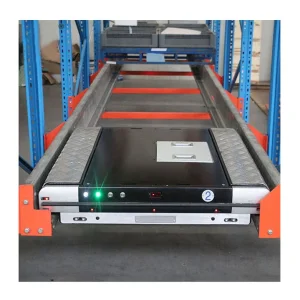
Designed for automated warehouses operating with high speed cranes. These racks feature tolerances of ±1.5mm to prevent mechanical collisions during high-speed retrieval cycles.
Specially treated structural Q235B & Q355B steel designed to resist low-temperature brittleness down to -30°C. Protective hot-dip galvanized coating prevents corrosion from moisture condensation.
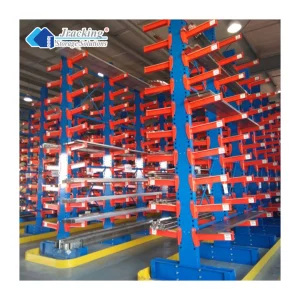
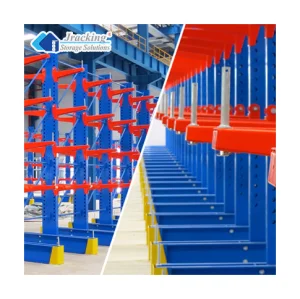
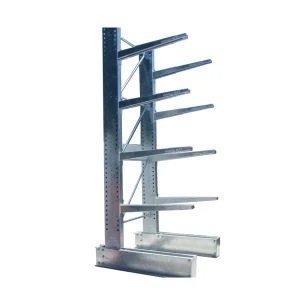
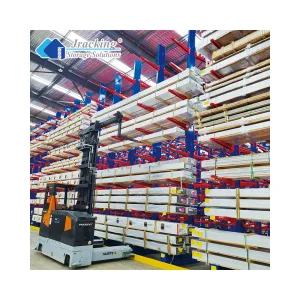
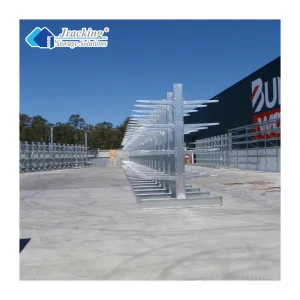
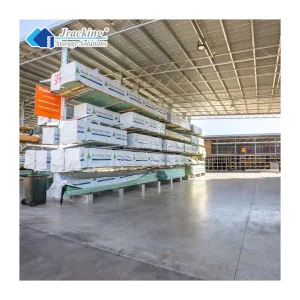
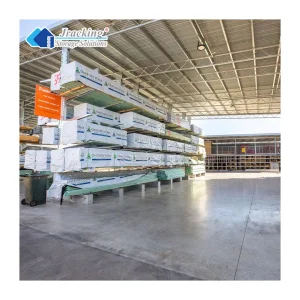
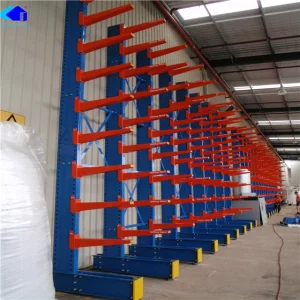
High-load capacity cantilever racking built for industrial pipes, steel plates, and bulk building materials. Integrated load calculations prevent arm deflection under uneven loading.
How emerging materials and digital integration are changing structural logistics and storage solutions.
Utilizing high-performance carbon fiber and polymer resin panels reduces dead-weight loads on structural upright frames by up to 25% while maintaining identical distributed weight ratings.
Developing structural health monitoring nodes that integrate directly with WMS (Warehouse Management Systems) to sound alerts when structural load thresholds are exceeded or under seismic displacement.
Transitioning primary rolling facilities to utilize hydrogen-reduced steel alloys and solvent-free electro-coating systems, reducing the carbon footprint of factory production by 40% before international export.
Purchasing agents and facility engineers must evaluate several factors beyond base costs when sourcing large-scale industrial racking systems. Below is a key criteria matrix used by global procurement teams to audit manufacturers and suppliers:
| Evaluation Parameter | Required Standards & Target Benchmarks | Critical Impact Value |
|---|---|---|
| Structural Compliance | ANSI MH16.1 (RMI), EN 15512 (FEM), AS 4084 (Australian Standard) | Protects facility from structural failure liabilities. |
| Steel Grades Utilized | Certified Q235B, Q355B (ASTM equivalents A36, A572) | Ensures yield strength and elasticity modulus parameters. |
| Quality Controls | Third-party mill certs, wet-dry coating thickness check, ultrasonic weld test | Extends surface protection life in humid logistics environments. |
| Load Deflection Ratios | L/240 deflection ratio target under design loads | Minimizes structural fatigue and maintains operator safety margins. |
| Dynamic Seismic Factors | Custom structural analysis for seismic zones (Zone 1 to 4) | Ensures structural stability during base acceleration movements. |
Deploying storage configurations worldwide requires compliance with local structural building codes. Jracking addresses this by tailoring production runs to meet country-specific certifications. We provide customized design modifications, sizes, colors, and load capacities that fit specific regional standards.
Our international logistics team works alongside regional distributors to coordinate DDP, CIF, and FOB shipments. This ensures clear container documentation, structural calculations, and installation guides are delivered to help keep projects on schedule during setup phases.
Answers to common structural engineering, sourcing, and customization questions.
 Jracking