Explore our engineering-grade industrial storage systems specifically coated and structurally optimized for cold environments.

An in-depth analysis of structural integrity, engineering standards, and supply chain logistics in sub-zero environments.
Cold storage warehousing represents one of the most demanding environments in modern supply chain management. Operating at temperatures ranging from 0°C to -30°C, these facilities face unique structural, mechanical, and logistical challenges. Unlike ambient warehouses, the cost of space, air conditioning, and energy consumption in cold storage is exponentially higher. Therefore, spatial efficiency and maximum density configuration are paramount to financial sustainability.
From a structural engineering standpoint, sub-zero temperatures drastically affect the physical properties of steel. Exposure to extreme cold can cause ordinary steel structural members to become brittle, a phenomenon known as low-temperature embrittlement. Standard mild carbon steels lose their ductility and impact resistance under these conditions, rendering standard racking vulnerable to structural failure from lift-truck impacts or dynamic load shifts.
To prevent brittle fracture, cold storage racking must be fabricated from low-temperature rated structural steel. Standard racking configurations commonly utilize Q235 steel, but for heavy-duty sub-zero deployments, high-strength structural steels like Q345D, Q355B, or international equivalents such as ASTM A572 Grade 50 are specified. These steel classes undergo strict Charpy V-notch impact testing to ensure toughness and ductile performance down to -20°C and below.
Furthermore, structural configurations must account for condensation cycles. When racks are transferred between different temperature zones during maintenance or relocation, surface condensation can accelerate oxidation. Specifying proper rust protection—such as hot-dip galvanization (HDG) or specialized antimicrobial, low-bake powder coatings—is mandatory to comply with food safety standards (such as FDA or HACCP) and ensure system longevity.
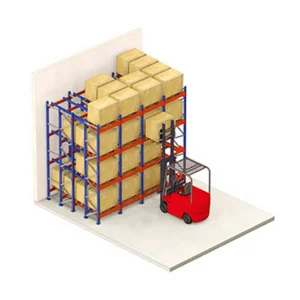
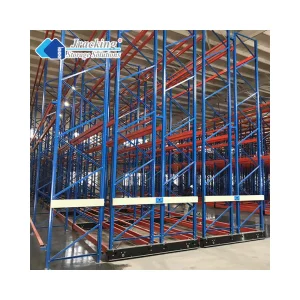
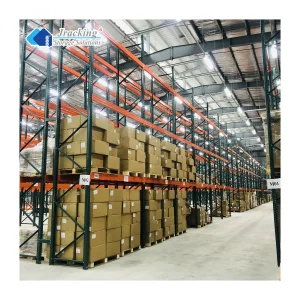
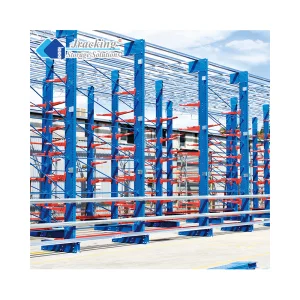
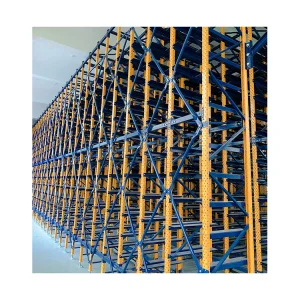
Designing cold storage systems requires balancing volumetric efficiency and accessibility. There are four primary layout strategies deployed by industrial designers:
Analyzing the strategic advantages in structural steel metallurgy, supply chain integration, and precision engineering.
China has consolidated its position as the global epicentre for the manufacture of industrial racking systems, particularly for high-specification applications like cold storage and automated warehouses. This capability is underpinned by three distinct competitive pillars:
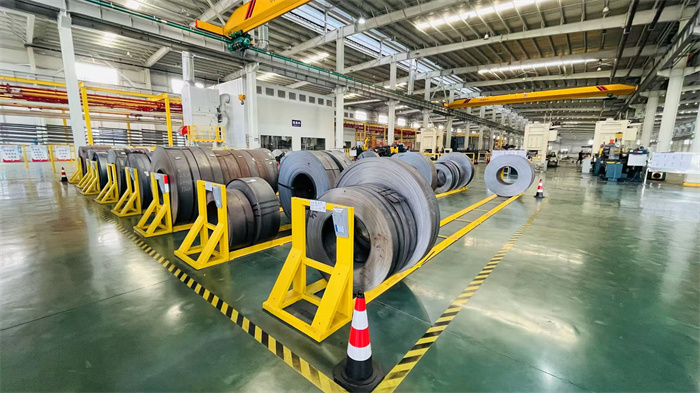
1. Vertical Integration of Steel Supply Chains: Chinese manufacturers operate in close geographic proximity to the world's leading steel mills. This proximity ensures direct access to raw high-strength structural steel coils (such as Q355B and Q420) with verified mill test certificates (MTC). This direct pipeline guarantees material traceability and lowers material procurement costs compared to Western manufacturers who rely on imported steel billets.
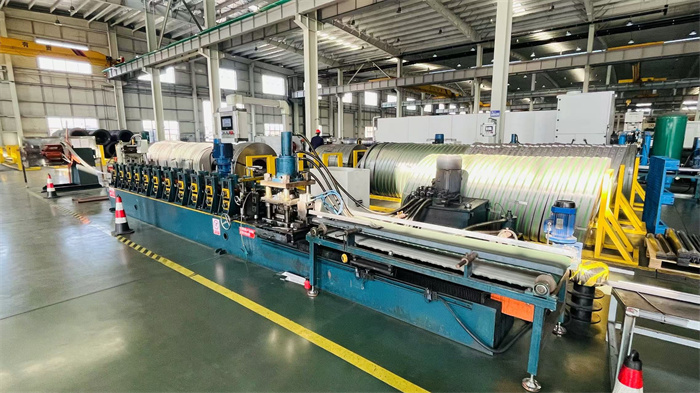
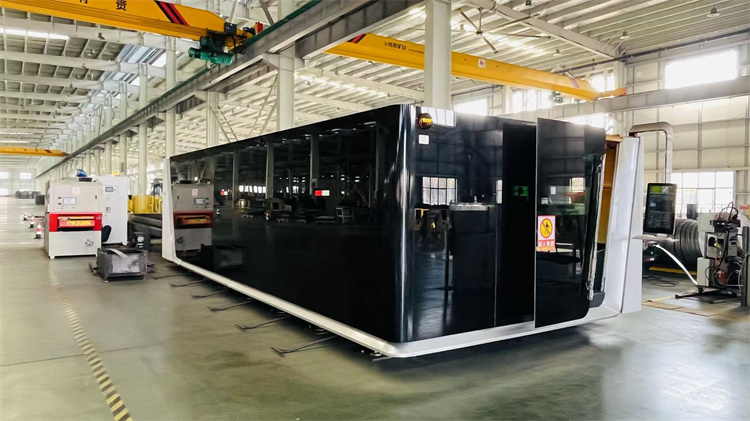
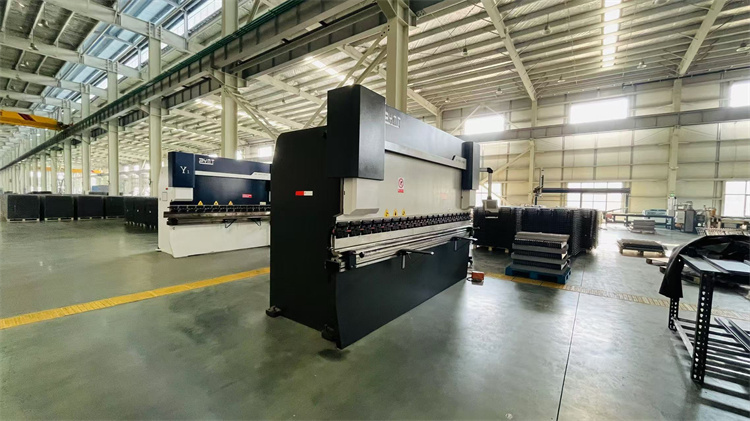
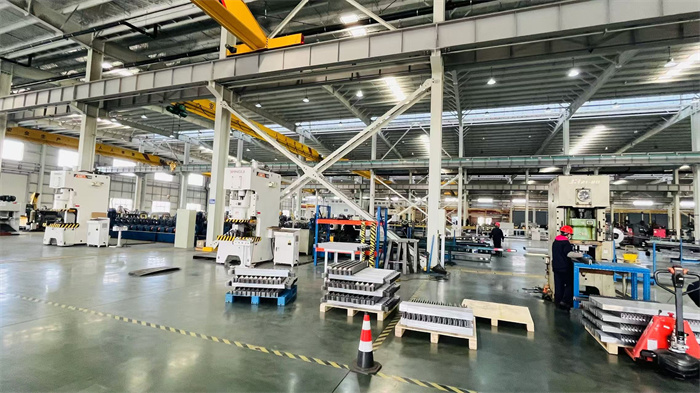
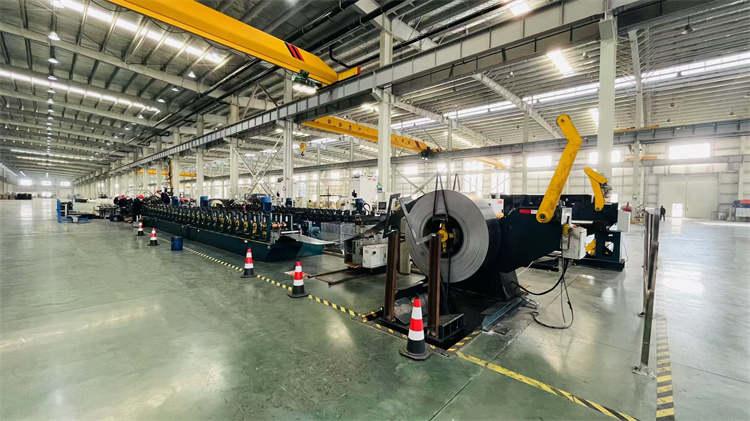
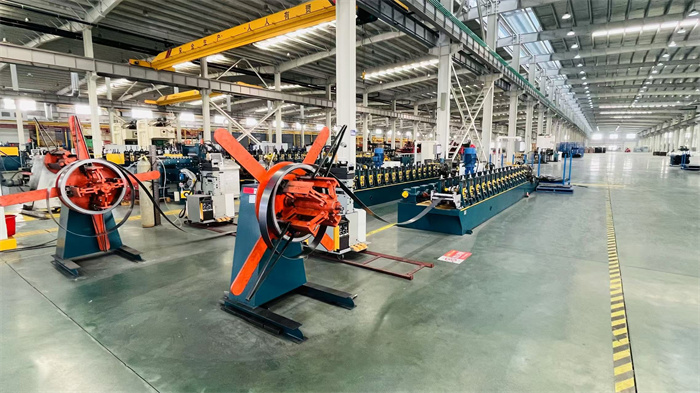
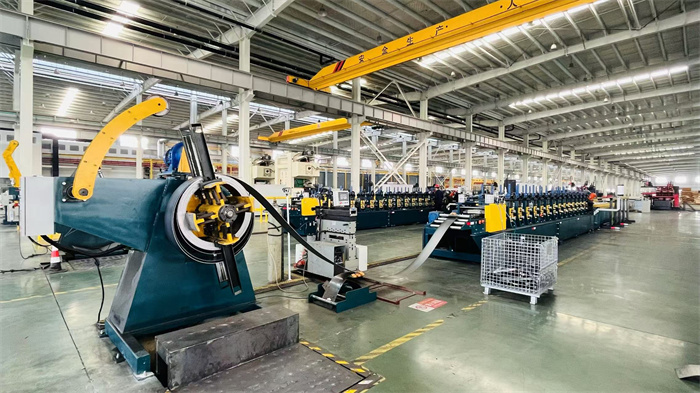
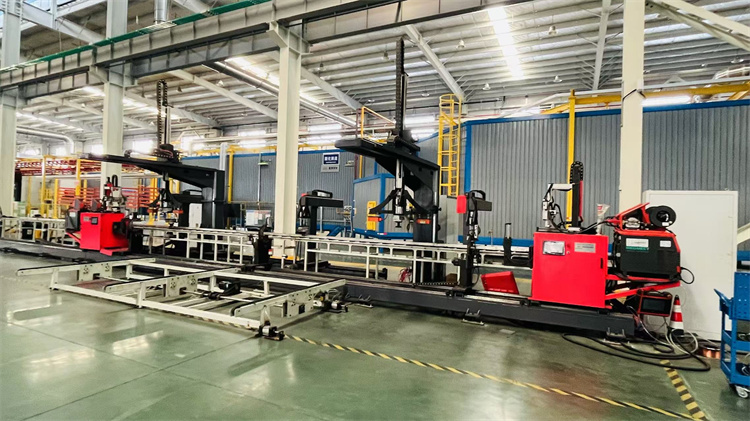
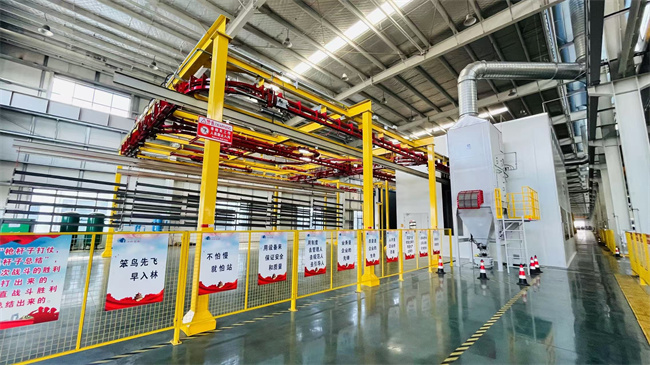
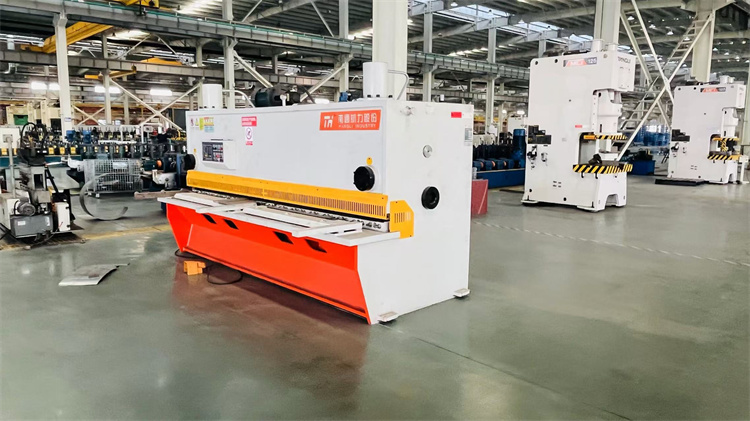
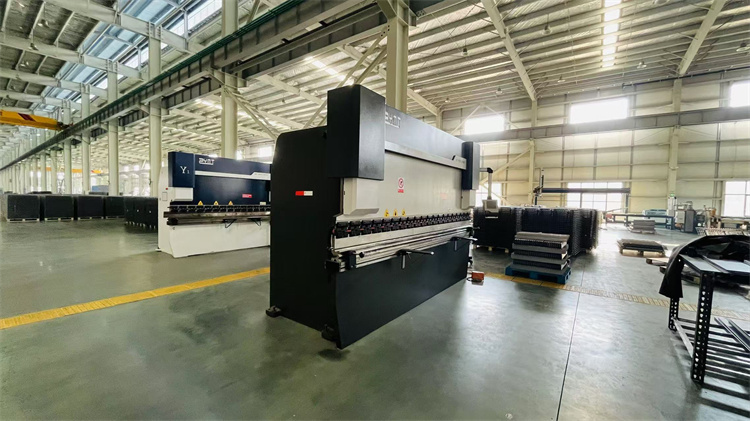
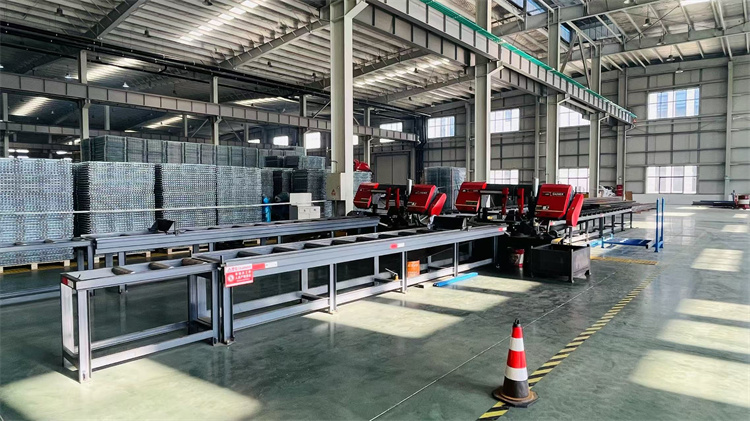
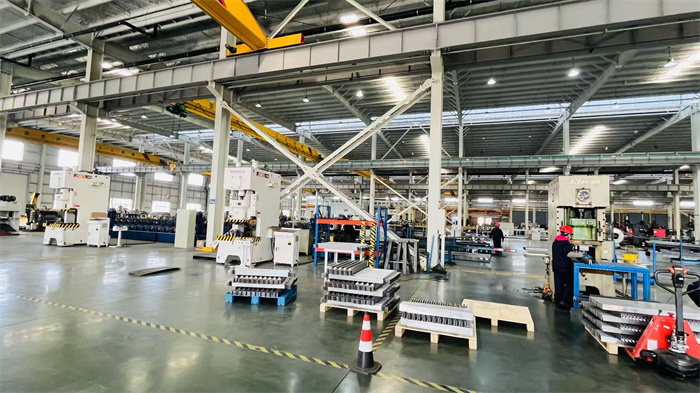
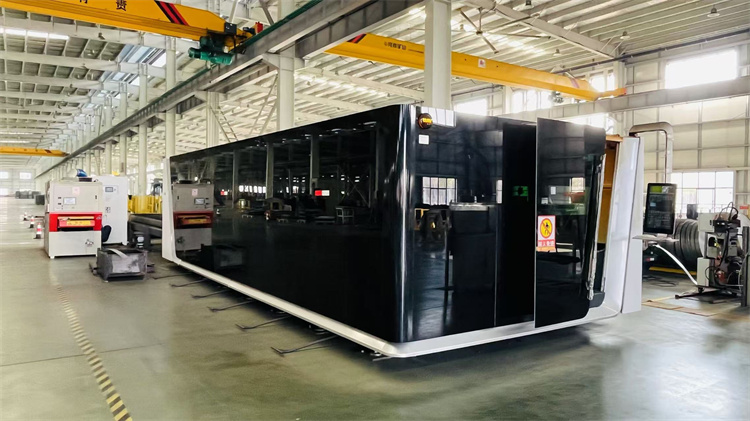
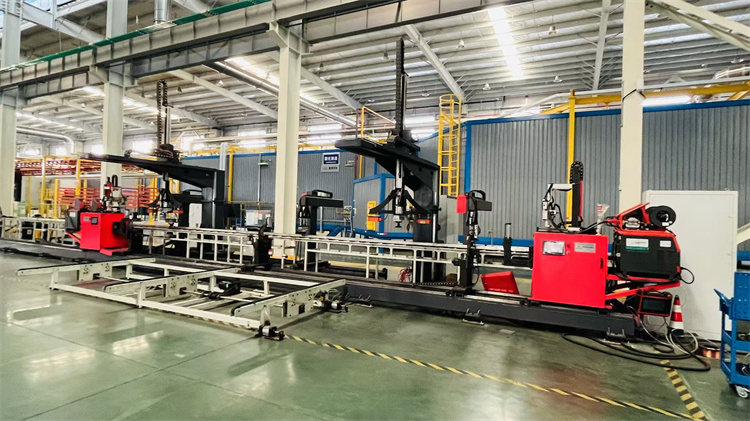
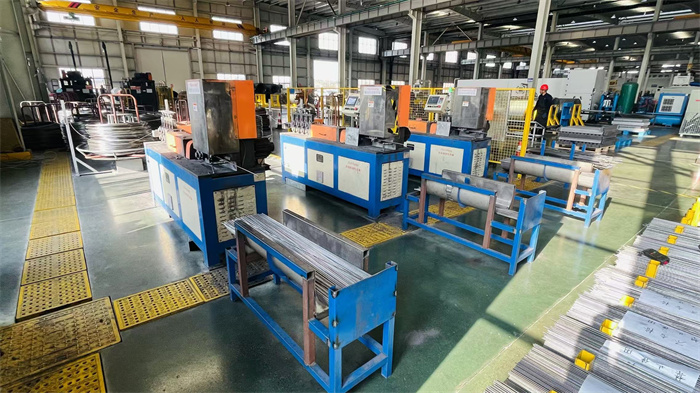
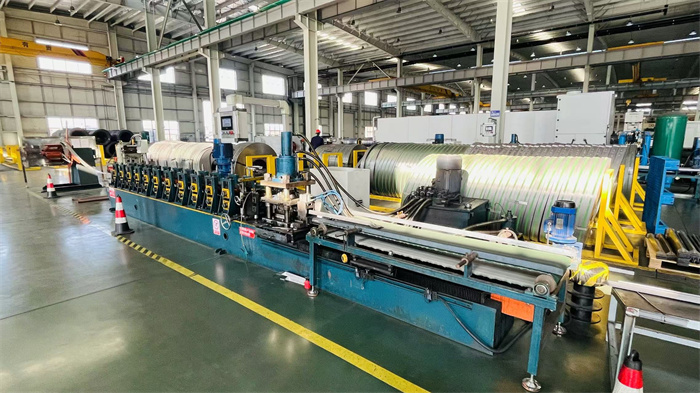
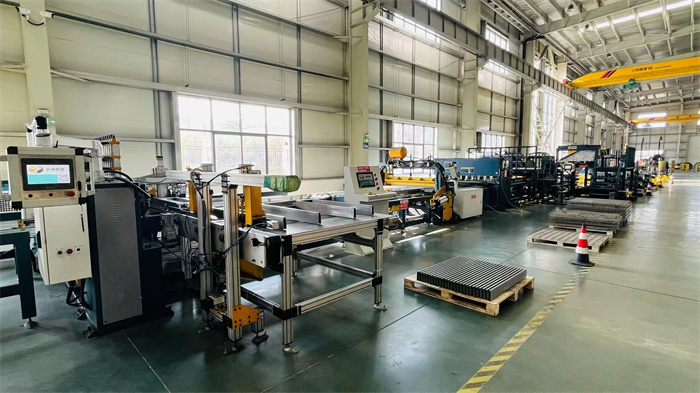
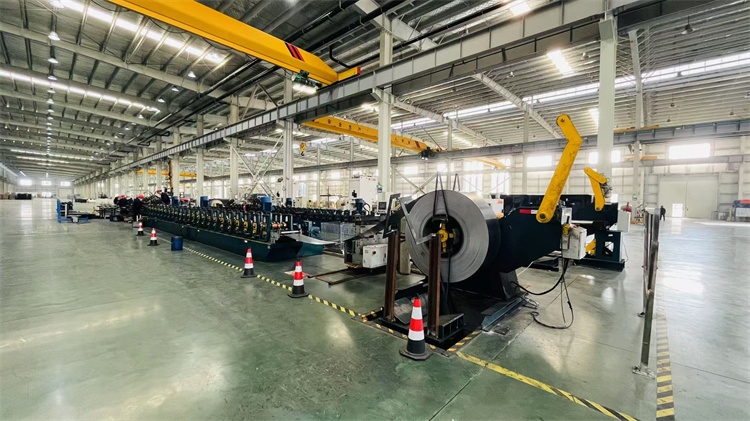
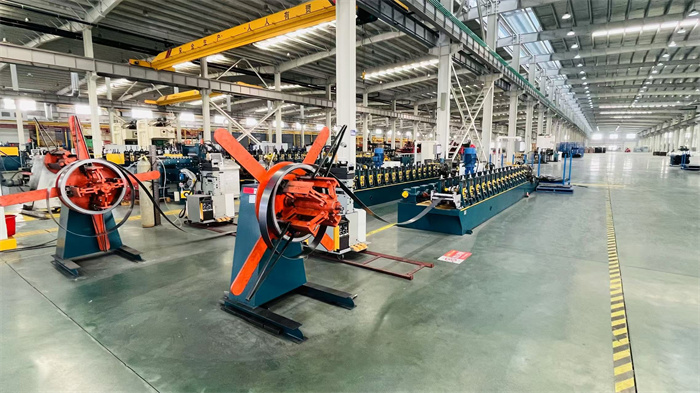
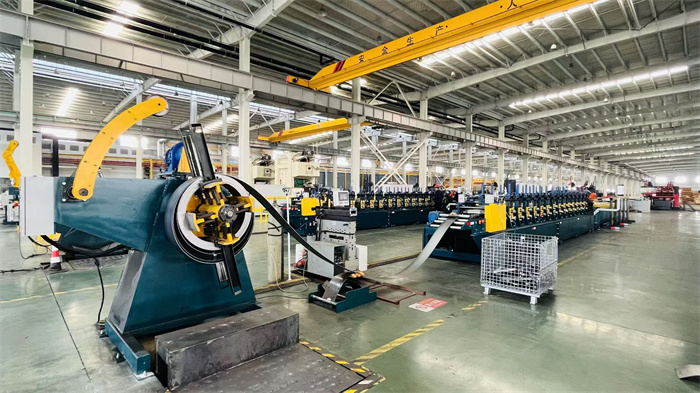
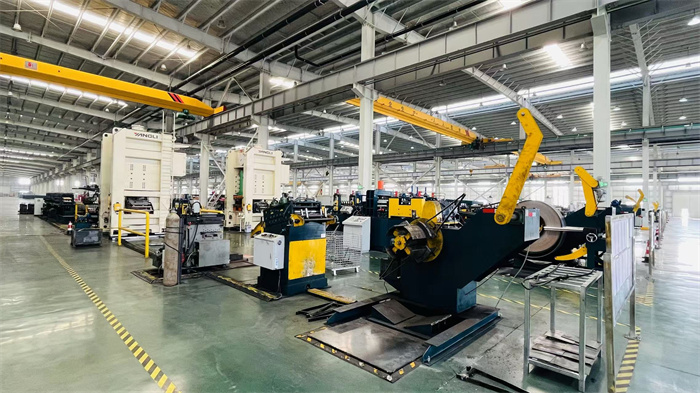
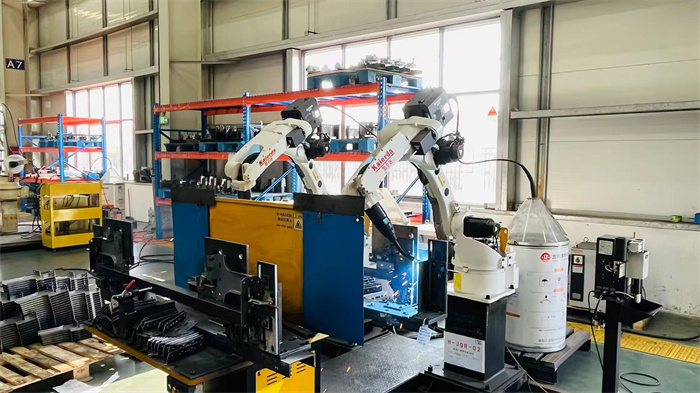
2. Advanced Roll-Forming and Robotic Welding: Leading Chinese factories, such as Jracking, utilize state-of-the-art continuous roll-forming lines that can shape structural profiles with tolerances within fractions of a millimeter. Automated robotic welding stations ensure consistent weld penetration and structural uniformity, eliminating human errors in load-bearing joints which could fail under thermal stress.
3. Advanced Surface Treatment Technologies: China's industrial infrastructure includes extensive hot-dip galvanizing plants operating under strict environmental and quality controls. Racks designed for cold storage undergo advanced chemical pickling followed by immersion in molten zinc to form a metallurgical bond (conforming to EN ISO 1461 standards). This ensures comprehensive interior and exterior protection of hollow structural frames against moisture and thermal cycling.
4. Engineering Compliance and Quality Assurance: Leading Chinese exporters design, test, and manufacture racks in strict accordance with international regulatory bodies. These include the Racking Manufacturers Institute (RMI) standards in North America, EN 15512 codes in Europe, and AS 4084 guidelines in Australia, ensuring seamless structural approval and compliance for global industrial projects.
Modern Manufacturing Facility
Industry Expertise
Dedicated R&D Team
Annual Export Value
A premier global manufacturer specializing in warehouse racking systems and industrial storage solutions.
Jracking (Guangdong) Storage Co., Ltd. is a professional manufacturer specializing in warehouse racking systems and industrial storage solutions in China. Since its establishment in 2016, the company has been dedicated to designing, manufacturing, and supplying high-quality storage equipment for global customers across various industries.
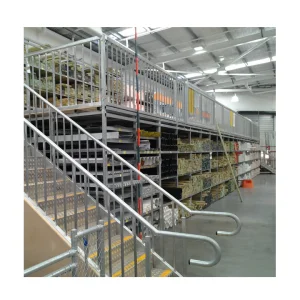
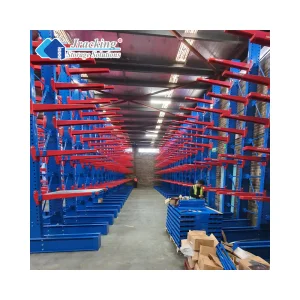
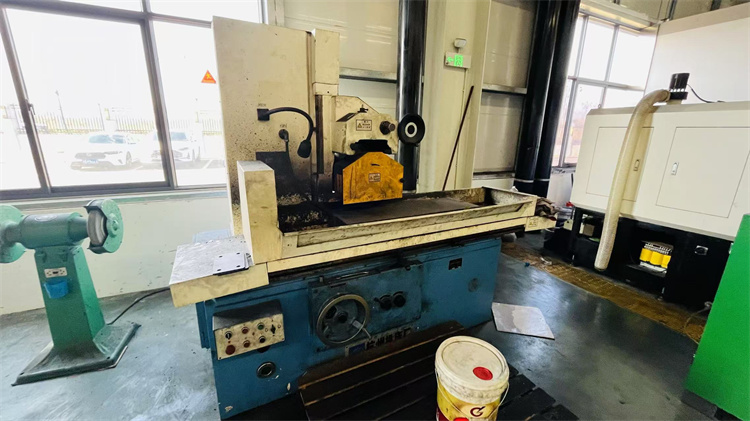
With a modern manufacturing facility covering 28,600 m², Jracking integrates advanced production equipment, strict quality management systems, and experienced engineering teams to ensure reliable product performance and consistent manufacturing standards. The company offers a comprehensive range of storage products including selective pallet racks, drive-in racking, cantilever racks, mezzanine systems, longspan shelving, steel platforms, and customized warehouse storage solutions.
Backed by over 8 years of export experience and 12 years of industry expertise, Jracking has successfully served customers in North America, Europe, Southeast Asia, Australia, and the Middle East. The company's annual export revenue exceeds USD 18 million, reflecting its strong competitiveness in the international storage equipment market.
Quality remains the core of Jracking's manufacturing philosophy. Every production process is strictly monitored through ISO-compliant quality control procedures, while products undergo load capacity testing, dimensional inspection, welding inspection, coating thickness testing, and final assembly inspection before shipment. The company employs 48 professional quality inspectors to maintain stable product quality and customer satisfaction.
As an OEM & ODM manufacturer, Jracking collaborates with more than 1,150 supply chain partners, enabling efficient sourcing, flexible production scheduling, and fast delivery for global projects. Its primary customers include warehouse equipment distributors, importers, wholesalers, logistics companies, e-commerce fulfillment centers, and industrial project contractors.
Innovation is driven by a dedicated R&D team consisting of 85 experienced engineers, who continuously develop new storage solutions to meet evolving market demands. The company supports customized design, size, color, loading capacity, surface treatment, and warehouse layout solutions according to customer requirements. In the past year alone, Jracking successfully introduced 156 new products to the global market.
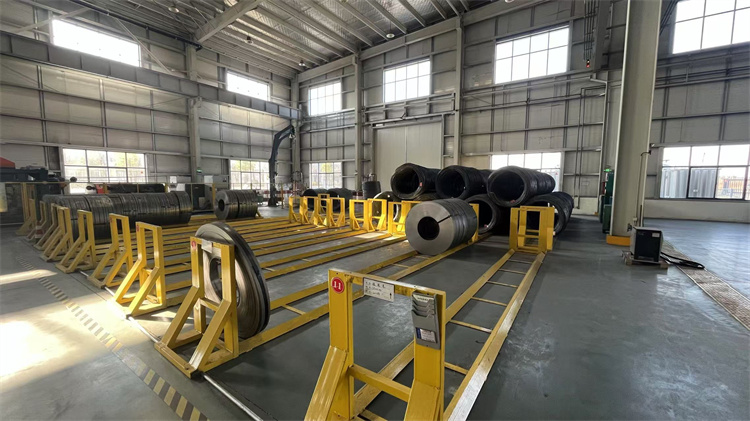
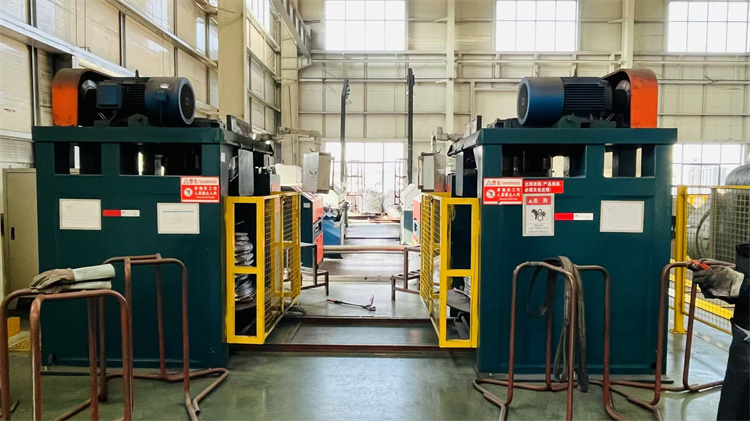
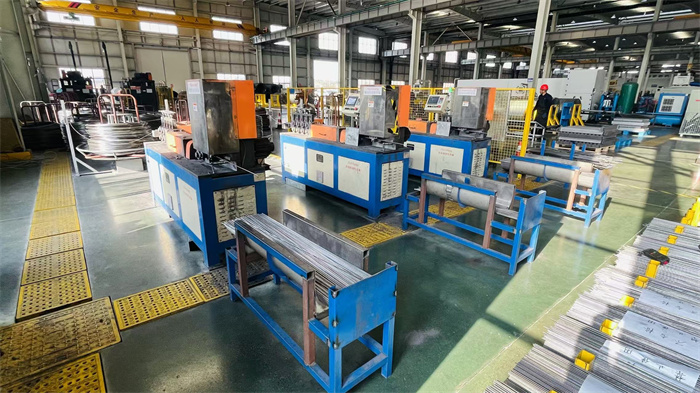
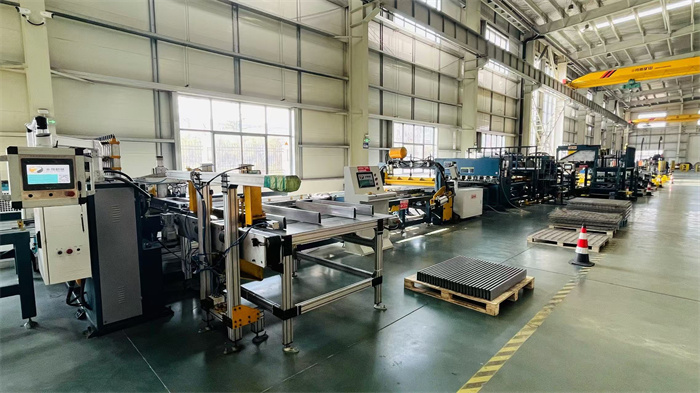
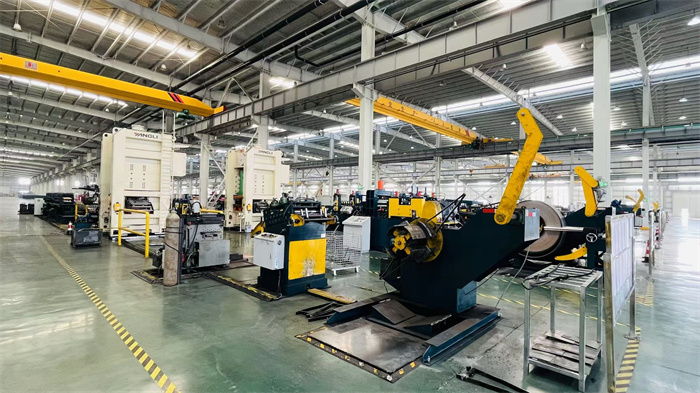
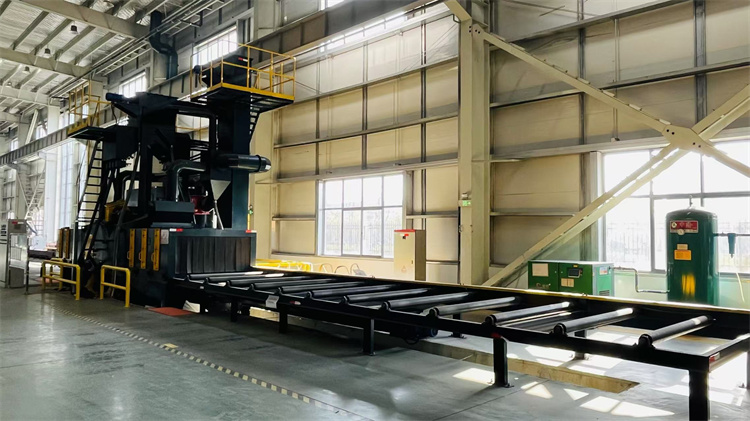
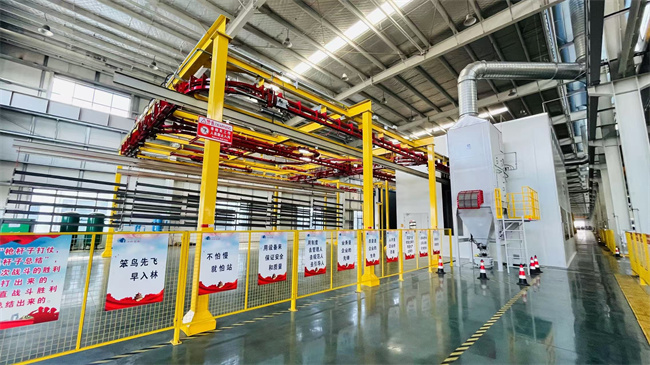
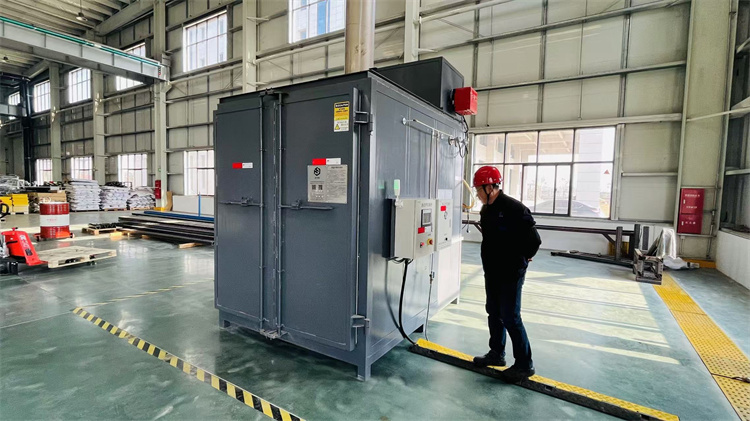
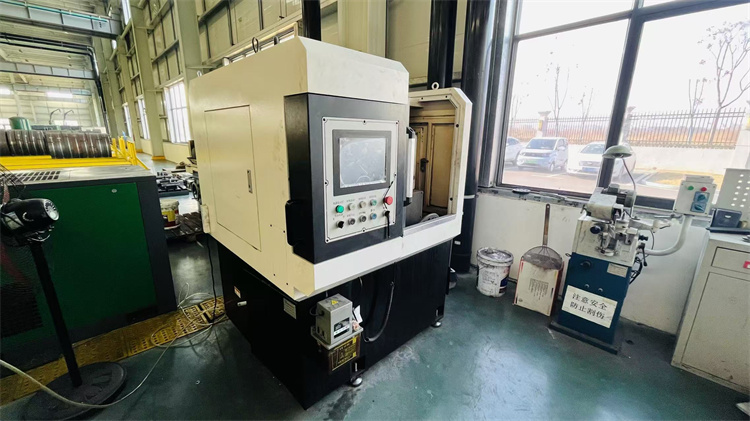
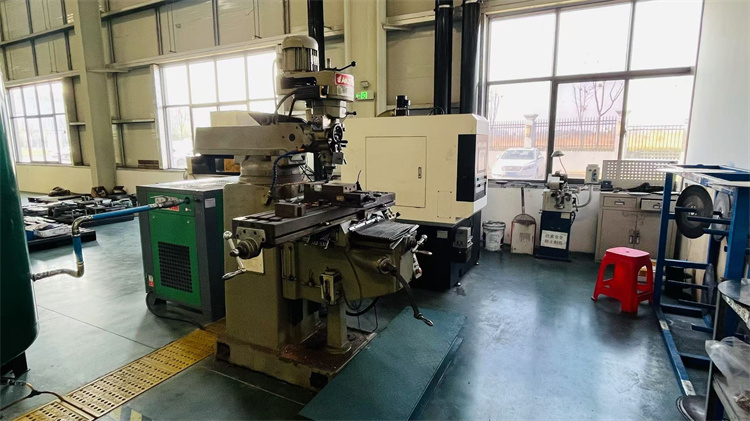
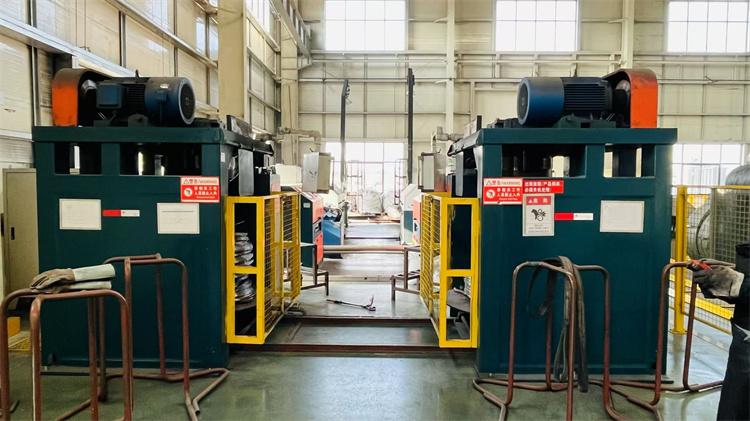
Take an inside look at our state-of-the-art manufacturing facility and precision fabrication stages.
Adapting high-density structural racking systems to fit customized international temperature-controlled logistics.
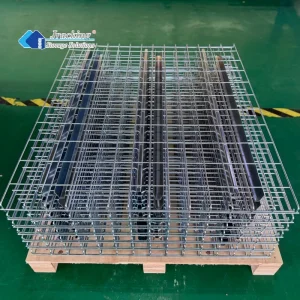
In cold chain food logistics, inventory rotation speed and raw cleanability are essential. Selective pallet racks with hot-dip galvanized finishes and wire mesh decking are the default standard. For sub-zero frozen products, high-density systems like Drive-In or Pallet Shuttle reduce the cubic space required, lowering electrical refrigeration bills by up to 35% compared to standard open aisle configurations.
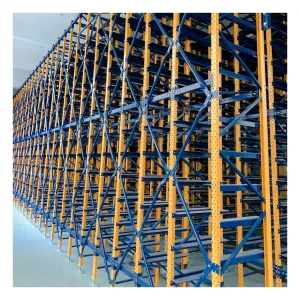
Biomedical warehousing demands precise temperature control and strict product tracking (FIFO). Racking configurations must allow uniform cold airflow throughout the storage cells. Dynamic Push-Back or automated AS/RS systems prevent localized hot spots, ensuring temperature sensitivity compliance is maintained from dock receipt to outbound shipping.
High flexibility is critical for 3PL providers who handle various customer SKUs. Adjustable heavy-duty pallet racking systems (like Jracking's AU Standard and Teardrop profiles) offer quick height adjustments to handle varying load heights. Double-deep racking layouts provide a smart compromise between density and accessibility.
Technical guidance from our senior structural engineering team regarding low-temperature warehouse design.
Browse our complete catalog of industrial storage racking systems designed for structural strength and efficiency.
 Jracking