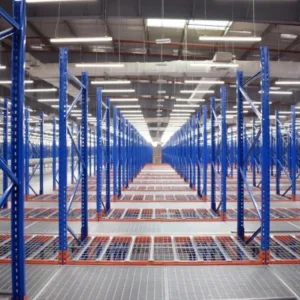
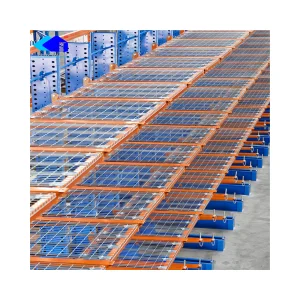
Engineered for maximum structural integrity, optimized storage density, and international compliance
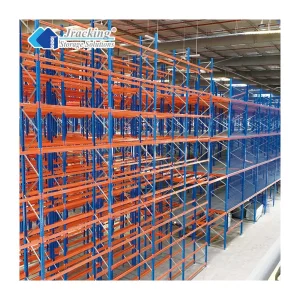
In modern industrial facilities, warehousing efficiency is no longer calculated merely in square footage, but in cubic volumetric utilization. Structural Utility Platforms (commonly classified as structural steel mezzanines) represent the most reliable structural solution for unlocking overhead space. Acting as custom-engineered intermediate levels, these platforms facilitate the deployment of dynamic manufacturing zones, sorting cells, e-commerce picking corridors, and heavy machinery support frameworks without requiring costly building additions.
Selecting the appropriate OEM/ODM partner for these systems requires analyzing structural integrity parameters, compliance matrices, raw material stability, and automation compatibility. As global supply chains shift toward rapid delivery and high structural density, utility platforms must be engineered to withstand rigorous dynamic, static, and seismic load cycles. This industry white paper analyzes the supply ecosystem, engineering standards, manufacturing workflows, and the strategic advantages of deploying top-tier structural configurations.
A globally trusted OEM/ODM manufacturer specializing in advanced industrial storage racks & mezzanine floors
Jracking (Guangdong) Storage Co., Ltd. is a professional manufacturer specializing in warehouse racking systems and industrial storage solutions in China. Since its establishment in 2016, the company has been dedicated to designing, manufacturing, and supplying high-quality storage equipment for global customers across various industries.
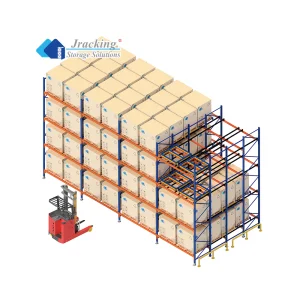
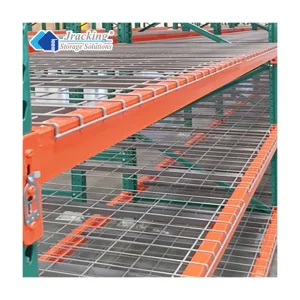
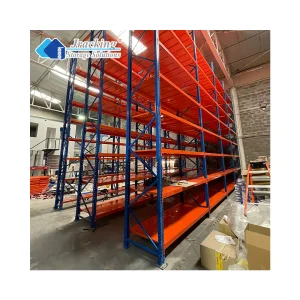
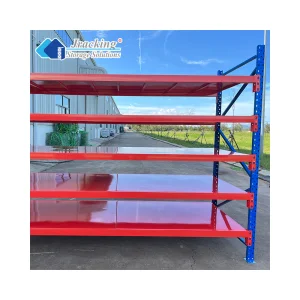
With a modern manufacturing facility covering 28,600 m², Jracking integrates advanced production equipment, strict quality management systems, and experienced engineering teams to ensure reliable product performance and consistent manufacturing standards. The company offers a comprehensive range of storage products including selective pallet racks, drive-in racking, cantilever racks, mezzanine systems, longspan shelving, steel platforms, and customized warehouse storage solutions.
Backed by over 8 years of export experience and 12 years of industry expertise, Jracking has successfully served customers in North America, Europe, Southeast Asia, Australia, and the Middle East. The company's annual export revenue exceeds USD 18 million, reflecting its strong competitiveness in the international storage equipment market.
Quality remains the core of Jracking's manufacturing philosophy. Every production process is strictly monitored through ISO-compliant quality control procedures, while products undergo load capacity testing, dimensional inspection, welding inspection, coating thickness testing, and final assembly inspection before shipment. The company employs 48 professional quality inspectors to maintain stable product quality and customer satisfaction.
As an OEM & ODM manufacturer, Jracking collaborates with more than 1,150 supply chain partners, enabling efficient sourcing, flexible production scheduling, and fast delivery for global projects. Its primary customers include warehouse equipment distributors, importers, wholesalers, logistics companies, e-commerce fulfillment centers, and industrial project contractors.
Innovation is driven by a dedicated R&D team consisting of 85 experienced engineers, who continuously develop new storage solutions to meet evolving market demands. The company supports customized design, size, color, loading capacity, surface treatment, and warehouse layout solutions according to customer requirements. In the past year alone, Jracking successfully introduced 156 new products to the global market.
Take a look inside our manufacturing processes, showcasing modern equipment and rigorous quality control workflows
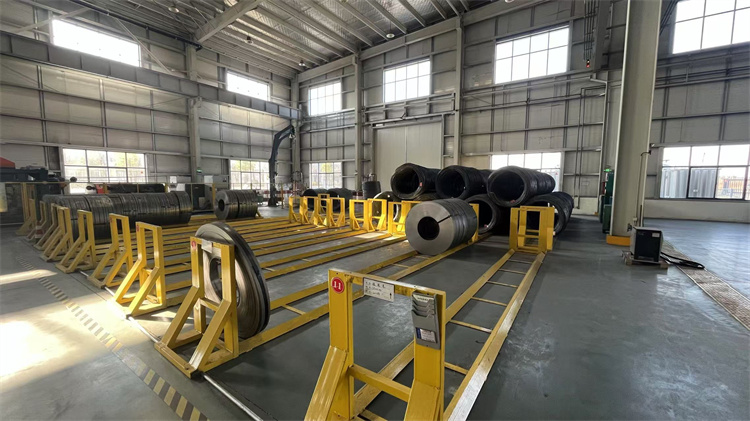
Raw Materials
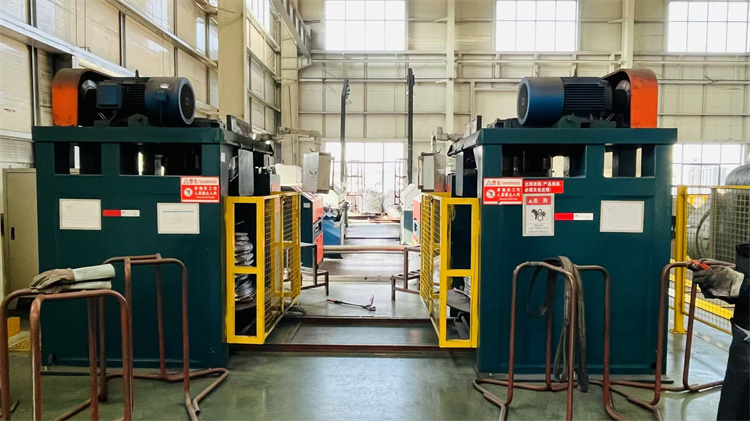
Wiredrawing
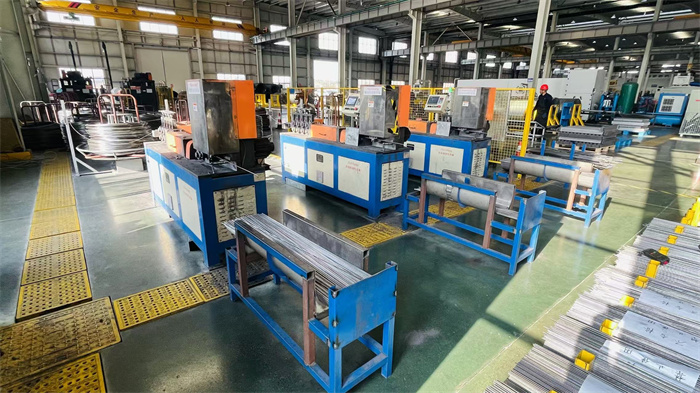
Strengthening
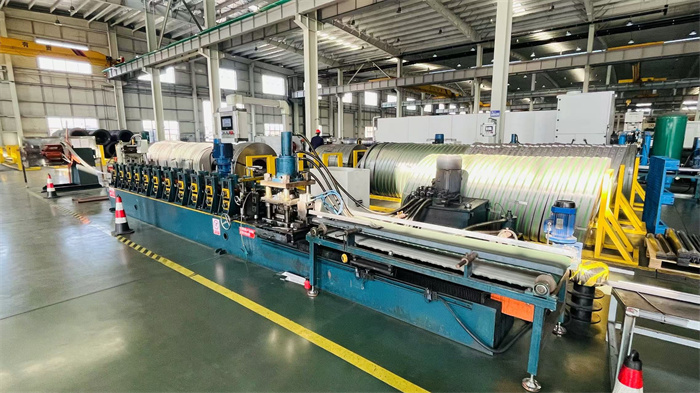
Strengthening Rib
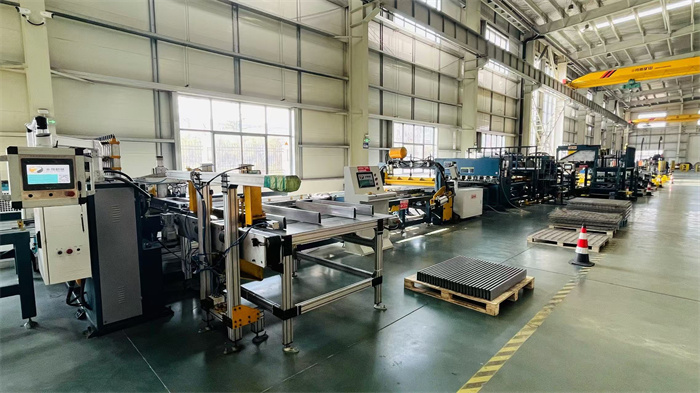
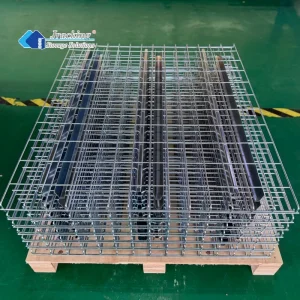
Metal Mesh Production
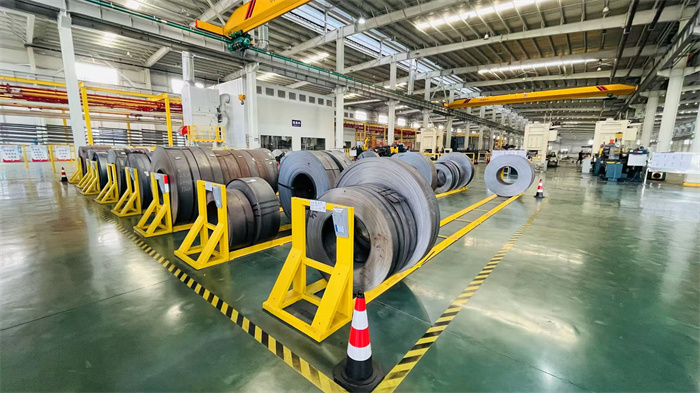
Raw Materials Storage
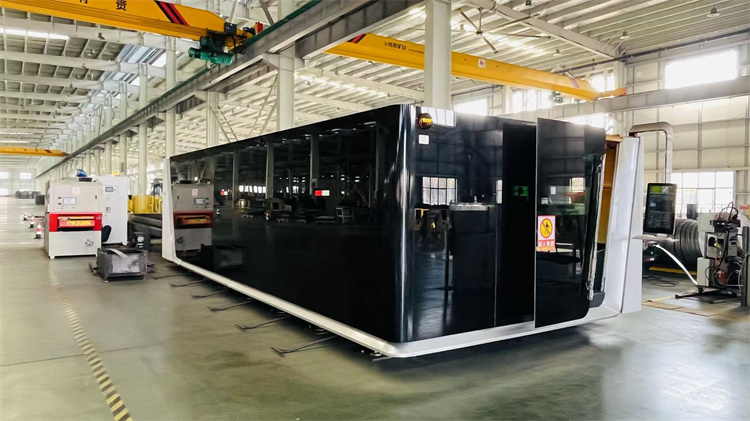
Cutting Stage
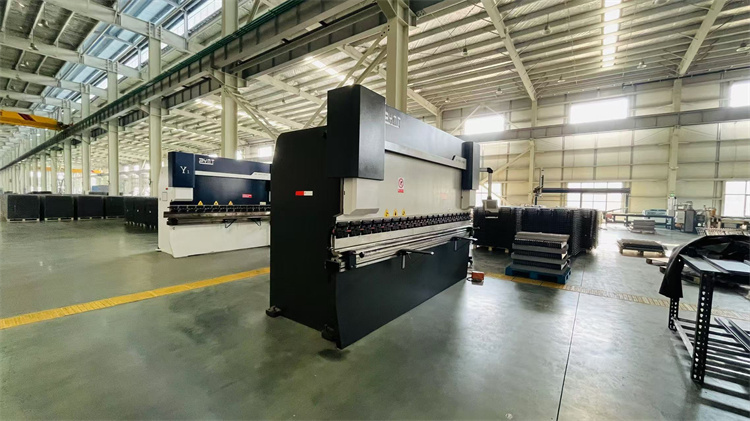
Bending
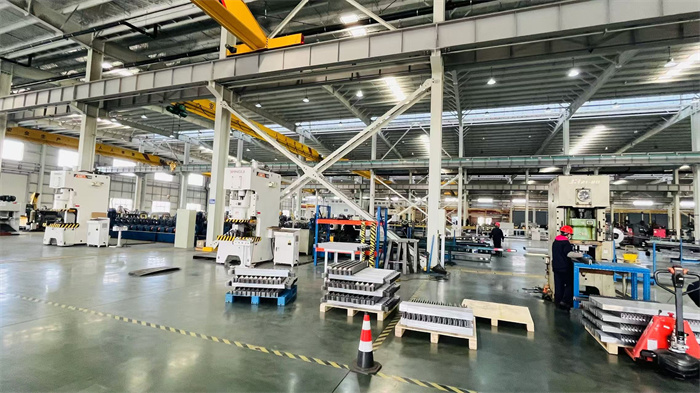
Punching
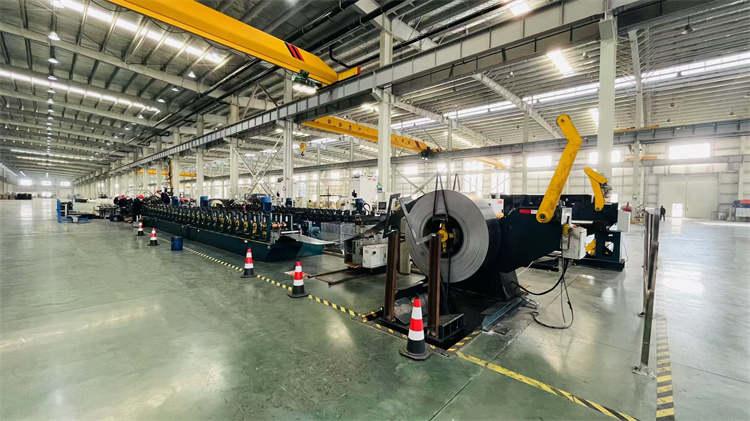
P-Beam Rolling
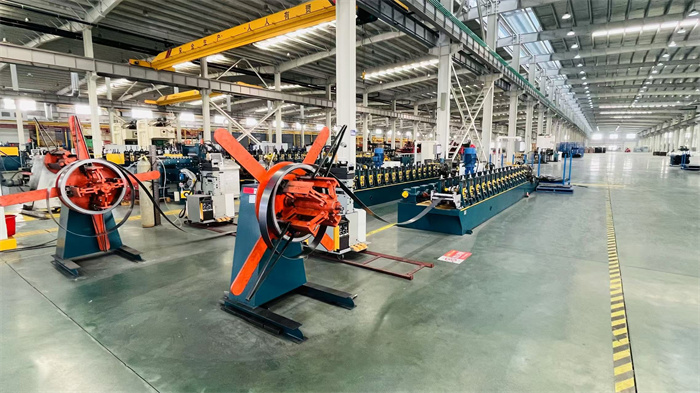
Diagonal Brace Rolling
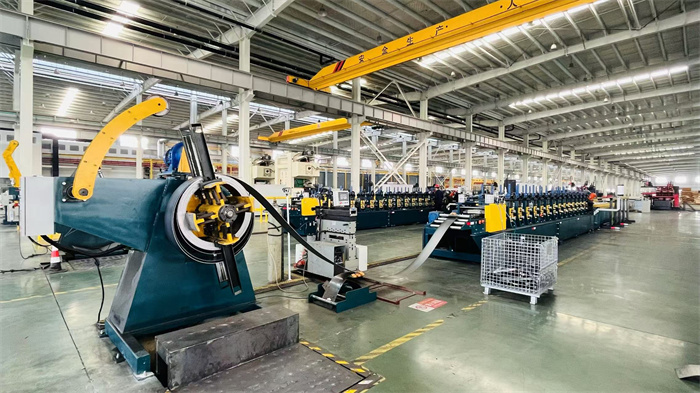
Occluding Beam Rolling
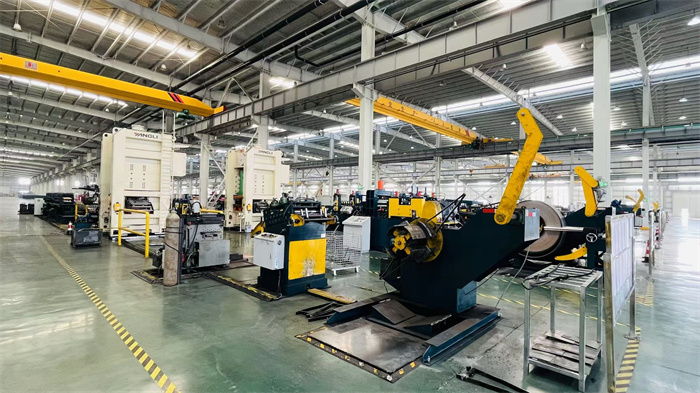
Column Production
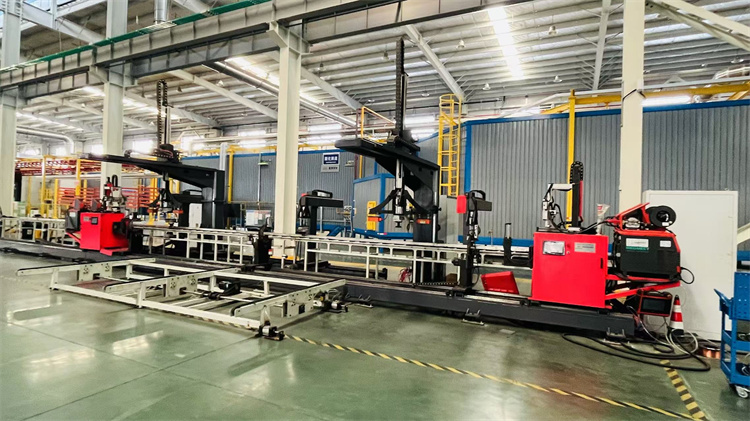
Automatic Welding
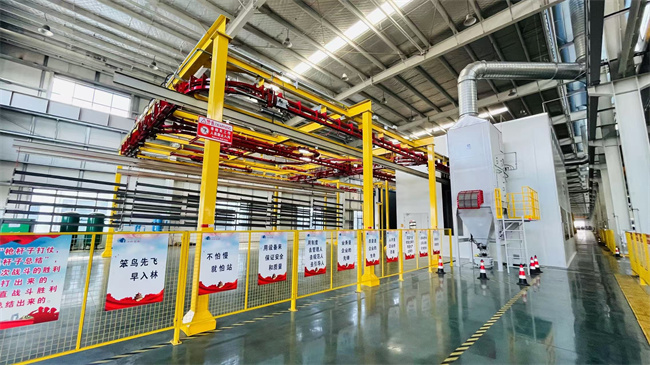
Powder Spraying
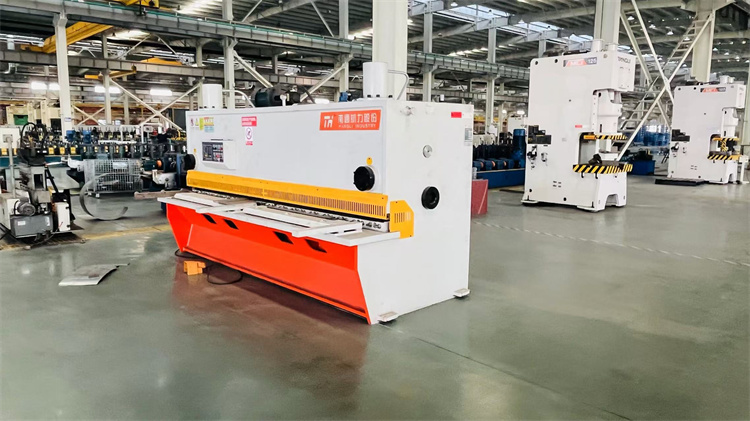
Plate Shearing Machine
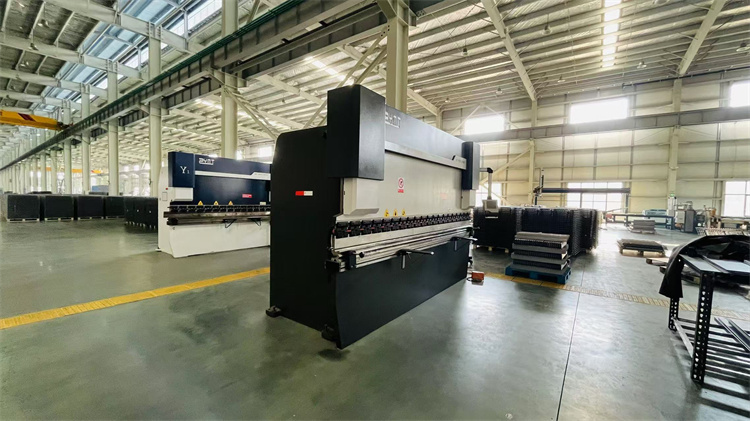
Plate Bending Machine
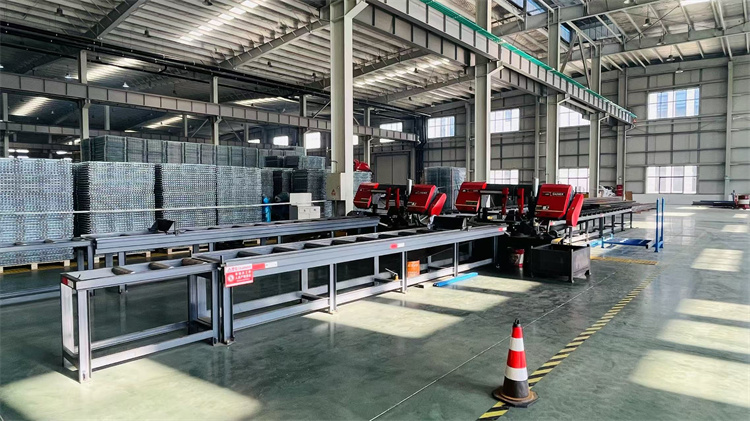
Sawing Machine
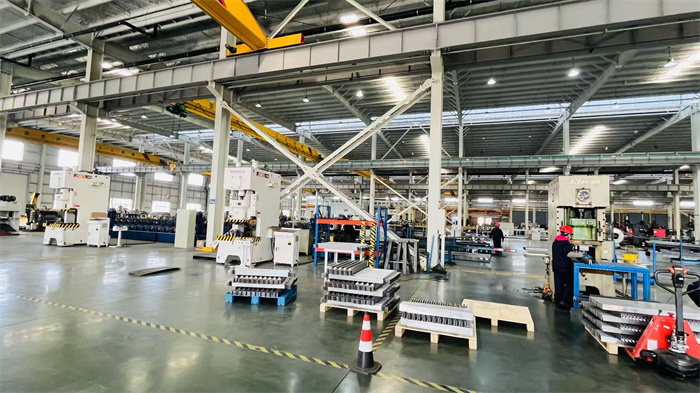
Punching Machine
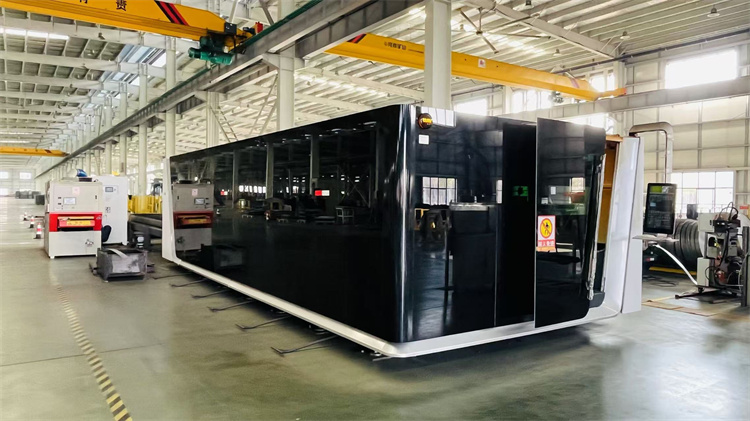
Laser Cutting Machine
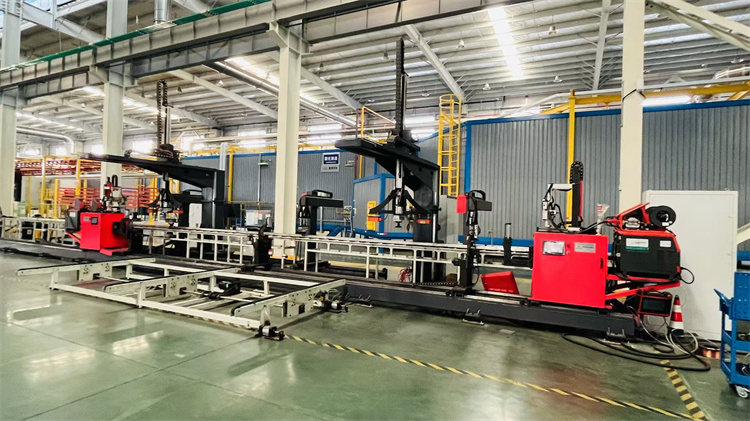
Automatic Welding Machine
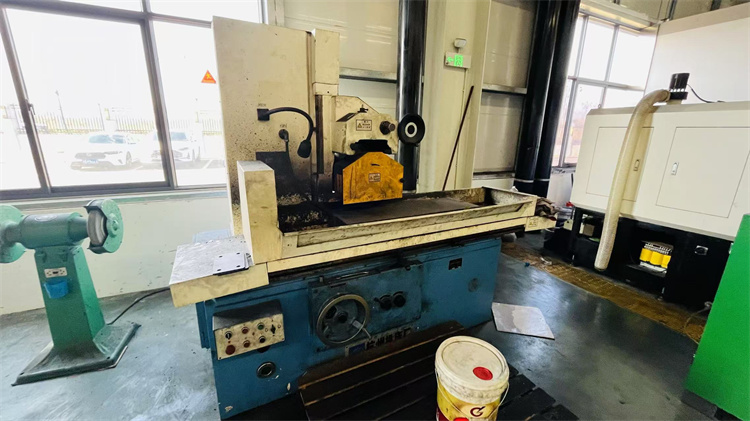
Grinding Machine
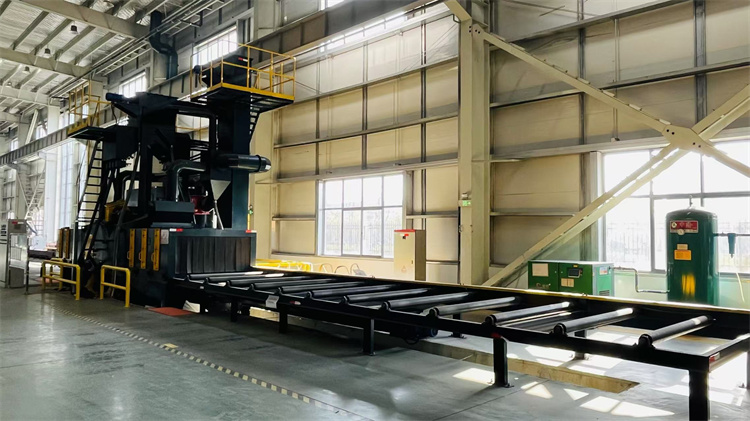
Shot Blasting Machine
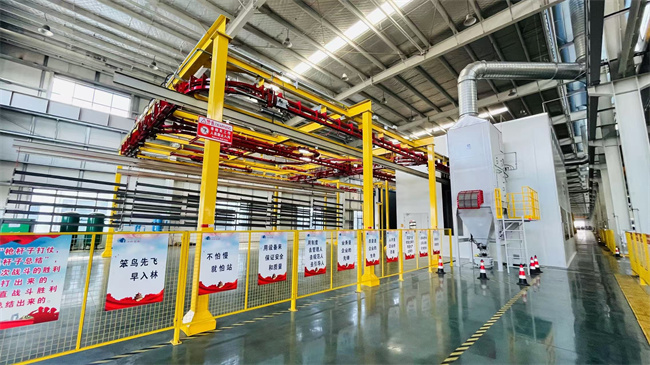
Spraying Production Line
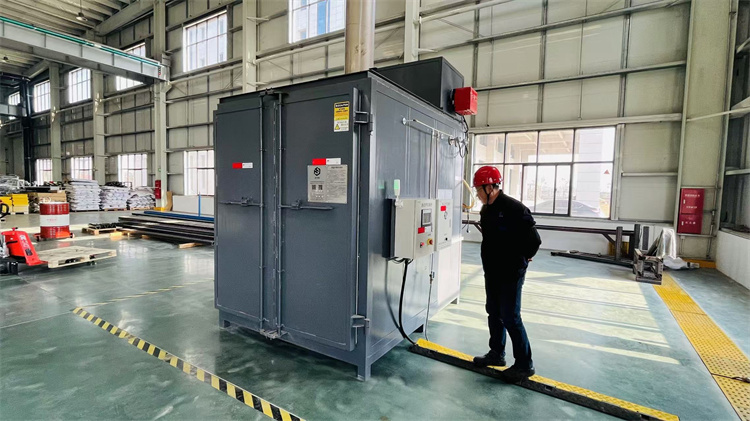
Hot Cleaning Furnace
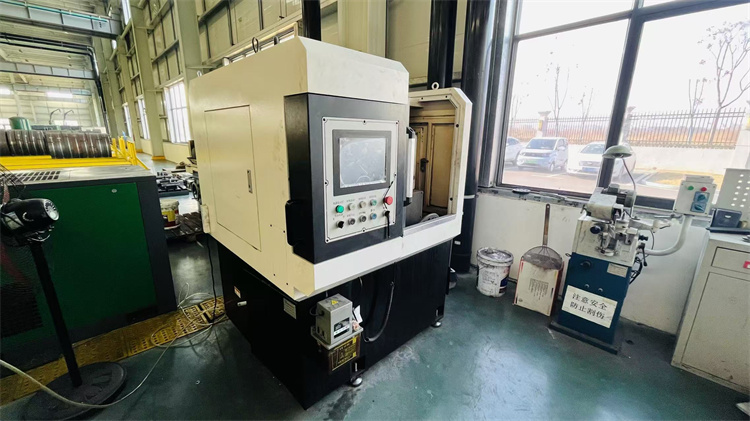
CNC Curve Gear Grinding
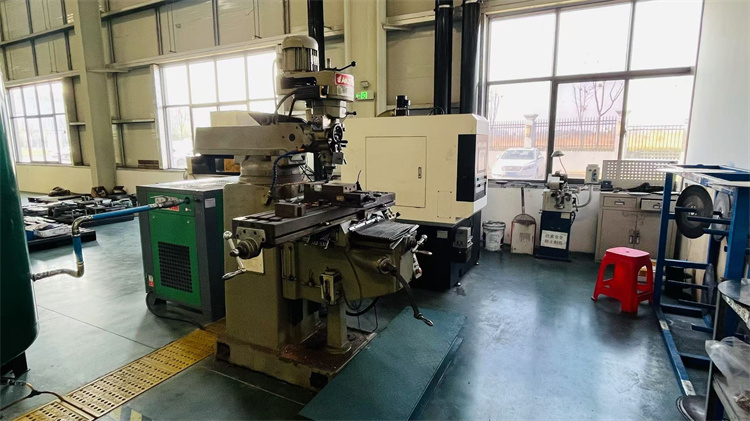
Milling Machine
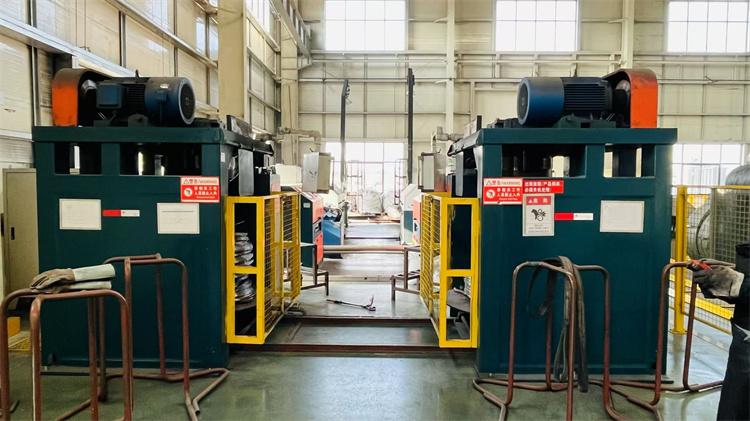
Wiredrawing Machine
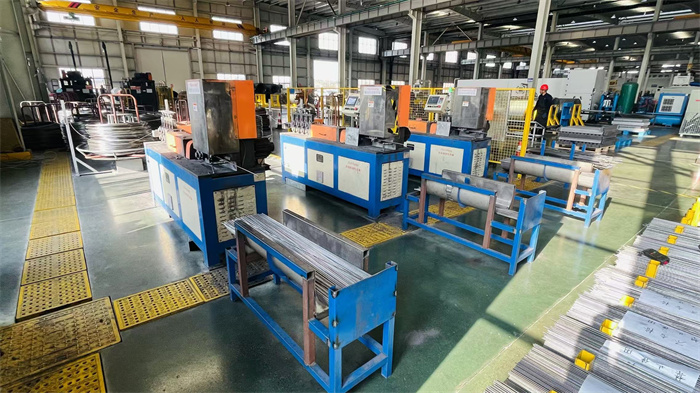
Strengthening Machine
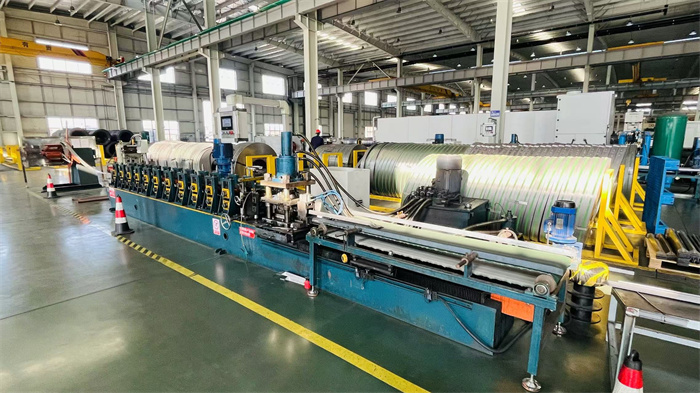
Strengthening Rib Machine
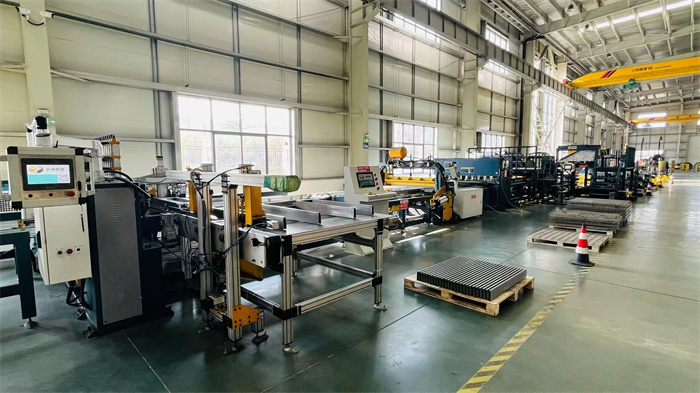
Metal Mesh Production Line
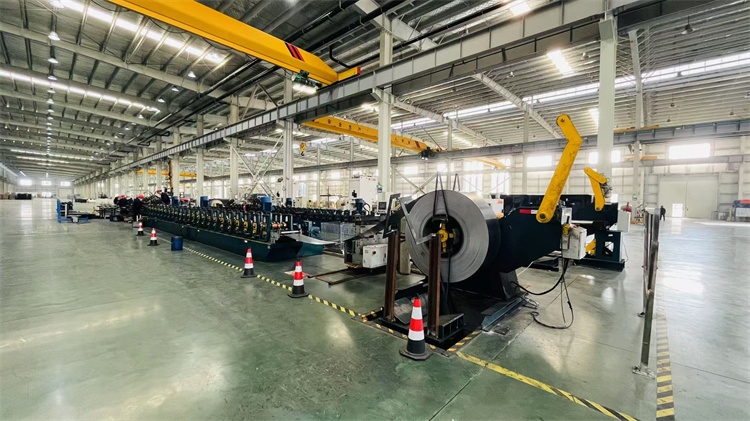
P-Beam Rolling Mill
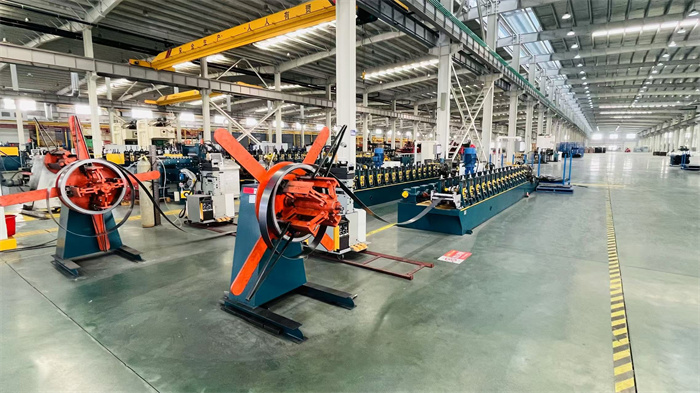
Diagonal Brace Rolling Mill
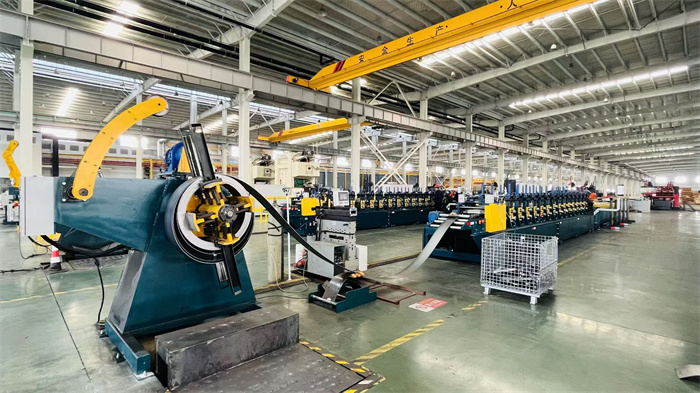
Occluding Beam Rolling Mill
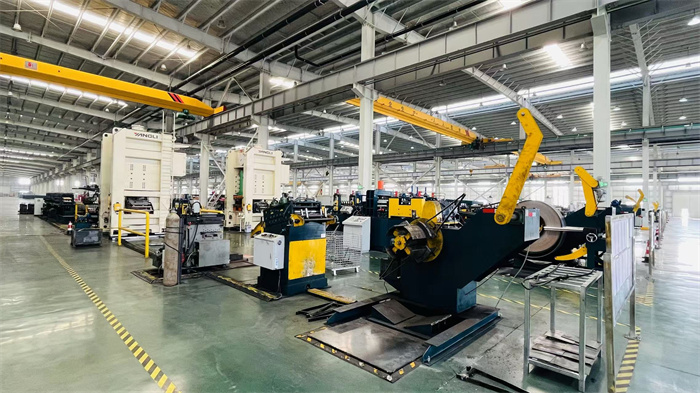
Automatic Column Line
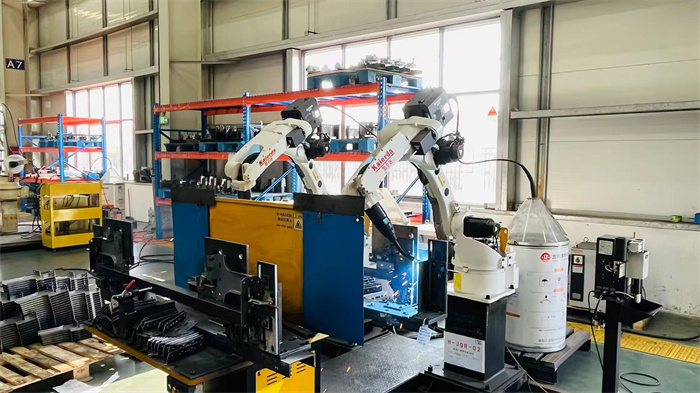
Welding Robot
Why global logistics integrators and procurement departments trust Chinese industrial racking factories
Located in the heart of China's industrial manufacturing hub, Jracking benefits from direct supply channels for high-grade Q235B and Q355B structural carbon steel. This structural access to national steel mills guarantees metallurgical consistency and stability, mitigating price shocks and providing competitive global pricing.
By leveraging automated CNC punching, high-speed multi-stage continuous roll-forming lines, and robotic welding clusters, our factory maintains tight tolerances (within ±0.5mm) on key profile metrics. This precision minimizes field modification costs and speeds up installation schedules during site commissioning.
Through our established shipping networks operating from main international deep-water ports (Shenzhen, Guangzhou, and Shanghai), we manage the containerization process to maximize shipping density. Our custom packaging configurations prevent corrosion and physical damage during transit to North American, European, and Australian ports.
Operating structural steel platforms globally requires strict adherence to regional building regulations. A utility platform that complies with standards in one territory may fail to obtain occupancy permits in another due to localized seismic considerations, fire codes, or safety factor models. Jracking guarantees compliance through engineering validation processes tailored to your location.
Engineering design utilizes advanced finite element calculations to verify seismic capacity, local buckling parameters, and dynamic impact loading thresholds under the RMI Specification.
Fully verified to EN standard design frameworks, which require extensive material characterization and limit-state design methodology to guarantee safety standards across the European Union.
Structural platforms are manufactured to conform with AS4084 steel storage racking regulations, defining strict load testing, column protection, and safety factor protocols.
All global structural projects handled by Jracking undergo strict structural analysis. Using finite element modeling (FEM) software, our engineering team simulates localized seismic risk factors to design appropriate foundation plates, anchor bolts, and bracing structures.
| Region | Primary Code | Testing Compliance |
|---|---|---|
| USA / Canada | RMI MH16.1 / AISC 360 | RMI Testing Standard |
| Europe | EN 15512 / EN 15620 | CE Mark Compliance |
| Australia | AS 4084.1-2012 / 2023 | AS Structural Test |
| Global Projects | ISO 9001 / ISO 3834 | TÜV Rheinland Audited |
The technological forces shaping the future of industrial floor systems and racking engineering
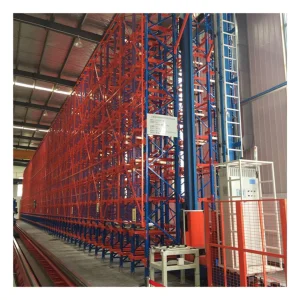
Modern platforms are being designed to support heavy Automated Storage and Retrieval Systems (ASRS) and Autonomous Mobile Robots (AMRs). This transition requires increased deflection control, minimal joint tolerances, and specialized floor panels that prevent wheel wear on robots.
To reduce onsite installation costs, structural steel utility platforms are shifting from field-welded systems to fully bolted assemblies. Our CAD design files generate automated laser drilling layouts, ensuring quick erection without requiring specialized onsite welding certification.
Environmental standards restrict VOC emissions in warehousing facilities. By implementing advanced electrostatic powder coating production lines with heat cleaning furnaces, Jracking provides corrosion resistance without using volatile organic solvents.
Targeted structural platform engineering optimized for diverse vertical market demands
Technical clarifications on utility platform engineering, OEM/ODM processes, and compliance
We primarily utilize high-tensile structural carbon steel conforming to grade Q235B (equivalent to ASTM A36) and Q355B (equivalent to ASTM A572 Grade 50). Q235B is selected for standard structural channels, bracing, and secondary beam systems. Q355B is selected for high-load columns and main support girders, providing superior yield strength under high-capacity loads.
Every custom structure is verified using three steps: finite element analysis (FEA) to simulate localized stresses, physical loading tests at our factory using standardized weights to verify safety margins, and structural checks from local third-party engineering agencies to confirm project feasibility before volume manufacturing.
Standard engineering layout validation and production preparation take 7-10 working days. Following structural approval, manufacturing for standard orders takes 20-30 days. Shipping times vary by destination port; we manage scheduling through our integrated logistics partners to ensure timely delivery.
For standard warehouse operations, our electrostatic powder-coating provides durable corrosion protection. For high-humidity or cold-chain facilities, we offer hot-dip galvanized and specialized zinc-rich coatings that resist condensation and corrosion down to sub-zero temperatures.
Engineered to optimize vertical space utilization while meeting international safety standards
 Jracking