Explore our high-precision engineered structural platforms, ASRS components, and heavy-duty industrial rack systems built to international compliance metrics.
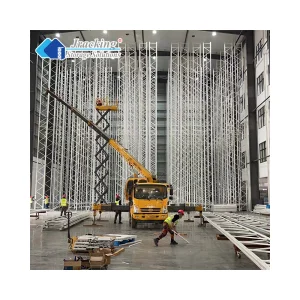
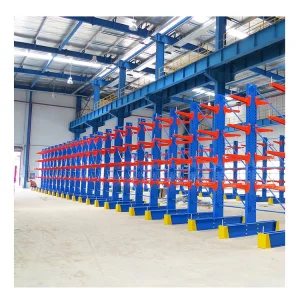
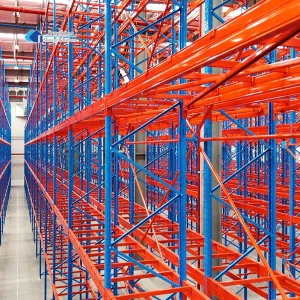
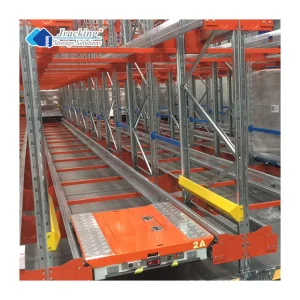
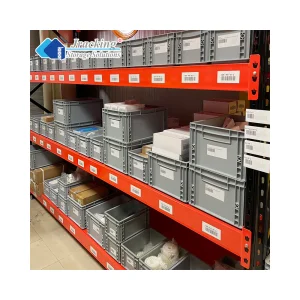
A leading OEM/ODM industrial structural racking and platform manufacturer from China, powering global logistic hubs.
Jracking (Guangdong) Storage Co., Ltd. is a professional manufacturer specializing in warehouse racking systems and industrial storage solutions in China. Since its establishment in 2016, the company has been dedicated to designing, manufacturing, and supplying high-quality storage equipment for global customers across various industries. With a modern manufacturing facility covering 28,600 m², Jracking integrates advanced production equipment, strict quality management systems, and experienced engineering teams to ensure reliable product performance and consistent manufacturing standards.
Backed by over 8 years of export experience and 12 years of industry expertise, Jracking has successfully served customers in North America, Europe, Southeast Asia, Australia, and the Middle East. The company's annual export revenue exceeds USD 18 million, reflecting its strong competitiveness in the international storage equipment market. Quality remains the core of Jracking's manufacturing philosophy. Every production process is strictly monitored through ISO-compliant quality control procedures, while products undergo load capacity testing, dimensional inspection, welding inspection, coating thickness testing, and final assembly inspection before shipment. The company employs 48 professional quality inspectors to maintain stable product quality and customer satisfaction.
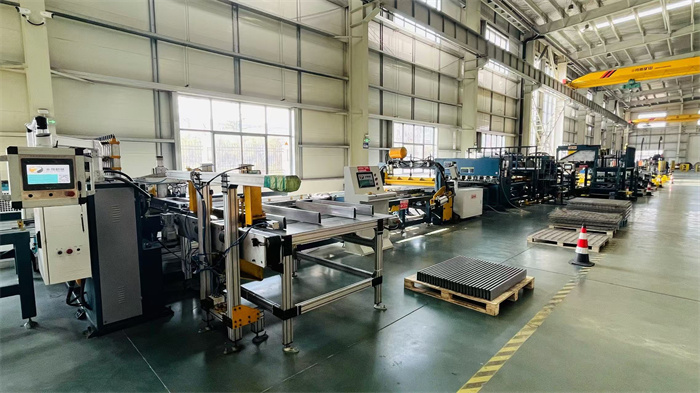
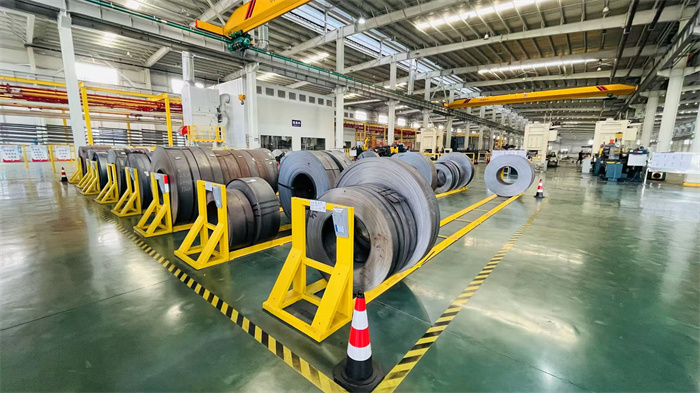
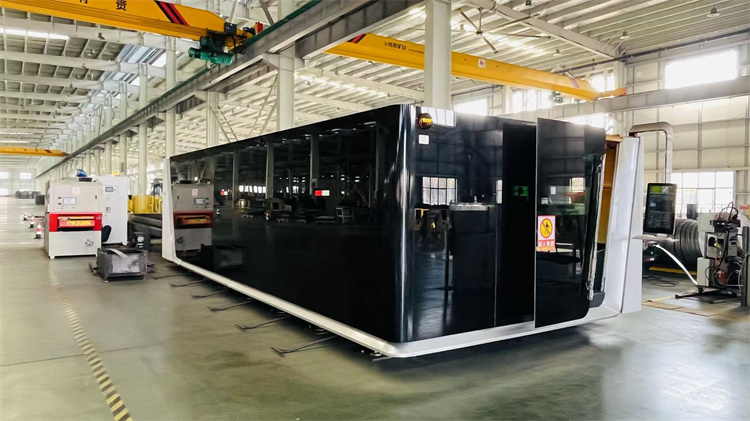
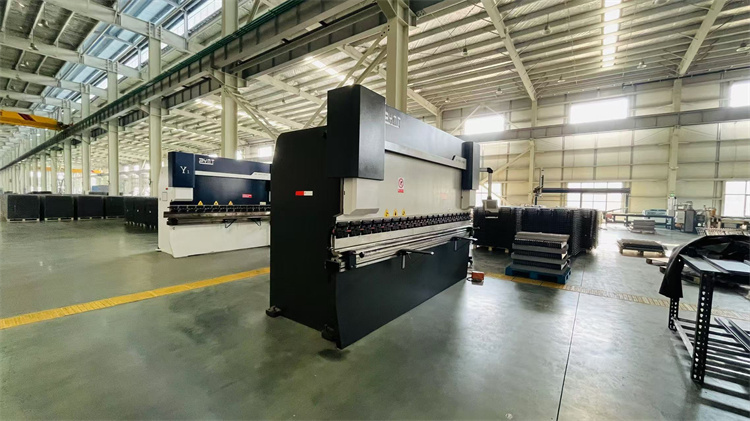
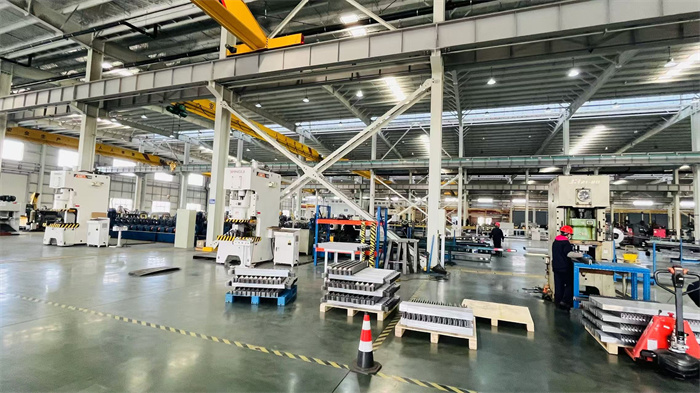
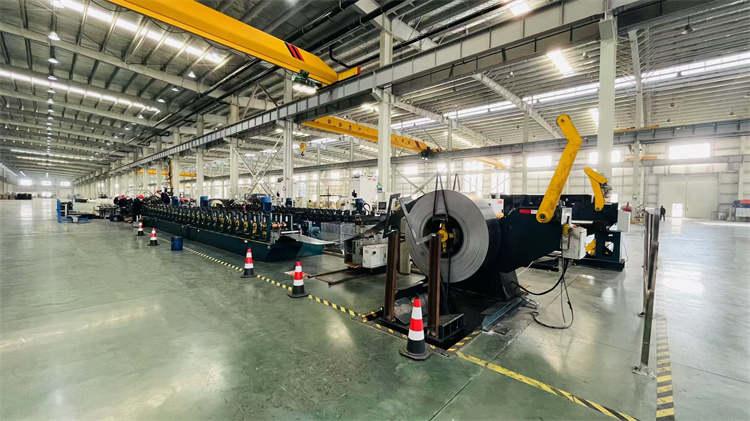
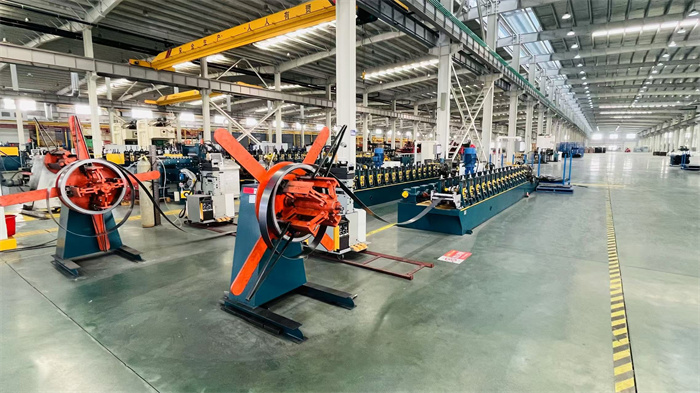
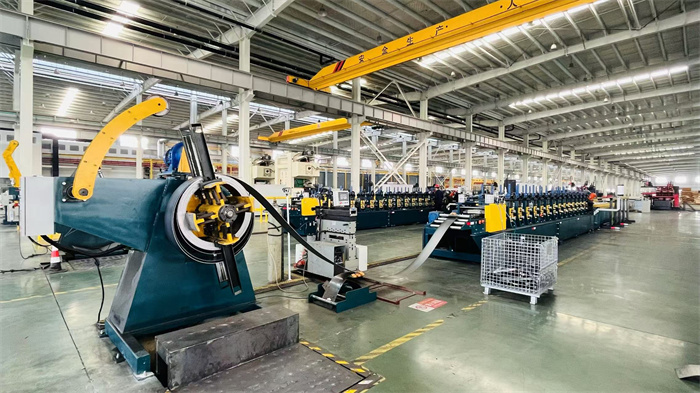
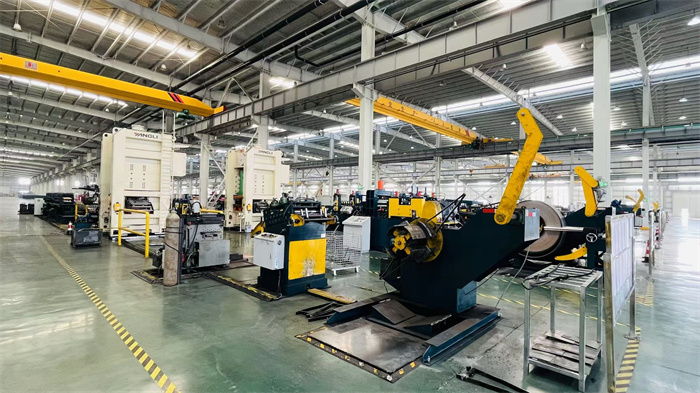
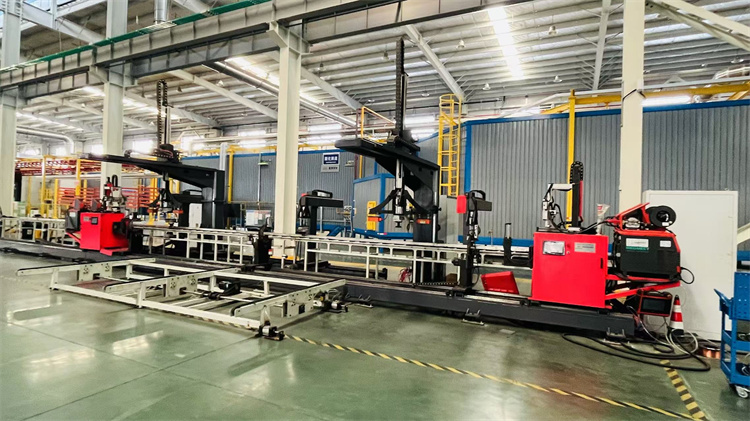
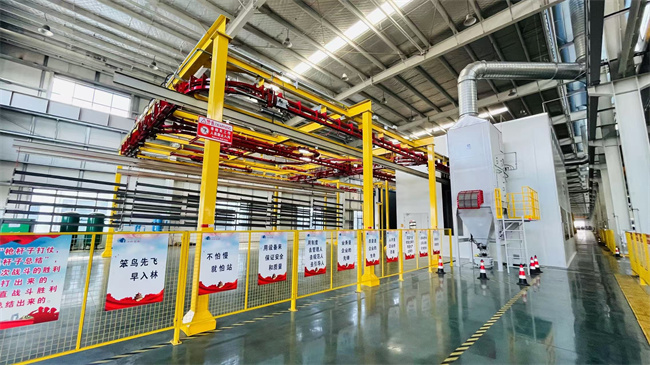
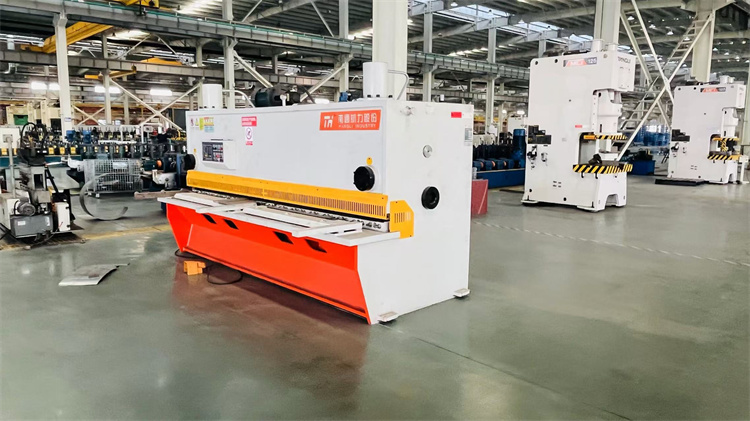
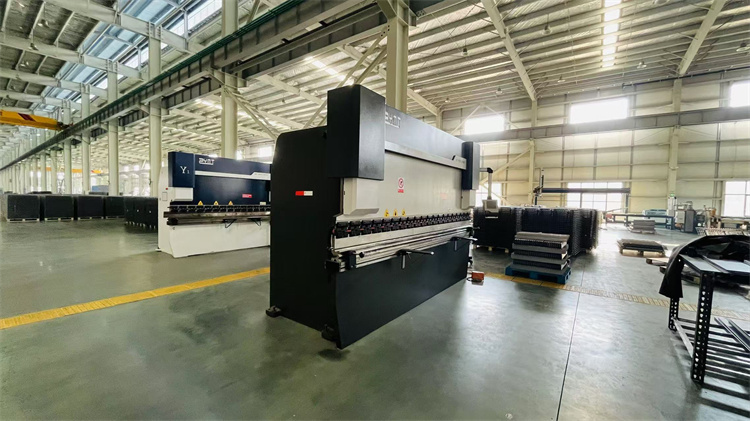
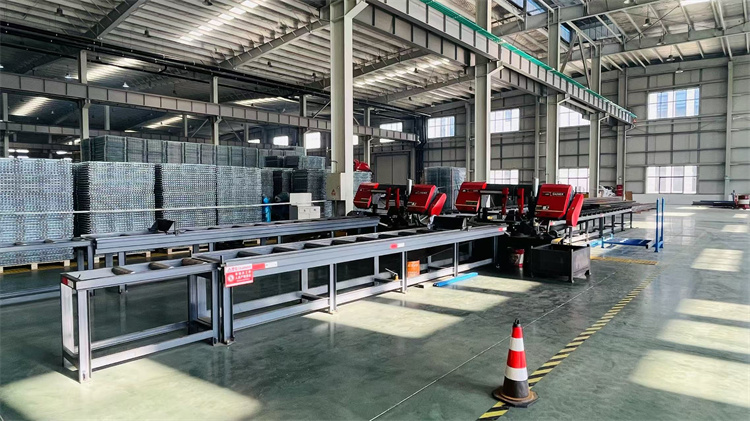
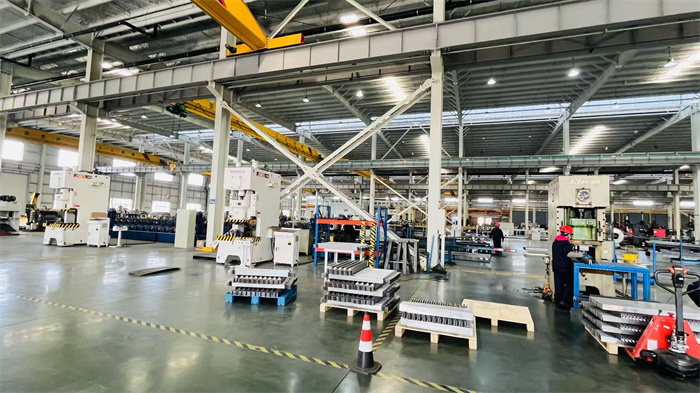
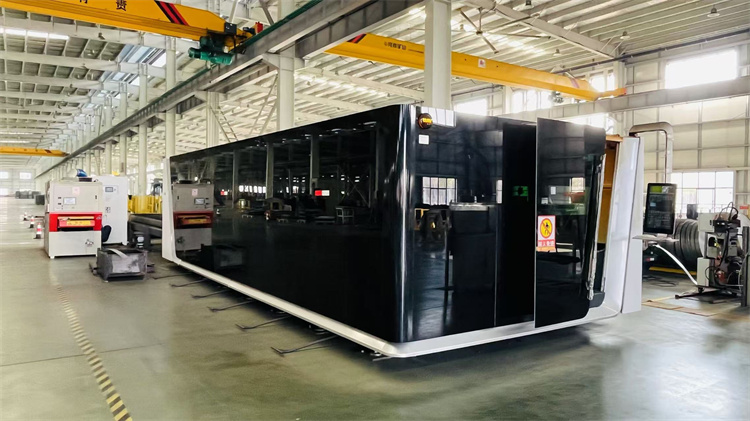
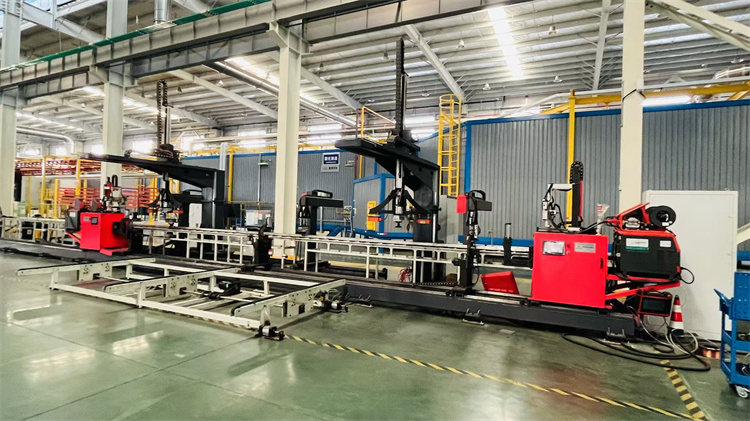
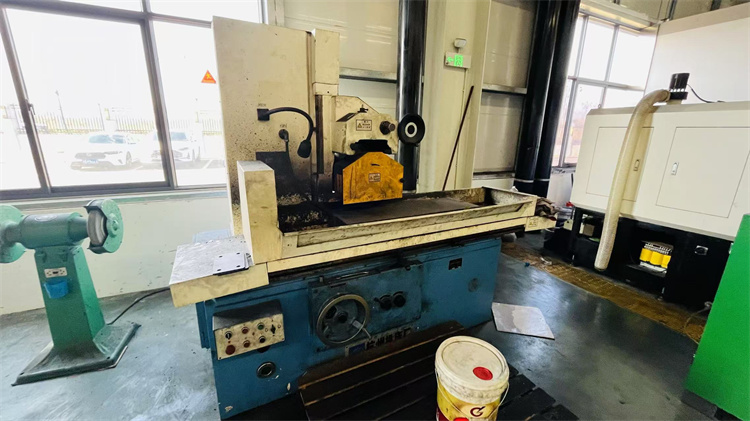
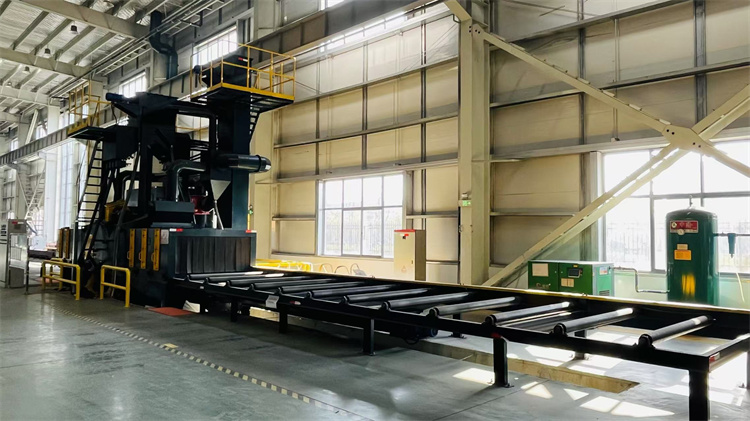
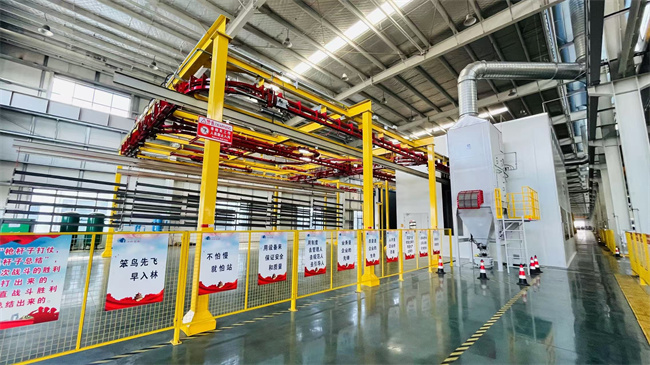
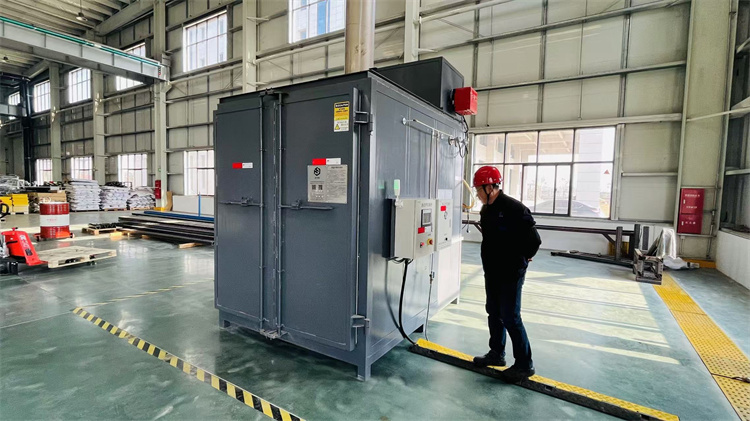
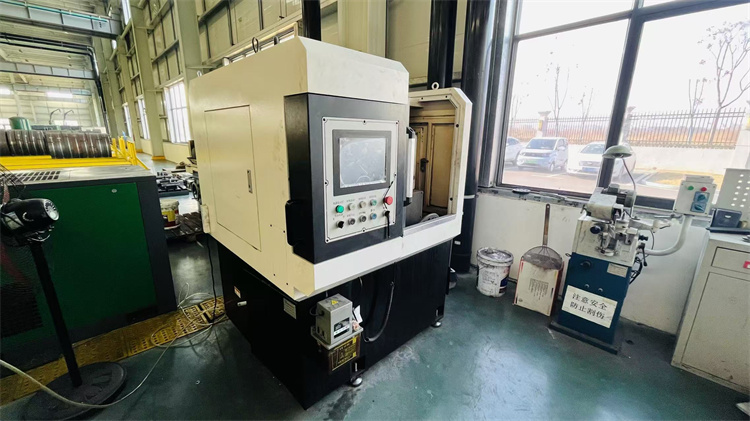
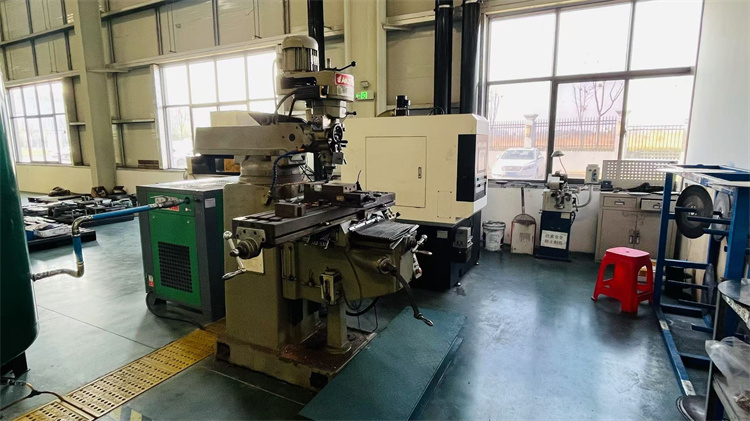
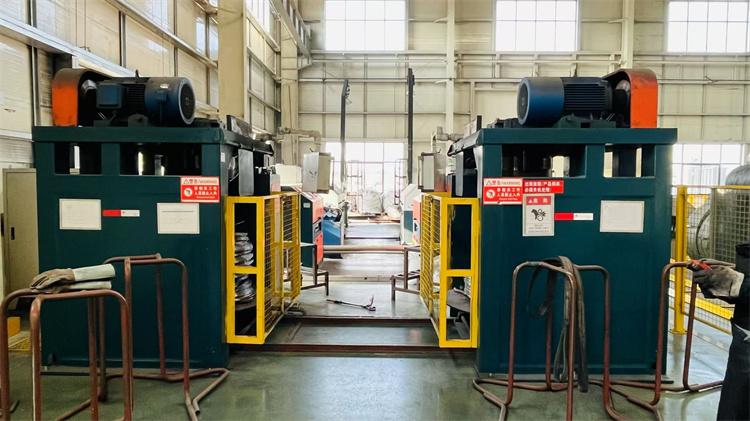
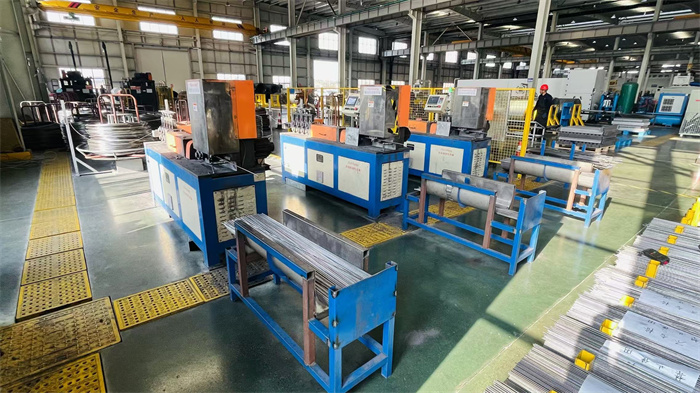
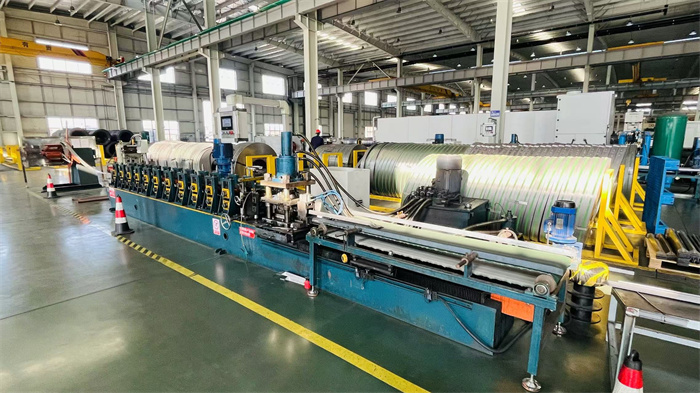
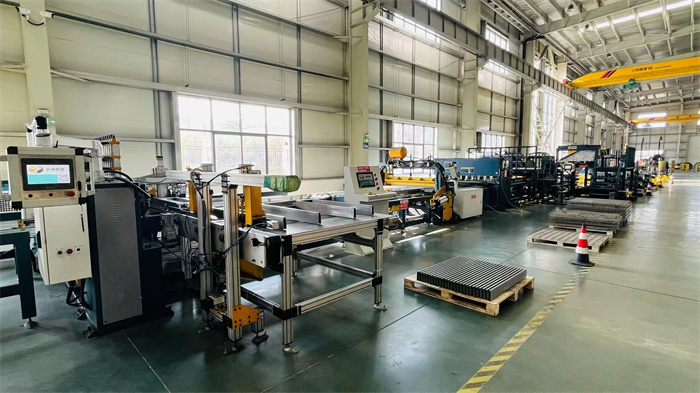
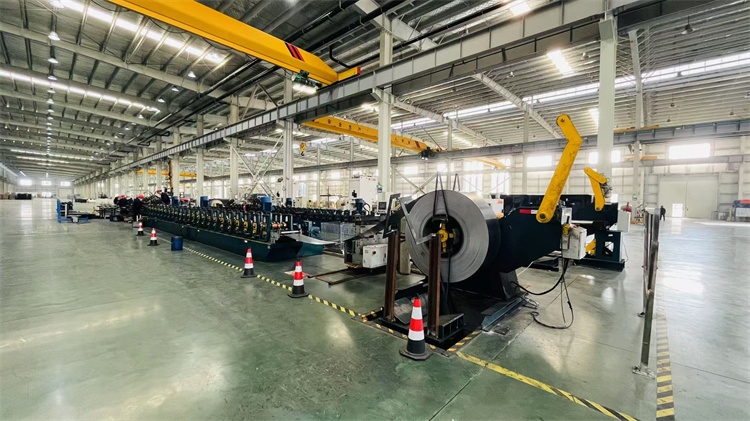
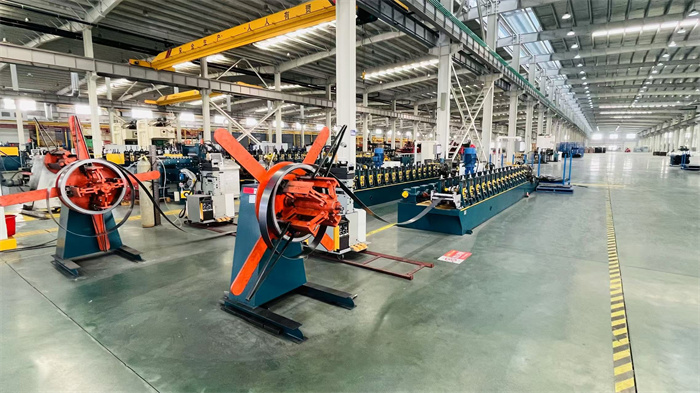
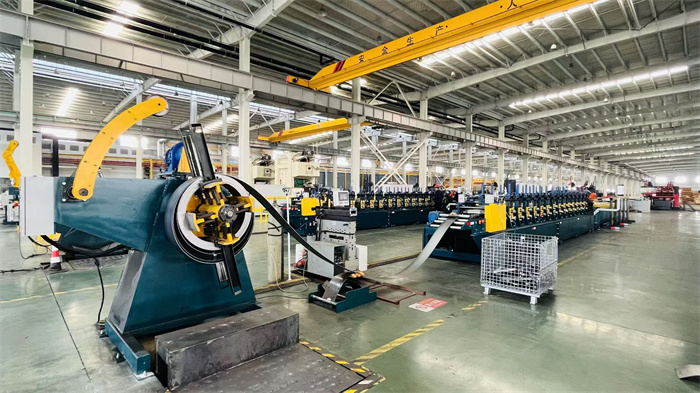
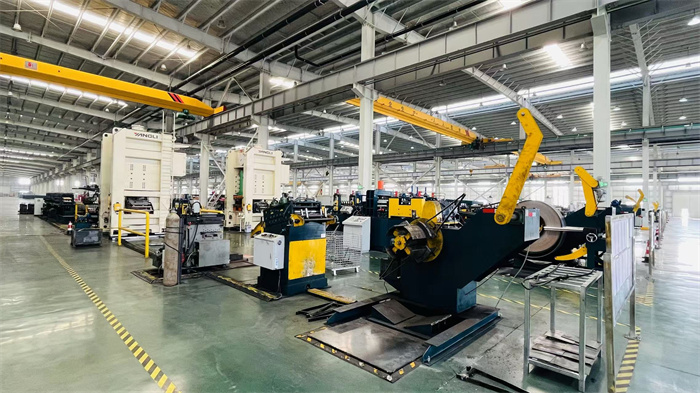
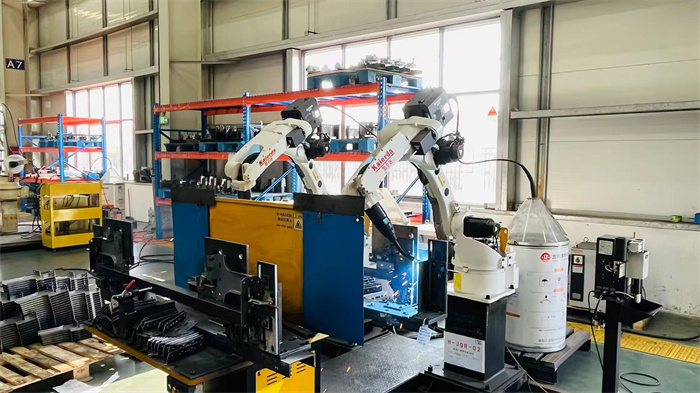
Our raw material conversion workflow and machine park. We utilize state-of-the-art cold roll forming, robotic welding, and automated surface treatments.
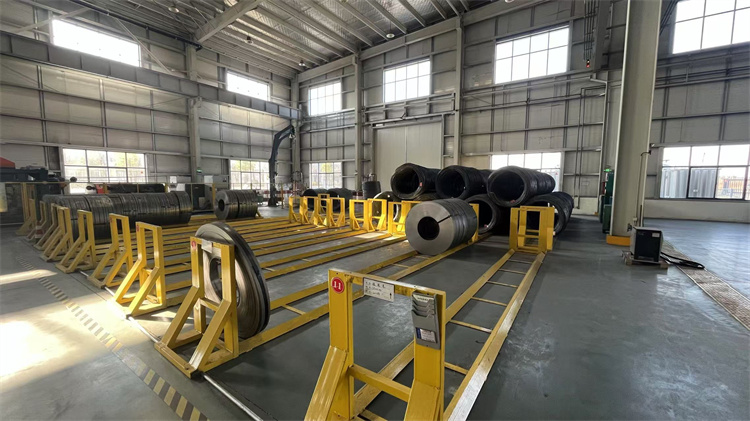
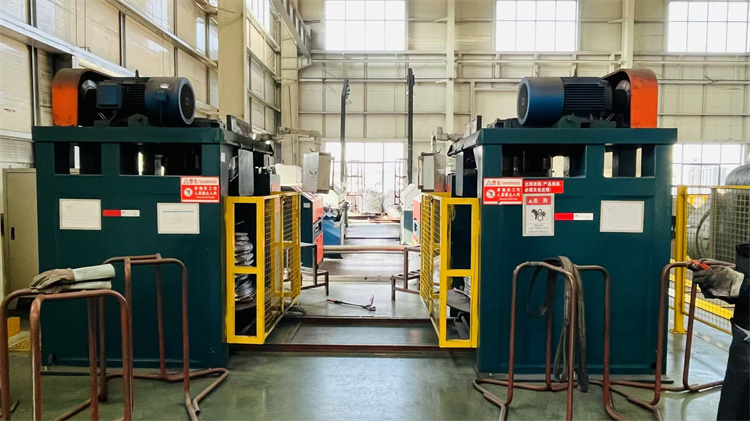

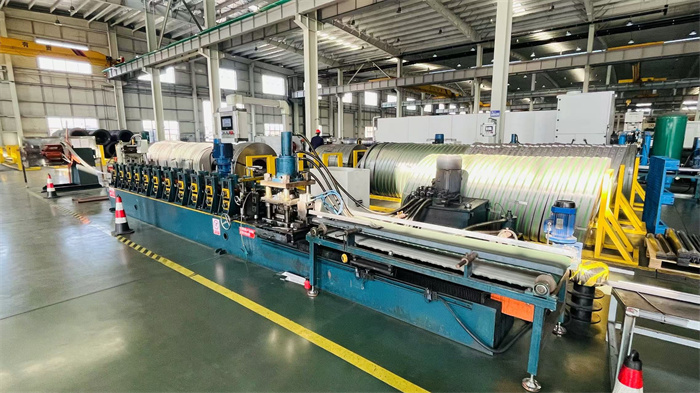
Analyzing high-throughput macro-logistics trends and the increasing global demand for multi-tier heavy-duty platforms.
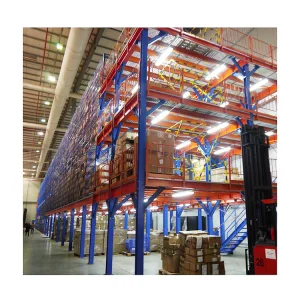
The modern logistics paradigm is shaped by urbanization, sky-rocketing land prices, and the rapid rise of e-commerce micro-fulfillment networks. Globally, logistics managers and supply chain directors are no longer asking how to expand their physical warehouse footprint horizontally; they are looking upward. Multi-level steel mezzanine platforms and heavy-duty structural steel decks have transitioned from basic space-saving accessories to mission-critical infrastructure. These systems are the backbone of third-party logistics (3PL) centers, automated distribution facilities, heavy manufacturing assembly plants, and cold-chain operations.
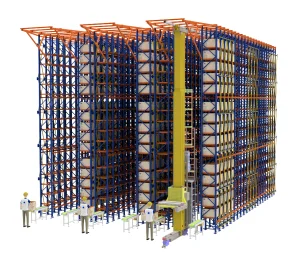
In highly regulated markets like North America, Western Europe, and Australia, industrial space optimization must strictly balance capacity maximization with structural safety. Heavy-duty platforms are designed to convert vertical air space into usable overhead floor area without requiring modifications to the main building's outer envelope. The global demand for structural steel platforms is characterized by a push toward integrated systems where racking assemblies interface directly with automated sorting conveyors, high-speed automated storage and retrieval systems (ASRS), and collaborative robotics. Custom OEM/ODM manufacturing is highly required, as every facility features unique columns, slab configurations, loading docks, and localized fire suppression specifications.
How China's raw material security, manufacturing ecosystems, and advanced robotics ensure global competitiveness.
We source directly from large state-owned Chinese steel suppliers, ensuring access to certified structural steel grades (Q235B and Q355B). This vertical access limits price volatility and safeguards project schedules from supply disruptions.
Located in Guangdong's industrial manufacturing hub, Jracking benefits from an integrated network of local sub-suppliers. With over 1,150 supply chain partners, we secure hardware, automated components, and custom packaging swiftly.
By using automated column lines, robotic welding machinery, and automated electrostatic powder coating lines, we maintain uniform quality, reduce scrap rates, and keep labor costs competitive on high-volume production orders.
Our OEM/ODM manufacturing capability utilizes China's robust industrial infrastructure to deliver unmatched cost efficiency without compromising material standards. While domestic buyers in Europe or America face high domestic fabrication costs and raw material surcharges, Jracking leverages optimized cold roll forming lines and large economies of scale. We pass these cost reductions directly to our clients. Additionally, our specialized maritime shipping proximity ensures fast container packing, custom export crating, and efficient logistics management to ports globally.
The evolution of structural steel design from static shelving to dynamic, sensor-enabled warehouse platforms.
The future of heavy-duty industrial platforms is deeply linked with the growth of warehouse automation. Static structural platforms are increasingly integrated with complex automated technologies. Below is the technical development roadmap Jracking implements for our global ODM custom designs:
Modern platforms are no longer standalone structures. They serve as the structural foundation for high-speed multi-shuttle and 4-Way Radio Shuttle racking systems. This requires high precision, with structural tolerances limited to ±1mm over 10 meters of run. Our engineering team designs automated system structures using finite element analysis (FEA) to simulate dynamic loading, acceleration forces, and braking moments generated by high-speed shuttles moving across the grid.
As logistics centers expand in seismic zones across North America, Europe, and Japan, seismic engineering has become a priority. Jracking structures are designed in compliance with RMI (MH16.1) and FEM 10.2.02 standards. We use specialized heavy-duty structural baseplates, oversized anchor bolts, dynamic bracings, and higher grade Q355B steel in key structural nodes. This configuration absorbs and dissipates seismic energy, preventing platform collapse during earthquakes.
Traditional structural steel platforms required extensive on-site welding, which lengthened installation timelines and raised safety concerns. Jracking has designed modular, bolt-together structural systems. Our laser-cut columns, primary and secondary beams, and interlocking floor panels fit together precisely on-site. This modularity reduces installation time by up to 50% and allows for straightforward expansion, relocation, or reconfiguration.
How Jracking heavy-duty platforms are optimized for different regional industries and localized load profiles.
Scenario: High-volume, high-density order picking and conveyor sorting facilities in California and Texas.
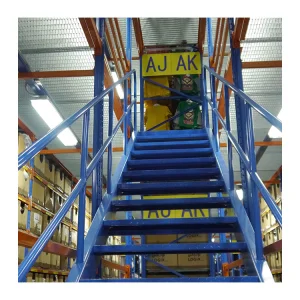
Engineering Solution: Multi-tier mezzanine flooring systems designed for uniform live loads of 150-250 lbs/sq.ft. Integrated with galvanized steel safety grating, structural staircases, and heavy-duty swing gates, meeting local IBC and OSHA codes.
Scenario: Sub-assembly lines requiring overhead tool storage and elevated workstations near production lines.
Engineering Solution: Hot-rolled structural steel columns combined with cold-formed Sigma beams to support heavy machinery point loads. Fully compliant with European EN 15512 and FEM regulations, finished with high-durability powder coatings.
Scenario: Fast-turnover food distribution cold rooms operating in high-humidity, sub-zero conditions (-25°C).
Engineering Solution: High-tensile Q355B steel structures with hot-dip galvanized finishes to prevent rust. Engineered to meet AS 4084-2012 standards, including seismic bracing configurations for earthquake-prone regions.
Protecting global warehouse investments through certified testing, structural analysis, and professional engineering support.
Purchasing heavy-duty structural platforms from overseas requires clear quality control and regulatory compliance. Jracking addresses these concerns with a comprehensive quality assurance framework. Every customized project starts with finite element analysis (FEA) to confirm safety margins before production begins. Our engineers verify deflection limits (L/200 for pedestrian applications and up to L/300 for sensitive dynamic conveyor loads) to ensure the platform remains stable under long-term daily use.
During fabrication, our 48 quality control inspectors conduct systematic testing, including material yield checks, weld depth verification, and coating thickness measurements. For global delivery, Jracking designs packaging to minimize damage during shipping. We use heavy steel runners, corner protectors, and moisture-resistant wrapping to protect components during sea transit. We also provide clear installation drawings and support to assist local contractors during project erection.
Essential design, engineering, and manufacturing answers for warehouse planners and procurement professionals.
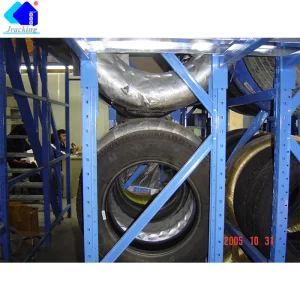
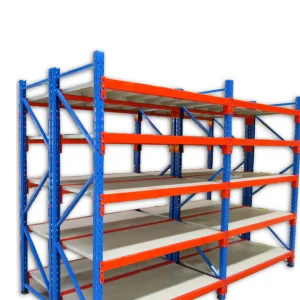
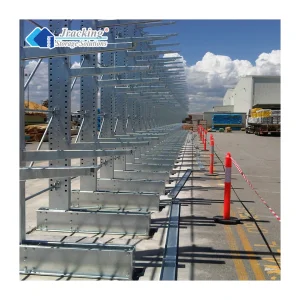
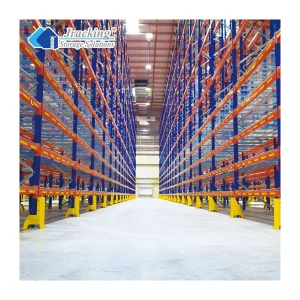
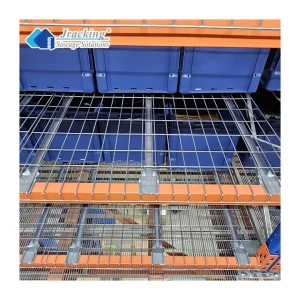
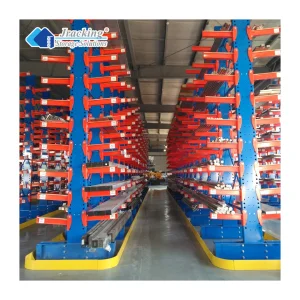
High-capacity cantilever racks, selective storage structures, and custom-engineered steel warehouse components.
 Jracking