Modern supply chains are transforming at an unprecedented pace. The traditional warehouse is no longer just a static holding area; it is the vital hub of fast-moving e-commerce fulfillment, cold store logistics, and highly coordinated industrial manufacturing. As spatial real estate costs escalate globally, companies are forced to think vertically. However, height brings complex challenges in structural integrity, load-bearing security, and workplace safety.
Ergonomic racking represents the intersection of structural safety, mechanical efficiency, and labor optimization. In high-density settings, ergonomic design reduces picker fatigue, streamlines material handling workflows, and mitigates the risk of catastrophic product failure or rack collapse under seismic conditions. Today's global industry demands structures engineered to interact seamlessly with Automated Storage and Retrieval Systems (ASRS) and autonomous forklifts.
“Industry trends indicate a 40% growth in automated high-bay warehouse structures globally. High-precision manufacturing tolerances are no longer optional—they are critical to prevent interface failures between automated cranes and steel frames.”
As standard-setters, Jracking delivers configurations compliant with international specifications, ensuring that load capacities are certified under real-world operational environments.
From static selective systems to high-density ASRS and Shuttle networks, our engineering methodologies focus on continuous modular scalability, helping operations transition to dynamic automation without complete system overhauls.
Every beam, column, and diagonal brace undergoes finite element analysis (FEA) to confirm performance under static load limits and dynamic forklift shear stresses, strictly complying with ISO quality controls.
Global procurement teams prioritize structural longevity and low maintenance over initial price points. Corrosion-resistant powder coatings, hot-dip galvanization, and heavy-duty structural steel profiles (Q235B & Q355B) ensure multi-decade service life.
Off-the-shelf shelving systems rarely suit the spatial limitations of bespoke warehouses. Jracking bridges this gap with deep OEM/ODM flexibility—designing specific dimensions, custom color palettes, and targeted load thresholds.
Partnering with a supplier that maintains 1,150+ supply chain connections facilitates structured raw material procurement. Jracking avoids scheduling bottlenecks, ensuring reliable project delivery timelines for overseas clients.
| Sector/Vertical | Specific Bottleneck | Engineered Racking Architecture Solution | Operational Impact & ROI |
|---|---|---|---|
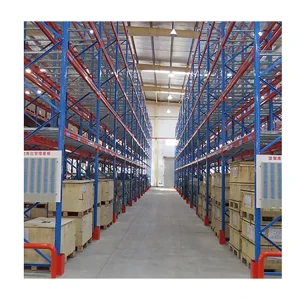
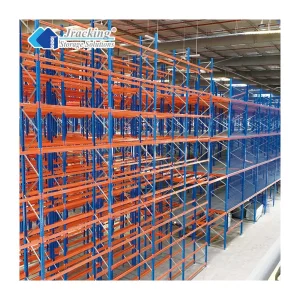
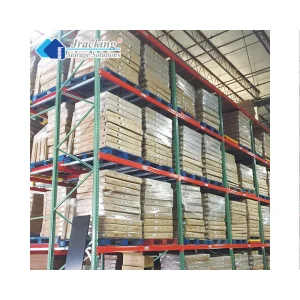
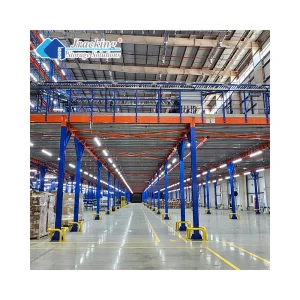
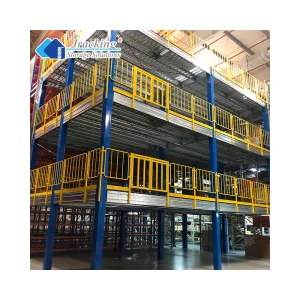
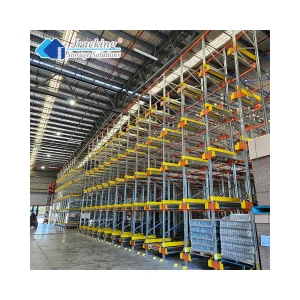
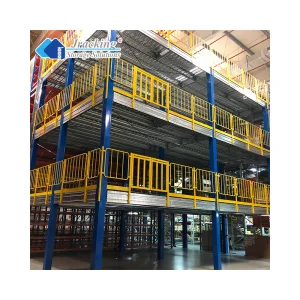
| E-commerce & Fulfillment | Rapid turnover rates, high SKU count, need for optimal space utilization. | High-Density Selective Pallet Racking & Multi-Tier Mezzanine Floors. | Increases picker accessibility by 35% while expanding vertical volumetric space. |
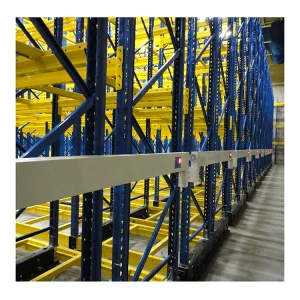
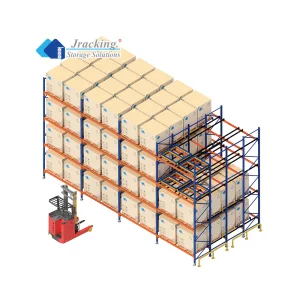
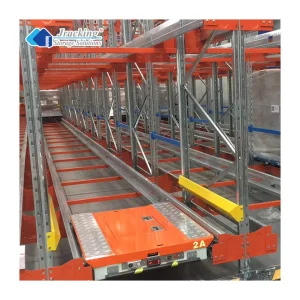
| Cold Storage & Food | Extremely high climate control energy costs, corrosion risks. | Radio Shuttle Systems & Drive-In Steel Pallet Racking. | Reduces energy consumption per pallet space by maximizing storage density. |
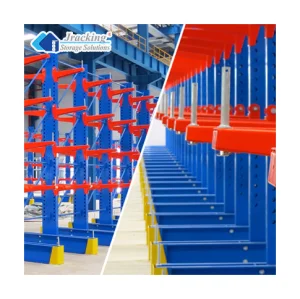
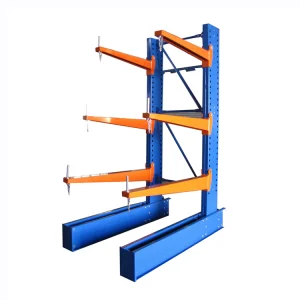
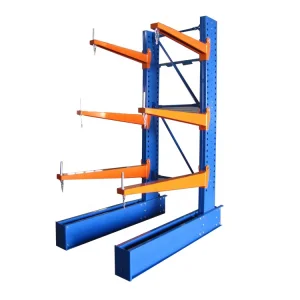
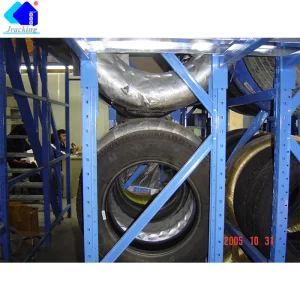
| Heavy Manufacturing | Long, irregular profiles (pipes, steel coils, building materials). | Heavy-Duty Structural Cantilever Racks & Long Span Platforms. | Eliminates structural damage, increases loading safety via overhead cranes. |
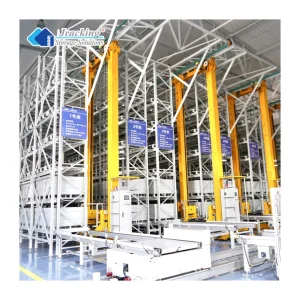
| Automated Retail Logistics | Integration bottlenecks between mechanical interfaces and racking systems. | ASRS (Automated Storage & Retrieval Systems) Racking Structures. | Enables 24/7 autonomous operation with zero human error margins. |
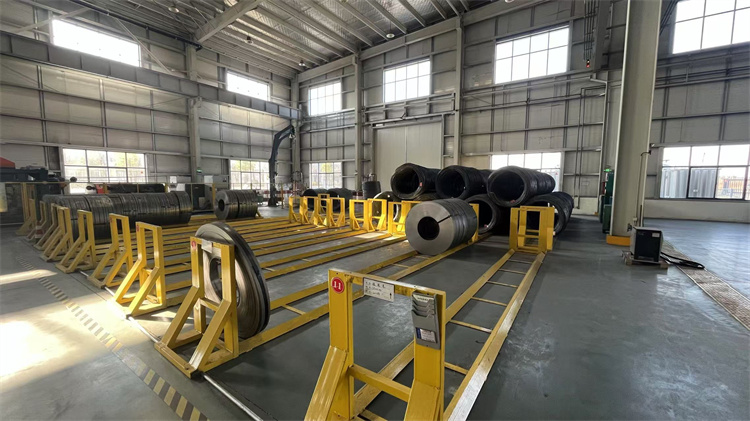
Raw Materials
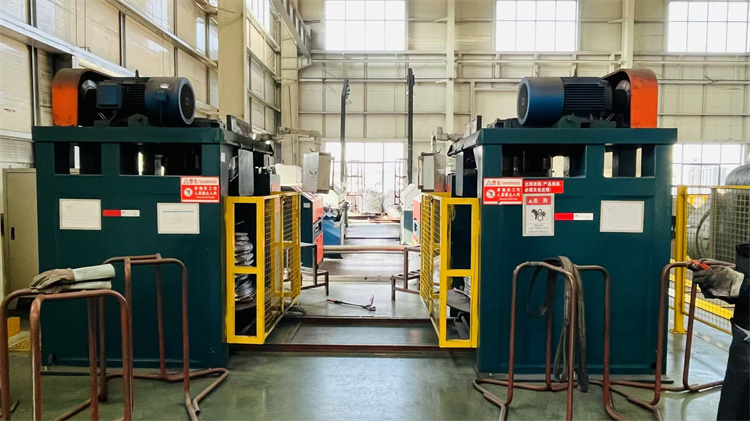
Wiredrawing
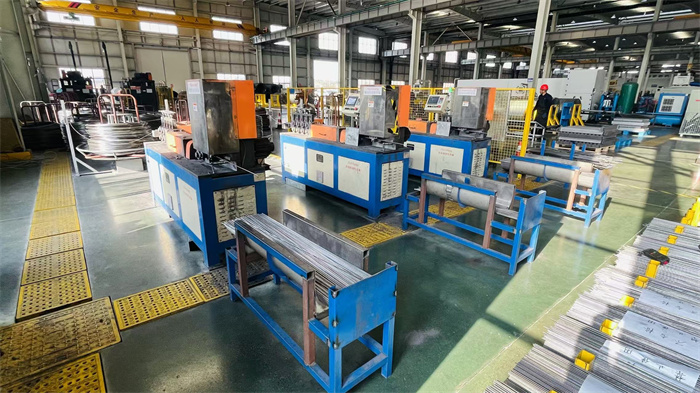
Strengthening
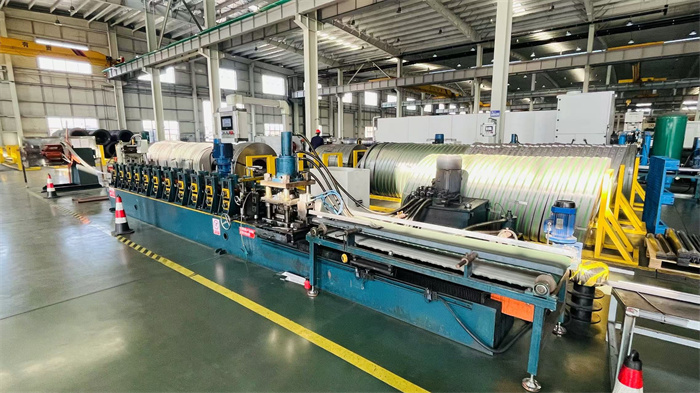
Strengthening Rib
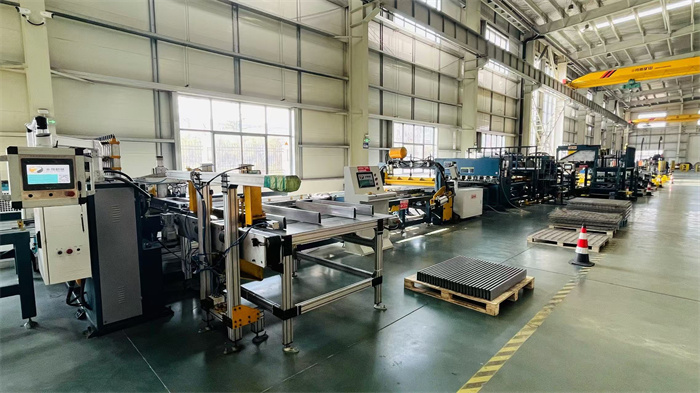
Metal Mesh Production
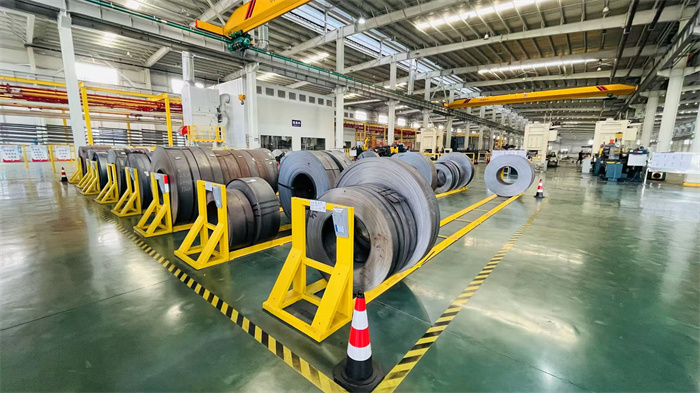
Raw Materials
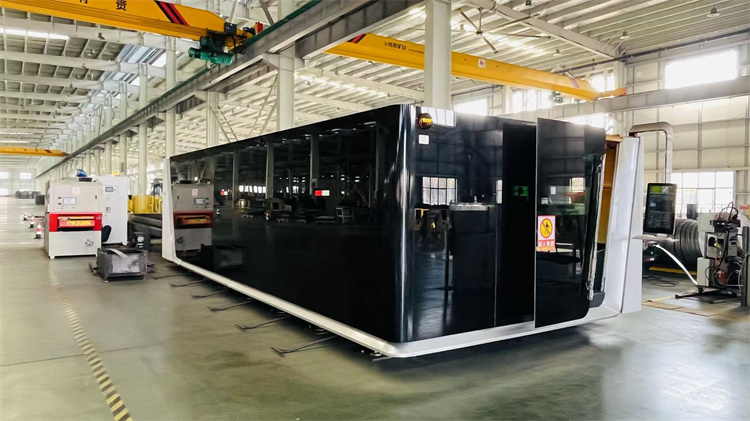
Cutting
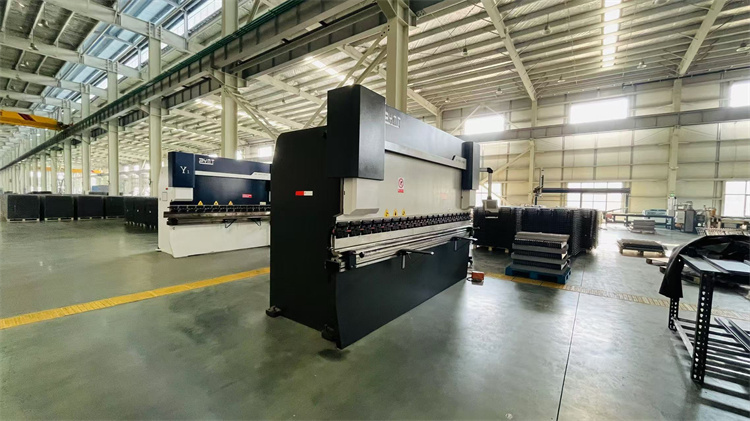
Bending
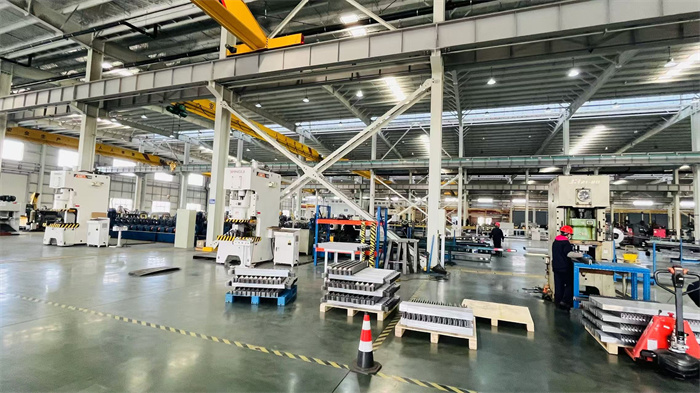
Punching
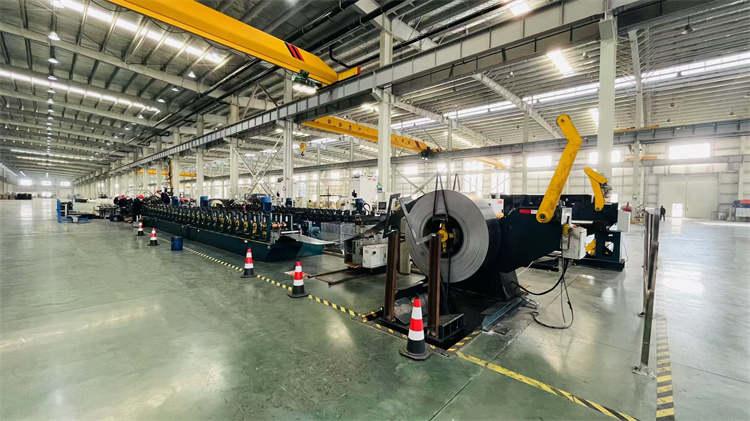
P-Beam Rolling
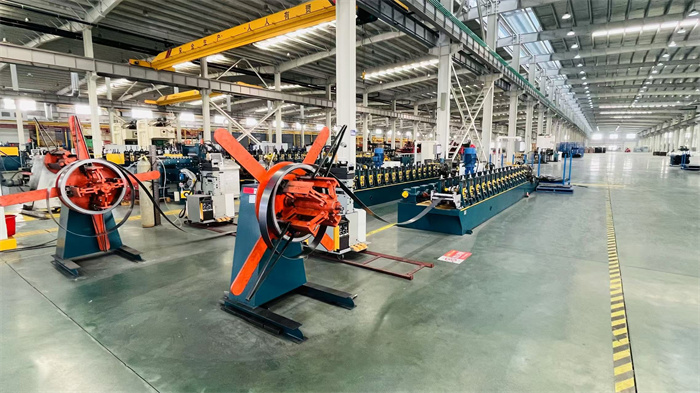
Diagonal Brace Rolling
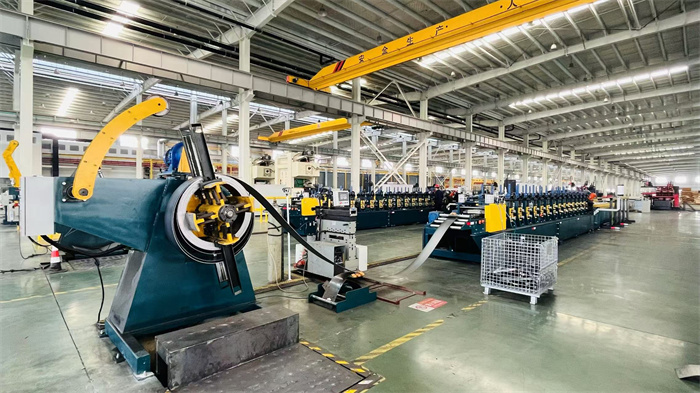
Occluding Beam Rolling
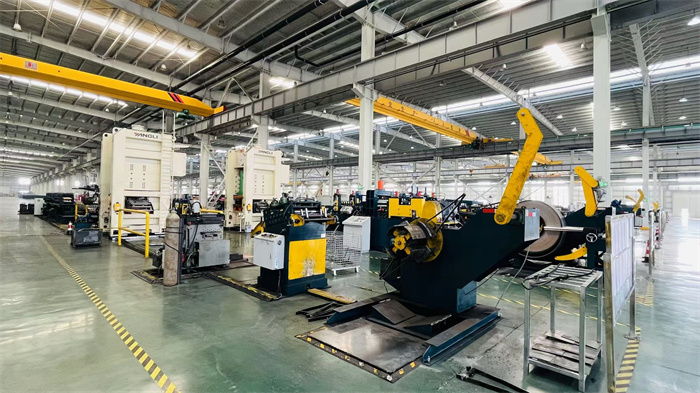
Column Production
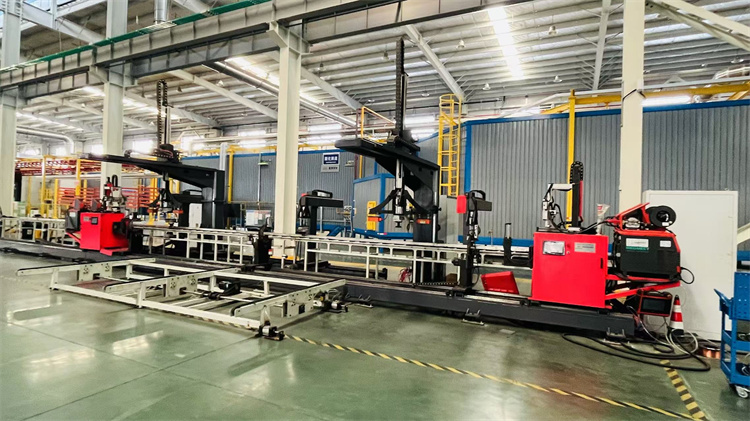
Automatic Welding
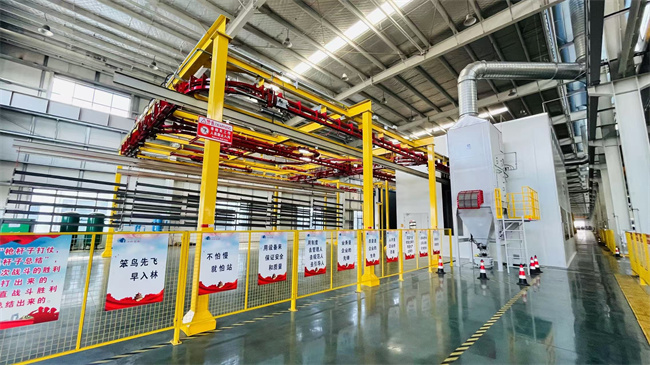
Powder Spraying
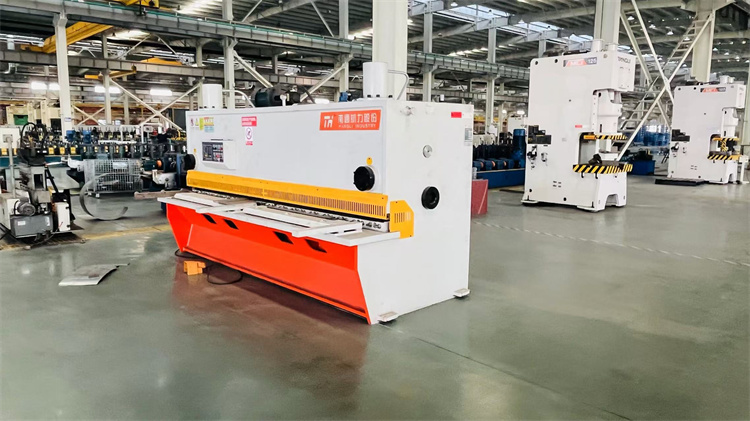
Plate Shearing Machine
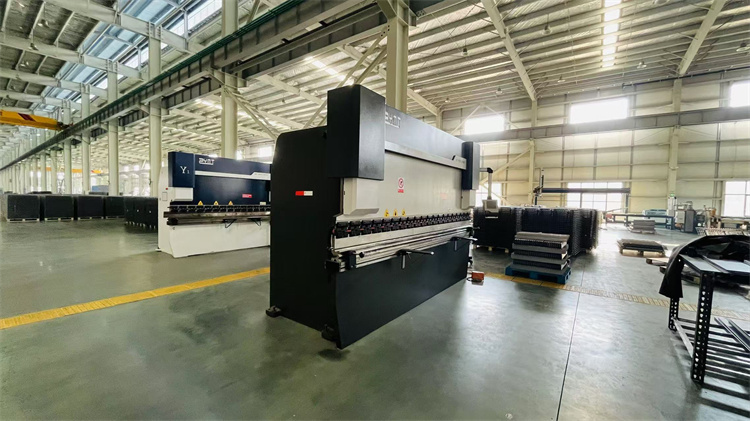
Plate Bending Machine
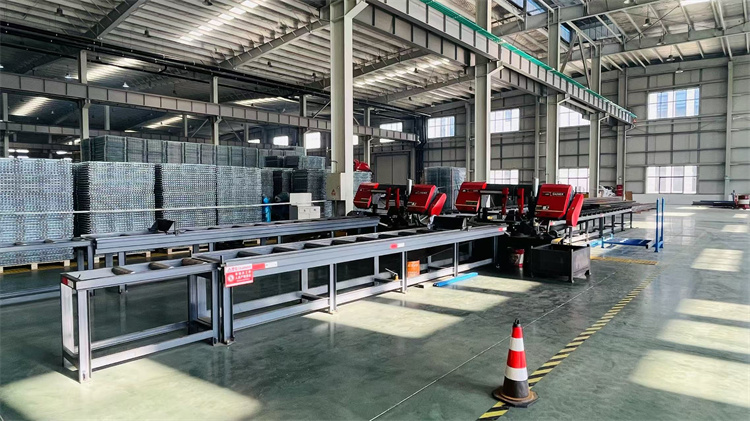
Sawing Machine
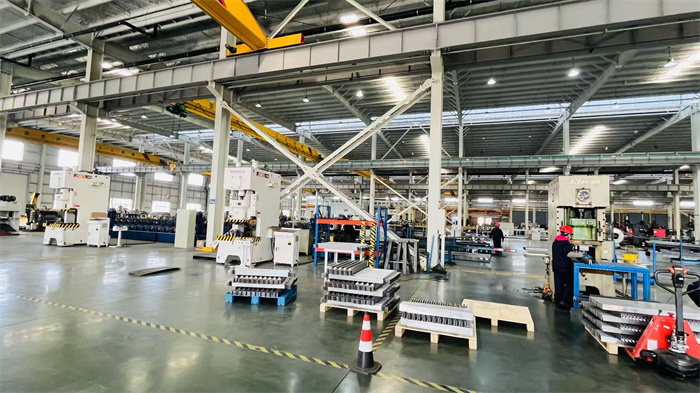
Punching Machine
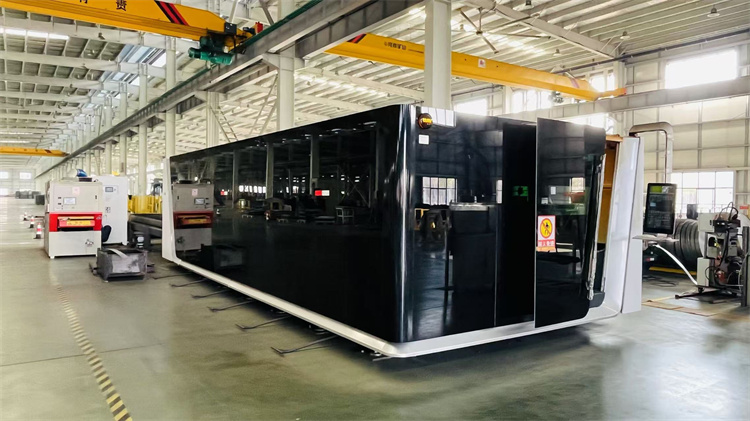
Laser Cutting Machine
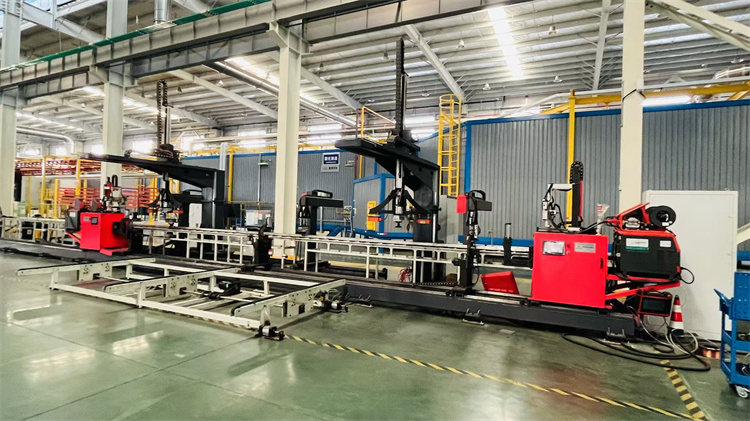
Automatic Welding Machine
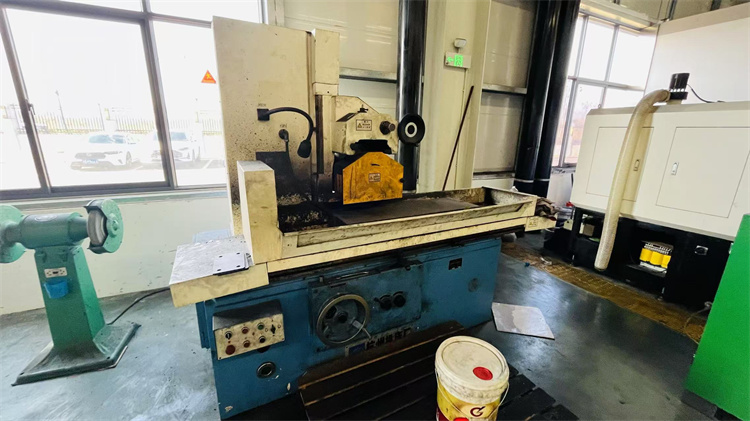
Grinding Machine
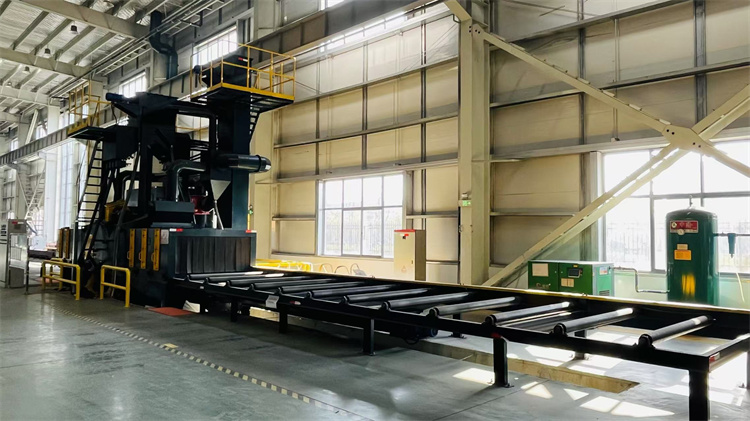
Shot Blasting Machine
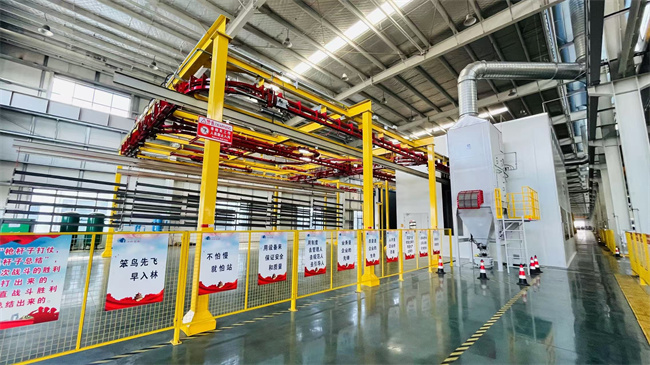
Spraying Production Line
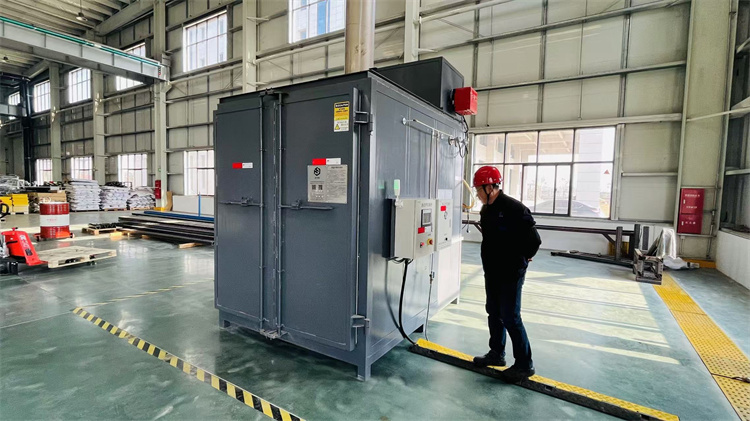
Hot Cleaning Furnace
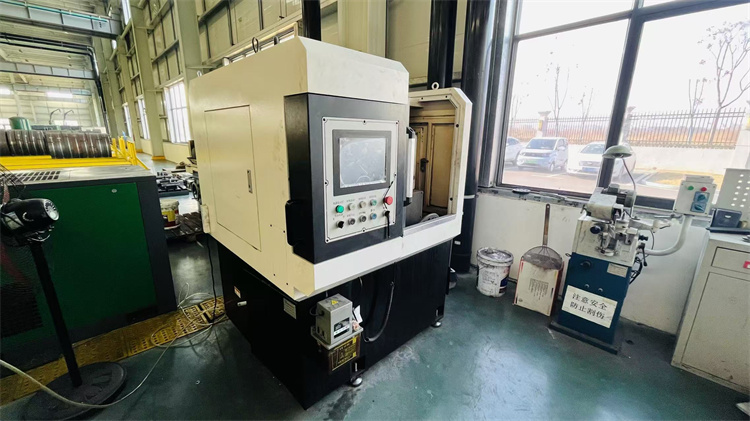
CNC Curve Gear Grinding
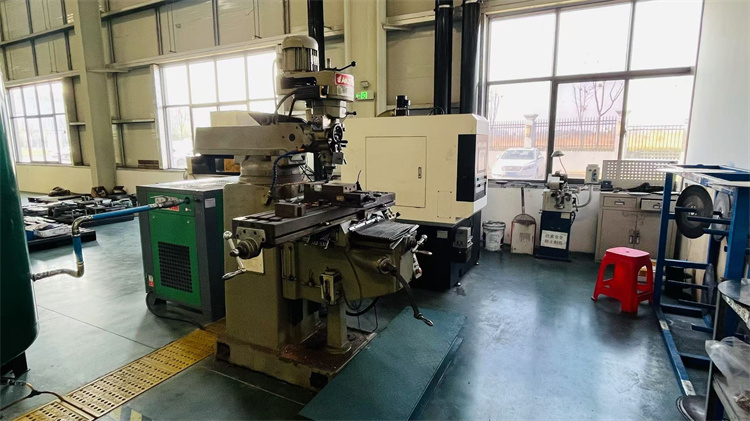
Milling Machine
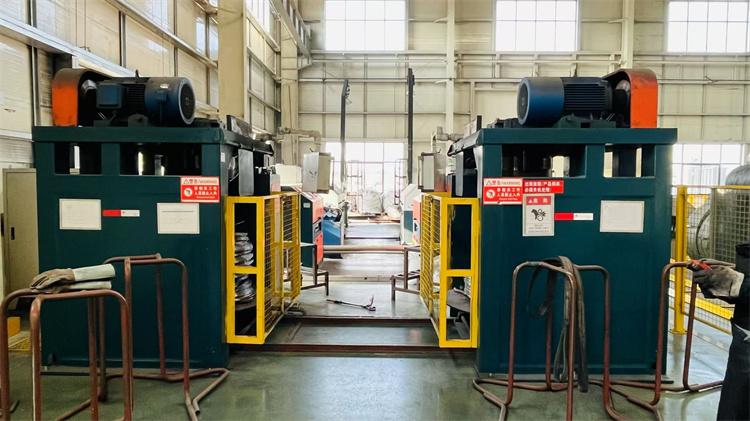
Wiredrawing Machine
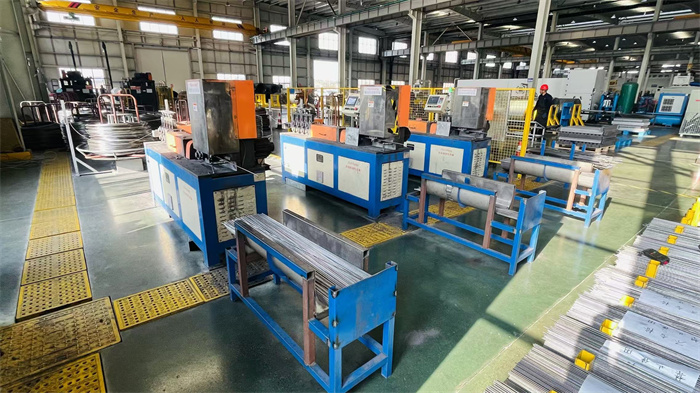
Strengthening Machine
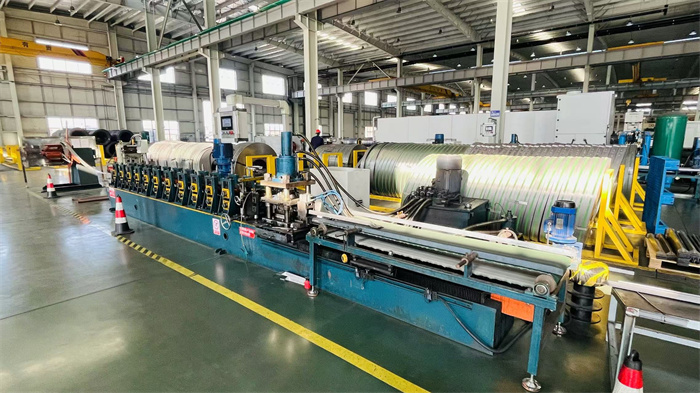
Strengthening Rib Machine
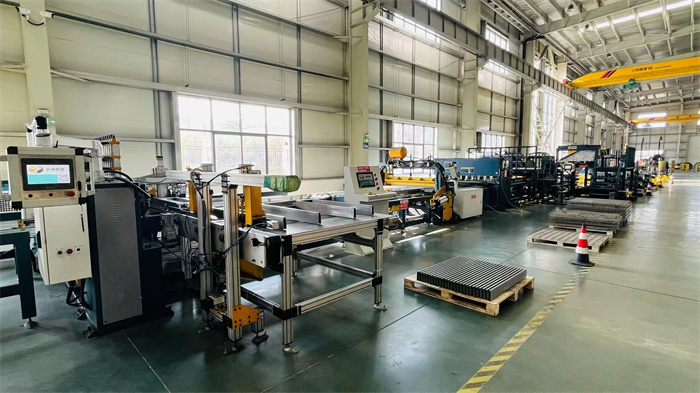
Metal Mesh Line
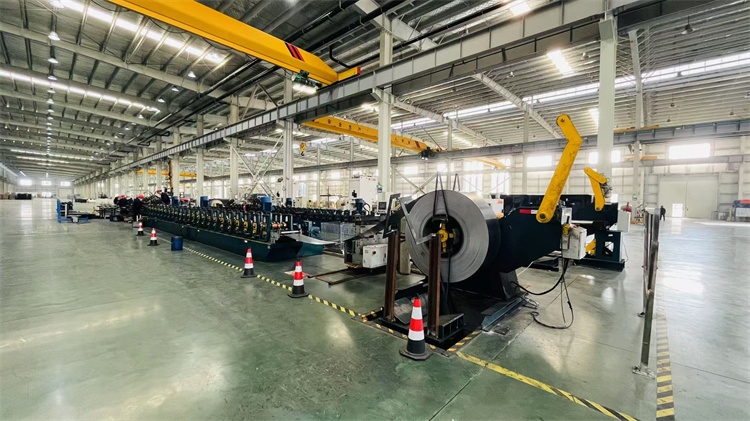
P-Beam Rolling Mill
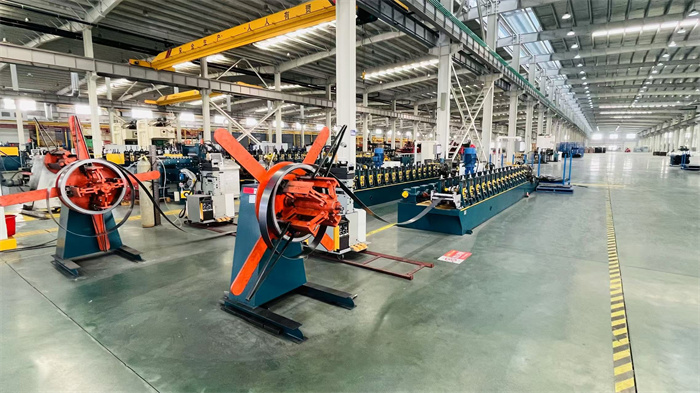
Diagonal Brace Mill
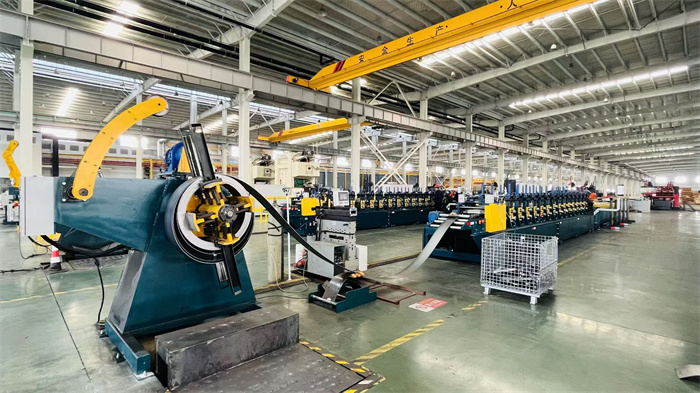
Occluding Beam Mill
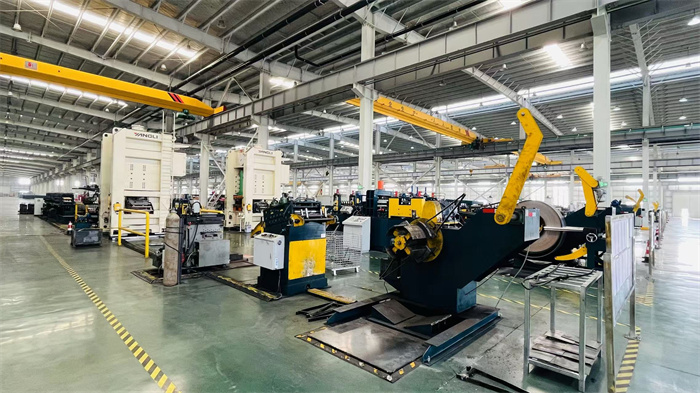
Auto Column Line
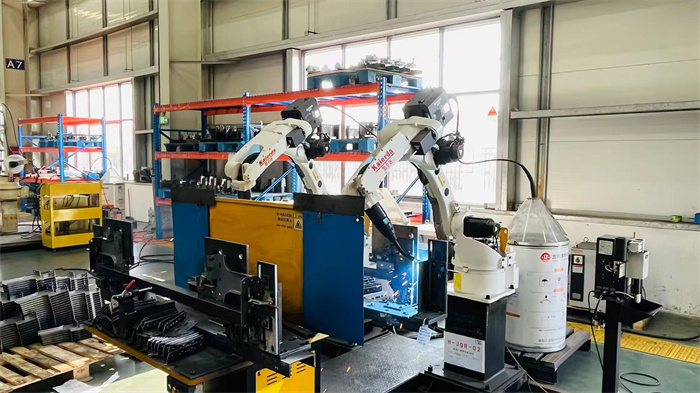
Welding Robot
Our dedicated engineering department consists of 85 experienced engineers specializing in seismic calculations, materials science, and warehouse structural layouts. Leveraging Finite Element Analysis (FEA) and advanced structural modeling programs, we simulate actual stress environments before physical production begins.
We strictly control tolerances in our fabrication processes, which is essential for ensuring smooth interaction between automated systems (ASRS) and storage frames. In the past year alone, our engineering team introduced 156 new products, expanding the options available to our international client base.
Our engineering services go beyond standard dimensions. Jracking provides complete end-to-end design and manufacturing customization to meet specific site requirements and regional code provisions.
Site layout and load analysis.
FEA and 3D CAD modeling.
Load and weld evaluations.
Roll-forming & coating.
We manufacture teardrop and heavy-duty structural configurations designed in accordance with the Rack Manufacturers Institute (RMI) MH16.1 specifications, ensuring compliance with local US building codes and seismic design criteria.
Our European-focused product lines align with FEM 10.2.02 and EN standards, which require detailed limit-state design calculations, strict deflection limits, and robust safety margins.
We supply racking systems that comply with Australian Standard AS4084, covering steel storage racking safety, tolerance limits, and operational clearance requirements.
Integrated QA Protocols: Before dispatch, Jracking's team of 48 professional quality inspectors performs dimensional inspections, weld quality validation, load-capacity testing, coating thickness checking, and test assembly runs to ensure consistent product performance.
The warehousing sector is transitioning towards automated, high-density storage. Our research and development efforts focus on integrating traditional racking structures with digital warehouse execution platforms.
Our technological development focuses on:
"We aim to deliver durable, scalable, and adaptable physical storage systems that support automated logistics workflows, helping clients maximize efficiency and space utilization."
Typically, the design-to-production lifecycle takes between 4 to 6 weeks. This timeline includes drawing approval, Finite Element Analysis (FEA), raw material procurement, roll-forming, surface treatment, and quality inspection.
Our engineering team performs localized seismic calculations based on regional building codes (e.g., IBC for the US, AS1170 for Australia). We optimize column thickness, baseplate dimensions, and diagonal bracing configurations to withstand expected acceleration zones.
For corrosive environments or outdoor applications, we provide hot-dip galvanized (HDG) steel components. For standard indoor installations, we use high-durability, scratch-resistant thermosetting epoxy powder coatings.
We primary utilize high-strength structural carbon steels Q235B and Q355B (equivalent to ASTM A36 and ASTM A572 Grade 50 respectively), ensuring structural safety and reliable load distribution.
Our engineers coordinate with automated system providers to align sensor positioning, shuttle travel clearance, and reflector locations directly within the structural design phase, reducing on-site configuration issues.
 Jracking