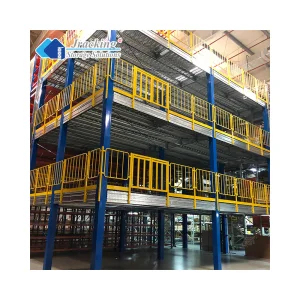
Maximize cubic footprint and streamline high-density material handling with our signature pallet and platform assemblies.
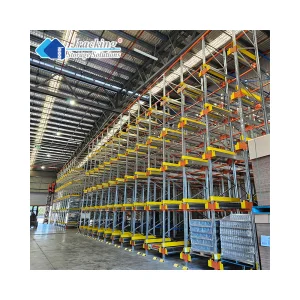
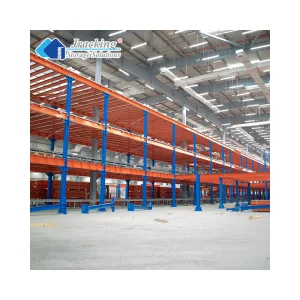
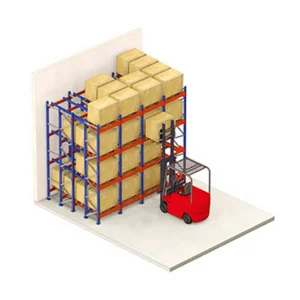
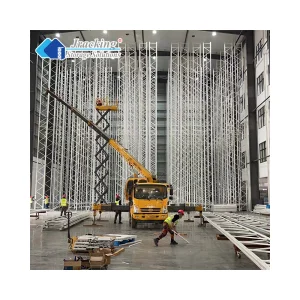
Decoding how industrial growth, warehousing density requirements, and global supply chain strategies dictate modern vertical space engineering.
Industrial land scarcity and soaring urban warehousing lease costs globally have shifted the business growth strategy from horizontal expansion to vertical scaling. Modern distribution grids prioritize maximum volume utilization inside existing building structures.
Omnichannel fulfillment centers demand high density, manual picking corridors, and sorting systems operating in sync. Multi-level steel platforms enable parallel high-volume workflow streams without disrupting structural floor level operations.
International regulatory structures require compliance with local seismic guidelines, ASTM standards, EN codes, and Australian AS4084 structures. Professional suppliers must provide customized structural load calculations to confirm workplace safety.
Detailed mechanical parameters, architectural profiles, and material configurations utilized in Jracking's high-capacity mezzanine structures.
Custom structural grids spanning up to 9 meters without center columns. Using heavy-gauge ASTM standard hot-rolled steel H-beams and cold-formed hollow profiles (SHS/RHS) optimized for seismic resistance and minimal structural deflection under heavy static loads.
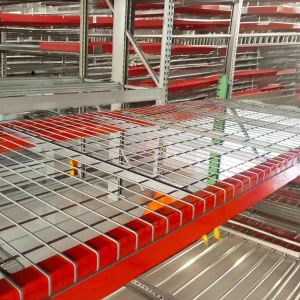
We supply diverse industrial decking solutions based on operational environment:
Engineered for capacities ranging from 300 kg/m² to 2000 kg/m². Finite Element Analysis (FEA) software modeling simulates dynamic cargo stress patterns, forklift wheel loads, and seismic forces to ensure zero yield threshold failures during multi-decade lifecycles.
How digital manufacturing, smart monitoring, and automation-readiness drive the development of modern mezzanines.
Standard structural steel platforms are updated with ultra-flat leveling methods and joints to handle robot traffic without structural vibration.
100% bolt-together structural designs replace on-site field welding, enabling quick relocation, modifications, or height adjustments as business needs change.
Using low-carbon steel, energy-efficient electrostatic powder coating processes, and shipping configurations designed to minimize carbon footprint during international transport.
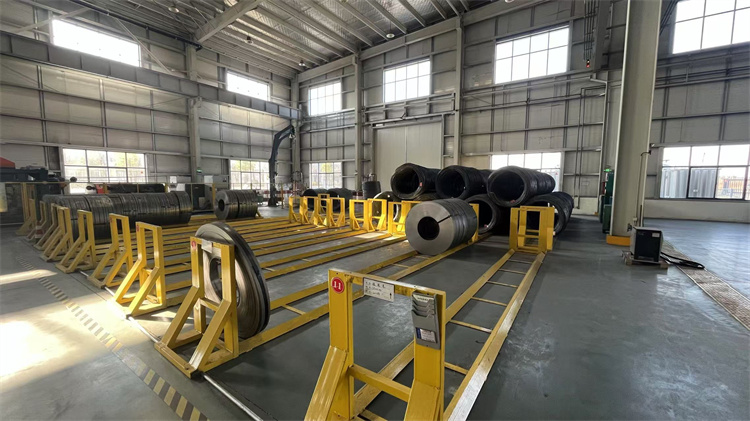
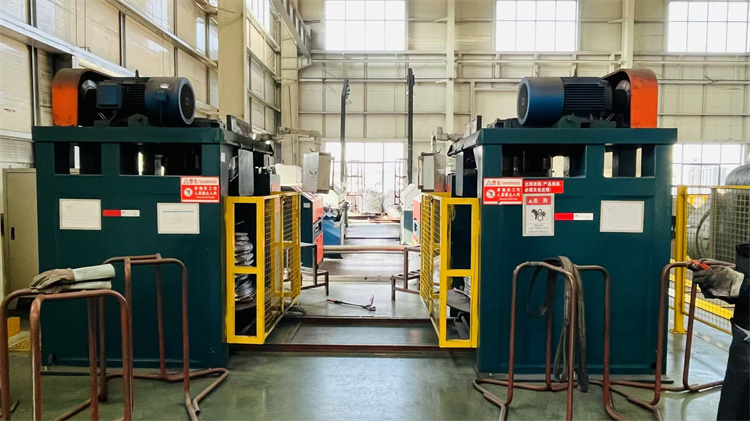
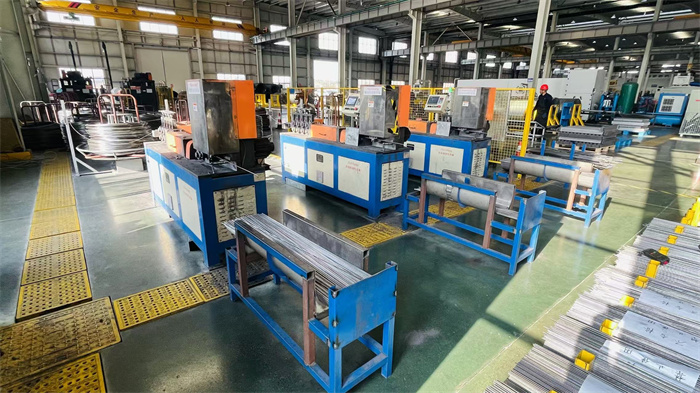
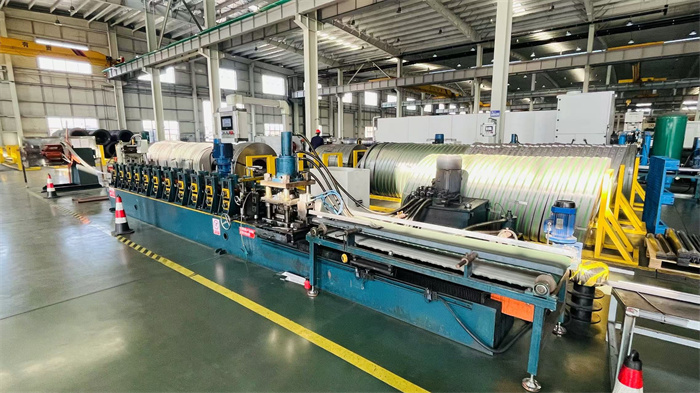
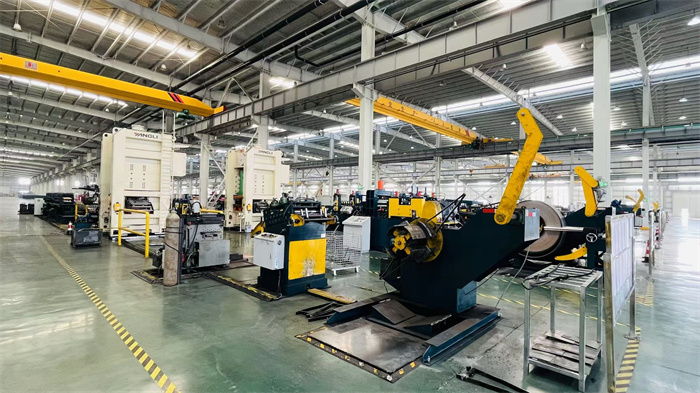
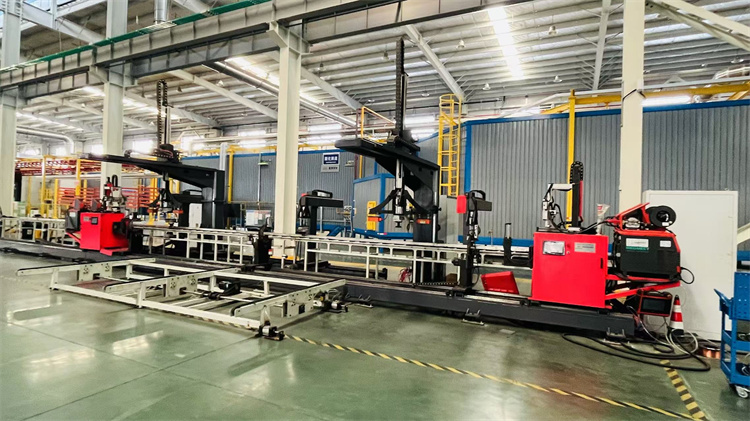
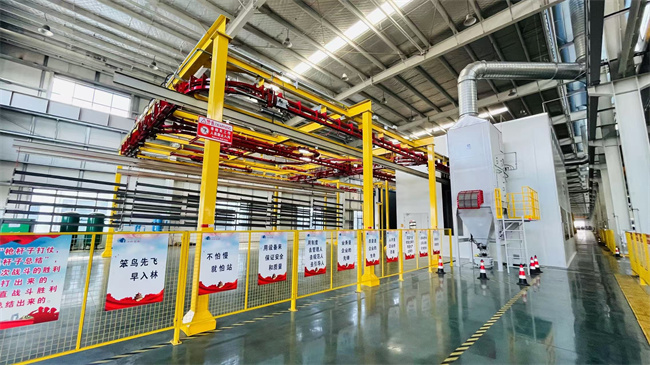
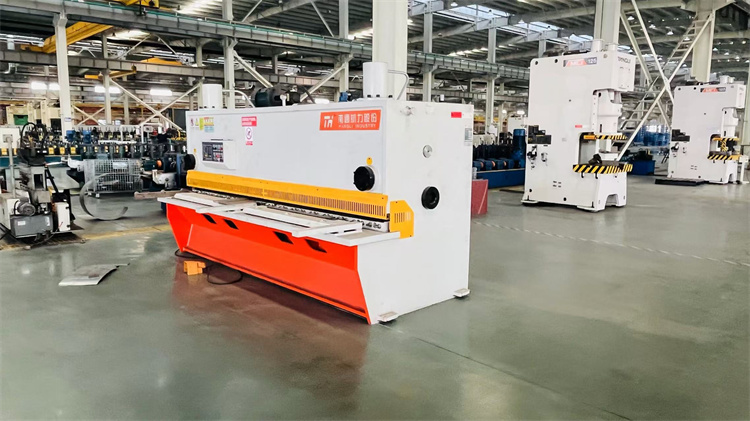
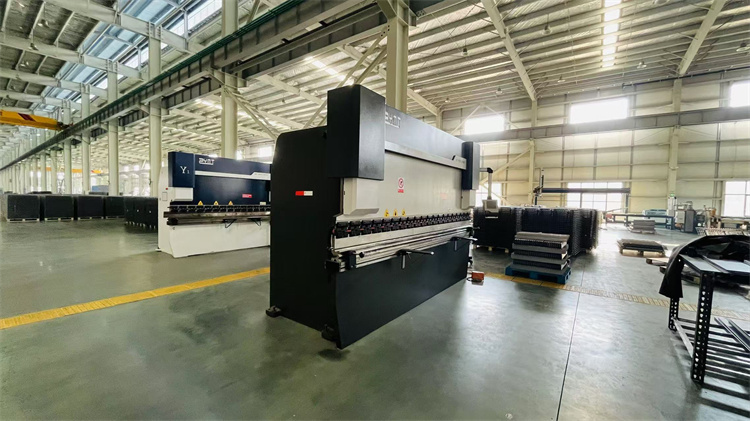
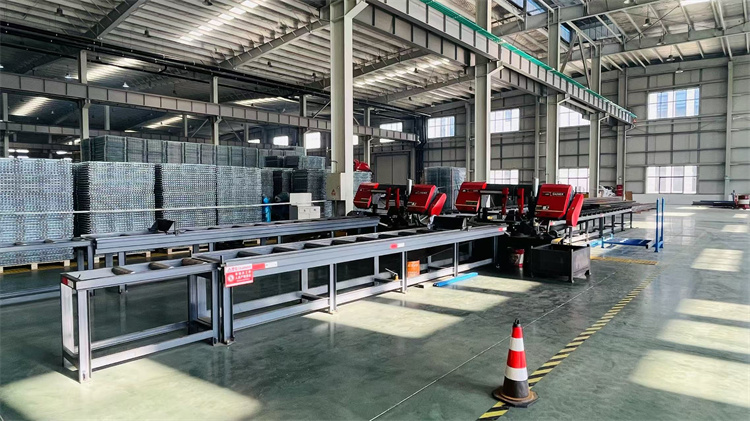
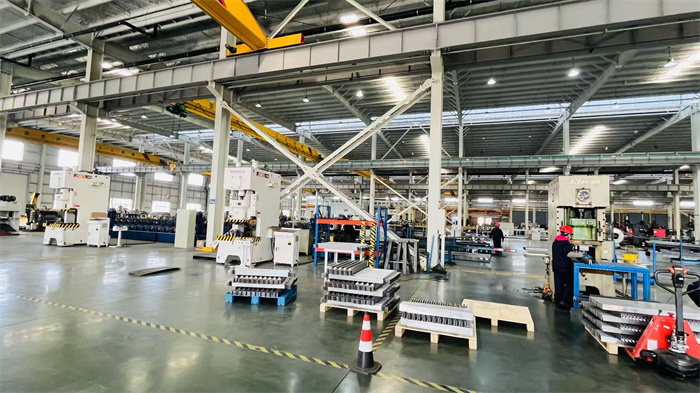
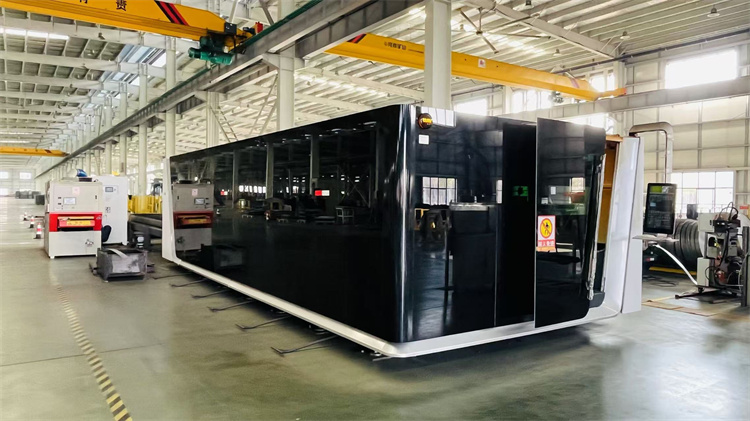
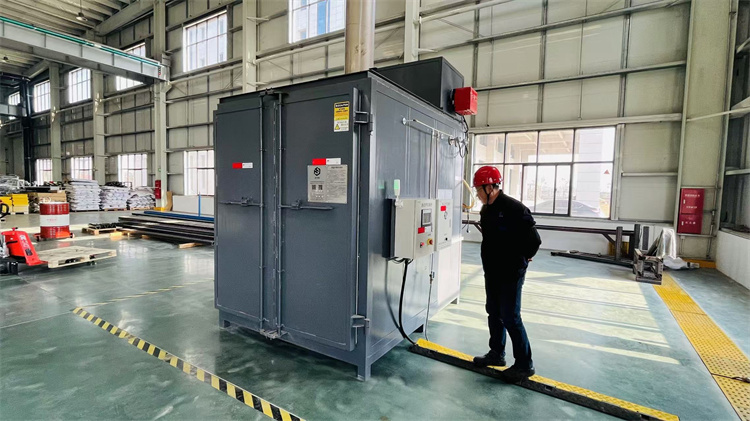
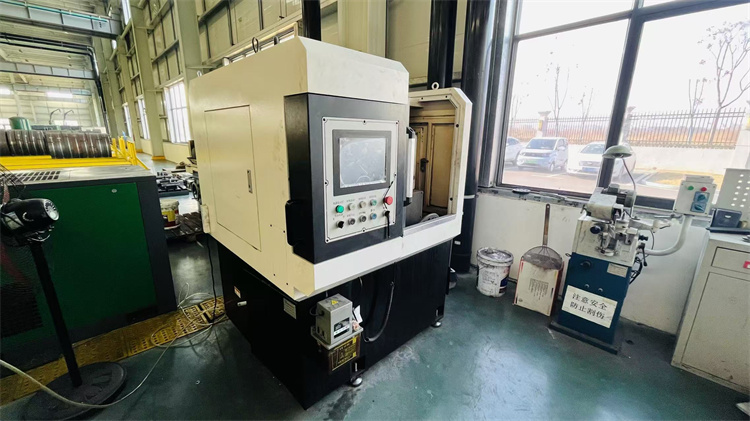
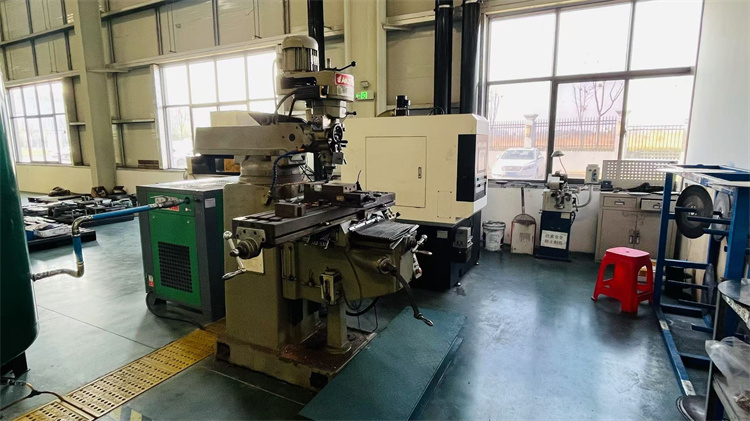
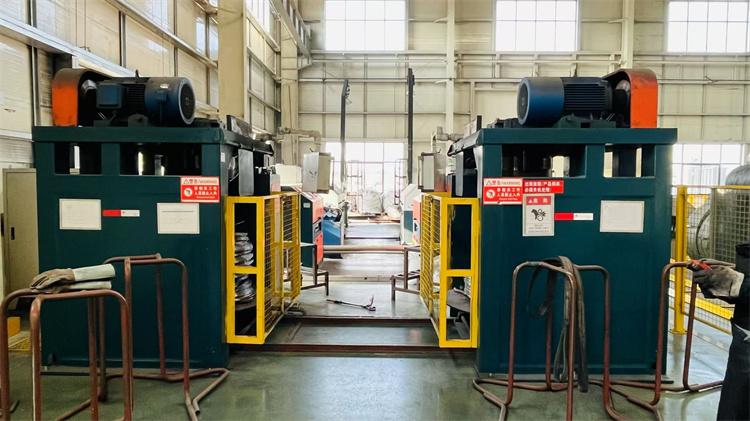
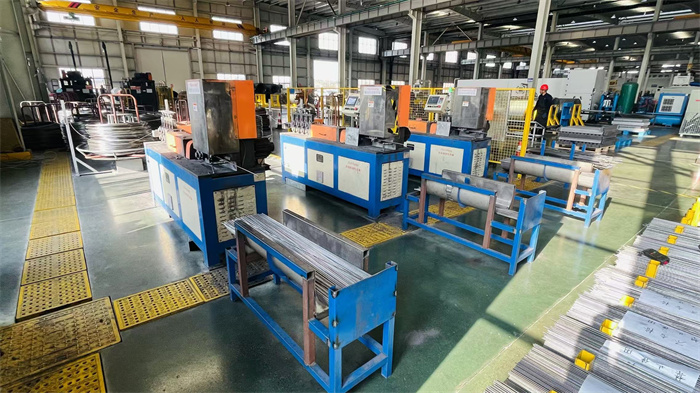
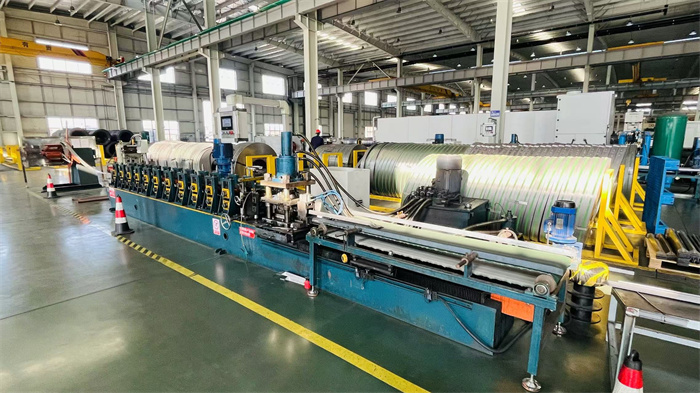
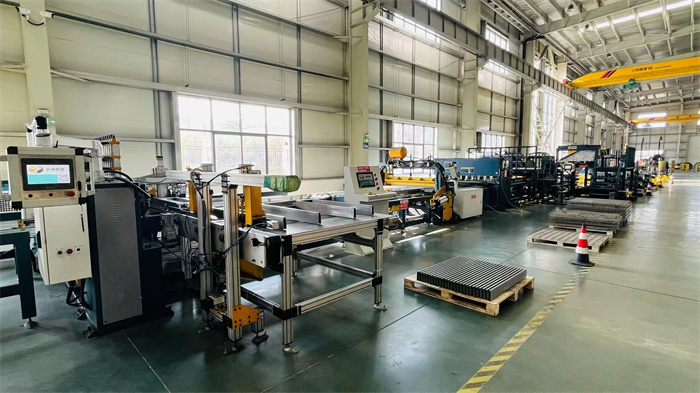
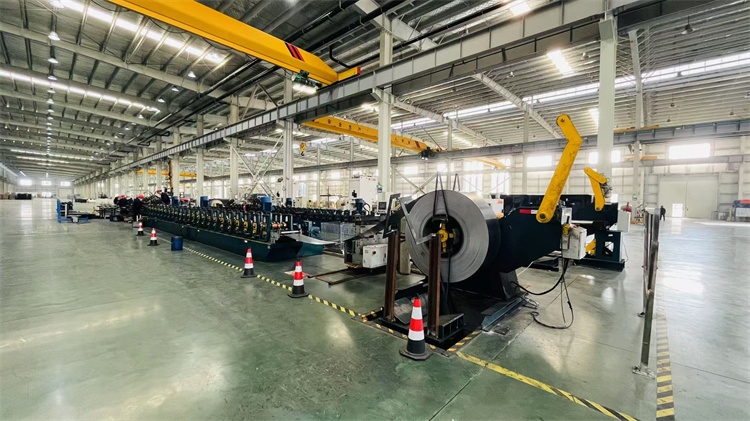
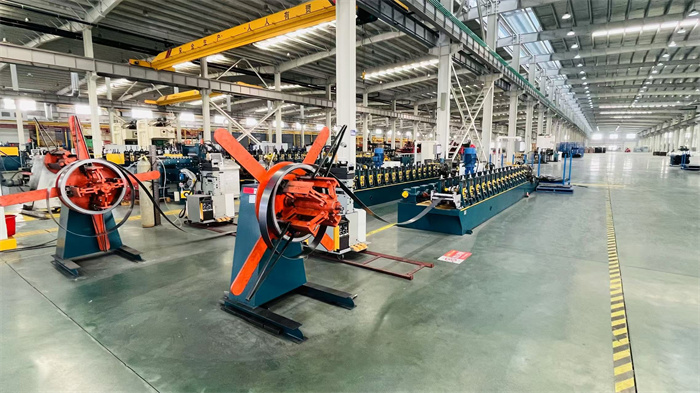
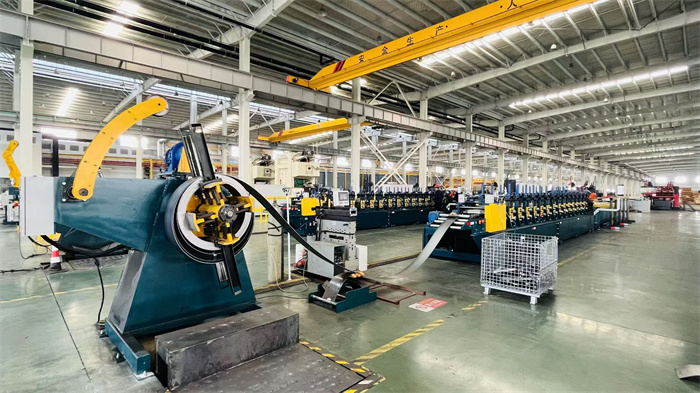
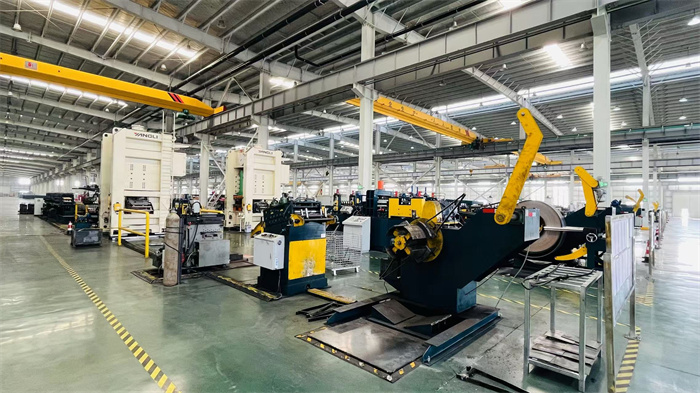
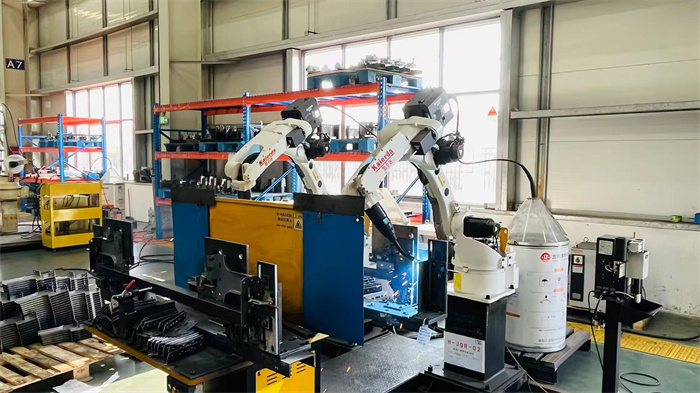
Take a virtual tour of the advanced machinery, robotic welding stations, and quality control checkpoints at Jracking's 28,600 m² factory.
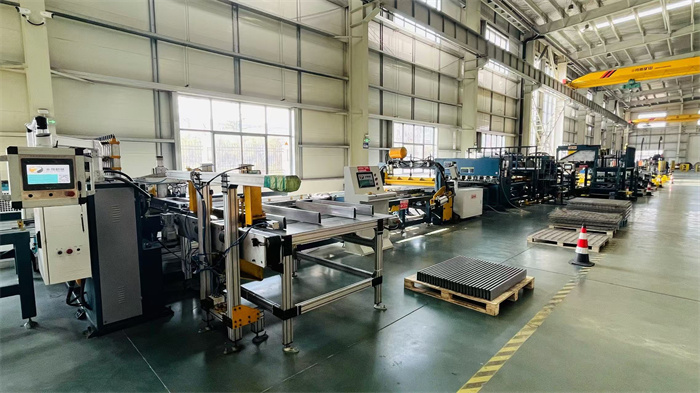
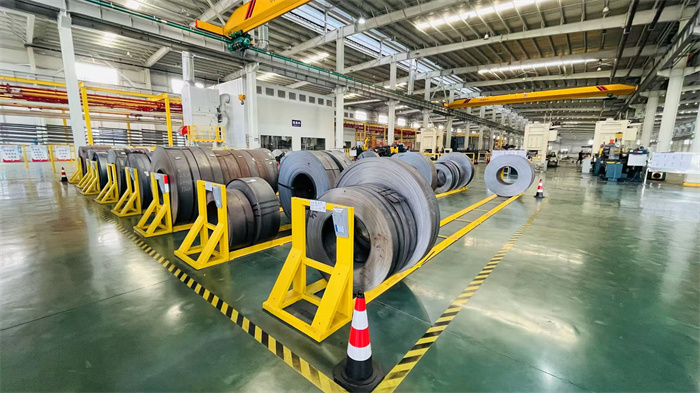
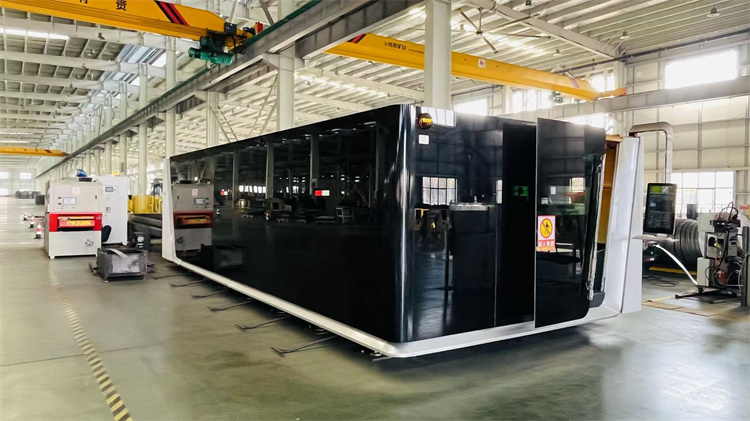
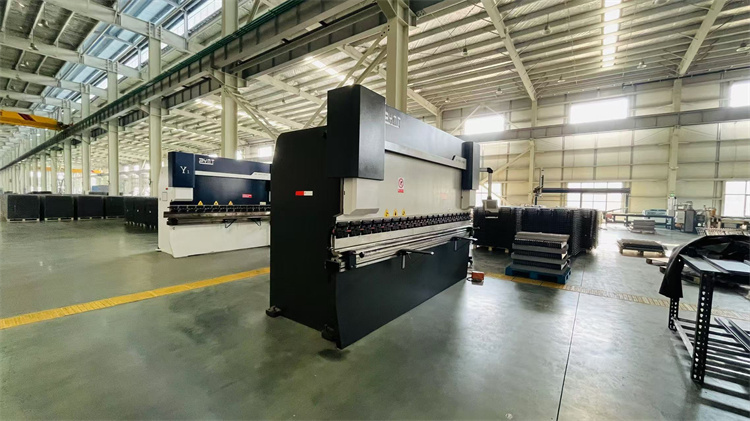
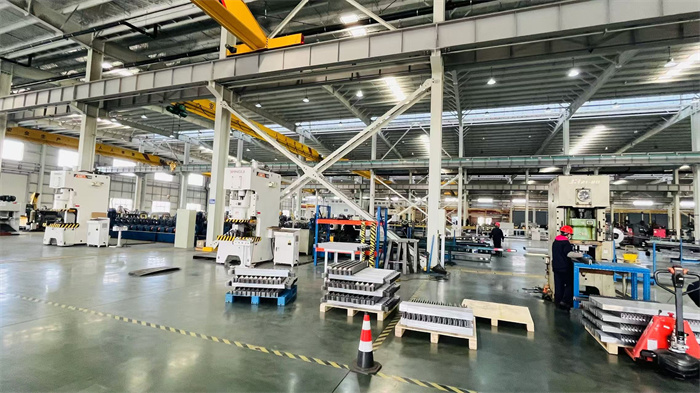
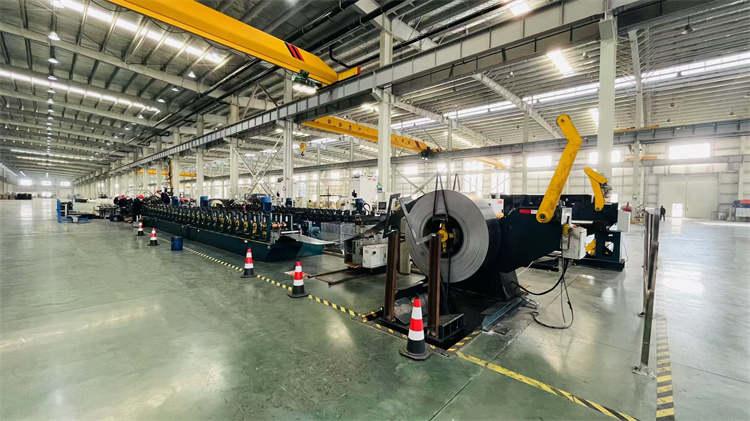
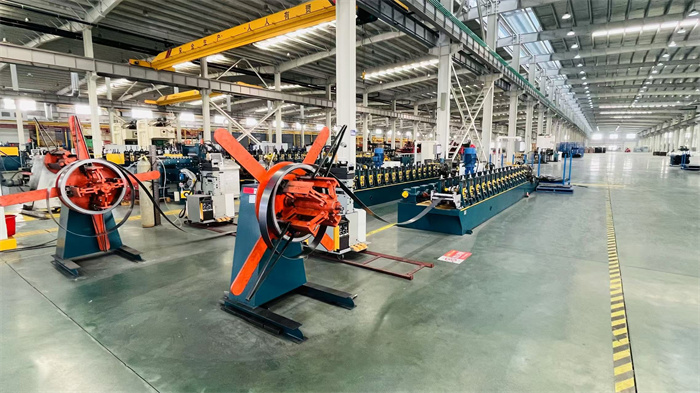
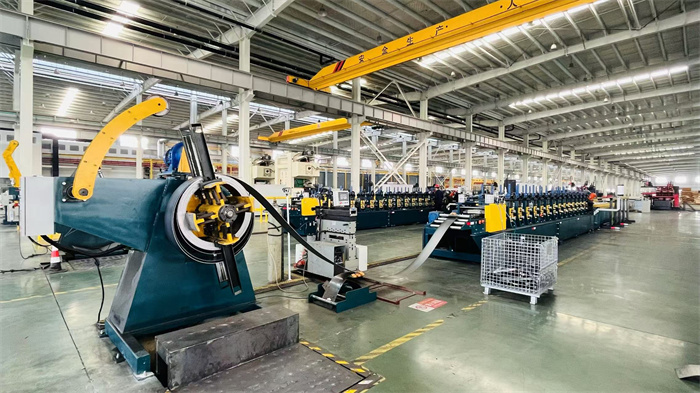
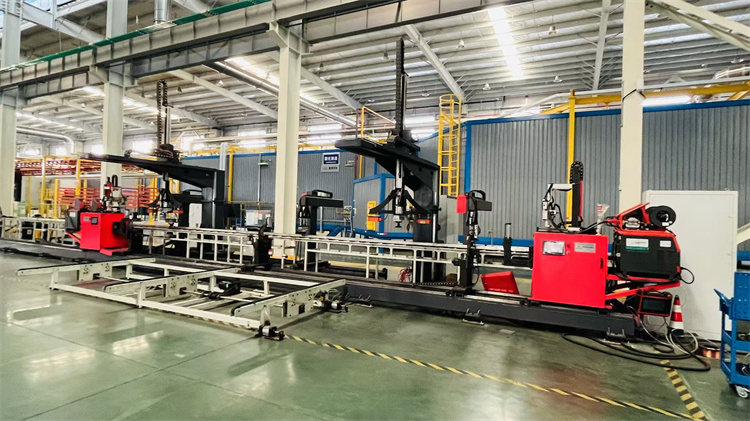
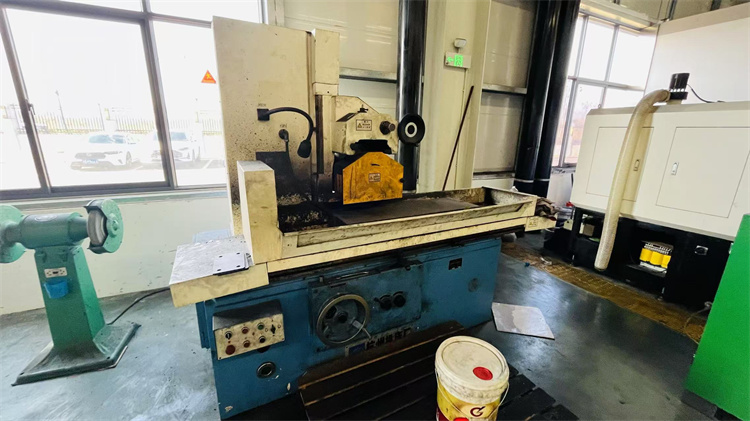
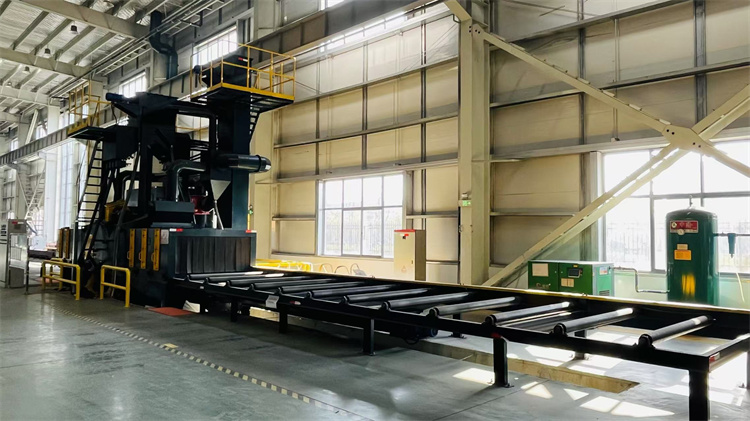
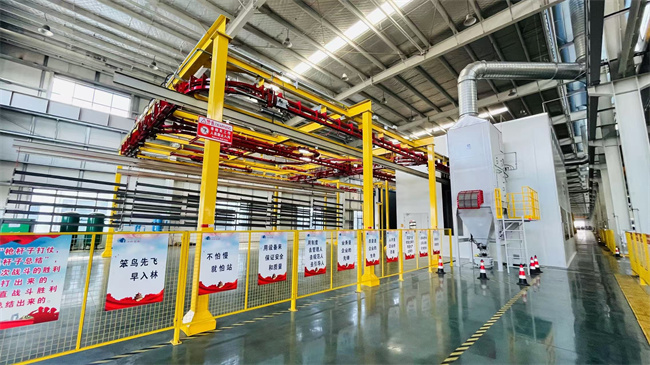
Engineered configurations built to perform in specialized, high-traffic commercial environments.
High-density structural configurations using thermal-resistant finishes and high-airflow steel grates. Keeps cold air flowing around products to lower refrigeration costs, with materials rated to perform in temperatures down to -30°C.
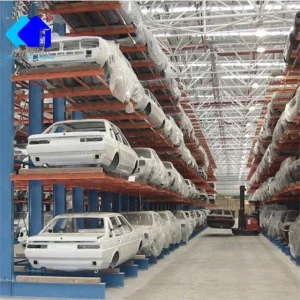
Heavy-duty multi-tier storage systems equipped with integrated loading gates, security netting, and custom-sized picking shelves. Ideal for organizing automotive spares, accessories, and heavy assemblies.
Mezzanines designed to integrate with automated conveyor systems, sorting equipment, vertical reciprocating lifts, and heavy sorting machines. Pre-engineered with vibration dampening to protect sensitive electronic systems.
Your reliable engineering partner for high-capacity warehouse rack systems and structural steel platforms.
Jracking (Guangdong) Storage Co., Ltd. is a professional manufacturer specializing in warehouse racking systems and industrial storage solutions in China. Since its establishment in 2016, the company has been dedicated to designing, manufacturing, and supplying high-quality storage equipment for global customers across various industries.
With a modern manufacturing facility covering 28,600 m², Jracking integrates advanced production equipment, strict quality management systems, and experienced engineering teams to ensure reliable product performance and consistent manufacturing standards. The company offers a comprehensive range of storage products including selective pallet racks, drive-in racking, cantilever racks, mezzanine systems, longspan shelving, steel platforms, and customized warehouse storage solutions.
Backed by over 8 years of export experience and 12 years of industry expertise, Jracking has successfully served customers in North America, Europe, Southeast Asia, Australia, and the Middle East. The company's annual export revenue exceeds USD 18 million, reflecting its strong competitiveness in the international storage equipment market.
Quality remains the core of Jracking's manufacturing philosophy. Every production process is strictly monitored through ISO-compliant quality control procedures, while products undergo load capacity testing, dimensional inspection, welding inspection, coating thickness testing, and final assembly inspection before shipment. The company employs 48 professional quality inspectors to maintain stable product quality and customer satisfaction.
As an OEM & ODM manufacturer, Jracking collaborates with more than 1,150 supply chain partners, enabling efficient sourcing, flexible production scheduling, and fast delivery for global projects. Its primary customers include warehouse equipment distributors, importers, wholesalers, logistics companies, e-commerce fulfillment centers, and industrial project contractors.
Innovation is driven by a dedicated R& R team consisting of 85 experienced engineers, who continuously develop new storage solutions to meet evolving market demands. The company supports customized design, size, color, loading capacity, surface treatment, and warehouse layout solutions according to customer requirements. In the past year alone, Jracking successfully introduced 156 new products to the global market.
Answers to key engineering, layout, and supply chain questions for industrial mezzanine projects.
We calculate capacity using three primary load metrics: static dead load (weight of the platform itself), static live load (stored goods and shelving weight), and dynamic load (operators, hand trucks, forklifts, or AMRs). Standards typically require design limits of 300 to 1500 kg/m² to prevent deflection. We also configure calculations based on localized seismic design categories (SDC) to maintain stability in high-risk zones.
Our mezzanine structures conform to major international engineering standards, including the RMI specifications (USA), EN 1993 (Eurocode 3 structural steel design guidelines), and AS4084-2012 (Australian steel storage standards). All raw materials are trace-tested and hold ISO 9001 quality certificates.
Yes. Our in-house engineering team designs support structures to integrate with automated material handling equipment, such as vertical reciprocating conveyors (VRC), spiral chutes, and overhead monorails. We customize structural beam alignments to safely handle local dynamic loads.
Our structures undergo shot blasting and hot cleaning before powder application. We apply an electrostatic epoxy-polyester powder coat, cured at high temperatures to form a resilient finish. For outdoor or corrosive environments, we offer Hot-Dip Galvanized (HDG) finishes that meet ISO 1461 standards.
Initial CAD layout designs and load analyses are completed within 3 to 5 business days. Once drawings are approved, production takes 20 to 30 days. Delivery times vary by location, but our logistics team coordinates container shipments for efficient port handling and site delivery.
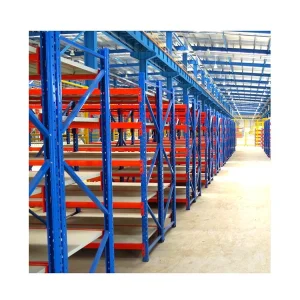
No. A structural steel platform uses heavy-duty steel columns and beams to provide open floor space below. A rack-supported mezzanine uses the racking uprights themselves as the support columns, which is a cost-effective choice for picking zones but limits open space below.
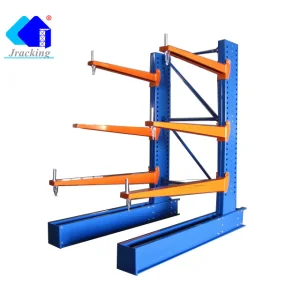
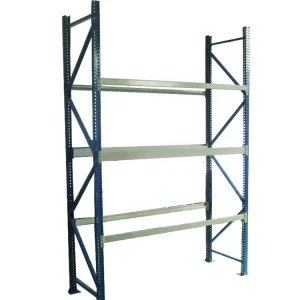
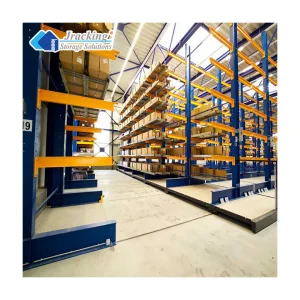
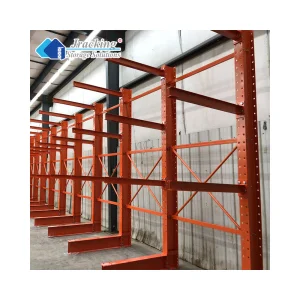
Explore our line of modular shelving, cantilever structures, and corrosion-resistant metal decks for diverse warehousing needs.
 Jracking