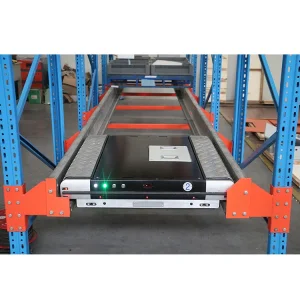
Custom OEM Racks Supplier & Exporter

High-Density Industrial Storage Engineering & Global Supply Chain Solutions Compliant with CE, RMI, & AS4084 Standards

Architecting Next-Generation Warehouse Environments

In the highly competitive global logistics ecosystem, industrial space utilization is no longer merely a structural requirement—it is a critical determinant of bottom-line efficiency. Jracking (Guangdong) Storage Co., Ltd. has stood at the forefront of the design, engineering, and manufacturing of high-capacity storage rack systems since 2016.

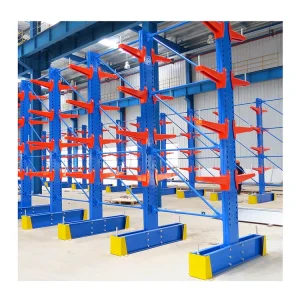
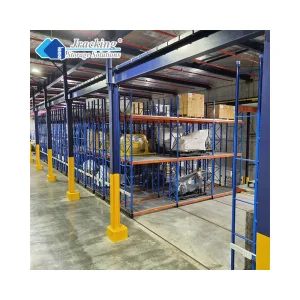
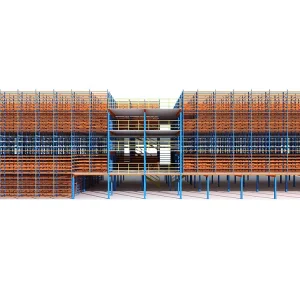
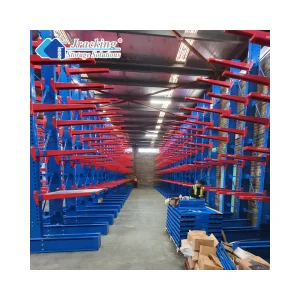
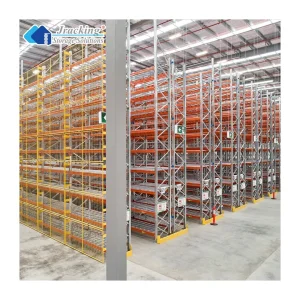
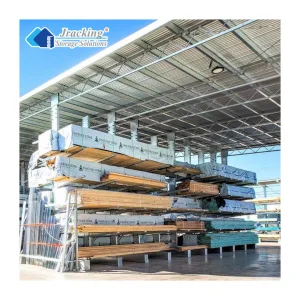
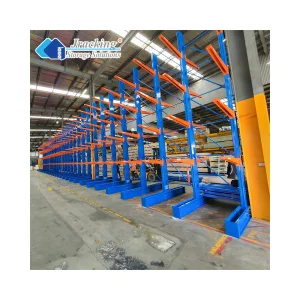
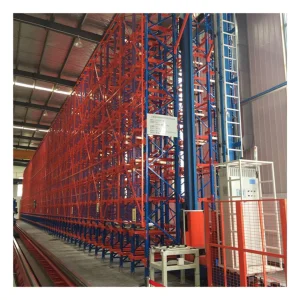
Leveraging more than 12 years of industry experience and 8 years of dedicated export intelligence, Jracking delivers robust, customized, structural storage arrays to complex operational profiles worldwide. We engineer selective pallet racking systems, heavy-duty cantilever structures, multi-level structural mezzanines, and sophisticated automated storage and retrieval system (AS/RS) configurations tailored to the precise structural demands of modern global facilities.

"Our objective goes beyond selling raw steel frames. We deliver structurally verified, seismically simulated, custom-engineered spatial assets that mitigate operating hazards, accelerate throughput speeds, and maximize volumetric efficiency."

Enterprise Engineering Matrix

  • Production Facility Area 28,600 m²
  • Active R&D Engineers 85 Specialists
  • Annual Export Value USD 18+ Million
  • Quality Inspectors 48 Professional QC staff
  • Supply Chain Partners 1,150+ Collaborators
28.6K m²
Advanced Plant Floor
1,150+
Global Partners
156
New Products Annually
12+ Yrs
Industrial R&D Base

Unlocking Efficiencies: The Mechanics of Global Procurement

How forward-looking supply chains align heavy engineering capability with global compliance schemas.

Structural Steel Integrity

We source heavy-grade Q235B steel to produce robust, structural sections designed to sustain dynamic stress. Our engineering systems are designed to withstand high loading cycles without material fatigue, assuring safety factors in excess of standard requirements.

Seismic Performance Calibration

Global systems demand local seismic engineering adaptations. Our teams configure custom baseplate models, heavy-duty frame anchoring configurations, and dual-connection structural node mechanics designed to withstand shifts in high-risk zones.

Compliance Verification

We build our designs to strict regulatory standards, ensuring seamless compatibility across international zones. All structural fabrications undergo verified compliance mapping against CE, RMI, and AS4084-2012 specifications.

For international supply chain managers and industrial project engineering directors, selecting a custom storage rack system involves analyzing material sciences, weld stress tolerances, and spatial configuration options. Jracking addresses this selection process by validating every custom order with rigorous finite element analysis (FEA). This process validates load capacities, deflection indices, and wind load configurations for outdoor configurations. By combining raw material traceability with design verification, we help companies manage project risk and maintain workplace safety standards.

China Factory 4.0: Supply Chain Resilience & Efficiency

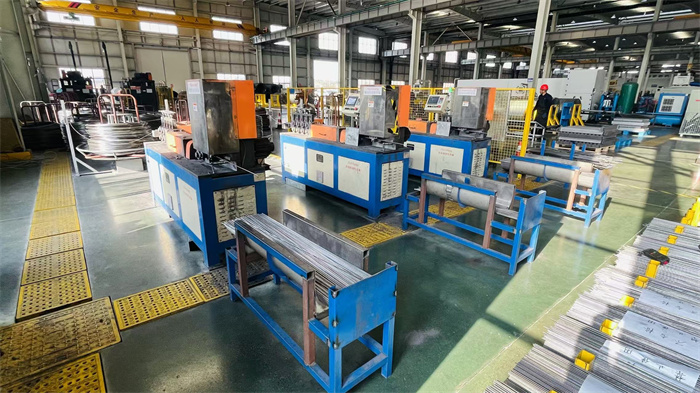
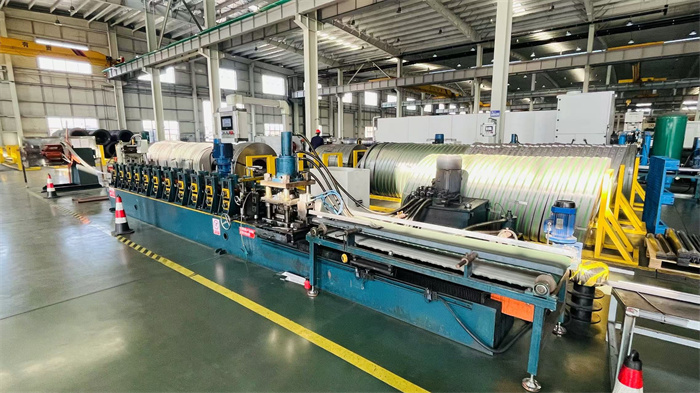
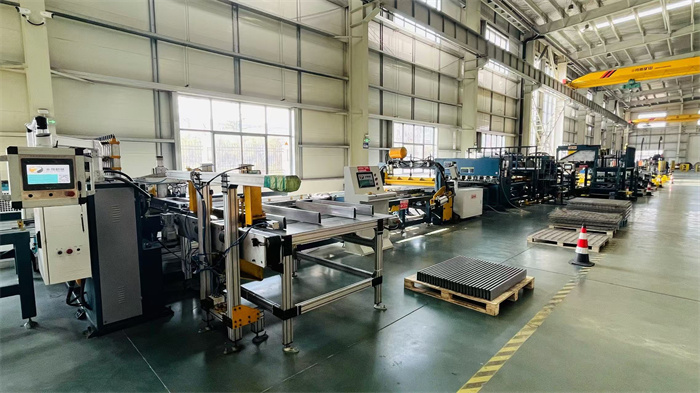
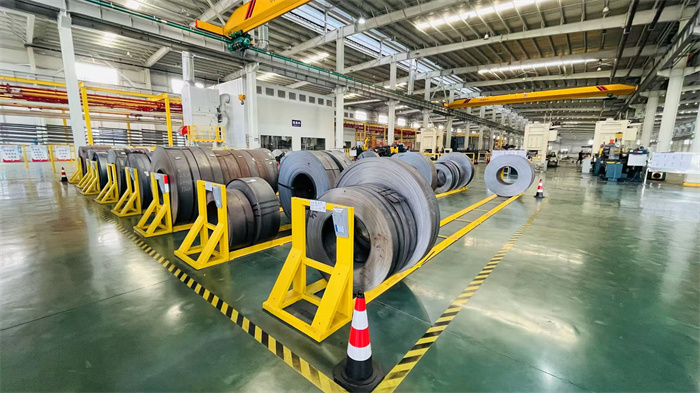
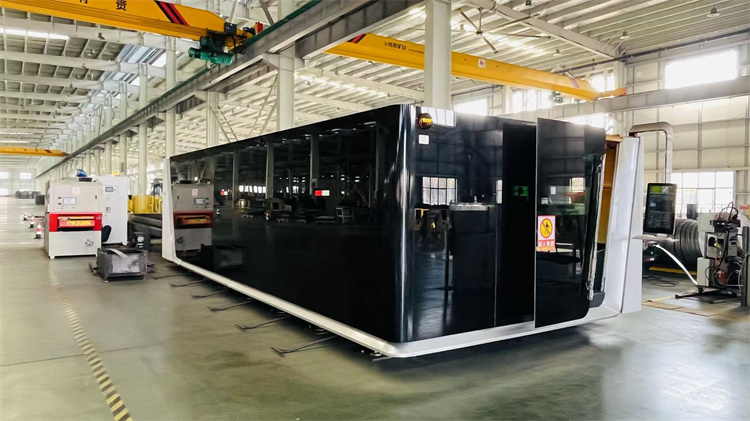
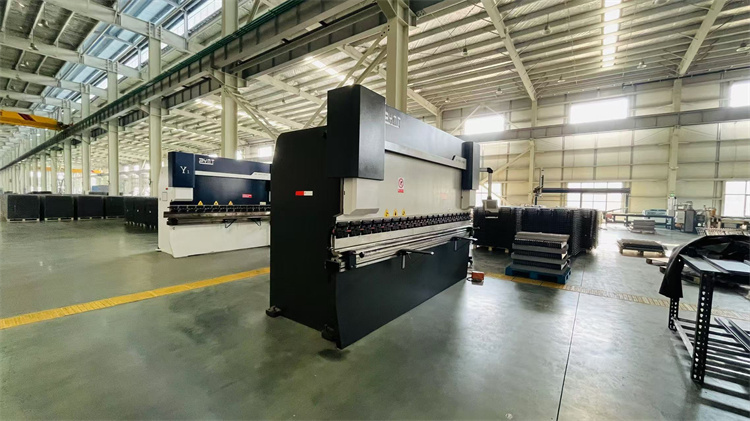
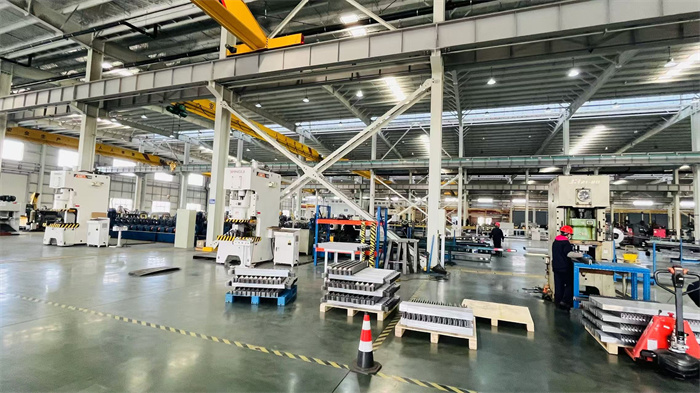
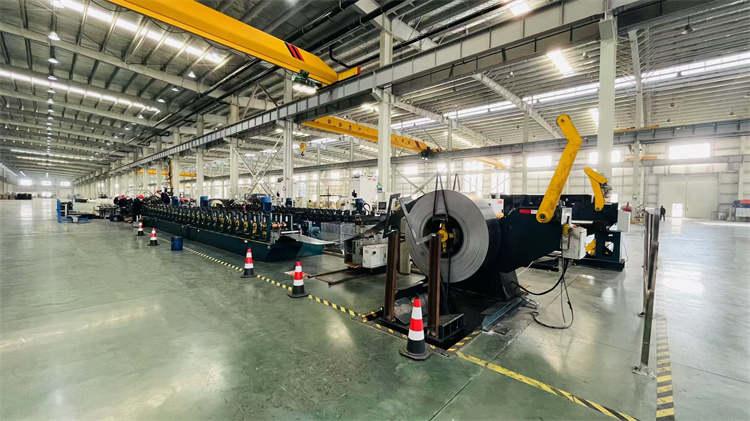
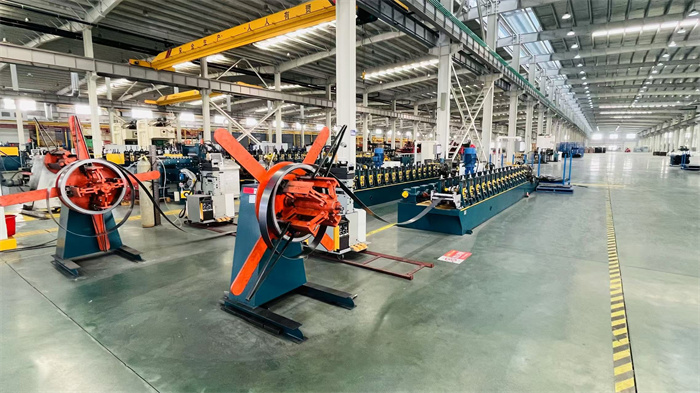
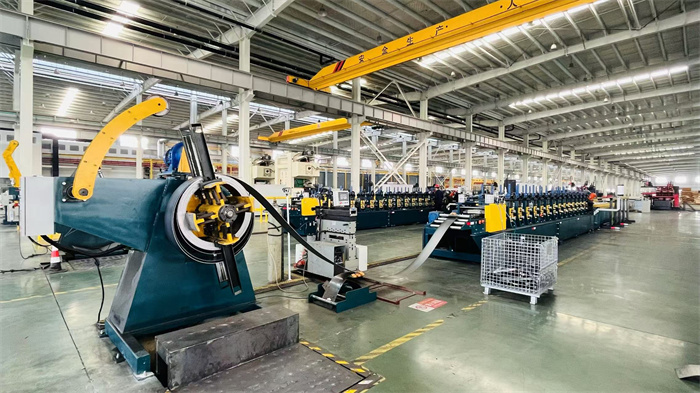
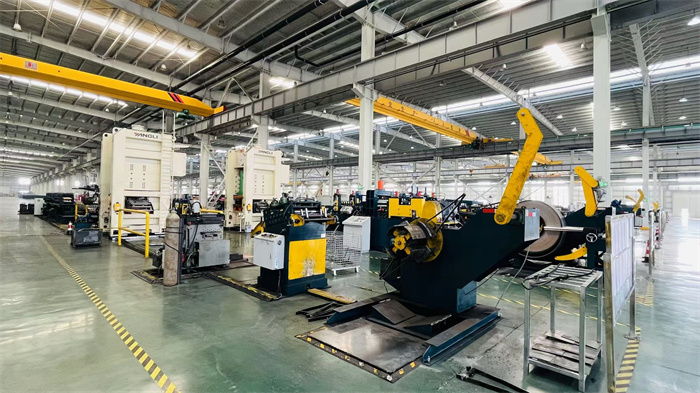
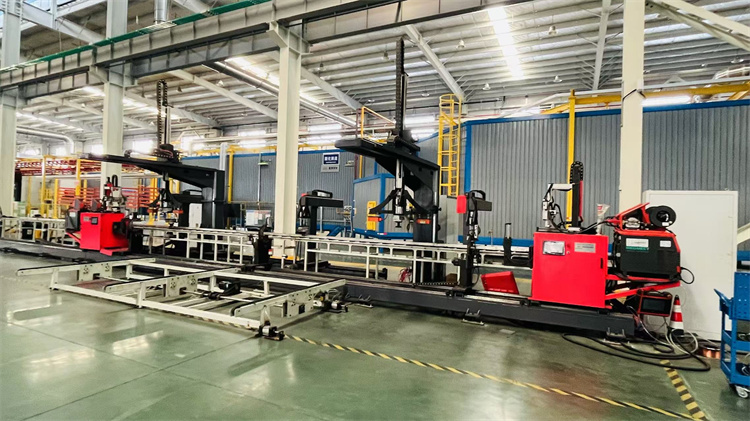
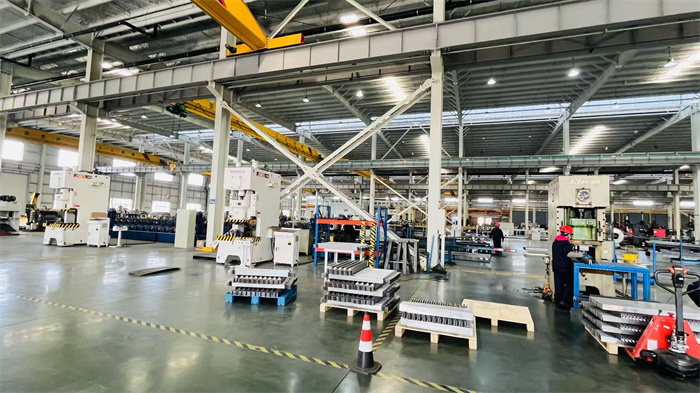
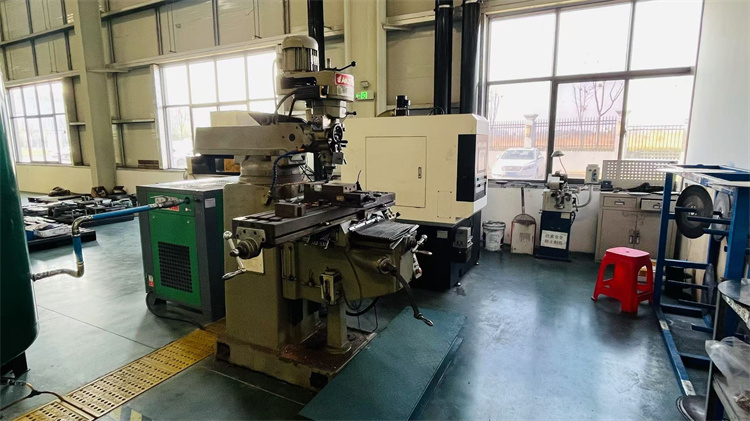
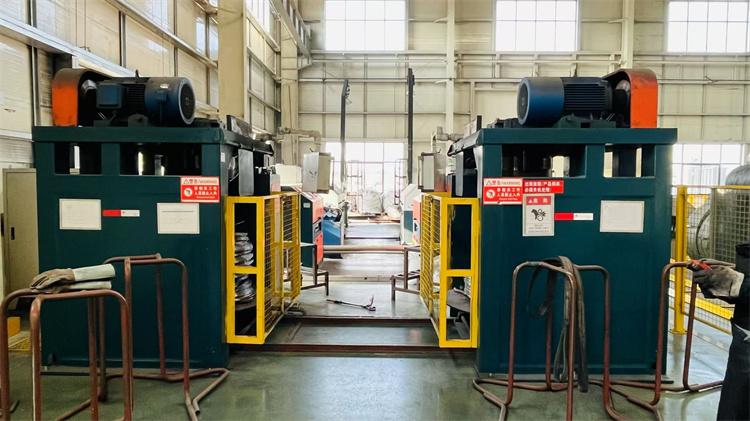
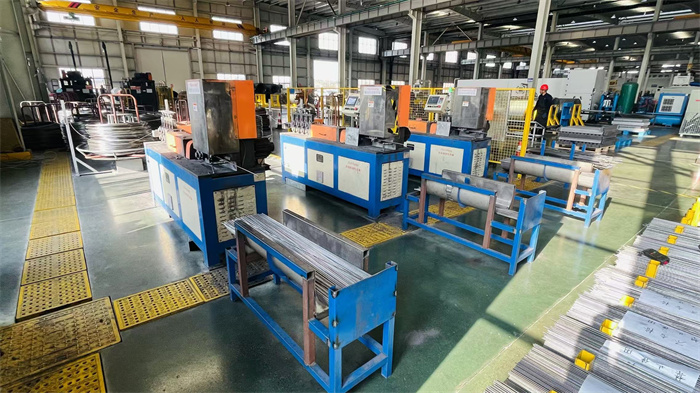
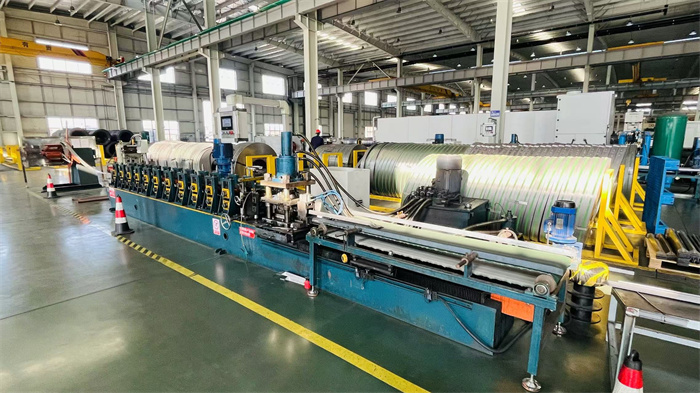
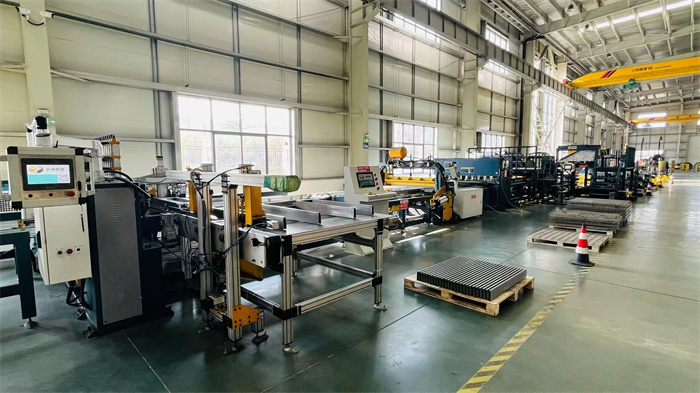
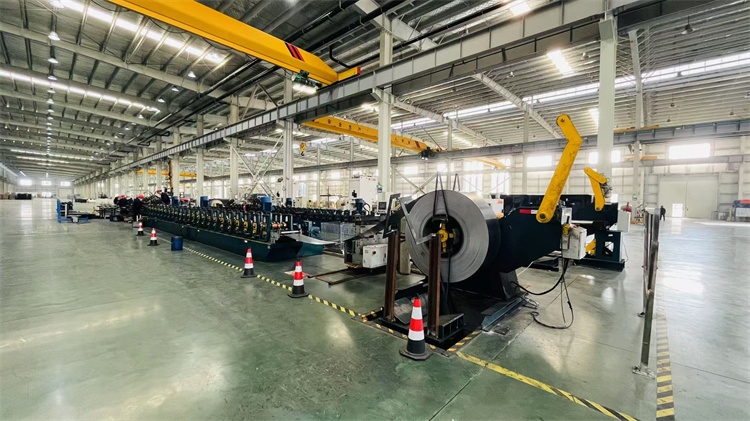
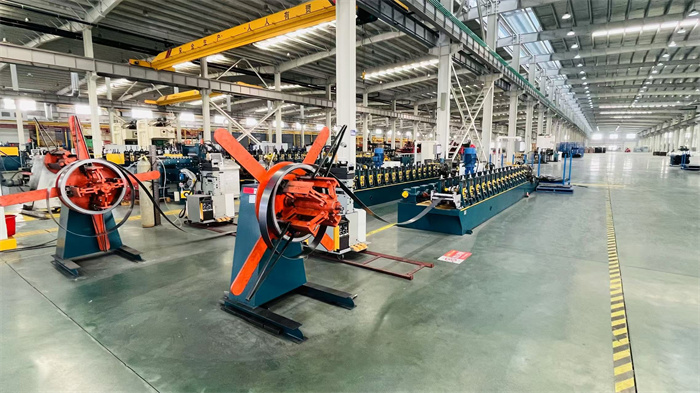
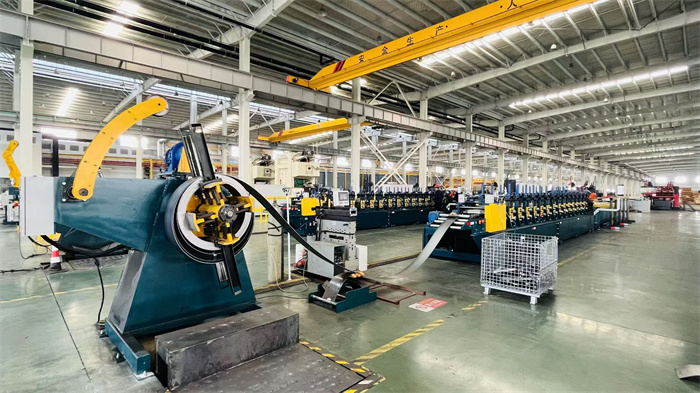
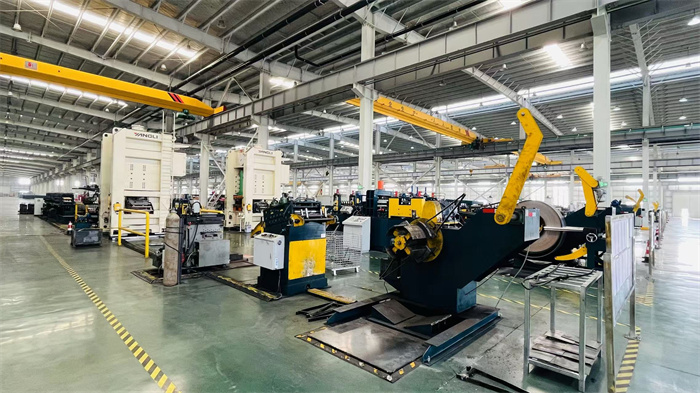
A look inside our 28,600 m² automated manufacturing facility, showing how precision automation translates into consistent product quality.
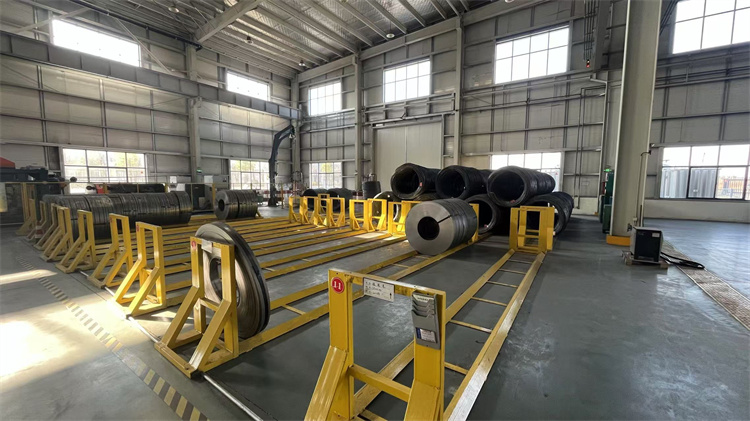
Raw Materials
Raw Materials Receiving
Wiredrawing
High-Tensile Wiredrawing
Strengthening
Structural Steel Strengthening
Strengthening Rib
Strengthening Rib Forming
Metal Mesh Production
Metal Mesh Grid Production
Raw Materials Warehouse
Structural Section Storage
Cutting
High-Precision Cutting
Bending
Profile CNC Bending
Punching
Automated Slot Punching
P-Beam Rolling
P-Beam Rolling Process
Diagonal Brace Rolling
Bracing System Rolling
Occluding Beam Rolling
Interlocking Beam Rolling
Column Production
Heavy Column Cold Forming
Automatic Welding
Submerged Automatic Welding
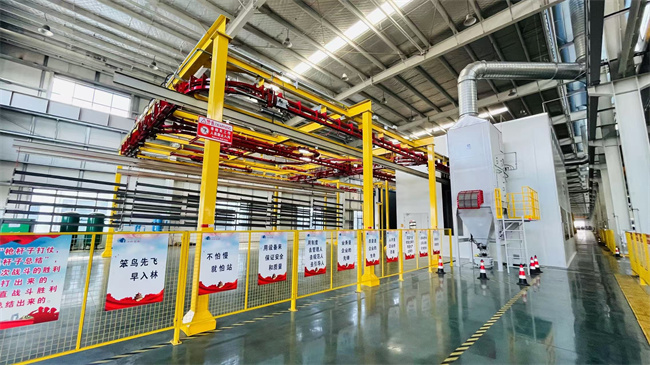
Powder Spraying
Electrostatic Powder Curing
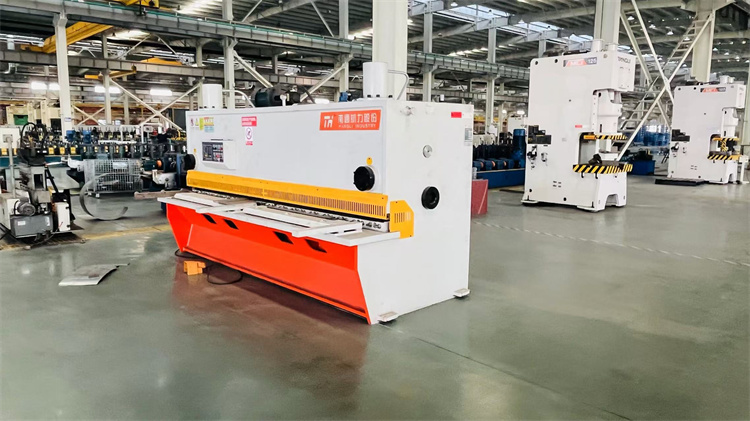
Plate Shearing Machine
Heavy-Duty Plate Shearing
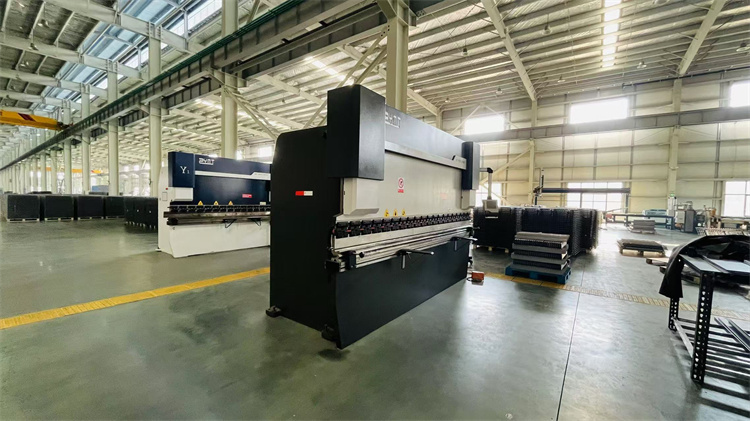
Plate Bending Machine
CNC Structural Plate Bending
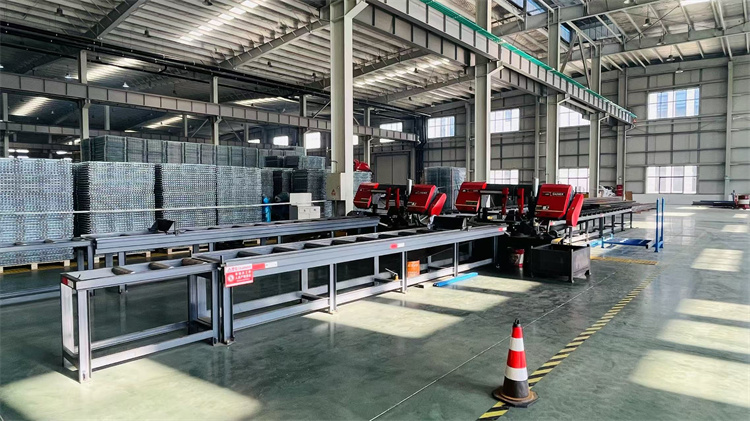
Sawing Machine
Automatic Band Saw Cutting
Punching Machine
Mechanical Press Punching
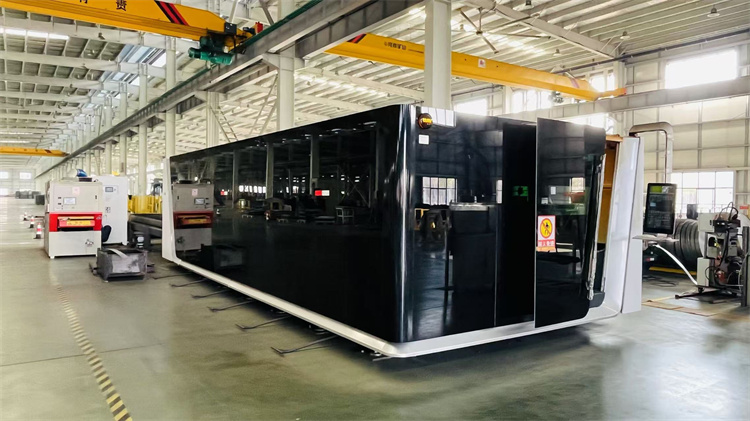
Laser Cutting Machine
Fiber Laser Profile Cutting
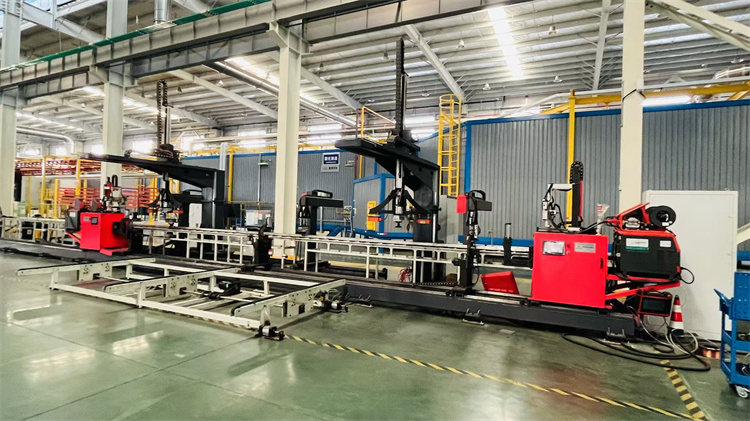
Automatic Welding Machine
Continuous Robotic Weld Center
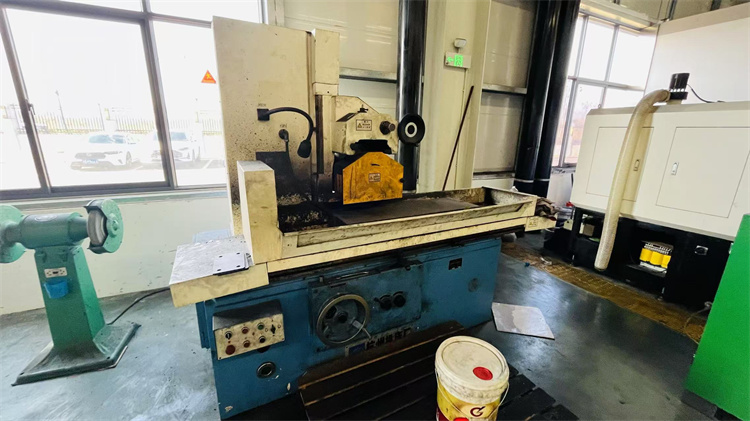
Grinding Machine
Precision Surface Grinding
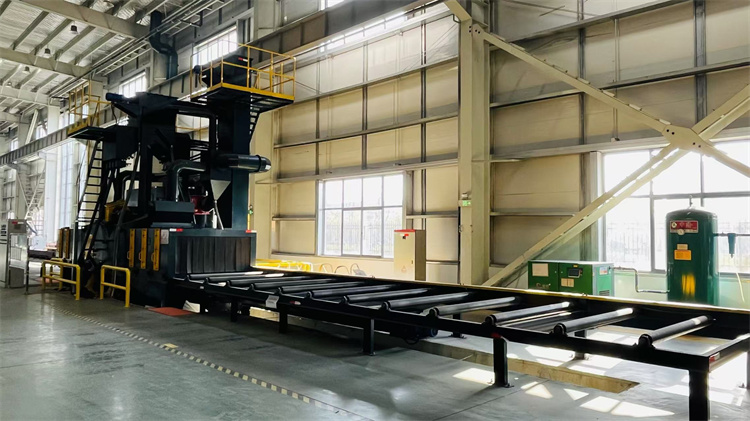
Shot Blasting Machine
Structural Surface Shot Blasting
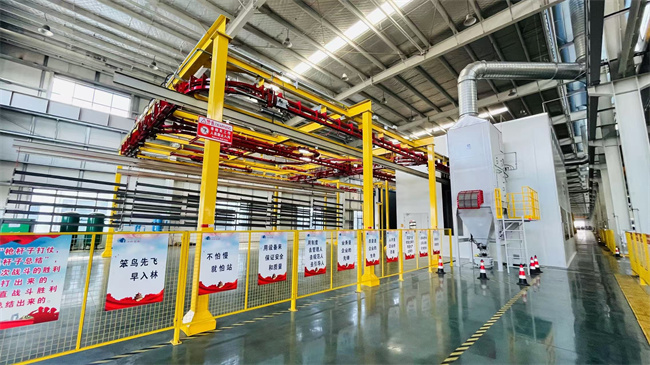
Spraying Production Line
Continuous Finish Coat Line
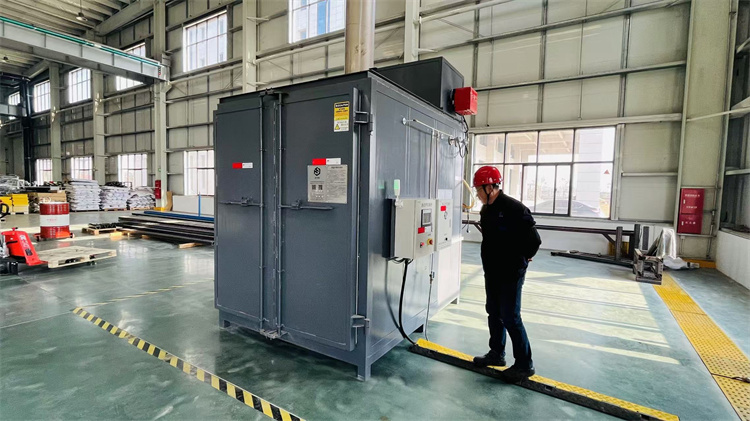
Hot Cleaning Furnace
Thermal Clean & Burn-Off
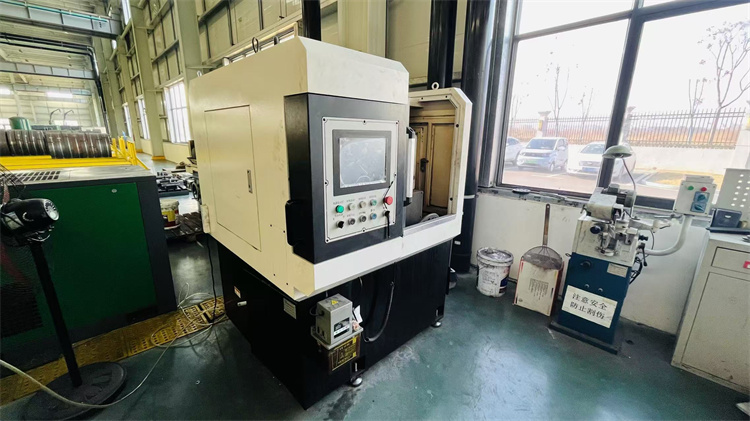
CNC Curve Gear Grinding Machine
CNC Curve Gear Engineering
Milling Machine
High-Accuracy Metal Milling
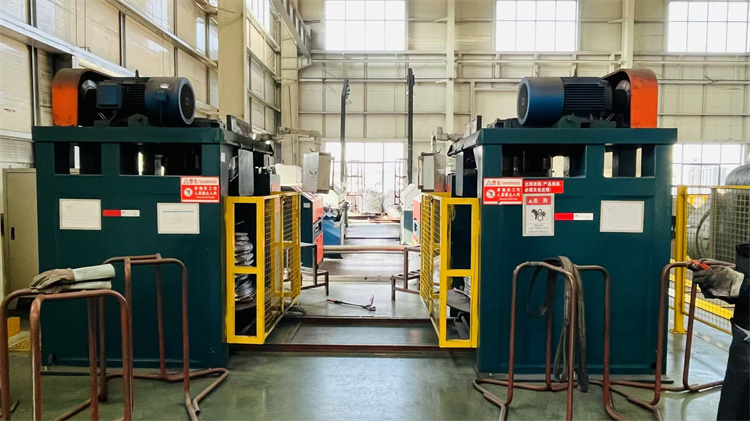
Wiredrawing Machine
Wiredrawing Mill Control
Strengthening Machine
High-Yield Steel Calibration
Strengthening Rib Machine
Corrugated Rib Profiling
Metal Mesh Production Line
Decking Mesh Welding Station
P-Beam Rolling Mill
Heavy P-Beam Cold Profiler
Diagonal Brace Rolling Mill
Brace Cold Rolling Mill
Occluding Beam Rolling Mill
Occluding Beam Roll Former
Automatic Column Production Line
Automatic Roll Forming Line
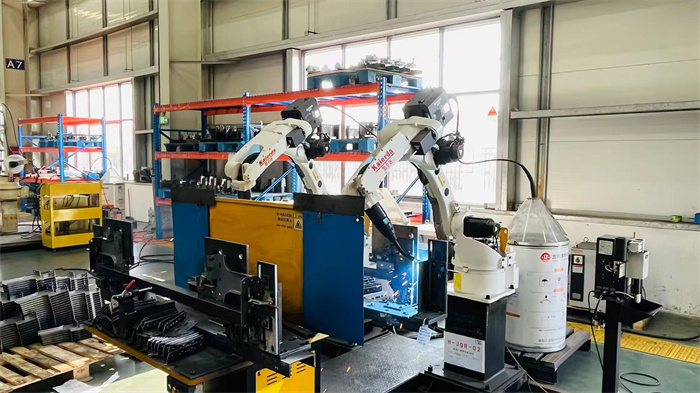
Welding Robot
High-Speed Welding Robot

Factory 4.0 Engineering Insights

By integrating automated roll-forming lines, computerized multi-stage punching machines, and high-precision robotic welding arms, Jracking maintains control over structural clearances, weld profiles, and component tolerances. This automated process minimizes structural anomalies, allowing each cantilever arm, upright frame, and selective beam to align during warehouse installation. This production control helps keep logistics projects on schedule by reducing assembly issues on site.

Macro-Industry Vertical Solutions

Custom structural design strategies developed to meet the operational demands of diverse industrial environments.

Cold Chain Storage Solutions

Operating storage systems in sub-zero environments (-25°C to -40°C) demands specialized steel selections. Cold temperatures can cause low-carbon structural steel to become brittle. Jracking uses high-grade Q235B steel combined with specialized surface treatments to withstand thermal contraction, helping maintain structural integrity under low-temperature conditions.

E-Commerce & 3PL Fulfillment

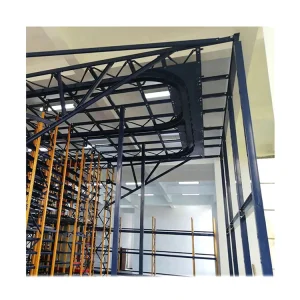
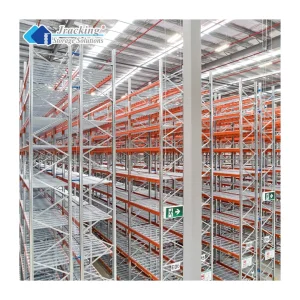
E-commerce warehousing requires efficient spatial layout and fast product access. We engineer multi-level structural steel mezzanines and integrated catwalk systems designed to partition vertical clearances into multiple active work zones. This increases floor utilization indices while allowing personnel to access storage locations safely.

Automotive & Heavy Manufacturing

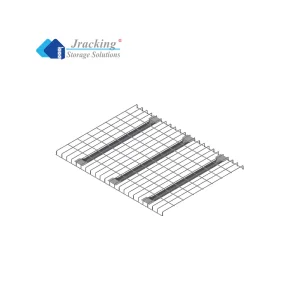
Heavy tooling, automotive components, and metal sheet stock require stable storage systems due to their concentration of weight. Jracking design specifications focus on deflection limits under high loads. We configure reinforced pallet beams, solid metal wire decking, and cantilever systems designed to store heavy profiles securely.

Technology Roadmap: Racks as Smart Infrastructure

The integration of smart systems is reshaping industrial storage. Standard steel frameworks are evolving to function as integrated structures designed to interface with dynamic automated systems. Jracking is adapting its production design to support this shift toward automated material handling.

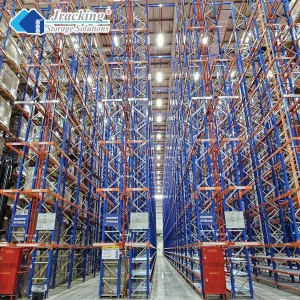
Our engineering team focus area is the development of tolerances compatible with Automated Storage and Retrieval Systems (AS/RS). Unlike manually operated pallet racks, AS/RS cranes and shuttle vehicles operate with low mechanical margins of error. A deflection variation of a few millimeters can cause sensor failures or mechanical interference. Jracking designs and manufactures components to precise tolerances, using automated quality checks to help ensure alignment for automated systems.

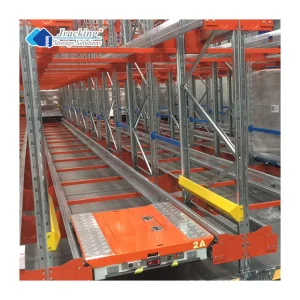
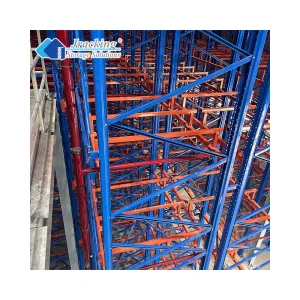
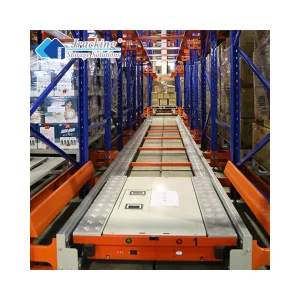
Our development pipeline includes integration designs for semi-automated and automated four-way radio shuttle systems. These shuttle systems use specialized steel profiles that support high-density configurations, helping operators improve space utilization and cycle throughput.

Next-Generation Design Engineering

  • Precision Manufacturing Tolerances: Upright profiles and horizontal beams are manufactured to strict structural clearances to support robotic interface configurations.
  • Specialized Profiles: Cold-rolled rail components are engineered to support automated shuttle track operations.
  • High-Durability Finishes: Advanced powder coatings are formulated to withstand the constant wear of robotic wheels and automated guides.
  • Structural Optimization: Computer-aided stress profiling helps optimize steel usage, maintaining stability while managing material costs.

Global Standards & Quality Control Frameworks

A look at the testing steps and international design codes that govern our manufacturing operations.

North American RMI Compliance

We design our rack components to meet the requirements of the Rack Manufacturers Institute (RMI) standards (ANSI MH16.1). This design approach supports stability and load rating calculations for projects located across North American jurisdictions.

Australian AS4084-2012 Testing

To support our clients in Australia and New Zealand, we configure and test our storage systems to align with the AS4084-2012 steel storage racking standard, helping project installations meet local regulatory requirements.

European CE Validation

Our structures and production lines are CE certified, confirming compliance with European safety, health, and environmental protection requirements (EN 15512, EN 15620, EN 15635) for distribution in the EU market.

Quality Control Phase Specific Parameter Evaluated Compliance Method & Action
Raw Material Inspection Carbon and silicon composition, yield point validation, thickness tolerance check. Verify mill certificate match against ASTM/GB standards, perform physical shear tests.
Weld Quality Testing Weld depth, structural penetration, porosity, integrity of connection nodes. Periodic ultrasonic testing, load stress testing of welded sample coupons.
Surface Powder Inspection Dry film thickness, impact resistance, adhesion rating, gloss uniformity. Cross-cut testing, magnetic thickness gauges, salt spray exposure tests.
Final Assembly Simulation Pitch alignment, connector fitment, plumb deviation under test loads. Pre-shipment batch test assembly, physical load deflection measurement checks.

Technical Specification FAQ

Answering common engineering and procurement questions regarding custom structural storage projects.

1. How do structural calculations adjust for seismic zones in dynamic storage systems?
Our engineering team uses finite element analysis (FEA) software to model structural behavior in specific seismic zones. Based on geographic coordinates and local building codes, we adjust steel gauge thicknesses, increase baseplate dimensions, and customize bracing profiles. These design changes help distribute horizontal shear forces, keeping the rack structure compliant with local seismic requirements.
2. What specific parameters distinguish your Q235B structural steel from lower-grade options?
Q235B is a carbon structural steel grade widely used in heavy industrial fabrication. The "Q" designation represents its yield strength limit of 235 MPa, while the "B" designation indicates specific quality testing for chemical composition (carbon content kept below 0.20%) and impact toughness. This material profile provides a balanced combination of tensile strength, weldability, and ductibility, helping components handle structural stresses without brittle failure.
3. How does Jracking verify load capacities before shipping product batches?
We follow a structured quality control procedure. In addition to using mathematical modeling software, we run physical tests on our raw materials and finished products. Our testing setup includes hydraulic testing rigs that apply vertical compression loads directly to beam connections and upright components. We measure the resulting deflection to verify that our components meet standard safety factors (such as 1.5 to 1.65 under RMI standards) before shipping.
4. What design modifications are required for cold storage environments?
Cold storage warehouses require design modifications to handle low temperatures. First, we select steel grades and chemical compositions that resist low-temperature embrittlement. Second, we apply epoxy-polyester powder coatings formulated to maintain adhesion during thermal cycles. We also utilize high-density configurations, such as drive-in or radio shuttle systems, to help minimize the refrigeration volume required per pallet slot.
5. What is the typical lead time for custom OEM/ODM racking designs?
Lead times depend on the size and complexity of the project. Generally, our engineering team generates initial structural designs and CAD layouts within 3 to 5 business days after receiving facility specifications. Once the designs are approved and order specifications are finalized, manufacturing at our facility takes approximately 20 to 30 days. Shipping and customs processing times vary based on the destination port.
6. Can your racking systems interface with third-party AS/RS and warehouse software?
Yes. Our structural components are manufactured to the tight tolerances required by automated storage and retrieval systems (AS/RS). Our uprights, beams, and shuttle tracks are engineered to align with automated cranes and shuttle vehicles, helping sensors detect positions accurately and reducing mechanical wear on the automated machinery.