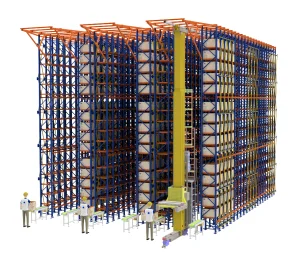
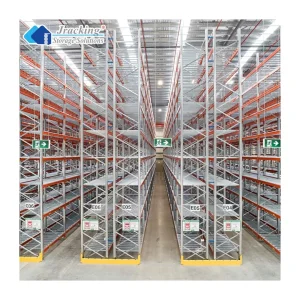
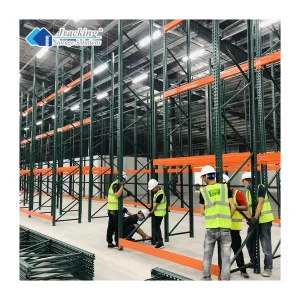
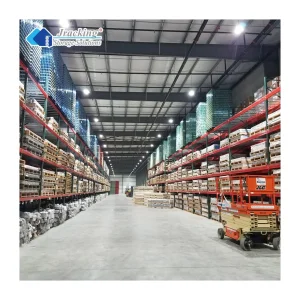
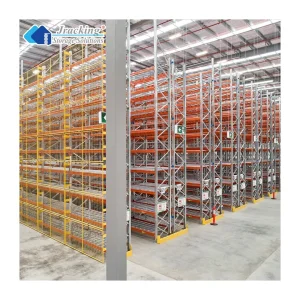
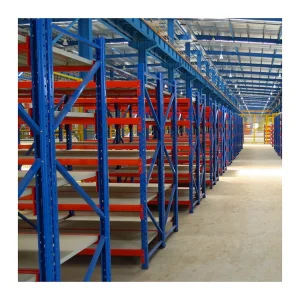
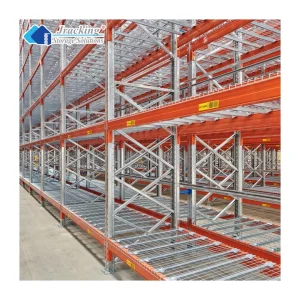
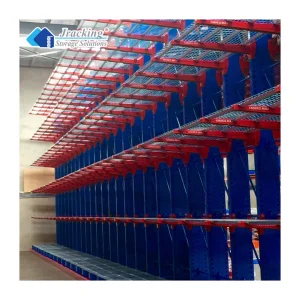
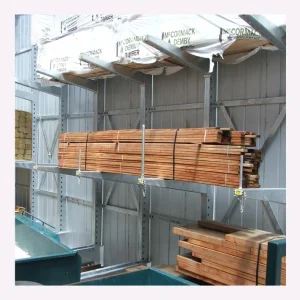
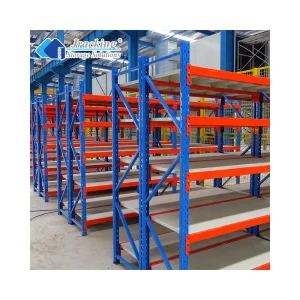
Explore our leading industrial racking architectures built in compliance with American Teardrop, RMI, and CE Standards.
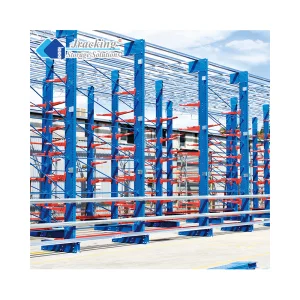
A trusted legacy of design, custom engineering, and international supply chain compliance.
Jracking (Guangdong) Storage Co., Ltd. is a professional manufacturer specializing in warehouse racking systems and industrial storage solutions in China. Since its establishment in 2016, the company has been dedicated to designing, manufacturing, and supplying high-quality storage equipment for global customers across various industries.
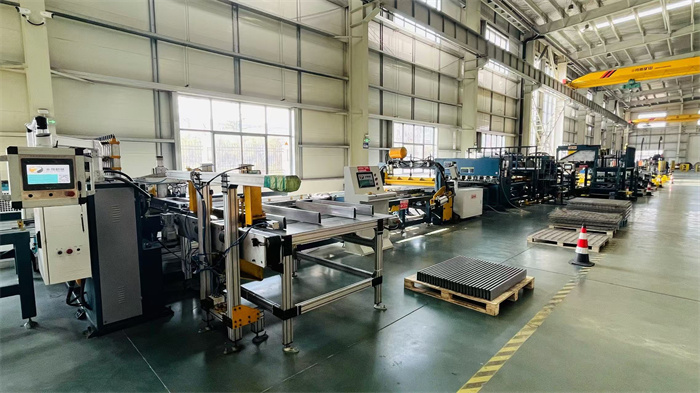
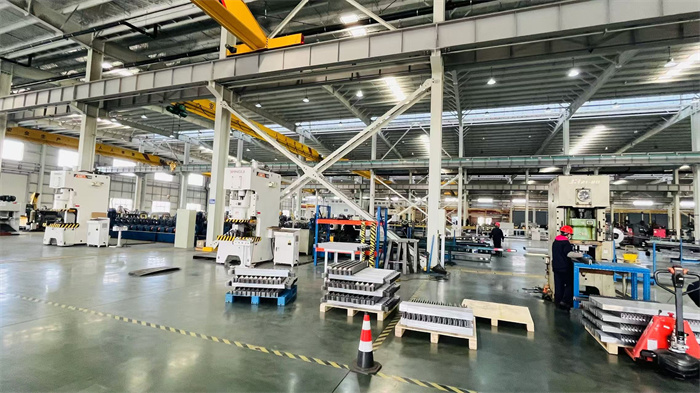
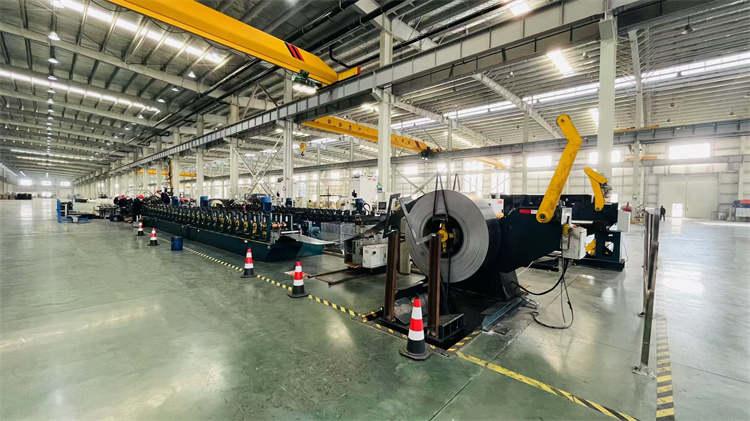
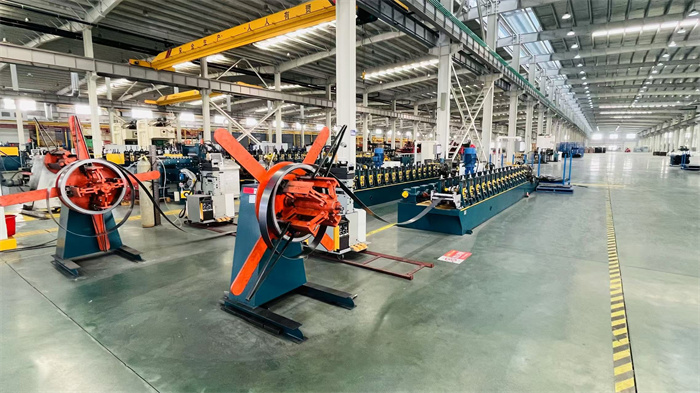
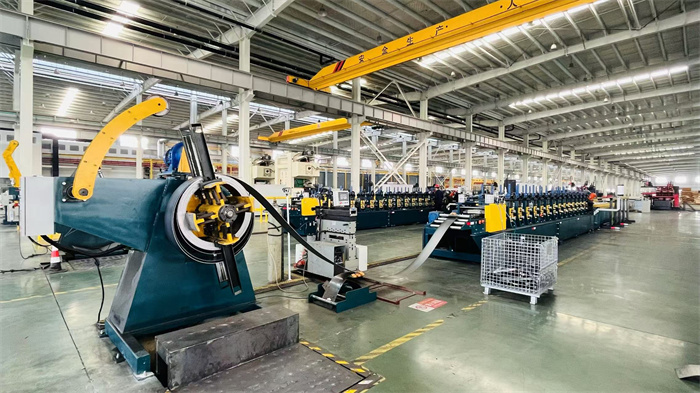
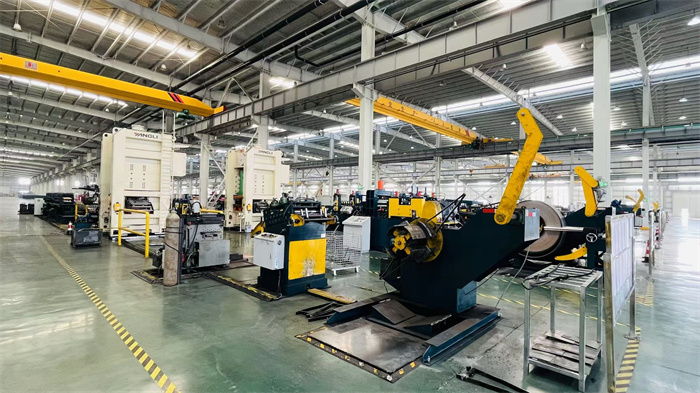
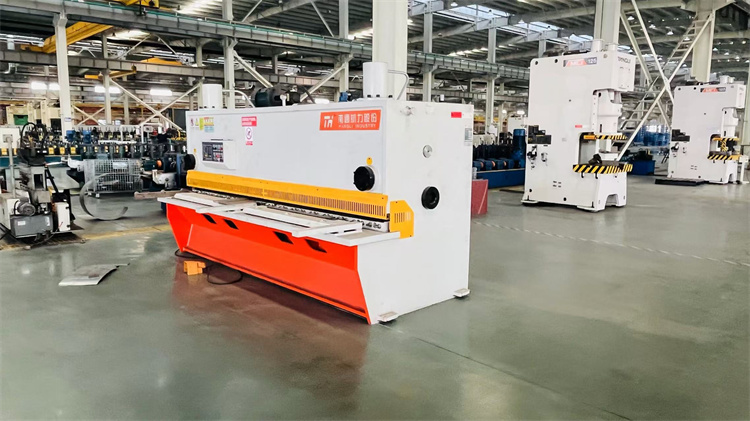
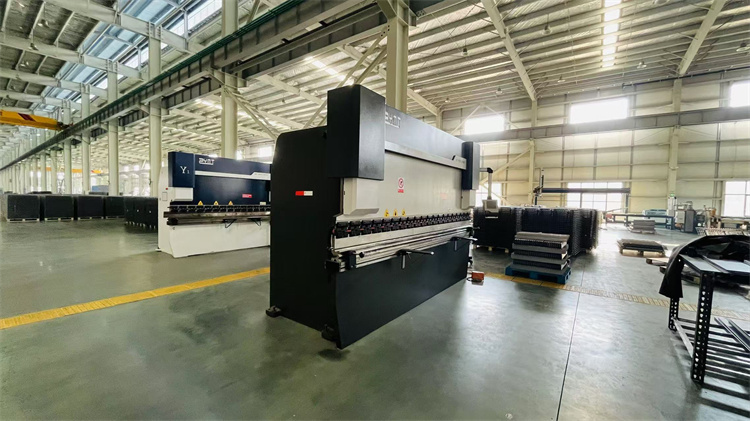
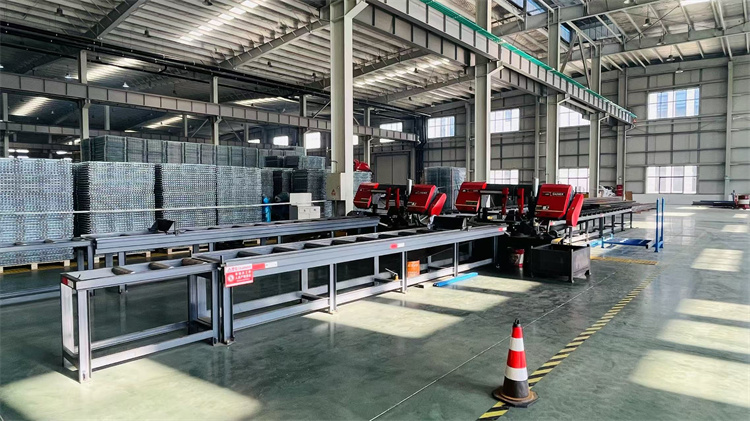
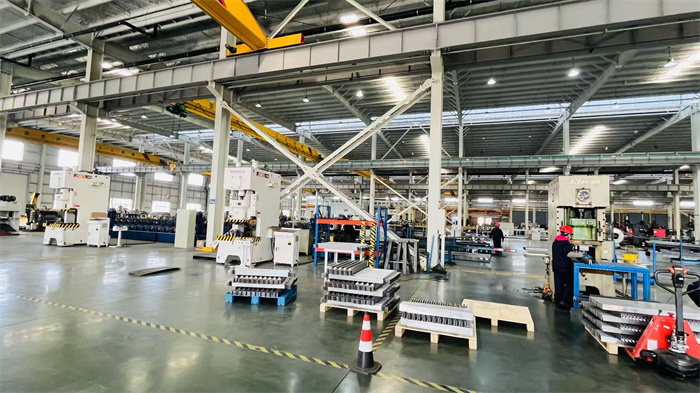
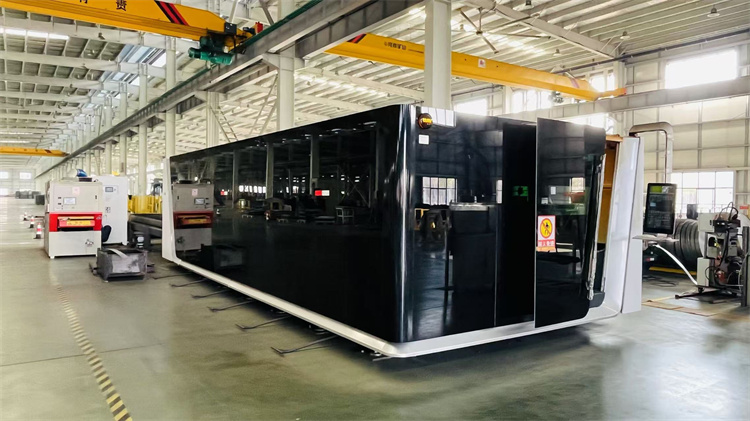
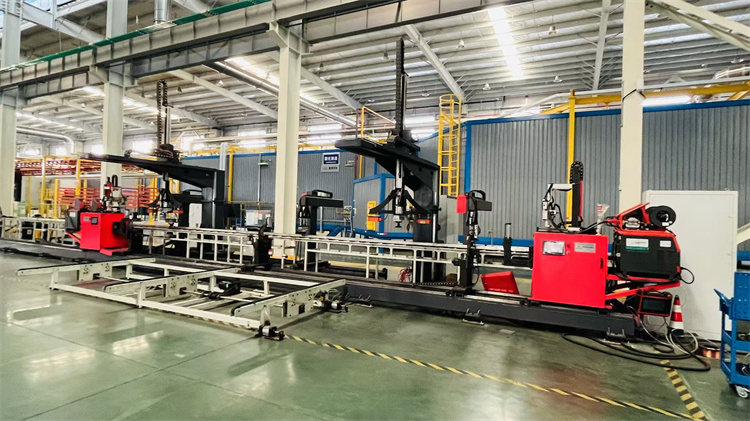
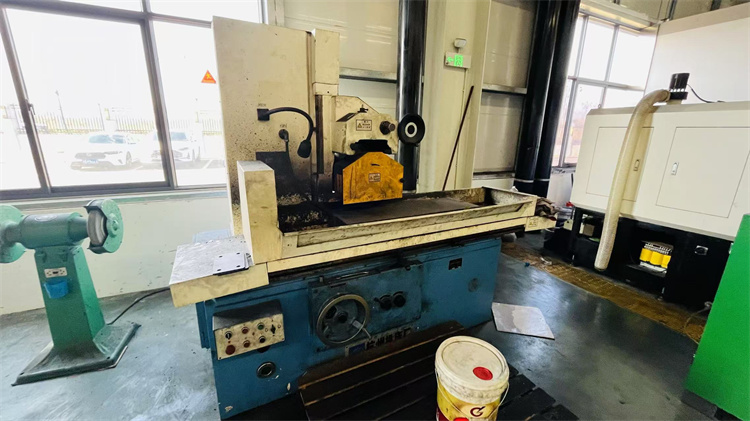
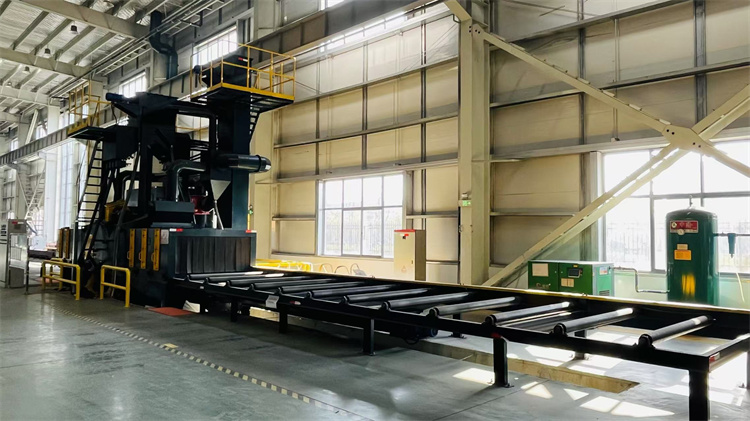
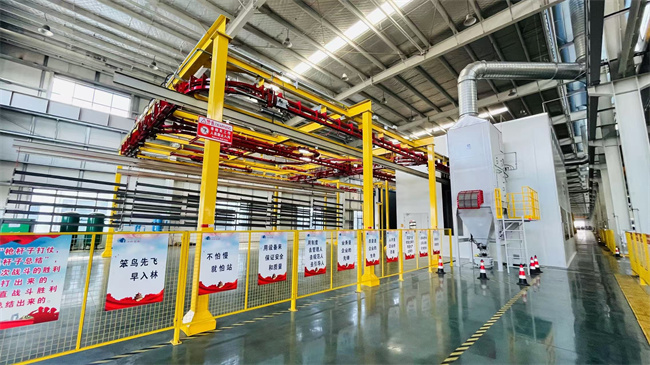
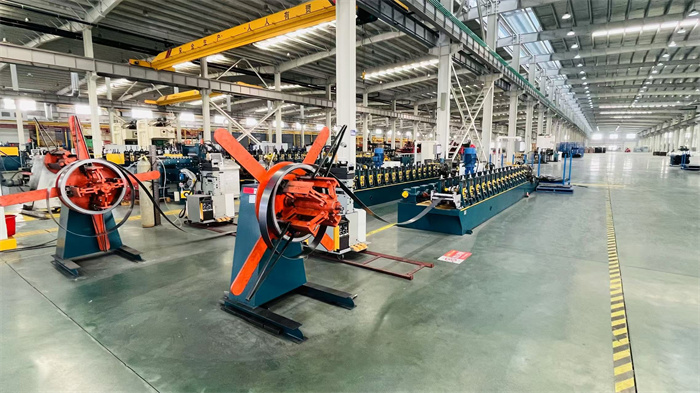
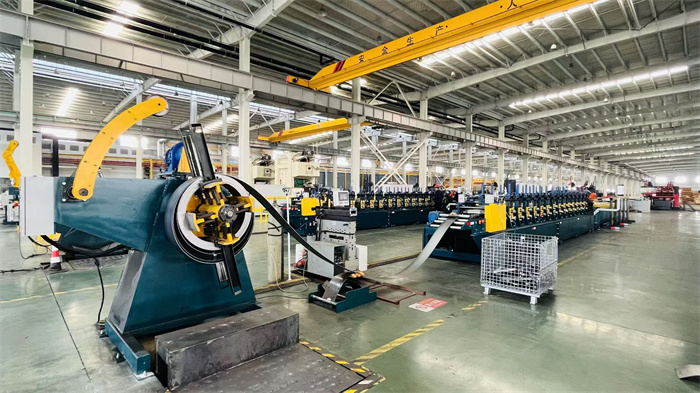
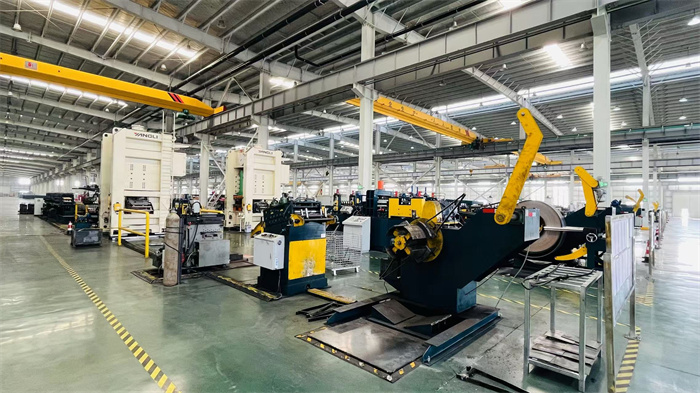
With a modern manufacturing facility covering 28,600 m², Jracking integrates advanced production equipment, strict quality management systems, and experienced engineering teams to ensure reliable product performance and consistent manufacturing standards. The company offers a comprehensive range of storage products including selective pallet racks, drive-in racking, cantilever racks, mezzanine systems, longspan shelving, steel platforms, and customized warehouse storage solutions.
Backed by over 8 years of export experience and 12 years of industry expertise, Jracking has successfully served customers in North America, Europe, Southeast Asia, Australia, and the Middle East. The company's annual export revenue exceeds USD 18 million, reflecting its strong competitiveness in the international storage equipment market.
An in-depth look at the physics of gravity-driven FIFO (First-In, First-Out) high-density warehouse racking.
The slope of a pallet flow lane is calculated with extreme precision, typically ranging between 3% to 4%. Too steep of a slope results in runaway pallets causing structural impacts, while too shallow of a slope leads to stalling. Jracking's R&D department evaluates the exact deflection limits of the steel columns alongside the expected pallet footprint weights to engineer dynamic flow paths that prevent hang-ups and ensure predictable movement.
To counter the gravitational acceleration of heavy loads (often exceeding 1,500 kg per pallet), our configurations integrate specialized centrifugal speed controllers and brake rollers directly along the lane. These mechanical governors react automatically to the pallet speed: as the rotation of the roller speeds up, the internal centrifugal brakes frictionally slow the roller down, keeping the pallet's movement speed under control.
A key issue in gravity storage is the cumulative pressure of downstream pallets pressing against the lead pallet at the picking face (known as line load). To solve this, Jracking utilizes custom pallet separators. These mechanical triggers lock the second pallet in line back from the discharge point. Once the forklift retrieves the first pallet, the separator unlocks, permitting only the next pallet to slide forward, safely eliminating back pressure.
Discover the supply chain, metallurgical, and economic competitive advantages of sourcing from our Guangdong production hubs.
Sourcing wholesale pallet flow storage systems directly from a leading Chinese manufacturer like Jracking offers profound strategic advantages to worldwide procurement managers and warehouse integrators. Backed by high-grade local steel supplies and advanced regional logistics infrastructure, our operations deliver cost efficiencies, advanced metallurgical quality, and extensive production capacities.
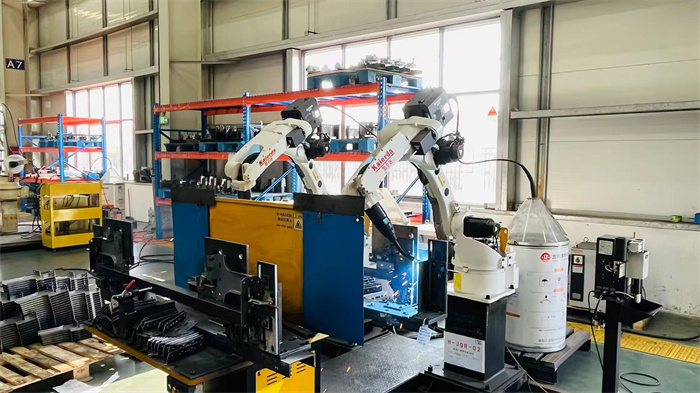
By integrating OEM design, structural manufacturing, component procurement, and automated robotic welding in a single factory, Jracking eliminates intermediate markups. This consolidated workflow translates into savings of 20% to 35% on structural materials relative to domestic sourcing alternatives, allowing distribution centers to realize project payback in much shorter timeframes.
Engineered Deflection Tolerance: L/240
All load-bearing structures are designed to hold vertical deflections under full static load within standard safety thresholds.
A technical guide for global procurement departments evaluating manufacturers of gravity flow racking.
Procuring heavy industrial racking systems from overseas requires strict validation of mechanical standards, steel grades, and welding quality. Below is the technical compliance framework Jracking follows to guarantee safety and performance across international markets:
Verify whether the manufacturer holds valid certifications for global design codes. Jracking designs and manufactures components in compliance with RMI (Rack Manufacturers Institute) guidelines in the USA, AS4084 standards in Australia, and CE / EN 15512 requirements in Europe.
Ensure the factory utilizes 3D Finite Element Analysis (FEA) to simulate localized stresses, structural buckling, and seismic performance. This analysis validates upright frame profiles and load beam shapes against expected floor loading limits before production begins.
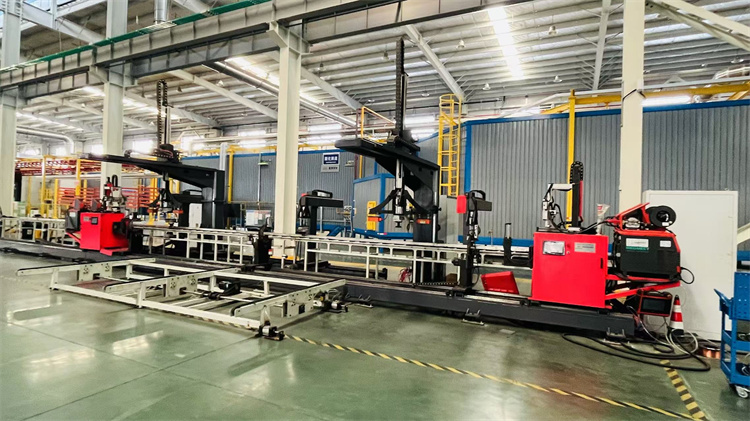
Automated robotic welding is essential to prevent joint fatigue under repeated dynamic loading. Jracking employs automated welding cells alongside ultrasonic and liquid penetrant testing to confirm weld penetration and joint strength at beam connector points.
Tailored pallet flow setups designed to optimize floor layout and inventory flow across diverse global industries.
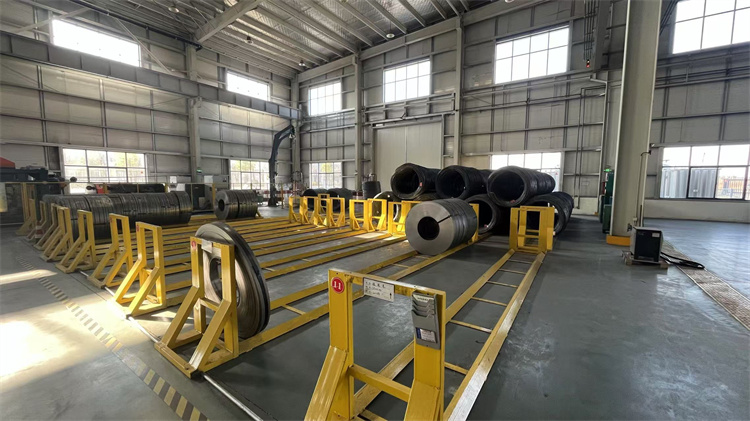
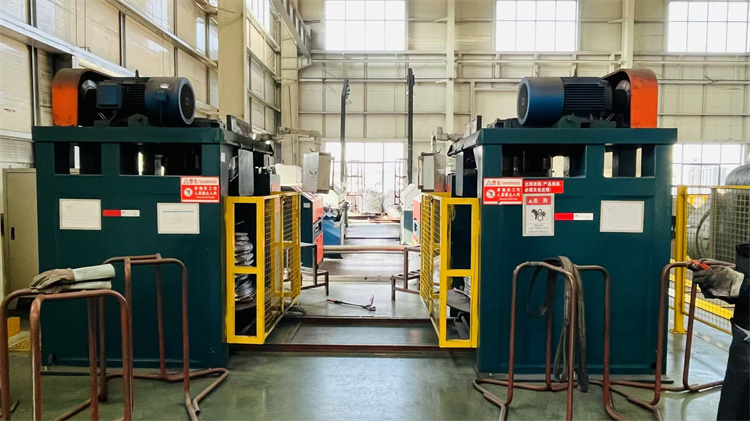
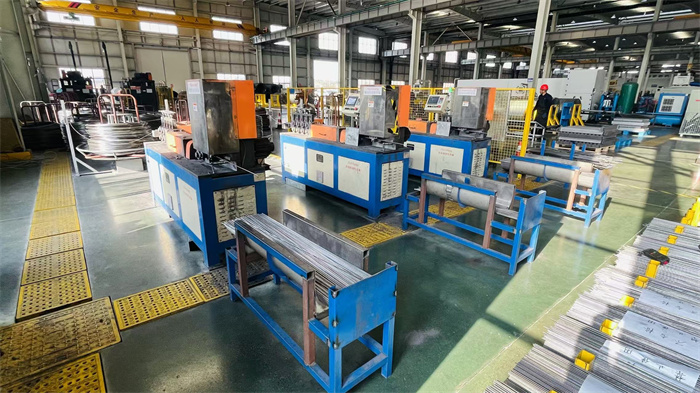
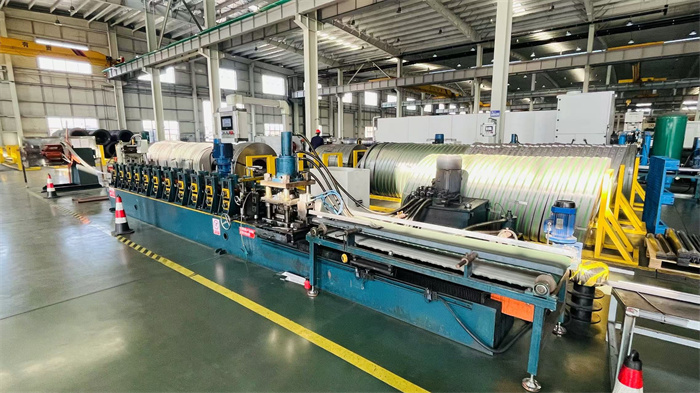
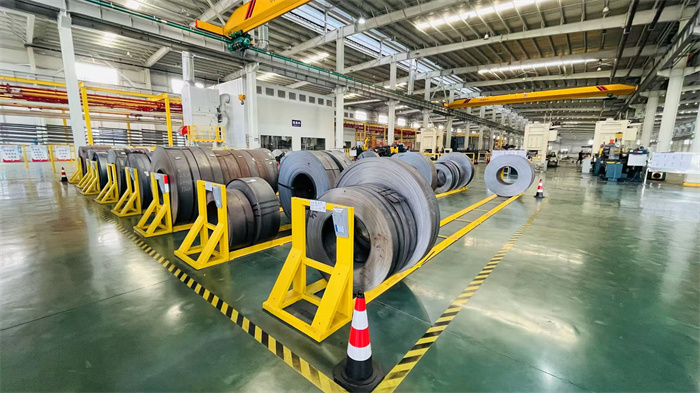
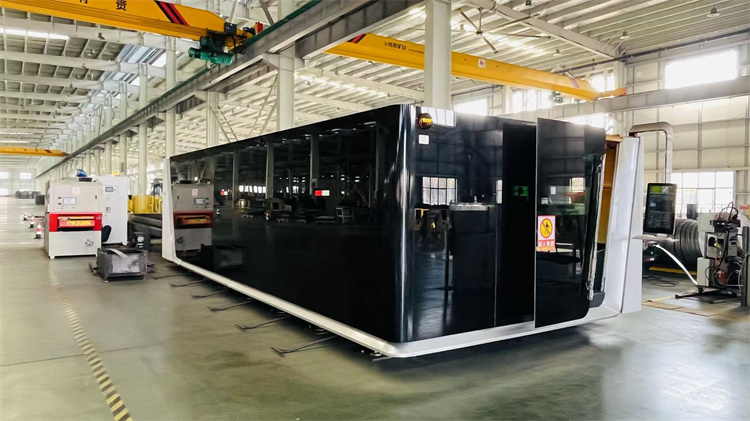
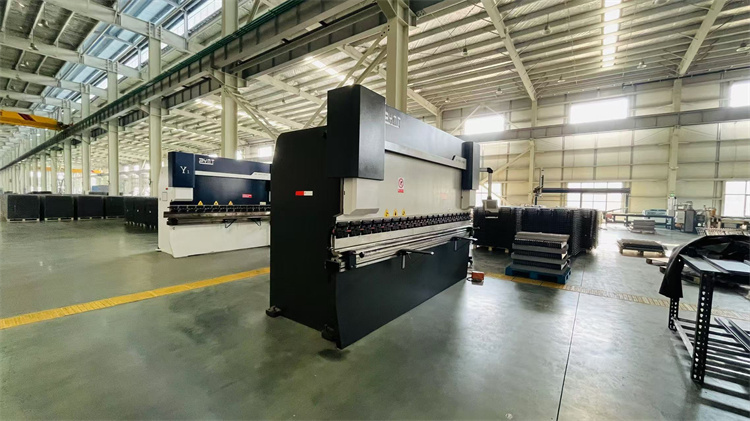
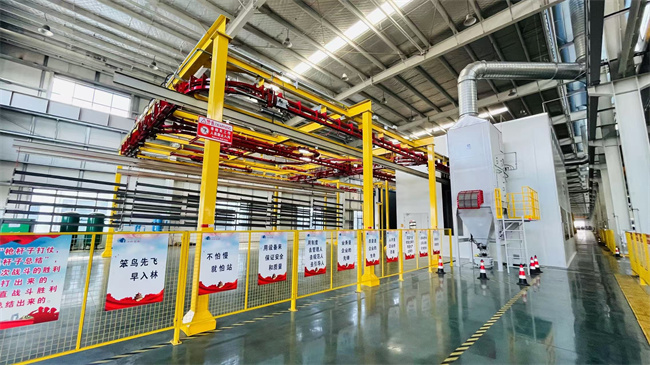
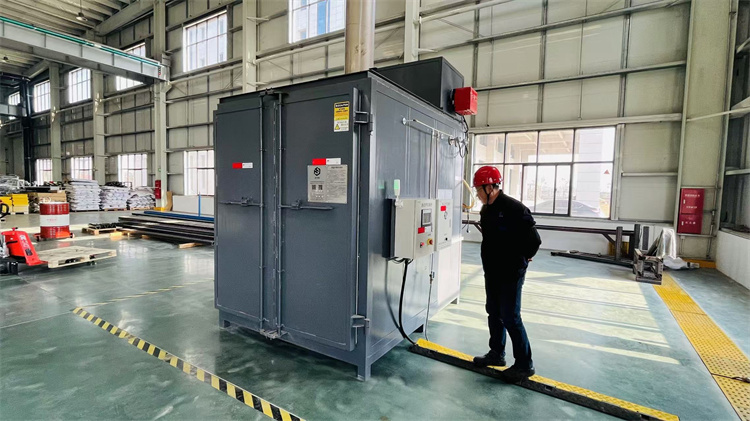
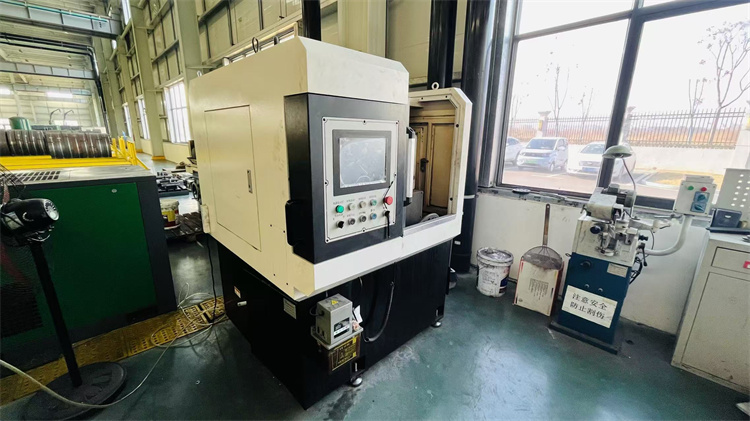
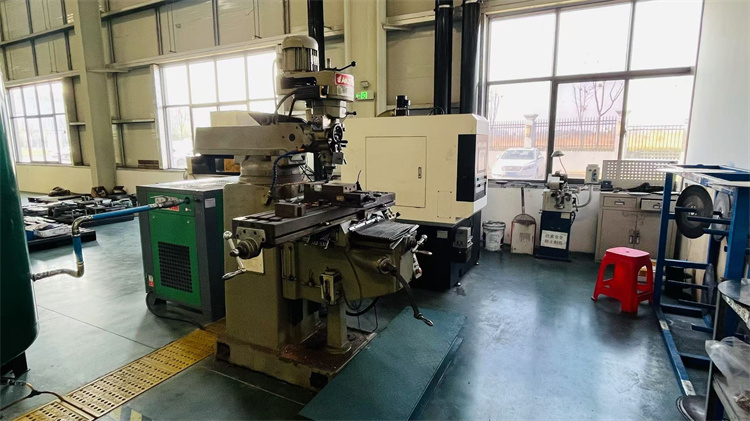
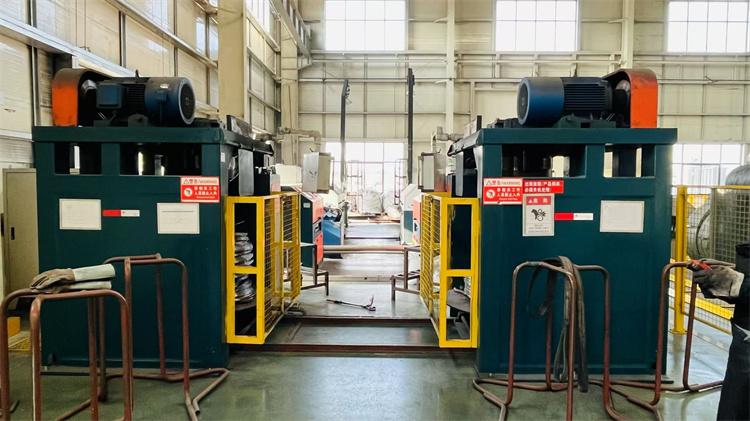
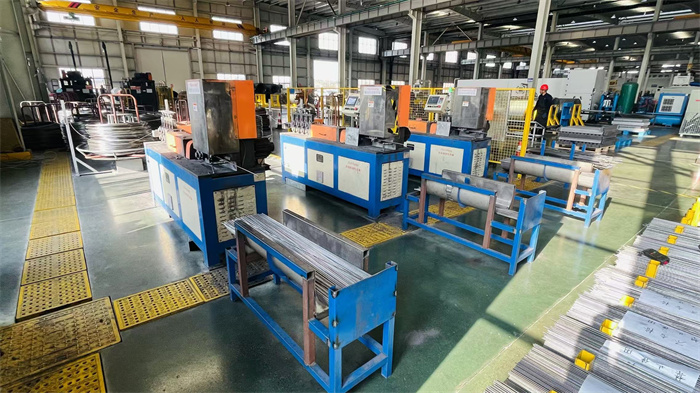
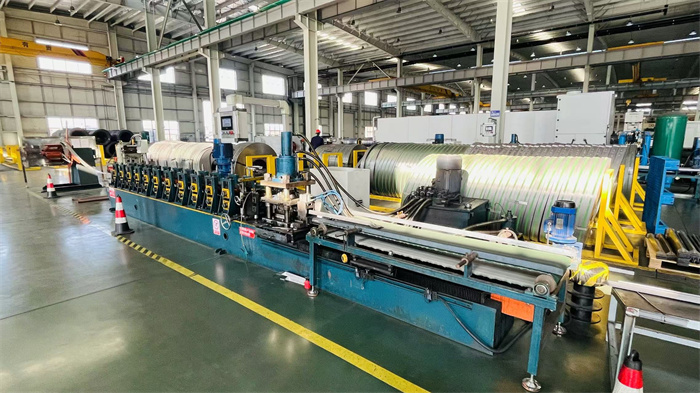
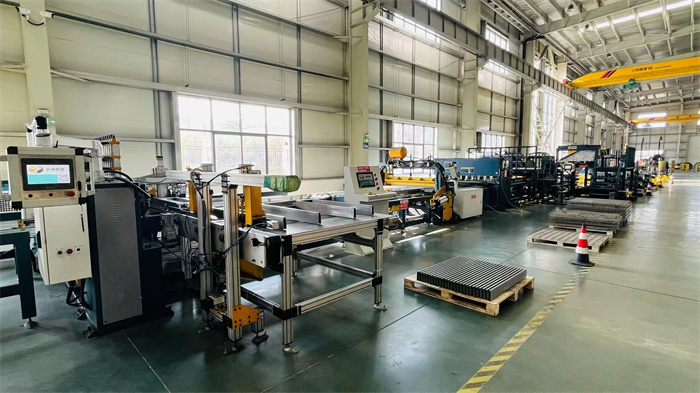
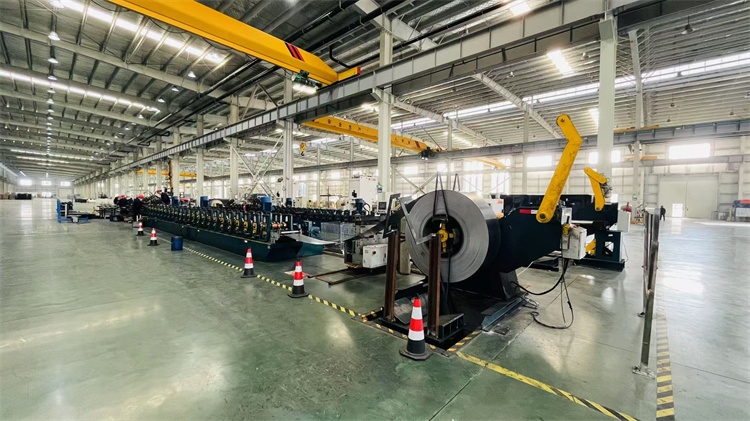
A visual tour through Jracking's manufacturing facility, highlighting raw material processing, automated rolling mills, and quality verification steps.
How modern dynamic racking systems adapt to the shift toward smart warehousing and dark logistics.
Autonomous Guided Vehicles (AGVs) and Autonomous Mobile Robots (AMRs) require precise positioning to load and retrieve pallets. Jracking's high-tolerance design ensures flow lanes terminate at exact, predictable pick elevations, facilitating smooth robotic docking and picking cycles without human intervention.
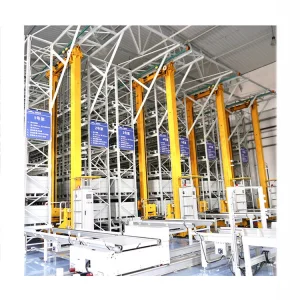
Combining automated storage and retrieval shuttle cranes with gravity flow lanes at picking levels maximizes total storage density. This hybrid approach allows high-density buffer storage while maintaining continuous gravity flow to active picking areas.
Modern facilities integrate wireless sensors directly into gravity lanes. These IoT nodes monitor roller rotational speed and detect path obstructions, transmitting real-time alerts to the Warehouse Management System (WMS) to prevent system downtime.
Technical guidance and engineering answers for warehouse operators and purchasing managers.
Heavy-duty industrial rack systems built for international distribution centers.
 Jracking