High-capacity structural steel logistics systems customized for industrial distribution hubs and cold-chain facilities worldwide.
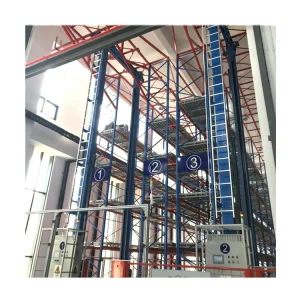
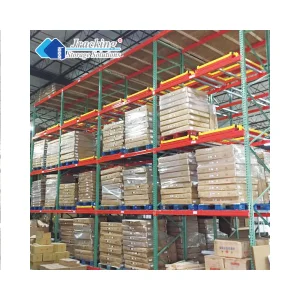
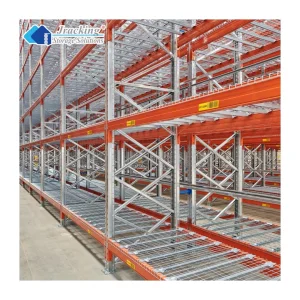
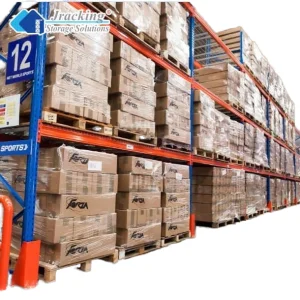
In today's highly integrated global supply chain environment, warehousing is no longer merely a stationary storage point. Instead, it serves as a critical junction for operational efficiency, rapid order execution, and continuous supply optimization. Modern logistics solutions are increasingly adopting high-density structural racking systems, fully automated retrieval systems (AS/RS), and IoT-integrated cargo tracking to optimize floor area utilization and reduce picking cycle times.
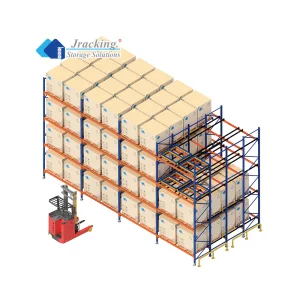
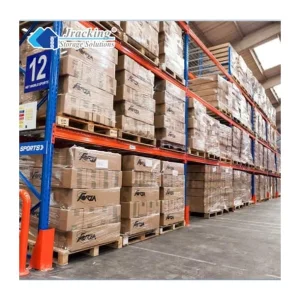
The rise of global cross-border e-commerce, coupled with unpredictable shifts in international consumer demands, has prompted warehousing hubs to maximize vertical space. Moving from standard wide-aisle storage configurations to Selective Pallet Racking, Drive-In, Push-Back, and Radio Shuttle systems has become essential to survive in competitive retail markets. Heavy-duty structures engineered with certified Q235 and Q355 structural steel can handle dynamic loads of thousands of kilograms per pallet position, protecting inventory while optimizing physical flow paths.
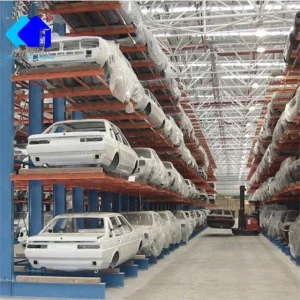
Industry data indicates that by 2026, over 40% of global industrial warehouses will integrate localized micro-fulfillment hubs. These installations rely heavily on customized racking systems designed for structural integrity at temperatures below -30°C. Heavy-duty Hot-Dip Galvanized (HDG) cantilever and drive-in racks are particularly suited for these cold storage environments, preventing corrosion caused by rapid temperature fluctuations and condensation.
Procuring logistics and storage equipment on an international scale requires strict adherence to localized engineering and manufacturing safety standards. Global engineering consultants and enterprise buyers prioritize suppliers whose systems comply with regional building codes and structural guidelines. This ensures structural safety, load-bearing reliability, and longevity under heavy operational cycles.
Primarily targeted at the North American market. Demands strict adherence to teardrop connection geometry, safety locking pins, and specific load tests to ensure stable performance under dynamic loading conditions.
Mandatory for the Australian and Oceanic storage markets. Racking structures must pass load deflection tests, seismic design calculations, and strict weld inspections to withstand potential earthquakes and structural shifts.
European design codes regulating selective steel pallet racks. Requires advanced structural calculation models, finite element analysis (FEA), and strict raw material certification to guarantee high safety factors.
Beyond structural compliance, industrial buyers emphasize manufacturing traceability. This includes certifying raw steel grades, testing weld penetration, verifying powder coating thickness to resist abrasion, and ensuring the stability of components under seismic conditions.
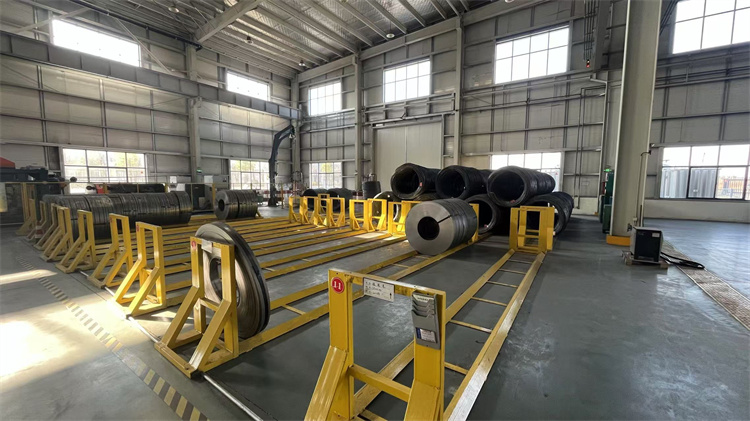
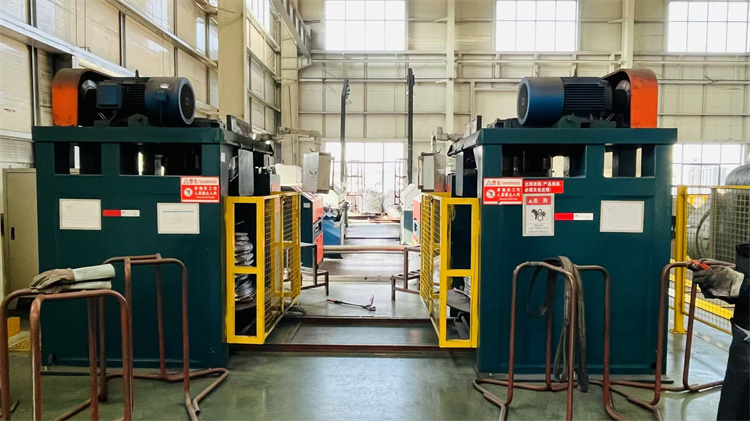
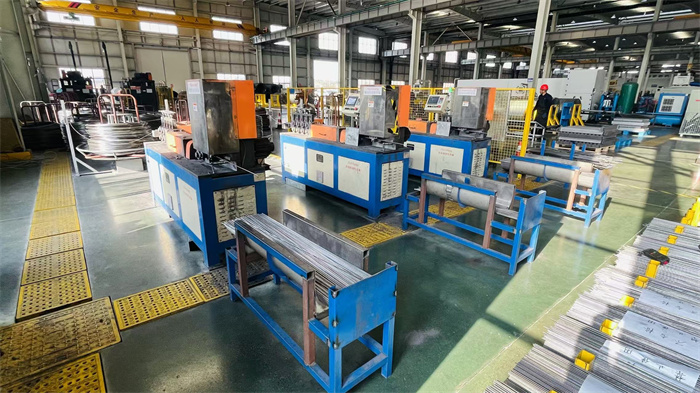
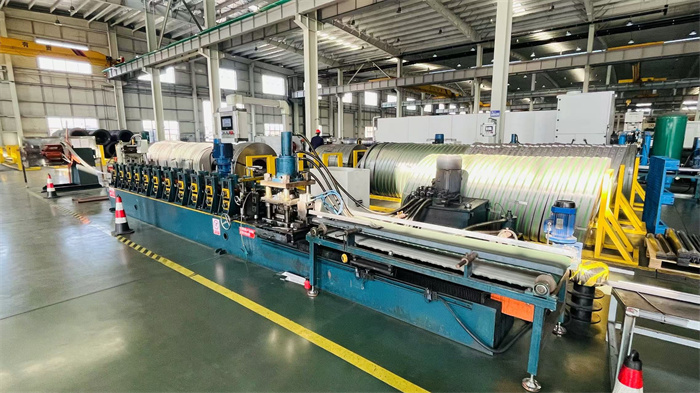
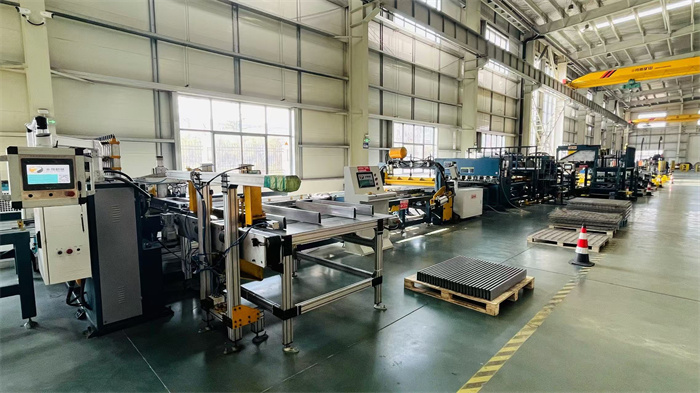
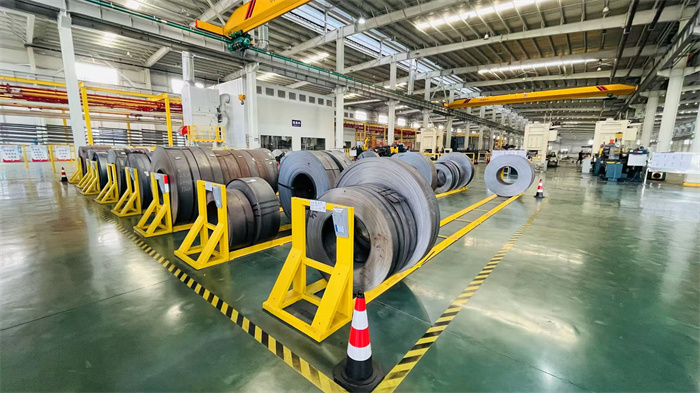
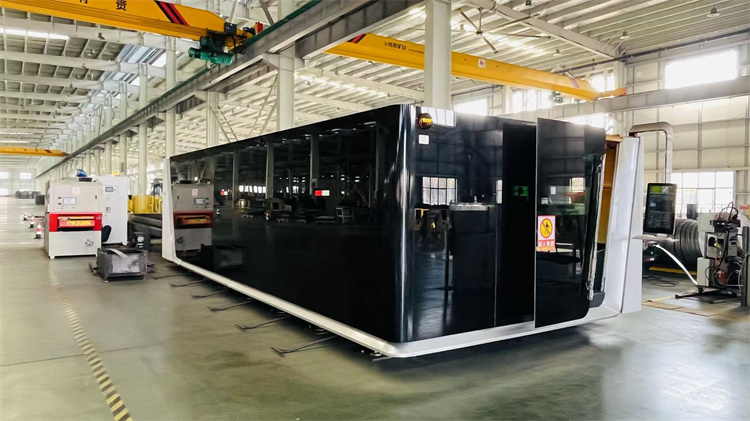
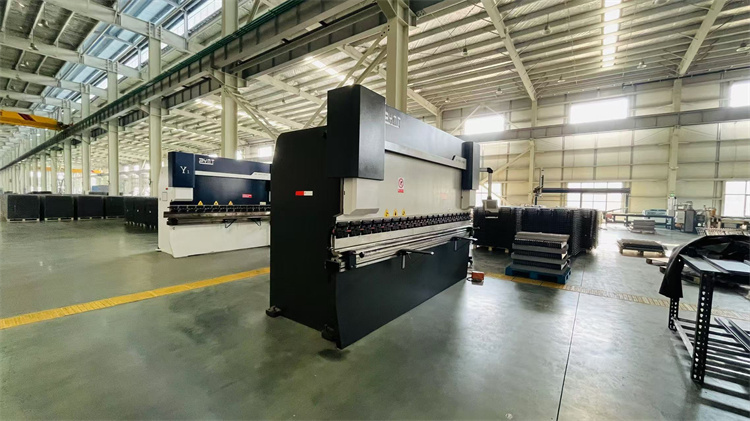
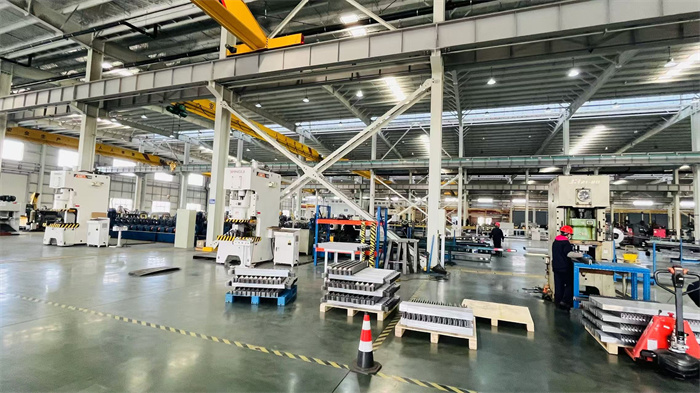
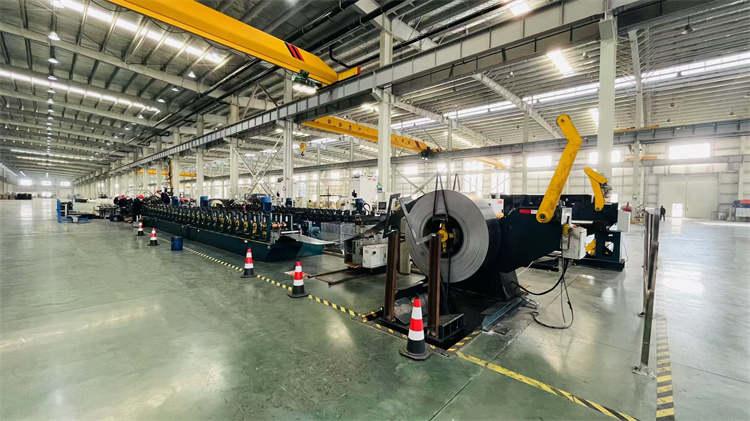
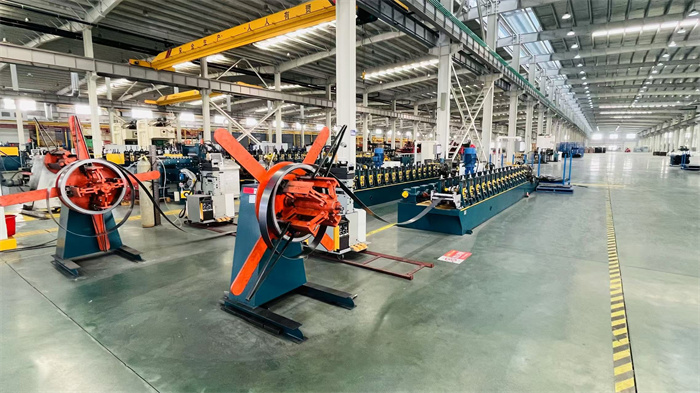
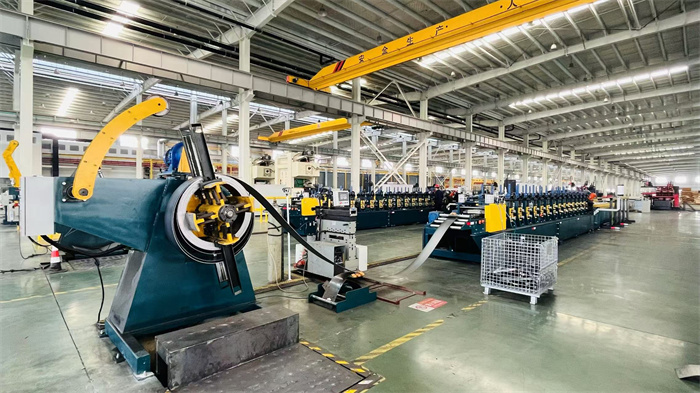
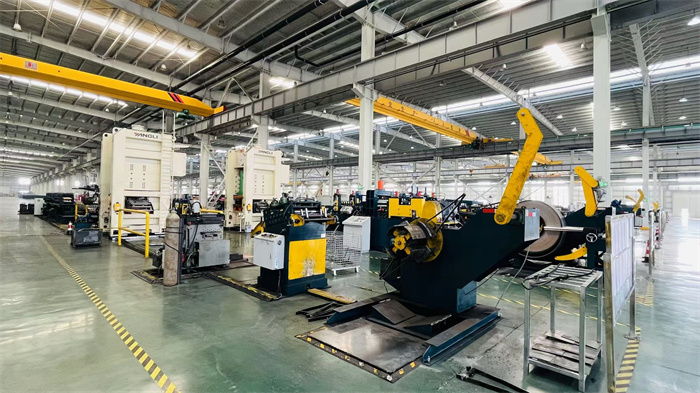
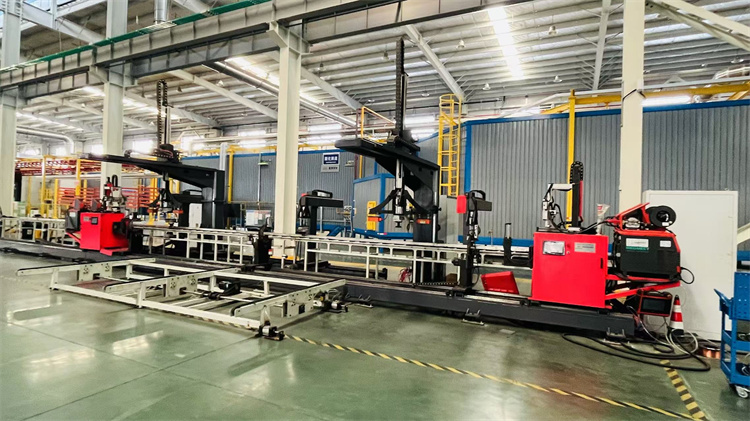
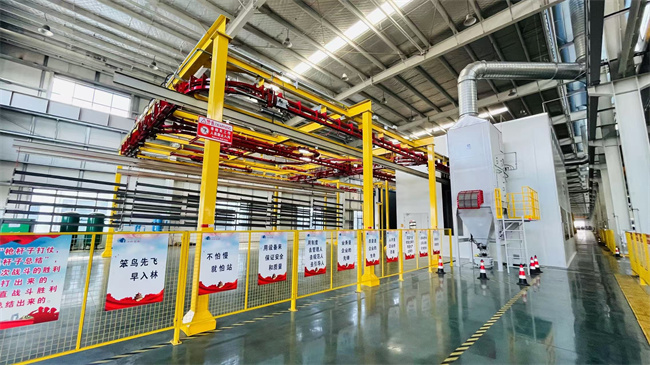
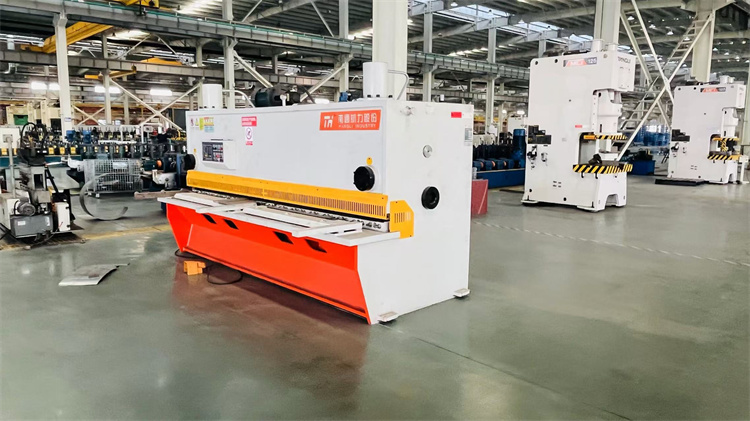
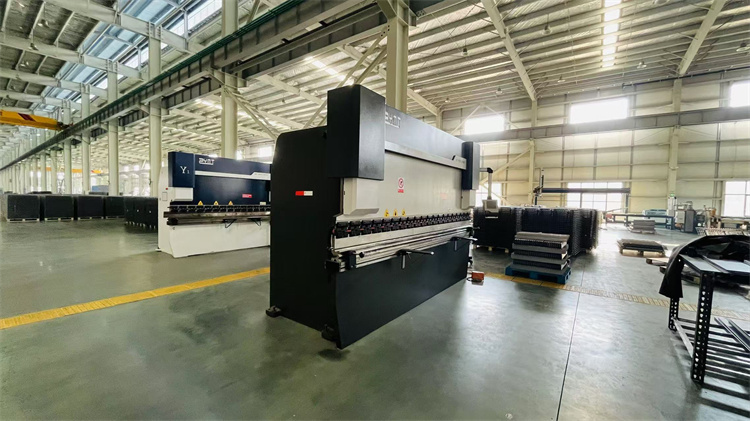
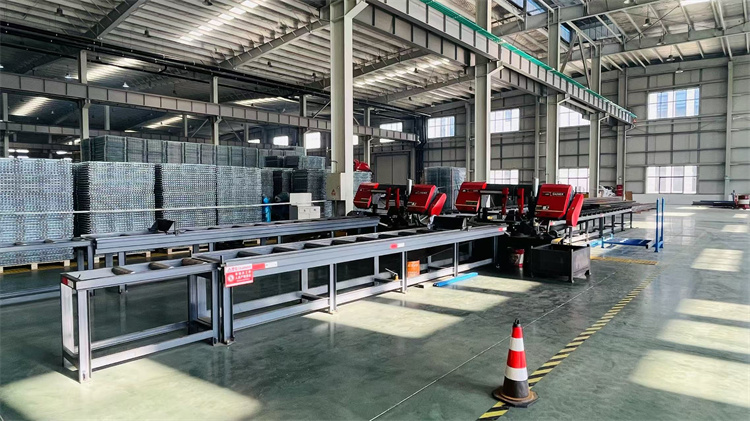
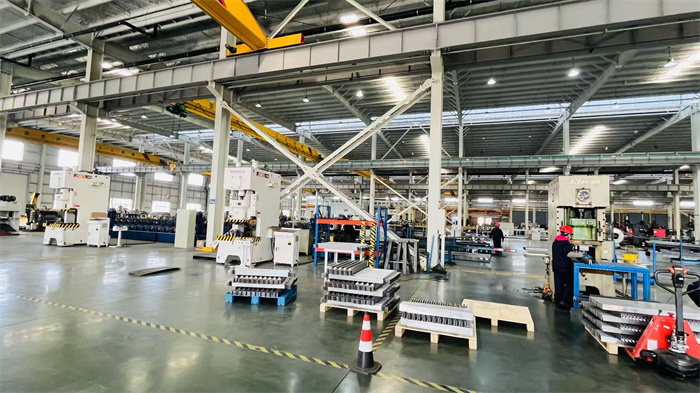
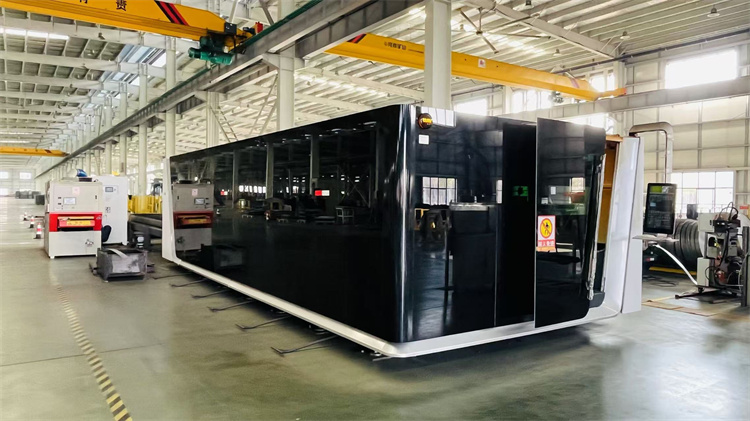
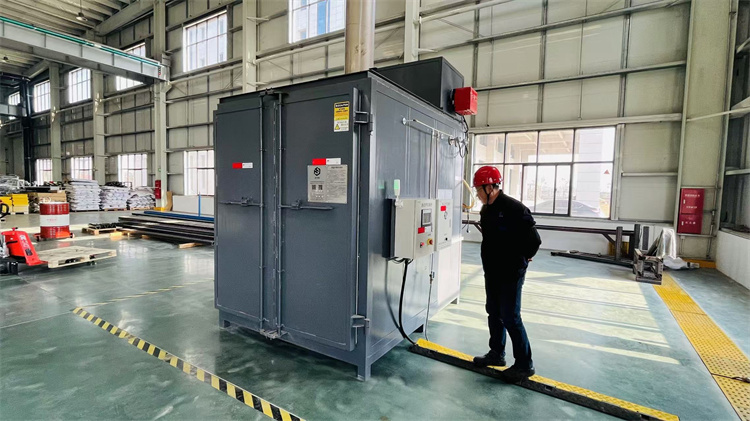
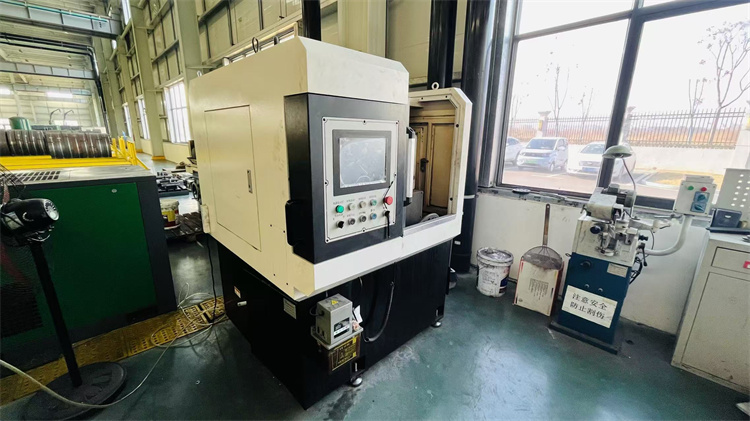
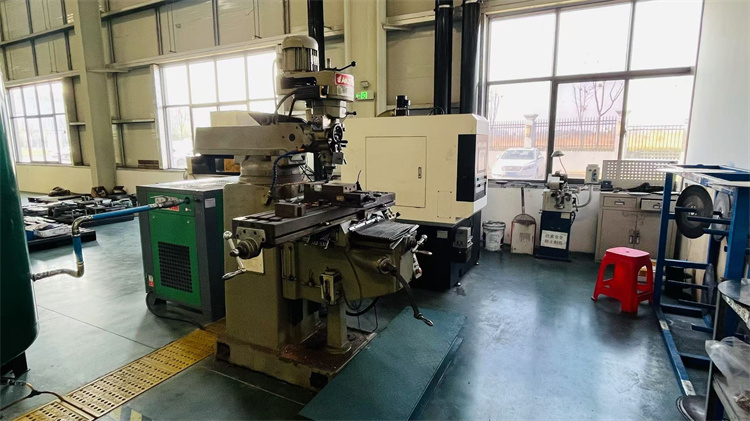
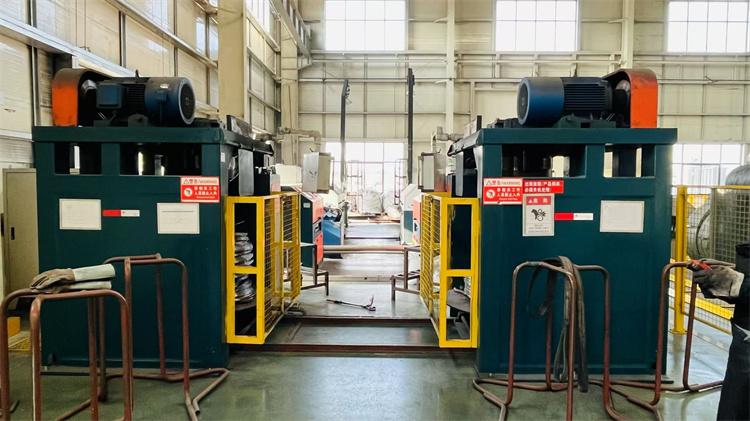
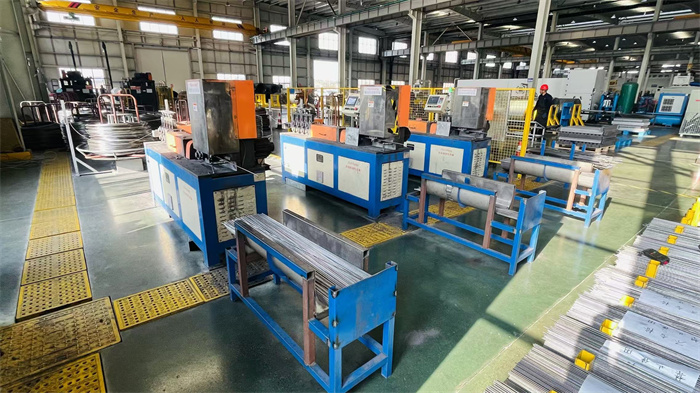
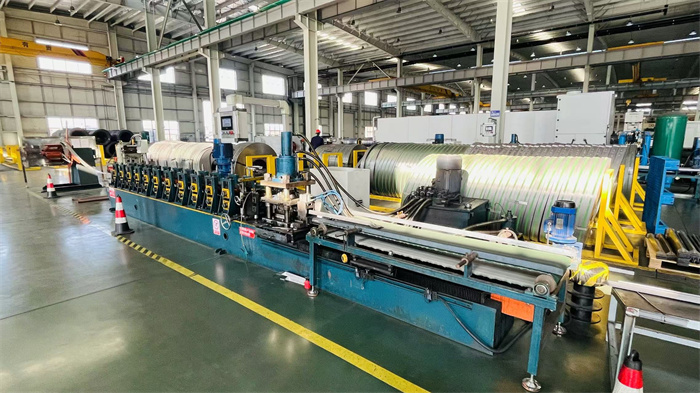
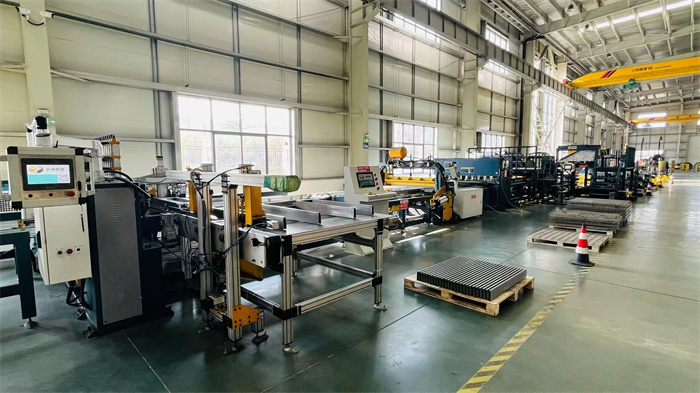
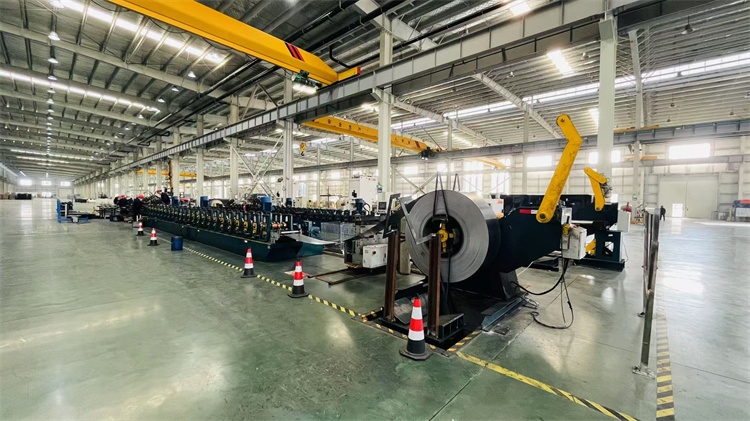
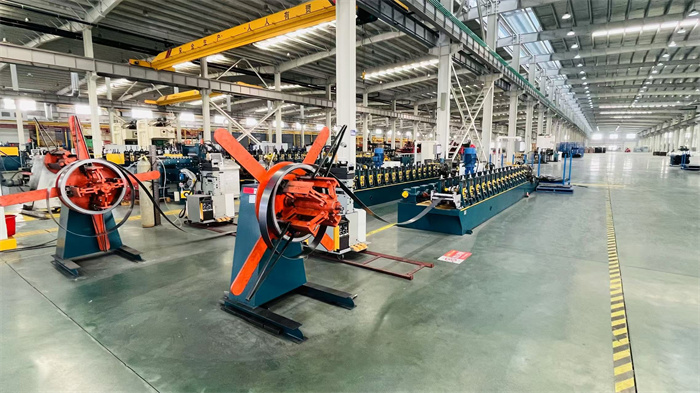
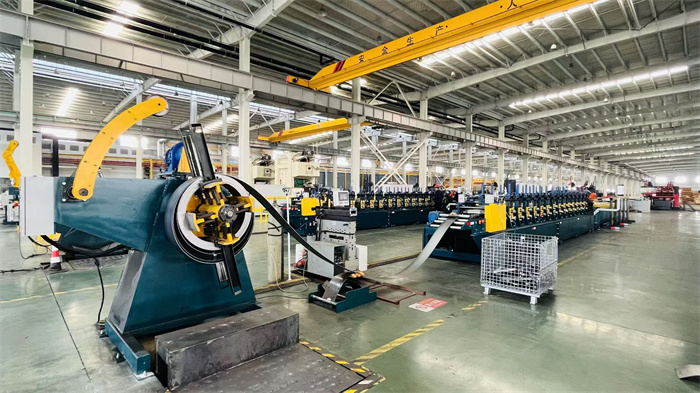
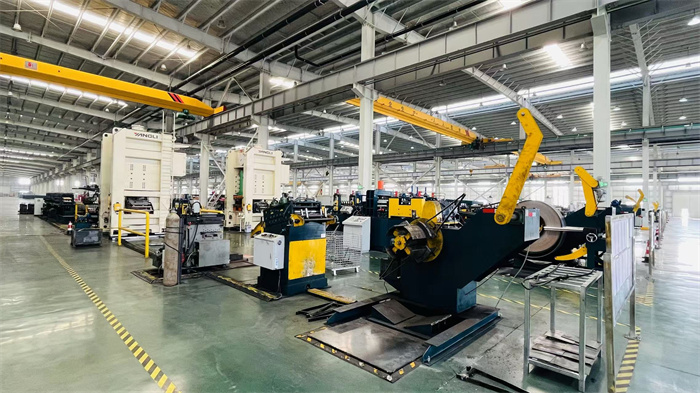
China's smart manufacturing transformation—often called Industrial IoT or Industry 4.0—has reshaped how heavy storage systems are fabricated. Jracking (Guangdong) Storage Co., Ltd. operates a modern 28,600 m² manufacturing facility designed to streamline the step from raw steel roll to finished product. This setup minimizes processing tolerances, ensures weld integrity, and scales production for massive global logistics projects.
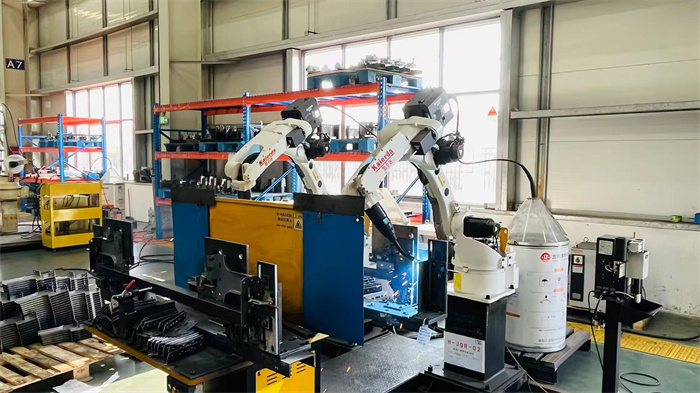
Through automated CNC roll-forming lines, P-beam and column profile geometries are kept highly consistent. This accuracy is vital for large-scale, automated ASRS storage installations where even a millimeter of deviation can cause automated cranes or radio shuttles to halt. By using automated robotic welding stations alongside 48 dedicated quality inspectors, every baseplate, beam connector, and support brace meets structural tolerances.
Overview of our state-of-the-art manufacturing steps, roll forming machinery, and automated robotic systems at the Guangdong plant.
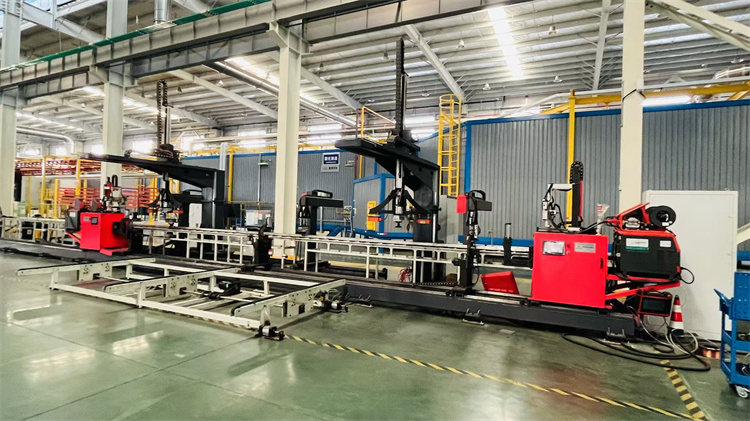
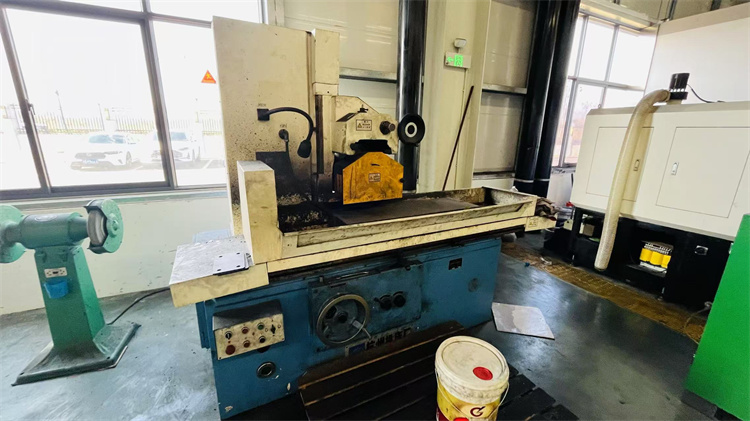
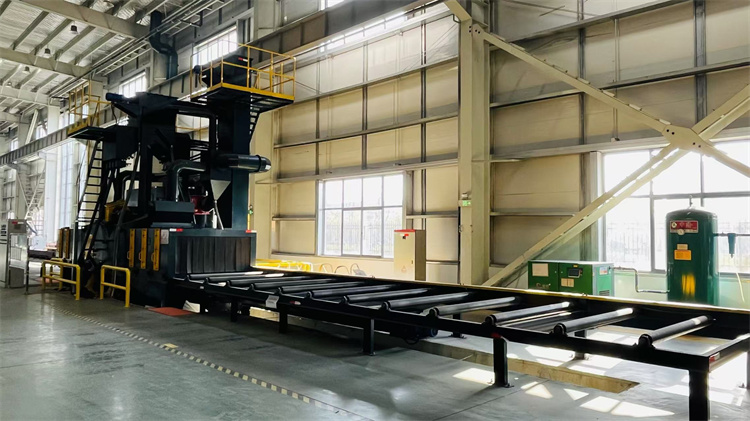
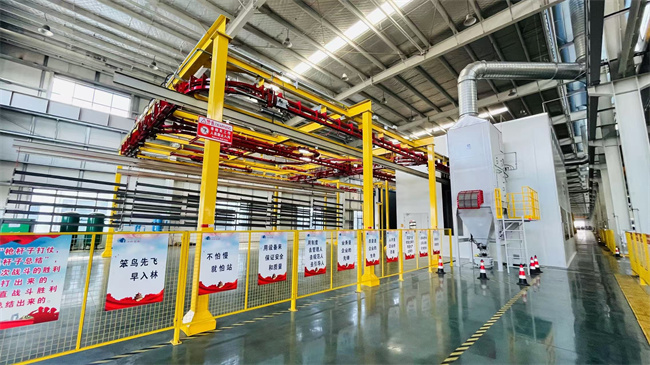
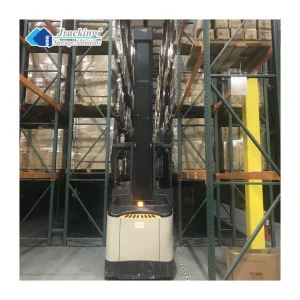
To offset rising labor costs and prevent operational downtime, enterprises are transitioning from static storage configurations to automated environments. Automated Storage and Retrieval Systems (AS/RS), integrated with stacker cranes, warehouse control systems (WCS), and software, allow for high throughput rates. These installations optimize dynamic material handling cycles and significantly reduce human error.
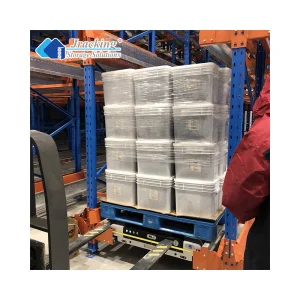
In high-density food distribution hubs and cold storage setups, the Four-Way Radio Shuttle system offers a cost-effective alternative to full AS/RS installations. The shuttle moves along dynamic internal rails within the racking structure, retrieving pallets and moving them to the picking aisle. This design cuts energy costs in cold chambers by minimizing the cubic space that requires refrigeration.
Jracking selective pallet systems utilize high-grade Q235 and Q355 structural steel sourced directly from leading domestic steel manufacturers. Under structural standards, dynamic loading requires careful finite element modeling (FEM) to analyze stress points where beams connect to upright columns. By incorporating heavy-duty structural baseplates and custom safety locking pins, the system remains stable under forklift impacts and localized loading stresses.
Industrial storage systems must be customized to fit the regulatory requirements, seismic risks, and transport dimensions of the target location:
We primary source high-tensile Q235 and Q355 structural steel for all upright frames and beams. To prevent rust in humid or cold environments, we apply electrostatic powder coating or Hot-Dip Galvanization (HDG), maintaining consistent surface protection.
Our engineering team performs custom structural designs based on your region's seismic profile. We configure dynamic footings, heavy-duty baseplates, and specialized bracing to ensure stability under local seismic conditions.
Yes, we provide specialized OEM and ODM services. We manufacture US Teardrop racking for the North American market, as well as European standard and AS4084 compliant storage systems for international projects.
Our heavy-duty selective pallet racks are designed to support structural loads ranging from 1,000 kg to over 4,000 kg per level, depending on beam profiles and dynamic engineering requirements.
Our 48 professional quality inspectors conduct load capacity tests, dimensional checks, welding quality audits, coating thickness measurements, and test assembly setups before dispatch.
A drive-in rack requires forklifts to enter the racking aisles, which increases the risk of structural collisions. A Four-Way Radio Shuttle system uses automated shuttles to retrieve and deposit pallets within deep lanes, lowering risk and speeding up operations.
Yes, all of Jracking's manufacturing operations are certified under ISO 9001 quality systems. This ensures raw material traceability and quality controls at every stage of production.
Standard custom racking projects take between 20 and 35 days, depending on project scale, structural custom requirements, and current roll-forming production capacity.
Yes, our R&D engineering division, consisting of 85 engineers, designs dynamic warehouse layouts, seismic profiles, and 3D mockups based on your storage needs.
Yes, our automated racking systems are manufactured with precise millimetric tolerances. This ensures they integrate smoothly with standard third-party stacker cranes, conveyors, and automated control networks.
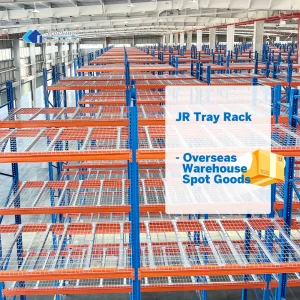
Explore our specialized heavy-duty cantilever racks, automated systems, and high-performance metal decking panels.
 Jracking