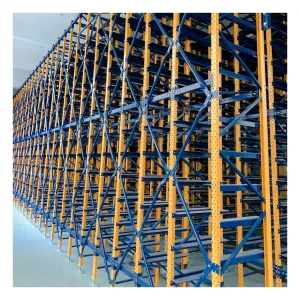
High-capacity structural racking engineered for cold rooms, automated warehouses, heavy industry, and high-density storage facilities.
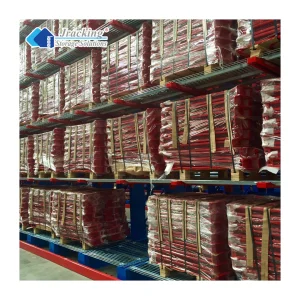
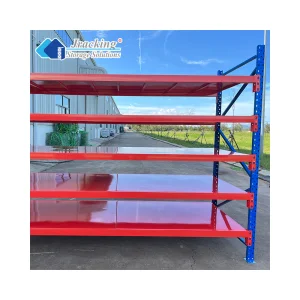
Analyzing how functionality racking transforms modern supply chain economics, enhances throughput, and supports dense spatial requirements globally.
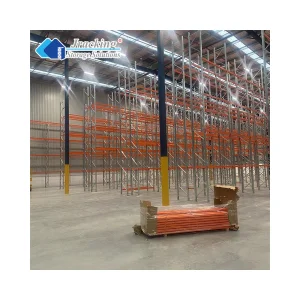
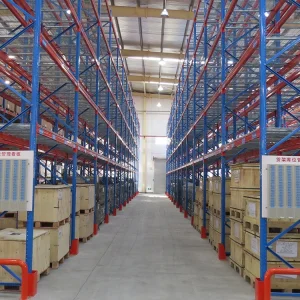
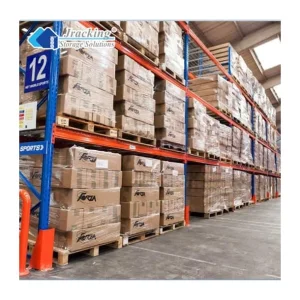
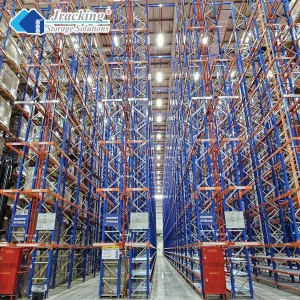
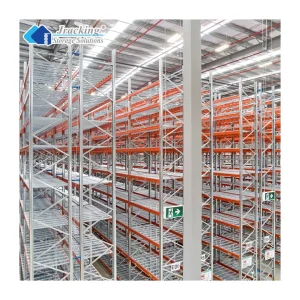
In the contemporary industrial sector, real estate costs are climbing exponentially. Warehousing and logistics operators globally are forced to search for vertical space solutions rather than horizontal expansions. Functionality racks represent the baseline of this structural migration. By leveraging heavy-duty steel selective pallet racking, structural mezzanine designs, and high-density automated shuttle systems, modern facilities can scale storage footprints vertically up to 30 meters. This spatial evolution allows enterprises to triple their SKU density while preserving operational flexibility.
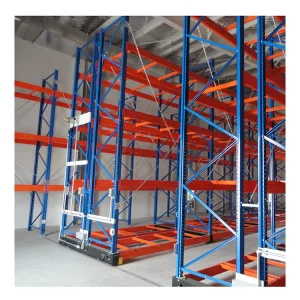
With the rapid growth of the global cold-chain industry (largely driven by fresh food logistics, pharmaceuticals, and biological materials), specialized cold room storage racks are in unprecedented demand. Steel properties change under sub-zero temperatures, requiring precision metallurgy and specialized powder-coating treatments. Functionality racks built for cold storage must resist brittle fractures and preserve structural integrity down to -30°C. In these environments, automated mobile racking and high-density drive-in storage minimize the volume of refrigerated air spaces, slashing utility bills and maximizing thermal efficiency.
Industrial storage is a critical safety-first sector. Global markets enforce unique and demanding compliance metrics. In North America, structural storage must align with the Rack Manufacturers Institute (RMI) standards. In the Asia-Pacific region, especially Australia, AS4084 compliance is mandatory to certify load capacities and structural safety tolerances. Meanwhile, Europe relies on EN standards. Working with a China-based manufacturer who holds direct CE, RMI, and AS4084 certifications ensures that wholesale equipment can pass local municipal safety and liability inspections without expensive post-installation rectifications.
Bridging the gap between raw logistics challenges and optimized high-load structural configurations.
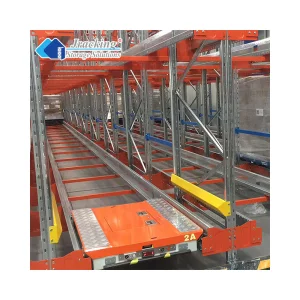
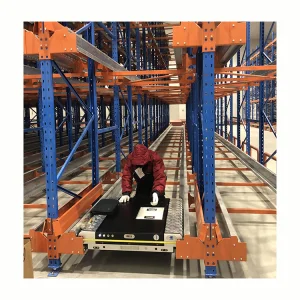
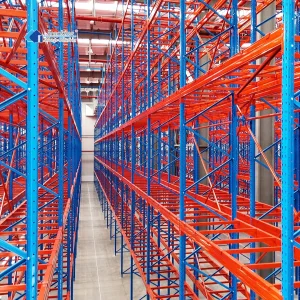
Many legacy warehouses operate at only 50-60% spatial efficiency due to wide forklift aisles. Jracking's high-density configurations—including automated 4-way radio shuttle systems and narrow aisle selective pallet racks—reduce footprint loss by up to 80%, transforming dead space into revenue-generating product storage.
Standard structural steel racks fail under seismic movements. Jracking incorporates custom seismic calculations, utilizing heavy-duty baseplates, upgraded bracing profiles, and high-tensile structural bolts (Q235B and Q355B steel) configured to dissipate lateral energy during earthquake events, securing inventory and personnel.
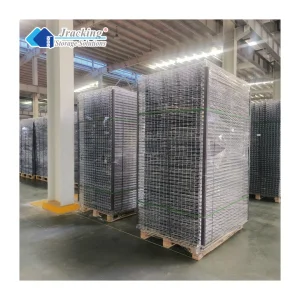
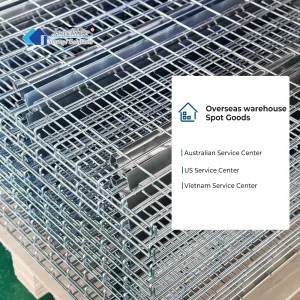
Inefficient warehouse layouts choke product flow. By deploying customized selective racking integrated with AS/RS systems, operators can reduce cycle times. Real-time SKU visibility, streamlined picking routes, and compatible wire mesh decking ensure safer, faster forklift and AGV operations.
A state-of-the-art manufacturing plant dedicated to international industrial storage equipment excellence.
Jracking (Guangdong) Storage Co., Ltd. is a professional manufacturer specializing in warehouse racking systems and industrial storage solutions in China. Since its establishment in 2016, the company has been dedicated to designing, manufacturing, and supplying high-quality storage equipment for global customers across various industries.
With a modern manufacturing facility covering 28,600 m², Jracking integrates advanced production equipment, strict quality management systems, and experienced engineering teams to ensure reliable product performance and consistent manufacturing standards. The company offers a comprehensive range of storage products including selective pallet racks, drive-in racking, cantilever racks, mezzanine systems, longspan shelving, steel platforms, and customized warehouse storage solutions.
Quality remains the core of Jracking's manufacturing philosophy. Every production process is strictly monitored through ISO-compliant quality control procedures, while products undergo load capacity testing, dimensional inspection, welding inspection, coating thickness testing, and final assembly inspection before shipment. The company employs 48 professional quality inspectors to maintain stable product quality and customer satisfaction.
A step-by-step visual and technical overview of our structural steel fabrication and assembly processes.
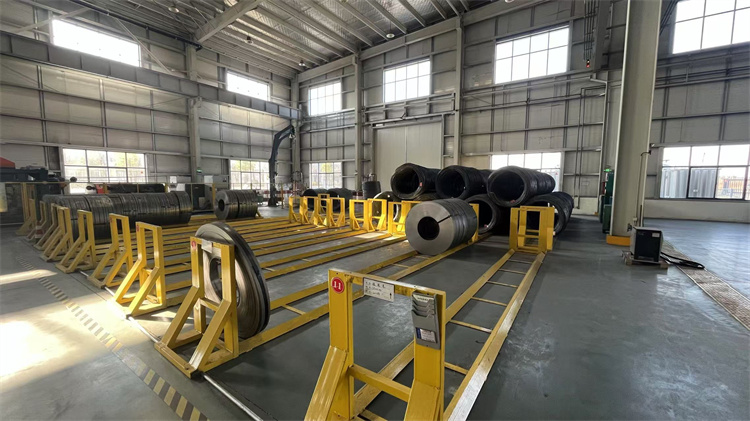
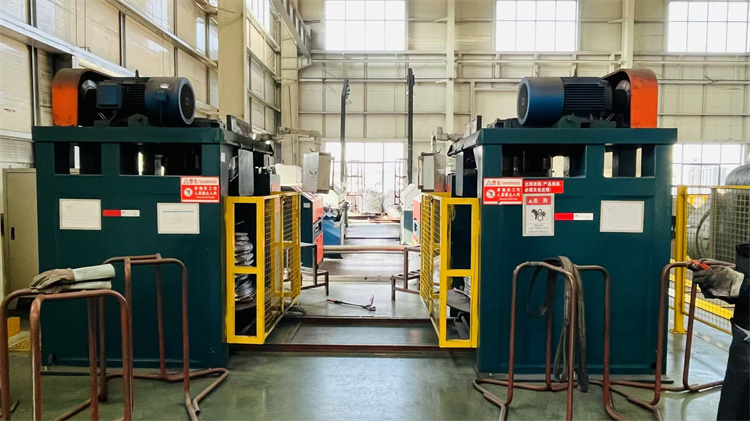
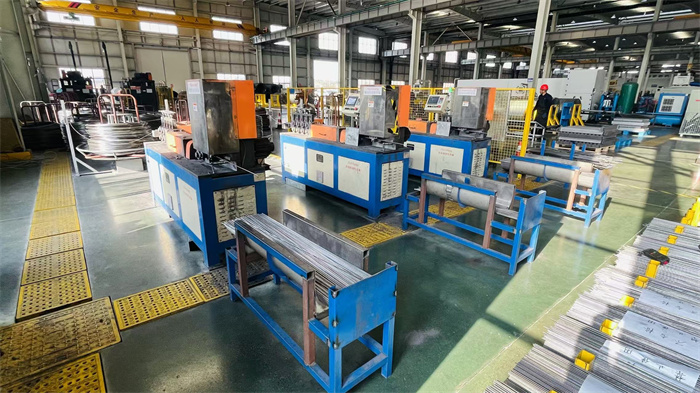
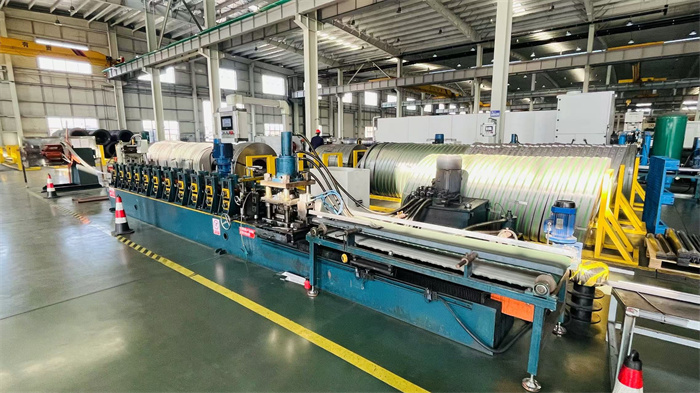
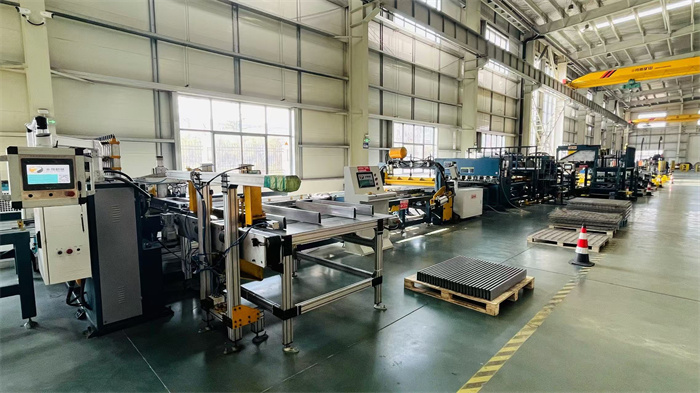
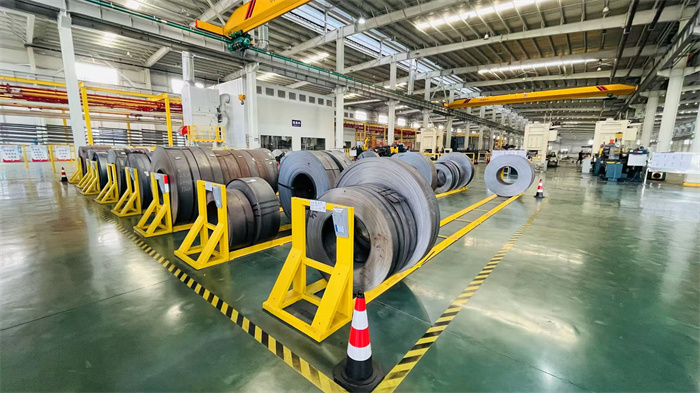
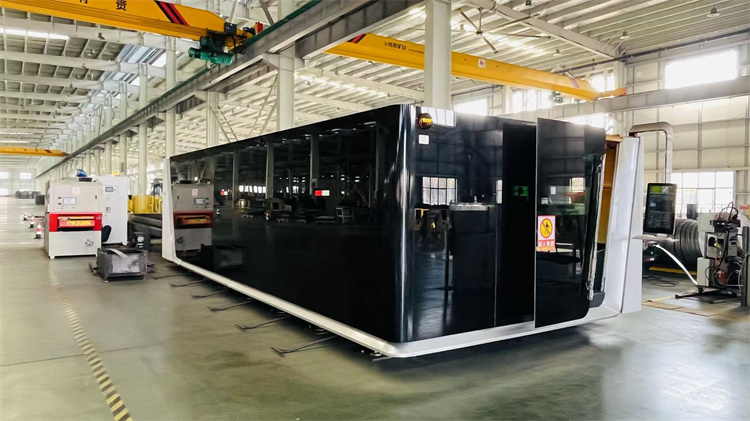
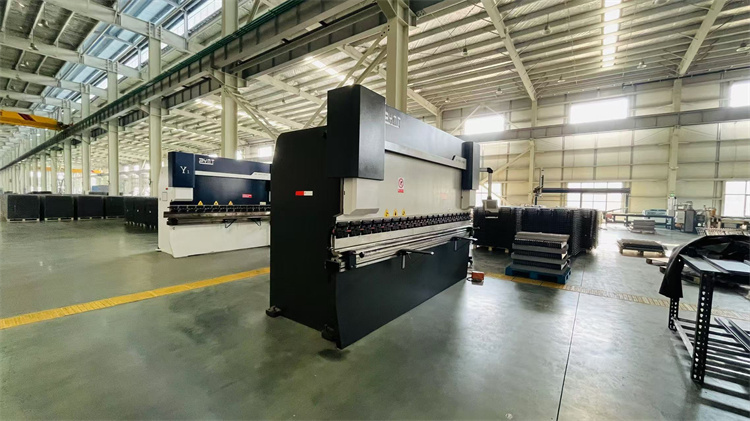
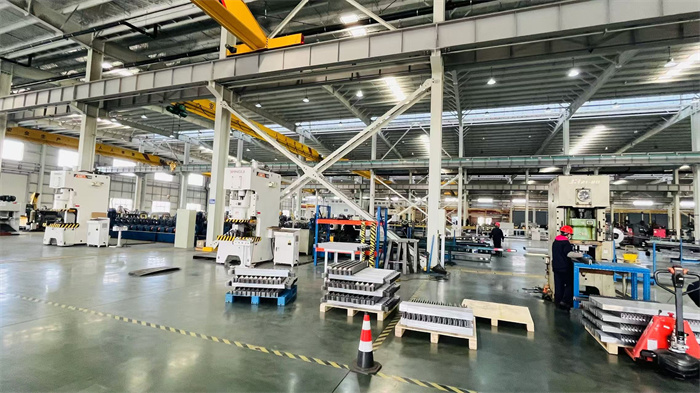
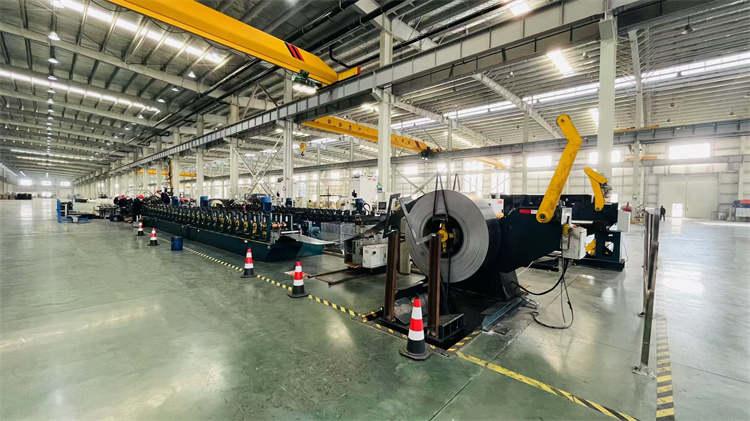
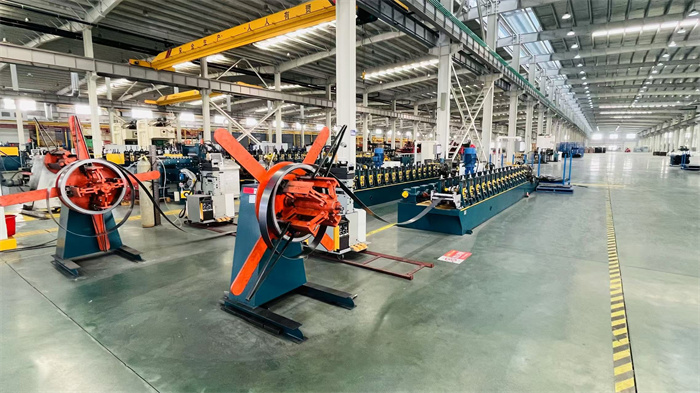
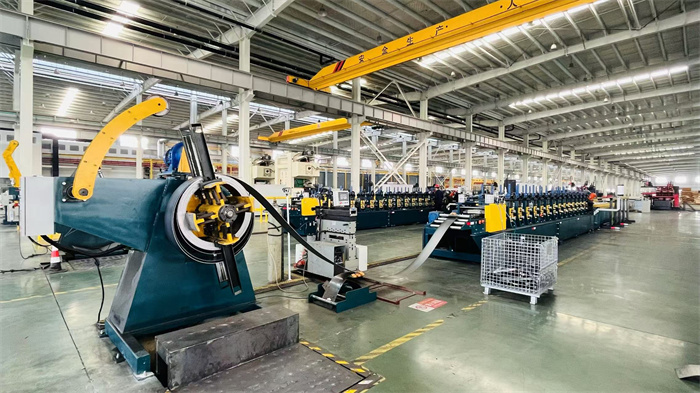
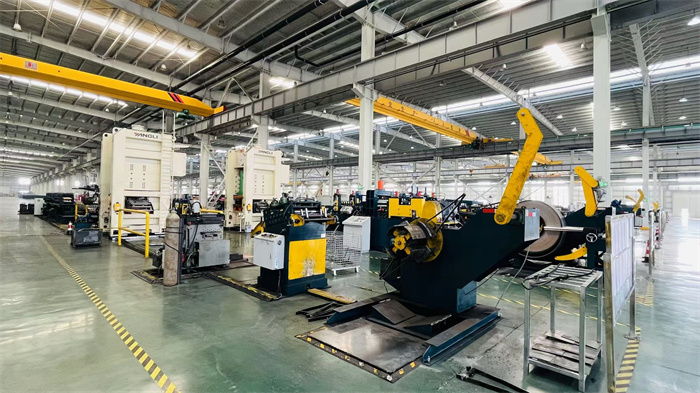
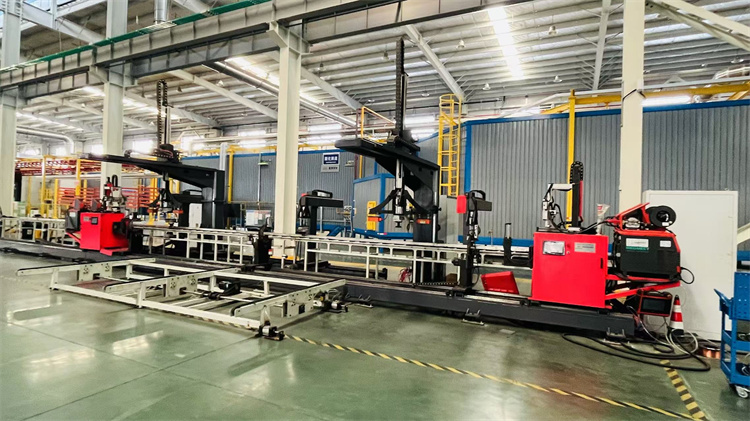
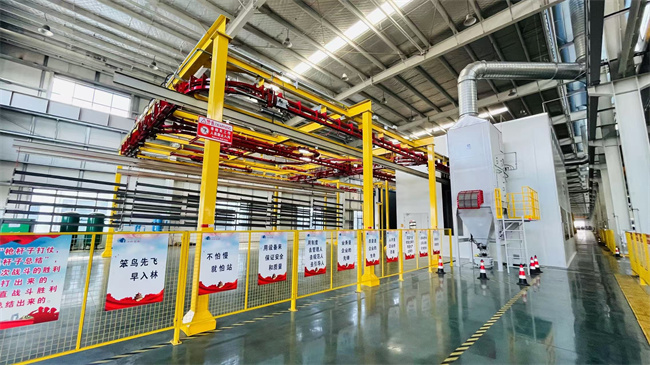
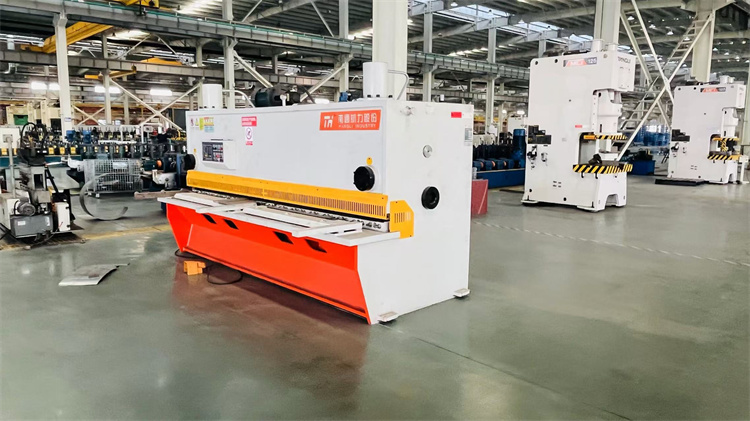
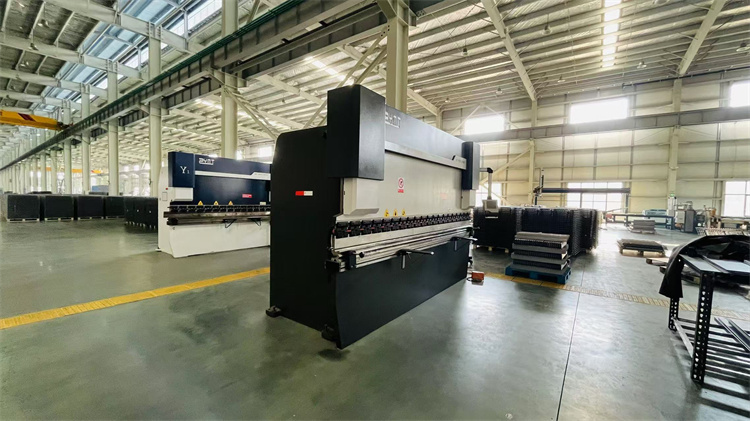
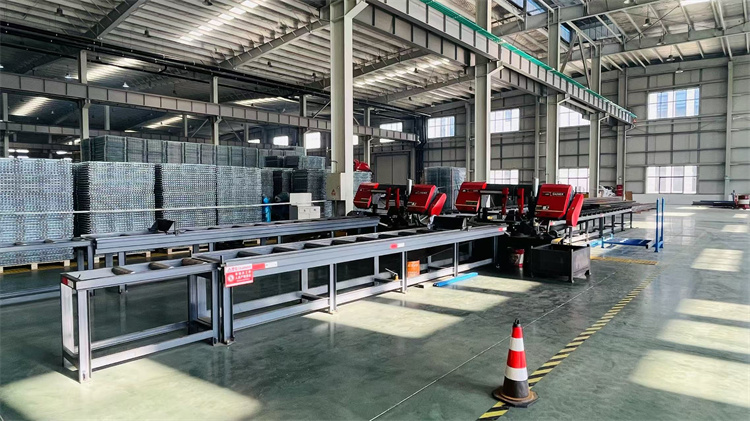
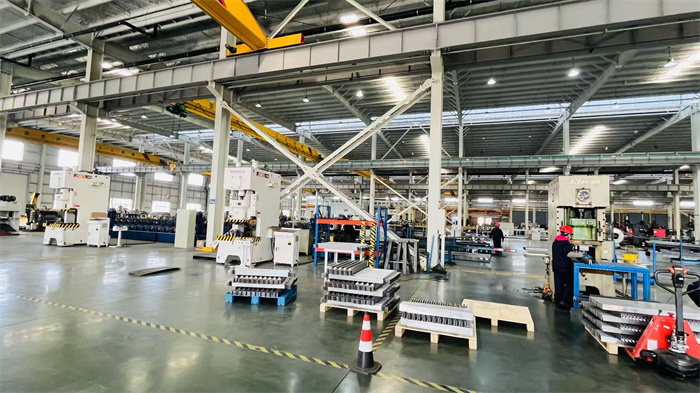
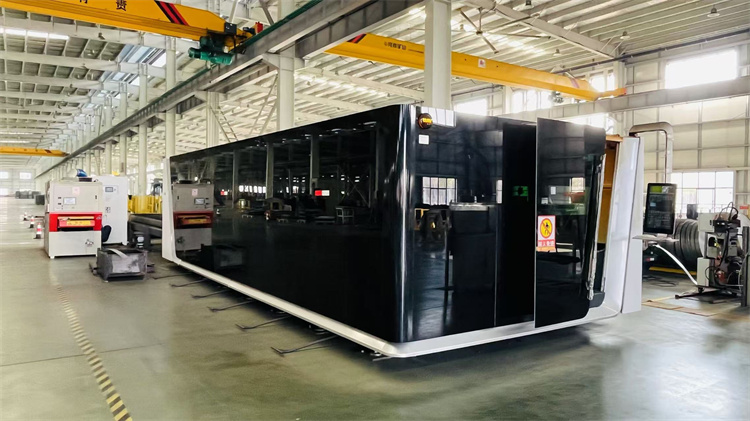
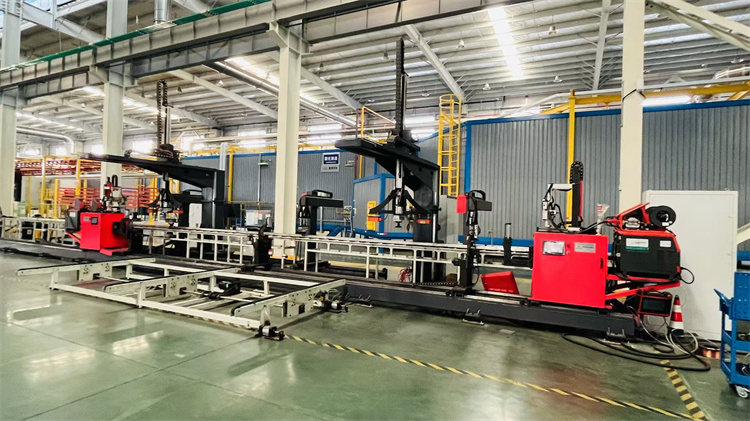
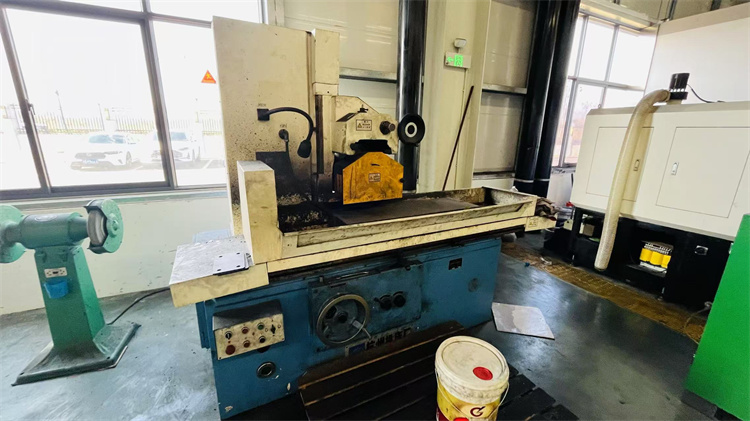
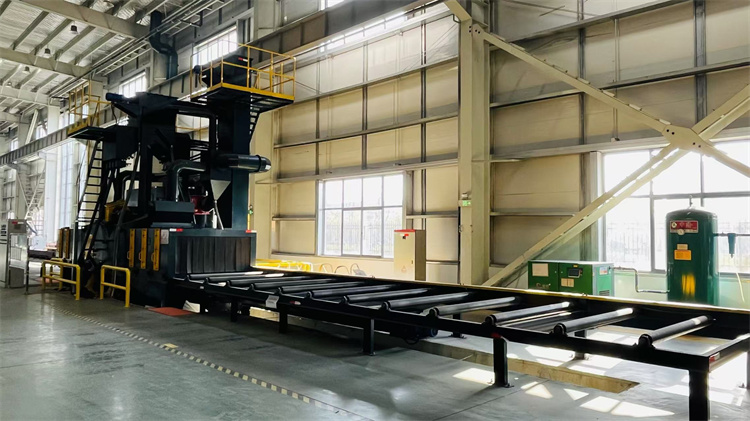
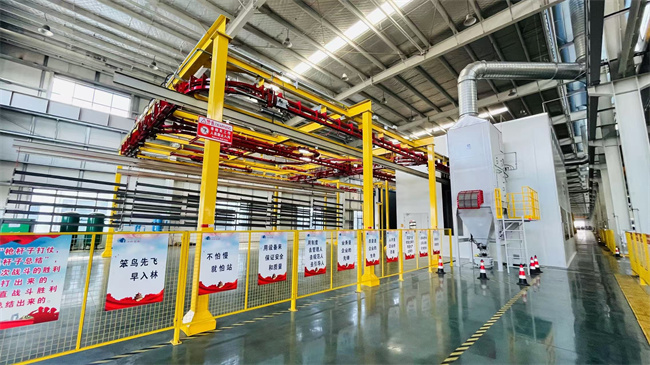
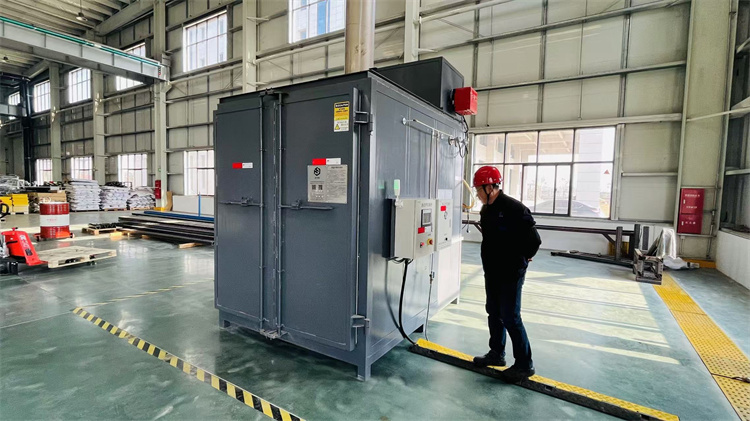
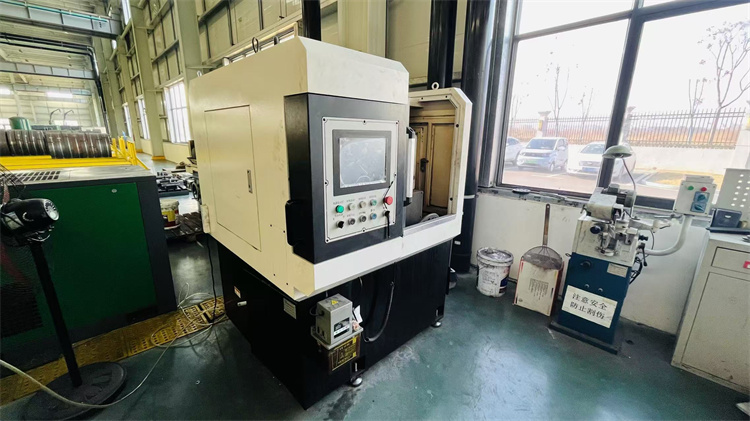
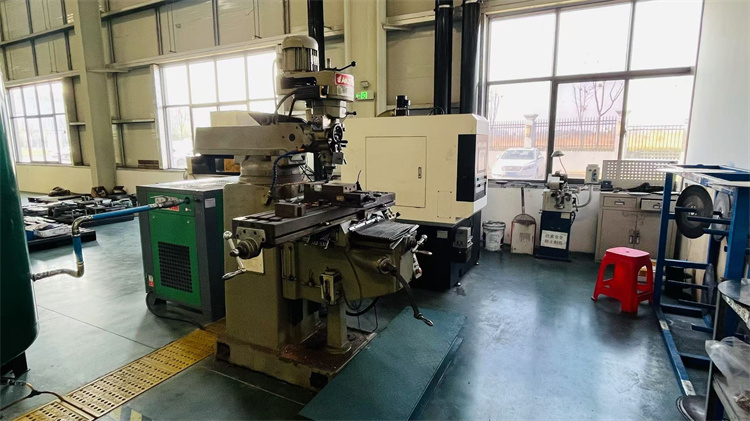
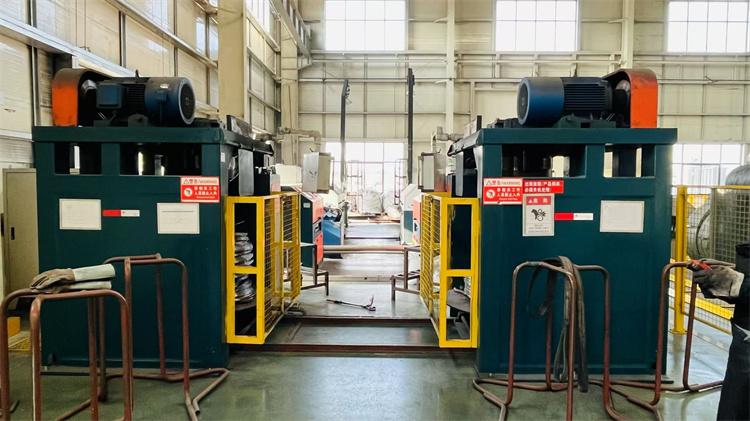
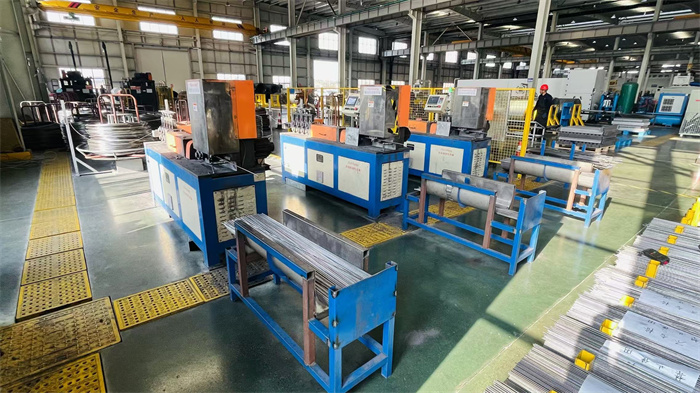
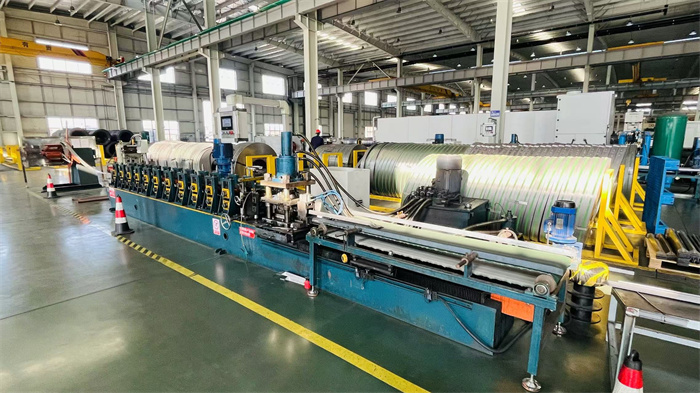
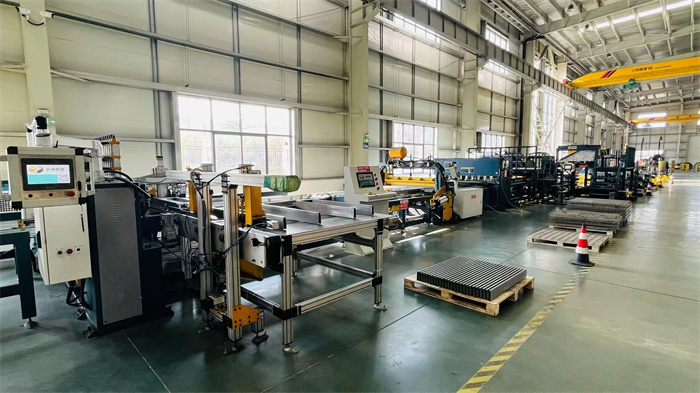
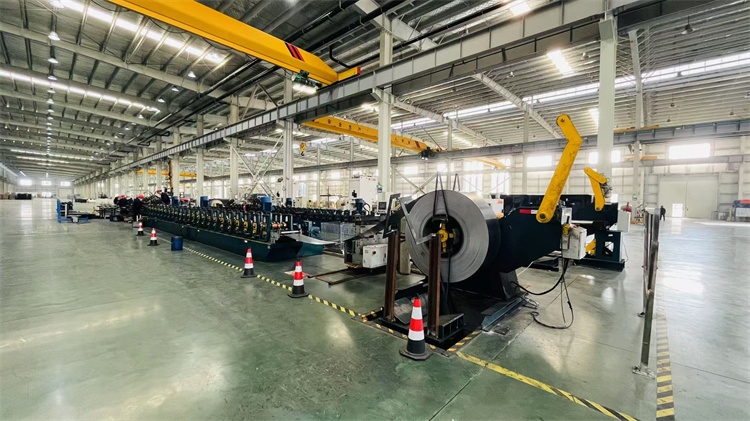
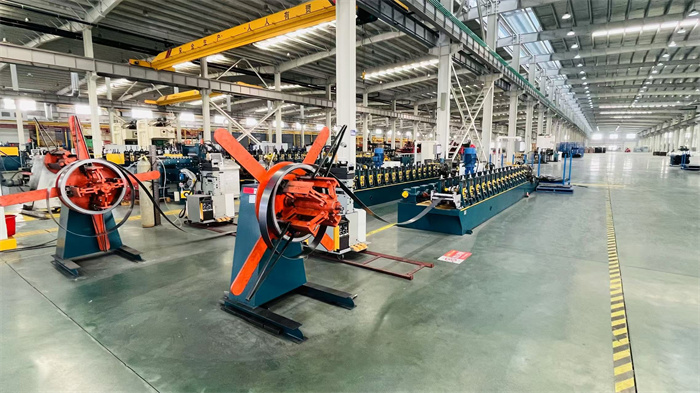
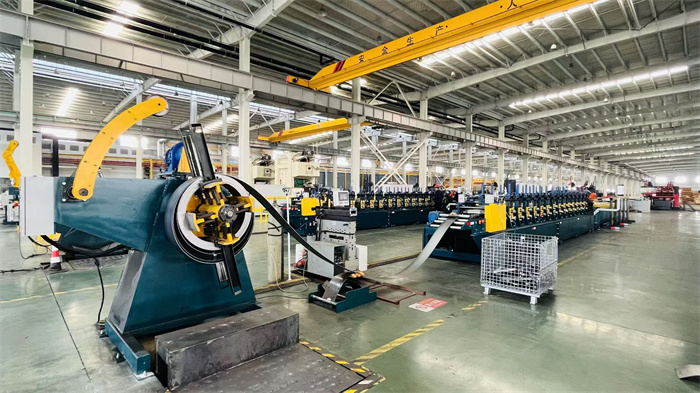
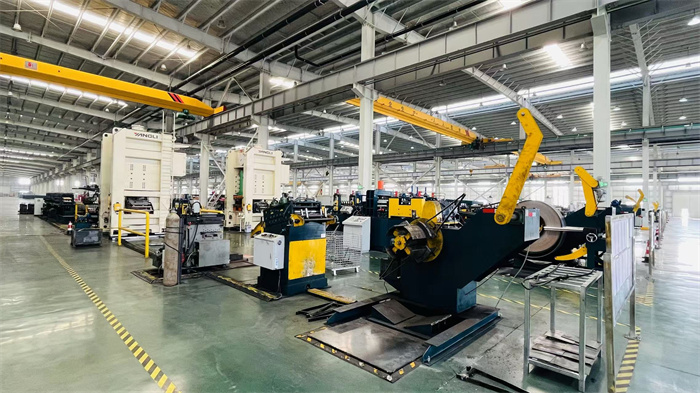
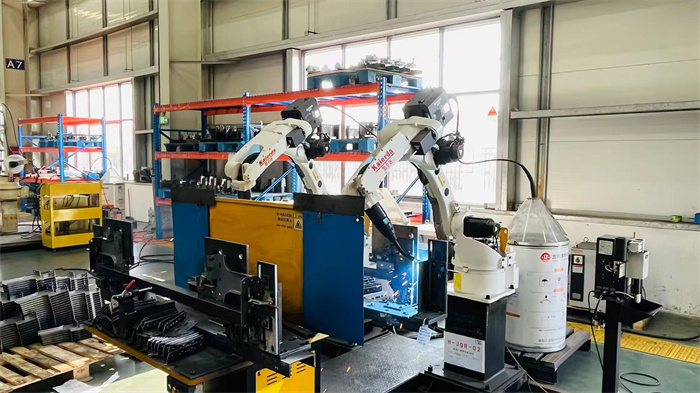
Discover how different industries apply specialized functionality racking systems to match distinct material handling processes.
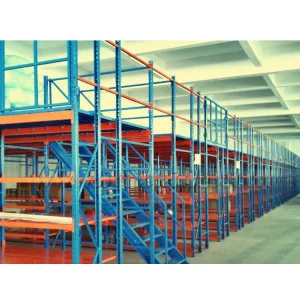
Rapid inventory turnaround requires modular structural platforms and mezzanine floors. Integrating selective pallet racking with wire mesh decks provides quick hand-picking paths combined with high-load bulk storage. High visibility and fast access speeds reduce transit errors inside high-throughput fulfillment centers.
Maximum space utilization is paramount to offset high cooling costs. Automated shuttle racking and mobile racking systems are designed to operate flawlessly down to sub-zero temperatures. High-density layouts reduce empty spaces that drain thermal energy, while food-safe powder coatings prevent metal corrosion.
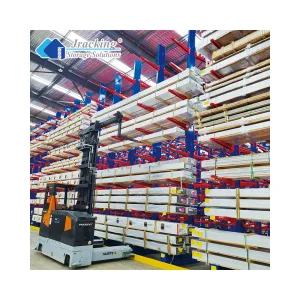
For long, high-mass inventory (such as steel bars, pipes, or building panels), structural cantilever racking is the industry standard. With customized load limits and adjustable arms, cantilever configurations allow cranes and side-loading forklifts to maneuver heavy items safely without blocking warehouse traffic.
The evolutionary path of industrial storage racks: transitioning from passive steel structures to active digital components.
Future structural safety lies in balancing rack weight with load capacities. Traditional racking relies heavily on thick steel gauges. Jracking is leading research into high-tensile cold-rolled steel profiles (like Q355B and Q420B), reducing structural dead weight while increasing resistance to bending moments under dynamic loads. Advanced roll-forming machines allow for variable thickness profiles, reinforcing stress-concentration zones while keeping total production costs competitive for wholesale buyers.
Structural failures from forklift impacts pose massive liability risks. The future of racking incorporates embedded vibration and stress sensors. These IoT modules send instant telemetry data to warehouse management systems (WMS). If a vertical column experiences a critical impact or deformation exceeds structural limits, an alarm is triggered immediately, stopping automated vehicles and preventing cascading rack collapses.
As manual forklifts give way to Autonomous Guided Vehicles (AGVs) and Laser Guided Vehicles (LGVs), manufacturing tolerances must become much tighter. Standard manual systems allow for a 10mm positioning margin; AGV-compatible structures require accuracy within 2mm. Jracking's future design roadmap prioritizes high-precision CNC laser cutting and automated robotic welding to guarantee exact alignments for flawless automated navigation.
Technical details, certifications, and procurement advice answered by Jracking's senior logistics engineers.
Explore our complete certified catalog, including AS4084 heavy-duty selective systems, dynamic shuttle integrations, and galvanized wire deck configurations.
 Jracking