China Top Tool Racks Supplier & Exporter

Precision Engineering, Custom Warehouse Pallet Racking, and Smart AS/RS Automation Solutions for Global Supply Chains

28,600m²
Modern Manufacturing Facility
12+ Years
Racking Industry Expertise
48 QA
Quality Inspectors
$18M+
Annual Export Volume

White Paper: Optimization of Industrial Storage Infrastructure in Global Supply Chains

In the modern era of logistics, warehousing is no longer just about static storage; it has evolved into a key element of supply chain optimization. The choice of structural components, configurations, and mechanical design in warehouse racking has a direct effect on cycle times, throughput speeds, and the overall safety of logistics operations. As global markets transition toward automated retrieval mechanisms and high-bay configurations, structural integrity and compliance with rigorous international safety standards have become non-negotiable requirements for industrial shelving and pallet rack installations.

Key Focus: Search Quality & Semantic Search Intent For sourcing agents, structural engineers, and facility managers, identifying a reliable supplier involves assessing material quality, manufacturing precision, load capacity verification, and conformance with local structural standards (e.g., RMI in North America, CE and FEM in Europe, AS4084 in Australia). This white paper details the technical elements, manufacturing standards, and market dynamics that define industry-leading warehouse storage systems.

1. Structural Anatomy of Heavy-Duty Pallet Racking

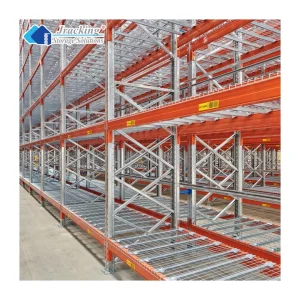
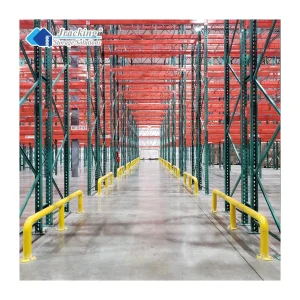
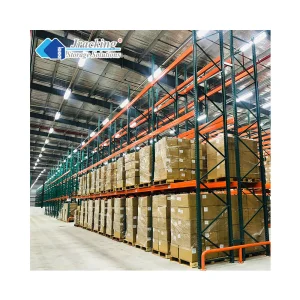
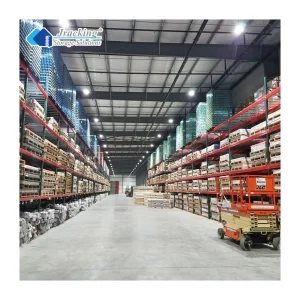
Heavy-duty industrial pallet racking systems serve as the structural backbone of modern distribution networks. These systems are designed to withstand significant static and dynamic loads. A typical configuration includes hot-rolled or cold-formed vertical columns, diagonal bracing frames, and heavy-duty horizontal beams.

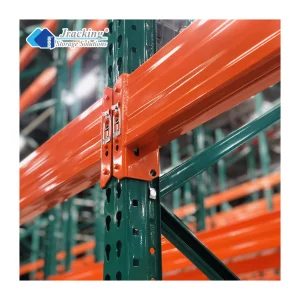
  • Teardrop Racking: The industry standard in North America. Its key advantage is a boltless, slide-in connector mechanism that speeds up installation while providing reliable stability under load.
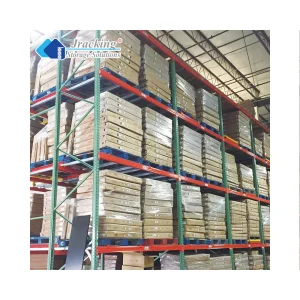
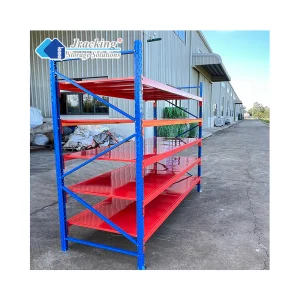
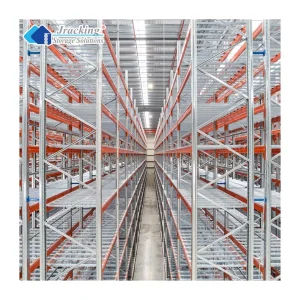
  • Selective Pallet Racking: Offers direct access to every pallet in the system. This design is highly flexible, accommodating various load widths and heights, making it suitable for mixed inventories.
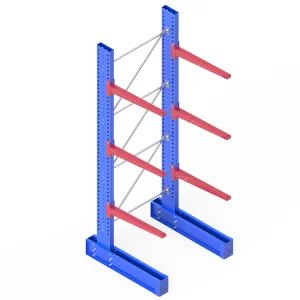
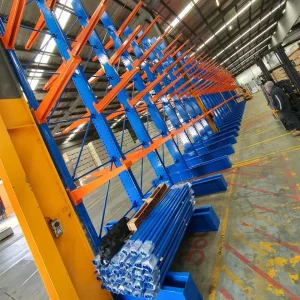
  • Cantilever Racking Systems: Specifically designed to store long, bulky, or irregularly shaped loads such as timber, steel pipes, or automotive components. The design relies on single-sided or double-sided columns with cantilevered arms that distribute load stresses evenly.

2. The Shift to Automated Warehousing: AS/RS & Shuttle Technology

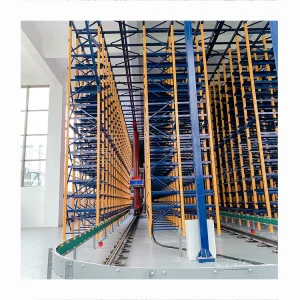
As land costs rise and labor shortages continue, modern warehouses are shifting from traditional fork-truck storage to semi-automated and fully automated solutions. Advanced systems integrate structural racking with robotic machinery to maximize spatial volume.

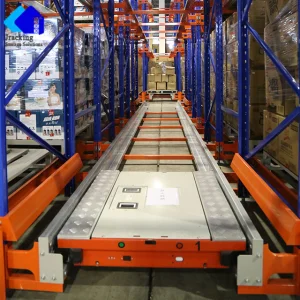
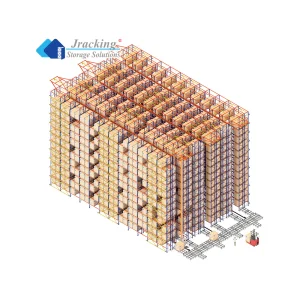
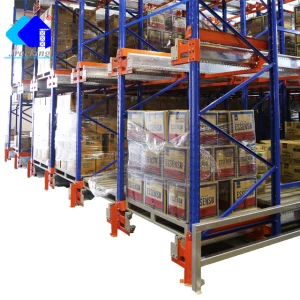
Four-Way Radio Shuttle Systems: These systems utilize automated shuttles that travel horizontally inside custom racking tunnels. This approach dramatically increases density relative to standard selective racking by reducing forklift transit lanes.

Automated Storage and Retrieval Systems (AS/RS): Incorporate high-precision, multi-tier racking structures alongside crane and retrieval mechanisms. An AS/RS demands strict manufacturing tolerances; even a 2mm alignment deviation over a 24-meter height can disrupt shuttle sensors and stop operations.

3. Production Advantages of Chinese Racking Factories

China is a leading global hub for high-quality industrial storage equipment. Advanced Chinese factories utilize integrated industrial ecosystems to balance cost and quality effectively:

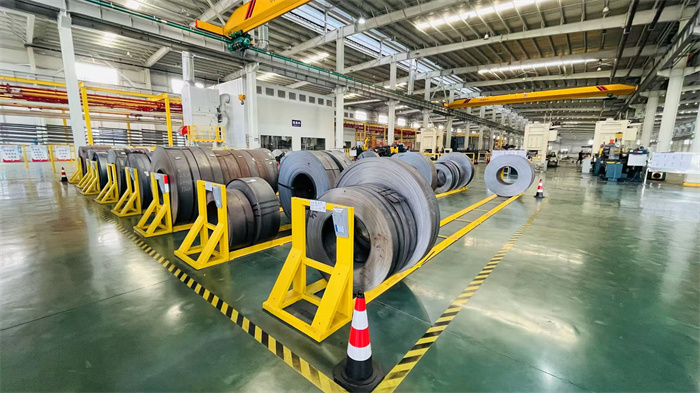
  • Sourcing High-Grade Raw Steel: Leading factories use certified Q235B and Q355B structural steel, ensuring structural reliability and uniform performance.
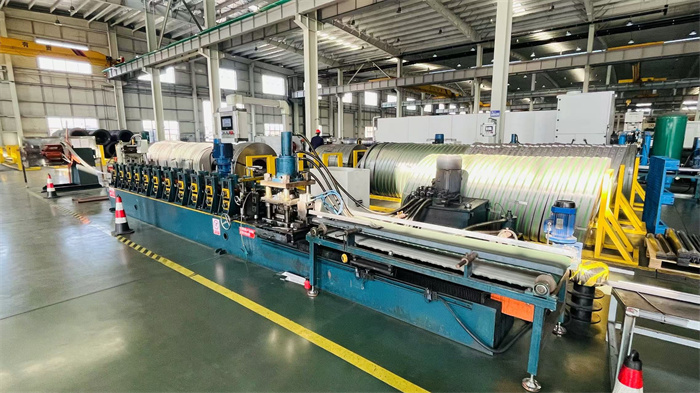
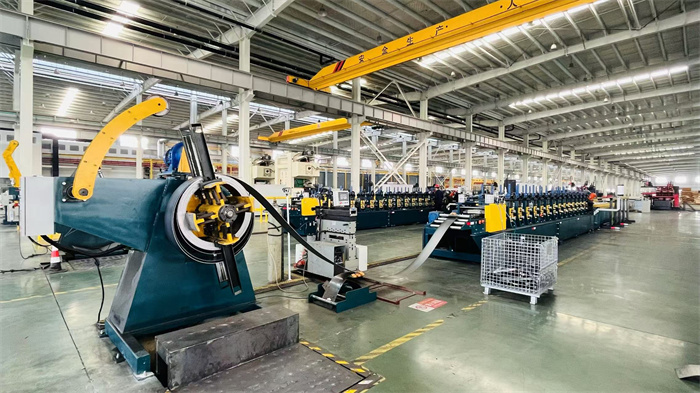
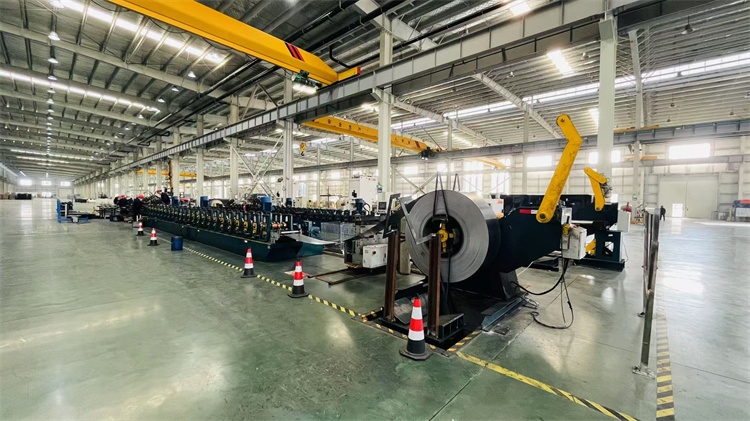
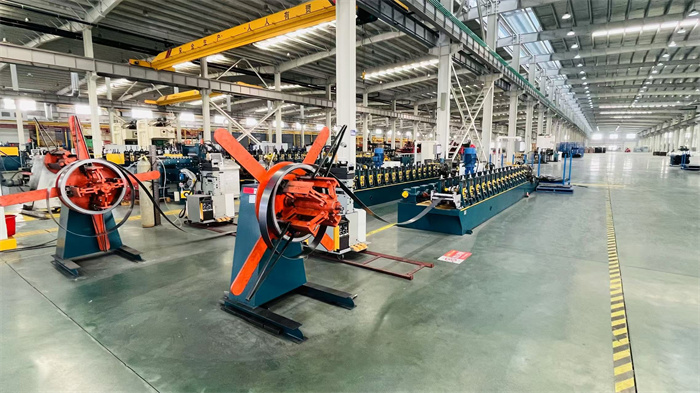
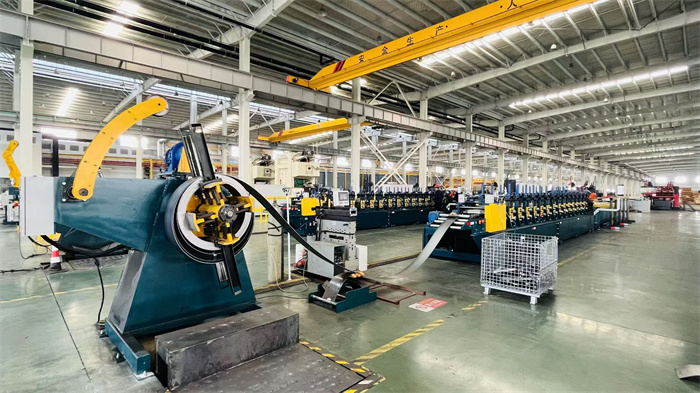
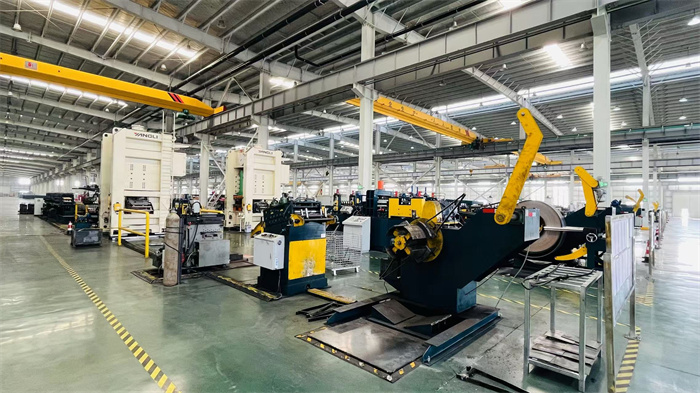
  • Advanced Roll Forming: Computer-controlled rolling mills produce upright columns with uniform profiles and precise thickness, reducing internal stresses in the steel.
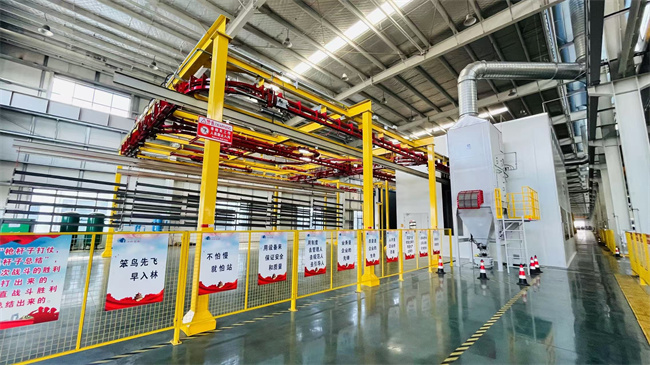
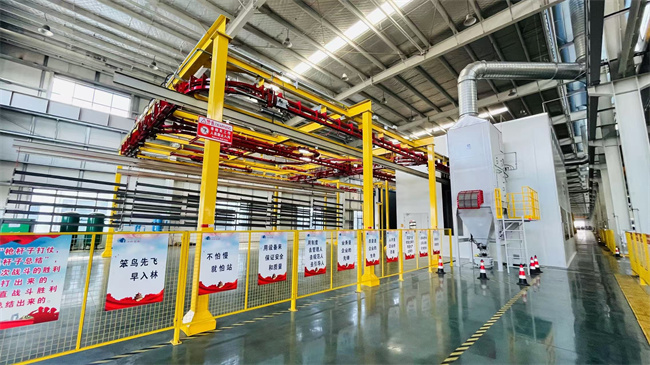
  • Automated Electrostatic Powder Coating: Automated lines apply a durable powder coating that prevents corrosion, chipping, and wear in demanding industrial environments.
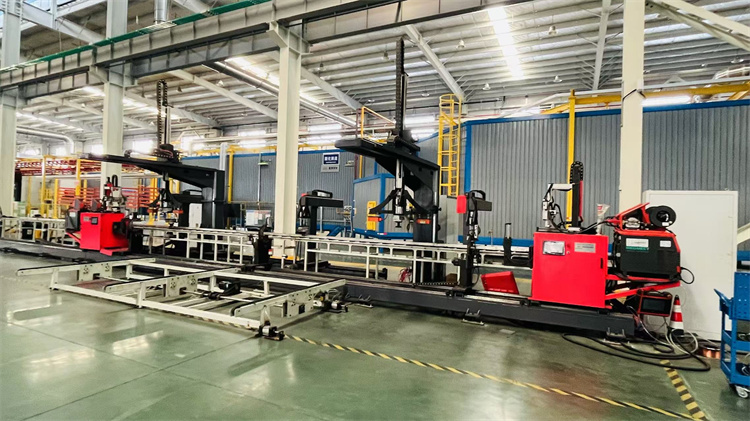
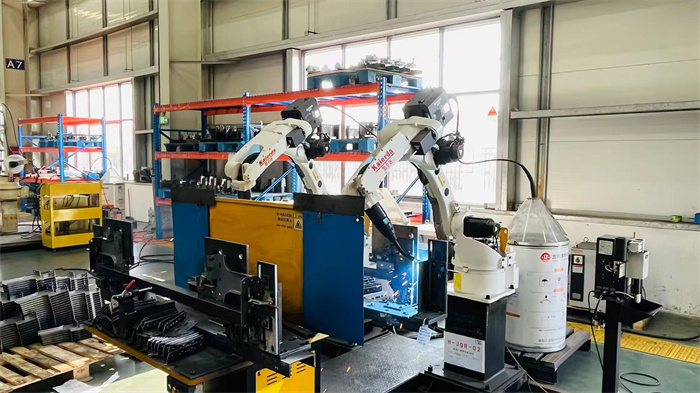
  • Robotic Welding Integration: Robotic welding cells deliver consistent, deep welds that minimize the risk of weld failure under load.

4. Quality Control & Load Capacity Verification

Under the guidelines of international inspection bodies, a racking failure can carry severe safety and financial consequences. Industry-leading manufacturers implement rigorous quality control steps:

Guaranteed Testing Protocols: Every production batch undergoes comprehensive mechanical and chemical evaluation, including yield strength tests, impact tests, paint adhesion evaluations, and salt-spray testing to confirm long-term corrosion resistance.

With 48 professional quality inspectors, Jracking (Guangdong) Storage Co., Ltd. monitors every production step under ISO-compliant guidelines. Standard procedures include checking raw material certifications, monitoring roll-forming dimensions, verifying weld penetration, testing coating thickness, and conducting physical load capacity tests on sample assemblies before dispatch.

Engineering Specifications

  • Steel GradesQ235B, Q355B Structural Steel
  • CertificationsCE, RMI, ISO 9001:2015
  • Upright Pitch Options2 in, 3 in, 50mm, 75mm
  • Safety Factor1.5 to 1.8 (RMI / FEM)
  • Corrosion ProtectionPowder Coated, Galvanized
  • Seismic ZonesEngineered per IBC/ASCE7

Global Racking Market Trends

1

Automation Integration

Demand is growing rapidly for shuttle and AS/RS racking designs that optimize warehouse space.

2

Customized Finishes

Hot-dip galvanizing and specialized powder coatings are increasingly used for cold storage facilities.

3

Green Warehousing

Focusing on sustainable manufacturing processes and recycled steel materials to reduce carbon footprints.

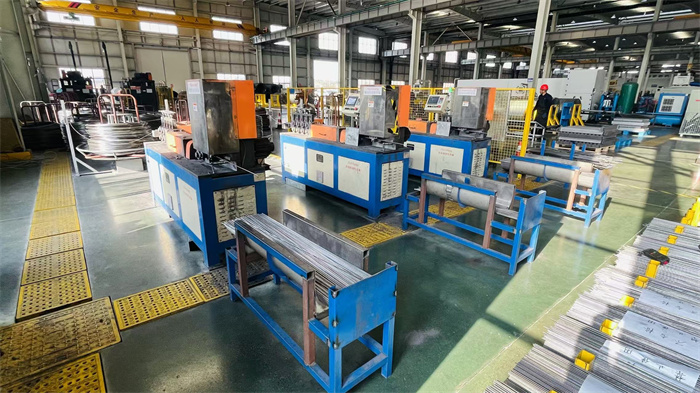
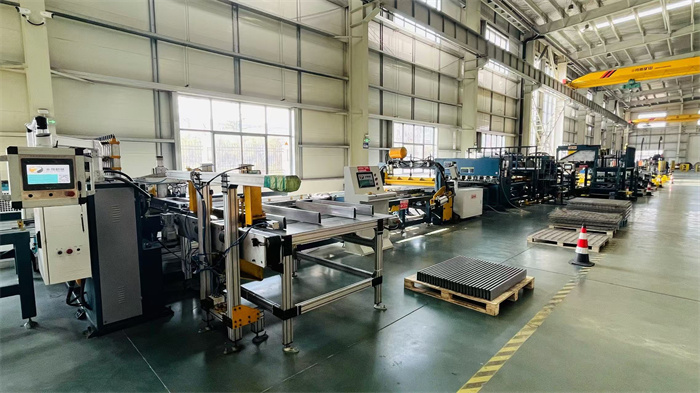
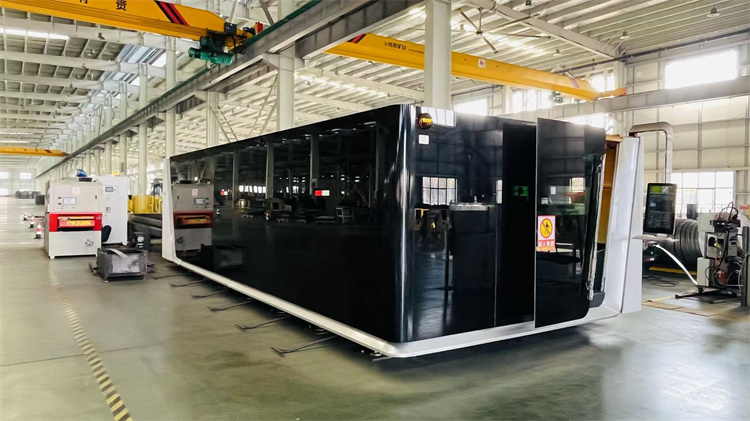
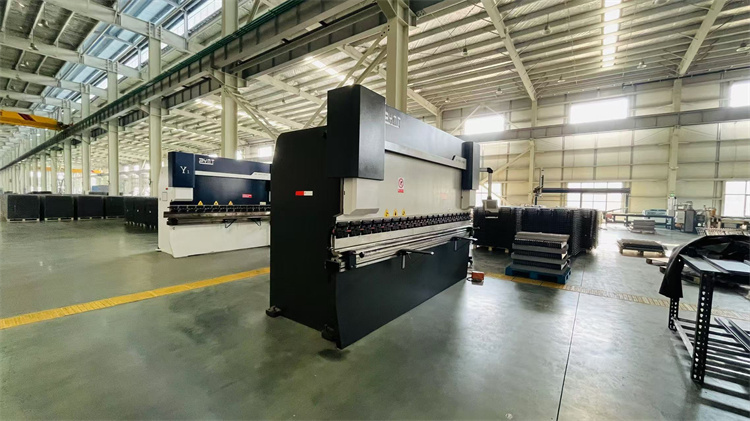
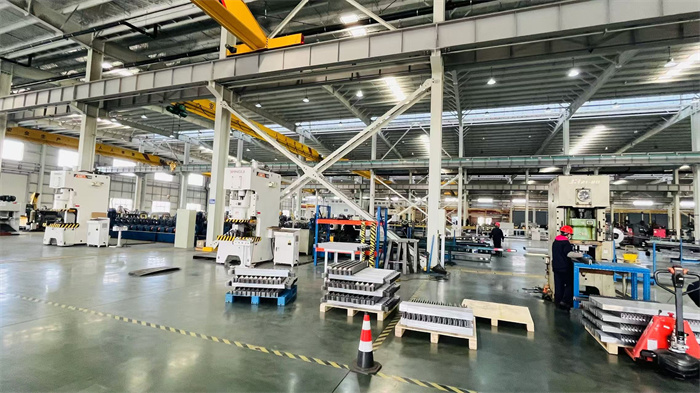
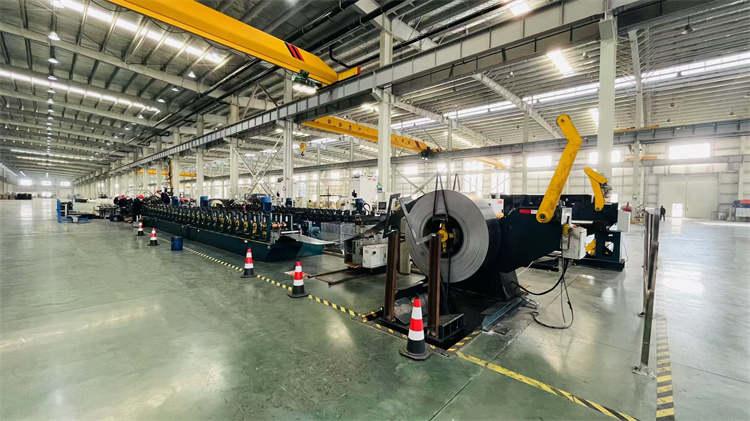
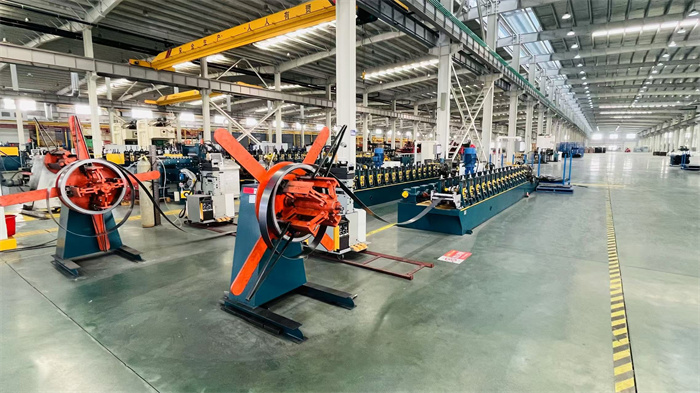
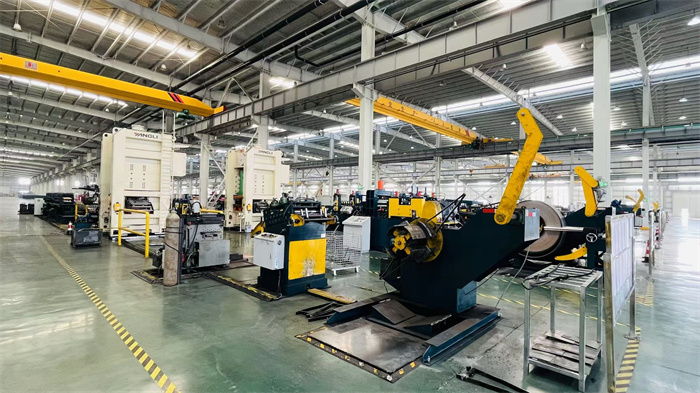
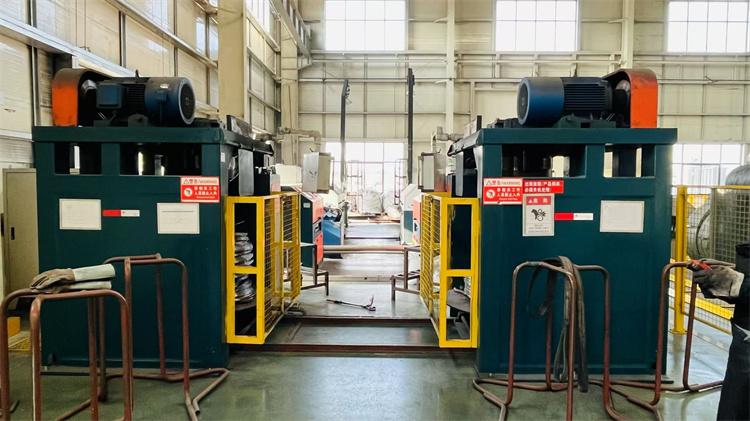
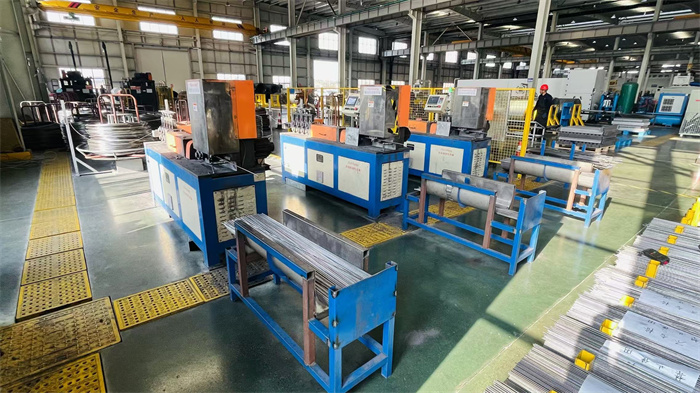
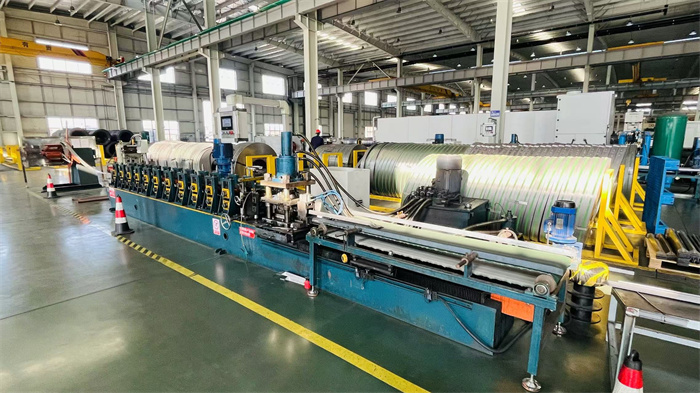
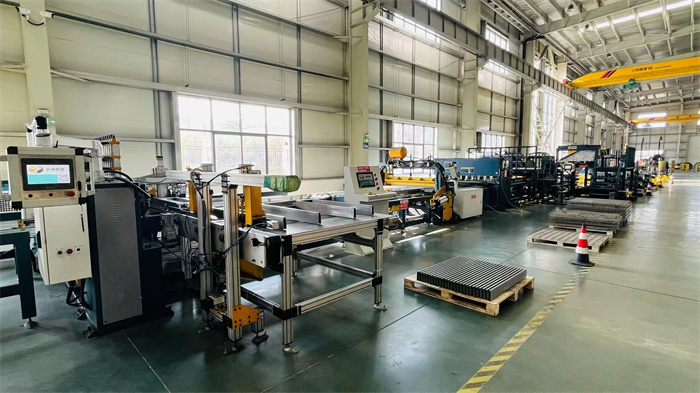
Advanced Production Line & Manufacturing Technology

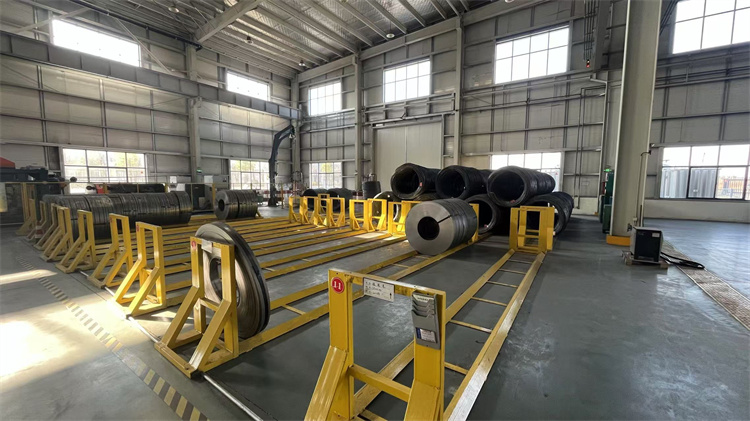
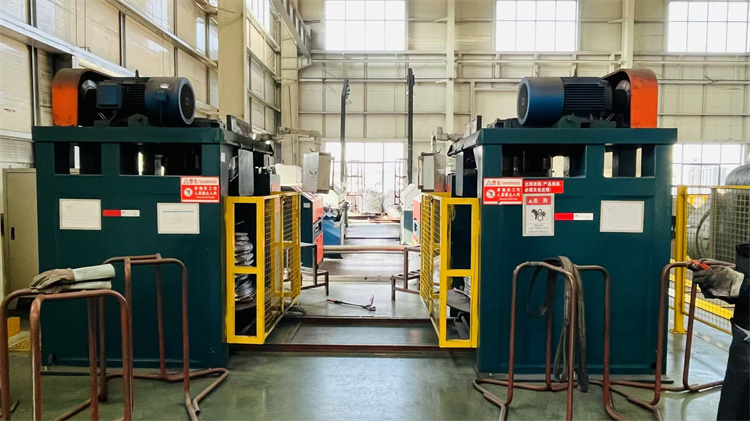
A behind-the-scenes look at the fabrication, treatment, and quality inspection workflows at our modern manufacturing facility.
Raw Materials
Raw Materials
Wiredrawing
Wiredrawing
Strengthening
Strengthening
Strengthening Rib
Strengthening Rib
Metal Mesh Production
Raw Materials
Raw Materials
Cutting
Cutting
Bending
Bending
Punching
Punching
P-Beam Rolling
P-Beam Rolling
Diagonal Brace Rolling
Occluding Beam Rolling
Column Production
Column Production
Automatic Welding
Automatic Welding
Powder Spraying
Powder Spraying
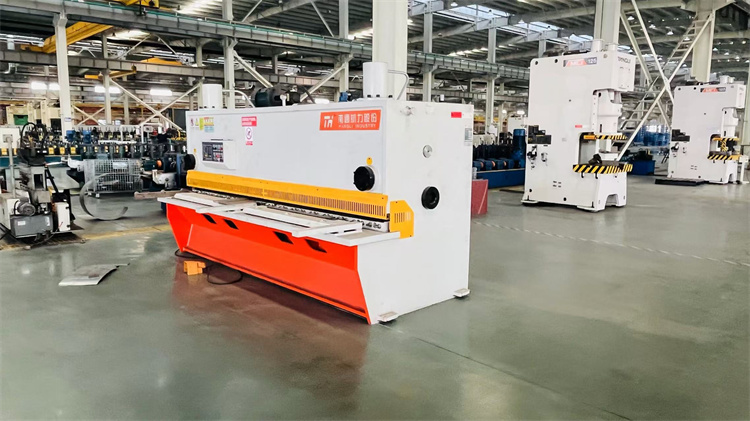
Plate Shearing Machine
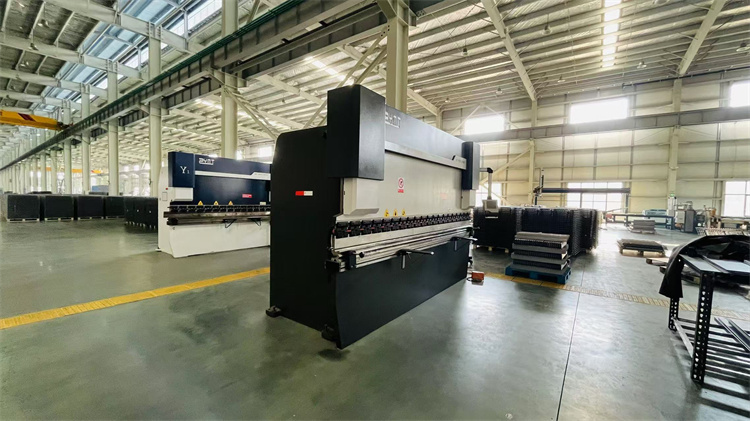
Plate Bending Machine
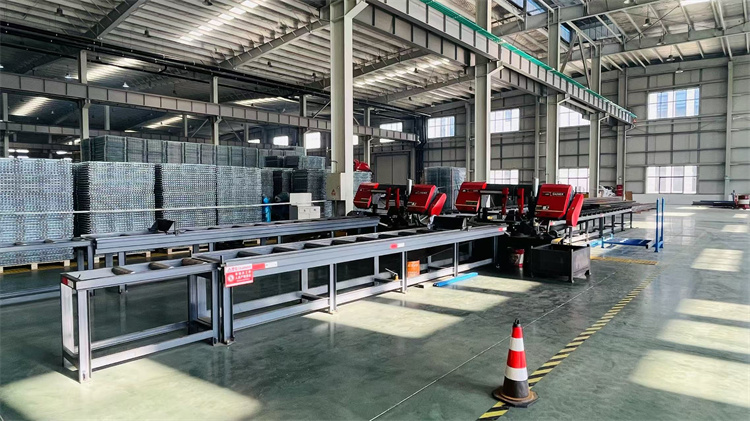
Sawing Machine
Sawing Machine
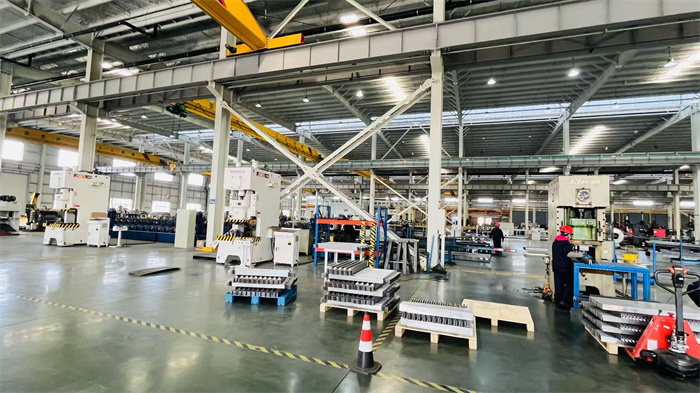
Punching Machine
Punching Machine
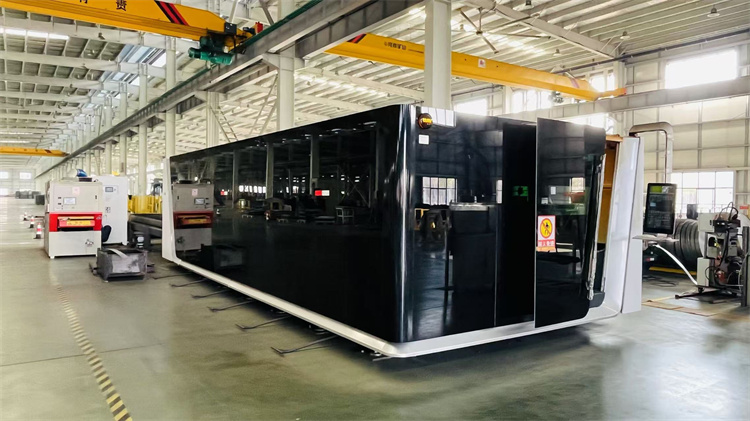
Laser Cutting Machine
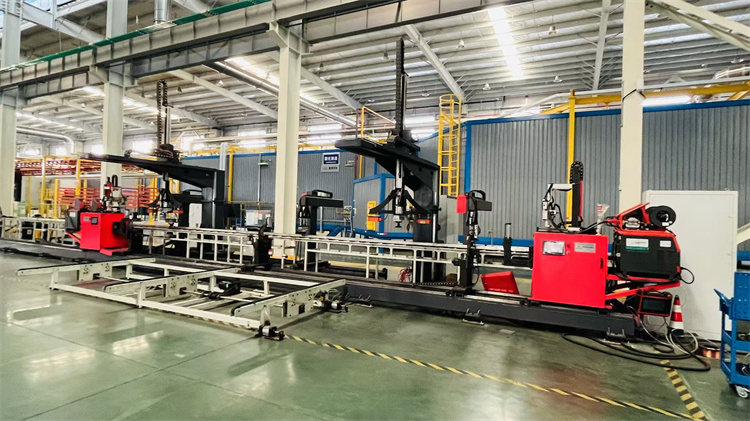
Automatic Welding Machine
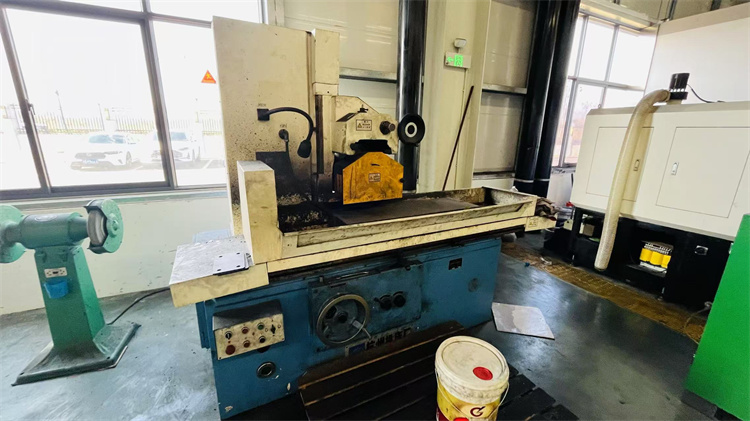
Grinding Machine
Grinding Machine
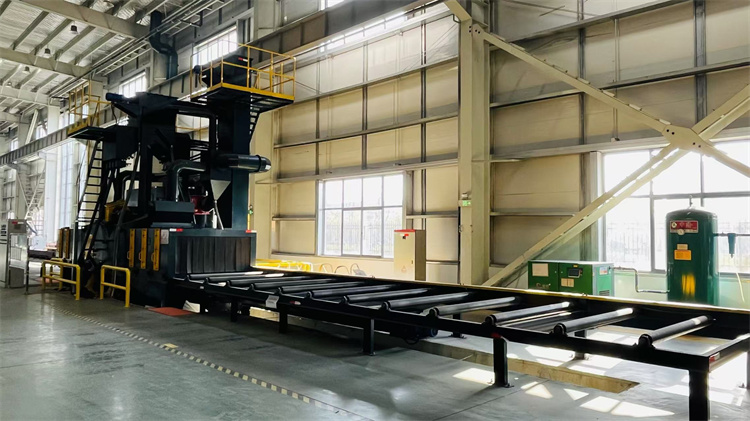
Shot Blasting Machine
Spraying Production Line
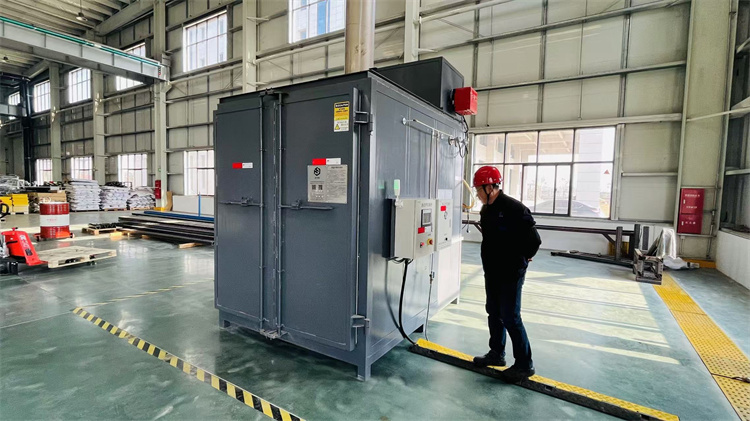
Hot Cleaning Furnace
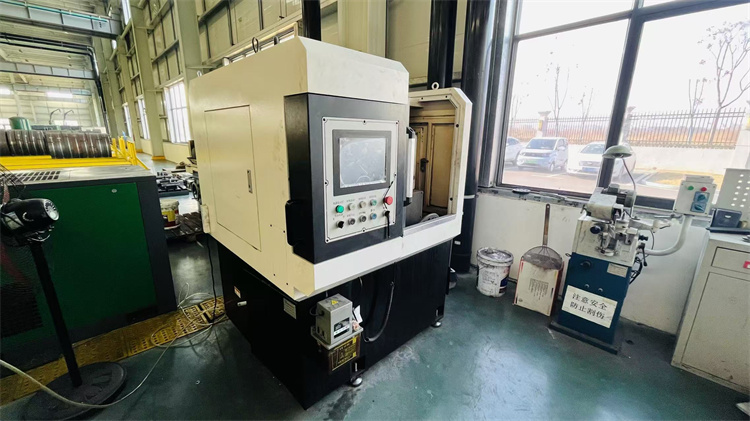
CNC Curve Gear Grinding Machine
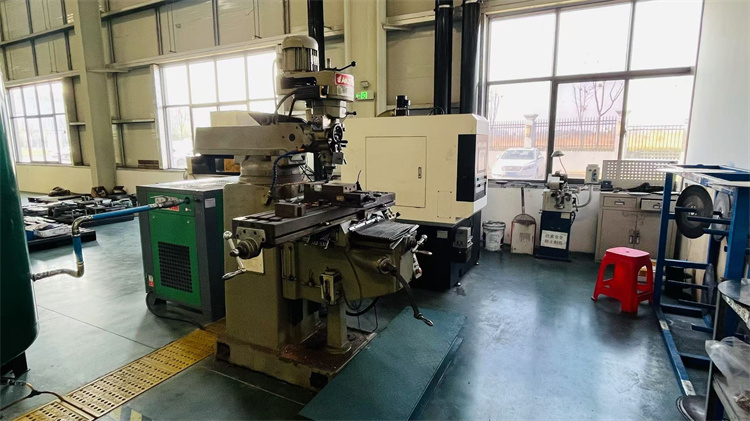
Milling Machine
Milling Machine
Wiredrawing Machine
Wiredrawing Machine
Strengthening Machine
Strengthening Rib Machine
Metal Mesh Production Line
P-Beam Rolling Mill
P-Beam Rolling Mill
Diagonal Brace Rolling Mill
Occluding Beam Rolling Mill
Automatic Column Production Line
Welding Robot
Welding Robot

5. Custom Design & Configuration Options

Industrial racking needs vary depending on facility layouts, load types, and handling methods. Off-the-shelf solutions rarely optimize space fully. Successful projects rely on custom structural configurations:

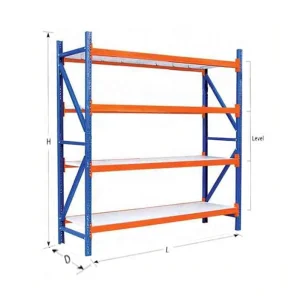
  • Configurable Frame Dimensions: Racking heights can be engineered to match building clearances and forklift reach, while column depths can be customized for specific pallet sizes.
  • Varied Load Profiles: Beams can be designed with varying profile depths and steel thicknesses, allowing load capacities to range from 500 kg to over 4,000 kg per level.
  • Environmental Protection: Hot-dip galvanized finishes protect components in cold-storage and outdoor environments, while electrostatic powder coatings provide durable, high-visibility finishes for general indoor warehousing.

6. Global Supply Chain Logistics & Deployment

Deploying industrial racking projects globally requires experienced logistical management. Shipping large structural steel components internationally introduces several variables:

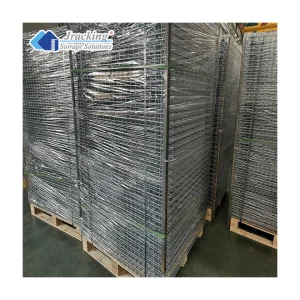
Optimized Packaging: Heavy structural elements must be securely packed to prevent shifting and surface damage during long-distance transit. Specialized loading techniques help maximize container volume, reducing freight costs per ton.

Compliance with Destination Regulations: Products must comply with regional structural regulations, including US RMI standards, European CE markers, and Australian AS4084 specifications, to ensure smooth customs clearance and building permit approval.

Clear Documentation: Complete installation plans, detailed drawings, and loading charts are essential for local installation crews to assemble the racking components safely and efficiently.

Frequently Asked Questions

Expert answers to common queries regarding load capacity, structural standards, and international sourcing logistics.

What structural steel grades are used in heavy-duty racking systems?
Leading industrial systems are manufactured from high-strength structural steel, typically Q235B and Q355B (equivalent to ASTM A36 and ASTM A572 Grade 50). Q355B is selected for high-load applications and critical load-bearing uprights, as its higher yield strength allows columns to support heavy vertical loads with a reduced profile weight.
How do teardrop and standard selective racking systems differ?
Teardrop racking utilizes a standardized, punch-hole pattern shaped like a teardrop. This allows beam connectors to slide into place without bolts, enabling fast assembly and adjustment. Standard selective racking, common in Europe and parts of Asia, may use rectangular or hexagonal punch patterns that require pins or bolts to secure the beam to the upright.
What certifications are required for importing racking to the US and Europe?
For the US market, structural steel racking must comply with the Rack Manufacturers Institute (RMI) standards. In Europe, systems must meet CE marking requirements and conform to FEM 10.2.02 and EN 15512 codes. These certifications ensure that safety factors, load deflection limits, and design calculations meet local building and safety regulations.
How is load capacity verified for industrial pallet racks?
Load capacity is determined using Finite Element Analysis (FEA) software to simulate weight distribution and structural stress. Physical testing is then conducted on key components, including compression tests on uprights and shear testing on beam connectors. Racking installations must always operate within defined safety margins, typically calculated between 1.5 and 1.8 times the maximum rated load.